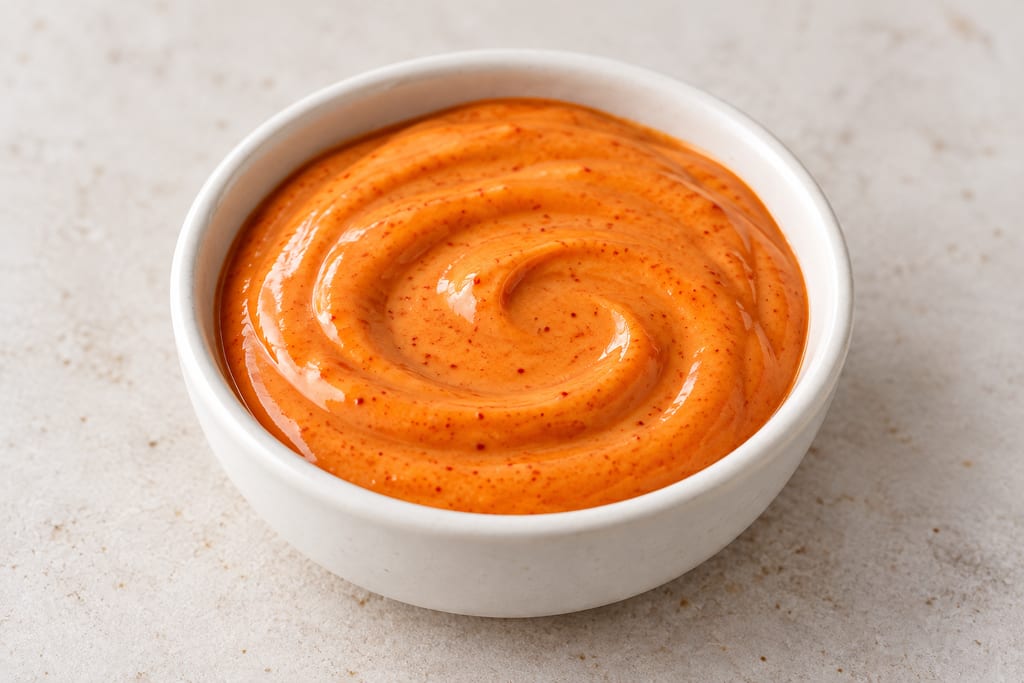
Gochujang mayonnaise
A contemporary, untested mix of finished mayonnaise, gochujang and rice vinegar, with starting amounts per 100 g mayonnaise.
 FermenteaWhere food goes to change
Modern method
Cooked Mayonnaise · Cooked-yolk mayonnaise
A cooked-yolk mayonnaise documented in the University of Tennessee Extension’s 2007 Egg University Handbook. The egg mixture is heated before oil is emulsified into it.
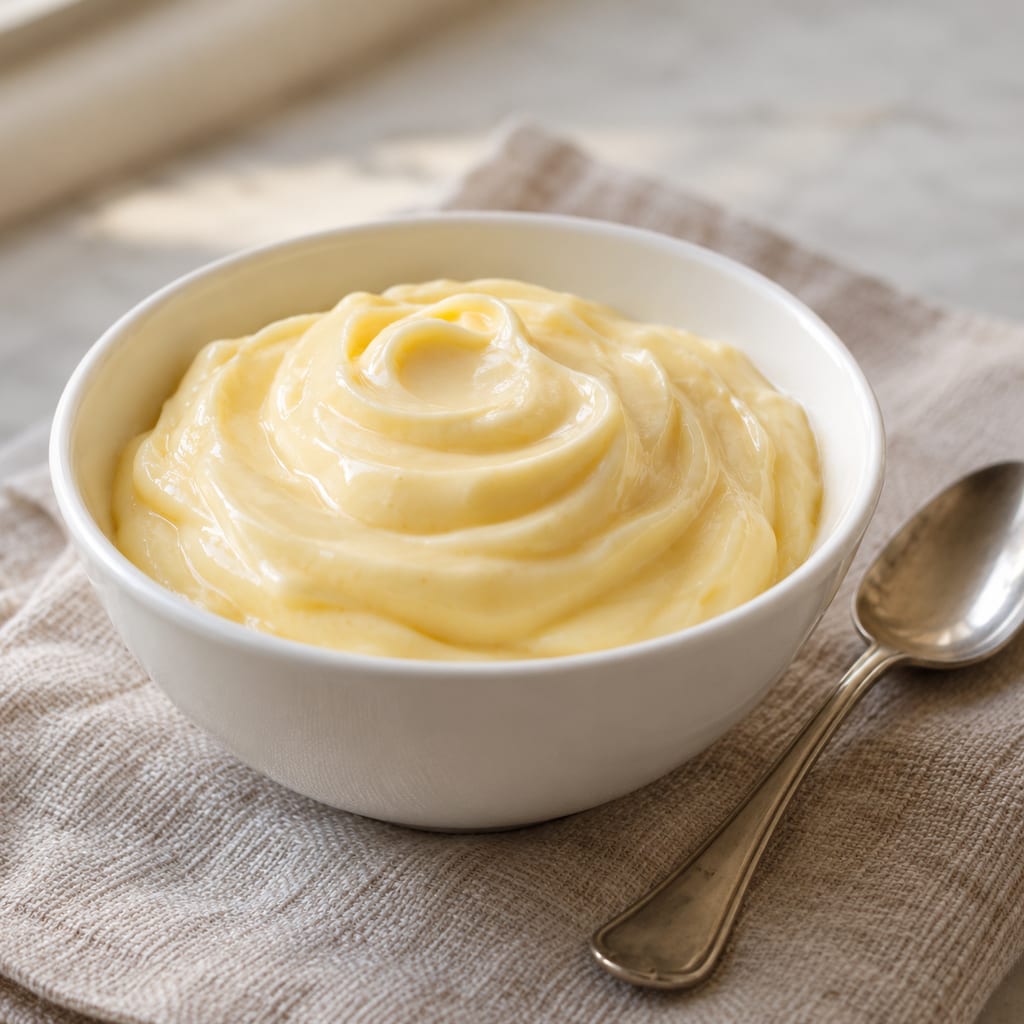
The University of Tennessee Extension's SP494 Egg University Handbook contains this cooked mayonnaise formula. The record dates the publication to 1 June 2007, but that only dates the handbook's attestation; it does not establish when or where cooked mayonnaise began. The source's name for the recipe is simply “Cooked Mayonnaise.” It uses yolks, an acid, water, sugar, dry mustard, salt, pepper and cooking oil, with the egg mixture heated before the oil is added.
This catalogue version chooses the handbook's vinegar option. The source also permits lemon juice in the same quantity. The remaining quantities and reported yield are retained from its recipe. The formula is not a modification of the archive's M6 or M7 variants.
The handbook describes bubbling in one or two places and a four-minute stand. SDSU Extension separately gives cooked-yolk guidance that names mayonnaise: combine at least 2 tablespoons of recipe liquid per yolk, cook while stirring until the mixture coats a metal spoon, bubbles at the edges or reaches 160°F, then cool it immediately in ice water while stirring. This formula has 4 tablespoons liquid for 2 yolks. The draft uses a thermometer check and the immediate-cooling step; this is an application of extension safety guidance, not evidence that the formula was independently kitchen-tested.
After the cooked base rests, the source transfers it to a blender and adds oil very slowly while blending. The yolk mixture and mustard help the water-based phase hold dispersed oil droplets. Adding the oil gradually gives those droplets time to disperse; fast addition can make emulsification harder. The handbook's approximate yield is about 1 1/4 cups. It supplies no timing, storage-duration endpoint or validated scale-up.
This is a cooked-yolk sauce, not a home shell-egg pasteurisation recipe. USDA FSIS says the equipment for pasteurising shell eggs is not available for home use and that the process is difficult to complete without cooking the egg. Queensland Health's guide to raw and lightly cooked egg foods is written for food businesses; its section 7.3 example for in-shell sous-vide eggs carries commercial-equipment, monitoring, recordkeeping and cooling conditions. Those sources describe a different process and are not substituted for the cooked-yolk directions here.
Use clean hands, utensils, blender parts and food-contact surfaces. The handbook says to cover and chill the sauce if it is not used immediately, and gives refrigerator guidance of 40°F or colder. It does not supply a product-specific shelf life. No canning, room-temperature storage or make-ahead period is established by the cited recipe. The 160°F control addresses the yolk mixture; it does not establish a storage period for the finished mayonnaise.
The University of Tennessee Extension's SP494 Egg University Handbook, issued 1 June 2007, documents a recipe titled Cooked Mayonnaise. That date is a publication attestation, not a date or place of origin for cooked mayonnaise.
Yield 1.25 US cups approximate · Scaling: source batch only
Egg yolks can carry Salmonella. The source heats the yolk mixture before emulsification, but this entry has not been independently kitchen-tested.
Hazard sourceCook the yolk mixture with at least 2 tablespoons of recipe liquid per yolk, stirring constantly, until it reaches 160°F (71°C); cool it immediately in ice water while stirring.
Control sourceIf not serving immediately, cover and refrigerate at 40°F (4.4°C) or colder.
Control sourceKeep hands, utensils, blender parts and food-contact surfaces clean when handling egg.
Control sourceThe handbook documents a 2007 formula, but gives no measured shelf life; no kitchen test or product-specific storage study for this catalogue entry is recorded.
This is a cooked-yolk mayonnaise method, not a method for pasteurising shell eggs. USDA FSIS says home shell-egg pasteurisation is very difficult and the equipment is not available for home use.
Queensland's 57°C/75-minute in-shell sous-vide example belongs to a food-business guide with specific equipment, monitoring and cooling requirements; do not substitute it for this recipe's cooked-yolk method.
Do not can or store at room temperature. The source gives no storage duration.
Documented in a University of Tennessee Extension handbook. This association identifies the publication context, not the origin of cooked mayonnaise.
A contemporary, untested mix of finished mayonnaise, gochujang and rice vinegar, with starting amounts per 100 g mayonnaise.
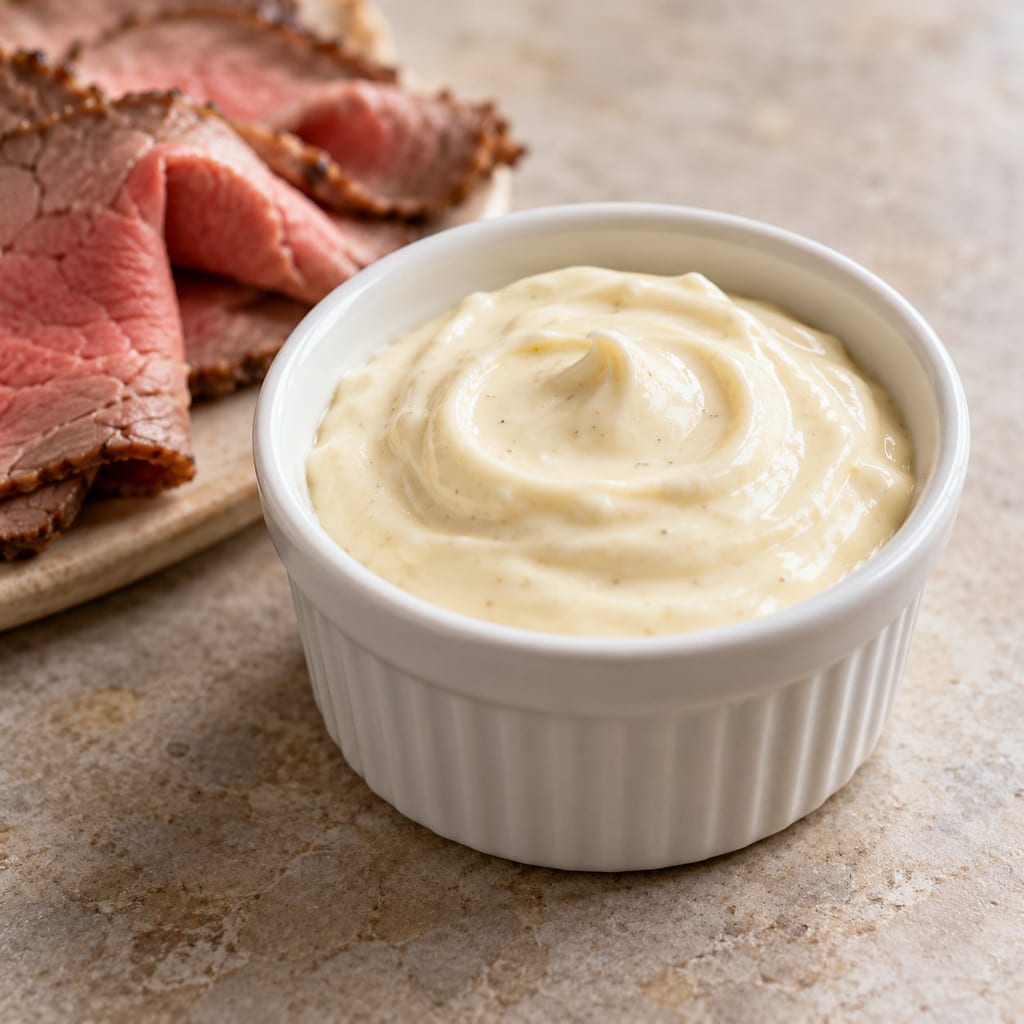
Prepared horseradish and lemon sharpen finished mayonnaise into a fresh accompaniment for roast meat or fish; the archived ratio has not been tested.
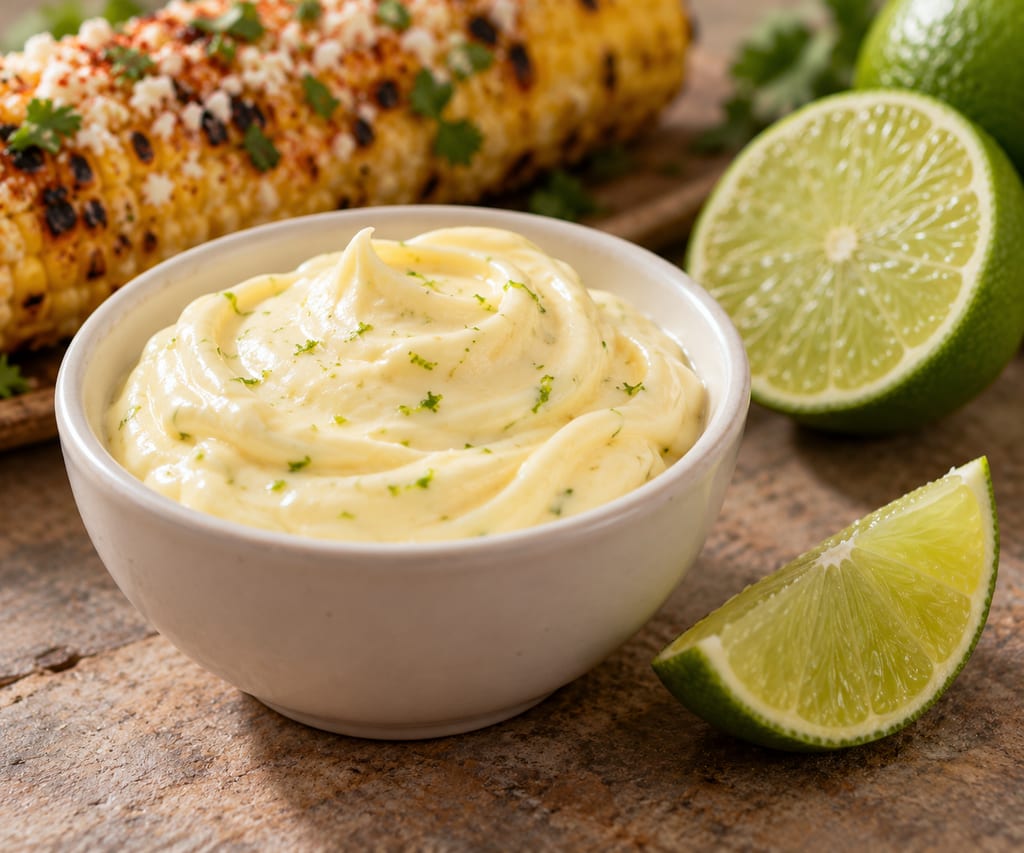
An untested mayonnaise variation that replaces part of a neutral base’s vinegar with lime juice and finishes with optional lime zest.
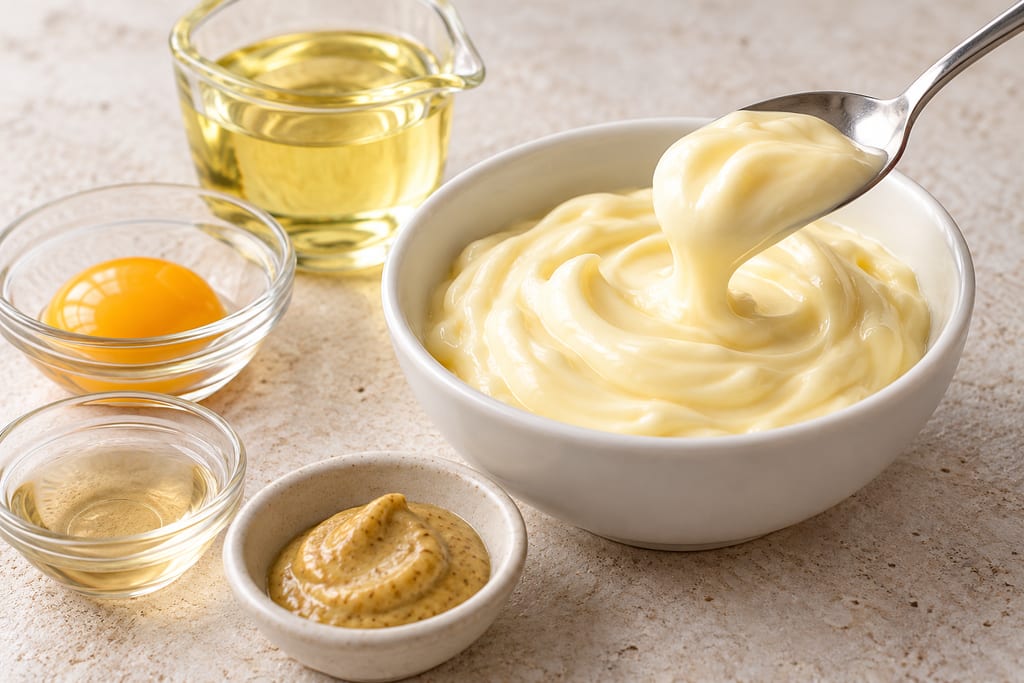
A plain mayonnaise of 200 g refined neutral oil emulsified into pasteurised yolk, vinegar, water and a little Dijon mustard: a clean base for tasting, comparing and flavouring.
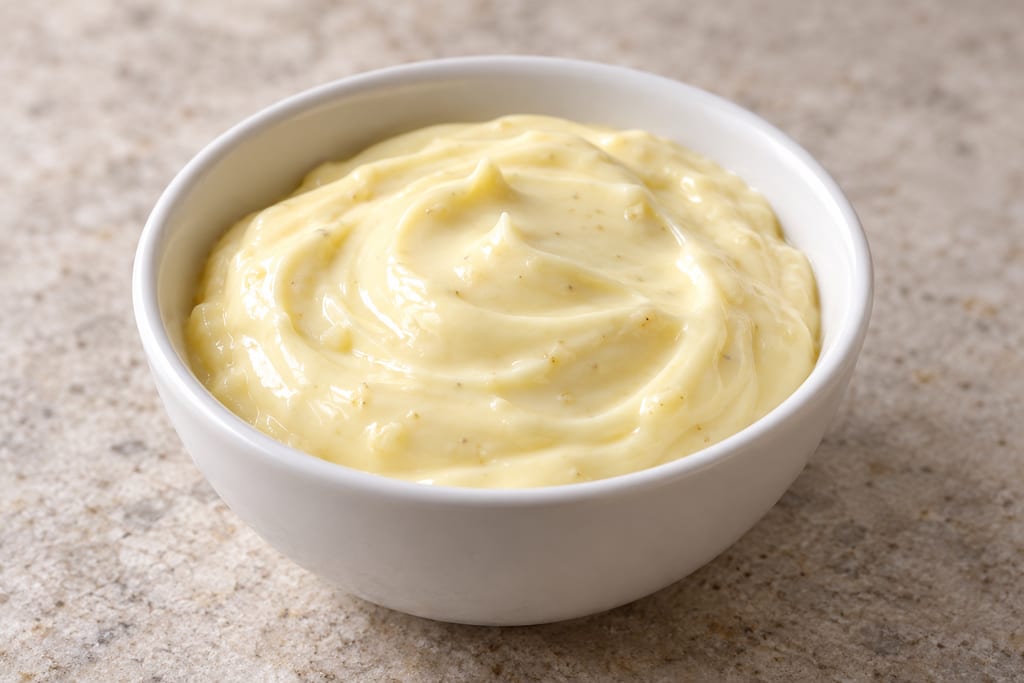
An untested 265 g garlic mayonnaise made by whisking pasteurised yolk with vinegar, water and Dijon, then slowly emulsifying neutral oil with mild extra-virgin olive oil.
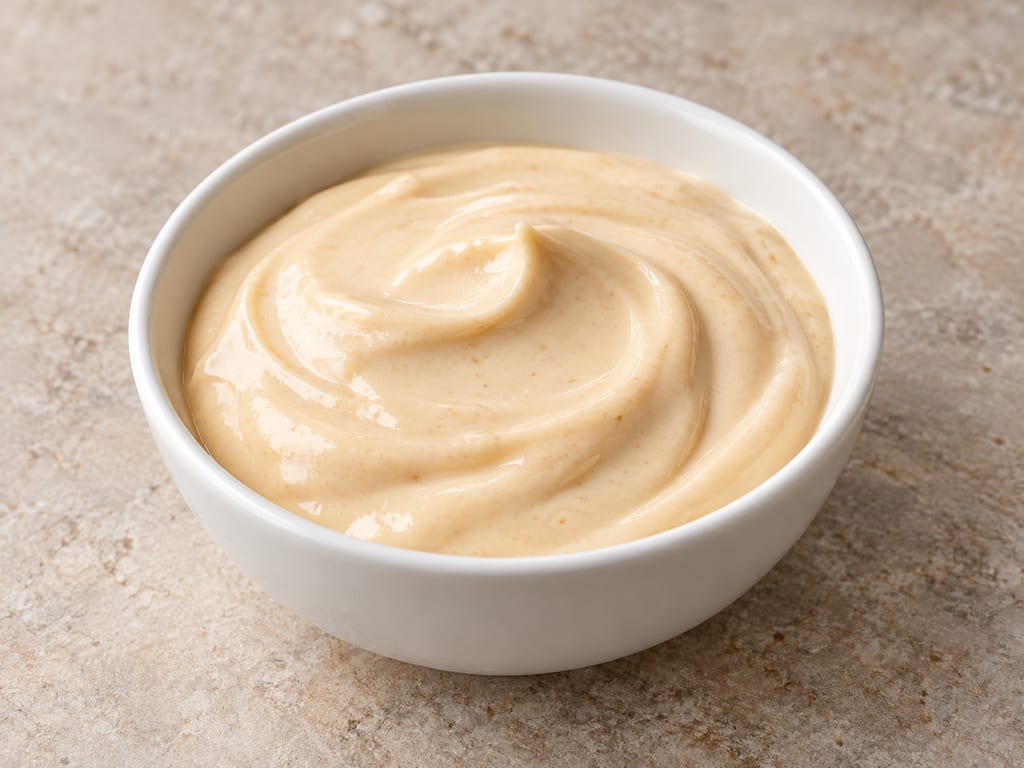
A sesame-forward, fresh sauce made by mixing tahini, toasted sesame oil and rice vinegar into finished mayonnaise; the archived amounts are untested starting points.
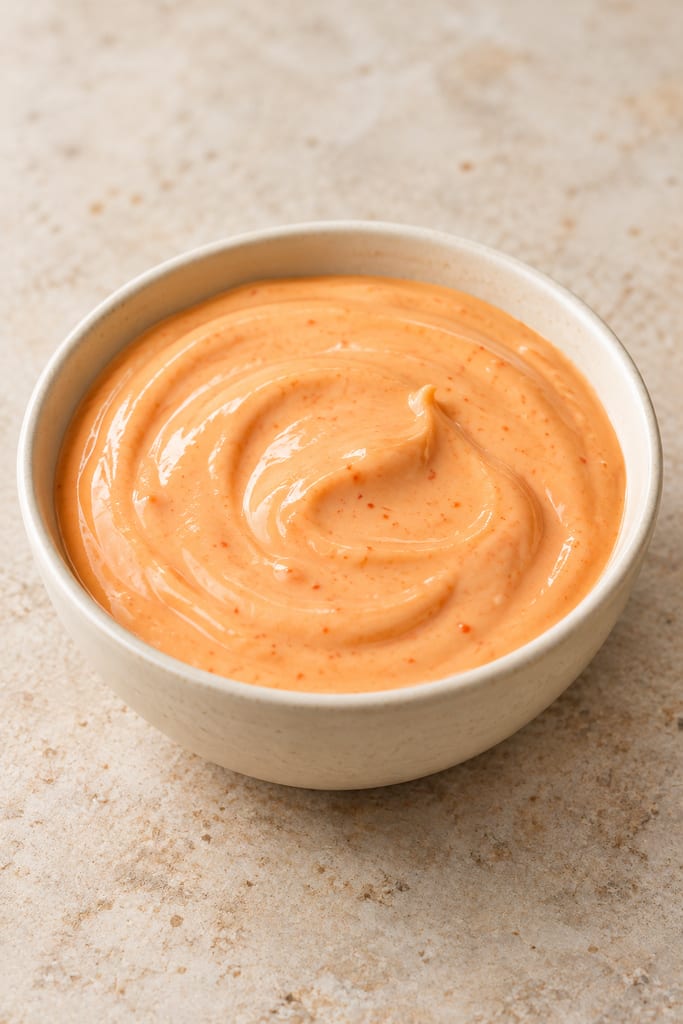
A contemporary, untested mix of finished mayonnaise, sriracha and lime juice, with starting amounts per 100 g mayonnaise.
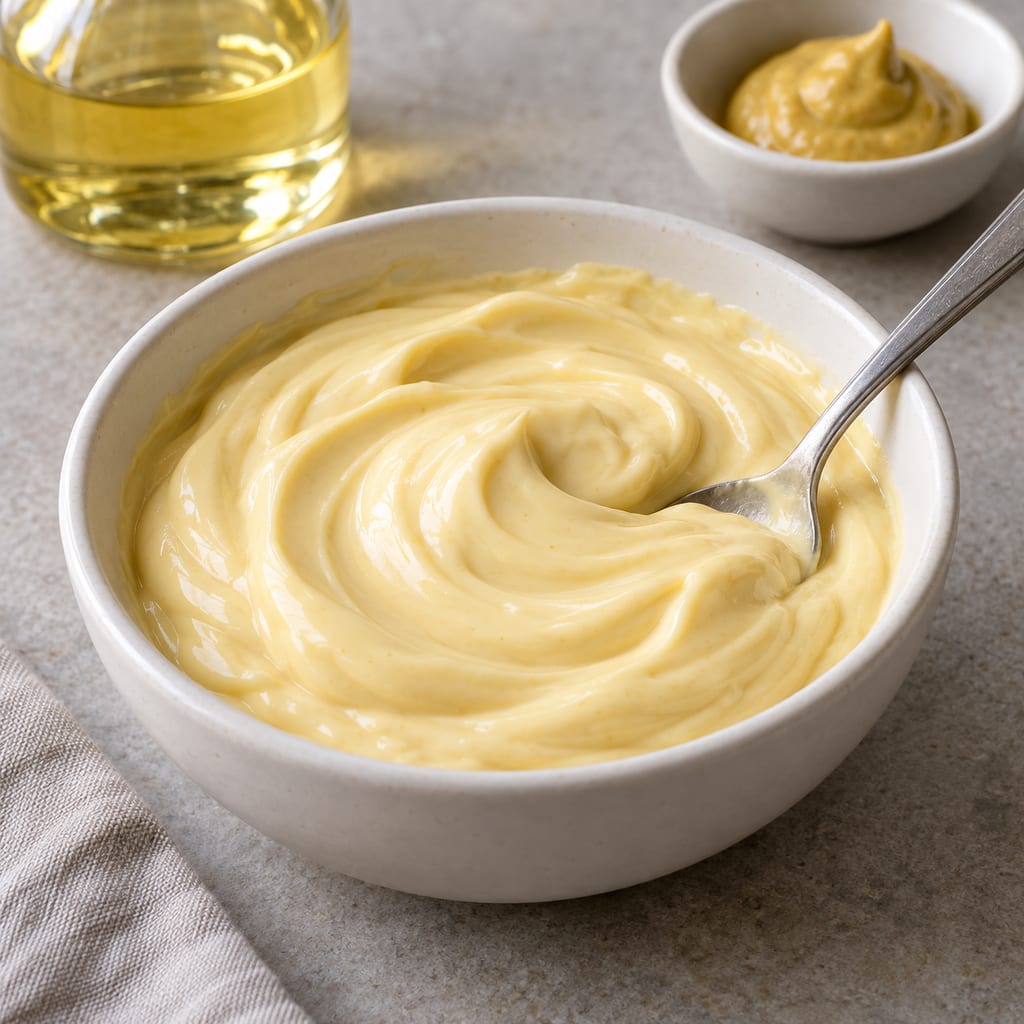
An untested mayonnaise variation made with refined sunflower oil and more Dijon mustard than a neutral base.
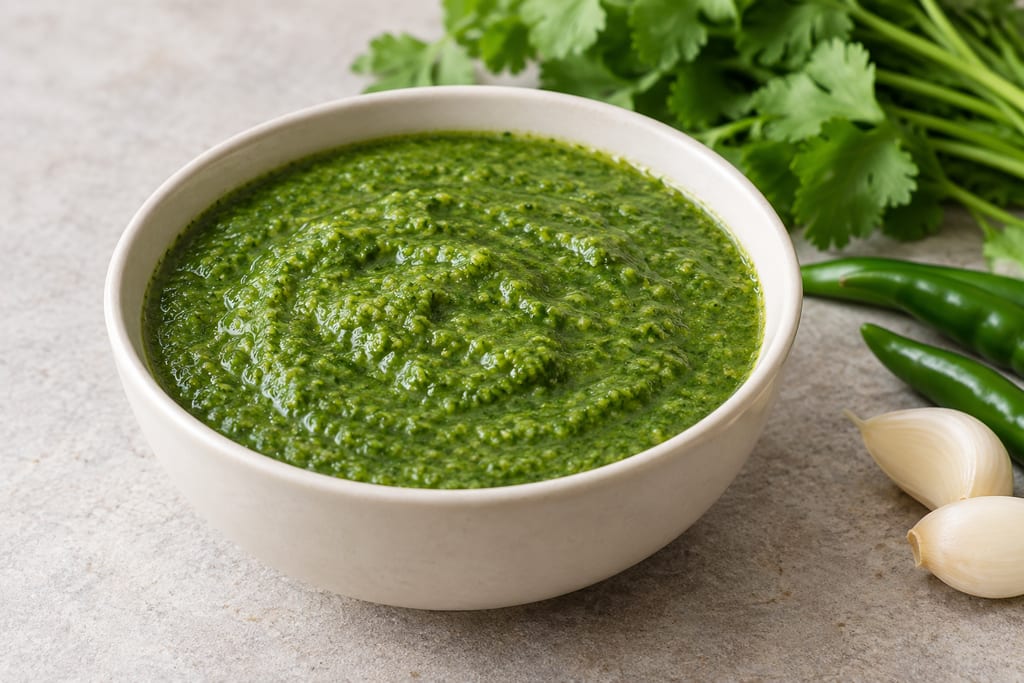
Afghan coriander chatni is a sharp, hot herb sauce with garlic and vinegar. A 2008 Afghanistan manual records green or red pepper and optional walnut; heat and household versions vary.
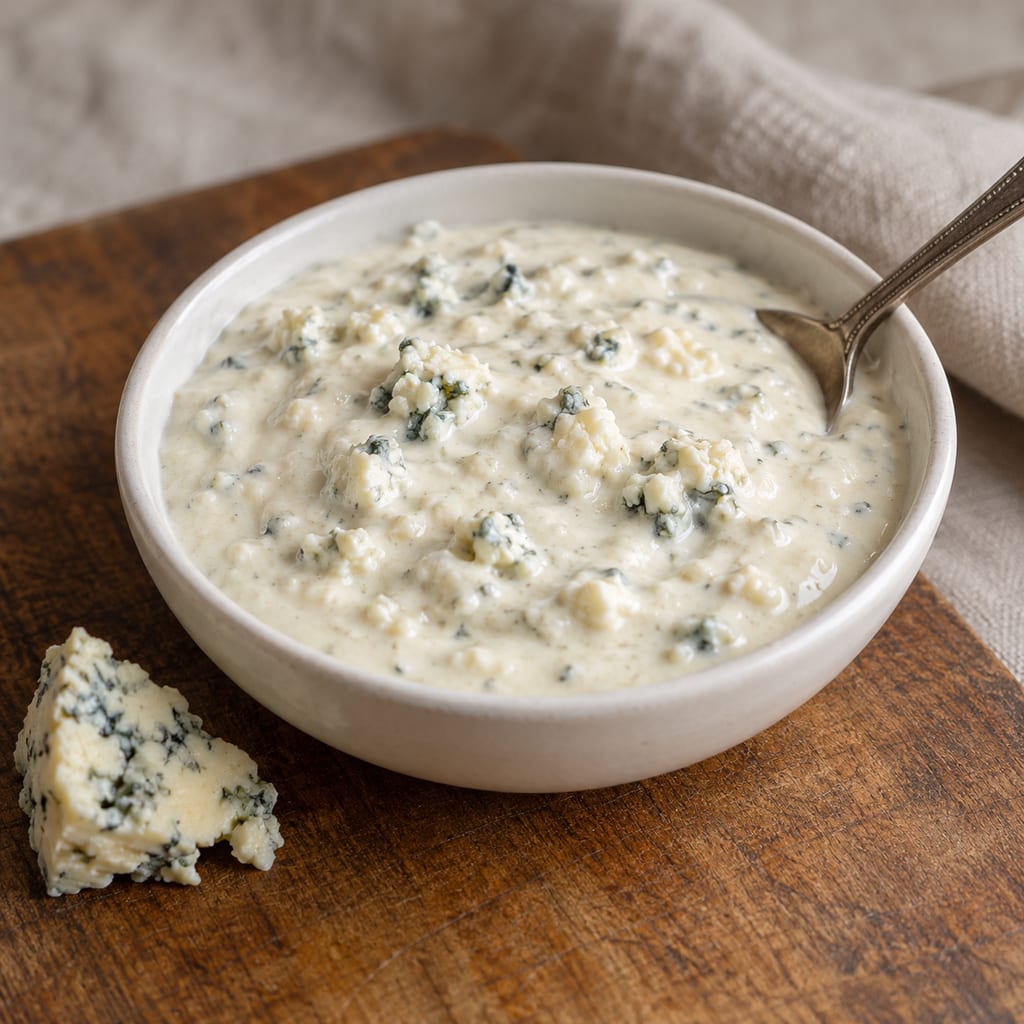
Blue cheese dressing is a creamy dressing built on crumbled blue cheese mashed into buttermilk, with sour cream, mayonnaise, vinegar and seasoning, and kept cold for up to two weeks.
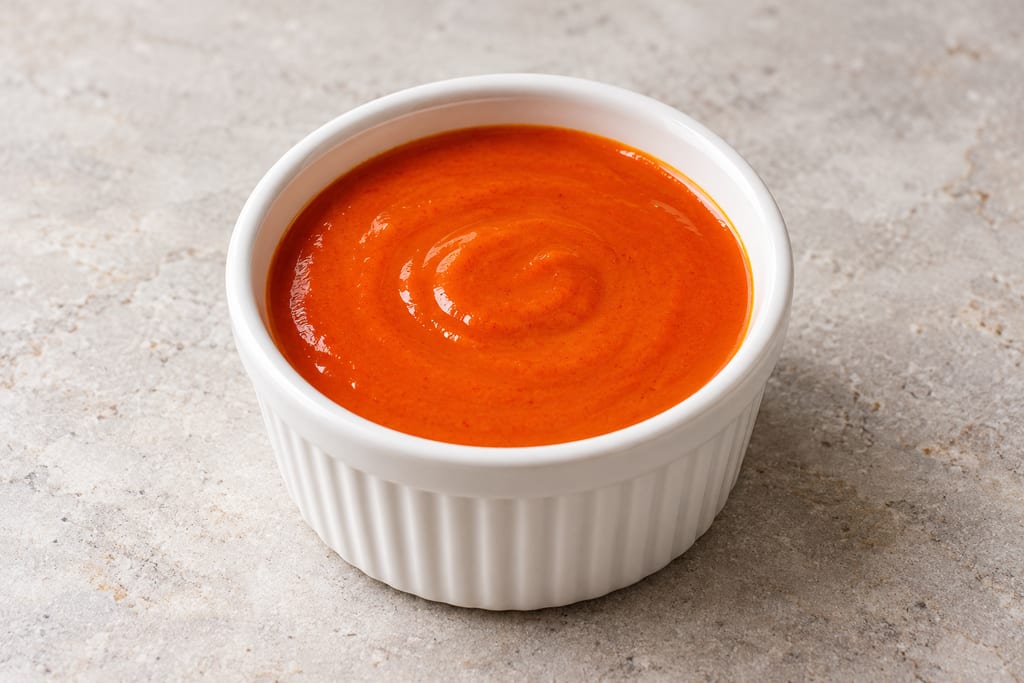
A warm, buttery cayenne sauce made by melting butter into a hot pepper sauce, first tossed onto fried chicken wings in Buffalo, New York.

A pourable dessert sauce of brown sugar, butter and cream, with a little corn syrup and salt. It is the sauce form of the butterscotch confection and is made without water, unlike caramel.
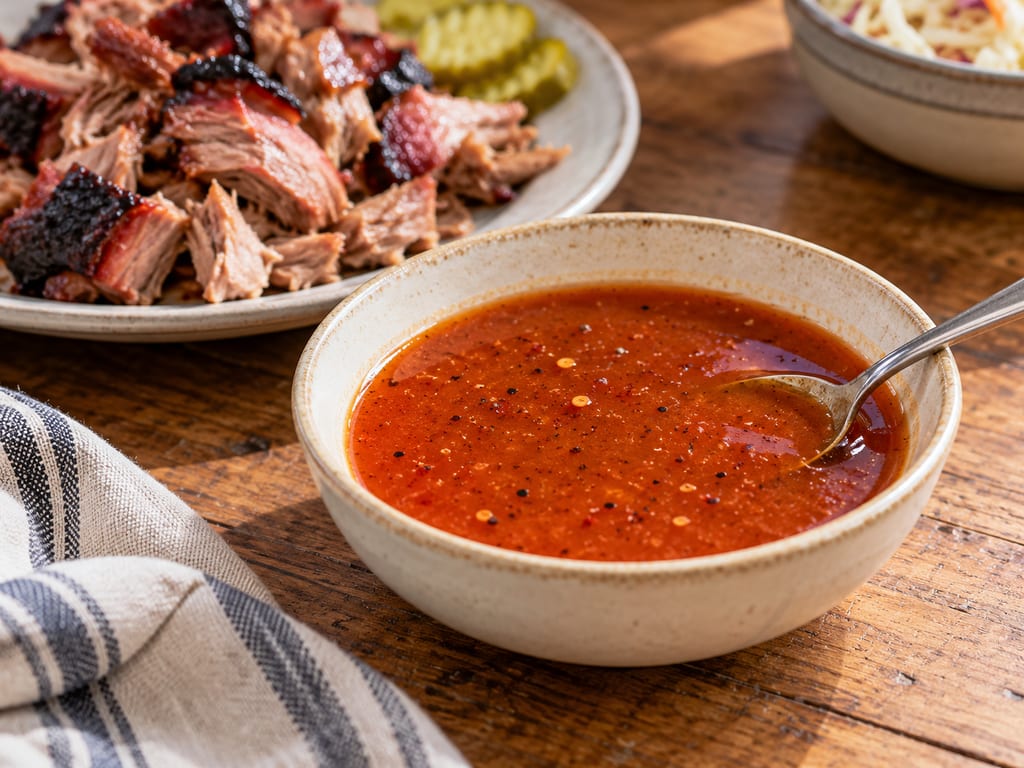
Light tomato barbecue sauce is a thin, sharp South Carolina sauce: a vinegar and pepper base with a small amount of ketchup, sitting between the clear vinegar sauce and the sweeter tomato sauces.
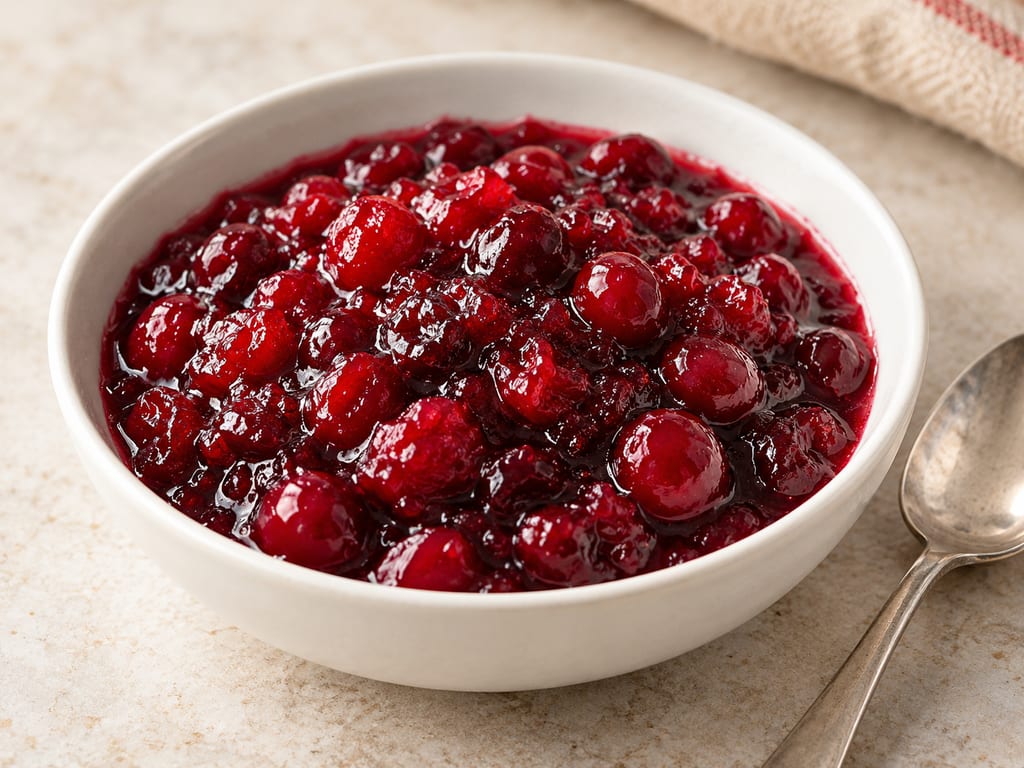
Cranberry sauce is a sauce of cranberries cooked in sugar syrup until the berries burst and thicken, served with roast turkey, pork, chicken and ham.
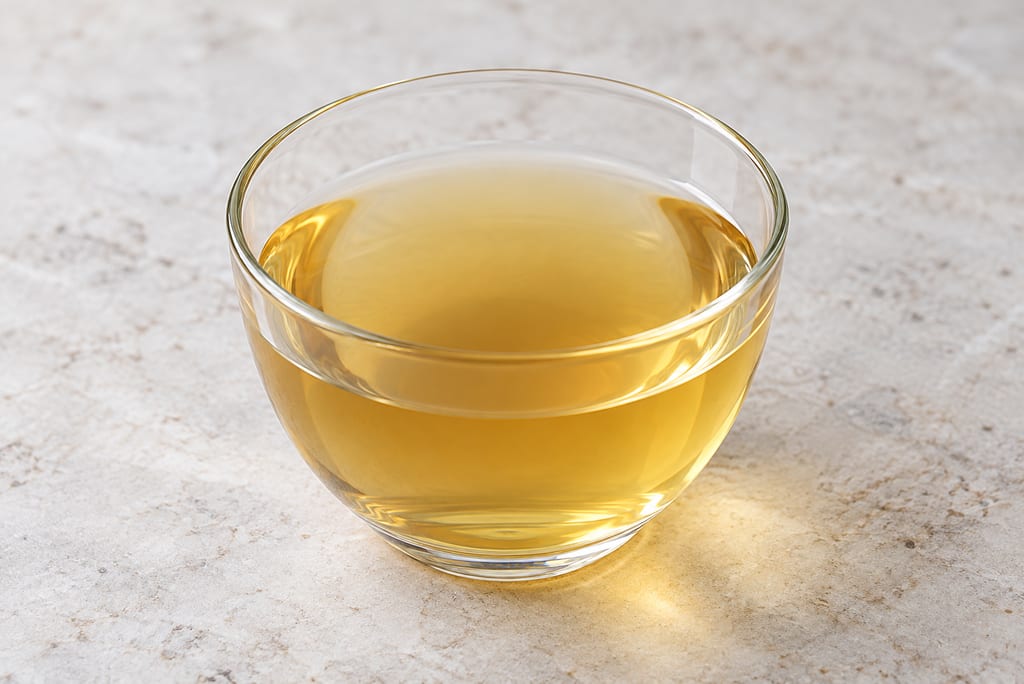
A liquid set with a little gelatin, frozen solid, then thawed through cloth in the refrigerator so that clear liquid drips out and the cloudy gel stays behind.
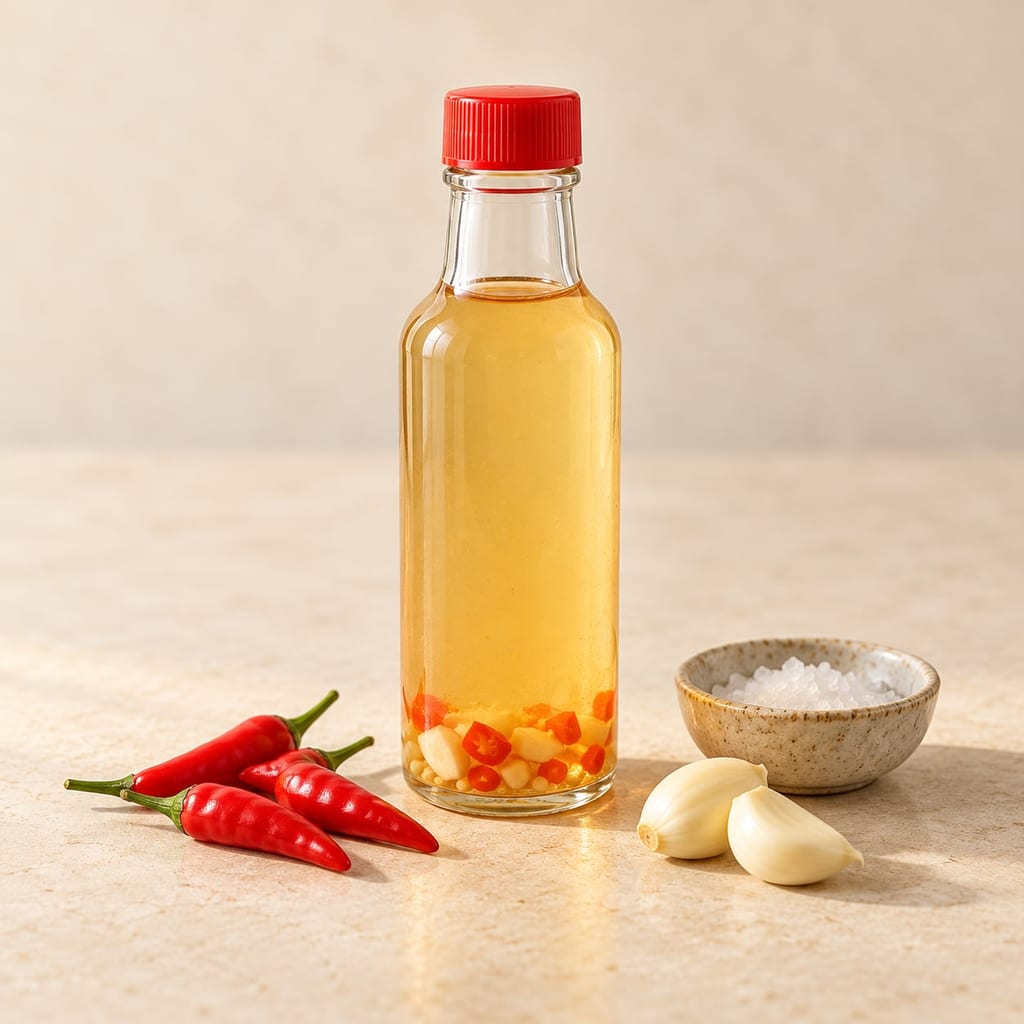
Hawaiian chili pepper water, or wai nīoi, is a thin condiment of small chillies steeped in salted water with vinegar and garlic. Hawaiian families use it as a table hot sauce.

Ajvar is a cooked Balkan pepper preserve built around roasted red peppers, peeled, drained, ground and slowly fried with oil and seasoning. Leskovac’s protected version is a pepper specialty; regional versions vary.

Amlou is a nutty, lightly sweet Moroccan spread of roasted almonds, culinary argan oil and honey. The almonds are ground first, then loosened with oil and sweetened; the balance can range from a thick spread to a dip.

Apple sauce for goose and pork is a plain English accompaniment: cooked apples pulped with water, then sweetened with sugar and finished with a little butter.

A warm dip of garlic, anchovy and olive oil, often enriched with butter, that Piedmont serves over a flame with raw and cooked vegetables and bread.

A sweet-hot table sauce of ripe banana simmered with vinegar, sugar, onion, garlic and fresh chilli, in the manner of Philippine banana ketchup. An untested development batch of about 500 g.

A Georgian walnut sauce of ground walnuts, garlic, vinegar and spices, thinned with water or broth. It is served with poultry, vegetables and bread, and is the sauce of the dish satsivi.

Byzantine murrī is a cooked imitation of murrī from the medieval Arabic repertoire, made from scorched honey, toasted bread, walnuts, quince, carob and spices rather than from a long grain fermentation.
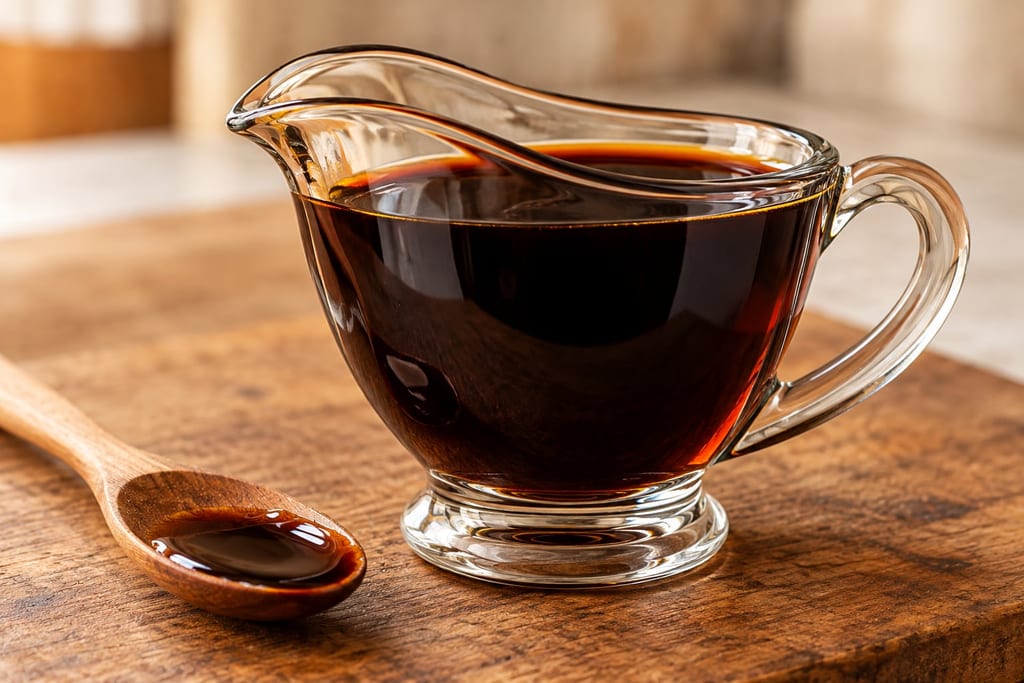
Caribbean browning is a dark liquid of deeply caramelised sugar, used in small amounts for colour and a smoky, bitter-sweet flavour in stews and black cake.

Soft, spreadable Calabrian pork sausage made with a great deal of red chilli and fatty pork, stuffed into natural casings, sometimes smoked and matured while staying soft.

A way to add independent temperature logging to an existing food dehydrator without changing its built-in controls or protections. It is a monitoring method, not a rewiring plan.

Pleurotus cystidiosus is the abalone mushroom, a cultivated oyster-type fungus with dark brown caps that grows more slowly and is more demanding than other Pleurotus species.

A dark, balanced vinegar from Emilia-Romagna made by combining cooked or concentrated grape must with wine vinegar, then acetifying and refining it in wood under a protected specification.

A living dairy inoculum that starts controlled cream fermentation, developing acidity and aroma before sour cream or cultured butter is finished.

A small electric incubator holds jars at a selected temperature for yogurt and other documented warm food preparations. Controls, capacity and vessel arrangement vary by model.

Adygean salt is a seasoned table salt associated with Adygea and the wider North Caucasian culinary tradition. Salt is blended with garlic and a variable selection of herbs and spices; the exact mix depends on the named style and maker.

The African Caesar-group mushroom, Amanita masasiensis, is a wild ectomycorrhizal species of central and southern African woodlands, eaten locally. The genus contains deadly poisonous species, so identification needs care.
No community contributions have been published for this entry yet.
Sign in to contribute. Published comments and photos are free to read.
University of Tennessee ExtensionRecipe · Egg safety
SP494 Egg University HandbookDocuments the cooked mayonnaise ingredient amounts, bubbling endpoint, four-minute rest, blender method, approximate yield, and general 160°F egg-mixture safety advice.
Cited in: What the source documents; Heating and emulsion; Scope and handling
University of Minnesota ExtensionSafety guidance
Purchase, store, and prepare: EggsAdvises heating egg mixtures in a recipe liquid to 160°F; identifies mayonnaise as an uncooked-egg food when made without a cooking step, and advises pasteurised eggs for uncooked mayonnaise.
Cited in: Heating and emulsion; Scope and handling
USDA Food Safety and Inspection ServiceScope clarification
Can shell eggs be pasteurized at home?States that home shell-egg pasteurisation is difficult and that the equipment is not available for home use. This recipe cooks the yolk mixture rather than pasteurising shell eggs.
Cited in: Scope and handling
Queensland HealthScope clarification
Safe preparation of raw egg products: A guide for food businessesSection 7.3's 57°C/75-minute sous-vide shell-egg example is scoped to food businesses and lists commercial equipment, process records, immersion and cooling controls; it is not treated here as a general home method.
Cited in: Scope and handling
SDSU ExtensionEgg yolk safety guidance
Egg Safety with Holiday FoodsSpecifically names mayonnaise among recipes using raw egg yolks; advises at least 2 tablespoons recipe liquid per yolk and cooking constantly over very low heat until the yolks coat a metal spoon, bubble at the edges, or reach 160°F; then immediate ice-water cooling while stirring.
Cited in: Heating and emulsion; Scope and handling