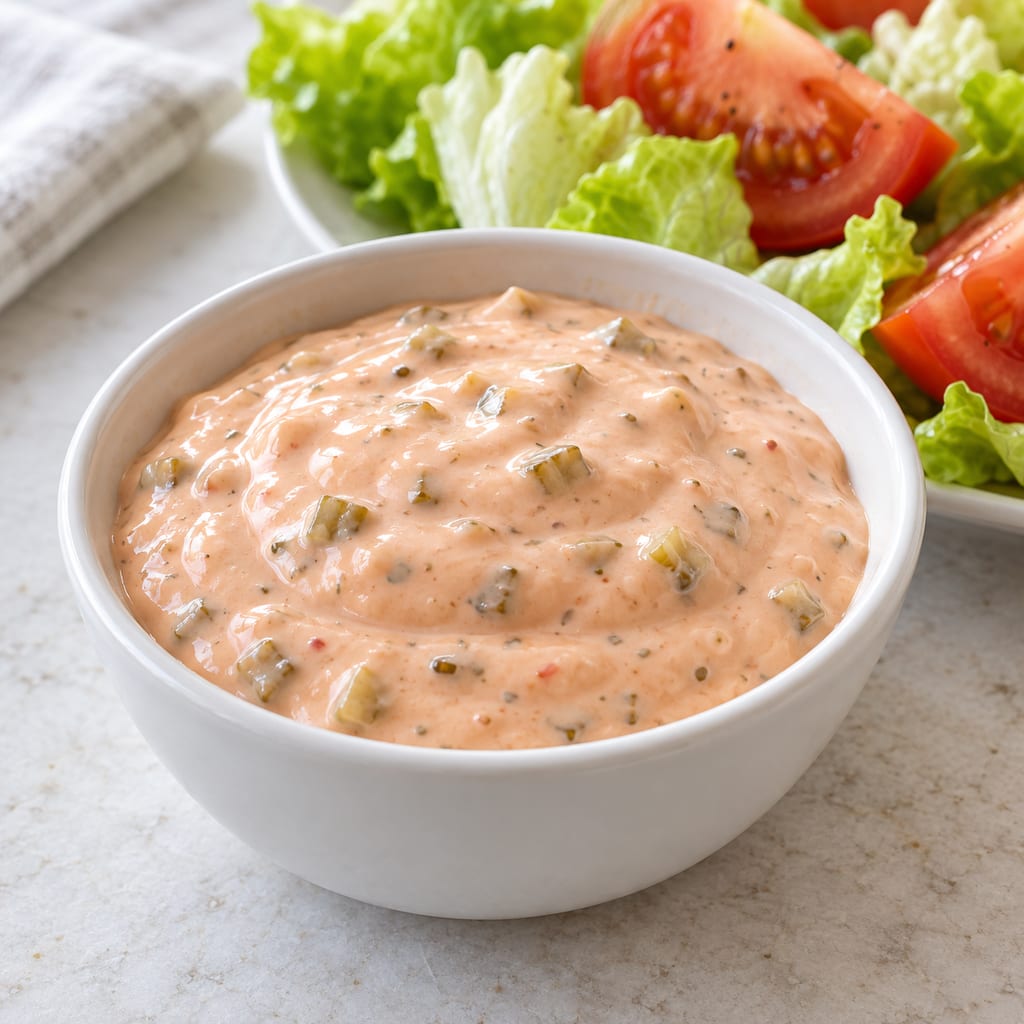
Thousand Island dressing
Thousand Island dressing is a pink, sweet-savoury dressing of mayonnaise, tomato condiment and chopped pickle relish, named for the Thousand Islands region on the St. Lawrence River, where its origin is placed.
 FermenteaWhere food goes to change
A warm, buttery cayenne sauce made by melting butter into a hot pepper sauce, first tossed onto fried chicken wings in Buffalo, New York.
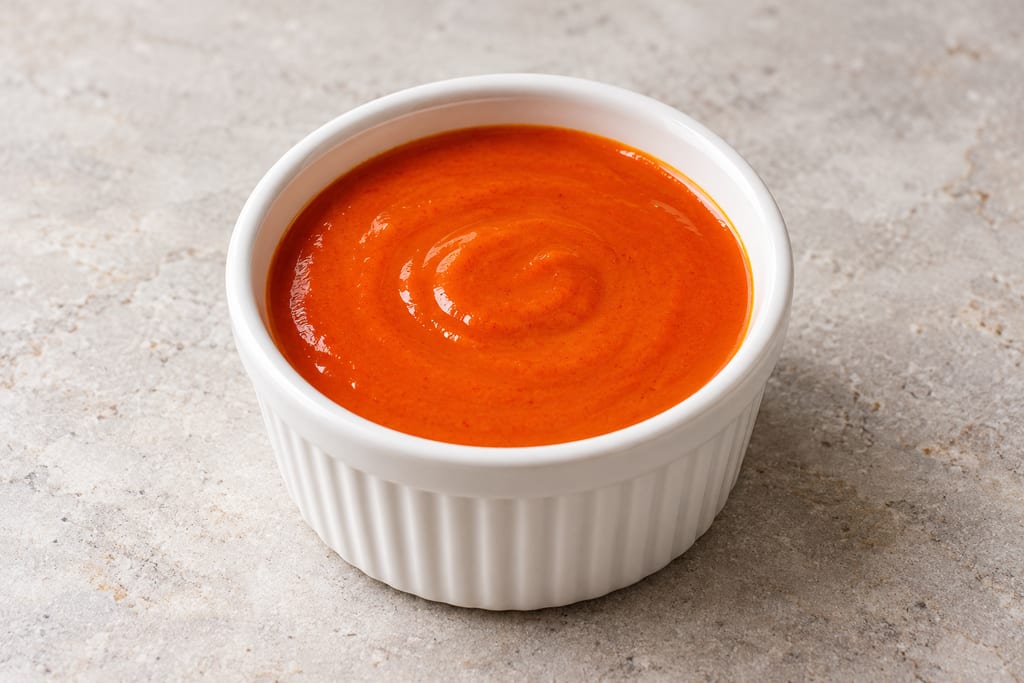
Buffalo sauce is a warm finishing sauce made by combining a cayenne hot sauce with melted butter. The pepper sauce supplies the heat and the acid; the butter gives it richness, a cling to the skin of fried food and a smoother texture than the thin bottled pepper sauce it starts from. The sauce is a separate study from the acidic pepper sauce it uses, and the bottled hot sauce has different storage needs from the finished blend.
The sauce is tossed onto hot fried chicken wings, and the account notes that Worcestershire sauce and garlic powder are common additions.
The most widely repeated origin is the Anchor Bar in Buffalo, New York, where Teressa Bellissimo, who ran the bar with her husband Frank, is credited with the wing in 1964. Wings were then cheap and often discarded, and she is said to have fried them and tossed them in hot sauce, classically Frank's RedHot, mixed with melted butter and vinegar.
The details are disputed. Teressa's son Dominic told The New Yorker in 1980 that she made a snack on a Friday night for unexpected visitors. Frank Bellissimo's account is that wings arrived by mistake instead of backs and necks for spaghetti sauce. A 1969 local newspaper article on the Anchor Bar did not mention wings, while the rival Duff's began selling them that year. John Young claims he served breaded wings with a tomato-based Mumbo sauce from 1961, and says the Anchor Bar did not add wings to its menu until 1974.
The butter is the difference between a pepper sauce and buffalo sauce. It softens the sharpness of the cayenne, holds the sauce to the surface of the wing, and makes it pourable and warm. The account gives no ratio, so a cook judges by taste and by how the sauce coats the wing.
This sauce is a warm finishing blend for coating hot, cooked wings; the source does not provide a storage duration for the butter-based mixture. If any is saved, USDA leftover guidance says to refrigerate it within 2 hours, or within 1 hour if exposed above 90°F (32°C), in a shallow covered container at 40°F (4°C) or below. Use refrigerated leftovers within 3 to 4 days or freeze for longer storage. These are general leftover-handling limits, not a tested shelf life for this sauce. The finished butter blend is not the same as shelf-stable bottled hot sauce, and this method is not a canning process.
Teressa Bellissimo of the Anchor Bar is credited with the wing in 1964. Accounts differ on why she fried them and whether the sauce came from her own kitchen or the bottled product. A 1961 claim by John Young to a different wing and sauce, and a 1969 account from the rival Duff's, are recorded as disputed.
Scaling: source batch only
The finished sauce contains butter and is intended to be used with cooked wings; handle any saved portion as a perishable leftover rather than like bottled hot sauce.
Hazard sourceServe after making. Refrigerate leftover sauce within 2 hours (within 1 hour if exposed above 90°F/32°C), in a shallow covered container at 40°F/4°C or below; use within 3 to 4 days or freeze for longer storage.
Control sourceThe source gives no quantities or storage procedure for the finished sauce. These are general USDA leftover-handling limits, not a validated sauce-specific shelf life; do not treat the butter-based blend as shelf-stable or as canned sauce.
The Anchor Bar in Buffalo is credited with the wing and sauce in 1964, but the claim is disputed in the source.
Thousand Island dressing is a pink, sweet-savoury dressing of mayonnaise, tomato condiment and chopped pickle relish, named for the Thousand Islands region on the St. Lawrence River, where its origin is placed.

A yeast-raised wheat ring shaped from a firm dough, briefly boiled and baked. This source-batch formula gives a gently malted crust and a chewy crumb.
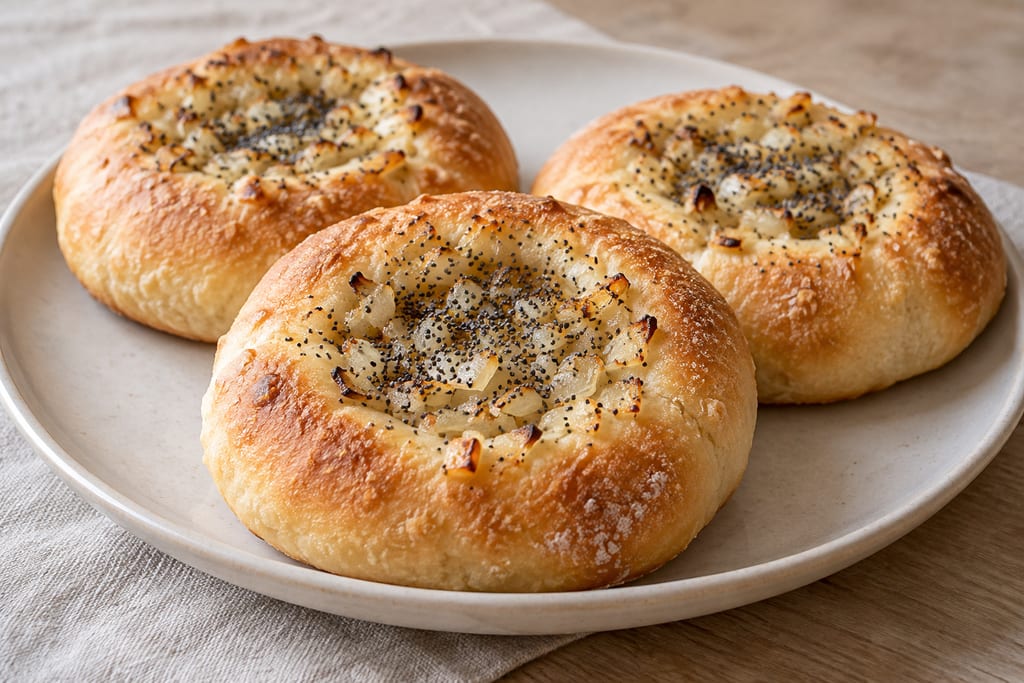
Bialys are soft, yeasted wheat rolls baked without boiling, each shaped with an onion-filled central depression instead of a hole.
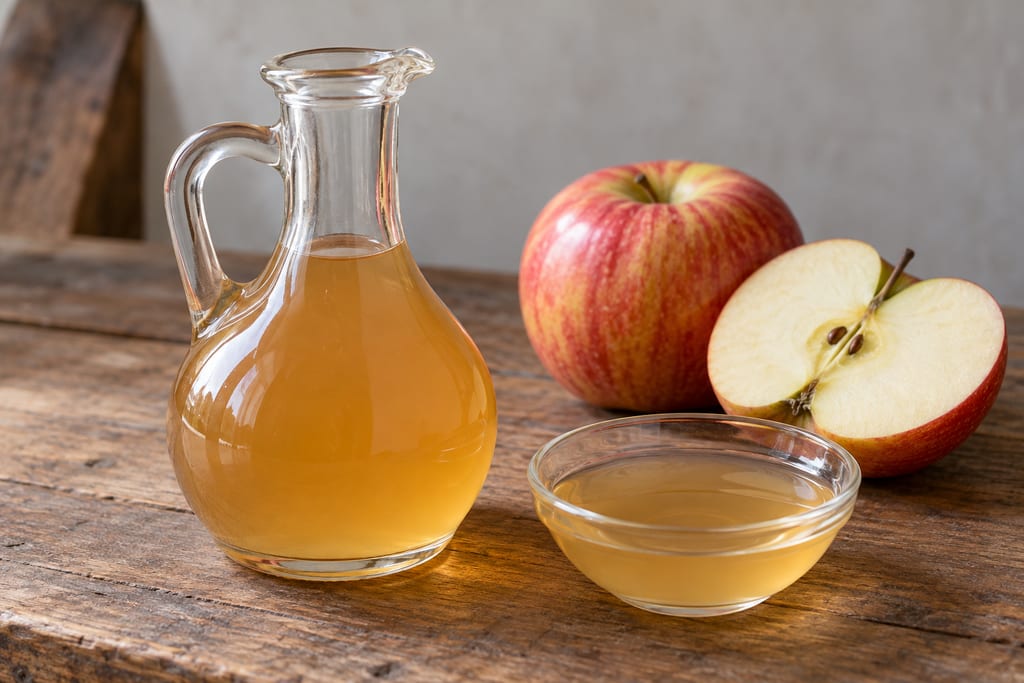
Cider vinegar is made when acetic-acid bacteria use oxygen to turn the alcohol in dry apple cider into acetic acid. This historical cask method begins with fermented cider and differs from apple-scrap vinegar made with sugar and water.
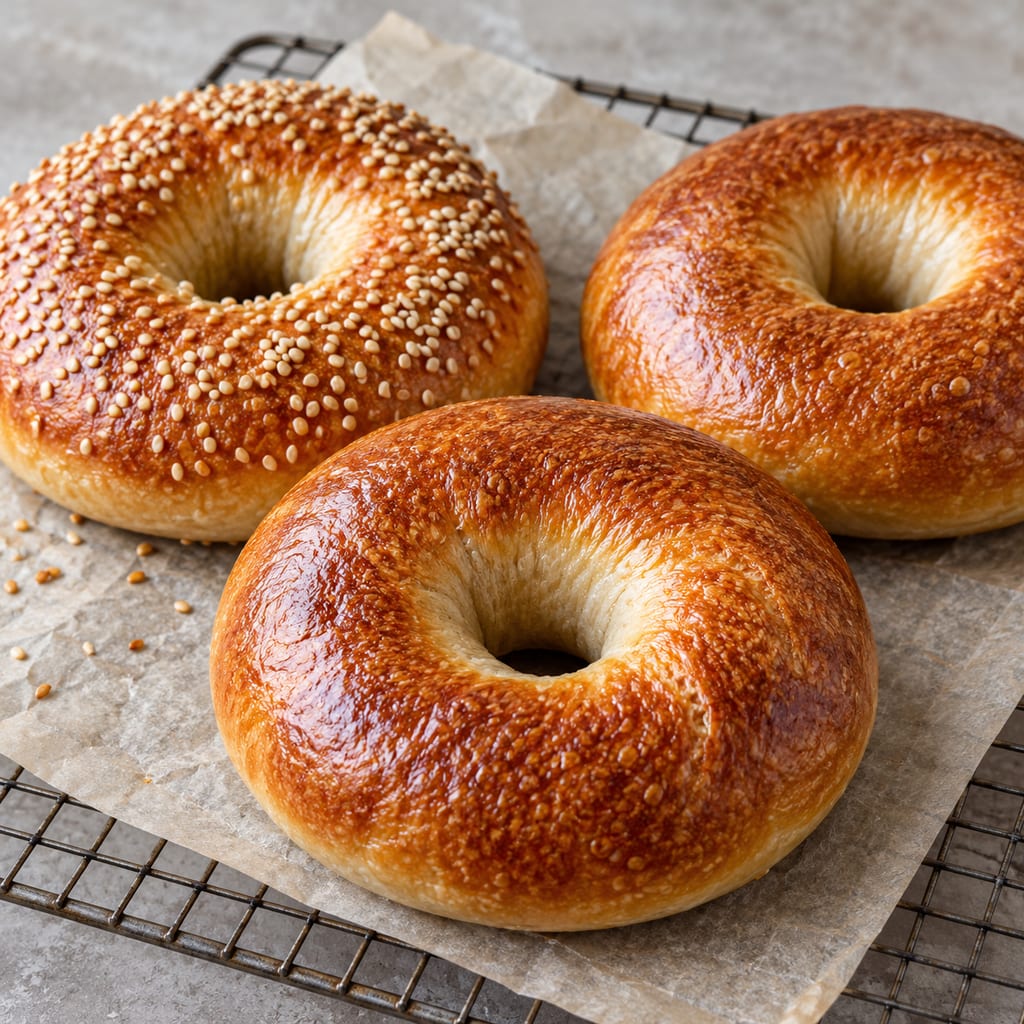
A firm bread-flour dough with barley malt is shaped into rings, refrigerated for 8–14 hours, poached below a boil, then baked hot with steam.
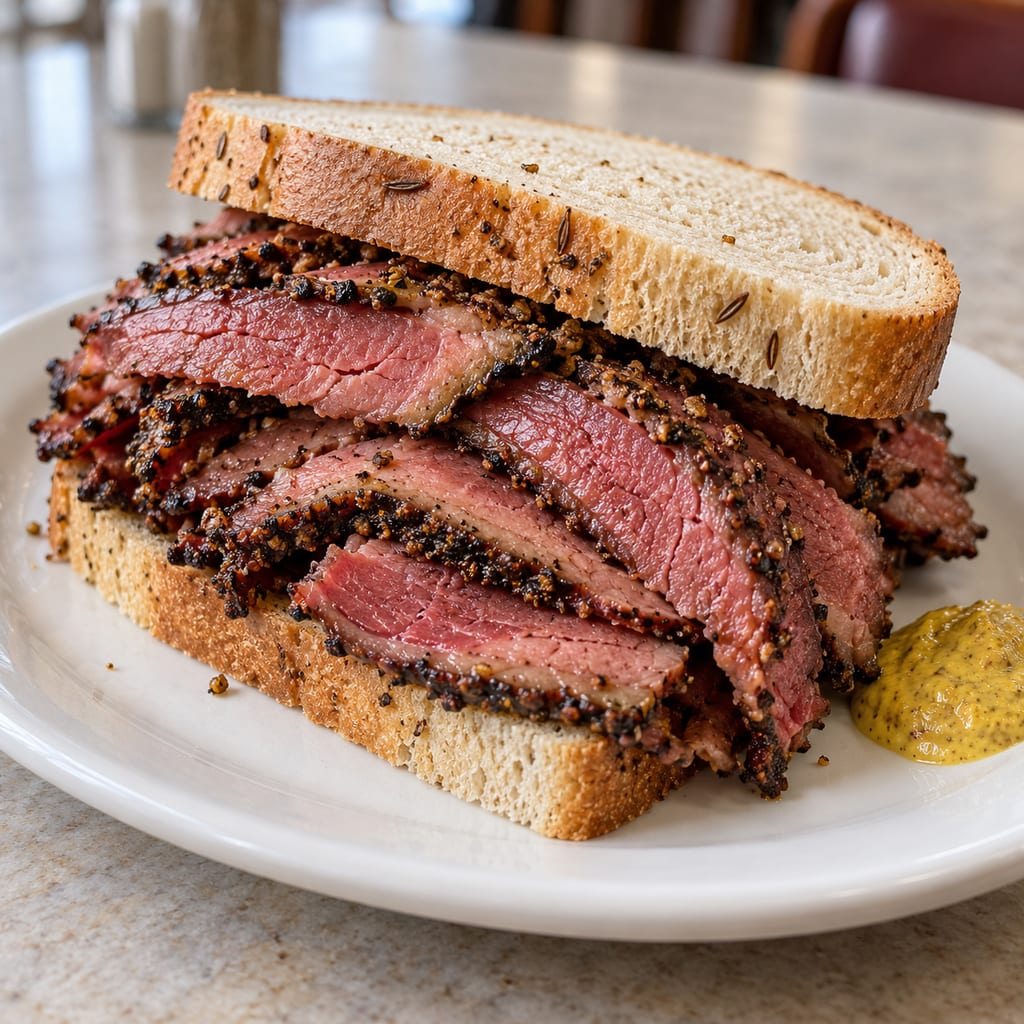
Pastrami is beef brined, rubbed with spices, smoked and steamed, the New York Jewish deli meat served hot and hand-carved on rye. Its origin is argued between competing accounts.
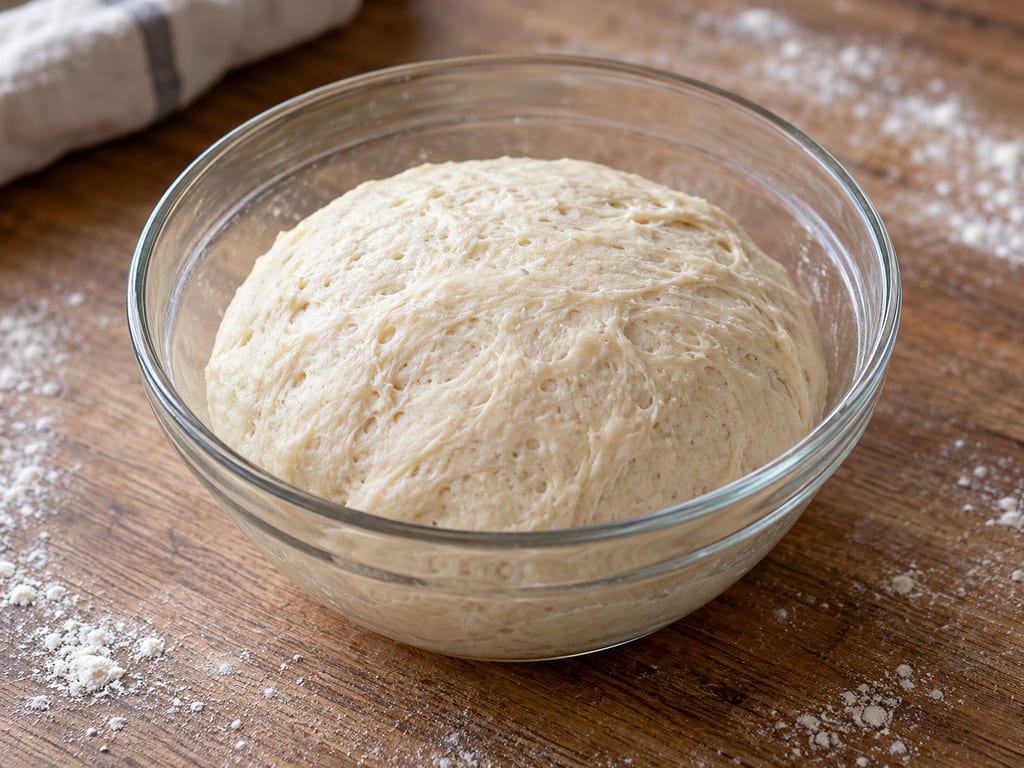
Pâte fermentée is a bread preferment made from salted, yeasted dough set aside to ferment and mixed into a later batch, carrying developed dough and fermentation products with it.
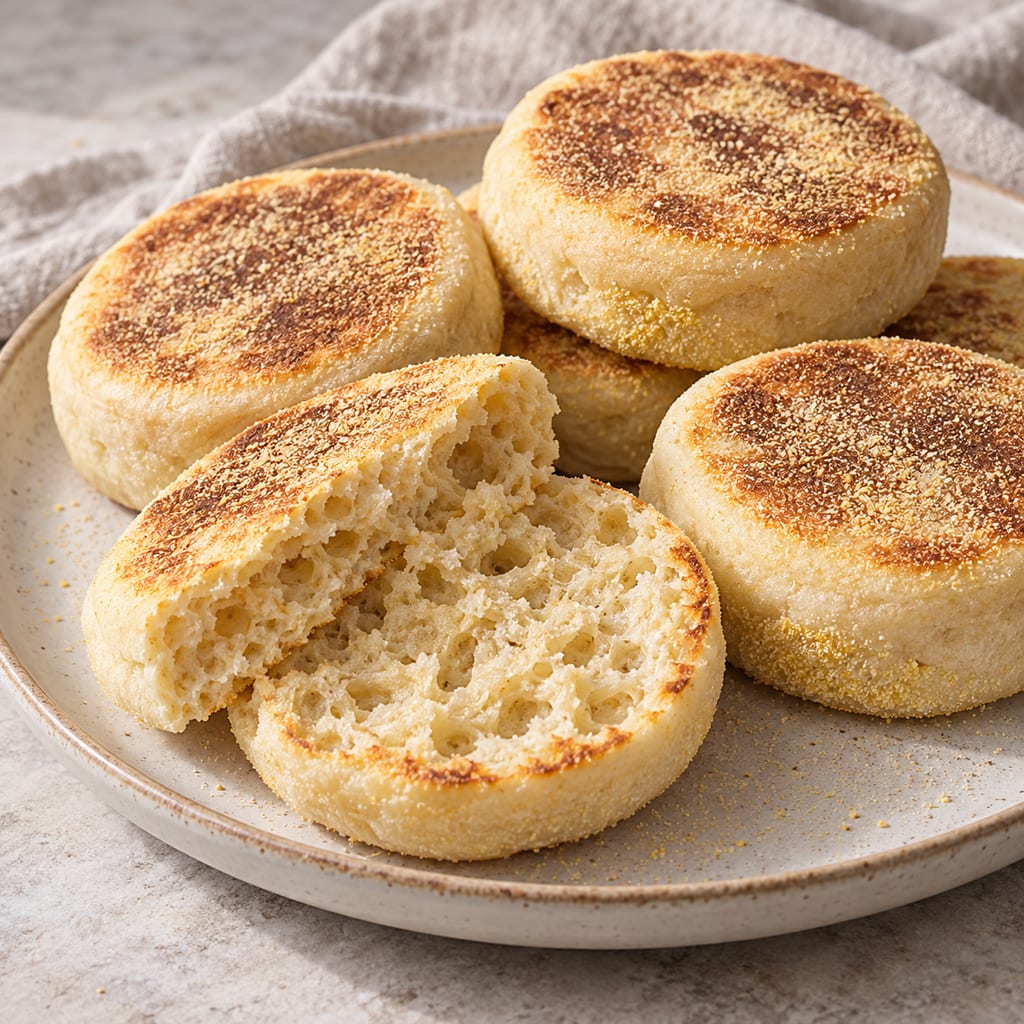
A soft English muffin dough combines sourdough starter with baker’s yeast, then rises, is cut into rounds and cooks on a griddle. The starter adds tang; the added yeast helps it rise.
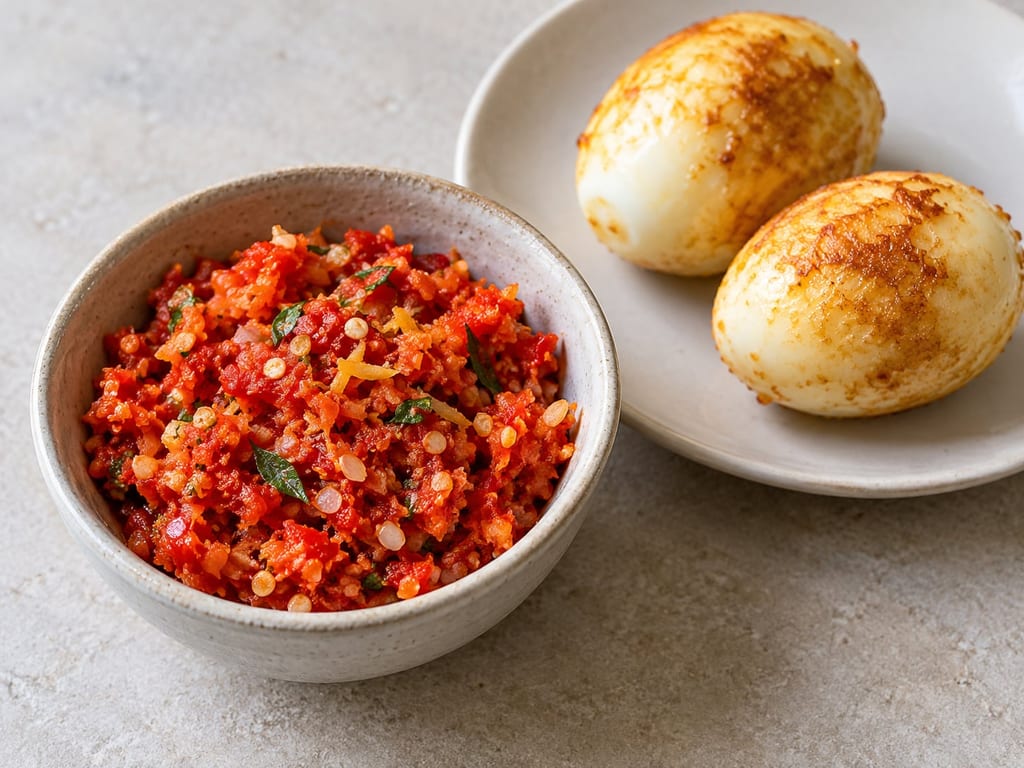
Ai-manas is described as a very hot chilli paste served with Timorese meals. One published version blends fresh chillies, shallots, garlic, Thai basil, ginger, lemon and salt, and serves it with eggs. Sources do not establish a standard formula, precise birthplace or earliest date.
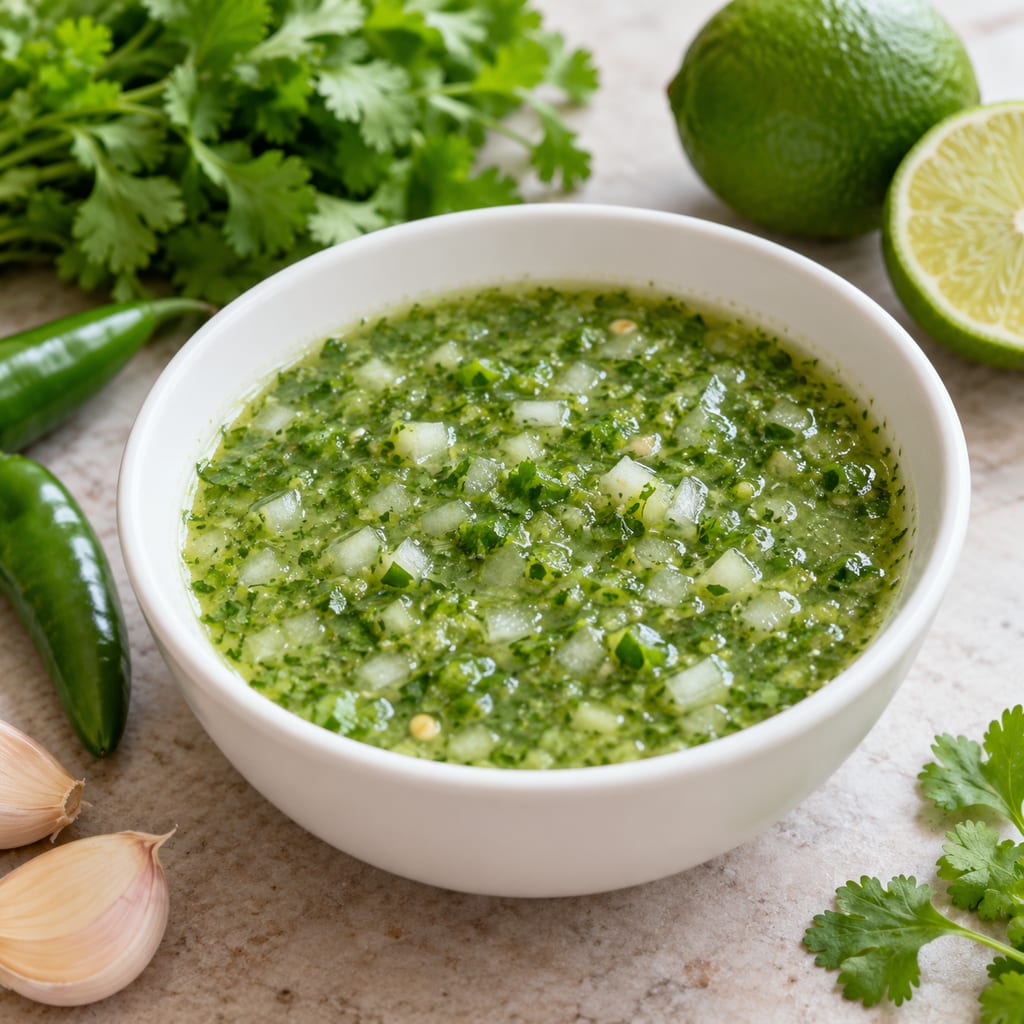
A fresh, uncooked Ecuadorian table sauce of hot pepper, cilantro, garlic and lime, served with most everyday dishes.
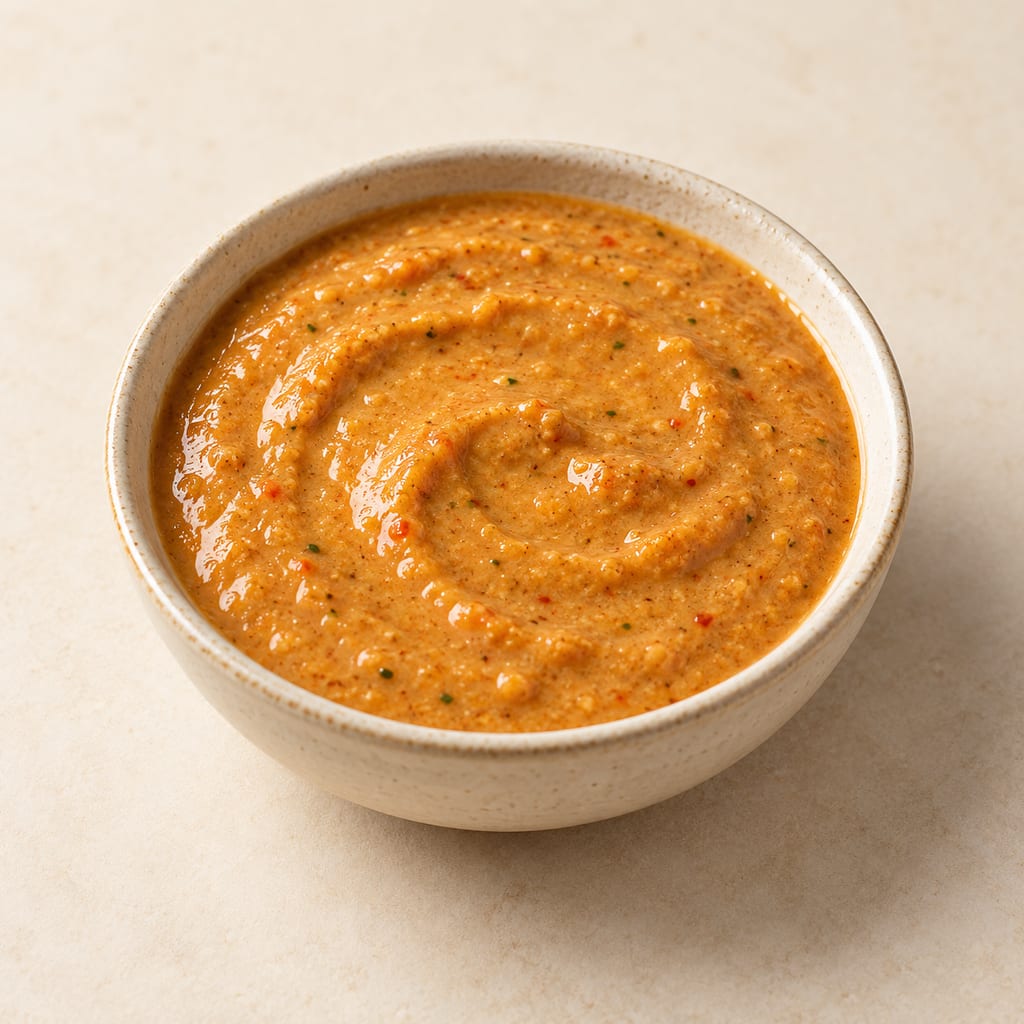
A spicy peanut hot sauce from the Popayán and Cauca region of Colombia, traditionally served with pipián empanadas and tamales.
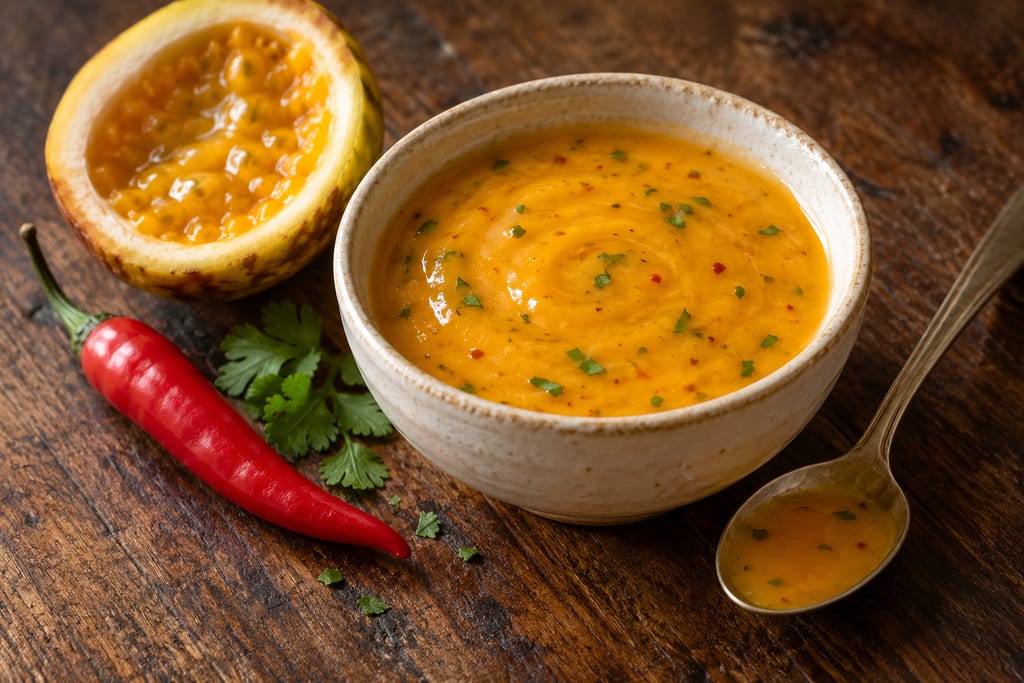
A contemporary Ecuadorian hot sauce that pairs passion fruit juice with boiled chile peppers, oil and lime.
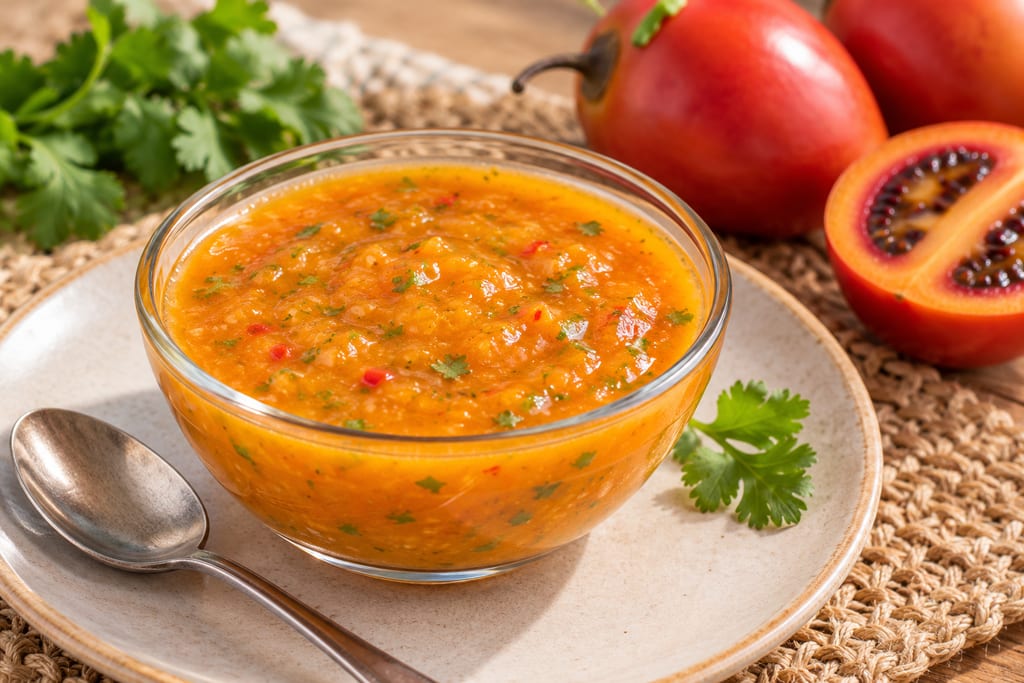
An Ecuadorian hot sauce built on tamarillo, a tart fruit that gives a sharper, fleshier base than ordinary tomato salsa.
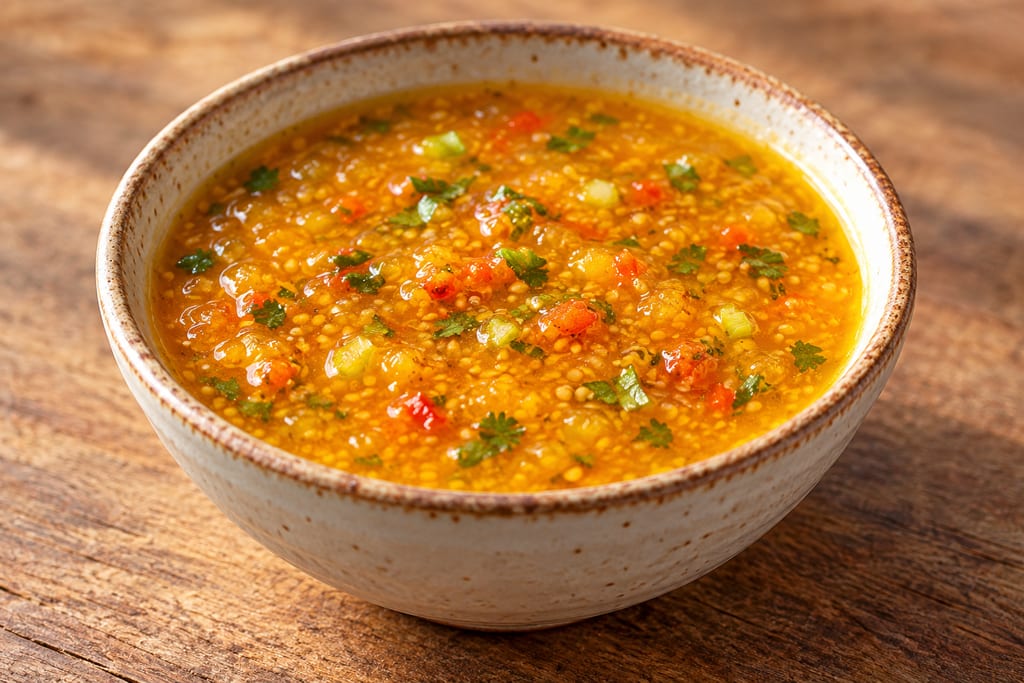
A sweet, tart and spicy Colombian sauce of uchuva, the yellow physalis fruit, with hot pepper, scallion, cilantro and lime.
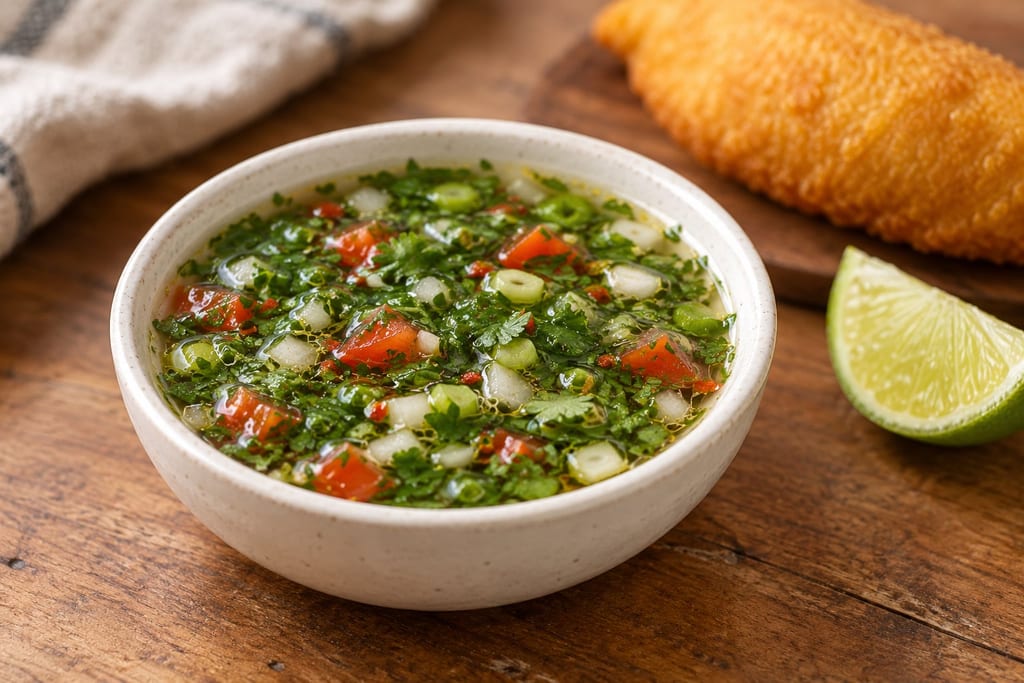
A fresh Colombian table condiment of chopped herbs, scallion and tomato in a vinegar and chile base, served beside fried and filled dishes.
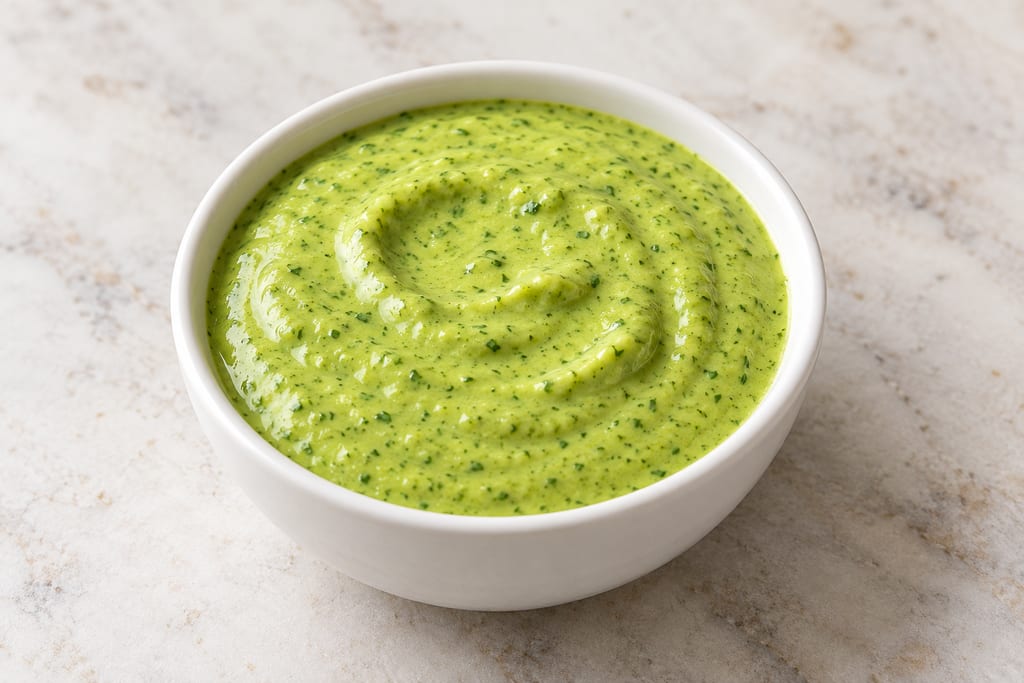
Ají verde is a Peruvian green sauce of coriander, chilli, onion and garlic in a mayonnaise or cheese base. It is best known through Peruvian restaurant cooking abroad.

Soft, spreadable Calabrian pork sausage made with a great deal of red chilli and fatty pork, stuffed into natural casings, sometimes smoked and matured while staying soft.

A way to add independent temperature logging to an existing food dehydrator without changing its built-in controls or protections. It is a monitoring method, not a rewiring plan.

Pleurotus cystidiosus is the abalone mushroom, a cultivated oyster-type fungus with dark brown caps that grows more slowly and is more demanding than other Pleurotus species.

A dark, balanced vinegar from Emilia-Romagna made by combining cooked or concentrated grape must with wine vinegar, then acetifying and refining it in wood under a protected specification.

A living dairy inoculum that starts controlled cream fermentation, developing acidity and aroma before sour cream or cultured butter is finished.

A small electric incubator holds jars at a selected temperature for yogurt and other documented warm food preparations. Controls, capacity and vessel arrangement vary by model.

Adygean salt is a seasoned table salt associated with Adygea and the wider North Caucasian culinary tradition. Salt is blended with garlic and a variable selection of herbs and spices; the exact mix depends on the named style and maker.

The African Caesar-group mushroom, Amanita masasiensis, is a wild ectomycorrhizal species of central and southern African woodlands, eaten locally. The genus contains deadly poisonous species, so identification needs care.
No community contributions have been published for this entry yet.
Sign in to contribute. Published comments and photos are free to read.
WikipediaHistory · Method
Buffalo wingAnchor Bar credited with the wing in 1964; Teressa Bellissimo
Cayenne hot sauce, classically Frank's RedHot, with melted butter and vinegar; Worcestershire and garlic powder as add-ins
Disputed claims: Dominic's 1980 account, the mistaken delivery, Duff's 1969, John Young 1961
Cited in: A finishing sauce, not a pepper sauce; The Anchor Bar account; Why the butter matters
U.S. Department of Agriculture, Food Safety and Inspection ServiceSafety
How do I handle leftovers safely?USDA says refrigerate leftovers at 40°F (4°C) or below as soon as possible and never leave them out longer than 2 hours, or 1 hour when ambient temperature is above 90°F (32°C).
USDA recommends shallow containers for rapid, even cooling and using refrigerated leftovers within 3 to 4 days; longer storage requires freezing.
Cited in: Serving and storage