
Bagel
A yeast-raised wheat ring shaped from a firm dough, briefly boiled and baked. This source-batch formula gives a gently malted crust and a chewy crumb.
 FermenteaWhere food goes to change
pastrami · New York pastrami · Jewish deli pastrami · Pickelfleisch
Pastrami is beef brined, rubbed with spices, smoked and steamed, the New York Jewish deli meat served hot and hand-carved on rye. Its origin is argued between competing accounts.
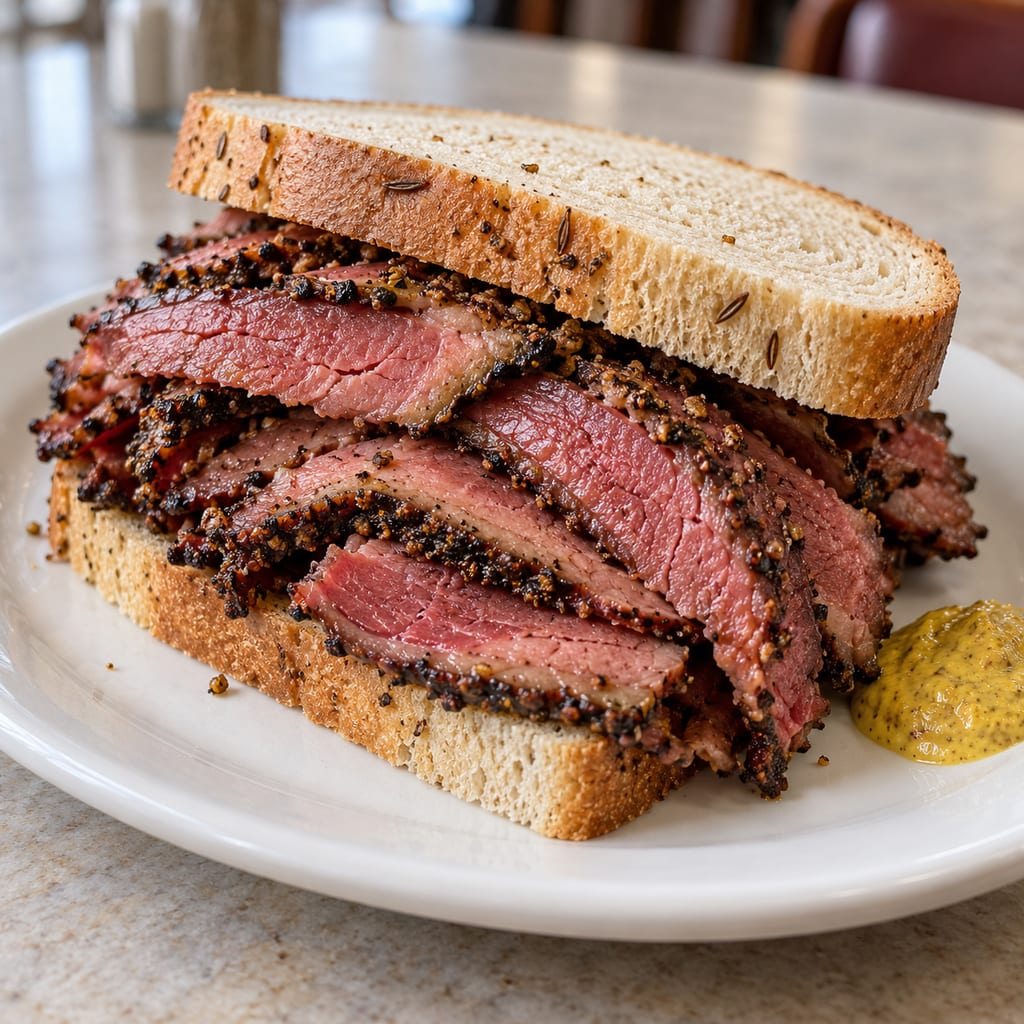
Pastrami is the cured, smoked and steamed beef of the New York Jewish delicatessen. The producer that sells it by the pound in New York, Katz's, describes a long sequence: the beef is brined for three weeks, rubbed with spices, smoked over wood, boiled, steamed at the counter and carved by hand. The brine, the spices and the operating details are the producer's own and are kept private, so the account shows the order of the stages, not a formula.
Each stage does a different job. The long brine carries salt through the meat; the spice rub gives the outside its crust of flavour; smoke adds flavour and dries the surface; and boiling or steaming brings the meat to tenderness, so that it can be carved in thin, soft slices. The 2024 origin study's abstract names the same four stages, brined, cured, smoked and then steamed, as the defining feature of the food.
Pastrami is often linked to pastirma or basturma, the air-dried cured meat of Turkey and Romania, and to a story of invention in New York. A 2024 article in the European Journal of Food Drink and Society by Angela Hanratty and Diarmuid Cawley questions both. It proposes that the roots lie in two similar meats, pickelfleisch and homen, from Alsace and the south-east of Rhineland-Palatinate, and argues that Ashkenazi Jews carried the methods east from the Rhine valley and then to the United States and Canada, where the deli version took shape. Only the abstract and listing page were read here, so the full argument is not reported.
Katz's current menu lists a hot pastrami sandwich, pastrami as an option in a Reuben, and a pastrami omelette. Tourisme Montréal separates pastrami from the brisket-centred smoked meat of Montréal, a related deli food with its own makers and methods. The restaurant and visitor-guide descriptions do not describe a universal deli menu, and menus change.
No source reviewed gives a complete curing formula, a household smoking schedule, cooking endpoints or storage guidance. Historical attribution and restaurant serving examples are not instructions for home preservation, and smell and colour are not a safety test for cured or smoked meat.
A 2024 article questions the common links between pastrami and Turkish or Romanian pastirma and a New York invention story, and traces it to pickelfleisch from the Rhine region carried by Ashkenazi Jews to North America. The full argument was not read.
Scaling: source batch only
The producer describes its stages but gives no brine strength, curing agent, temperature or endpoint, so the account is not a safe formula.
Hazard sourceTake a home curing and smoking method only from a validated process.
Control sourceThis is a producer's description of its own product, not a home recipe.
Smell and colour are not a safety test for cured or smoked meat.
Katz's Delicatessen in New York documents its own pastrami process; the sources do not make New York the proven birthplace of pastrami.
A yeast-raised wheat ring shaped from a firm dough, briefly boiled and baked. This source-batch formula gives a gently malted crust and a chewy crumb.
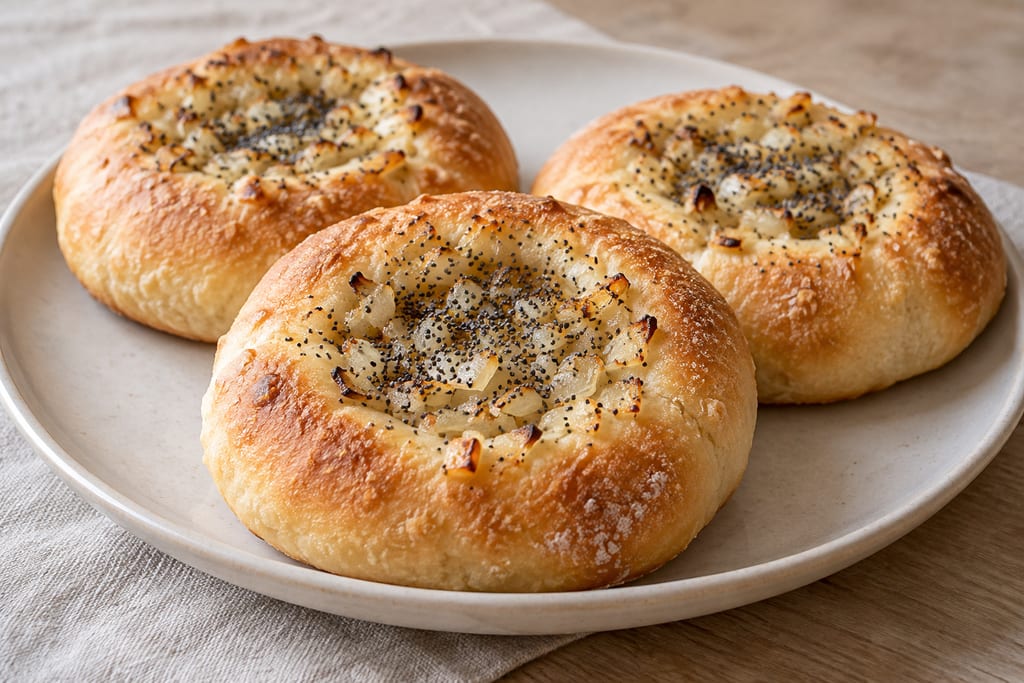
Bialys are soft, yeasted wheat rolls baked without boiling, each shaped with an onion-filled central depression instead of a hole.
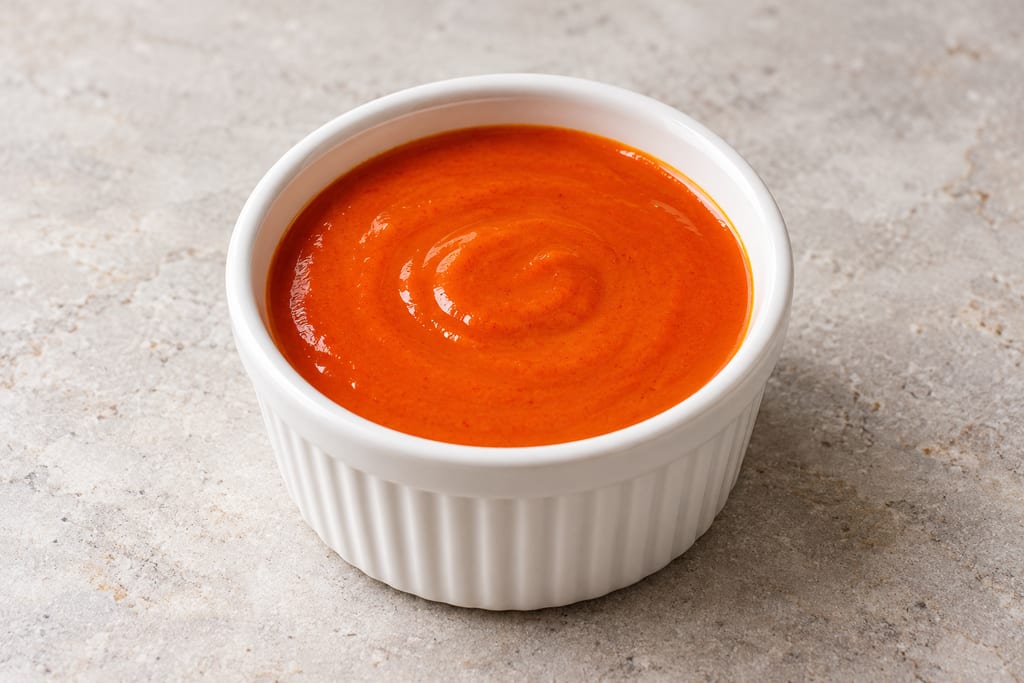
A warm, buttery cayenne sauce made by melting butter into a hot pepper sauce, first tossed onto fried chicken wings in Buffalo, New York.
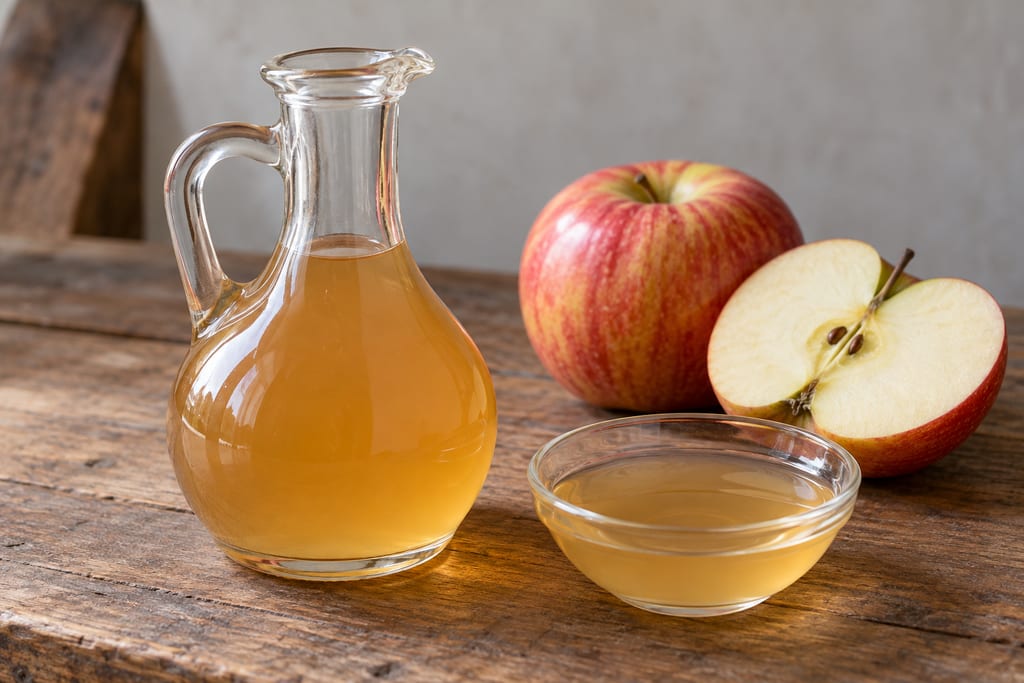
Cider vinegar is made when acetic-acid bacteria use oxygen to turn the alcohol in dry apple cider into acetic acid. This historical cask method begins with fermented cider and differs from apple-scrap vinegar made with sugar and water.
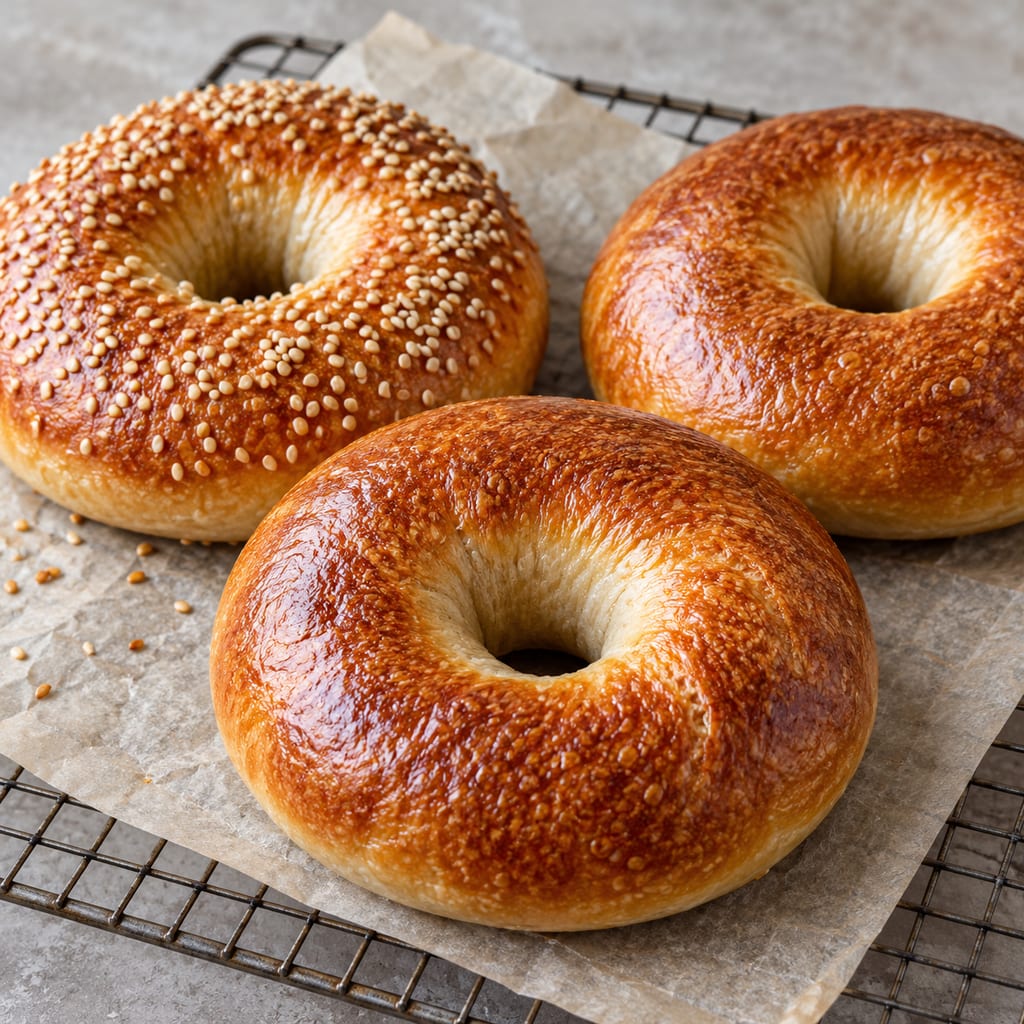
A firm bread-flour dough with barley malt is shaped into rings, refrigerated for 8–14 hours, poached below a boil, then baked hot with steam.
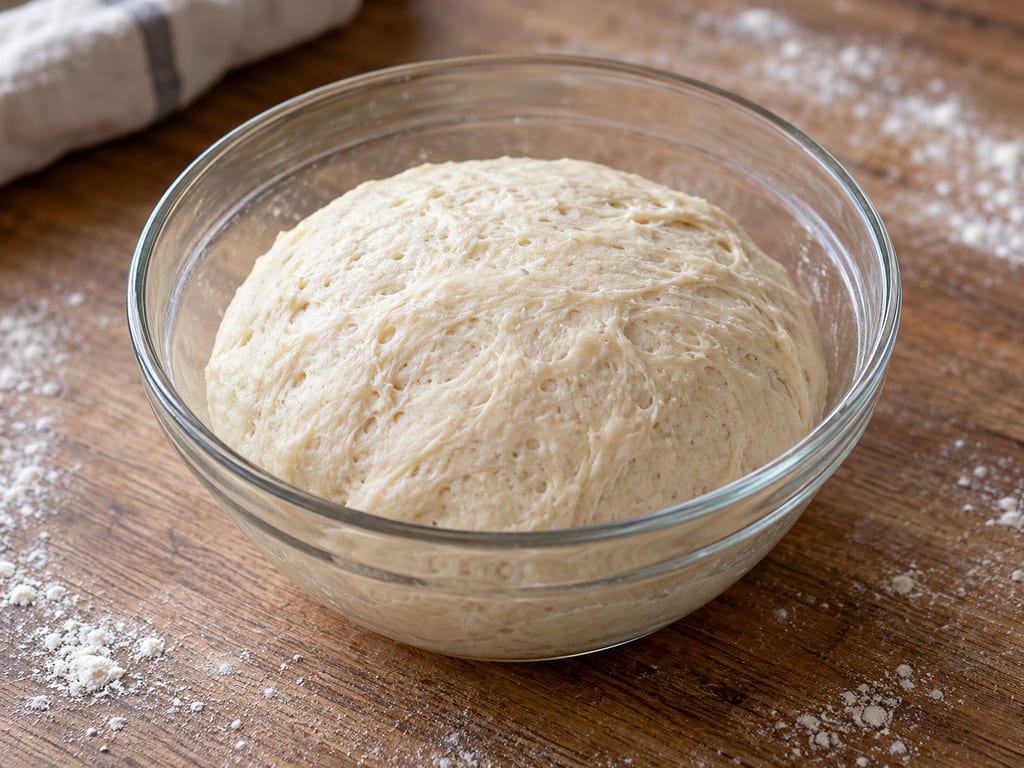
Pâte fermentée is a bread preferment made from salted, yeasted dough set aside to ferment and mixed into a later batch, carrying developed dough and fermentation products with it.
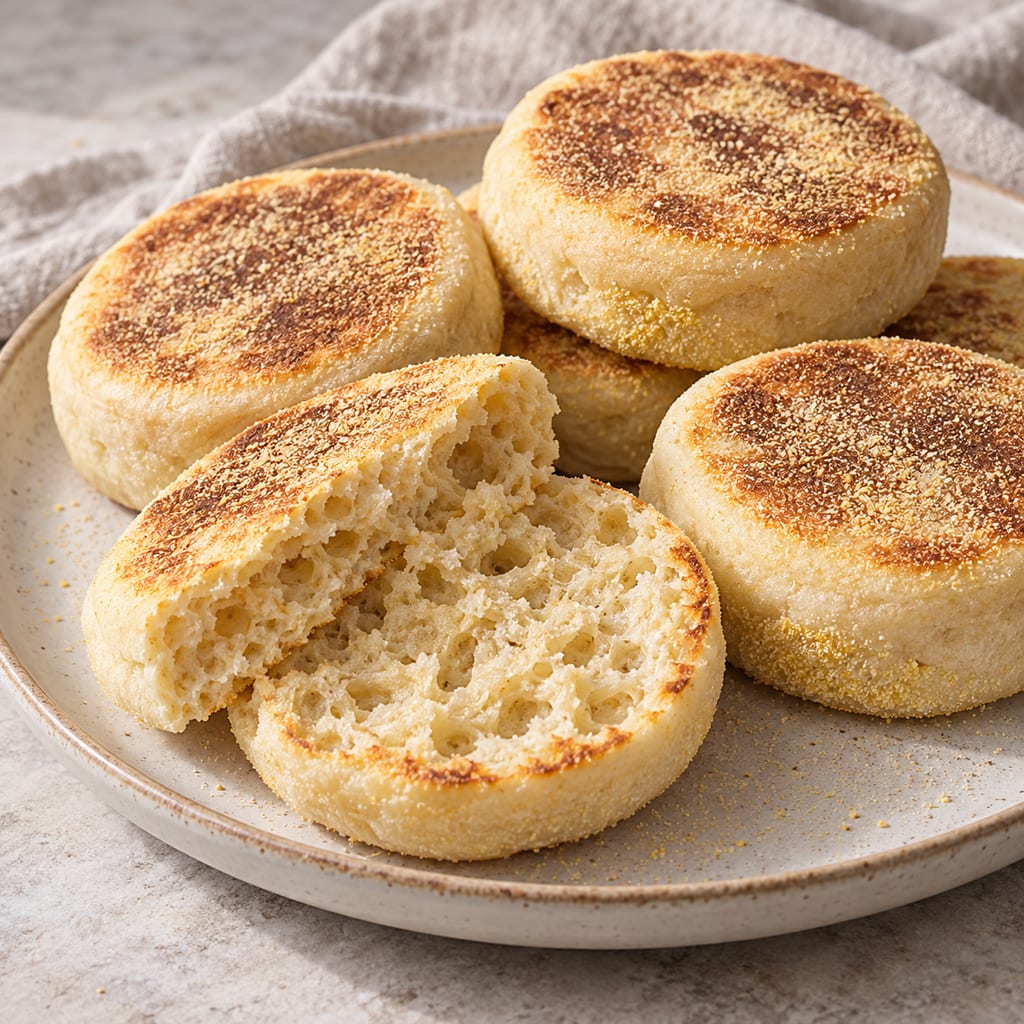
A soft English muffin dough combines sourdough starter with baker’s yeast, then rises, is cut into rounds and cooks on a griddle. The starter adds tang; the added yeast helps it rise.
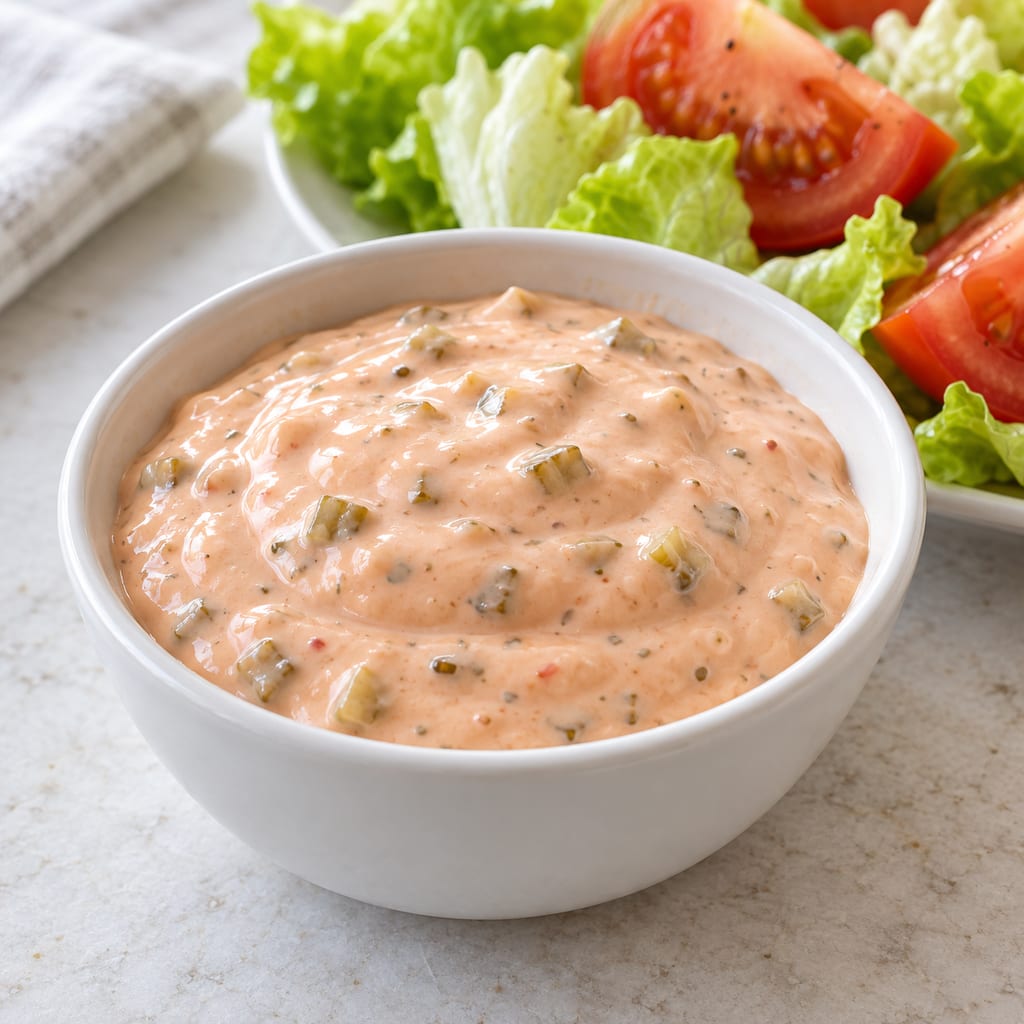
Thousand Island dressing is a pink, sweet-savoury dressing of mayonnaise, tomato condiment and chopped pickle relish, named for the Thousand Islands region on the St. Lawrence River, where its origin is placed.
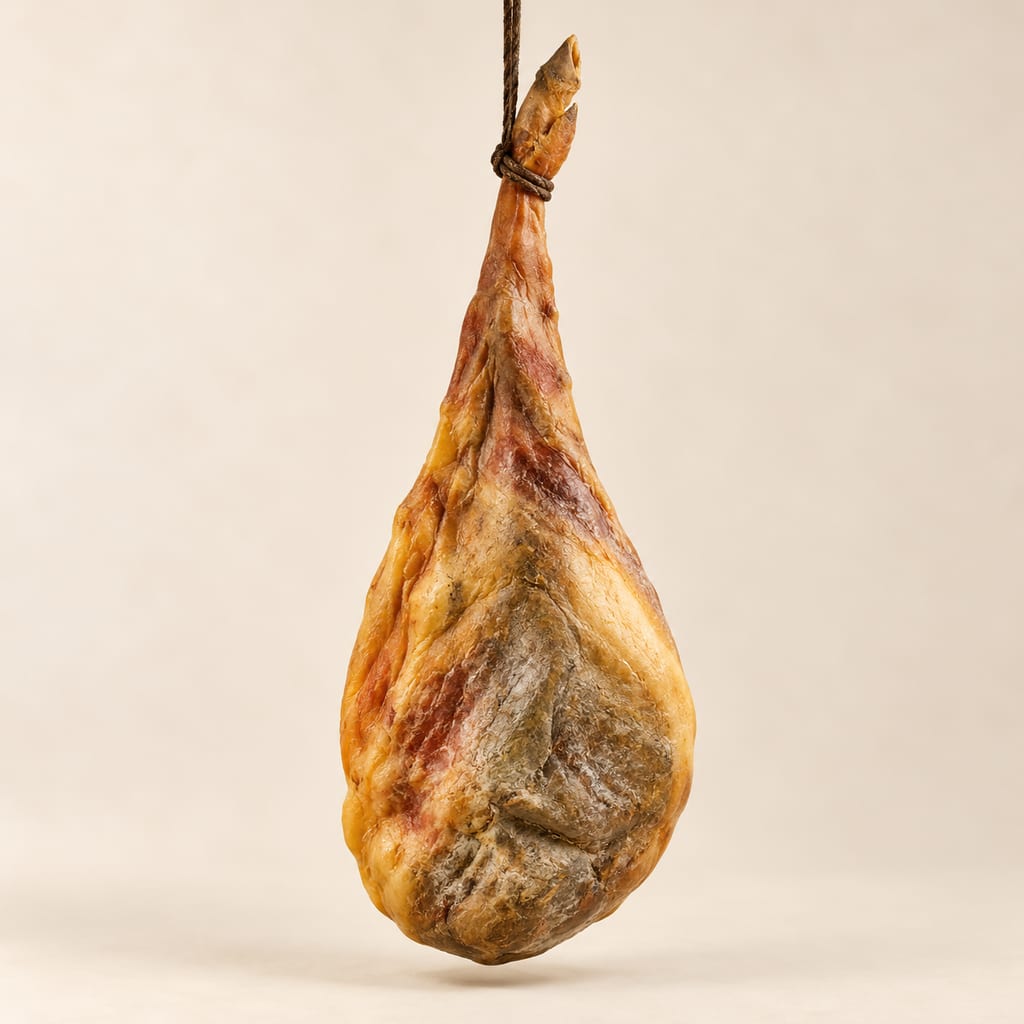
Cato the Elder records a second-century BCE sequence for salting, air-drying, and smoking ham. This historical account is not a validated modern curing protocol.
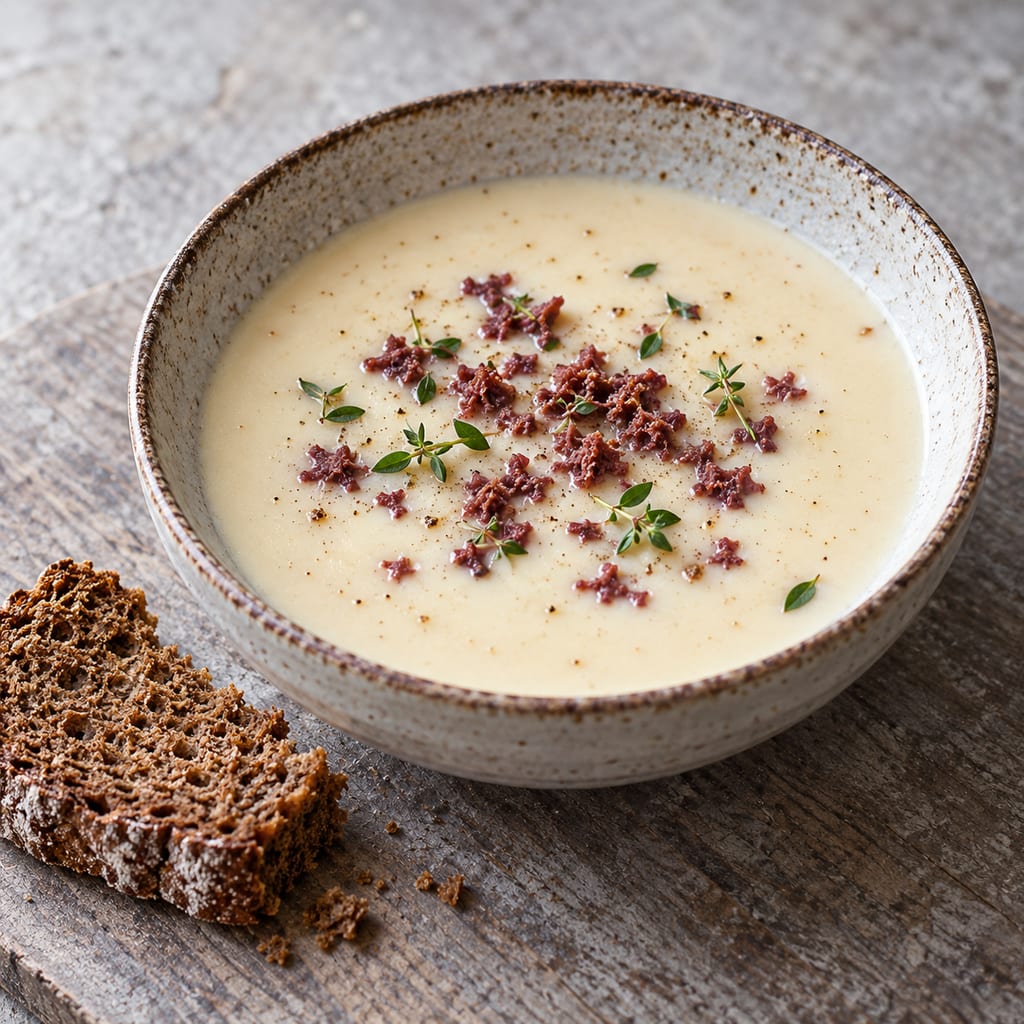
Kylmäsavuporokeitto is a creamy cold-smoked reindeer soup with onion, stock and cheese, served with bread.
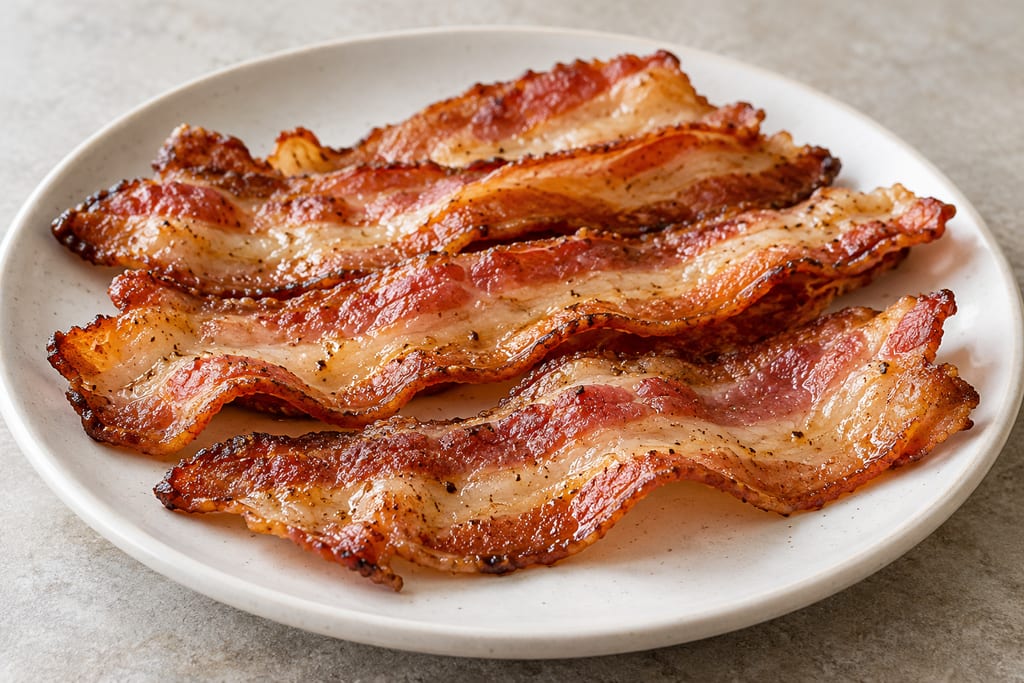
Pork belly receives a measured salt-and-sugar cure with coffee and spices, then is refrigerated before cooking or hot smoking.

Finnish pea soup simmers dried peas with palvikinkku or a vegetable alternative, then is served with mustard and chopped onion.
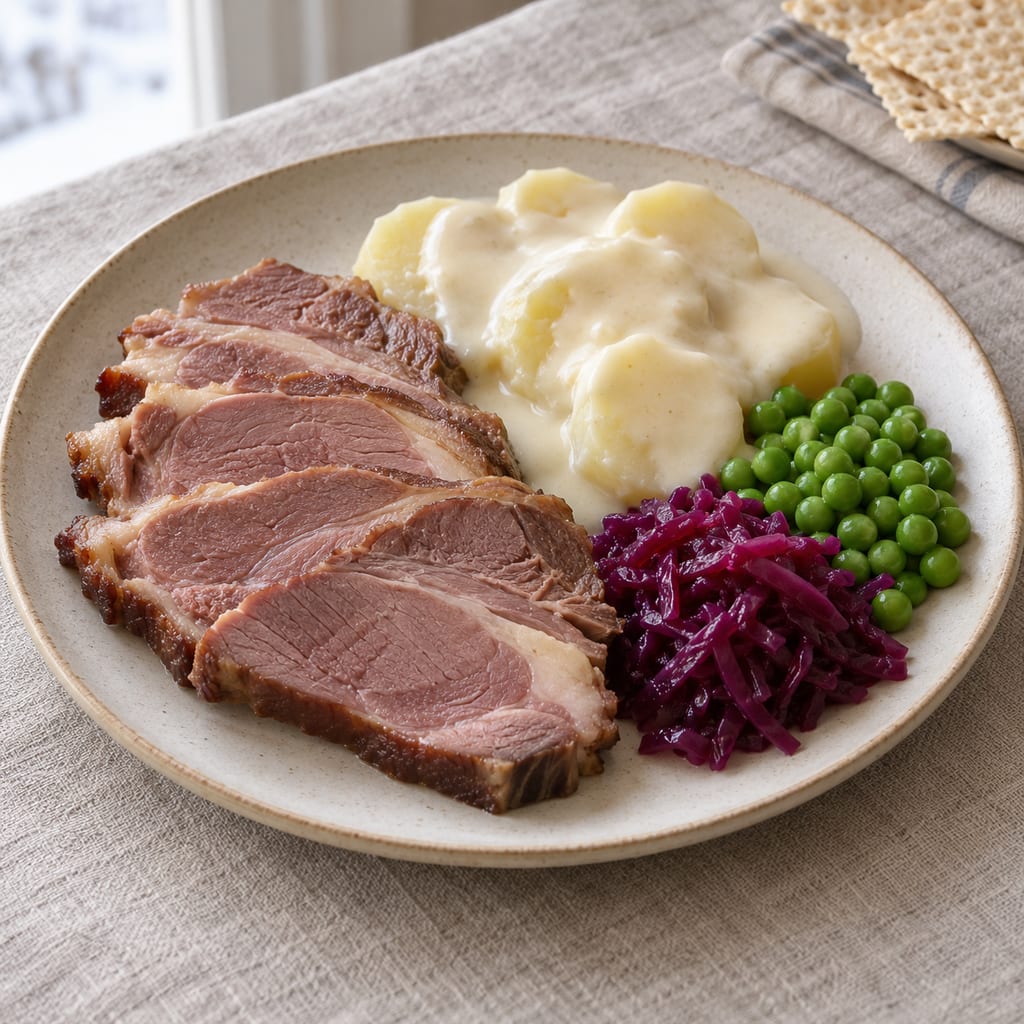
A six-person Icelandic Lamb serving recipe for deboned hangikjöt with potato bechamel, pickled cabbage, peas and laufabrauð. It cooks the product; it does not smoke or cure it.
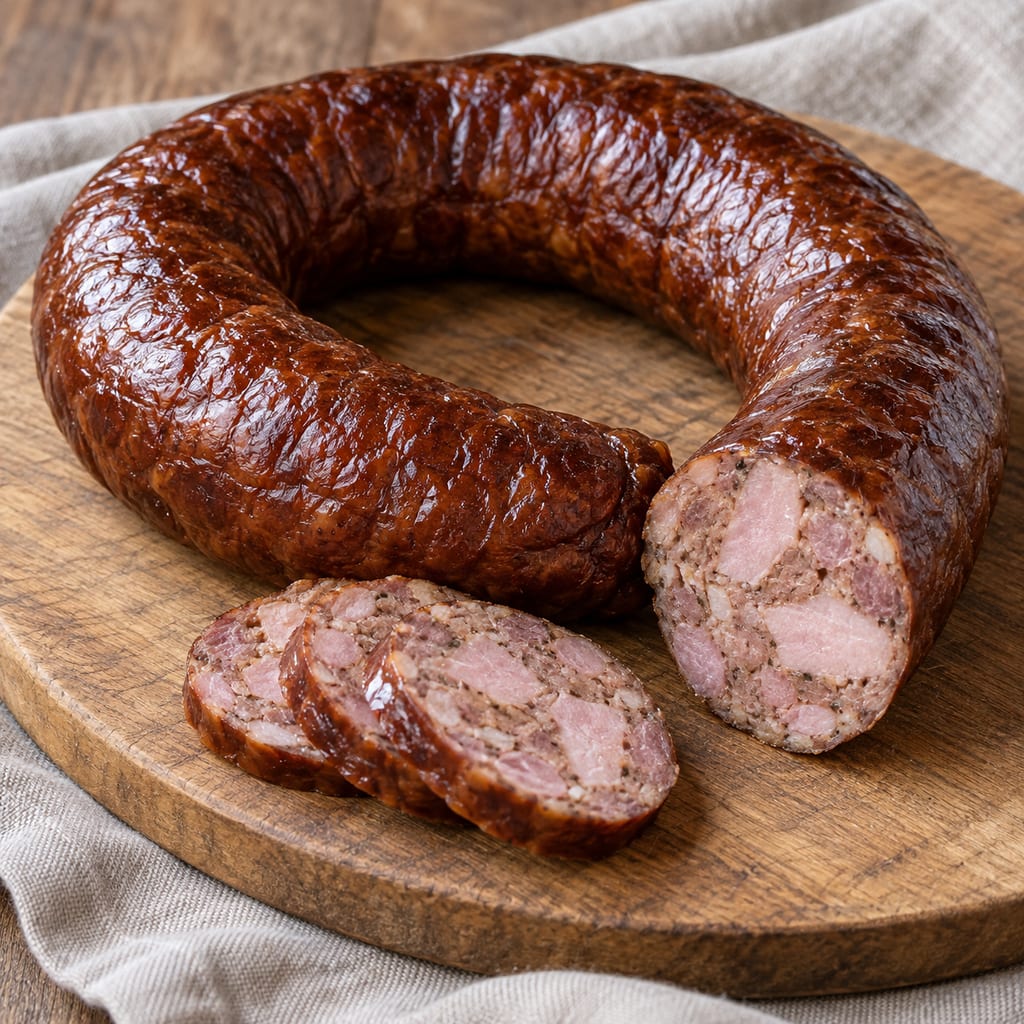
A protected pork sausage associated with Liszki and Czernichów; its application describes commercial curing and smoking, not a home batch.
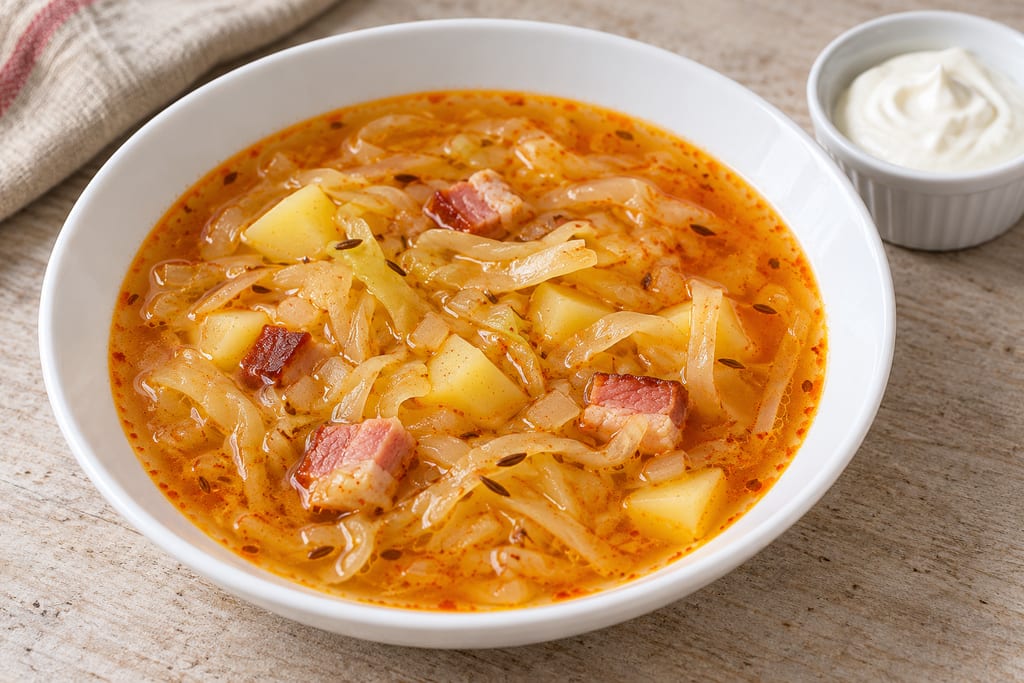
A two-portion cabbage soup with onion, potato and finished Geselchtes, served with garlic sour cream.
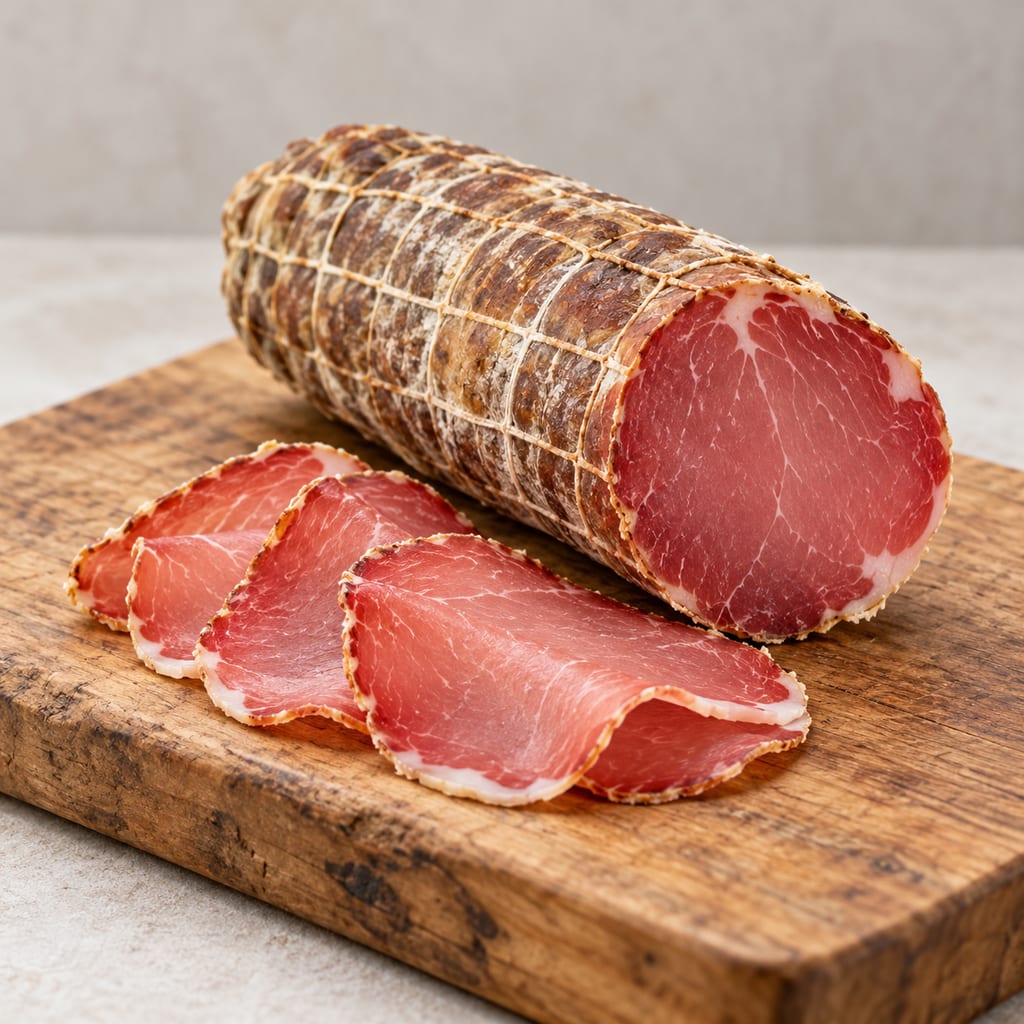
Documentary account of Italian regional cured-loin traditions, including Tuscan and Marche variations; no home-cure instructions are provided because the published professional methods lack validated safety controls.
No community contributions have been published for this entry yet.
Sign in to contribute. Published comments and photos are free to read.
Katz's DelicatessenMethod
Pastrami - Sliced by the PoundBrined for three weeks, rubbed with spices, wood-smoked, boiled, steamed at the counter and hand-carved
The producer keeps brine and operating details private
Cited in: Brined, smoked and steamed; What the sources leave open
Katz's DelicatessenUse
In-store menuHot pastrami sandwich, pastrami in a Reuben, and a pastrami omelette
Cited in: How it is eaten
Angela Hanratty and Diarmuid Cawley; European Journal of Food Drink and Society 4(1), 2024History
Pickelfleisch, Pastirma, and Beyond: An Overview of the Myths of the Origin of PastramiQuestions the link with air-dried pastirma or basturma and a New York invention story
Proposes pickelfleisch and homen from Alsace and south-east Rhineland-Palatinate as roots, carried east and then to the United States and Canada by Ashkenazi Jews
The defining feature is meat that is brined, cured, smoked and then steamed
Abstract only was read
Cited in: Brined, smoked and steamed; Where the name comes from; What the sources leave open
Tourisme MontréalUse
Everything you should know about smoked meatDistinguishes Montréal's brisket-centred smoked meat from pastrami
Cited in: How it is eaten