
Bagel
A yeast-raised wheat ring shaped from a firm dough, briefly boiled and baked. This source-batch formula gives a gently malted crust and a chewy crumb.
 FermenteaWhere food goes to change
Modern adaptation
Eliot's New York Water Bagels · New York water bagels
A firm bread-flour dough with barley malt is shaped into rings, refrigerated for 8–14 hours, poached below a boil, then baked hot with steam.
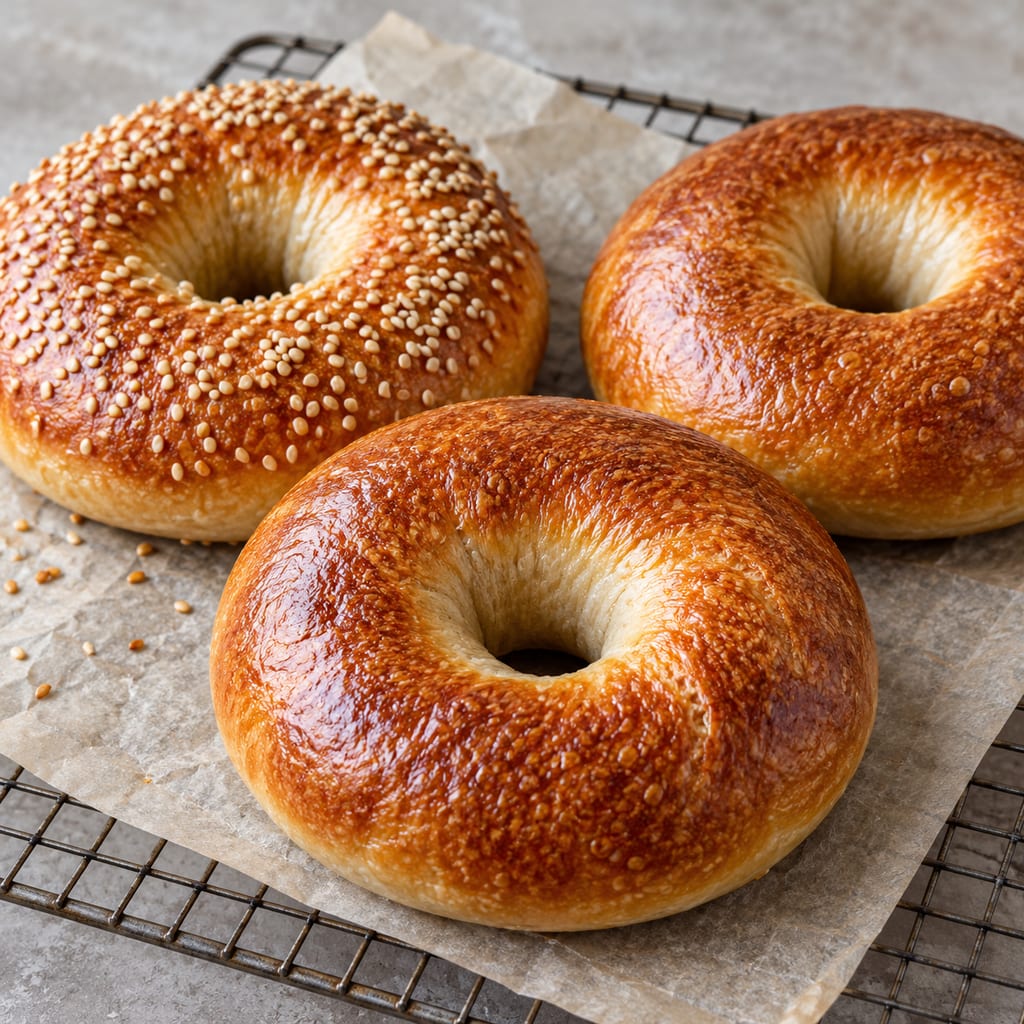
Chef Eliot Swartz's Union for Reform Judaism recipe is identified as a classic New York-style water bagel. This record follows that six-piece formula: bread flour, a small amount of instant yeast, sugar, salt and two forms of barley malt. The dough is mixed with cool water, shaped before its overnight refrigerator rest, then poached below boiling and baked with steam.
This is a separate recipe from the published general Bagel entry. That page uses a King Arthur same-day batch with a longer gentle boil and a 425°F bake. Swartz's method uses a more compact six-bagel batch, an 8–14 hour cold rest, a 180–190°F bath and a 465°F oven. Those source differences define why both records are useful; the general page remains the broader entry.
The recipe is explicitly presented as New York-style, but the page does not establish a specific bakery lineage or a historical first. Its documented association is the named contemporary style, not an origin claim for bagels as a food.
New York bakery context is documented separately: Kossar's describes kettle-boiled bagels and connects its Lower East Side business to Jewish immigrants from Eastern Europe. That account supports the city's Jewish bakery setting, not a claim that this chef's measured formula descends from a particular bakery.
The formula uses 457 g bread flour and 275 g water, about 60 percent hydration. Aim for dough that is dense, smooth and elastic; do not add extra water. Knead it for 10–15 minutes after the initial mix. The six portions weigh about 120 g each.
Each portion is flattened, folded into a sealed cylinder, rolled to a 9–10-inch rope and joined around the hand with an overlapped seam. This rope method differs from the finger-poked rings in the general bagel formula. Keep the seam closed so the ring holds its shape during the cold rest and poach.
Cover the shaped rings and refrigerate them for 8–14 hours. Before baking, heat the oven to 465°F (240°C) for at least 45 minutes and place an empty pan on a lower rack to make steam. The source does not give a refrigerator temperature or a room-temperature proofing stage.
Warm one gallon of water to 180–190°F (82–88°C), below a boil, then stir in 40 g barley malt syrup. Poach each bagel for 30 seconds on each side. Lift with a slotted spoon, drain and add any topping while the outside is still wet. Bake on parchment for 16–20 minutes, rotating the tray halfway through, until deep golden. Cool at least 30 minutes before slicing.
Raw flour can carry harmful bacteria. Do not taste the uncooked dough, and wash hands, bowls and counters after handling it. The poaching bath sits below boiling but is hot enough to burn; move bagels with a slotted spoon and take care with hot water, steam and oven trays.
The source gives appearance and bake-time cues but no validated internal-temperature endpoint or storage limit. This record does not add either. The listed 465°F oven setting and 180–190°F poaching bath remain the measured controls in the recipe.
Chef Eliot Swartz's recipe is expressly titled and described as New York-style water bagels. It documents one contemporary method with an overnight cold rest and a 180–190°F poaching bath. The recipe page does not establish a bakery lineage, first attestation or historic New York formula. This is distinct from the published general bagel recipe, which uses a same-day rise and rest, a gentle boil, and a different dough and bake.
Yield 6 bagels, about 120 g each · Scaling: source batch only
Flour is raw and the dough is handled before baking.
Hazard sourceThe method uses a near-boiling bath, steam and a hot oven, which can burn.
Hazard sourceDo not taste raw flour or dough; wash hands, bowls and work surfaces after handling raw flour and dough.
Control sourceUse a slotted spoon to lift bagels from the hot bath and take care when handling the steam pan and baking tray.
Control sourceDo not taste raw dough. The source's poaching bath is hot but below boiling; handle it and the steam pan carefully.
The source does not give a validated internal-temperature or storage limit.
The author and publisher explicitly call this New York-style; the page does not name a specific bakery or establish the style's place of origin.
A yeast-raised wheat ring shaped from a firm dough, briefly boiled and baked. This source-batch formula gives a gently malted crust and a chewy crumb.
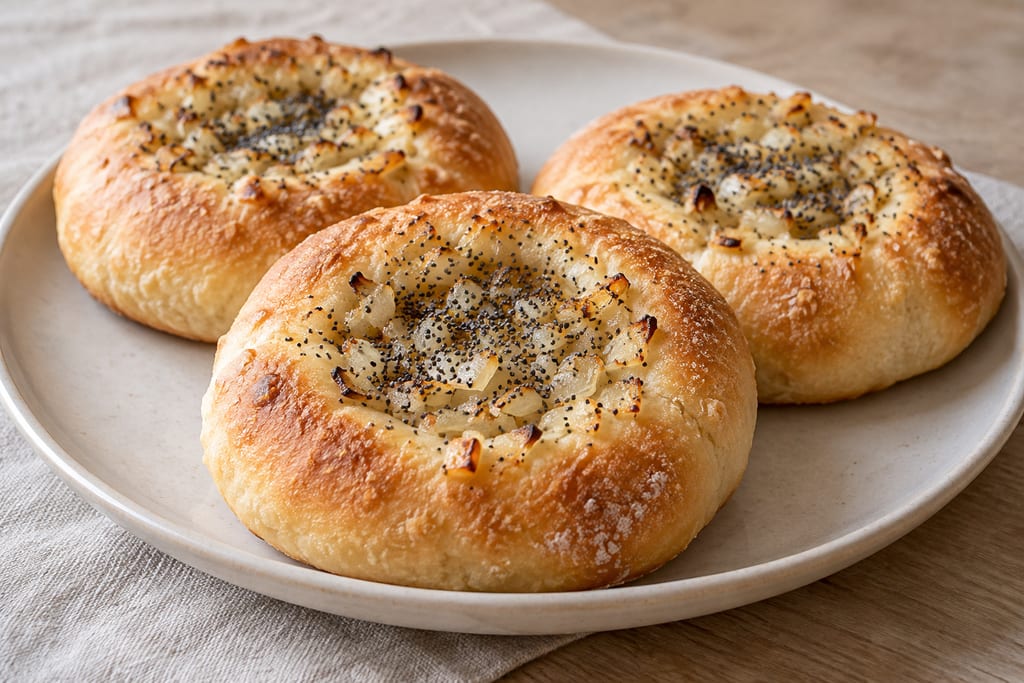
Bialys are soft, yeasted wheat rolls baked without boiling, each shaped with an onion-filled central depression instead of a hole.
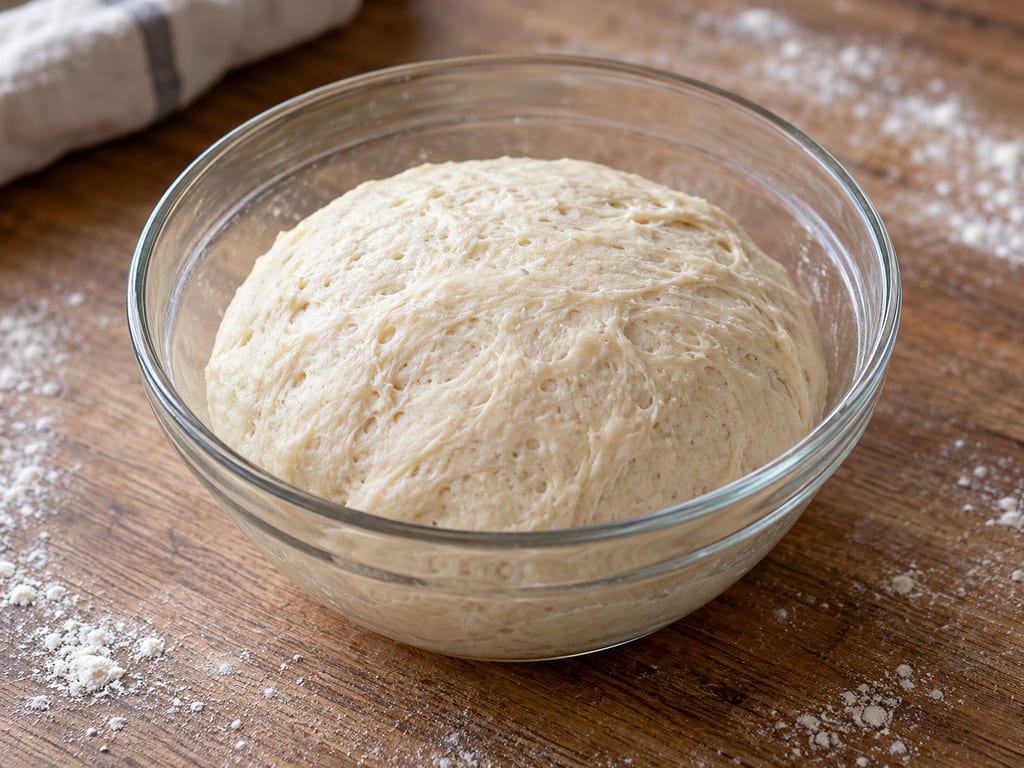
Pâte fermentée is a bread preferment made from salted, yeasted dough set aside to ferment and mixed into a later batch, carrying developed dough and fermentation products with it.
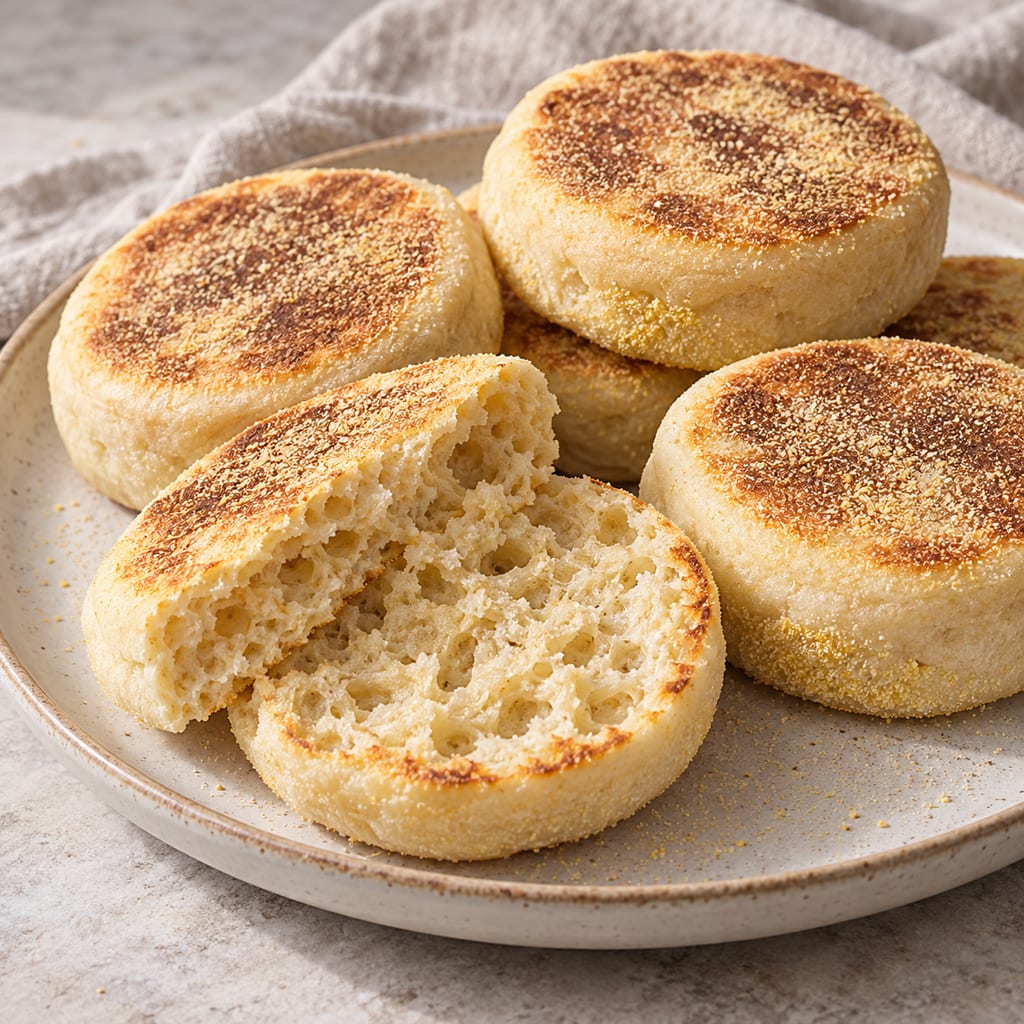
A soft English muffin dough combines sourdough starter with baker’s yeast, then rises, is cut into rounds and cooks on a griddle. The starter adds tang; the added yeast helps it rise.
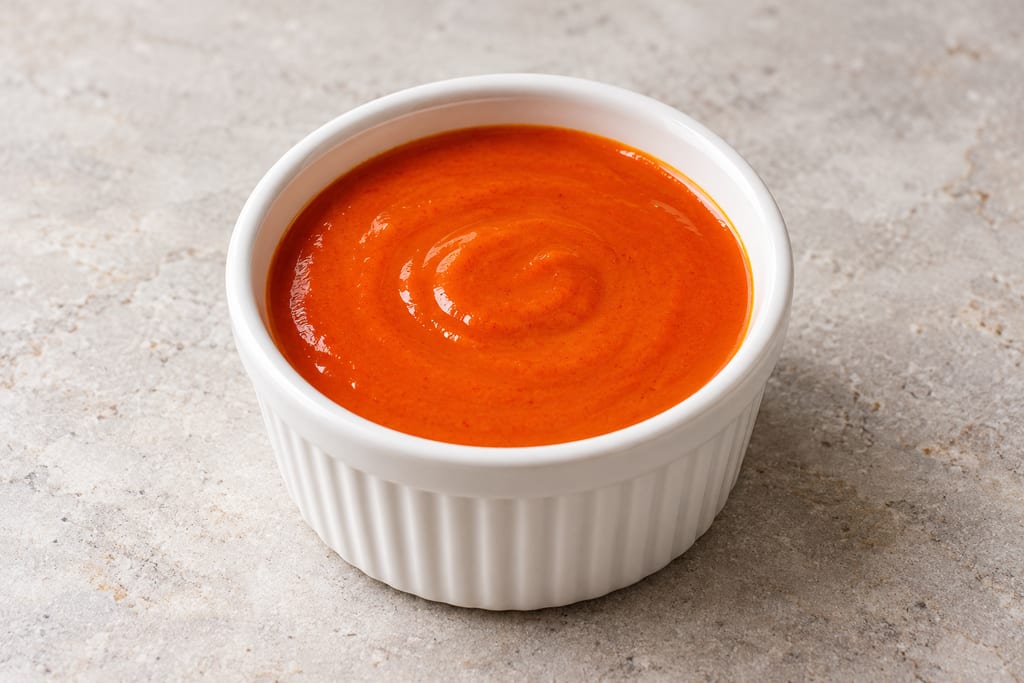
A warm, buttery cayenne sauce made by melting butter into a hot pepper sauce, first tossed onto fried chicken wings in Buffalo, New York.
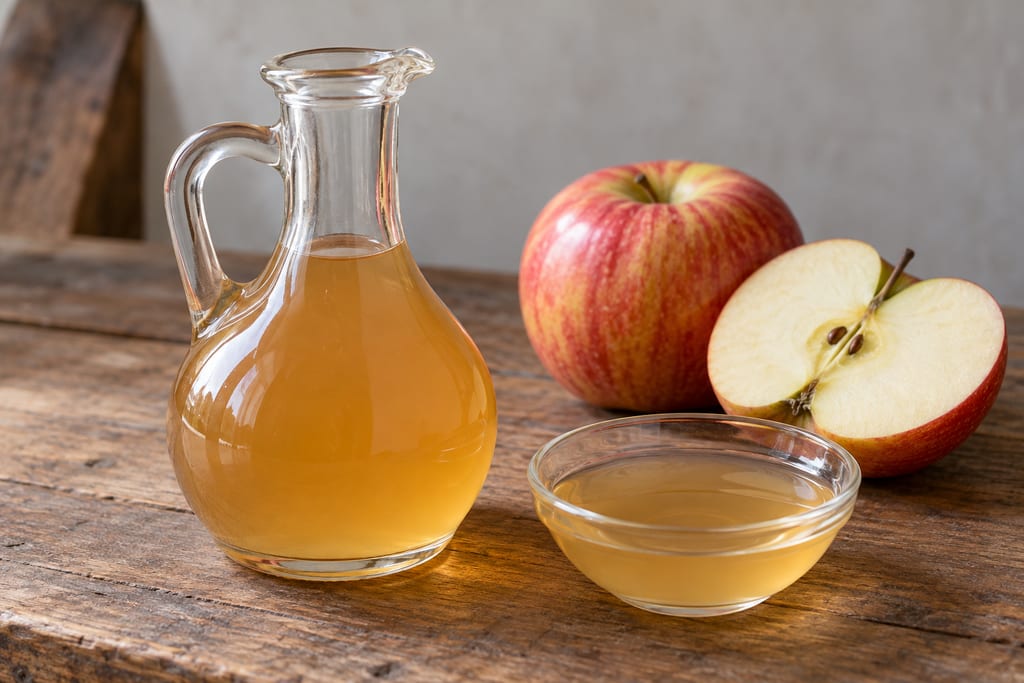
Cider vinegar is made when acetic-acid bacteria use oxygen to turn the alcohol in dry apple cider into acetic acid. This historical cask method begins with fermented cider and differs from apple-scrap vinegar made with sugar and water.
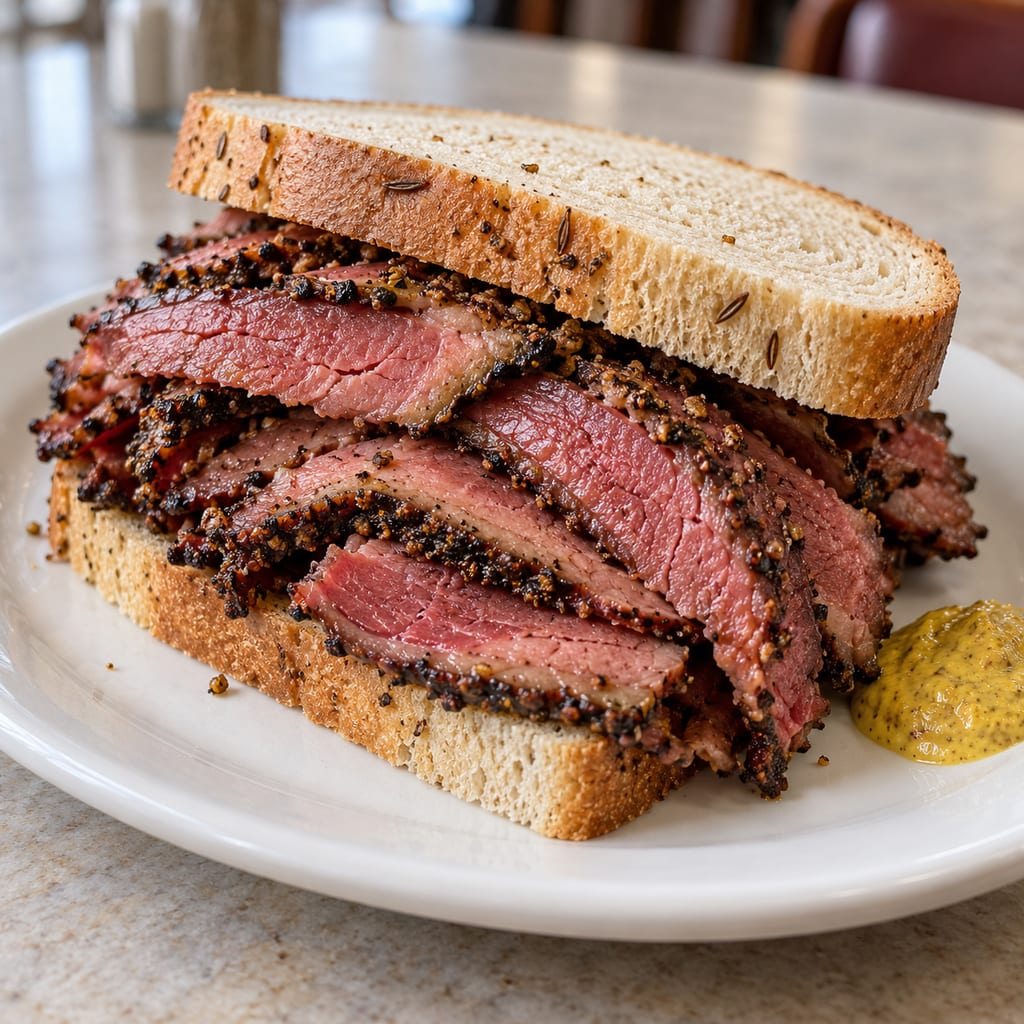
Pastrami is beef brined, rubbed with spices, smoked and steamed, the New York Jewish deli meat served hot and hand-carved on rye. Its origin is argued between competing accounts.
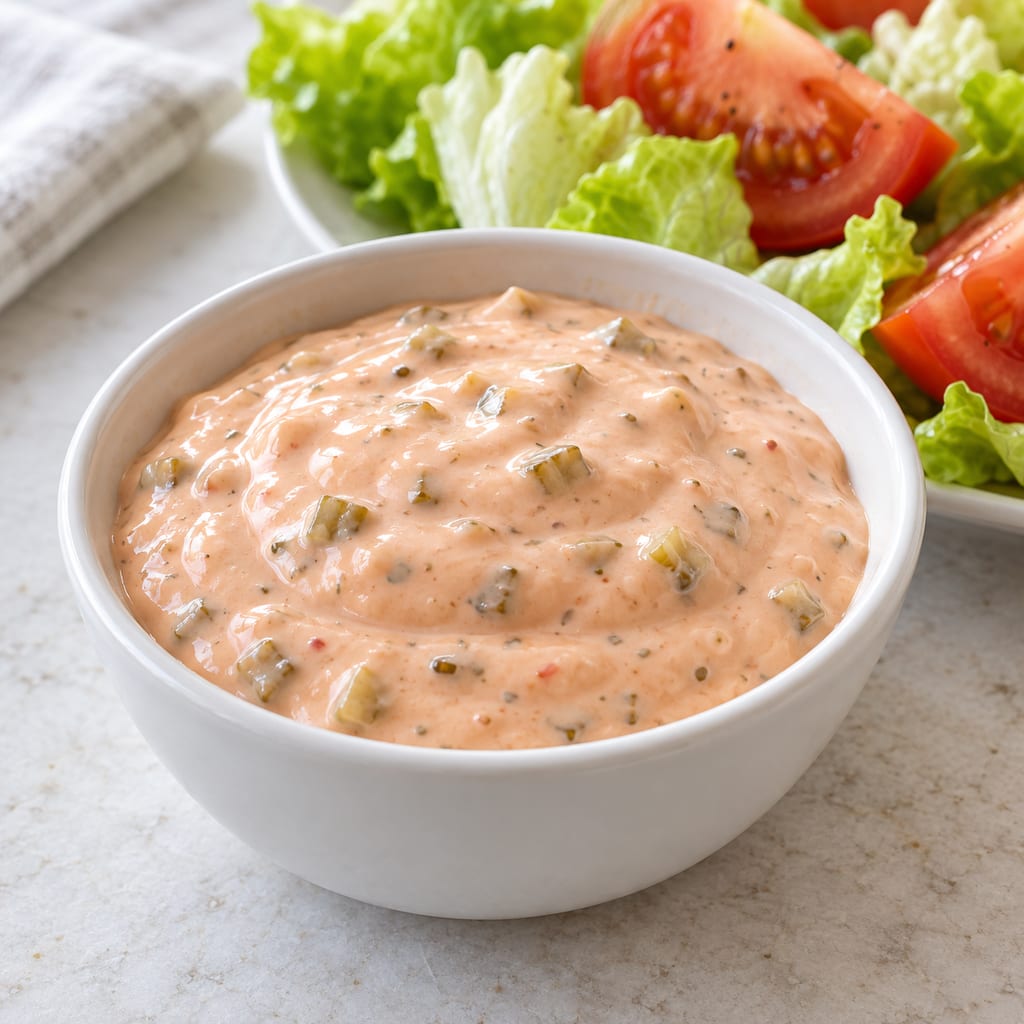
Thousand Island dressing is a pink, sweet-savoury dressing of mayonnaise, tomato condiment and chopped pickle relish, named for the Thousand Islands region on the St. Lawrence River, where its origin is placed.
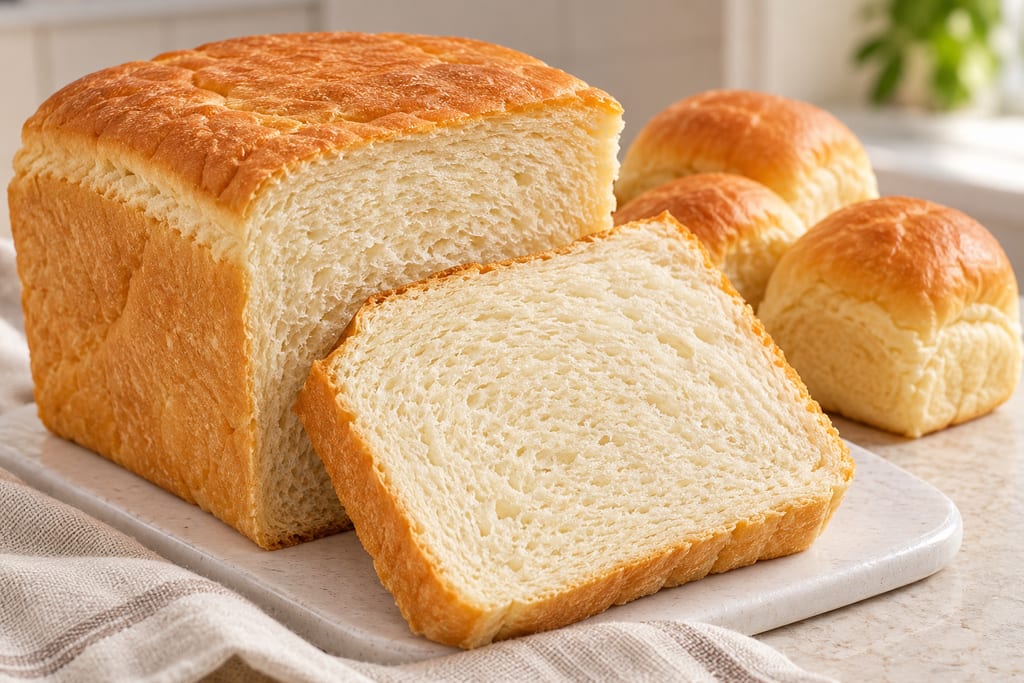
This softer home-style Agege bread uses a scalded flour paste, an enriched yeast dough and a 9×5-inch loaf pan, with rolls from the extra dough.
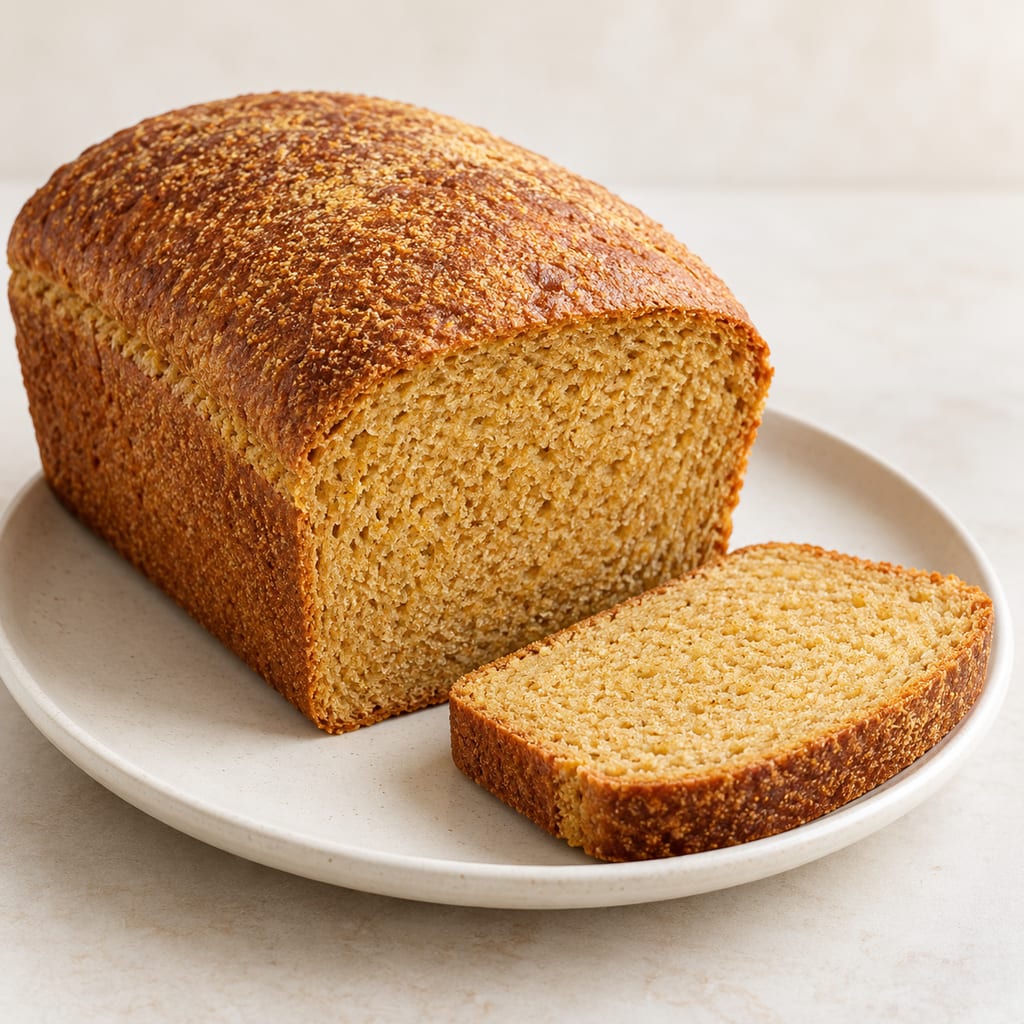
Anadama is a New England yeast loaf made with wheat flour, cornmeal and molasses. Scalded cornmeal enriches the dough, while molasses lends sweetness and a dark crust; it is especially good toasted or beside soup and baked beans.

Three long, crusty wheat loaves made with an overnight yeast poolish, shaped by hand and baked with steam for a crisp crust.
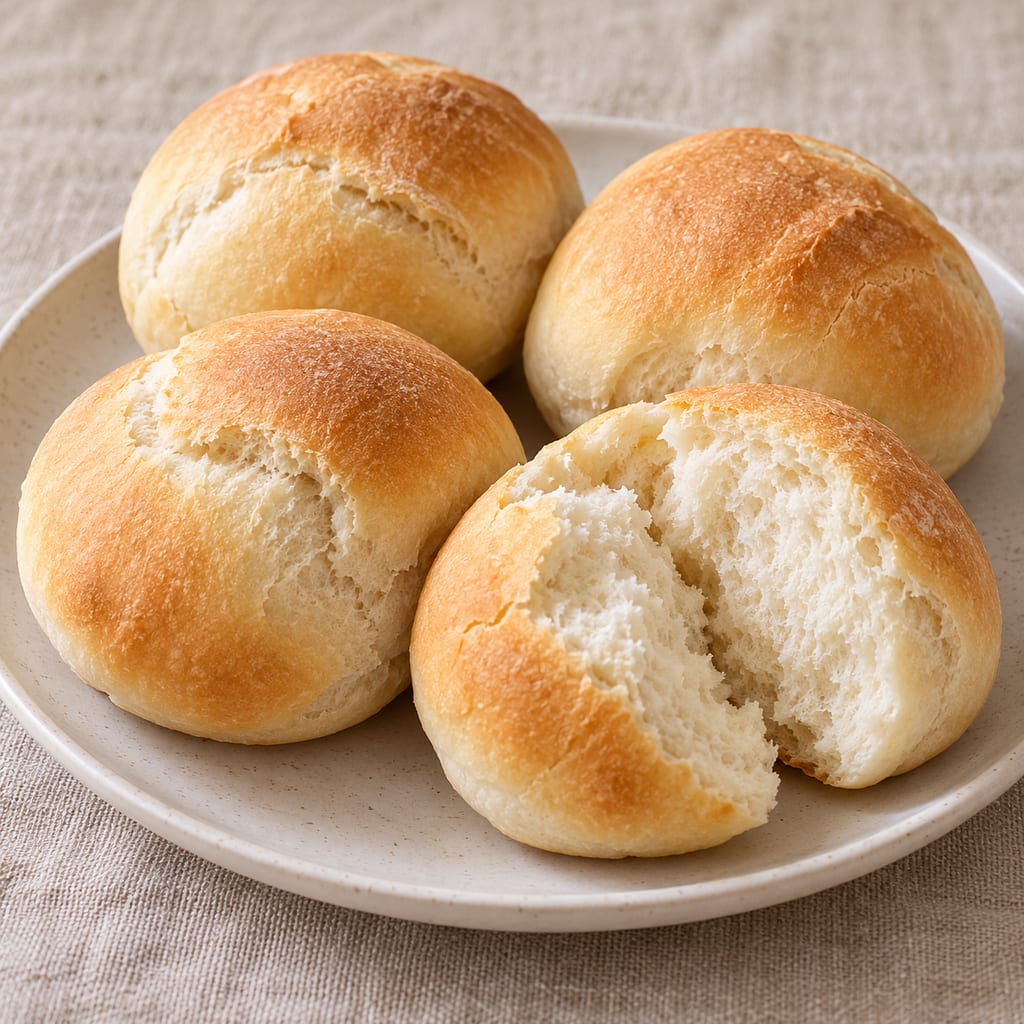
A lightly salted, yeast-raised Barbadian roll, baked in a dozen-roll home batch and often split for cutters.
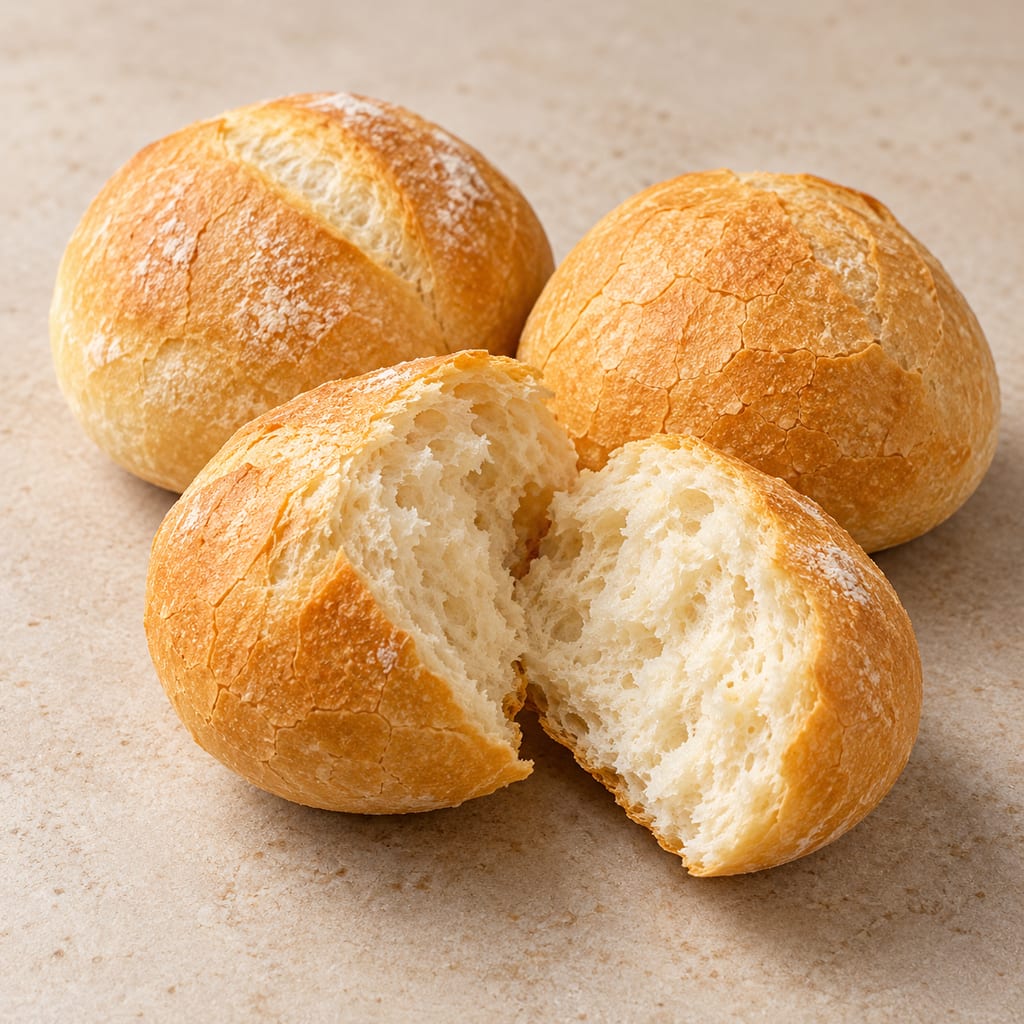
A crisp Belgian roll made from a supplier’s Croc-flour dough, mixed by hand or machine, proofed in rounds and baked with steam.
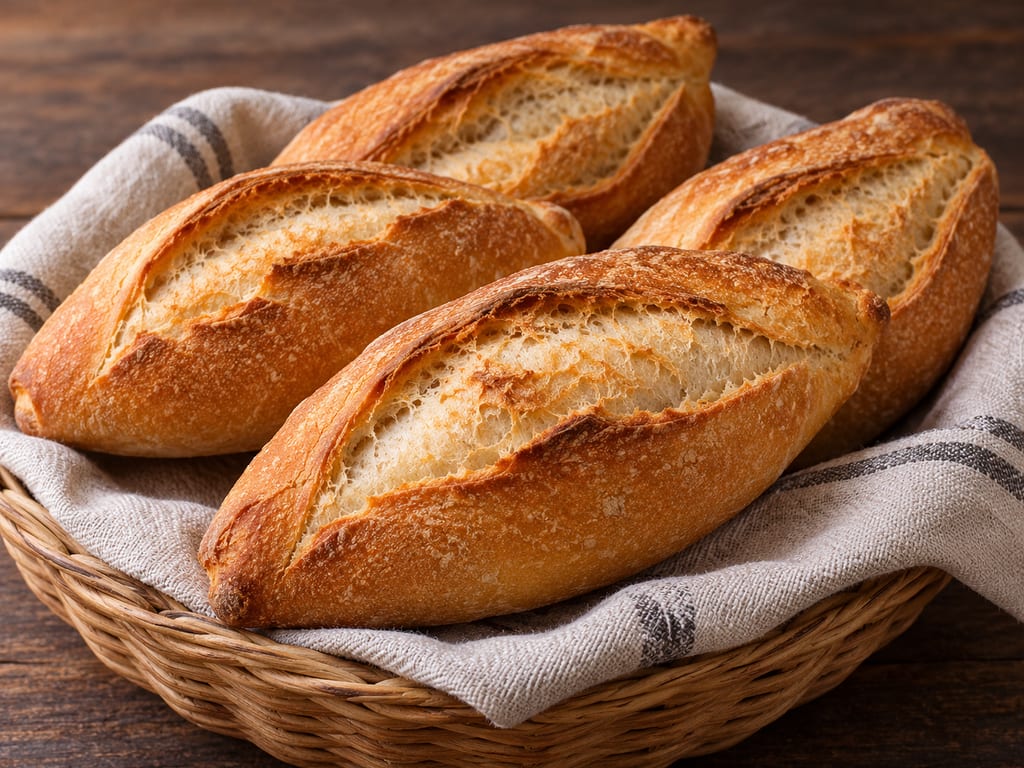
A measured, commercial-yeast home method for Guadalajara-style birote salado, with a six-hour preferment, shaped rolls and a two-temperature steam bake. This formula contains no egg.
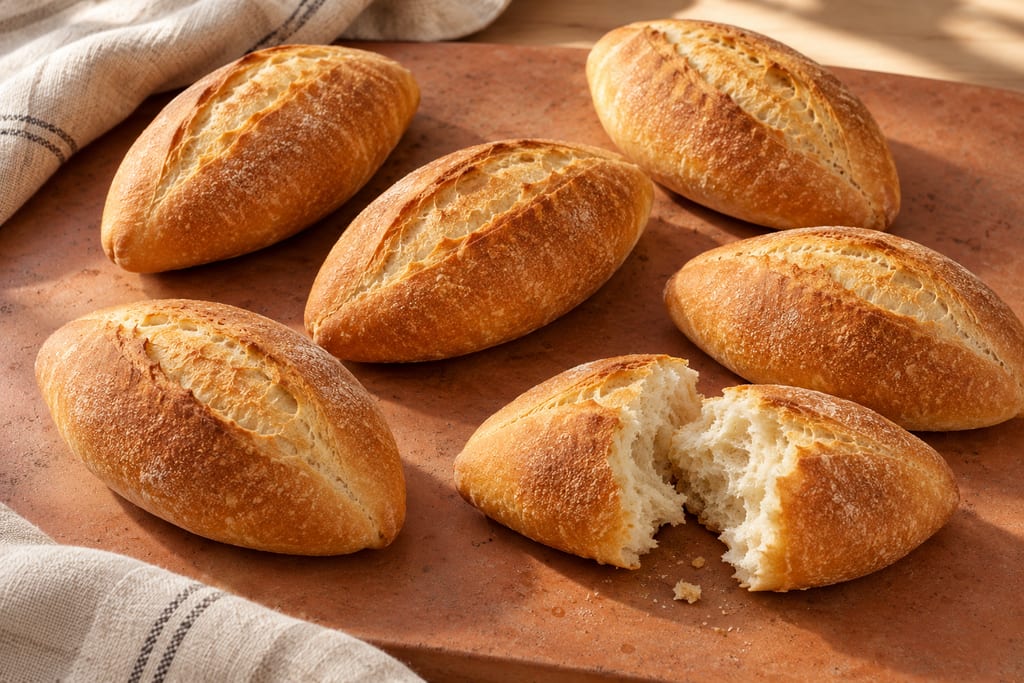
Small, lightly enriched rolls with tapered ends and a scored top; this six-roll formula bakes on a hot stone with steam for a thin, crisp crust.
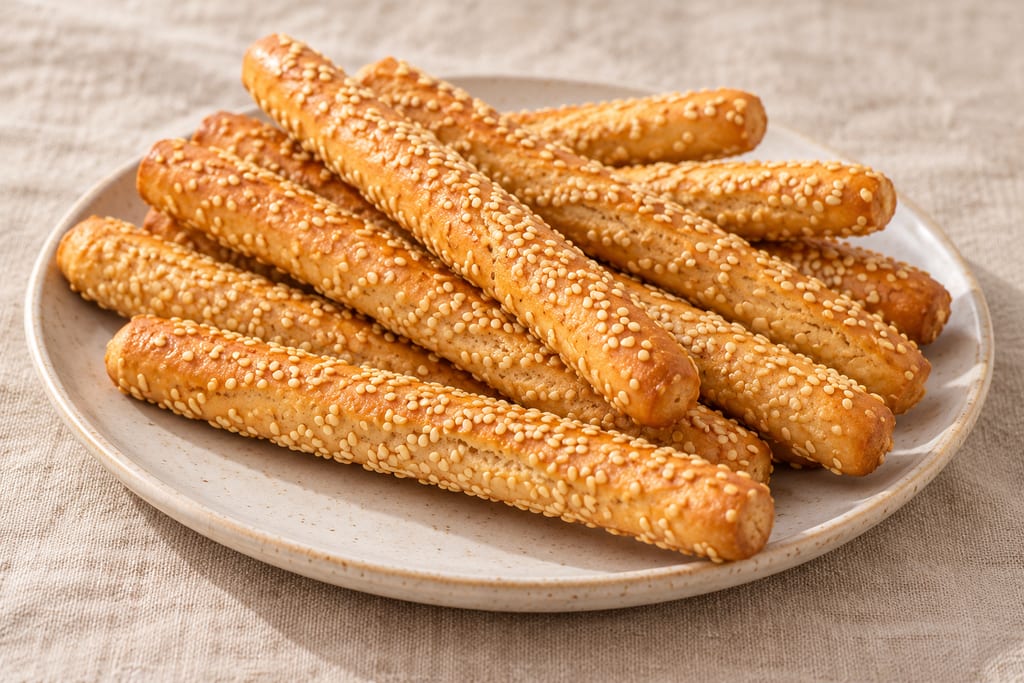
Amira Ibrahim’s Egyptian bosomat are yeast-raised wheat sticks scented with optional fennel and anise, topped with sesame and baked until dry and crisp.
No community contributions have been published for this entry yet.
Sign in to contribute. Published comments and photos are free to read.
Union for Reform JudaismMethod · Ingredients · Geography
Eliot's New York Water BagelsRecipe identifies itself as a New York-style water bagel and gives its complete measured six-piece formula.
It specifies dough water temperature, mixing and kneading, ring dimensions, 8–14 hour refrigerated rest, poaching bath temperature and duration, oven setting, steam and bake time.
Cited in: A separate New York-style formula; Firm dough and ring shaping; Overnight rest, poaching and baking; Handling and limits
King Arthur Baking; recipe by PJ HamelComparison
BagelsThe existing general bagel page uses a different source batch, a same-day rise and rest, a gentle boil and a 425°F oven; this record follows the separate cold-retarded New York-style source instead.
Cited in: A separate New York-style formula
U.S. Food and Drug AdministrationSafety
Handling Flour Safely: What You Need to KnowFlour is raw and may carry harmful bacteria; do not taste raw flour or dough, and clean hands and work surfaces after handling.
Cited in: Handling and limits
Kossar's Bagels & BialysHistory · Geography
About Us: History and TraditionKossar's identifies its New York bakery's kettle-boiled bagels and connects its Lower East Side history to Jewish immigrants from Eastern Europe; this documents local bakery context, not this recipe's lineage.
Cited in: A separate New York-style formula