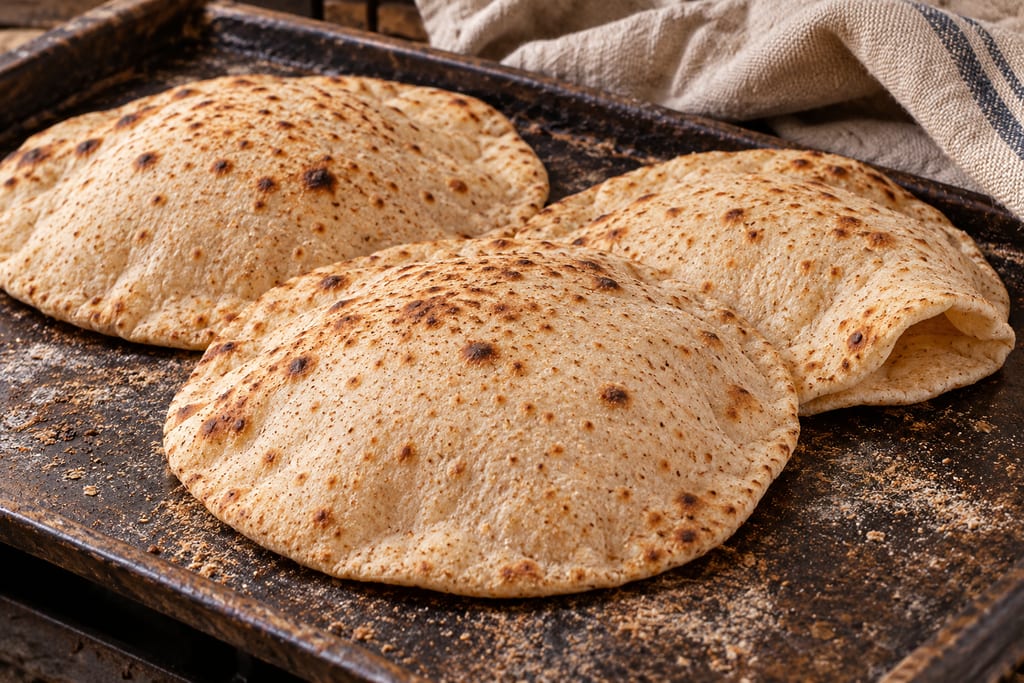
Aish baladi (Egyptian whole-wheat pita)
This home adaptation of Egyptian aish baladi uses a refrigerated yeast biga, whole-wheat dough, bran dusting and a very hot baking surface to make 16 pocketed rounds.
 FermenteaWhere food goes to change
Bo’somat · Bosomat · bo'somat · Egyptian breadsticks
Amira Ibrahim’s Egyptian bosomat are yeast-raised wheat sticks scented with optional fennel and anise, topped with sesame and baked until dry and crisp.
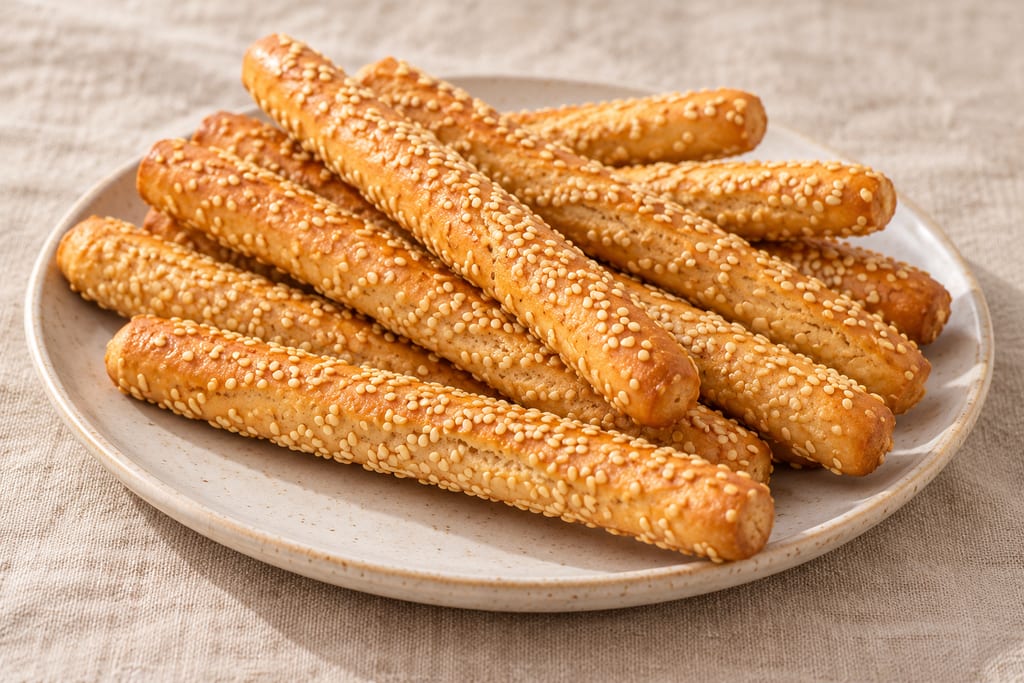
Amira Ibrahim describes bo’somat as crisp Egyptian breadsticks sold in streets, shops and pastry shops. She serves them with white cheese and mint tea, and identifies sesame as the traditional topping. Her recipe makes 16 sticks; optional fennel and anise give the dough its aromatic flavor.
The sticks are rolled to about half an inch thick, baked once for color, then baked at a higher temperature under loose foil until firm and dry. Their crunch depends on even shaping and complete cooling before an airtight container is closed. This page documents Ibrahim’s home recipe, not every Egyptian formula.
Mix the dry ingredients first, then incorporate oil and add warm water gradually until a consistent dough forms. Flour absorption varies, so treat the listed water quantity as a guide. A 30-minute rest follows before dividing the dough into 16 equal pieces.
Roll the portions evenly into long sticks about half an inch across. Uniform thickness helps the sticks dry at a similar rate. Egg wash and sesame are the source’s usual finish; nigella seeds or no topping are alternatives.
Bake first at 350°F until the sticks reach the color you want. Cover the tray loosely with foil, raise the oven to 400°F and continue baking until the sticks are hard and no longer soft to the touch. Amira Ibrahim reports about 13–15 minutes for this second stage; the crispness cue, rather than color alone, defines the end of her method.
Cool the sticks completely on a wire rack before sealing them airtight. The author reports that they keep fresh for five to seven days; that is a source-reported freshness statement rather than a tested safety shelf life.
Amira Ibrahim identifies bo’somat as Egyptian breadsticks sold in streets, shops and pastry shops. She describes them with white cheese and mint tea, and says sesame is the traditional topping while fennel and anise are characteristic flavor options in her recipe. These facts support an Egyptian association and contemporary use, not a precise origin or earliest date.
Yield 16 breadsticks · Scaling: source batch only
Raw flour and uncooked egg can carry germs; do not taste raw dough or egg wash, and clean surfaces after contact.
Hazard sourceDo not taste the raw dough or egg wash; wash hands, utensils and work surfaces after handling flour and egg.
Control sourceBake until the sticks are hard and no longer soft to the touch, then cool completely on a rack before sealing.
Control sourceThe source reports that the sticks keep fresh for 5–7 days in an airtight container. This is a source-reported freshness claim, not a validated food-safety shelf life.
Cool completely before sealing; trapped warmth can soften the deliberately crisp breadsticks.
Amira Ibrahim identifies the preparation as Egyptian and describes its sale and serving there; no precise locality or birthplace is claimed.
This home adaptation of Egyptian aish baladi uses a refrigerated yeast biga, whole-wheat dough, bran dusting and a very hot baking surface to make 16 pocketed rounds.
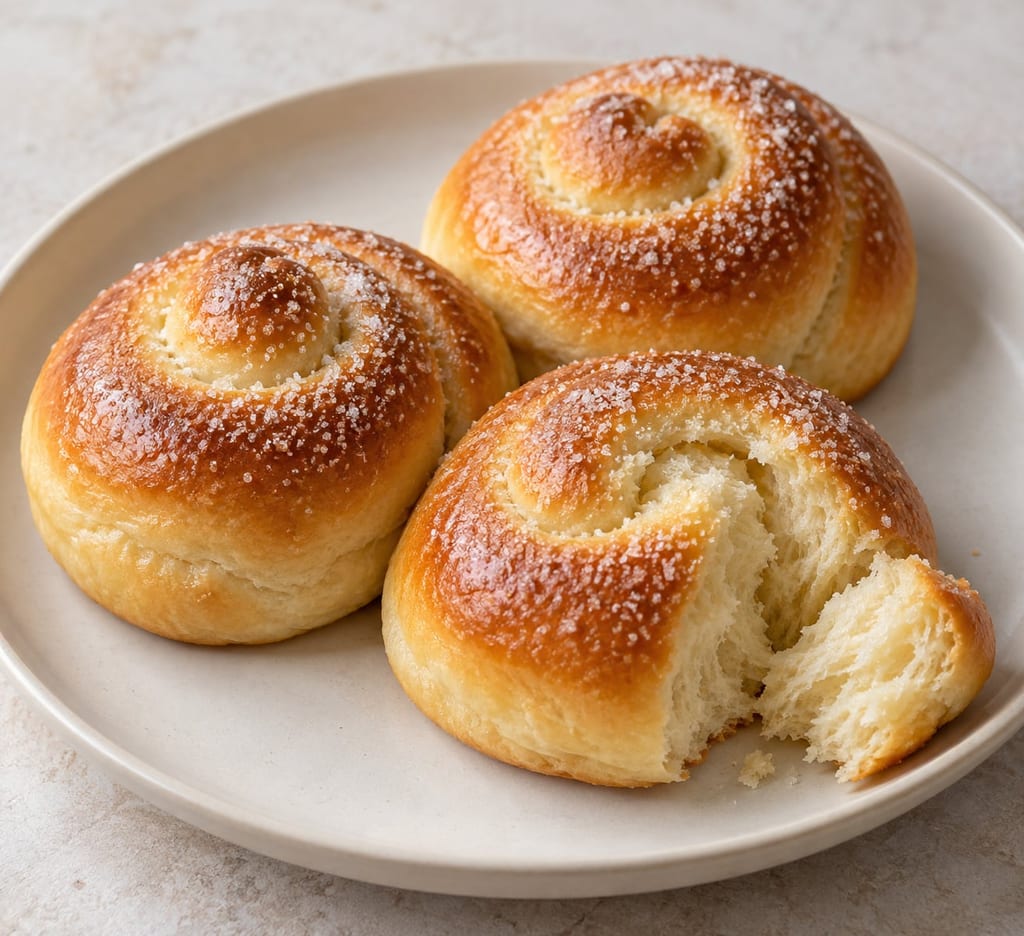
Egyptian sweet wheat rolls shaped into coils or braids, enriched with milk, egg and fat and eaten at breakfast, with tea or milk, and at family celebrations.
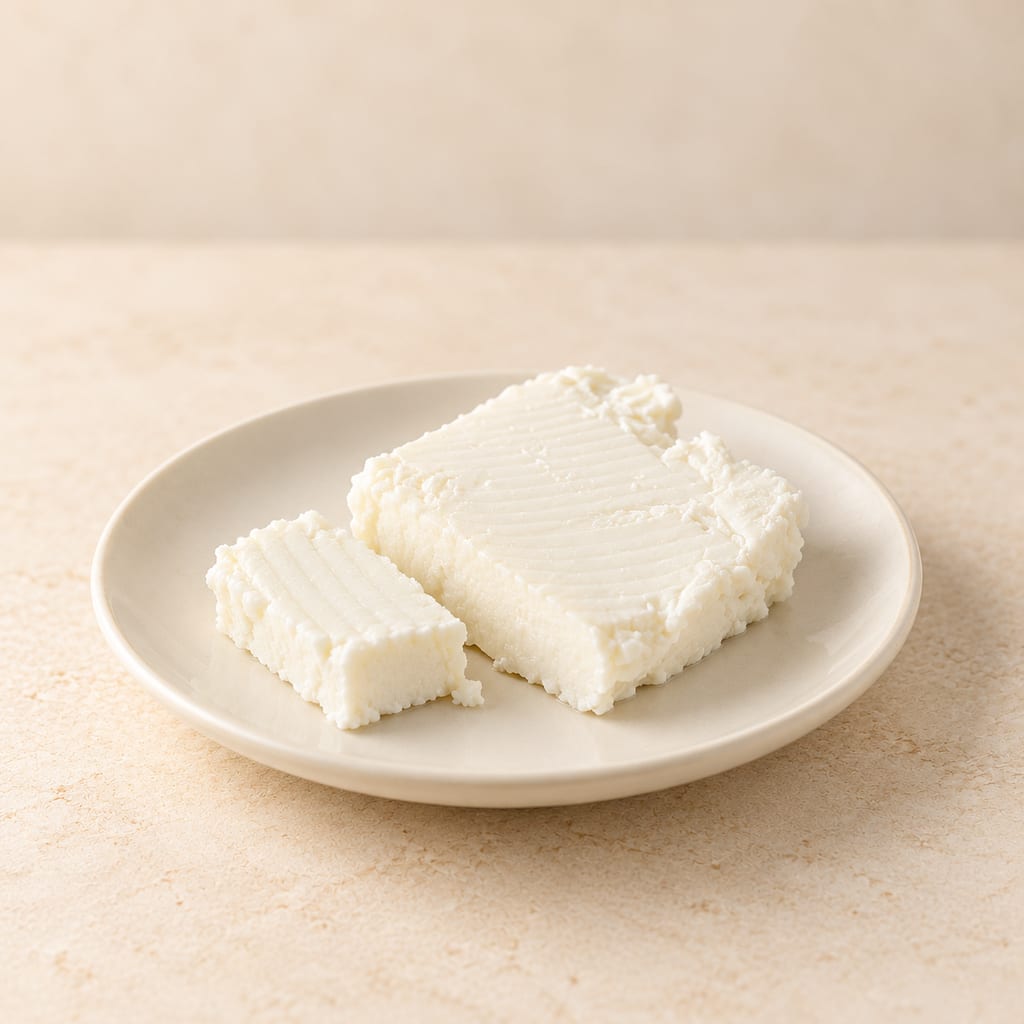
Domiati is a soft Egyptian white cheese made by salting milk before renneting. It is eaten fresh or ripened in brine, with cow and buffalo milk used in varying proportions.
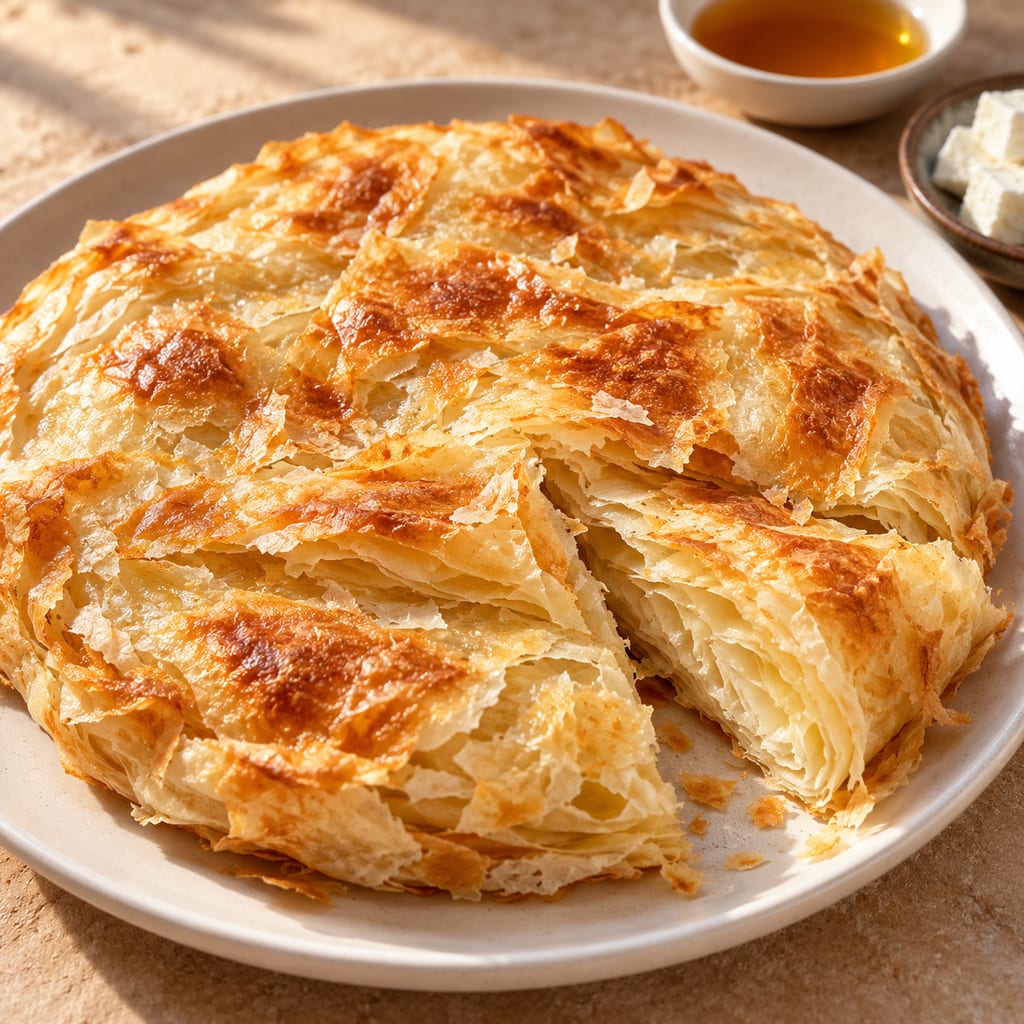
Egyptian layered pastry made from a soft wheat dough stretched thin, folded with ghee, and baked until crisp and golden. Serve plain with sweet or salty accompaniments.
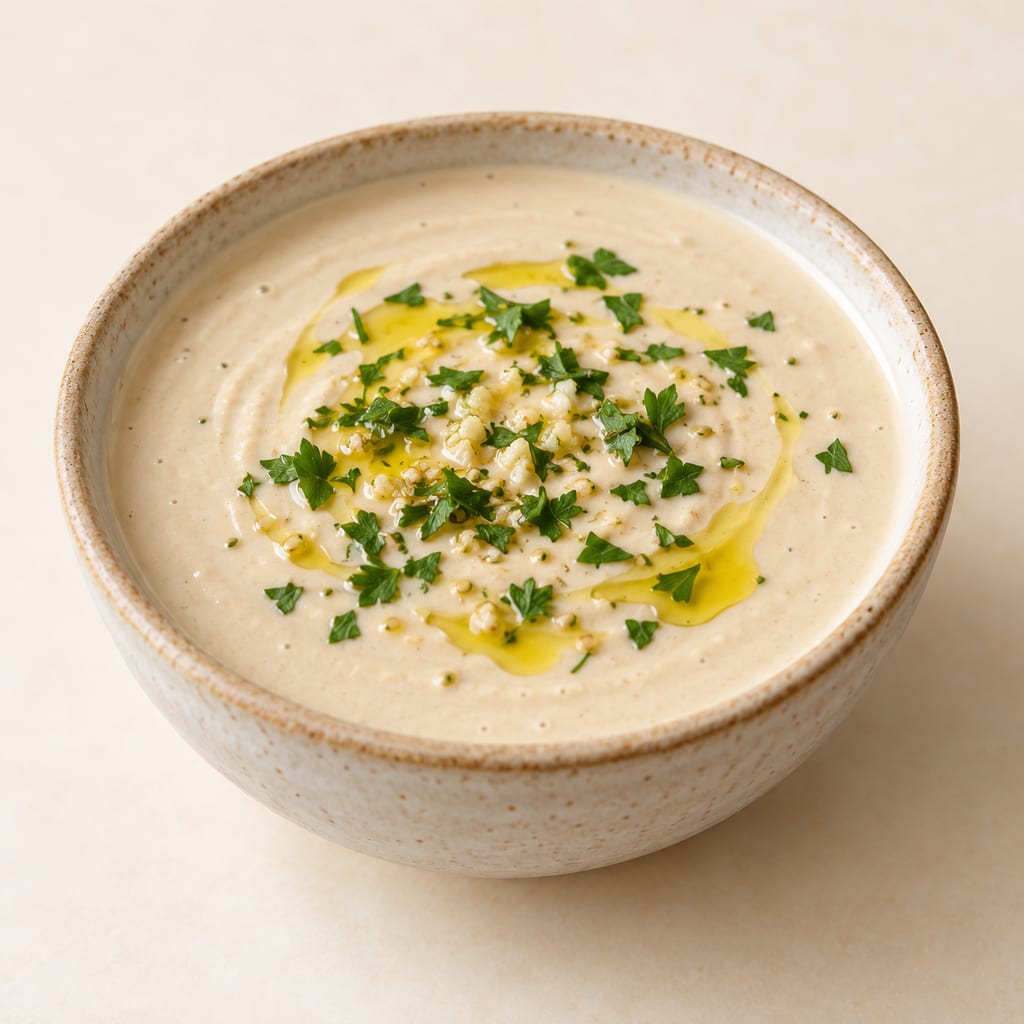
A Levantine sesame sauce of tahini thinned with water and brightened with lemon and garlic, the base of tarator served with falafel and shawarma, with Egyptian and Iraqi variants.
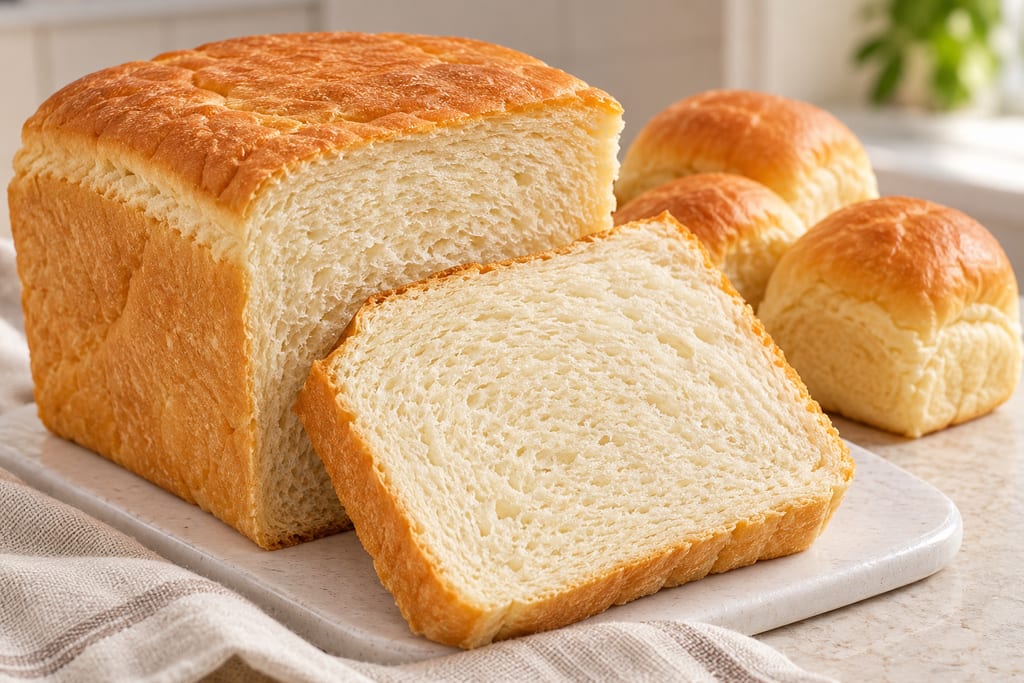
This softer home-style Agege bread uses a scalded flour paste, an enriched yeast dough and a 9×5-inch loaf pan, with rolls from the extra dough.
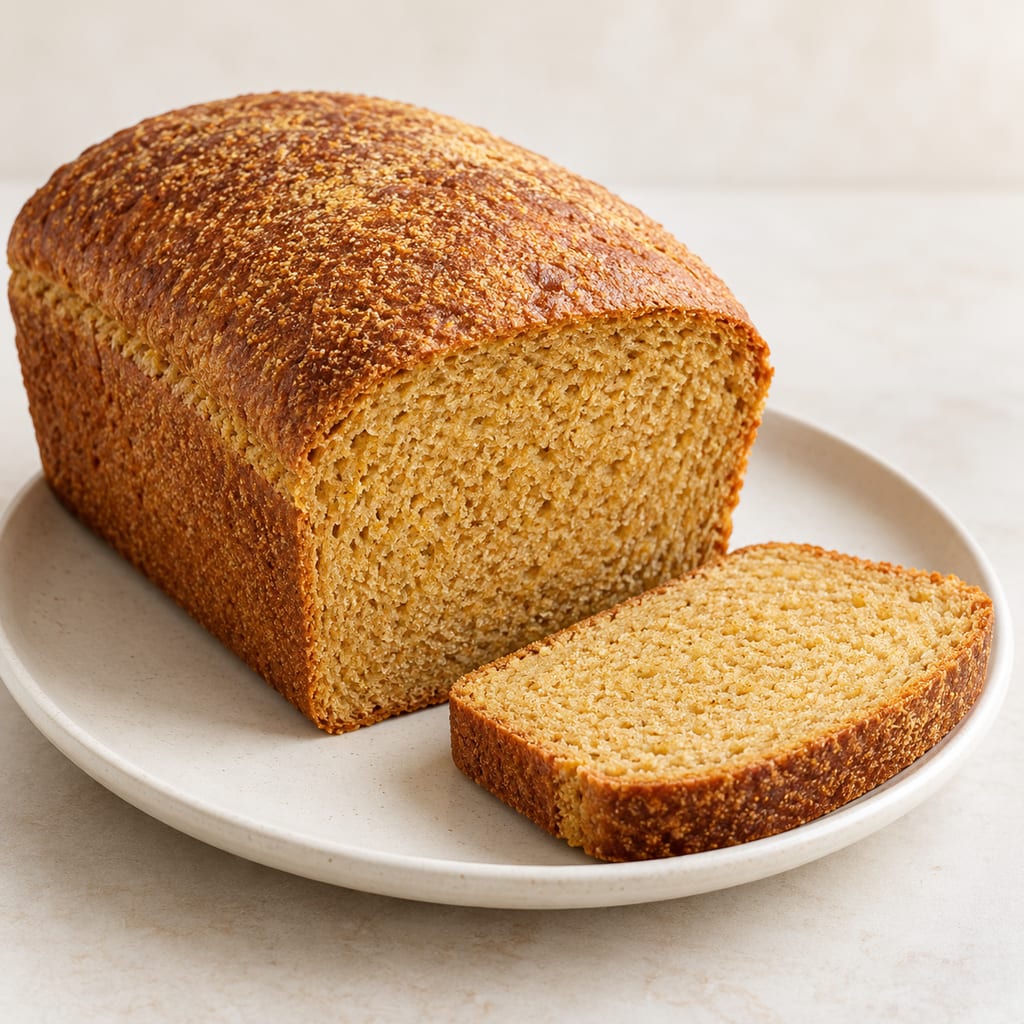
Anadama is a New England yeast loaf made with wheat flour, cornmeal and molasses. Scalded cornmeal enriches the dough, while molasses lends sweetness and a dark crust; it is especially good toasted or beside soup and baked beans.

A yeast-raised wheat ring shaped from a firm dough, briefly boiled and baked. This source-batch formula gives a gently malted crust and a chewy crumb.
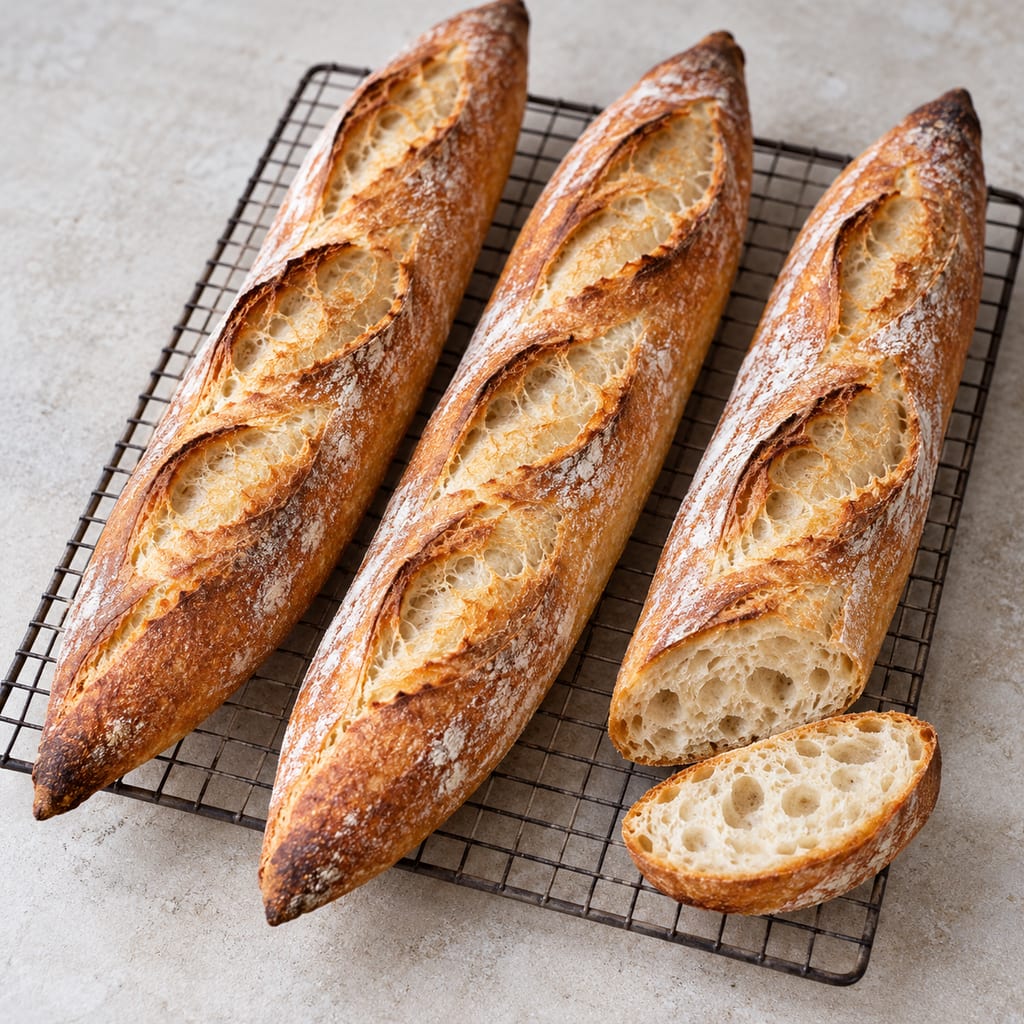
Three long, crusty wheat loaves made with an overnight yeast poolish, shaped by hand and baked with steam for a crisp crust.
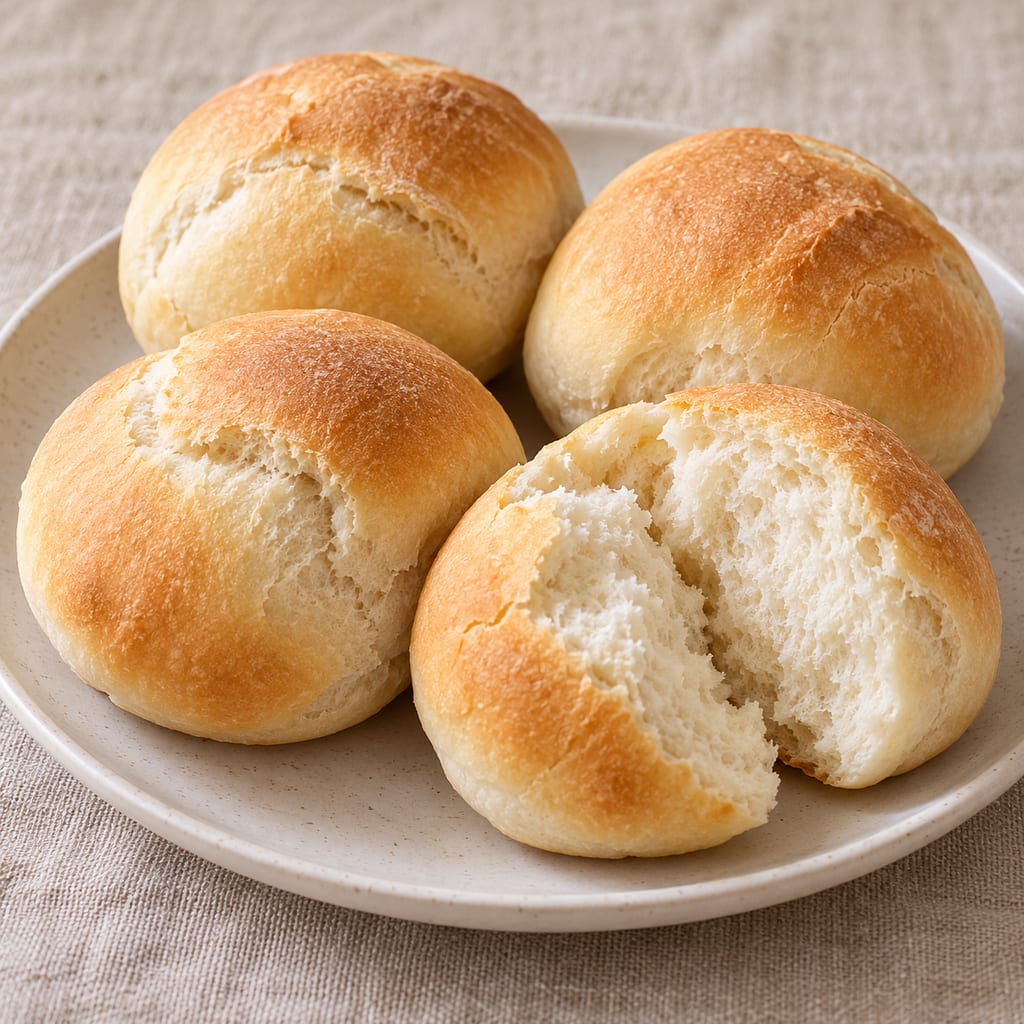
A lightly salted, yeast-raised Barbadian roll, baked in a dozen-roll home batch and often split for cutters.
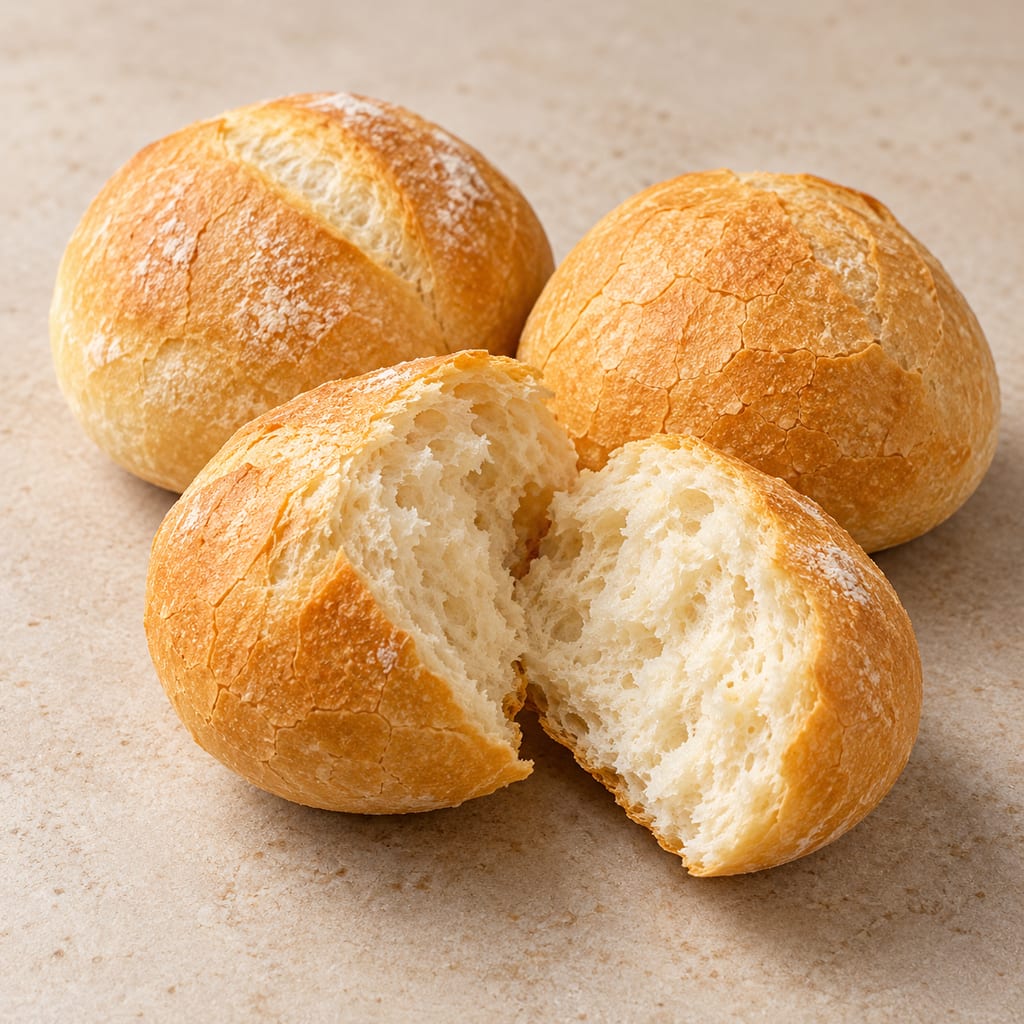
A crisp Belgian roll made from a supplier’s Croc-flour dough, mixed by hand or machine, proofed in rounds and baked with steam.
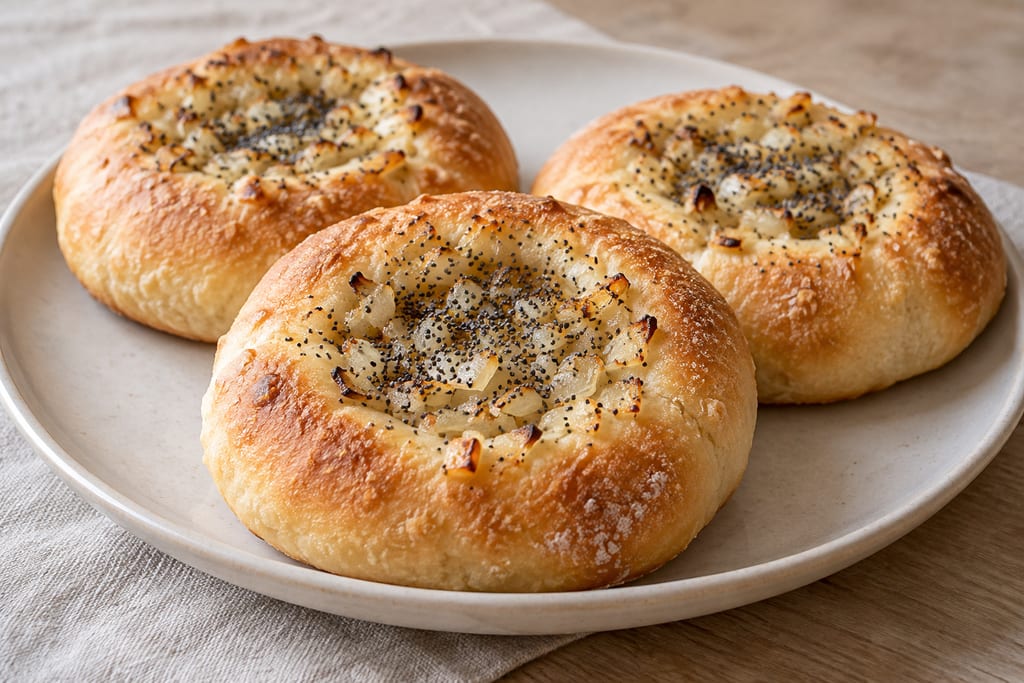
Bialys are soft, yeasted wheat rolls baked without boiling, each shaped with an onion-filled central depression instead of a hole.
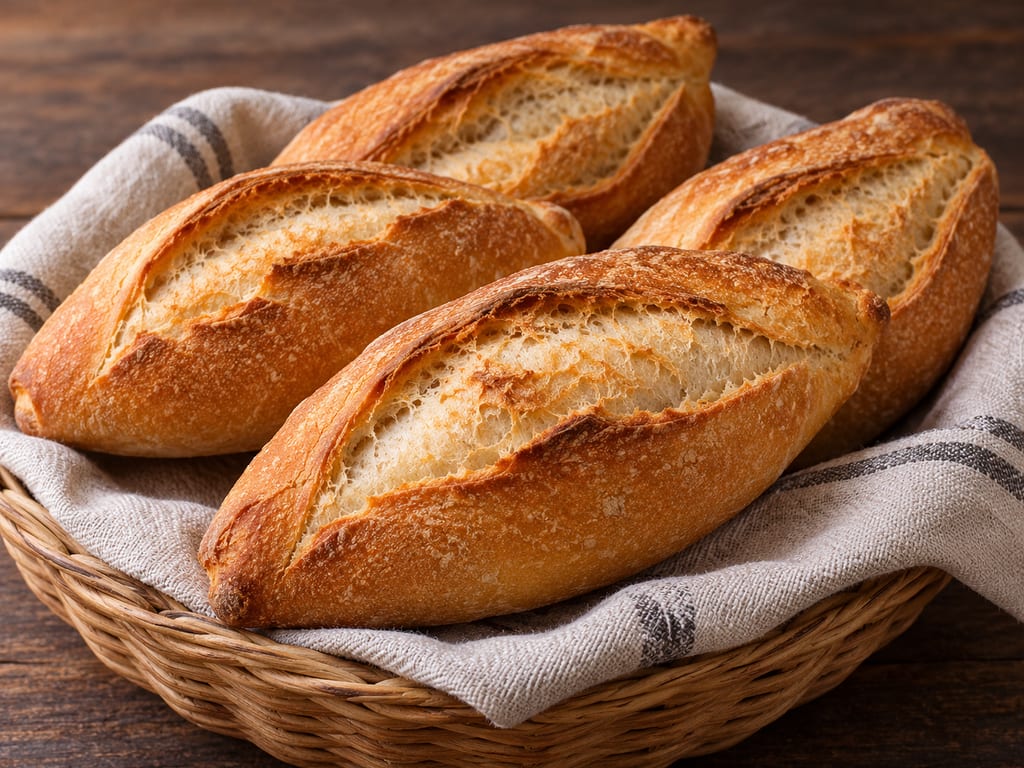
A measured, commercial-yeast home method for Guadalajara-style birote salado, with a six-hour preferment, shaped rolls and a two-temperature steam bake. This formula contains no egg.
No community contributions have been published for this entry yet.
Sign in to contribute. Published comments and photos are free to read.
Amira's PantryInspiration · Method · Identity · Geography · History
Crunchy breadsticks with sesame seeds on top (AKA Bosomat)Amira Ibrahim identifies bo’somat as Egyptian breadsticks sold widely in streets, shops and pastry shops; she describes eating them with white cheese and mint tea and names sesame as the traditional topping.
Her formula uses 3 cups all-purpose flour, 3 tablespoons dry milk, 2 tablespoons sugar, optional ½ teaspoon each fennel and anise, ¼ cup oil, 1 tablespoon dry yeast, ¼ teaspoon salt and about 1¼ cups warm water; the recipe yields 16 sticks.
The method rests dough 30 minutes, shapes 16 sticks about ½ inch thick, egg-washes and tops them, bakes 20–25 minutes at 350°F, then loosely covers and bakes about 13–15 minutes at 400°F until hardened and no longer soft to the touch; it directs full cooling on a rack.
The author reports 5–7 days of freshness in an airtight container; this is retained as her statement, not as validated food-safety shelf life.
Centers for Disease Control and PreventionSafety
Raw Flour and DoughRaw flour and eggs can carry germs; avoid tasting uncooked dough and clean after handling.