
Galgal pickle with fennel and thyme
In a surveyed Himachal method, ripe galgal is blanched, sun-dried, cooked with mustard oil, fennel and thyme, then left to ferment.
 FermenteaWhere food goes to change
Spices and aromatics
Fennel seed is the dried aromatic fruit of Foeniculum vulgare; a Himachal Pradesh survey records it among the seasonings of Galgal pickle.
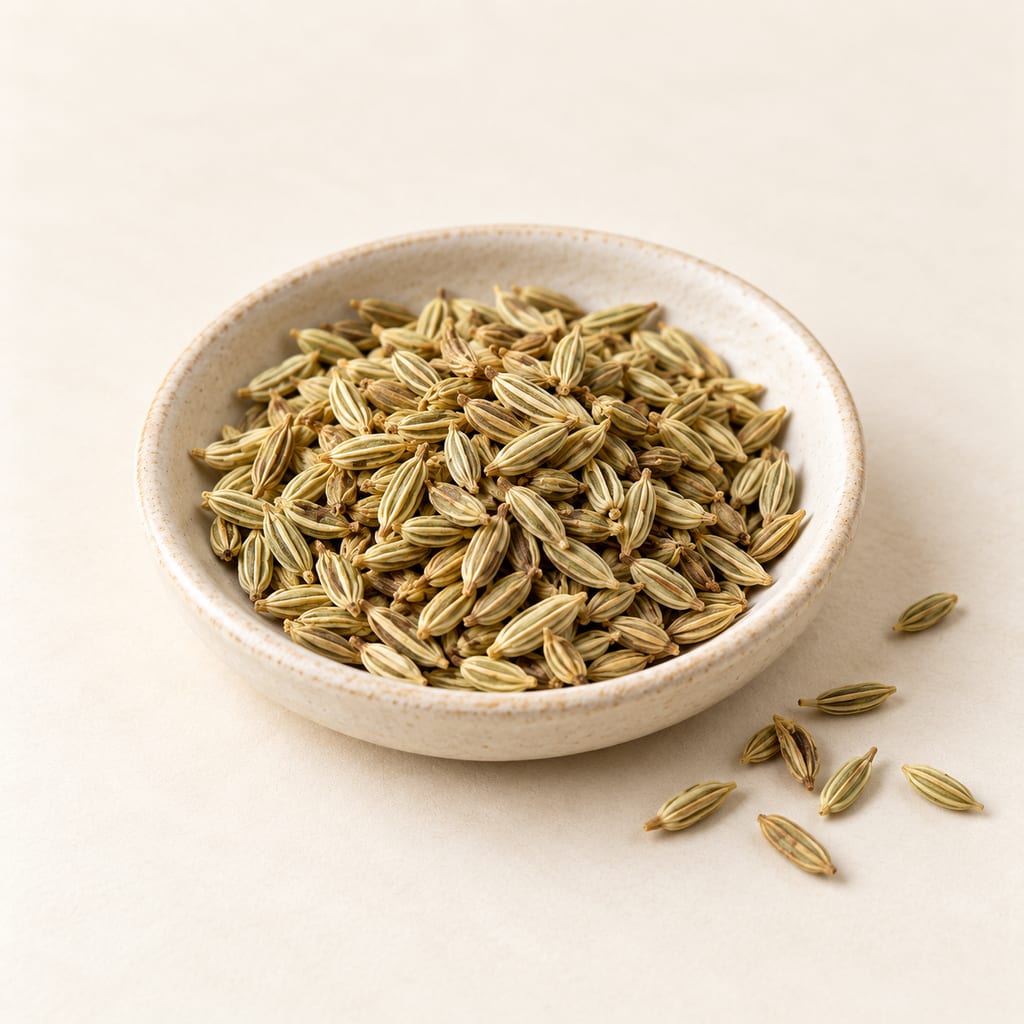
Fennel seed is the kitchen name for the dried ripe fruit of Foeniculum vulgare, a member of the carrot family, Apiaceae. The little greenish or yellow-tan pieces are narrow and ridged; they smell sweet and resinous, with an anise-like note. In Galgal pickle, fennel seasons a much larger conversation between tart citrus, salt, chilli, turmeric, fenugreek, thyme and mustard oil. A 2016 account of Himachal Pradesh pickles links fennel with Galgal’s distinctive aroma and its sweet, slightly sour character. Here fennel is an aromatic seasoning; the citrus and the pickle’s process supply the tang.
Fennel belongs to the Apiaceae, the family that also holds coriander, cumin, caraway and anise. Its flower head is an umbel, with small flowers on stalks radiating from a common point, and the dry fruit that follows is the spice. The fruit is oblong and ridged, and in everyday cooking it is simply called a seed.
That distinction matters when comparing spice names or reading a technical standard. The U.S. Food and Drug Administration defines fennel seed as the clean, dried, ripe fruit of Foeniculum vulgare. Canada’s food-composition standard likewise calls whole or ground fennel the dried ripe fruit. These are commercial definitions, not an invitation to correct a cook who says “seed”: the fruit is the part sold and used as the spice, and its single seed is enclosed inside. In a recipe, “fennel seed” usually means the small, whole dried fruit unless a grind is specified.
Fennel is not anise. Both belong to Apiaceae and both can smell sweet and liquorice-like, but they are different plants: fennel is Foeniculum vulgare; anise or aniseed is Pimpinella anisum. Shared aroma vocabulary does not make the fruits interchangeable. Anise fruits are typically crescent-shaped and greenish grey; fennel fruits tend toward green or yellowish tan, with five more conspicuous ridges. The resemblance can confuse the names in markets and old plant writing; the scientific names and fruit morphology keep the ingredients distinct. “Anise-like” is a sensory comparison, not a botanical identification.
In Hindi the spice is commonly called saunf, and the Spices Board of India also lists the name sonp. A market name points to the spice, not to a particular cultivar or growing region. The plant offers other foods as well: its leaves and stalks can be used as greens, while this ingredient is the mature, dried fruit.
Fennel has a much longer written record than the Himalayan pickle. In Book 19 of Pliny the Elder's Natural History, the Roman author notes fennel among the plants dried for seasonings. Book 20 mentions cultivated fennel seed in seasonings and vinegar sauces, and describes fennel put beneath the undercrust of bread.
One use seasons a sharp liquid, the other places aromatic plant material under a loaf. Pliny's culinary observations sit beside medical writing typical of the period, which is best read as historical belief rather than modern health advice. His text shows that fennel seed was a recognised seasoning in the first century CE; it does not show how the spice travelled onward, and it is not evidence for the pickle practices of Himachal Pradesh.
The accepted botanical name is Foeniculum vulgare Mill., in Apiaceae. Its native range extends from the Mediterranean through Ethiopia to western Nepal, and the plant has since been introduced across many regions, including India. That broad range helps explain why fennel belongs to food traditions across a wide arc of Eurasia and beyond; it cannot assign a growing place to a spice jar.
One regional documentation project gathered pickle practices from about 70 households across ten Himachal Pradesh districts. Galgal pickle appears in its account from Kullu, Bilaspur, Hamirpur, Mandi, Shimla and Solan. This spread reflects how a regional pickle can be rooted in several local kitchens rather than a single named town, while allowing each household its own balance and handling.
In the Galgal mixture, fennel sits alongside mustard oil, thyme seed, red chilli, fenugreek seed, turmeric, sugar and salt, a layered seasoning with aromatic sweetness beside citrus, pungency beside warmth, and salt and sugar to round the whole.
Fennel carries its aroma in essential oil, and the fruit is the part that holds it. Crushing or grinding ruptures the structures that contain the oil and exposes the volatile compounds to evaporation and reaction, so the cook smells them more strongly while the ground spice loses aroma more quickly. Whole fruits give occasional bites and release their aroma gradually during cooking; powder distributes more evenly and exposes more surface.
Fennel’s well-known sweet note is associated with trans-anethole, but no single compound explains the whole smell. A sensory-chemistry study that examined fennel fruits and fennel tea found trans-anethole, anisaldehyde and trans-4,5-epoxy-2(E)-decenal among the compounds with high flavor-dilution factors, with fenchone and several other volatiles also contributing. “Flavor-dilution factor” is an analytical way of estimating which odorants remain noticeable as an extract is diluted; it is not a measurement of how sweet a cook’s spoonful will taste.
The mixture is not fixed across all fennel. A 1968 gas-chromatography study followed developing fruits of bitter and sweet fennel varieties across three seasons and found that anethole and fenchone changed during fruit development, with fenchone amounts differing between the two varieties. Research on 46 genotypes later reported wide ranges in essential-oil content and in the relative proportions of trans-anethole and estragole. These findings help explain why two jars labelled fennel can differ in sweetness, sharper herbal notes and overall intensity.
The scale of that variation is large. In a study of 46 fennel genotypes, essential-oil content in the fruit ranged from 0.99 to 8.65 percent, trans-anethole from 18.43 to 69.69 percent and estragole from 0.27 to 29.55 percent, and genotypes of the same origin sometimes fell into different groups when the authors clustered them. Trans-anethole is the compound associated with fennel’s sweet note. None of these figures describes the fennel used in any particular pickle.
Anise-like sweetness is therefore a useful expectation, not a promise of identical flavor. Fennel fruits can add a sweet aromatic impression, while other volatile components bring green, camphoraceous, woody or warm edges. Cultivar, maturity, growing conditions and storage all shape aroma. In a pickle, the character that reaches the table belongs to the whole seasoned fruit, not to fennel in isolation.
In the spice market, fennel is sold whole or ground. Whole fruit keeps its shape and is easy to identify and lift from a finished dish. Ground fennel becomes a powder or coarse meal, depending on the mill; it blends through wet mixtures but cannot be removed once mixed.
Some culinary traditions toast or roast spices before grinding, which changes volatile patterns and adds heat-made aromas. A controlled laboratory study compared raw and roasted powdered fennel and four other umbelliferous fruits. In the fennel sample, roasting changed the measured aroma profile, produced heat-associated volatiles and reduced measured estragole. This establishes that heat can change fennel aroma under the study’s conditions; the temperature and duration do not define a home pan method, and the Galgal account does not describe toasting fennel separately.
Industrial spice-processing literature makes the general point that the right particle size depends on how the spice will be used, since grinding trades storage life for faster, more even dispersal.
Fennel belongs to a spice ensemble rather than acting as a stand-alone flavor. Galgal is a winter citrus; ripe fruit is washed, briefly immersed in boiling water, sun-dried, cut into pieces and cooked with seasoned oil. Fennel’s sweet aromatic character makes a counterpoint to the fruit’s tartness and to chilli, fenugreek and turmeric. Mustard oil provides the oily medium and its own pungency, while salt and sugar round out the mixture. The finished pickle has a distinctive aroma and a sweet, slightly sour taste, with fennel named as a contributor to that character.
Fennel enters the pan with the other seasonings before the mixture cools and rests, so its aroma has time to mingle with the citrus, oil and spices. The sequence separates preparation from fermentation: washing, brief boiling-water immersion, sun drying and the seasoned pan cook of five to ten minutes are handling and heat stages, and fermentation for fifteen to twenty-five days follows after cooling. Winter is the usual season; in colder upper Himalayan locations households place the pickle near a traditional fireplace, or tandoor, to keep the fermenting mixture warm. Samples of Galgal pickle yielded Enterococcus faecalis and Leuconostoc mesenteroides, members of groups known from fermented foods. Their presence is part of the pickle's microbial setting, while fennel's described contribution remains aromatic.
Fennel seasons the pickle; it is not a starter culture or a preservation control. Salt, mustard oil and the other ingredients each have their own place in a pickle, but fennel’s role here is aromatic. A pleasing smell or sour taste says how the pickle presents to the senses, not whether a batch is safe.
Outside this pickle, fennel fruit seasons soups, meat dishes, sauces, pastries, confectionery and liquors, and is also chewed on its own. Those uses put the Galgal combination into perspective: fennel can meet sweet ingredients, rich foods and savory dishes, while the pickle sets its aromatic sweetness against citrus and a layered spice-oil base. It remains distinct from fennel leaves and stalks used as greens.
Anise is the closest everyday flavor comparison, but the two spices have distinct identities and complete aroma profiles. Cumin, caraway, dill, coriander and fenugreek also belong to Apiaceae or nearby spice vocabularies, yet each brings a different aroma. In the Galgal mixture, fennel’s sweetness sits alongside fenugreek’s deeper, more savory character.
Fennel also appears as a chosen seed seasoning in Sonia's 2011 Tunisian home account of khobz tabouna. She describes galettes that may be plain or made with seeds, says she chose fennel, and gives a conventional-oven route when a tabouna oven is unavailable. This is one modern household formula, not evidence that every Tunisian tabouna contains fennel or a complete account of the bread's history. In that preparation, fennel is an optional aromatic; it is not a fermenting agent. The author's remark that fennel seeds seem to absorb salt is a recipe-specific observation, not a measured rule for salt adjustment.
Choose a product sold clearly as fennel or fennel seed. A whole dried fruit retains its shape, with lengthwise ribs and a characteristic sweet aroma when gently crushed. Ground fennel should be labeled as ground; it blends more evenly but gives a different texture from whole fruits.
Keep the spice dry and closed, away from direct light and heat to preserve its aroma, and follow the supplier’s handling directions. Whole fruits retain aromatic character longer than ground spice because less surface is exposed. A faded aroma signals loss of seasoning strength; it is not a safety test.
The regional account gives fennel a clear place in Galgal pickle, but leaves its cultivar, source, exact form and Galgal-specific quantity open. Its separate 250 g per 10 kg entry describes common pickle seasoning, not this recipe. The distinctive aroma is a description of the finished pickle, not a controlled test of fennel alone or evidence that the spice drives fermentation. This is one documented regional use, illuminated by wider botanical and food-science context without turning that context into a claim about an untested local batch.
Fennel can cause allergic reactions in some people. A laboratory study tested sera from 15 patients who reported reactions to spiced food and found IgE-binding allergens across Apiaceae spice extracts, including fennel; its inhibition tests showed shared binding with birch-related allergens and profilin in that selected group. A separate French food-allergy case-bank report recorded fennel among investigated spice reactions. These studies establish that fennel allergy and cross-reactivity can occur, not how likely an individual diner is to react or whether every person allergic to one Apiaceae spice will react to another.
People with a diagnosed fennel allergy should avoid fennel and follow their clinician’s advice about related spices. The sources do not establish a universally safe amount or show that baking makes fennel safe for an allergic person. The spice’s routine use in bread is not an allergy test.
fennel
A 2016 household survey lists fennel seed among Galgal pickle seasonings; it does not identify the spice's source or origin.
One Tunisian home recipe author chose fennel for a semolina khobz tabouna formula; this does not establish a universal or ancient Tunisian use.
In a surveyed Himachal method, ripe galgal is blanched, sun-dried, cooked with mustard oil, fennel and thyme, then left to ferment.
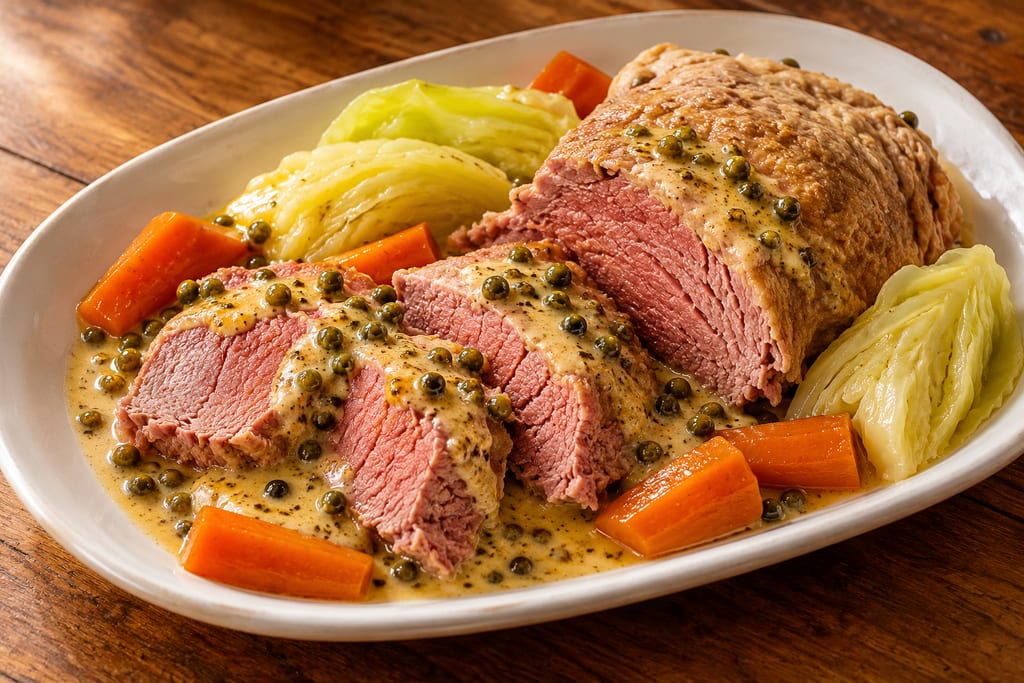
A Karoo-style festive dish of already cured salt beef simmered with vegetables and aromatics, served with a cream sauce of brined green peppercorns and wholegrain mustard.
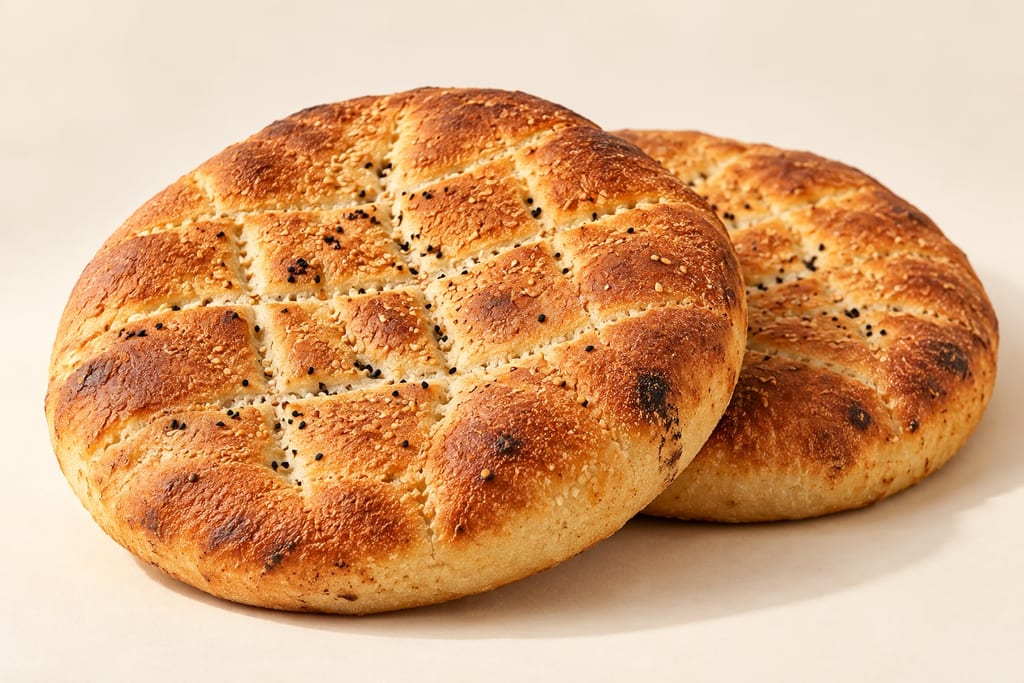
A Tunisian round semolina bread named for the clay oven in which it is traditionally baked, recorded here through one home-oven recipe.
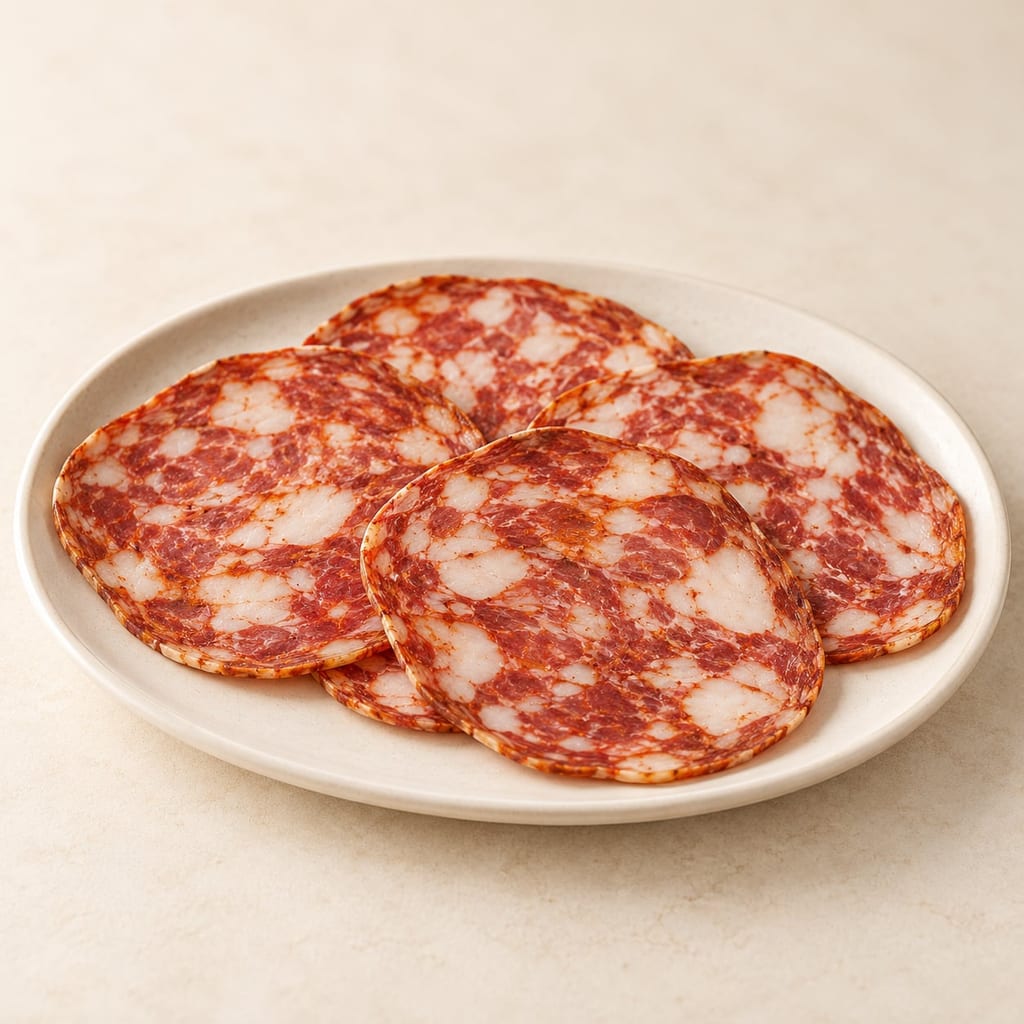
A documentary account of a modern ventricina-style salami source and its Abruzzese context. This page provides no preparation directions or validated home process.
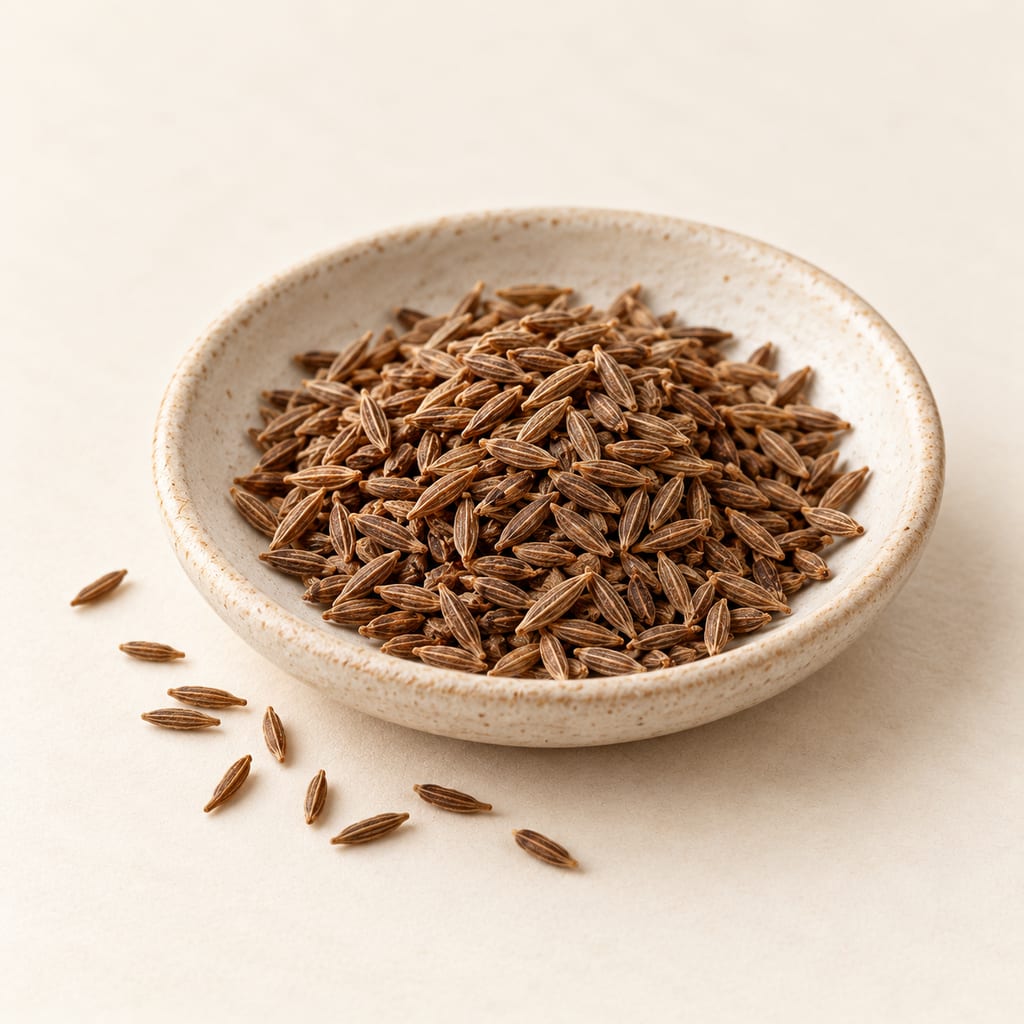
Cumin seed is the dried aromatic fruit of Cuminum cyminum, used whole or ground; a Himachal Galgal pickle account names it among the seasonings.
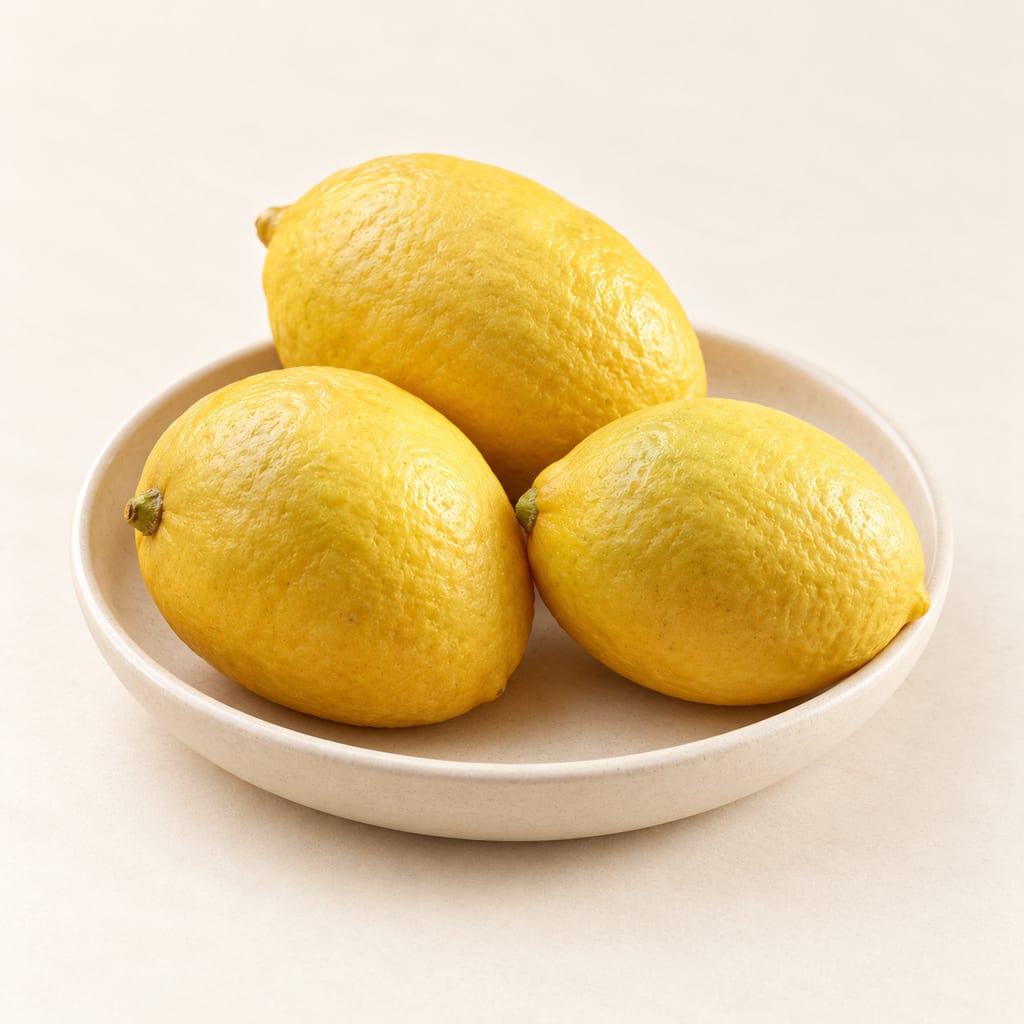
Himachal galgal is a large sour hill citrus used for pickles, concentrated juice and fresh winter preparations; its botanical naming varies across authorities.
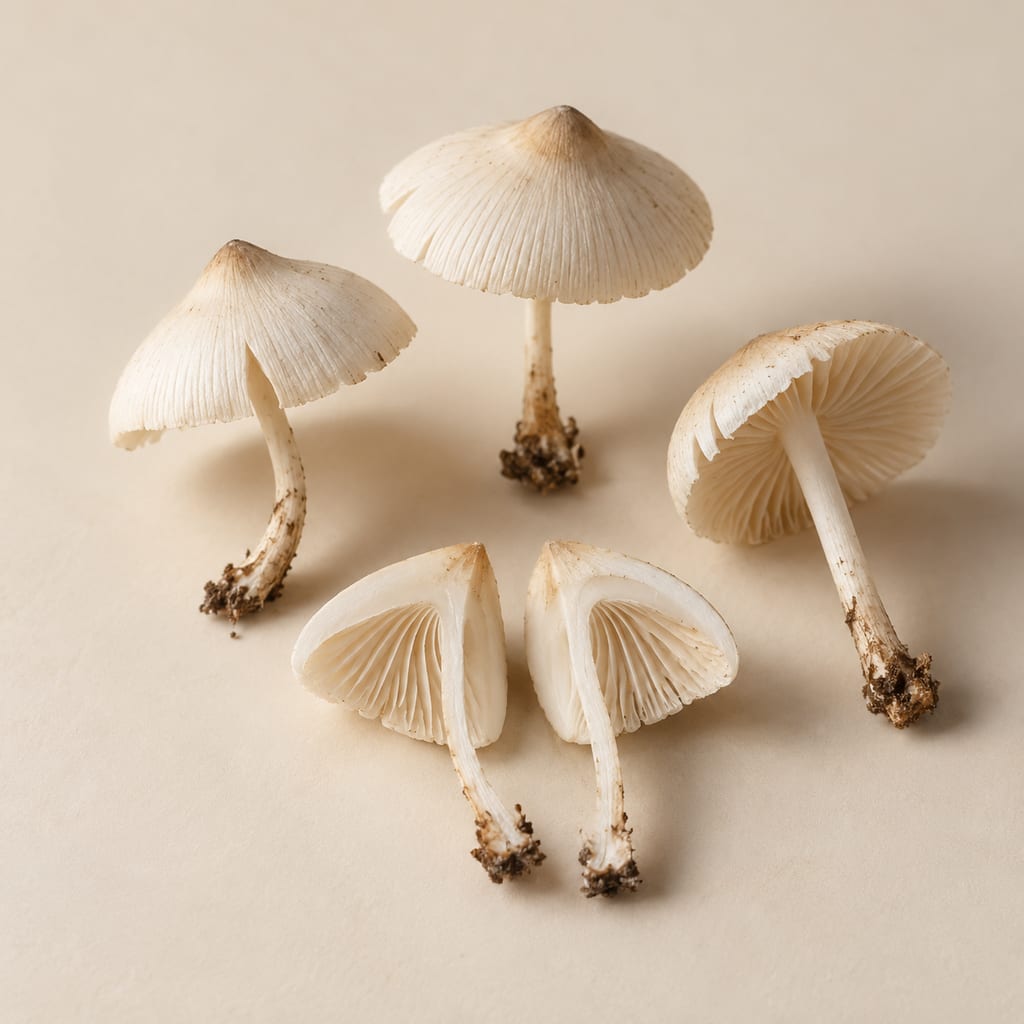
A small wild termite-associated mushroom recorded as food in parts of India and elsewhere. Its name has a taxonomic history, and some African records are treated cautiously because they may represent a different lineage.
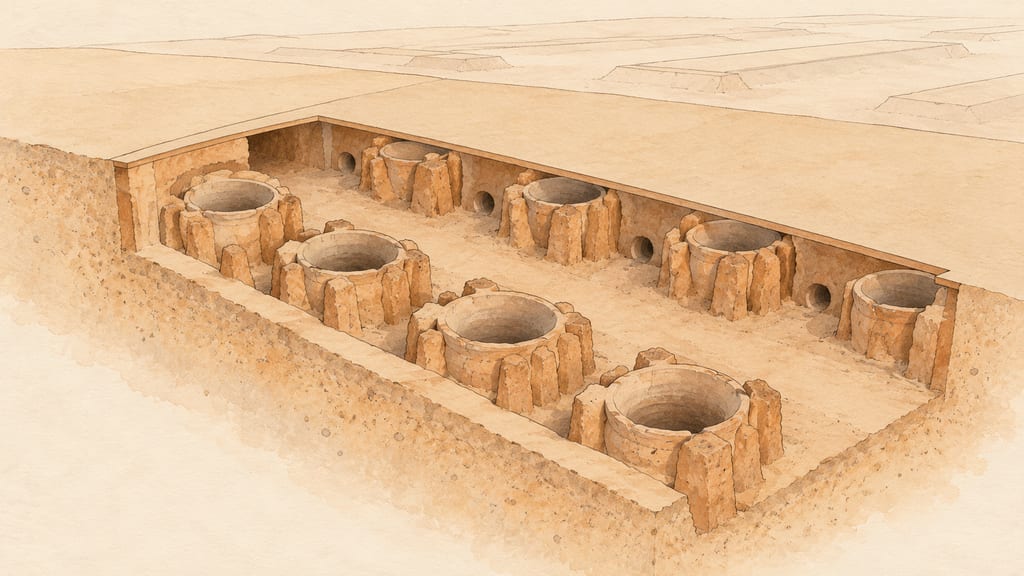
At North Abydos in Egypt, a fixed early Dynastic brewery comprised parallel semi-subterranean installations with rows of ceramic mash vats; excavation reports revise their number, scale and estimated batch capacity.
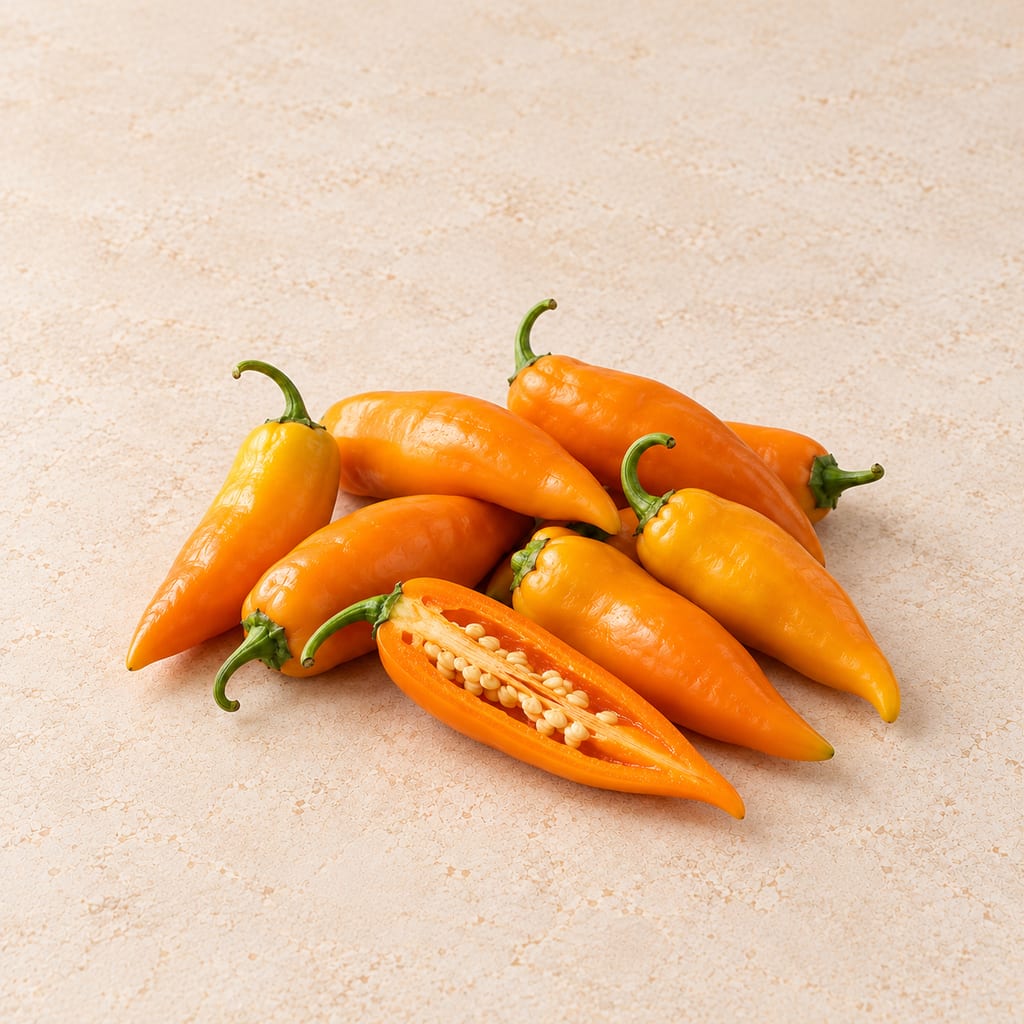
Ají amarillo is the orange-yellow Peruvian chilli cultivar group of Capsicum baccatum, used to colour and season huancaína sauce and ají de gallina. Published heat estimates do not establish one range for the named cultivar.

Toasted almonds are whole sweet almond kernels dry-roasted until golden to brown. Heat replaces their marzipan note with a roasted, nutty one; they thicken and flavour romesco.

Kodiak salmon, halibut and cod cut as seg'aq and hung on an initaq rack to become tamuuq, with kac'amaasaq and kupcuunaq named as different results.

Aniseed is the dried ripe fruit of Pimpinella anisum, an aromatic Apiaceae spice commonly called a seed. It adds a sweet, warm aroma to breads such as Moroccan krachel and South African mosbolletjies, and is distinct from star anise.
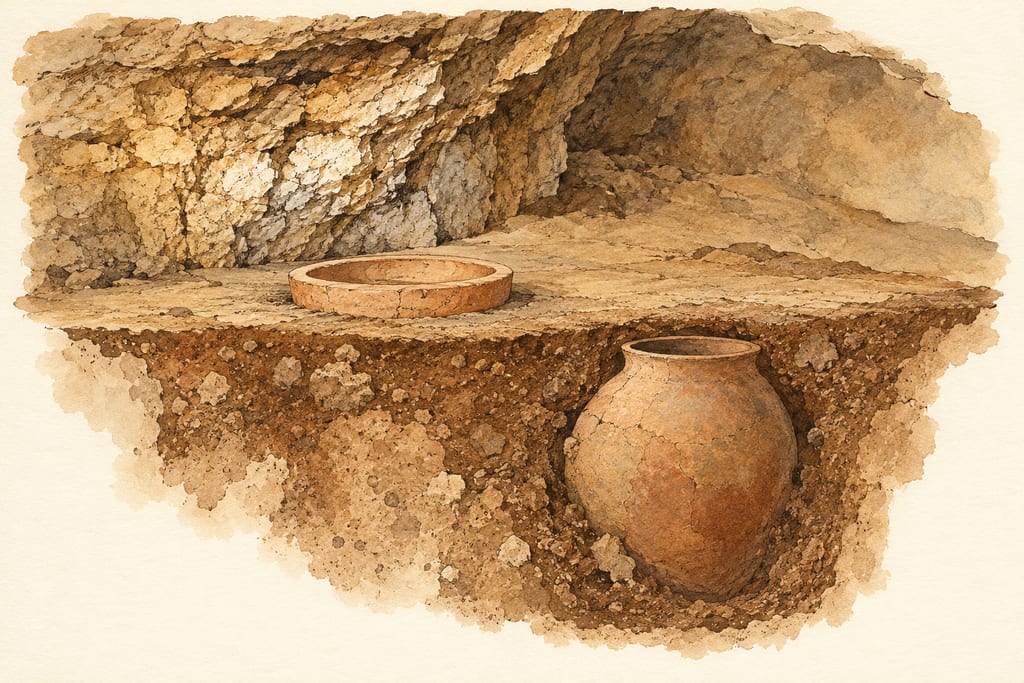
A fixed Late Chalcolithic installation in Areni-1 cave combined a shallow clay pressing basin with a large jar set into the cave floor and storage vessels nearby.

Ripe avocado flesh is the soft, buttery, fat-rich pulp of Persea americana, eaten raw. It is low in acid, so it is a fresh ingredient that needs care in chilled dishes.
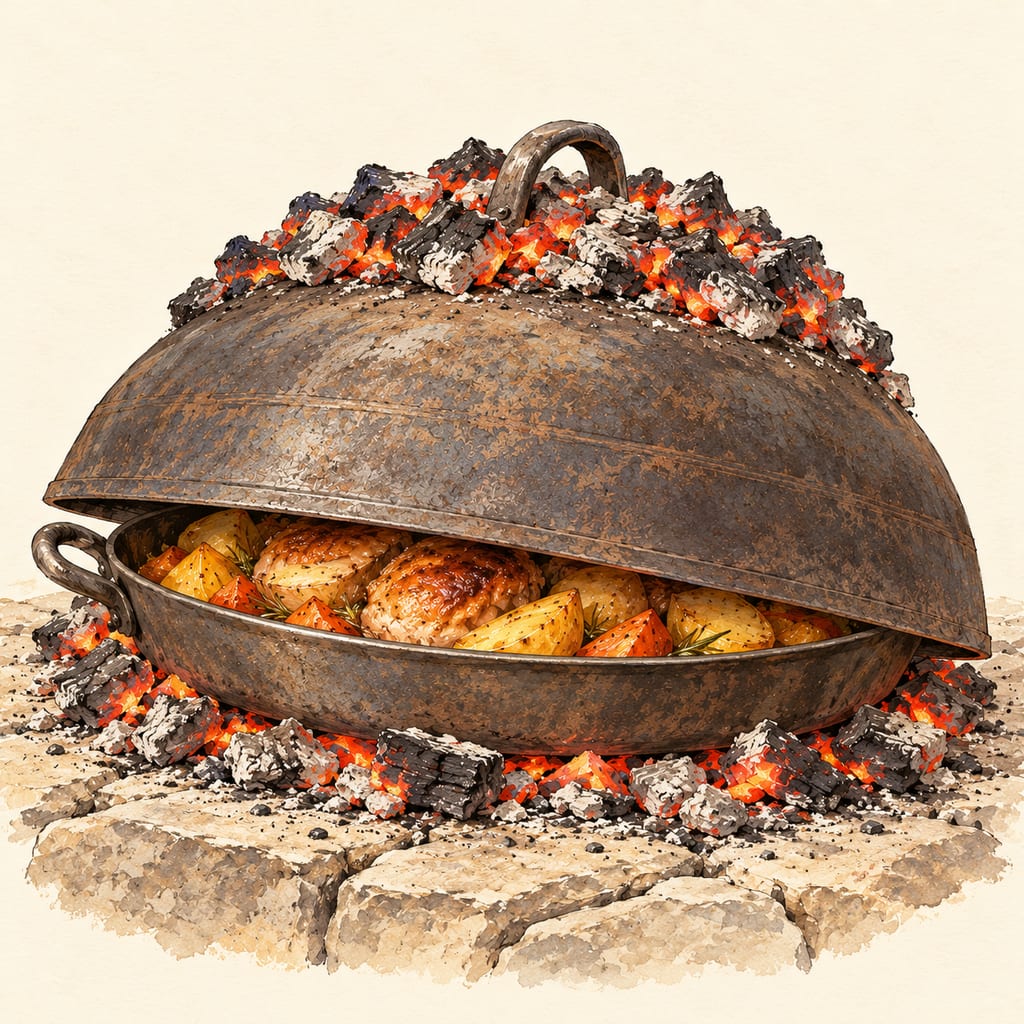
A portable dome and pan used over a hearth, with embers on the lid and heat from below. Regional peka and saç forms share this principle while differing in materials, pan shape and how the food is cooked.
No community contributions have been published for this entry yet.
Sign in to contribute. Published comments and photos are free to read.
Journal of Pharmacy and Pharmacology, 20(6), 469–472Editorial
Anethole and fenchone in the developing fruits of Foeniculum vulgare MillGas-chromatography assay across three seasons of developing fruits of bitter and sweet fennel varieties; abstract reports anethole increasing in both and fenchone amounts differing between varieties.
Limit: abstract only; the study concerns defined varieties and does not identify Himachal household fennel.
Cited in: Why fennel smells the way it does
Canadian Food Inspection AgencyEditorial
Canadian Food Compositional StandardsThe Canadian standard defines whole or ground fennel/fennel seed as dried ripe fruit of Foeniculum vulgare Mill.
Limit: regulatory compositional criteria for Canada, not an assertion that every ground spice is made from whole fruits in a uniform way.
Cited in: A fruit that cooks call a seed
Indian Journal of Traditional Knowledge, NISCAIR-CSIR, India, 15(2), 330–336Editorial
Traditional pickles of Himachal PradeshSurvey interactions in about 70 households in ten Himachal Pradesh districts; authors state local raw materials, spices and preparation practices were documented.
Galgal pickle listed with mustard oil, thyme seed, fennel seed, red chilli, fenugreek seed, turmeric, sugar and salt; listed areas are Kullu, Bilaspur, Hamirpur, Mandi, Shimla and Solan.
Article describes winter-available Galgal, fruit washing, brief boiling-water dip, sun drying, cutting, heating mustard oil and browning fenugreek, then cooking the mixture for 5–10 minutes, cooling, and fermenting for 15–25 days.
Article states upper Himalayan fermentation is carried out near tandoor fireplaces to provide warmth; reports Enterococcus faecalis KR137541 and Leuconostoc mesenteroides KR137536 isolated from Galgal pickle samples.
Article attributes unique aroma and sweet, slightly sour taste of Galgal pickle to fennel seed; Table 3 separately gives fennel 250 g per 10 kg as a general/common pickle ingredient and labels its possible role flavor enhancing. This is not a Galgal-specific formula.
Limit: survey scope does not name fennel cultivar, vendor, field source, Galgal-specific fennel quantity or particle form; it is documentation, not a controlled sensory or microbiological causation study or a validated shelf-stability process.
Cited in: A fruit that cooks call a seed; The plant across a broad range; Whole, cracked, ground and heated; Fennel’s place in Galgal pickle; Choosing, storing and interpreting a jar
Indian Journal of Traditional Knowledge, NISCAIR-CSIR, India, 15(2), 330–336Editorial
Traditional pickles of Himachal PradeshSurvey interactions in about 70 households in ten Himachal Pradesh districts; authors state local raw materials, spices and preparation practices were documented.
Galgal pickle listed with mustard oil, thyme seed, fennel seed, red chilli, fenugreek seed, turmeric, sugar and salt; listed areas are Kullu, Bilaspur, Hamirpur, Mandi, Shimla and Solan.
Article describes winter-available Galgal, fruit washing, brief boiling-water dip, sun drying, cutting, heating mustard oil and browning fenugreek, then cooking the mixture for 5–10 minutes, cooling, and fermenting for 15–25 days.
Article states upper Himalayan fermentation is carried out near tandoor fireplaces to provide warmth; reports Enterococcus faecalis KR137541 and Leuconostoc mesenteroides KR137536 isolated from Galgal pickle samples.
Article attributes unique aroma and sweet, slightly sour taste of Galgal pickle to fennel seed; Table 3 separately gives fennel 250 g per 10 kg as a general/common pickle ingredient and labels its possible role flavor enhancing. This is not a Galgal-specific formula.
Limit: survey scope does not name fennel cultivar, vendor, field source, Galgal-specific fennel quantity or particle form; it is documentation, not a controlled sensory or microbiological causation study or a validated shelf-stability process.
Cited in: The plant across a broad range
Annals of the New York Academy of Sciences, 1357(1), 8–28Editorial
Industrial processing of condiments and seasonings and its implications for micronutrient fortificationGeneral spice-processing explanation that grinding ruptures structures containing essential oils, exposing volatile compounds to evaporation/reaction; particle size depends on use.
Limit: not fennel-specific and not a measured whole-versus-ground retention experiment for culinary fennel.
Cited in: Why fennel smells the way it does; Whole, cracked, ground and heated
Plants of the World Online, Royal Botanic Gardens, KewEditorial
Foeniculum vulgare Mill.Accepted species Foeniculum vulgare Mill. in Apiaceae; first published in 1768.
Kew describes native range as Mediterranean to Ethiopia and western Nepal and lists India as introduced in its distribution data.
Limit: species distribution is not evidence of the Galgal survey's fennel sourcing, cultivar, local cultivation or culinary introduction date.
Cited in: A fruit that cooks call a seed; The plant across a broad range
Journal of Agricultural and Food Chemistry, 54(10), 3686–3692Editorial
Character impact odorants of fennel fruits and fennel teaAroma extract dilution analysis of fennel fruit and tea identifies trans-anethole, anisaldehyde and trans-4,5-epoxy-2(E)-decenal among high flavor-dilution-factor odorants, followed by fenchone and other compounds.
Limit: abstract only; no claim here about sensory intensity in Galgal pickle, exact compound concentrations, or all fennel lots.
Cited in: Why fennel smells the way it does
Australian Pesticides and Veterinary Medicines AuthorityEditorial
SpicesAPVMA lists anise seed as Pimpinella anisum L. (code HS 0771) and fennel seed as Foeniculum vulgare Mill. (code HS 0731), preserving the distinction between the species in crop-group nomenclature.
Limit: pesticide crop-group mapping, not a culinary or botanical monograph.
Cited in: A fruit that cooks call a seed; Other uses and comparisons
U.S. Food and Drug AdministrationEditorial
CPG Sec 525.750 Spices - DefinitionsFDA defines fennel seed as clean, dried, ripe fruit of Foeniculum vulgare Mill., green or yellowish tan, with pleasant aromatic odor and sweet anise-like taste.
FDA defines anise/aniseed as dried ripe fruit of Pimpinella anisum L., a different species; its description says fruits are greenish-gray and crescent shaped.
Limit: a U.S. compliance-policy definition, not a global legal standard or an identity test for a specific retail lot.
Cited in: A fruit that cooks call a seed; Other uses and comparisons; Choosing, storing and interpreting a jar
Fachverband der Gewürzindustrie e.V. (German Spice Association)Editorial
Proper Storage and Handling of Herbs and SpicesStates whole spices keep aroma longer than ground spices; recommends keeping spices cool, dry, individually and away from light, heat and moisture.
Limit: general consumer quality guidance, not a fennel-specific validated shelf-life or safety limit.
Cited in: Choosing, storing and interpreting a jar
Spices Board India, Ministry of Commerce and Industry, Government of IndiaEditorial
FennelIdentifies the commercial fennel part as the fruit; lists Hindi names Saunf and Sonp among other Indian-language names and uses in soups, meat dishes, sauces, pastries, confectionery and liquors.
Cited in: A fruit that cooks call a seed; Other uses and comparisons
Perseus Digital Library, Tufts UniversityEditorial
The Natural History, Book XIX: The Nature and Cultivation of Flax, and an Account of Various Garden PlantsPliny, Natural History Book 19: fennel is among the plants dried for seasonings.
Cited in: Fennel in the Roman kitchen
Perseus Digital Library, Tufts UniversityEditorial
The Natural History, Book XX: Remedies Derived from the Garden PlantsPliny's text describes cultivated fennel seed medicinally and fennel as an ingredient in Roman seasonings, especially vinegar sauces; this is a bounded historical attestation of textual culinary use.
Limit: translated ancient natural-history text; not evidence of use in Himachal or continuity of transmission. Medicinal claims are not repeated as efficacy claims.
Cited in: Fennel in the Roman kitchen
Industrial Crops and Products, 142, article 111852Editorial
Variation in the fruit phytochemical and mineral composition, and phenolic content and antioxidant activity of the fruit extracts of different fennel (Foeniculum vulgare L.) genotypesForty-six fennel genotypes were characterized; reported essential-oil content varied 0.99–8.65%, trans-anethole 18.43–69.69%, estragole 0.27–29.55%; genotypes of the same origin were found in different groups in its dendrogram analysis.
Limit: genotype study and abstract are not evidence about the Himachal recipe's specific fennel or cultivar.
Cited in: Why fennel smells the way it does
Journal of Chromatography B, 1099, 117–126Editorial
Metabolome based volatiles mapping of roasted umbelliferous fruits aroma via HS-SPME GC/MS and peroxide levels analysesStudy compared raw and roasted anise, caraway, coriander, cumin and fennel fruits; reports aroma-profile changes, new heat-associated volatiles and a decrease in estragole in its roasted fennel sample.
Fennel plant material was finely powdered; the experiment roasted in an oven set to 180°C for 12 minutes with occasional stirring.
Cited in: Whole, cracked, ground and heated
Clinical and Experimental Allergy, 27(11), 1299–1306Safety
Characterization of allergens in Apiaceae spices: anise, fennel, coriander and cuminThe study tested sera from 15 patients with reported reactions to spiced food and examined allergen binding in anise, fennel, coriander and cumin extracts.
It found cross-reactive allergenic components in the tested extracts and reports binding could be inhibited with birch Bet v 1 or profilin.
Limit: selected clinical sample; findings do not estimate prevalence in the general population or predict an individual’s response.
Cited in: Fennel allergy
Allergie et Immunologie (Paris), 34(4), 135–140Safety
Food allergy and IgE sensitization caused by spices: CICBAA data (based on 589 cases of food allergy)The authors analyzed a clinical food-allergy case bank and reported fennel among spices implicated in some cases.
Limit: the paper's referral/case data and skin-test results are not population prevalence or a prediction that allergy to other Apiaceae spices entails fennel allergy.
Cited in: Fennel allergy
La TunisienneEditorial
Khobz tabouna – Pain traditionnel tunisienPage dated 11 April 2011 and updated 13 February 2012; author describes khobz tabouna as a galette that may be plain or made with seeds and says she chose fennel.
The page gives a household-oven semolina formula and says access to a tabouna oven is difficult in an apartment and that such ovens were becoming rare in Tunisia; this is the author's 2011 observation, not a current prevalence estimate.
The author says fennel seeds seem to absorb salt in her formula; retained only as her recipe-specific observation, not a measured general rule.