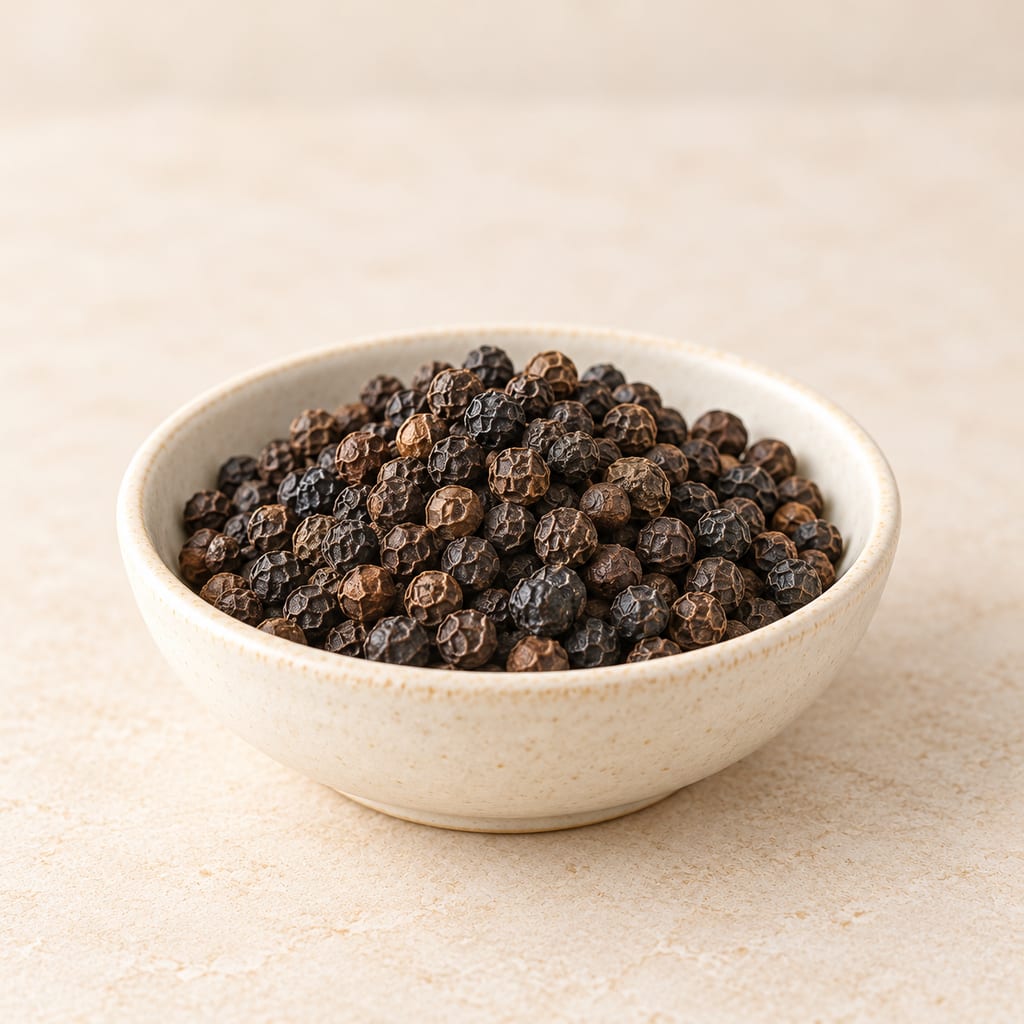
Black pepper
Black pepper is the dried fruit of Piper nigrum, a tropical climbing vine, used whole, cracked or ground for its pungency and aromatic oils.
 FermenteaWhere food goes to change
Modern adaptation
Ventricina
A documentary account of a modern ventricina-style salami source and its Abruzzese context. This page provides no preparation directions or validated home process.
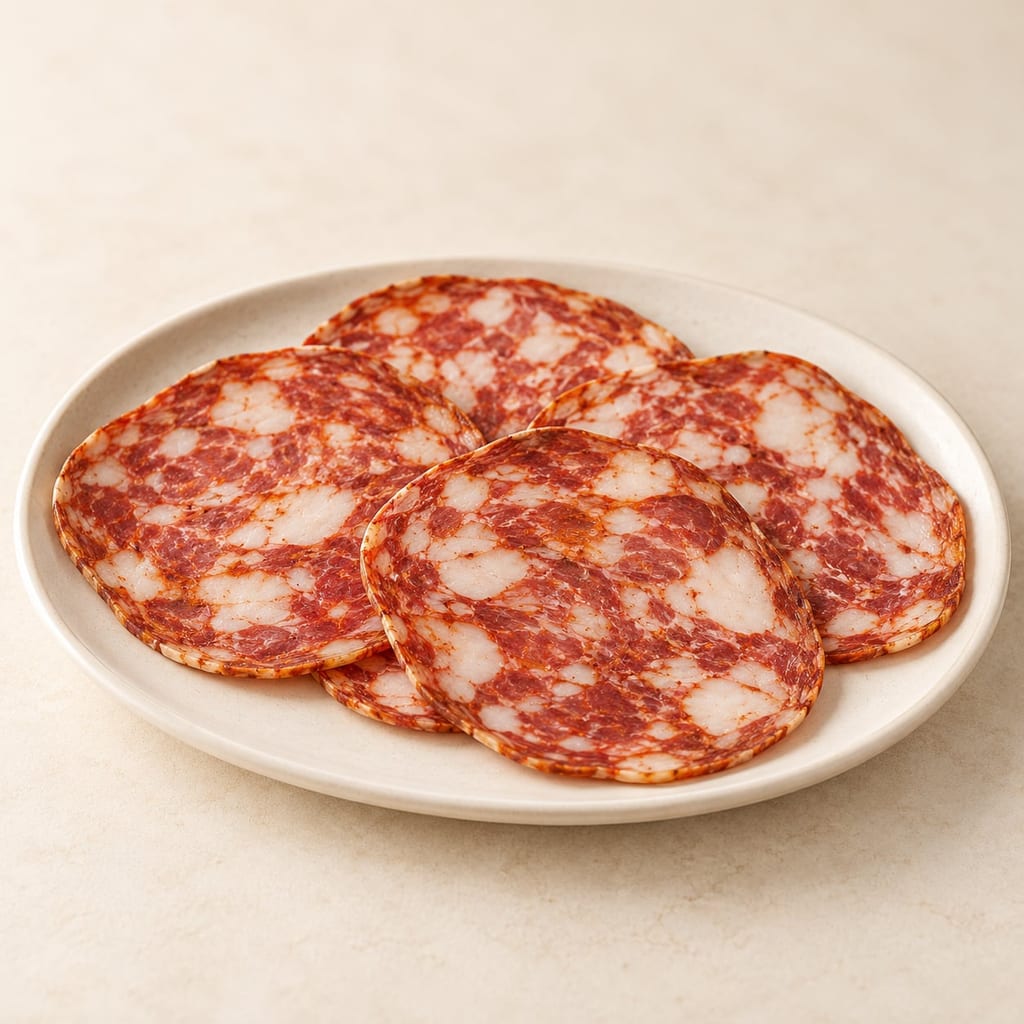
Ventricina is a name used for distinct pork salumi in Abruzzo. This entry documents a modern, starter-cultured ventricina-style formula published by 2 Guys & A Cooler. It does not reproduce that formula. Its listed ingredients and equipment identify a ground pork-and-belly sausage seasoned with Calabrian pepper, cayenne, fennel, garlic and white wine, using commercial cultures and a large beef casing. These details identify the source's modern adaptation; they are not a preparation guide.
The name also recalls Ventricina del Vastese, a regional food from Abruzzo. The protected regional specification describes a very different product, including large knife-cut pieces of pork and a coarse red-orange cut face. CREA's account traces historical documentation, while its production discussion and the product specification make clear that regional ventricina has its own ingredients, cut, casing and maturation practices. The source-specific modern adaptation should not be presented as the protected Vastese product.
CREA reports an 1811 description of pork packed in a stomach casing with salt and fennel in Abruzzo Citra. That is evidence for a documented preparation in its historical setting, not proof that every sausage later called ventricina followed the same recipe. CREA also records the later adoption of sweet and hot pepper and an 1880 lexical attestation for Vendrecine. These milestones help distinguish an early salt-and-fennel account from later red pepper forms.
The food is associated with pork preservation and regional production. Local histories describe how ingredients and methods changed over time, while the protected specification describes the characteristics of the Vastese product today. None of these historical sources establishes that the modern starter-cultured formula is an unchanged traditional method. The modern source is useful for documenting contemporary interest in a regional name, not for rewriting the product's history.
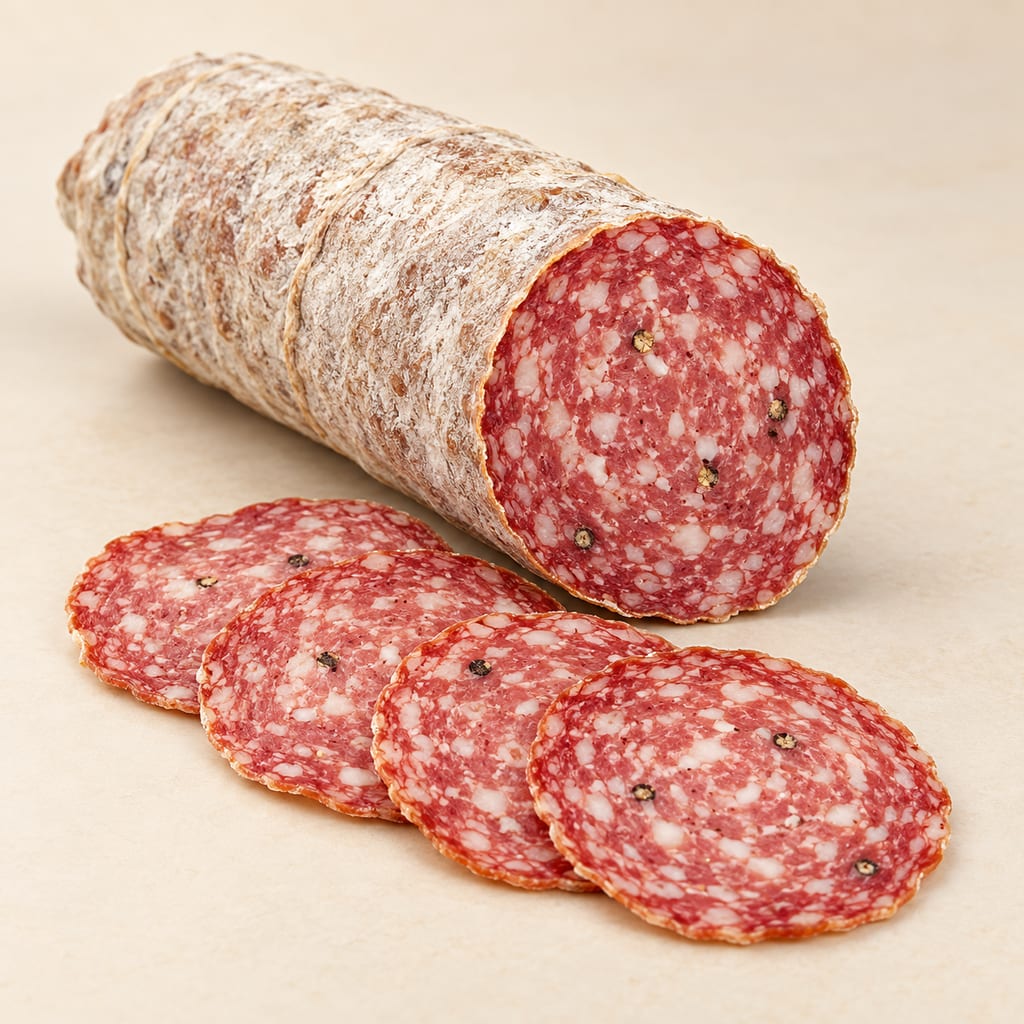
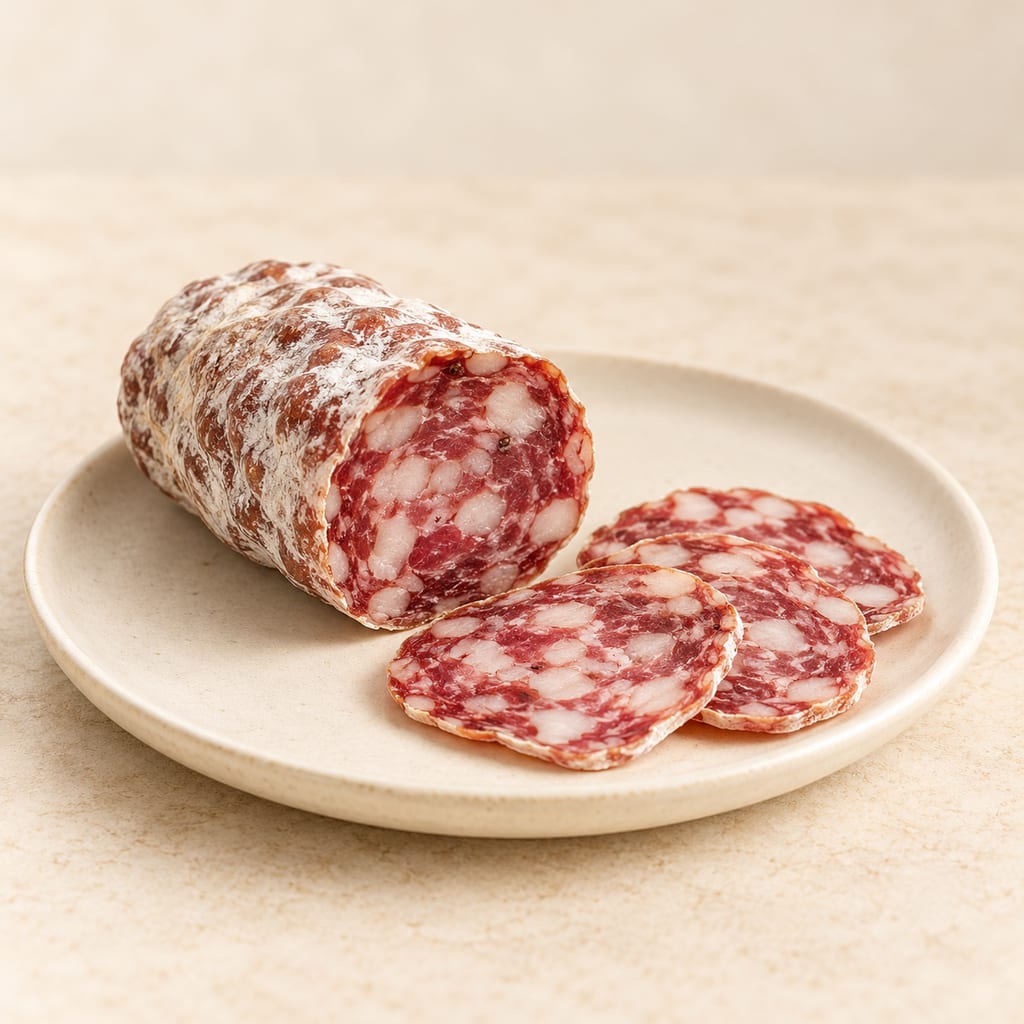
The protected Vastese product is known for its substantial, irregular pieces of pork and visible fat. Its documented appearance differs from a ground sausage, whose particles are more uniform. A photograph of Vastese ventricina can therefore illustrate a related regional comparison but should not be captioned as the exact appearance of the modern formula.
Pepper and fennel connect some Ventricina preparations across time, but a shared seasoning does not establish a shared process. The modern source names both Calabrian pepper and cayenne along with fennel, garlic and wine. The Vastese specification and regional sources describe their own seasoning choices and cuts. Ventricina teramana and other Abruzzese salumi also differ in texture and use. Captions and labels should identify which product a photograph actually shows.
The modern source describes uncooked pork sausage that undergoes starter fermentation and prolonged drying. It includes a commercial culture, a large beef casing and claimed acidity and weight-loss endpoints. Those details do not, by themselves, demonstrate that the product reaches pathogen lethality or shelf stability. The published formula does not provide a process validation matching its exact ingredients, casing geometry, starter, fermentation course and drying conditions.
USDA FSIS guidance explains that fermentation and drying alone generally do not achieve the recommended reductions for Salmonella, Shiga toxin-producing E. coli and Listeria. It emphasizes that any supporting process must match critical operating parameters, including culture, formulation, casing and the time and temperature course. BCCDC guidance separately discusses monitoring time and temperature until the pH target is reached to address Staphylococcus aureus toxin risk. The source's household directions do not provide that calculation or a validated lethality study for this recipe.
University of California Agriculture and Natural Resources describes dry sausage production as requiring careful control of fermentation and dehydration, notes the risk of Staphylococcus aureus toxin when fermentation conditions are not rigidly controlled, and says home production of dry sausages is not recommended. These sources support withholding the actionable procedure. This page therefore provides no quantities, preparation sequence, operating conditions, maturation schedule or storage directions, and it does not claim to validate a safe process.
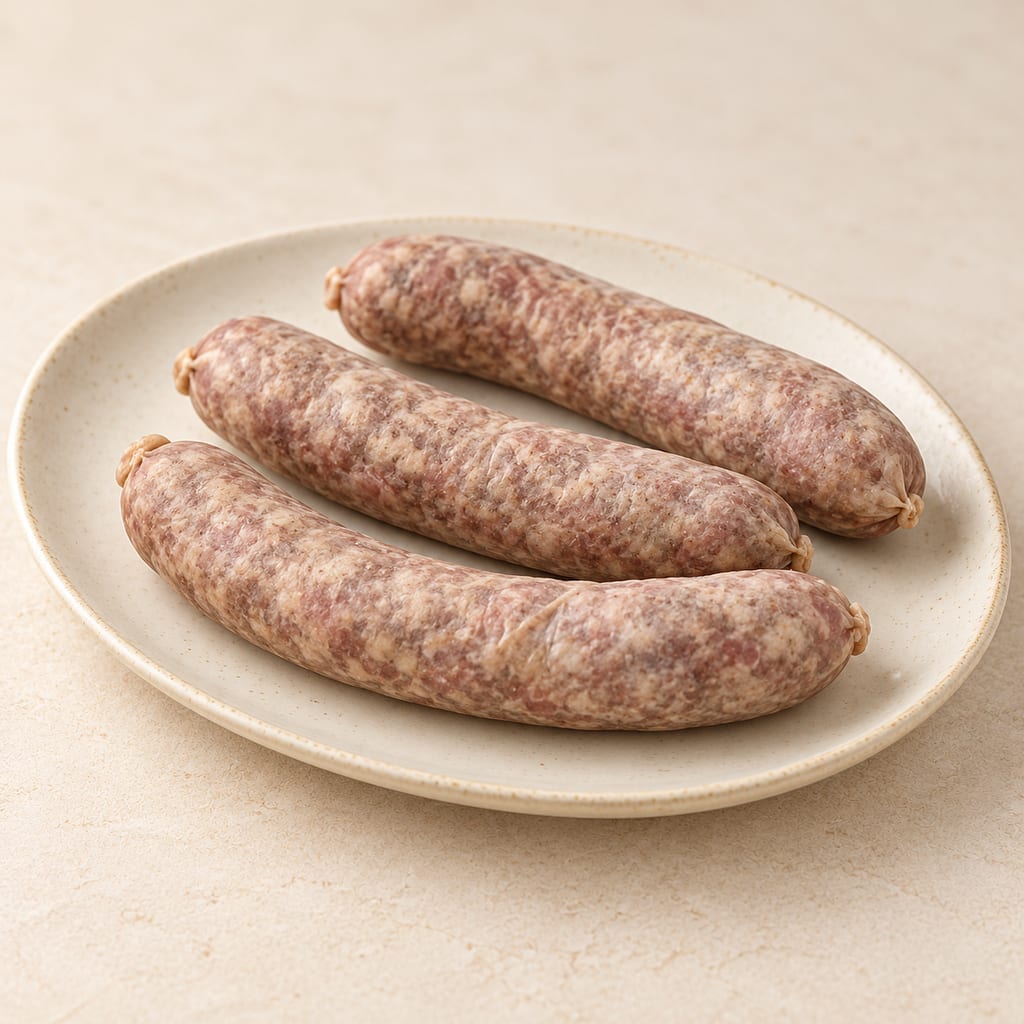
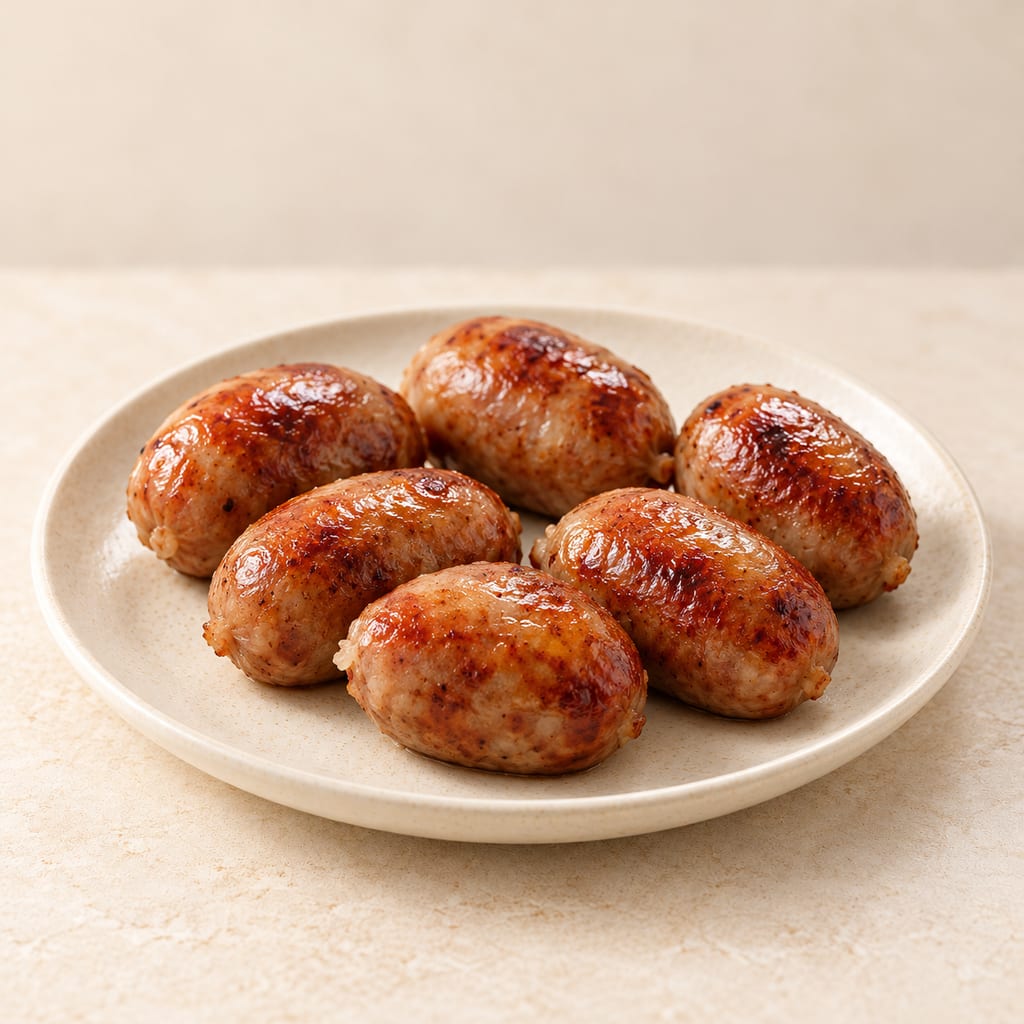
The images associated with this entry show different forms of ventricina, chiefly the documented Vastese regional product and a modern ventricina-style salami. They are visual references, not evidence that the source's process is safe or that the two preparations are identical. A slice can reveal its cut and visible fat, but appearance cannot establish how a sausage was made, whether it received an effective safety process or whether it is safe to eat.
Ventricina remains a meaningful regional food name with a documented historical record and contemporary variations. Preserving that context does not require presenting an unvalidated household dry-sausage procedure. Until qualified, process-specific validation exists, this page remains a source-based documentary account rather than a how-to.
Ventricina has distinct regional forms in Italy. In the Vastese area of Abruzzo, an 1811 account described pork packed into a stomach casing with salt and fennel. Sweet and hot peppers later gave the regional sausage its red color; the name appears in an Abruzzese dictionary in 1880.
This preparation uses ground pork and fatty belly with Calabrian pepper, cayenne, fennel and wine. It adapts the idea to a commercial starter, a surface-ripening culture and a large beef bung, followed by prolonged aging.
Scaling: source batch only
Raw fermented and dried meat can carry Salmonella, Shiga toxin-producing E. coli and Listeria; published guidance says fermentation and drying alone do not generally establish adequate pathogen reduction.
Hazard sourceThe cited source gives warm fermentation conditions but no recorded time-to-pH assessment or matching degree-hour validation.
Hazard sourceA process for uncooked pork sausage requires controls supported for its ingredients, casing and geometry; this documentary entry provides no such process.
Hazard sourceThis documentary entry specifies no process controls. Official guidance requires process-matched scientific support for any ready-to-eat fermented and dried sausage; the cited household source does not establish that support.
Control sourceThis entry is not a recipe and does not establish that a product is safe to make, eat, store or serve.
Do not infer pathogen destruction, safety or shelf stability from appearance, flavor, acidity, drying or weight change alone.
No maturation schedule or endpoint is provided.
Italian style named by this modern formula; no exact preparation locality is established.
Black pepper is the dried fruit of Piper nigrum, a tropical climbing vine, used whole, cracked or ground for its pungency and aromatic oils.
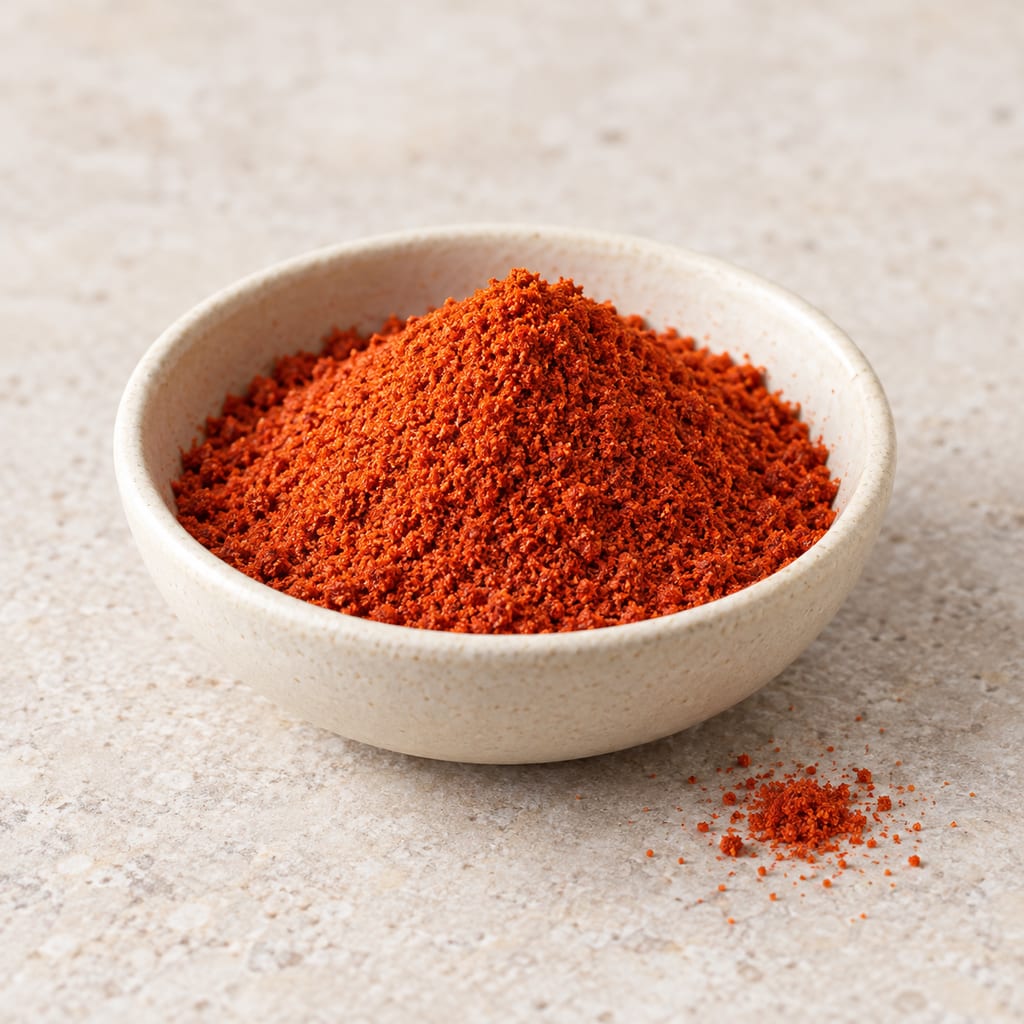
Calabrian pepper powder is a dried, milled chile seasoning. In the linked salami it is measured apart from flakes; the name alone does not show cultivar, exact origin or PGI status.
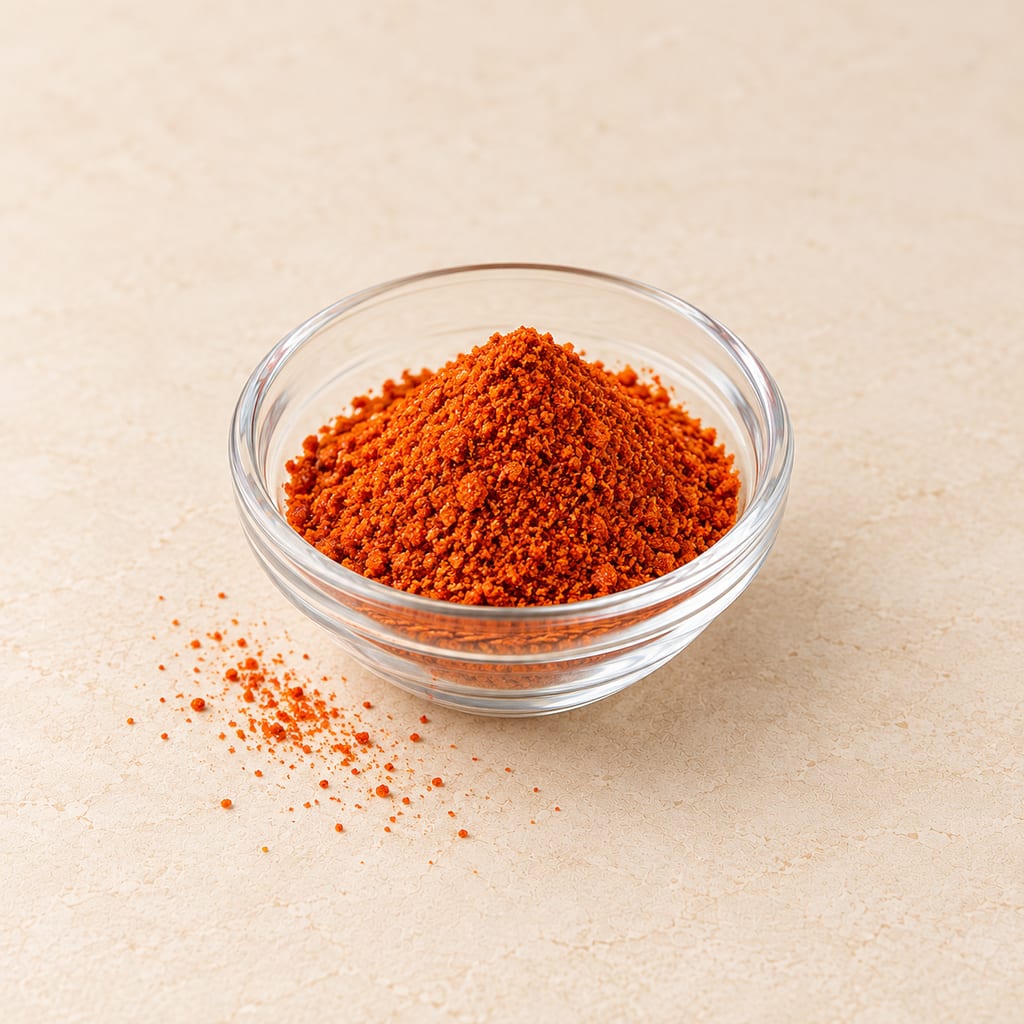
Cayenne is a very pungent red powder from dried, ground hot chilli pods, mostly Capsicum annuum, and the name of the long red peppers it comes from.
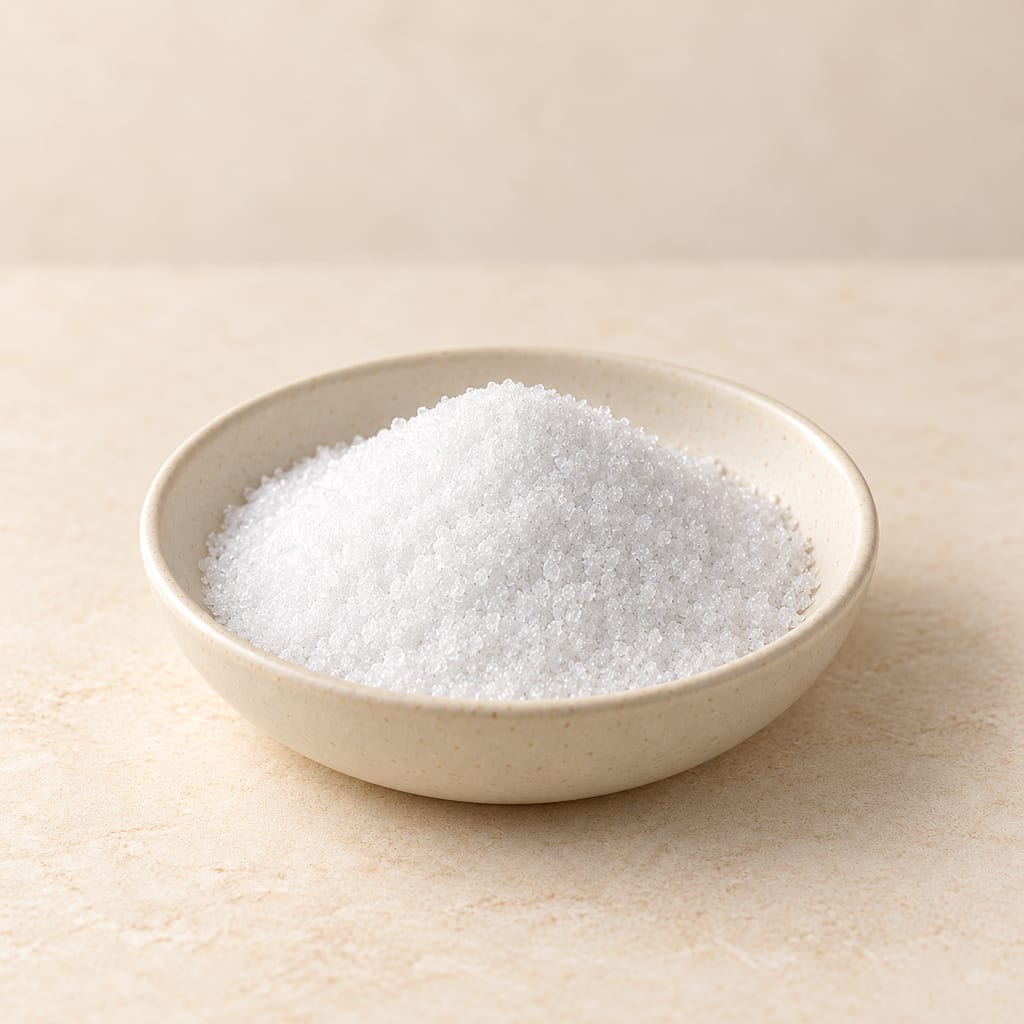
Crystalline D-glucose supplies fermentable carbohydrate to starter bacteria. Hydration state, starch source and product formulation remain relevant when selecting the powder.

Water recovered by evaporation and condensation, with much of its original mineral content left behind; selected recipes use it for culture preparation or brine.
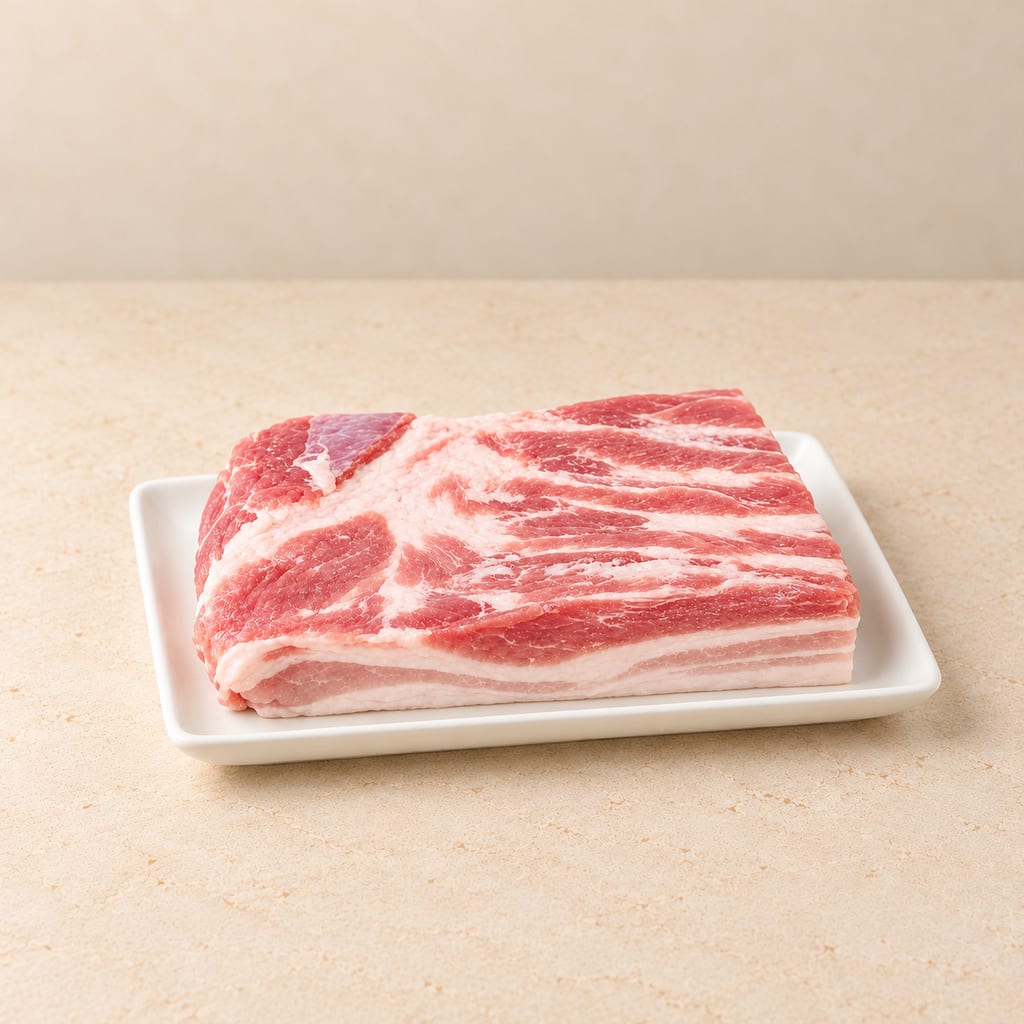
Raw pork belly combines muscle and adipose tissue in layers. Its fat content varies, and a recipe weight of belly is not a measured weight of pure fat.
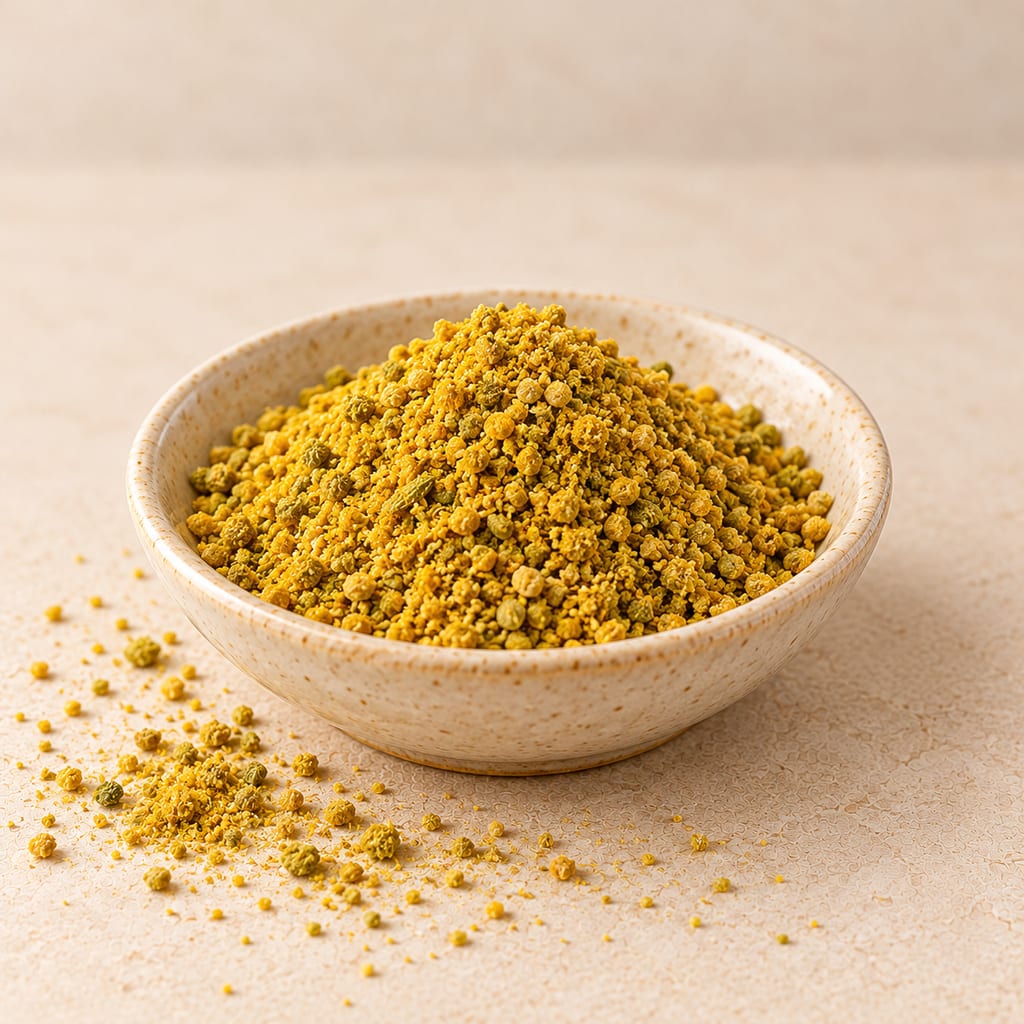
Fennel pollen is the fine, aromatic seasoning gathered from flowering fennel heads. The linked salumi recipes pair measured pollen with fennel seed; protected Finocchiona names seeds and/or flowers, not isolated pollen.
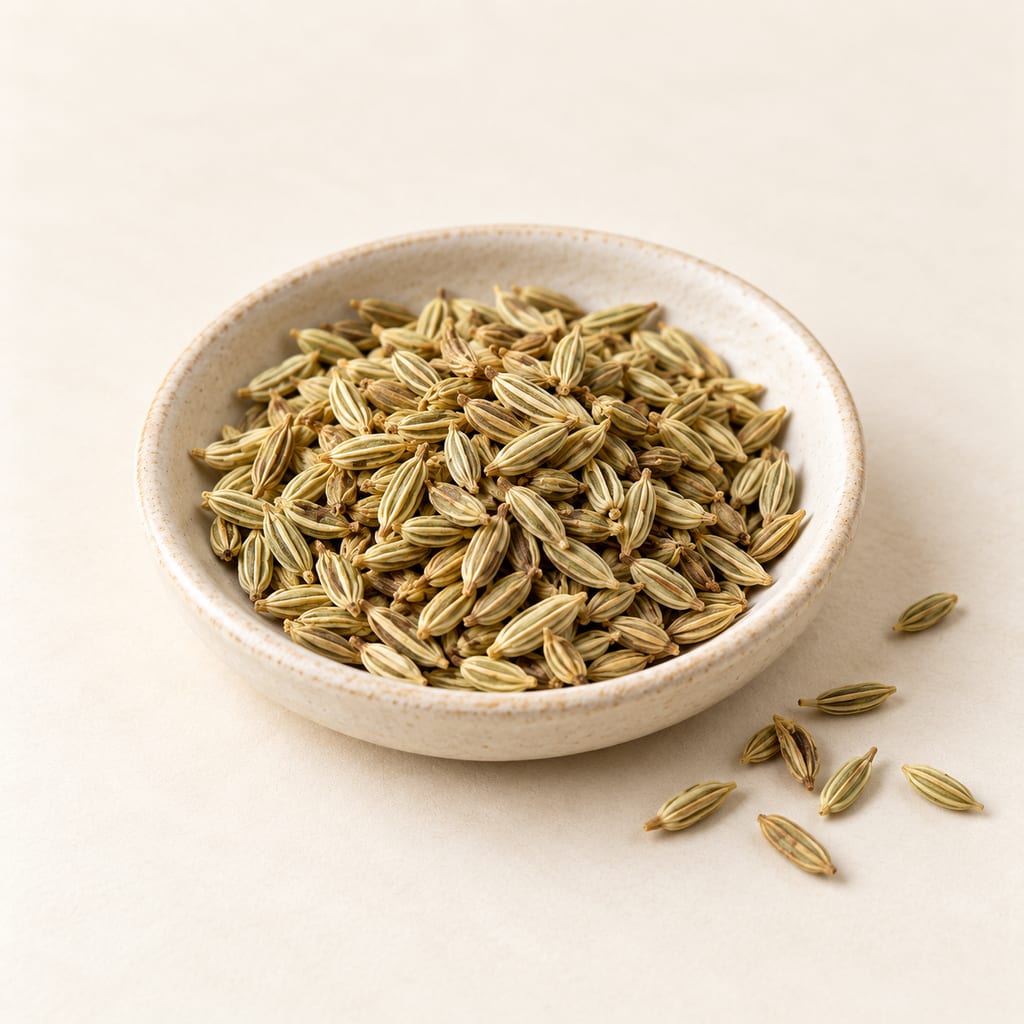
Fennel seed is the dried aromatic fruit of Foeniculum vulgare; a Himachal Pradesh survey records it among the seasonings of Galgal pickle.

Soft, spreadable Calabrian pork sausage made with a great deal of red chilli and fatty pork, stuffed into natural casings, sometimes smoked and matured while staying soft.
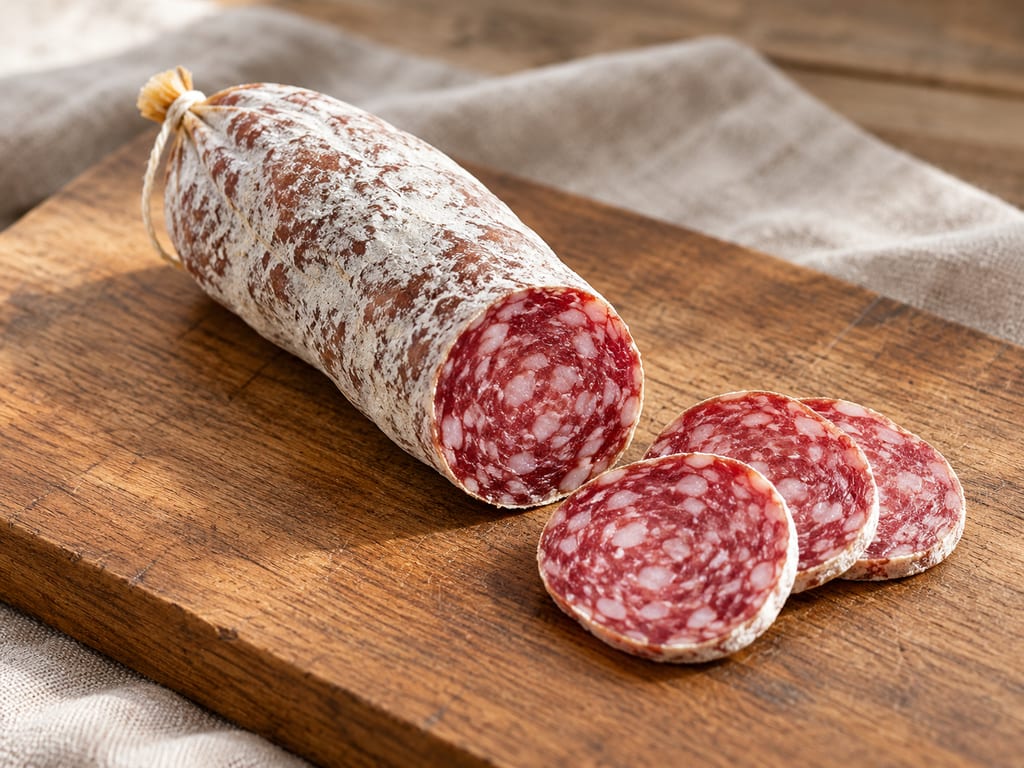
Small Italian hunter-style salami of lean pork, firm fat, salt, pepper and garlic, mildly acidified and dry-matured; protected as Salamini Italiani alla Cacciatora DOP.
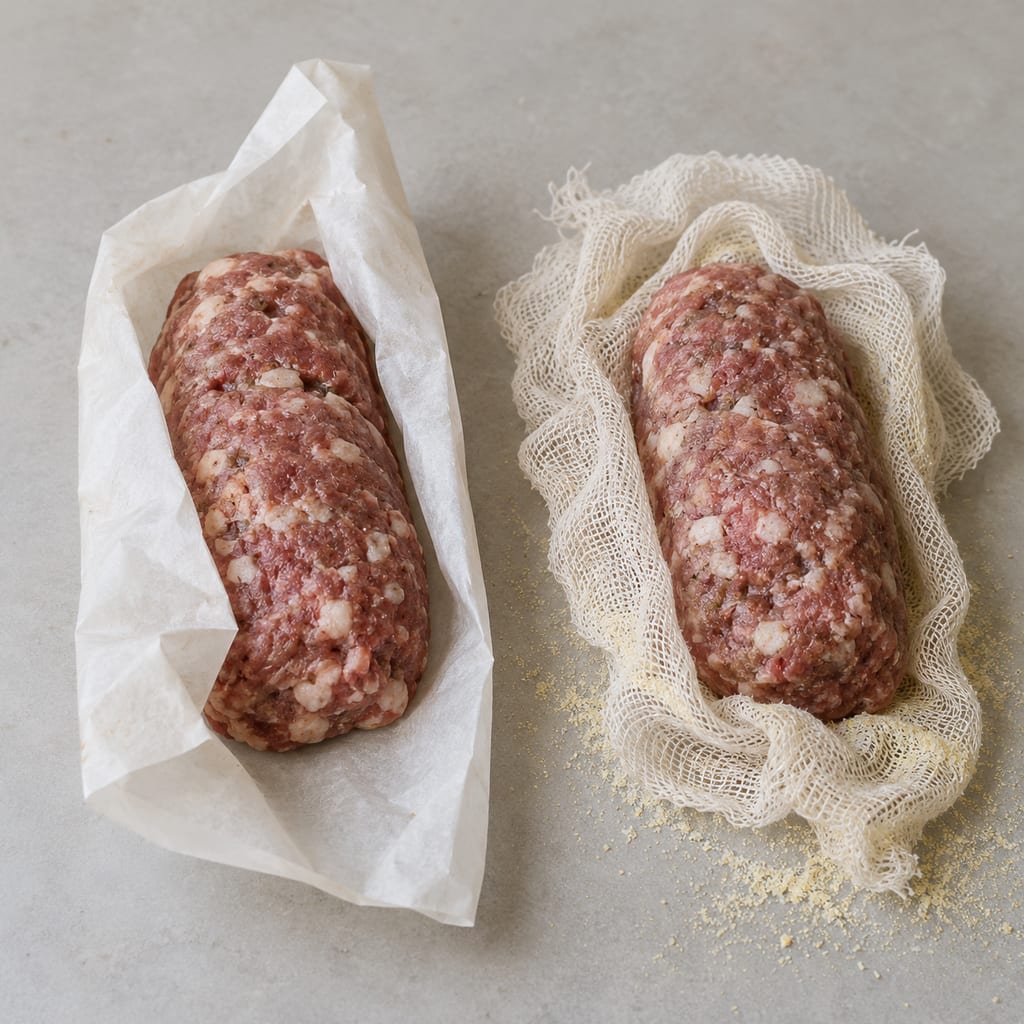
A documentary account of two modern Italian-language home-video experiments in salame without casings. Neither video establishes a safe preparation method or a ready-to-eat product.
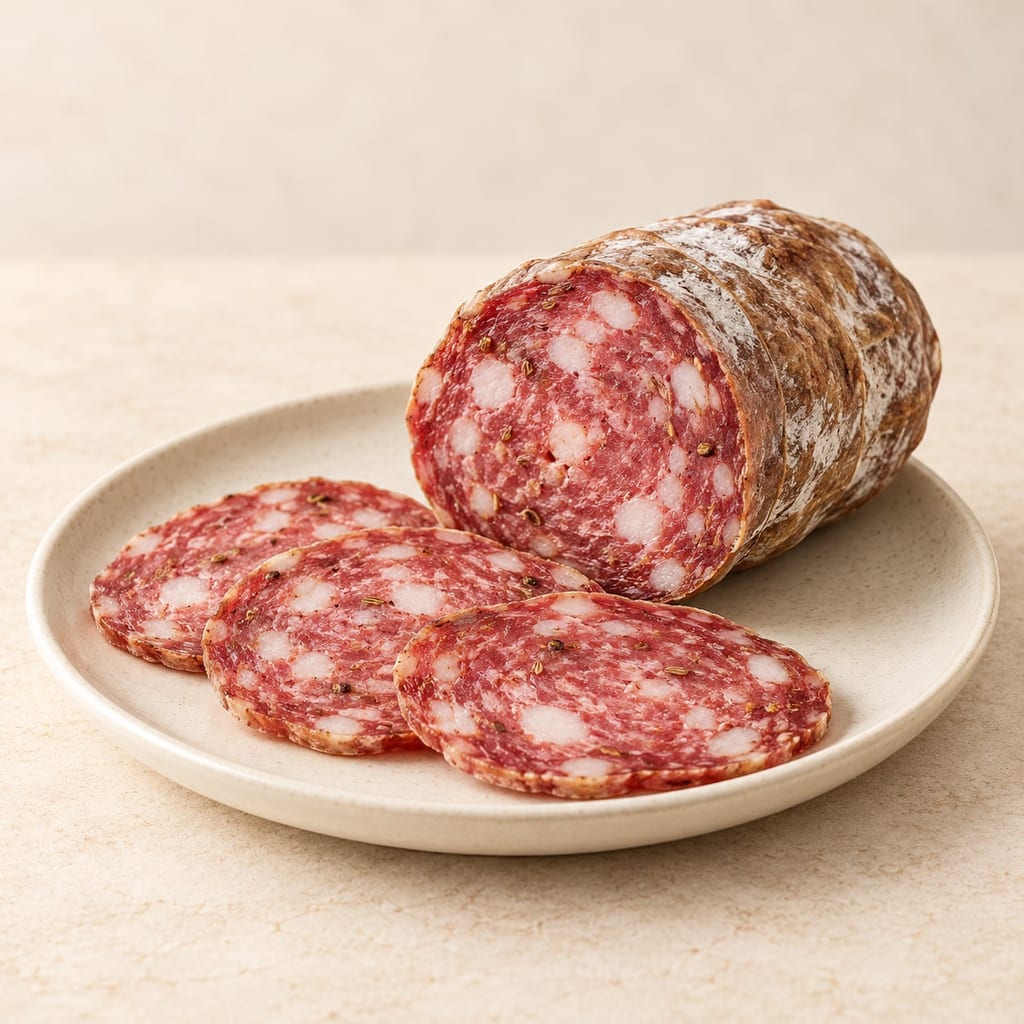
A Tuscan-style fennel salami made with pork and back fat. Toasted fennel, fennel pollen and Sambuca flavor this starter-cultured preparation.
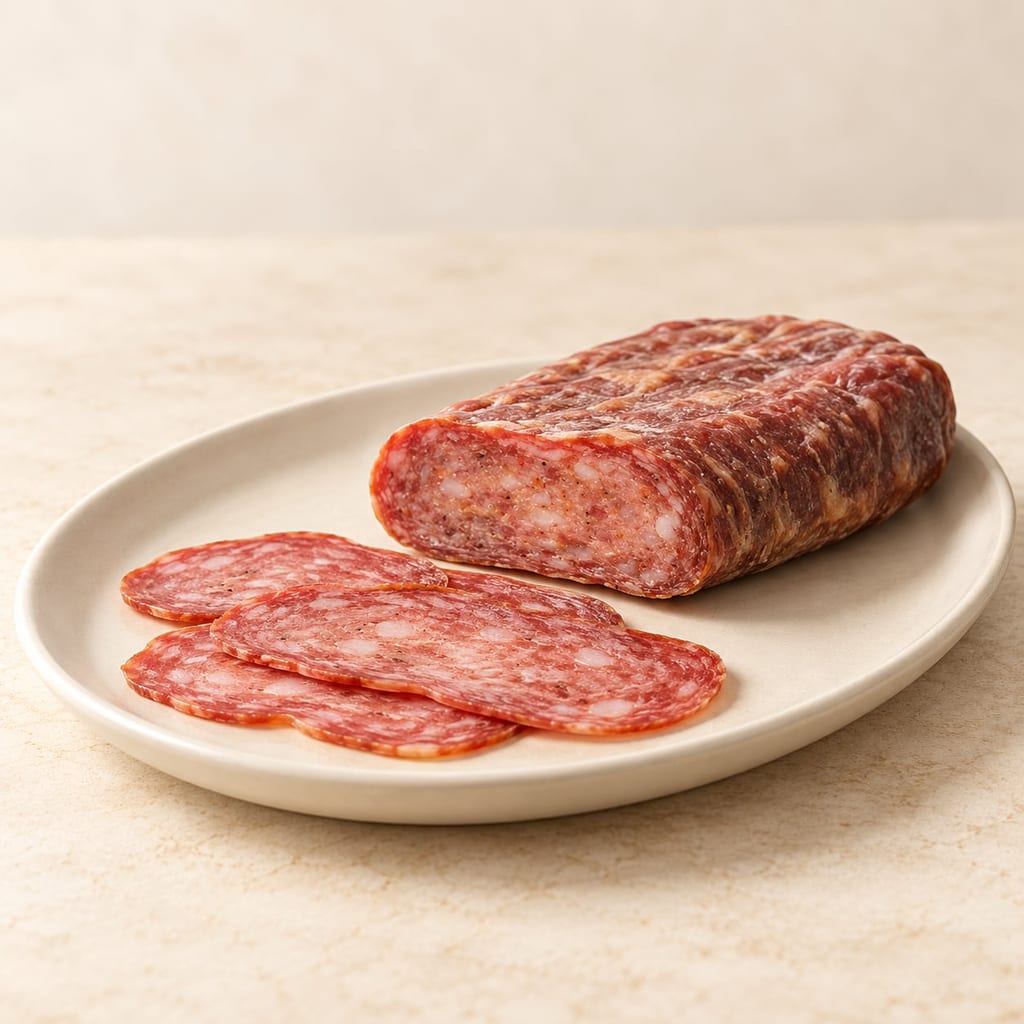
Calabrian soppressata is a flattened pork salami seasoned with pepper and wine. This entry documents a modern starter-cultured adaptation, not household instructions; the process lacks matched pathogen-reduction validation.

A dark, balanced vinegar from Emilia-Romagna made by combining cooked or concentrated grape must with wine vinegar, then acetifying and refining it in wood under a protected specification.

Protected Italian vinegar made only from cooked grape must, fermented and aged in a battery of wooden barrels for at least 12 years: sweet, sharp and syrupy.
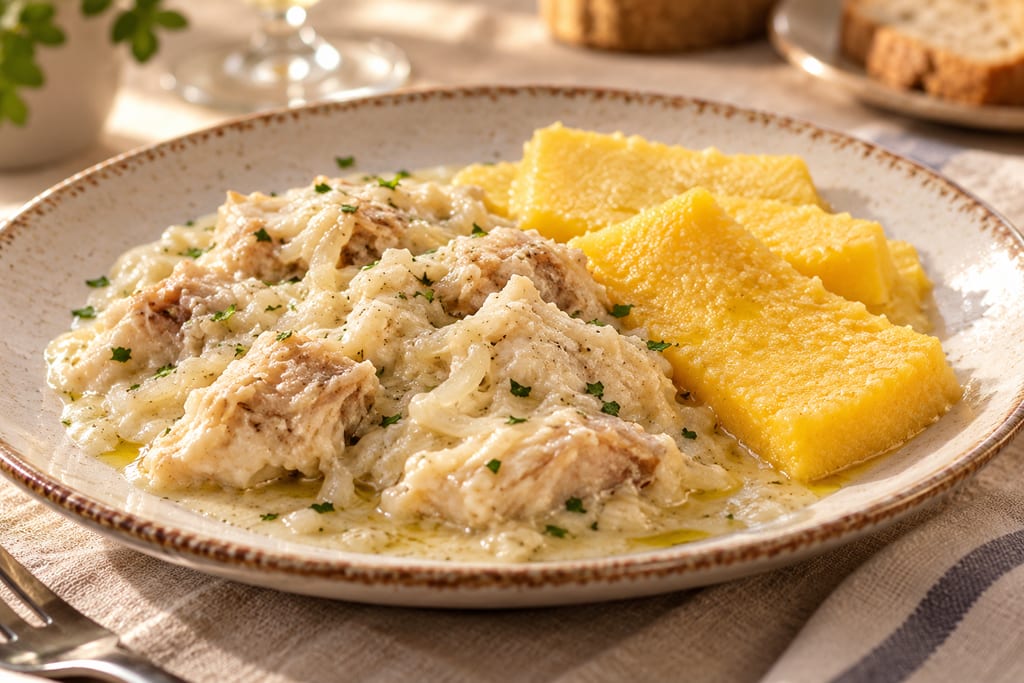
Stockfish from Vicenza, left barely bubbling for hours with onion, preserved anchovy, olive oil, milk and a little cheese until it is tender under a dense pale sauce, and eaten with polenta.
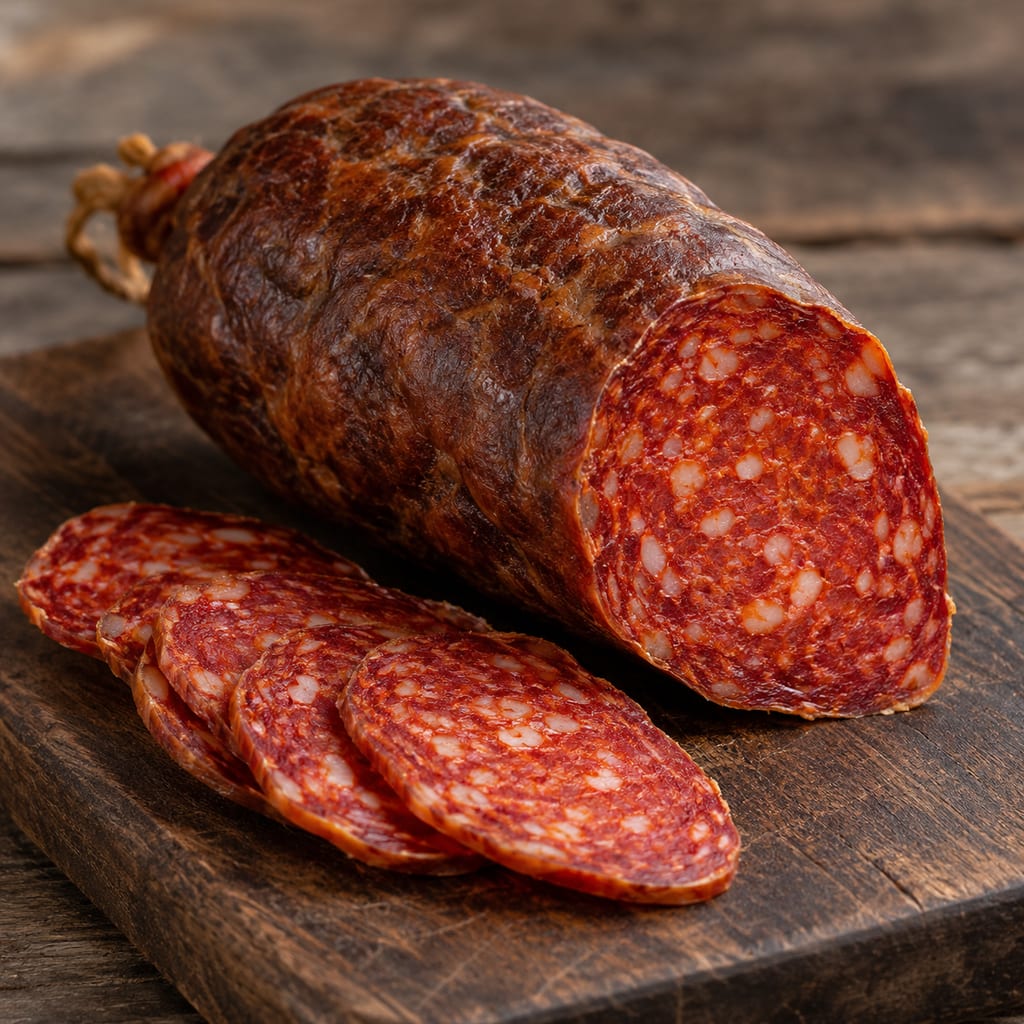
Baranjski kulen is a Croatian protected fermented pork sausage seasoned with sweet and hot paprika, garlic and white pepper, stuffed into a pig’s caecum called katica, cold-smoked and matured.
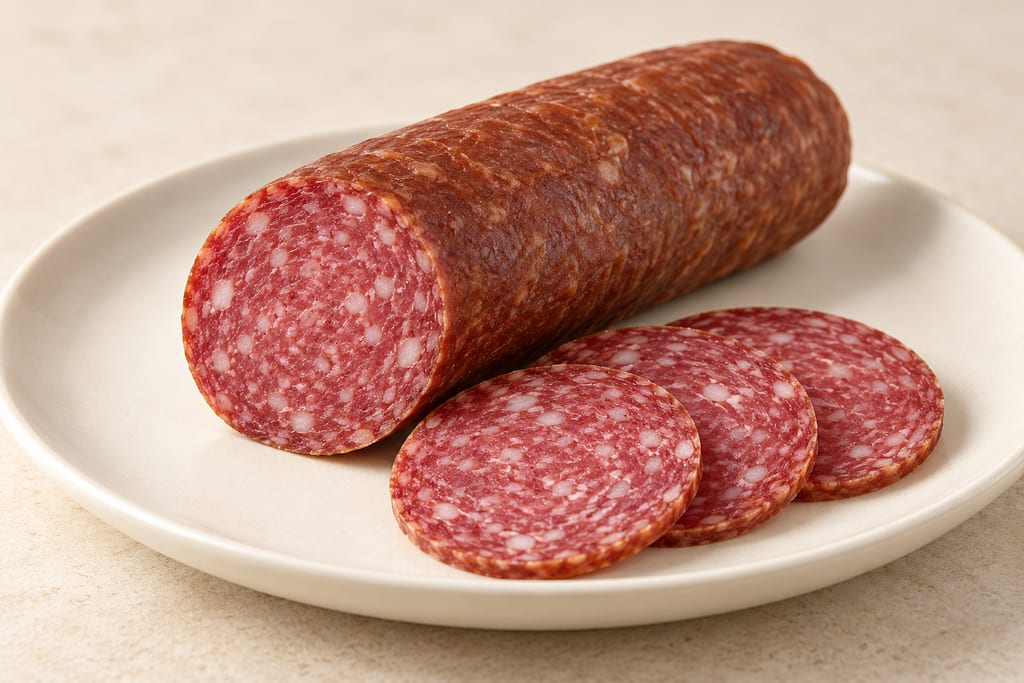
A family of salted minced-meat sausages fermented in casings, then dried and sometimes smoked. This description is not a validated household method; critical safety limits are not established.
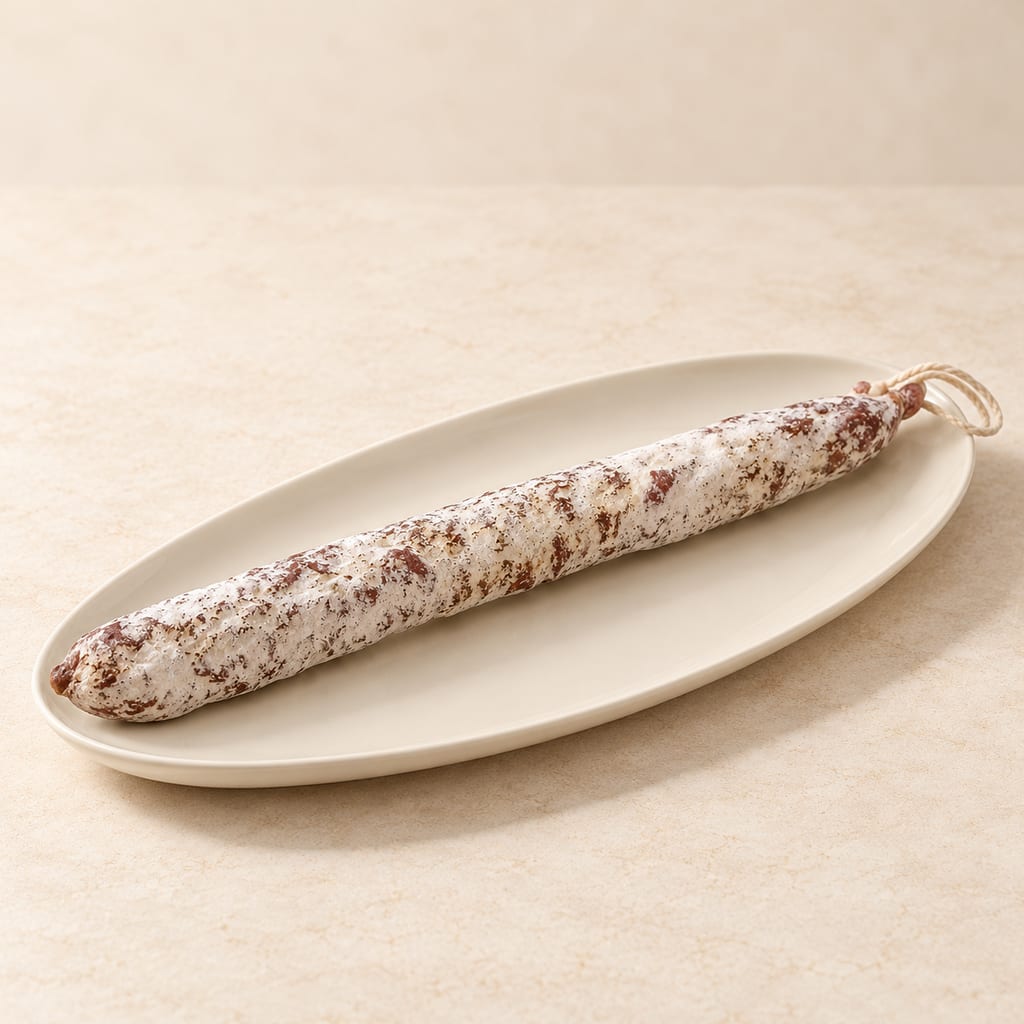
A documentary account of a modern starter-cultured Fuet formula and its place in Catalan sausage culture. The cited raw-pork process lacks matched safety validation, so this page does not present it as a household recipe.
Pork, beef and back fat ferment with a named starter, cure and red wine before the sausages dry in casings. This contemporary formula uses no wood-smoke stage.
A documentary account of Maltese zalzett and a contemporary starter-cultured adaptation. The cited raw-pork method lacks documented validation for pathogen reduction and is not offered as a preparation recipe.
Sai krok Isan is a sour pork-and-rice sausage from northeastern Thailand. This garlic-rich version uses LHP-Dry starter and is cooked after fermentation.
Saucisson sec is a French dry sausage of seasoned pork and fat. This version uses Flavor of Italy starter, white wine and an optional Mold 600 surface culture.

A Cap-Pelé boucanière is an Acadian herring-smoking building. The documented Willie Niles example is a one-storey wood-frame structure with a ridge smoke vent and interior bays for hanging fish-bearing cannes.

Achcharu is a family of Sri Lankan vinegar pickles made with mixed vegetables or seasonal fruit and a piquant spice dressing. This version is a quick, refrigerated, non-fermented mixed-vegetable pickle.

The acocote is a long, hollowed and dried gourd used to draw aguamiel from a mature maguey. It is a harvesting tool: the sap is transferred to a separate vessel before it ferments into pulque.

Adrak murabba preserves young ginger in sugar syrup, a sweet South Asian preparation recorded in Indian cookery and food-processing sources.

Parkia biglobosa seeds are fermented into regional West African seasonings, including nététou, iru, dawadawa and soumbala. The yellow fruit pulp is a separate food, and names and methods vary by place.

Japanese reddish-brown vinegar from sake lees matured about three years, turned to vinegar by acetic bacteria; the vinegar of Handa and Edomae sushi rice.

A refined common-wheat flour blended for a broad range of baking; its protein and behavior vary with wheat, milling and market.

The almond mushroom, Agaricus subrufescens, was cultivated in eastern North America in the 1800s, lost its market, and returned as a cultivated mushroom from Brazil, where it is grown under several names.
No community contributions have been published for this entry yet.
Sign in to contribute. Published comments and photos are free to read.
2 Guys & A CoolerIdentity · History
Ventricina SalamiSource attribution for a modern Ventricina-style salami formula and its author's description. Its formula and operating directions are intentionally omitted from this documentary entry; the source does not establish an independently validated home process.
Cited in: A modern source and a regional name; Texture and seasoning identify different preparations
USDA FSISSafety
Ready-to-Eat Fermented, Salt-Cured, and Dried Products GuidelineProcessor-oriented hazard and validation context.
Cited in: Why this page is documentary, not a home recipe
CREA — AlimentiNUTrizioneHistory
La Ventricina del Vastese: Cenni storiciReported 1811 salt-and-fennel antecedent, later pepper addition and 1880 lexical attestation; historical context for a different regional method.
Cited in: What the historical record establishes; A careful visual record
CREA — AlimentiNUTrizioneIdentity
La Ventricina del Vastese: Materia primaKnife-cut regional product and seasonings distinguish it from the modern ground-pork adaptation.
Cited in: A modern source and a regional name; What the historical record establishes; Texture and seasoning identify different preparations
BC Centre for Disease ControlSafety
Fermented Food Guidance, Section 3.13: SausageSpecific sausage hazards and controls including pork parasites, beef casings, degree-hours and post-process hygiene.
Cited in: Why this page is documentary, not a home recipe
USDA FSISSafety
FSIS Ready-to-Eat Fermented, Salt-Cured, and Dried Products GuidelineOfficial training-hosted full guideline: process-matched lethality and shelf-stability validation.
Cited in: Why this page is documentary, not a home recipe
Chr. HansenIngredient identity
MOLD-600 Product Information, version 3Mold 600 scientific identity Penicillium nalgiovense; manufacturer sheet hosted by Hjemmeriet.
Journal of Agricultural and Food ChemistryScience
Contribution of Microbial and Meat Endogenous Enzymes to the Lipolysis of Dry Fermented SausagesIn studied dry fermented sausage batches, carbohydrate fermentation by Lactobacillus plantarum 4045 lowered pH; lipolysis occurred in inoculated and aseptic-control batches, indicating both microbial and meat endogenous enzyme contributions. This finding is general sausage science, not a direct assay of this recipe or its named starter.
Accademia della Ventricina / Associazione Produttori Ventricina del VasteseRegional method · Identity
Disciplinare di produzione della Ventricina del VasteseVentricina del Vastese is described as a large raw pork sausage with a coarse red-orange cut, pepper, fennel and no added nitrate/nitrite except naturally occurring traces; reported maturation at least 100 days. This producer specification describes that regional preparation, not the starter-cultured recipe here.
Cited in: A modern source and a regional name; Texture and seasoning identify different preparations; A careful visual record
University of California Agriculture and Natural ResourcesSafety
Homemade Meat, Poultry, and Game Sausages (EB1661)States that dry sausage fermentation and dehydration need careful control, that Staphylococcus aureus toxin can form if fermentation is not rigidly controlled, and that home production of dry sausages is not recommended.
Cited in: Why this page is documentary, not a home recipe; A careful visual record