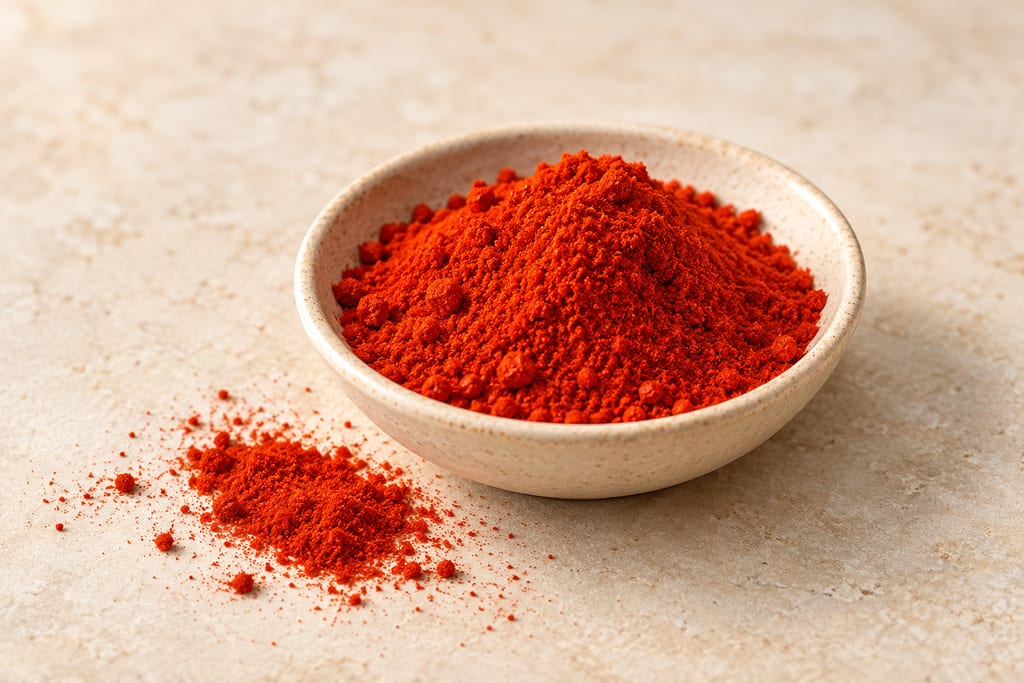
Paprika
Paprika is ground, dried Capsicum fruit used for red color and pepper flavor; the name alone does not specify its heat, smoke, cultivar or origin.
 FermenteaWhere food goes to change
Baranja kulen
Baranjski kulen is a Croatian protected fermented pork sausage seasoned with sweet and hot paprika, garlic and white pepper, stuffed into a pig’s caecum called katica, cold-smoked and matured.
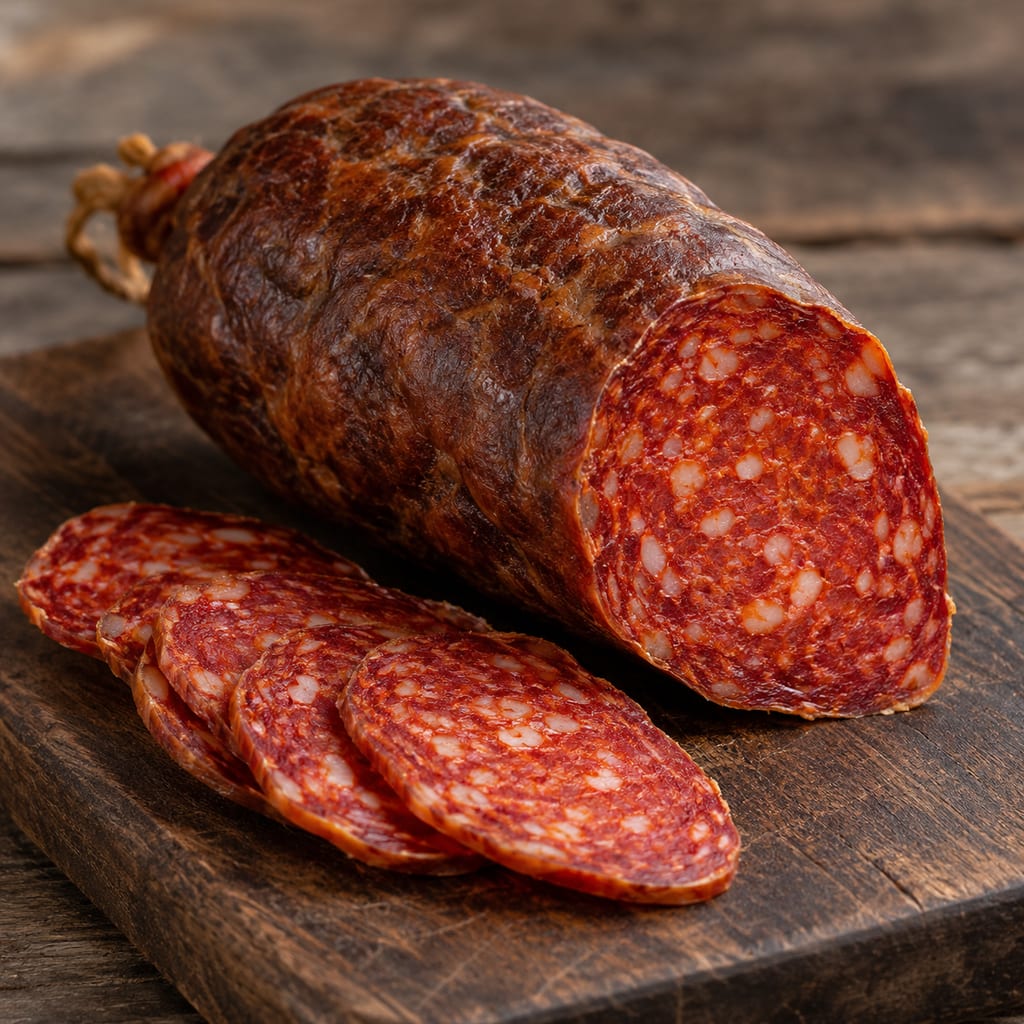
The European Union’s product specification identifies Baranjski kulen as a fermented preserved sausage made from pressed pork. Ground paprika, garlic and pepper season the filling, which is stuffed into the end of a pig’s large intestine. In Baranja that caecum is often called katica. The specification describes an oval, firm sausage with a smoky aroma and a slightly spicy flavour; the paprika colours the cut surface red, while smoke is prominent in the aroma.
These traits describe the protected product rather than every sausage called kulen. The protected name is tied to a defined region and a registered production method. This draft keeps that distinction visible: it is a research account of a named Croatian PGI preparation, not a generic recipe for salami and not a home-safe method.
The official product area is Baranja in northeastern Croatia. The Croatian Ministry lists the name as a registered protected geographical indication and records the ministry’s approval of its control plan in December 2016. The EU specification requires the whole process—from preparation of the raw material through fermentation and maturation—to take place within Baranja.
The place rule applies to production, not necessarily to the farm origin of every input. The specification allows the pork meat, hard fat and seasonings to come from outside the area. That separation matters: the PGI links the food’s identity to where and how it is made, while its inputs may have a wider supply geography. A place row for Baranja therefore describes a protected preparation area, not a claim that every pig or pepper was raised there.
The registration application records that after the Second World War much of the region’s production took place in Beli Manastir, including at a meat-processing plant associated with the local agricultural cooperative. The application cites a 1977 cooperative bulletin for that factory history and attributes a related account to a local veterinary surgeon whose father was a master butcher.
In that account, the father learned a recipe known as Pannonski kulin from a butcher in Karanac and later used the name Baranjski kulen because that was the name other producers in the region used. The application presents part of this story as a popular anecdote and names the family witness; it does not establish a single origin for kulen or date the beginning of Baranjski kulen. The period of first attestation remains unknown in this record.
The Croatian specification lists pork muscle and hard fat at a 90:10 ratio. Within the meat portion, ham and loin supply most of the named cuts, with shoulder making up the remaining share allowed by the specification. It describes older sows and heavier-finished pigs as the qualifying source categories and excludes a lower meat category. These are rules for the protected product; they are not evidence that other cuts can be substituted in an unvalidated home batch.
Salt, sweet and hot ground paprika, garlic and white pepper complete the listed seasoning set. The official text does not provide a reader-sized amount for each seasoning in the material inspected here. It would therefore be misleading to turn the list into a formula by borrowing quantities from another kulen, salami or sausage. The paprika supplies the slight heat and red colour described in the product specification; the garlic and pepper complement the smoke without displacing it.
The specification separates raw-material tempering, filling preparation, stuffing, conditioning, fermentation and maturation. It describes coarse chopping of hard fat, a defined meat-to-fat balance, grinding the meat to a specified particle size, and mixing in the seasonings. The filling goes into the pig caecum, which is tied by hand and hung before it enters a conditioning area.
The Croatian Ministry’s amended specification sets the registered PGI production parameters: conditioning lasts up to 24 hours; fermentation lasts at least 7 days at 5–24 °C and 75–92% relative humidity; smoke is applied intermittently during fermentation at no more than 22 °C; and maturation lasts at least 3 months at up to 15 °C and 60–85% relative humidity. The facility must allow the producer to check these conditions. These are conformity conditions for production in Baranja, not home-use instructions or validated home safety controls.
Baranjski kulen is uncooked fermented meat. USDA FSIS warns that E. coli O157:H7 can survive dry fermentation in dry sausages. Fermentation, smoke and a dry-looking surface are not proof that a particular batch is safe.
The sources read for this draft define the protected product and its manufacturing controls, but they do not establish a validated home formulation. In particular, the reviewed text does not specify reader-sized salt and spice amounts or identify a starter culture for this recipe, and no product-specific pathogen validation was found. General FSIS guidance describes the role of starter cultures and validation for ready-to-eat fermented meat, but it cannot supply missing Baranjski kulen parameters. This record therefore leaves safety controls and a reproducible home method unresolved.
The EU registration document describes a postwar shift toward production in Beli Manastir and recounts a family account of the name Baranjski kulen and its trade-secret recipe. The story is attributed to the application source; it is not treated as proof of the preparation's origin.
Scaling: not established
USDA FSIS states that this pathogen can survive dry fermentation in uncooked dry sausages; Baranjski kulen is a fermented preserved sausage.
Hazard sourceThis research draft is not a home-processing recipe. Do not infer safety from the protected product specification, elapsed time, smoke, appearance or smell.
Do not make this product from this record until a product-specific validated process, formulation and safety controls have been established.
The PGI requires production stages to take place in Baranja; pork, fat and spices may be sourced outside the region.
The EU registration application records postwar production centred there; it does not claim the town as the food's birthplace.
Paprika is ground, dried Capsicum fruit used for red color and pepper flavor; the name alone does not specify its heat, smoke, cultivar or origin.
A cleaned pig caecum forms the broad, closed-end casing used for Slavonski kulen and Baranjski kulen. Its shape, preparation and regional names differ from other pig intestines.
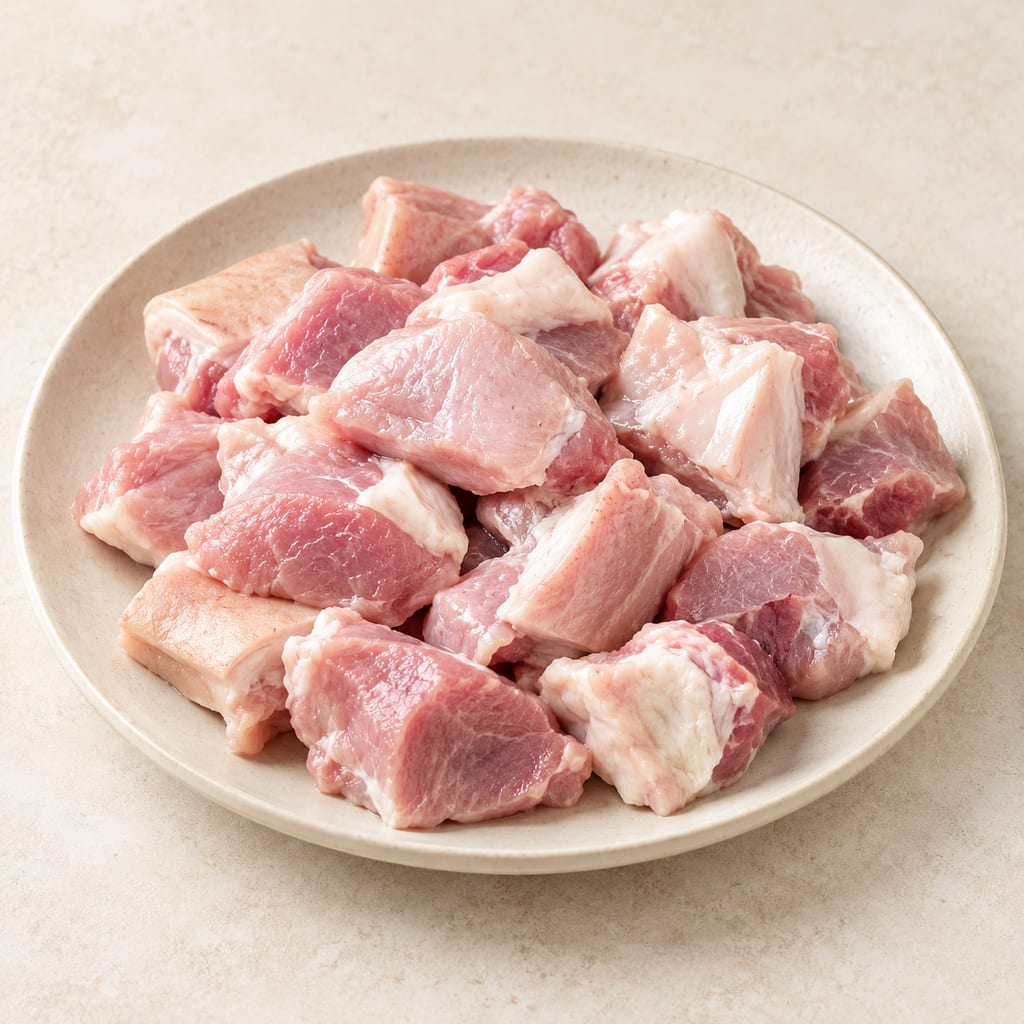
Pork is meat from domestic pigs, sold as distinct cuts, ground meat and fat; its form and composition shape its roles in fermented foods.
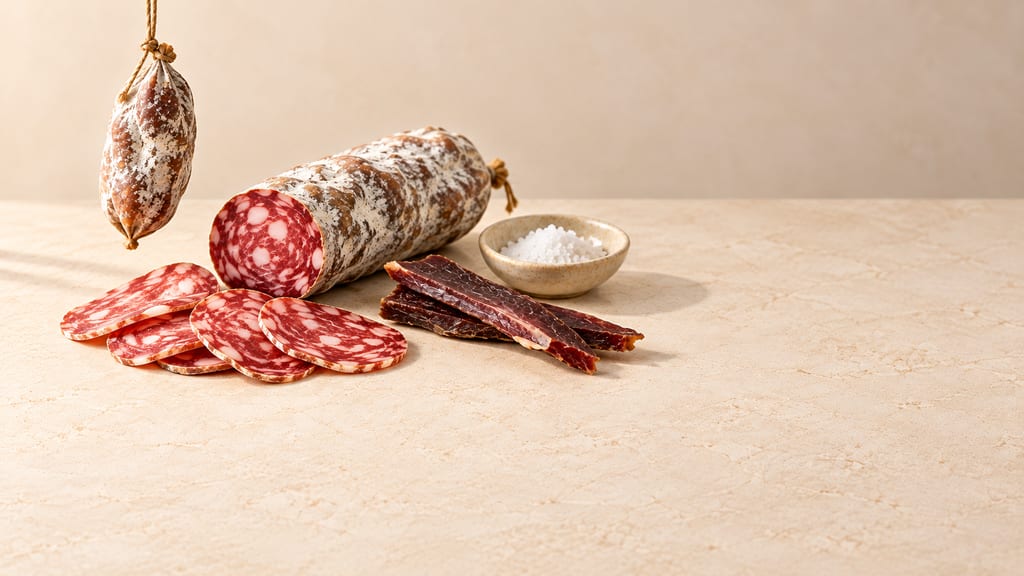
Dry salami, sour pork with rice, matured sheep and aged blubber follow different paths from animal to food. Their stories connect microbes with climate, slaughter, migration and the meals people share.
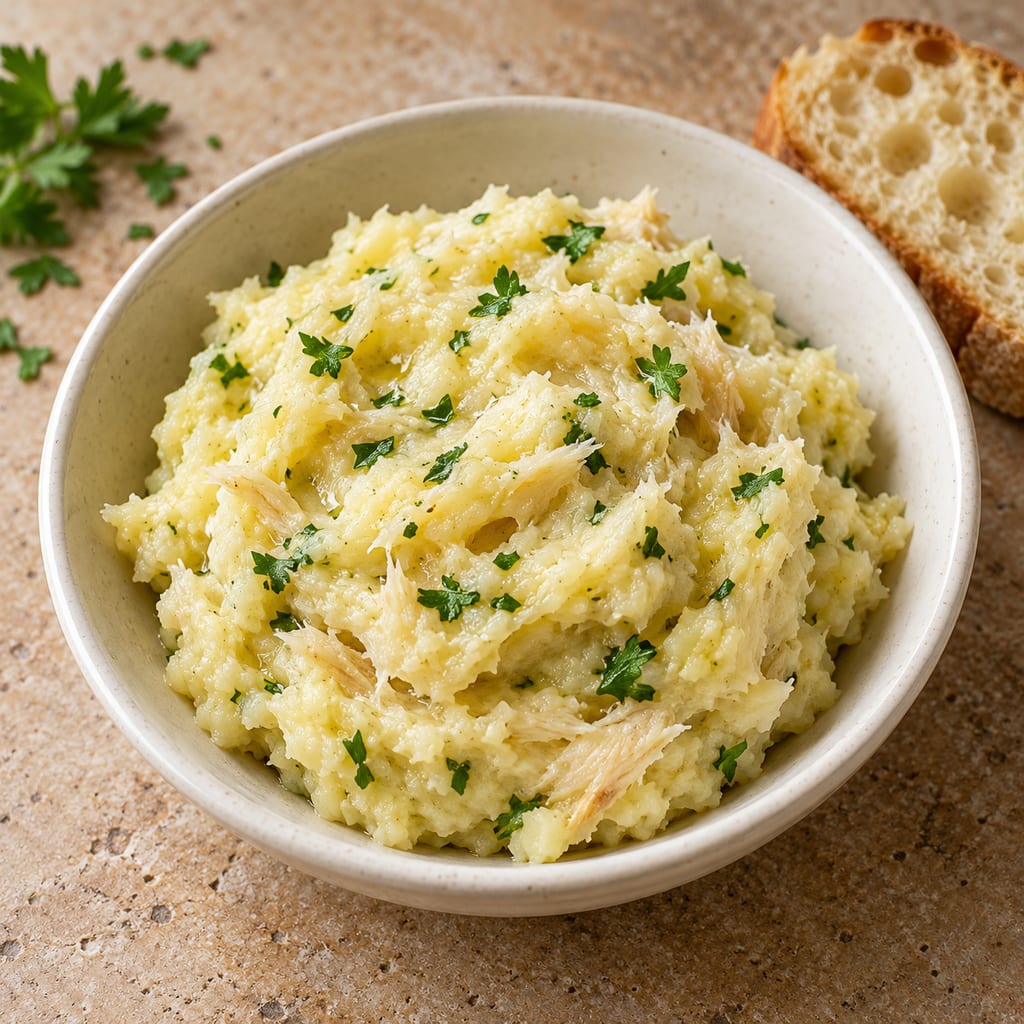
An Istrian festive spread of cooked stockfish beaten with olive oil and garlic until pale and cohesive, here bulked out with hand-mashed floury potato.
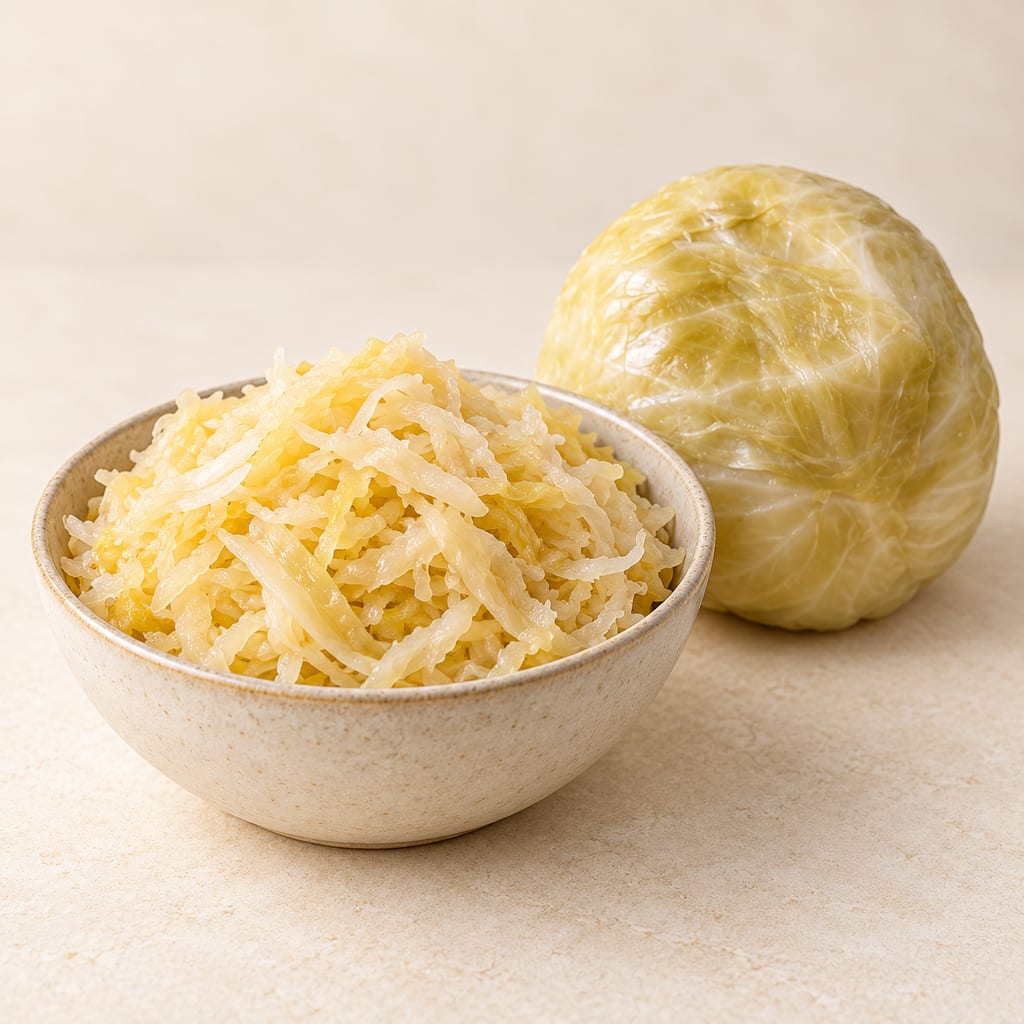
Protected Croatian sauerkraut from the Ogulin area: fresh white cabbage naturally lactic-fermented without preservatives, sold whole or shredded, from registered establishments.
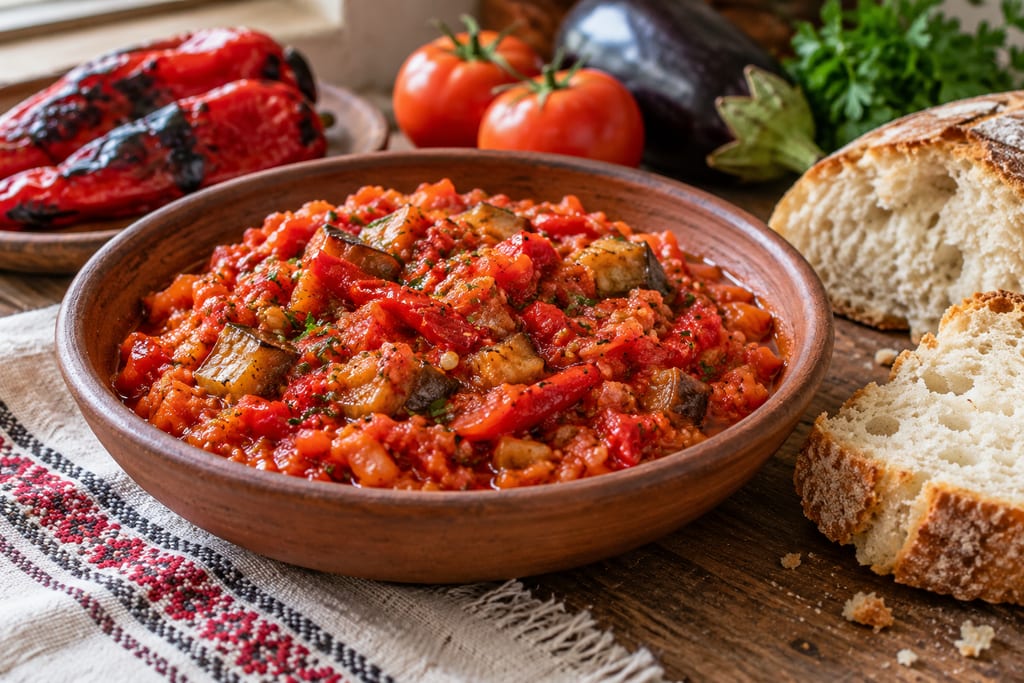
A Balkan relish of roasted red peppers and tomatoes, often with aubergine and garlic, cooked down into a spread for the winter store.
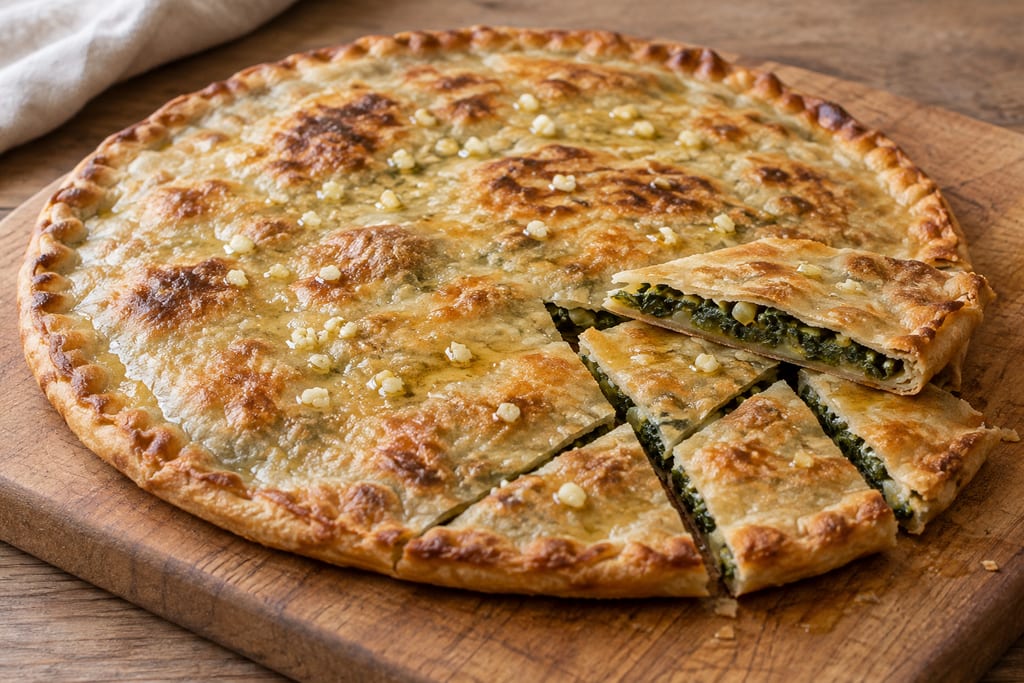
A Croatian chard-filled flatbread baked in a home oven and finished with garlic oil.

Soft, spreadable Calabrian pork sausage made with a great deal of red chilli and fatty pork, stuffed into natural casings, sometimes smoked and matured while staying soft.
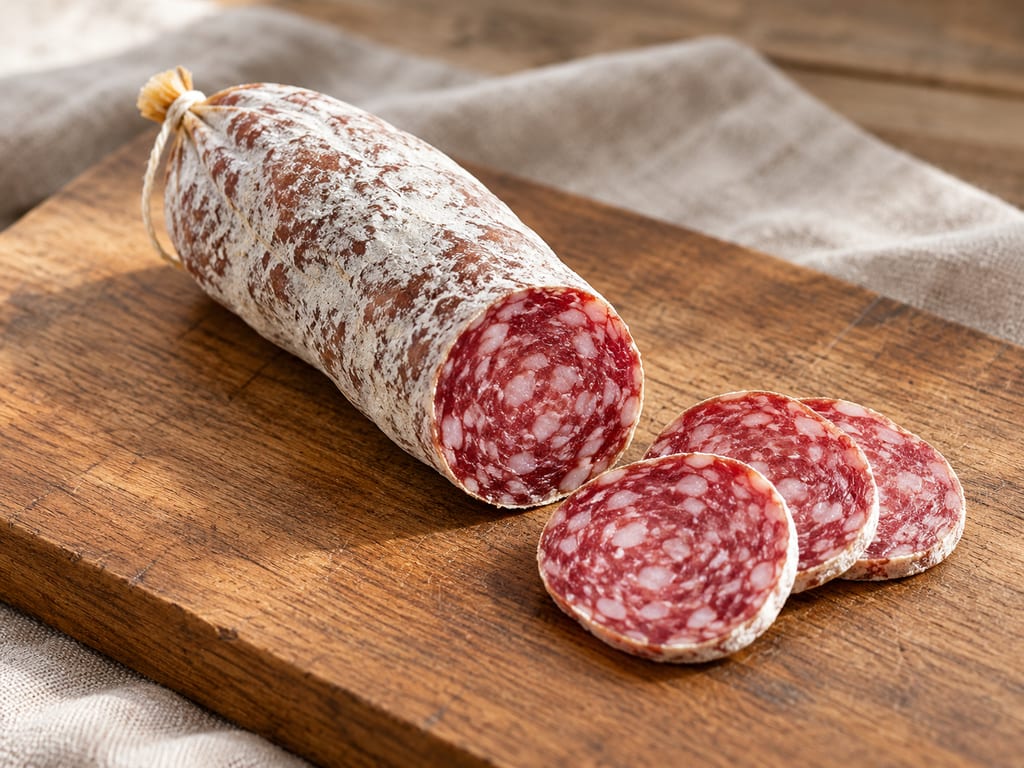
Small Italian hunter-style salami of lean pork, firm fat, salt, pepper and garlic, mildly acidified and dry-matured; protected as Salamini Italiani alla Cacciatora DOP.
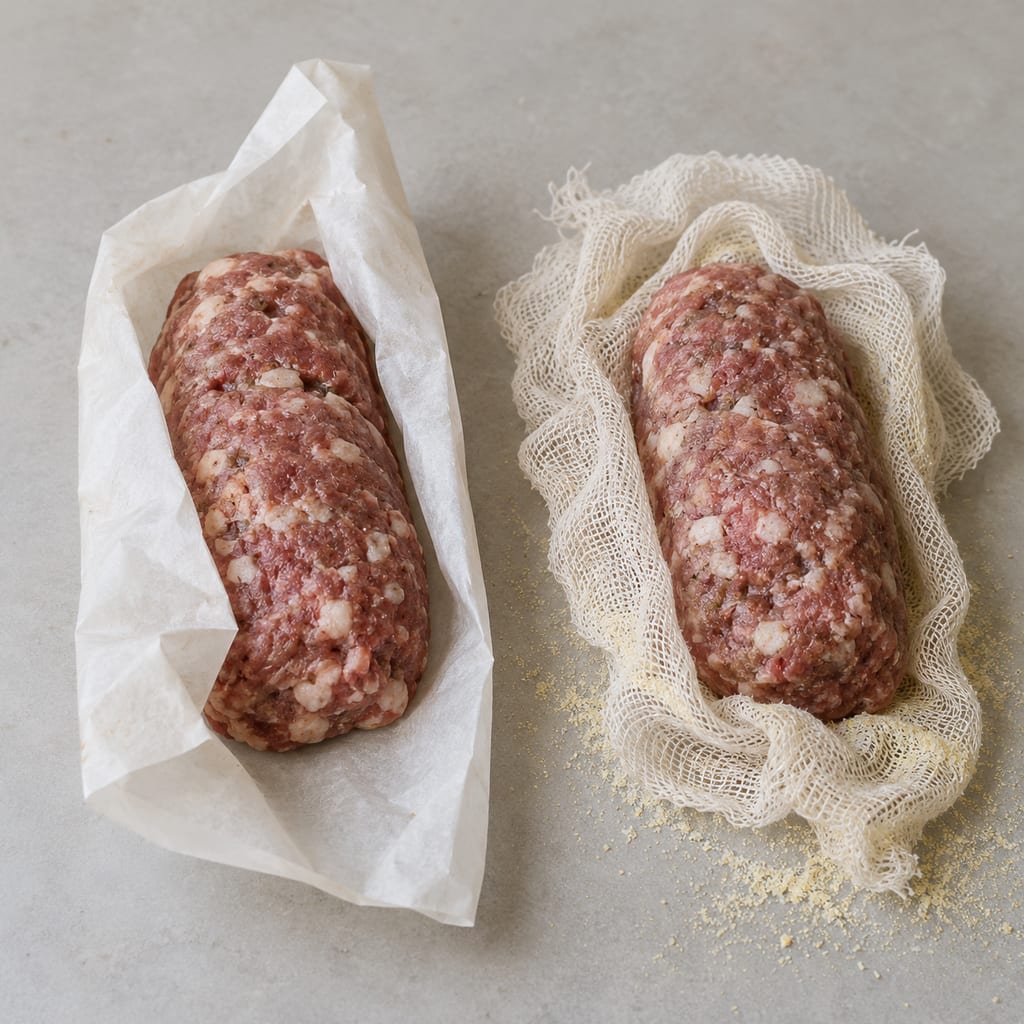
A documentary account of two modern Italian-language home-video experiments in salame without casings. Neither video establishes a safe preparation method or a ready-to-eat product.
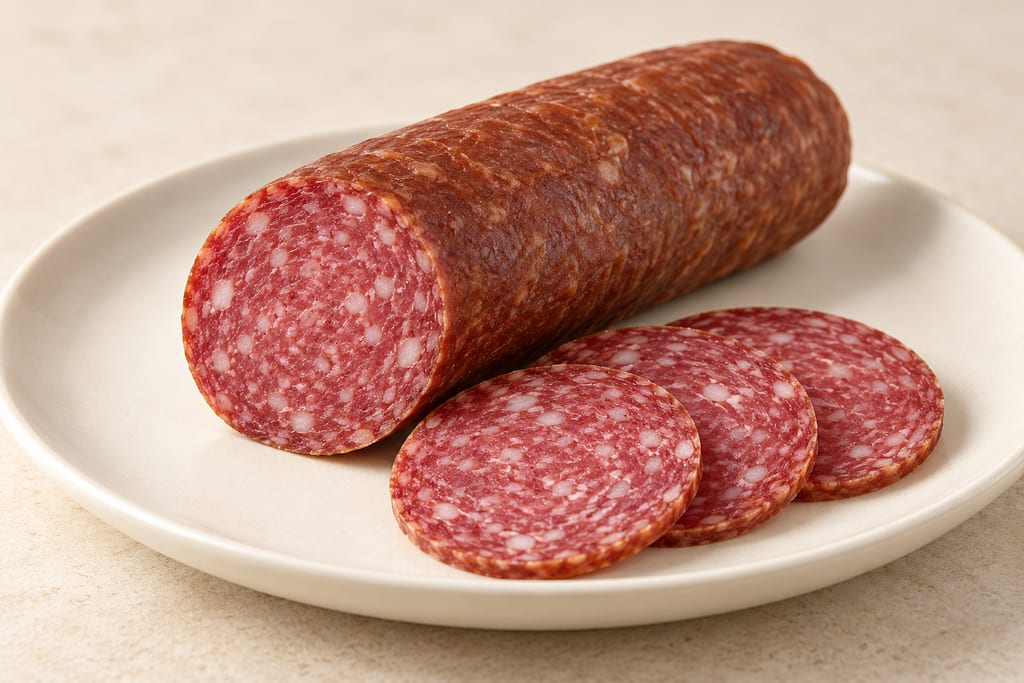
A family of salted minced-meat sausages fermented in casings, then dried and sometimes smoked. This description is not a validated household method; critical safety limits are not established.
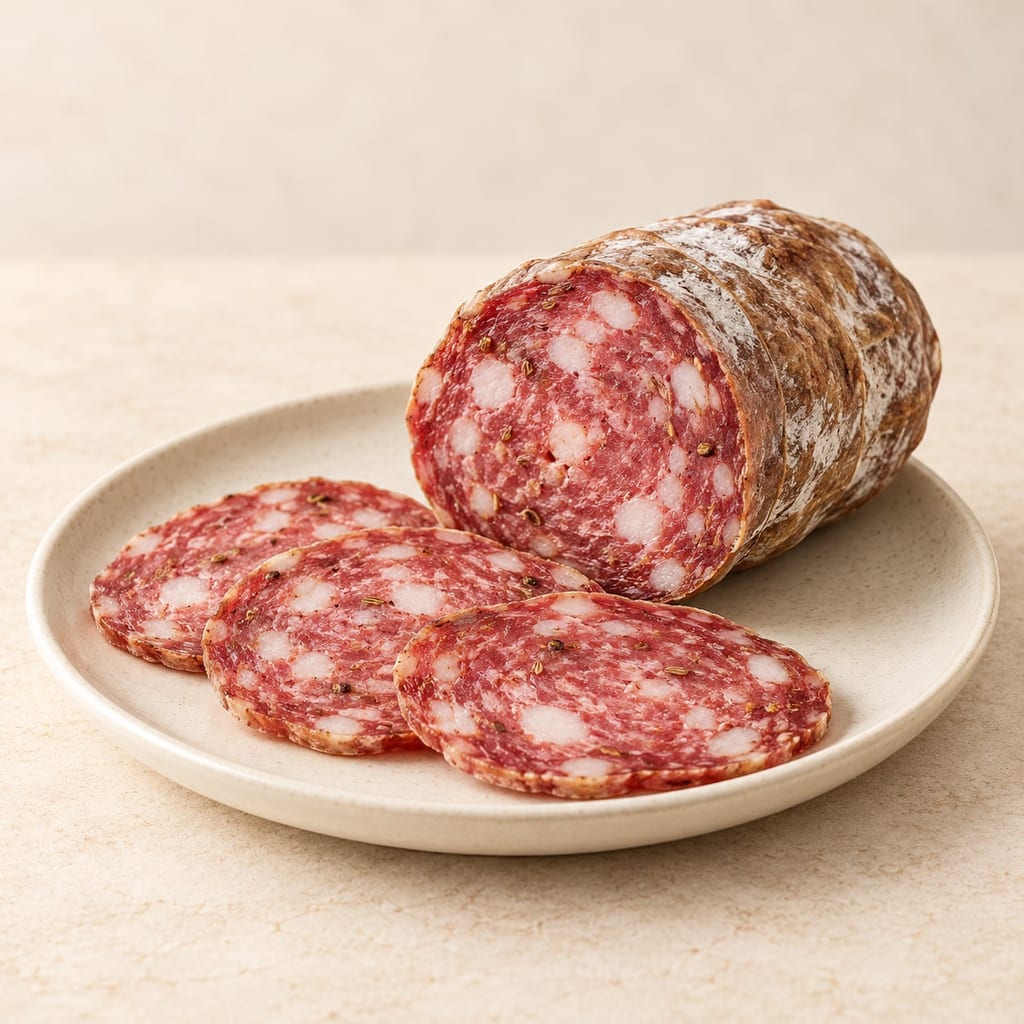
A Tuscan-style fennel salami made with pork and back fat. Toasted fennel, fennel pollen and Sambuca flavor this starter-cultured preparation.
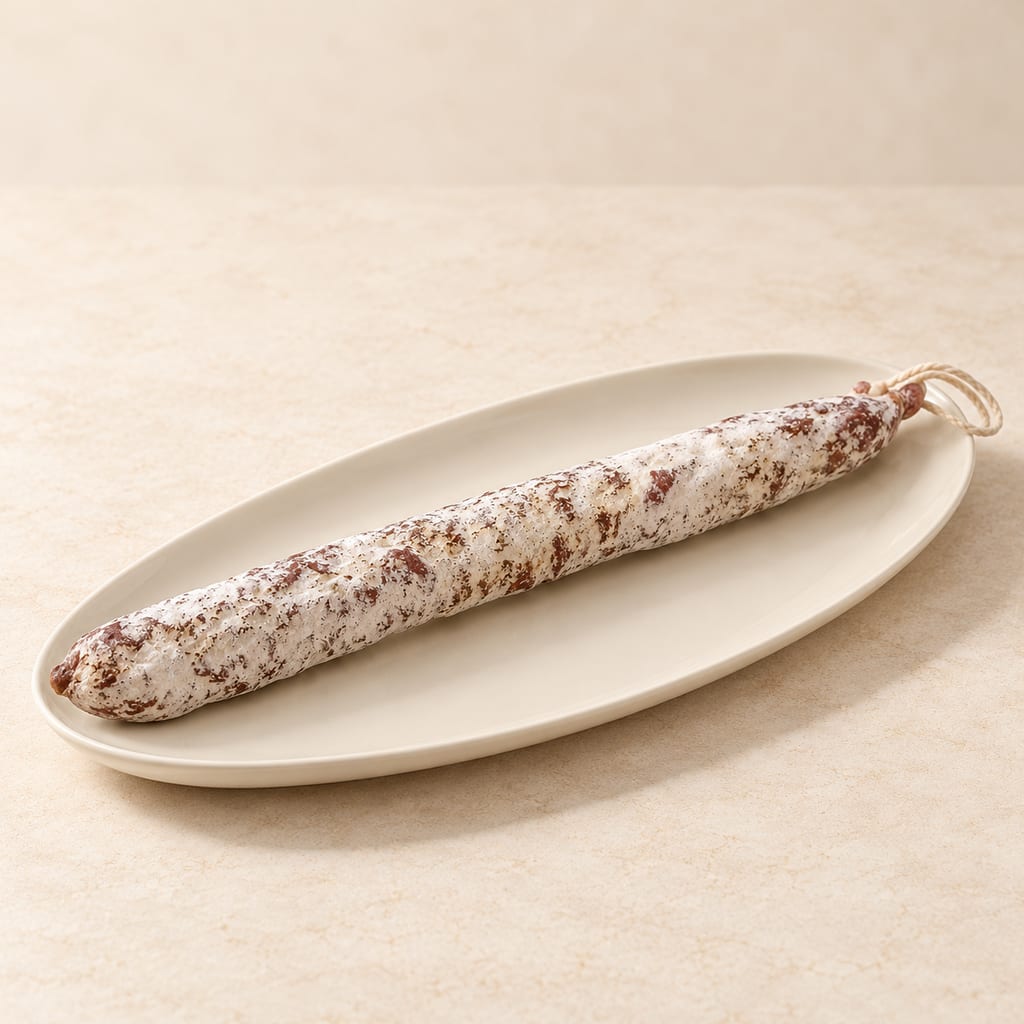
A documentary account of a modern starter-cultured Fuet formula and its place in Catalan sausage culture. The cited raw-pork process lacks matched safety validation, so this page does not present it as a household recipe.
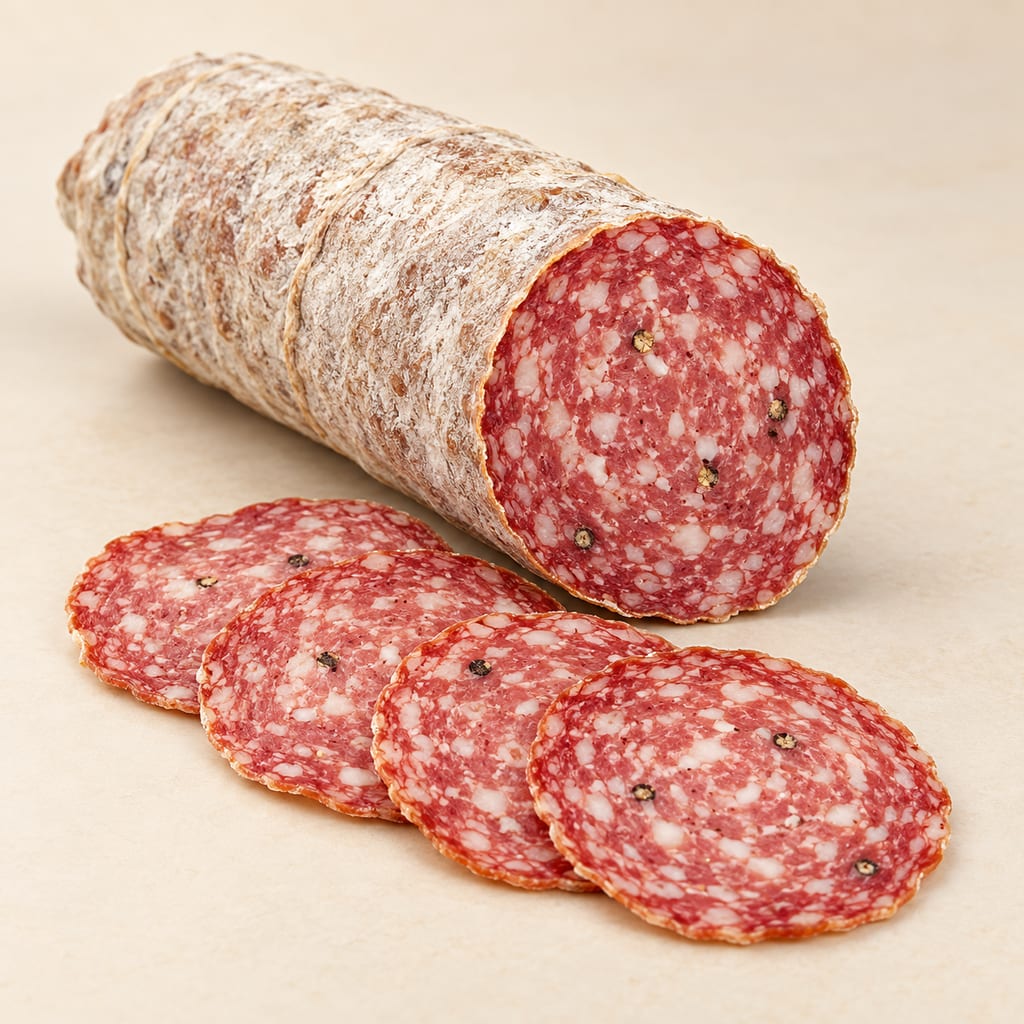
Pork, beef and back fat ferment with a named starter, cure and red wine before the sausages dry in casings. This contemporary formula uses no wood-smoke stage.
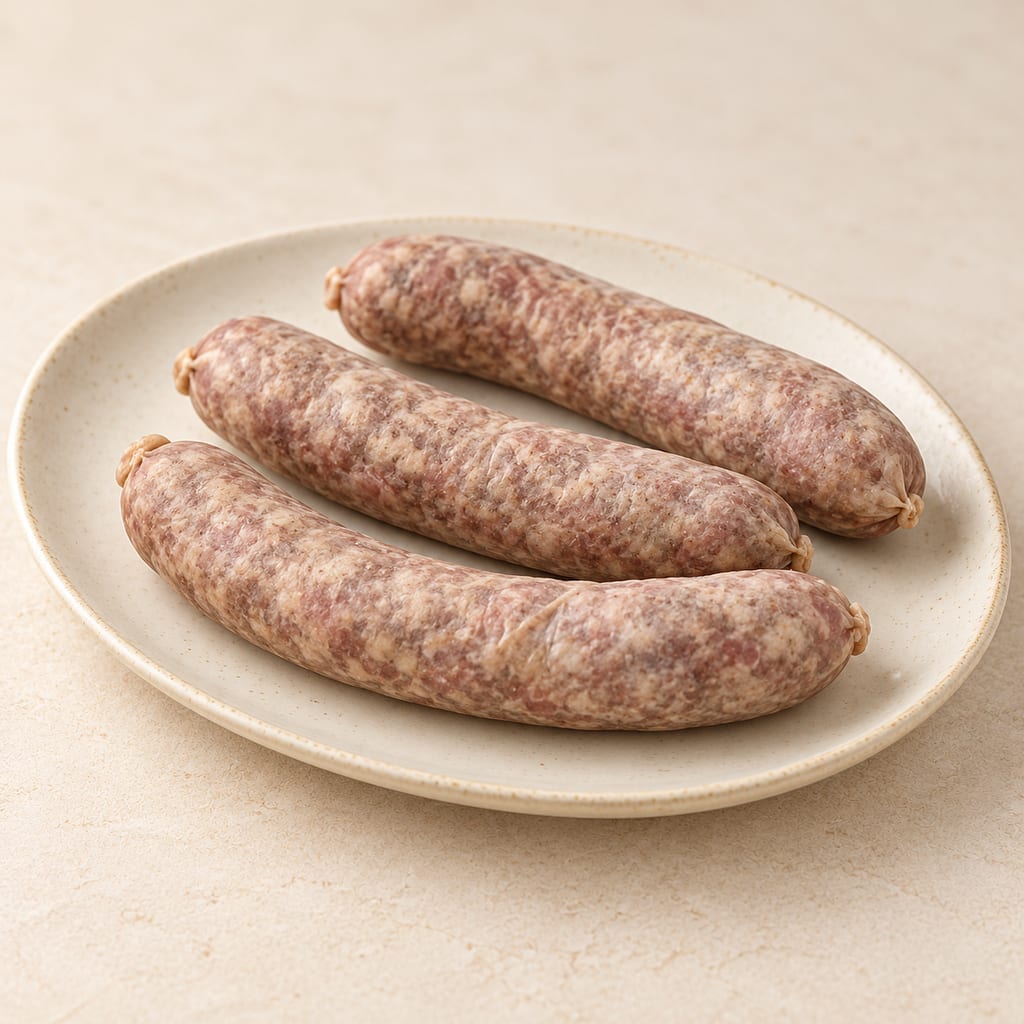
A documentary account of Maltese zalzett and a contemporary starter-cultured adaptation. The cited raw-pork method lacks documented validation for pathogen reduction and is not offered as a preparation recipe.
No community contributions have been published for this entry yet.
Sign in to contribute. Published comments and photos are free to read.
European Commission, Official Journal of the European Union C 139Identity · Ingredients · Process · Geography · History
Single document: Baranjski kulen (PGI)Defines Baranjski kulen as fermented preserved pressed pork seasoned with ground paprika, garlic and pepper in pig caecum (katica); describes its appearance, flavor and specified minimum finished weight.
Specifies the meat-to-fat ratio, cuts and quality categories, processing stages and that the process occurs in Baranja.
Records the post-Second World War production history around Beli Manastir and a family account of the name and trade-secret recipe.
Cited in: A regional name for a defined sausage; Baranja, the protected production area; Household practice and a postwar factory account; Pork, fat and a restrained spice profile; What the registered process documents; Safety evidence and the limit of this draft
Republic of Croatia, Ministry of Agriculture, Forestry and FisheriesIngredients · Processing · Geography · Quality
Izmijenjena Specifikacija proizvoda Baranjski kulenLists pork muscle and hard fat in a 90:10 ratio, salt, sweet and hot ground paprika, garlic and white pepper; the official product specification gives no reader-sized formulation.
Describes raw-material categories, 80% ham and loin plus up to 20% shoulder in the meat portion, trimming, grinding, stuffing into pig caecum, conditioning, fermentation/cold smoking and maturation.
Defines process controls for the registered product and requires all production stages to occur in Baranja; these are commercial-specification values, not a validated home process.
Registered-process conditions in the amended specification: conditioning up to 24 hours; fermentation at least 7 days at 5–24 °C and 75–92% relative humidity, with intermittent smoke no warmer than 22 °C; maturation at least 3 months at up to 15 °C and 60–85% relative humidity; facility must permit checks. These are PGI conformity conditions, not home safety validation.
Cited in: Baranja, the protected production area; Pork, fat and a restrained spice profile; What the registered process documents; Safety evidence and the limit of this draft
Republic of Croatia, Ministry of Agriculture, Forestry and FisheriesGeography · Designation · Control
ZOZP Baranjski kulen - registriranaConfirms Baranjski kulen as a registered protected geographical indication and records ministry approval of the product control plan on 21 December 2016.
Names Bureau Veritas Croatia as the authorized conformity assessment body and the Baranjski kulen producers' association as applicant.
Cited in: A regional name for a defined sausage; Baranja, the protected production area
U.S. Department of Agriculture, Food Safety and Inspection ServiceFood safety
Is it safe to eat dry sausages?Dry sausages are not cooked and E. coli O157:H7 can survive dry fermentation; the page advises at-risk consumers to consider avoiding them.
Cited in: Safety evidence and the limit of this draft
U.S. Department of Agriculture, Food Safety and Inspection ServiceFood safety · Process validation
FSIS Ready-to-Eat Fermented, Salt-Cured, and Dried Products GuidelineExplains that starter culture and fermentable substrate are important in dry-sausage pathogen control and that product safety depends on a validated, monitored process; this general U.S. guidance is not a formulation for Baranjski kulen.
Cited in: Safety evidence and the limit of this draft