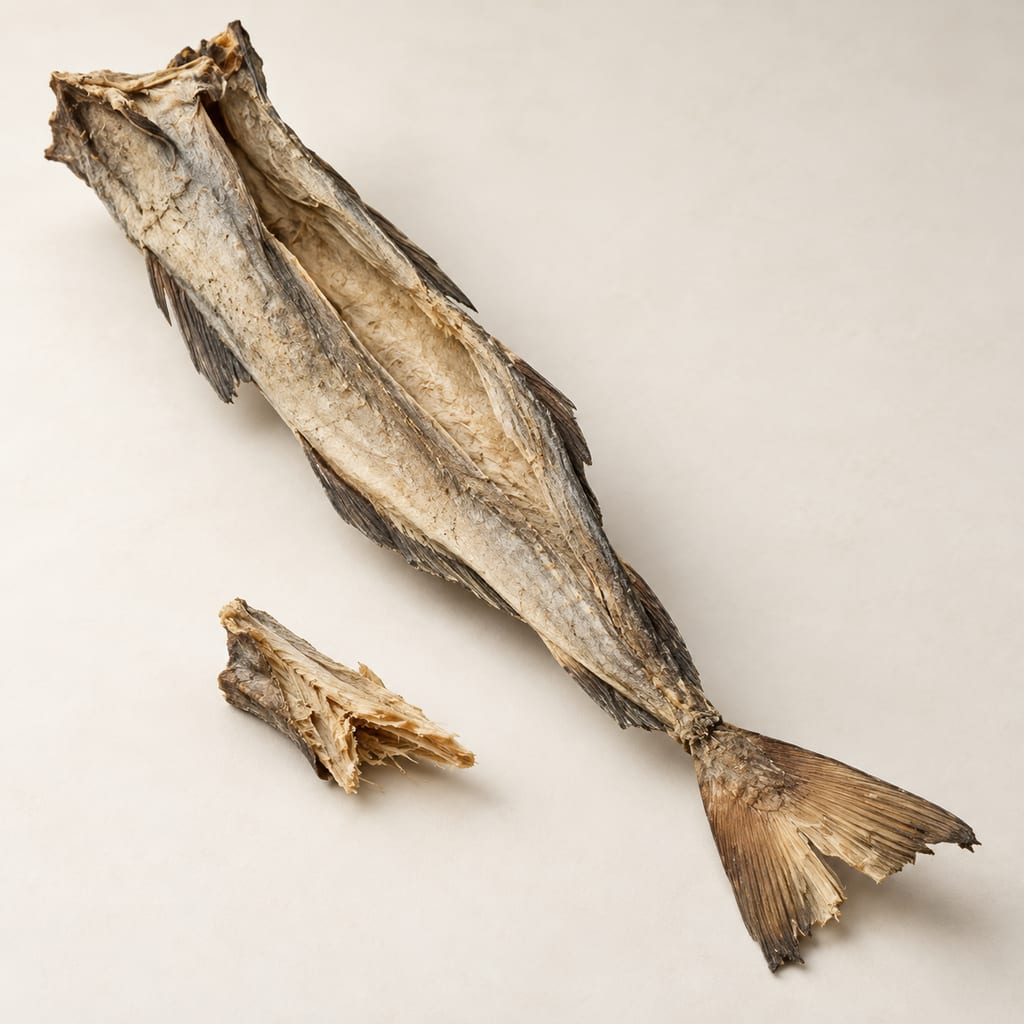
Stockfish
Cod hung on open racks in cold northern air until most of its water has gone, leaving a hard, light, unsalted fish that keeps and travels and must be soaked for days before cooking.
 FermenteaWhere food goes to change
Traditional method
Bakalar na bilo · Bakalaj · Bakala · Polenovka na belo · Istrian white stockfish spread
An Istrian festive spread of cooked stockfish beaten with olive oil and garlic until pale and cohesive, here bulked out with hand-mashed floury potato.
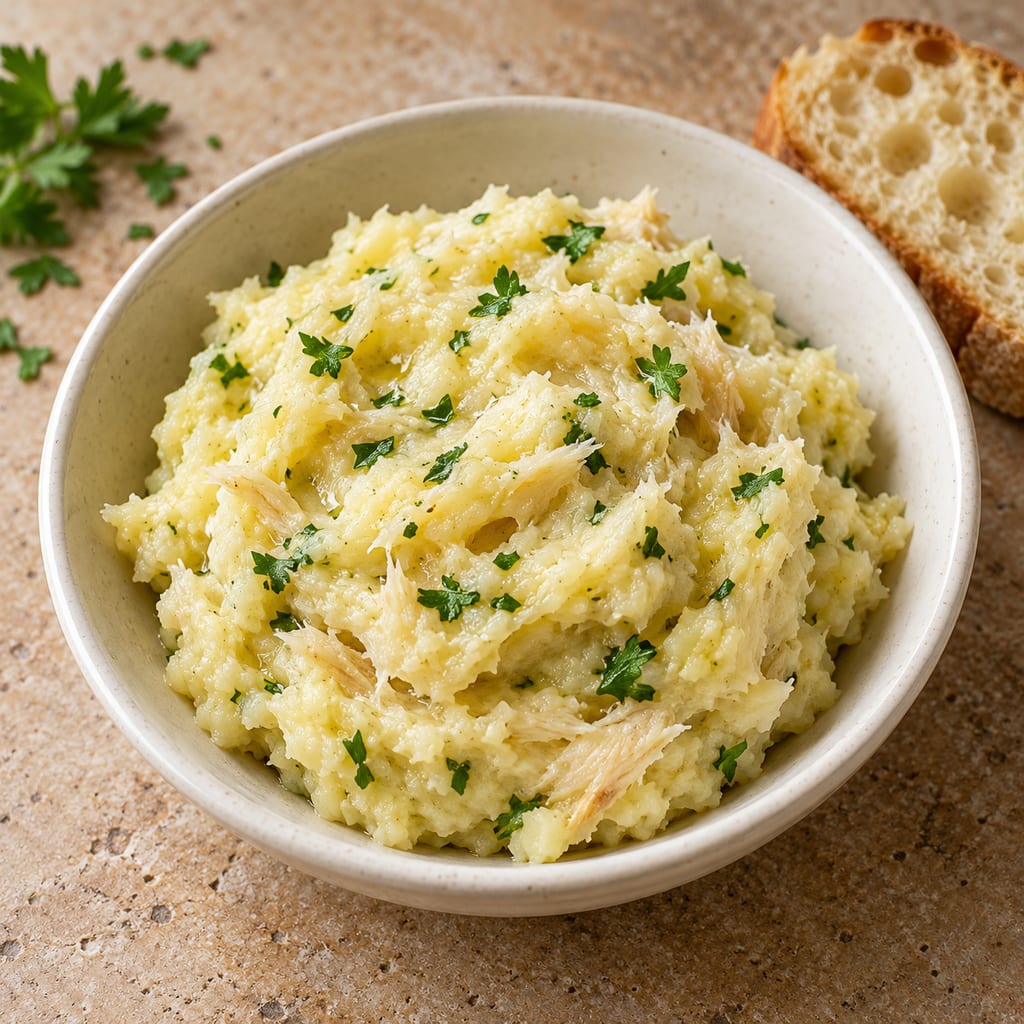
Across the northern Adriatic, dried cod became a food associated with family gatherings, religious observances and winter meals.
In Istria, one of the characteristic preparations is bakalar na bijelo, literally stockfish prepared “in white.”
It is a creamy mixture of cooked preserved cod, olive oil, garlic and seasonings. Some versions add cooked potato.
Although it is sometimes compared to Venetian baccalà mantecato, the Istrian preparation has its own regional identity and serving traditions.
The texture can range from an oil-rich whipped fish cream to a substantial mixture containing pieces of fish and mashed potato.
It may be eaten warm or cold, spread onto bread, or served with vegetables, pasta and other accompaniments.
The defining features are the prepared fish, olive oil, a pale appearance and the process of breaking and beating the flesh.
In Croatian, bakalar commonly identifies cod as a fish or food ingredient.
In this culinary context, the traditional preserved form is particularly important.
The word bijelo, meaning white, distinguishes the preparation from bakalar na sugo, a sauced or stewed version often containing tomato.
The two forms are related by ingredient but differ substantially in texture and cooking method.
Croatian — Bakalar na bijelo
Croatian — Bakalar na bilo — regional/dialectal form
Istrian forms — Bakalaj, bakala
Italian — Baccalà or stoccafisso in regional usage
Slovenian — Bakalar, polenovka na belo
English — Istrian white stockfish spread
Scientific name — Usually Gadus morhua
Cod does not inhabit the Adriatic in the way it inhabits the northern Atlantic.
The development of Istrian bakalar therefore depended on trade.
The broader Venetian and Adriatic commercial networks supplied preserved northern fish to communities around the coast.
Drying made cod transportable without the same immediate spoilage risk as fresh fish.
The preservation process also allowed it to become part of inland as well as coastal food culture.
Istrian historical accounts connect bakalar with Venetian maritime trade and with its later adoption into local domestic cooking.
The practice became particularly associated with Christmas Eve, known in Croatian as Badnjak, and Good Friday, Veliki petak.
Those occasions traditionally involved restrictions or customs relating to the consumption of meat in Catholic communities.
Fish could therefore occupy an important place at the festive table even far from the northern fisheries where it originated.
The available evidence supports these cultural associations but does not establish one exact year when the white beaten preparation first appeared in Istria.
It would be inappropriate to assign a medieval invention date without a recipe or other contemporary record.
The Istrian food encyclopedia Istrapedia describes a method in which dried cod is soaked, cooked, cleaned and then beaten in a wooden bowl.
A special wooden implement, resembling a robust spoon or ladle, may be used to work the flesh.
Olive oil is added generously as the fish is beaten.
The expression that the fish “drinks” the oil captures an important practical characteristic: the mixture takes up oil gradually as its structure changes.
Salt, pepper and garlic are central seasonings.
Chopped parsley is sometimes used.
Cooked potato is an optional traditional addition rather than an invention of the modern editorial recipe.
The potato helps bind the mixture and increases its volume.
That last point matters when interpreting regional variations. A potato-rich bakalar has a different texture and ingredient balance from a version made almost entirely with fish and oil, but both belong within the recognized family of preparations.
Cooking first softens the hydrated fish and denatures its proteins.
Mechanical beating then breaks apart the muscle fibres.
As oil is added, the fish becomes coated and increasingly integrated into a cohesive mixture.
The preparation contains protein particles, water and dispersed fat.
Unlike a bread-based or flour-thickened sauce, its initial structure comes from the fish itself.
The addition of potato introduces gelatinized starch.
Cooked potato contains starch granules that have absorbed water and swollen during cooking.
When potatoes are mashed gently, they contribute bulk and viscosity.
This can make the mixture easier to spread while reducing the proportion of fish in each serving.
Excessive mechanical processing of potatoes is undesirable.
A blender can rupture too many cells, releasing additional starch into the mixture and giving it a gummy or gluey consistency.
Hand-mashing allows better control.
Garlic contributes pungent sulphur compounds. Its intensity depends upon how finely it is crushed and whether it is cooked.
Warming garlic briefly in oil produces a gentler result than incorporating it raw.
Olive oil determines much of the mouthfeel, making its flavour an important choice.
Serves 4 as a light main or 6 as a starter · 50–70 minutes after rehydration · Not kitchen-tested
1. Cook the potatoes. Peel and cube the potatoes. Boil in water until completely tender.
Drain and allow steam to escape for approximately two minutes.
2. Mash by hand. Mash the potatoes without using a high-speed blender or food processor.
A potato masher or fork is sufficient.
3. Cook the fish. Place the prepared stockfish in the measured water and simmer gently.
Begin checking after 20 minutes and continue until the fish separates easily.
4. Reserve liquid. Keep 150 ml of the fish cooking water before draining.
Inspect the fish again for small bones.
5. Prepare the garlic oil. Warm the crushed garlic in 30 ml of the olive oil over low heat for approximately one minute.
Avoid browning it.
6. Beat the fish. While the fish is still warm, pound or beat it in a bowl.
Gradually incorporate the garlic oil.
7. Add remaining oil. Continue beating while adding the rest of the olive oil in small amounts.
The fish should become cohesive without turning completely smooth.
8. Incorporate potato. Fold in the mashed potato gently.
Add reserved fish liquid in approximately 15 ml increments until the mixture is soft enough to spread.
9. Finish. Stir in parsley, salt and pepper, and optional lemon juice.
Serve warm or chill promptly for later consumption.
The relatively high potato proportion is a choice made for this collection. It is not presented as the single authoritative Istrian ratio.
Some bakalar preparations are primarily fish and olive oil.
They can be relatively fibrous and intensely fish-flavoured.
Potato-containing versions are milder and more substantial.
The starch also changes how the preparation behaves after cooling.
A mixture containing plenty of potato may firm noticeably in the refrigerator and become less readily spreadable.
Gently warming a portion can soften it, although repeated heating and cooling should be avoided.
The addition of potato also changes the ratio between fish proteins and fat, so the same quantity of olive oil will produce a different texture.
This is one reason traditional descriptions often describe adding oil as necessary rather than giving one universal volume.
The major regional alternative is bakalar na sugo.
In that preparation, cooked stockfish is incorporated into a sauce or stew, commonly involving onion, garlic, wine and cooking liquid.
Tomato concentrate or puréed tomato may be added, giving the finished preparation a reddish colour.
It can resemble a fish brodet or thick stew rather than a spread.
It is commonly eaten with polenta or potatoes.
Although it uses the same preserved fish, it should not be treated as merely the addition of one ingredient to white bakalar. Its preparation, final consistency and serving role differ.
The two dishes are useful companion references within a broader stockfish atlas.
White bakalar is closely associated with festive meals, especially Christmas Eve.
It can be served alongside bread, vegetables or pasta.
Istrapedia records its consumption with regional pasta forms and greens.
Today it is also commonly offered as a spread or appetizer outside religious festivals.
Bread provides a neutral base for the rich mixture.
A small portion works well as part of a larger selection of dishes. Because the flavour is concentrated, large amounts are not necessary for the stockfish to be noticeable.
A successful white bakalar should be cohesive, pale and richly flavoured.
The fish must be fully tender.
The mixture should not contain bones.
Garlic should be noticeable without completely dominating the fish.
If the preparation is too firm, carefully incorporate a little reserved cooking liquid.
If oil visibly separates, further beating may be required, but adding more potato will not necessarily correct the underlying fat-water balance.
If potatoes become gluey, mechanical overprocessing is a likely cause.
If the mixture is watery, the fish or potatoes may not have been drained sufficiently.
Keep the fish below 4°C throughout hydration.
Cook fish thoroughly to the applicable safe temperature, with 63°C as the published general guidance.
Treat the finished spread as a perishable cooked seafood product.
Do not assume that adding oil, garlic or lemon juice creates shelf stability.
Store chilled if it is not served immediately.
This recipe contains fish. The supplied ingredients contain no dairy, although commercial products sold as bakalar may have different formulations and allergen declarations.
This dish exists because of a gap between where a fish lives and where it is eaten. Cod is not an Adriatic fish, so dried cod reached Istria through Venetian and wider Adriatic commercial networks, and because drying removed the immediate spoilage risk it could travel inland as readily as along the coast. What it became there was a festive food. The association runs strongly to Christmas Eve and Good Friday, occasions that in Catholic communities traditionally carried customs or restrictions around eating meat, which let fish occupy an important place at the table a long way from the fisheries that produced it. The method is described plainly in Istrian sources: soak, cook, clean, then beat the flesh in a wooden bowl, sometimes with a heavy wooden implement like a robust spoon, adding olive oil generously as the work goes on. One traditional expression is worth keeping, because it carries a real observation: the fish is said to drink the oil. The mixture takes up oil gradually as its structure changes, which is exactly why traditional descriptions tell the cook to add oil as needed rather than naming a volume, and why a version with plenty of potato will behave differently from one that is almost all fish. Salt, pepper and garlic are the central seasonings, parsley is sometimes used, and cooked potato is a genuine traditional option rather than a modern shortcut: starch already gelatinised during boiling adds bulk and body, makes the spread milder and easier to spread, and reduces the proportion of fish in each serving. The same preserved fish also supports a quite different preparation, bakalar na sugo, in which the cooked stockfish goes into a sauce or stew with onion, garlic, wine and cooking liquid, often with tomato, closer to a thick brodet than to a spread. That is not white bakalar with one ingredient added: its preparation, consistency and serving role all differ, which is why it belongs beside this page rather than inside it.
Scaling: source batch only
The spread is commonly eaten cold on bread, so it spends its serving life out of the pan, and it is worked extensively by hand and implement while being beaten.
Hazard sourceSoaking reverses the drying that made the fish stable, and for the week or more it takes the fish is perishable raw seafood held in water.
Hazard sourceBeating breaks the flesh down, so a bone that survives the first cleaning becomes very difficult to find in a cohesive spread, which is why the fish is inspected again after cooking.
Hazard sourceA generous quantity of olive oil and sharp seasonings make the spread taste robust, but none of them gives it shelf stability, and the mixture remains a perishable cooked seafood product.
Hazard sourceKeep the fish below the stated limit for the whole hydration period
Control sourceCook the fish fully before beating it, and judge it by whether it separates easily
Control sourceTreat the finished spread as perishable cooked seafood and chill it if it is not served at once
Control sourceInspect the cooked fish for small bones a second time before the oil goes in
Control sourceDo not assume that adding oil, garlic or lemon juice makes this spread shelf-stable: it is cooked seafood and needs chilling.
Repeated warming and cooling of a potato-rich spread should be avoided; warm only the portion that is going to be eaten.
The high potato proportion here is this collection's choice, and the traditional accounts give no fixed fish-to-potato ratio to check it against.
The supplied ingredients contain no dairy, but commercial products sold as bakalar may be formulated differently and carry their own allergen declarations.
A gluey texture usually means the potatoes were machine-processed, and no amount of further beating will recover it.
This formulation has not been kitchen-tested.
A region-level association, from a regional food encyclopaedia that describes the soaking, cooking, cleaning and beating in a wooden bowl and the Christmas Eve and Good Friday customs. No locality is claimed, and no household's practice is generalised into a regional rule.
A country-level association for the Croatian naming and for the wider northern Adriatic spread of the preparation, including the related Slovenian and Triestine name polenovka na belo. Cod does not inhabit the Adriatic as it does the northern Atlantic, so the dish exists because of trade rather than local fishing.
Cod hung on open racks in cold northern air until most of its water has gone, leaving a hard, light, unsalted fish that keeps and travels and must be soaked for days before cooking.
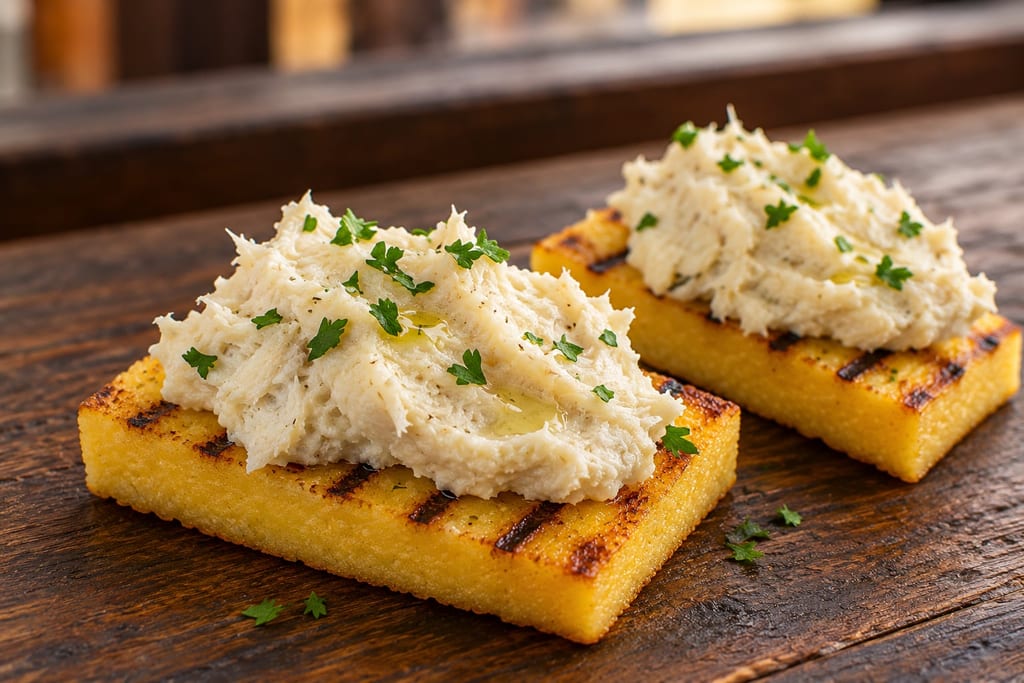
A Venetian cicchetto of cooked unsalted stockfish beaten with oil until it turns into a pale, aerated cream, spooned onto grilled polenta in the city's wine bars.
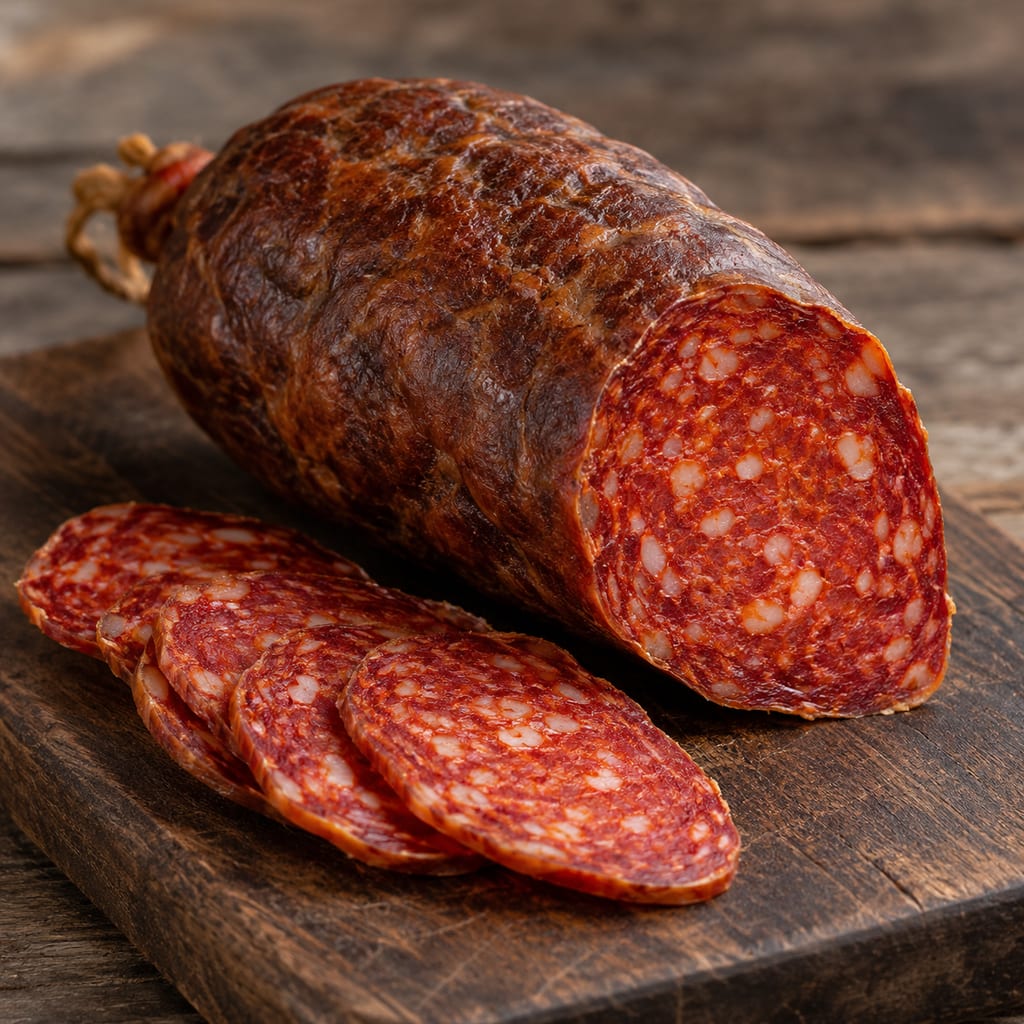
Baranjski kulen is a Croatian protected fermented pork sausage seasoned with sweet and hot paprika, garlic and white pepper, stuffed into a pig’s caecum called katica, cold-smoked and matured.
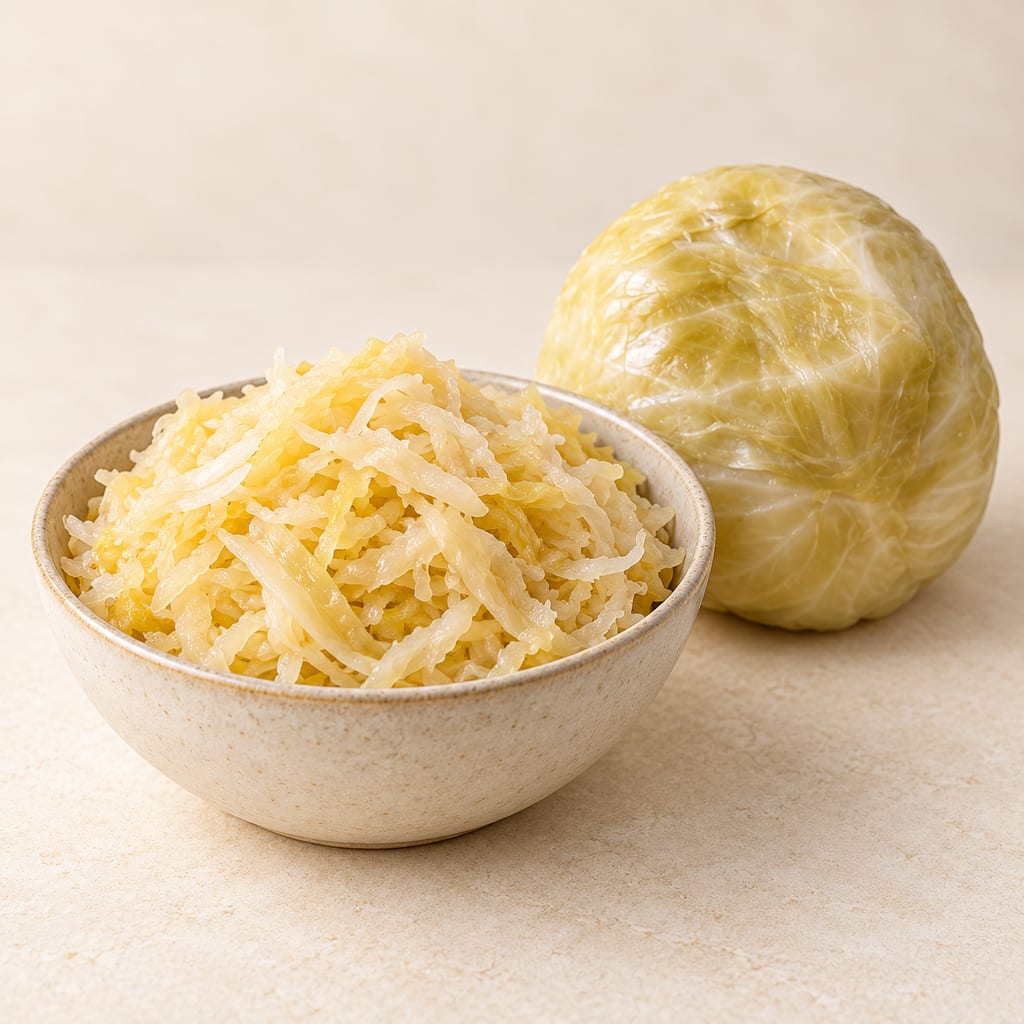
Protected Croatian sauerkraut from the Ogulin area: fresh white cabbage naturally lactic-fermented without preservatives, sold whole or shredded, from registered establishments.
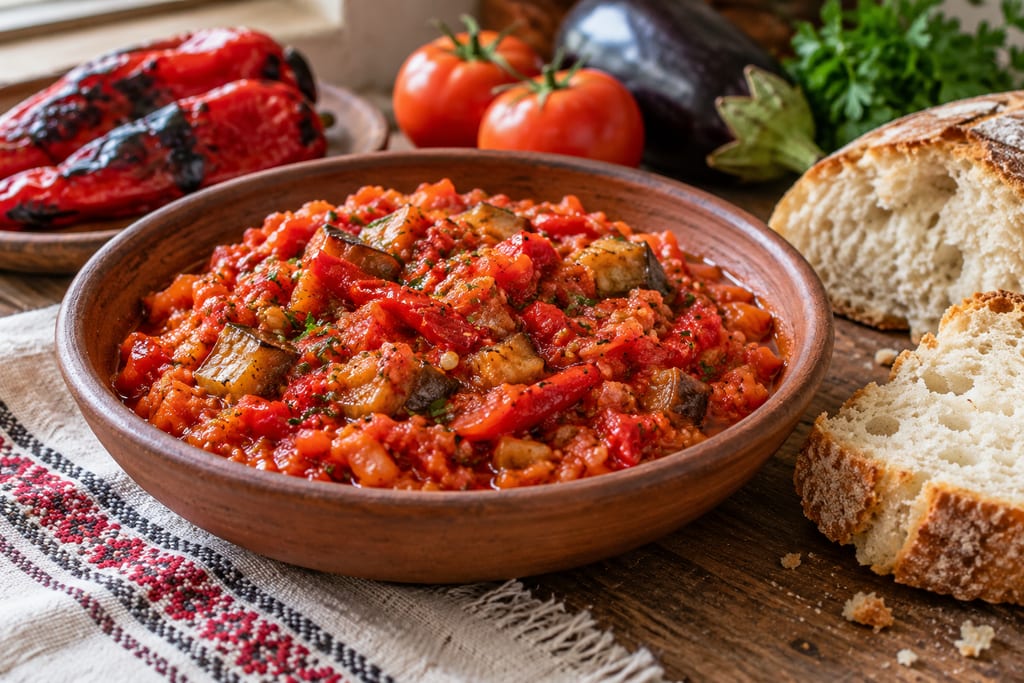
A Balkan relish of roasted red peppers and tomatoes, often with aubergine and garlic, cooked down into a spread for the winter store.
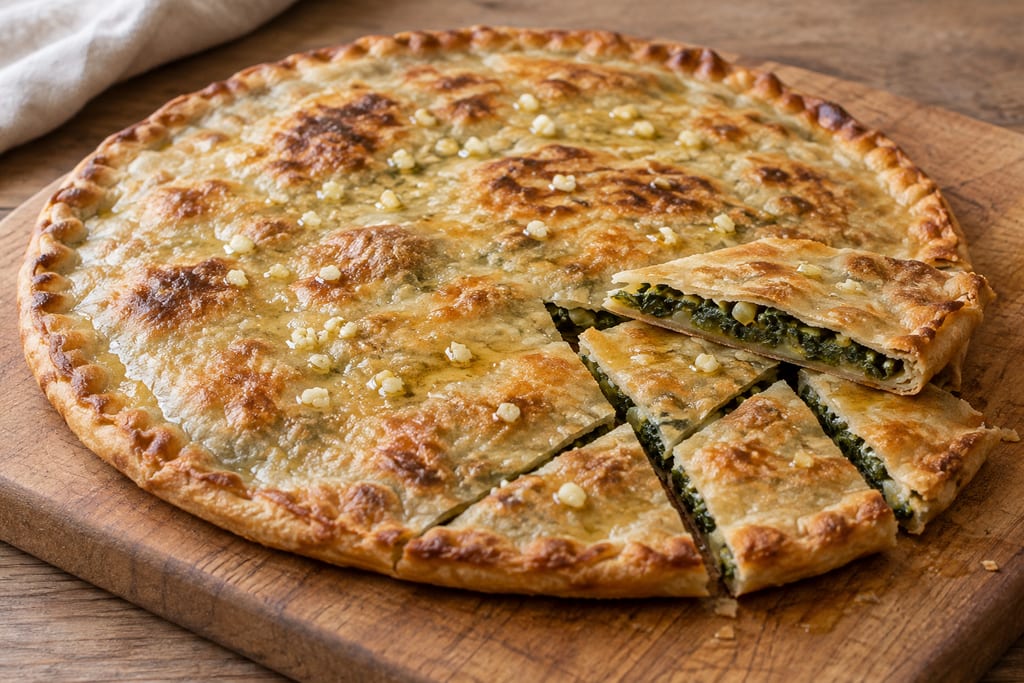
A Croatian chard-filled flatbread baked in a home oven and finished with garlic oil.
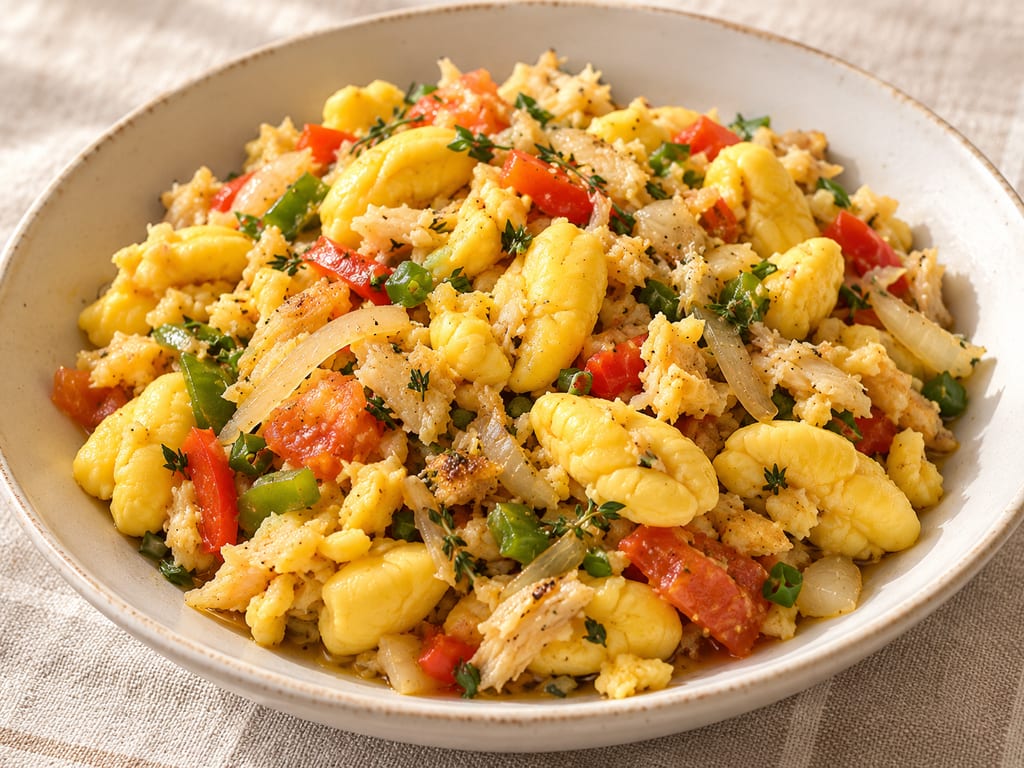
Jamaica's best-known dish: salt-cured cod desalted and flaked, then folded through ackee arils with onion, tomato, sweet pepper, thyme and Scotch bonnet.
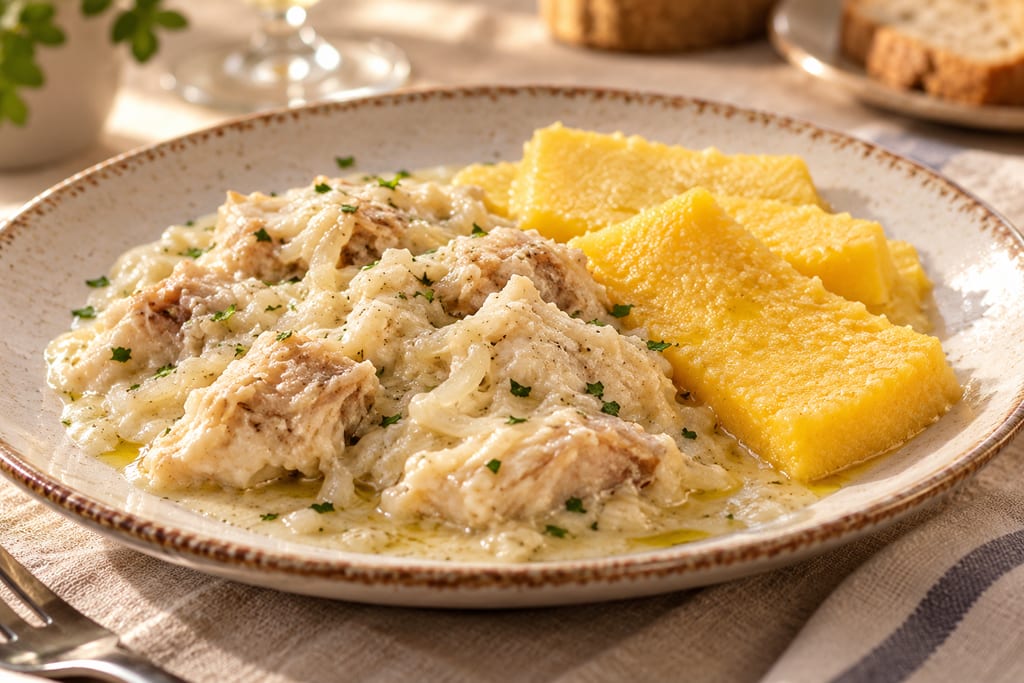
Stockfish from Vicenza, left barely bubbling for hours with onion, preserved anchovy, olive oil, milk and a little cheese until it is tender under a dense pale sauce, and eaten with polenta.
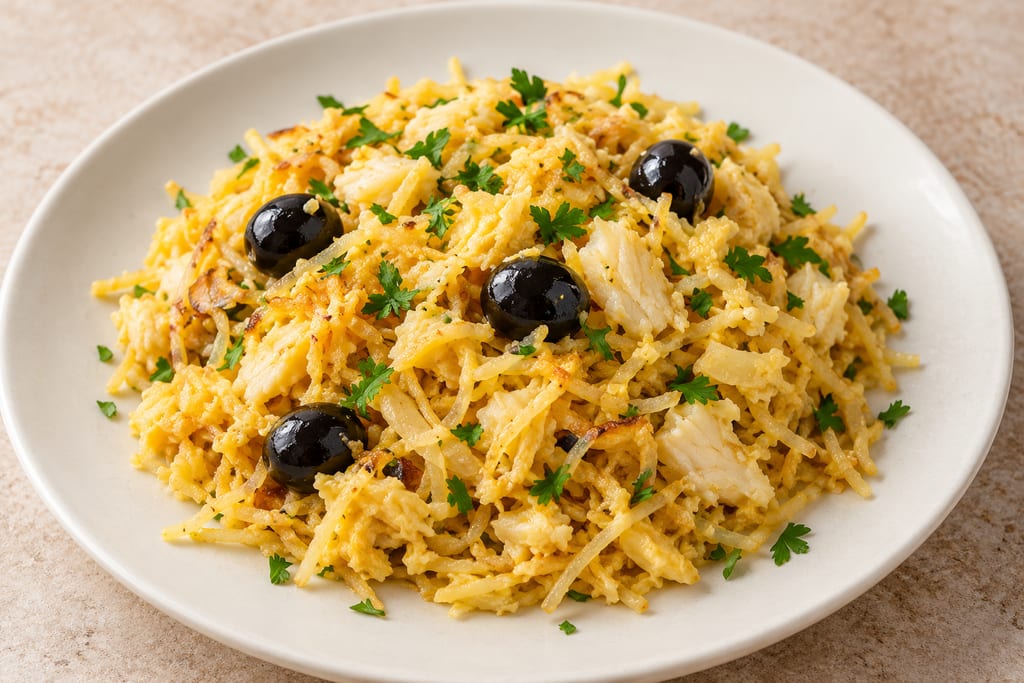
Lisbon's salt cod dish: shredded desalted cod and fine fried potato matchsticks folded through softened onion and bound with beaten egg, finished with parsley and black olives.
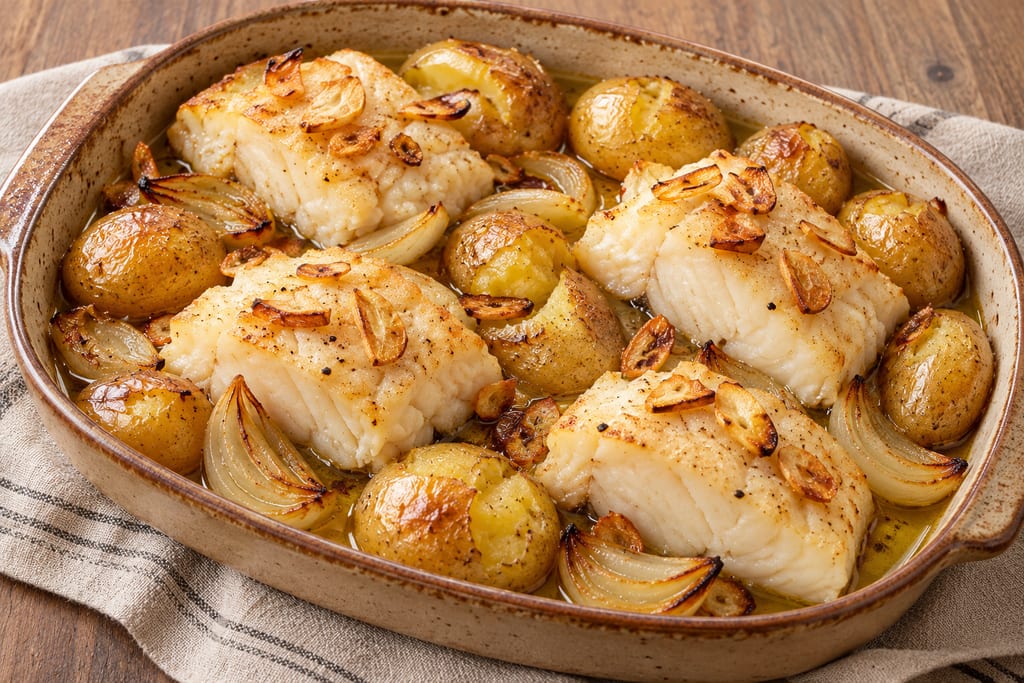
Thick pieces of desalted salt cod roasted in olive oil with garlic and onion, served with small potatoes cooked and then crushed until their skins split.
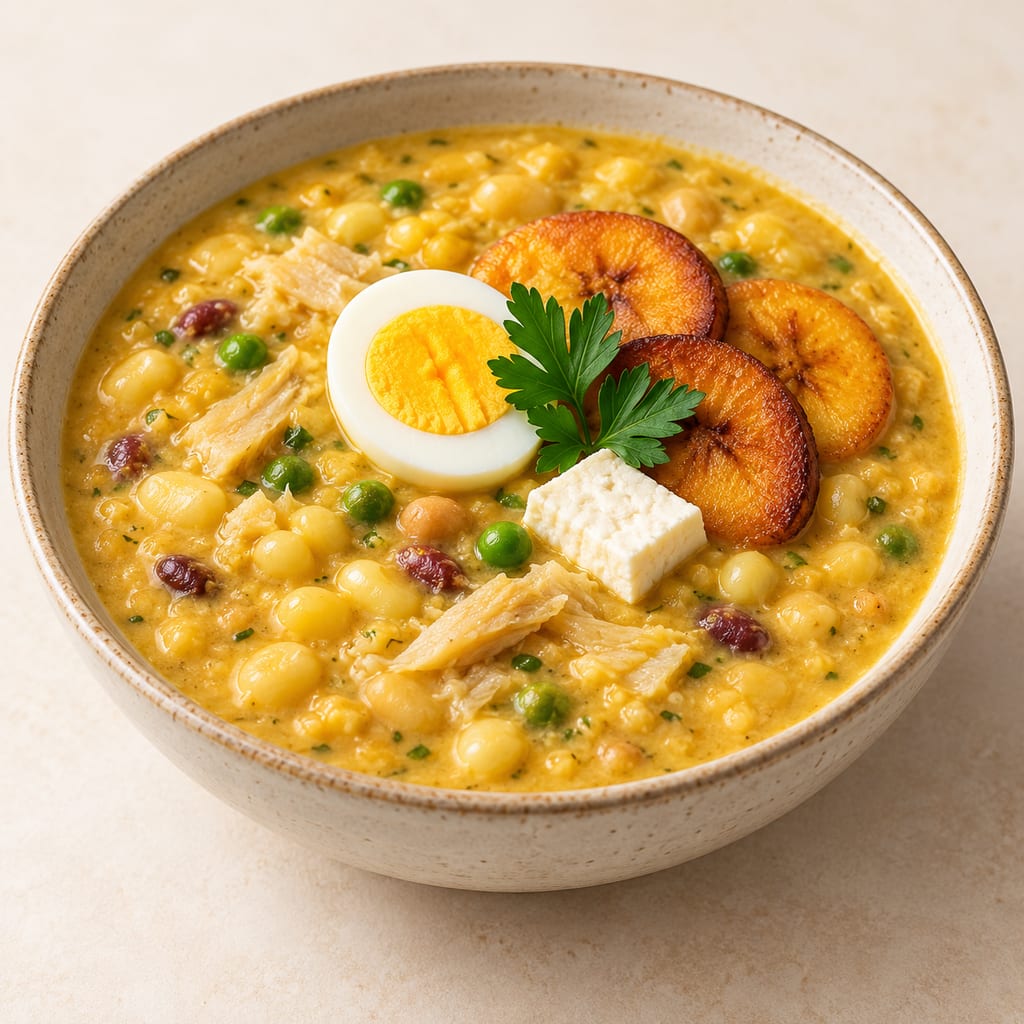
Ecuadorian Holy Week soup of tender grains and pulses, squash, milk and salted fish, thickened with peanut paste and served with contrasting garnishes.
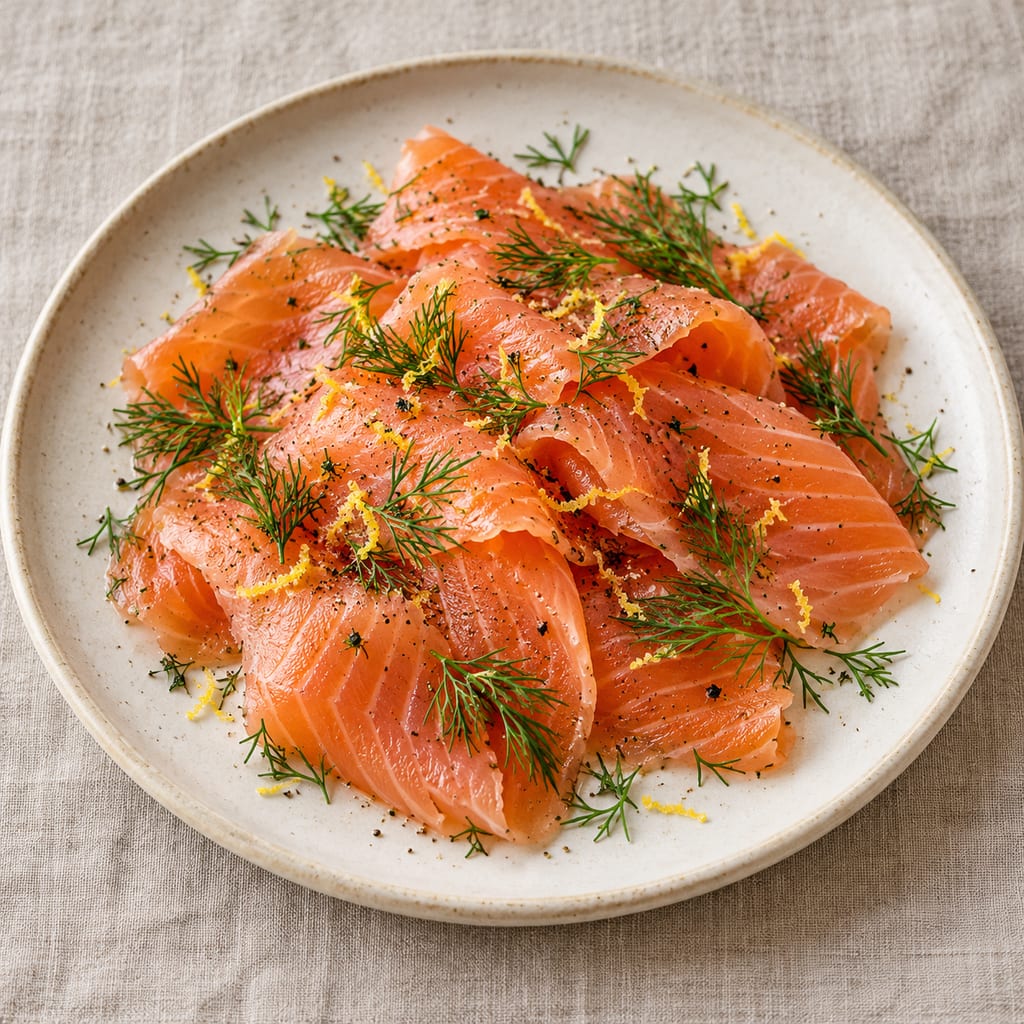
Salmon is cured with salt, sugar, pepper, dill and lemon zest under refrigeration.
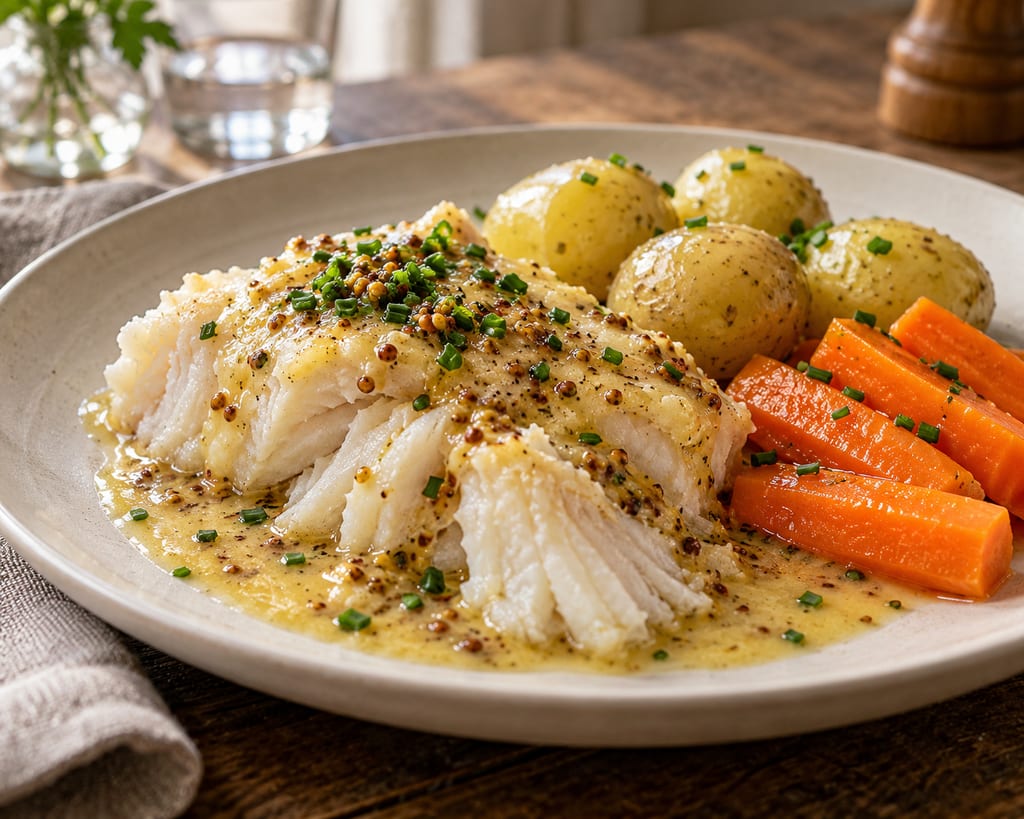
Rehydrated air-dried Norwegian cod simmered until it flakes, served with boiled potatoes and carrots under a wholegrain-mustard butter whisked from the fish's own poaching liquid.
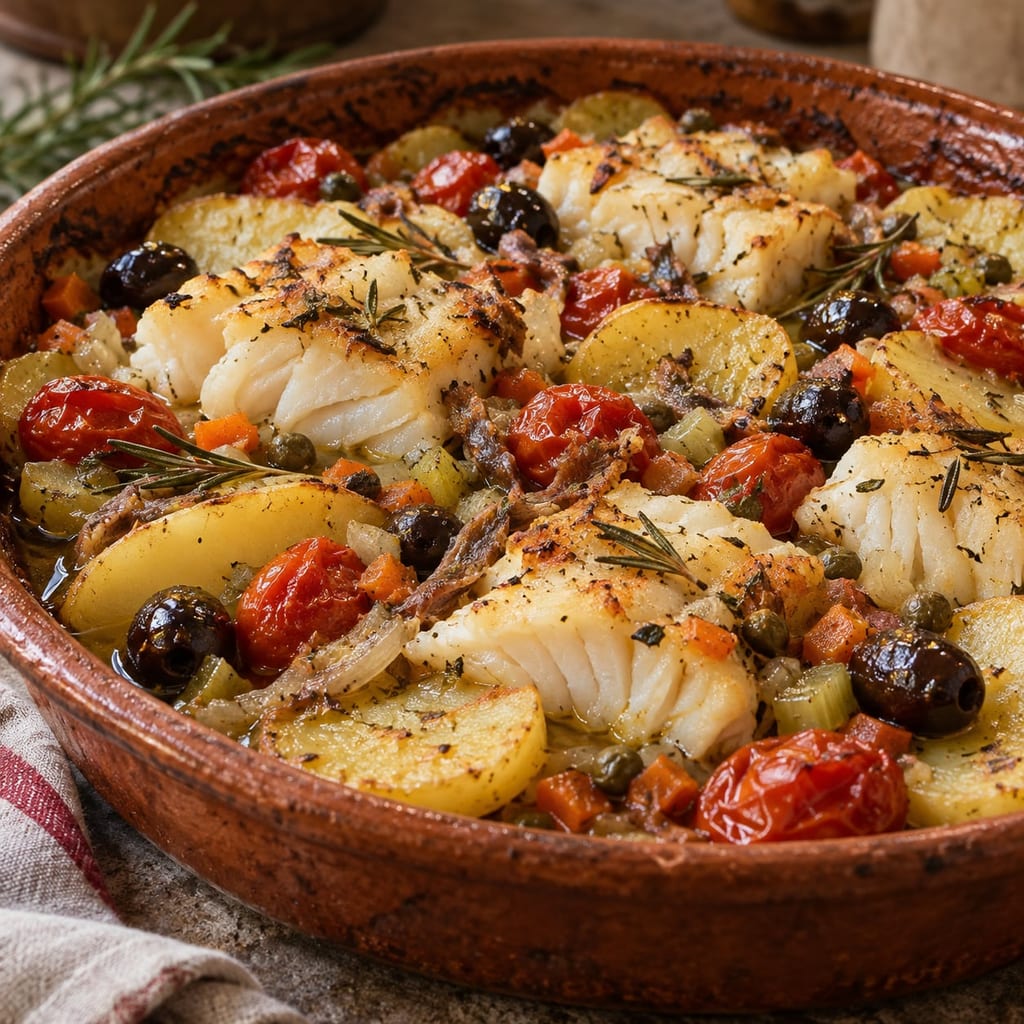
Ancona's baked stockfish: thick pieces layered with potatoes, tomatoes, olives, capers and anchovy under olive oil and white wine, cooked slowly in a covered dish.
No community contributions have been published for this entry yet.
Sign in to contribute. Published comments and photos are free to read.
IstrapediaHistory · Method
Istrapedia — Bakalar, history and preparation in IstriaThe Istrian method: dried cod soaked, cooked, cleaned and then beaten in a wooden bowl, sometimes with a special wooden implement resembling a robust spoon or ladle, with olive oil added generously as the fish is worked.
Salt, pepper and garlic as the central seasonings, with chopped parsley sometimes used, and cooked potato as an optional traditional addition rather than a modern invention.
The expression that the fish drinks the oil, describing how the mixture takes up oil gradually as its structure changes, which is why traditional descriptions give oil as needed rather than as a measured volume.
The connection of bakalar with Venetian maritime trade and its later adoption into local domestic cooking, and its particular association with Christmas Eve, Badnjak, and Good Friday, Veliki petak.
Its consumption with regional pasta forms and greens, and the related sauced or stewed preparation containing onion, garlic, wine, cooking liquid and often tomato.
Cited in: The Christmas stockfish of Istria; Names across the northern Adriatic; The arrival of an imported fish; Traditional preparation; What happens during beating; Recipe: potato-rich bakalar na bijelo; Method; Why the potatoes are optional; Bakalar na sugo; Serving the white preparation; Quality checks
Wikimedia CommonsInspiration
Wikimedia Commons — Bakalar photograph and regional namingA photograph of the white fish preparation identified with the related Slovenian and Triestine naming, polenovka na belo, which documents the regional spread of the name rather than the Istrian potato-rich version.
Cited in: Names across the northern Adriatic
Norwegian Seafood CouncilMethod · Safety
Norwegian Seafood Council — Rehydrating stockfishRehydrating dry unsalted stockfish: 7 to 8 days in cold water with daily changes, up to 10 days for particularly dry fish, the fish and water kept below 4°C, and the skin and bones removed after hydration.
Salted cod requires desalting in addition to rehydration, so the two products are not interchangeable.
Cited in: Method; Quality checks; Safety
FoodSafety.govSafety
FoodSafety.gov — Safe cooking temperaturesThe published safe minimum internal temperature for fish, 63°C.
Cited in: Safety