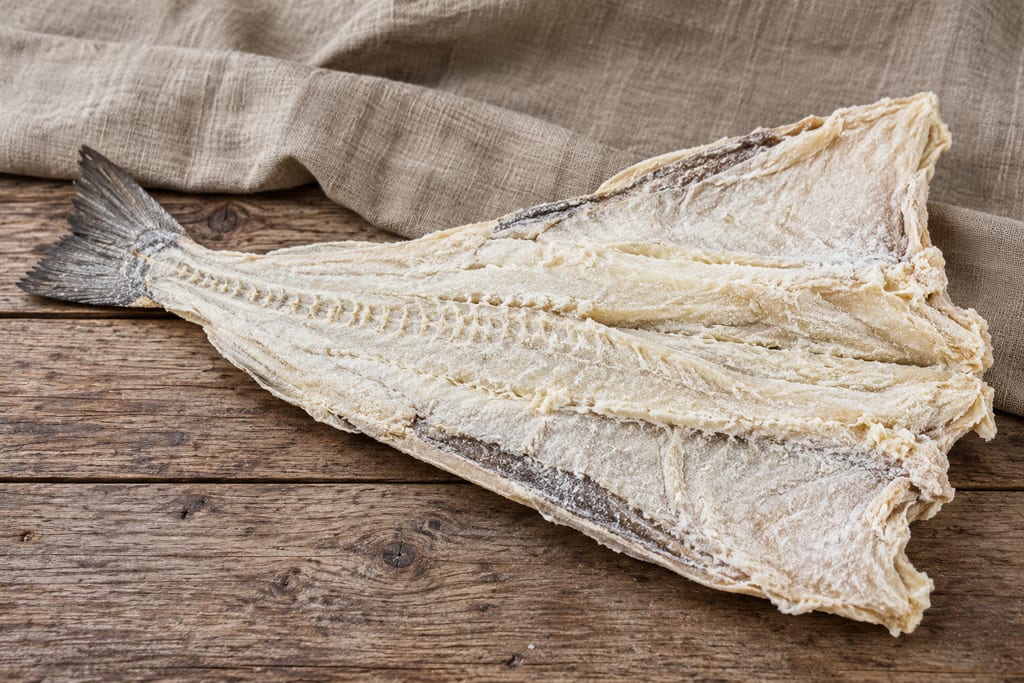
Dried salted cod
Cod split, salted and dried on flakes until hard, a long-keeping fish that must be desalted and rehydrated before use; the salting and the extensive drying together make it portable where light salting or partial drying does not.
 FermenteaWhere food goes to change
Traditional method
Bacalhau à Braz · Brás-style salt cod
Lisbon's salt cod dish: shredded desalted cod and fine fried potato matchsticks folded through softened onion and bound with beaten egg, finished with parsley and black olives.
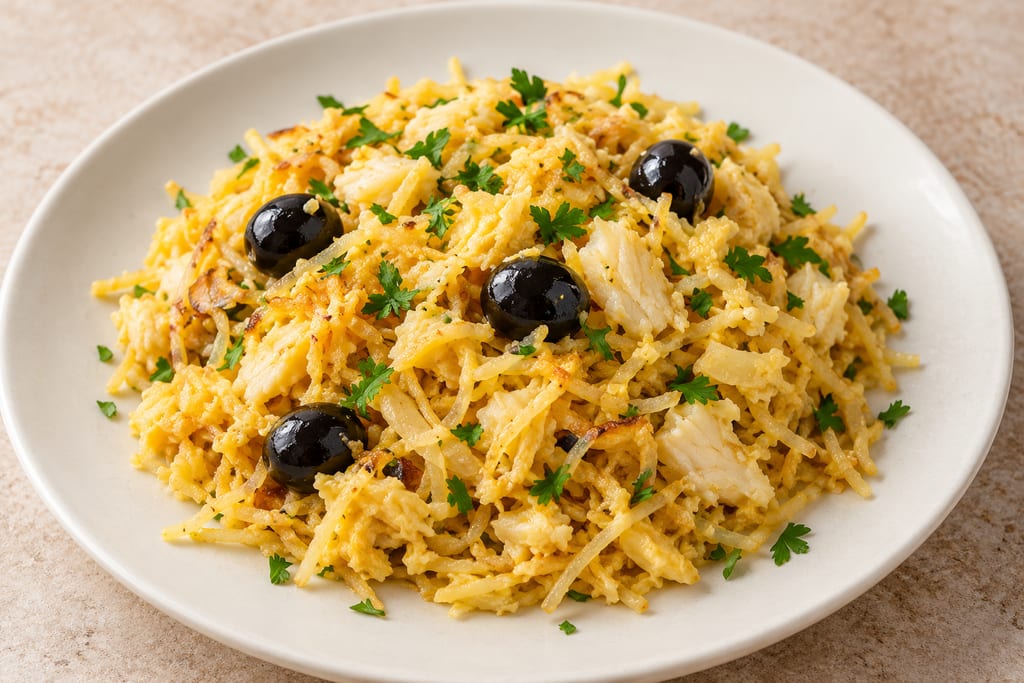
Bacalhau à Brás is one of Portugal's most recognizable preserved-fish dishes.
Its central ingredients are shredded, desalted cod, finely cut fried potatoes, softened onions and eggs.
The mixture is gently cooked until the eggs bind the other ingredients together. Parsley and black olives provide the characteristic final garnish.
The dish combines several textures: tender fish, soft onion, potato strands and a creamy egg coating.
Unlike the large roasted cod portions used in bacalhau à lagareiro, the fish here is deliberately separated into flakes.
It is therefore well suited to using smaller pieces of desalted cod, provided that all bones and skin are removed.
The dish is strongly associated with Lisbon and is commonly served as a main course.
The name à Brás means prepared in the style associated with Brás.
The identity of the person behind that name is not securely established.
Portuguese — Bacalhau à Brás
Alternative spelling — Bacalhau à Braz
English — Brás-style salt cod
Portuguese ingredient — Bacalhau — salted cod
Portuguese potato preparation — Batata palha — thin potato matchsticks
Portuguese garnish — Azeitonas pretas — black olives
Scientific name — Usually Gadus morhua
The dish is usually associated with Lisbon's Bairro Alto.
A popular story attributes its creation to a tavern keeper named Brás or Braz in the late nineteenth century.
The story is widely repeated, but its historical certainty is limited.
The Centro Interpretativo da História do Bacalhau records the association while explicitly acknowledging uncertainty about the precise origin.
It also identifies earlier Portuguese cod preparations resembling aspects of modern bacalhau à Brás.
An important reference is a 1715 manuscript by Francisco Borges Henriques, Receitas de milhores doces e de alguns guizados…, containing a preparation named frigideiras de bacalhau.
That preparation has similarities to later cod-and-egg dishes.
However, similarity is not proof that it was already the modern named recipe.
The use of the Brás name, the precise inclusion of thin fried potato strands and the familiar contemporary presentation should not be projected backwards onto the 1715 manuscript without evidence.
A defensible history therefore distinguishes three points:
The wider Portuguese tradition of cooking salted cod is older than the named dish.
Related cod-and-egg preparations are documented before the nineteenth century.
The particular modern dish is associated with Lisbon, but its exact creation remains uncertain.
Bacalhau is preserved by salting and often drying.
The process makes the fish substantially different from fresh cod.
Salt penetrates the muscle while water is removed.
This changes the concentration of dissolved substances within the flesh and reduces water activity.
Before cooking, desalting removes much of the salt and restores moisture.
The resulting texture is not always identical to fresh cod because the original preservation process changes the protein structure.
Those differences can be useful in bacalhau à Brás.
The fish can be separated into characteristic flakes that remain identifiable among the potatoes and onions.
However, excessive salt or incomplete hydration can produce a harshly seasoned, dry final dish.
Use properly desalted cod rather than attempting to compensate for a salty ingredient by adding extra potatoes or eggs.
The potatoes are not simply a side dish.
Their shape is part of the identity of bacalhau à Brás.
Batata palha means very thin potato strands or matchsticks.
When freshly prepared, the potatoes are cut thinly and fried until lightly golden.
This creates a large surface area relative to their volume.
During frying, moisture leaves the surface while oil transfers heat.
The surface dries, producing crispness.
As the potatoes are later combined with the moist cod and eggs, some crispness is inevitably lost.
That is part of the dish's texture.
The aim is not to preserve every potato strand in a permanently crisp state. Instead, the potatoes contribute structure and absorb flavours while retaining some variation in firmness.
Ready-fried potato matchsticks are a practical alternative.
They avoid the need for cutting and frying raw potatoes, but they are not identical to freshly fried potatoes.
Commercial products may be saltier, thinner or more brittle.
The recipe below uses the ready-fried form.
Eggs create the cohesive texture that distinguishes bacalhau à Brás from a simple mixture of fish and potatoes.
Beaten eggs contain proteins dispersed in water, along with lipids and emulsifying components in the yolks.
As the eggs heat, proteins unfold and interact, forming a network that thickens the mixture.
At relatively gentle heat, that network can retain moisture and produce a soft texture.
As heating continues, the network becomes firmer and may expel liquid.
This explains why overheated scrambled eggs become dry and rubbery.
For bacalhau à Brás, the goal is a cohesive mixture in which the egg binds the fish and potato strands without producing large, separate pieces of hard scrambled egg.
Traditional descriptions often aim for a creamy result.
Food-safety guidance introduces an important consideration: the US reference for egg dishes is 71°C (160°F).
Reaching that temperature can give a firmer result than some traditional softly cooked versions. The editorial formulation prioritizes the defined food-safety endpoint.
It should not be claimed that the exact temperature is specified in traditional Portuguese recipes.
Onion provides sweetness, moisture and a soft foundation.
The onions are normally cooked slowly in olive oil.
As they soften, their cellular structure changes and water is released.
Cooking also changes the balance of pungent sulphur compounds and sweeter-tasting components.
The goal is not necessarily deep caramelization.
An overly browned onion base can introduce strong roasted flavours that overwhelm the more delicate cod and egg mixture.
Garlic adds an additional aromatic layer.
The fish is incorporated after the onions have softened.
This ordering matters because raw onion and prepared cod require different cooking treatment.
Serves 4 · Approximately 35 minutes after desalting · Not kitchen-tested
1. Prepare the ingredients. Separate the desalted fish into small flakes and check again for bones.
Slice the onion finely.
2. Soften the onions. Heat the olive oil in a wide, heavy frying pan.
Add the sliced onion and cook gently for 10–12 minutes.
The onion should soften without becoming heavily browned.
3. Add garlic. Stir in the garlic and continue cooking for approximately one minute.
4. Cook the cod. Add the fish and 30 ml water.
Cover and cook gently for approximately 6–10 minutes, stirring occasionally, until the fish is cooked.
5. Remove excess water. Uncover and allow any pooled liquid to evaporate.
The mixture should be moist but not watery.
6. Add the potatoes. Fold in the ready-fried matchsticks.
Mix enough to distribute them without crushing them completely.
7. Add eggs. Reduce the heat and pour in the beaten eggs.
Stir slowly, scraping the bottom of the pan.
8. Reach the endpoint. Cook until the eggs bind the ingredients and the mixture reaches 71°C.
Remove promptly to minimize additional firming.
9. Finish. Add the chopped parsley, black olives and black pepper.
Taste before considering additional salt.
10. Serve immediately. The dish is best served while the egg mixture is fresh and the potatoes retain some texture.
Nestlé Portugal publishes a bacalhau à Brás formulation serving four people, using:
Its method fries freshly cut potato strands, softens onions and garlic, incorporates the cod and adds beaten eggs while the pan remains over the heat.
The eggs are cooked until creamy but cooked.
The editorial version here replaces the freshly fried potatoes with ready-fried ones and measures the egg quantity by weight.
These are convenience and reproducibility adaptations.
Shredded cod — 400 g
Potatoes, before cutting and frying — 500 g
Eggs — 6
Olive oil — 3 tablespoons
Onions — 3
Garlic — 1 clove
Parsley and black olives — As needed
If the eggs are added too early, they can cook separately before the potatoes and fish are evenly distributed.
If the potatoes are added too early, they can absorb moisture from the onion and fish mixture and lose their structure.
If the fish is not adequately cooked before the eggs are added, the cook may need to continue heating everything until the cod is done, potentially overcooking the eggs.
Preparing each component in sequence gives better control.
A wide pan is useful because it allows relatively even heating and provides room to fold the ingredients.
A very small pan can create a thick mixture with uneven temperatures.
The dish is associated with Lisbon but is now widely eaten elsewhere in Portugal.
Some versions use freshly fried potatoes; others use purchased batata palha.
The ratio of potato to cod varies.
Some preparations contain more onion, creating a sweeter and softer dish.
Others place more emphasis on the cod.
Olives may be whole or sliced.
Parsley is the familiar garnish, although some modern interpretations use alternative herbs.
These are variations within one recognized dish rather than distinct preparations requiring separate reference pages.
There are also related Portuguese cod dishes containing eggs, potatoes or onions. Similarity in ingredients does not make them identical to bacalhau à Brás.
The finished preparation should be cohesive without becoming a solid omelette.
The cod flakes should remain recognizable.
Potato strands should be distributed throughout.
The colour is generally golden-yellow with pale pieces of fish, onion and potato.
Black olives and green parsley provide visual contrast.
The dish should taste savoury but not aggressively salty.
If it is bland, check the relative amount of cod and the seasoning of the other ingredients.
If it tastes overwhelmingly of ready-fried potato snacks, the chosen product may be too strongly seasoned.
The eggs become rubbery. Excess heat or prolonged cooking may be responsible. Use gentle heat and stop promptly after reaching the required cooking endpoint.
The mixture is watery. The cod-and-onion mixture was not reduced sufficiently before adding potatoes and eggs.
The potatoes disappear into a paste. Excess stirring or prolonged exposure to moisture may have broken them down.
The fish is salty. Desalting was inadequate. Additional eggs may dilute the perception of salt but cannot undo the underlying preparation error.
The mixture sticks to the pan. Heat may be too high or the pan unsuitable for gentle egg cooking.
Desalt the cod under refrigeration below 4°C.
Cook fish thoroughly to the general reference of 63°C.
For the egg-containing final dish, the published safe cooking temperature is 71°C.
Use a clean thermometer and check the temperature of the mixture rather than relying solely on appearance.
This recipe contains fish and eggs. Commercial ready-fried potatoes may contain additional allergens or ingredients.
Refrigerate leftovers promptly and reheat them thoroughly.
The name says only so much. À Brás means prepared in the style associated with Brás, and who that was is not securely established; the usual story puts him in a tavern in Lisbon's Bairro Alto in the late nineteenth century, and it is repeated far more confidently than the evidence supports. A defensible history separates three things. Portugal's cooking of salted cod is much older than any one named dish. Preparations combining cod with eggs are documented before the nineteenth century, including frigideiras de bacalhau in a 1715 manuscript by Francisco Borges Henriques, which resembles aspects of what is eaten now. And the modern dish, with the Brás name, the thin fried potato strands and the familiar presentation, is a Lisbon association of uncertain date; projecting its details backwards onto the 1715 text would be reading a later recipe into an earlier one. What the dish actually depends on is three decisions about texture. The fish is shredded rather than portioned, which is why the preservation matters in a useful way here: salting changes the protein structure, so desalted cod separates into flakes that stay identifiable among everything else rather than dissolving into it. The potatoes are cut as batata palha, very thin strands fried until lightly golden, which gives a large surface area relative to volume and therefore crispness; some of that crispness is inevitably lost once they meet the moist fish and egg, and that loss is part of the dish rather than a fault, the aim being structure and variation in firmness rather than permanently crisp strands. And the eggs do the binding, a protein network forming as they heat and thickening the whole mixture, soft while the heat stays gentle and firm, then dry, if it does not. Onion underneath supplies sweetness and moisture, softened rather than caramelised so that roasted flavours do not swamp the cod. The order in which those components meet the pan is the whole technique.
Scaling: source batch only
Salting removed water and lowered water activity; soaking puts the water back and takes the salt out, so the cod becomes perishable seafood as soon as it goes into the water and stays so for the length of the soak.
Hazard sourceTraditional descriptions aim for a creamy bind, and a soft egg mixture may sit below the published endpoint for egg dishes while looking exactly as the cook intends.
Hazard sourceA pan of shredded fish, potato and egg gives no reliable visual signal of its internal temperature, and the guidance is to check the mixture with a clean thermometer rather than to rely on how it looks.
Hazard sourceThe dish contains both fish and egg, and commercial ready-fried potato matchsticks may carry additional allergens or ingredients of their own.
Hazard sourceDesalt the cod under refrigeration with the water changed, following the product's own instructions
Control sourceCook the fish through under the lid before the eggs go in
Control sourceTake the finished mixture to the published endpoint for egg dishes and check it with a clean thermometer
Control sourceRefrigerate leftovers promptly and reheat them thoroughly
Control sourceThis dish contains fish and eggs, and commercial ready-fried potatoes may carry further allergens or ingredients.
The 71°C endpoint for the egg mixture is a published modern safety reference; it is not specified in traditional Portuguese recipes, and reaching it gives a firmer texture than the creamy result those descriptions aim at.
The raw material is salted and dried cod that needs desalting, and the long plain soak used for unsalted air-dried stockfish is a different procedure for a different product.
Salty cod means desalting was inadequate: extra eggs may mask the perception of salt but cannot undo it.
The Nestlé recipe's raw potato weight and this version's ready-fried weight measure different things, and substituting one number for the other changes the dish.
This adaptation has not been kitchen-tested.
A locality-level association: the dish is strongly associated with Lisbon and particularly with the Bairro Alto. The attribution to a tavern keeper named Brás is a widely repeated story whose historical certainty is limited, and the association is recorded without accepting the story as evidence.
A country-level association: the dish is now widely eaten across Portugal rather than only in Lisbon. The 1715 manuscript preparation named frigideiras de bacalhau belongs to this wider national tradition of cooking salted cod and is a related recipe, not this one.
Cod split, salted and dried on flakes until hard, a long-keeping fish that must be desalted and rehydrated before use; the salting and the extensive drying together make it portable where light salting or partial drying does not.
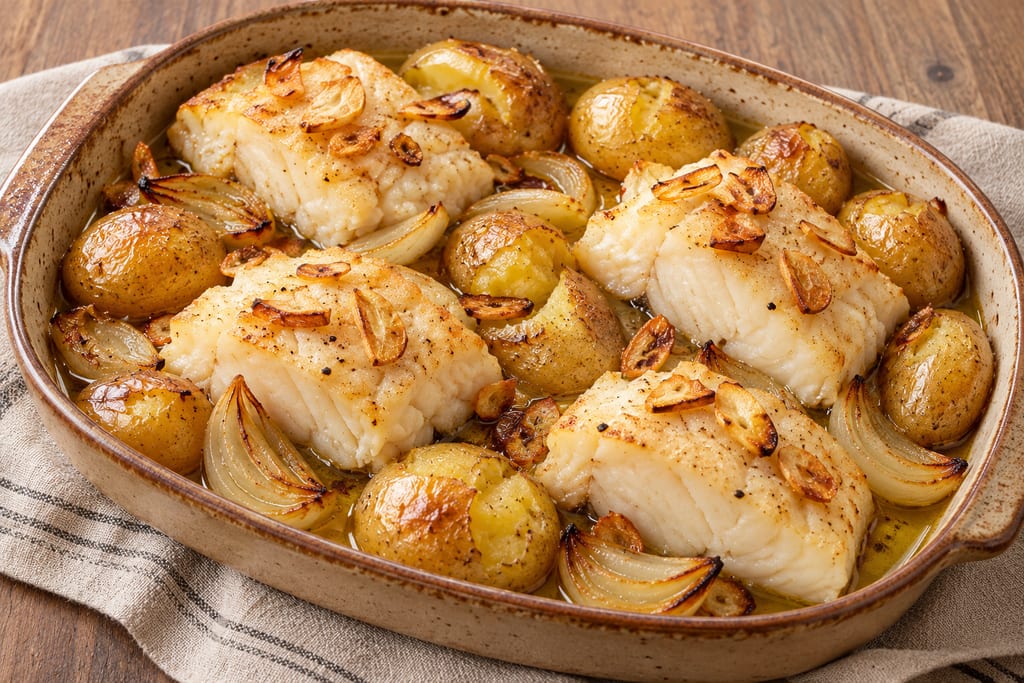
Thick pieces of desalted salt cod roasted in olive oil with garlic and onion, served with small potatoes cooked and then crushed until their skins split.
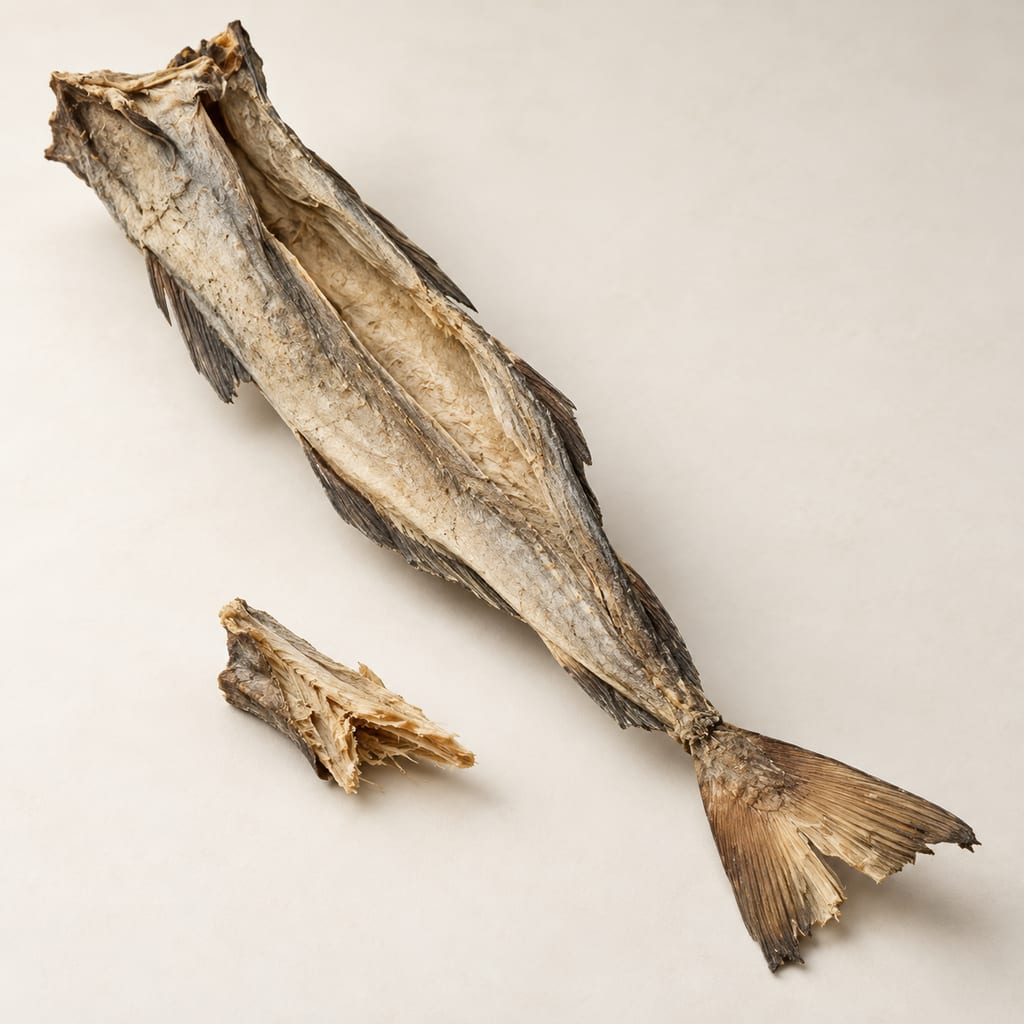
Cod hung on open racks in cold northern air until most of its water has gone, leaving a hard, light, unsalted fish that keeps and travels and must be soaked for days before cooking.
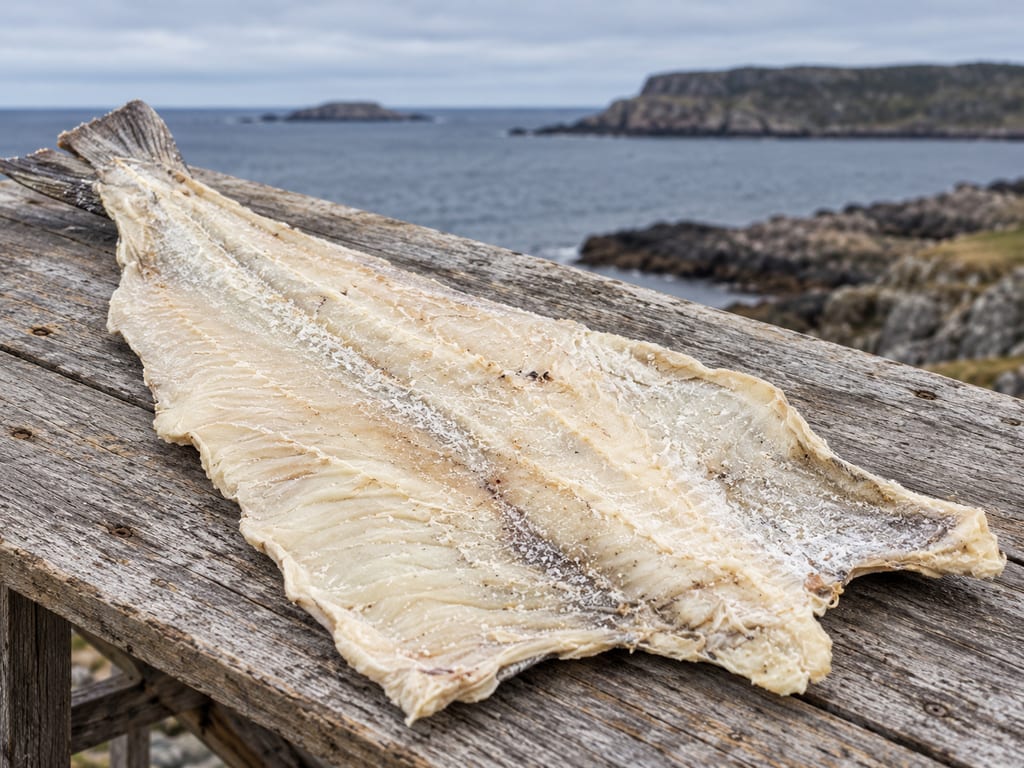
Atlantic cod split, salted and dried on raised flakes along the Newfoundland and Labrador shore, manufactured ashore for markets across the Atlantic.
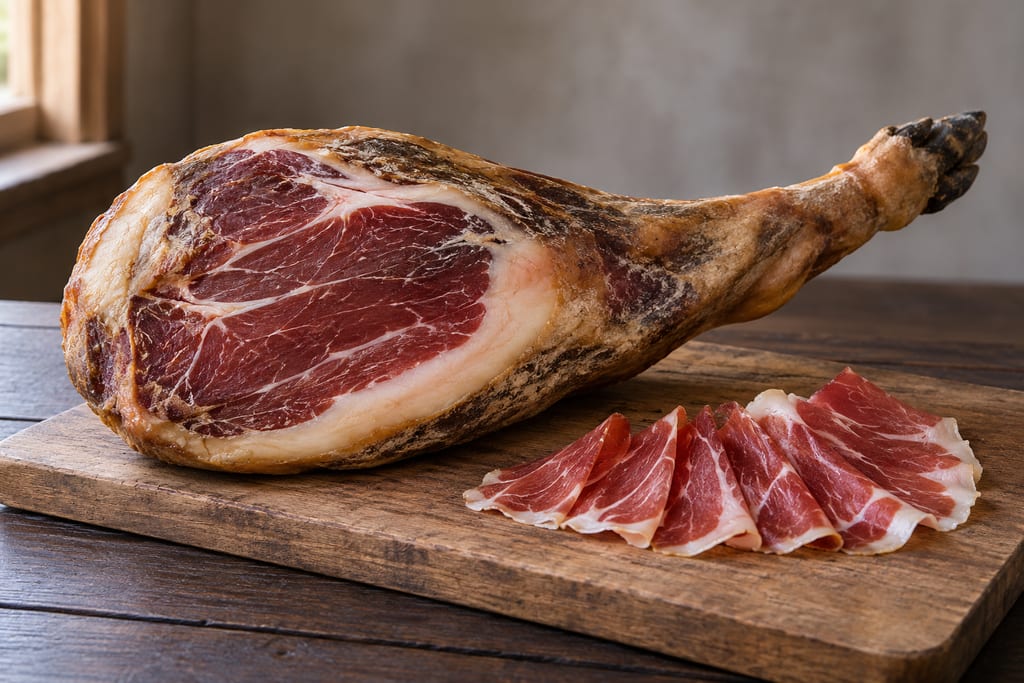
Smoked dry-cured pork ham of the Barroso highlands of northern Portugal: hand-salted, sometimes coated with olive oil and paprika, then smoked slowly over oak or broom in the cold mountain air.
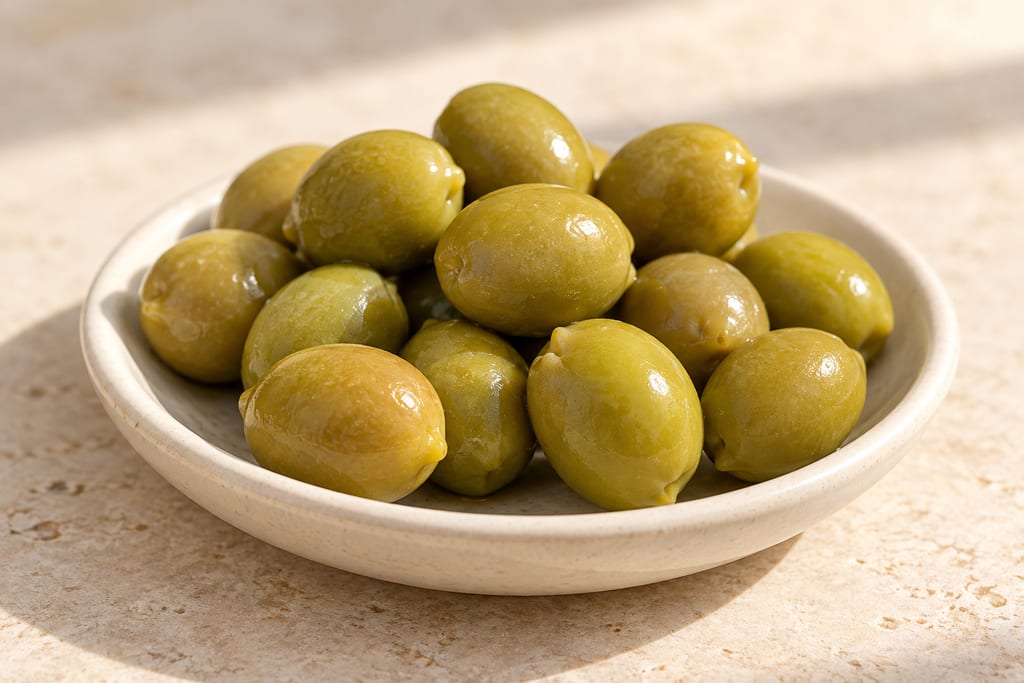
A Portuguese table-olive product from the Negrinha cultivar in northeastern Portugal, sold in three commercial styles, two of them brined fermentations and one oxidised to black.
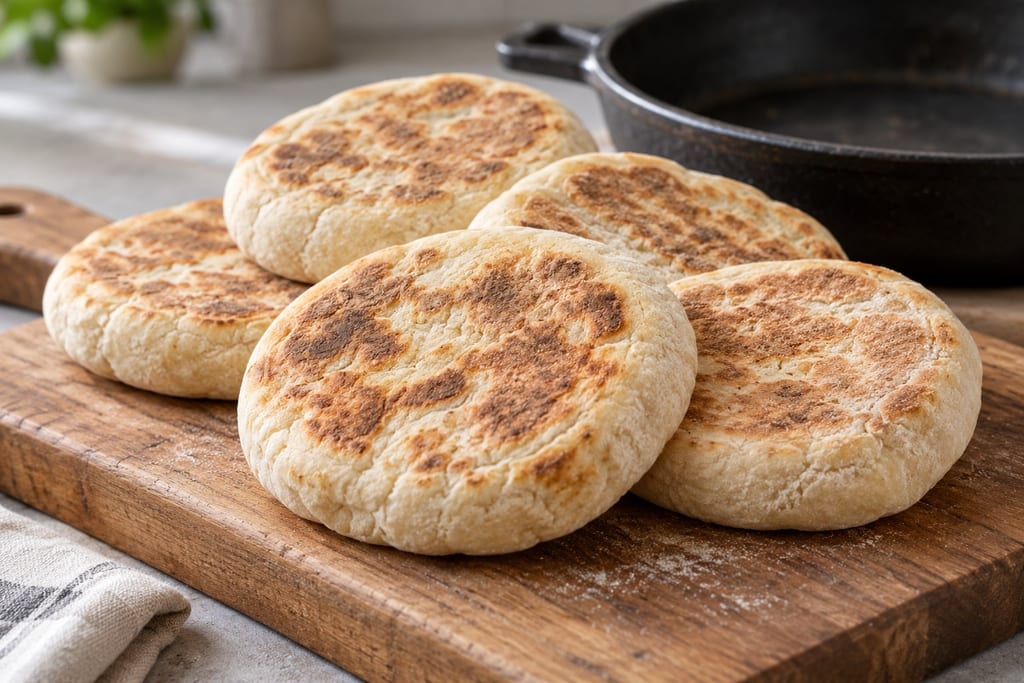
Sweet-potato wheat breads with fresh yeast, browned in a pan and finished in the oven. This is the bread component of Teleculinária's scrambled-egg dish.
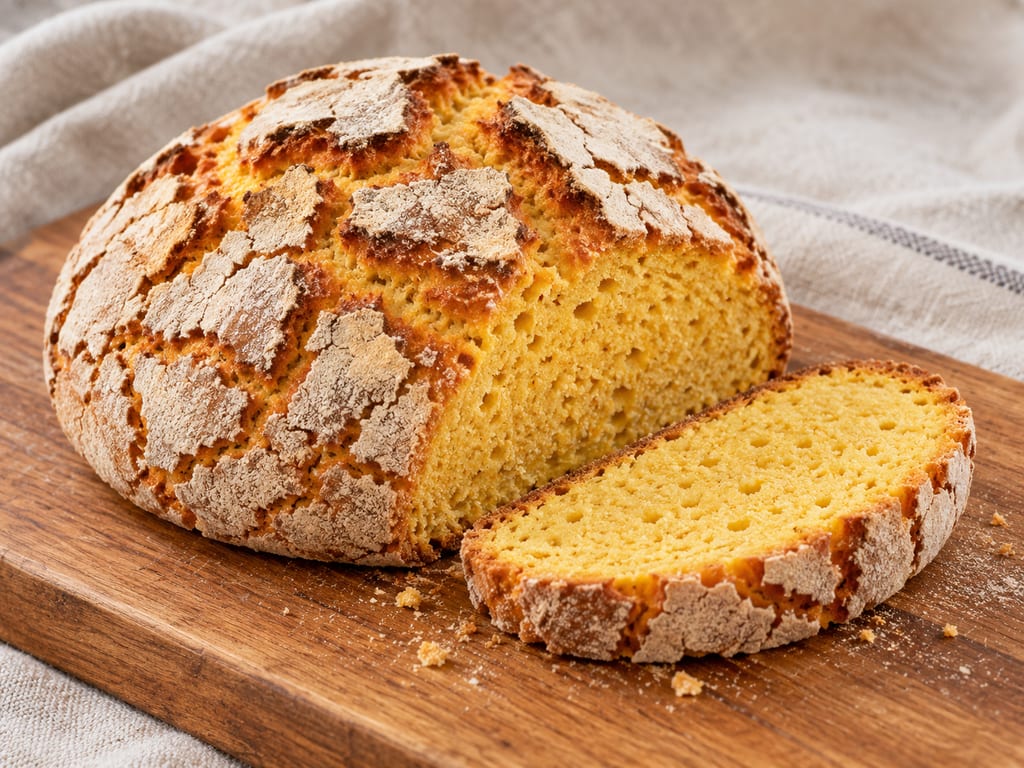
This modern home broa de milho uses scalded maize flour and a wheat-flour yeast sponge; it is distinct from Northern Portuguese maize-and-rye sourdough breads.
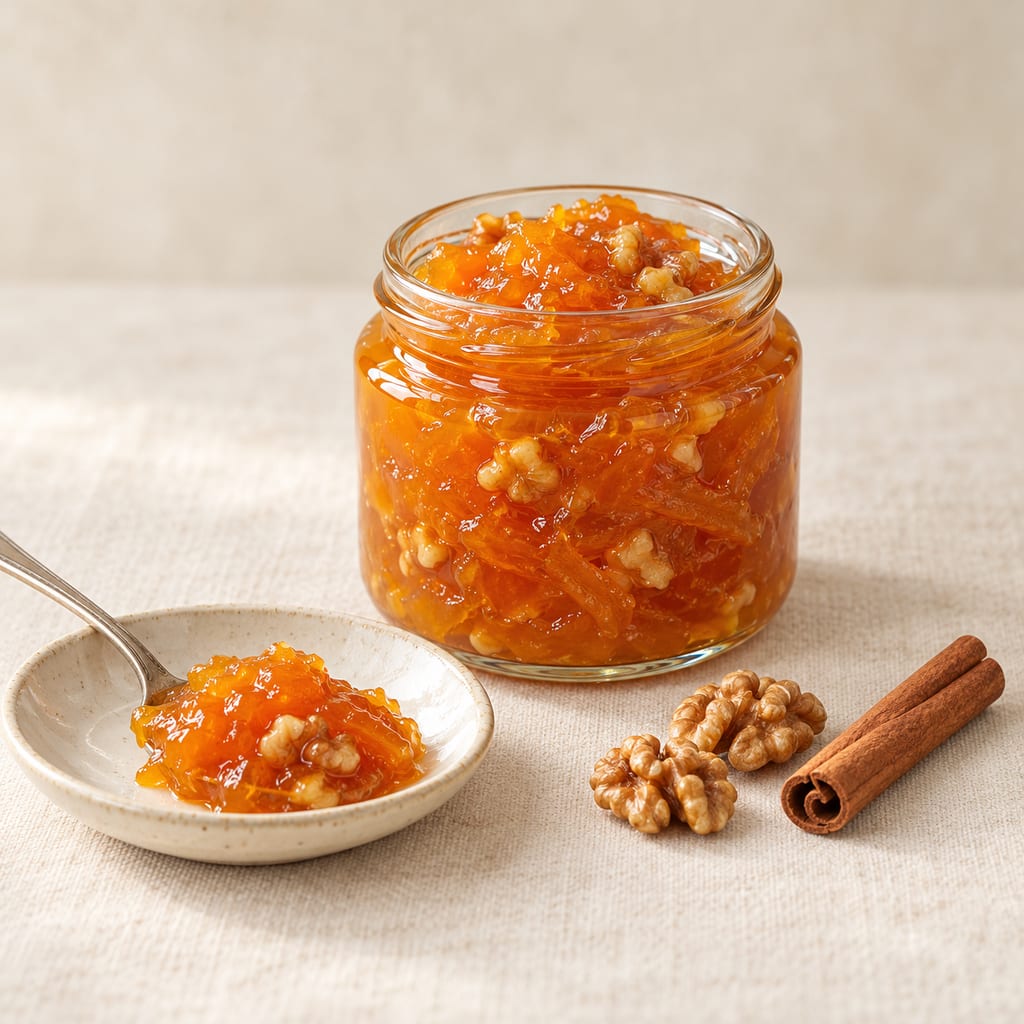
Portuguese pumpkin jam cooked with cinnamon and optional walnuts. A sweet spread to refrigerate or freeze, rather than a home-canned preserve.
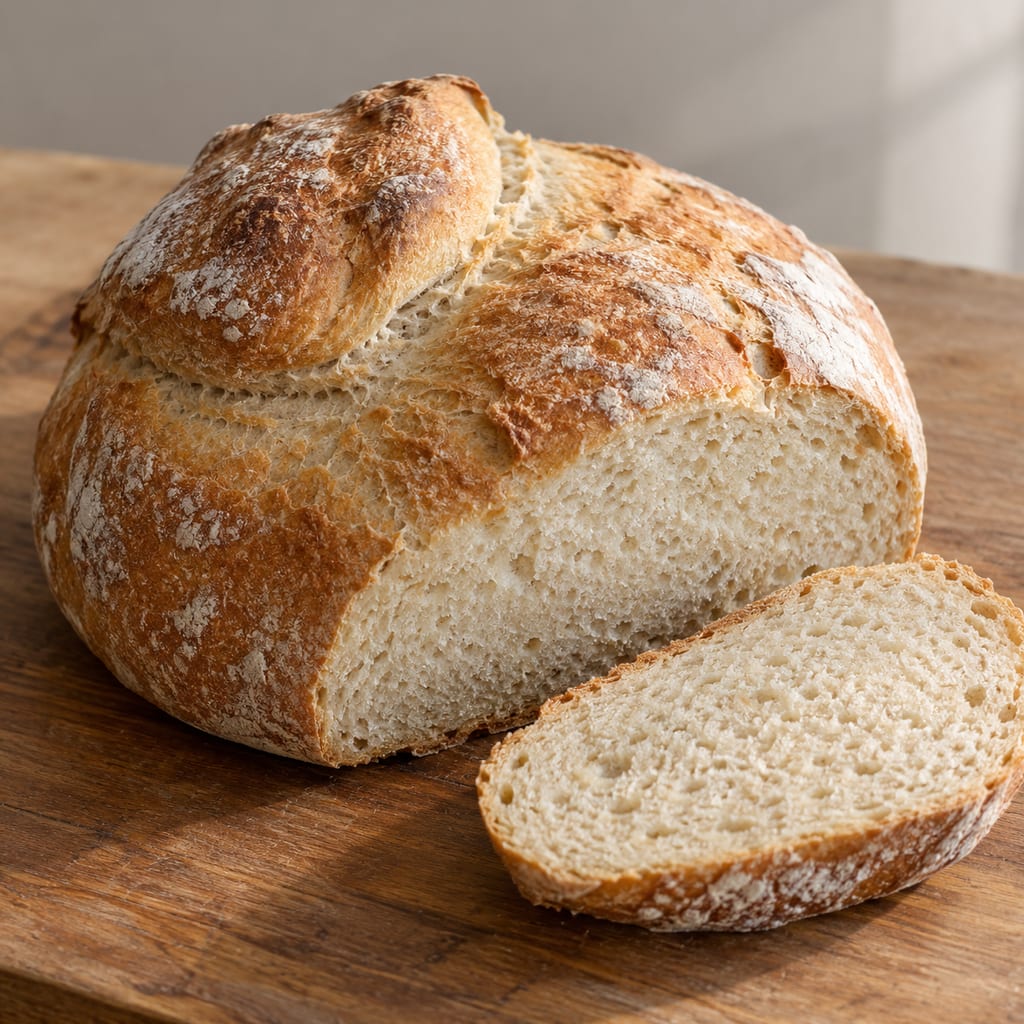
A rounded Alentejo wheat loaf with a raised folded head. This home adaptation uses a fresh-yeast preferment, then proofs the shaped loaf and bakes it with steam.
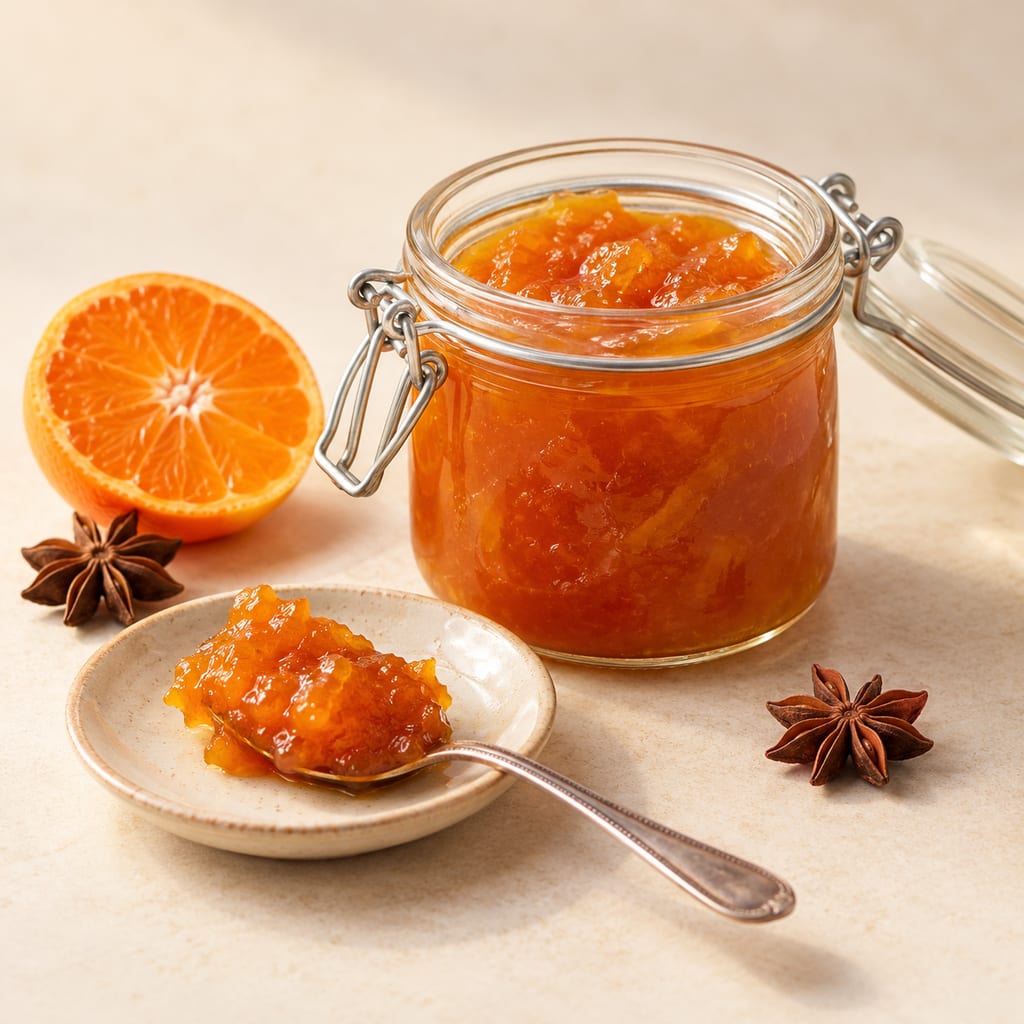
Portuguese pumpkin jam: Freeze for winter; small fresh portion refrigerated up to 48 hours.
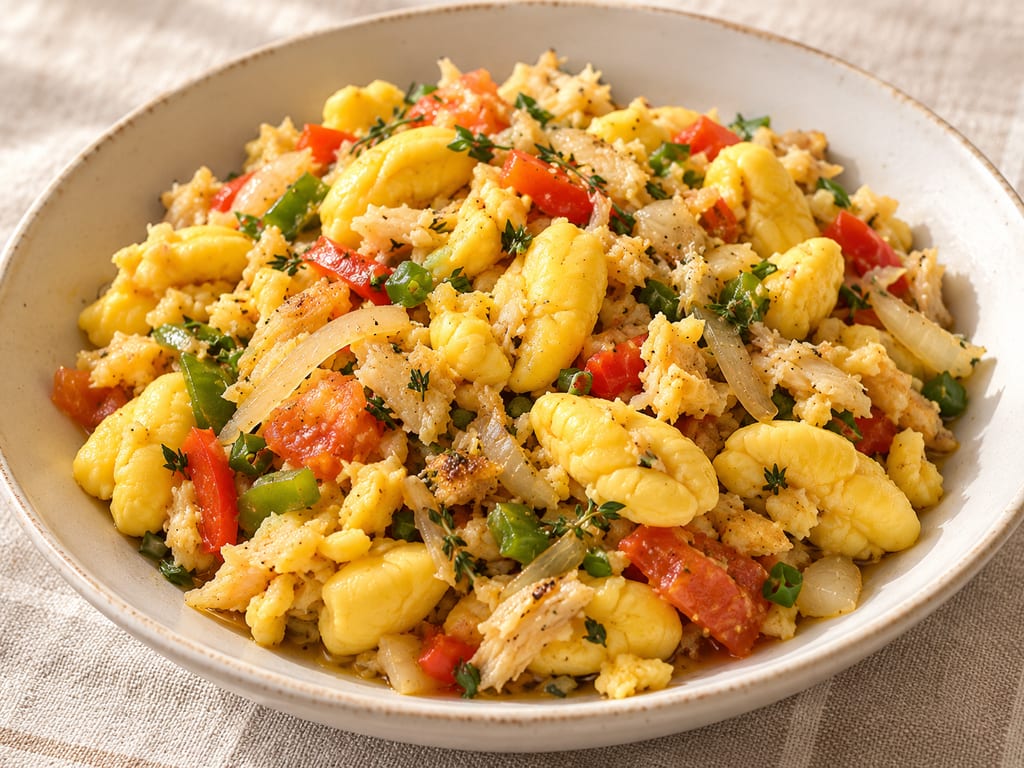
Jamaica's best-known dish: salt-cured cod desalted and flaked, then folded through ackee arils with onion, tomato, sweet pepper, thyme and Scotch bonnet.
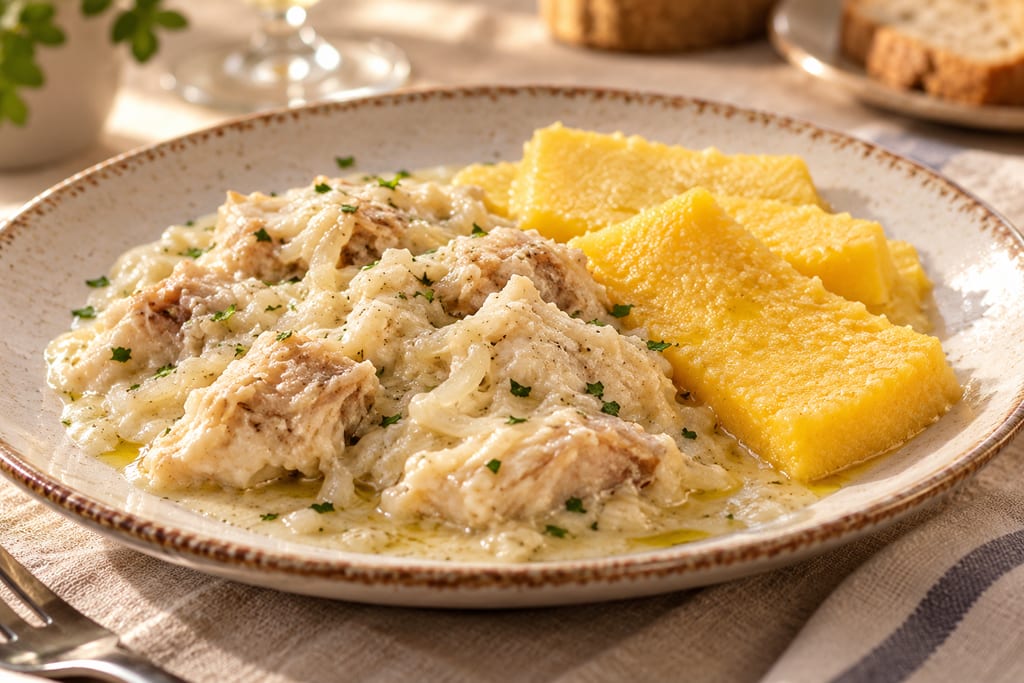
Stockfish from Vicenza, left barely bubbling for hours with onion, preserved anchovy, olive oil, milk and a little cheese until it is tender under a dense pale sauce, and eaten with polenta.
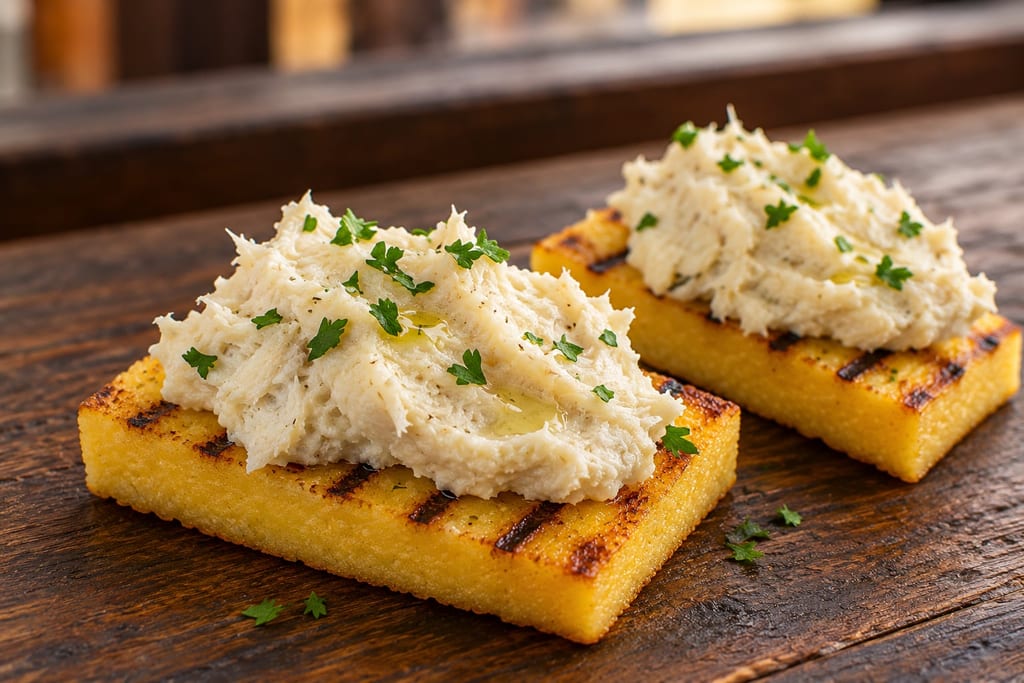
A Venetian cicchetto of cooked unsalted stockfish beaten with oil until it turns into a pale, aerated cream, spooned onto grilled polenta in the city's wine bars.
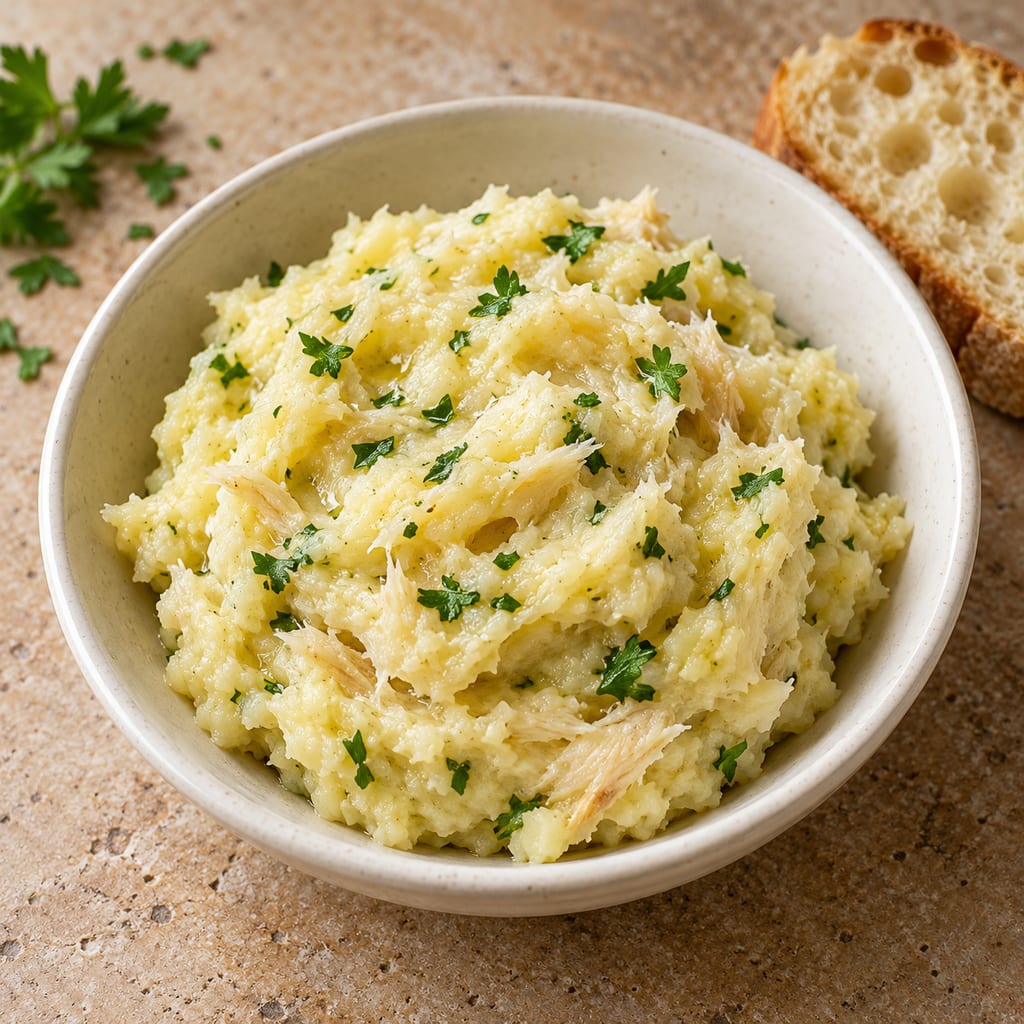
An Istrian festive spread of cooked stockfish beaten with olive oil and garlic until pale and cohesive, here bulked out with hand-mashed floury potato.
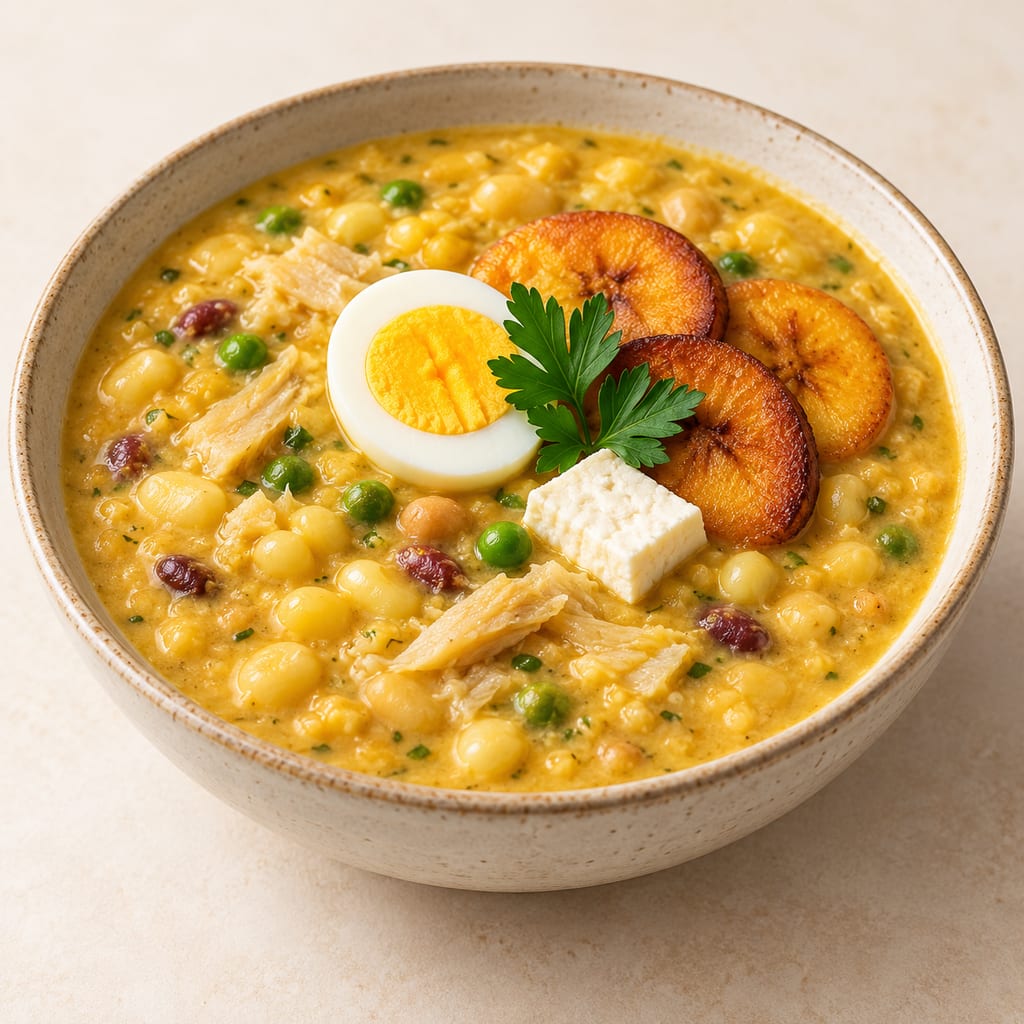
Ecuadorian Holy Week soup of tender grains and pulses, squash, milk and salted fish, thickened with peanut paste and served with contrasting garnishes.
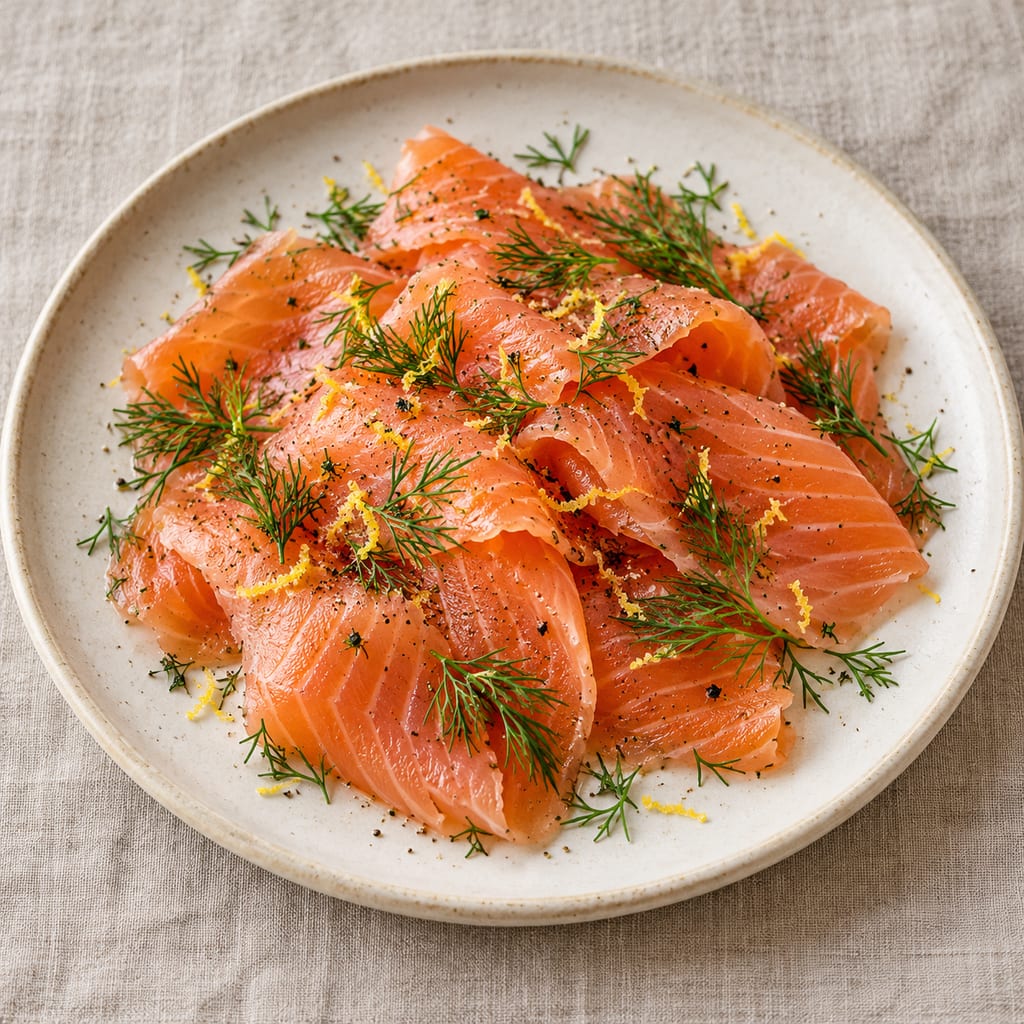
Salmon is cured with salt, sugar, pepper, dill and lemon zest under refrigeration.
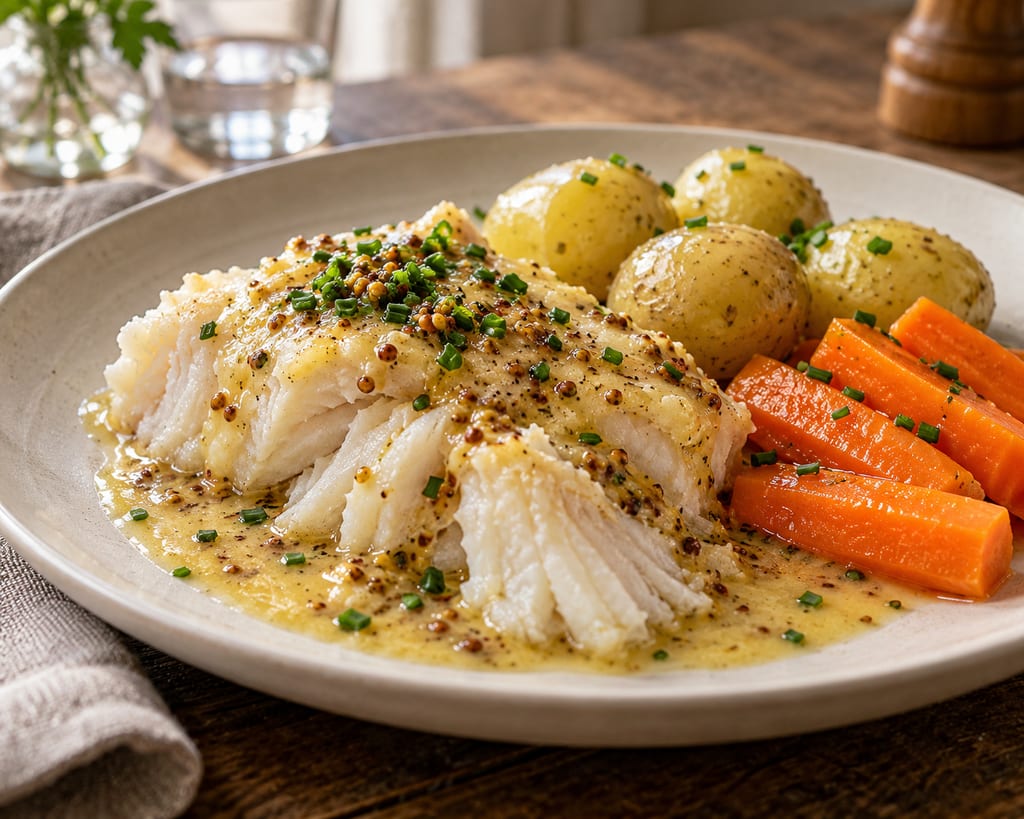
Rehydrated air-dried Norwegian cod simmered until it flakes, served with boiled potatoes and carrots under a wholegrain-mustard butter whisked from the fish's own poaching liquid.
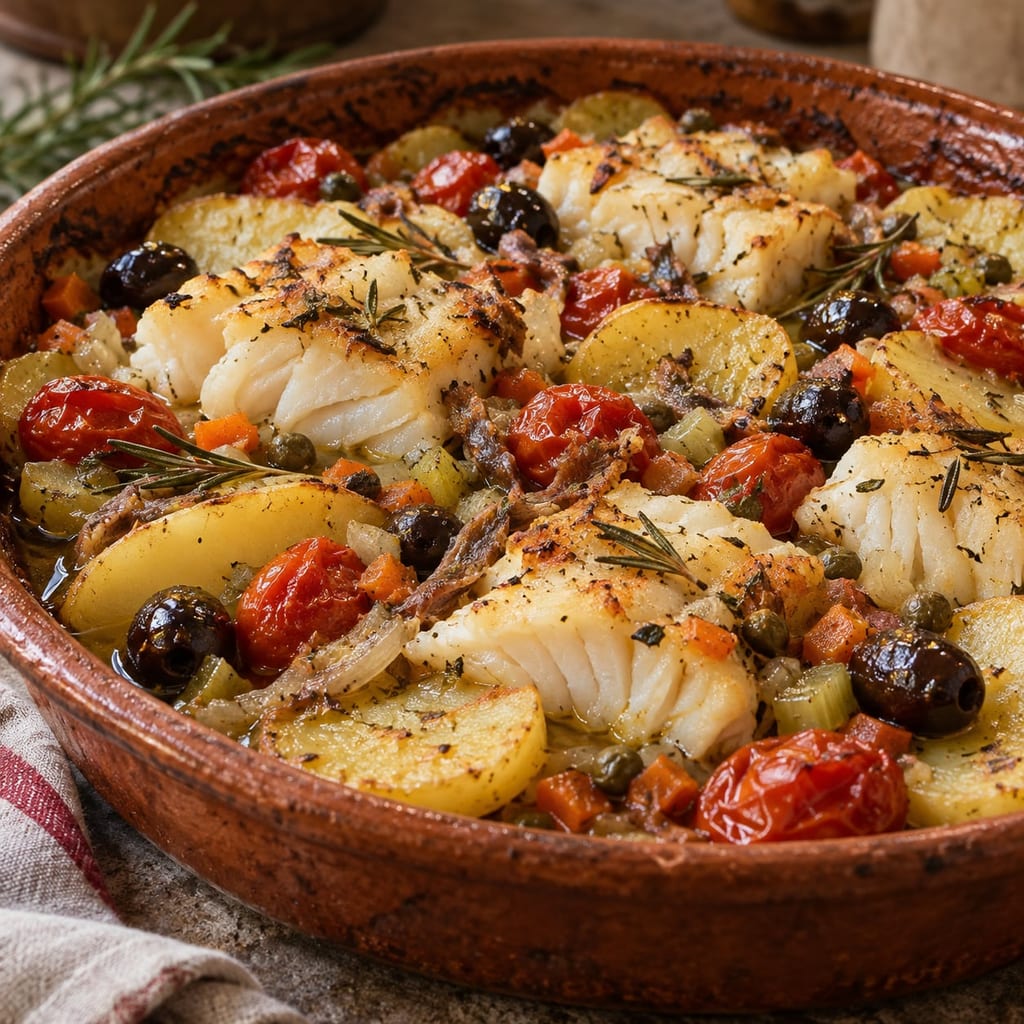
Ancona's baked stockfish: thick pieces layered with potatoes, tomatoes, olives, capers and anchovy under olive oil and white wine, cooked slowly in a covered dish.
No community contributions have been published for this entry yet.
Sign in to contribute. Published comments and photos are free to read.
Centro Interpretativo da História do BacalhauHistory
Centro Interpretativo da História do Bacalhau — Bacalhau à BrásThe association of the dish with Lisbon's Bairro Alto and the popular story attributing its creation to a tavern keeper named Brás or Braz in the late nineteenth century, recorded together with an explicit acknowledgement of uncertainty about the precise origin.
Earlier Portuguese cod preparations resembling aspects of the modern dish, including a 1715 manuscript by Francisco Borges Henriques containing a preparation named frigideiras de bacalhau.
That similarity is not proof that the 1715 preparation was already the modern named recipe: the Brás name, the thin fried potato strands and the familiar presentation should not be projected backwards onto it.
Cited in: The cod dish of Lisbon; Names and terminology; Origins: tradition and documentary evidence; Regional and contemporary variations
Nestlé PortugalMethod
Nestlé Portugal — Bacalhau à Brás recipeA published formulation serving four people: 400 g shredded cod, 500 g potatoes weighed before cutting and frying, six eggs, three tablespoons of olive oil, three onions, one clove of garlic, and parsley and black olives as needed.
Its method fries freshly cut potato strands, softens onions and garlic, incorporates the cod and adds the beaten eggs while the pan remains over the heat, cooking the eggs until creamy but cooked.
Cited in: The cod dish of Lisbon; Why the potatoes are cut so finely; Eggs as the binding ingredient; The onion base; Recipe: bacalhau à Brás with ready-fried potato matchsticks; Method; Comparison with a documented Portuguese recipe; Why the order of operations matters; Regional and contemporary variations; Serving and evaluation; Troubleshooting
Norwegian Seafood CouncilMethod · Safety
Norwegian Seafood Council — Desalting klippfiskDesalting salted and dried cod under refrigeration below 4°C, with the loose surface salt rinsed off first and the water changed during soaking, as practical guidance rather than a guaranteed schedule.
Cited in: The importance of salted cod; Troubleshooting; Food safety
FoodSafety.govSafety
FoodSafety.gov — Fish and egg cooking temperaturesThe published safe minimum internal temperature for fish, 63°C, and for egg dishes, 71°C (160°F).
Checking the temperature of the mixture with a clean thermometer rather than relying on appearance alone.
Cited in: Eggs as the binding ingredient; Method; Food safety
Food and Agriculture Organization of the United NationsScience
FAO — Fish salting and preservationHow salting changes the fish: salt penetrates the muscle while water is removed, the concentration of dissolved substances within the flesh changes and water activity falls, and the resulting texture is not identical to fresh cod because the preservation alters the protein structure.
Cited in: The importance of salted cod