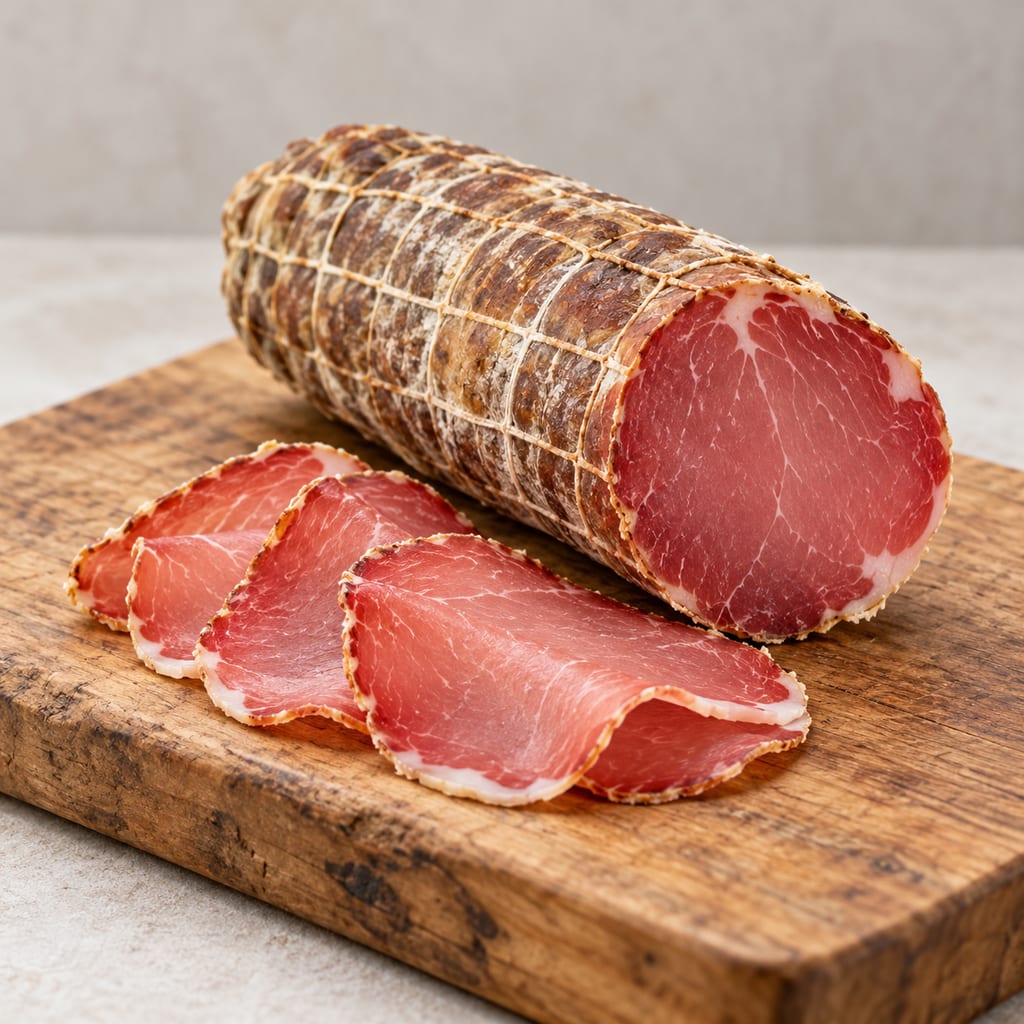
Lonzino
Documentary account of Italian regional cured-loin traditions, including Tuscan and Marche variations; no home-cure instructions are provided because the published professional methods lack validated safety controls.
 FermenteaWhere food goes to change
Traditional method
Presunto de Barroso IGP · Presunto de Barroso PGI · Presunto do Barroso · Presunto fumado de Barroso · Barroso smoked ham
Smoked dry-cured pork ham of the Barroso highlands of northern Portugal: hand-salted, sometimes coated with olive oil and paprika, then smoked slowly over oak or broom in the cold mountain air.
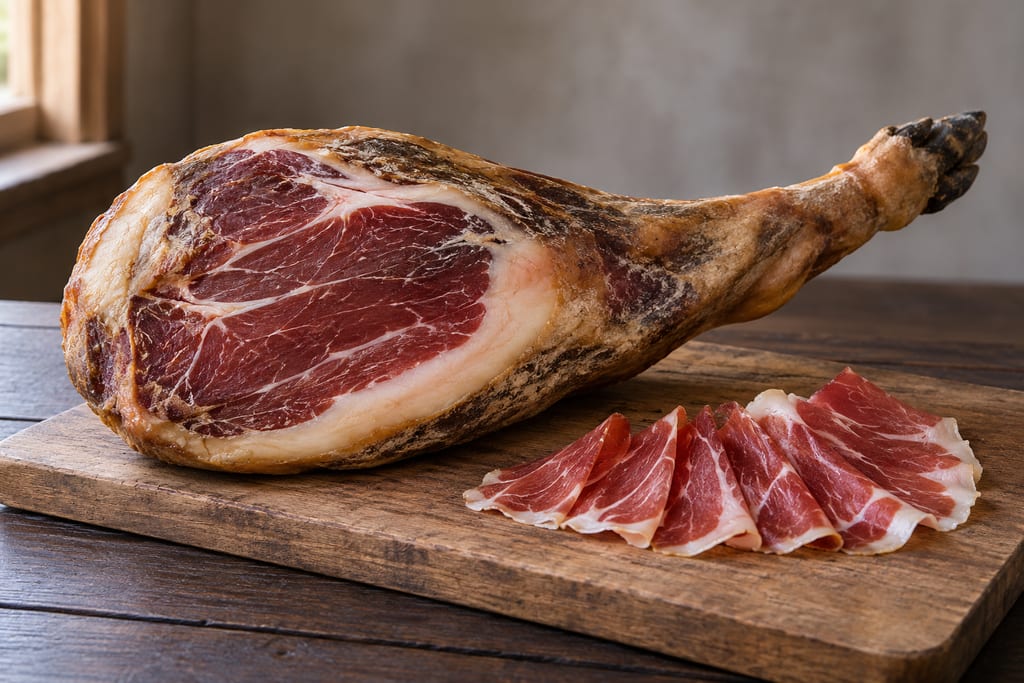
Presunto de Barroso is a Portuguese cured ham from the Barroso highlands in the north. Pork is dry-salted and then smoked gently for a long time over local wood. The finished ham has a deep-red to reddish-brown interior, pale fat and a clear but not overpowering smoky aroma. It belongs to the fumeiro, the smoked meats traditionally made around the household hearth.
The registered name is Presunto de Barroso IGP, a Protected Geographical Indication (Indicação Geográfica Protegida, not a PDO). The area covers the municipalities of Montalegre, Boticas and Chaves in Vila Real District. It is not Presunto de Vinhais IGP or Presunto de Barrancos DOP, which have different areas and methods.
The 1994 Portuguese legal definition describes the hind leg of a pig slaughtered at sixteen to eighteen months, trimmed to a rounded shape that keeps the lower extremity. A current summary from the agricultural authority also mentions a pá, a shoulder. Whether a shoulder counts as the certified ham needs checking against the current full specification.
The method is simple in materials and hard in execution: dry salt, sometimes a coat of olive oil and paprika, then light smoke from local wood, with oak and broom the documented fuels. The agricultural authority records two to four weeks of salting and two weeks to three months of smoking. These are the durations of a professional tradition.
Unlike dry-fermented sausages, it is not made with an added starter. Preservation is by salt diffusion, moisture removal and smoke, and the meat's own enzymes bring tenderness and flavour. Controlled lactic fermentation is not part of it. The ham is sold whole with the bone, deboned, or in thin slices.
Presunto de Barroso grew out of the household economy of Portugal's northern mountain villages. Winters are cold, the region is isolated and people lived off the land, so preserving meat mattered, and a slaughtered pig gave fresh meat, fat, blood, offal and cuts for salting and smoking. The hearth, the lareira, warmed the house and its smoke preserved the meat hanging above.
The agricultural authority links the importance of pig keeping to pigs and pork in municipal charters, among them the charter of Montalegre. They show the economic weight of swine, not when the present ham was devised, and Celtic or Roman origins are not documented for the cured product.
A valuable record is João Martins Rodrigo's O Presunto e o Fumeiro em Barroso, published by the Municipality of Montalegre in 1992. It describes the household pig, the winter slaughter, the smoked meats, the role of women in making them and the place of the lareira. It records twentieth-century memory and observation and not a medieval recipe.
It also records ham's social role. Smoked hams were given to friends and people to whom a family owed favours, and cured pork was offered to visitors. Rodrigo separates the smoked sausages kept for the household from valuable hams that farmers could sell, and notes the good name of the ham of Pitões das Júnias and criticism of some hams as too salty.
The first legal recognition was Portuguese Despacho n.º 43/94, signed on 20 January 1994 and published on 3 February. Its annex defined the raw material, salting period, olive oil and paprika treatment, smoking and the ham's physical characteristics, and named Boticas, Chaves and Montalegre as the area.
European protection followed in Commission Regulation (EC) No 1107/96, registered on 21 June 1996. It was first published as Presunto do Barroso and corrected on 13 November 1996 to Presunto de Barroso. The Association of Producers of Fumeiro from Terra Fria Barrosã is the producer group responsible, and in 2018 the wider Barroso agricultural landscape was recognised by the FAO as a Globally Important Agricultural Heritage System, which concerns the farming and pastoral system and not a second protected status for the ham.
The ham is preserved mainly by dry salting and loss of water, with smoke adding flavour and surface effects. It is not an inoculated fermentation. A large raw muscle changes slowly from the outside in, and the difference between surface and centre matters most in a bone-in ham, where thickness and anatomy shape how salt moves and how it dries.
In salting, sodium chloride dissolves in the moisture on the meat and diffuses inward. Salt changes muscle proteins and lowers the water available to microbes, and water moves outward and may drain away. How far salt reaches depends on thickness, tissue, temperature and time, and a heavily salted outside does not show the deepest muscle has reached a suitable state.
Water activity (aw) measures the water available to microbes and not total moisture. Drying lowers it and salt helps by binding water. That holds back many microbes, though some stay alive. Final salt concentration, weight loss and surface firmness are three different measurements.
Enzymatic maturation goes on during curing. Muscle proteases such as cathepsins and peptidases break proteins into peptides and free amino acids that add flavour and texture, and lipases release fatty acids whose oxidation gives volatile aldehydes and ketones. Research on dry-cured ham shows that this depends on salt, temperature, moisture and the particular muscle.
Smoking adds phenols, carbonyls and organic acids. Phenols give smoky aroma and some antioxidant activity, and carbonyls shape surface colour and flavour. Research on smoked dry-cured ham finds aldehydes and phenols among the main volatiles, and the fuel changes the aroma, with oak and broom documented in historical and commercial accounts.
The ecology of dry-cured ham can include salt-tolerant staphylococci, micrococci, yeasts and surface fungi. Studies of Iberian and other European hams identify Staphylococcus equorum, S. xylosus and Debaryomyces hansenii, which take part in aroma, antioxidant reactions or protein breakdown. They are comparison and not evidence about Presunto de Barroso, for which no species or starter is established.
The slow smoke of the lareira is not a validated cooking process. The ham remains a raw-cured product unless a separate heat treatment is shown, and safety rests on the raw meat, salt penetration, conditions, moisture reduction and protection from contamination. Smoke can also bring polycyclic aromatic hydrocarbons.
It begins with a pork leg from an animal that meets the area and husbandry rules. The official description gives pigs slaughtered at sixteen to eighteen months and fed mostly on local farm products. Qualigeo links the ham to Bísaro pigs and feeds such as rye, potatoes, cabbage, turnips and acorns. The current breed rules should be checked in the full IGP specification and not inferred from regional descriptions.
The hind leg is trimmed to its rounded shape, traditionally keeping the lower extremity, which removes unwanted tissue and readies the surface for salt. Thickness and weight matter, because a large joint does not cure like a small piece of loin, and the 1994 text gives the shape but no starting weight.
Dry salting is the key stage. Accounts describe rubbing salt over the ham by hand and leaving it in a salting vessel, and the agricultural authority specifies two to four weeks. Salt flavours, changes muscle proteins, draws out moisture and slowly goes inward. The official summary gives no salt-to-meat percentage or curing temperature.
The 1994 recognition describes coating the ham with olive oil and colorau, Portuguese ground red pepper or paprika, for surface colour and seasoning. A secondary account adds garlic and wine. These are documented variations or producer additions until their place in the current specification is confirmed, and neither oil nor paprika replaces curing and drying.
The ham is then smoked with regional wood. The 1994 description prefers oak and giesta (broom), and a modern Barroso maker names oak and carqueja. The wood gives the aroma, and the warmth and mountain air help moisture leave gradually.
The agricultural authority gives smoking of two weeks to three months, and the 1994 recognition requires at least two weeks. The smoke is light and gradual, from the household lareira, and not rapid hot smoking or cooking. Exposure varies by ham, workshop and season.
The accessible summaries give no universal extra ageing time, weight-loss target, humidity or final water activity, and conditions published for Presunto de Vinhais or other Portuguese hams must not be moved to this IGP. The finished ham is judged for shape, colour, aroma and texture, then sold whole, boneless, portioned or sliced under the certification and traceability rules.
The IGP covers three municipalities, Montalegre, Boticas and Chaves, as one regional product and not three styles. Household practice, altitude, climate and smoking equipment may shift the ham, but no formal subcategories exist.
Montalegre has well-recorded household fumeiro. Rodrigo's 1992 account describes pig slaughter, salting vessels and smoking in home kitchens, and notes that some makers produced heavily salted hams while others were known for a more balanced cure, so the tradition was not standardised before protection.
Pitões das Júnias, a mountain village in Montalegre, was singled out in 1992 for its ham. Rodrigo records a local view that Barroso ham, especially that of Pitões when well cured, compared well with ham from Chaves. It is a reputation and not a registered Pitões specification.
Fuels vary. The 1994 recognition prefers oak and broom while a modern producer names oak and carqueja, and different woods change aroma and combustion, which affects processing and contaminants. No fixed blend is established for all certified production.
The current agricultural summary also mentions the shoulder, while the 1994 definition describes a leg. A shoulder may be salted and smoked in the same food culture without being Presunto de Barroso IGP.
Other northern Portuguese smoked hams include Presunto de Vinhais IGP and Presunto Bísaro de Vinhais, which have their own specifications, and unsmoked Presunto de Barrancos DOP is from a different region. Modern makers offer boneless portions, vacuum-packed slices and seasoned versions with garlic, wine and paprika, whose declarations and storage belong to the producer.
Presunto de Barroso is eaten thinly sliced and uncooked, so the salt, smoke and cured pork can be tasted. Thin slices suit a fairly firm matured ham, and a properly made ready-to-eat product can be served cold according to its maker.
Its traditional place is hospitality. In Rodrigo's 1992 account, cured pork is offered to visitors and friends, and a valuable ham could be given as a gift or sold, unlike the everyday smoked sausages kept for the family.
Bread goes with it. The agricultural authority describes the historical Barroso diet as built on bread, potatoes and pork, and the FAO description names bread, smoked meats, cabbage and pulses, so ham with bread or broa serves as a snack, starter or simple meal.
Qualigeo describes long thin slices with wine as an aperitif and melon as an accompaniment for its sweetness against the salt. These are serving suggestions and not part of the curing.
It is also cooked. Fumeiro de Barroso advises eating it as a cured product or frying it in fat or white wine, which changes texture and often strengthens the cured flavour. Cured ham can season other Portuguese pork dishes, though these are not identified as historical Barroso recipes.
It is sold whole with the bone, deboned, portioned or sliced. A large whole ham is less exposed than thin slices, and vacuum-packed portions depend on validated packaging and storage. Qualigeo recommends cool storage and about 10 to 12 degrees C for quality, especially for cut product, which is not a safety limit. Once cut, the exposed surfaces are open to contamination, drying and oxidation, and the maker's storage and after-opening instructions apply.
A well-cured ham has the rounded shape of a leg, a firm structure, deep-red to reddish-brown muscle and pale fat. The 1994 recognition specifies a smoky aroma and distinctive taste. These identify the product and do not show the ham is safe or properly salted at the centre.
Uneven salt penetration is the concern in large bone-in joints. The outside may be strongly salted while deeper tissue differs in moisture and salt, and the bone area needs particular attention. The two to four weeks of salting belong to a validated professional process and are not a safe home curing time.
Too much drying gives a hard surface with moisture inside, and too little leaves the ham open to growth or spoilage. A study of Listeria monocytogenes in a dry-cured ham model found growth depended significantly on water activity, temperature and salt, and its results are not an approved Barroso schedule.
The smoke is not a cooking step. A smoky smell or several weeks of smoke do not make the ham pathogen-free. Salmonella, Listeria monocytogenes, Staphylococcus aureus and pork parasites need control in the raw meat and after curing. Staphylococcus aureus is a concern if the curing environment lets it grow before the hurdles develop, since its enterotoxin is not removed by later drying, and Clostridium botulinum has to be assessed where control is poor and packaging is reduced-oxygen. No nitrite formulation or botulism specification is established for this ham.
Trichinella and other parasites in pork call for recognised control methods, and traditional salting and smoking times are not shown to inactivate them.
Smoking can bring PAHs including benzo[a]pyrene. Regulation (EU) 2023/915 sets general maxima for smoked meat of 2.0 µg/kg benzo[a]pyrene and 12.0 µg/kg for the sum of four PAHs, and allows Portugal, under defined national-market conditions, to authorise certain traditionally smoked meats up to 5.0 and 30.0 µg/kg. That is a conditional derogation and not permission for every producer or export market.
Surface mould needs care. Some matured hams carry moulds and yeasts that add flavour, but no acceptable species or managed culture is established for Presunto de Barroso. Unidentified growth is not to be assumed helpful, and wiping off visible mould does not guarantee removal of toxins.
Faults include too much salt, rancid fat, uneven colour and off smells. The 1992 account says some local hams were criticised as too salty. Lipid oxidation gives welcome aroma up to a point and rancidity beyond it.
Storage must be judged by the maker's specification. A whole professionally cured ham may be stable under the maker's conditions, but cutting, deboning and slicing open the way to contamination, and vacuum packing changes oxygen conditions without establishing safety. A production record needs the pig's origin, raw ham dimensions, salt formulation, curing temperature, time and humidity, smoke fuel, weight loss, salt distribution, measured water activity, microbiological checks, PAH assessment, packaging and storage.
João Martins Rodrigo's O Presunto e o Fumeiro em Barroso, published by the Municipality of Montalegre in 1992, describes household pig slaughter, salting, hearth smoking, the giving of hams and the good name of Pitões das Júnias. Despacho n.º 43/94, published on 3 February 1994, recognised the name and defined the ham.
Commission Regulation (EC) No 1107/96 registered the IGP on 21 June 1996, and a corrigendum of 13 November 1996 corrected the name from Presunto do Barroso to Presunto de Barroso. The Barroso agricultural landscape was recognised by the FAO in 2018.
Raw pork can carry Salmonella, and salting and smoking are not shown to remove it.
Hazard sourceListeria growth depends on water activity, temperature and salt, and sliced ham is open to contamination.
Hazard sourceGrowth before the hurdles develop can make toxin that later drying cannot remove.
Hazard sourceAssess it where curing is poorly controlled or packaging reduces oxygen.
Hazard sourcePork parasites need recognised control; traditional salting and smoking times are not shown to inactivate them.
Hazard sourceIn a large bone-in joint the outside can be salty while the deep muscle is not cured.
Hazard sourceWood smoke can bring benzo[a]pyrene and related PAHs, which are limited by EU law.
Hazard sourceNo managed culture is established, and wiping off mould does not remove toxins.
Hazard sourceSalting period of the protected method.
Control sourceSmoking period.
Control sourceParasite control for pork.
Control sourcePAH limits in smoked meat.
Control sourceMeasure final water activity and salt distribution.
Control sourcePrevent contamination in cutting, deboning and slicing.
Control sourceA raw-cured ham is not cooked by smoke. Salting and smoking for weeks do not make it free of Salmonella, Listeria or parasites; eat only ham from a validated process.
Salt must reach the centre of a bone-in leg. A salty outside does not prove it, and a home cure should be validated first.
The two to four weeks of salting and the smoking times belong to a validated professional tradition, not to a safe home recipe.
Do not rescue a ham with unidentified mould or off smells by wiping or trimming; discard it.
Burn dry, untreated hardwood; smoke can leave PAHs.
Keep cut and sliced ham cold and follow the maker's instructions after opening.
The protected area of Montalegre, Boticas and Chaves.
Well-recorded household fumeiro.
Singled out for the reputation of its ham.
Documentary account of Italian regional cured-loin traditions, including Tuscan and Marche variations; no home-cure instructions are provided because the published professional methods lack validated safety controls.
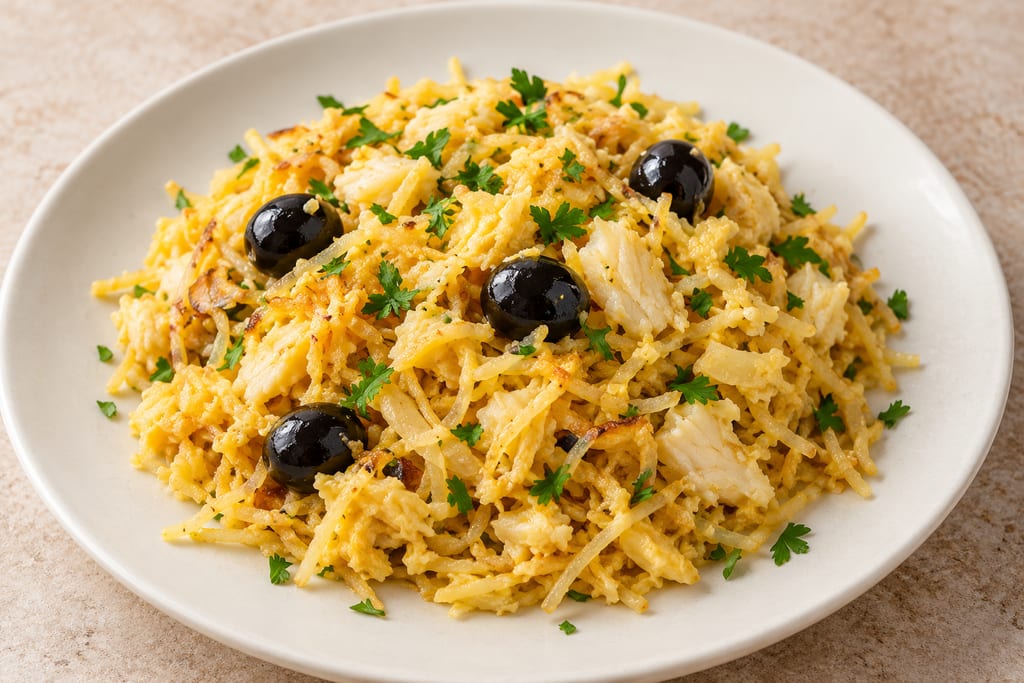
Lisbon's salt cod dish: shredded desalted cod and fine fried potato matchsticks folded through softened onion and bound with beaten egg, finished with parsley and black olives.
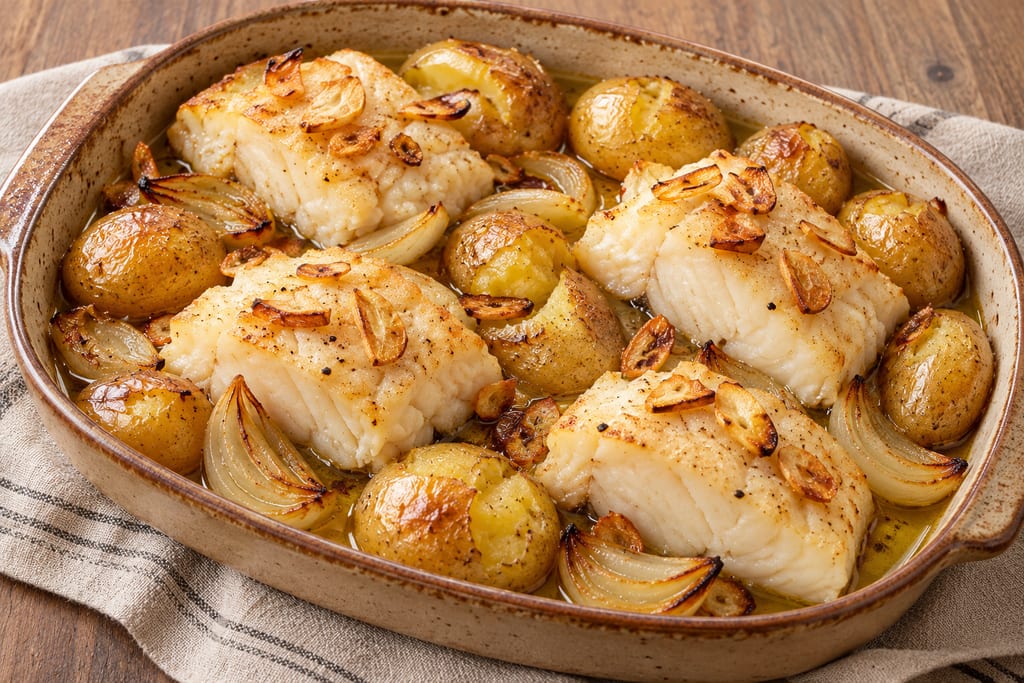
Thick pieces of desalted salt cod roasted in olive oil with garlic and onion, served with small potatoes cooked and then crushed until their skins split.
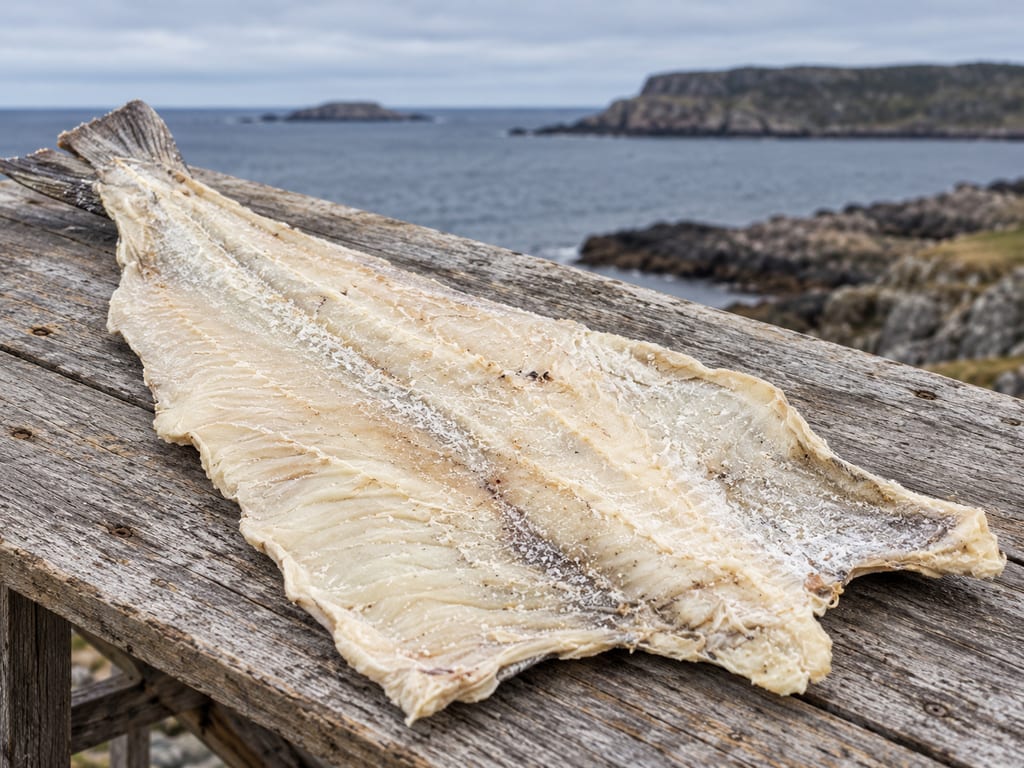
Atlantic cod split, salted and dried on raised flakes along the Newfoundland and Labrador shore, manufactured ashore for markets across the Atlantic.
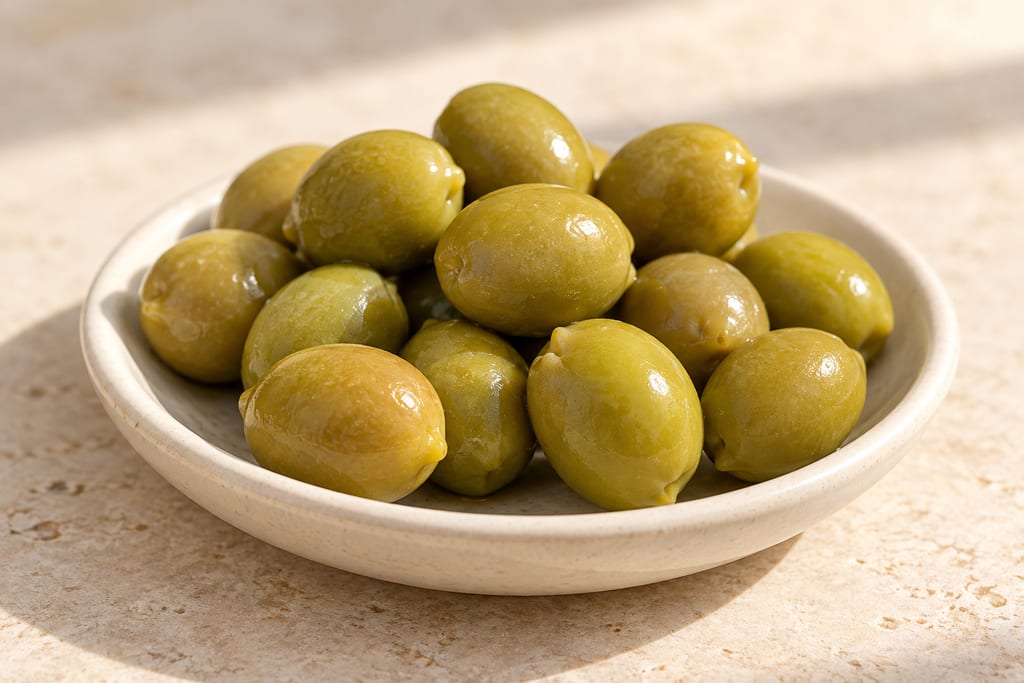
A Portuguese table-olive product from the Negrinha cultivar in northeastern Portugal, sold in three commercial styles, two of them brined fermentations and one oxidised to black.
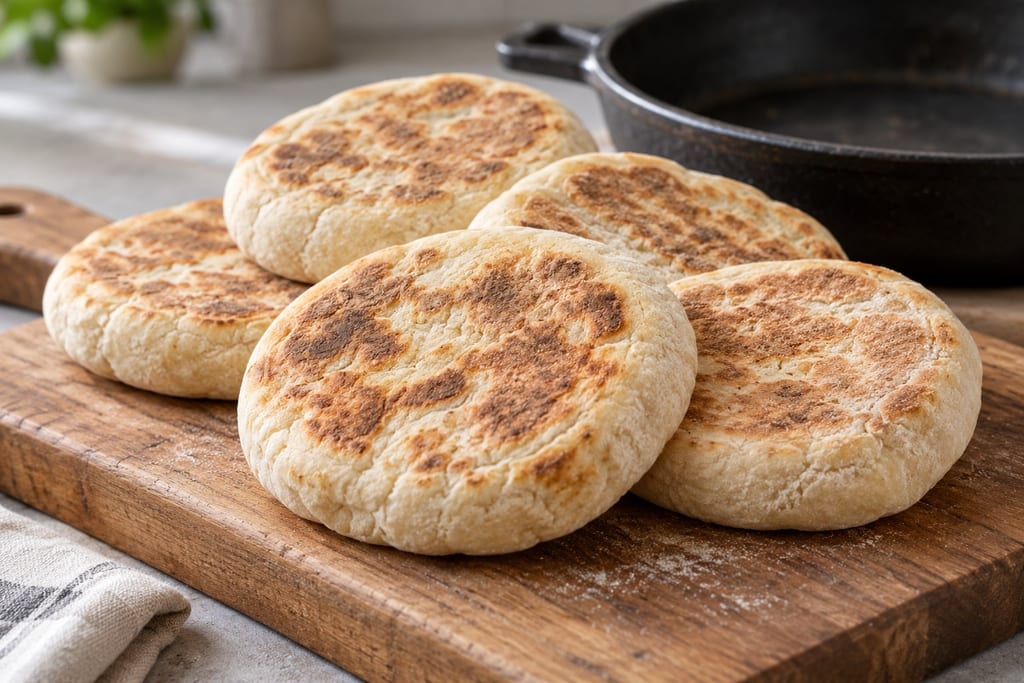
Sweet-potato wheat breads with fresh yeast, browned in a pan and finished in the oven. This is the bread component of Teleculinária's scrambled-egg dish.
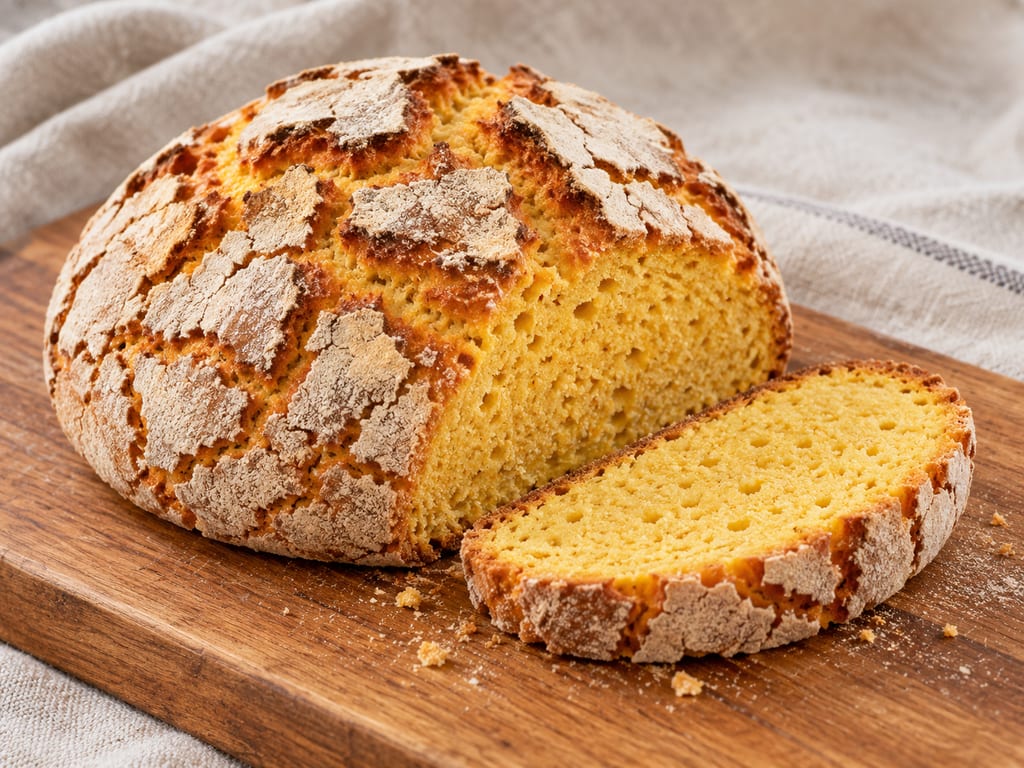
This modern home broa de milho uses scalded maize flour and a wheat-flour yeast sponge; it is distinct from Northern Portuguese maize-and-rye sourdough breads.
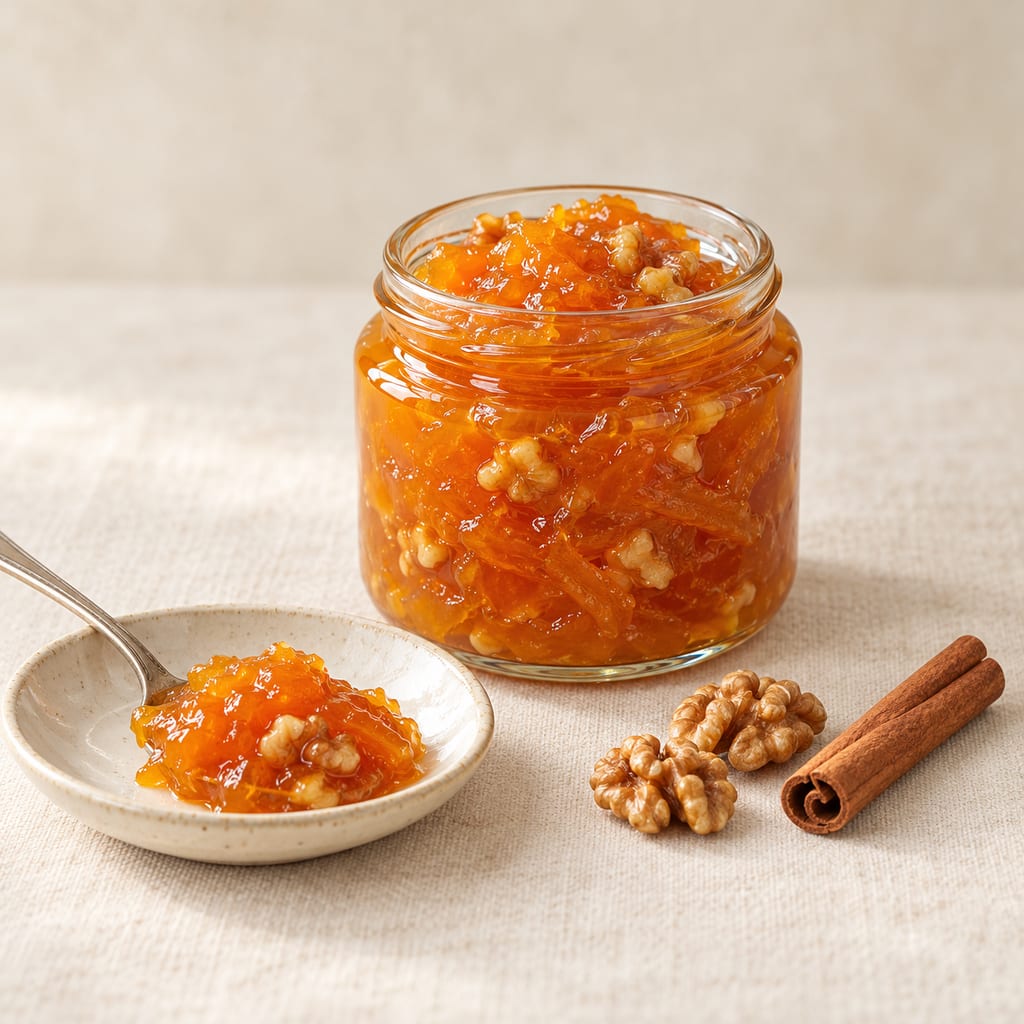
Portuguese pumpkin jam cooked with cinnamon and optional walnuts. A sweet spread to refrigerate or freeze, rather than a home-canned preserve.
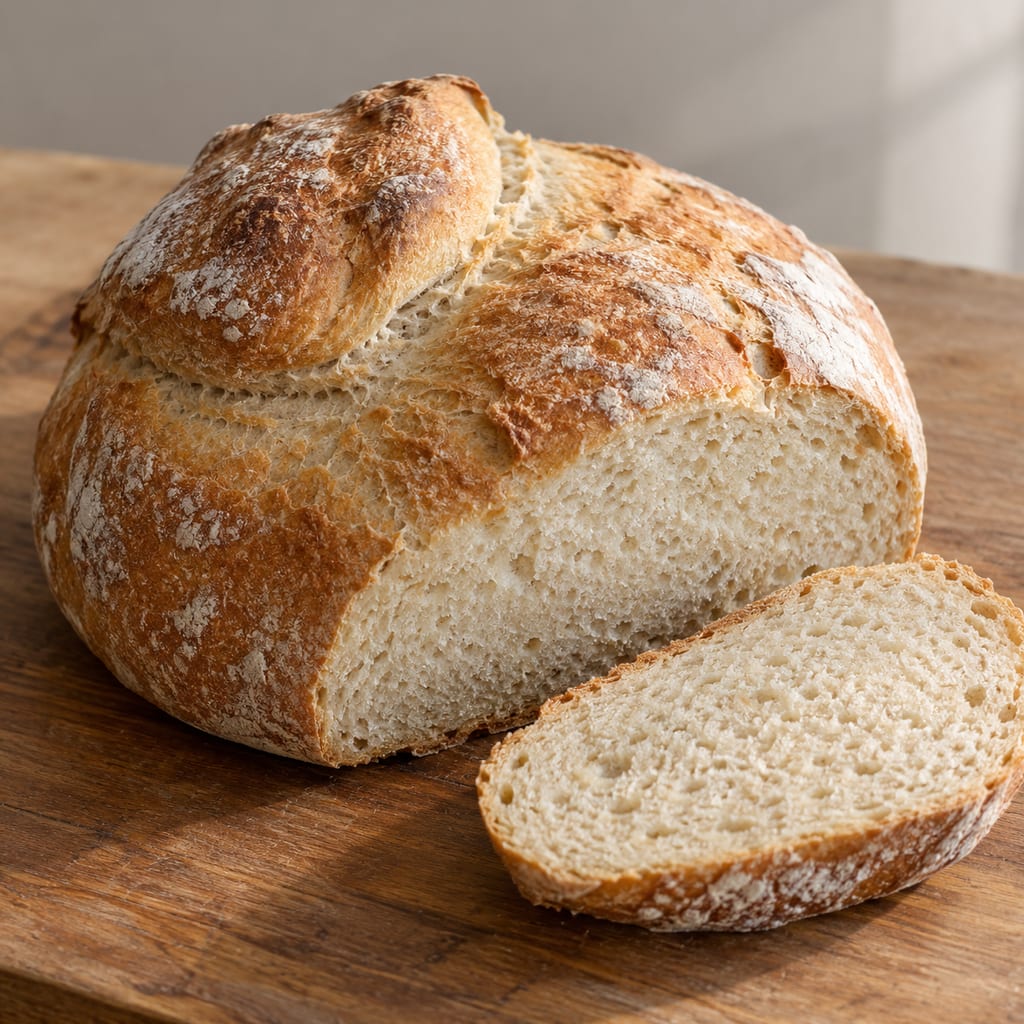
A rounded Alentejo wheat loaf with a raised folded head. This home adaptation uses a fresh-yeast preferment, then proofs the shaped loaf and bakes it with steam.
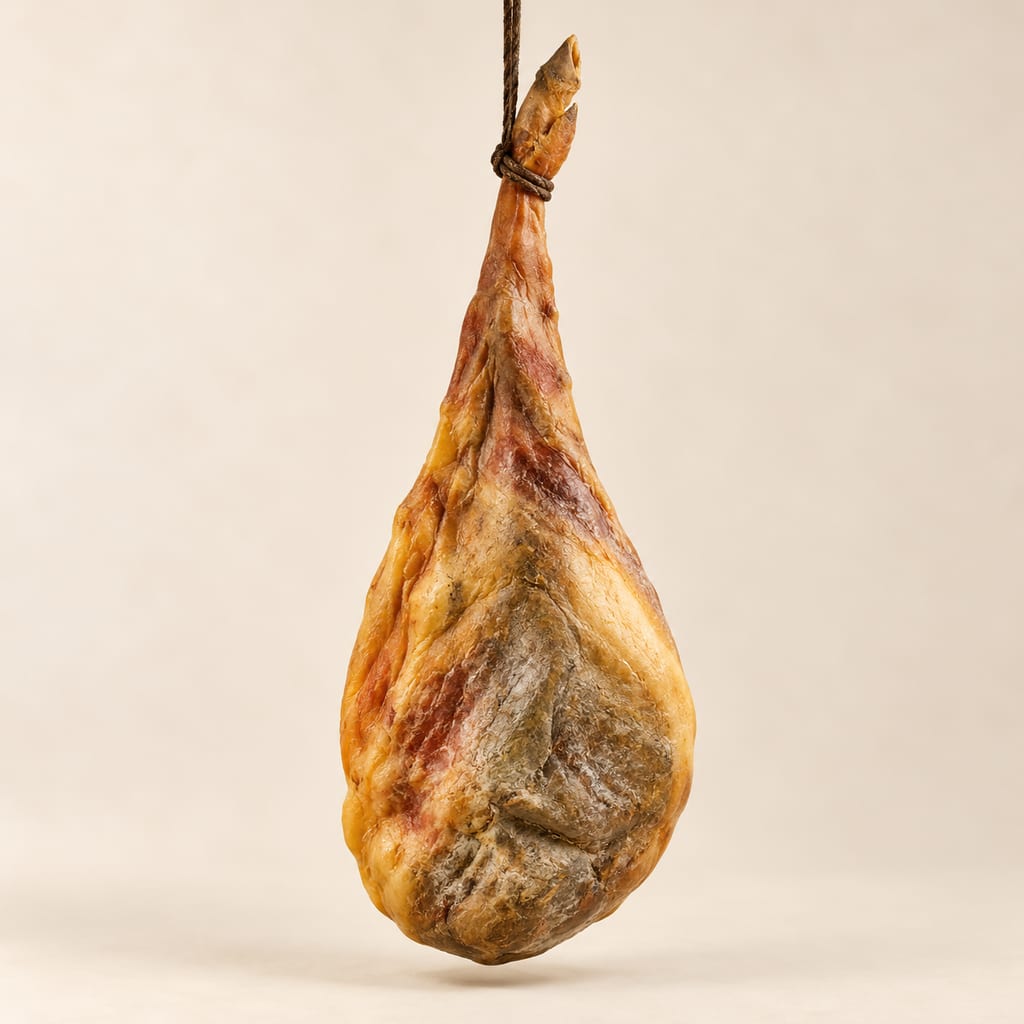
Cato the Elder records a second-century BCE sequence for salting, air-drying, and smoking ham. This historical account is not a validated modern curing protocol.
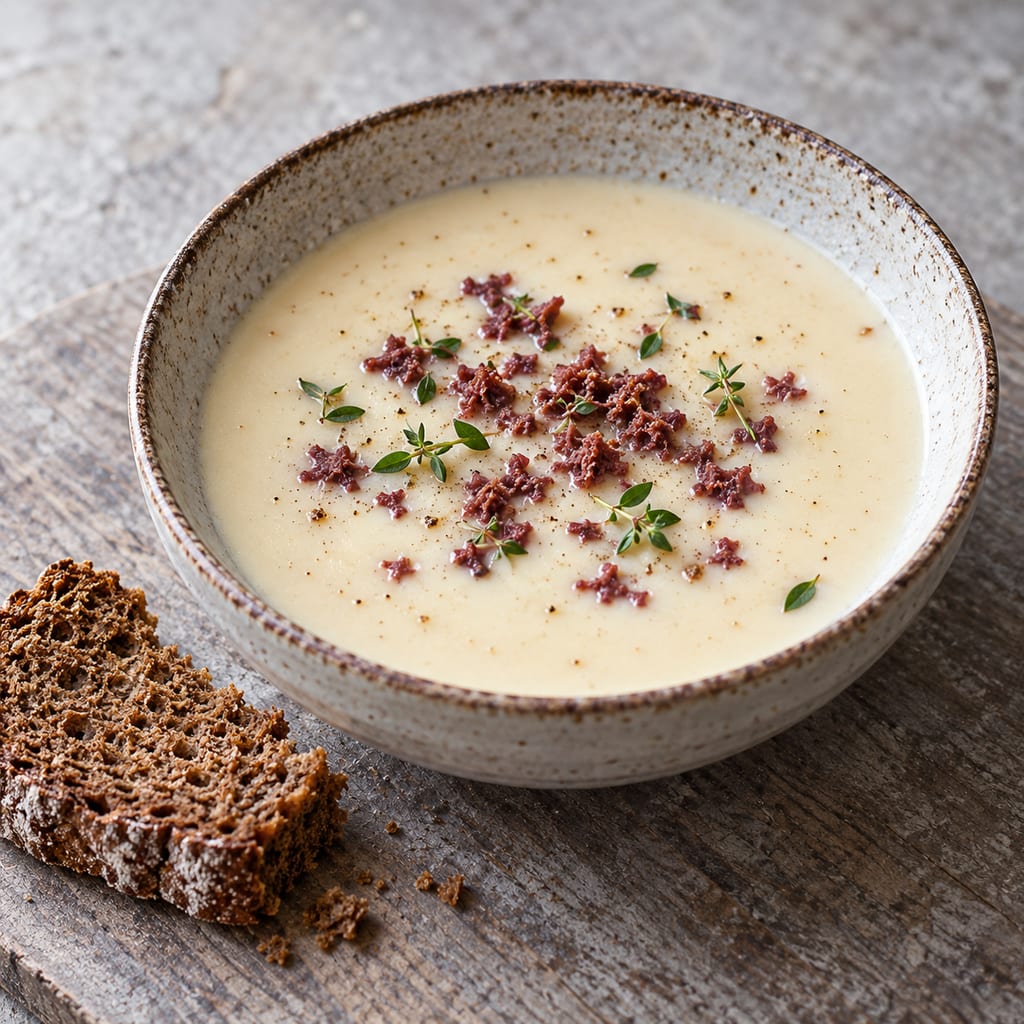
Kylmäsavuporokeitto is a creamy cold-smoked reindeer soup with onion, stock and cheese, served with bread.
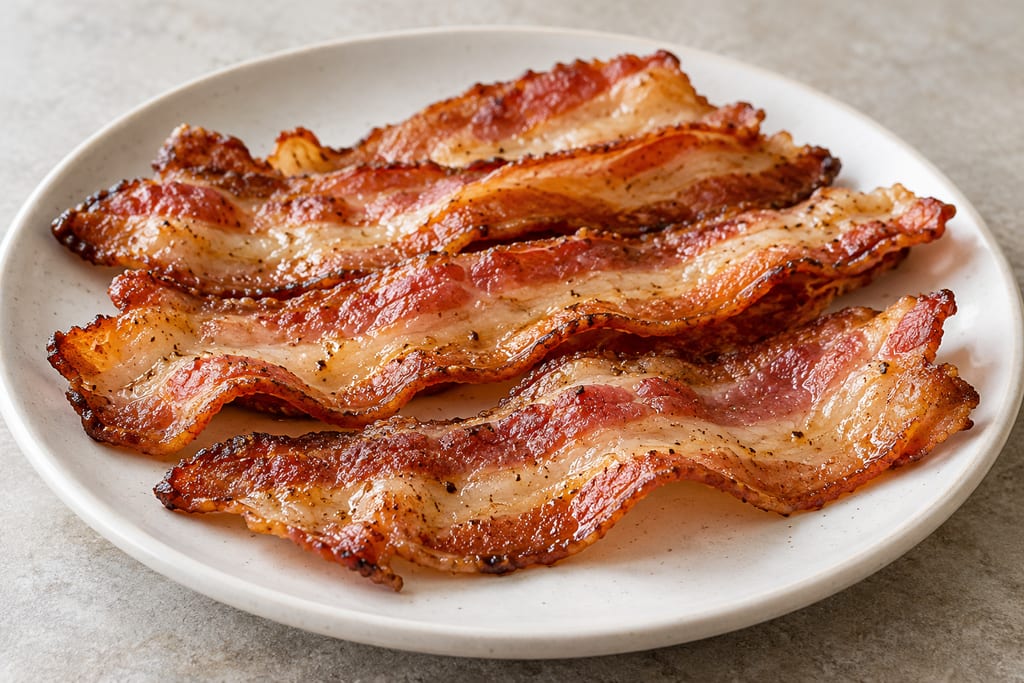
Pork belly receives a measured salt-and-sugar cure with coffee and spices, then is refrigerated before cooking or hot smoking.

Finnish pea soup simmers dried peas with palvikinkku or a vegetable alternative, then is served with mustard and chopped onion.
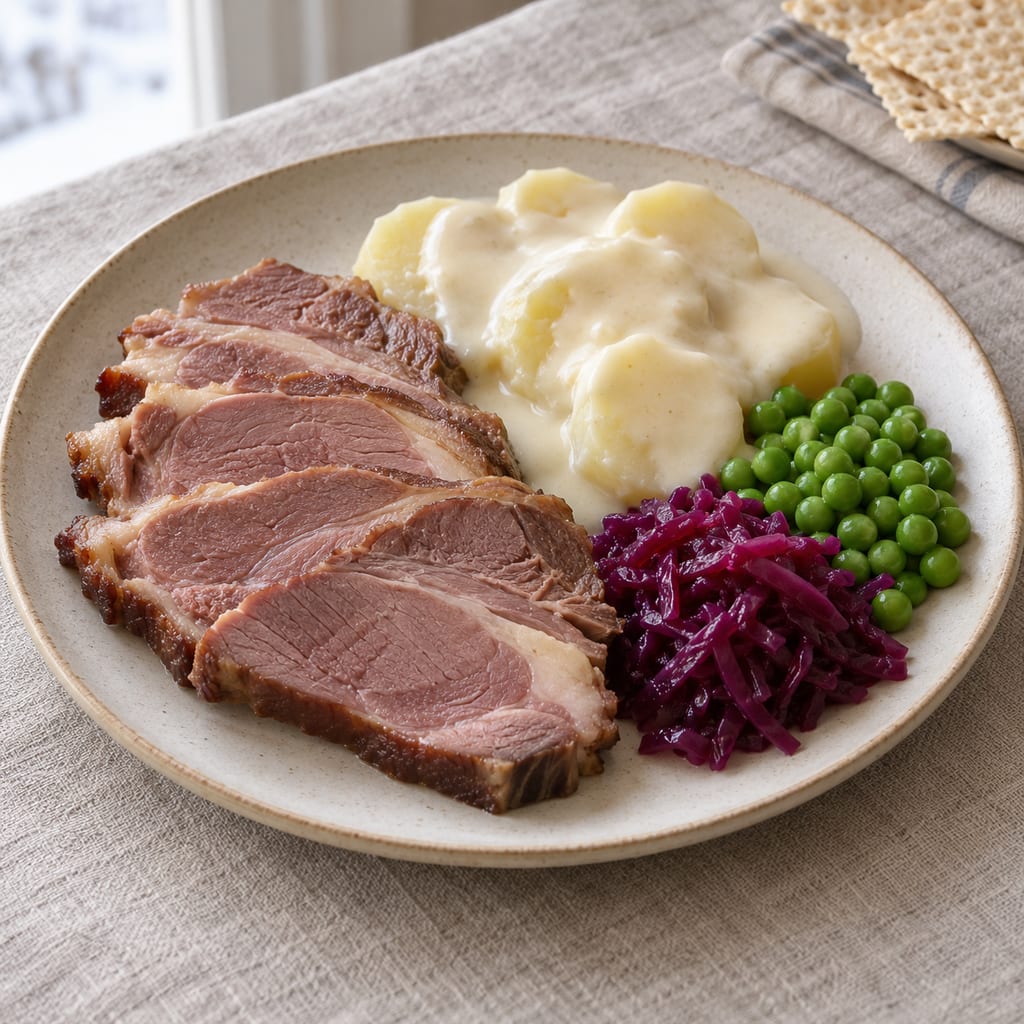
A six-person Icelandic Lamb serving recipe for deboned hangikjöt with potato bechamel, pickled cabbage, peas and laufabrauð. It cooks the product; it does not smoke or cure it.
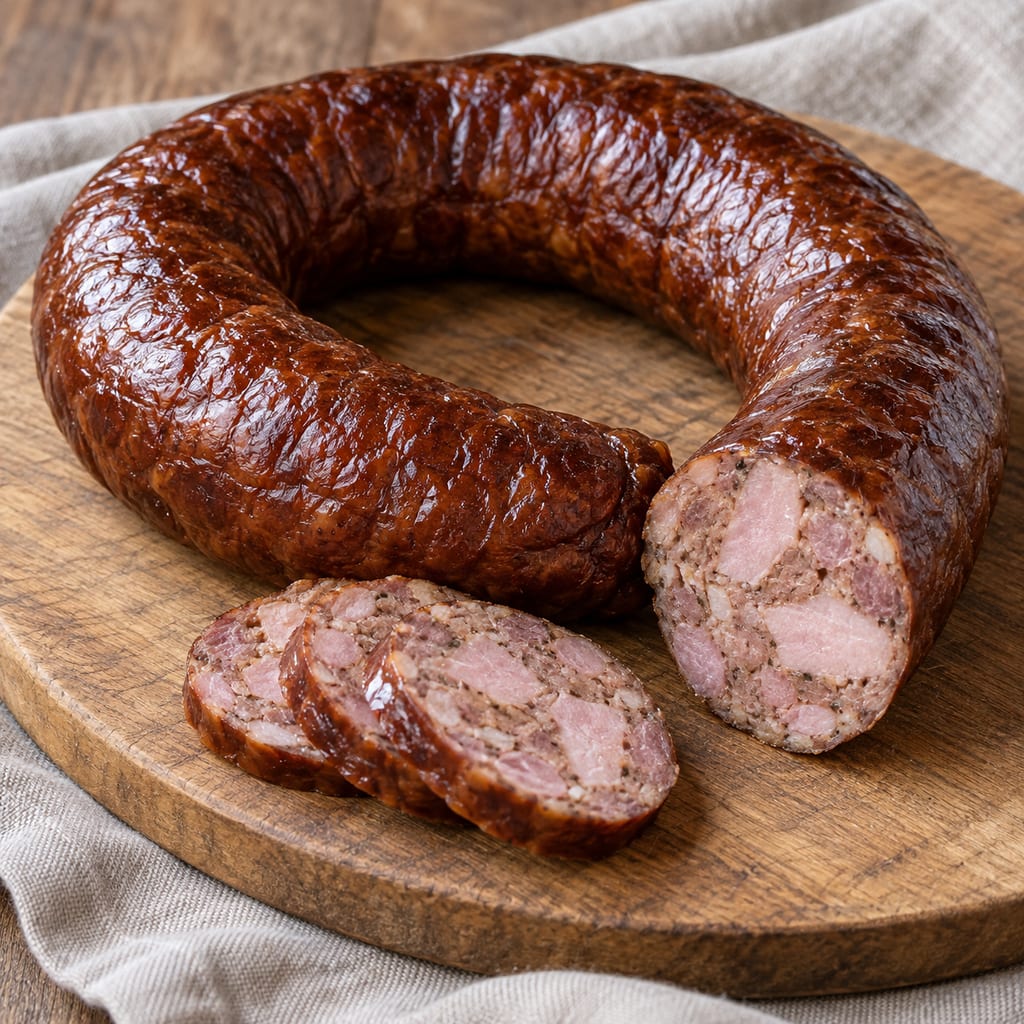
A protected pork sausage associated with Liszki and Czernichów; its application describes commercial curing and smoking, not a home batch.
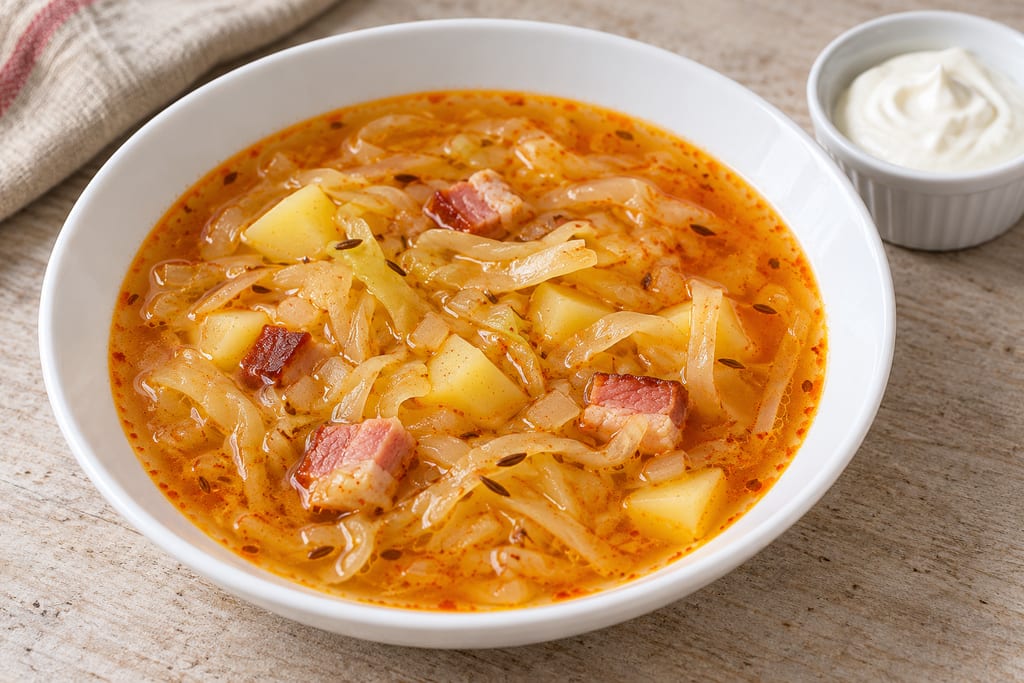
A two-portion cabbage soup with onion, potato and finished Geselchtes, served with garlic sour cream.
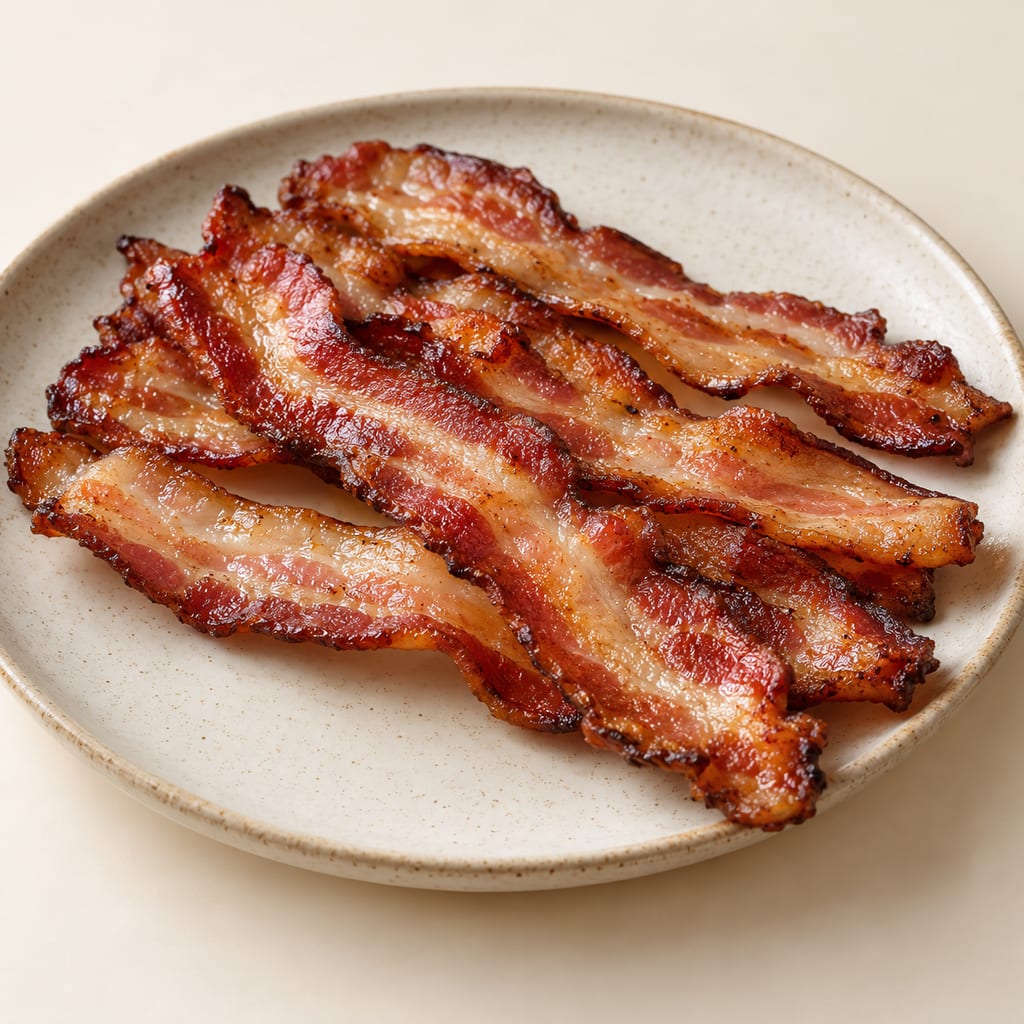
A refrigerated pork-belly brine combines beer and maple syrup with salt, garlic powder and measured Cure #1.

Soft, spreadable Calabrian pork sausage made with a great deal of red chilli and fatty pork, stuffed into natural casings, sometimes smoked and matured while staying soft.

A way to add independent temperature logging to an existing food dehydrator without changing its built-in controls or protections. It is a monitoring method, not a rewiring plan.

Pleurotus cystidiosus is the abalone mushroom, a cultivated oyster-type fungus with dark brown caps that grows more slowly and is more demanding than other Pleurotus species.

A dark, balanced vinegar from Emilia-Romagna made by combining cooked or concentrated grape must with wine vinegar, then acetifying and refining it in wood under a protected specification.

A living dairy inoculum that starts controlled cream fermentation, developing acidity and aroma before sour cream or cultured butter is finished.

A small electric incubator holds jars at a selected temperature for yogurt and other documented warm food preparations. Controls, capacity and vessel arrangement vary by model.

Adygean salt is a seasoned table salt associated with Adygea and the wider North Caucasian culinary tradition. Salt is blended with garlic and a variable selection of herbs and spices; the exact mix depends on the named style and maker.

The African Caesar-group mushroom, Amanita masasiensis, is a wild ectomycorrhizal species of central and southern African woodlands, eaten locally. The genus contains deadly poisonous species, so identification needs care.
No community contributions have been published for this entry yet.
Sign in to contribute. Published comments and photos are free to read.
Diário da República, PortugalMethod · History
Despacho n.º 43/94: recognition of the geographical indication Presunto de Barroso16 to 18 month pigs; salt, olive oil and paprika; at least two weeks of smoking; oak and giesta; area
Cited in: What it is; History; How it works: salt, drying and smoke; How it is made; Variations; Reading results and problems
Diário da República, PortugalHistory
Despacho n.º 5262/2018: recognition of the producer associationAssociation of Producers of Fumeiro from Terra Fria Barrosa
Cited in: History
Direção-Geral de Agricultura e Desenvolvimento RuralMethod · History
Presunto de Barroso IGP, Produtos Tradicionais PortuguesesSalting two to four weeks; smoking two weeks to three months
Cited in: What it is; History; How it is made; Variations; How it is eaten and used
Direção-Geral de Agricultura e Desenvolvimento RuralMethod
Presunto de Barroso PGIEnglish summary
Cited in: What it is; How it works: salt, drying and smoke
Câmara Municipal de Montalegre, 1992History · Variation
O Presunto e o Fumeiro em BarrosoHousehold slaughter and smoking; hospitality; Pitoes das Junias; salty hams
Cited in: History; Variations; How it is eaten and used; Reading results and problems
Fondazione Qualivita, QualigeoMethod · Use
Presunto de Barroso PGIBisaro pigs; serving with melon; 10 to 12 C storage
Cited in: What it is; How it is made; Variations; How it is eaten and used
Fumeiro de BarrosoUse
PresuntoFrying in fat or white wine
Cited in: How it works: salt, drying and smoke; How it is made; How it is eaten and used
Food and Agriculture Organization of the United NationsHistory · Use
Barroso agro-sylvo-pastoral systemGIAHS recognition 2018; local foods
Cited in: History; How it is eaten and used
USDA Food Safety and Inspection ServiceSafety
FSIS ready-to-eat fermented, salt-cured, and dried products guidelinePathogen control in cured meat
Cited in: How it works: salt, drying and smoke; Reading results and problems
Food and Waterborne ParasitologySafety
International Commission on Trichinellosis: recommendations on control of Trichinella in meatTrichinella control
Cited in: Reading results and problems
Canadian Food Inspection AgencySafety
Control recommendations for the inactivation of TrichinellaParasite inactivation in pork
Cited in: Reading results and problems
Official Journal of the European UnionSafety
Commission Regulation (EU) 2023/915 on maximum levels for certain contaminants in foodPAH maxima for smoked meat and the Portuguese derogation
Cited in: Reading results and problems