
Finnish pea soup
Finnish pea soup simmers dried peas with palvikinkku or a vegetable alternative, then is served with mustard and chopped onion.
 FermenteaWhere food goes to change
Modern method
Kylmäsavuporokeitto
Kylmäsavuporokeitto is a creamy cold-smoked reindeer soup with onion, stock and cheese, served with bread.
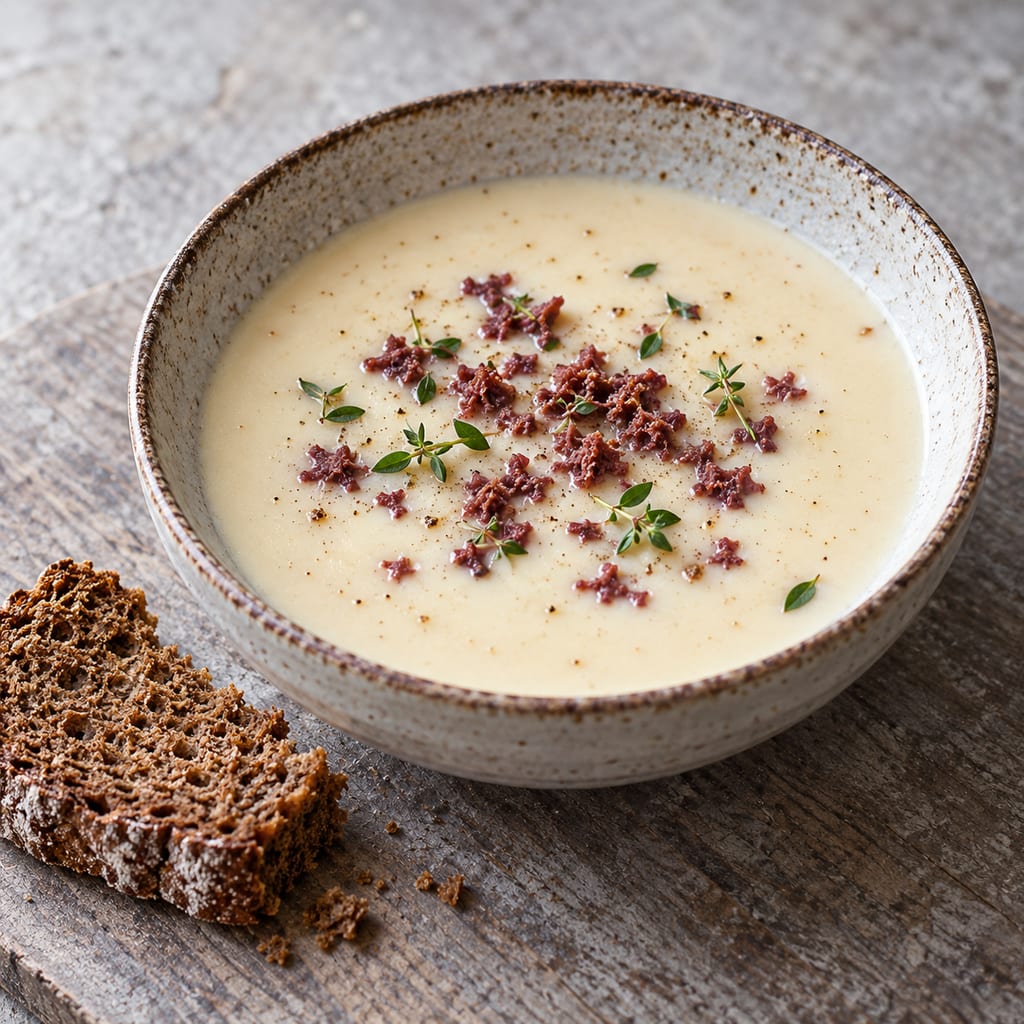
Kylmäsavuporokeitto is Finnish soup made with cold-smoked reindeer meat.
The compound name describes the dish directly: kylmä means cold, savu means smoke, poro means reindeer and keitto means soup.
The recorded preparation combines smoked reindeer mince with onion, butter, chicken stock, cream, cheese and thyme.
The result is a rich, pale, creamy soup with a concentrated smoky meat flavour.
The recipe is published by Lapin Liha, a Finnish company specialising in reindeer meat products, and is credited to chef Tero Mäntykangas.
The geographical association is with Finnish Lapland and the producer, rather than a proven historical birthplace for this particular soup.
Reindeer is Rangifer tarandus. The exact subspecies or herd origin of the purchased meat is not established by the recipe.
The cold-smoked meat is a finished ingredient. The recipe does not describe producing it.
Reindeer husbandry and the use of reindeer meat have a long history in northern Fennoscandia.
Reindeer are important within Sámi cultures, but reindeer meat also forms part of wider Finnish, Norwegian and Swedish northern food traditions.
These traditions should not be treated as interchangeable.
Specific herding practices, rights, cultural meanings and meat preparations differ between communities and regions.
Historically, drying, salting and smoking helped preserve meat where seasonal weather, geography and transport made preservation valuable.
Reindeer meat is relatively lean compared with many conventional farmed meats, and its texture and flavour reflect the animal, cut and handling.
The development of commercial reindeer processing introduced controlled meat inspection, packaging, refrigeration and branded products.
Modern Finnish producers offer cold-smoked reindeer in sliced, whole-muscle and minced or finely chopped forms.
The soup documented here belongs to that contemporary food culture.
Its use of processed cheese and cream makes it a modern restaurant or household adaptation, not an attested prehistoric or medieval Sámi recipe.
An important distinction concerns the European protected food name Lapin Poron kylmäsavuliha, meaning cold-smoked reindeer meat from Lapland.
This is a geographically defined product with its own technical specification.
Its manufacture can involve salting, smoking, drying and maturation, with resulting changes in moisture, texture, salt and acidity.
The protected specification describes characteristics including low water content, high protein and fermentation-related pH changes.
However, the Lapin Liha soup recipe refers to the producer's cold-smoked reindeer mince.
It does not explicitly establish that the exact mince is sold under the protected geographical designation.
The protected product's specifications should therefore be discussed as regional technical context, not automatically assigned to the ingredient in this particular recipe.
Ingredient — Quantity
Lapin Liha cold-smoked reindeer mince — 200 g
Onion — 1
Butter — 50 g
Chicken stock — 7 dL
Koskenlaskija cheese or blue cheese — 150 g
Cream — 3 dL
Salt — As needed
Fresh thyme — Amount unspecified
Maizena cornstarch — Optional, as needed
Bread for serving — Amount unspecified
The cheese options are alternatives. The recipe does not require adding both.
The original page contains a serving-count inconsistency: its headline says six portions, while its text describes four large portions or eight small portions.
No authoritative resolution of this discrepancy is supplied.
The water or other liquid used in any commercial chicken stock product is not separately quantified.
Cold-smoked reindeer provides concentrated meat flavour, salt and smoke aroma. Its relatively low fat content makes the surrounding dairy ingredients important to the soup's mouthfeel.
Onion, Allium cepa, supplies savoury aromatic compounds and mild sweetness when softened in butter.
Butter carries flavour and provides the cooking medium for the onion.
Chicken stock forms the liquid base and adds savoury flavour from extracted meat and other components.
Koskenlaskija is a Finnish processed-cheese product that melts readily and contributes a smooth, rich texture.
Blue cheese is the source's alternative. Its flavour is substantially more pungent and depends on the microorganisms and maturation used during cheesemaking.
Cream contributes dairy fat, body and richness.
Fresh thyme, Thymus vulgaris or another culinary thyme sold under that name, provides aromatic herbal notes.
Cornstarch, sold as Maizena, is an optional thickener.
Salt is deliberately left to taste because the smoked meat and cheese may already contribute enough sodium chloride.
Bread is a serving accompaniment rather than an ingredient that changes the soup's cooking process.
A saucepan or soup pot, knife, chopping board and stirring spoon are sufficient for the principal cooking stages.
A means of measuring decilitres and weighing meat, butter and cheese is required to reproduce the source batch.
If cornstarch is used, a small mixing vessel may help prevent lumps.
No smoker is required, and the recipe does not specify a pressure cooker or blender.
Stage 1 — Prepare the onion
Peel the onion and dice it.
The source does not specify the size of the pieces.
Stage 2 — Melt the butter
Place 50 g butter in a suitable saucepan and heat.
The original does not provide a numerical cooking temperature.
Stage 3 — Sauté the onion
Cook the diced onion in the melted butter until softened.
The recipe uses the Finnish technique kuullottaa, meaning to sauté or soften the onion without necessarily browning it deeply.
No exact duration is specified.
Stage 4 — Add the reindeer
Add 200 g cold-smoked reindeer mince toward the end of the onion stage.
Stir to distribute the meat.
The original does not specify whether the purchased mince is raw, already heat-treated or ready to eat.
Stage 5 — Add the liquid
Pour in 7 dL chicken stock.
Stir to combine it with the onion, butter and meat.
Stage 6 — Add the cheese
Add 150 g Koskenlaskija or blue cheese.
The cheese should be allowed to melt into the liquid.
No precise cheese-cutting size or melting temperature is specified.
Stage 7 — Add cream
Pour in 3 dL cream.
Stir thoroughly.
Stage 8 — Bring to a brief boil
Heat the mixture until it comes to a boil.
Allow it to simmer briefly so that the cheese melts and becomes incorporated.
The source does not supply a numerical simmering duration or a measured internal meat temperature.
Stage 9 — Thicken if required
If the soup is too thin, use Maizena cornstarch to thicken it.
No quantity is supplied.
The amount required depends on the desired texture and the characteristics of the cheese and cream.
Stage 10 — Season
Taste the soup before adding any salt.
The original warns that the smoked reindeer and cheese may already provide sufficient seasoning.
Add fresh thyme.
Stage 11 — Serve
Serve with bread.
The original identifies the dish as suitable for either an appetiser or a main course.
The main technical processes are emulsification, protein behaviour and starch gelatinisation.
Processed cheese is formulated to melt smoothly, helping disperse fat and proteins into the liquid.
Its texture differs from that of some natural cheeses, which can separate or become stringy under heat.
Cream contributes a dairy-fat emulsion and gives the soup a richer mouthfeel.
Butter from the initial sauté also becomes dispersed through the mixture.
Cornstarch, when used, thickens through starch gelatinisation.
As the starch granules hydrate and heat, they swell and increase the mixture's viscosity.
The original provides no fixed cornstarch amount, so the final thickness remains adjustable rather than numerically defined.
Using blue cheese changes the chemistry and sensory profile.
Blue cheeses commonly undergo mould-assisted maturation, often involving Penicillium roqueforti or related selected cultures.
Microbial enzymes break down proteins and fats during cheese ripening, producing characteristic aromas and flavours.
The soup itself does not undergo fermentation; it incorporates an already matured cheese if the blue-cheese option is selected.
Cold-smoking generally exposes meat to smoke without using the smoke stage as a conventional cooking treatment.
Its sensory effect comes partly from smoke compounds deposited on the meat's surface.
Salt, drying and maturation may also influence shelf life, texture and flavour, depending on the production process.
The protected Lapland cold-smoked reindeer specification describes significant drying and maturation, with measurable changes in moisture and pH.
Those values do not automatically apply to the mince in the soup.
Cold-smoked meat can retain microbiological hazards if its manufacturing process is not properly controlled.
The soup's brief simmer is a cooking instruction, but the source gives no measured endpoint for the meat.
The thermal behaviour of the meat depends on its particle size, initial temperature and the soup's heating conditions.
A visibly boiling soup does not by itself establish that every part of an ingredient has undergone a specified validated thermal process.
The principal documented variation is the choice between Koskenlaskija cheese and blue cheese.
Koskenlaskija produces a milder, more uniformly creamy flavour.
Blue cheese creates a stronger mature-cheese note that competes with the smoke aroma.
The recipe also permits optional thickening with Maizena.
Its portion size can vary, although the source provides inconsistent numerical serving guidance.
Related Finnish smoked-reindeer soups use sliced cold-smoked meat rather than mince, and may include root vegetables or other cheeses.
Those are variants within the same broad soup family.
However, exact quantities from those alternatives should not be imported into the Lapin Liha formula.
The soup is served warm, with bread.
Its expected appearance is pale and creamy, with visible pieces of reindeer and onion.
The meat provides darker colour contrasts and a concentrated smoky flavour.
Thyme introduces a fresh herbal note.
Its richness makes it suitable as a small starter, while a larger bowl can function as a main meal.
The original does not specify a garnish arrangement or a particular bread type.
If the cheese does not melt evenly, the soup may develop lumps or an uneven fat distribution.
Excess heat or prolonged boiling may change the texture of the dairy ingredients.
Too much cornstarch can create an undesirably thick or pasty consistency.
Insufficient mixing can leave starch lumps.
Salt should be assessed only after the meat and cheese have been incorporated.
A heavily salted result cannot always be corrected without materially changing the batch.
Visible spoilage in the purchased smoked meat or dairy ingredients requires rejection of the affected product.
The cold-smoked reindeer product's ready-to-eat or cook-required status is not established by the recipe.
This matters because cold-smoking does not necessarily eliminate pathogens.
Food authorities identify Listeria monocytogenes as a concern in certain chilled ready-to-eat and cold-smoked meat products.
Finnish guidance also identifies toxoplasmosis risks associated with some uncooked or insufficiently heated meat products during pregnancy.
The soup recipe does not specify a measured meat temperature or validated heat-treatment endpoint.
Use the actual meat supplier's instructions, particularly where the product's prior cooking status is uncertain.
The source gives no storage period for the finished soup.
Its stated thirty-minute preparation time should not be interpreted as a safety limit or a guarantee of adequate heating.
Lapin Liha’s undated recipe page credits chef Tero Mäntykangas. It does not provide an earliest attestation for the soup or identify the product as the protected PDO.
Scaling: source batch only
Mattilsynet says Listeria can survive smoking, freezing, salting and curing and grow at refrigerator temperature. The recipe uses cold-smoked reindeer mince and briefly simmers it, but provides no measured endpoint or product heat-treatment status; its recipe does not identify the mince as the PDO product.
Hazard sourceThe Finnish Authority lists cold-smoked meat and uncooked dried reindeer among categories pregnant consumers should avoid if not heated at any stage, with toxoplasma as the stated basis. The producer meal’s short simmer is not a measured endpoint and does not establish how the purchased mince was classified before use.
Hazard sourceUse the producer’s package instructions for the purchased mince and contact the producer if its heat-treatment or ready-to-eat status is unclear.
Control sourceThe producer page gives no measured meat endpoint or storage time for finished soup. Its cold-smoked mince is a purchased ingredient; its heat-treatment and ready-to-eat status are not established, and this meal does not describe the protected product process.
Lapin Liha publishes the recipe; the page does not specify a local origin for the soup or identify the mince as the protected PDO product.
Finnish pea soup simmers dried peas with palvikinkku or a vegetable alternative, then is served with mustard and chopped onion.
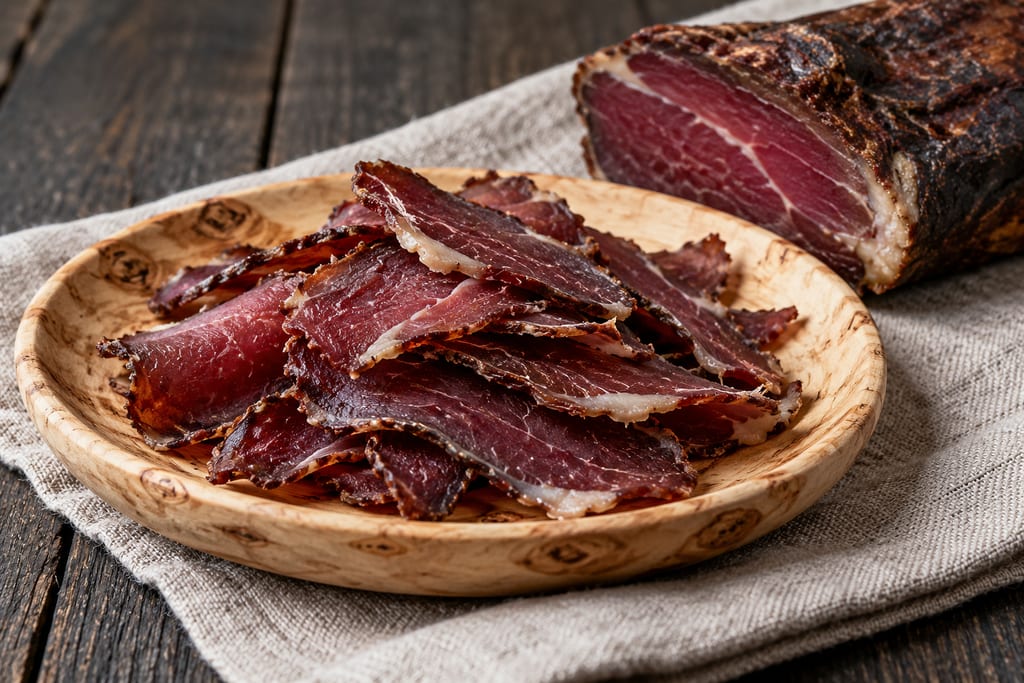
Salted reindeer meat hung in the smoke of a lávvu fire over willow, birch or juniper, then cooled and in some Sámi communities dried outdoors into travelling provisions.

A lightly fermented Finnish May Day drink of lemon, white and brown sugar and a little yeast, bottled with raisins that rise as the carbonation builds.
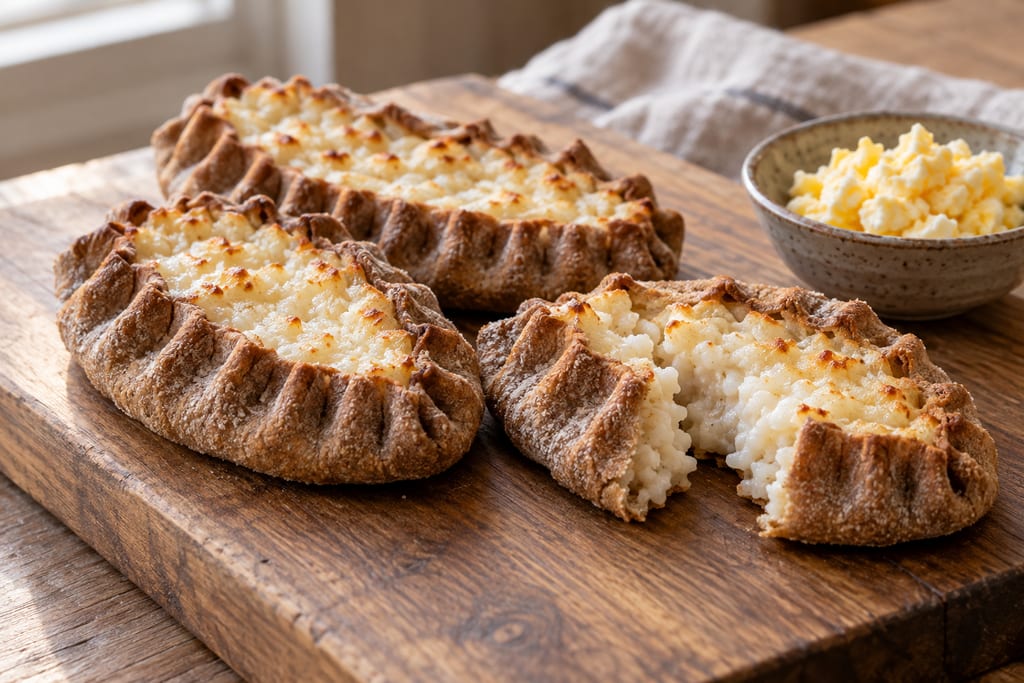
Karjalanpiirakka are open, pleated rye-and-wheat pastries filled with creamy rice porridge, baked hot and brushed with butter and milk.
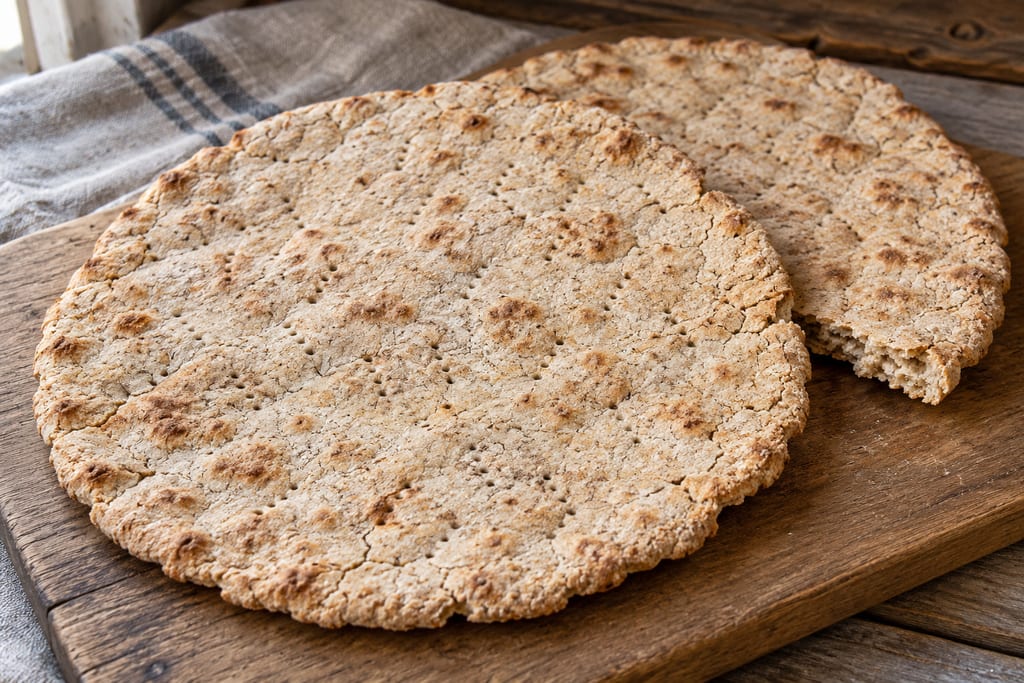
Two barley flatbreads made with cold dough and baked rapidly on a hot sheet, following Timo Lepistö's northern Finnish formula.
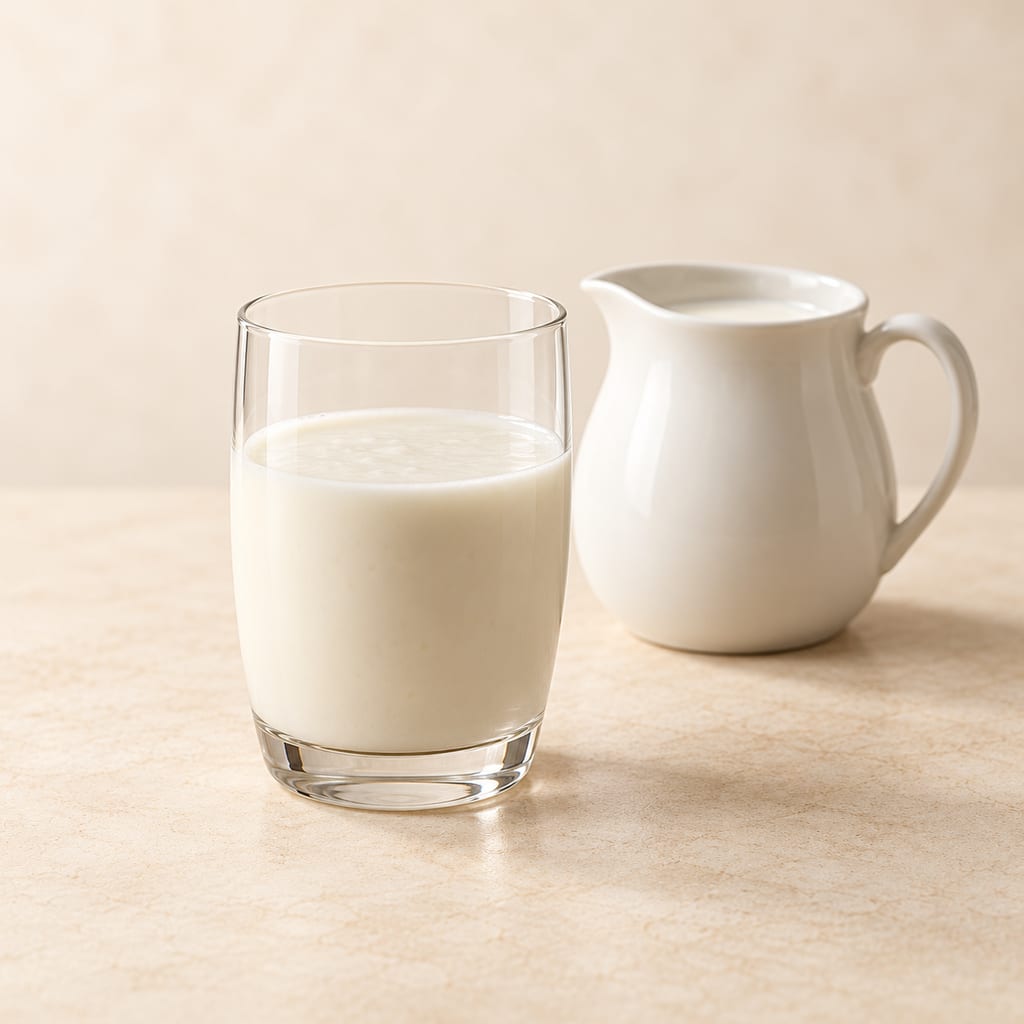
A thin cultured-milk drink made with a commercial countertop starter. Finnish piimä is a mealtime sour milk with distinct regional traditions.
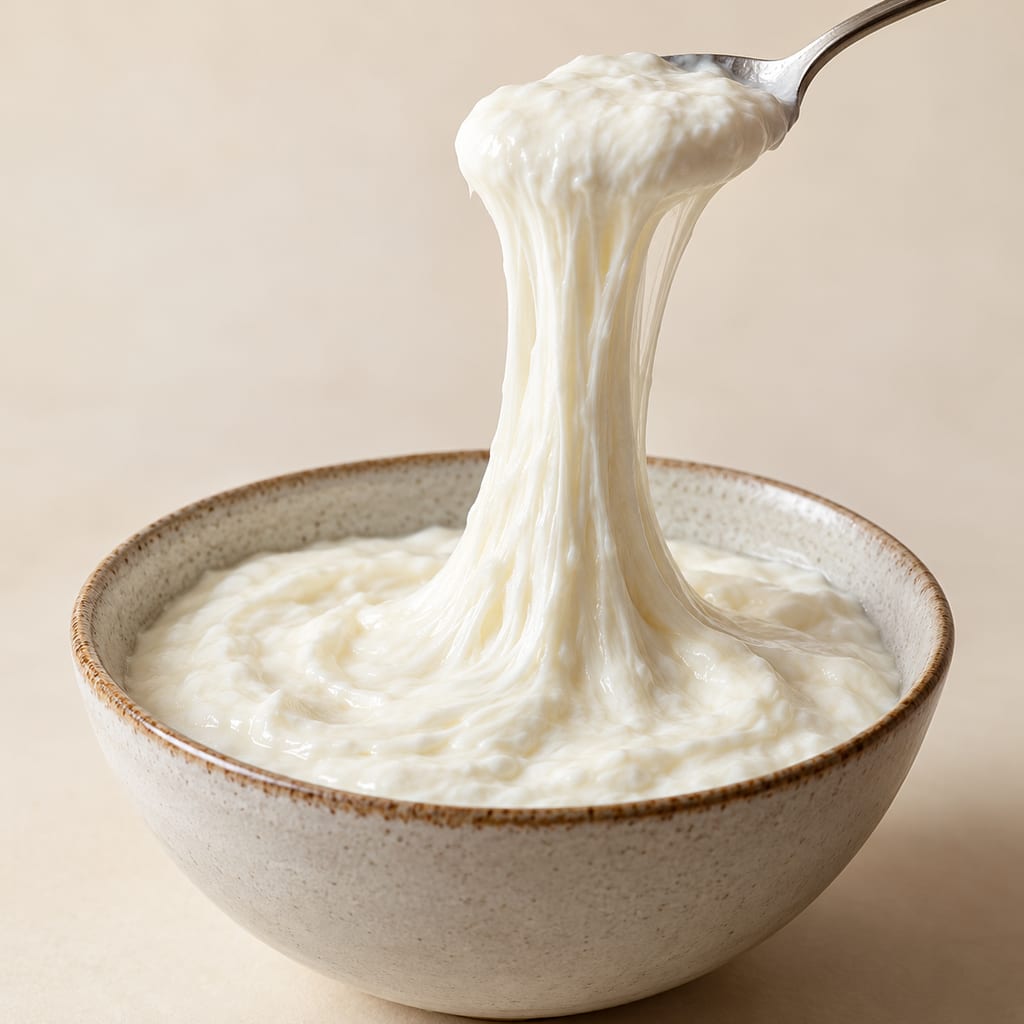
Pitkäpiimä is a Finnish cultured milk whose defining trait is a long, stretchy, ropy texture. It is closely related to viili and is made by lactic fermentation with a specific culture.
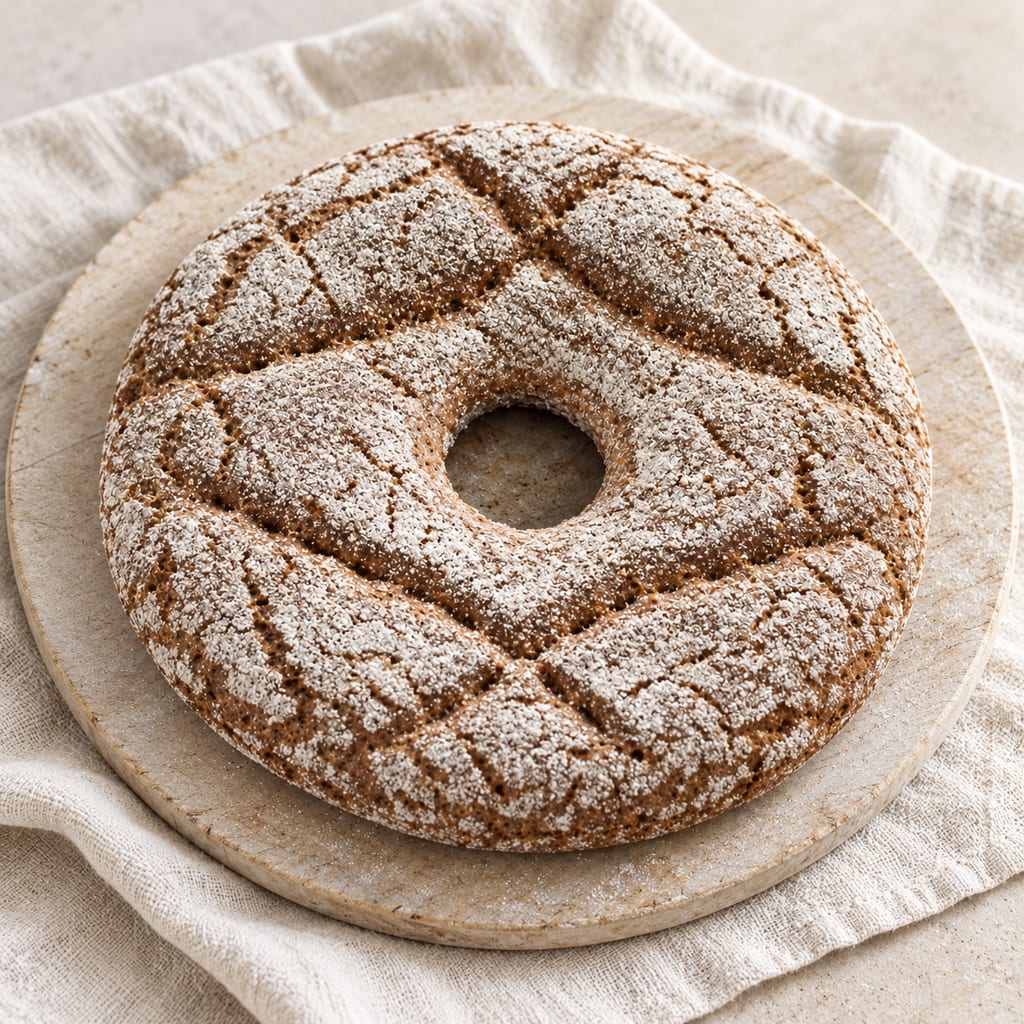
A Finnish rye sourdough shaped here as two flat ring loaves, made from rye flour, water, salt and an established rye leaven.
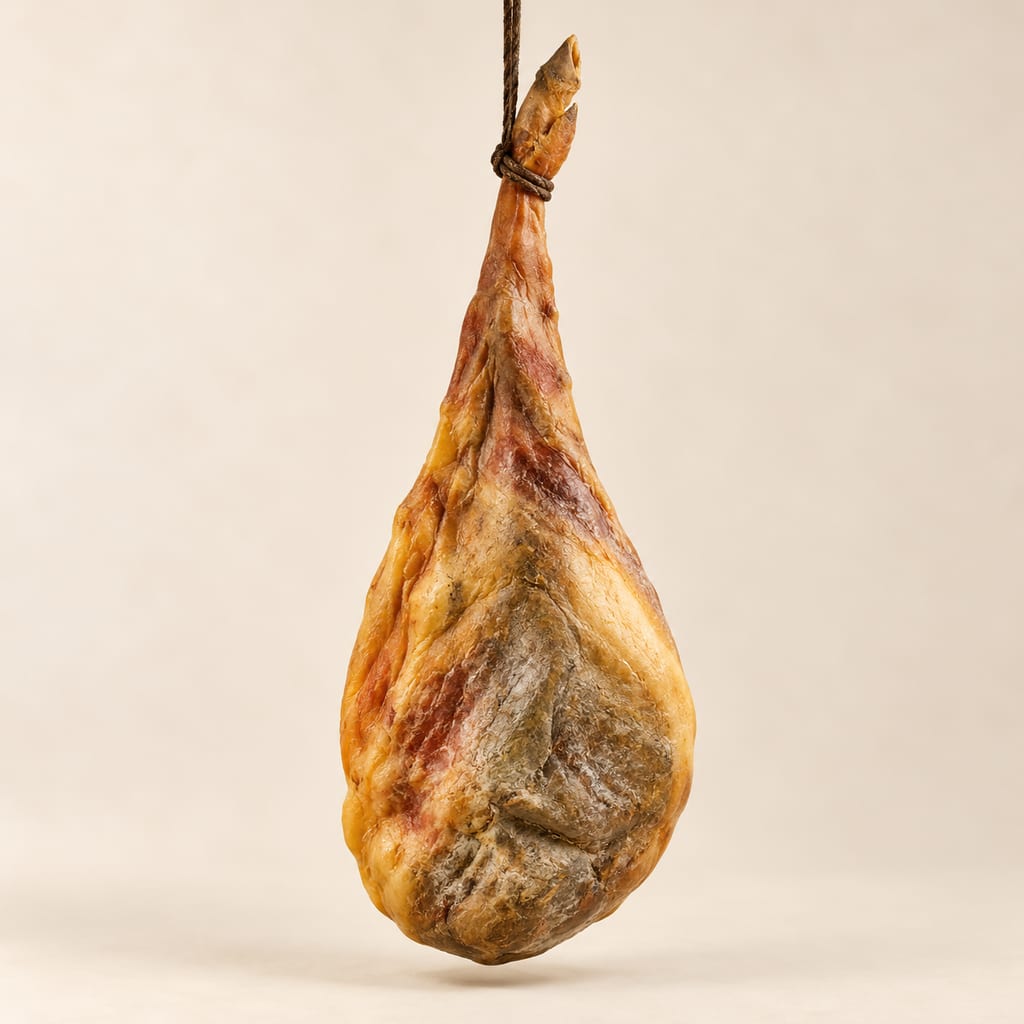
Cato the Elder records a second-century BCE sequence for salting, air-drying, and smoking ham. This historical account is not a validated modern curing protocol.
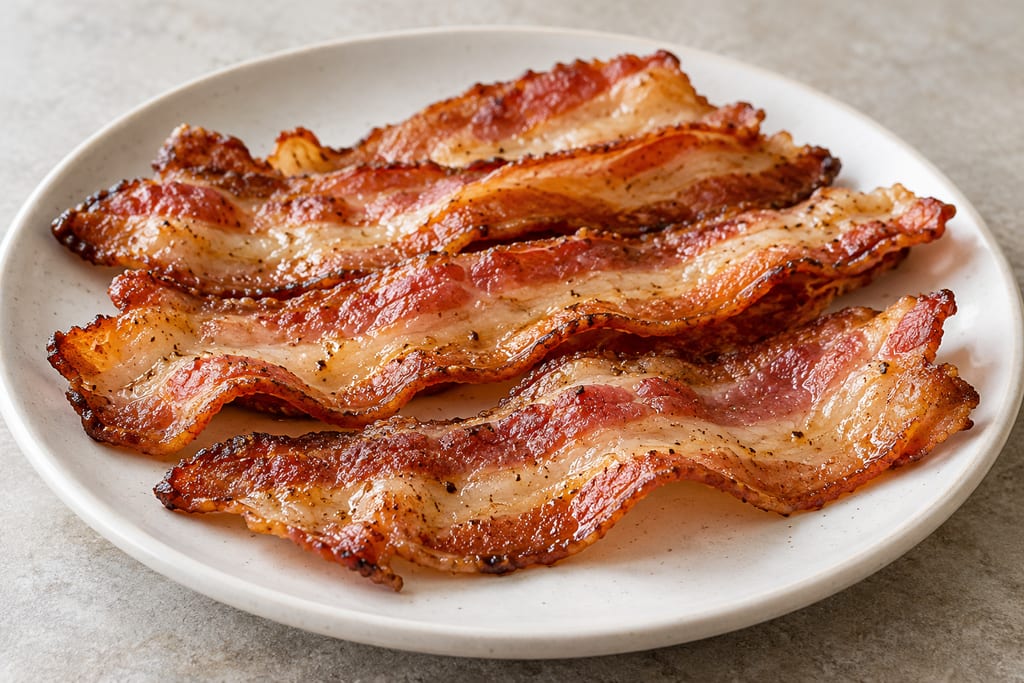
Pork belly receives a measured salt-and-sugar cure with coffee and spices, then is refrigerated before cooking or hot smoking.
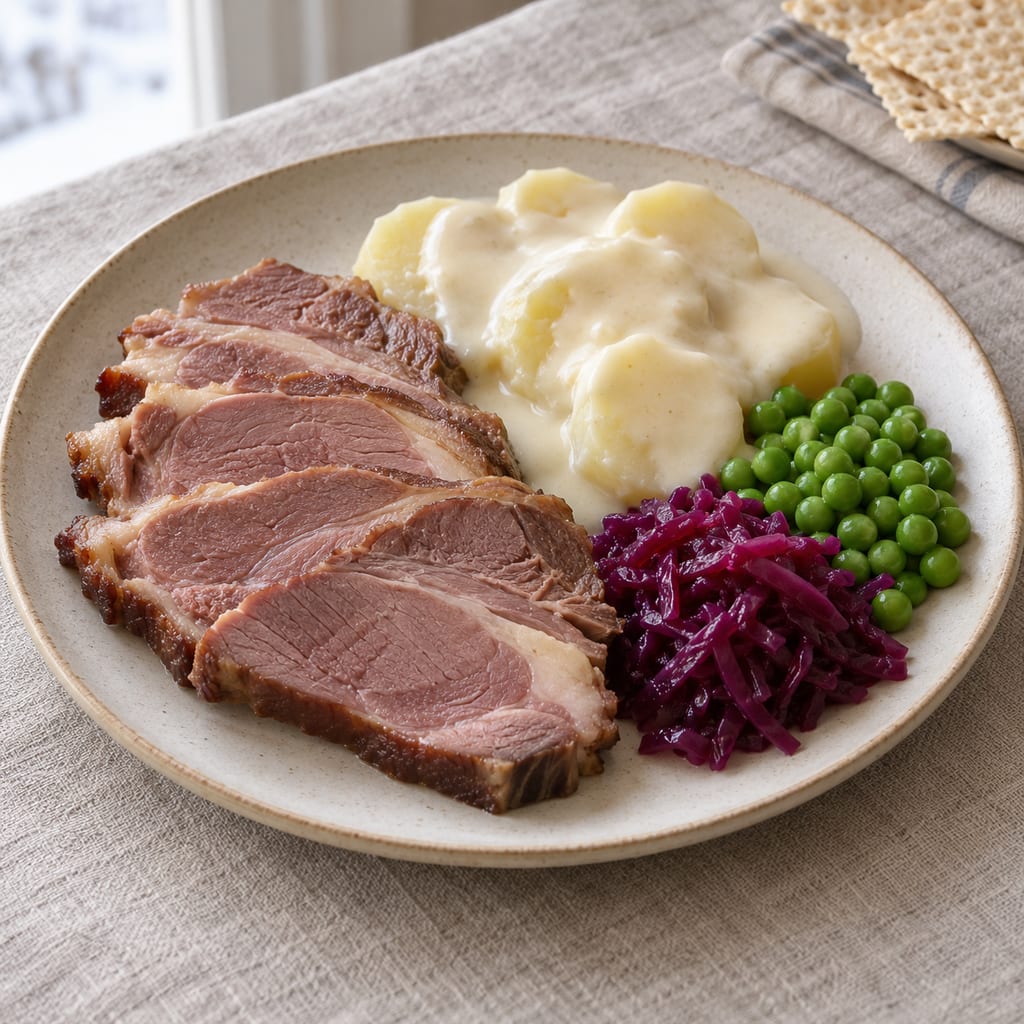
A six-person Icelandic Lamb serving recipe for deboned hangikjöt with potato bechamel, pickled cabbage, peas and laufabrauð. It cooks the product; it does not smoke or cure it.
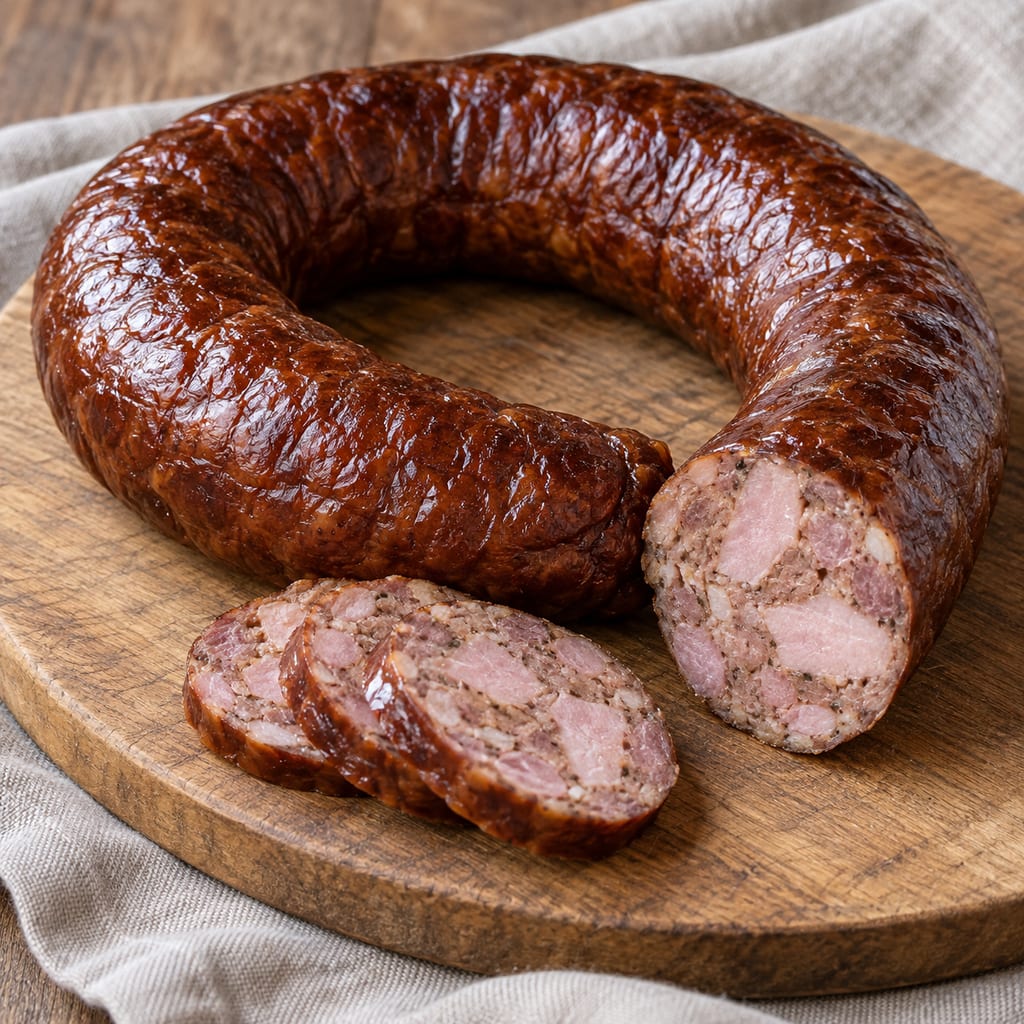
A protected pork sausage associated with Liszki and Czernichów; its application describes commercial curing and smoking, not a home batch.
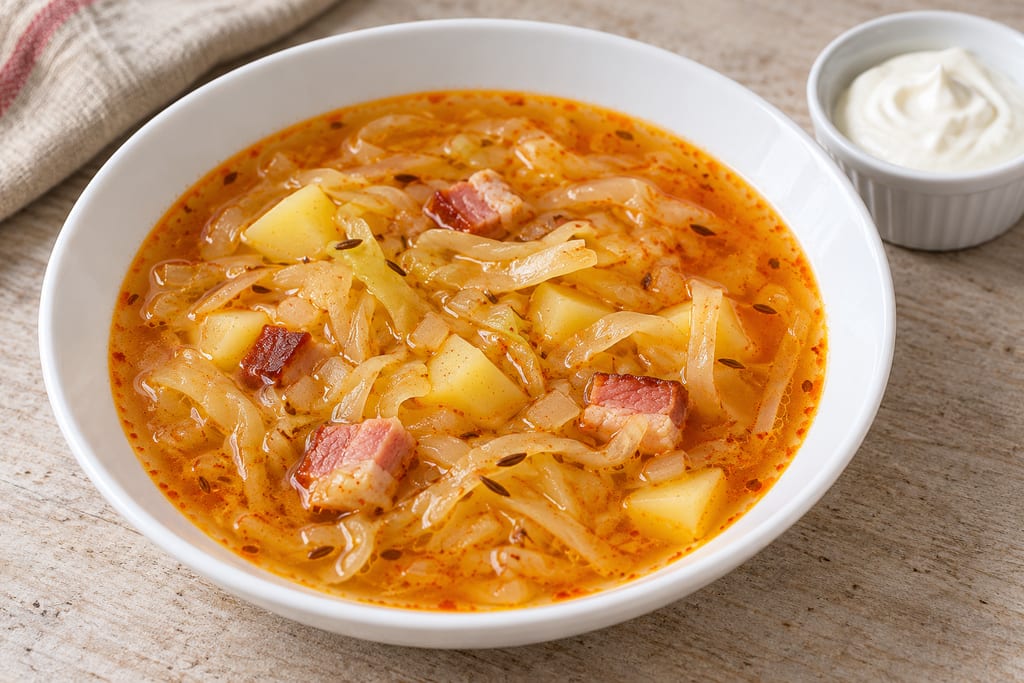
A two-portion cabbage soup with onion, potato and finished Geselchtes, served with garlic sour cream.
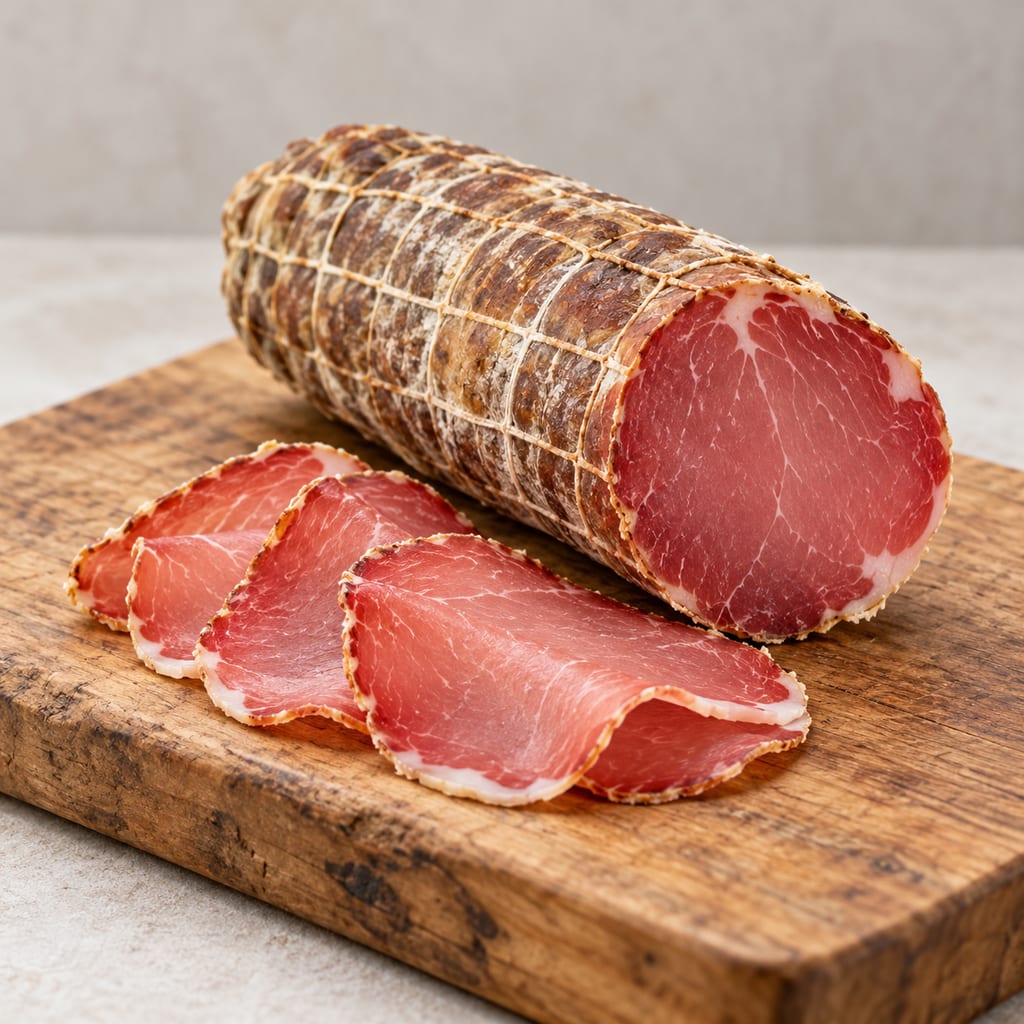
Documentary account of Italian regional cured-loin traditions, including Tuscan and Marche variations; no home-cure instructions are provided because the published professional methods lack validated safety controls.
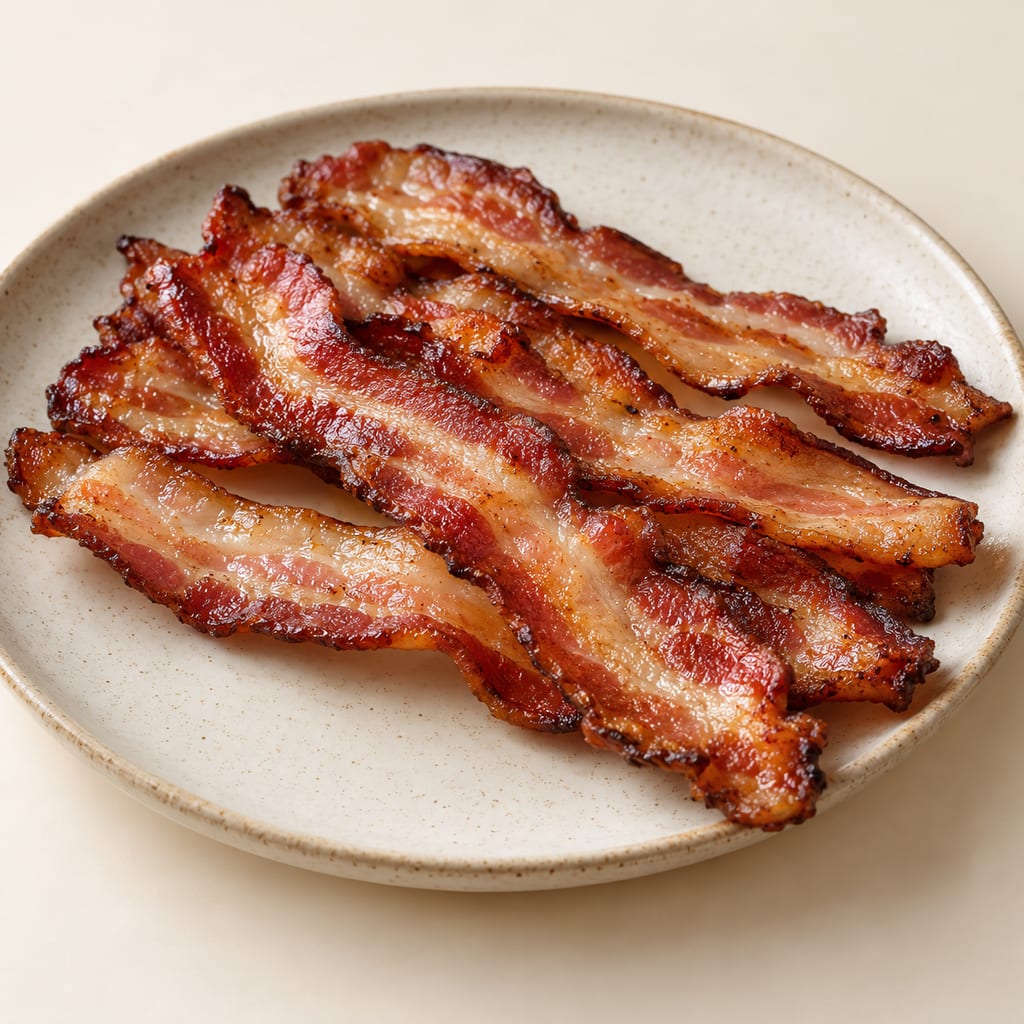
A refrigerated pork-belly brine combines beer and maple syrup with salt, garlic powder and measured Cure #1.
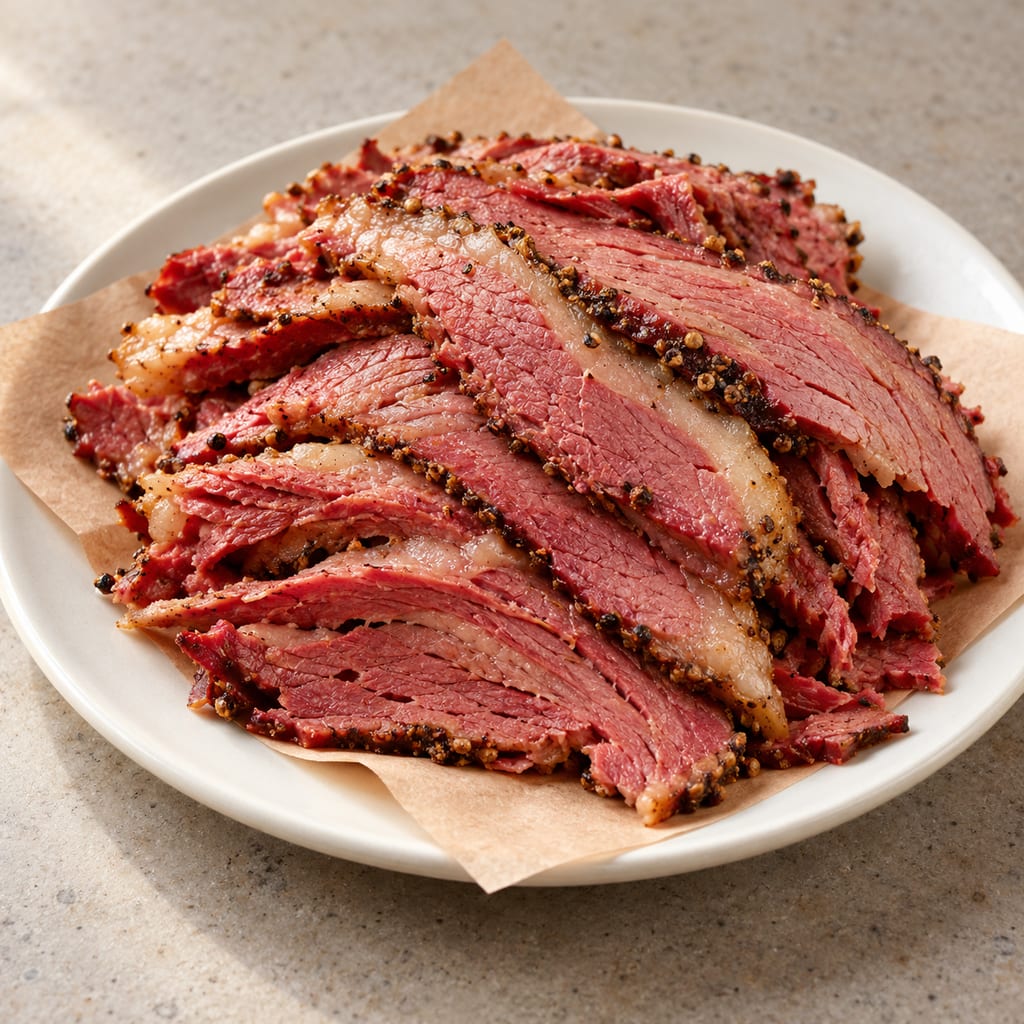
Montréal smoked meat is a brisket-centred Jewish deli specialty shaped by migration and Montréal's restaurant culture. This entry documents reported commercial traditions and one deli's account; it is not a home-curing method.
No community contributions have been published for this entry yet.
Sign in to contribute. Published comments and photos are free to read.
Lapin Liha; recipe developed by chef Tero MäntykangasRecipe · Use
KylmäsavuporokeittoThe page names the producer’s cold-smoked reindeer mince and lists 30 minutes; its six-serving heading conflicts with prose offering four large or eight small portions. It lists unquantified salt, thyme, thickener and bread, and gives no measured meat endpoint or storage time.
Cited in: What it is; Ingredients; Method
Norwegian Food Safety Authority (Mattilsynet)Safety
Kjøtt og vilt når du er gravidThe authority guidance concerns pregnant consumers and product categories stated on the page; it does not classify the particular W04 product unless the listed state/category is established. (Locator: Page dated 2025-03-17, lines 61–72, 77–84: raw meat may carry Listeria/Toxoplasma; its pregnancy guidance says Listeria survives smoking, freezing, salting and curing and grows at refrigerator temperature; the page separately advises following package directions for products that require home heat treatment.)
Cited in: Food safety
Finnish Food Authority (Ruokavirasto)Safety
Elintarvikkeiden turvalliseen käyttöön liittyviä yleisiä ohjeita (Table 1)The Finnish table is a pregnancy-specific category guide; it does not establish that the named W04 item was sold raw, ready-to-eat, or unheated. (Locator: Physical PDF p.4 / printed p.4, Table 1: pregnancy guidance lists raw whole meat, cold-smoked meat and uncooked dried reindeer meat, advising that products not heated at any stage be avoided or otherwise handled as stated by the authority; the table gives toxoplasma as its basis.)
Cited in: Food safety
Norwegian Food Safety Authority (Mattilsynet)Safety
Råd og advarsler om mat og drikke til gravideThe authority says to contact the producer or importer if uncertain about a product, because they know it best and are responsible for its safety (Locator: lines 117–121).
Lapin LihaSource recipe
Cold-smoked reindeer soupPrimary formulation, method and chef credit.
Cited in: What it is; Ingredients; Why each ingredient is present; Equipment; Method; How the soup thickens; Variations; Serving and sensory character; Recognising problems
European UnionProduct identity context
Lapin Poron kylmäsavuliha protected-product specificationCited in: Reindeer in northern food culture; Protected reindeer products; The science of cold-smoked meat
Finnish Food AuthorityProduct identity context
Registration schemes for protected namesCited in: Reindeer in northern food culture; Protected reindeer products
Lapin LihaProduct identity context
Cold-smoked reindeer roast product informationA different product used for technical comparison; not the soup's identified mince.
Cited in: The science of cold-smoked meat; Variations; Recognising problems