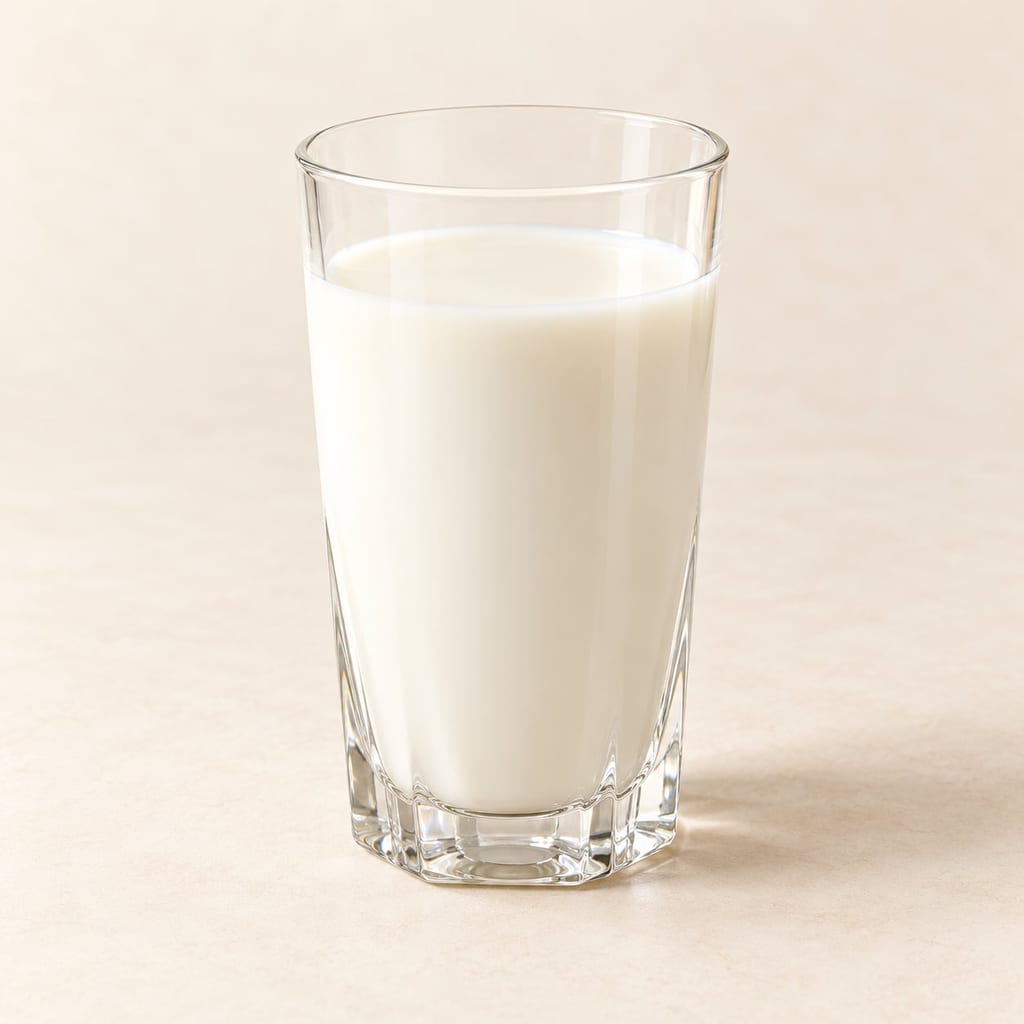
Milk
Milk is the fluid produced by dairy animals. Its species, fat level, heat treatment and handling shape the way it can be drunk, cultured or turned into curd.
 FermenteaWhere food goes to change
Traditional method
Long milk · Pitkäpiimäinen piimä · Long viili
Pitkäpiimä is a Finnish cultured milk whose defining trait is a long, stretchy, ropy texture. It is closely related to viili and is made by lactic fermentation with a specific culture.
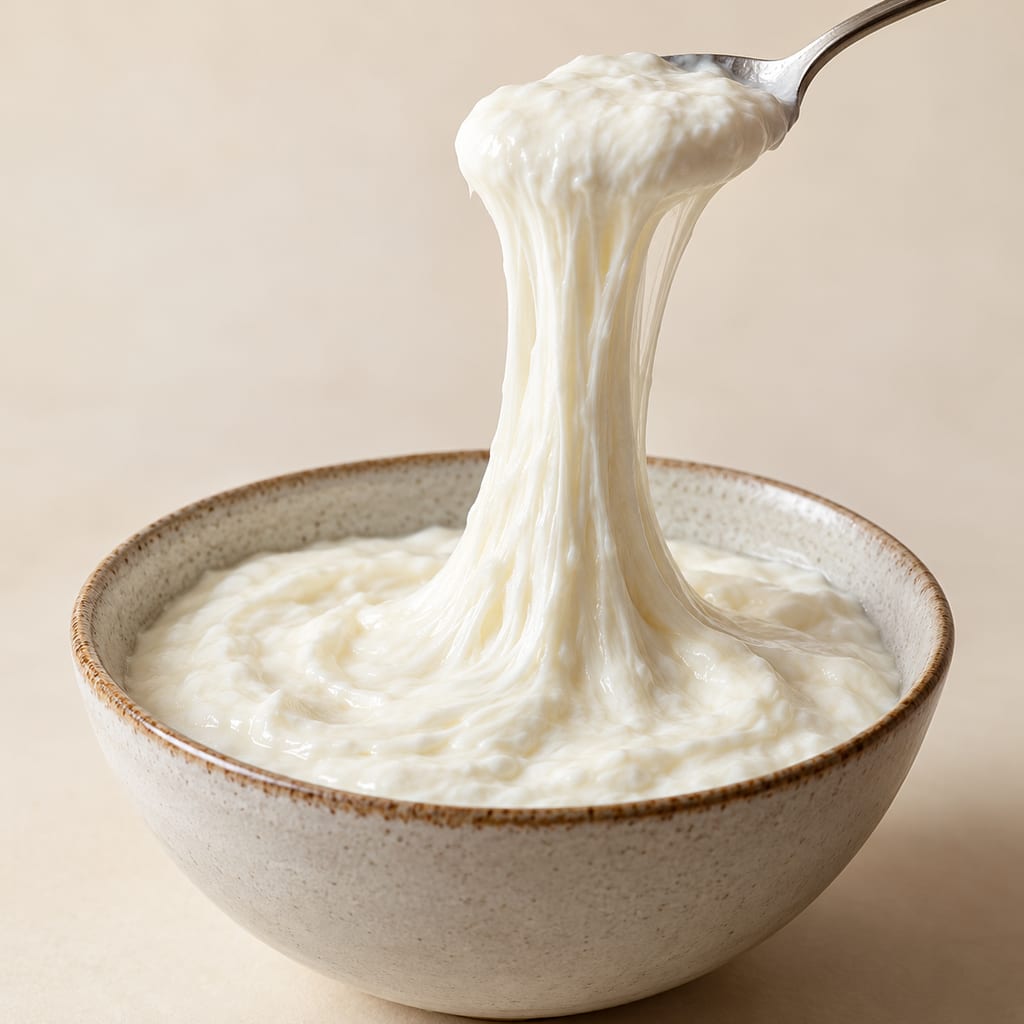
Pitkäpiimä joins two Finnish words: pitkä, long, and piimä, the general Finnish word for cultured milk. The name describes the texture. When the milk is left unmixed, the curd forms a long, stretchy structure that can be drawn into threads from a spoon. Valio uses the word pitkäpiimäisiä, long-type, to describe the western texture of the piimä it sells today.
Pitkäpiimä is therefore a texture as much as a product. It sits in a family of Finnish and Scandinavian cultured milks, and it should not be confused with the short, breaking piimä of Savo and Karelia, which Valio records as lyhyttä piimää, short piimä.
Viili is a mesophilic fermented milk: the culture works at moderate temperatures, and the milk sets without heating or a dairy plant. Wikipedia describes it as found mainly in Finland and Sweden, similar to yoghurt or kefir but stretchy when left unmixed. Swedish relatives include filmjölk and långfil, which means long viili, and the same family includes filbunke and kermaviili, cream viili.
The Valio description places pitkäpiimä with the western long-textured tradition. The name and the texture both point to viili, but the sources do not establish that the two are the same product.
The texture comes from the culture. Wikipedia reports that the slime-forming Lactococcus lactis subsp. cremoris produces a phosphate-containing heteropolysaccharide called viilian, close to kefiran, and that this exopolysaccharide gives viili its consistency. The same article lists other lactic bacteria in traditional cultures, including Lactococcus lactis subsp. lactis, Leuconostoc mesenteroides and the diacetyl-producing biovar, and it names yeasts and a surface fungus, Geotrichum candidum, in some traditional cultures.
The lactic acid makes the milk tangy and sets the curd. The polysaccharide makes it long. Valio says that the natural lactic acid bacteria give viili its structure and taste. Keep those separate: the acid is the lactic change, and the stretch is the polysaccharide.
Valio makes its viili from pasteurised, non-homogenised Finnish milk with natural lactic acid bacteria and no preservatives. The Wikipedia article reports that the modern product is fermented in a dairy plant under controlled conditions with laboratory-grown cultures, then sold fresh. The sources do not describe the traditional household method in detail, and do not give a setting temperature or time for pitkäpiimä.
A household ferment is therefore a different thing from the sold product. The culture, the milk and the way it is left all affect the texture, and no source here gives a rule that makes an improvised batch the same as a commercial one.
Viili is eaten straight from the container or flavoured. Valio suggests fresh berries and fruit, jams, cinnamon, cardamom, muesli, talkkuna, and nuts and seeds. Traditionally it was a summer food, eaten with talkkuna, cinnamon or sugar. The same products are sold in lactose-free forms by Valio, and the lactose-free version is a modern adaptation.
The sources give no separate dish for pitkäpiimä. Its use follows the viili family: a cold, spoonable dairy food with fruit, sugar or grain on top.
The sources reviewed for this page do not give a historical date, an ethnographic study of the household tradition, a setting temperature or time, a shelf life, or a microbiological safety limit. Valio’s history dates its own viili from the 1960s and its flavoured products from the 1980s, and those are commercial dates.
The Nordic atlas that supplied this record marks pitkäpiimä as a lactic tradition related to viili and separates a deliberate culture from an improvised ferment. This page keeps that boundary: texture from the intended culture is part of the food, and unknown sliminess is not.
Pitkäpiimä is a long-textured piimä associated with western Finland, and Valio says that the piimä sold in shops today is of that western, long-textured kind. The short, breaking form was made in Savo and Karelia.
Scaling: source batch only
Ropy or slimy texture is part of pitkäpiimä when made with the intended culture. Unknown sliminess in an improvised ferment is a different situation and is not a safe sign.
Hazard sourceTexture alone does not establish safety.
Named in Finnish sources as a traditional long-textured cultured milk. The sources do not give a historical origin.
Milk is the fluid produced by dairy animals. Its species, fat level, heat treatment and handling shape the way it can be drunk, cultured or turned into curd.
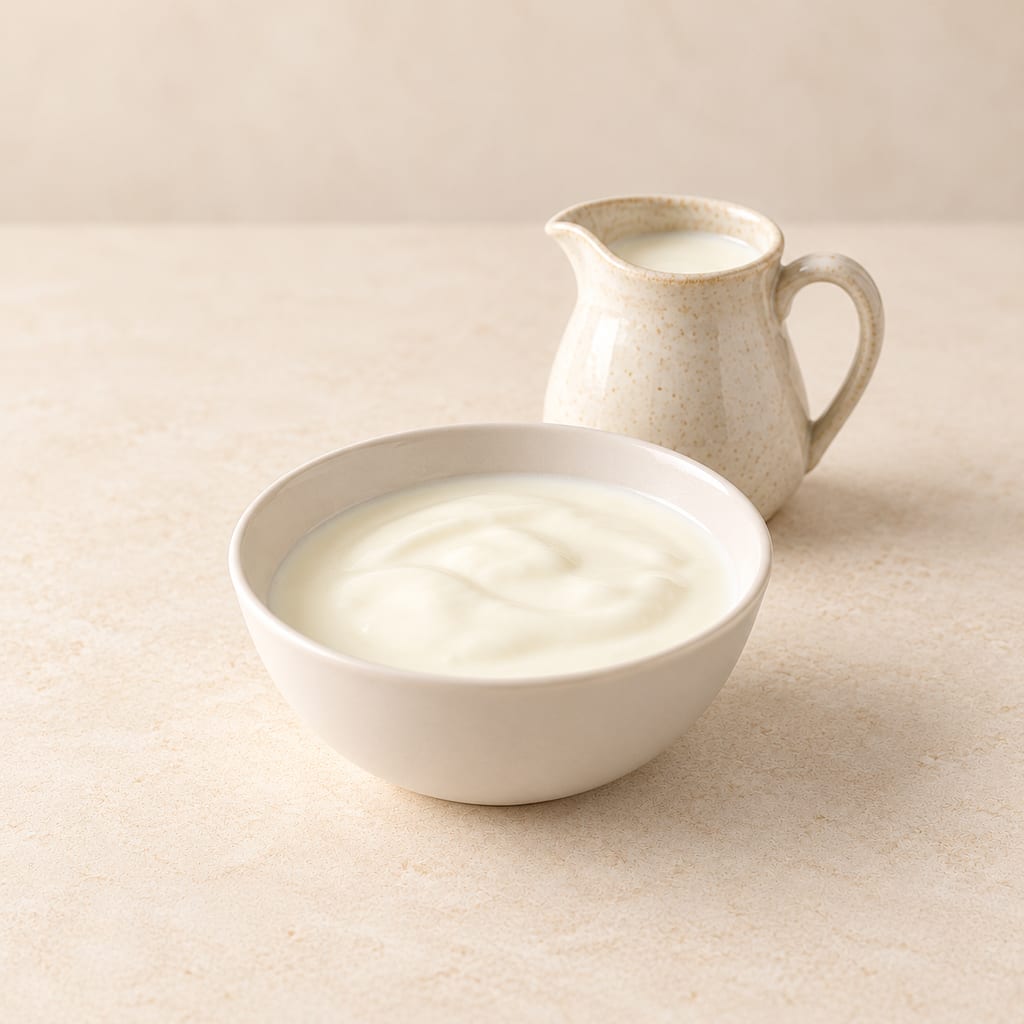
Viili is a Finnish cultured milk with a soft set and, in its western form, a stretchy texture. This small recurring batch uses a spoonful of previously cultured viili.
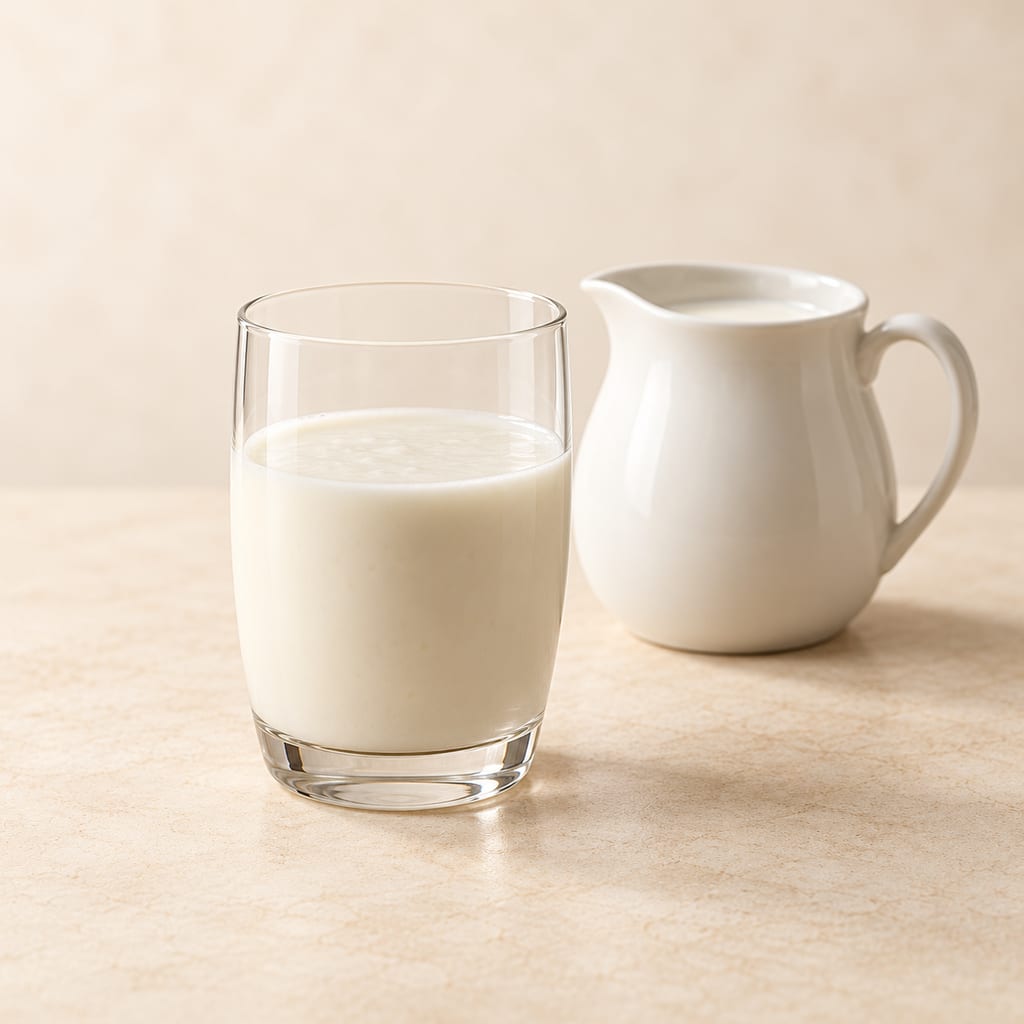
A thin cultured-milk drink made with a commercial countertop starter. Finnish piimä is a mealtime sour milk with distinct regional traditions.
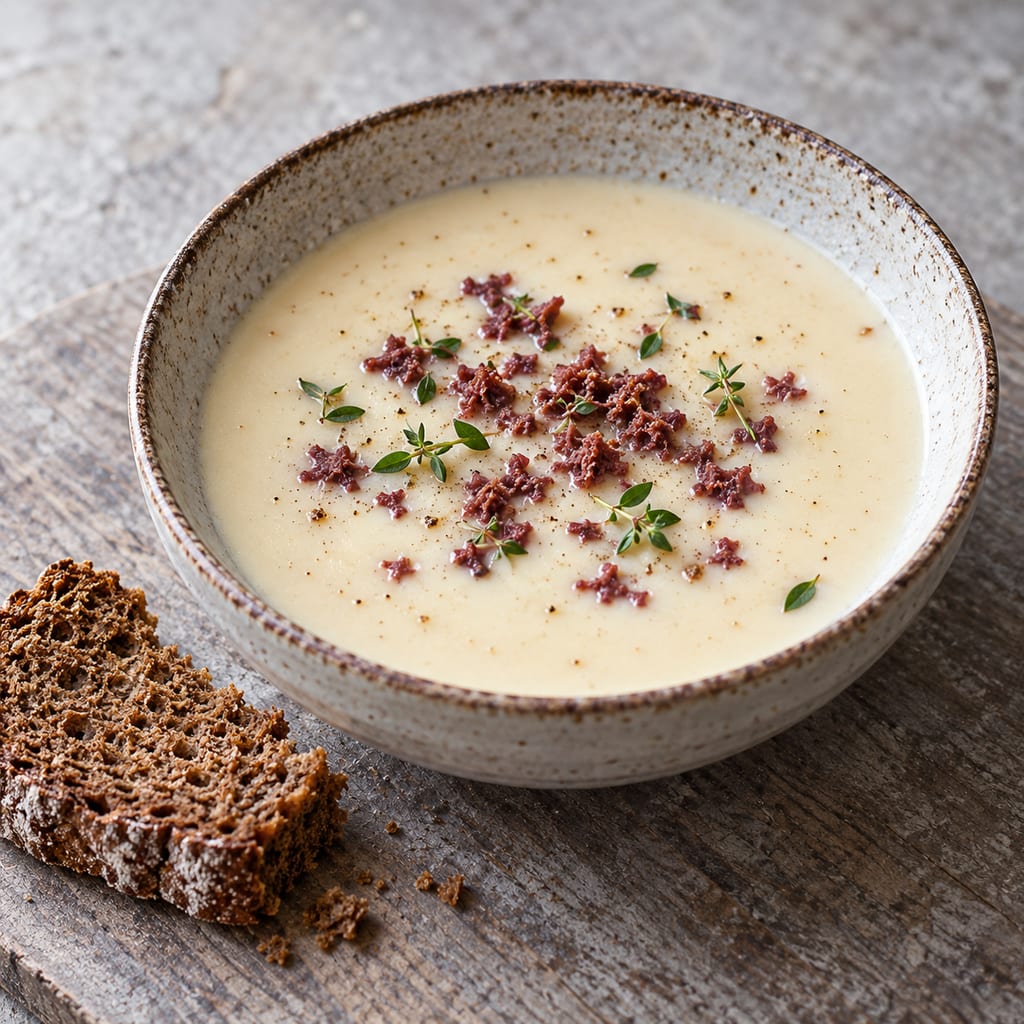
Kylmäsavuporokeitto is a creamy cold-smoked reindeer soup with onion, stock and cheese, served with bread.

Finnish pea soup simmers dried peas with palvikinkku or a vegetable alternative, then is served with mustard and chopped onion.
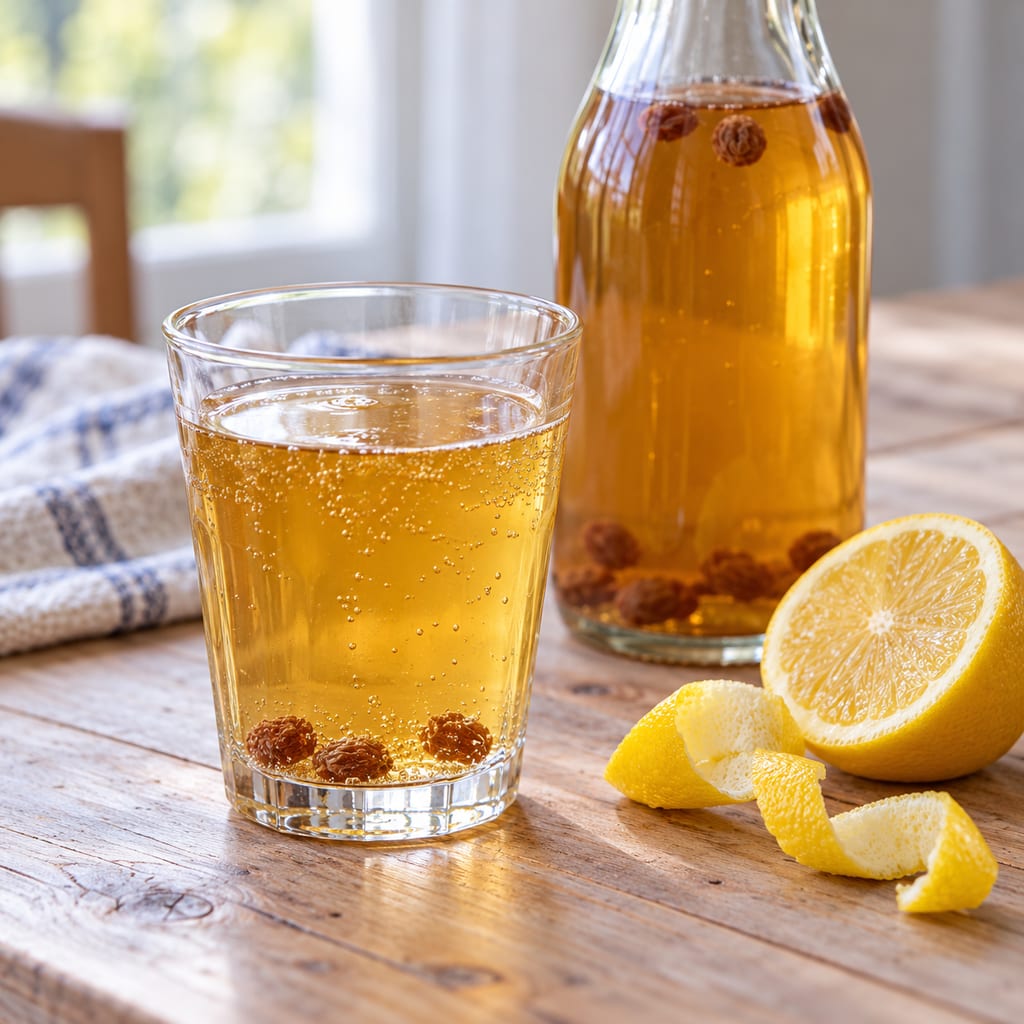
A lightly fermented Finnish May Day drink of lemon, white and brown sugar and a little yeast, bottled with raisins that rise as the carbonation builds.
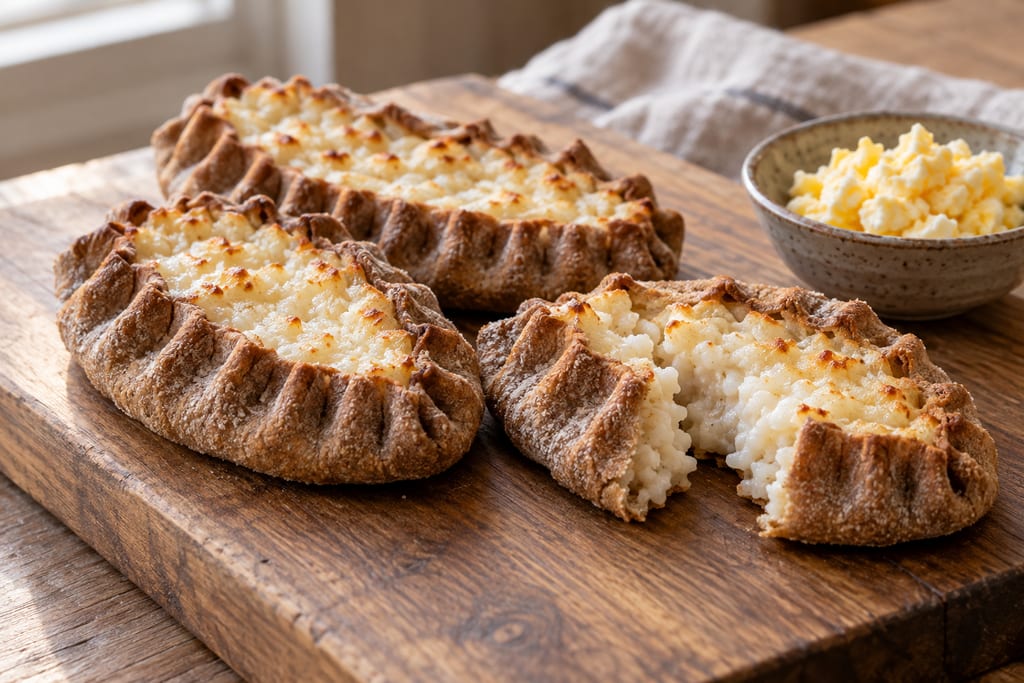
Karjalanpiirakka are open, pleated rye-and-wheat pastries filled with creamy rice porridge, baked hot and brushed with butter and milk.
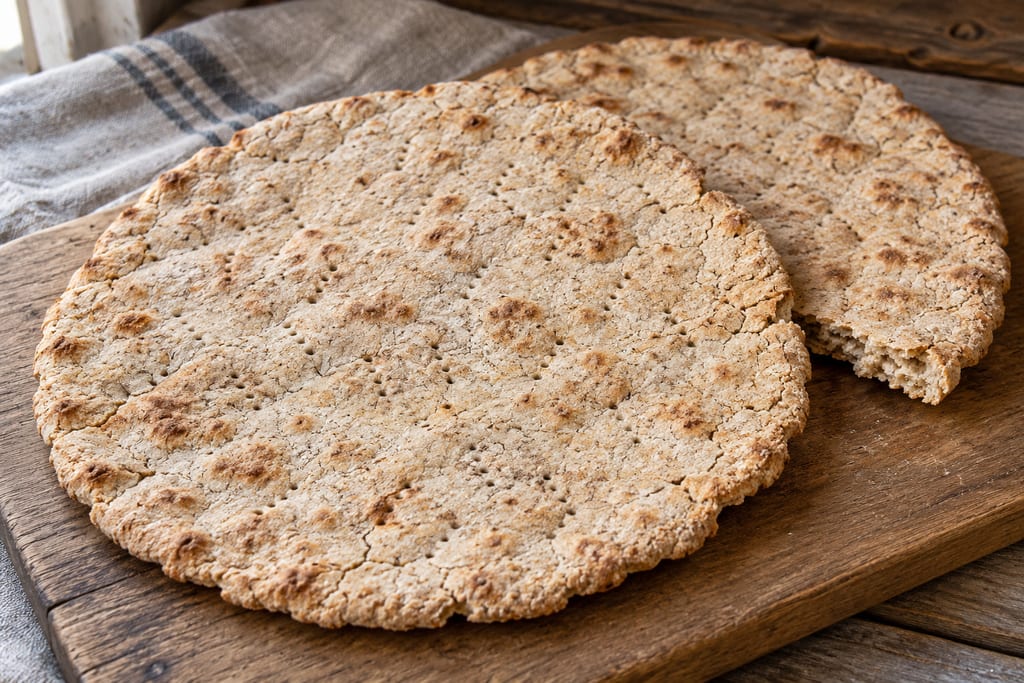
Two barley flatbreads made with cold dough and baked rapidly on a hot sheet, following Timo Lepistö's northern Finnish formula.
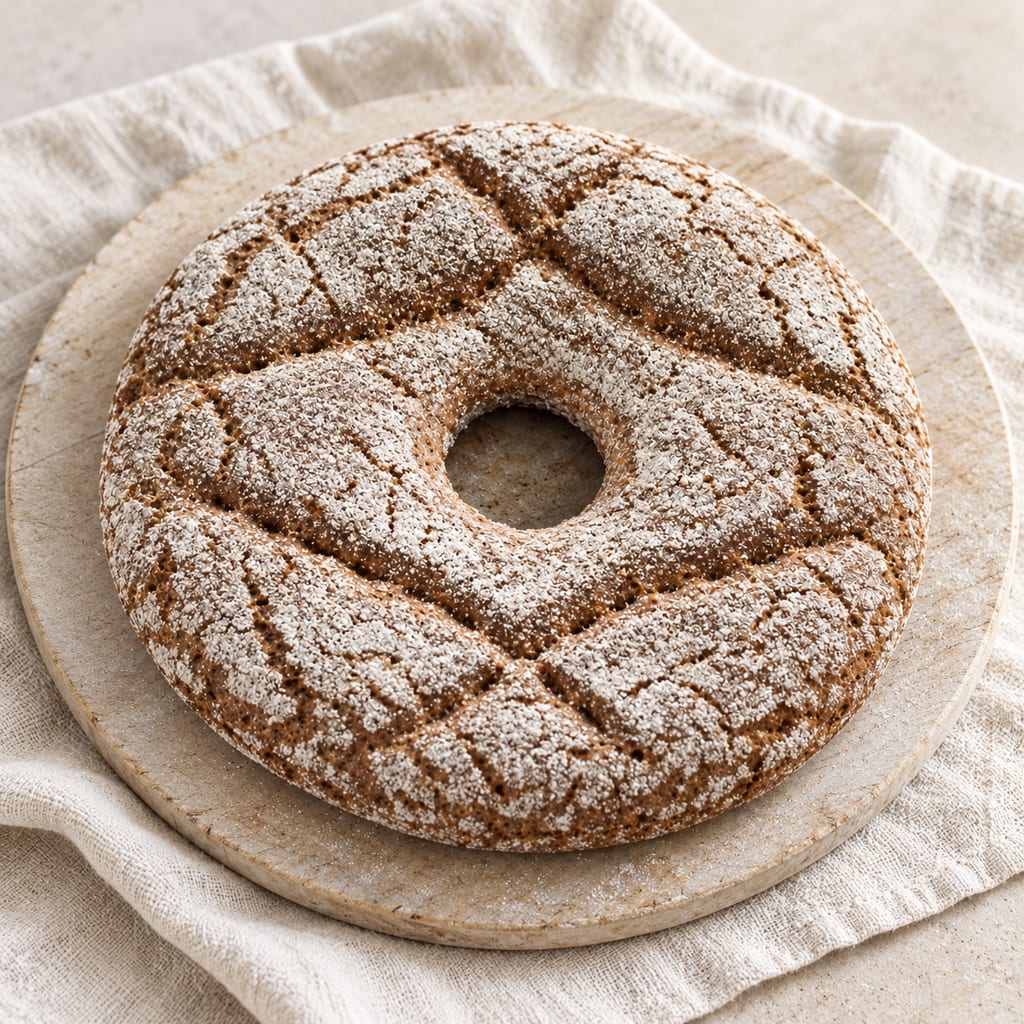
A Finnish rye sourdough shaped here as two flat ring loaves, made from rye flour, water, salt and an established rye leaven.

Salted mushrooms are a traditional wild-mushroom preserve, especially of Finnish and Russian milk caps, made by layering boiled mushrooms with coarse salt or keeping them under brine, and kept cold.
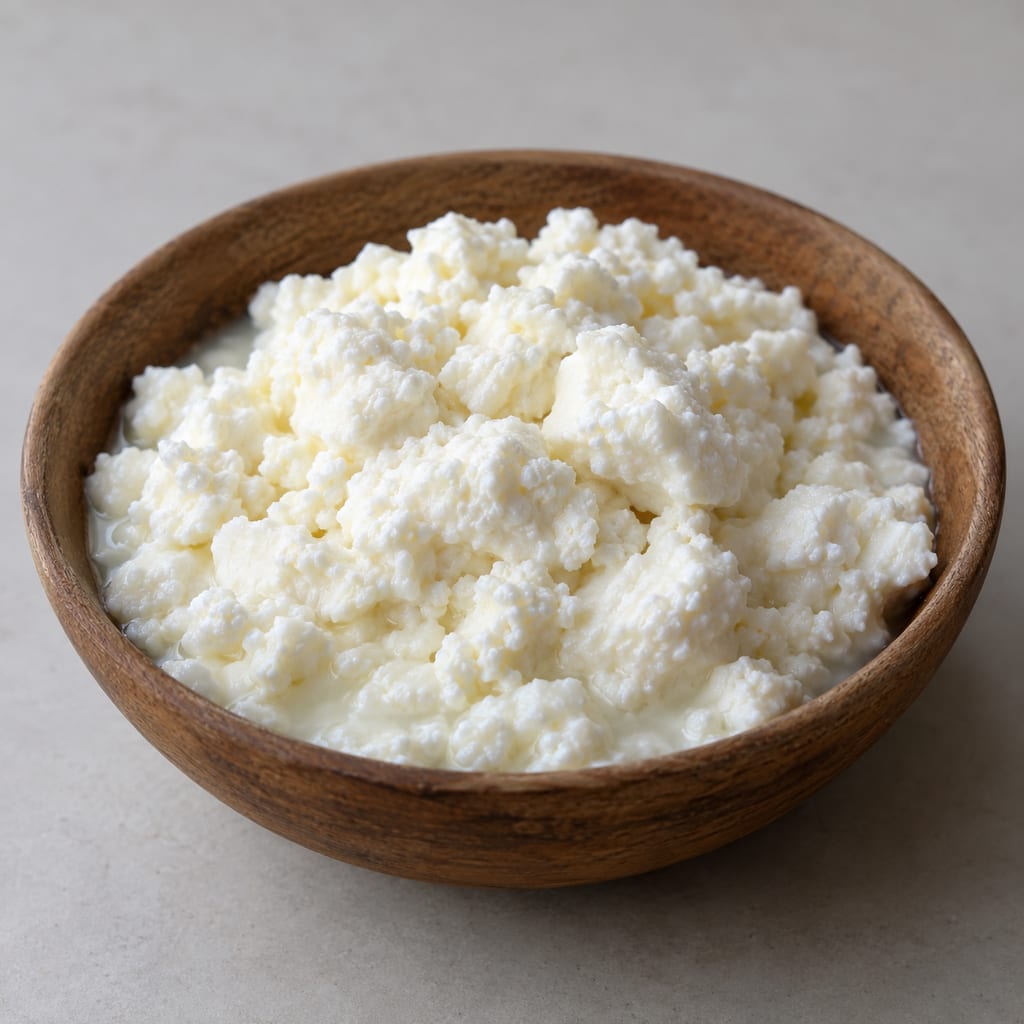
Aarts is a soft Mongolian curd made by draining boiled fermented yogurt; it remains wet, unlike aaruul, which is dried.
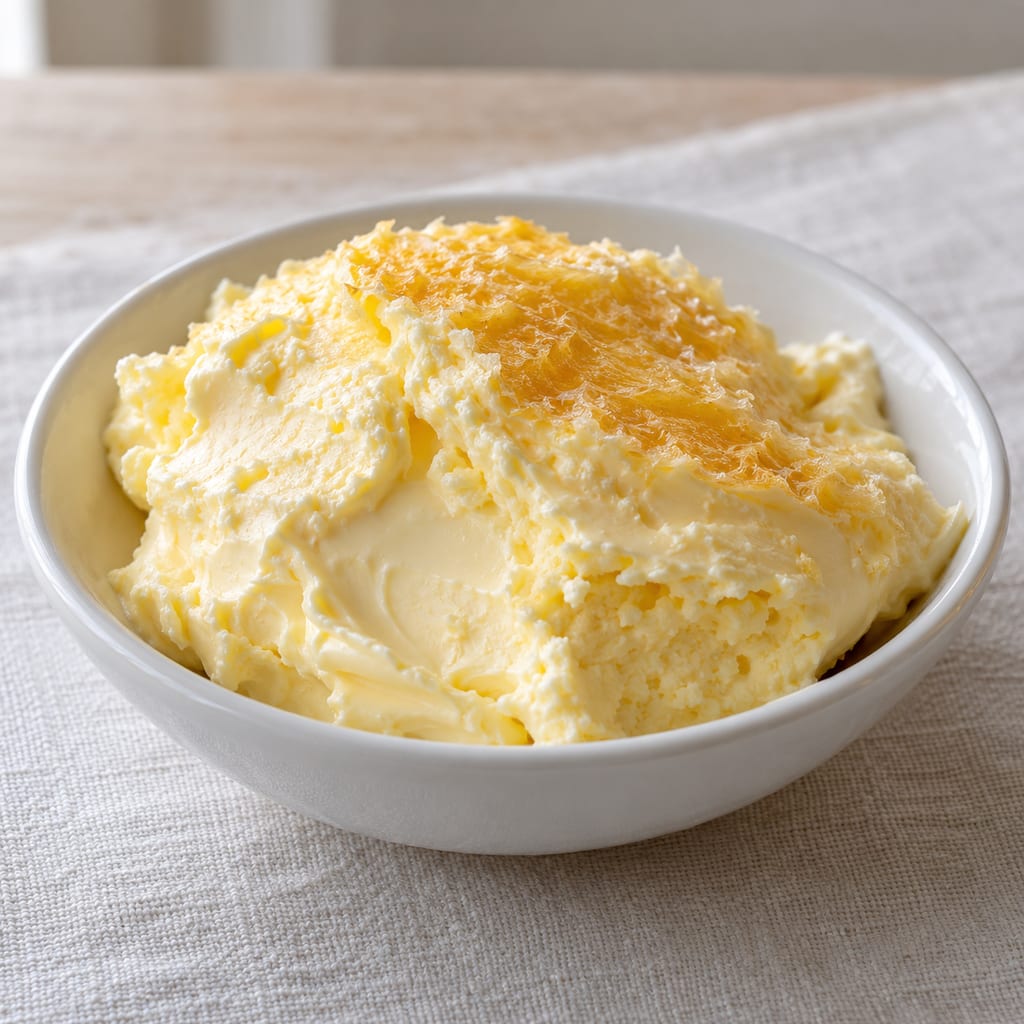
High-fat cream scalded below boiling for at least an hour until a thick crust forms, then cooled hard so the crust sets and the cream beneath thickens.
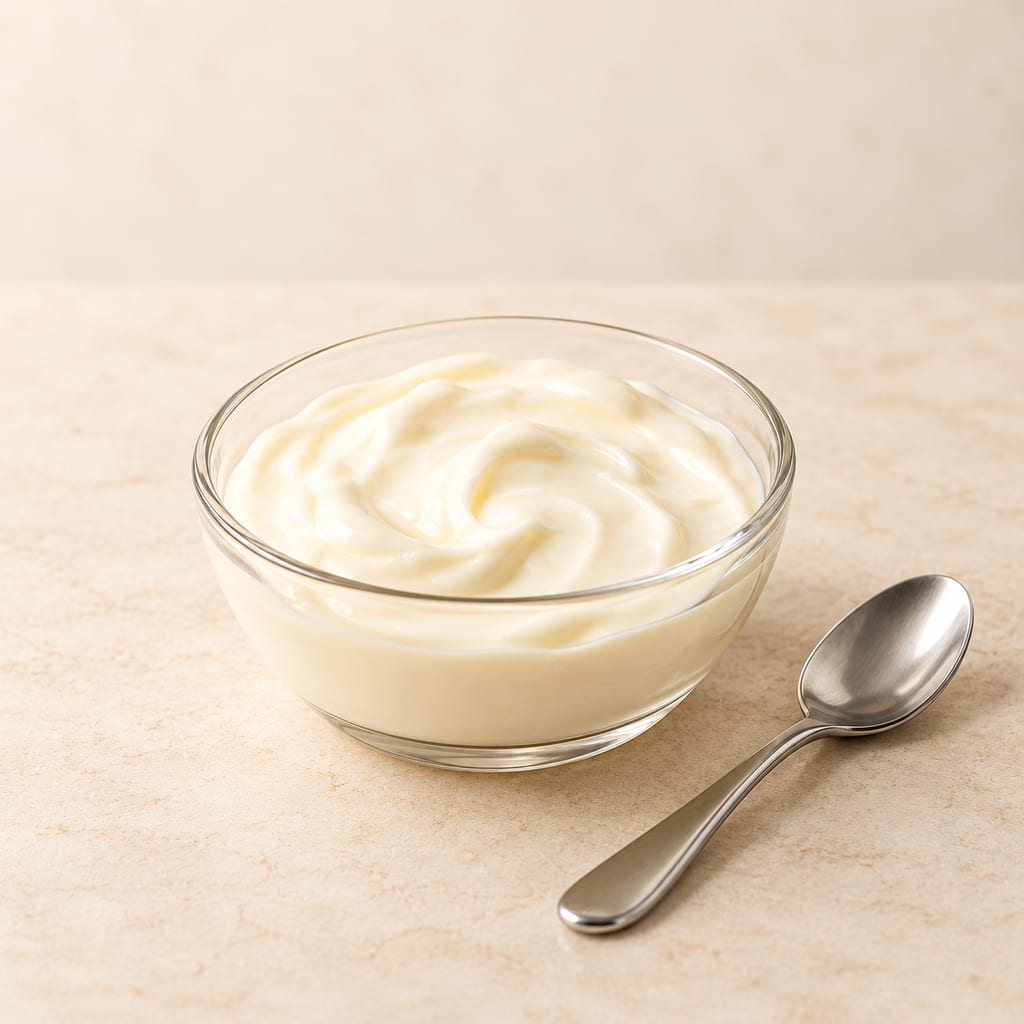
Crème fraîche is cream soured by lactic cultures into a thick, mild topping. It suits fruit and desserts as well as soups, sauces and other savoury dishes.
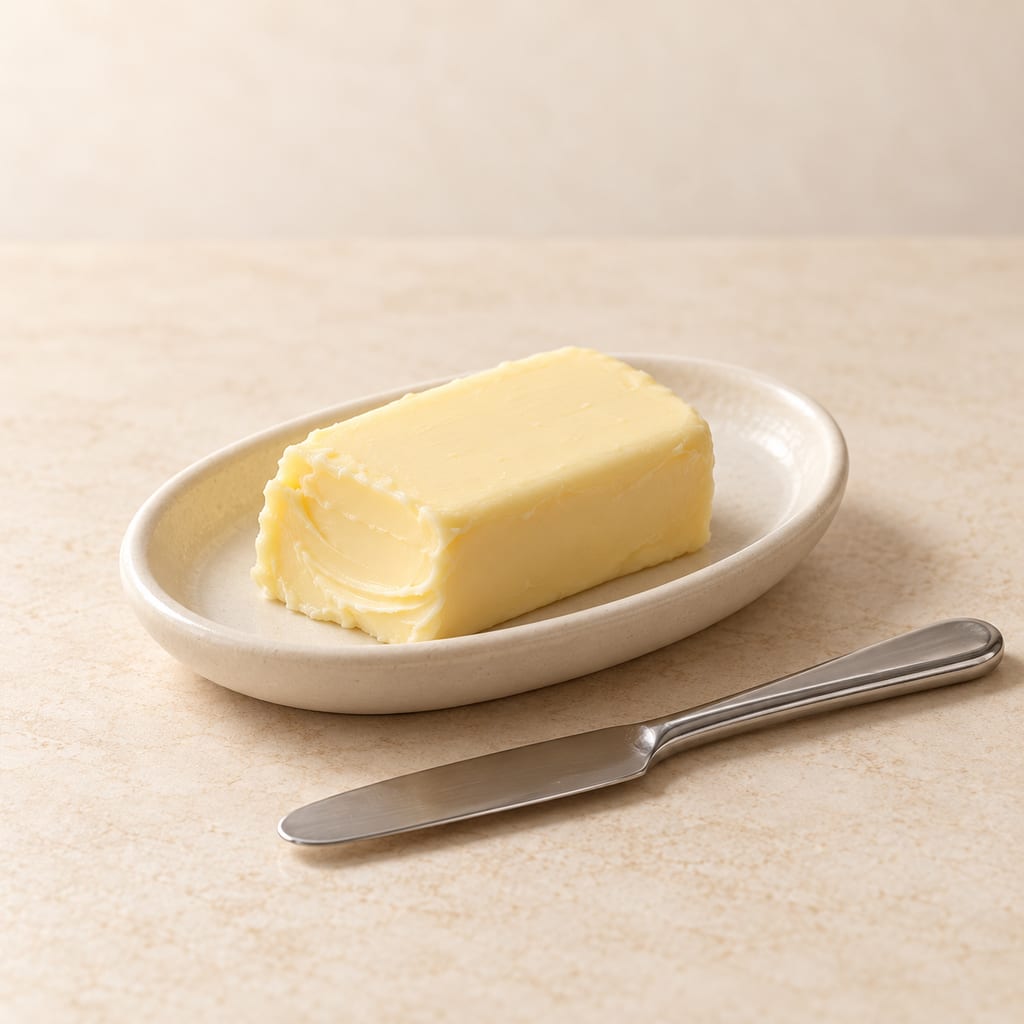
Cultured butter is churned from cream soured with lactic cultures. Its lightly tart flavour comes from the cultured cream, which separates into butter grains and buttermilk.
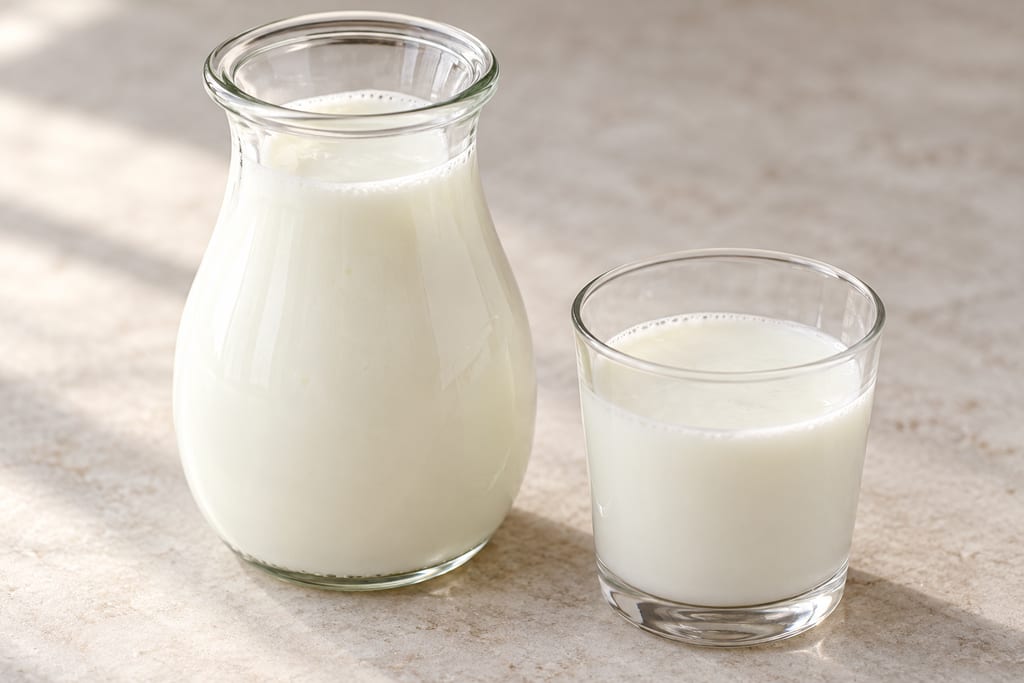
Cultured buttermilk is skim milk soured with a lactic starter into a tangy drink. This Canadian home method sets the milk without churning cream.
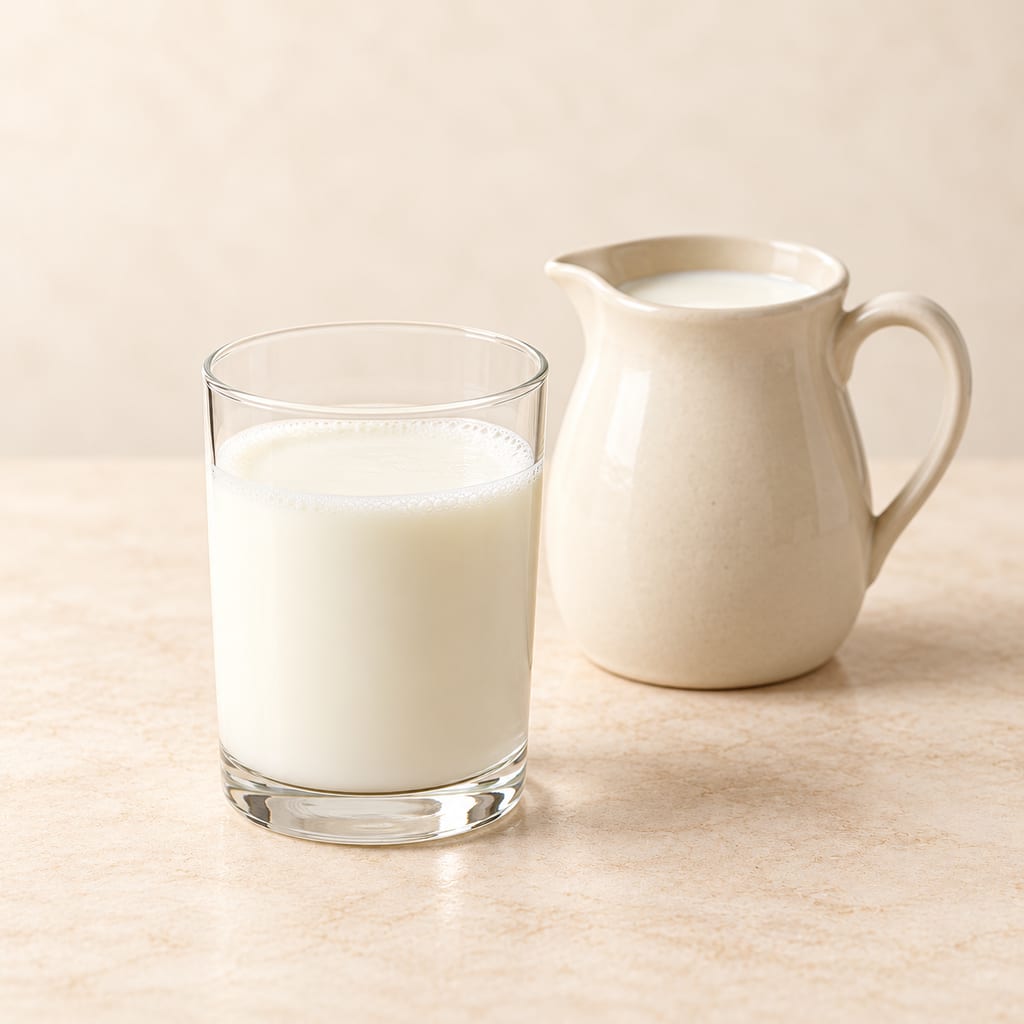
Milk thickened with a packet of buttermilk culture makes a tangy drink and a baking ingredient. This warm-incubated version uses whole milk.
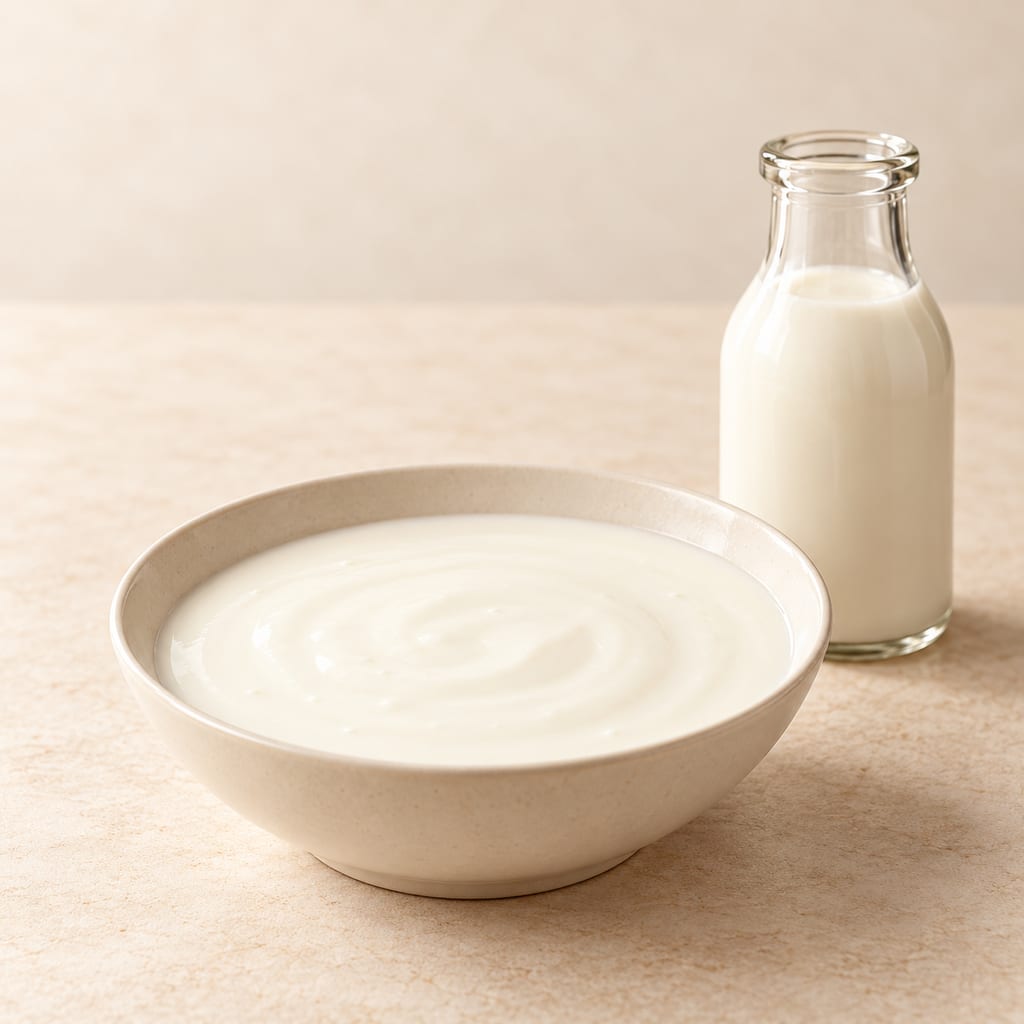
Filmjölk is a Swedish cultured milk with mild acidity and a spoonable body. This recurring batch uses filmjölk from the previous batch to culture fresh milk.
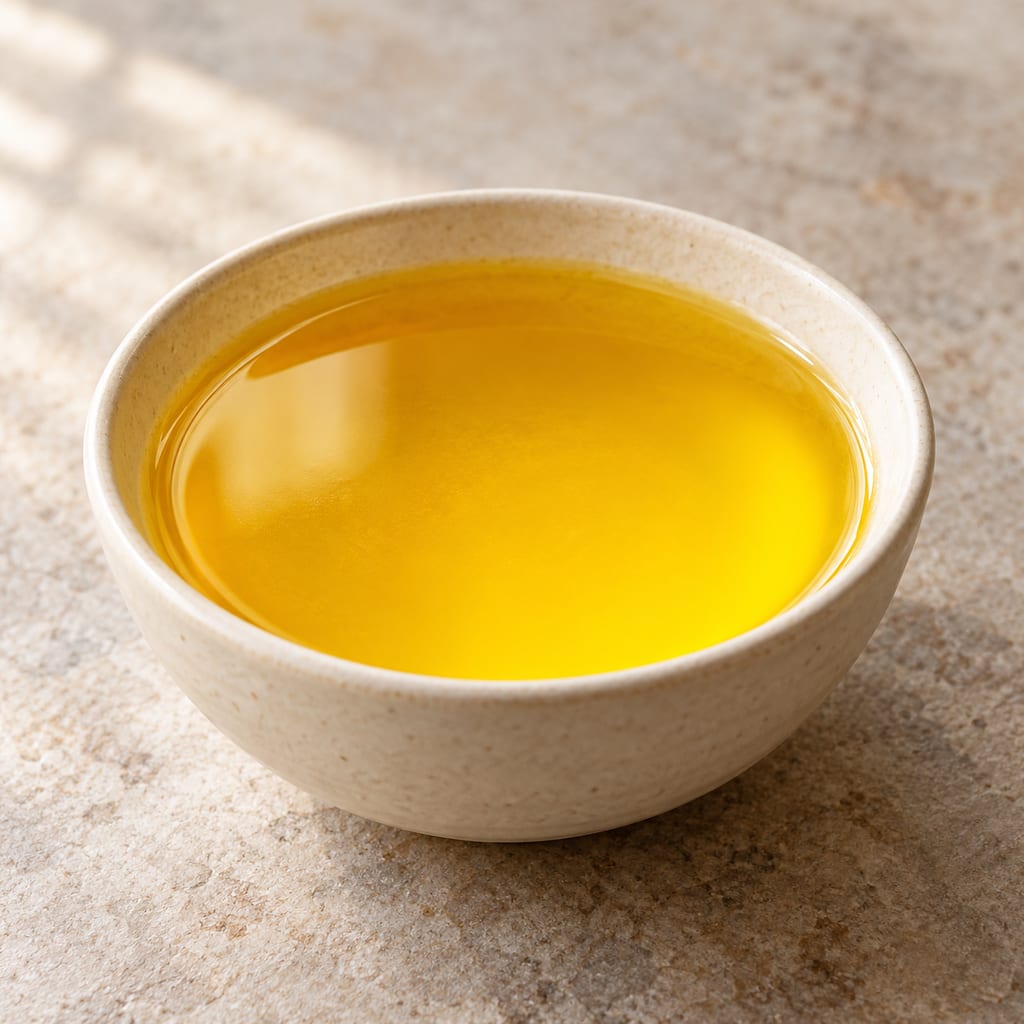
Butter heated until most water leaves and the milk solids separate, giving a fat that keeps far longer than butter. Rendering applies the same heat to animal tissue to make lard and tallow.
No community contributions have been published for this entry yet.
Sign in to contribute. Published comments and photos are free to read.
ValioMethod · History · Use
Viilit (viili products and background)Viili from pasteurised, non-homogenised milk with natural lactic acid bacteria and no preservatives
Eastern short, breaking piimä (Savo, Karelia) against western long-textured; store piimä described as pitkäpiimäisiä
Valio viili from the 1960s; flavoured from the 1980s; serving suggestions and traditional summer use with talkkuna, cinnamon or sugar
Cited in: What the name says; Viili and its relatives; Why it stays ropy; Making it, and the modern dairy; Eating it; Unknowns
WikipediaIdentity · Culture · Method
ViiliMesophilic fermented milk of Finland and Sweden; stretchy when left unmixed
Lactococcus lactis subsp. cremoris exopolysaccharide viilian; Geotrichum candidum surface; yeasts in traditional cultures
Industrial production in a dairy plant with laboratory cultures; names filmjölk, långfil, filbunke, kermaviili
Cited in: What the name says; Viili and its relatives; Why it stays ropy; Making it, and the modern dairy; Unknowns
Wikimedia CommonsImage
Viili.jpg (image page)Image of viili with berries; a ropy stream falls from a spoon