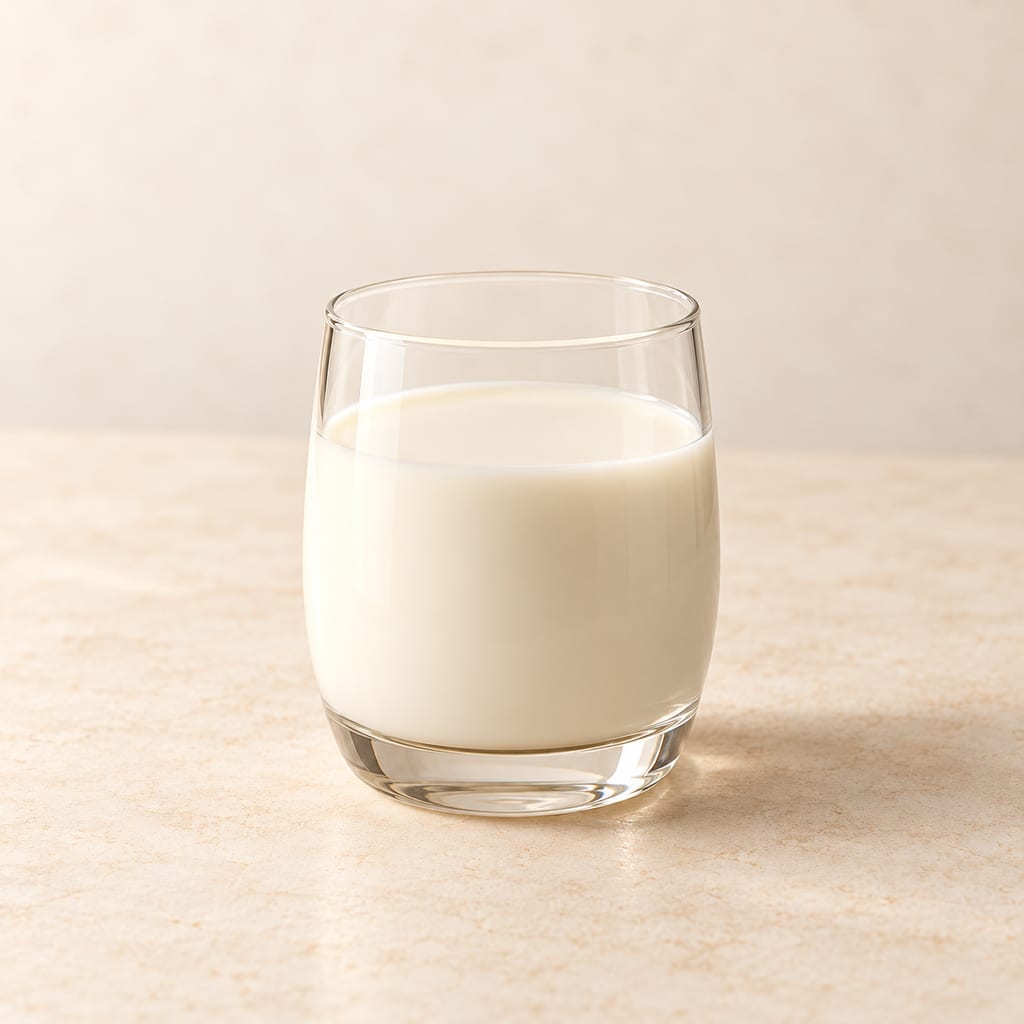
Pasteurized whole milk
Full-fat milk given conventional pasteurization, selected in linked cultured-milk and cheese methods for its composition and treatment.
 FermenteaWhere food goes to change
Modern method
Fil
Filmjölk is a Swedish cultured milk with mild acidity and a spoonable body. This recurring batch uses filmjölk from the previous batch to culture fresh milk.
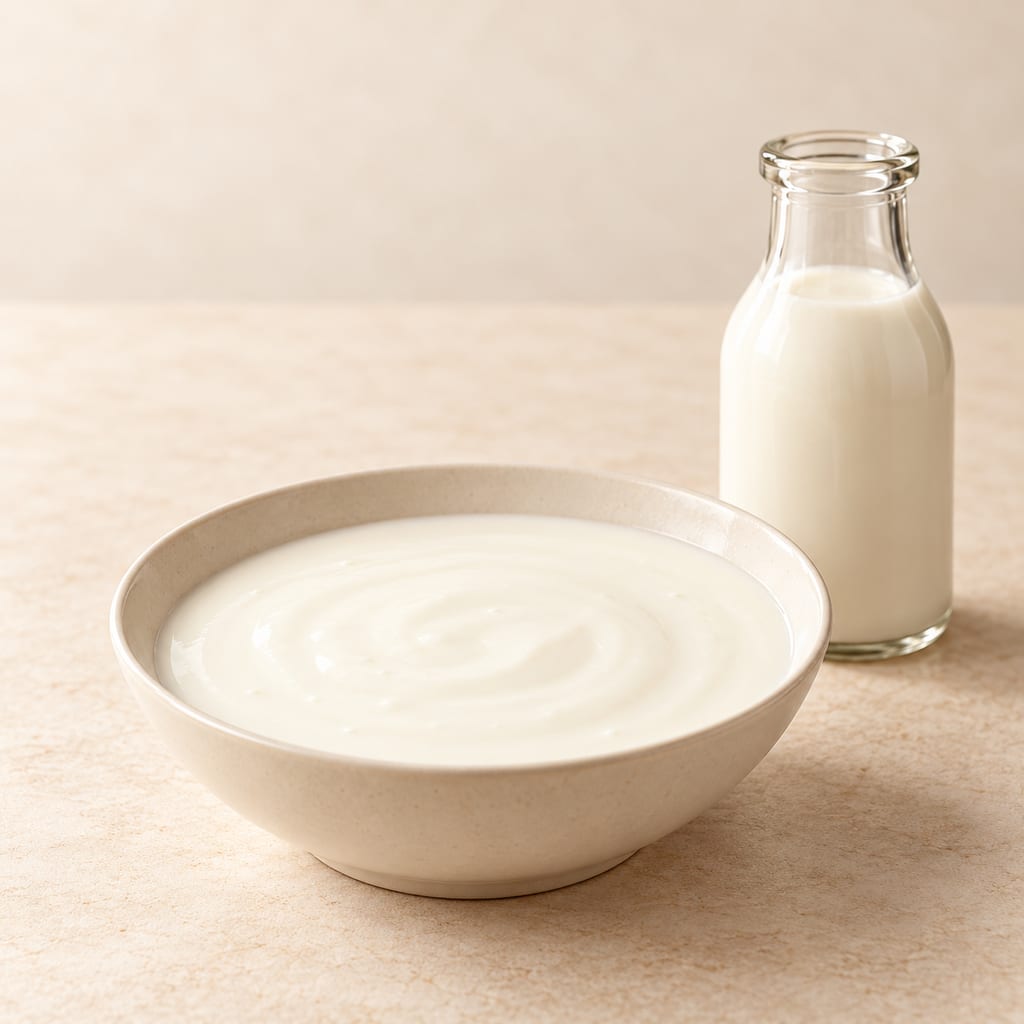
Filmjölk, often shortened to fil, is Sweden’s everyday mesophilic cultured milk: a gently sour, creamy product that holds together in a soft set. It is less sharply acidic than many yogurts and can be spooned into a bowl with muesli, jam, apple sauce or broken crispbread. The surface may look smooth and the body may quiver or move together when the container is tipped. The name describes a Swedish food tradition rather than a single universal starter or one immutable formula.
The batch on this page is a small recurring household preparation. A spoonful of already cultured filmjölk is mixed into a cup of pasteurized whole milk, left covered at a moderate room temperature, and chilled after it thickens. It is distinct from commercial filmjölk, older Swedish sour-milk foods, and other Scandinavian cultured milks. Those foods share a broad family resemblance, but their cultures, textures and methods can differ. Here the focus is on a home batch that continues from the previous one.
Soured milk served practical needs in a country where summer warmth could make fresh milk turn quickly. Before household refrigeration, letting milk sour in a controlled way helped families keep a milk food available for longer. Historical accounts describe tätmjölk being made by heating milk, setting it in large vessels in a cool cellar, and skimming whey as it collected on the surface. Some households refreshed the vessel with a little cold water and left the curd undisturbed. These methods belong to earlier household practice; they are not steps in the recurring, pasteurized-milk method here.
The names of the foods changed with place and method. Filmjölk or fil is recorded in Swedish from the first half of the eighteenth century. Older accounts also use tätmjölk, surmjölk, långmjölk and other local names. In 1737 Carl Linnaeus described a way of making thick milk with leaves of a butterwort, Pinguicula, in Flora Lapponica. In some regions, women collected the local plant known as tättgräs and used it to seed or thicken milk. This botanical approach, setting milk in a vessel, and adding a portion of the previous batch are related traditions, but they should not be collapsed into one recipe.
Accounts of seasonal farm life also show that starter was a shared resource. If a family had eaten its last portion, they could borrow a little culture from a neighbor and return the favor later. Travelers carried sour milk because it kept its character better than fresh milk on a journey, and crispbread broken into it made a practical meal. The ingredient that mattered was not only milk but continuity: a living portion from yesterday’s batch connected today’s bowl to the last one.
The modern Swedish standard filmjölk is a later, commercial form of that family of sour milks. The dairy cooperative Mjölkcentralen introduced the product now recognized as standard fil in 1931. Commercial dairies then made consistent batches across a much larger area than a single farm or household. This shift did not erase the older forms: långfil, filbunke and regional names continue to mark foods with their own textures, histories and ways of setting milk.
Modern filmjölk is strongly associated with Sweden, though neighboring Nordic countries have their own cultured milks. A regional Swedish knowledge base describes it as a mesophilic product with a fresh acidity and viscous consistency, and records the name from the early eighteenth century. Commercial producers also sell local variants with differing fat levels and culture blends. A product’s regional name can therefore refer to a real production tradition, while a home batch made from a purchased starter is a modern household adaptation of the wider practice.
Filmjölk is a lactic fermentation. Mesophilic means that the culture works at moderate temperatures rather than the hotter incubation used for standard yogurt starters. The bacteria use some of the milk sugar, lactose, and produce lactic acid. As acidity rises, milk proteins—especially casein—aggregate and form a weak gel. That protein network gives the liquid milk its thicker, spoonable body. The same acidification provides the clean sour edge that distinguishes the product from fresh milk.
Culture blends vary. Swedish sources name groups including Lactococcus and Leuconostoc, while broader Nordic reviews describe mesophilic lactic cultures dominated by Lactococcus lactis with leuconostocs also present. Some strains generate aroma compounds such as diacetyl and small amounts of carbon dioxide. These can contribute a buttery note and a faint liveliness, but the exact balance depends on the culture and the milk. Filmjölk’s flavor is therefore not simply sourness: acidity, milk sweetness and culture aroma meet in a mild, rounded profile.
Thickening is part of the fermentation’s visible result, but it does not provide a safety measurement. A set texture tells the maker that the milk has changed; it does not identify the organisms in a batch or prove that it was handled safely. The method uses pasteurized milk, clean equipment and prompt refrigeration after the set. It does not supply a measured acidity endpoint or a validated shelf life for homemade batches, so none should be inferred from the appearance of the surface.
Whole milk is the choice in this recipe. Its proteins and water form the gel, while the milk fat contributes richness and softens the impression of acidity. Swedish commercial filmjölk is made with different fat contents, and producers may standardize milk before fermentation. That variation changes the finished product’s richness and body, but it does not mean every commercial formulation can be substituted into this small household method without adjustment.
The previous batch is both an ingredient and the source of the active culture. The recipe uses one tablespoon of filmjölk for one cup of milk. Stirring gently distributes that starter through the new milk so the fermentation begins throughout the vessel. The culture supplier’s counter-top guide describes the same recurring logic: keep a portion of an active batch, add it to fresh milk, and make the next batch on a regular schedule. If the starter is replaced with a different culture or dried packet, its activation instructions may differ.
No sugar, flavoring or thickener is added to this plain version. Jam, fruit or cereal belong at serving time, where each can be adjusted to taste. The source method also asks for milk that is pasteurized but not ultra-high-temperature treated. Because that recommendation belongs to the chosen starter method, it should not be read as a universal rule for every filmjölk culture or factory process.
Start with a clean container and freshly opened pasteurized whole milk. Pour one cup into a glass or food-safe plastic container. Stir in one tablespoon of filmjölk saved from a healthy, active previous batch. Cover with a clean cloth or coffee filter secured in place, or use a lid as the method allows. Keep the container at 70–77°F (21–25°C) for 12–18 hours. These are the conditions given for this recurring starter method; they are not a universal temperature schedule for all commercial filmjölk.
Check periodically by gently tipping the container. The source uses a practical texture cue: when the cultured milk moves away from the wall as one soft mass instead of flowing up the side, it has set. Close the vessel and refrigerate it for at least six hours before serving. Keep a spoonful back for the next batch, and refresh the culture at least weekly. The source gives no measured finished yield, so this one-cup input should not be presented as a guaranteed volume after fermentation.
This process is simpler than older methods that heated milk or relied on gathered plants. It also differs from industrial production, where dairies can standardize the milk, use a defined starter blend and manage a larger controlled vessel. The home method described here preserves the useful sequence—milk, starter, a moderate incubation, chilling and culture reservation—without pretending that a small jar reproduces every historic or commercial variation.
Långfil is a close relative with a more elastic, ropy texture. The Swedish drinks report links that stringiness to exopolysaccharides produced by particular Lactococcus strains. It is made and eaten as its own product, so its culture and texture should not be attributed to ordinary filmjölk. Filbunke is another related food, historically made in individual bowls from unhomogenized milk that soured with its native microbes and formed a cream layer. It has its own serving traditions and is not simply a thicker version of this recurring batch.
Modern Swedish dairies also sell regional filmjölk variants such as Bollnäsfil, Öresundsfil, Norrskensfil and Fjällfil. Their names refer to commercial products with different culture blends or local identities, not a single national starter. Elsewhere in the Nordic region, piimä, kulturmelk and other cultured milks share the broad mesophilic tradition but have distinct histories and characteristics. They are useful comparisons, not interchangeable names.
One of the pleasures of these variations is seeing how small shifts in culture and handling change a familiar raw material. A culture that forms a more pronounced gel, produces aroma compounds, or creates a ropy texture makes another kind of sour milk. Household traditions also reflect the season, milk handling and whether the family saved a living portion from the prior batch. Keeping those differences visible respects the foods instead of forcing them into one generic category.
Filmjölk is commonly eaten at breakfast or lunch. Muesli, jam, apple sauce and broken crispbread are familiar partners. Crispbread may be crumbled directly into the bowl, recalling the older filbryta meal carried by people working away from home. Fruit can add sweetness and contrast with the mild sourness; a plain bowl lets the dairy and culture aroma stand on their own.
Its consistency makes it comfortable to eat with a spoon, though commercial and household batches can vary from pourable to softly set. It is close enough to yogurt to invite comparison, but it is less sharply sour and uses mesophilic cultures. Traditional Nordic fermented milks are diverse, and the Swedish Board of Agriculture treats the dish as its own part of Swedish dairy culture rather than a synonym for yogurt.
Serve it cold after the resting period. Add sweet toppings just before eating, since fresh additions belong to the serving portion and are not part of this milk fermentation. That keeps the saved starter plain and makes it easier to seed the next batch consistently.
Use pasteurized milk and wash and sanitize the container and utensils before adding the culture. Pasteurization reduces the risk from pathogens associated with raw milk, but pasteurized milk still needs refrigeration and can spoil. After the culture has set, close the container and chill it as the recipe directs. Keep the milk away from unsanitized utensils, and do not use a thickened appearance as proof of safety.
The Canadian Dairy Commission lists a typical refrigerated shelf life of 10–14 days for manufactured filmjölk. That is a commercial product description, not a validated storage time for a home batch made with a culture carried forward from a previous jar. The home method specifies at least six hours of chilling and a weekly reculturing rhythm, but it does not state a full storage duration. Follow the date and storage instructions for commercial products; for homemade filmjölk, do not extend a time limit from a factory product without a source that validates it.
Filmjölk’s practical appeal is its modest method: milk, a little saved culture, a covered jar and a cool place. Its deeper story includes seasonal preservation, shared starter, regional dairy practice and a modern packaged staple. The single recipe is one clear path through that history, not a claim to represent every version that has been called fil.
Filmjölk, often called fil, has a long place at the Swedish breakfast table. The name is recorded from the first half of the eighteenth century. Older forms included distinct sour-milk and starter-cultured traditions; the familiar commercial standardfil arrived in 1931. Mesophilic bacteria, including Lactococcus and Leuconostoc, acidify the milk and thicken its proteins. It is eaten with muesli, jam, apple sauce or broken crispbread.
Scaling: source batch only
Unsanitized utensils and containers can introduce bacteria into pasteurized dairy.
Hazard sourceWash and sanitize equipment before use, and keep pasteurized dairy away from unsanitized utensils.
Control sourceUse pasteurized whole milk and refrigerate the set batch for at least 6 hours.
Control sourceUnsanitized equipment can contaminate the milk; wash and sanitize the jar and utensils before starting.
Use pasteurized milk and refrigerate after culturing; the thickened texture is the process endpoint, not a test for contamination.
Filmjölk from the previous batch — Active recurring starter. The supplier gives no species-level composition for this product.
Full-fat milk given conventional pasteurization, selected in linked cultured-milk and cheese methods for its composition and treatment.
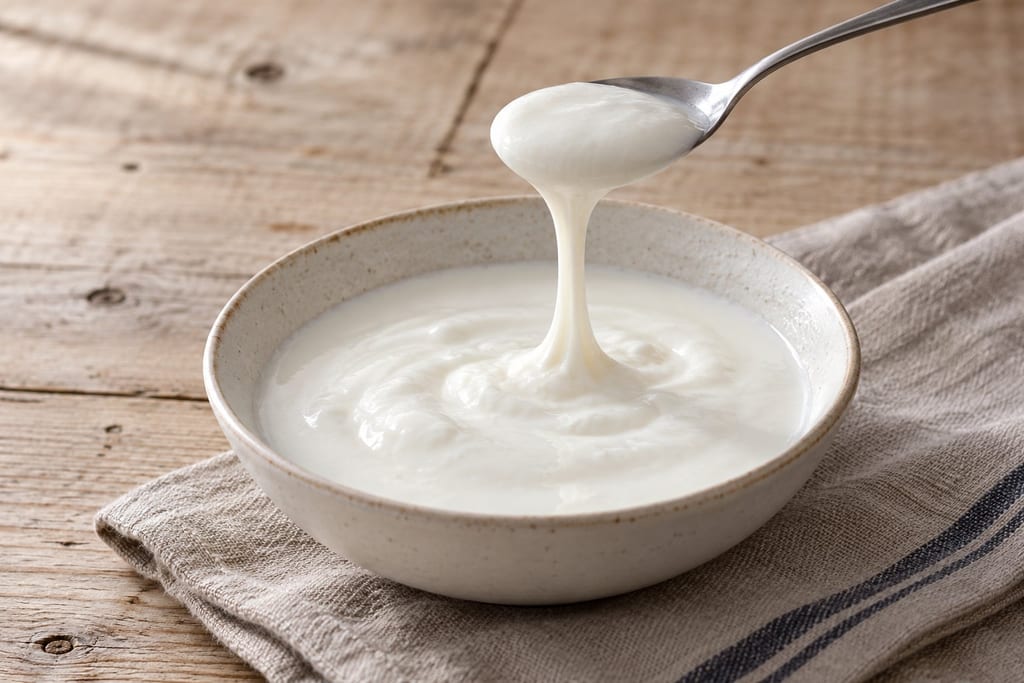
Långfil and tettemelk are traditional Swedish and Norwegian cultured milks with a mild sour taste and a stretchy texture produced by ropy lactic acid bacteria.
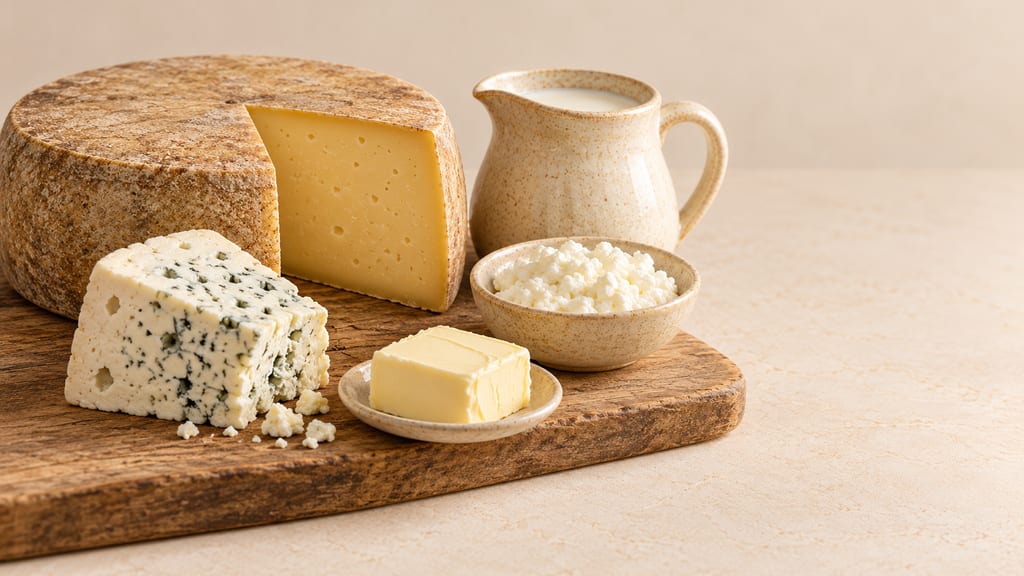
Follow milk into cheese, cultured drinks, butter, dried curds and sweets: a journey through the animals, seasons and household decisions behind the world's dairy foods.
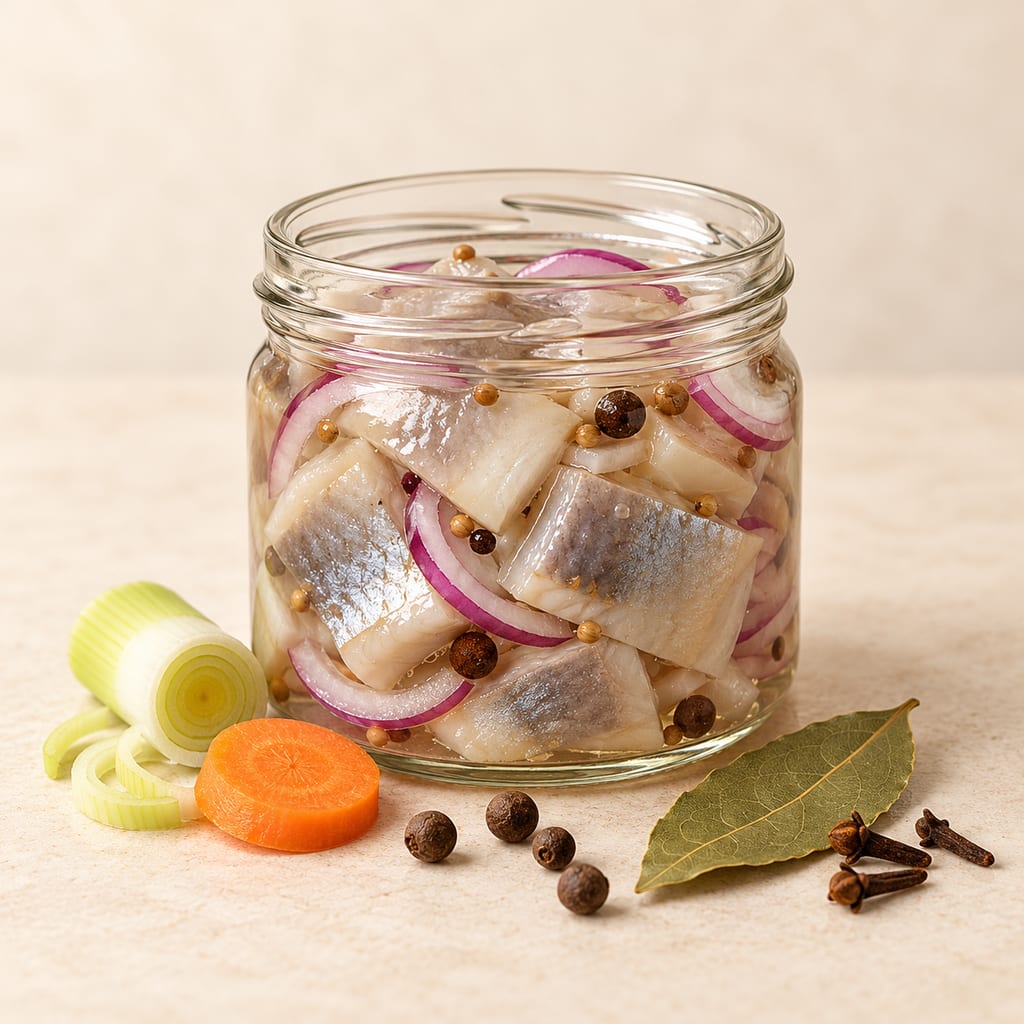
A Swedish ready-to-dress herring preparation: add the classic sliced aromatics and spices to already prepared herring, then serve or chill for fuller flavour.
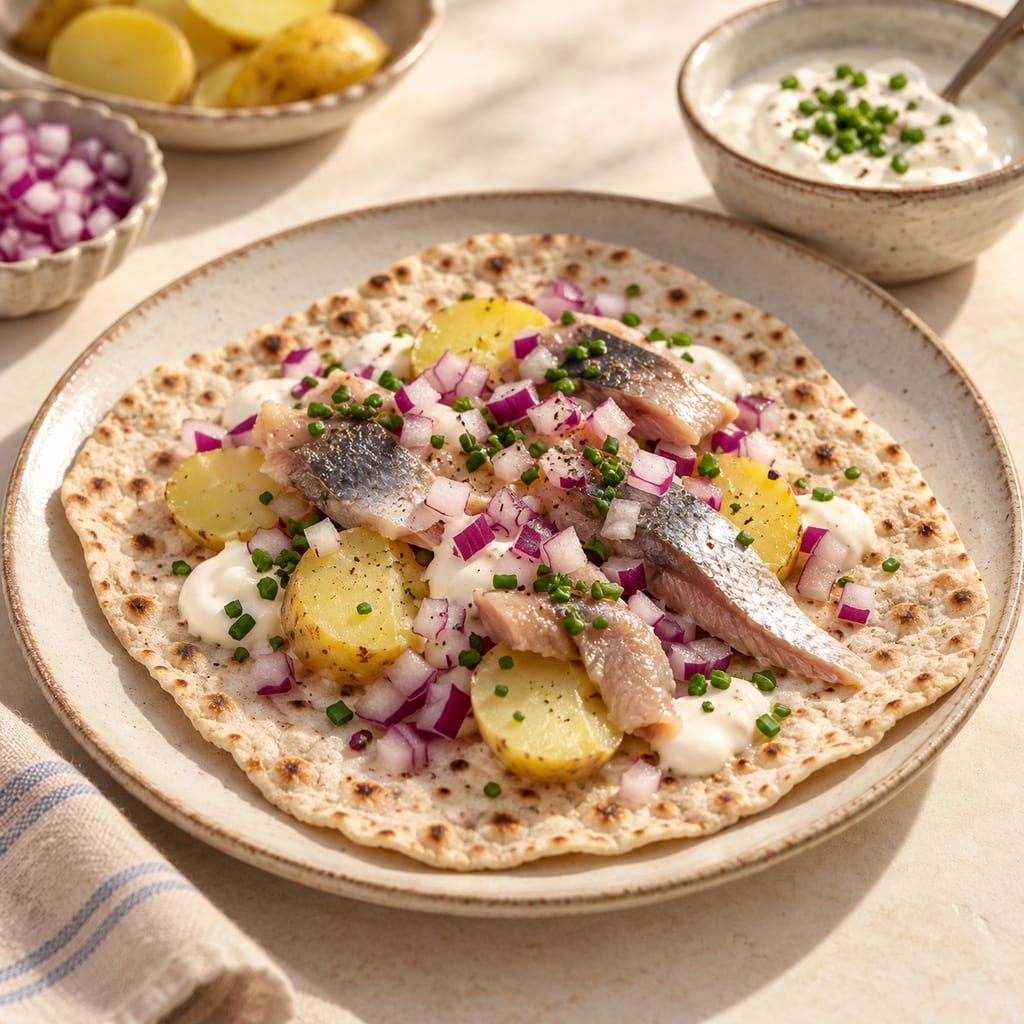
A Swedish late-summer meal of commercially prepared surströmming, tunnbröd, potatoes, onion and cultured cream. This is a serving preparation; the specialist fish fermentation is not made at home here.

A Swedish-style spirit vinegar made by fermenting neutral alcohol with live vinegar bacteria, with a separate guide to commercial ättika strengths.

Crushed or milled barley cooked in water until the starch softens and the mixture thickens, the plainest way a northern household turned stored grain into a meal, here with apple and hazelnut.
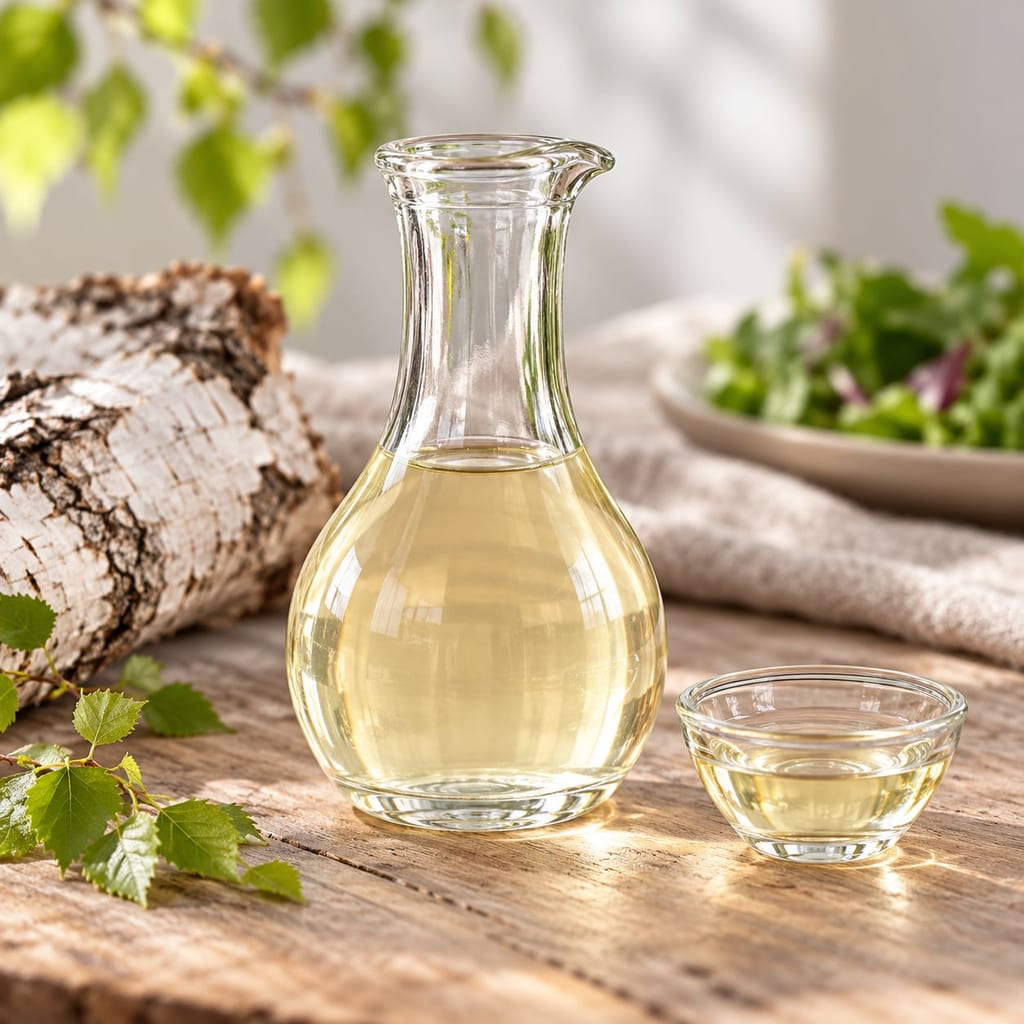
Vinegar from spring birch sap fermented to alcohol and then acetic acid, usually with added sugar or honey because the sap is so dilute; made in Sweden and described in older eastern European accounts.
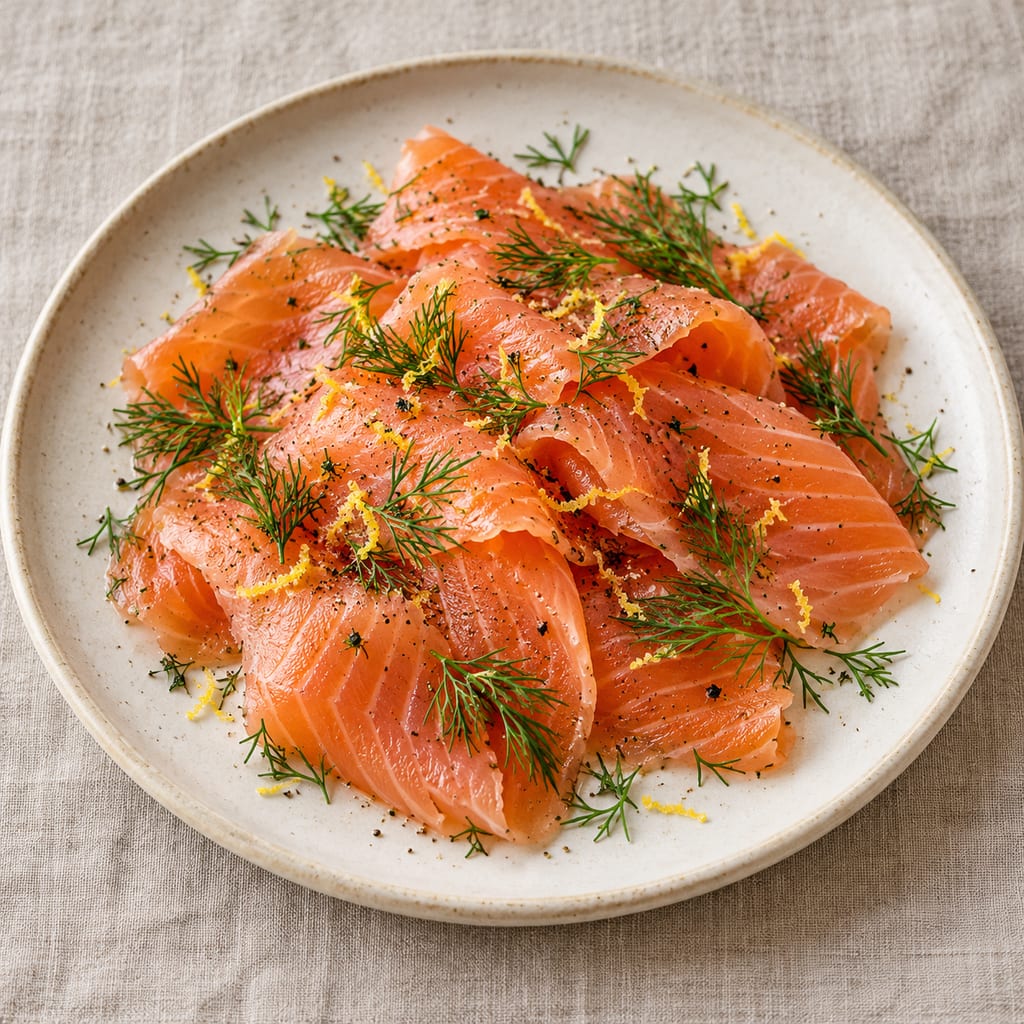
Salmon is cured with salt, sugar, pepper, dill and lemon zest under refrigeration.
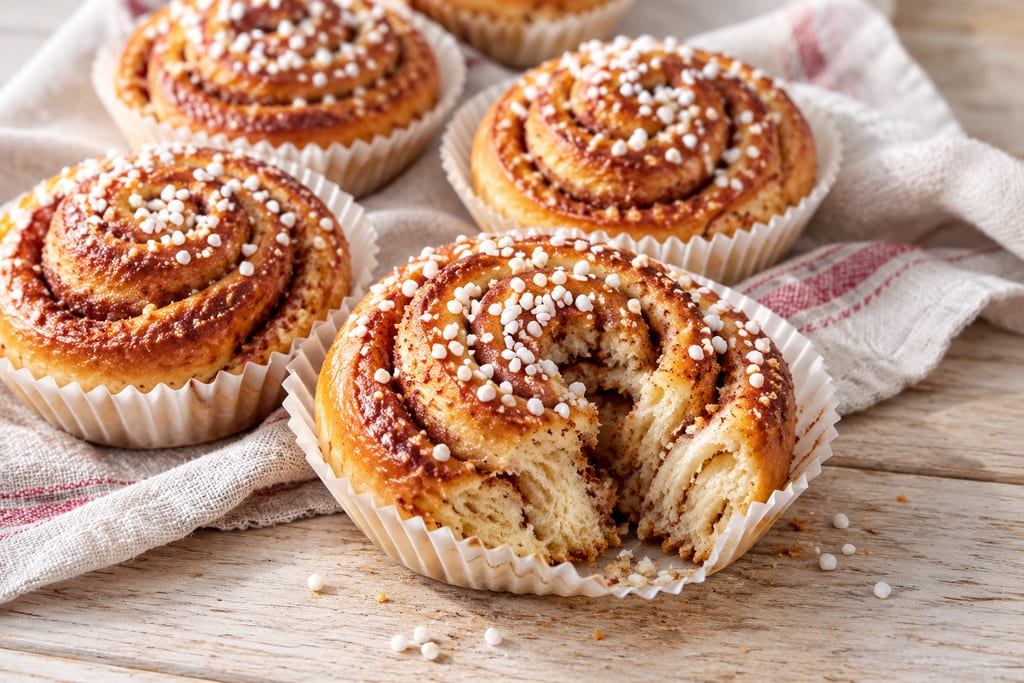
Soft Swedish wheat buns filled with butter, sugar and cinnamon. This 20-bun home batch uses fresh yeast, two short proofs and pearl sugar.
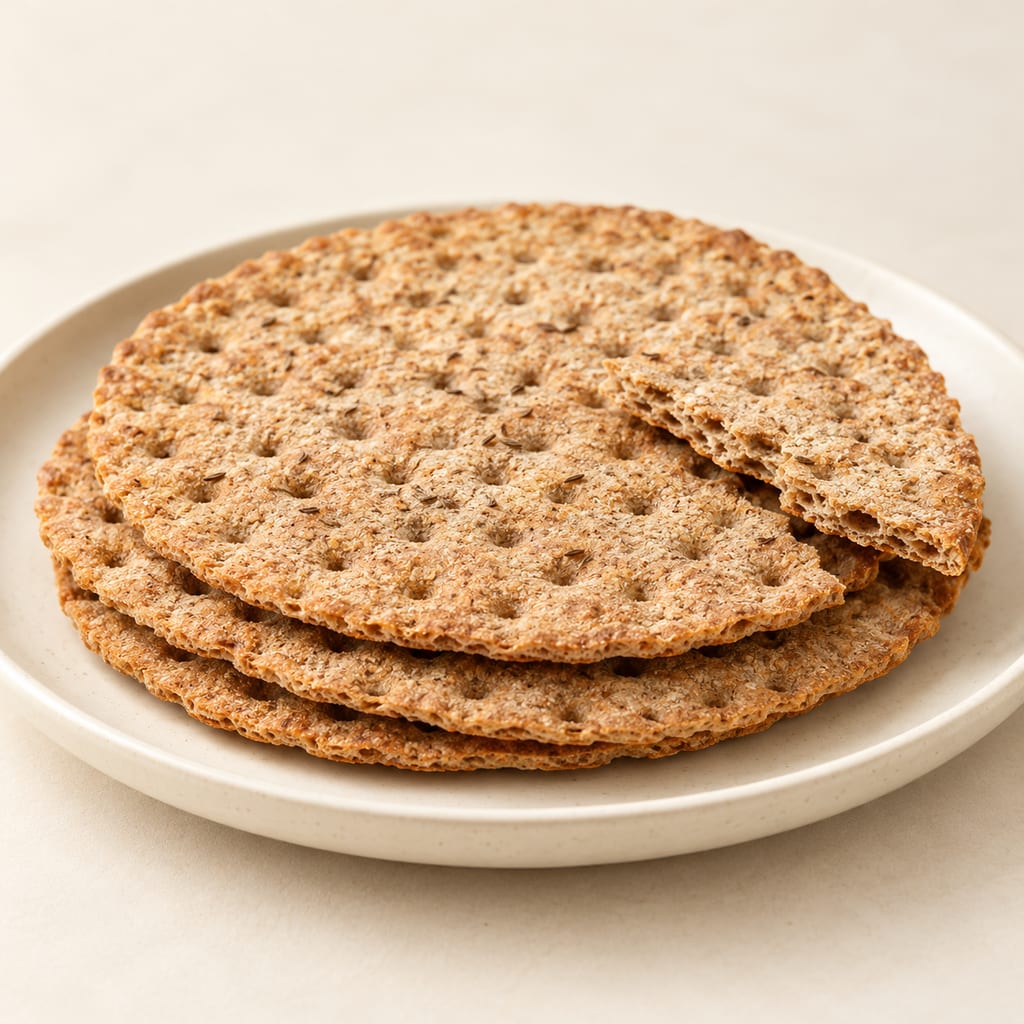
A Swedish home batch of eight thin rye-and-wheat crispbreads, yeast-risen once and baked until hard.
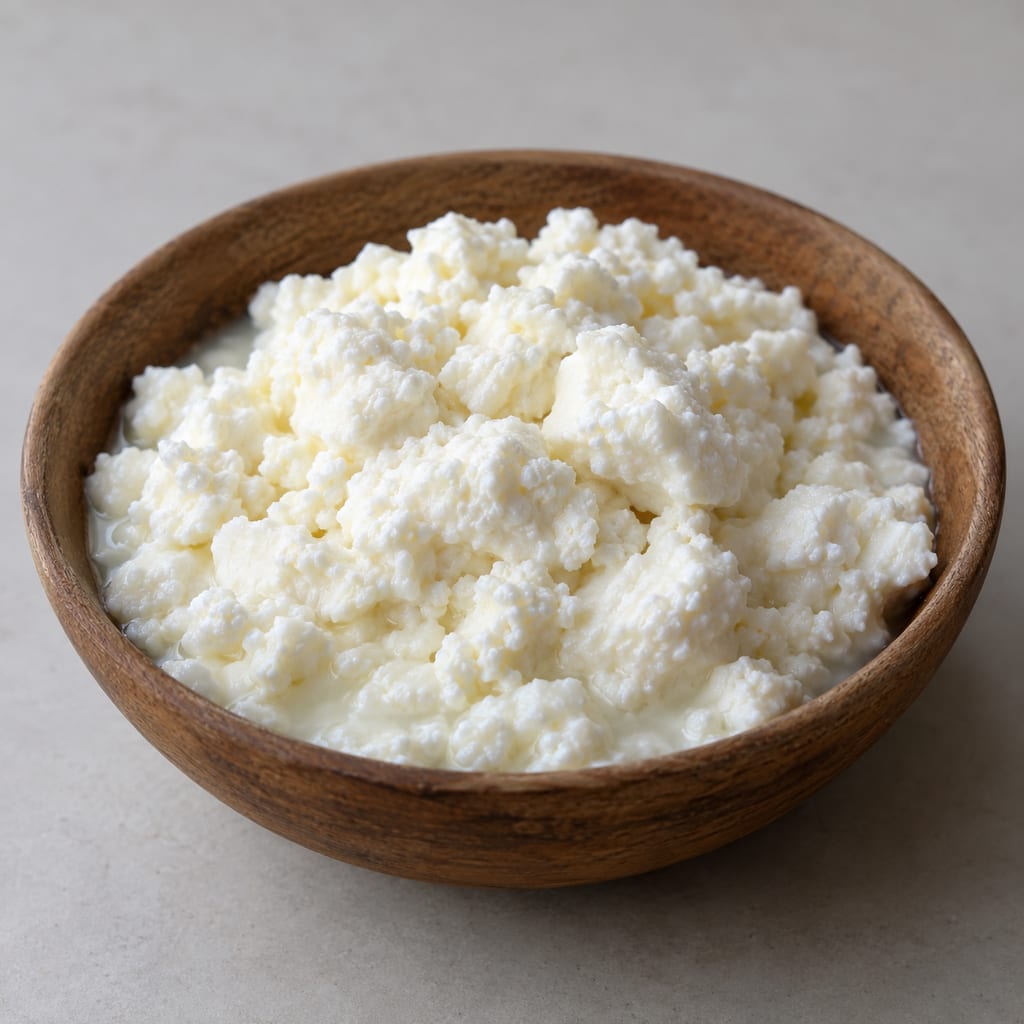
Aarts is a soft Mongolian curd made by draining boiled fermented yogurt; it remains wet, unlike aaruul, which is dried.
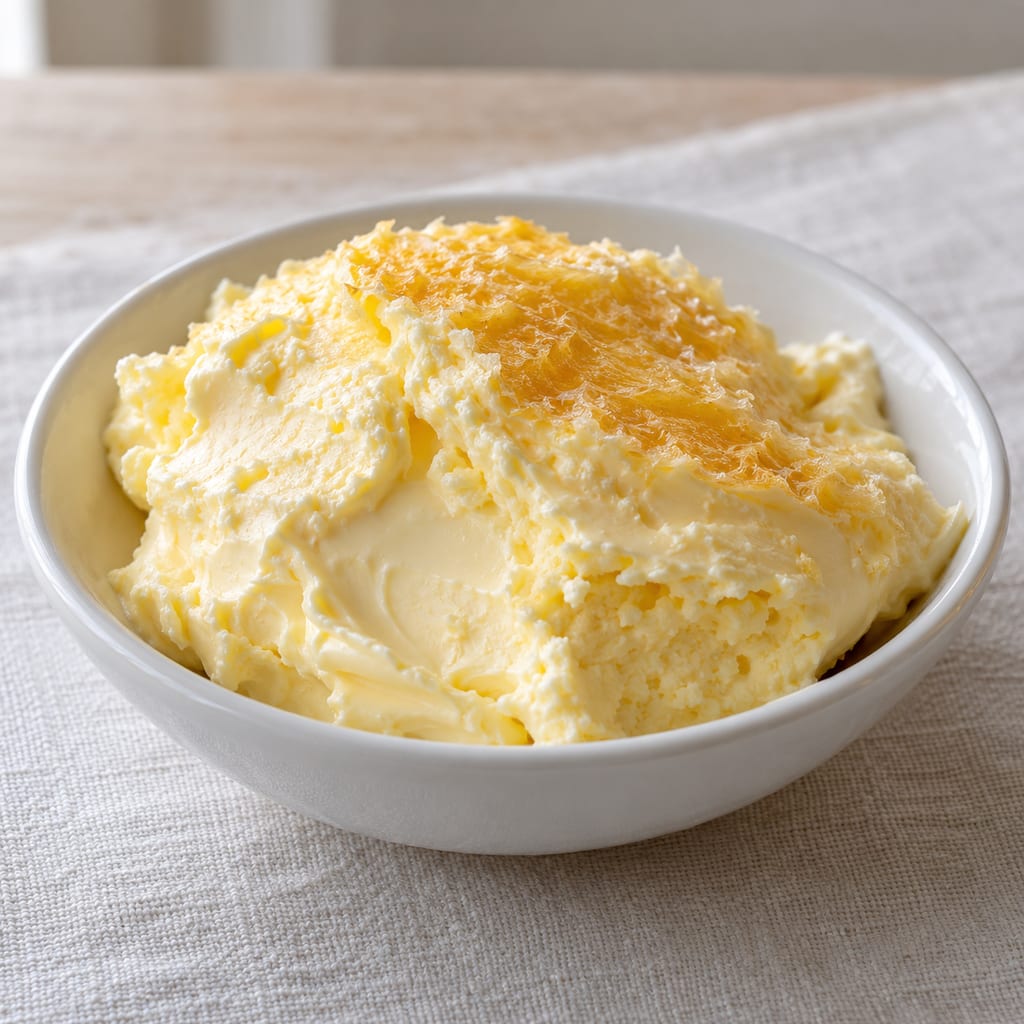
High-fat cream scalded below boiling for at least an hour until a thick crust forms, then cooled hard so the crust sets and the cream beneath thickens.
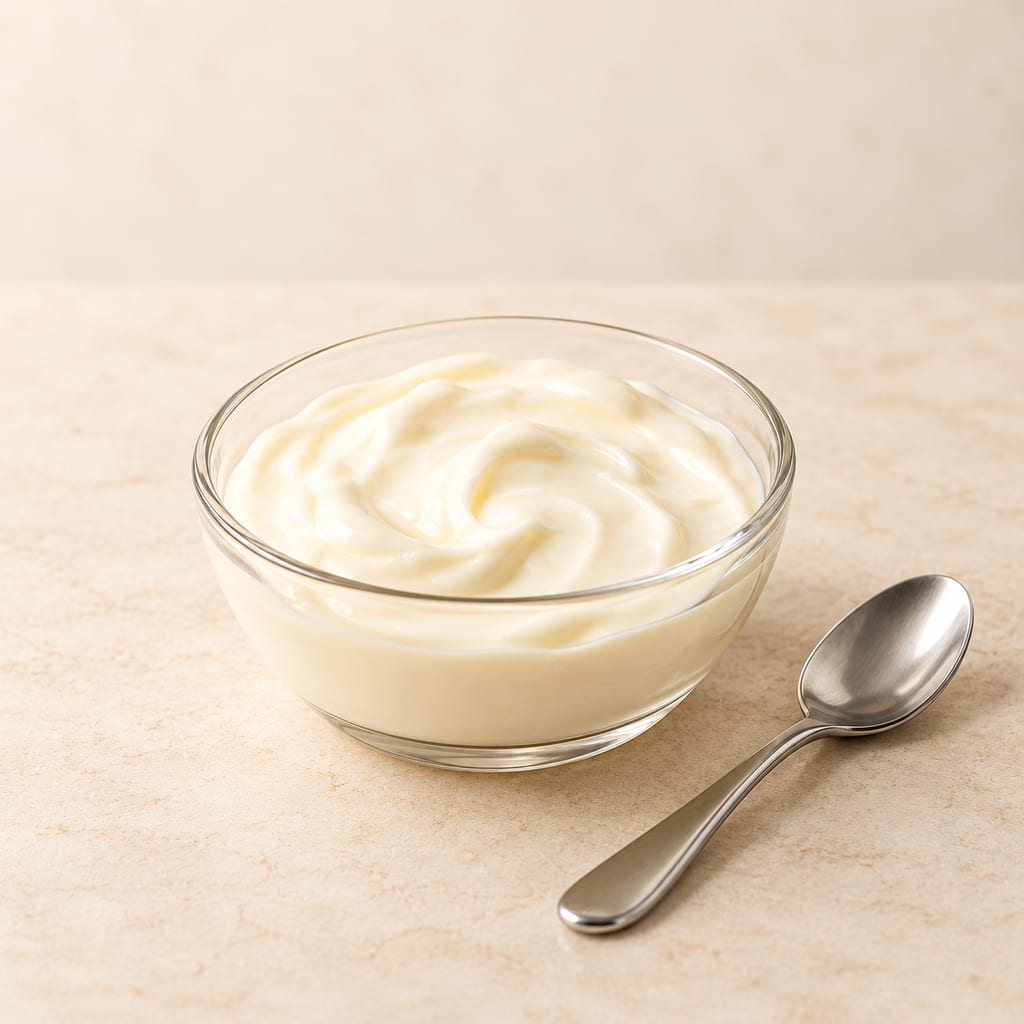
Crème fraîche is cream soured by lactic cultures into a thick, mild topping. It suits fruit and desserts as well as soups, sauces and other savoury dishes.
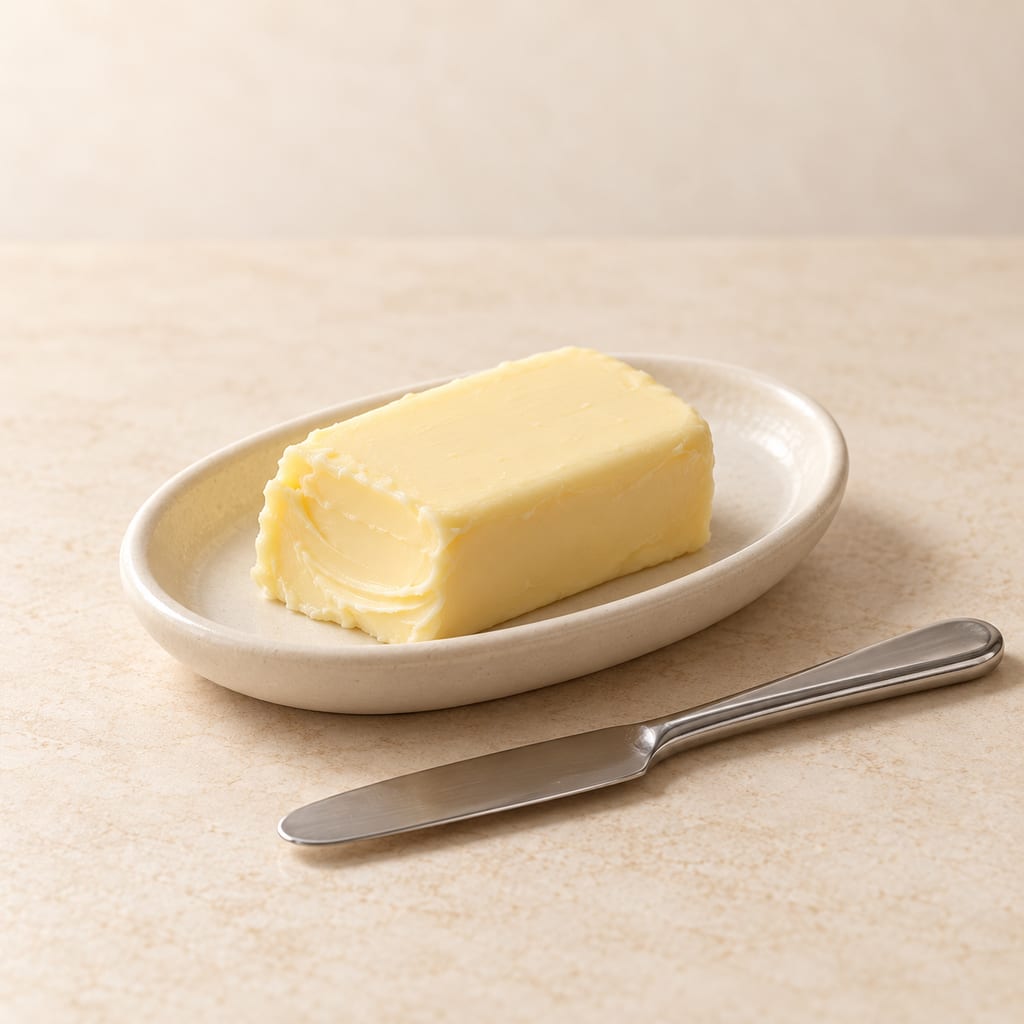
Cultured butter is churned from cream soured with lactic cultures. Its lightly tart flavour comes from the cultured cream, which separates into butter grains and buttermilk.
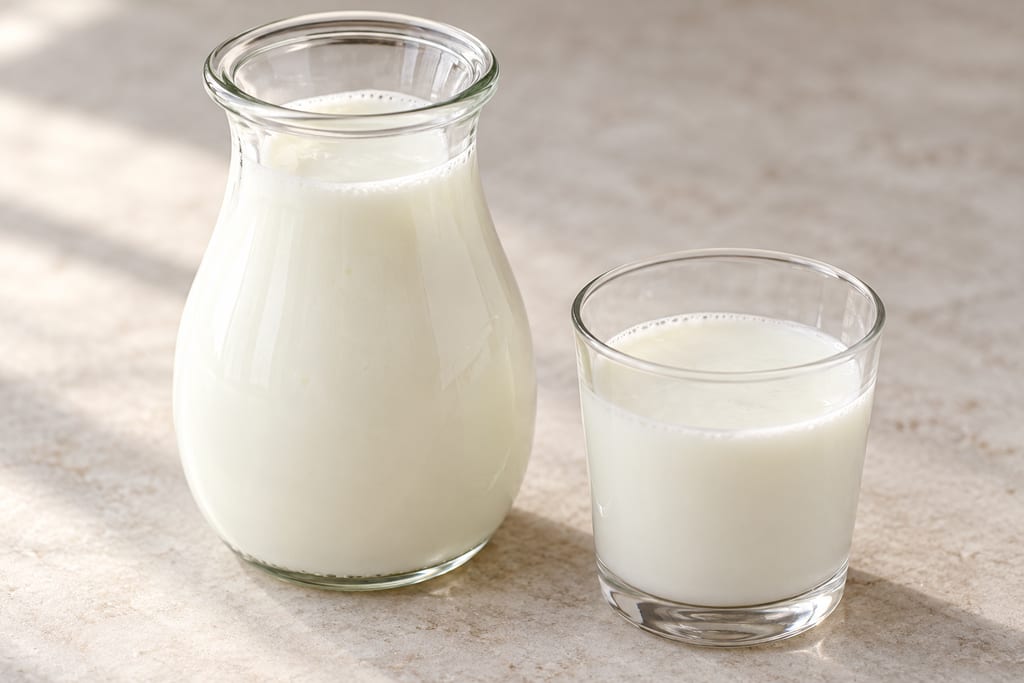
Cultured buttermilk is skim milk soured with a lactic starter into a tangy drink. This Canadian home method sets the milk without churning cream.
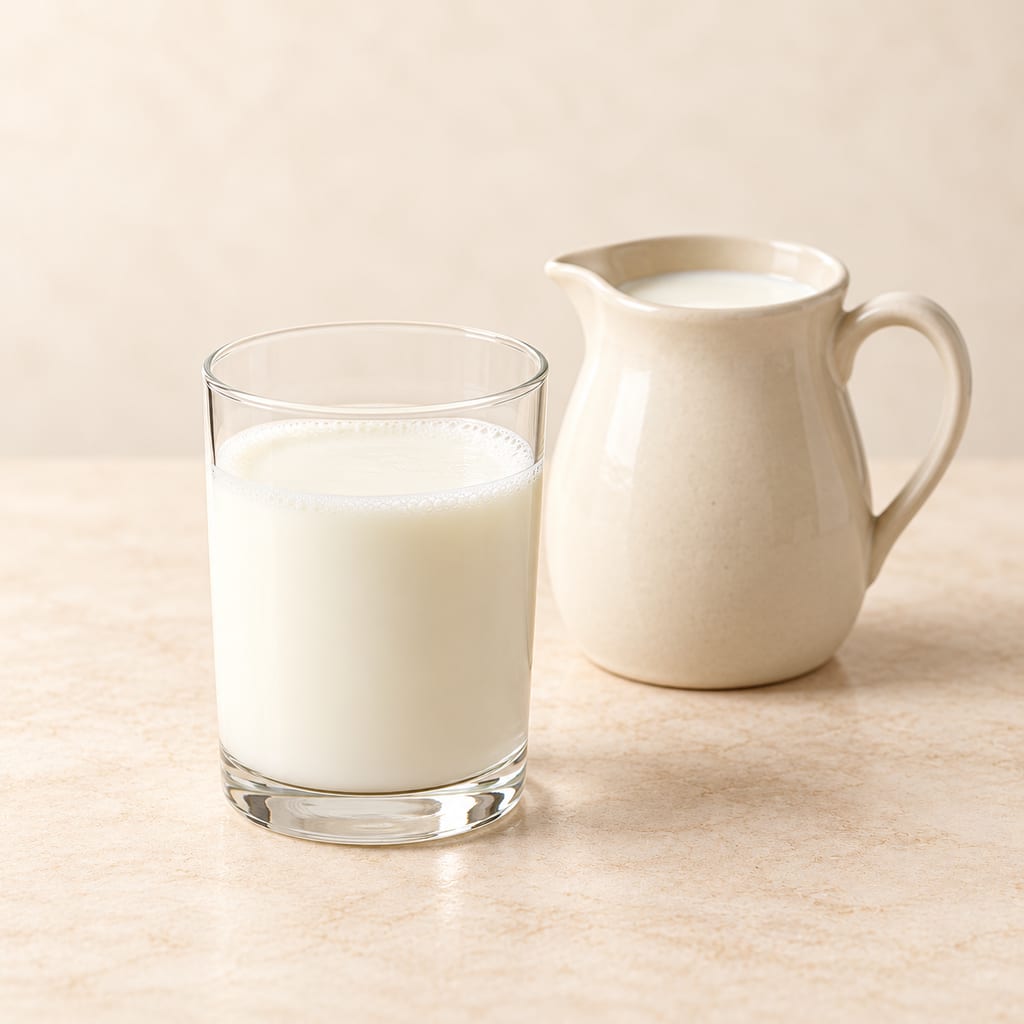
Milk thickened with a packet of buttermilk culture makes a tangy drink and a baking ingredient. This warm-incubated version uses whole milk.
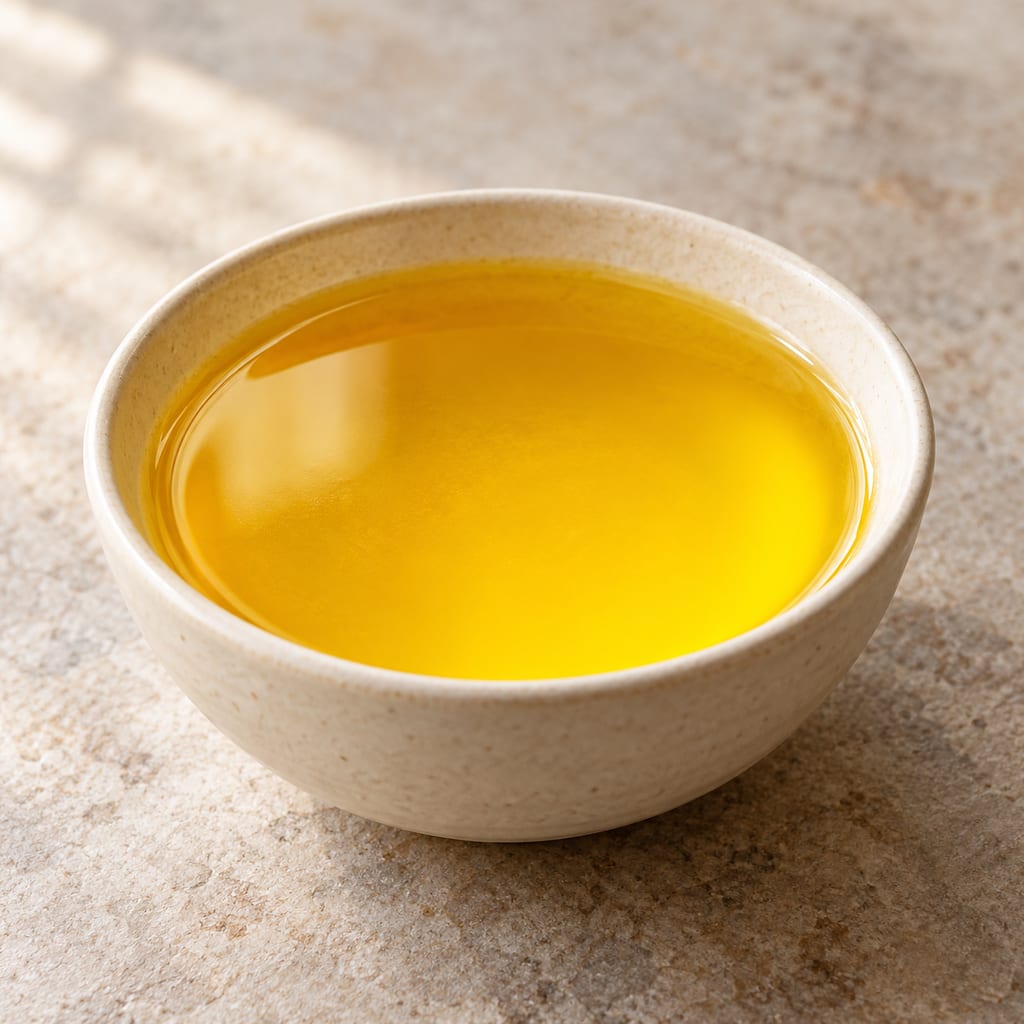
Butter heated until most water leaves and the milk solids separate, giving a fat that keeps far longer than butter. Rendering applies the same heat to animal tissue to make lard and tallow.
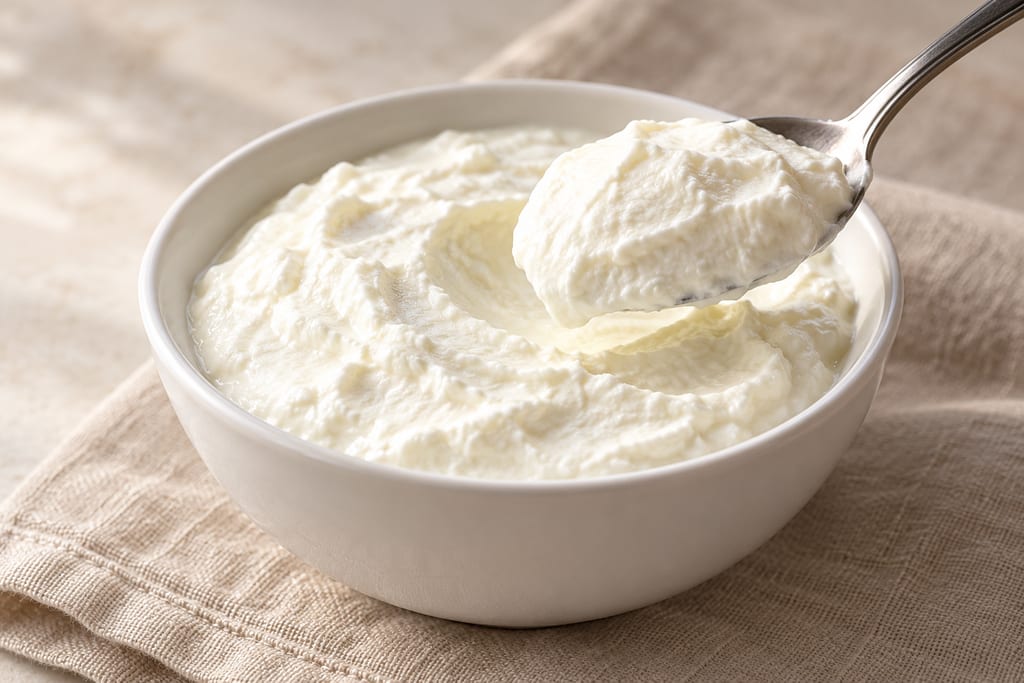
Greek-style strained yogurt is cultured whole milk drained through cloth to remove whey. This modern Utah home method makes a thick yogurt from a gallon batch.

A gelling polysaccharide extracted from red seaweeds, sold as kanten strips or powder; it sets firm at a low concentration and stays solid until about 85 °C.

A Dominican table and seasoning condiment of sour orange juice, mixed with lime and salt and bottled raw; garlic, oregano or a hot pepper may be added for meat or a spicier bottle.

Cicerbita alpina is an alpine perennial whose tender shoots and leaves have been eaten raw or cooked. Sámi milk preparations and modern Carnian dishes are distinct uses, with serious identification and preservation limits.

Japanese skipjack tuna cooked, then repeatedly smoked and dried over a wood fire by the hand-fired tebiyama method into a hard block for shaving into dashi: the first stage of katsuobushi.

A yeast-raised wheat ring shaped from a firm dough, briefly boiled and baked. This source-batch formula gives a gently malted crust and a chewy crumb.

A warm dip of garlic, anchovy and olive oil, often enriched with butter, that Piedmont serves over a flame with raw and cooked vegetables and bread.

Bechamel is a white sauce of milk thickened with a butter and flour roux, one of the French mother sauces, and the base from which Mornay and other cheese and cream sauces are made.
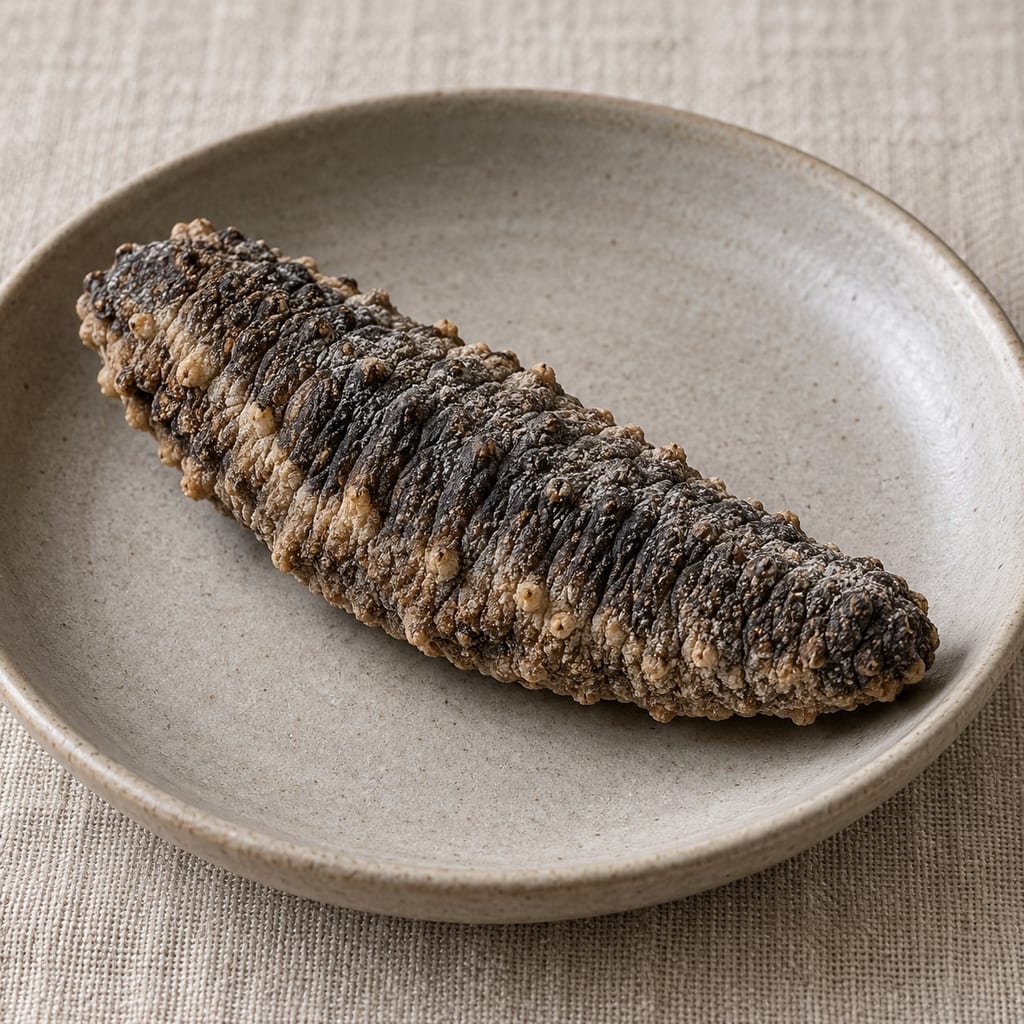
Sea cucumber cleaned, boiled and dried, sometimes with smoke, into a long-keeping trade product; Makassan processing in Arnhem Land is documented from at least the eighteenth century.
No community contributions have been published for this entry yet.
Sign in to contribute. Published comments and photos are free to read.
Cultures for HealthInspiration · Process
How to Make Viili, Filmjölk, Matsoni, and Piimä YogurtNamed countertop cultures, milk ratio, room-temperature range and reculturing process.
Cited in: A mild sour milk with a spoonable body; Milk, starter and the character of the batch; A recurring household method
Agriculture CanadaSafety · Process
Home-made dairy products, Publication 1669Dairy process and handling context.
Cited in: Handling, storage and what the method does not say
WikipediaHistory · Identity · Culture
FilmjölkFilmjölk as a traditional Swedish fermented milk made with Lactococcus lactis and Leuconostoc mesenteroides; diacetyl flavour; 18th-century written records and the word in Swedish from 1741; first sold by Arla in 1931; långfil and filbunke variants; eaten with cereal, muesli, crisp bread, jam or berries.
Canadian Dairy CommissionHistory · Use · Storage
Fermented Milk ProductsFilmjölk as Swedish fermented milk from Viking-era Scandinavian tradition and the modern form of surmjölk; most common fermented milk in Sweden, eaten at breakfast or lunch; mesophilic bacteria; mild slightly acidic flavour with diacetyl; typical manufactured shelf life 10-14 days at 4°C; eaten like yogurt, with sugar, jam, apple sauce, cinnamon, berries, cereal or crushed crisp bread.
Swedish Board of Agriculture — Smaka SverigeHistory · Identity · Geography
FilmjölkSwedish identity and serving uses; name from the first half of the eighteenth century; mesophilic bacterial genera.
Cited in: A mild sour milk with a spoonable body; A food older than the packaged standard; How the modern product took shape; The change from milk to filmjölk; Milk, starter and the character of the batch; Related foods that are not the same batch; At the Swedish breakfast table
ArlaHistory
Filmjölkens historia – Även Linné åt filmjölkStandard commercial filmjölk introduced in 1931; distinct historical cultured-milk forms.
Cited in: A food older than the packaged standard; How the modern product took shape; A recurring household method; Related foods that are not the same batch; At the Swedish breakfast table
Smaka Sverige / Swedish Board of AgricultureHistory · Regional variation · Microbiology
Svenska drycker – ett kunskapsunderlagFilmjölk is a traditional Nordic cultured milk made through mesophilic lactic fermentation.
The report lists Swedish regional culture-milk products and distinguishes långfil by its rope-like texture and associated exopolysaccharide production.
Cited in: How the modern product took shape; Milk, starter and the character of the batch; Related foods that are not the same batch
International Dairy JournalHistory · Microbiology · Regional variation
Traditional and modern Nordic fermented milk products: A reviewThe review describes a transition from homestead-made fermented milks to standardized modern products.
It describes Nordic fermented milks as predominantly mesophilic, with starter cultures dominated by Lactococcus lactis and leuconostocs, and notes that culture metabolism and production technology shape product characteristics.
Cited in: The change from milk to filmjölk
Tetra Pak Dairy Processing HandbookMicrobiology · Process
Fermented milk productsLactic fermentation converts part of milk lactose into lactic acid, lowers pH and causes thickening; starter choice affects flavor and aroma compounds.
Cited in: The change from milk to filmjölk
U.S. Food and Drug AdministrationSafety
Raw Milk Questions & AnswersPasteurization reduces harmful microorganisms; pasteurized milk still requires refrigeration because low levels of spoilage organisms may remain.
Cited in: Handling, storage and what the method does not say
FoodSafety.govSafety · Storage
4 Steps to Food SafetyKeep the refrigerator at 40°F (4°C) or below and refrigerate perishable foods promptly; sensory checks are not a substitute for safe handling.
Cited in: Handling, storage and what the method does not say
Canadian Dairy CommissionIdentity · Use · Handling
Cultured milk productsFilmjölk is a Swedish fermented milk with mild acidity and characteristic aroma.
Commercial refrigerated shelf life is product-specific; a commercial figure is not treated as a home storage guarantee.
Cited in: The change from milk to filmjölk; At the Swedish breakfast table; Handling, storage and what the method does not say