
Barley and oat porridge (Viking Age)
Crushed or milled barley cooked in water until the starch softens and the mixture thickens, the plainest way a northern household turned stored grain into a meal, here with apple and hazelnut.
 FermenteaWhere food goes to change
Modern method
Kanelbullar · Swedish cinnamon buns · Swedish cinnamon rolls · Kanelbulle
Soft Swedish wheat buns filled with butter, sugar and cinnamon. This 20-bun home batch uses fresh yeast, two short proofs and pearl sugar.
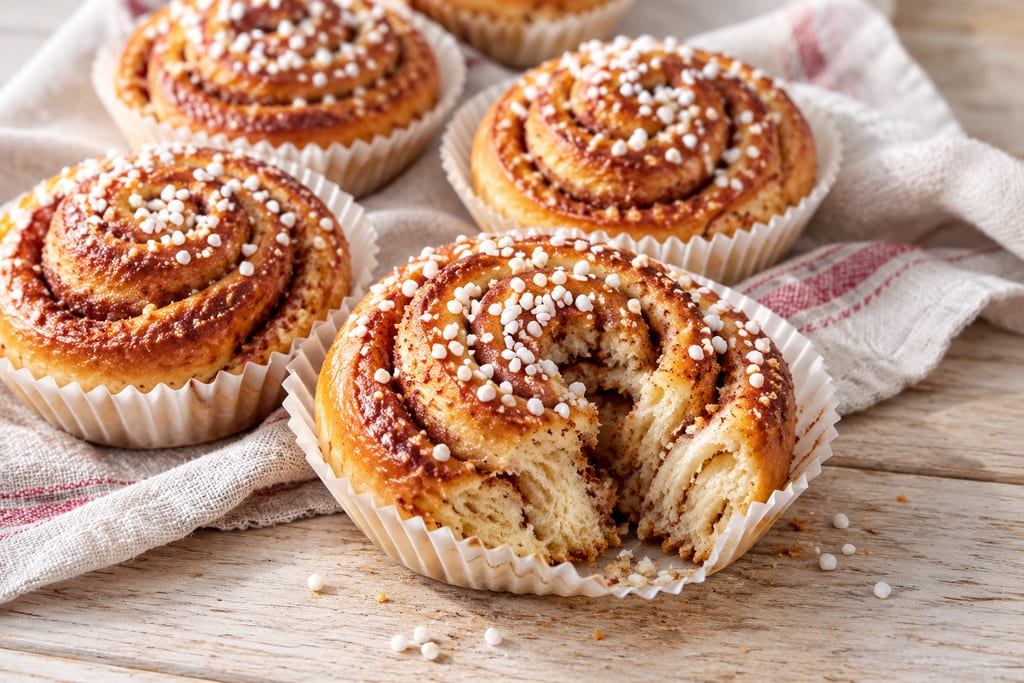
Kanelbullar are wheat buns filled with butter, sugar and cinnamon. Visit Sweden describes them as a Swedish pastry served in bakeries and cafés and connects them with fika, the Swedish coffee break. The site also notes that Sweden marks Cinnamon Bun Day on 4 October. These sources document current practice; they do not establish a precise birthplace or first date.
This home batch makes 20 buns from 7½ dl wheat flour, ½ dl caster sugar, 2 krm salt, 25 g fresh yeast, 2½ dl whole milk and 75 g butter. The filling uses another 75 g butter, 2½ tablespoons caster sugar and 1½ tablespoons ground cinnamon. One beaten egg and pearl sugar finish the buns. Arla directs that the milk be warmed to no more than 37°C and that the covered dough rise for about 30 minutes. The filling butter should remain spreadable; melted butter would make the rolling and portioning untidy.
Knead the dough until smooth and elastic, then roll it into a 25 by 50 cm rectangle. Spread the cinnamon butter over the surface, roll from a long side and cut 20 rounds about 2 cm wide. Stand them cut-side up in paper cases on trays and cover for a second rise of about 30 minutes. The source advises checking that the buns have expanded; proofing speed changes with room temperature. Brush with egg, add pearl sugar, then bake at 225°C in a conventional oven or 200°C with fan for 6–8 minutes. Arla gives golden colour and 94–98°C at the centre as endpoints. Cool on a rack under a clean cloth.
Do not taste the uncooked dough or leftover egg wash. CDC warns that raw flour and eggs can carry germs and advises washing hands and equipment after handling them. The buns are baked before eating; the source's bake time and centre-temperature range describe this recipe, while CDC's general handling advice does not certify a particular oven setting.
Visit Sweden identifies kanelbullar as a Swedish cinnamon, sugar and butter bun associated with coffee breaks and Sweden's Cinnamon Bun Day on 4 October. These sources document contemporary practice, not the first historical attestation.
Yield 20 buns · Scaling: source batch only
Raw flour and uncooked egg can carry germs; the dough and egg wash must be cooked before eating.
Hazard sourceDo not taste raw dough. Bake the buns as directed, and wash hands, bowls, utensils and work surfaces after handling flour, egg or dough.
Control sourceDo not eat the raw dough or leftover egg wash.
Visit Sweden describes kanelbullar as Swedish cinnamon buns found in bakeries and cafés and associated with the Swedish coffee break; no more precise birthplace is claimed.
Crushed or milled barley cooked in water until the starch softens and the mixture thickens, the plainest way a northern household turned stored grain into a meal, here with apple and hazelnut.
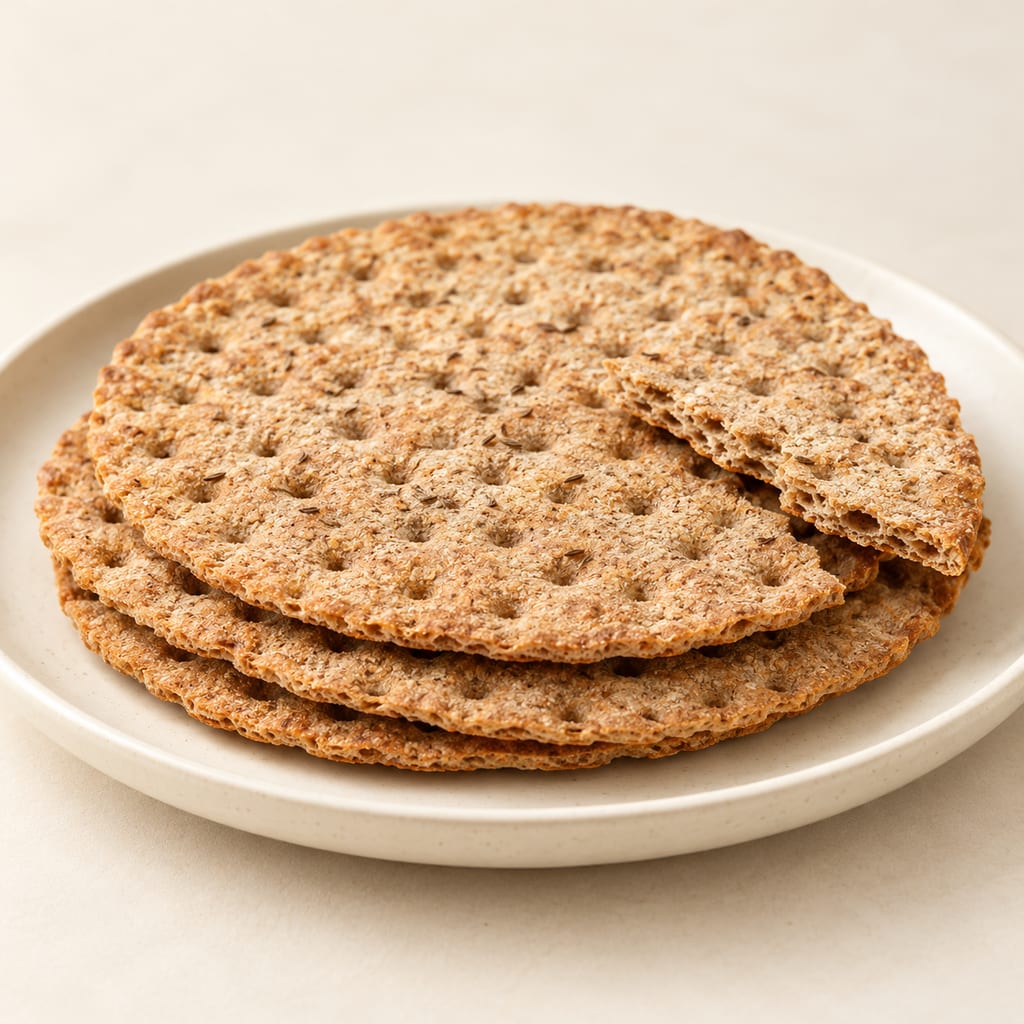
A Swedish home batch of eight thin rye-and-wheat crispbreads, yeast-risen once and baked until hard.
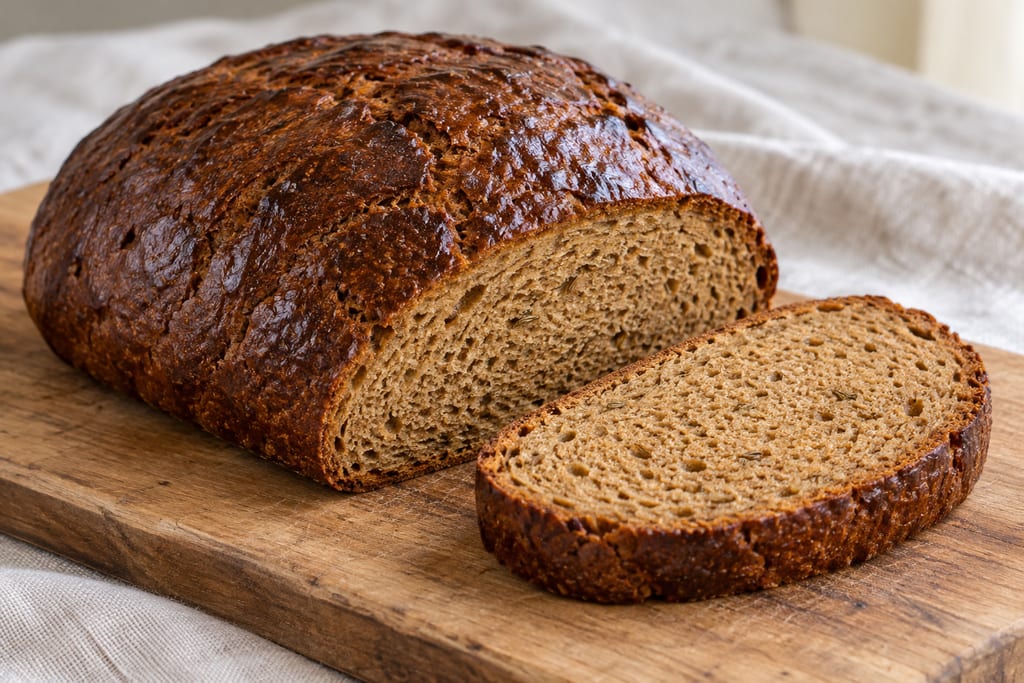
Sirapslimpa is a sweetish Swedish rye-and-wheat loaf with dark syrup, honey, fennel and anise, made with an overnight rye scald and a long room-temperature rise.
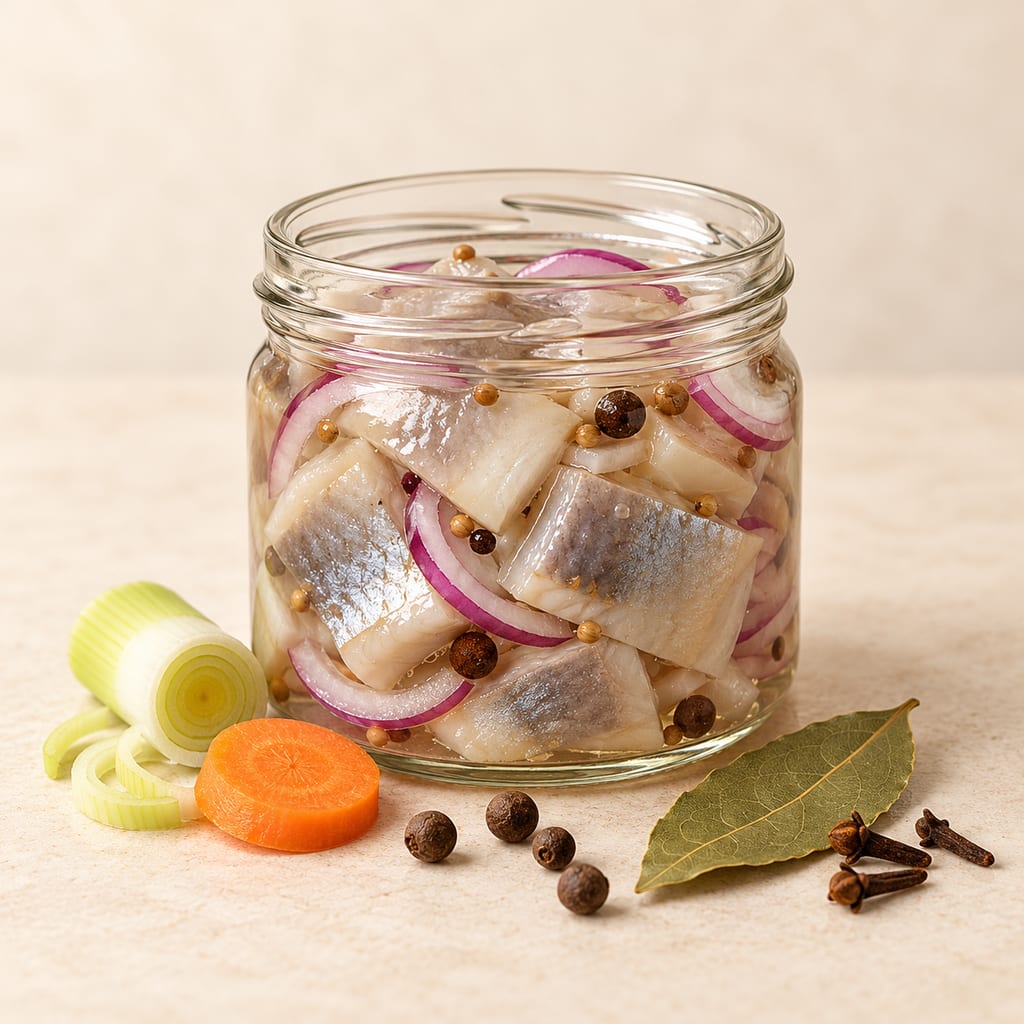
A Swedish ready-to-dress herring preparation: add the classic sliced aromatics and spices to already prepared herring, then serve or chill for fuller flavour.
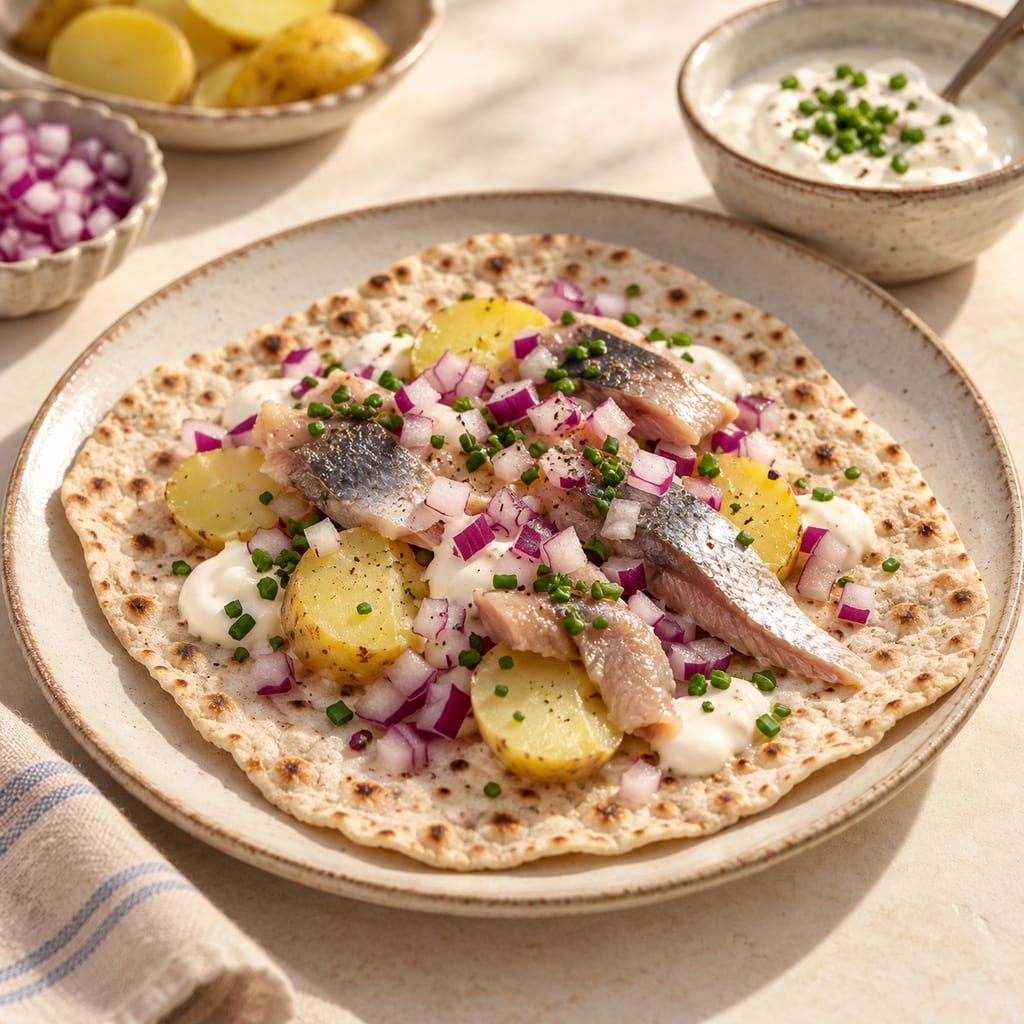
A Swedish late-summer meal of commercially prepared surströmming, tunnbröd, potatoes, onion and cultured cream. This is a serving preparation; the specialist fish fermentation is not made at home here.

A Swedish-style spirit vinegar made by fermenting neutral alcohol with live vinegar bacteria, with a separate guide to commercial ättika strengths.
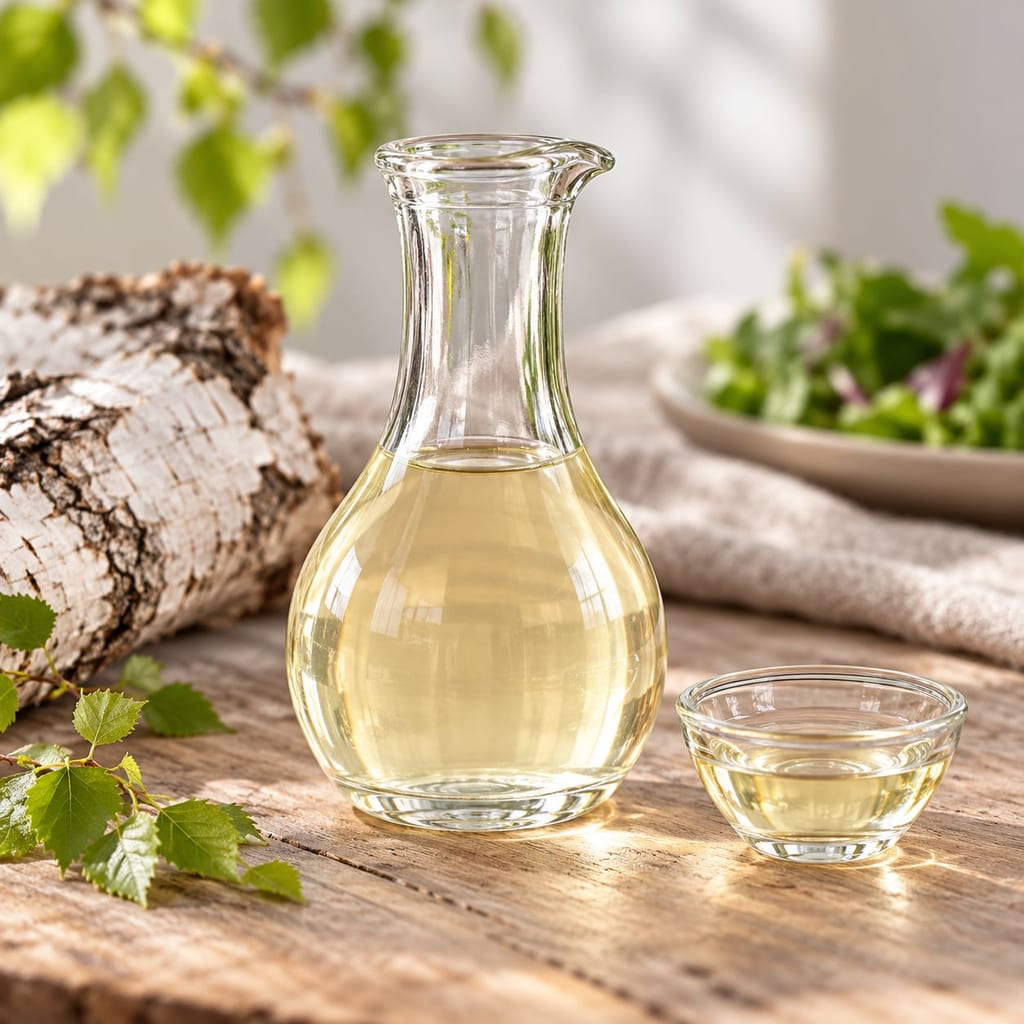
Vinegar from spring birch sap fermented to alcohol and then acetic acid, usually with added sugar or honey because the sap is so dilute; made in Sweden and described in older eastern European accounts.
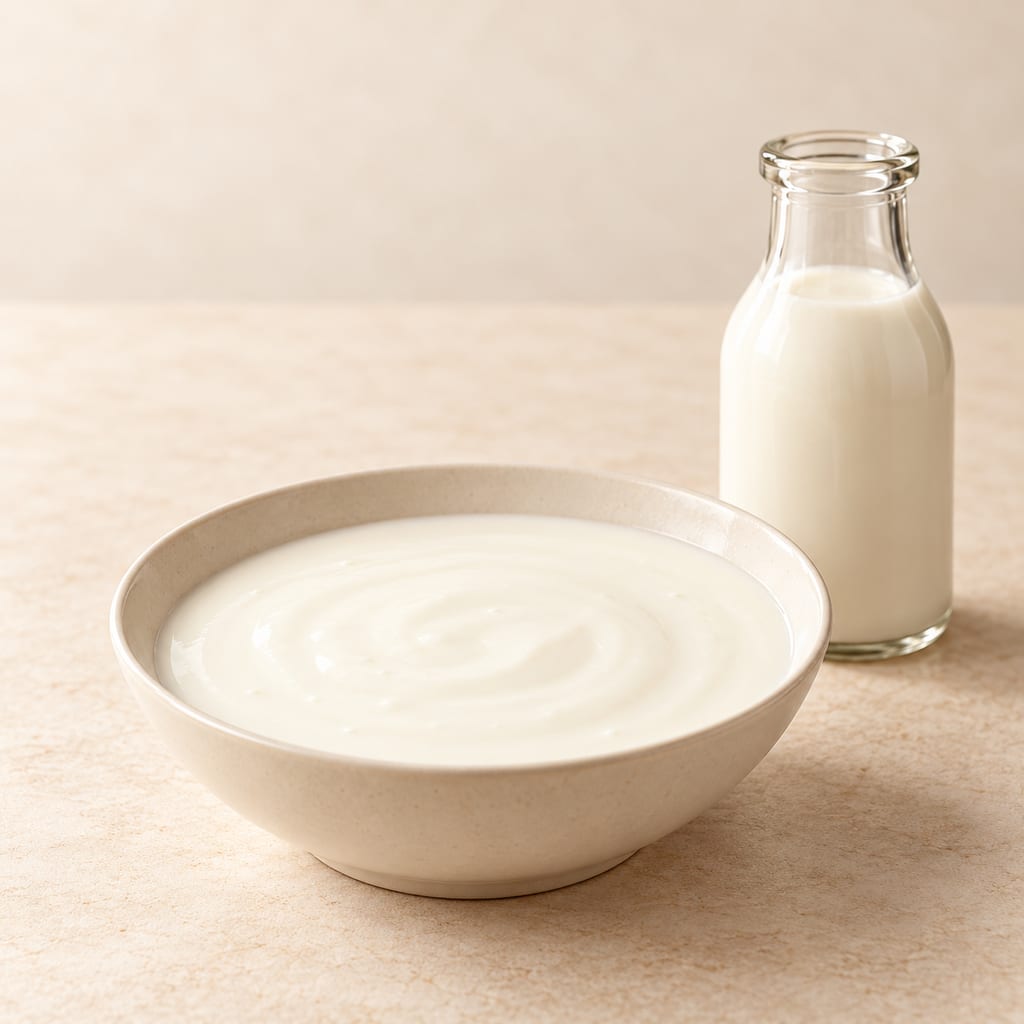
Filmjölk is a Swedish cultured milk with mild acidity and a spoonable body. This recurring batch uses filmjölk from the previous batch to culture fresh milk.
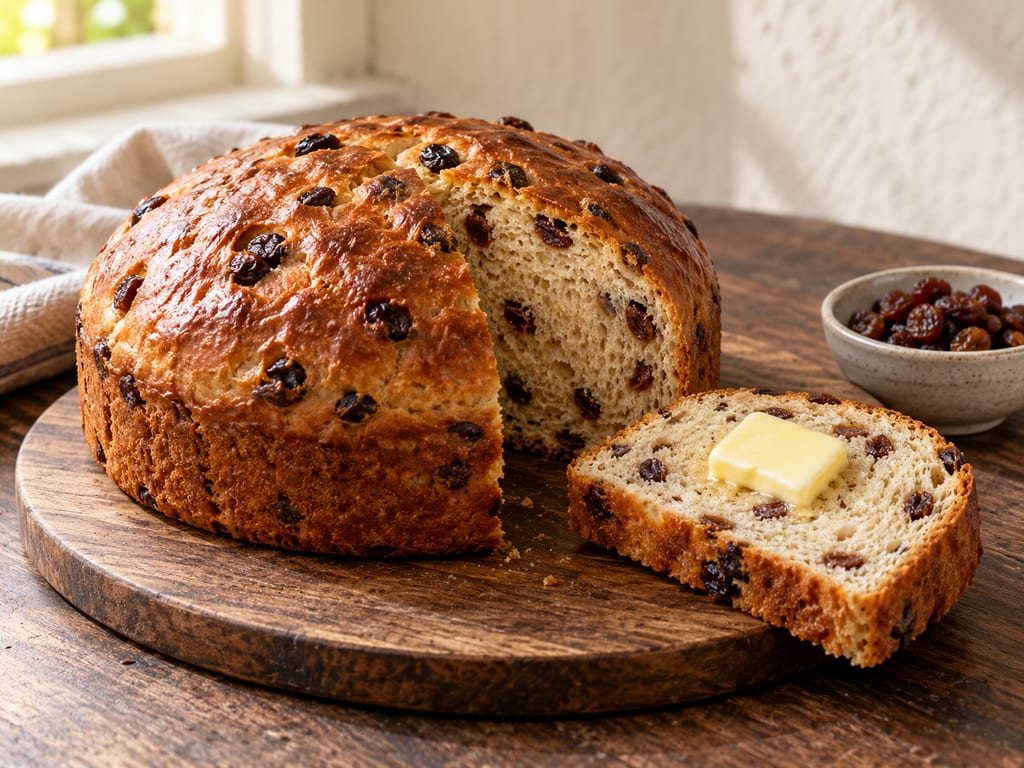
An Irish fruit-studded yeast loaf, associated in a contemporary cultural account with Halloween and often served fresh or toasted with butter.
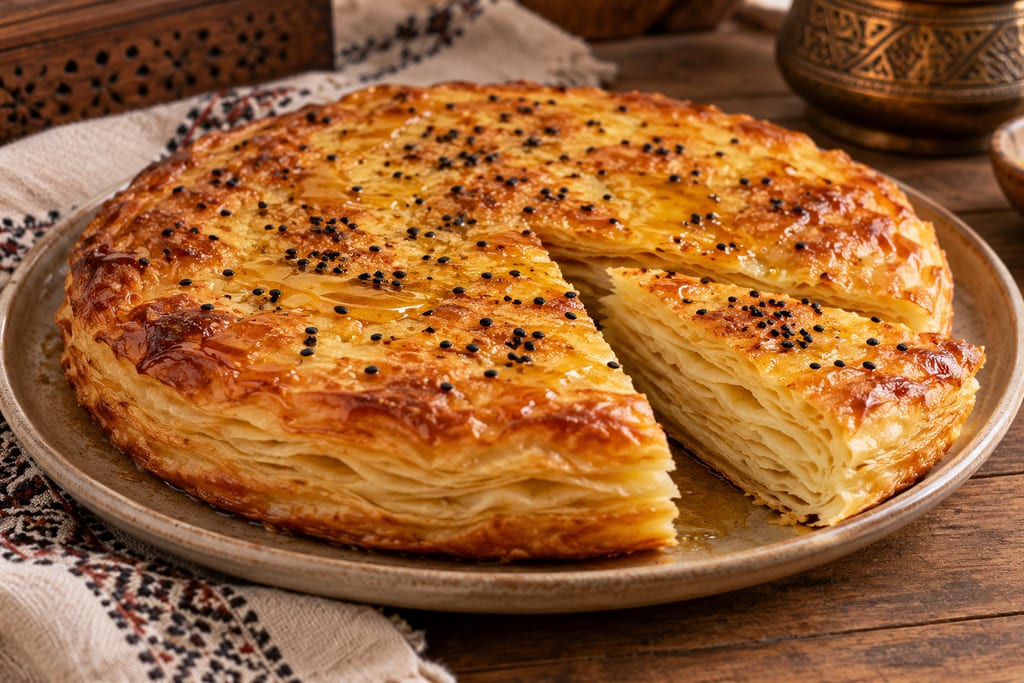
Bint al-sahn is a Yemeni celebration and home bread built from thin, egg-rich yeast dough layers brushed with ghee or butter. This source-specific version makes one round cake, baked until golden and served warm with honey.
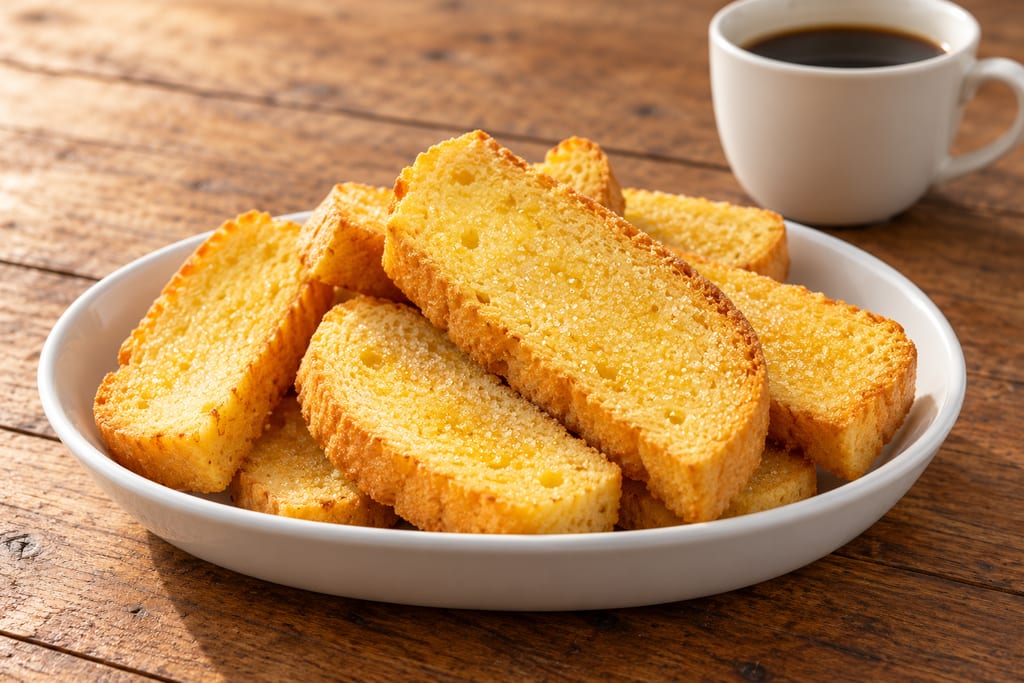
PagkainPinoy’s 24–30 piece version twice-bakes day-old soft bread with a thin butter-and-sugar coating.
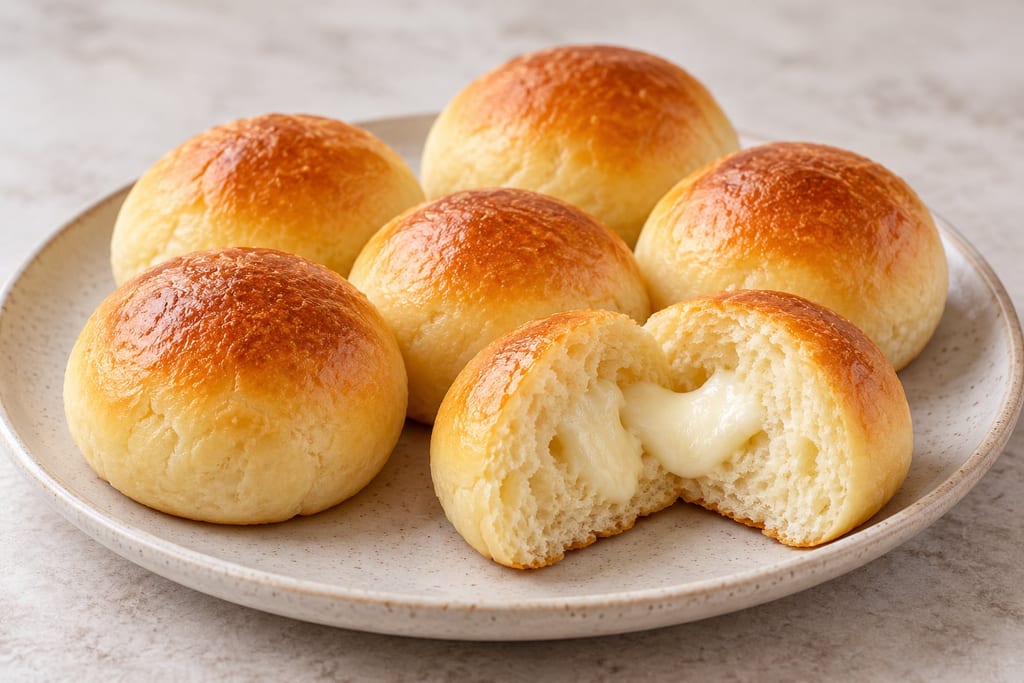
Soft Brazilian yeast rolls use cooked mashed potato in an enriched dough, with mozzarella cubes enclosed before baking.
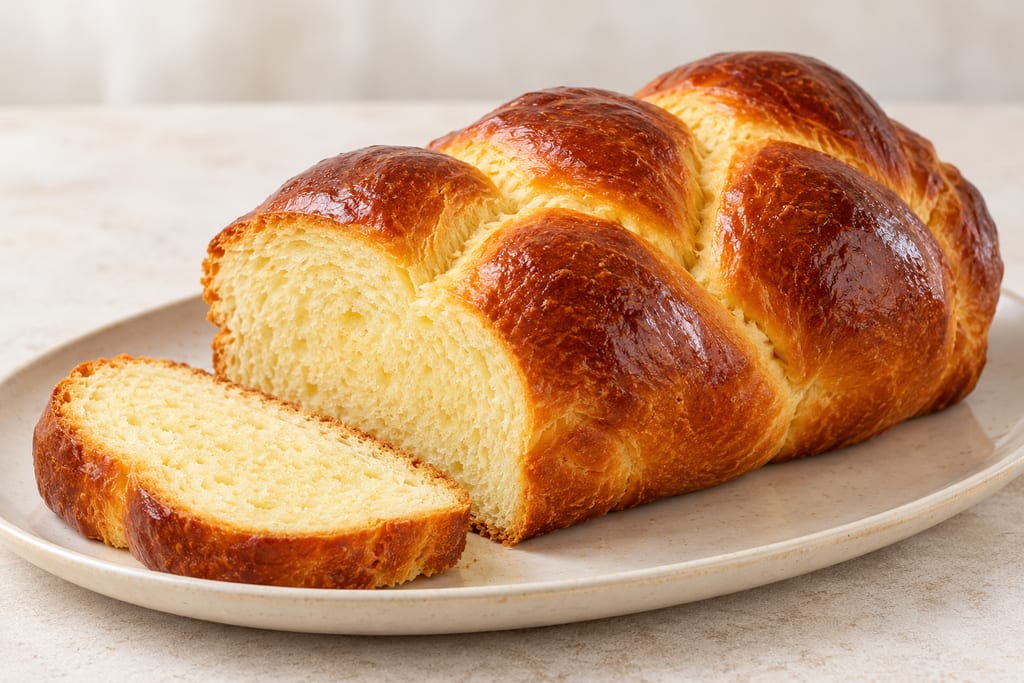
An egg-and-butter-rich yeast dough shaped as one round loaf, two loaves or twelve small brioches, with baking paths that vary by shape.
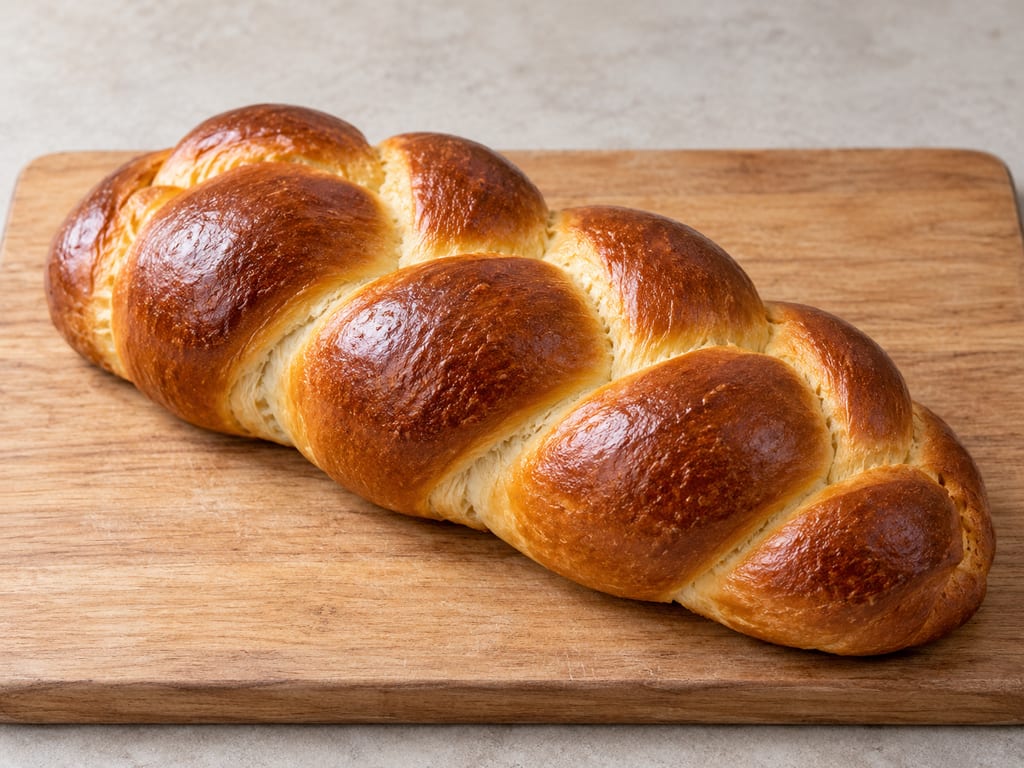
A three-strand yeast-raised challah with flour, salt, yeast, water, neutral oil, honey and egg, based on a Jewish Museum Vienna home recipe.
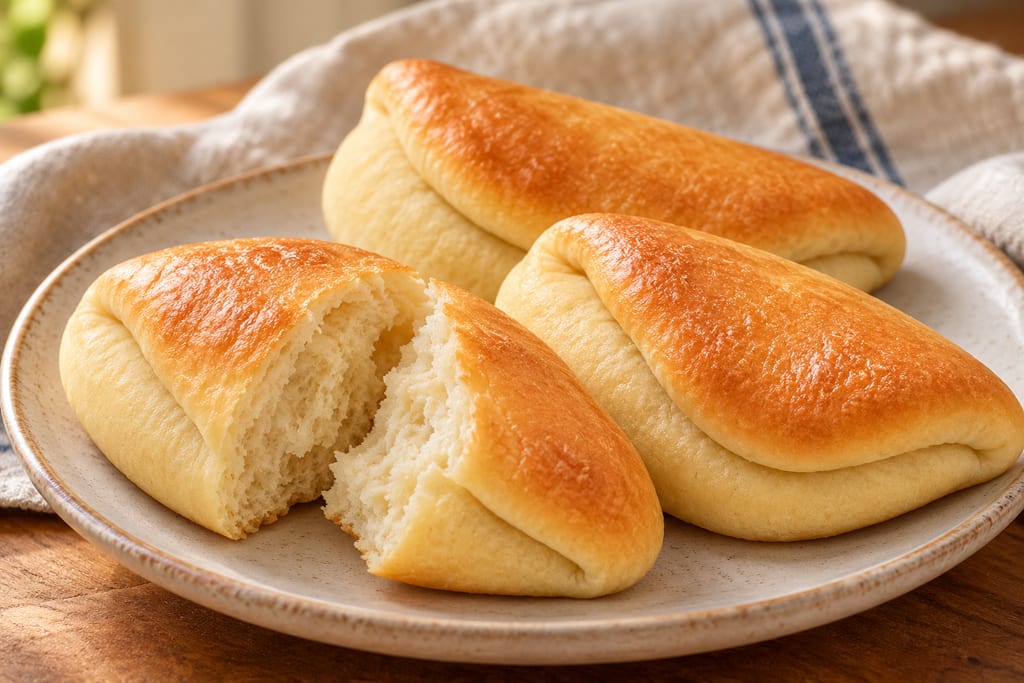
Jamaican-style folded rolls made from sweet coconut-milk yeast dough and brushed with butter.
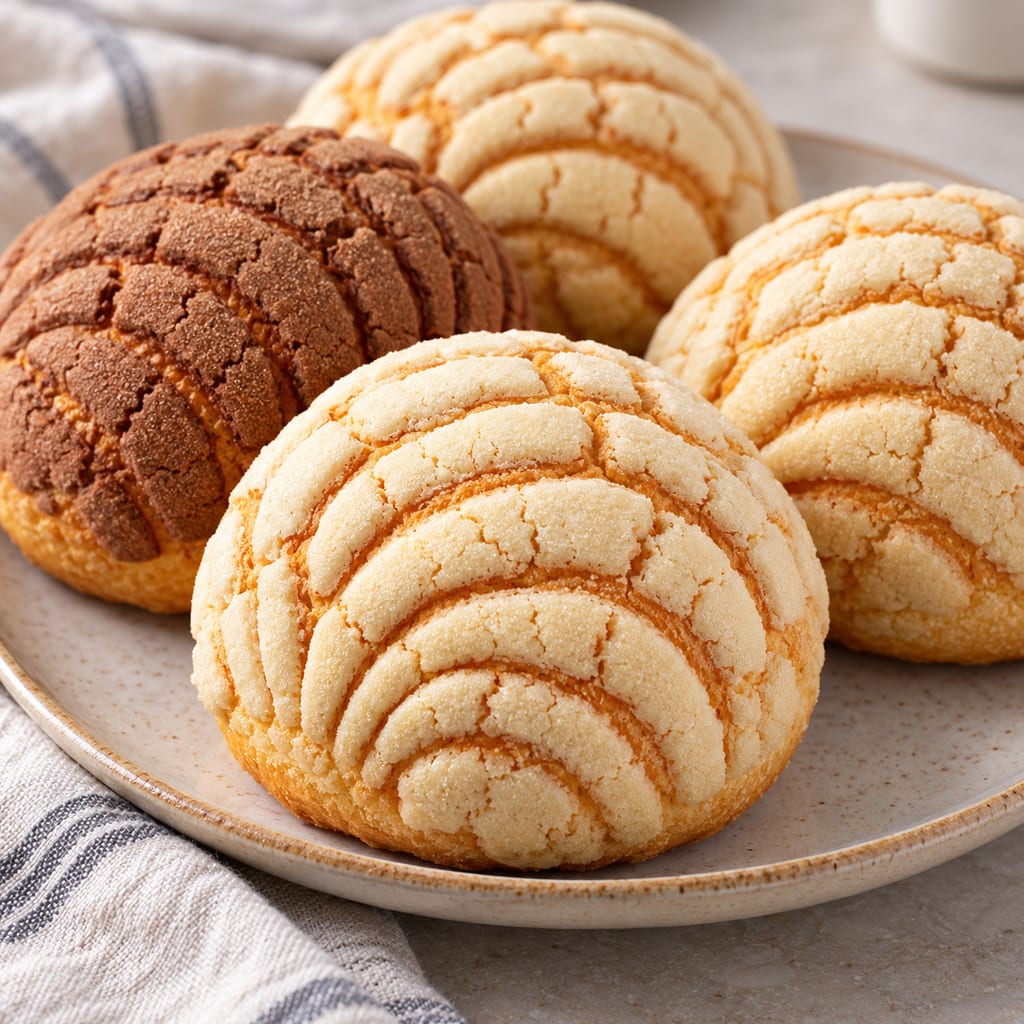
Mexican sweet rolls with a soft enriched yeast dough and a separate scored sugar-flour topping shaped like a shell. This version makes 15 rolls and uses a chilled dough rest before final proofing.
No community contributions have been published for this entry yet.
Sign in to contribute. Published comments and photos are free to read.
ArlaMethod
KanelbullarMeasured 20-bun dough and filling, with fresh yeast, milk, wheat flour, butter, sugar and cinnamon; egg and pearl sugar finish.
Milk is warmed to at most 37°C; dough rises about 30 minutes, then shaped buns rise about 30 minutes.
Bake at 225°C conventional or 200°C fan for 6–8 minutes, until golden or an internal temperature of 94–98°C; cool on a rack under a cloth.
Cited in: Dough and filling; Shape, proof and bake; Raw flour and egg
Visit SwedenIdentity · Culture · History
Cinnamon buns ('Kanelbullar') – recipeDescribes cinnamon, sugar and butter buns as a Swedish pastry found in bakeries and cafés and connects them with Sweden's Cinnamon Bun Day on 4 October.
Supports contemporary Swedish cultural association, not a date or precise birthplace of origin.
Cited in: A Swedish coffee-break bun
Centers for Disease Control and PreventionSafety
Raw Flour and DoughUncooked flour and raw eggs can contain germs; do not eat raw dough and follow cooking instructions.
Wash hands, bowls, utensils and countertops after handling raw flour, raw eggs or dough.
Cited in: Raw flour and egg