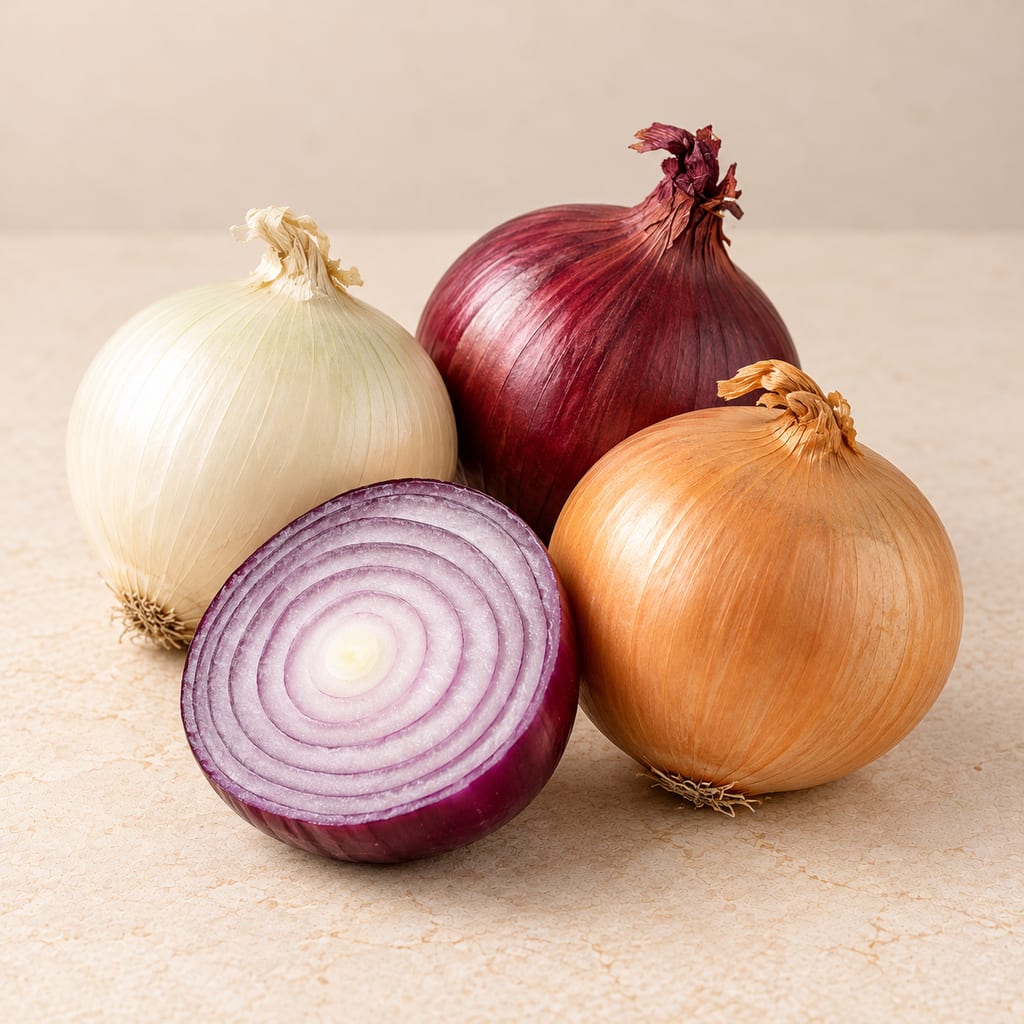
Onion
The onion is the bulb of Allium cepa, built from swollen leaf bases, and is eaten raw, cooked, pickled and as a seasoning in ferments. It is known only from cultivation and probably began in Central Asia.
 FermenteaWhere food goes to change
Surströmmingsmåltid · Surströmming meal · Surströmmingsklämma
A Swedish late-summer meal of commercially prepared surströmming, tunnbröd, potatoes, onion and cultured cream. This is a serving preparation; the specialist fish fermentation is not made at home here.
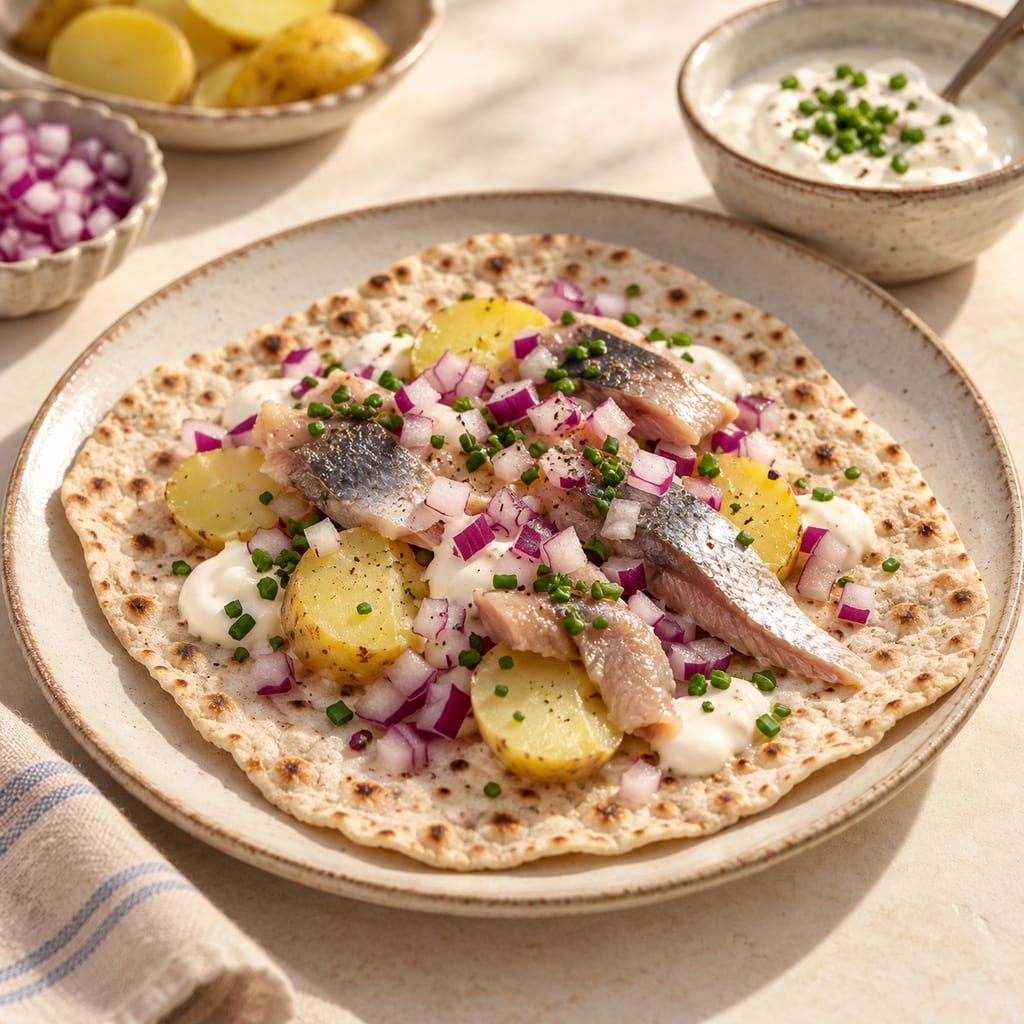
Surströmming is salted and fermented Baltic herring associated especially with northern Sweden. The meal made from it has a different history from the production process itself: this page concerns serving a finished, commercially prepared fish with bread and accompaniments. A tin of ready-to-eat surströmming is the starting ingredient here; fermenting raw herring at home is not part of this preparation.
Swedish language archives place the word surströmming in writing by 1732. The related word surfisk appears earlier, in 1572, and the preservation practice is older than either recorded name. Those dates mark surviving words, not the invention of fermented fish. Fermentation was one response to the cost and availability of salt: a smaller amount could allow fish to ferment instead of being fully salt-preserved. When inexpensive salt became more available, fermented fish became less central as everyday preservation. The food endured as a northern tradition and later acquired the status of a seasonal delicacy and festive food.
The third Thursday in August is closely associated with the product's premiere and the first gatherings of the season. For much of the twentieth century, the sales date was legally fixed; it became voluntary in 1998, although many people keep the custom. The calendar gives the meal a shared occasion, but it is not a fermentation instruction or a safety test.
A 1973 oral-history account preserved by the Institute for Language and Folklore describes people in Hedesunda and Valbo gathering with friends, opening a tin, tasting the fish, then wrapping it with almond potatoes in soft tunnbröd. The narrator compares the occasion to a crayfish feast. This is a dated account from Gästrikland, not a rule that every Swedish household follows.
The open sandwich or wrap is often called a surströmmingsklämma. In Ångermanland, the Swedish Board of Agriculture's food-culture account describes hard or soft tunnbröd layered with surströmming, sliced boiled potato, red onion or chives, and butter. Västerbottenost or messost may be added, and some versions include gräddfil, crème fraîche or dill. The format is recognizable, but the exact stack is not fixed.
This version sets out one modest arrangement for four tasters: four to eight pieces of flatbread, 500–700 grams of small boiled potatoes, one finely chopped onion and 150–200 grams of gräddfil or sour cream, alongside a correctly stored tin. Those quantities are a practical serving arrangement, not an inherited universal measure. The central idea is to use the strongly seasoned fish in small portions with mild accompaniments.
Soft tunnbröd folds around a filling; hard tunnbröd gives a crisp base and breaks rather than rolls. Almond potatoes are especially associated with northern service, while ordinary small potatoes are a workable serving choice when the named variety is not available. Onion is commonly served raw and finely chopped, though chives are also documented. Butter, cheese, messost, dill, tomato and additional cream appear in regional or modern presentations. They are variations for the plate, not ingredients required to make or preserve the fish.
The Swedish Food Agency's example product description characterizes the fish as tender, slightly oily and distinctly salty, with a full flavour. The mild parts of the meal let diners portion that intensity rather than taking a large piece of fish on its own. Flatbread supplies a flexible base; potato makes the bite substantial; onion gives a sharper contrast; and cultured cream brings cool tang and richness.
These are culinary roles, not preservation steps. The potato is boiled because it is served cooked. The onion is chopped so small amounts can be distributed across the bread. Cream is added at the table, where each person can decide how much to use. None of these actions changes the fermented fish's safety or extends its keeping time. The meal is a shared assembly rather than a composed dish that must look identical on every plate.
The fish in this meal has already undergone its specialist process. The Swedish Board of Agriculture describes commercial production as a controlled fermentation of herring in brine, with measured salt and temperature, followed by packing and cooling to slow further maturation. The Swedish Food Agency treats surströmming as a defined commercial fermented-fish product and gives an example product description rather than a transferable home recipe.
That boundary matters because salt, temperature, time and the characteristics of a sealed fish product interact. A serving recipe cannot supply a safe fermentation method by borrowing a customary meal, a strong smell, or a traditional date. Buy the finished product from a legitimate source and use its own storage and opening directions. Do not attempt to reproduce the fermentation by placing raw herring in a kitchen jar. The meal itself has a short method: boil potatoes, prepare accompaniments, open the tin as directed, portion the fish and assemble.
Keep the unopened fish cold as instructed on its label, and keep it cold until service. The Swedish Food Agency's published example product description gives storage details for that example product; it explicitly warns that individual products and processes have their own questions. The tin in your hand takes precedence over a generic number from another product sheet.
Opening a tin outside is a practical courtesy when the aroma or escaping brine might be unwelcome indoors. It is not a safety measure. Regional advice sometimes suggests briefly chilling or angling a tin to reduce spray, but this recipe does not need that extra handling; follow the producer's own opening instructions. Once opened, serve the fish promptly and follow the producer's directions for any remainder. This page does not assign an opened-tin storage period.
Surströmming is often introduced through its aroma, but that shortcut hides the food's place in a regional calendar and its practical history. The fish began as an economical way to keep a catch when salt was costly; the modern gathering turns it into a chosen seasonal pleasure. Bread, potatoes, onion and cream are not a dare or garnish around an isolated fish. They make a complete, adjustable way to eat it.
The premiere can resemble other Swedish late-summer food gatherings, especially the crayfish feast, but the customs are not identical. Isof's archived account records friends, bread, potatoes and snaps; current official guidance highlights the familiar klämma. Some people eat the fish more directly, then move to bread and potato. Others build every bite. These accounts describe particular practices, not a universal code of authenticity.
For a first serving, place a small piece of fish on tunnbröd with potato and onion, then add cream to taste. More bread or potato makes the fish a smaller part of each bite, while onion and cream change the contrast. When the meal is finished, what remains is a seasonal food tradition with a recorded history, a specific northern geography and a flexible table practice. The fermentation that created the fish deserves its own specialist explanation; this serving brings people together by preparing potatoes, setting out accompaniments, following the tin's directions and sharing small portions.
In Swedish, sur in surströmming refers to sourness: the Institute for Language and Folklore explains the word as describing an acidified or fermented food. The pungent aroma is famous, but the name is not a claim that the fish is rotten. The relevant distinction is linguistic and culinary; it cannot be used to judge an individual tin. Use the commercial product's storage and opening instructions, and do not treat smell, taste, pressure or bubbles as a safety test.
A product can be both unfamiliar in aroma and carefully made for eating. The Swedish Food Agency describes a defined commercial product with herring, water and salt, and emphasizes that its published product sheet is an example, not a universal instruction. The serving meal adds no extra curing, smoking, acidification or storage stage. Its reader-facing method begins after those production decisions have already been made by the producer.
This also explains why the tin's label matters more than a generalized internet instruction. Different packages may have different storage directions, while the gathering custom is a way to serve and enjoy the fish. The host can make the meal welcoming by setting out bread and accompaniments, keeping the product under its stated storage conditions and giving everyone control over the amount of fish in each bite.
Swedish food archives contain names for other soured fish, including surfisk, gravfisk and local terms such as surmört and gamtfisk. These records are not interchangeable recipes. The type of fish, amount of salt, vessel, season and the way a community used the product could vary. Matkult notes that gravfisk in older accounts is not simply the same thing as modern gravlax, despite the shared word root. A serving plate with modern surströmming should not silently inherit methods from every older fish-ferment record.
The word surfisk is an older recorded name, and Isof treats surströmming as a later development from that broader tradition. This offers a useful historical connection without inventing a single origin story. It is possible to say that fish fermentation has a long history and that the modern canned food belongs to that lineage; the sources consulted here do not identify one inventor or a precise date when today's product first took its present form.
This distinction is practical as well as historical. The meal uses the named commercial product and its own package directions. It does not call for a home salting amount, a fermenting vessel, an endpoint or a storage period. Such details belong to a validated production method, not a serving recipe. Readers who want to learn how surströmming is made need a separate source about commercial manufacture and its controls.
The third Thursday of August provides a well-known occasion for the product's premiere, and official Swedish food-culture writing connects the dish with summer. A date can organize a social tradition: people plan a shared meal, bring familiar accompaniments and compare their preferred combinations. It does not tell a cook when a tin is ready or how long a particular product should be stored.
The historical movement from everyday food to delicacy also helps explain why the meal now has ceremony around it. Isof's archival voices describe anticipation, friends and a feast compared with crayfish eating. Contemporary sources frame the same food as an established seasonal specialty. These are changes in social meaning, not evidence that the old and modern production methods are identical.
A table can reflect that history without performing a scripted ritual. Put out soft or hard tunnbröd, boiled potatoes, finely chopped onion and cream; add butter, cheese, dill or other documented accompaniments if desired. Let each diner assemble small portions. The structure keeps the traditional combination recognizable while allowing the balance of bread, fish, potato and dairy to vary from person to person.
Surströmming's place in the calendar sits within a larger Swedish association between summer and foods that could be served cold or assembled from preserved ingredients. The Institute for Language and Folklore groups it with summer foods such as strawberries, herring and potatoes, and describes the summer smörgåsbord as a collection of hot and cold dishes that can be combined into a meal. That wider frame helps explain why this fish may appear at a gathering with several dishes, while a surströmmingsklämma can also be a complete, small meal in its own right.
The seasonal connection should not be turned into a fixed menu. A smörgåsbord is not a required accompaniment, and the recorded late-summer feast does not prescribe one exact number of side dishes. The archive's 1973 account describes a gathering centred on the fish, soft flatbread and almond potatoes; the agricultural food-culture account documents the open-ended choice of bread, potato, onion or chives, butter, cheese and cultured cream. These records show two compatible scales of serving: a focused tasting or a broader table.
For a host, the practical consequence is simple: place the fish and accompaniments where diners can assemble a bite in their preferred order. The historical account even remembers tasting the fish directly before wrapping it with potato and bread, while other people may begin with a filled flatbread. That variation describes how a meal is eaten, not a test of who is an authentic eater. The calendar marks a shared occasion; it does not dictate how the dish must be assembled.
The serving tradition is documented in a 1973 Isof oral-history account; Isof records surfisk in 1572 and the word surströmming in 1732, but does not date the first appearance of this meal combination.
Yield 4 tasters
The Swedish Food Agency's product description lists herring as the fish ingredient.
Hazard sourceUse correctly stored commercial surströmming and follow the producer's refrigeration, opening and after-opening directions.
Control sourceThis recipe serves purchased surströmming; it does not provide a home fermentation method.
The cited product description is an example and is not a universal specification.
Country-level association supported by Swedish language archives; this is not a claim of one exclusive Swedish recipe.
Jordbruksverket identifies the klämma as a food of Ångermanland; the row does not claim the dish is exclusive to the region.
The onion is the bulb of Allium cepa, built from swollen leaf bases, and is eaten raw, cooked, pickled and as a seasoning in ferments. It is known only from cultivation and probably began in Central Asia.
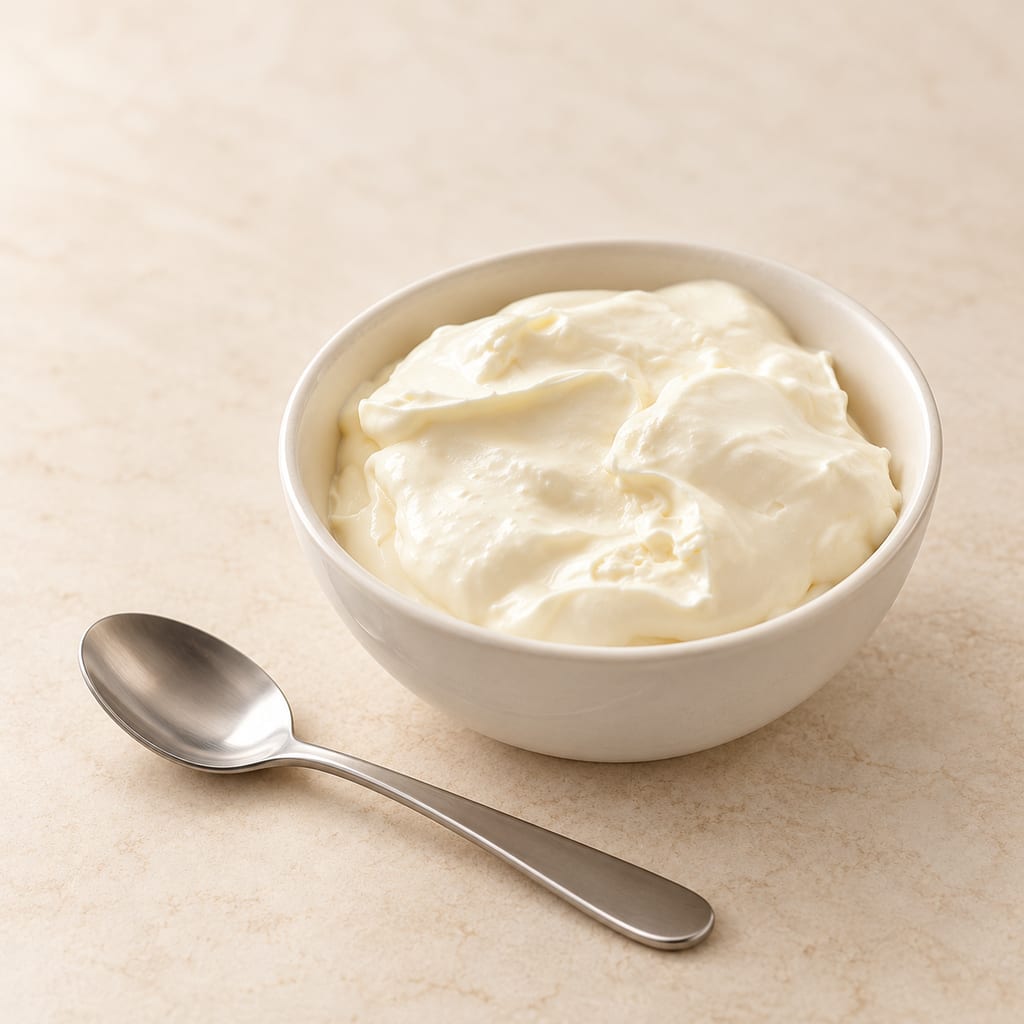
Sour cream is light cream thickened and soured by a lactic starter. This Canadian method uses homogenized cream and lets the gel form in its storage container.
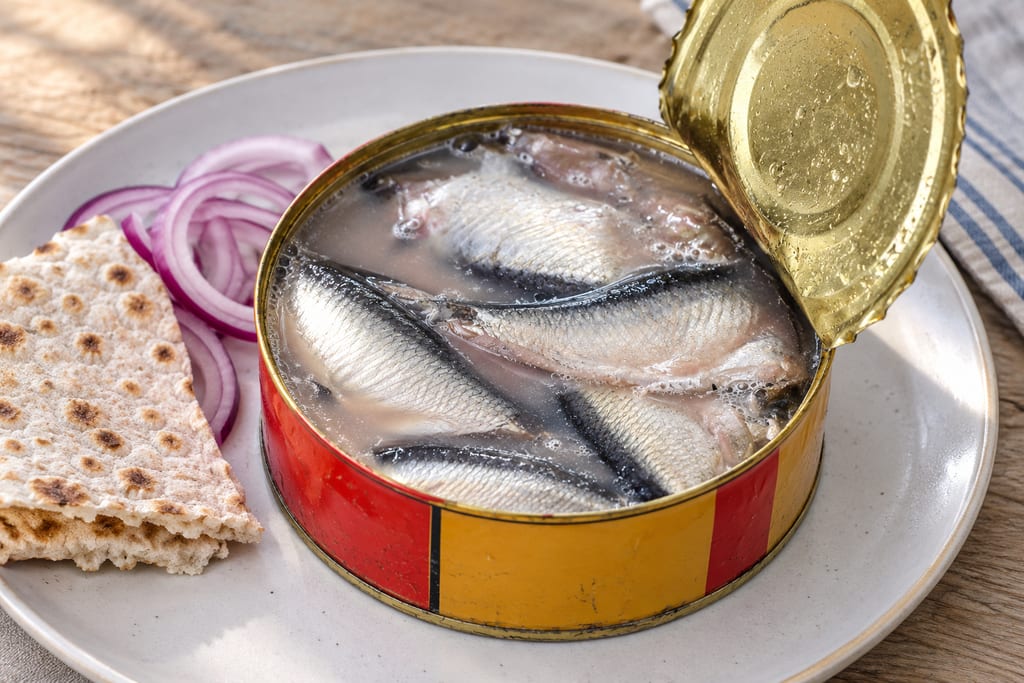
Salted, barrel-fermented Baltic herring from Sweden, surströmming is packed in shallow tins where fermentation may continue. Its traditional production is a specialist commercial process, not a household formula.
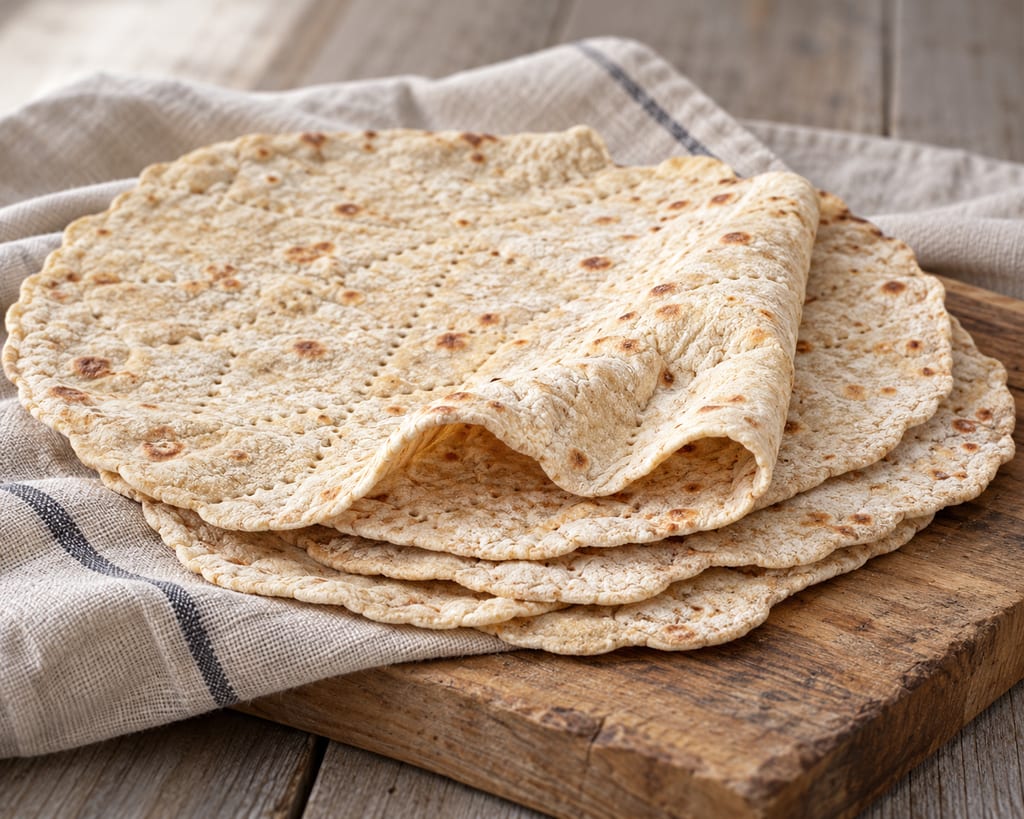
Tunnbröd is Sweden’s family of thin, docked flatbreads, baked soft for immediate meals or dried crisp for the pantry. This home recipe follows a northern Swedish soft rye-and-wheat version scented with anise and fennel.
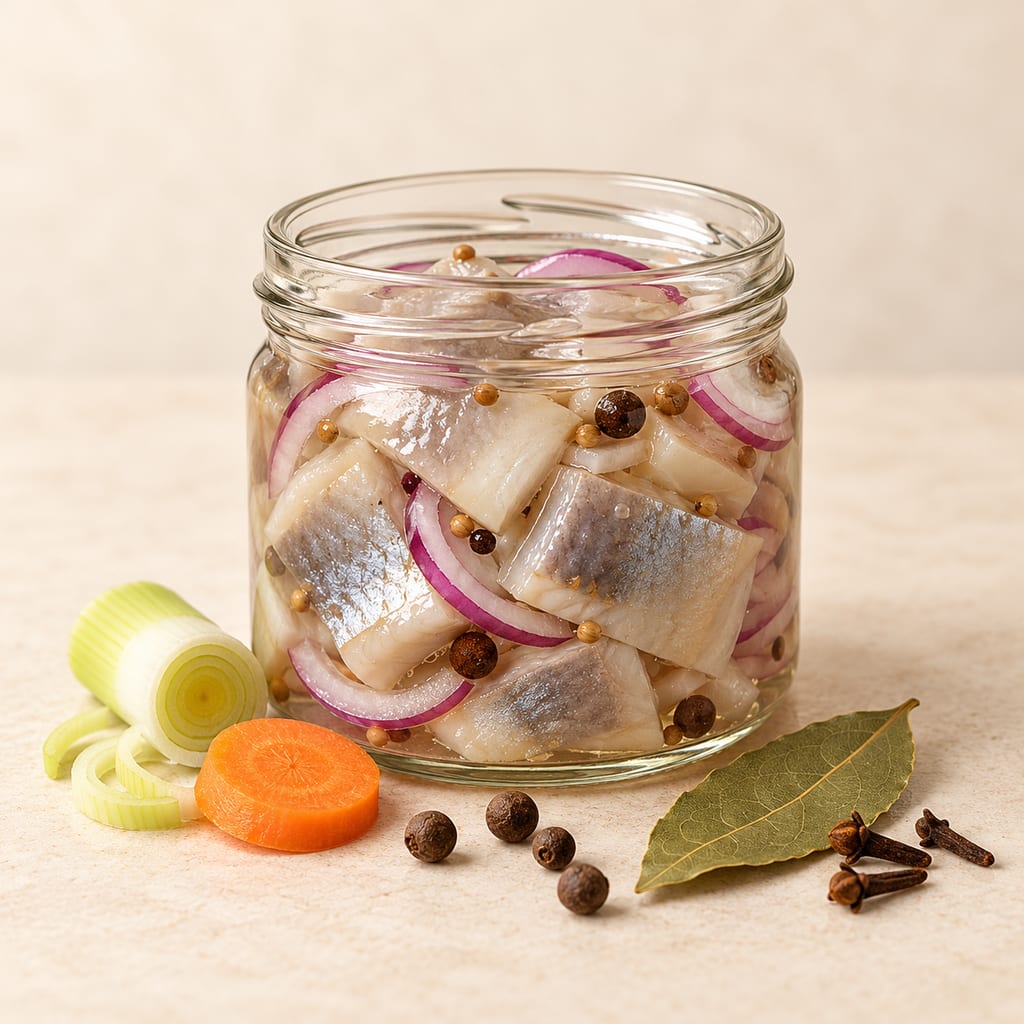
A Swedish ready-to-dress herring preparation: add the classic sliced aromatics and spices to already prepared herring, then serve or chill for fuller flavour.

A Swedish-style spirit vinegar made by fermenting neutral alcohol with live vinegar bacteria, with a separate guide to commercial ättika strengths.

Crushed or milled barley cooked in water until the starch softens and the mixture thickens, the plainest way a northern household turned stored grain into a meal, here with apple and hazelnut.
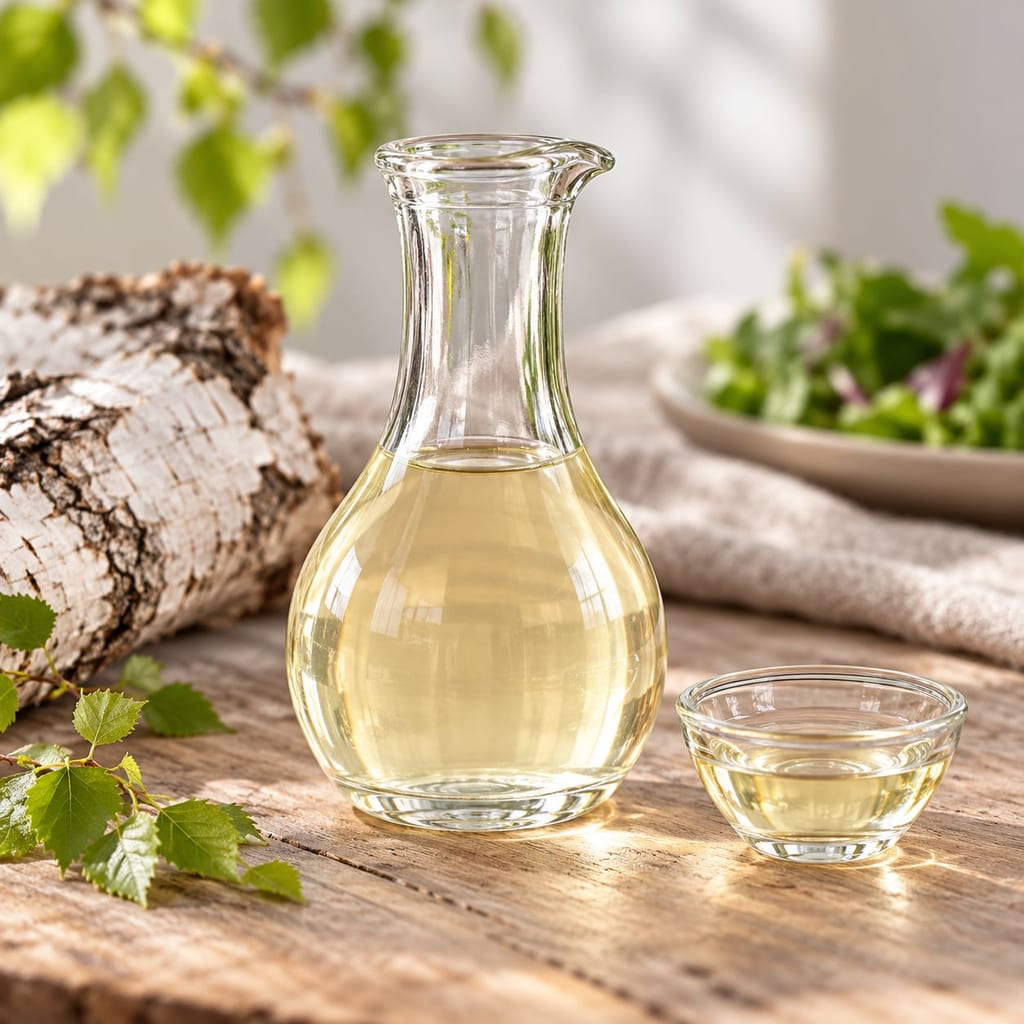
Vinegar from spring birch sap fermented to alcohol and then acetic acid, usually with added sugar or honey because the sap is so dilute; made in Sweden and described in older eastern European accounts.

Filmjölk is a Swedish cultured milk with mild acidity and a spoonable body. This recurring batch uses filmjölk from the previous batch to culture fresh milk.
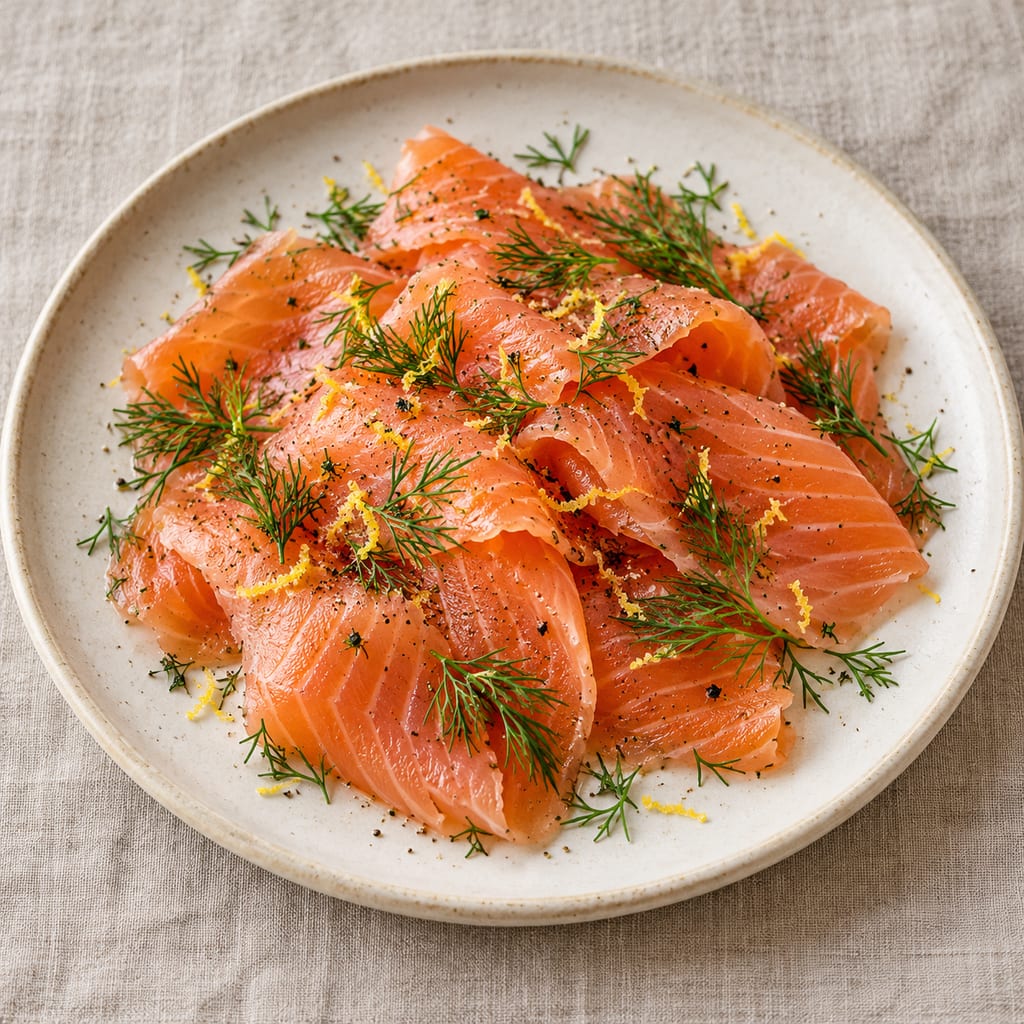
Salmon is cured with salt, sugar, pepper, dill and lemon zest under refrigeration.

Soft Swedish wheat buns filled with butter, sugar and cinnamon. This 20-bun home batch uses fresh yeast, two short proofs and pearl sugar.

A Swedish home batch of eight thin rye-and-wheat crispbreads, yeast-risen once and baked until hard.
A concrete fermentation tank installed below ground at a Senegalese fish-processing site was documented as an adaptation that emulated the older practice of burying fish during fermentation.

A documentary account of Icelandic hákarl, fermented and dried Greenland shark. It describes cultural context and one production study, not a home preparation method.
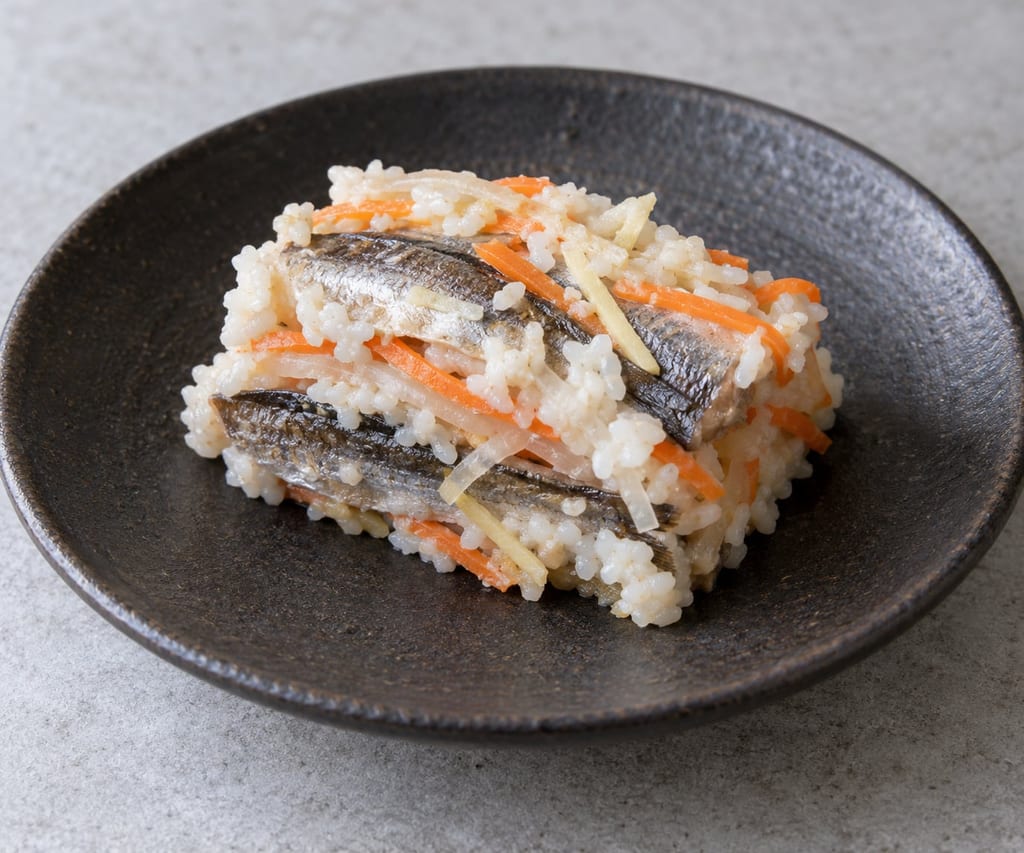
Hokkaido izushi layers fish, vegetables, rice and kōji for cold-season lactic fermentation. This MAFF recipe uses small hatahata with a vinegar pretreatment; it is one regional household formula, not a universal izushi method.
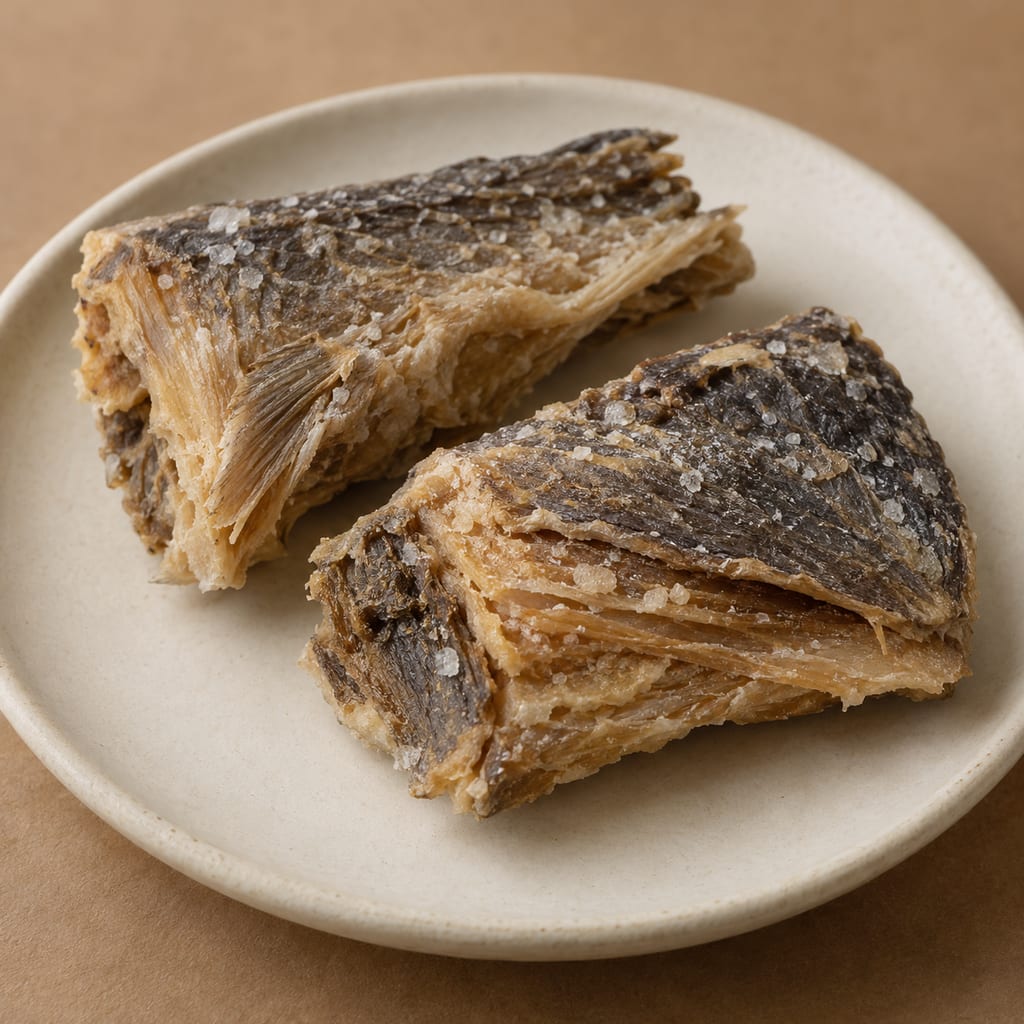
Lanhouin is a strongly flavoured fermented fish condiment documented in coastal West Africa, including southern Benin. This page records one published research reproduction as evidence, not as a validated home-preservation recipe.
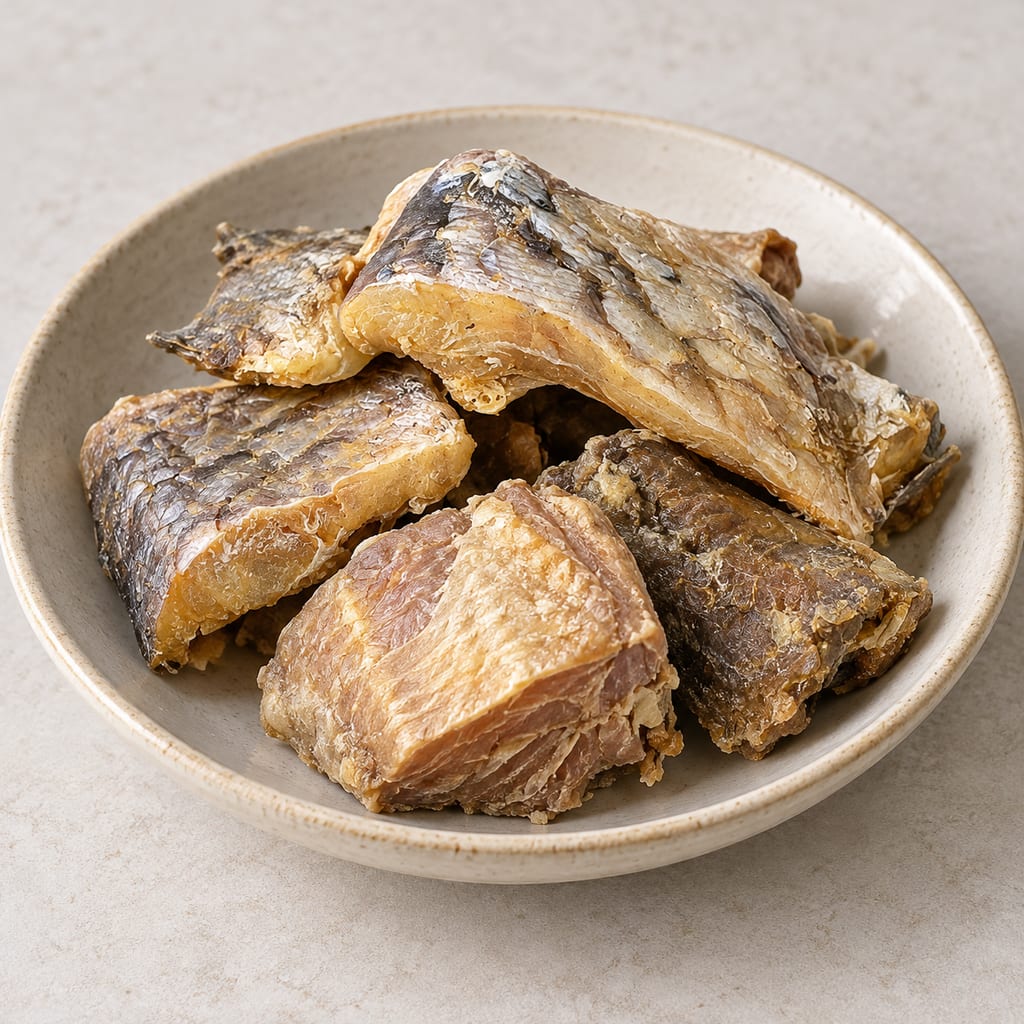
Momone is a Ghanaian salted and fermented fish condiment made from varied marine fish. Historical surveys describe both semi-dried and drier products, with salting and drying methods differing across coastal communities.
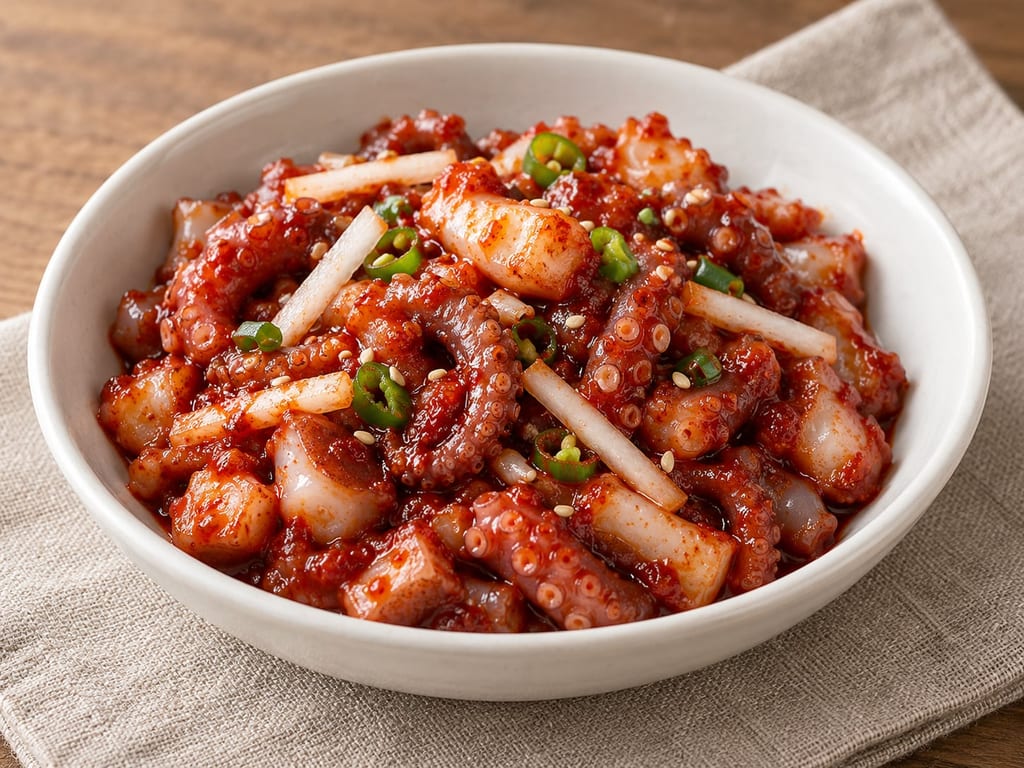
Nakji jeotgal is Korean salted octopus, served among jeotgal varieties with rice. This entry documents the dish and one creator’s quick-home version; it does not provide a household preparation method.
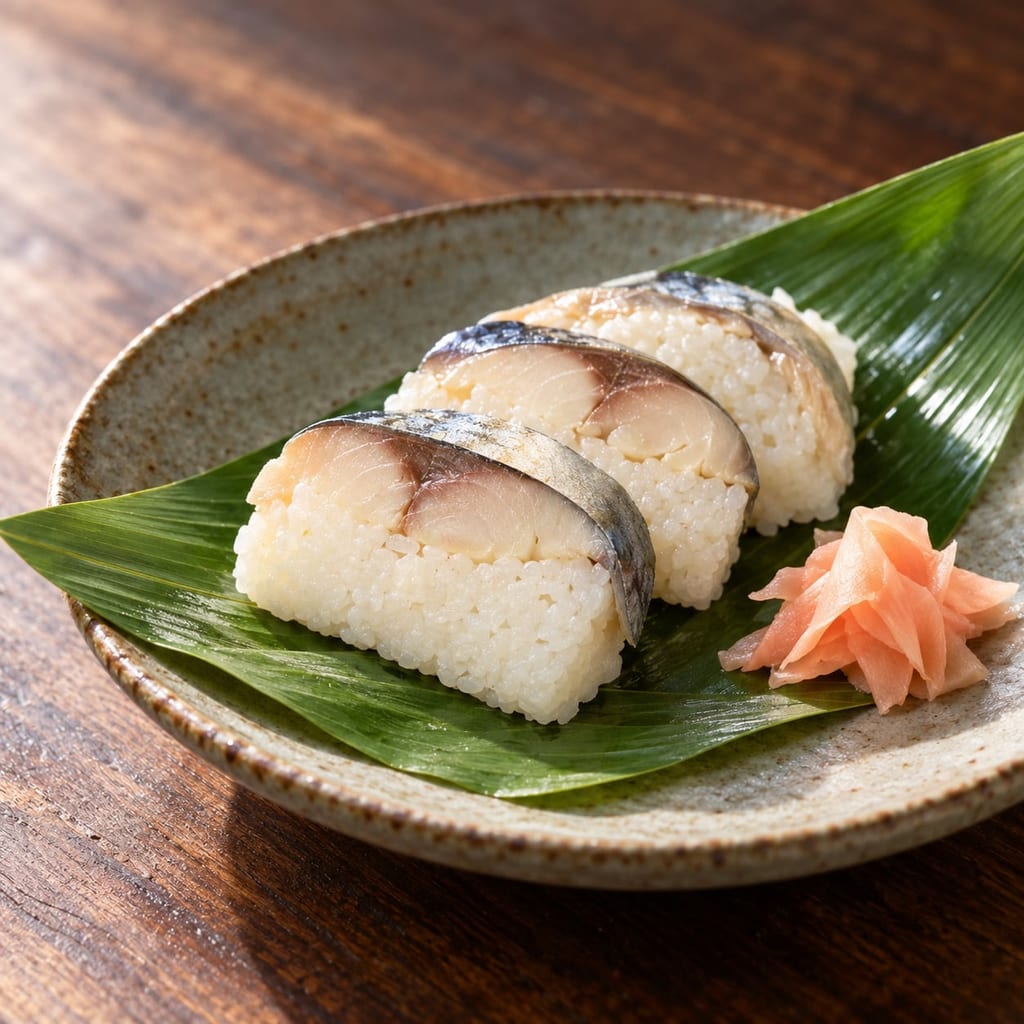
A documentary account of Japanese narezushi, a family of salted-fish and rice ferments. This entry preserves the East Kishu (Mie) source’s identity and regional context without providing a household preparation method.
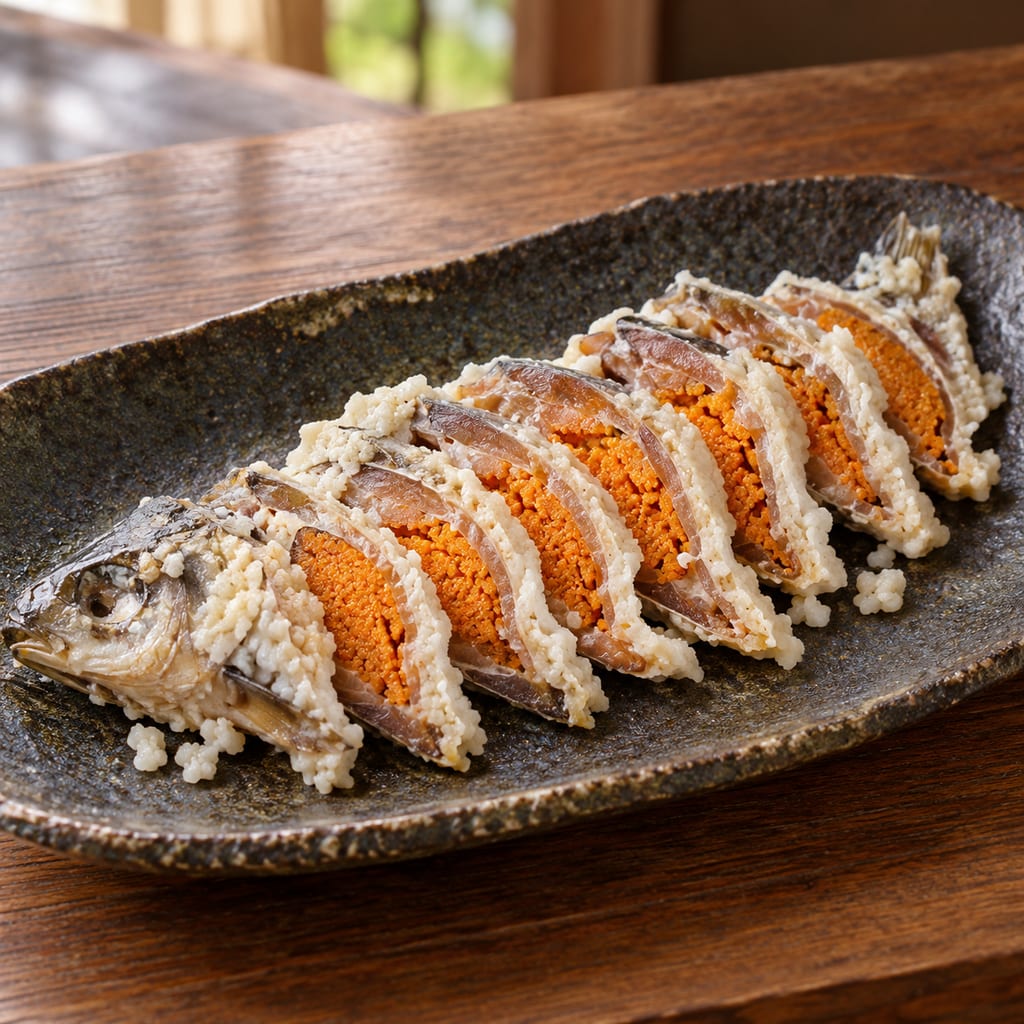
A documentary account of funazushi, Shiga’s long-ripened narezushi associated with Lake Biwa and roe-bearing nigorobuna. It preserves regional, historical and cultural context; it is not a household preparation guide.
No community contributions have been published for this entry yet.
Sign in to contribute. Published comments and photos are free to read.
Institutet för språk och folkminnen (Isof)History · Tradition · Serving
SurströmmingspremiärWord attestations: surfisk, 1572; surströmming, 1732.
Salt costs shaped fish preservation; the dish moved from everyday food to festive food as salt became more available.
A 1973 oral-history account records service with soft tunnbröd, almond potatoes and snaps, and compares the meal to a crayfish feast.
Cited in: From preservation food to a late-summer gathering; A meal whose story is more than its smell; What the name tells, and what it does not; One fish tradition among several; A seasonal meal rather than a calendar rule; A seasonal food in the wider summer table
Institutet för språk och folkminnen (Isof)Seasonal use · Cultural context
SommarmatSurströmming is described as characteristic summer food; the page discusses older seasonal scarcity and summer customs.
Cited in: A regional meal with room for variation; A meal whose story is more than its smell; A seasonal meal rather than a calendar rule; A seasonal food in the wider summer table
Jordbruksverket / Smaka SverigeMethod · Ingredients · Geography · History · Variation
SurströmmingsklämmaÅngermanland serving tradition and variations of flatbread, potato, onion, butter, cheese, cream and dill.
Commercial surströmming is produced with controlled salt and temperature, packed after two to three months and cooled.
The regional history describes salt costs, canning from the 1890s and premiere-date history.
Cited in: From preservation food to a late-summer gathering; A regional meal with room for variation; Why the accompaniments matter; Fermentation belongs to the purchased fish; Opening, serving and storing; A meal whose story is more than its smell; A seasonal meal rather than a calendar rule; A seasonal food in the wider summer table
Livsmedelsverket (Swedish Food Agency), KontrollwikiProduct description · Storage context · Process boundary
Surströmming – ProduktbeskrivningNon-binding guidance says the example cannot be copied directly because products and processes differ.
The example uses herring, water and salt and describes a tender, slightly oily, salty and full-flavoured product.
The example includes package storage details; this recipe defers to the specific product label.
Cited in: Why the accompaniments matter; Fermentation belongs to the purchased fish; Opening, serving and storing; What the name tells, and what it does not; One fish tradition among several
Matkult, Institutet för språk och folkminnenHistorical context · Comparison
Saltad och syrad fiskSalted and soured fish are distinct preservation practices; historical fish-ferment names and methods vary by region.
Surströmming developed from older surfisk; regional names should not be collapsed into one preparation.
Cited in: One fish tradition among several