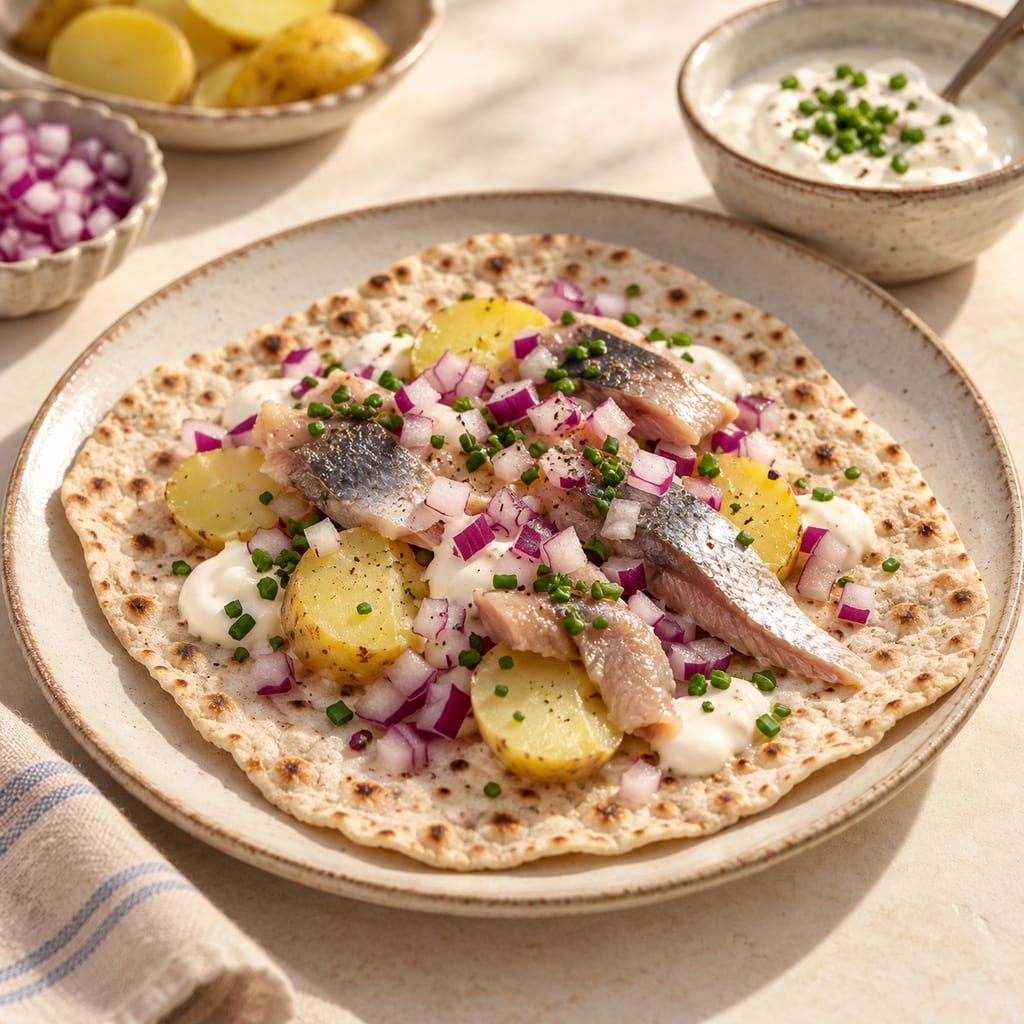
A surströmming meal
A Swedish late-summer meal of commercially prepared surströmming, tunnbröd, potatoes, onion and cultured cream. This is a serving preparation; the specialist fish fermentation is not made at home here.
 FermenteaWhere food goes to change
낙지 젓갈 · Octopus jeotgal · Nakji-jeotgal
Nakji jeotgal is Korean salted octopus, served among jeotgal varieties with rice. This entry documents the dish and one creator’s quick-home version; it does not provide a household preparation method.
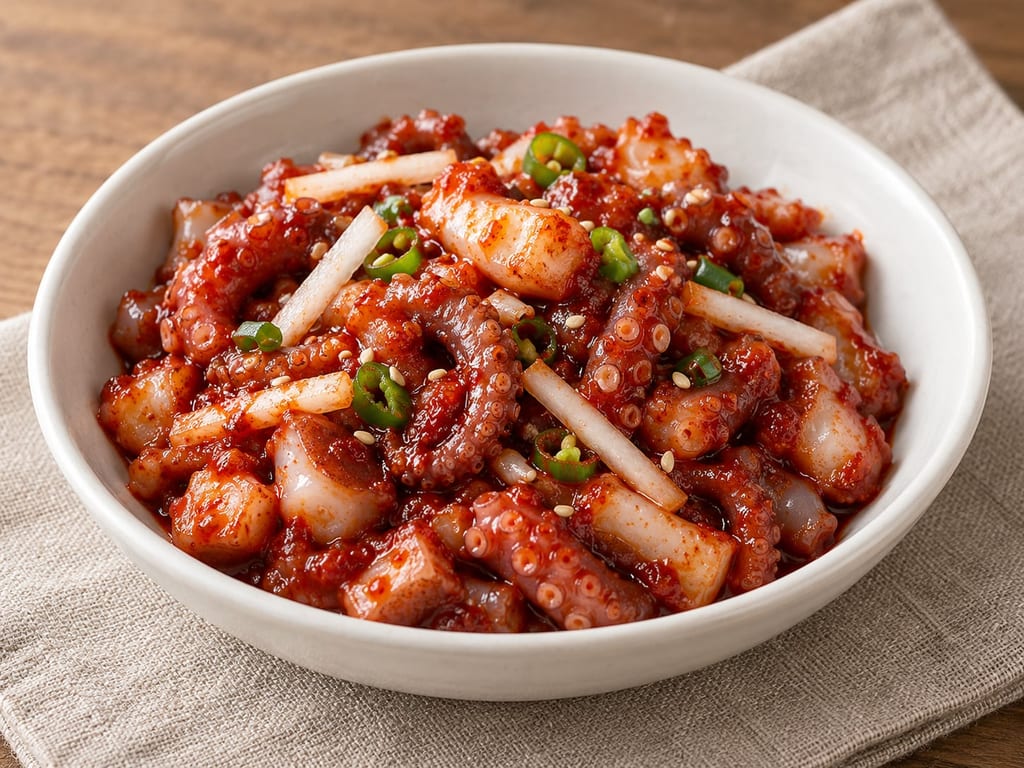
Nakji jeotgal (낙지젓) is a salted-octopus preparation in the Korean jeotgal family. Jeotgal includes many salted seafood preparations that may be eaten with rice or used as seasonings. A Korea Food Promotion Institute feature on Ganggyeong’s jeotgal traditions lists nakjijeot among the varieties served with a rice meal. That account documents one place and its food culture; it does not make Ganggyeong the origin of every nakji-jeotgal preparation.
This page preserves the food’s name and identity while keeping the limits of its evidence visible. It does not claim a single historical origin, a universal recipe, or a validated preservation process.
A Korean home-cooking video by 정연네집밥 presents a quick version made with octopus and seasonings. Its captions describe a short salt-and-soju hold before seasoning the octopus with radish, chili and other ingredients. The source is useful evidence that this creator presents that particular version; it is not a published process validation or a general standard for nakji jeotgal.
The captions do not state the salt dose for the hold, and the video does not establish a validated endpoint for the raw-octopus stage. This record therefore does not reproduce its quantities, timing, or steps as instructions. The missing controls are not filled in by guesswork.
Raw or undercooked seafood can carry foodborne hazards. The U.S. Centers for Disease Control and Prevention advises people not to eat raw or undercooked seafood as a way to prevent Vibrio infection. That is general seafood guidance and does not assess this specific video, octopus batch, or Korean preparation.
The U.S. Food and Drug Administration’s seafood hazards guide discusses parasite hazards in fish and states that brining or pickling may reduce those hazards without eliminating them. The cited discussion is fish-specific; this page does not extend its controls or conclusions to octopus. Together, these sources support withholding an unvalidated household method here, but they do not establish that a particular batch of nakji jeotgal is unsafe.
Readers can use this entry to identify and learn about nakji jeotgal. It is not a preparation or storage guide.
The Korea Food Promotion Institute article documents nakjijeot among jeotgal dishes served with rice in its account of Ganggyeong. The creator video documents one modern quick-home version and the limits visible in its captions. The CDC and FDA references are included only for general raw-seafood and fish-specific safety context.
The video presents a quick home version of nakji jeotgal. Its wider history is not established by the captions.
Scaling: source batch only
The creator's video describes a raw-octopus quick variant, but gives no validated household control for the salt-and-soju hold. General seafood guidance advises against eating raw or undercooked seafood; the cited FDA parasite discussion is specifically about fish and is not treated here as an octopus-specific assessment.
Hazard sourceThis page is cultural and source documentation, not a household recipe.
The source video does not state the salt dose for its one-day hold or establish a validated safety endpoint.
The cited FDA parasite guidance discusses fish; it does not establish that this particular octopus preparation is unsafe or define a control for it.
The captions give no place of filming. This is one creator's one-day method.
A Swedish late-summer meal of commercially prepared surströmming, tunnbröd, potatoes, onion and cultured cream. This is a serving preparation; the specialist fish fermentation is not made at home here.
A concrete fermentation tank installed below ground at a Senegalese fish-processing site was documented as an adaptation that emulated the older practice of burying fish during fermentation.

A documentary account of Icelandic hákarl, fermented and dried Greenland shark. It describes cultural context and one production study, not a home preparation method.
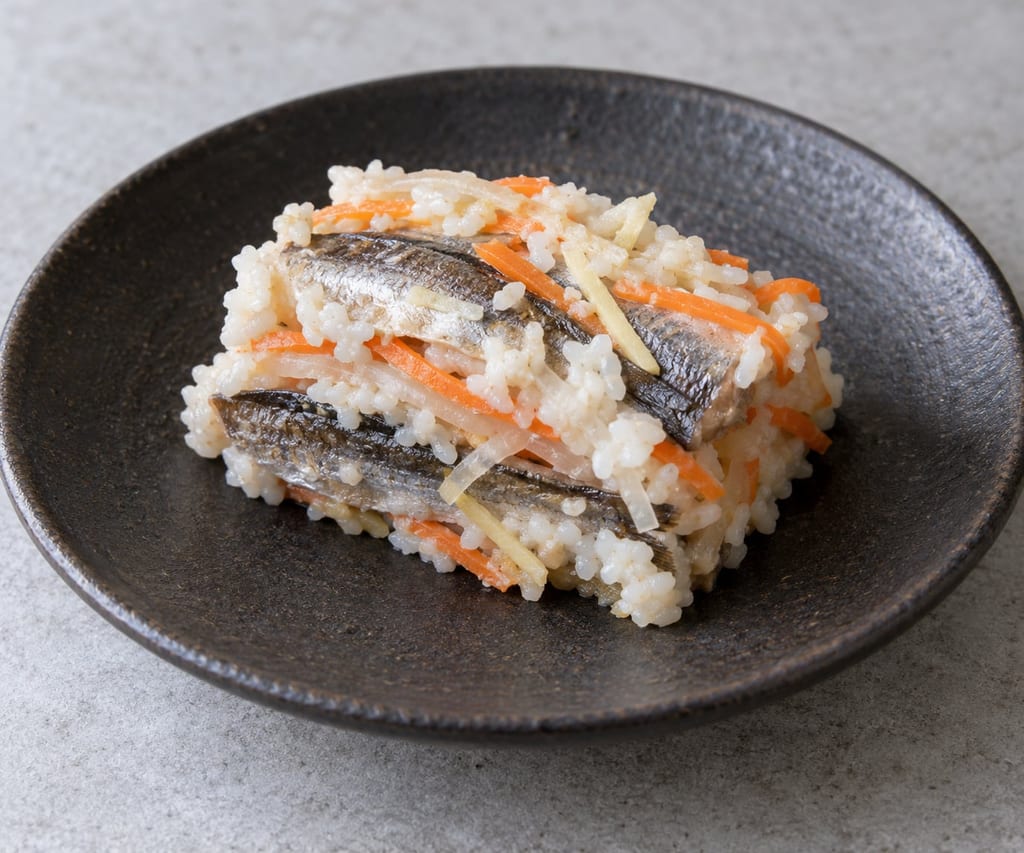
Hokkaido izushi layers fish, vegetables, rice and kōji for cold-season lactic fermentation. This MAFF recipe uses small hatahata with a vinegar pretreatment; it is one regional household formula, not a universal izushi method.
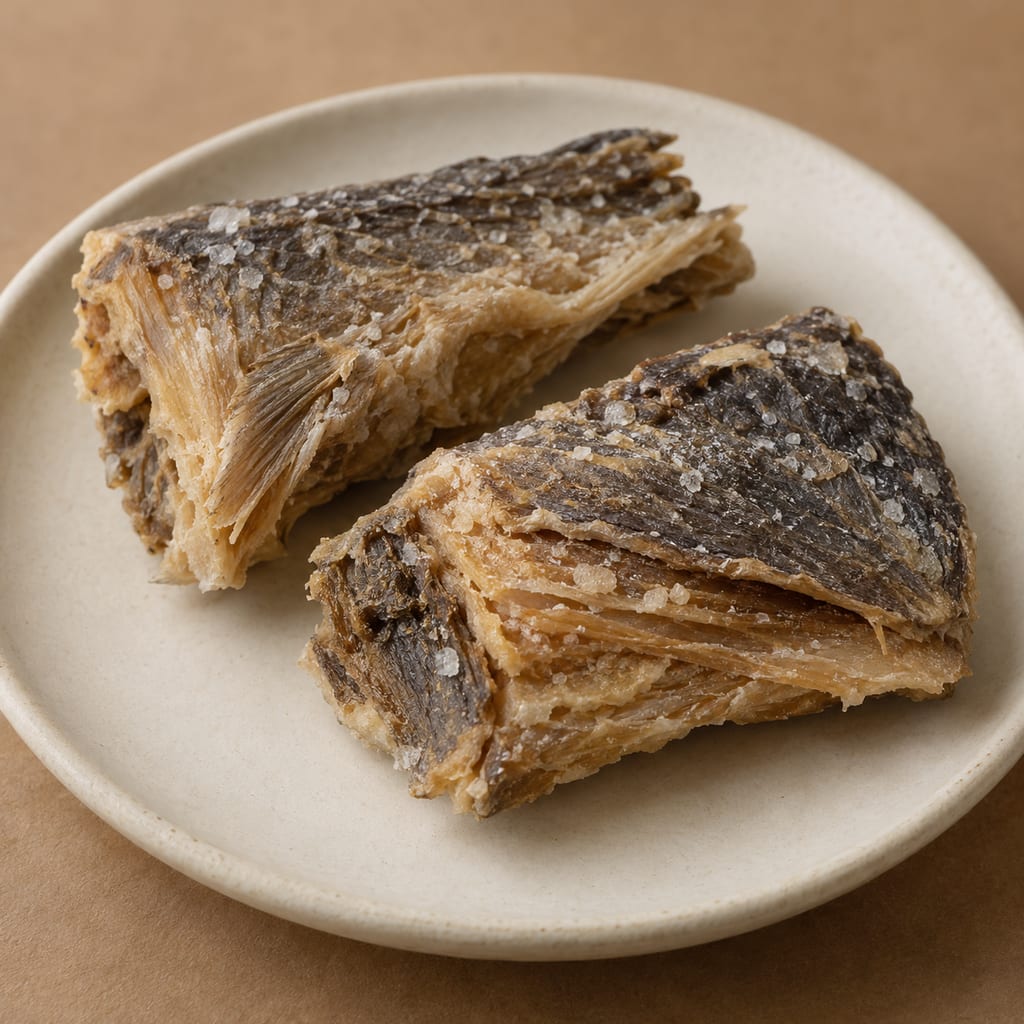
Lanhouin is a strongly flavoured fermented fish condiment documented in coastal West Africa, including southern Benin. This page records one published research reproduction as evidence, not as a validated home-preservation recipe.
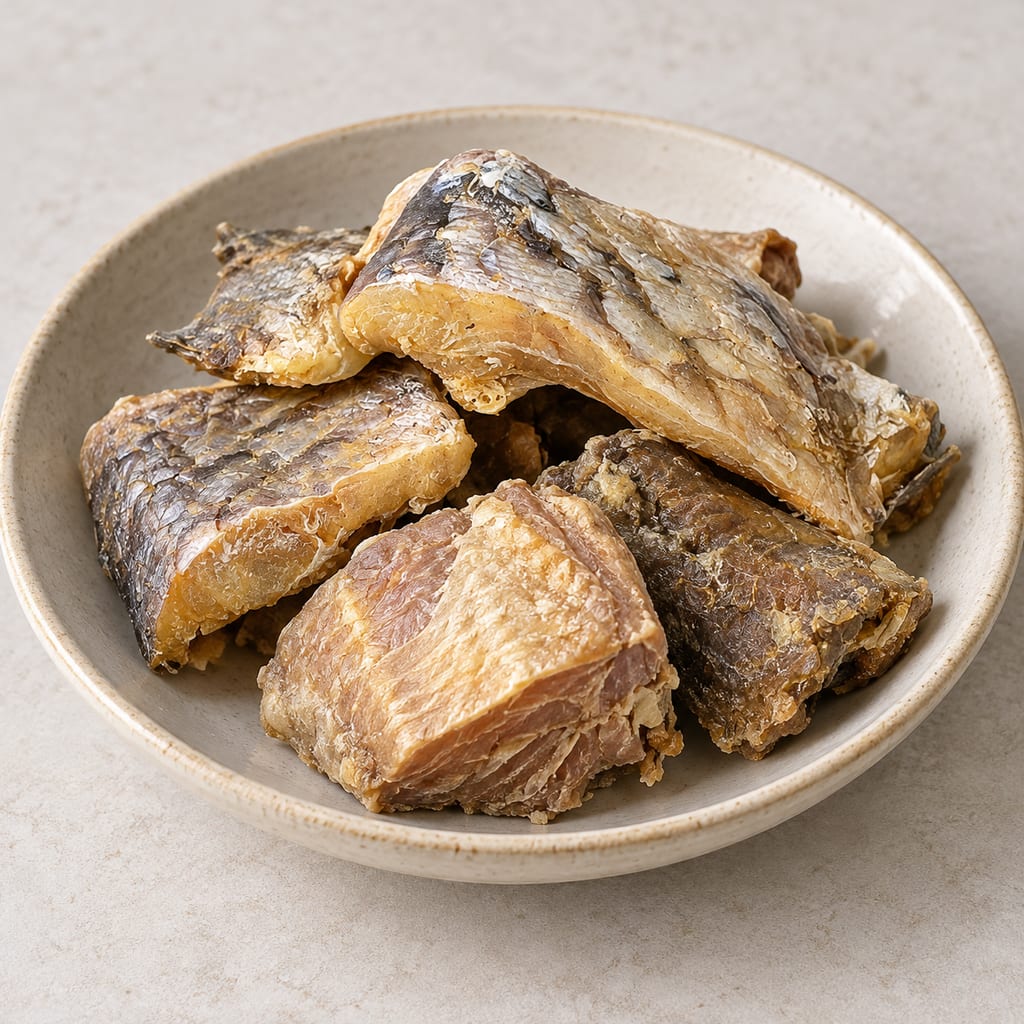
Momone is a Ghanaian salted and fermented fish condiment made from varied marine fish. Historical surveys describe both semi-dried and drier products, with salting and drying methods differing across coastal communities.
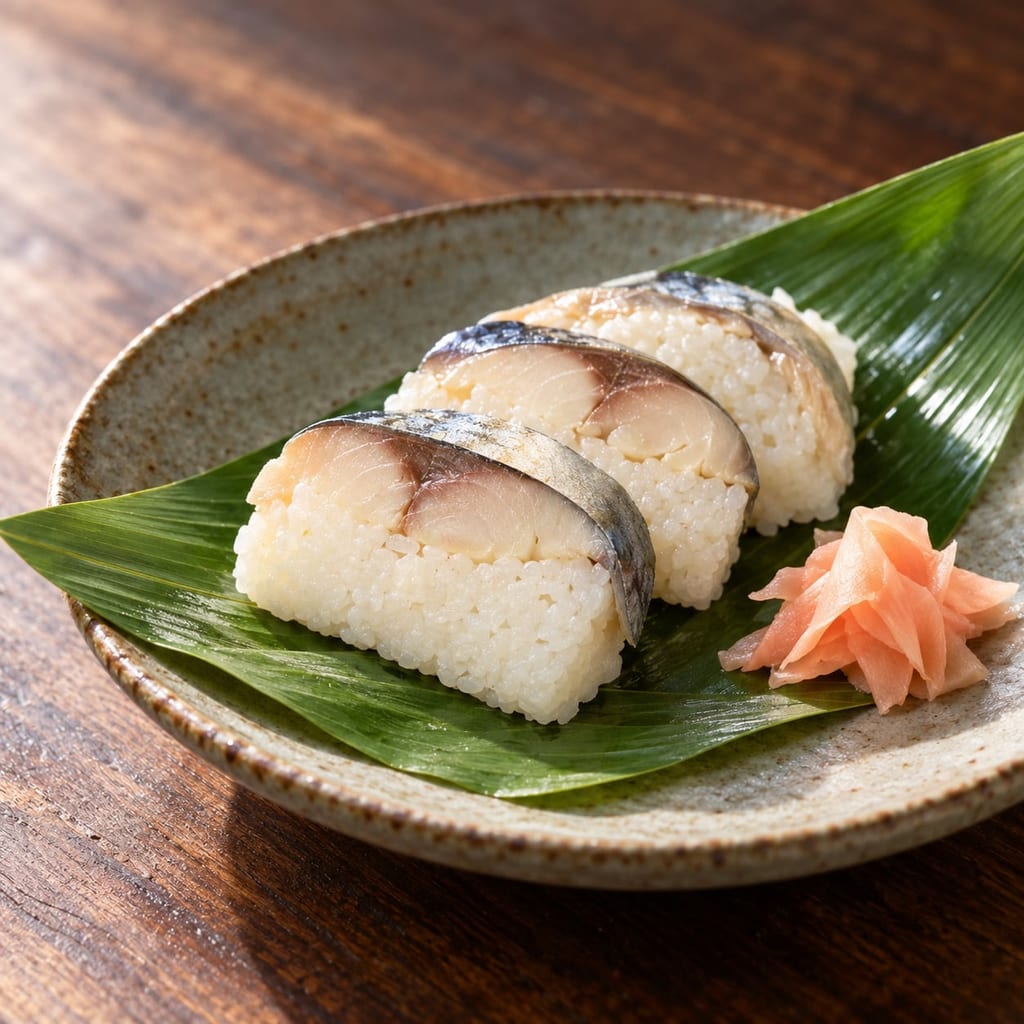
A documentary account of Japanese narezushi, a family of salted-fish and rice ferments. This entry preserves the East Kishu (Mie) source’s identity and regional context without providing a household preparation method.
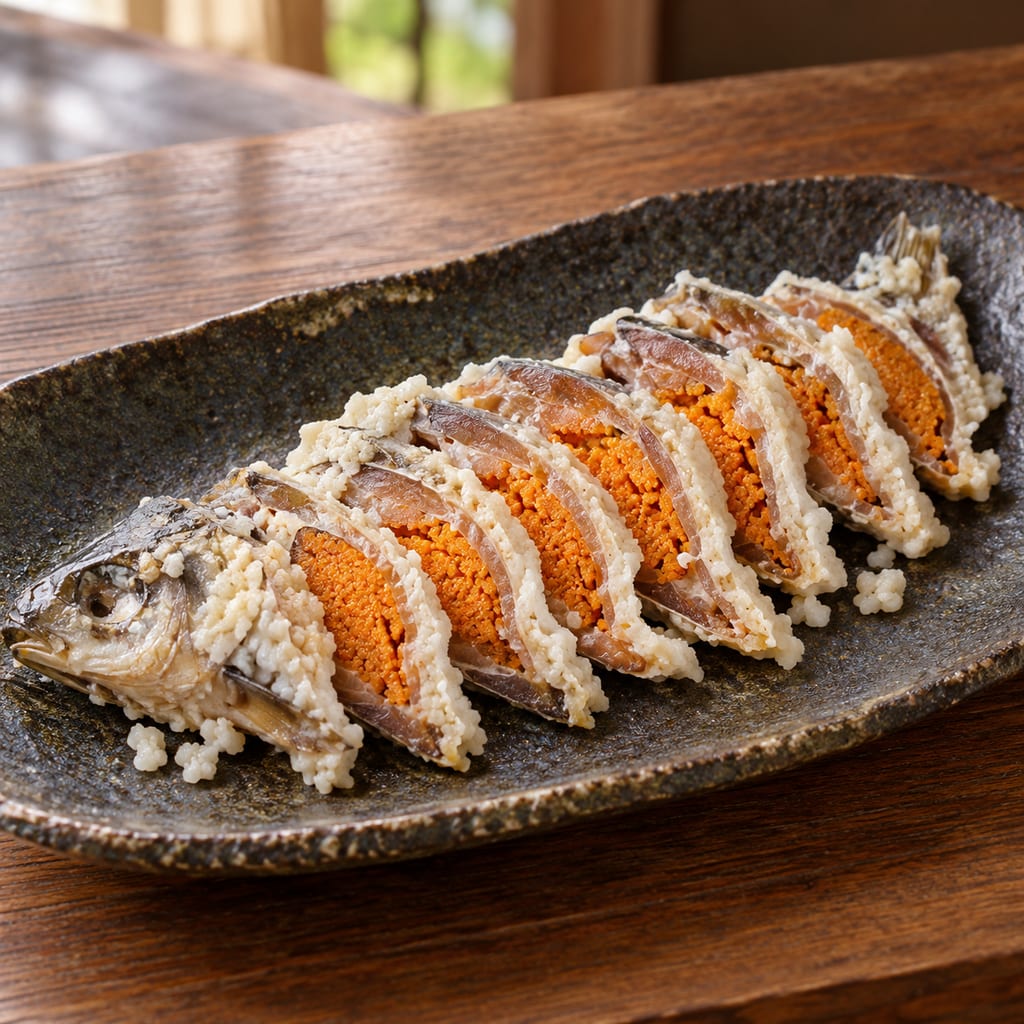
A documentary account of funazushi, Shiga’s long-ripened narezushi associated with Lake Biwa and roe-bearing nigorobuna. It preserves regional, historical and cultural context; it is not a household preparation guide.
No community contributions have been published for this entry yet.
Sign in to contribute. Published comments and photos are free to read.
정연네집밥Method
집에서도 쉽게 탱글탱글한 낙지 젓갈 단 하루만에 담그는법The video presents one creator’s quick-home nakji-jeotgal variation; the source is not process validation.
정연네집밥Method
집에서도 쉽게 탱글탱글한 낙지 젓갈 단 하루만에 담그는법The source identifies seasonings used in the creator’s version; no quantities are published here.
정연네집밥Safety
집에서도 쉽게 탱글탱글한 낙지 젓갈 단 하루만에 담그는법The creator offers storage advice, but the video does not establish a validated safety endpoint.
정연네집밥History
집에서도 쉽게 탱글탱글한 낙지 젓갈 단 하루만에 담그는법The video title and opening identify the creator’s quick-home version; its wider history and filming place are not established.
Korea Food Promotion Institute (Hansik)Culture
Exploring Ganggyeong-eup and the Flavors of JeotgalA Ganggyeong food-culture feature lists nakjijeot among jeotgal varieties served with a rice meal; this is a place-specific account, not a claim of origin for all nakji jeotgal.
Centers for Disease Control and PreventionSafety
Preventing Vibrio InfectionCDC advises against eating raw or undercooked seafood to help prevent Vibrio infection; cited as general seafood guidance, not an octopus-specific assessment.
U.S. Food and Drug AdministrationSafety
Fish and Fishery Products Hazards and Controls Guidance, June 2022FDA guidance says brining or pickling may reduce but does not eliminate parasite hazards in fish; the item text explicitly limits this evidence to fish and does not extrapolate it to octopus.