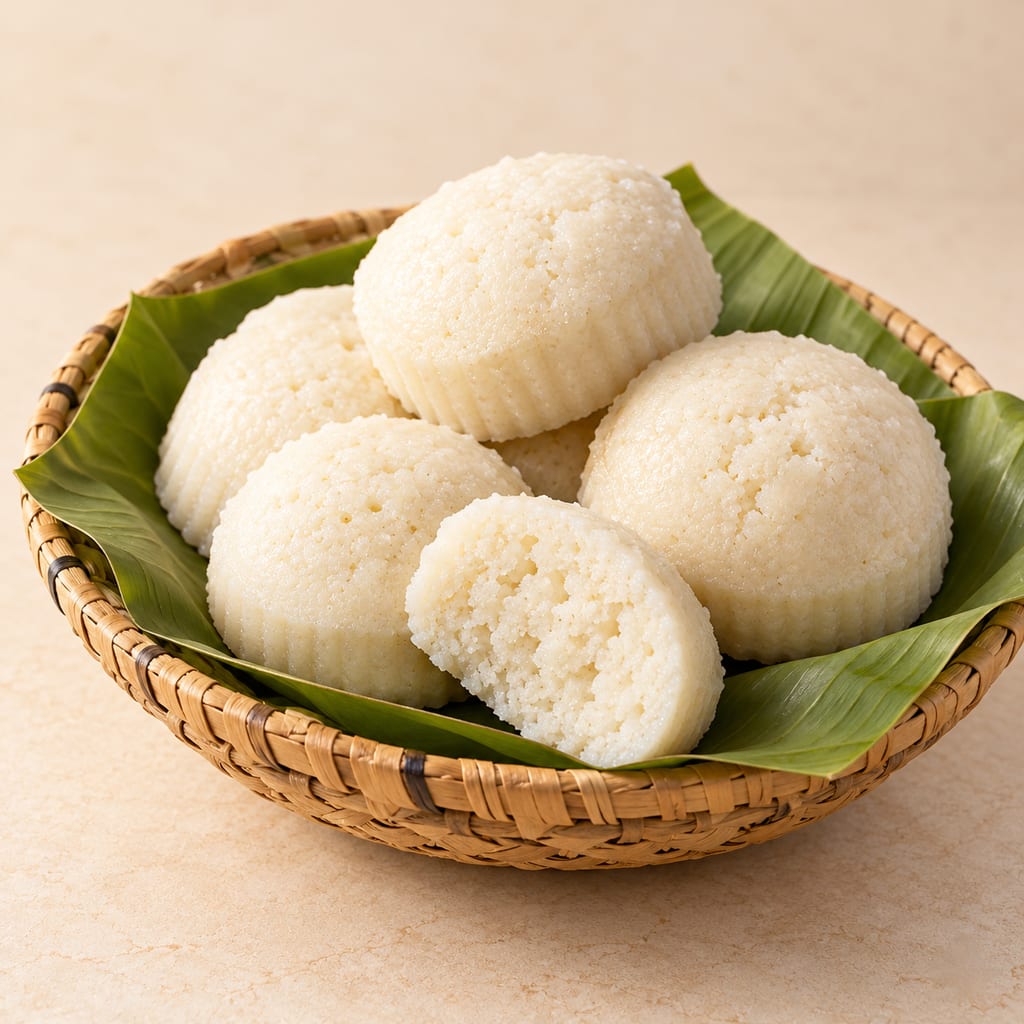
Ablo (rice-based steamed bread)
Soft, lightly tangy steamed cereal bread documented across Benin and Togo. This page gives one measured rice-flour research method; maize-based Ablo and mixed-grain versions remain distinct traditions.
 FermenteaWhere food goes to change
Momone is a Ghanaian salted and fermented fish condiment made from varied marine fish. Historical surveys describe both semi-dried and drier products, with salting and drying methods differing across coastal communities.
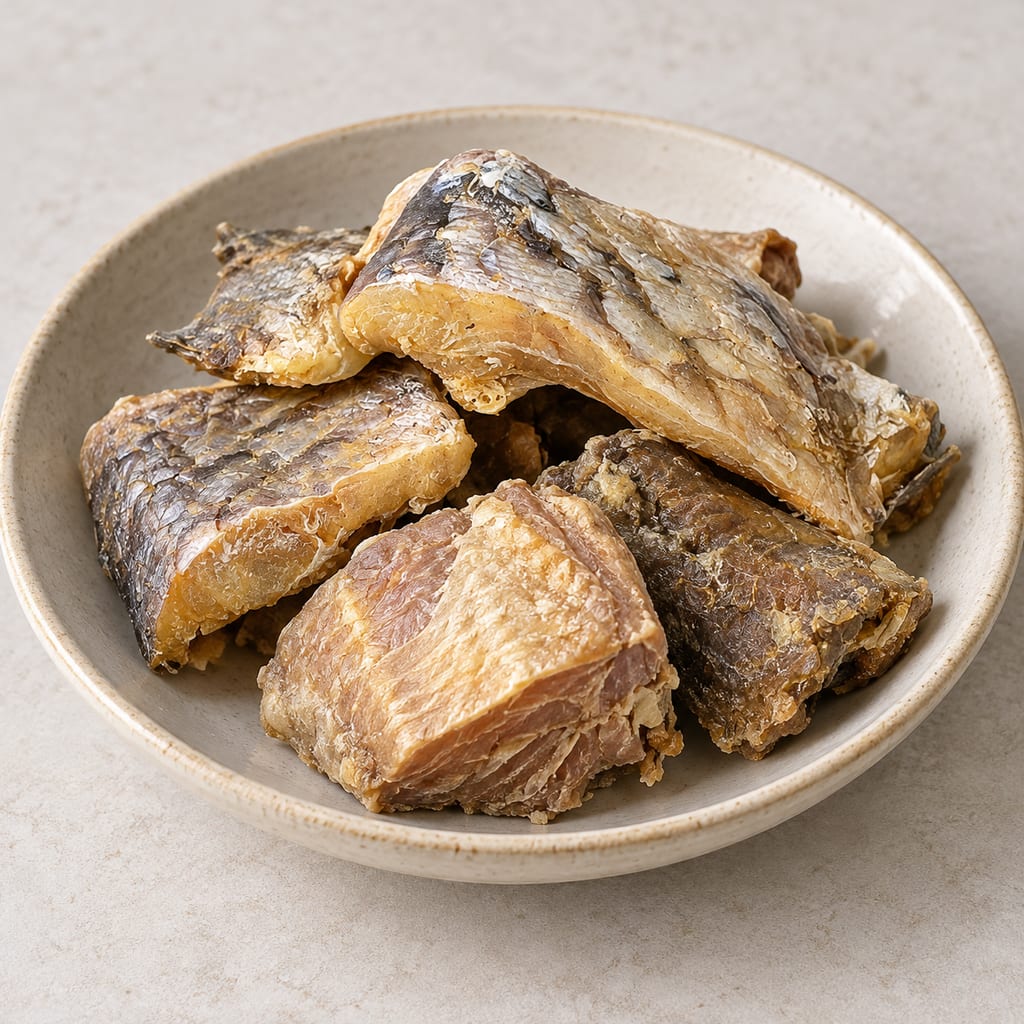
Momone, also written as Momoni or Bomone in the reviewed sources, is a salted and fermented Ghanaian fish condiment. Its fish and preparation vary between coastal communities. FAO describes a semi-dried product used in small quantities to flavour meals in southern Ghana. The 1978 CSIR study reports multiple species and process variants along the coast; this evidence does not establish one recipe or standard product form.
This entry is distinct from Koobi, which is described as salted, dried tilapia, and Ewule, associated with triggerfish. A merge proposal for live candidate records Momone and Momoni is open, because the supplied atlas and primary sources use the spellings for a Ghanaian condiment. The records remain separate until that proposal is independently decided.
The CSIR survey covers processing localities along the coast from Keta to Busua near Takoradi. It names several fish across the survey, including Atlantic Spanish mackerel, burro, grouper, horse mackerel, sea bream, surgeonfish, red snapper and threadfin. The names represent different fish used in the study; they are not a universal ingredient list. The paper's experimental follow-up from 1993 used Japanese jack mackerel as a model, which also does not establish a customary species.
Surveyed methods commonly involved cleaning and washing fish, salting with coarse salt or brine and drying. Some communities rubbed salt onto fish and stacked them in wooden barrels under jute or polyethylene coverings; other methods differed, and the survey notes that some small fish were left ungutted. Reported salting amounts, fermentation durations and drying periods vary across places and weather conditions. They are records of observed practice, not safe limits or instructions for a home batch.
FAO describes Momone as a pungent condiment that adds flavour to meals and records its use in southern Ghana. A 2002 study tested retail Momoni samples and reported a pH above 6, high salt and low lactic-acid bacteria counts; the authors suggest fish enzymes may drive much of the transformation in the samples they examined. Those observations do not establish one process or demonstrate that another batch is safe.
FDA fish guidance identifies hazards from inadequate handling and processing, including botulism in inadequately controlled preserved uneviscerated fish and histamine formation in susceptible fish after time-temperature abuse. The local Bomone survey lists some mackerel and grouper/snapper among varied fish; exact species and catch location matter for species-dependent hazards. The available evidence does not set validated safety controls for Momone.
A Ghanaian CSIR paper documents Bomone research in 1978 and reports a coastal survey. Its authors characterize the food as long used but give no dateable earlier evidence; the first attestation and origin remain unknown.
Scaling: source batch only
The 1978 Bomone market survey detected faecal coliforms in samples and isolated some Staphylococcus aureus; it reported no Salmonella, Shigella or Clostridia in the tested samples but called for standardized and hygienically controlled methods. A 2002 Momoni retail study identified several microbial genera and pH above 6 in its samples. These bounded studies do not establish the safety of other batches.
Hazard sourceThe historical Bomone survey reports one small-fish method without gutting. FDA warns that uneviscerated fish can pose a C. botulinum hazard during salt curing, drying or fermentation, and toxin may be present without visible spoilage. This is general hazard guidance, not a Momone outbreak report.
Hazard sourceThe Bomone species survey includes mackerel, and FDA identifies time-temperature abuse of susceptible fish as a cause of scombrotoxin (histamine) poisoning. The exact species in a particular Momone batch and its pre-salting handling are not established; no Momone-specific illness is claimed.
Hazard sourceThe historical fish list includes grouper and red snapper, but it does not consistently identify species or catch areas. FDA lists ciguatera hazard for some grouper and snapper species. This conditional warning does not establish toxin occurrence in Momone.
Hazard sourceMomone is a fish product; fish is a major food allergen.
Hazard sourceThis is a source comparison, not a validated home-preservation recipe.
Reported salt amounts and fermentation or drying durations vary by locality and are not safe limits.
The sources do not establish a validated salt concentration, fermentation control, drying endpoint or storage limit.
FDA warns that botulinum toxin may be present without visible spoilage. Smell, taste, appearance or bubbling cannot establish safety.
Country-level preparation record; not an origin claim.
Survey range and locality variation do not establish one birthplace or method.
Market sampling location, not a production origin or exclusive use area.
Broad use association only.
Soft, lightly tangy steamed cereal bread documented across Benin and Togo. This page gives one measured rice-flour research method; maize-based Ablo and mixed-grain versions remain distinct traditions.
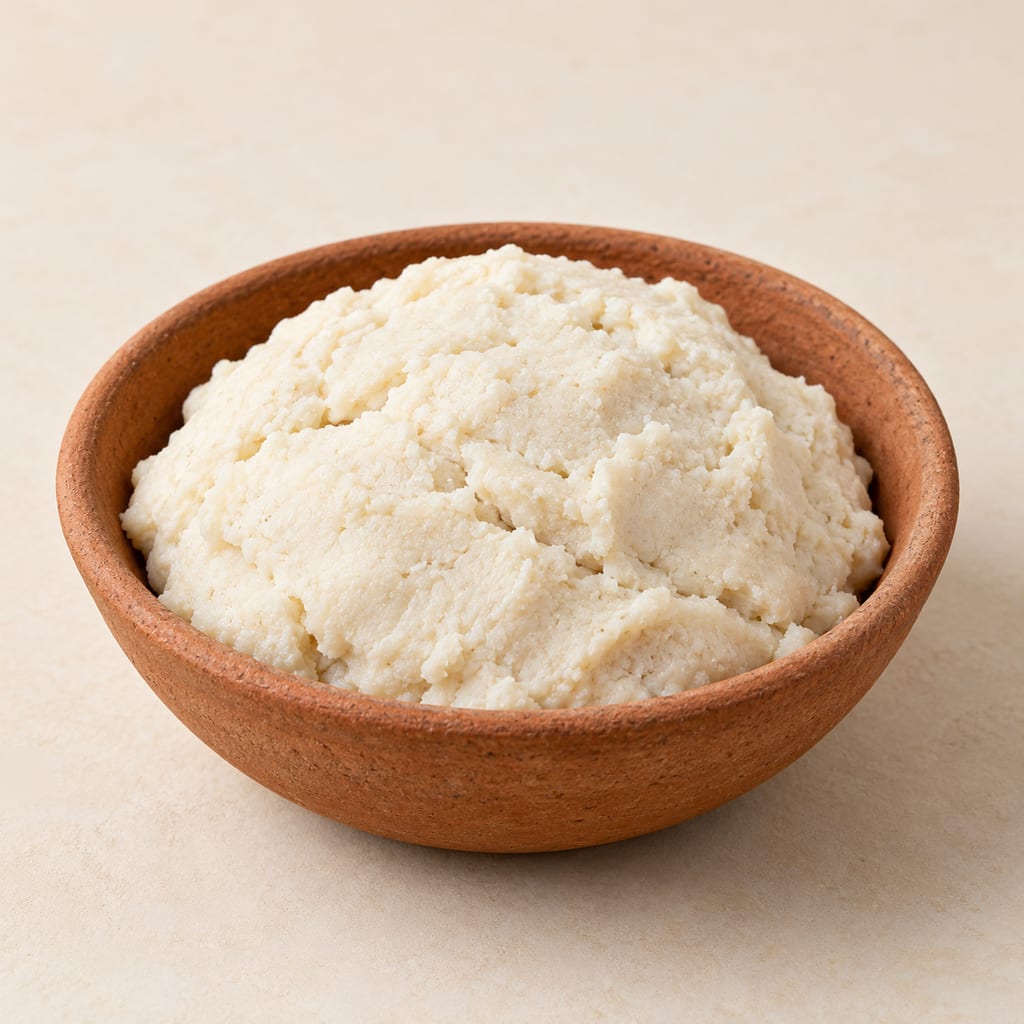
Ghanaian sour cassava dough fermented with traditional inoculum and drained during fermentation. It is used as a base for cooked foods such as banku and akple; process variants and safety outcomes differ.
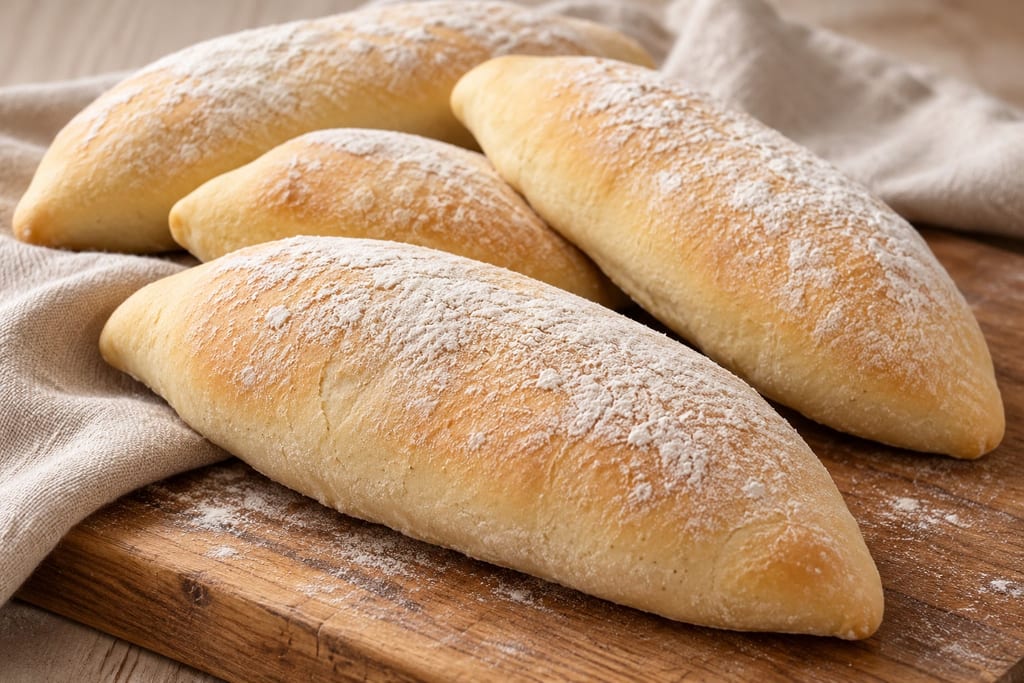
Lightly sweet Ghanaian wheat loaves with nutmeg, a long single proof and a crisp warm crust.

Koobi is Ghanaian salted and dried tilapia. Sources differ on the brief ripening stage and drying period, and do not establish a single validated household process. This entry records documented variants and their limits.
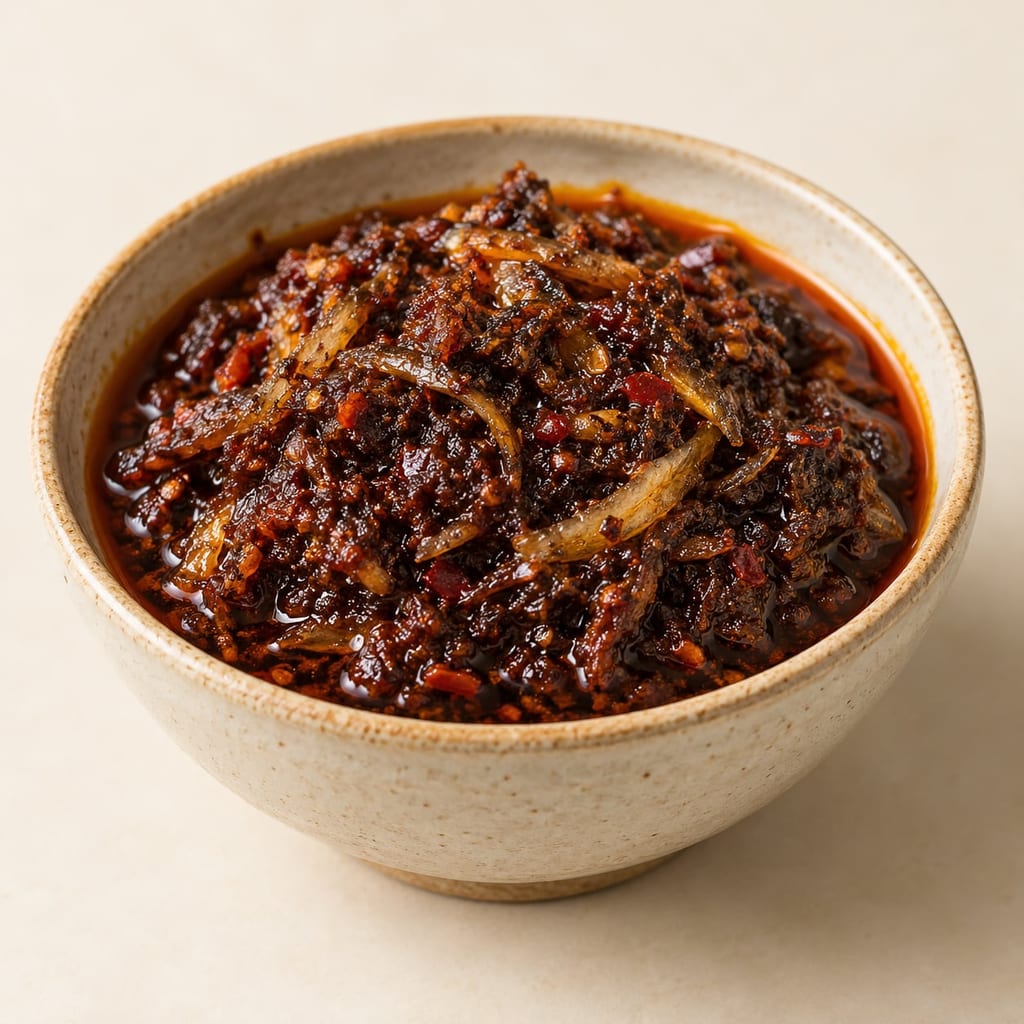
Shito is a hot Ghanaian pepper condiment with fish-rich, oil-cooked and fresh pepper forms; this measured version follows a recipe collected in Ghana’s Northern Region.
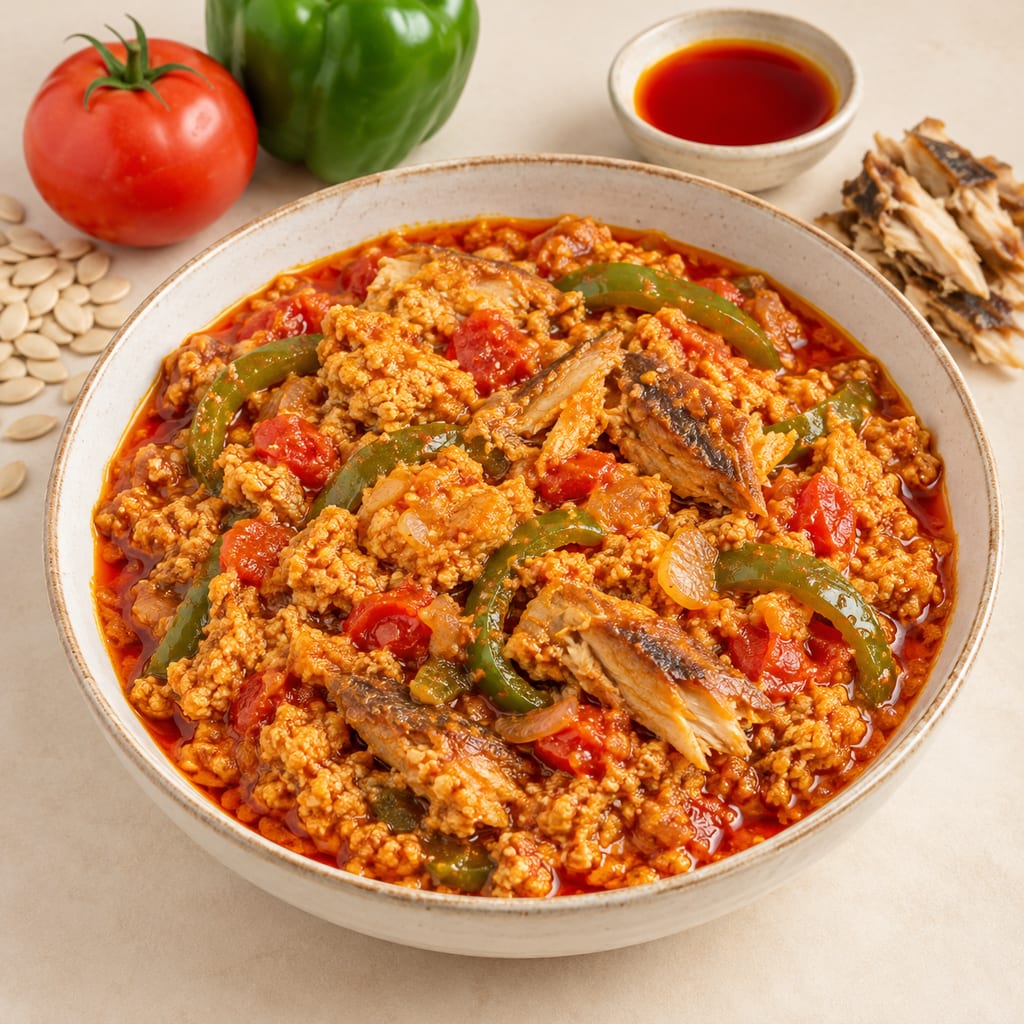
Ghanaian agushie stew combines melon-seed paste with tomatoes, peppers, palm oil and smoked fish, and is served with rice, yam or plantain.
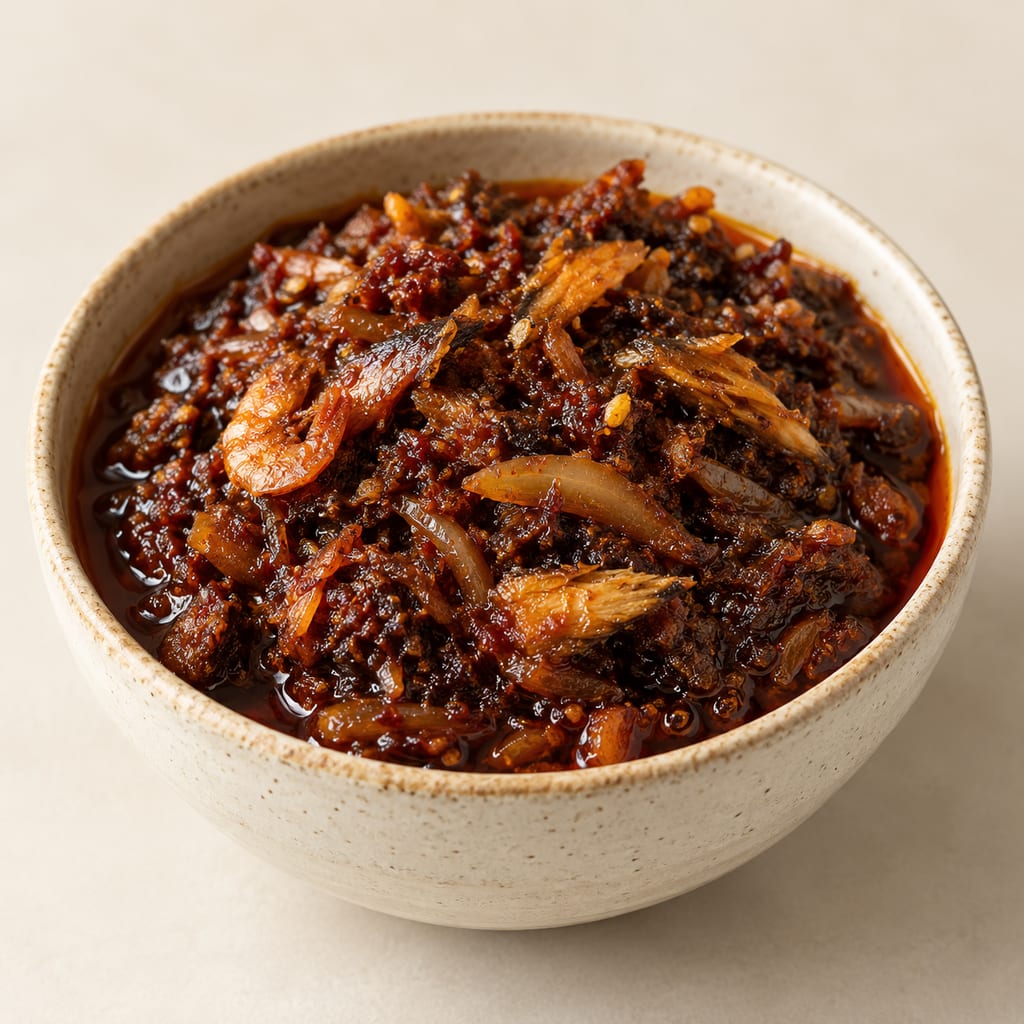
A seafood shito variant by Zoe Adjonyoh, using dried prawn and smoked fish in a cooked chilli and onion base.
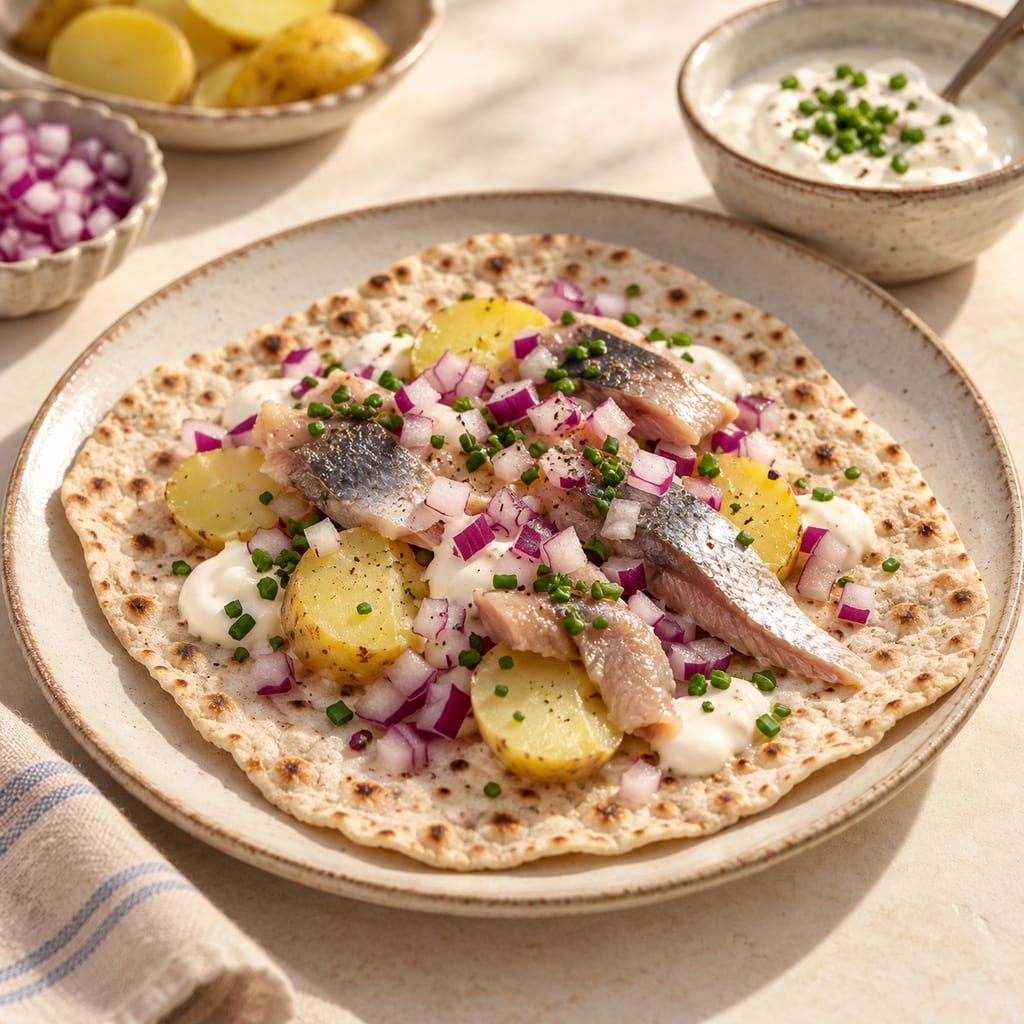
A Swedish late-summer meal of commercially prepared surströmming, tunnbröd, potatoes, onion and cultured cream. This is a serving preparation; the specialist fish fermentation is not made at home here.
A concrete fermentation tank installed below ground at a Senegalese fish-processing site was documented as an adaptation that emulated the older practice of burying fish during fermentation.

A documentary account of Icelandic hákarl, fermented and dried Greenland shark. It describes cultural context and one production study, not a home preparation method.
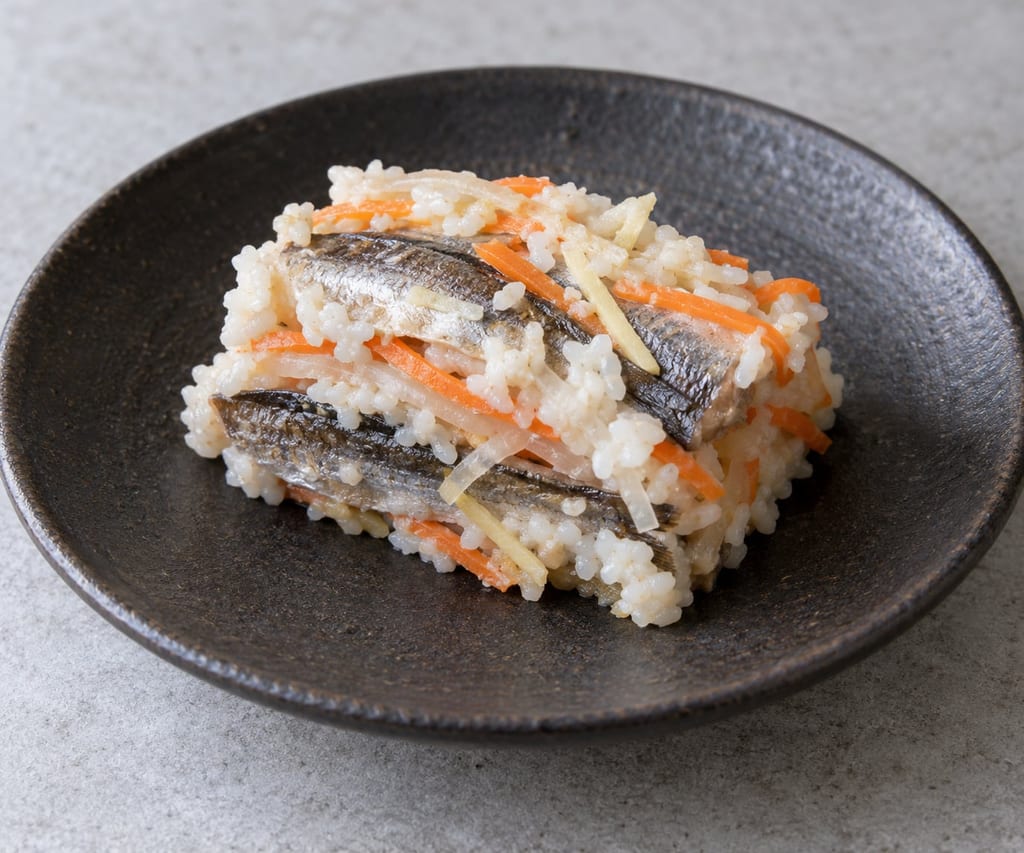
Hokkaido izushi layers fish, vegetables, rice and kōji for cold-season lactic fermentation. This MAFF recipe uses small hatahata with a vinegar pretreatment; it is one regional household formula, not a universal izushi method.
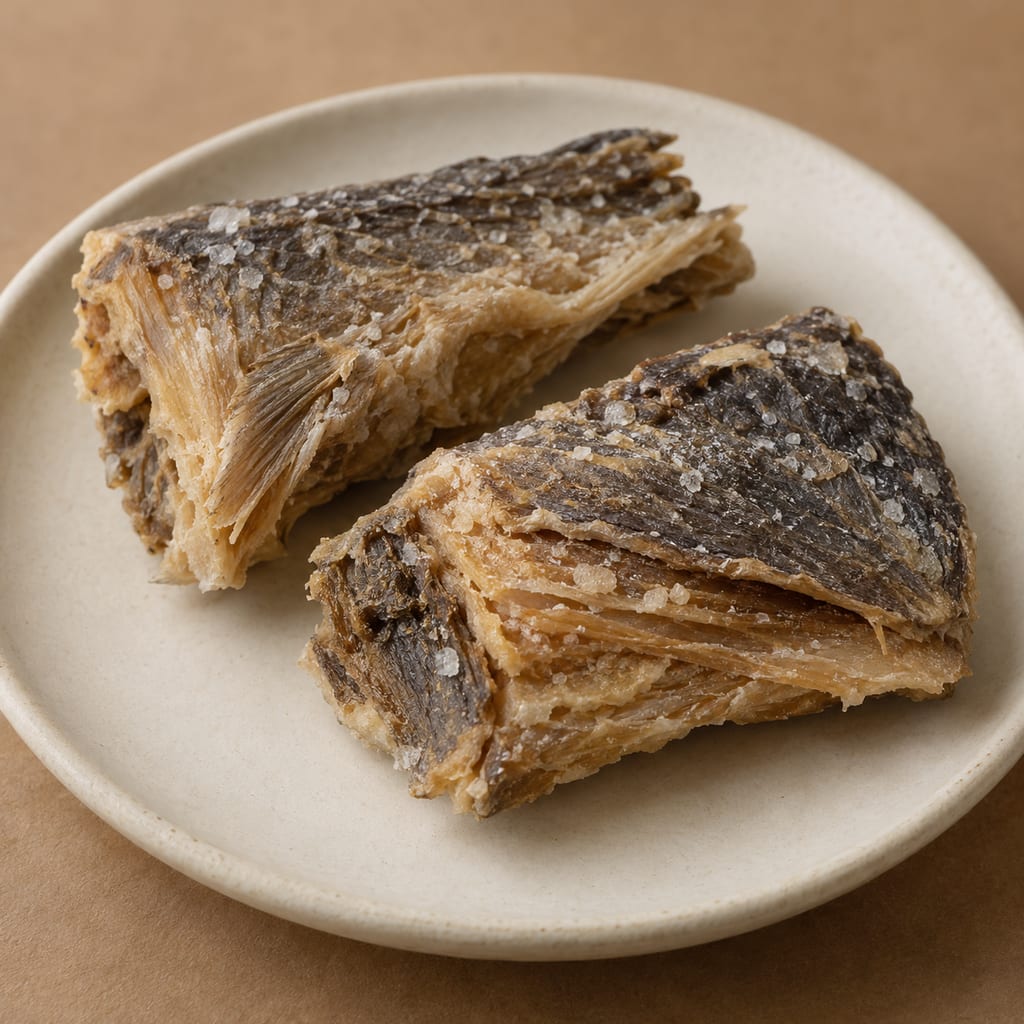
Lanhouin is a strongly flavoured fermented fish condiment documented in coastal West Africa, including southern Benin. This page records one published research reproduction as evidence, not as a validated home-preservation recipe.
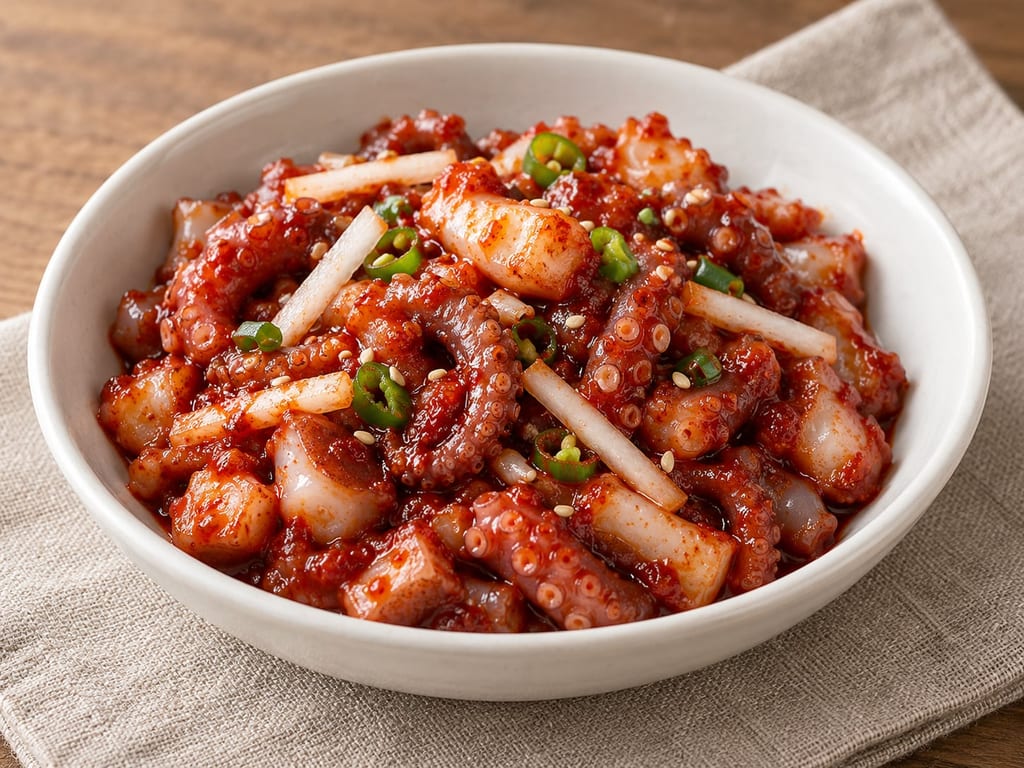
Nakji jeotgal is Korean salted octopus, served among jeotgal varieties with rice. This entry documents the dish and one creator’s quick-home version; it does not provide a household preparation method.
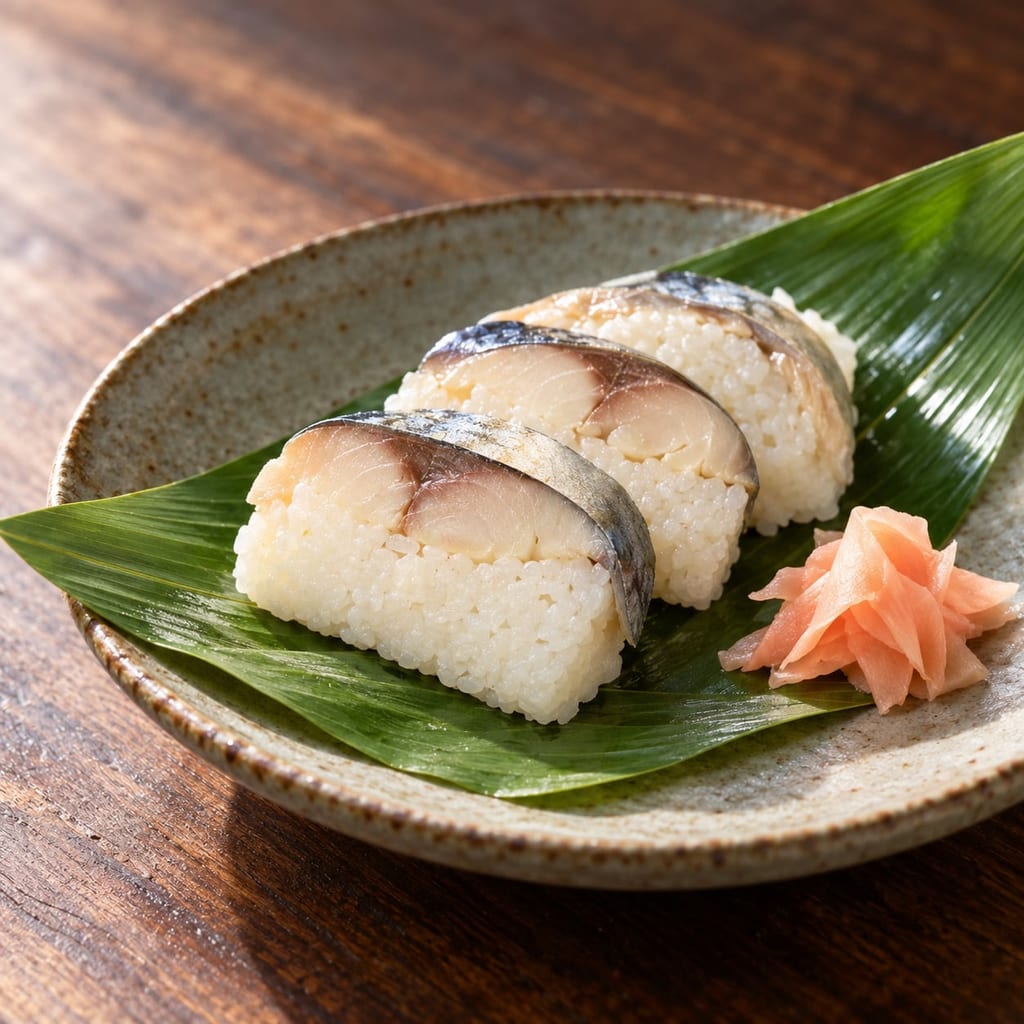
A documentary account of Japanese narezushi, a family of salted-fish and rice ferments. This entry preserves the East Kishu (Mie) source’s identity and regional context without providing a household preparation method.
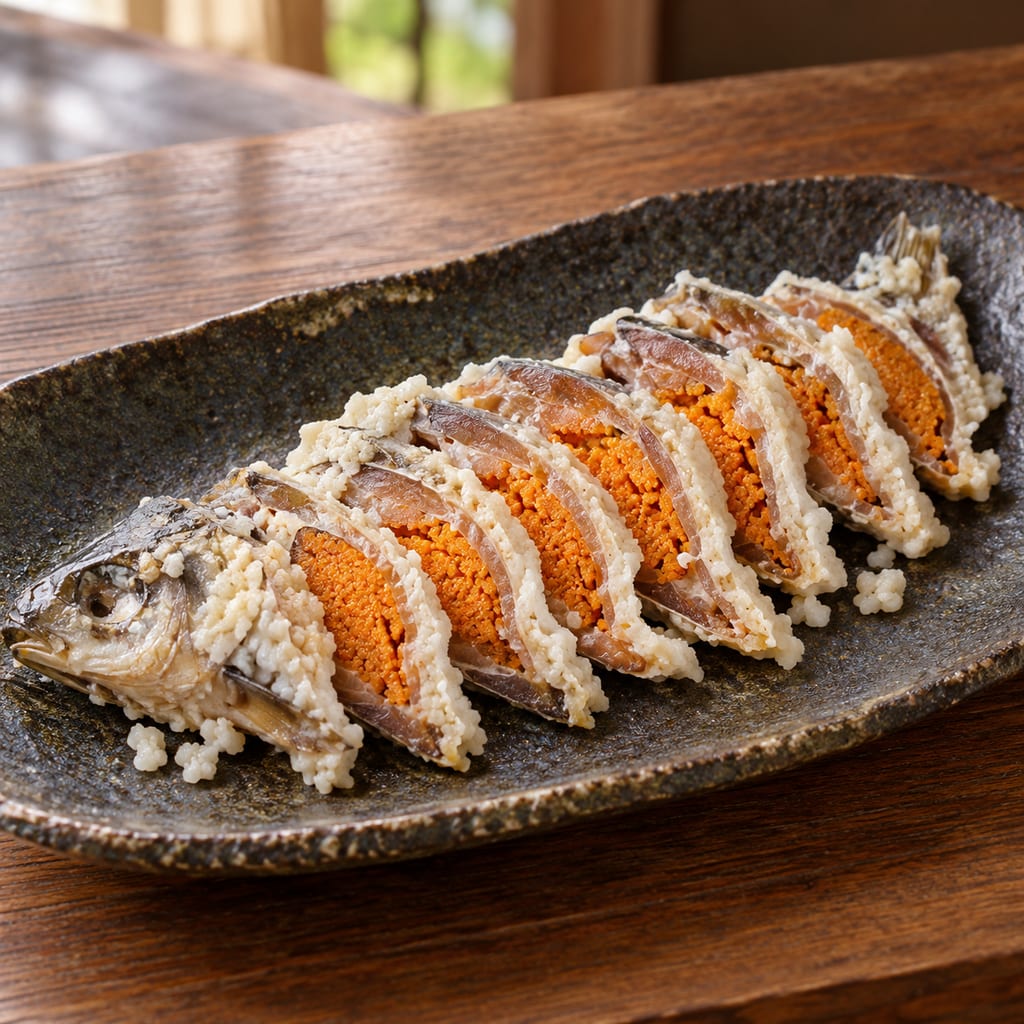
A documentary account of funazushi, Shiga’s long-ripened narezushi associated with Lake Biwa and roe-bearing nigorobuna. It preserves regional, historical and cultural context; it is not a household preparation guide.

Soft, spreadable Calabrian pork sausage made with a great deal of red chilli and fatty pork, stuffed into natural casings, sometimes smoked and matured while staying soft.

A way to add independent temperature logging to an existing food dehydrator without changing its built-in controls or protections. It is a monitoring method, not a rewiring plan.

Pleurotus cystidiosus is the abalone mushroom, a cultivated oyster-type fungus with dark brown caps that grows more slowly and is more demanding than other Pleurotus species.

A dark, balanced vinegar from Emilia-Romagna made by combining cooked or concentrated grape must with wine vinegar, then acetifying and refining it in wood under a protected specification.

A living dairy inoculum that starts controlled cream fermentation, developing acidity and aroma before sour cream or cultured butter is finished.

A small electric incubator holds jars at a selected temperature for yogurt and other documented warm food preparations. Controls, capacity and vessel arrangement vary by model.

Adygean salt is a seasoned table salt associated with Adygea and the wider North Caucasian culinary tradition. Salt is blended with garlic and a variable selection of herbs and spices; the exact mix depends on the named style and maker.

The African Caesar-group mushroom, Amanita masasiensis, is a wild ectomycorrhizal species of central and southern African woodlands, eaten locally. The genus contains deadly poisonous species, so identification needs care.
No community contributions have been published for this entry yet.
Sign in to contribute. Published comments and photos are free to read.
Ghana Journal of Agricultural Science 11:21–26; Council for Scientific and Industrial Research repositoryIdentity · Method · Species variation · Geography · Equipment · Food safety
Studies on Bomone, a Ghanaian fermented fish productA survey of coastal Ghana from Keta to Busua near Takoradi documents varied fish species and local procedures. Basic methods included scaling, gutting, washing, salting with coarse salt or brine and drying; some methods used wooden barrels covered with jute or polyethylene.
The article reports different salt quantities and fermentation/drying durations by locality; these are historical observations, not validated controls. It identifies common fish across the survey including mackerel, burro, grouper, horse mackerel, sea bream, surgeonfish, red snapper and threadfin, without establishing one standard species.
Market samples were bought in several Accra markets. The study detected faecal coliforms and small amounts of Staphylococcus aureus among organisms isolated; its sample findings do not establish general product safety.
Cited in: A salted fish condiment from Ghana; Local fish and processing differences
FAO Fisheries Technical Paper 329Method · Species variation · Geography
Fermented Fish in Africa: A Study on Processing, Marketing and Consumption — Chapter 5: Fish Processing CharacteristicsFAO describes multiple fish species used for African fermented fish and identifies Ghana as a coastal-processing country; its generic category and process descriptions are not all specific to Momone.
Cited in: A salted fish condiment from Ghana
FAO Fisheries Technical Paper 329Identity · Use · Geography
Fermented Fish in Africa: A Study on Processing, Marketing and Consumption — Chapter 9: Consumer Attitudes to Fishery ProductsDescribes Momone as a semi-dried fermented fish condiment made from high-value species, used in small quantities, and consumed in southern Ghana.
Cited in: A salted fish condiment from Ghana; Use and food-safety evidence
Journal of Food Composition and Analysis 15(5):577–583Identity · Food safety · Process mechanism
Microflora and chemical composition of Momoni, a Ghanaian fermented fish condimentAnalyzes retail Momoni samples and reports pH above 6, high salt and low lactic-acid bacteria; authors suggest endogenous fish enzymes rather than associated microorganisms drive much of the process in those samples.
Identifies several microbial genera in the samples. These results do not characterize all Momoni or validate a process.
Cited in: Use and food-safety evidence
Journal of the Science of Food and Agriculture 63(2):227–235Experimental method · Species context
Effects of processing and storage on some chemical characteristics and lipid composition of a Ghanaian fermented fish productA controlled experiment studied Momoni processing using Japanese jack mackerel as a model fish similar to African jack mackerel. The experimental species is not evidence of the customary fish for all Momoni.
U.S. Food and Drug AdministrationFood safety · Botulism
Import Alert 16-74: Uneviscerated Fish Products that are Salt-cured, Dried, Smoked, Pickled, Fermented or BrinedFDA gives general warnings about botulism hazards in inadequately controlled preserved uneviscerated fish and the absence of visible spoilage signs; no Momone-specific outbreak is claimed.
Cited in: Use and food-safety evidence
U.S. Food and Drug AdministrationFood safety · Species related hazard
Fish and Fishery Products Hazards and Controls Guidance, Chapter 7: Scombrotoxin (Histamine) FormationFDA identifies histamine formation after time-temperature abuse of susceptible fish as a food-safety hazard; the relevance to a Momone batch depends on its exact species and handling.
Cited in: Use and food-safety evidence
U.S. Food and Drug AdministrationFood safety · Species related hazard
Fish and Fishery Products Hazards and Controls Guidance, June 2022 EditionFDA lists species-specific natural-toxin hazards for some grouper and snapper; exact species and harvest area are needed to assess applicability. This does not establish toxin occurrence in Momone.
U.S. Food and Drug AdministrationFood safety · Allergen
Food AllergiesFish is a major food allergen.