
African fermented foods, drinks and preservation
From sour breads and milk to savoury seeds, cassava staples and living beers, African fermentation follows the crop, the community and the work of transformation.
 FermenteaWhere food goes to change
lan huin
Lanhouin is a strongly flavoured fermented fish condiment documented in coastal West Africa, including southern Benin. This page records one published research reproduction as evidence, not as a validated home-preservation recipe.
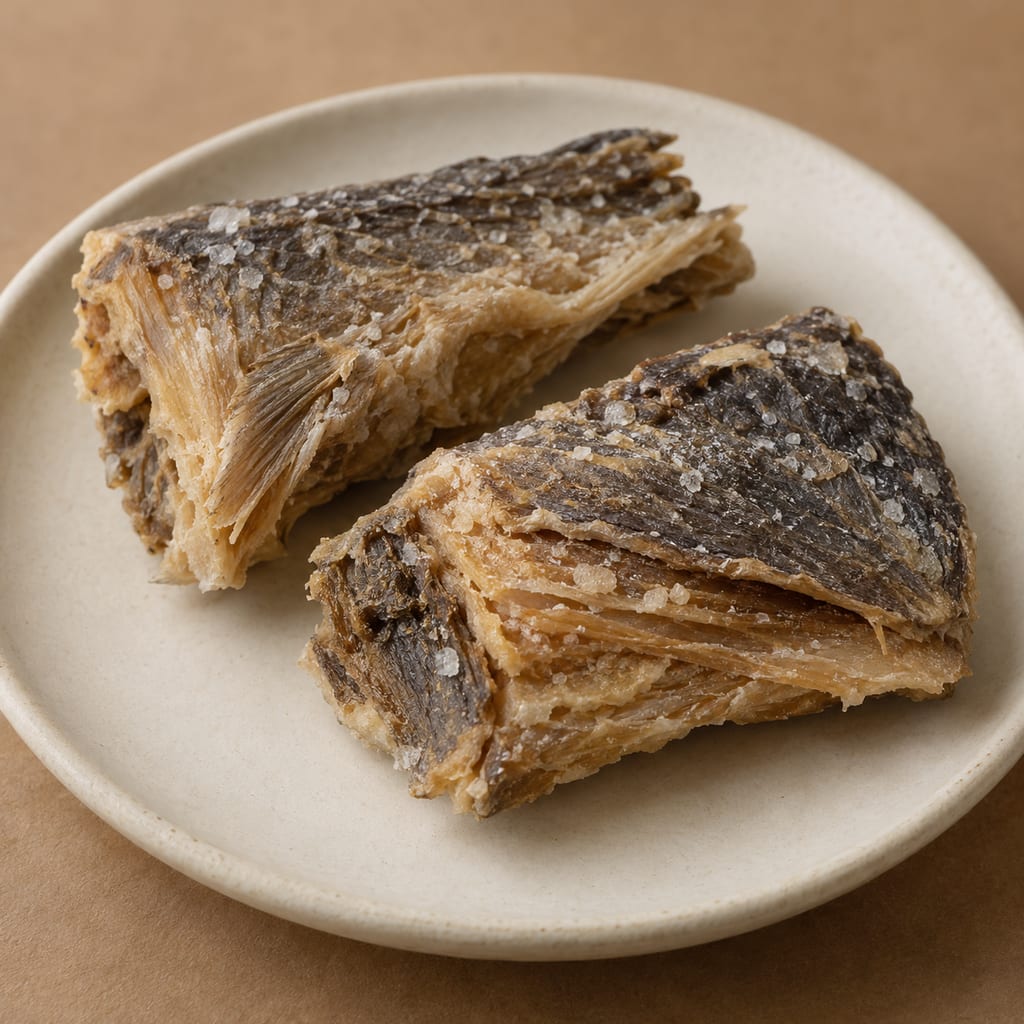
Lanhouin is a strongly flavoured fish condiment associated with the Gulf of Benin and coastal West Africa. A survey in Mono District, southern Benin, documented processors, markets and household use. Respondents described several processing variants; the researchers reported use as a flavouring for vegetable, slimy-vegetable and tomato sauces. This evidence supports a documented Benin association, not a single birthplace or one uniform regional method.
A 2007 microbiology paper studied naturally fermented cassava fish identified at genus level as Pseudotolithus sp. Its modified traditional reproduction used about 2 kg fish, scaled and gutted, with an average individual fresh weight of 250.0 ± 6.5 g. The researchers ripened it for eight hours, applied salt at 30% of fish weight, wrapped the fish in cloth, placed it in a basket and fermented it for three to eight days at reported ambient temperatures of 28–30°C. These figures describe the experiment. They do not establish a safe household batch, a final salt concentration or a validated endpoint.
The 2007 study identifies its raw material only as Pseudotolithus sp.; it does not name a species. Other Lanhouin field research reports a wider range of fish and process variants, and Spanish mackerel is a separate fish from cassava croaker. The recipe record should therefore keep the 2007 batch tied to its own genus-level identification rather than silently treating all regional fish as interchangeable.
Fermented, salted or dried fish can carry a botulism hazard when fish is uneviscerated or partly eviscerated; FDA guidance highlights this risk for preserved fish. The research procedure does not supply a validated household control. Histamine is another concern for susceptible species after poor time and temperature control; once formed, it is not destroyed by cooking, freezing or curing. The Lanhouin literature reviewed here does not establish a species-specific histamine control for every fish used. Fish is a major allergen. No smell, taste, appearance, elapsed time or single household measurement can demonstrate that this experimental product is safe.
Published work documents Lanhouin production research in Benin by 2007 and a survey of processors and consumers in Mono District in southern Benin by 2012. Neither source establishes when the practice began.
Scaling: source batch only
High-risk research record only. It is not a validated or safe home-preservation recipe; do not follow the warm-fermentation steps to preserve fish.
The study identifies the fish only as Pseudotolithus sp. and does not establish a species-specific safety process.
The paper's 30% salt input and 28–30°C, 3–8-day observations are experimental conditions, not validated safety limits or storage instructions.
Fish is a major food allergen.
The fermentation paper's author affiliations and research context are in Benin; the survey explicitly sampled Mono District in southern Benin. This does not establish a birthplace or single origin.
From sour breads and milk to savoury seeds, cassava staples and living beers, African fermentation follows the crop, the community and the work of transformation.
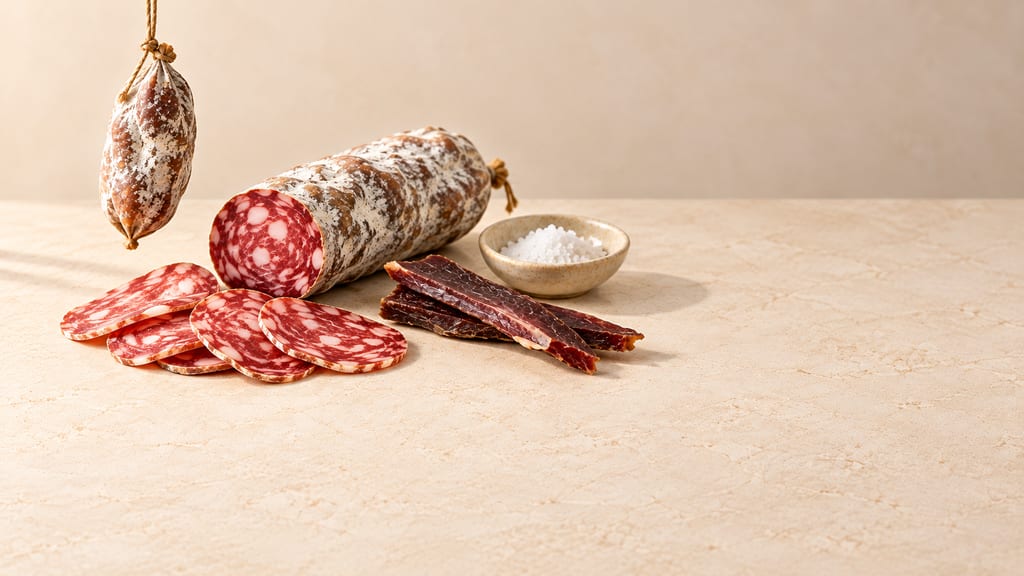
Dry salami, sour pork with rice, matured sheep and aged blubber follow different paths from animal to food. Their stories connect microbes with climate, slaughter, migration and the meals people share.
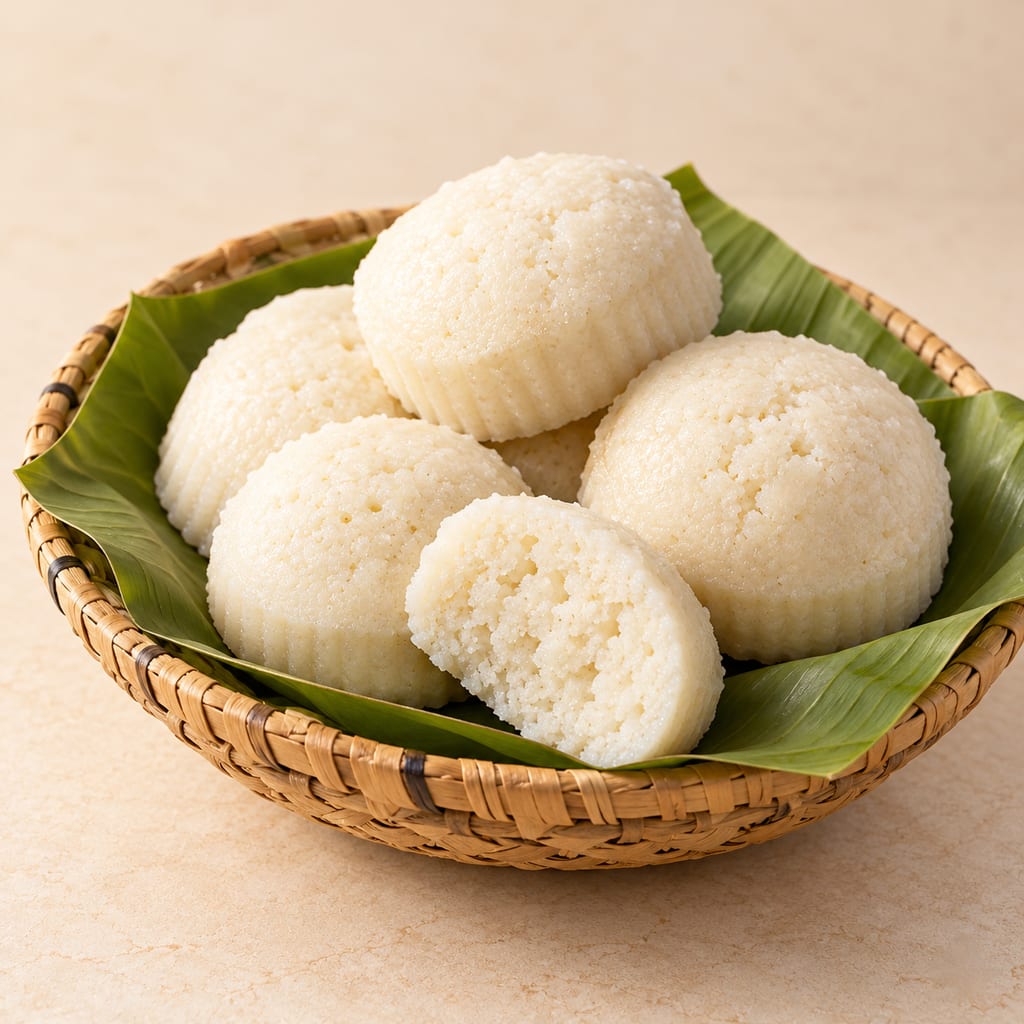
Soft, lightly tangy steamed cereal bread documented across Benin and Togo. This page gives one measured rice-flour research method; maize-based Ablo and mixed-grain versions remain distinct traditions.
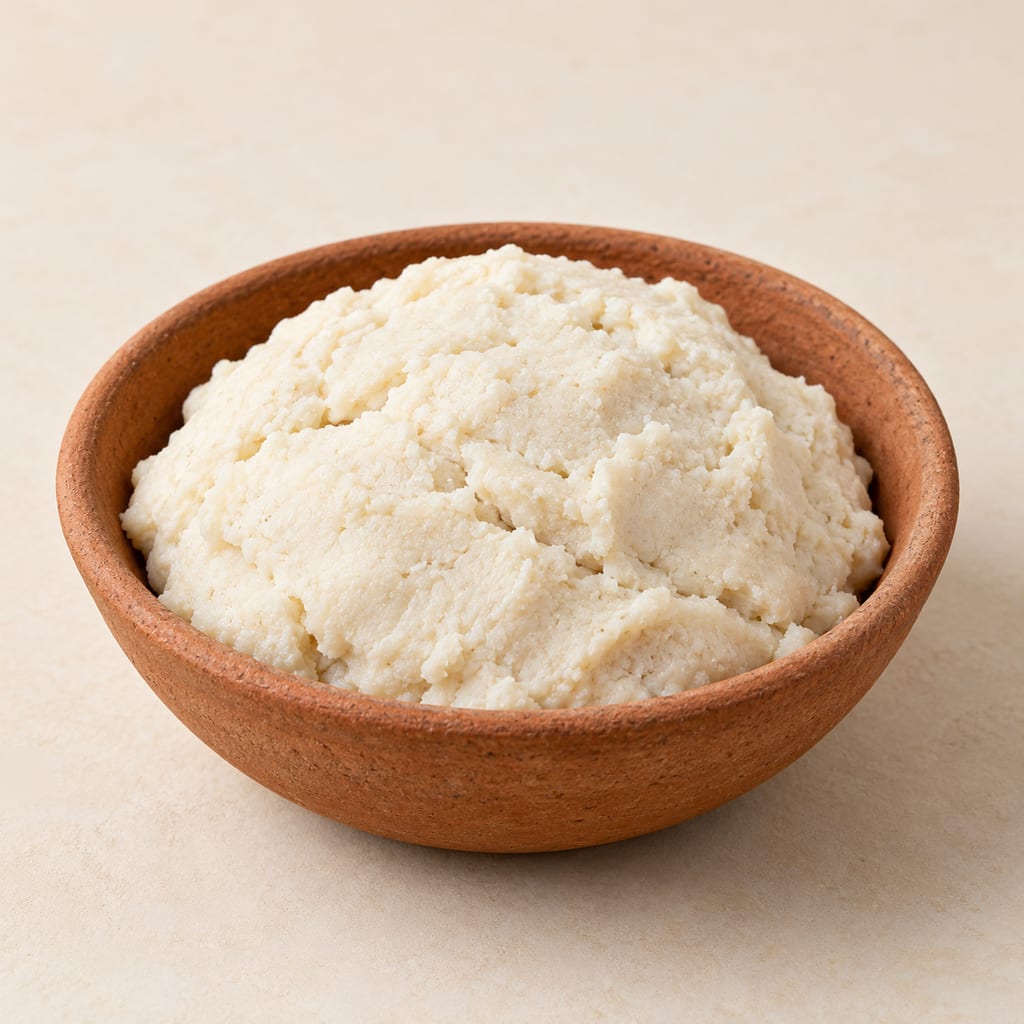
Ghanaian sour cassava dough fermented with traditional inoculum and drained during fermentation. It is used as a base for cooked foods such as banku and akple; process variants and safety outcomes differ.
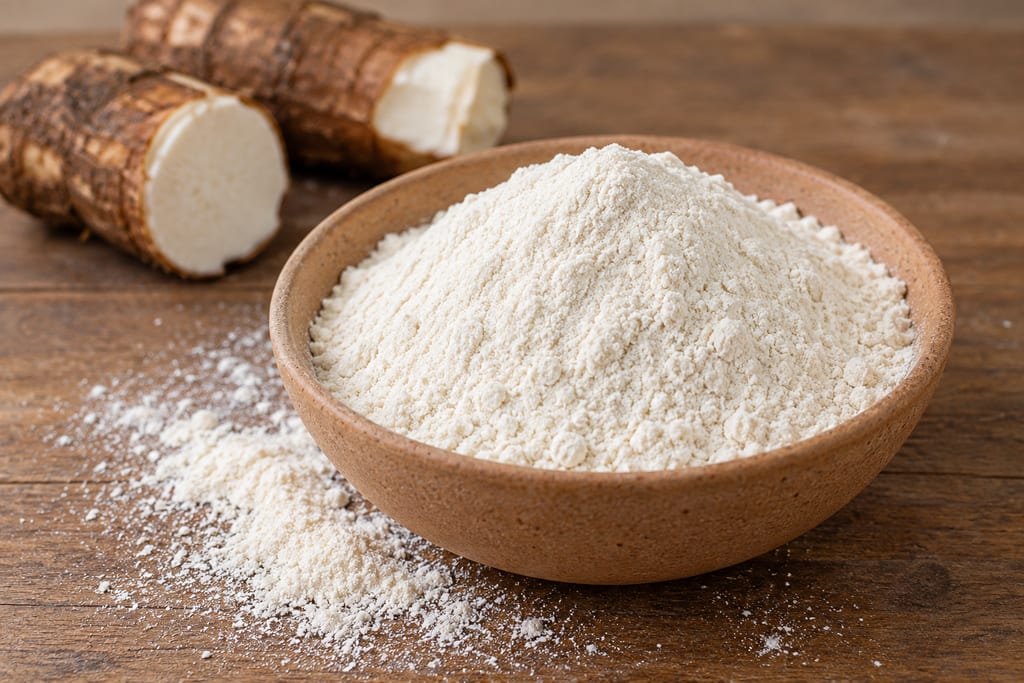
Lafun is a Nigerian fermented cassava flour described in historical accounts. This record documents reported processing stages, not a validated household method or a batch-specific cyanogen and moisture safety endpoint.
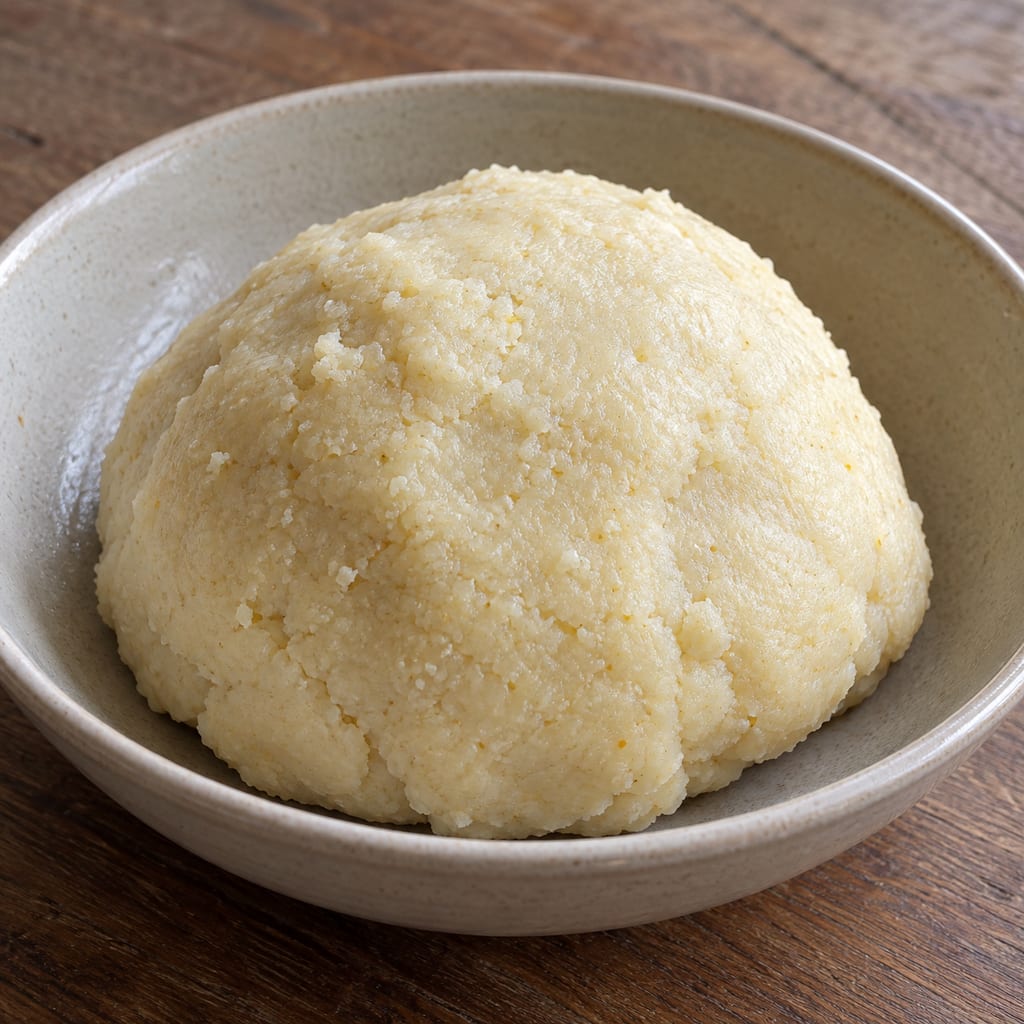
Mawè is a spontaneously fermented maize or other cereal dough from Benin and neighbouring West Africa, soured by lactic bacteria and yeasts and used as the base for cooked pastes, porridges, breads and drinks.
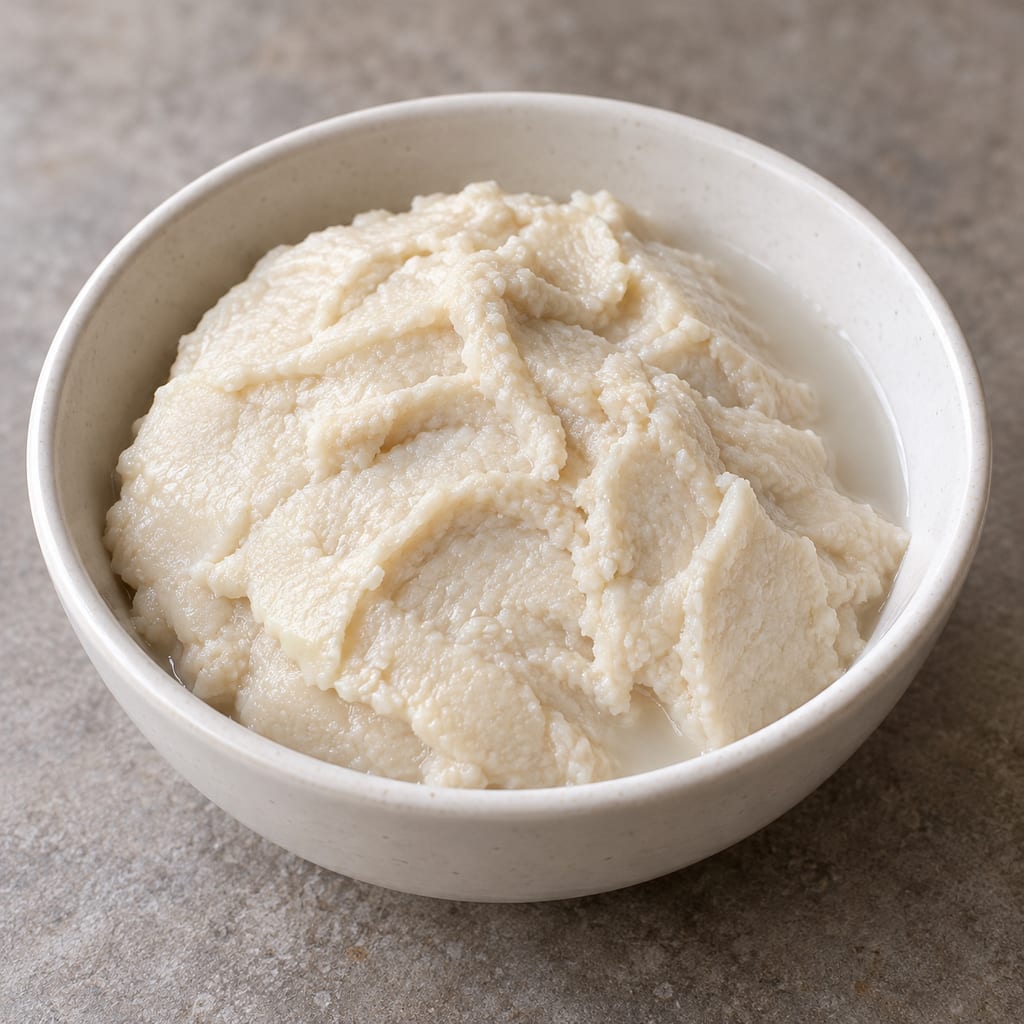
Ogi or akamu is a wet fermented cereal preparation documented in Nigeria and Benin. Grain or maize starch is steeped, milled or sieved, then fermented by process-specific routes; evidence supports no universal method or safety limit.
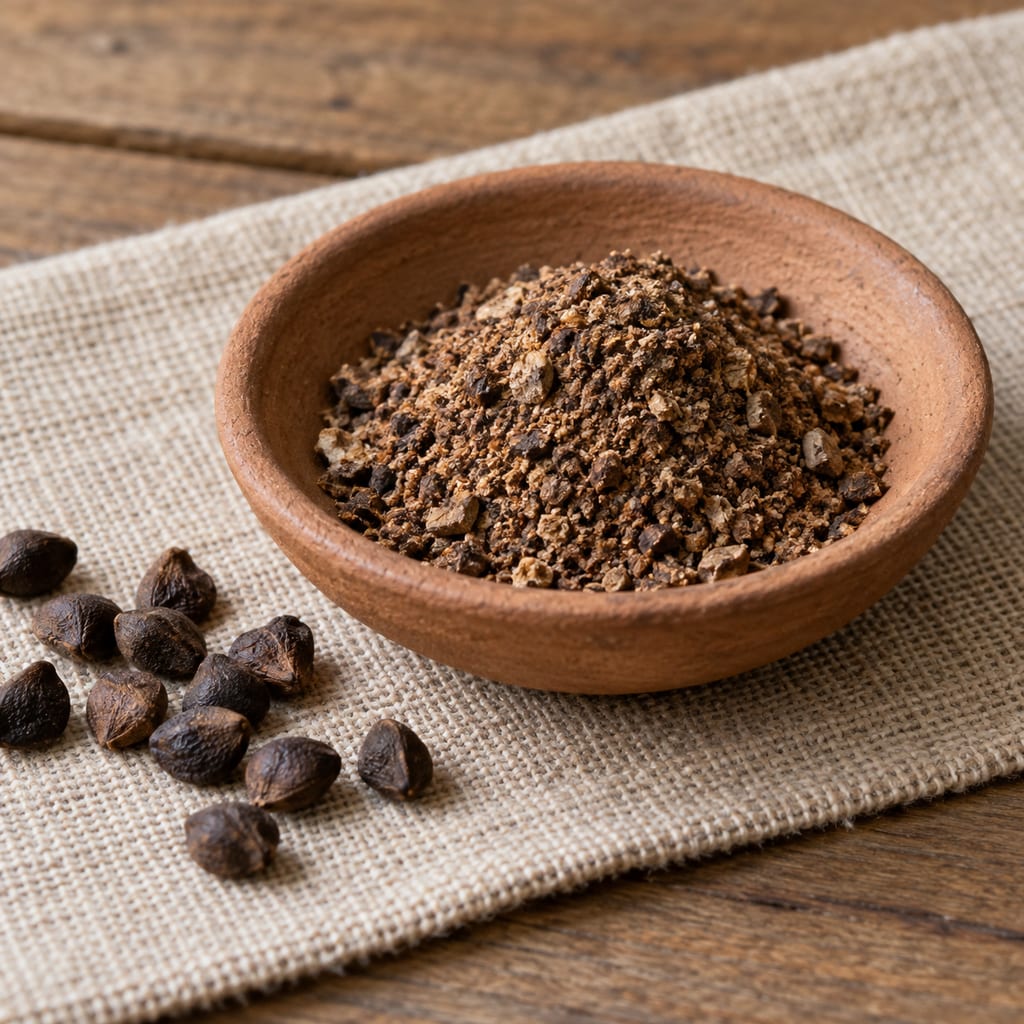
A traditional Beninese inoculum made from fermented roselle, cotton or baobab seeds, rich in bacterial spores, added to cooked African locust beans to speed up fermentation and soften them into sonru.
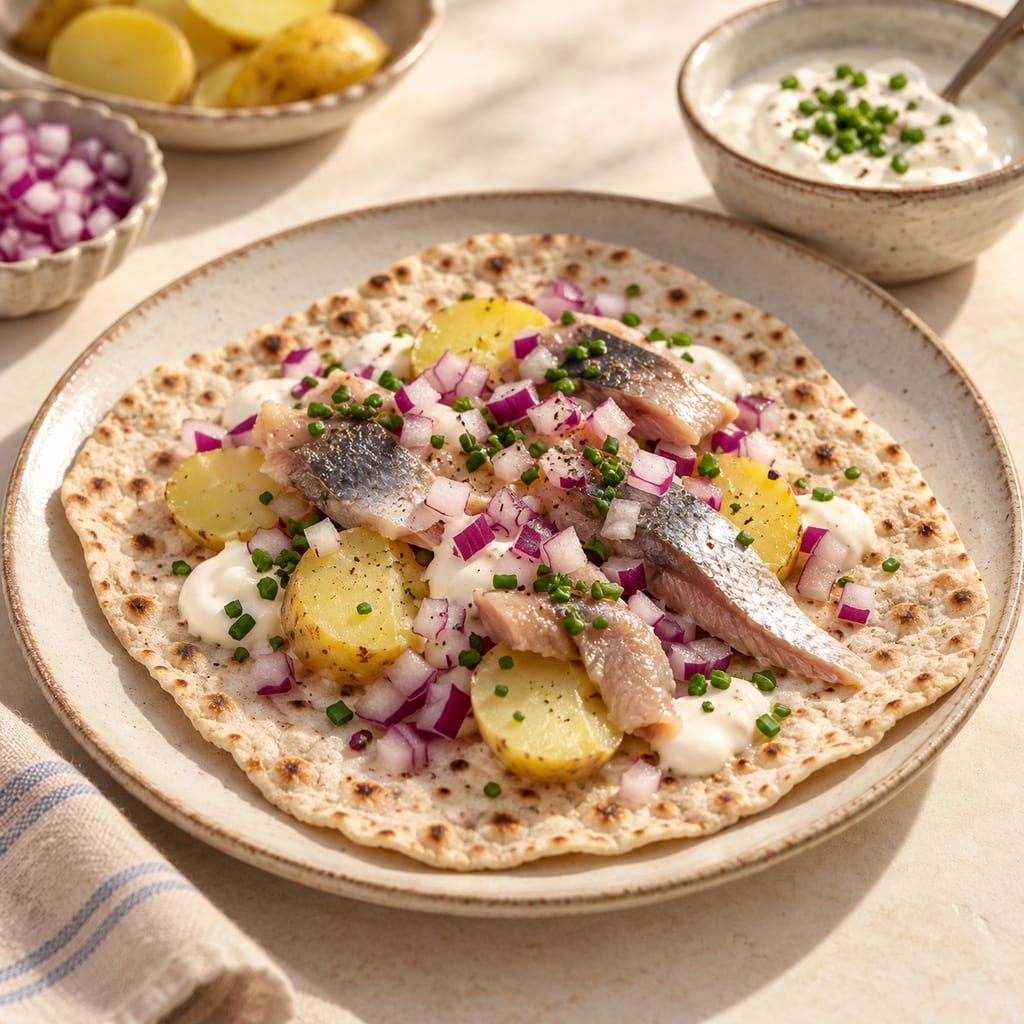
A Swedish late-summer meal of commercially prepared surströmming, tunnbröd, potatoes, onion and cultured cream. This is a serving preparation; the specialist fish fermentation is not made at home here.
A concrete fermentation tank installed below ground at a Senegalese fish-processing site was documented as an adaptation that emulated the older practice of burying fish during fermentation.

A documentary account of Icelandic hákarl, fermented and dried Greenland shark. It describes cultural context and one production study, not a home preparation method.
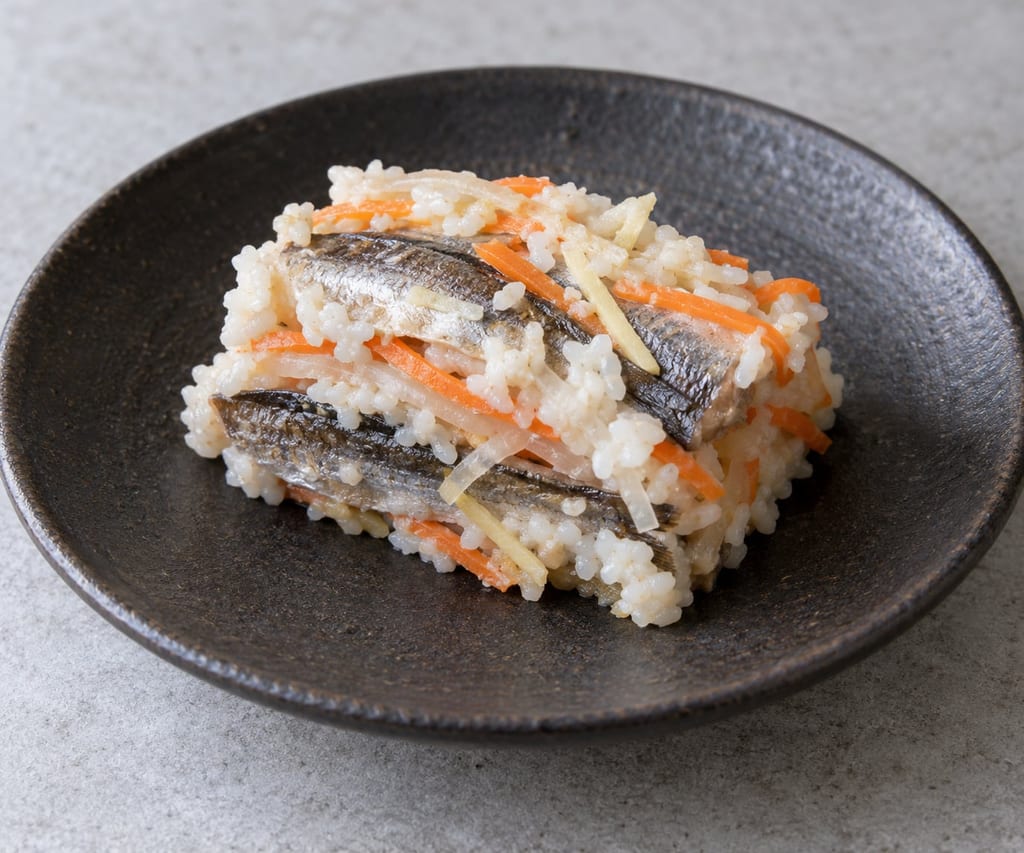
Hokkaido izushi layers fish, vegetables, rice and kōji for cold-season lactic fermentation. This MAFF recipe uses small hatahata with a vinegar pretreatment; it is one regional household formula, not a universal izushi method.
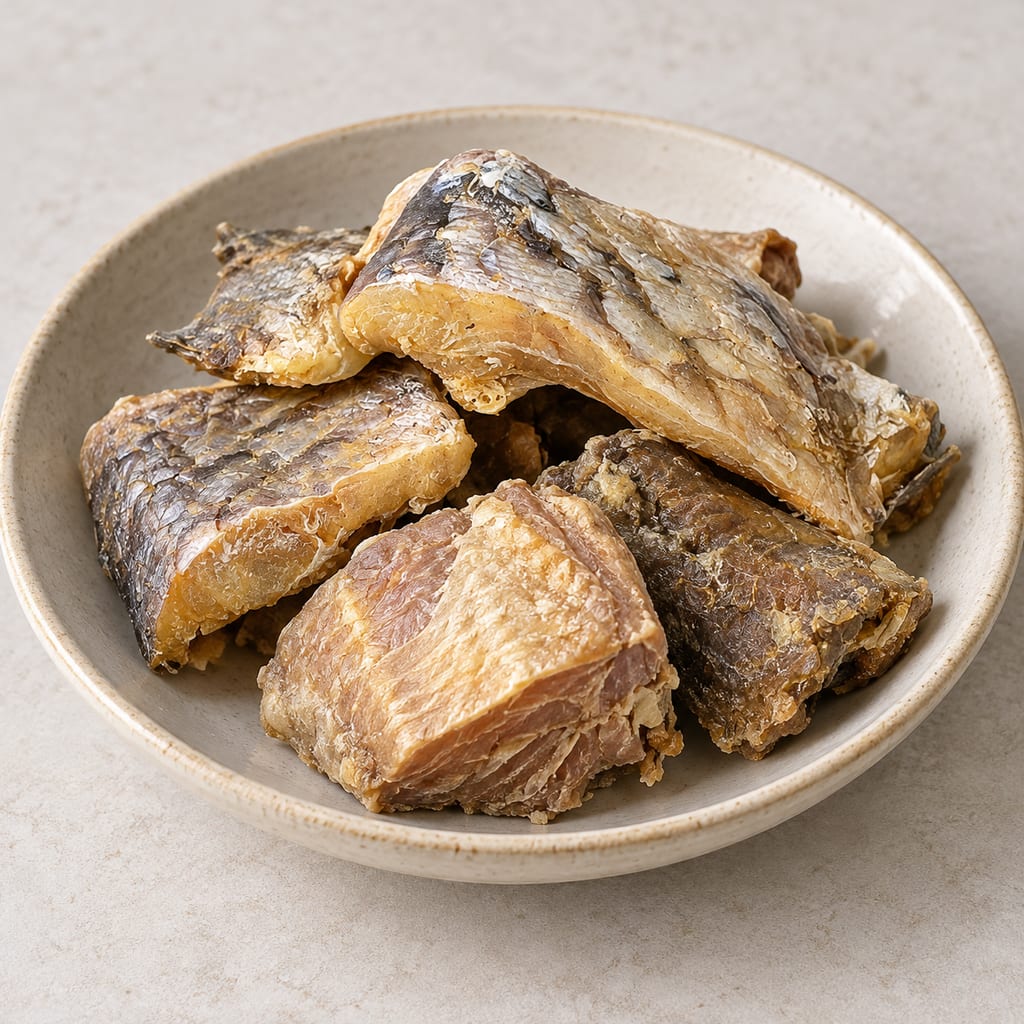
Momone is a Ghanaian salted and fermented fish condiment made from varied marine fish. Historical surveys describe both semi-dried and drier products, with salting and drying methods differing across coastal communities.
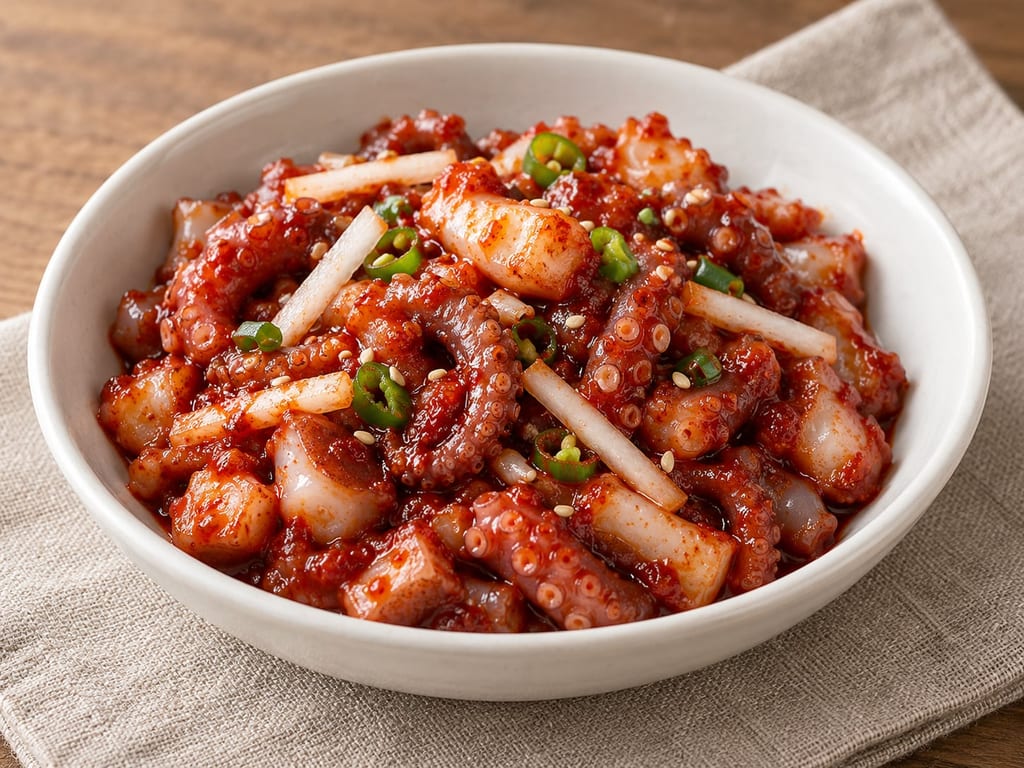
Nakji jeotgal is Korean salted octopus, served among jeotgal varieties with rice. This entry documents the dish and one creator’s quick-home version; it does not provide a household preparation method.
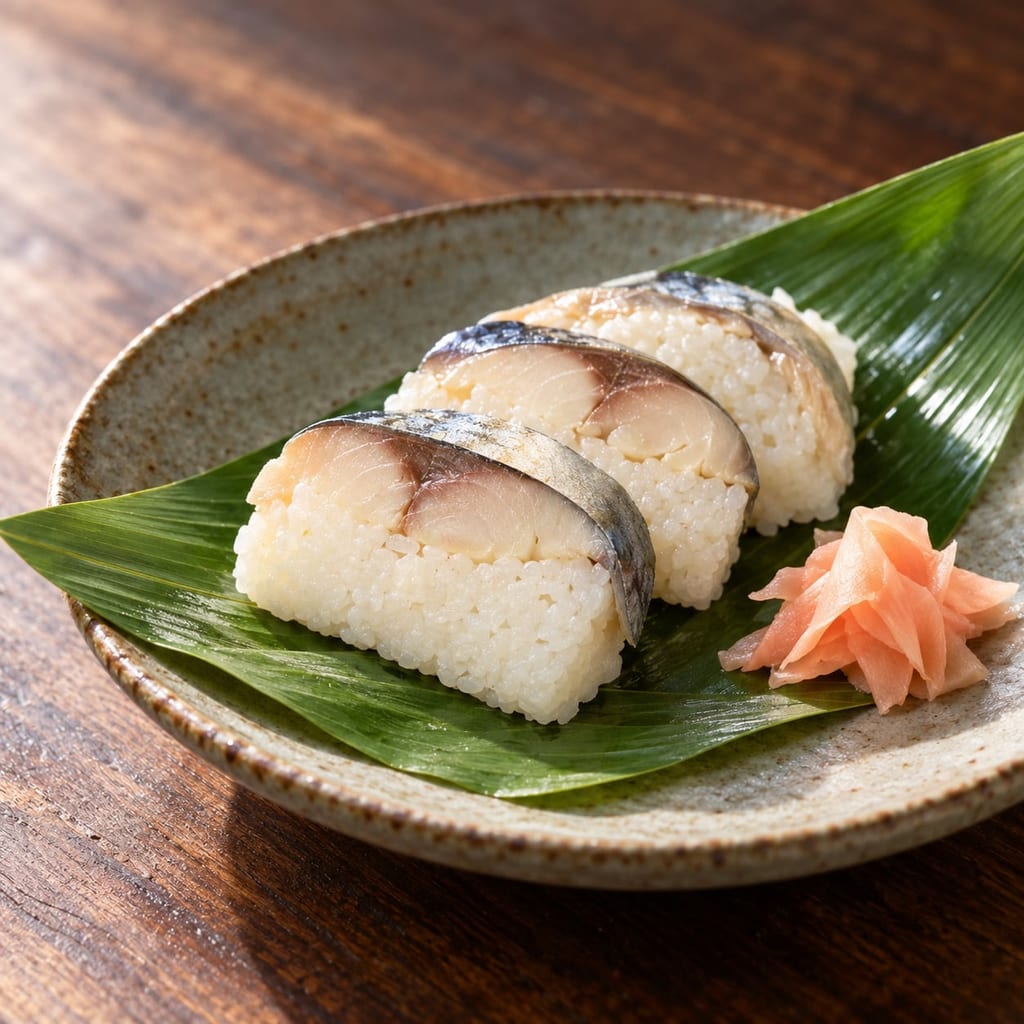
A documentary account of Japanese narezushi, a family of salted-fish and rice ferments. This entry preserves the East Kishu (Mie) source’s identity and regional context without providing a household preparation method.
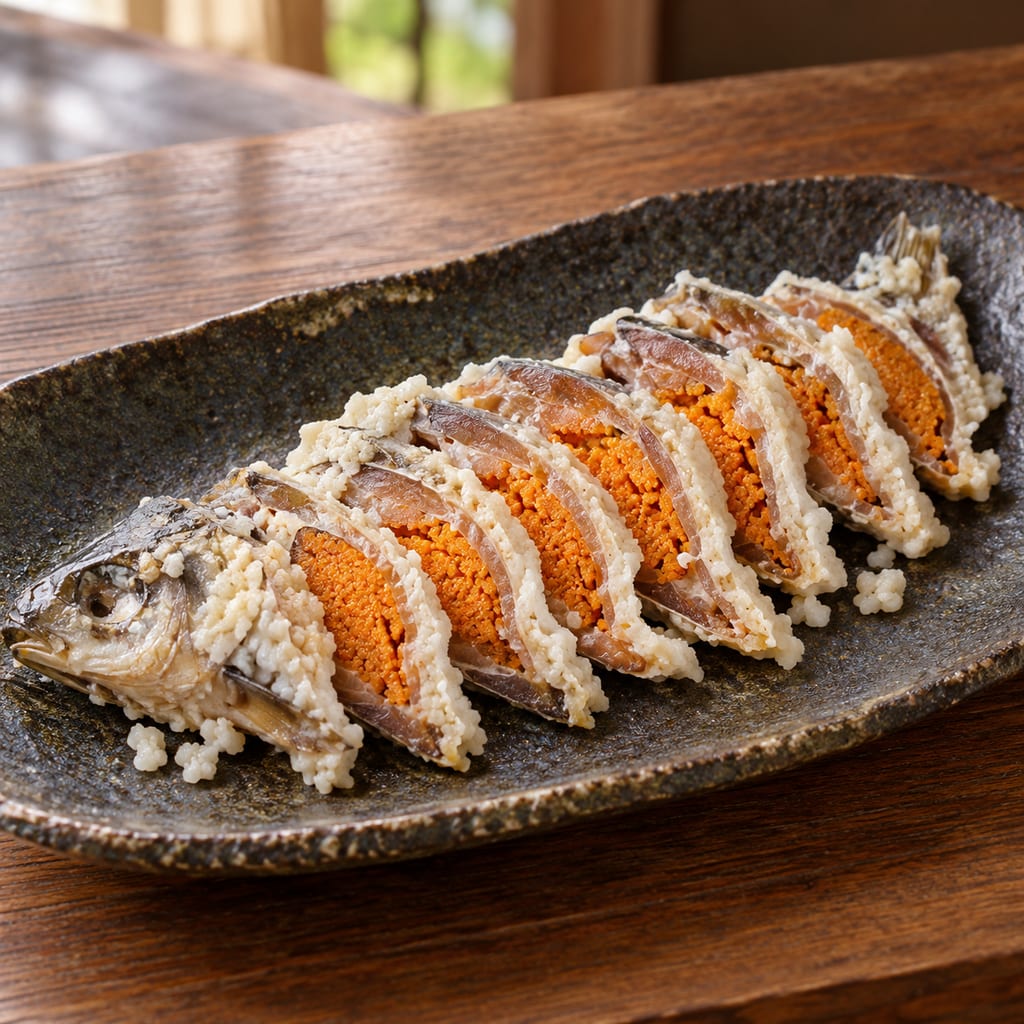
A documentary account of funazushi, Shiga’s long-ripened narezushi associated with Lake Biwa and roe-bearing nigorobuna. It preserves regional, historical and cultural context; it is not a household preparation guide.

Soft, spreadable Calabrian pork sausage made with a great deal of red chilli and fatty pork, stuffed into natural casings, sometimes smoked and matured while staying soft.

A way to add independent temperature logging to an existing food dehydrator without changing its built-in controls or protections. It is a monitoring method, not a rewiring plan.

Pleurotus cystidiosus is the abalone mushroom, a cultivated oyster-type fungus with dark brown caps that grows more slowly and is more demanding than other Pleurotus species.

A dark, balanced vinegar from Emilia-Romagna made by combining cooked or concentrated grape must with wine vinegar, then acetifying and refining it in wood under a protected specification.

A living dairy inoculum that starts controlled cream fermentation, developing acidity and aroma before sour cream or cultured butter is finished.

A small electric incubator holds jars at a selected temperature for yogurt and other documented warm food preparations. Controls, capacity and vessel arrangement vary by model.

Adygean salt is a seasoned table salt associated with Adygea and the wider North Caucasian culinary tradition. Salt is blended with garlic and a variable selection of herbs and spices; the exact mix depends on the named style and maker.

The African Caesar-group mushroom, Amanita masasiensis, is a wild ectomycorrhizal species of central and southern African woodlands, eaten locally. The genus contains deadly poisonous species, so identification needs care.
No community contributions have been published for this entry yet.
Sign in to contribute. Published comments and photos are free to read.
International Journal of Food Microbiology / PubMedMethod · Fish identity · Fermentation · Microbiology · Geography
Microbiological changes in naturally fermented cassava fish (Pseudotolithus sp.) for lanhouin productionStudy identifies cassava fish as Pseudotolithus sp.
Reports an experimental process using about 2 kg fish, scaling, gutting, washing, eight-hour ripening, salt at 30% w/w, cloth wrapping and basket fermentation for 3–8 days at 28–30°C.
Reports a mean individual fresh-fish weight of 250.0 ± 6.5 g.
Cited in: One research reproduction, not a household formula; Fish names and variants
Food ChainGeography · History · Traditional use · Consumption · Variants
Production, consumption, and quality attributes of Lanhouin, a fish-based condiment from West AfricaSurvey took place in Mono District in southern Benin.
The survey found three technology variants and documented condiment use in vegetable, slimy-vegetable and tomato sauces.
The survey establishes modern documentation, not an origin date.
Cited in: A fish condiment from coastal West Africa; Fish names and variants
U.S. Food and Drug AdministrationSafety · Botulism
Import Alert 16-74: Uneviscerated or Partially Eviscerated FishFDA discusses the botulism concern for processed uneviscerated or partly eviscerated fish, including fermented, salted, dried, pickled or brined fish.
This regulatory import alert does not validate the cited Lanhouin experimental process as safe for home use.
Cited in: Safety limits remain unestablished
U.S. Food and Drug AdministrationSafety · Histamine
Scombrotoxin Poisoning and DecompositionFDA explains histamine formation in certain fish and states that cooking, freezing, smoking, curing or canning does not destroy the toxin.
Species identification is necessary; this general hazard source does not classify Pseudotolithus species as histamine-forming.
Cited in: Safety limits remain unestablished