
African fermented foods, drinks and preservation
From sour breads and milk to savoury seeds, cassava staples and living beers, African fermentation follows the crop, the community and the work of transformation.
 FermenteaWhere food goes to change
Traditional method
Yinyinku · Yanyankou · Yanyanku traditional starter · Fermented roselle-seed inoculum · Beninese fermented-seed additive · Malcavene-bean fermentation additive · Traditional sonru starter
A traditional Beninese inoculum made from fermented roselle, cotton or baobab seeds, rich in bacterial spores, added to cooked African locust beans to speed up fermentation and soften them into sonru.
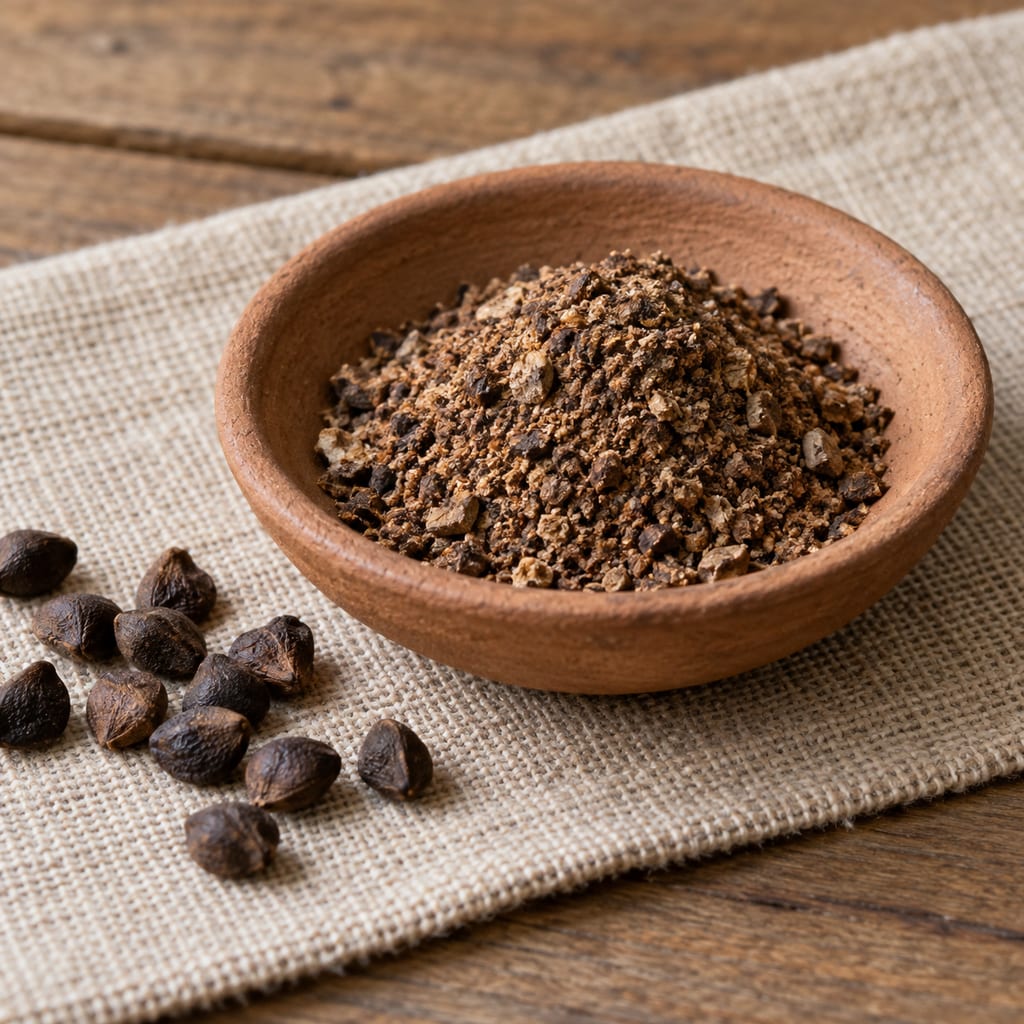
Yanyanku, also recorded as yinyinku, is a traditional fermented-seed preparation from Benin. It is used principally as a functional additive during the manufacture of sonru, a savoury condiment made from fermented African locust beans, Parkia biglobosa. Unlike sonru, yanyanku is not primarily the finished condiment eaten with a meal. Its purpose is to introduce a substantial population of microorganisms into cooked locust beans and help them soften during fermentation. It is therefore an example of a traditional food inoculum made through a separate fermentation process.
The most extensively studied form uses seeds of Hibiscus sabdariffa, commonly called roselle, bissap or malcavene bean in the relevant literature. A 2011 producer survey also documented yanyanku prepared from cotton seeds, Gossypium hirsutum, and baobab seeds, Adansonia digitata. These are alternative substrates, not three ingredients that must be combined. Most later microbiological and processing experiments focus specifically on roselle-seed yanyanku. Their measured compositions cannot automatically be assigned to cottonseed or baobab versions.
The seeds are cooked and subjected to spontaneous alkaline fermentation. Traditional methods may use potash or an alkaline filtrate prepared from plant ash. Following fermentation, the material is crushed or pounded, sometimes moulded into pieces, and dried. Different producers follow different sequences. The finished additive contains large populations of bacteria, especially spore-forming Bacillus species. These spores can survive adverse conditions better than many actively growing bacterial cells, helping explain how a dried traditional preparation can retain inoculating potential.
Yanyanku is closely related in function to ikpiru, another Beninese fermented-seed additive. However, they have different documented regional associations and customary uses. Yanyanku is associated with sonru and sonru-babaru in northern Benin, particularly Parakou and N'Dali. Ikpiru, also called iku-iru or igberu, is associated with iru production farther south. Both can be produced from roselle seeds, and their microorganisms overlap, but that does not make them identical products.
The functional distinction has been investigated experimentally. Adding yanyanku to African locust beans increased bacterial populations during early fermentation and accelerated the loss of bean firmness. A 2019 optimisation tested inoculum proportion, fermentation duration and bean depth in the tray. Yanyanku works as a fermentation additive, but not every traditional sample is safe or microbiologically consistent.
Yanyanku is a preparation in its own right. Its substrates, fermentation and drying belong to the yanyanku record; the later cooking and fermentation of Parkia biglobosa belong to the sonru record. A prepared inoculum is not the fermented condiment it helps produce.
Yanyanku belongs to the traditional processing knowledge of northern Benin, where African locust beans are made into fermented condiments used in everyday cooking. The practice involves producing a separate fermented-seed additive and subsequently introducing it into another cooked seed substrate. This represents an established form of inoculum preparation rather than a recent laboratory invention. Nevertheless, no archaeological specimen, dated historical manuscript or other evidence has established when yanyanku was first developed.
The earliest product-specific scientific evidence is the 2006 investigation of afitin, iru and sonru by Paulin Azokpota, Joseph Hounhouigan and Mathurin Nago. They documented three African locust-bean condiments from Benin. Afitin was made without an added fermented-seed inoculum, while iru and sonru used different traditional additives. Sonru was prepared with yanyanku, then described as a fermented Hibiscus sabdariffa seed preparation. The practice was therefore already recognised when the samples were collected.
A more detailed ethnographic and laboratory investigation followed in 2011. Pélagie Agbobatinkpo and colleagues interviewed processors and analysed yanyanku and ikpiru. Their survey distinguished the northern production areas associated with yanyanku from the southern areas using ikpiru. It also recorded that yanyanku could be produced from roselle, cotton or baobab seeds. Producers described the additive as useful for accelerating fermentation and softening African locust beans. These are specific accounts of local knowledge rather than an assumed function derived from the word starter.
Another paper published in 2011 investigated three forms of roselle-seed yanyanku. The authors documented differences in the timing of potash or ash addition, fermentation duration, pounding and drying. They also reported that yanyanku was produced commercially by traditional processors, reflecting demand from sonru producers. The paper mentions a traditional keeping period of approximately ten years. That is a reported practice, not the result of a ten-year microbiological shelf-life validation.
Research published in 2012 tested the softening effect using locust beans fermented with and without the additives. In 2013, Agbobatinkpo and colleagues characterised aerobic spore-forming bacterial isolates and screened Bacillus cereus isolates for toxin-associated genes. These studies went beyond producers' observations to give experimental evidence about bacterial populations and possible hazards.
A study of fermentation dynamics followed in volume 23 of Annales des Sciences Agronomiques. A separate sonru optimisation study was published in 2019. These works demonstrate continuing scientific investigation but do not establish a change in the historic recipe or a single standardised method accepted by all producers.
Yanyanku's documented history is therefore one of established local manufacture, market exchange and use as an inoculum, followed by formal scientific investigation. General histories of African locust-bean fermentation or ancient uses of roselle and baobab cannot establish an invention date for this specific prepared additive.
Yanyanku is an alkaline, predominantly bacterial fermentation. The cooked seed substrate provides proteins, lipids and carbohydrates that support microbial growth. During spontaneous fermentation, Bacillus species become prominent. These organisms can produce heat-resistant endospores, which allow part of the population to persist through unfavourable conditions. The finished additive therefore functions partly as a carrier of viable spore-forming bacteria. It is not equivalent to a purified laboratory starter containing one identified strain.
The 2013 microbiological investigation examined 355 aerobic endospore-forming isolates obtained from yanyanku and ikpiru made using Hibiscus sabdariffa seeds in northern and southern Benin. The most frequently identified organisms belonged to Bacillus, including B. subtilis, B. amyloliquefaciens, B. licheniformis, B. safensis, B. altitudinis and B. cereus. Other spore-forming genera occurred less frequently. These findings concern the combined investigated additives, and species percentages cannot automatically be assigned to yanyanku alone.
The microbial process is associated with enzyme-mediated changes in the seeds. Proteases can break seed proteins into peptides and free amino acids, while other enzymes modify available carbohydrates and lipids. Further nitrogen metabolism contributes to increased alkalinity. A 2011 processing study measured final pH values of 9.95, 8.23 and 10.14 in its three yanyanku variants. The variation demonstrates that the chemical environment depends on processing choices, particularly the use of potash or ash solution.
A separate fermentation-dynamics study measured Bacillus and lactic acid bacteria during roselle-seed fermentation. After 96 hours, yanyanku contained approximately 9.7 log10 CFU/g of Bacillus and 3.8 log10 CFU/g of lactic acid bacteria. The average pH of the investigated additives reached approximately 8.4. These measurements demonstrate the numerical predominance of Bacillus under the studied conditions. Detecting lactic acid bacteria does not make the principal process a lactic-acid fermentation.
When yanyanku is added to cooked African locust-bean cotyledons, it increases the initial population of organisms capable of participating in fermentation. The important transformation then occurs in the locust beans, a different substrate. Proteolytic and other activities associated with Bacillus fermentation help soften the cotyledons and develop the strong savoury character of sonru. Seed softening is a combined physical and biochemical outcome, and no single enzyme or species is shown to account for it.
A 2012 comparison found that yanyanku accelerated the early increase in Bacillus counts compared with an uninoculated control. Softer cotyledons were measured particularly between twelve and twenty-four hours. By forty-eight hours, the bacterial counts in inoculated and uninoculated samples were not significantly different. This supports an early fermentation advantage, not a claim that yanyanku always produces a larger final bacterial population or a safer finished condiment.
The bacterial community is therefore functional but not fully defined. Spores, enzymes, microbial competition, substrate composition, moisture, temperature and alkaline ingredients all influence the result. Laboratory identification of Bacillus species establishes their presence; it does not prove that each strain contributes to softening or is suitable for intentional food inoculation.
The best-documented yanyanku preparations begin with edible roselle seeds, Hibiscus sabdariffa, also called malcavene beans in the Beninese research. The seeds are prepared through cooking, draining and spontaneous solid-state fermentation. Cooking softens the seeds and alters their microbial and chemical environment. After fermentation, producers may pound, crush, mould or sun-dry the material. The sequence varies, and there is no single universal recipe.
A 2011 evaluation identified three roselle-seed production variants. In variant 1, potash was added before cooking. The preparation underwent two fermentation stages lasting seventy-two and twenty-four hours, followed by one sun-drying stage. Its measured pH was 9.95, with approximately 8.95 log10 CFU/g of Bacillus spores. No complete batch weight, potash quantity, cooking time or drying endpoint is given for this variant.
Variant 2 used an ash solution added after cooking rather than potash added before it. The seeds underwent one seventy-two-hour fermentation stage, with two pounding and drying operations reported in the process. Its measured pH was 8.23, and its spore count was approximately 8.22 log10 CFU/g. A later study of sonru production also prepared its yanyanku by cooking roselle seeds in ash filtrate, following an earlier documented process. These reports confirm the use of alkaline ash-derived liquids, but do not establish that every ash source has an acceptable or identical chemical composition.
Variant 3 involved adding potash before cooking and fermenting for seven days. Its reported pH was 10.14 and its spore population approximately 9.55 log10 CFU/g. No drying operation is recorded for this variant. The three variants demonstrate substantial differences in alkaline treatment, fermentation duration and measured chemical characteristics.
A 2013 microbiological paper describes the broader roselle-seed processing sequence as cooking, draining, alkaline fermentation, pounding or crushing, optional moulding and sun-drying. It explicitly notes variations within and between individual operations. The moulding referred to here is physical shaping of the fermented material, not fermentation by a filamentous mould. The principal microorganisms investigated were bacteria.
The 2011 ethnographic study additionally records cotton and baobab seeds as possible yanyanku substrates. However, the roselle-based experimental conditions should not automatically be transferred to these alternatives. Cottonseed can contain gossypol, and edible cottonseed preparations require attention to seed selection and processing. Baobab seeds likewise have their own established cooking and fermentation traditions. Neither a packet of ornamental roselle seed nor untreated cottonseed or baobab seed is automatically suitable for reproducing the food.
The purpose of the final dried additive is to carry an active traditional inoculum into a later fermentation. The production procedure must therefore preserve the relevant microorganisms while controlling undesirable ones. A 2011 paper reports that traditional yanyanku may be kept for approximately ten years, but provides no validated long-term viability, toxin or water-activity data establishing that as a safe storage recommendation. A complete practical recipe would require additional information beyond these field and laboratory descriptions.
The strongest geographical evidence associates yanyanku with northern Benin, particularly Parakou and N'Dali. The 2011 producer survey distinguished the fermented locust-bean condiments made in different areas and identified sonru and sonru-babaru as preparations using yanyanku. It contrasted these with iru production around Kétou, Pobè and Adja-Ouèrè in southern Benin, where ikpiru was the documented additive. These associations describe the surveyed production traditions, not exclusive legal or geographical boundaries.
One important variation is the seed substrate. Producers reported making yanyanku from roselle, cotton or baobab seeds. Scientific investigations concentrate on the roselle-seed form, so the microbial composition of all three forms should not be treated as identical. Each seed differs in protein, lipid, fibre and antinutritional composition. Its preparation may require different cooking, removal of seed structures or chemical treatment. The original survey establishes that these alternatives exist, but does not validate a common process applicable to all of them.
Another variation concerns alkaline ingredients. The 2011 processing study documented methods using potash before cooking and ash solution after cooking. Its three variants had substantially different pH values and fermentation durations. The first included two successive fermentation periods, the second one seventy-two-hour period, and the third seven days of fermentation. The data show that processing knowledge is not uniform even within roselle-seed yanyanku.
The form of the prepared additive also varies. Published descriptions mention crushing or pounding the fermented seeds, moulding them where required, and sun-drying. The resulting shape and texture depend on how much the material is reduced, whether it is formed before drying and how the drying stage is conducted. The available studies do not define a standard commercial weight, shape or universal method of wrapping and packaging.
Yanyanku has related but distinct counterparts. Ikpiru is the closest documented Beninese example, because it is also made from fermented roselle seeds and functions as an additive for locust-bean fermentation. However, ikpiru is particularly associated with southern Beninese iru. Roselle-seed products such as bikalga in Burkina Faso, datou in Mali and mbuja in Cameroon demonstrate that similar seed substrates can be fermented elsewhere in Africa. Those products are often eaten directly as condiments, whereas the defining role of yanyanku is to assist another fermentation.
Research methods provide an additional category of variation. The 2019 sonru optimisation study prepared yanyanku using an ash-filtrate method and tested different amounts of additive and different fermentation depths. A separate fermentation-dynamics investigation suggested that thirty-six hours might be sufficient for the measured bacterial populations under its conditions. Neither experimental conclusion supersedes the multiple traditional production variants documented in 2011.
For historical and regional documentation, the appropriate record is therefore a family of locally prepared functional additives with different seed choices and processing routes. The research does not establish a single ancestral yanyanku strain, one original village or a universal production method.
Yanyanku is used primarily by people preparing sonru and sonru-babaru, rather than being eaten as an ordinary table condiment. Its purpose is functional: it introduces a traditional microbial population into prepared African locust beans and helps produce the softness and fermentation characteristics desired in the finished condiment. The distinction is important because the material used to start fermentation is not the same as the final product served with food.
The first stage of sonru production involves extensive cooking of African locust-bean seeds, Parkia biglobosa. The cooked seeds are dehulled, washed and cooked again before fermentation. A 2006 study describes sonru fermentation taking approximately forty-eight hours with yanyanku added. A later 2019 experiment describes adding yanyanku fifteen minutes before the end of the second cooking stage. The treated cotyledons are then placed in wooden trays for fermentation. These are specific documented processes rather than proof that all producers add the inoculum at an identical moment.
The amount used is comparatively small. A 2019 optimisation experiment tested yanyanku proportions alongside fermentation duration and the depth of the locust-bean layer. Its reported optimum was one part per thousand of yanyanku, twenty-four hours of fermentation and a bean layer 8.5 cm deep. They are not a validated universal inoculation rate or safe processing specification for every traditional yanyanku product.
The main functional effect is faster softening. Producers interviewed in 2011 described yanyanku as making locust beans easier to process into the desired condiment. A subsequent controlled comparison measured lower compression forces in beans fermented with yanyanku during the early fermentation period. This means the fermented cotyledons required less force to deform or break. The data support a practical processing advantage, although the magnitude of the effect depends on the experimental conditions.
After fermentation, sonru is used to season cooked foods. Fermented African locust-bean condiments contribute a concentrated savoury flavour and strong aroma to soups, sauces and grain dishes. In the 2019 study, consumer testing included plain sonru and sonru cooked with rice. Softness, colour, odour, taste and flavour were assessed. This shows how the finished locust-bean condiment is used; yanyanku itself is not ordinarily eaten by the spoonful.
The distinction extends to nutrition. Roselle seeds and African locust beans are both nutrient-containing materials, but the additive is normally used in a much smaller quantity than the main substrate. Nutritional measurements for sonru cannot simply be assigned to yanyanku, and the presence of potentially useful bacterial enzymes does not prove a direct health benefit from consuming the additive.
Yanyanku is a fermentation ingredient of sonru and sonru-babaru. The processes of dehulling, cooking and fermenting Parkia biglobosa belong to those condiment records, while the production of the spore-rich roselle, cottonseed or baobab additive belongs to the yanyanku record. This preserves the separate technological roles of the inoculum and the food produced with it.
Traditional yanyanku is a deliberately fermented, microbially active additive, but its characteristic appearance or alkaline pH cannot establish safety. A 2011 survey found pH values ranging approximately from 6.2 to 10 across yanyanku and ikpiru. A separate examination of three yanyanku production variants reported pH values above 8, with two close to or above 10. These are measured product characteristics, not validated safety endpoints. Alkaline fermentation does not provide the low-pH barrier associated with many lactic-acid-preserved foods.
The presence of numerous Bacillus spores is a defining feature of the studied additives. In the 2011 processing evaluation, the three yanyanku variants contained approximately 8.95, 8.22 and 9.55 log10 CFU/g of spores. However, a large spore population does not mean that all bacteria are harmless. The microbiological identity and strain-level properties matter more than the total count alone.
The strongest directly documented safety concern comes from the 2013 study of 355 aerobic spore-forming bacterial isolates from yanyanku and ikpiru. Bacillus cereus was found among the isolates. Within the B. cereus group examined, genes associated with diarrhoeal toxin production were detected, including cytK-2 and components of the hbl toxin complex. Nine percent carried the cesB genetic determinant associated with emetic-toxin synthesis. These figures relate to the studied B. cereus isolates from the combined additives, not to the percentage of every yanyanku batch containing toxin.
Detecting toxin-associated genes does not prove that the corresponding toxins were produced in the sampled food. Nevertheless, it demonstrates that a traditional inoculum may contain organisms with undesirable genetic capabilities. This is particularly important for an additive intended to introduce bacteria into another food. A pathogen or toxin-producing organism present in yanyanku may be carried into the subsequent sonru fermentation. Safer, characterised starter cultures are therefore needed.
The alternative seed substrates raise separate concerns. Ordinary cottonseed can contain gossypol, a biologically active compound that restricts its use in human food without appropriate selection and processing. United States food regulations distinguish specifically prepared cottonseed products and glandless cottonseed from ordinary glanded cottonseed and set limits for free gossypol in regulated products. Those regulations do not cover traditional Beninese cottonseed yanyanku, but they show why untreated or ornamental cotton seeds are no substitute. Roselle and baobab seeds likewise require appropriate food-grade sourcing and documented processing.
Traditional potash and plant-ash filtrates also require attention. Their alkalinity depends on the source material and preparation, and uncontrolled ash can carry undesirable mineral or environmental contaminants. A measured pH does not establish the complete composition of an ash-derived ingredient. No universally validated potash concentration, ash-filtrate specification or contaminant limit exists for the yanyanku variations.
Fermentation and drying conditions are additional uncertainties. A study of roselle-seed fermentation observed no significant difference in certain bacterial counts between thirty-six and ninety-six hours, leading the authors to suggest a shorter fermentation duration. This is an interpretation of the measured populations, not proof that thirty-six hours eliminates pathogens. Likewise, the traditional claim that dried yanyanku may be stored for about ten years is not supported by a product-specific ten-year evaluation of viability, toxins and storage stability.
Testing the finished sonru is important as well. The 2012 softening study found that inoculated and uninoculated beans had similar Bacillus counts after forty-eight hours, even though yanyanku influenced the early stages. A faster fermentation or a softer bean does not establish lower pathogen counts. The 2019 optimisation chose conditions on physical, microbial and sensory measurements; its optimum is not a complete food-safety validation.
A safe reproducible method would require correctly identified edible seed varieties, suitable alkaline processing ingredients, controlled fermentation, assessment of potentially toxigenic bacterial strains, validated drying and storage conditions, and microbial evaluation of the resulting locust-bean condiment. Yanyanku must not be recreated using untreated ornamental seeds, unidentified Bacillus isolates or an improvised ash-and-seed mixture. Its long-established practical function is supported by research, while a universally safe household production protocol remains unestablished.
No dated origin is known. A 2006 study recorded yanyanku in the making of sonru, a 2011 field study documented producers' knowledge and three seed substrates, and later work from 2012 to 2019 examined its softening effect, bacteria and manufacture. These document an existing practice, not its start.
Scaling: source batch only
A 2013 study of 355 aerobic spore-forming isolates from yanyanku and ikpiru identified B. cereus among the bacteria present. Several B. cereus isolates carried genes associated with diarrhoeal enterotoxins, and 9% carried the emetic-toxin genetic determinant cesB. These results are from both additives together and do not establish toxin prevalence in the specific 2019 yanyanku variant.
Hazard sourceYanyanku is deliberately added to another cooked substrate. Any undesirable microorganisms carried by the additive may enter the subsequent African locust-bean fermentation. Its inoculating function therefore creates a product-specific microbiological concern.
Hazard sourceThe documented process does not employ an identified pure starter. Bacillus populations vary between traditional products and may include organisms with different functional and safety characteristics.
Hazard sourcePublished yanyanku variants have alkaline pH values. The selected 2019 study also documented differences in final pH depending on when the ash filtrate was added. Alkaline pH is not a validated preservation endpoint.
Hazard sourceWood-ash filtrate may contain variable concentrations of alkaline minerals and environmental contaminants. The 2019 study specifies the ash source and extraction ratio but does not establish a full chemical safety specification applicable to independently prepared ash.
Hazard sourceThe 2019 researchers discussed increased aerobic bacterial counts in variant B after adding ash filtrate following fermentation, noting that the filtrate had not received heat treatment. This finding concerns variant B rather than the selected variant A.
Hazard sourceAlthough the experimental method specifies drying at 50°C for 12 hours, it does not provide a complete validated combination of final water activity, microbial acceptance criteria, packaging and shelf life.
Hazard sourceBacterial protein fermentation can generate amines and other metabolites. Product-specific analytical concentrations for this exact 2019 experimental variant were not established in the reviewed studies.
Hazard sourceTraditional yanyanku may also use Gossypium hirsutum seeds. Ordinary glanded cottonseed can contain gossypol and requires appropriate food-grade selection and processing. The US regulation for specified modified cottonseed products is comparative safety information, not approval of traditional cottonseed yanyanku.
Hazard sourceSeeds intended for planting or ornamental use may have different treatments, contamination risks or suitability requirements from edible seeds. The documented roselle, cotton and baobab alternatives cannot be substituted without verifying the seed type and processing method.
Hazard sourceUse edible, correctly identified Hibiscus sabdariffa seeds from an appropriate food supply, rather than treated agricultural seed or ornamental planting material.
Control sourceAssess the origin, chemical composition and food suitability of the ash-derived processing ingredient before use in any validated production method.
Control sourceEstablish validated cooking, cooling and fermentation conditions for the intended seed batch and equipment.
Control sourceSelect or verify appropriately characterised, food-suitable Bacillus starter strains for any controlled adaptation rather than propagating an unknown mixture of environmental isolates.
Control sourceEvaluate B. cereus and its toxin-producing potential through suitable strain identification, process assessment and microbiological testing.
Control sourceUse hygienically maintained food-contact containers, cloths and handling equipment during cooking, fermentation, grinding and drying.
Control sourceVerify the drying endpoint and establish final water activity, packaging and storage stability before claiming that dried yanyanku is safe for prolonged storage.
Control sourceAssess the microbiological safety of both the yanyanku additive and the subsequent African locust-bean condiment to which it is added.
Control sourceEvaluate cottonseed- and baobab-seed alternatives individually rather than applying the roselle-seed process without substrate-specific safety evidence.
Control sourceThis is a published experimental preparation of a traditional additive. It is not a validated home-fermentation recipe.
The selected process is the 2019 experimental variant A using shea-wood ash filtrate before cooking.
Do not substitute the potash-based 2011 variant 1 or the post-fermentation ash-filtrate 2019 variant B without keeping their separate ingredient proportions, steps and processing durations.
The ash-filtrate concentration is a published experimental measurement, not an independently validated food-safe formulation for household ash.
Do not use ash from treated timber, painted wood, contaminated fuel or unknown materials.
The study does not establish a safe universal ash-filtrate pH or an acceptable range of chemical contaminants.
The spontaneous starter community can contain potentially toxigenic Bacillus cereus.
High Bacillus spore counts do not demonstrate that the ferment contains only safe or beneficial bacteria.
The 36-hour fermentation duration and 28°C temperature are experimental processing conditions, not pathogen-control critical limits.
Drying at 50°C for 12 hours cannot be assumed to eliminate heat-resistant spores or toxins.
The finished additive should not be used to inoculate another food without appropriate microbiological assessment.
Do not treat a faster-softening sonru fermentation as proof of microbial safety.
Traditional claims of extended yanyanku storage have not been validated as reliable shelf-life recommendations.
Do not prepare cottonseed yanyanku from ordinary glanded or ornamental cottonseed without appropriate food-grade processing evidence.
Do not taste or attempt to salvage a suspected contaminated fermentation.
From sour breads and milk to savoury seeds, cassava staples and living beers, African fermentation follows the crop, the community and the work of transformation.
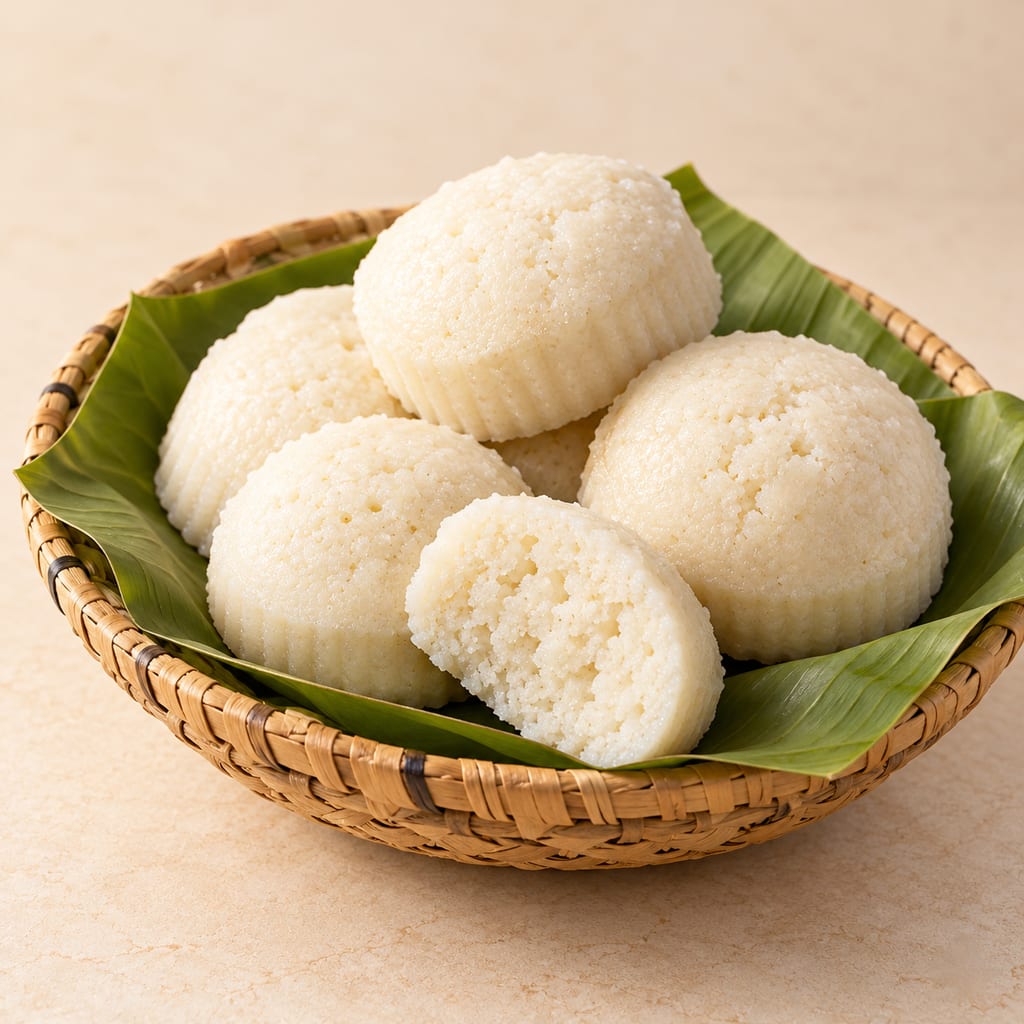
Soft, lightly tangy steamed cereal bread documented across Benin and Togo. This page gives one measured rice-flour research method; maize-based Ablo and mixed-grain versions remain distinct traditions.
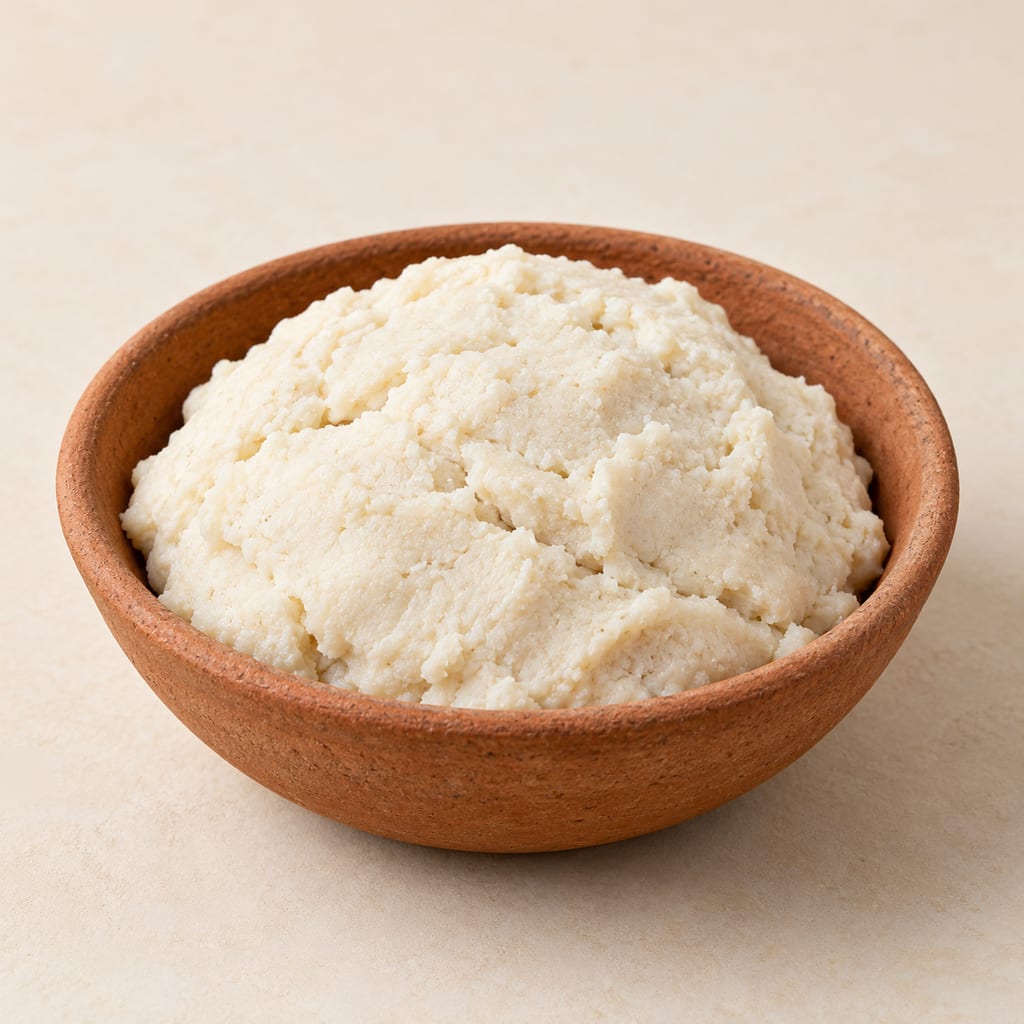
Ghanaian sour cassava dough fermented with traditional inoculum and drained during fermentation. It is used as a base for cooked foods such as banku and akple; process variants and safety outcomes differ.
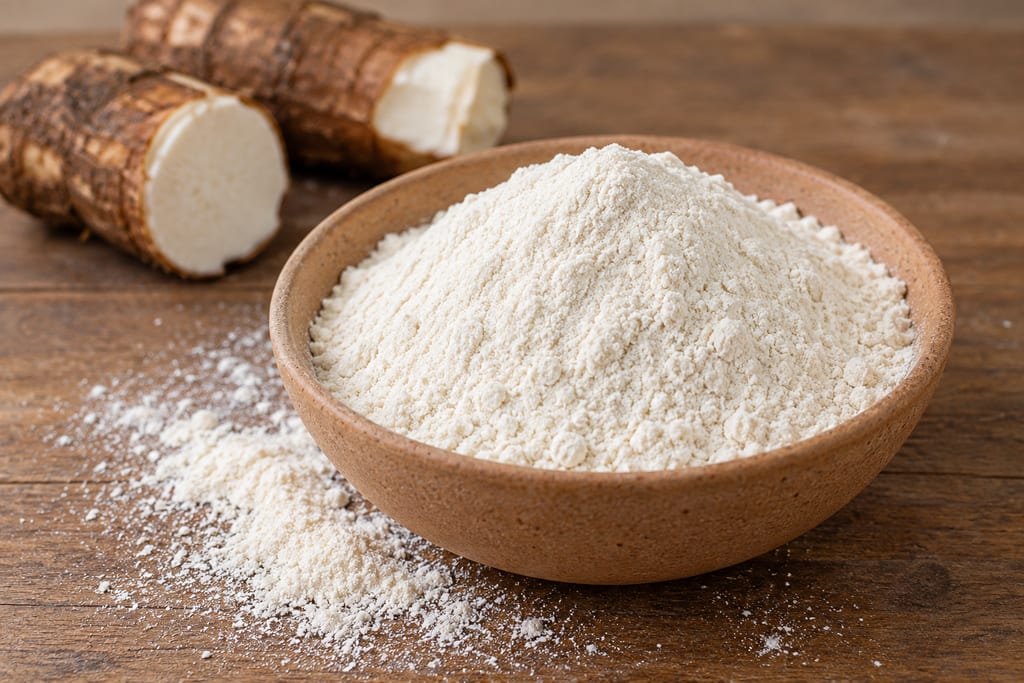
Lafun is a Nigerian fermented cassava flour described in historical accounts. This record documents reported processing stages, not a validated household method or a batch-specific cyanogen and moisture safety endpoint.
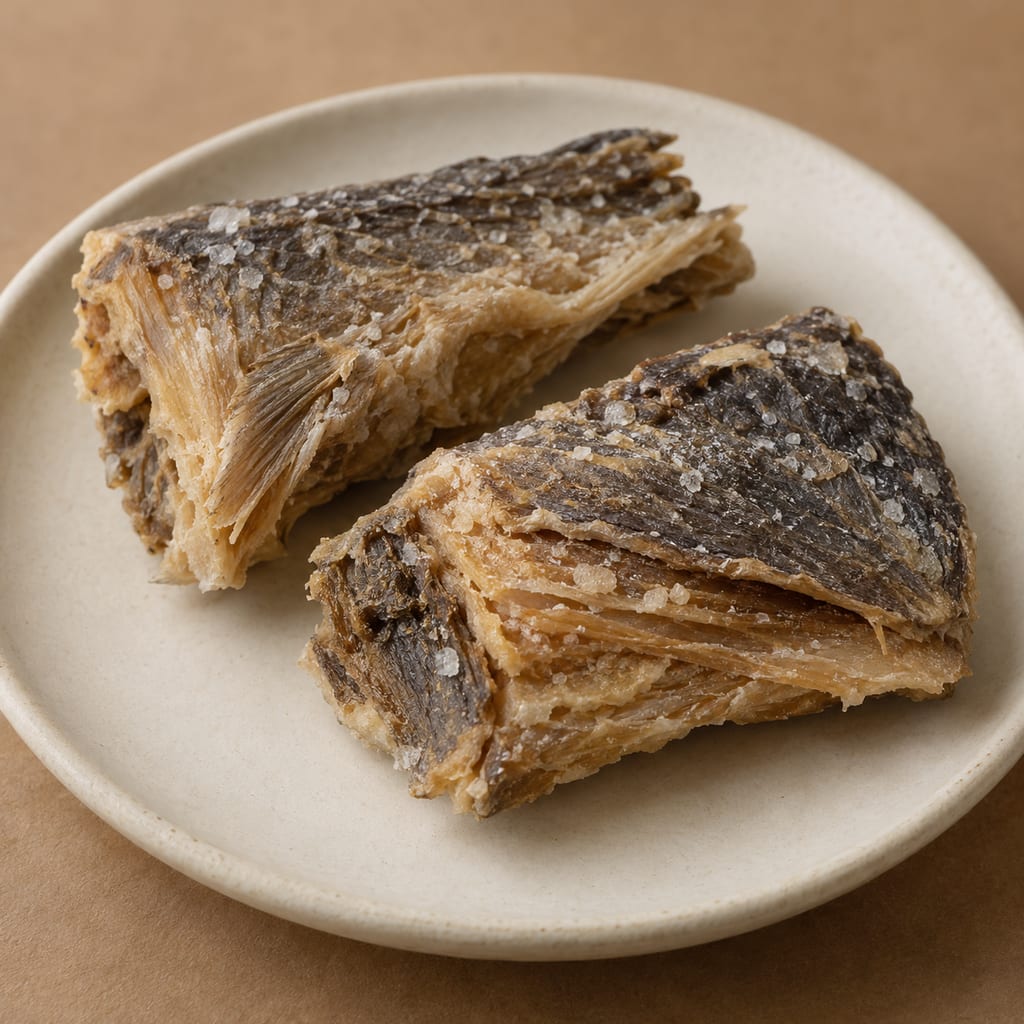
Lanhouin is a strongly flavoured fermented fish condiment documented in coastal West Africa, including southern Benin. This page records one published research reproduction as evidence, not as a validated home-preservation recipe.
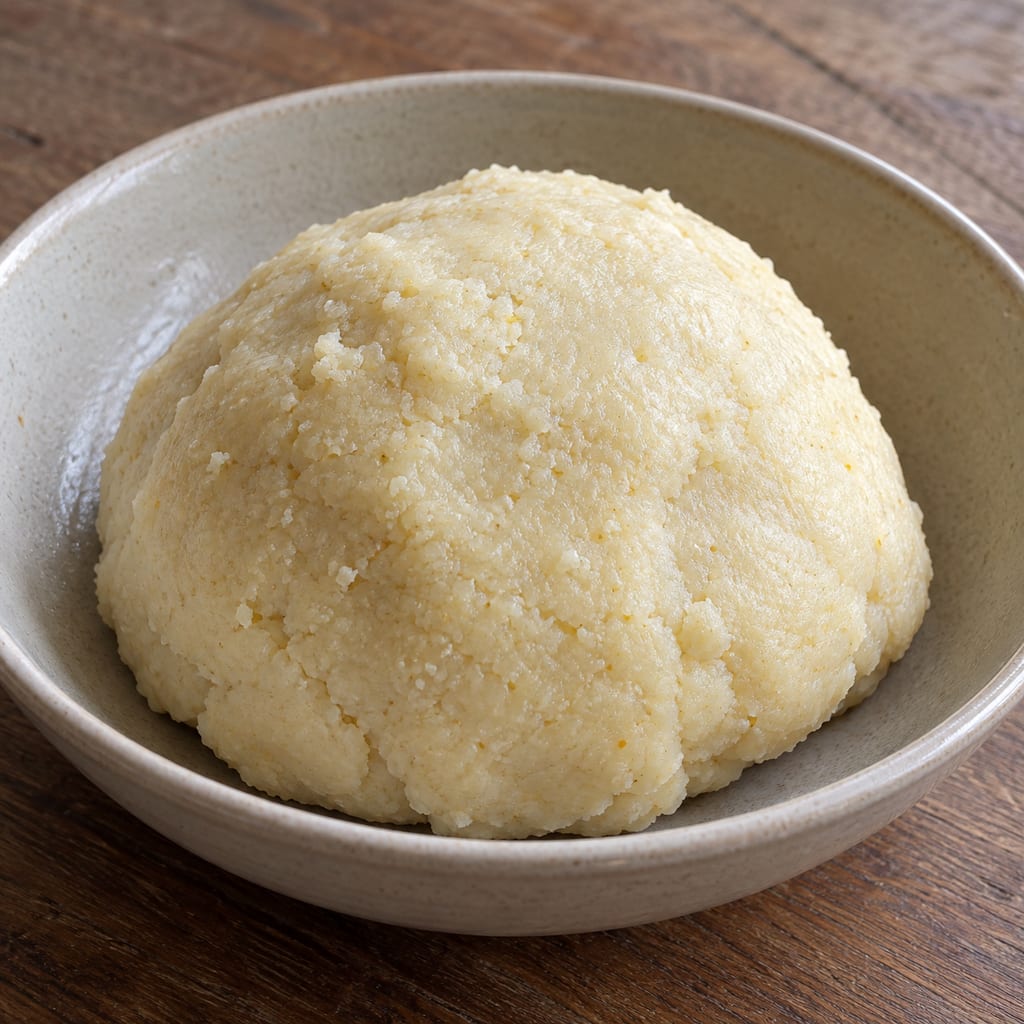
Mawè is a spontaneously fermented maize or other cereal dough from Benin and neighbouring West Africa, soured by lactic bacteria and yeasts and used as the base for cooked pastes, porridges, breads and drinks.
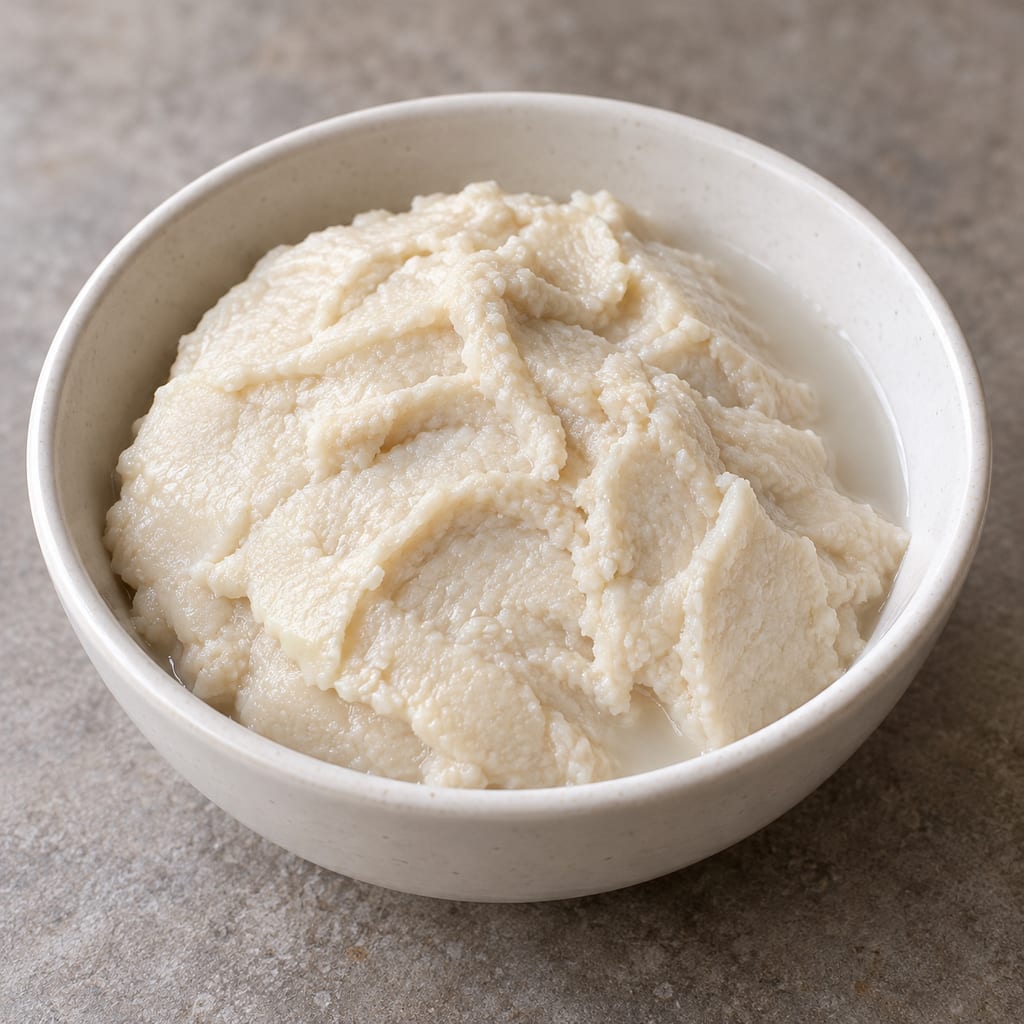
Ogi or akamu is a wet fermented cereal preparation documented in Nigeria and Benin. Grain or maize starch is steeped, milled or sieved, then fermented by process-specific routes; evidence supports no universal method or safety limit.
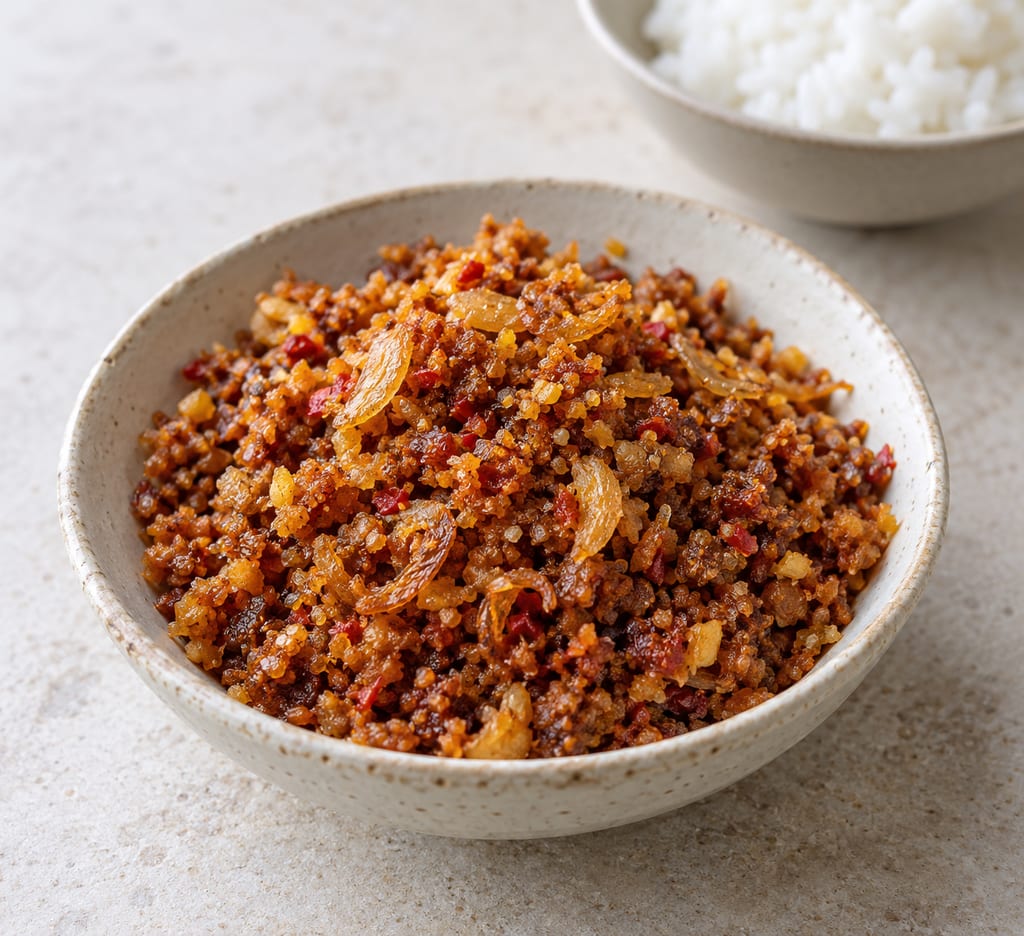
A Myanmar relish of dried shrimp, fried eschalot and garlic, chilli, turmeric, tamarind and ngapi. Naomi Duguid’s published recipe makes about 1 cup; it contains crustacean shellfish.
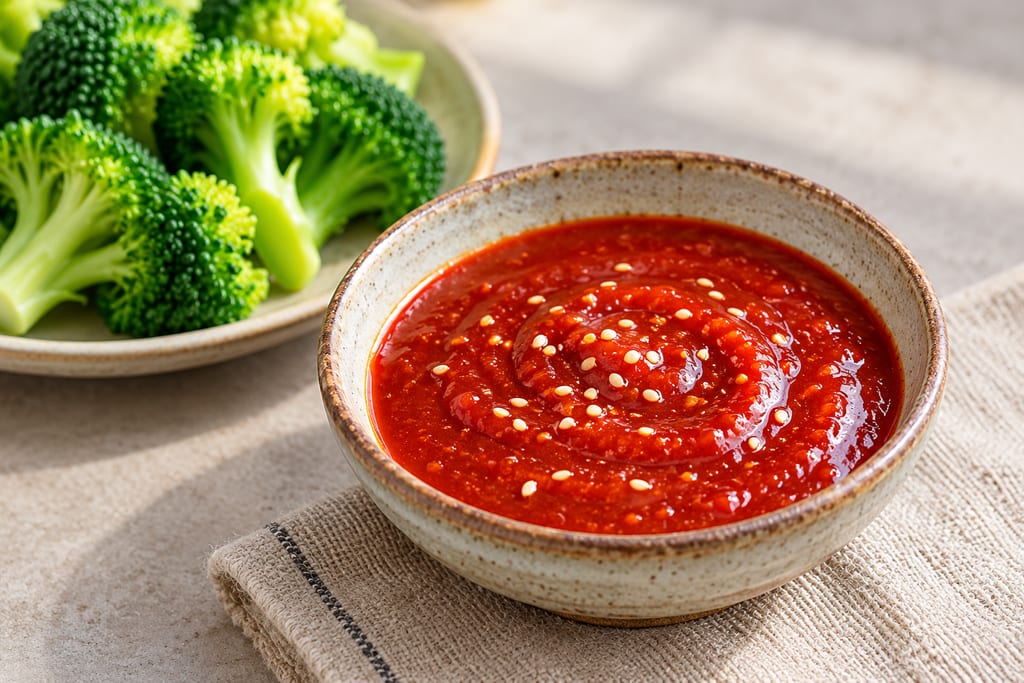
Chogochujang is a Korean sweet-sour sauce made by seasoning gochujang with vinegar and sugar. This development batch adds water and toasted sesame seeds, with optional garlic for the portion being served.
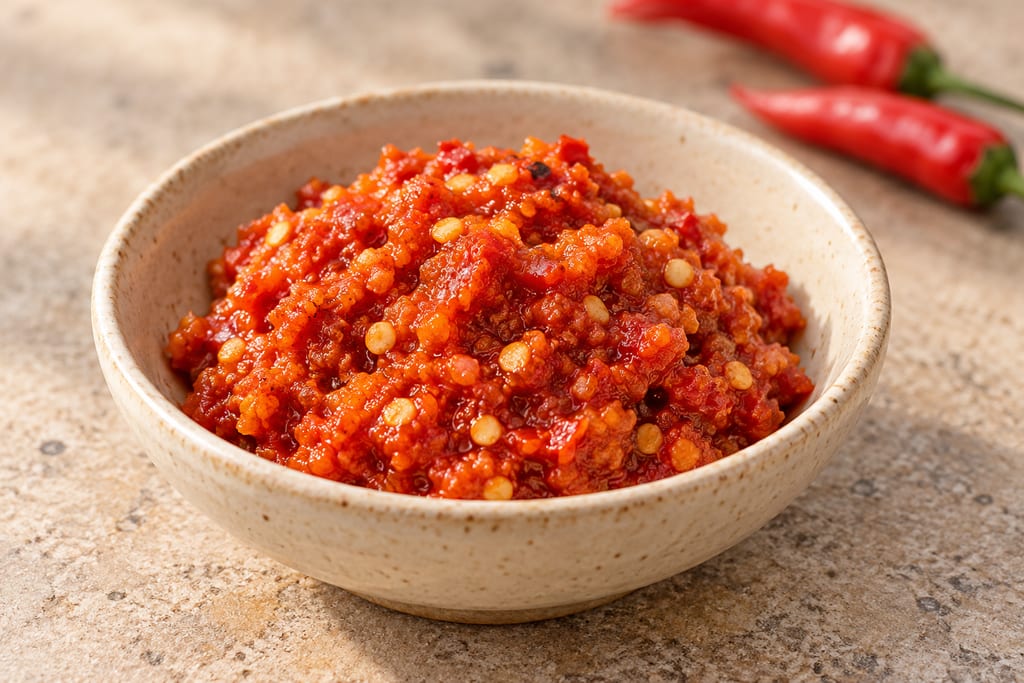
Dinanche, or donne' dinanche, is a Chamorro hot pepper paste of crushed chillies that Guam cooks use on its own or stir into fina'denne'. Its versions range from pepper alone to ones with eggplant, miso or coconut milk.
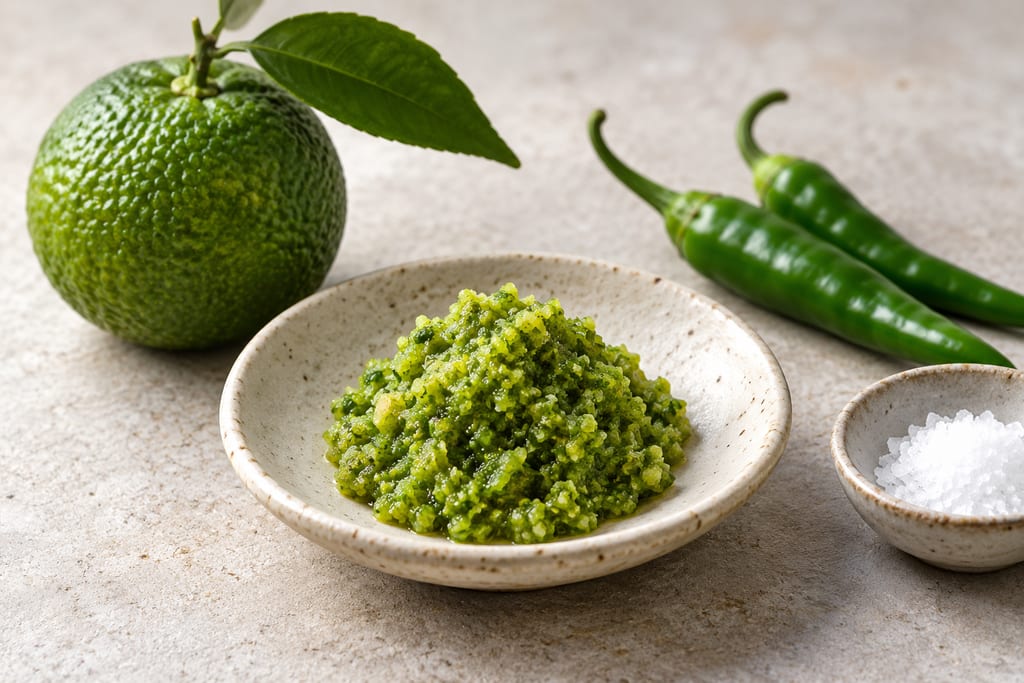
A fresh, uncooked yuzu and green chilli paste inspired by Kyushu’s yuzu kosho, made here as an untested small-batch seasoning rather than a preservation formula.
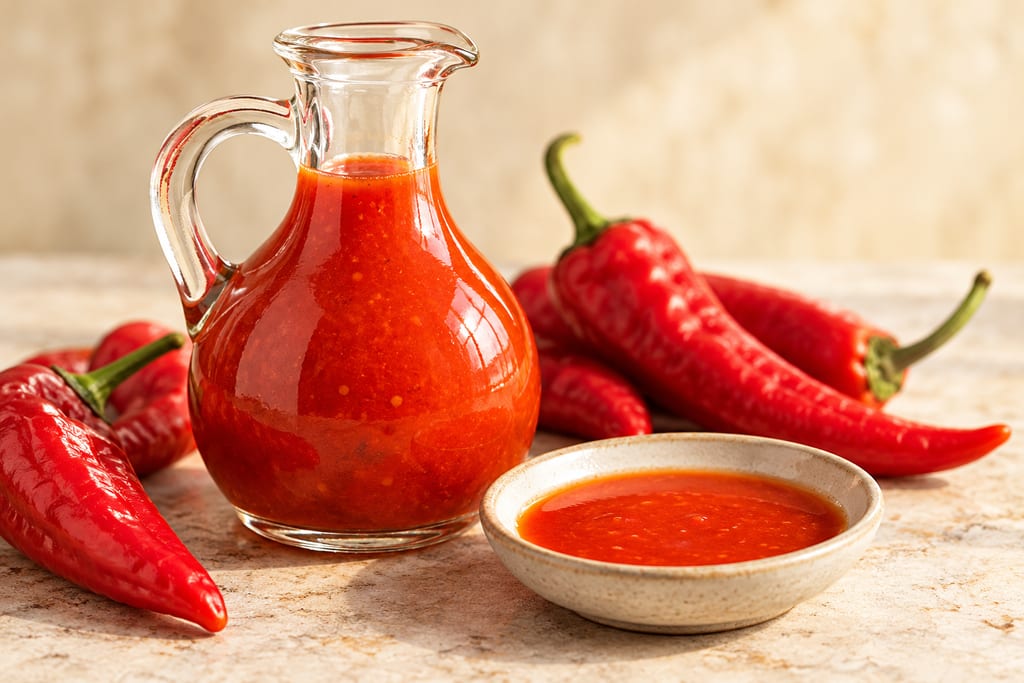
Fresh hot peppers ferment beneath a measured salt brine, then become a bright, tangy sauce blended from the peppers and their liquor.
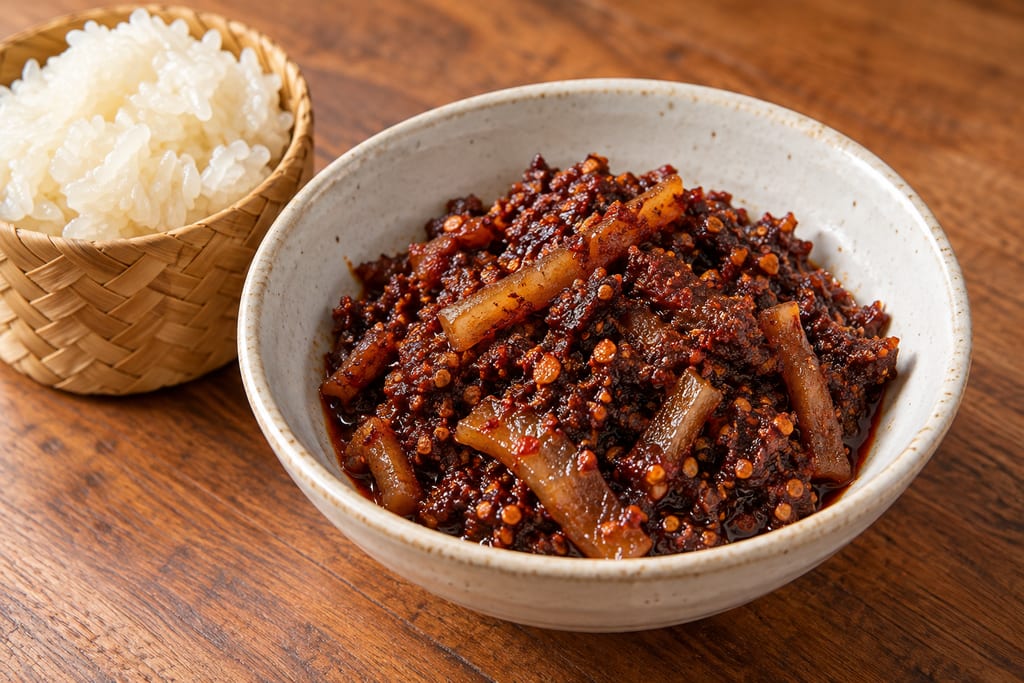
Jeow bong is a Lao paste of dried chilli, shallot, garlic and galangal cooked with buffalo or cow skin, a Luang Prabang specialty eaten with sticky rice and grilled meat.
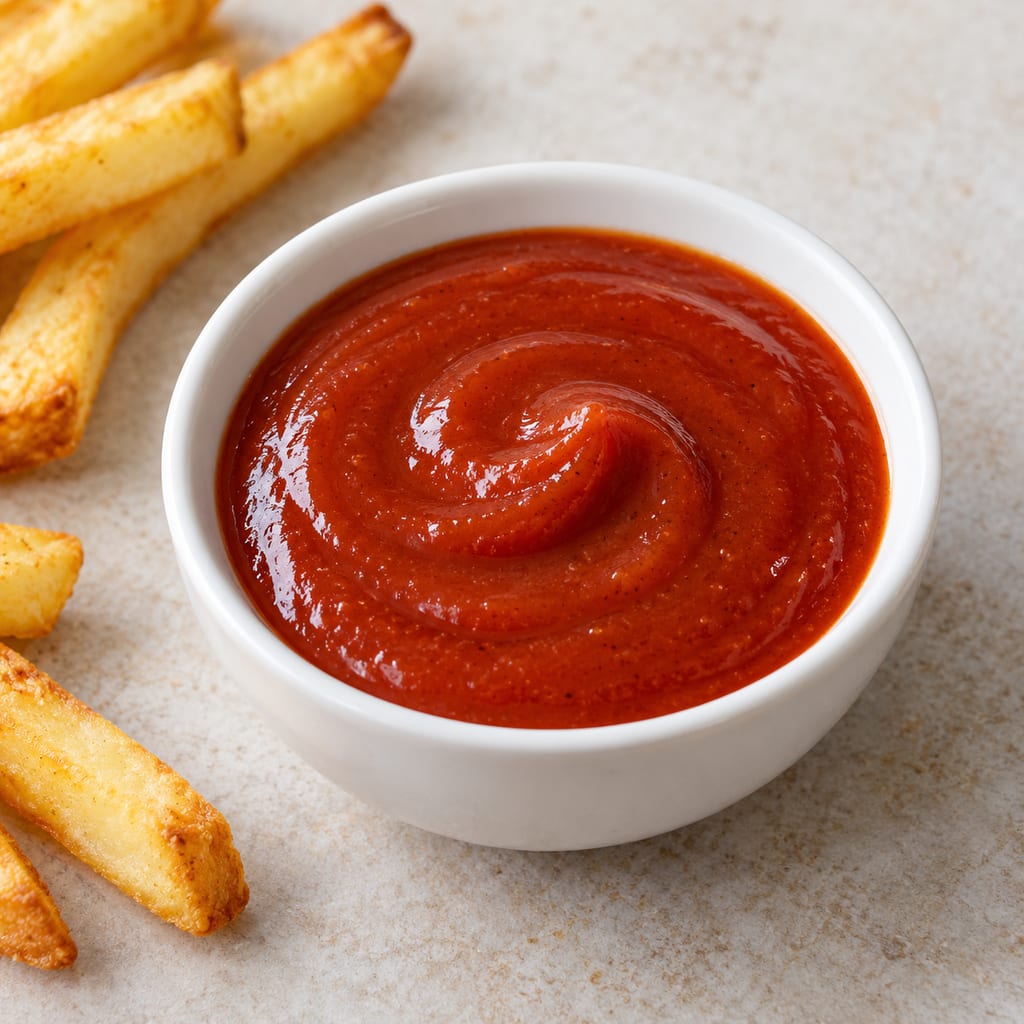
A modern tomato condiment sharpened with the spicy, savoury tang associated with kimchi; this measured version whisk-mixes prepared ketchup and commercial kimchi seasoning.
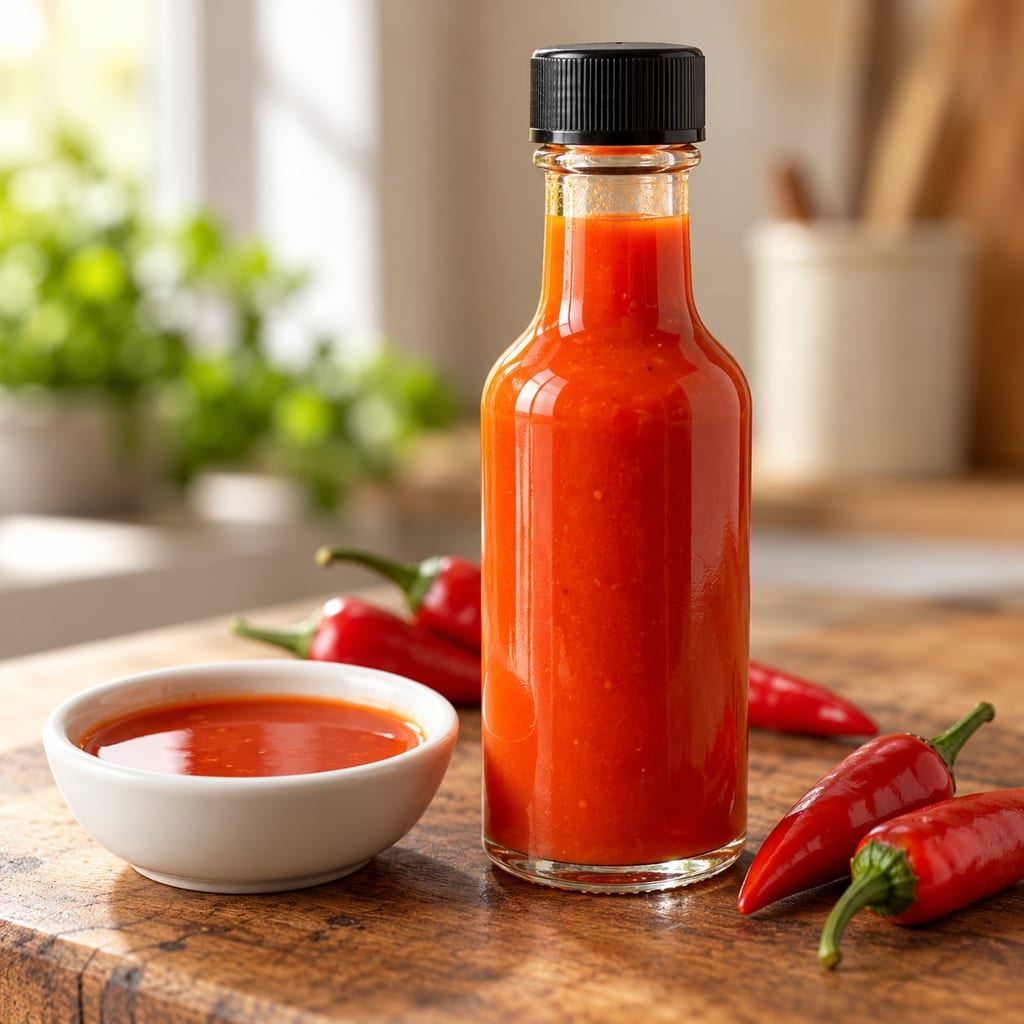
Documentary account of Louisiana pepper sauces, using TABASCO's published barrel-aged commercial process as one specific example; the source does not provide a validated home recipe.

Soft, spreadable Calabrian pork sausage made with a great deal of red chilli and fatty pork, stuffed into natural casings, sometimes smoked and matured while staying soft.

A way to add independent temperature logging to an existing food dehydrator without changing its built-in controls or protections. It is a monitoring method, not a rewiring plan.

Pleurotus cystidiosus is the abalone mushroom, a cultivated oyster-type fungus with dark brown caps that grows more slowly and is more demanding than other Pleurotus species.

A dark, balanced vinegar from Emilia-Romagna made by combining cooked or concentrated grape must with wine vinegar, then acetifying and refining it in wood under a protected specification.

A living dairy inoculum that starts controlled cream fermentation, developing acidity and aroma before sour cream or cultured butter is finished.

A small electric incubator holds jars at a selected temperature for yogurt and other documented warm food preparations. Controls, capacity and vessel arrangement vary by model.

Adygean salt is a seasoned table salt associated with Adygea and the wider North Caucasian culinary tradition. Salt is blended with garlic and a variable selection of herbs and spices; the exact mix depends on the named style and maker.

The African Caesar-group mushroom, Amanita masasiensis, is a wild ectomycorrhizal species of central and southern African woodlands, eaten locally. The genus contains deadly poisonous species, so identification needs care.
No community contributions have been published for this entry yet.
Sign in to contribute. Published comments and photos are free to read.
Bulletin de la Recherche Agronomique du Bénin, Numéro Spécial Interdisciplinaire, September 2019Method · Science
Effet des variantes technologiques de production de yanyanku et du contenant de fermentation des graines de néré sur la qualité du sonruPrimary source for Block C's experimental variant A
Roselle seeds sourced in Parakou, northern Benin
Use of shea-wood ash, Vitellaria paradoxa
Preparation of ash filtrate using 500 g ash per litre of water
Addition of 33 mL filtrate per 100 g dried seeds in variant A
One hour of cooking
Draining and cooling to 45°C
Fermentation in small jute-lined baskets
Fermentation for 36 hours at 28°C
Crushing or grinding after fermentation
Drying at 50°C for 12 hours in variant A
Separate variant B using ash filtrate after fermentation
Comparison of resulting pH and bacterial populations
Experimental comparison of sonru prepared with the two yanyanku variants
Results concerning locust-bean softening and fermentation-container design
Distinction between experimental processing conditions and food-safety validation
Cited in: History
Journal of Food Processing and Preservation, Wiley, Volume 35, Issue 6, pages 813–821, 2011Method · Science
Evaluation of Yanyanku Processing, an Additive Used as Starter Culture to Produce Fermented Food Condiments in BeninIdentification of three traditional roselle-seed yanyanku processing variants
Potash addition before cooking in variant 1
Fermentation stages of 72 and 24 hours in variant 1
Use of ash solution after cooking in variant 2
A 72-hour fermentation and two pounding and sun-drying operations in variant 2
Potash addition followed by seven days of fermentation in variant 3
Measured pH of 9.95, 8.23 and 10.14 in the three variants
Bacillus spore counts of 8.95, 8.22 and 9.55 log10 CFU/g
Changes in protein, carbohydrate and lipid content
Evidence that traditional production methods are not uniform
Cited in: What it is; History; How it works: bacteria, spores, enzymes and softening; How it is made and why each ingredient and step matters; Regional and historical variations; How it is eaten and used; Reading results, identifying problems and understanding safety
Ecology of Food and Nutrition, Taylor & Francis, Volume 50, Issue 2, pages 101–114, 2011History · Method · Science
Indigenous Perception and Characterization of Yanyanku and Ikpiru: Two Functional Additives for the Fermentation of African Locust BeanField investigation of traditional Beninese fermentation additives
Use of yanyanku in sonru production
Traditional association with northern Benin
Distinction between yanyanku and ikpiru
Documented use of Hibiscus sabdariffa, Gossypium hirsutum and Adansonia digitata seeds
Producer accounts of accelerating fermentation and softening locust beans
Variation in cooking, fermentation, pounding and drying
Observed pH values from 6.2 to 10 across the investigated additives
Observed Bacillus spore populations
Traditional packaging and storage practices
Local production knowledge rather than a standardised pure starter-culture formula
Cited in: What it is; History; How it works: bacteria, spores, enzymes and softening; How it is made and why each ingredient and step matters; Regional and historical variations; How it is eaten and used; Reading results, identifying problems and understanding safety
Université d'Abomey-Calavi repository; original article in Ecology of Food and Nutrition, 2011History · Context
Indigenous Perception and Characterization of Yanyanku and Ikpiru — full-text university repository copyOriginal processing diagrams for ikpiru and yanyanku
Figure 2 showing multiple yanyanku production routes
Traditional ash-filtrate preparation and additions
Recorded use of ash from shea wood and other plant materials
Reported solid-state and submerged fermentation alternatives
Pounding, sieving and drying procedures
Reported packaging in bags, boxes and containers
Traditional storage claims and absence of long-term safety validation
Cited in: Regional and historical variations
International Journal of Food Microbiology, Elsevier, Volume 163, Issues 2–3, pages 231–238, 2013Science · Safety
Biodiversity of Aerobic Endospore-Forming Bacterial Species Occurring in Yanyanku and Ikpiru, Fermented Seeds of Hibiscus sabdariffa Used to Produce Food Condiments in BeninInvestigation of 355 aerobic endospore-forming bacterial isolates
Sampling of traditional yanyanku and ikpiru
Identification of Bacillus subtilis, B. cereus, B. amyloliquefaciens, B. licheniformis and other species
Evidence of substantial microbial diversity
Use of phenotypic and molecular identification methods
Detection of potentially toxigenic B. cereus
Toxin-associated genetic determinants including cytK and hbl genes
Detection of cesB in 9% of studied B. cereus isolates
Safety concerns about spontaneous fermentation additives
Need for characterised and appropriately assessed starter cultures
Cited in: What it is; History; How it works: bacteria, spores, enzymes and softening; How it is made and why each ingredient and step matters; Regional and historical variations; Reading results, identifying problems and understanding safety
PubMed, US National Library of Medicine, 2013Science
Biodiversity of Aerobic Endospore-Forming Bacterial Species Occurring in Yanyanku and Ikpiru — PubMed RecordIndependent bibliographic confirmation of the 2013 microbiological study
Confirmation of investigated species and isolate counts
Reported toxin-gene screening results
Distinction between detection of toxin-associated genes and measurement of toxins in the finished additive
International Journal of Biological and Chemical Sciences, Volume 6, Issue 3, pages 1281–1292, 2012Science
Softening Effect of Ikpiru and Yanyanku, Two Traditional Additives Used for the Fermentation of African Locust Bean (Parkia biglobosa) Seeds in BeninControlled comparison of locust-bean fermentation with and without traditional additives
Measurement of bacterial populations at successive fermentation stages
Changes in texture measured using compression force
Evidence that yanyanku accelerates early softening
Observed microbial population differences during early fermentation
Correlation of softening with microbial counts and chemical measurements
Limitations of attributing the whole softening effect to one species or enzyme
Cited in: What it is; History; How it works: bacteria, spores, enzymes and softening; How it is eaten and used; Reading results, identifying problems and understanding safety
African Journals Online, International Journal of Biological and Chemical Sciences, 2012History · Context
Softening Effect of Ikpiru and Yanyanku — Original Full-Text Research PaperOriginal tables of Bacillus and aerobic mesophilic bacterial counts
Comparison of inoculated and uninoculated locust beans
Changes in maximum compression force
Measured relationships between texture, pH and microbial populations
Evidence that softening is a measurable technological effect
Annales des Sciences Agronomiques, Volume 23, Issue 2, pages 171–182; 2019 issue, online publication September 2024Science
Dynamique de la fermentation des graines de bissap pour la production du yanyanku et du ikpiru, deux ferments traditionnels produits au BéninSolid-state roselle-seed fermentation experiments
Bacillus and lactic acid bacterial populations measured through fermentation
Bacillus population of approximately 9.7 log10 CFU/g after 96 hours in yanyanku
Lactic acid bacteria at approximately 3.8 log10 CFU/g after 96 hours
Measured rising pH
Observation of little significant difference between some microbial counts at 36 and 96 hours
Experimental suggestion of a shorter fermentation period
Important distinction between microbiological optimisation and complete safety validation
Université d'Abomey-Calavi, Annales des Sciences AgronomiquesHistory · Context
Dynamique de la fermentation des graines de bissap — University Journal Publication PageOpen publication record for the fermentation-dynamics investigation
Confirmation of the original 2019 journal issue and 2024 online publication date
Fermentation microbiology abstract
Reported bacterial counts and experimental fermentation durations
Cited in: History; How it works: bacteria, spores, enzymes and softening; How it is made and why each ingredient and step matters; Reading results, identifying problems and understanding safety
Journal of Food Science and Technology, Springer, Volume 56, pages 4648–4657, 2019Science
Optimal Fermentation Parameters for Processing High Quality African Locust Bean CondimentsPreparation of roselle-seed yanyanku used in experimental sonru production
Use of ash-filtrate preparation
Addition of yanyanku to cooked African locust-bean cotyledons
Experimental inoculum proportions
Effect of fermentation duration and bean-layer thickness
Measurements of pH, Bacillus populations and compression force
Consumer sensory assessments
Reported experimental optimum of 1 per mille yanyanku, 24 hours fermentation and 8.5 cm bean-layer depth
Distinction between a selected quality optimum and microbiological safety validation
Cited in: What it is; History; How it works: bacteria, spores, enzymes and softening; How it is made and why each ingredient and step matters; Regional and historical variations; How it is eaten and used; Reading results, identifying problems and understanding safety
PubMed Central; Journal of Food Science and Technology, 2019Science
Optimal Fermentation Parameters for Processing High Quality African Locust Bean Condiments — Full Open-Access ArticleDetailed experimental methods for yanyanku-assisted sonru
Photographs of sonru fermentation containers and finished sonru
Timing of inoculum addition during second cooking of African locust beans
Original data on sonru quality and softening
Confirmation that photographs of finished sonru are not photographs of the yanyanku additive
International Journal of Food Microbiology, Elsevier, Volume 107, Issue 3, pages 304–309, 2006Science
Microbiological and Chemical Changes During the Fermentation of African Locust Bean (Parkia biglobosa) to Produce Afitin, Iru and Sonru, Three Traditional Condiments Produced in BeninEarly product-specific documentation of yanyanku as a traditional sonru additive
Distinction among afitin, iru and sonru production
Use of yanyanku for sonru and iku-iru for iru
Fermentation processes involving Bacillus populations
Evidence that the additive enters a separate locust-bean fermentation
Distinction between producing the additive and producing the finished condiment
Cited in: What it is; History; How it works: bacteria, spores, enzymes and softening; Regional and historical variations; How it is eaten and used
Discover Food, Springer Nature, Volume 3, Article 3, 2023Science
Traditional Fermented Foods of Benin Republic: Microbiological Safety and Health BenefitsComparison of traditional fermented foods of Benin
Identification of yanyanku and ikpiru as functional additives
Recognition of roselle, cotton and baobab seed substrates
Relationship between yanyanku and sonru
Microbial and food-safety considerations for traditional alkaline fermentation
Comparative food-processing context rather than a product-specific household recipe
Cited in: What it is; Regional and historical variations; How it is eaten and used; Reading results, identifying problems and understanding safety
US Food and Drug Administration regulation, reproduced by Cornell Legal Information InstituteSafety
21 CFR Section 172.894 — Modified Cottonseed Products Intended for Human ConsumptionDifferentiation between specified food-grade cottonseed products and ordinary cottonseed
Processing requirements for regulated cottonseed ingredients
Regulatory limits for free gossypol in specified modified cottonseed products
Illustration of why cottonseed alternatives require their own food-safety assessment
Comparative regulation, not validation of traditional cottonseed yanyanku
Cited in: How it is made and why each ingredient and step matters; Reading results, identifying problems and understanding safety
EFSA Journal, European Food Safety Authority, Volume 14, Issue 7, 2016Safety
Risks for Public Health Related to the Presence of Bacillus cereus and Other Bacillus spp. Including Bacillus thuringiensis in FoodstuffsRisks associated with toxigenic Bacillus species
Spore survival during food processing
Strain-dependent toxin production
Importance of microbiological hazard evaluation
General food-safety guidance rather than a validation of yanyanku
Cited in: Reading results, identifying problems and understanding safety
Frontiers in Sustainable Food Systems, 2022Science · Context
Plant-Based Alkaline Fermented Foods as Sustainable Sources of Nutrients and Health-Promoting Bioactive CompoundsAlkaline fermented seed foods of West Africa and their Bacillus fermenters
Cited in: Regional and historical variations