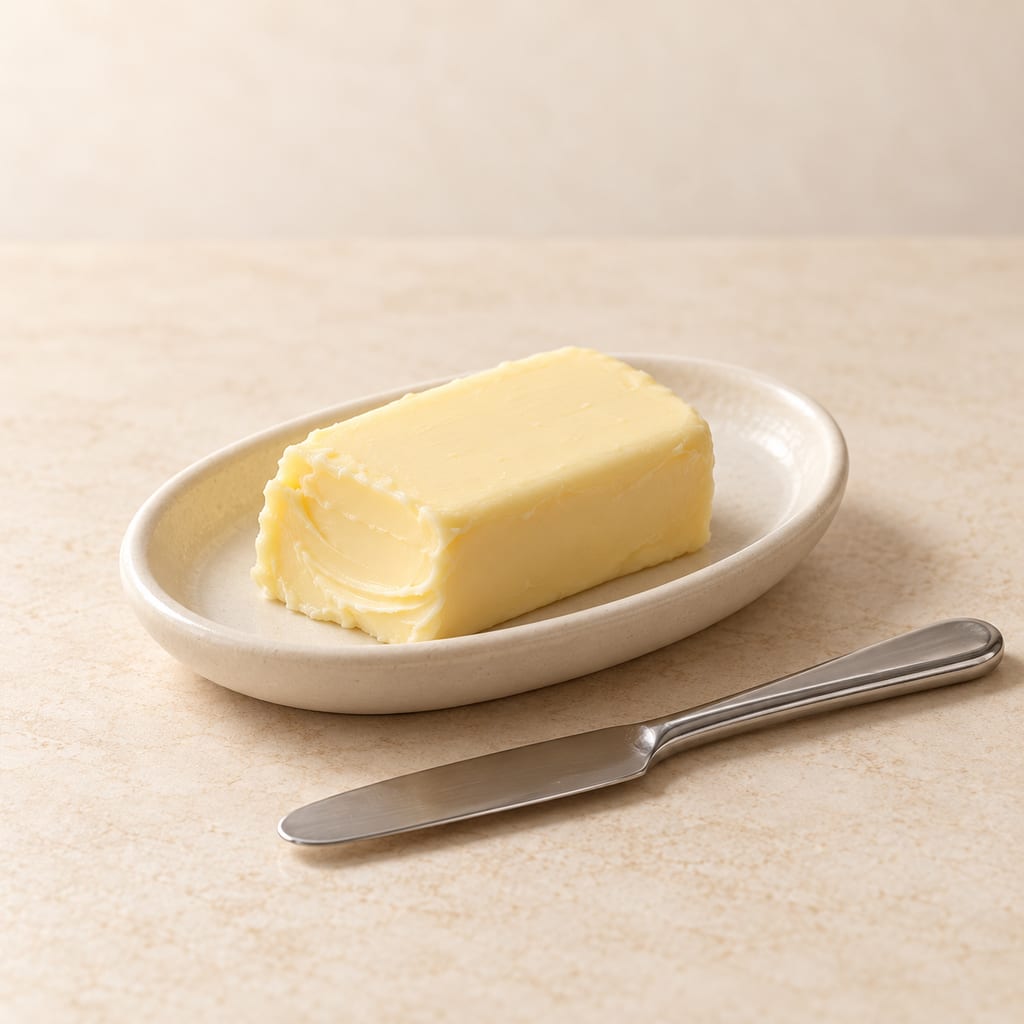
Cultured butter
Cultured butter is churned from cream soured with lactic cultures. Its lightly tart flavour comes from the cultured cream, which separates into butter grains and buttermilk.
 FermenteaWhere food goes to change
Cultures
A living dairy inoculum that starts controlled cream fermentation, developing acidity and aroma before sour cream or cultured butter is finished.

An active sour-cream starter is a small quantity of living dairy culture used to begin the controlled souring of fresh cream. It can arrive as a supplier's culture or be carried in a suitable fresh cultured dairy food. Its most important property is its ability to grow and acidify the new mixture. The sourness already in the spoonful is only the beginning: the organisms carried with it continue the transformation after it is mixed into the cream.
This makes the ingredient different from a spoonful of vinegar or another direct acidifier. Both approaches can make cream sour, but only the starter supplies the microbial population for fermentation. It also differs from the large container of cream being inoculated. That cream is the new food and growth medium; the starter introduces the organisms that act within it. A retained portion can move between the two roles, first as part of a finished cultured food and then as the inoculum for another batch.
The word active describes function rather than a particular species. Sour-cream cultures are chosen for a kind of dairy work, but a generic name does not tell us which strains they contain, how concentrated they are or how fast a given dose will acidify cream. A prepared milk culture, a spoonful of fresh cultured sour cream and a concentrated commercial preparation can all carry bacteria while remaining quite different ingredients to measure and handle.
In a household dairy, the cream rising on milk could be skimmed and collected until there was enough to churn. Souring took place during that interval. Butter, sour cream and the remaining buttermilk belonged to a connected routine of separating and transforming milk. The desired flavour did not have to begin with a purchased sachet. Organisms in milk and on dairy equipment helped shape the next preparation, while the people doing the work learned to manage vessels, warmth and the succession of batches.
That history is broader than a continuous pedigree for any modern starter. Fermented milks have long and varied histories, and cream is only one milk fraction that people fermented. A contemporary culture selected for a particular aroma or texture represents another stage in that story. The move towards deliberately supplied starters made the inoculum a distinct ingredient: something chosen and added, rather than something simply arriving with the milk or the vessel. It made the identity and condition of a small portion matter to a much larger quantity of food.
By 1978, J. A. Elliott and D. B. Emmons were teaching Canadian household makers to use starters within a modern dairy supply. Refrigerated milk collection, cleaner equipment and commercial processing had changed the circumstances in which older household practices operated. Their home-dairy handbook described buying starter from suppliers or using fresh commercial sour cream or cultured buttermilk for several cultured foods. Yogurt had its own starter instructions. The distinction was practical: foods that look similarly white and sour do not necessarily carry cultures suited to the same task.
Lactic acid bacteria use milk sugar, lactose, and produce lactic acid. As that acid accumulates, the cream becomes more acidic and tastes tangier. Acidification also changes the interactions between milk proteins, helping the cream develop its thickened structure. The bacteria are therefore doing more than supplying a flavour to be stirred in. They change the chemical environment of the fresh dairy material over the course of incubation, and that change affects both the taste and the body of the result.
Milk also provides nutrients beyond sugar. Dairy bacteria need nitrogen-containing compounds, and some obtain them by using protein-splitting enzymes to break down milk casein. Different organisms have different capacities for that work. A commercial mixed culture can combine strains selected for complementary properties, such as acid production and aroma. The culture is a working community or selected strain preparation, while the milk supplies the material in which it grows. Neither the fat content alone nor an acidic taste describes the whole relationship.
Mesophilic and thermophilic describe cultures adapted to different growth-temperature conditions. They are categories of microbial behaviour, not alternative names for sour cream and yogurt. Temperature affects growth, and in a mixed culture it can favour one member over another. This is one reason culture instructions specify more than an amount to add. The inoculum, incubation conditions and intended product belong together. A culture selected for one dairy process brings its own requirements even when it is being added to an ingredient as familiar as cream.
Lactic acid accounts for much of the sour taste, but aroma has a separate chemistry. Some dairy bacteria can metabolize citrate and produce diacetyl, a compound associated with buttery aroma. That gives a useful distinction between tasting acid on the tongue and smelling a characteristic cultured-dairy note. A cream may be acidic without having the same aroma balance as another acidic cream, because the organisms and the conditions determining those compounds can differ.
Sour-cream research has isolated particular bacteria and tested how their diacetyl production changes under different conditions. Those experiments show that aroma production is not a fixed property shared equally by every lactic bacterium. Strain choice matters, as do the growth conditions. Diacetyl can also be converted to acetoin, changing the balance as fermentation continues. The flavour of a culture is consequently more complicated than a simple scale running from a little sour to very sour. Acid production and the formation or loss of aroma compounds can follow different courses.
The genus Lactococcus includes bacteria widely used in dairy starters, and some members are selected for acid or aroma production. Leuconostoc also appears among dairy aroma cultures. These names describe documented members of the wider dairy-culture repertoire. The active starter used in the Canadian home preparation was not identified to species or strain. Its ingredient identity remains a viable sour-cream starter, rather than a retrospective assignment of whichever organisms happen to appear in a modern supplier's blend or laboratory study.
Traditional dairy propagation builds a larger starter from a smaller one. A mother culture seeds a new quantity of suitable dairy medium, which is incubated until the organisms have grown and the medium has changed. This makes a working starter available for production. The repeated transfer is a biological operation: it increases a microbial population through growth. It differs from merely diluting an already concentrated ingredient with water, and its success depends on the conditions during the intervening incubation.
Modern dairies can buy highly concentrated cultures in frozen or freeze-dried form and add them directly to production. Such preparations are often called direct-vat-set or direct-vat-inoculation cultures. They reduce the need to propagate a bulk starter on site. The dry appearance of a concentrated preparation should not be confused with the appearance of a prepared liquid culture. Their recommended doses are different kinds of measurement, and a volume of one cannot be taken as a general equivalent of the other.
Prepared starters are often grown in skim milk or reconstituted skim milk. The medium supplies milk sugar and protein without requiring the fat richness of the eventual sour cream. This helps explain why a dairy culture can be propagated in one material and then used to ferment another. A relatively lean starter may introduce the organisms into much richer cream. The fat content and texture of the eventual product depend on that cream and its processing as well as on the living inoculum.
Starter manufacture separates heating the growth medium from adding the culture. Heating treats the medium first; cooling brings it to conditions suitable for the intended organisms; inoculation introduces them afterwards. Incubation then gives them time to multiply and produce acid. These are distinct stages with different purposes. Adding a culture to an excessively hot medium is not an accelerated version of the same process. The microorganisms are living cells whose growth depends on their surroundings.
Cooling the developed culture slows further growth and helps preserve it for its intended use. It does not make all forms of starter equivalent in storage. A supplier's freeze-dried preparation, an industrial frozen concentrate and a refrigerated household milk culture have different physical forms and storage requirements. Follow the directions for the actual product being used. The storage life given for a commercial concentrate belongs to that preparation, while a retained portion of cultured dairy has already undergone its own incubation and handling.
Keeping unwanted organisms and chemical residues out of the medium also matters to the culture's performance. Industrial starter production pays close attention to hygiene and to residues of cleaning agents that can inhibit bacteria. Bacteriophages, viruses that infect bacteria, are another concern in dairy culture manufacture. These problems help explain why maintaining a starter is a separate dairy skill. The aim is to grow the desired population in suitable conditions, rather than to make any container of milk turn sour.
A prepared milk starter also has a physical structure. As acid develops, its proteins form a gel around the remaining liquid. Disturbing that developing gel can leave free whey, while excessive acidification can alter its body. A smooth working culture depends on handling as well as bacterial growth. These are useful distinctions when comparing a liquid starter with a powder: the former has already become a cultured dairy material, complete with a protein network that can be damaged by agitation.
In the Canadian sour-cream preparation, the inoculum is measured as 20 mL active starter for each litre of cream at 22°C. That is a dose for a prepared active starter in that particular method. It is not a specification for every commercial culture powder. The cream is cultured before cooling. Its thickness reflects the combined effects of acidification, milk proteins, fat and the cream's treatment; the starter initiates the biological part of that change.
When the cultured cream is later churned for butter, its role changes again. Fermentation has already altered acidity and aroma. Churning physically gathers the milkfat into butter grains and separates liquid buttermilk; it does not create the culture's acid by mechanical force. The finished butter's fermented character therefore begins before the churn. Understanding the starter makes the sequence easier to follow: first a biological change in cream, then a physical reorganization and separation of its fat.
Choose on the intended dairy process and the culture's own directions, including whether it is a direct-inoculation preparation or a product intended for further propagation. Fresh cultured sour cream used as a starter has another identity at the table. In Ukrainian cooking it accompanies borshch, vegetable and mushroom soups, varenyky, salads and stewed foods. The same cultured food can therefore be a condiment in one kitchen operation and a source of organisms in another. Its purpose changes with the way it is used.
Milk remains part of the ingredient when the organisms are carried in sour cream, cultured buttermilk or a milk-grown starter. Milk allergy concerns milk proteins, while lactose intolerance concerns digestion of milk sugar; they are different conditions. Fermentation consumes some sugar but does not establish a lactose-free claim for an unnamed starter. Check a purchased culture's ingredients and allergen information as well as its organism or product description, since the material carrying the culture matters alongside the culture itself.
The Canadian starter's species, strains, concentration, measured activity and universal storage life are not given. The particular cultured-butter recipe retains its source dose and method; commercial preparations follow their own directions.
milk
Place of the home-dairy publication; does not identify the starter’s origin or sourcing location.
The generic starter has no unique organism identity, source producer or geographic origin specified.
Cultured butter is churned from cream soured with lactic cultures. Its lightly tart flavour comes from the cultured cream, which separates into butter grains and buttermilk.
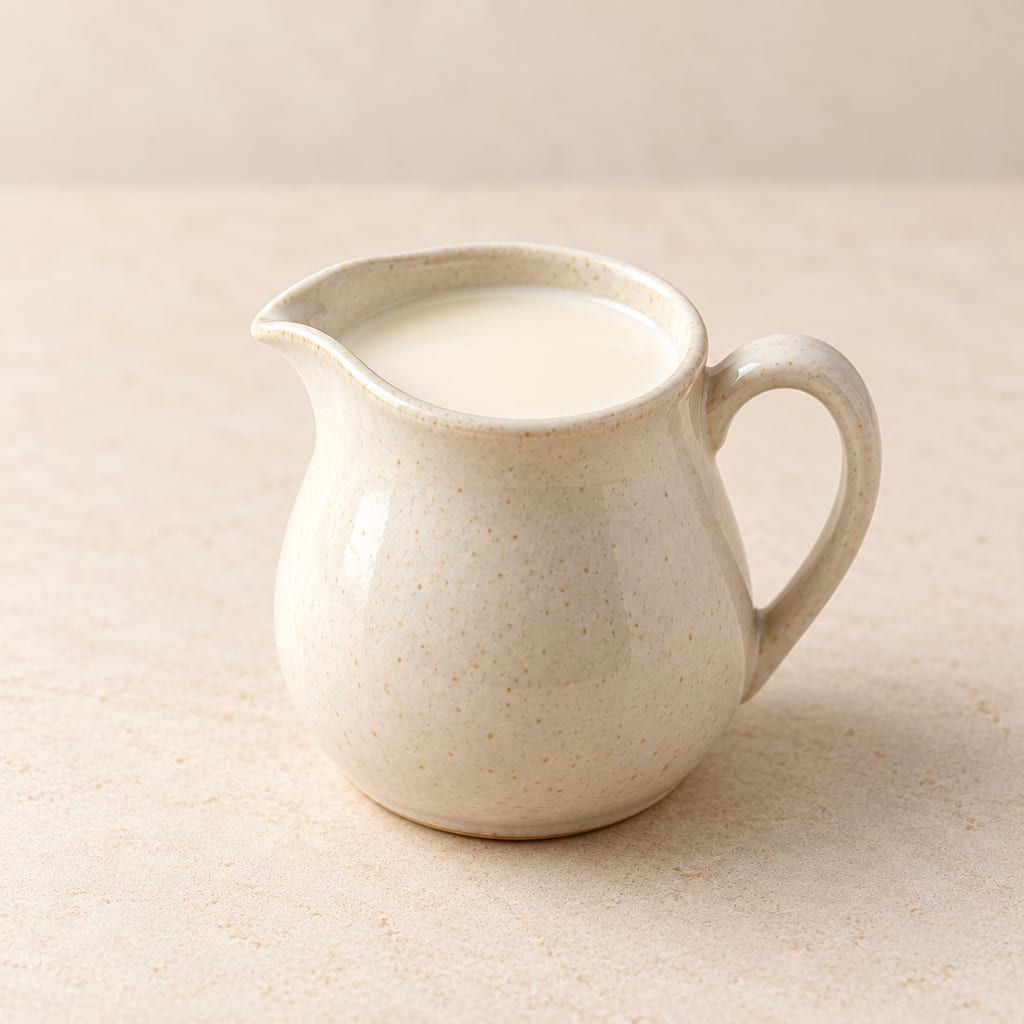
The fat-rich fraction of milk, used as a pouring ingredient, a whipped foam, a cultured dairy substrate or the starting material for butter.
Heat-treated dairy cream whose fat globules have not been mechanically homogenized, retaining a form used for churning cultured and sweet-cream butter.
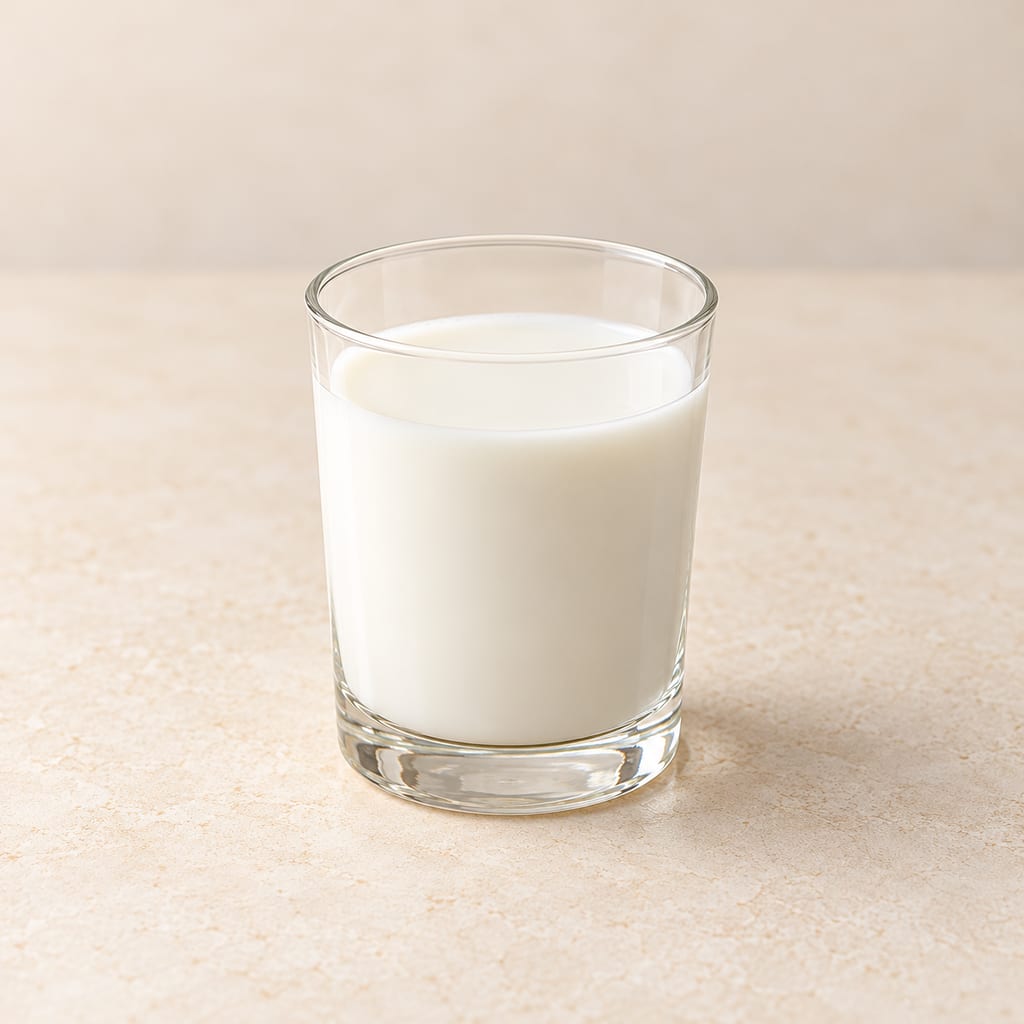
Milk with most of its fat separated into cream, retaining lactose and proteins used in cultured curds, starter media and other dairy foods.

Soft, spreadable Calabrian pork sausage made with a great deal of red chilli and fatty pork, stuffed into natural casings, sometimes smoked and matured while staying soft.

A way to add independent temperature logging to an existing food dehydrator without changing its built-in controls or protections. It is a monitoring method, not a rewiring plan.

Pleurotus cystidiosus is the abalone mushroom, a cultivated oyster-type fungus with dark brown caps that grows more slowly and is more demanding than other Pleurotus species.

A dark, balanced vinegar from Emilia-Romagna made by combining cooked or concentrated grape must with wine vinegar, then acetifying and refining it in wood under a protected specification.

A small electric incubator holds jars at a selected temperature for yogurt and other documented warm food preparations. Controls, capacity and vessel arrangement vary by model.

Adygean salt is a seasoned table salt associated with Adygea and the wider North Caucasian culinary tradition. Salt is blended with garlic and a variable selection of herbs and spices; the exact mix depends on the named style and maker.

The African Caesar-group mushroom, Amanita masasiensis, is a wild ectomycorrhizal species of central and southern African woodlands, eaten locally. The genus contains deadly poisonous species, so identification needs care.
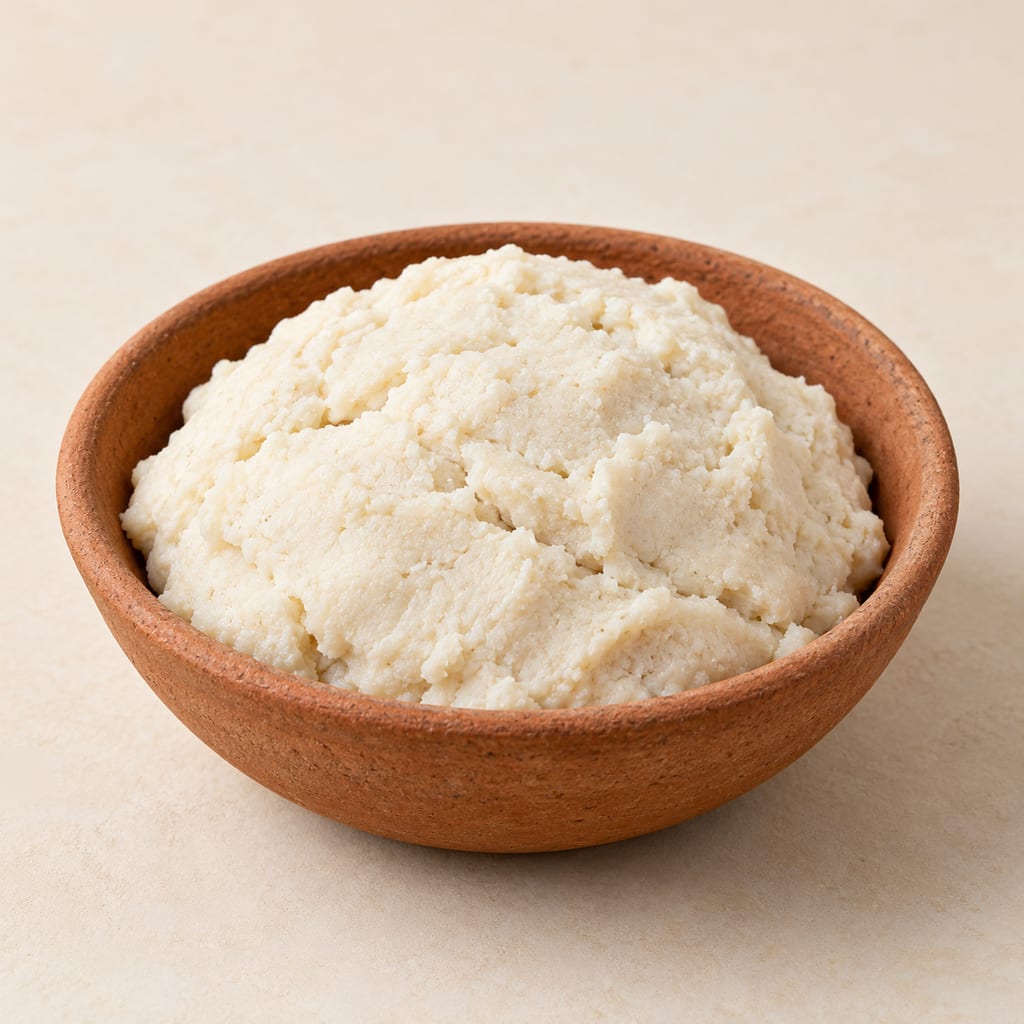
Ghanaian sour cassava dough fermented with traditional inoculum and drained during fermentation. It is used as a base for cooked foods such as banku and akple; process variants and safety outcomes differ.
No community contributions have been published for this entry yet.
Sign in to contribute. Published comments and photos are free to read.
Agriculture CanadaHistory · Method · Ingredient context
Home-made dairy products, Publication 1669Pages3–6: household dairy, supplier and fresh cultured-dairy starters, milk propagation, gel and handling. Page10:20mL active starter per1Lcream at22°C; no species/strain/potency. Reprinted1981.
Cited in: A little cultured dairy that starts the next batch; From collected cream to deliberately cultured cream; A mother culture, a bulk starter or a concentrated culture; Why preparation, cooling and cleanliness matter; What the starter contributes to sour cream and butter; What remains unspecified
Tetra PakScience · Production · Ingredient context
Cultures and starter manufactureChapter12: lactose acidification, nitrogen/proteolysis, general dairy Lactococcus/Leuconostoc examples, culture selection, mother/bulk and DVS/DVI forms, skim-milk media, preparation sequence, cooling, phage and inhibitory residues, maker-specific storage. General mechanisms, not taxonomic identification of the Canadian starter.
Cited in: A little cultured dairy that starts the next batch; What grows, and what changes; Tang and buttery aroma are different contributions; A mother culture, a bulk starter or a concentrated culture; Why preparation, cooling and cleanliness matter; What the starter contributes to sour cream and butter; Choosing a culture and using the finished food
Current AnthropologyHistory · Ingredient context
Cultured Milk: Fermented Dairy Foods along the Southwest Asian–European Neolithic TrajectoryCream gathering/souring/churning as connected dairy practice; ancient fermented-milk history does not establish identity or chronology of a particular modern starter.
Cited in: From collected cream to deliberately cultured cream
California Dairy Press Room and ResourcesIngredient context · Science
Sour CreamCultured versus directly acidified cream; bacterial acidification changes cream protein structure and taste. Industry educational page citing CDFA, National Dairy Council and culinary references; broad context only.
Cited in: A little cultured dairy that starts the next batch; What grows, and what changes
Food Science of Animal ResourcesScience
Isolation of Lactococcus lactis ssp. cremoris LRCC5306 and Optimization of Diacetyl Production Conditions for Manufacturing Sour CreamDOI10.5851/kosfa.2021.e3;41(3):373–385. General citrate-derived diacetyl, strain/condition variation and conversion to acetoin; experimental strain/conditions are not assigned to this generic starter; no health claim.
Cited in: Tang and buttery aroma are different contributions
Ivan Honchar MuseumCultural use
Folk CuisineSour cream in Ukrainian borshch, vegetable/mushroom soups, varenyky, salads and stewed foods. Finished food use illustrates the dairy ingredient that can separately serve as inoculum, not starter taxonomy.
Cited in: Choosing a culture and using the finished food
U.S. Food and Drug AdministrationAllergens
Food Allergies: What You Need to KnowMilk is a major food allergen; milk-derived protein and label reading.
Cited in: Choosing a culture and using the finished food
National Institute of Diabetes and Digestive and Kidney DiseasesDietary context
Definition & Facts for Lactose IntoleranceLactose is milk sugar; lactose intolerance concerns digestion and differs from immune milk allergy. No lactose-free claim for this starter.
Cited in: Choosing a culture and using the finished food