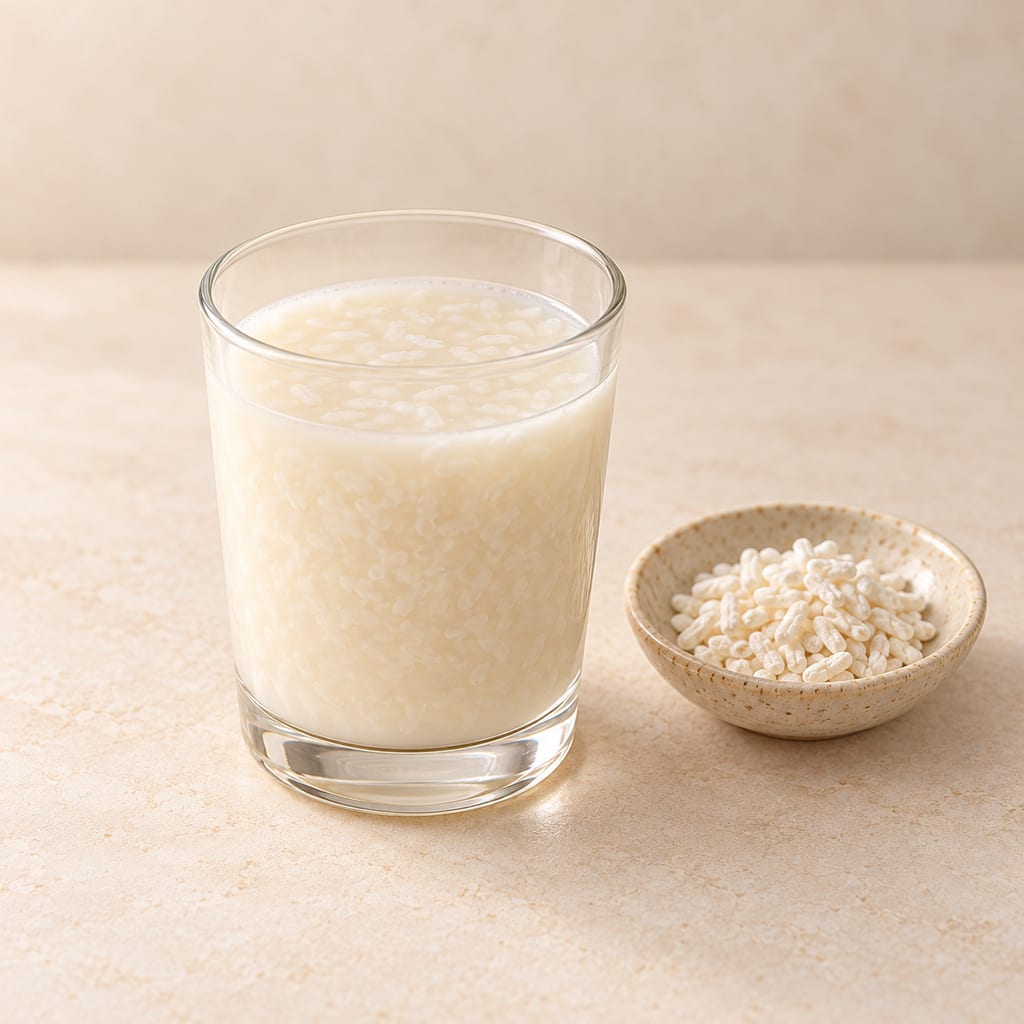
Rice-koji amazake
Cooked rice, rice koji and water are held warm for hours so koji enzymes turn the rice starch to sugars, giving a naturally sweet Japanese drink with no added sugar and no second fermentation.
 FermenteaWhere food goes to change
Equipment · All-in-one appliances
yogurt maker · adjustable yogurt maker · yogurt incubator
A small electric incubator holds jars at a selected temperature for yogurt and other documented warm food preparations. Controls, capacity and vessel arrangement vary by model.

An adjustable yogurt-maker is a small electrically heated appliance that surrounds a vessel or several jars and holds them at a selected temperature for a set period. The housing, lid, control panel and vessel arrangement vary. Some designs accommodate one larger vessel; others hold several small glass jars. A fixed-temperature yogurt incubator may resemble an adjustable machine but cannot be assumed to offer a selectable range.
The practical use documented here extends beyond dairy yogurt. Tanica's trial archive records the appliance as a warm holding option for rice-koji amazake and shio koji. In both cases the temperature and duration are part of that particular trial, not a recipe that transfers unchanged to every starter, vessel or machine.
Tanica's shio-koji trial, dated 19 May 2014, sets the appliance to 60°C for six hours, then mixes the product and refrigerates it. The archived ingredient list gives 200 ml water but omits the quantities of rice koji and salt; this record demonstrates a documented appliance use, not a complete formulation.
A later Tanica trial for rice-koji amazake, dated 21 April 2017, also uses a six-hour hold at 60°C. The trial describes rice koji and water, and checks for developing sweetness. These two examples show why adjustable warmers are useful: a repeatable hold can reduce the need to manually correct cooling water. They do not establish that every yogurt-maker model performs identically.
Tanica identifies its Yogurtia S YS-02 as a household fermenter made at its own factory in Tajimi, Gifu Prefecture. The published current specification offers settings from 25°C to 70°C in 1°C increments and a timer from 10–50 minutes or 1–48 hours. The listed temperature-control precision is ±3°C at a 20°C room temperature.
The YS-02's supplied vessel options are a 1.1 L glass container and a 1.2 L resin container. Its housing is described as ABS on the exterior and PP inside; the product page lists 30 W consumption and a 100 V mains supply. These specifications describe this Japanese model only. They are not a universal capacity, construction or voltage for the broader equipment category.
The linked Wikimedia Commons photograph shows a compact older-style appliance with a base, a raised smoked cover and several lidded jars. Its front dial is visible, but the image does not tell us whether the dial sets temperature, time or another function. It is therefore useful for the general jar-and-cover form, while the manufacturer's current product page supplies the evidence for adjustable temperature control.
The generated hero is an unbranded illustration of that general equipment type, not a depiction of the Tanica YS-02 or another documented commercial model. Its digital controls and multi-jar arrangement should be read as an explanatory composite rather than exact product documentation.
Temperature and time belong to the preparation being made as well as to the appliance. Tanica's two trials share a 60°C, six-hour setting, but the shio-koji record does not preserve complete ingredient quantities, and neither trial establishes a generic process for all amazake or koji seasonings. A reader should follow the relevant recipe and the exact appliance's manual rather than copying a setting from a different product.
The catalogue's rice-koji amazake recipe records a thermal pot or rice cooker for its own method. Tanica's appliance trial is a separate documented equipment route; it should not be mistaken for the recipe's stated process. The link below marks the food relationship while preserving that distinction.
Tanica Press trial reports for shio koji and rice-koji amazake; Tanica's current Yogurtia S product documentation.
Country-level context for the documented trial methods; not a claim that this equipment originated in Japan.
Tanica identifies its own factory in Tajimi as the manufacturing site for Yogurtia S YS-02; this locality does not represent all yogurt makers.
Cooked rice, rice koji and water are held warm for hours so koji enzymes turn the rice starch to sugars, giving a naturally sweet Japanese drink with no added sugar and no second fermentation.
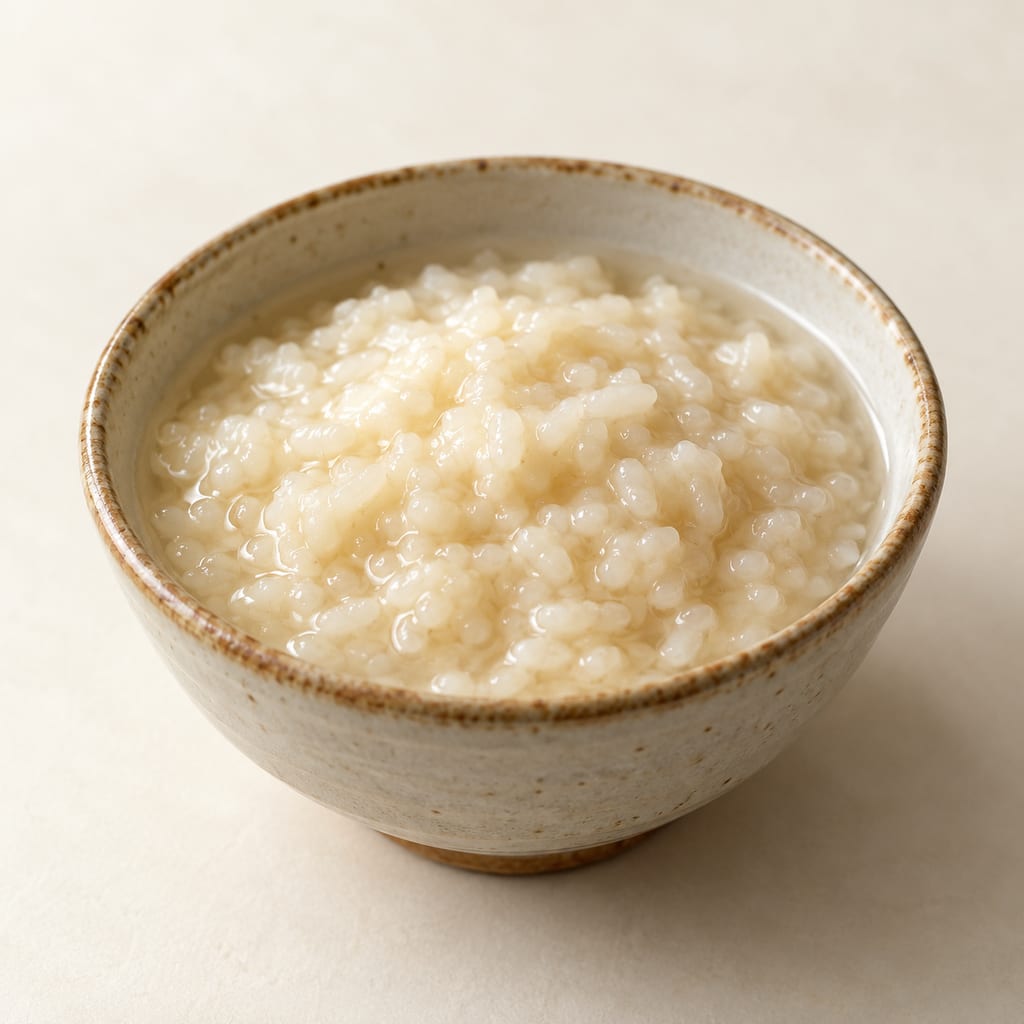
Shio-koji is a Japanese seasoning of rice koji, salt and water, left at room temperature until the grains soften and turn sweet and the mixture thickens.
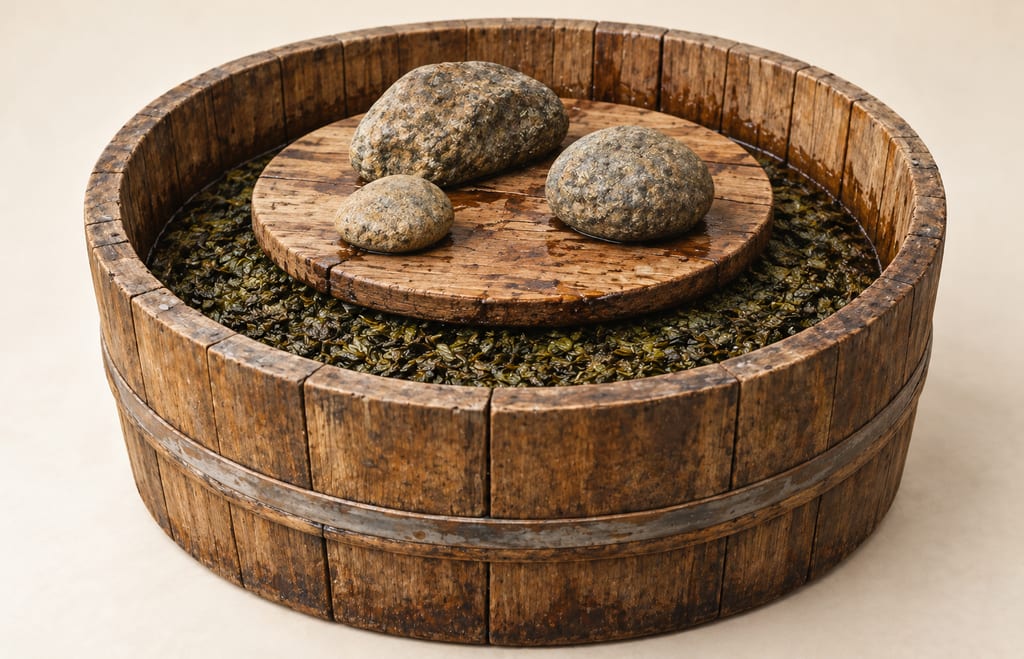
A large wooden tub used in Tokushima to ferment heated, worked Awabancha leaves with their cooking liquor. Its size and construction details are not specified in the sources.
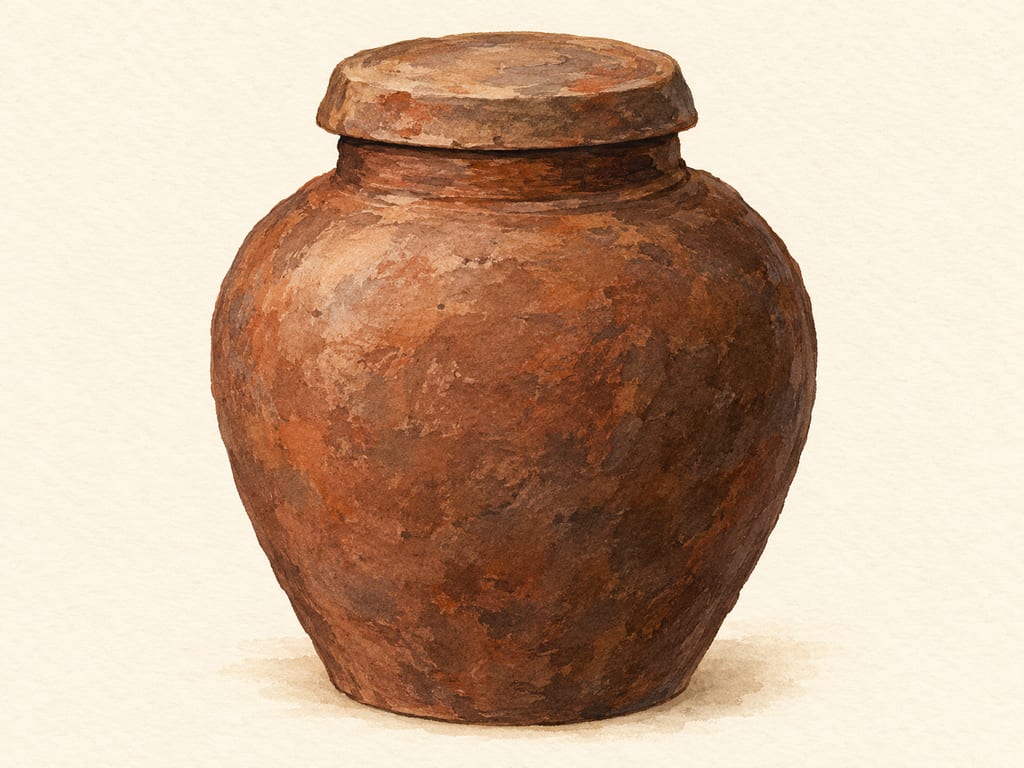
A ceramic jar used in Okinawa to store and mature distilled awamori into kusu; it holds the finished spirit after distillation rather than fermenting the rice mash.
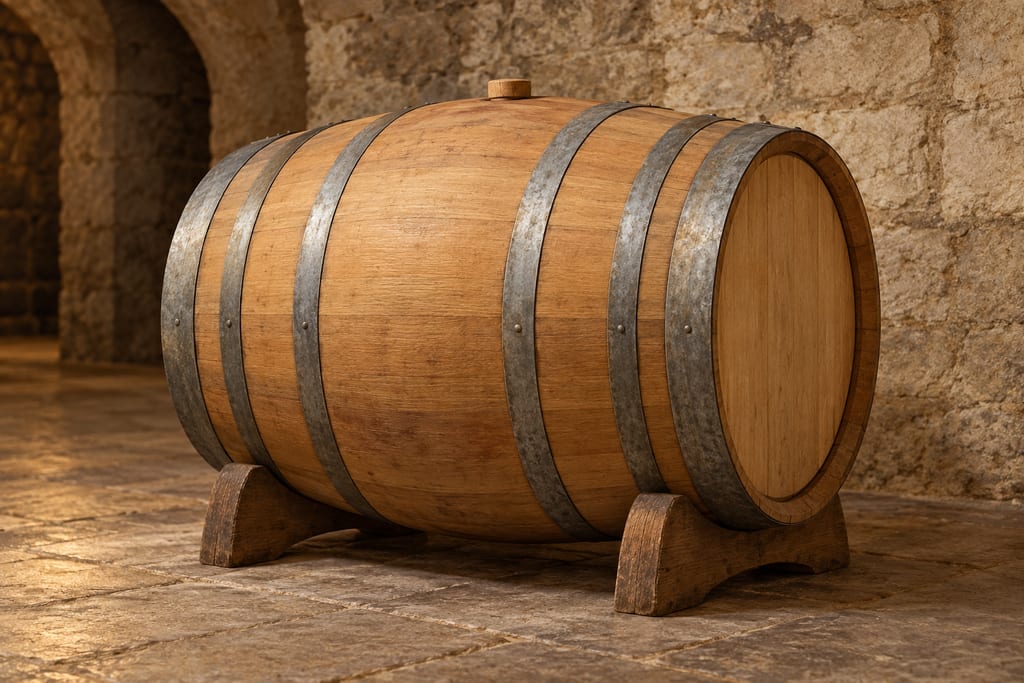
Coopered vessels use shaped staves and hoops, but portable barrels, large foeders and upright wooden vats serve different roles. Materials and uses vary by place and process.
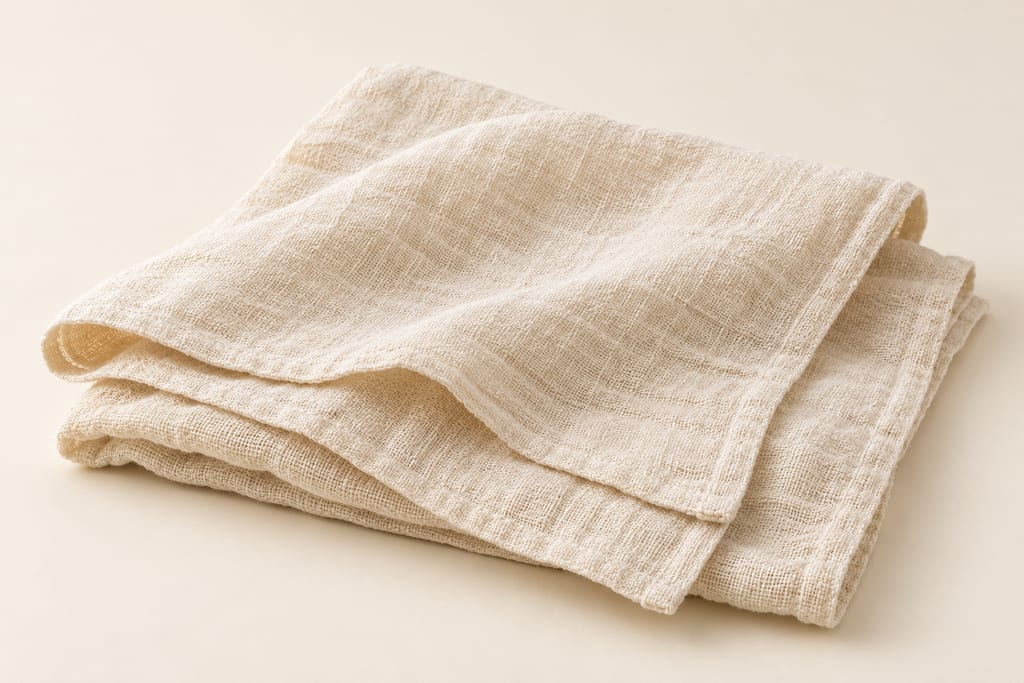
A cloth listed for steaming rice in a rice-koji method and identified as cloth for a koshiki in a brewery-museum caption; its fiber, weave, and size are not specified.
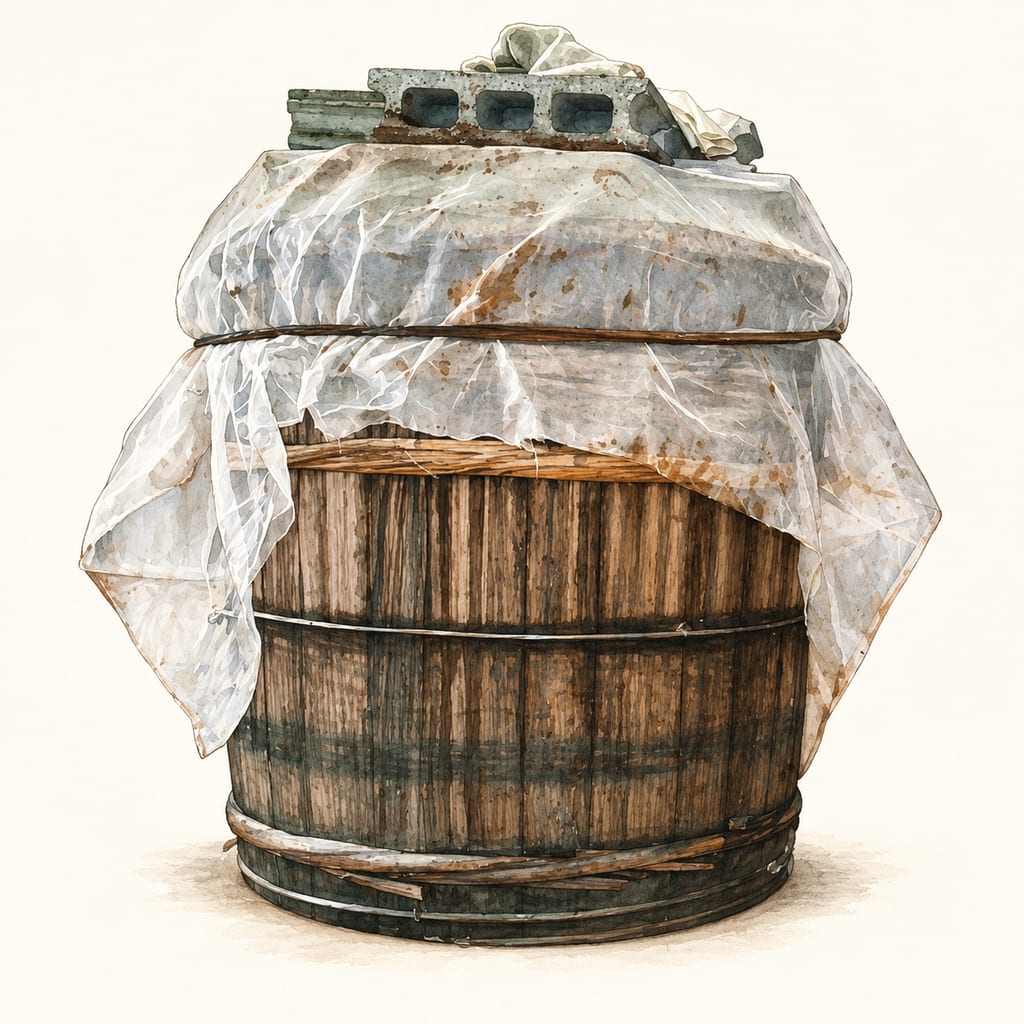
A Goishicha weighted tub holds tea leaves and steaming liquor during the second, wet fermentation stage in Ōtoyo, Kōchi. A current producer photograph documents one covered wooden tub under concrete-block weight.
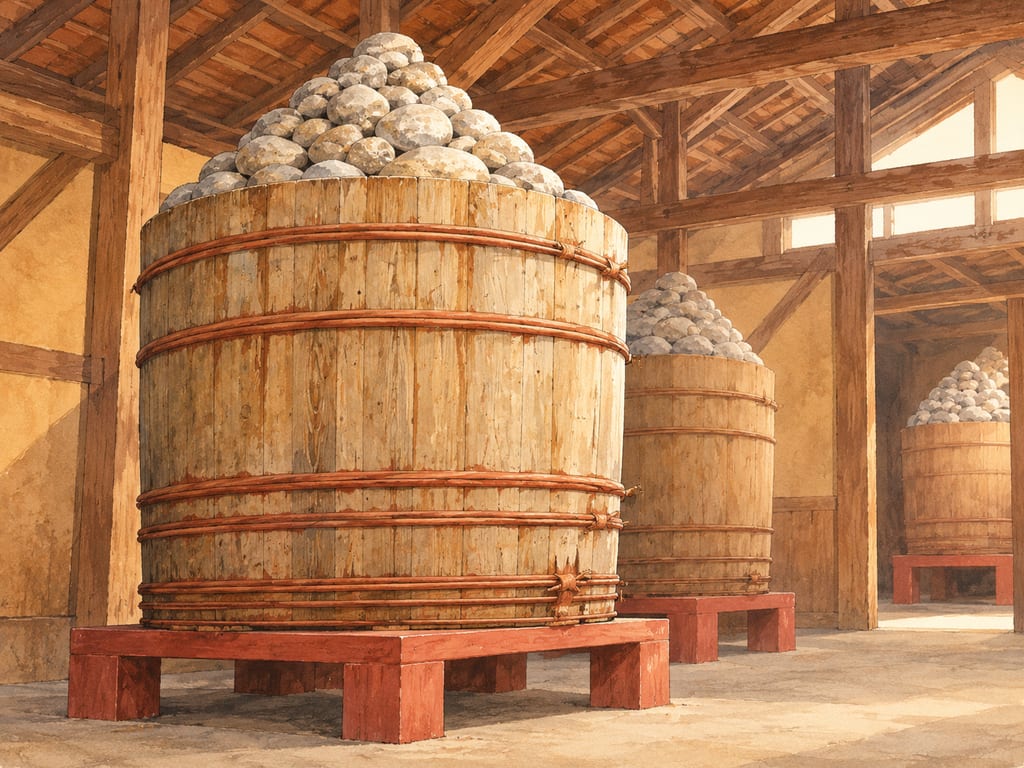
A coopered wooden kioke used by Kakukyu in Okazaki for Hatcho miso: a broad vat capped with a carefully stacked pyramid of river stones during maturation lasting more than two years.
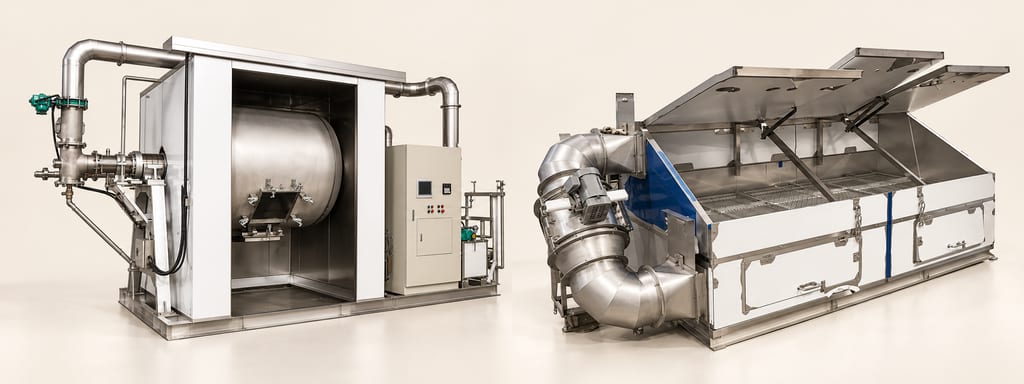
Industrial koji machines cultivate mold on prepared grain before sake, shochu, miso or soy-sauce production. Commercial designs include rotating drums and aerated beds.
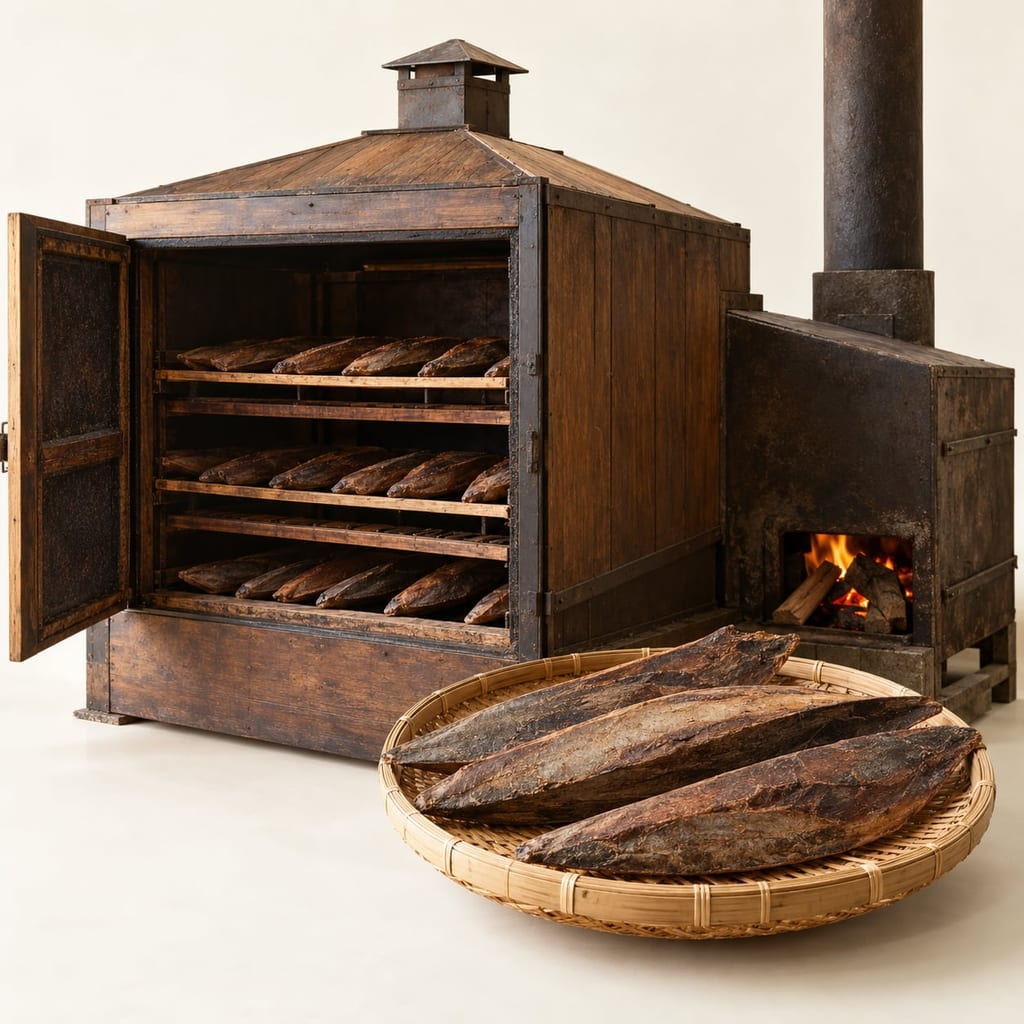
Enclosed cooking, smoking and drying equipment used in the multi-stage process that makes katsuobushi, the dried, smoked and mould-treated bonito of Japan, in repeated stages.

Soft, spreadable Calabrian pork sausage made with a great deal of red chilli and fatty pork, stuffed into natural casings, sometimes smoked and matured while staying soft.

A way to add independent temperature logging to an existing food dehydrator without changing its built-in controls or protections. It is a monitoring method, not a rewiring plan.

Pleurotus cystidiosus is the abalone mushroom, a cultivated oyster-type fungus with dark brown caps that grows more slowly and is more demanding than other Pleurotus species.

A dark, balanced vinegar from Emilia-Romagna made by combining cooked or concentrated grape must with wine vinegar, then acetifying and refining it in wood under a protected specification.

A living dairy inoculum that starts controlled cream fermentation, developing acidity and aroma before sour cream or cultured butter is finished.

Adygean salt is a seasoned table salt associated with Adygea and the wider North Caucasian culinary tradition. Salt is blended with garlic and a variable selection of herbs and spices; the exact mix depends on the named style and maker.

The African Caesar-group mushroom, Amanita masasiensis, is a wild ectomycorrhizal species of central and southern African woodlands, eaten locally. The genus contains deadly poisonous species, so identification needs care.

Ghanaian sour cassava dough fermented with traditional inoculum and drained during fermentation. It is used as a base for cooked foods such as banku and akple; process variants and safety outcomes differ.
No community contributions have been published for this entry yet.
Sign in to contribute. Published comments and photos are free to read.
Tanica Co., Ltd.Equipment · Manufacture
Yogurtia S (YS-02): household fermenterTanica states that Yogurtia S model YS-02 is made at its factory in Tajimi, Gifu Prefecture.
The current model allows temperature settings from 25°C to 70°C in 1°C increments, with a timer from 10–50 minutes and 1–48 hours.
The YS-02 has 1.1 L glass or 1.2 L resin vessels; its exterior is listed as 188 mm high and 160 mm diameter, and rated consumption is 30 W.
Model specifications describe YS-02 only, not every adjustable yogurt maker.
Cited in: A controlled warm holder for jars; A current model as a bounded example; Reading the equipment photographs
Tanica Press, Tanica Co., Ltd.Documented use · Method
Amazake (Shirayuki rice koji)Tanica's 21 April 2017 trial record holds rice koji and other ingredients at 60°C for six hours in the appliance; the page presents a trial method, not a universal amazake schedule.
This documented use supports the appliance's role as a controllable warm holding device.
Cited in: A controlled warm holder for jars; Japanese trial uses; Use the settings with the specific preparation
Tanica Press, Tanica Co., Ltd.Documented use · Method
Shio koji: method (Kana's laboratory)The trial record is dated 19 May 2014 and sets a household fermenter to 60°C for six hours.
The page's ingredient list is incomplete: it lists 200 ml water but omits the amounts of koji and salt, so it is not a complete recipe.
Cited in: A controlled warm holder for jars; Japanese trial uses; Use the settings with the specific preparation
Museuvalenciaetnologia via Wikimedia CommonsImage reference
File: 56 YOGURTERA.jpgThe photograph shows a compact yogurt maker with a removable smoked cover and five glass jars in a heated base.
The visible numbered dial does not establish its function; the photo is used as evidence of appliance form, not temperature adjustability.
The file page identifies Museuvalenciaetnologia as author and licenses the photograph CC BY-SA 4.0.
Cited in: Reading the equipment photographs