
Adjustable yogurt-maker
A small electric incubator holds jars at a selected temperature for yogurt and other documented warm food preparations. Controls, capacity and vessel arrangement vary by model.
 FermenteaWhere food goes to change
Equipment · Tanks and vats
阿波晩茶 漬け込み 桶 · Awabancha fermentation tub · 阿波晩茶の桶
A large wooden tub used in Tokushima to ferment heated, worked Awabancha leaves with their cooking liquor. Its size and construction details are not specified in the sources.
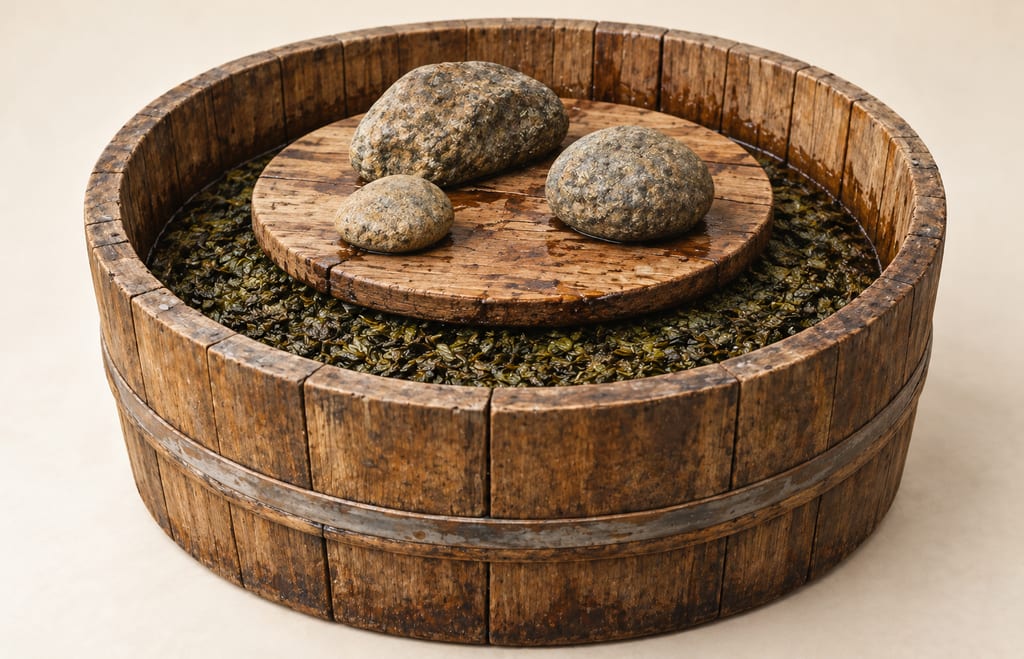
Awabancha is a household tea associated with the mountain districts of Tokushima, including Kamikatsu, Naka and Minami. It was historically made mainly for home use and sharing with relatives and neighbours; production later also supported household trade. The 2021 designation by Japan's Agency for Cultural Affairs recognizes the regional production technique. It does not date the first use of this tub, which remains unknown. The tub is one part of a wider seasonal practice that runs from harvesting later-grown summer leaves through cooking, working, fermentation, drying and selection.
The Awabancha tub is the vessel at the wet fermentation stage. It holds tea leaves after they have been heated and worked, together with liquor retained from cooking them. The regional account describes a large wooden tub, but gives no capacity or measurements. “Tub” is not a standard model specification: the sources do not identify a wood species, exact joinery or universal design. A current producer likewise shows and describes a tub or barrel in use, but this contemporary example does not establish one design for every household or district.
Producers cook the summer-harvested leaves in a large kettle, then rub or work them so their surfaces are marked; the regional account says this helps fermentation proceed after packing. The tub receives the worked leaves and their cooking liquor. They are packed down and covered for lactic fermentation. In the detailed heritage account, banana or palm leaves may line the cover to close gaps, natural stones weigh it down, and cooking liquor fills the vessel. Packing and covering aim to expel trapped air and seal the ferment. A national agriculture feature describes summer tub fermentation lasting two weeks to one month, followed by drying. Those durations describe the tea process, not a capacity specification for the vessel.
The tub contains the packed leaves and cooking liquor during summer fermentation. Compression and a close cover reduce spaces where air remains, while the liquor keeps the leaves in the wet stage. This differs from the preceding cooking vessel and the later drying surface: the tub is for fermentation, not boiling or drying. Awabancha has one fermentation stage. The Ministry of Agriculture contrasts it with Shikoku teas such as Goishicha and Ishizuchi-kurocha, which have an earlier mould stage before lactic fermentation. An Awabancha tub should not be confused with a steamer or the room used for another tea's first stage. The records give no purchase route, cleaning routine, storage practice or stated limitation for this particular equipment; no general instruction is inferred from its traditional use.
Awabancha is a household tea of Tokushima's mountain districts. The technique has been practised for family use and sharing, and later also as a household trade. Its documented range includes Kamikatsu, Naka and Minami. The 11 March 2021 designation recognizes the production technique, not the invention or first use of the tub. The vessel form itself is not dated.
A small electric incubator holds jars at a selected temperature for yogurt and other documented warm food preparations. Controls, capacity and vessel arrangement vary by model.
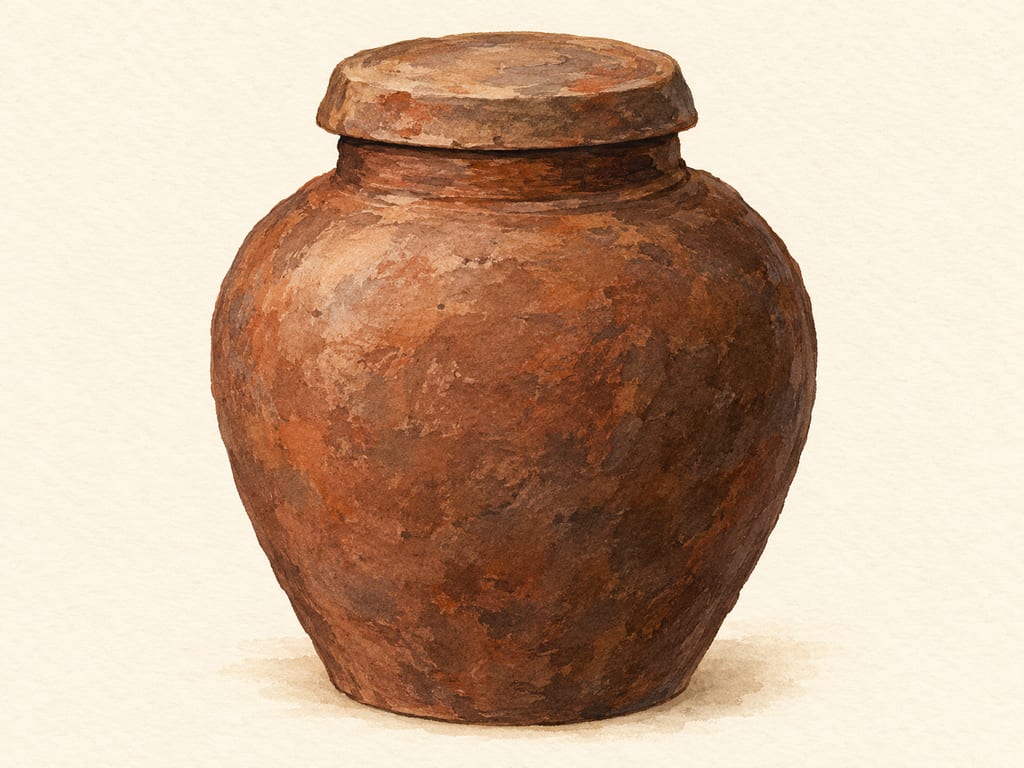
A ceramic jar used in Okinawa to store and mature distilled awamori into kusu; it holds the finished spirit after distillation rather than fermenting the rice mash.
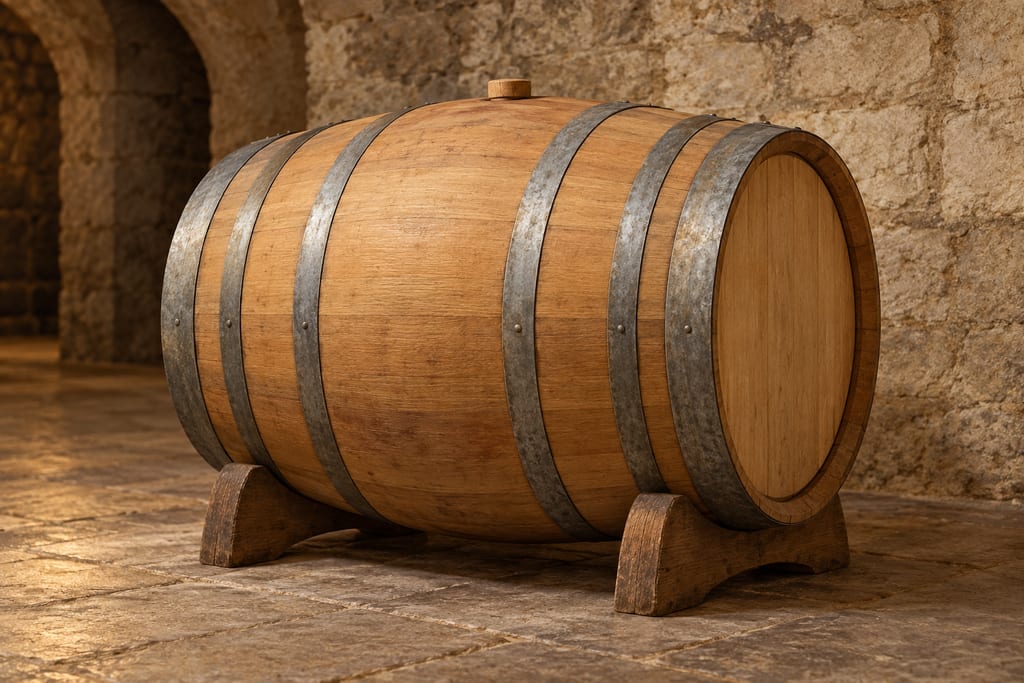
Coopered vessels use shaped staves and hoops, but portable barrels, large foeders and upright wooden vats serve different roles. Materials and uses vary by place and process.
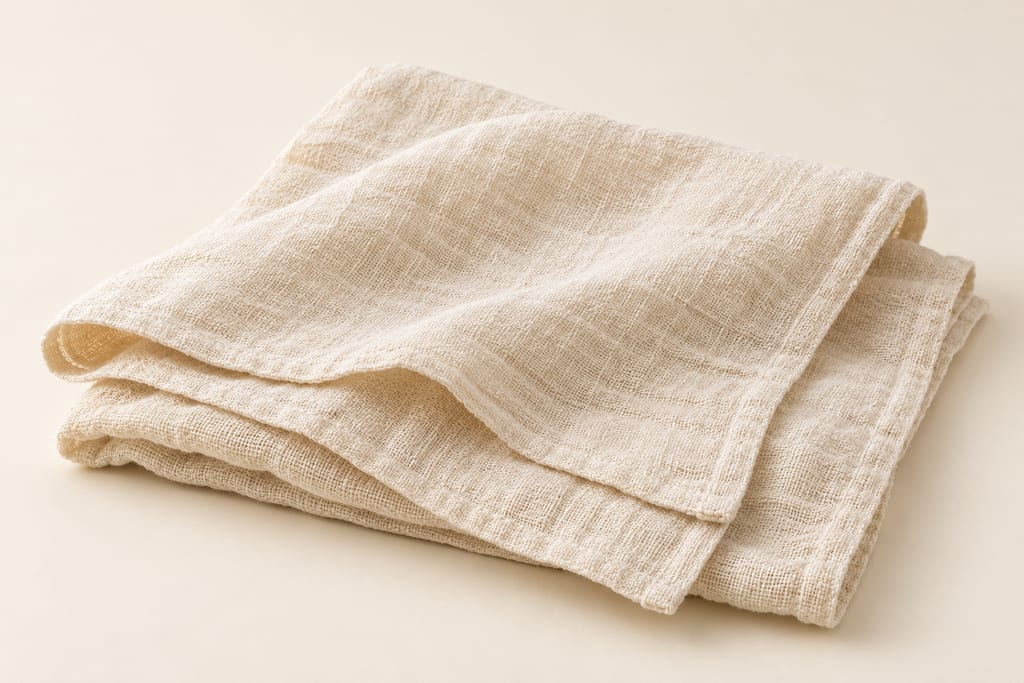
A cloth listed for steaming rice in a rice-koji method and identified as cloth for a koshiki in a brewery-museum caption; its fiber, weave, and size are not specified.
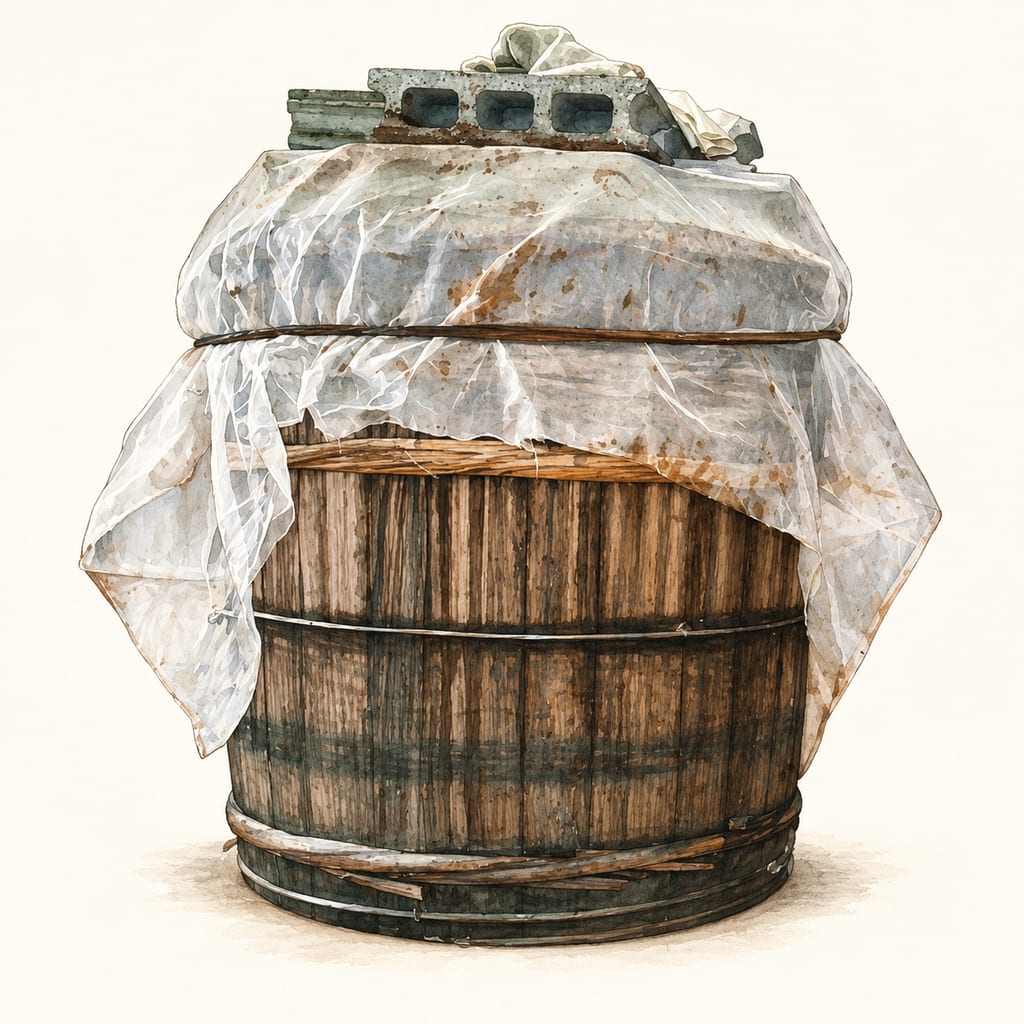
A Goishicha weighted tub holds tea leaves and steaming liquor during the second, wet fermentation stage in Ōtoyo, Kōchi. A current producer photograph documents one covered wooden tub under concrete-block weight.
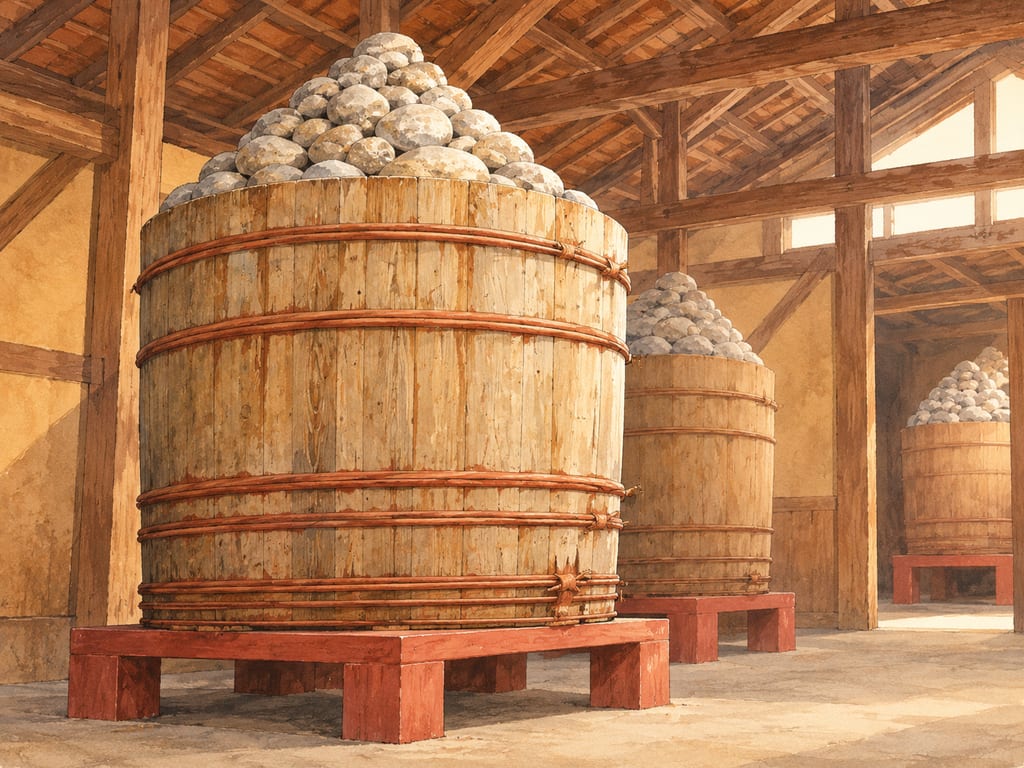
A coopered wooden kioke used by Kakukyu in Okazaki for Hatcho miso: a broad vat capped with a carefully stacked pyramid of river stones during maturation lasting more than two years.
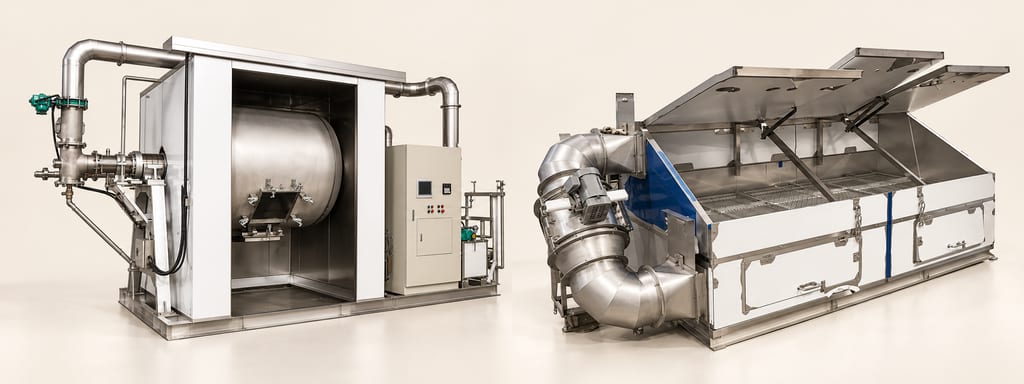
Industrial koji machines cultivate mold on prepared grain before sake, shochu, miso or soy-sauce production. Commercial designs include rotating drums and aerated beds.
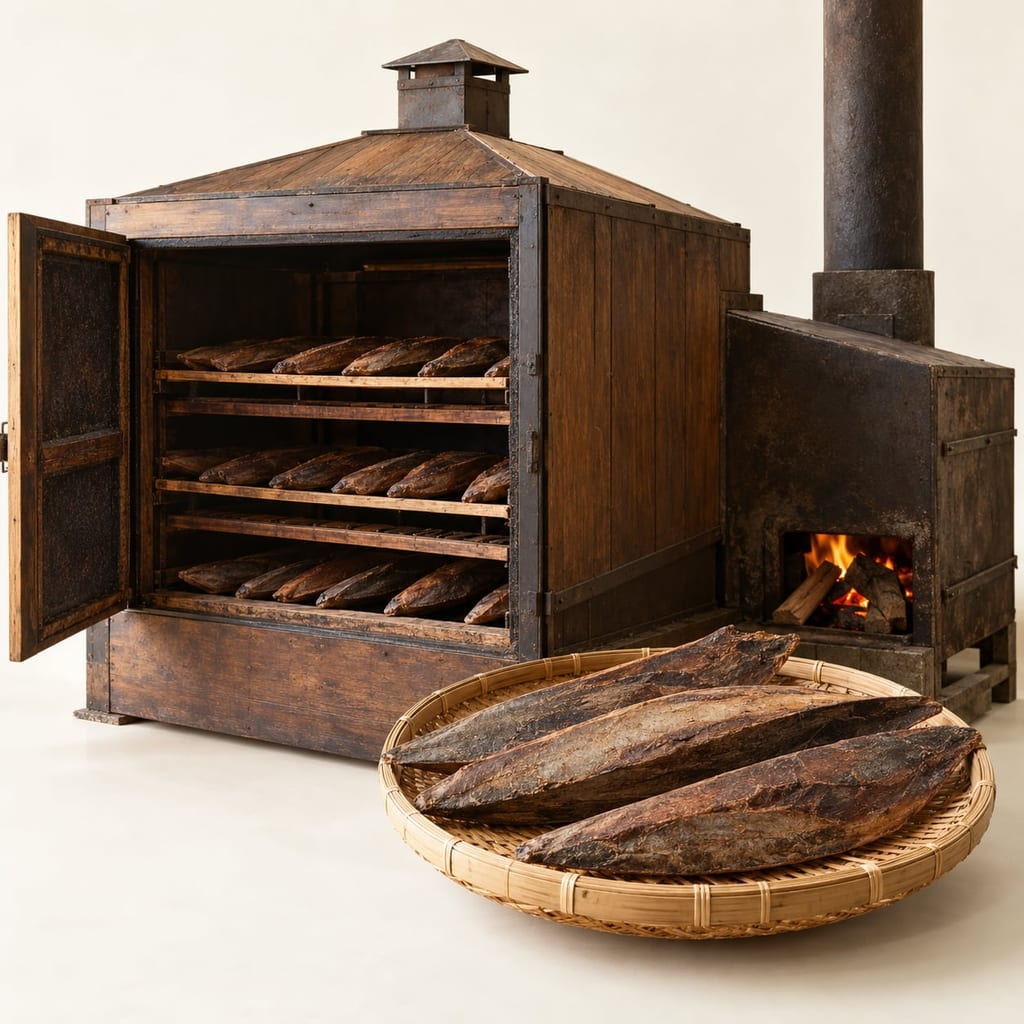
Enclosed cooking, smoking and drying equipment used in the multi-stage process that makes katsuobushi, the dried, smoked and mould-treated bonito of Japan, in repeated stages.
No community contributions have been published for this entry yet.
Sign in to contribute. Published comments and photos are free to read.
Agency for Cultural Affairs, Government of Japan, National Designated Cultural Properties DatabaseRegional history · Construction · Method · Geography
Awabancha production techniquesProduction is located in Kamikatsu, Naka and Minami, Tokushima Prefecture.
A large wooden tub receives worked leaves; plant leaves can line its cover, natural stones weigh it down, and cooking liquor fills the tub.
Households historically made the tea mainly for self-consumption, and the production technique was designated an Important Intangible Folk Cultural Property on 11 March 2021.
Cited in: Regional history; The tub and its role; Packing and fermentation; How it differs from other tea vessels
Ministry of Agriculture, Forestry and Fisheries of JapanMethod · Comparison
Varieties of tea with different flavours and aromasAwabancha is a one-stage fermented tea made in Tokushima; worked tea leaves and cooking liquor are packed into a covered tub for two weeks to one month in summer before drying.
The account distinguishes Awabancha from teas with an earlier mould stage.
Cited in: Regional history; The tub and its role; Packing and fermentation; How it differs from other tea vessels
Maebara FarmCurrent practice · Vessel reference
Awabancha production processA current producer describes using a tub or barrel for lactic fermentation after cooking and working the leaves.
The producer page documents a contemporary tub-in-use photograph and subsequent drying.
Cited in: The tub and its role