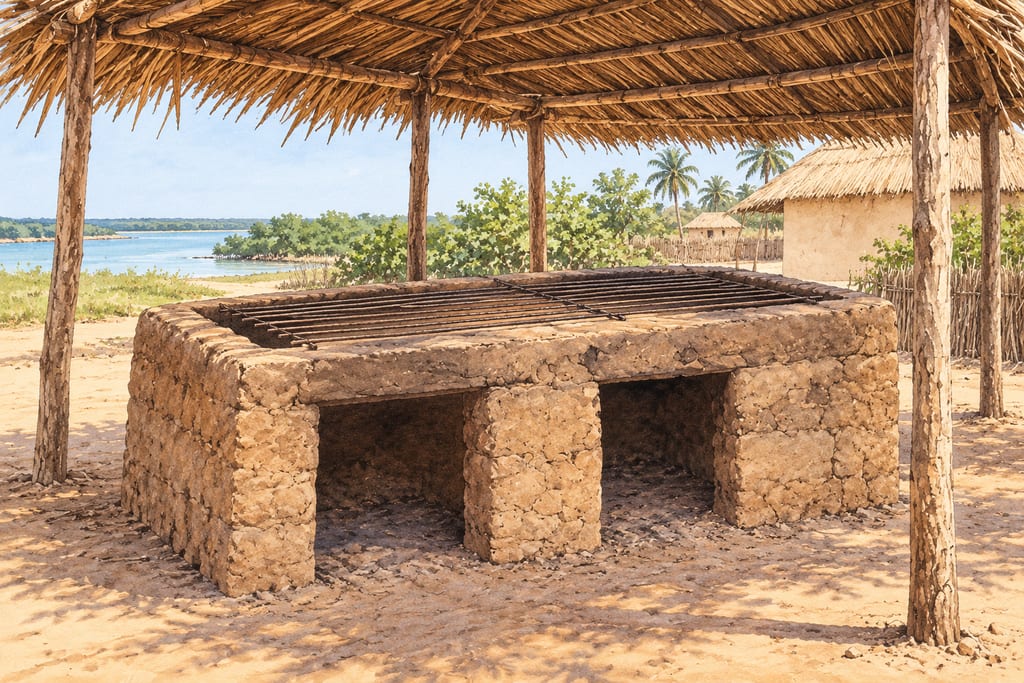
Closed Banda oven
A closed Banda is a fixed fish-smoking oven with enclosing mud-block or compacted-clay walls around a rectangular fire and a grill or wire-mesh platform. Its regional forms are not one standardized plan.
 FermenteaWhere food goes to change
Built structures · Floors, basins and masonry tanks
A concrete fermentation tank installed below ground at a Senegalese fish-processing site was documented as an adaptation that emulated the older practice of burying fish during fermentation.
A Senegalese below-ground fermentation tank is a fixed concrete vessel installed at a fish-processing site. In fieldwork conducted in November and December 1991, FAO fish technologist Kofi Manso Essuman reported that most concrete tanks at the major Senegalese processing sites surveyed were buried in the ground to imitate an older practice in which fish, or fish packed in sacks, was buried during fermentation. The modern adaptation is a concrete tank below grade, not fish placed directly in an earthen pit.
The FAO report lists many other containers used in African fish processing, including above-ground concrete vats, wooden vats, drums, barrels, cooking pots, sacks and baskets. It also describes large rectangular concrete tanks with adjoining chambers, but does not say that the Senegalese buried examples had a particular shape, capacity, chamber count, lining or cover. This page records the below-ground installation as a distinct built structure, without turning the report into a construction plan.
The tank is equipment for a processing site rather than a recipe. The same FAO survey documents different Senegalese products, including guedj, tambadiang and yeet, with distinct processes and containers; this record does not imply that every one was made in a buried concrete tank. A later FAO account describes guedj as a salted, fermented and dried fish product, and the existing guedj page covers that preparation separately.
The source establishes that buried concrete tanks were observed and explains the stated reason for burying them. It does not provide construction dimensions, excavation depth, foundations, drainage, reinforcement, or temperature-control details. Nor does it date when processors first adopted these tanks. A visual reconstruction should show only a concrete vessel below ground and the surrounding ground surface; the exact profile and dimensions remain unknown.
A 1991 FAO field survey reported that most concrete tanks at major Senegalese fish-processing sites were buried to simulate the older practice of burying fish during fermentation. The observation dates the documentation, not the origin of the adaptation.
A build is made where it stands: moving it means building it again.
The report says most concrete tanks at major Senegalese processing sites were buried; it does not identify those sites or claim every site used them.
A closed Banda is a fixed fish-smoking oven with enclosing mud-block or compacted-clay walls around a rectangular fire and a grill or wire-mesh platform. Its regional forms are not one standardized plan.
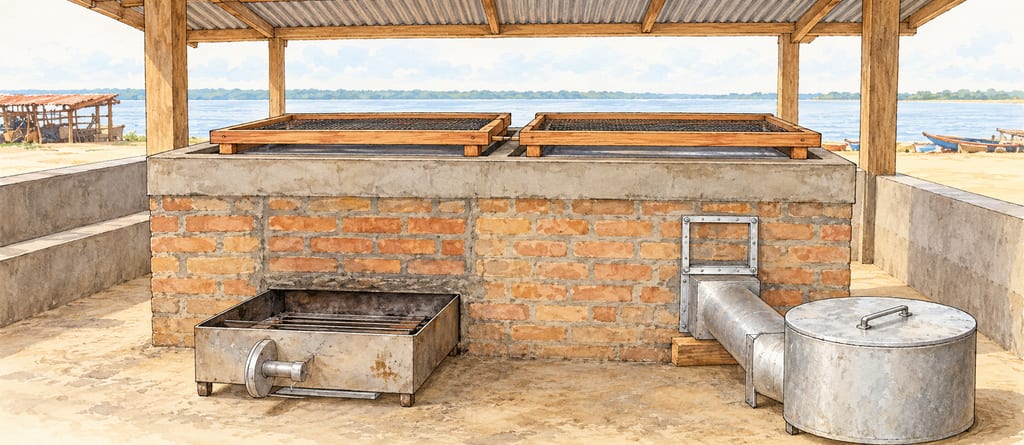
The FAO-Thiaroye Processing Technique separates fish cooking from smoke flavouring. A heat-retaining cooking unit, fat collector, filtered smoke generator and smoking chamber reduce direct smoke and fat contact; installations vary by place.
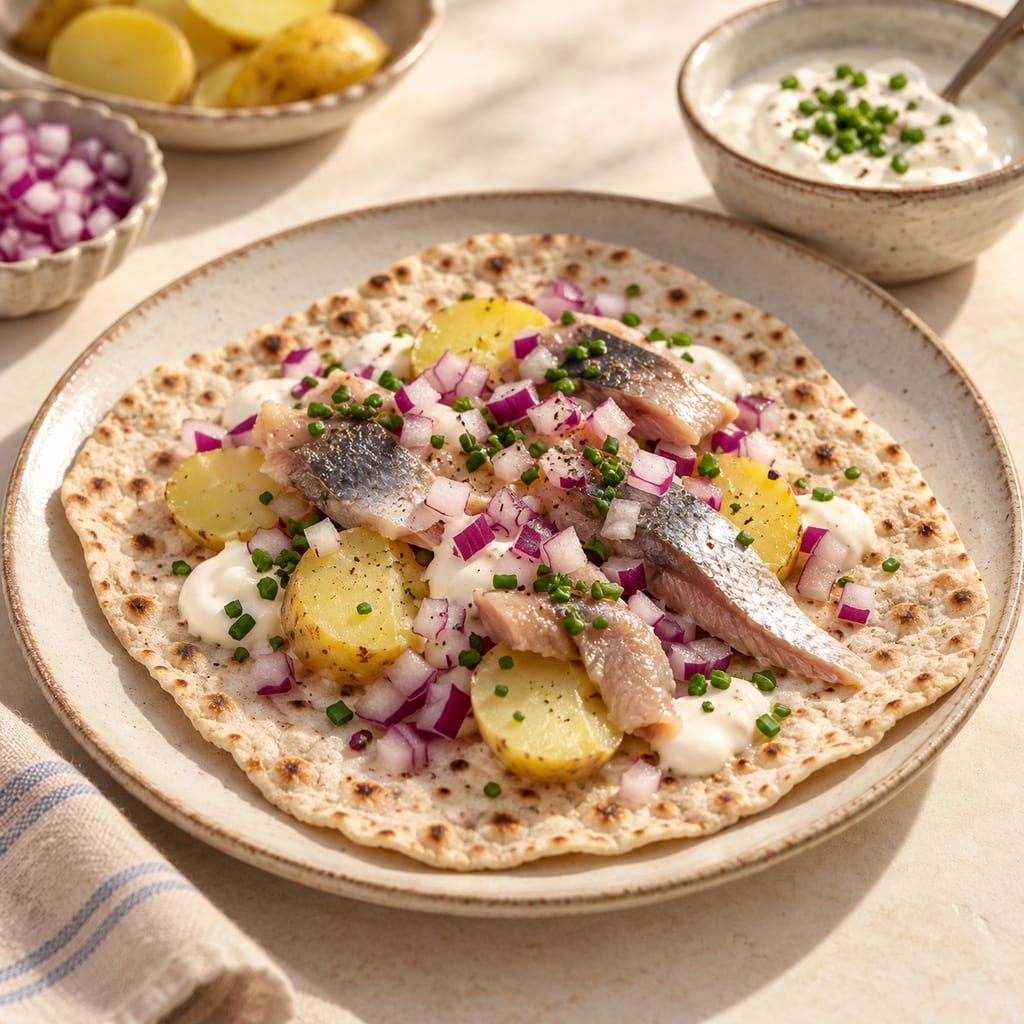
A Swedish late-summer meal of commercially prepared surströmming, tunnbröd, potatoes, onion and cultured cream. This is a serving preparation; the specialist fish fermentation is not made at home here.

A documentary account of Icelandic hákarl, fermented and dried Greenland shark. It describes cultural context and one production study, not a home preparation method.
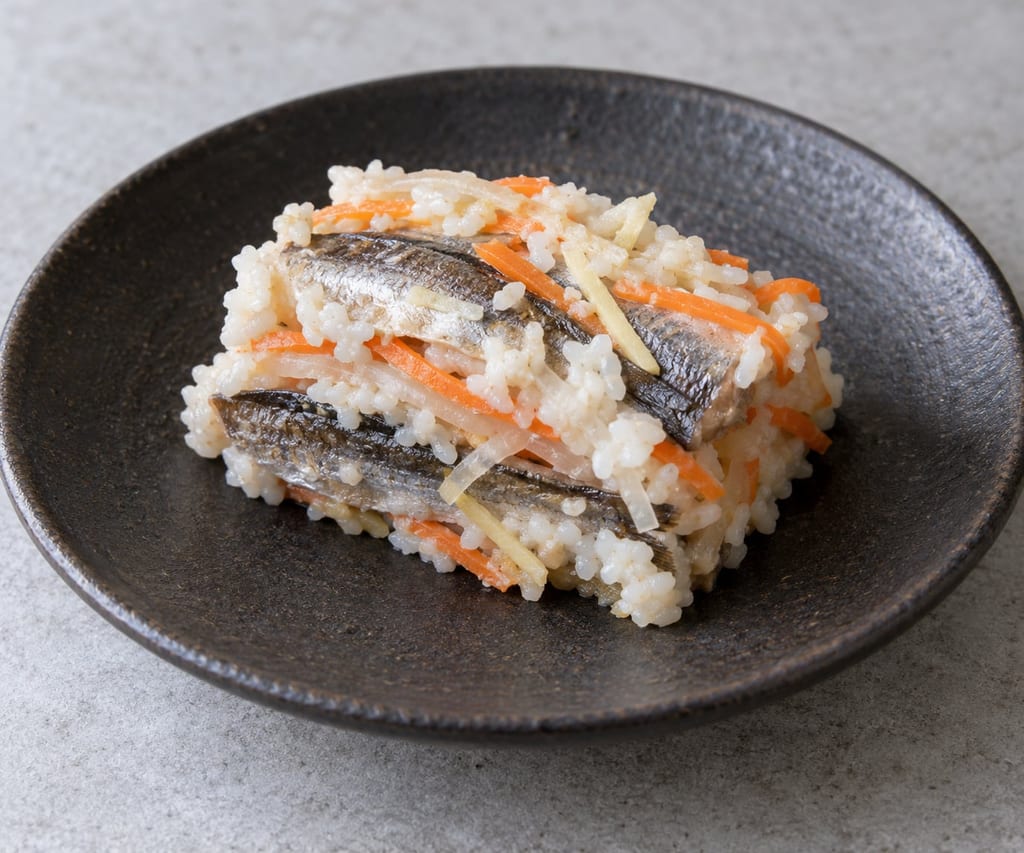
Hokkaido izushi layers fish, vegetables, rice and kōji for cold-season lactic fermentation. This MAFF recipe uses small hatahata with a vinegar pretreatment; it is one regional household formula, not a universal izushi method.
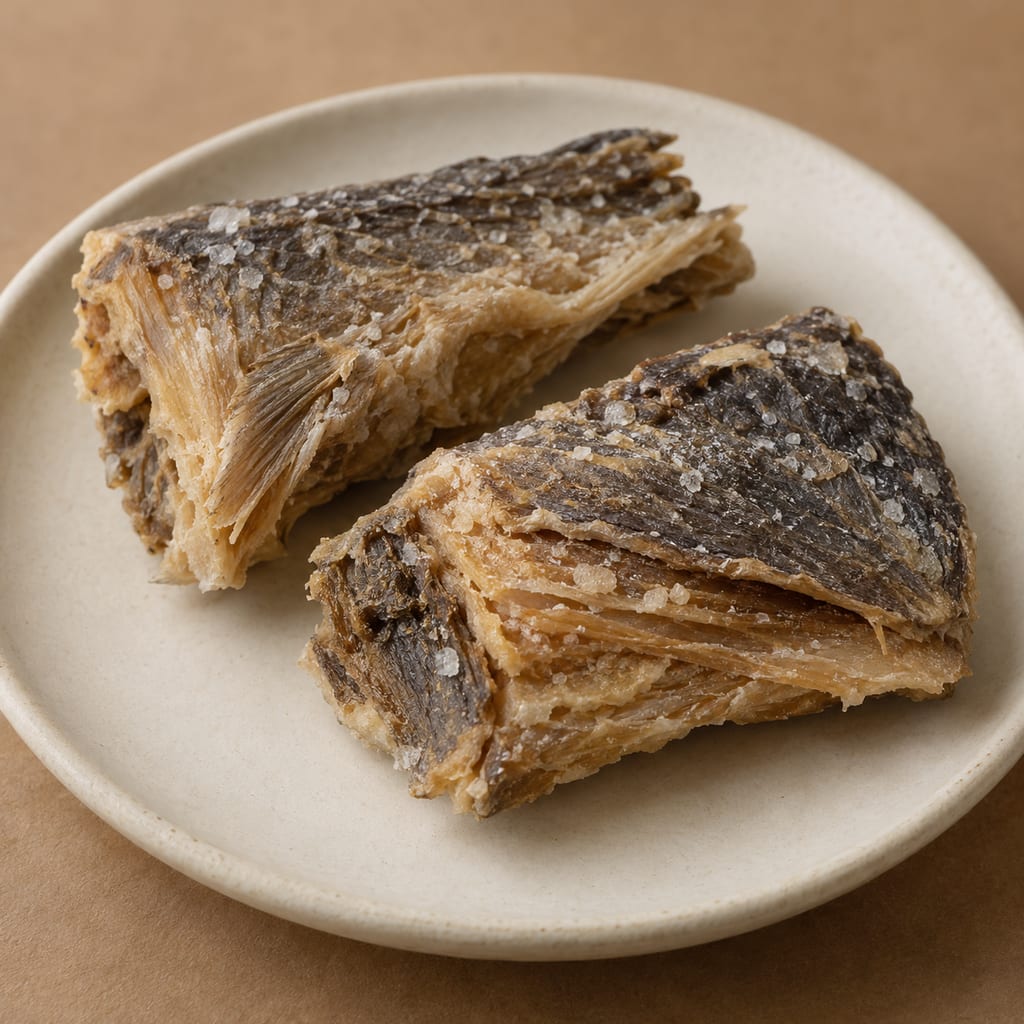
Lanhouin is a strongly flavoured fermented fish condiment documented in coastal West Africa, including southern Benin. This page records one published research reproduction as evidence, not as a validated home-preservation recipe.
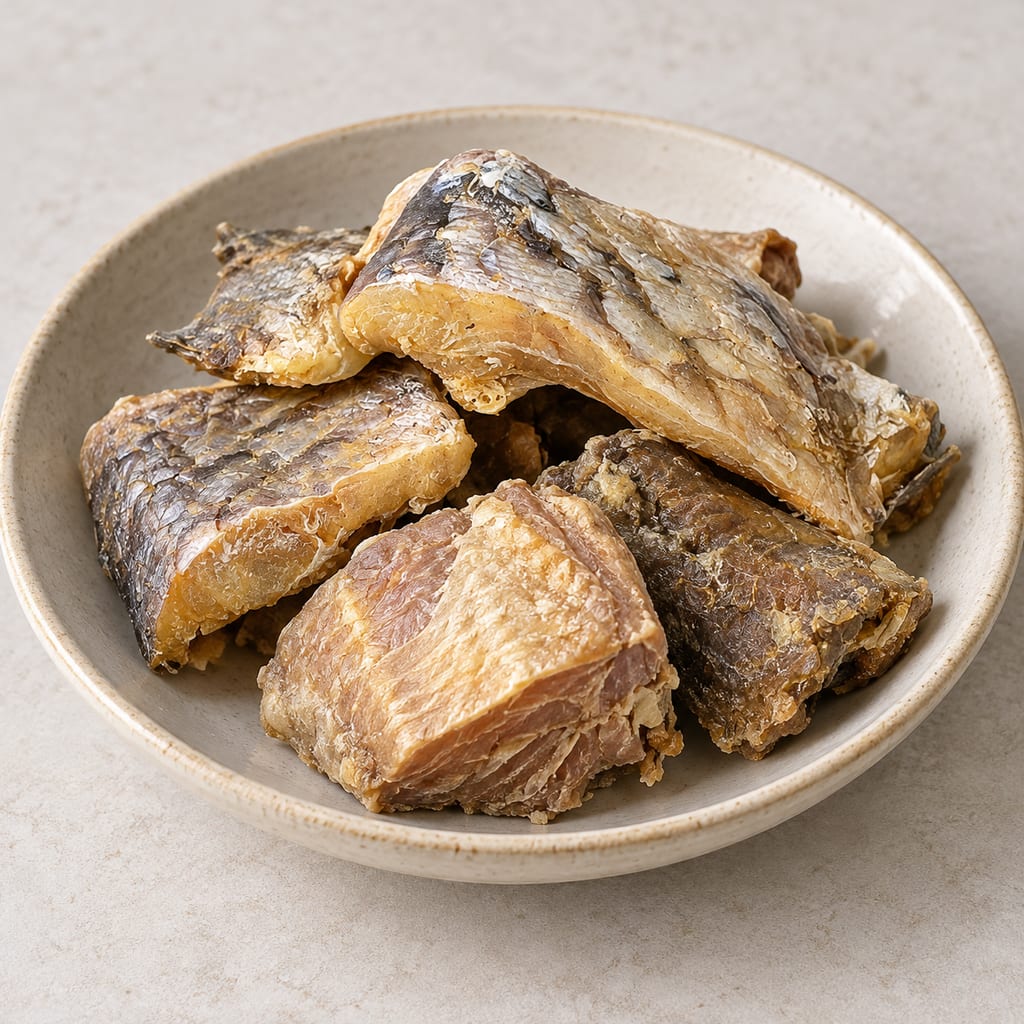
Momone is a Ghanaian salted and fermented fish condiment made from varied marine fish. Historical surveys describe both semi-dried and drier products, with salting and drying methods differing across coastal communities.
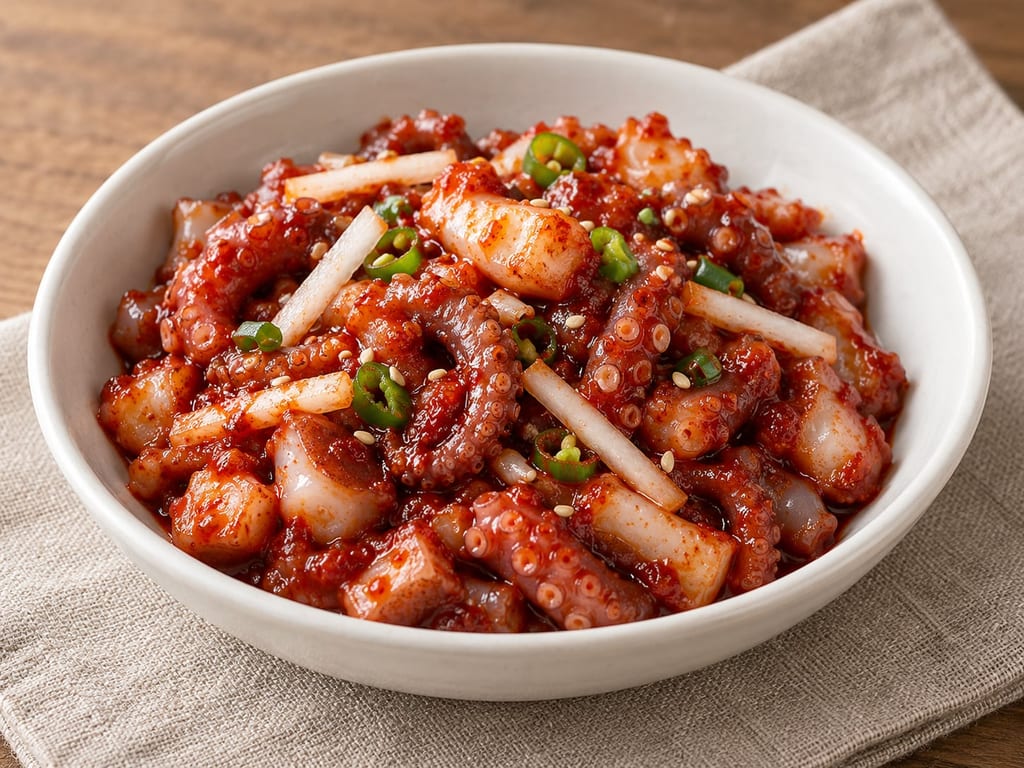
Nakji jeotgal is Korean salted octopus, served among jeotgal varieties with rice. This entry documents the dish and one creator’s quick-home version; it does not provide a household preparation method.
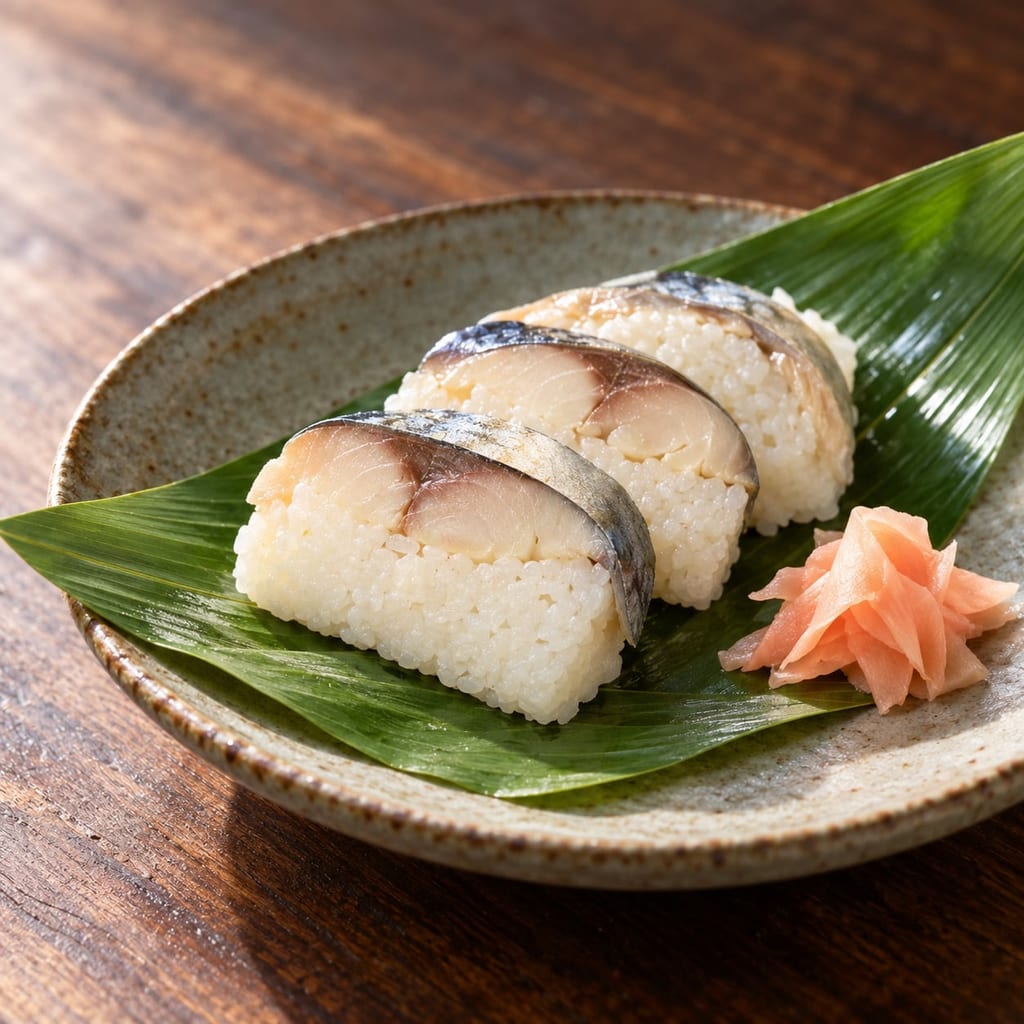
A documentary account of Japanese narezushi, a family of salted-fish and rice ferments. This entry preserves the East Kishu (Mie) source’s identity and regional context without providing a household preparation method.
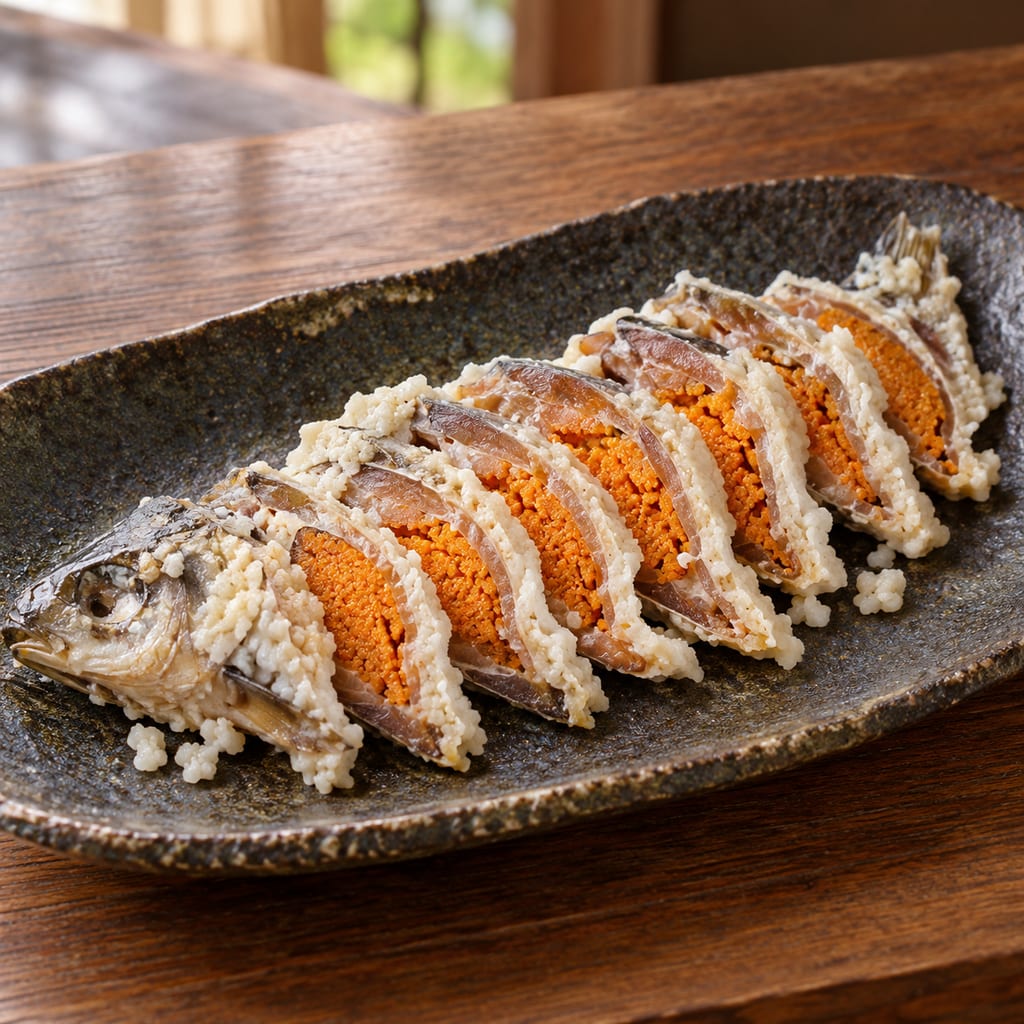
A documentary account of funazushi, Shiga’s long-ripened narezushi associated with Lake Biwa and roe-bearing nigorobuna. It preserves regional, historical and cultural context; it is not a household preparation guide.

Soft, spreadable Calabrian pork sausage made with a great deal of red chilli and fatty pork, stuffed into natural casings, sometimes smoked and matured while staying soft.

A way to add independent temperature logging to an existing food dehydrator without changing its built-in controls or protections. It is a monitoring method, not a rewiring plan.

Pleurotus cystidiosus is the abalone mushroom, a cultivated oyster-type fungus with dark brown caps that grows more slowly and is more demanding than other Pleurotus species.

A dark, balanced vinegar from Emilia-Romagna made by combining cooked or concentrated grape must with wine vinegar, then acetifying and refining it in wood under a protected specification.

A living dairy inoculum that starts controlled cream fermentation, developing acidity and aroma before sour cream or cultured butter is finished.

A small electric incubator holds jars at a selected temperature for yogurt and other documented warm food preparations. Controls, capacity and vessel arrangement vary by model.

Adygean salt is a seasoned table salt associated with Adygea and the wider North Caucasian culinary tradition. Salt is blended with garlic and a variable selection of herbs and spices; the exact mix depends on the named style and maker.

The African Caesar-group mushroom, Amanita masasiensis, is a wild ectomycorrhizal species of central and southern African woodlands, eaten locally. The genus contains deadly poisonous species, so identification needs care.
No community contributions have been published for this entry yet.
Sign in to contribute. Published comments and photos are free to read.
FAO Fisheries Technical Paper No. 329Construction · History · Geography
Fermented fish in Africa: A study on processing, marketing and consumption — 3.6 Types of fermentation tanksThe 1991 survey reported that most concrete tanks at major Senegalese fish-processing sites were buried to simulate the older method of burying fish during fermentation.
The report lists other tank/container types and gives general capacities, but no dimensions or construction procedure for the Senegalese buried tanks.
The survey distinguishes several Senegalese products and processes; this page concerns the tank adaptation, not a recipe.
Cited in: A buried concrete tank, not a buried fish pit; Use and limits of the record
Food and Agriculture Organization of the United NationsContext
Biotechnologies at Work for Smallholders: Case Studies from Developing Countries in Crops, Livestock and FishThe FAO chapter describes guedj as a Senegalese and Gambian fermented fish product with salted fermentation followed by drying; the page links to the existing guedj preparation rather than repeating its method.
Cited in: Use and limits of the record