A documentary account of Icelandic hákarl, fermented and dried Greenland shark. It describes cultural context and one production study, not a home preparation method.
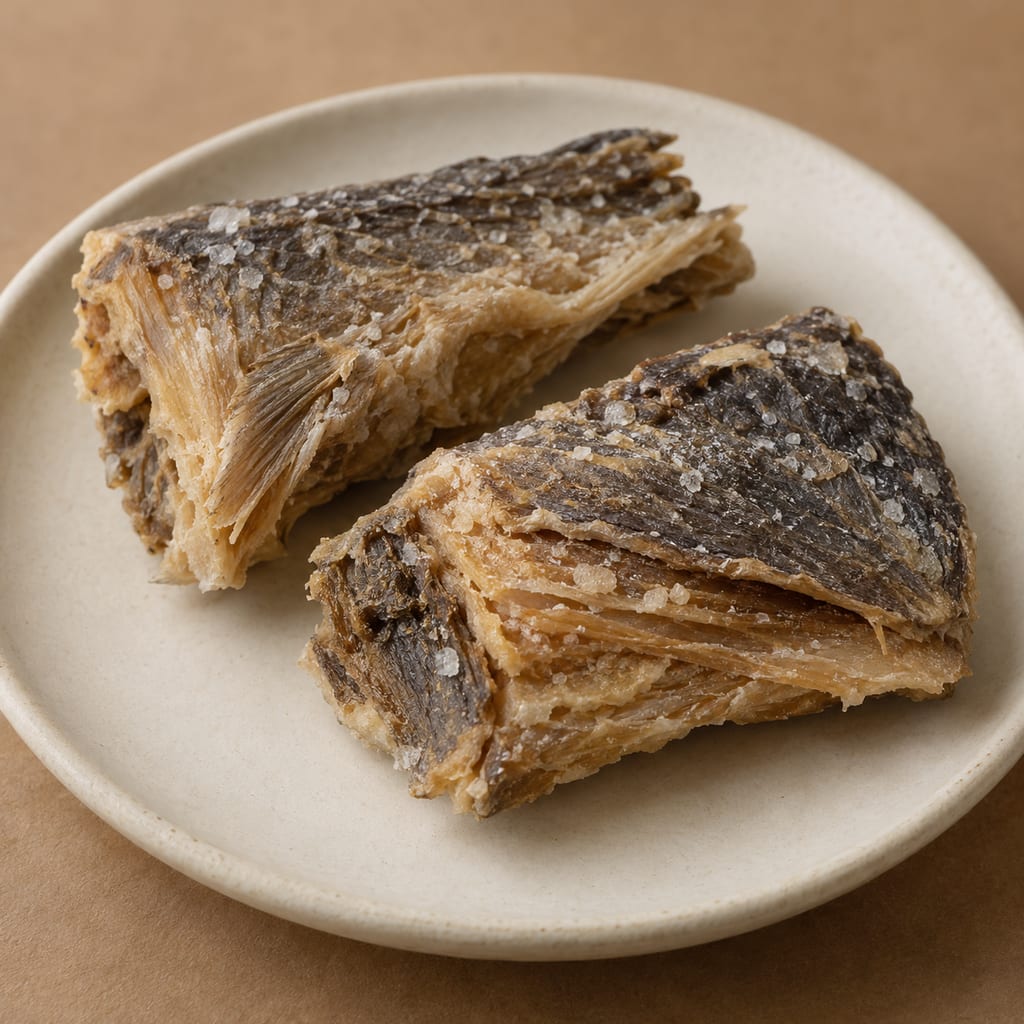
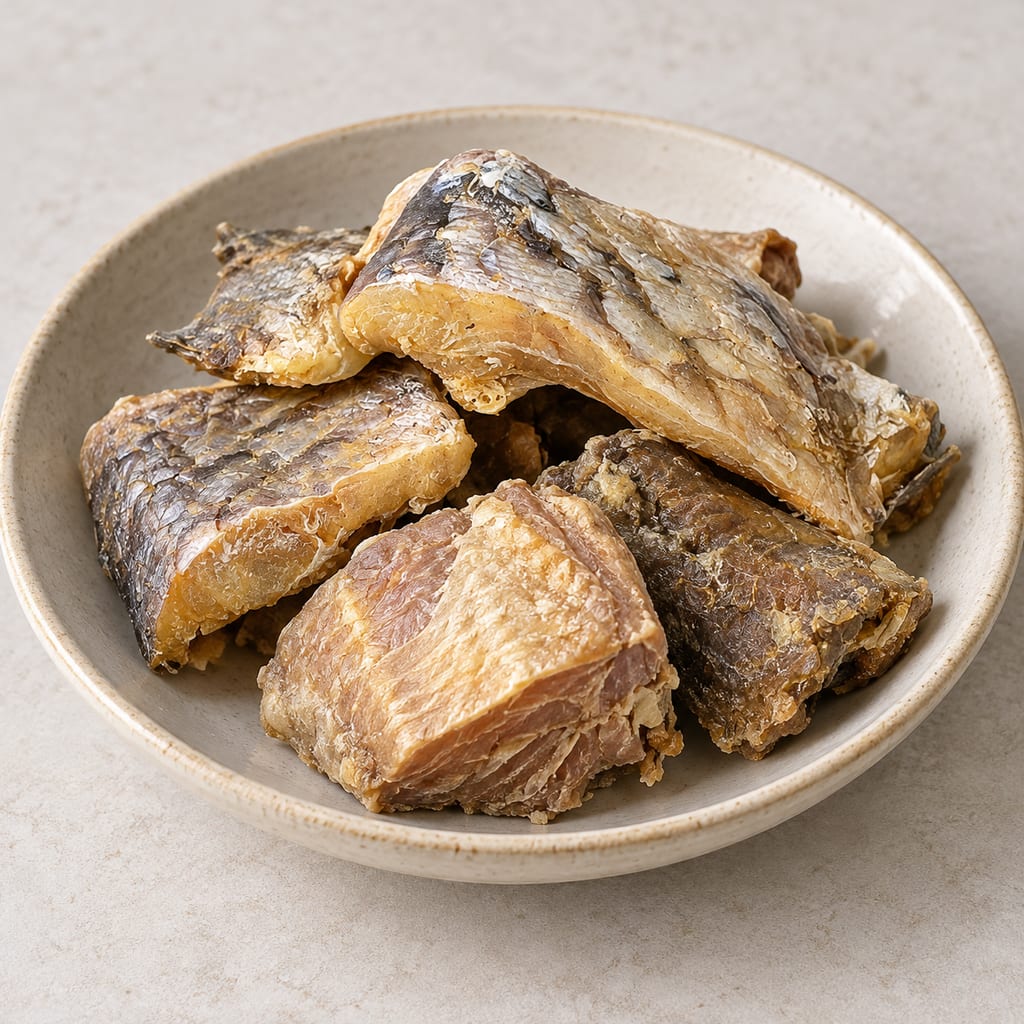
Hákarl is Icelandic fermented and dried Greenland shark. It has been part of Icelandic food culture for centuries, though the exact beginning is unknown.
The same review describes hákarl as part of Þorrablót-season food culture and notes it is often served in small cubes, sometimes with caraway-flavoured Brennivín. These are documented serving customs, not requirements for every serving.
A 2023 small-scale industrial study compared fresh and previously frozen Greenland shark cuts processed at a production facility. The researchers recorded eight weeks of fermentation for the fresh group and seven for the frozen group, followed by five weeks of drying.
The study measured pH rising from about 6 to about 9 during fermentation, alongside changes in trimethylamine oxide, trimethylamine and dimethylamine. Its results describe those samples and conditions; they are not directions for reproducing the process.
Hákarl production remains artisanal, with methods differing among producers and no standardized protocol. The study's measurements describe the samples and conditions it examined; they do not validate a home process, establish a universal endpoint, or provide a hazard analysis or shelf life.
This is a documentary account, not a home recipe. No preparation steps or process controls are offered; smell, taste and appearance alone do not establish safety.
Hákarl is a long-standing Icelandic food; the record does not establish its first date. The 2023 study documents modern commercial process observations and does not date the practice.
Ingredients
Scaling: source batch only
Greenland sharkRaw material named in accounts of hákarl; this documentary entry gives no preparation formula.
Amount not stated
The 2023 study compared fresh and previously frozen shark cuts; it gives no home-recipe quantity.
Method
Risks and precautions · High risk
This documentary account is not a home preparation method.
Do not treat smell, taste or appearance as proof that hákarl is safe.
No preparation steps are provided: this page documents Icelandic hákarl and one production study, not a home recipe.
Places
Iceland
Traditional preparation · Country evidence
The country is the only place the sources establish; no region of origin is recorded.
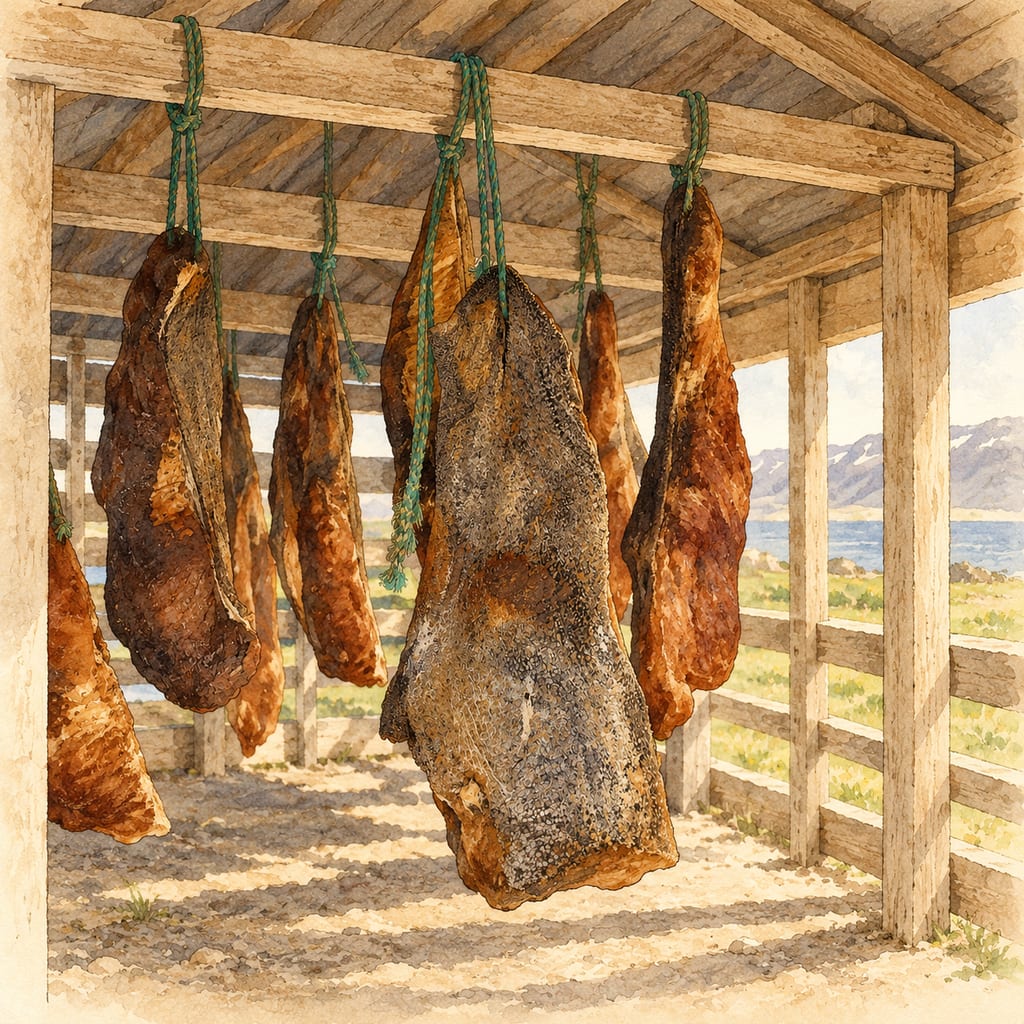
Historical hákarl pits were covered gravel features near Iceland's coast; later production uses draining containers and a separate outdoor drying stage. Sources describe varied practice, not one standard plan.
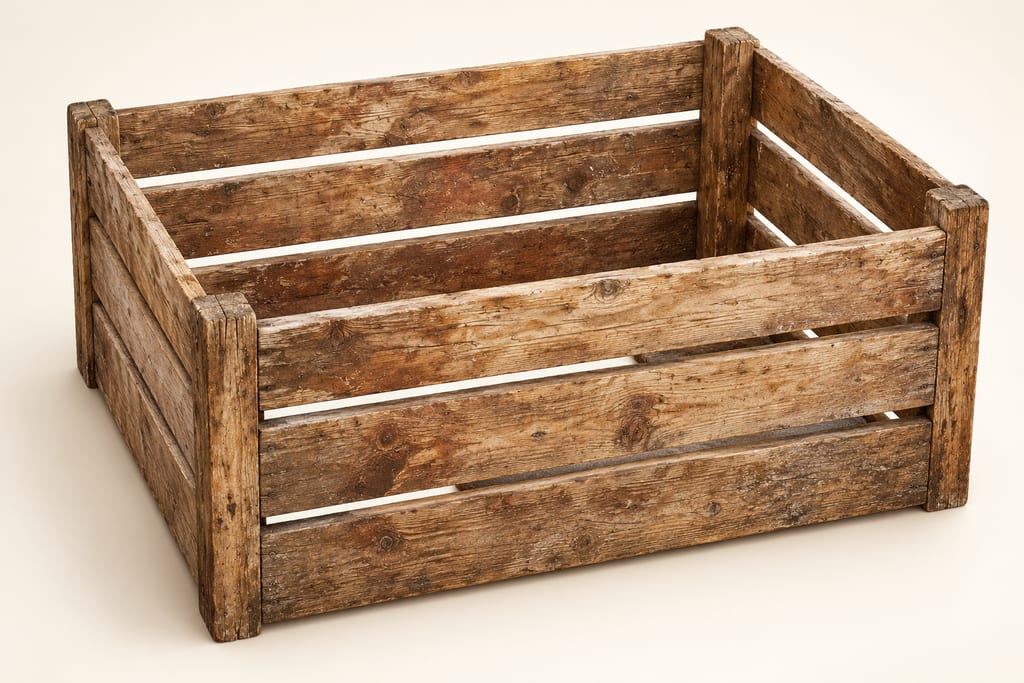
Movable perforated containers hold Greenland-shark cuts during the modern Icelandic maturation of hákarl, letting liquid drain; the best-documented example is a wooden box used in a 2021 study.
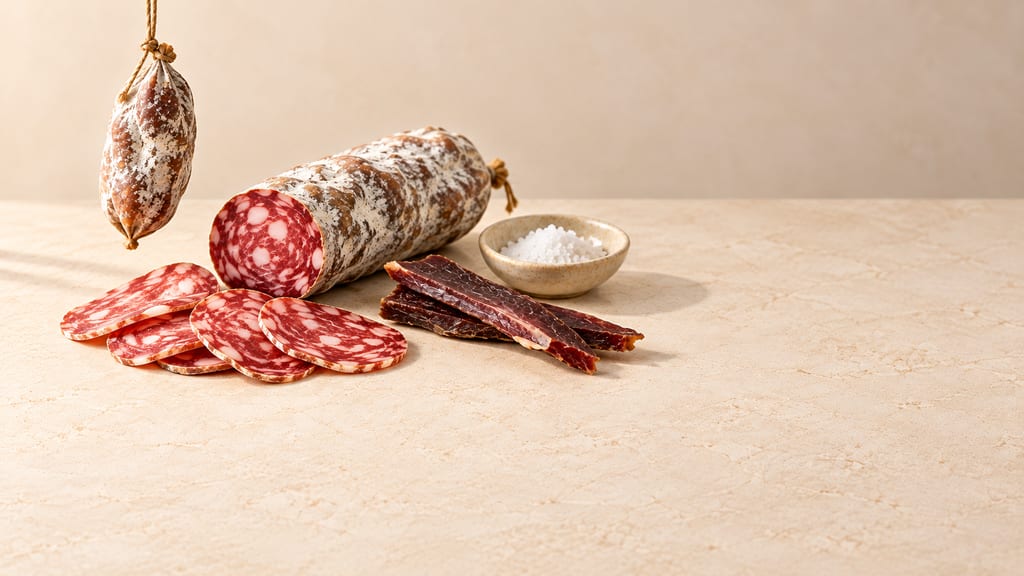
Dry salami, sour pork with rice, matured sheep and aged blubber follow different paths from animal to food. Their stories connect microbes with climate, slaughter, migration and the meals people share.
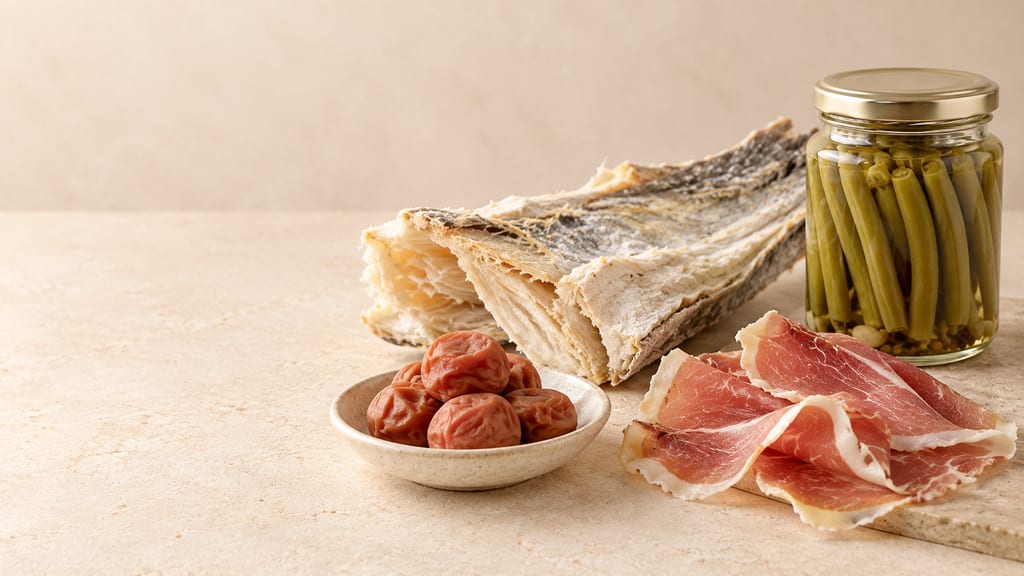
Every preserved food is a stack of barriers against microbes, enzymes, air and time. This is how they work, what a recipe's numbers measure, and how cooks worldwide build them.
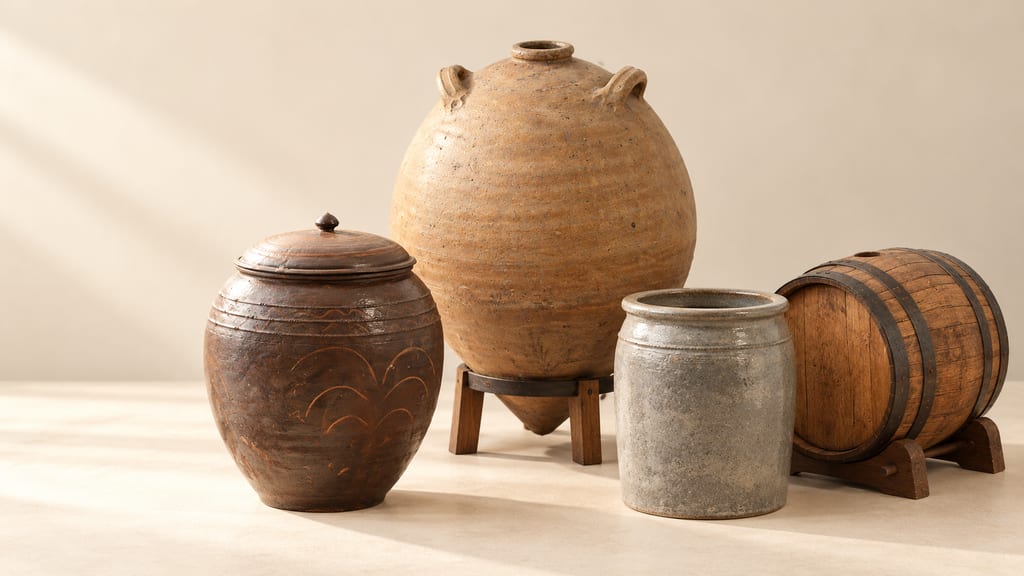
Jars, barrels, skins, leaves, pits and whole rooms decide much of what happens to fermented and cured food. This is how a container works on its contents, and how people in different places chose theirs.
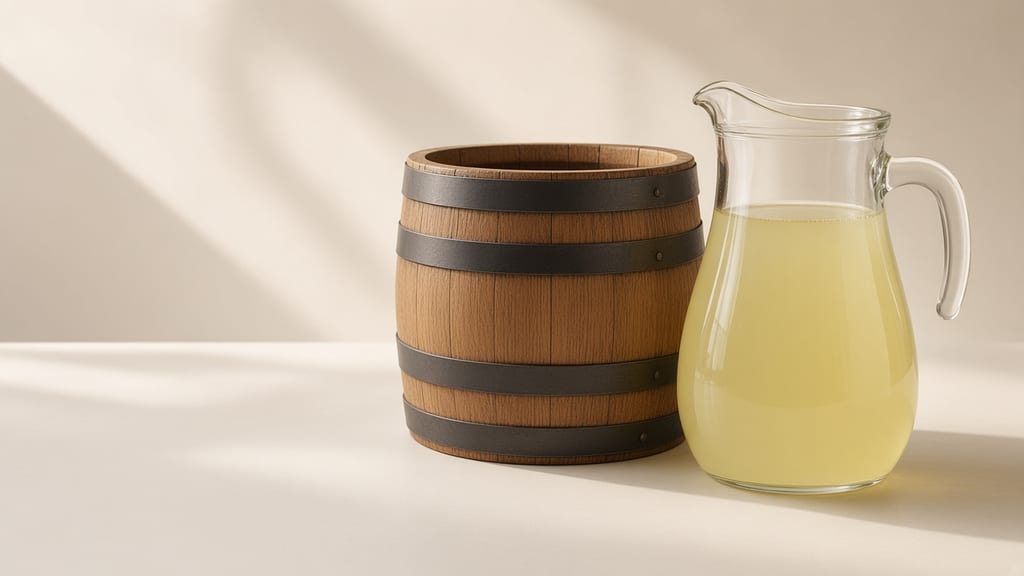
Iceland kept cooked food in soured skyr whey when salt was scarce. Archaeology puts the cask in the pantry floor; modern Matís writing still describes the acid bath.
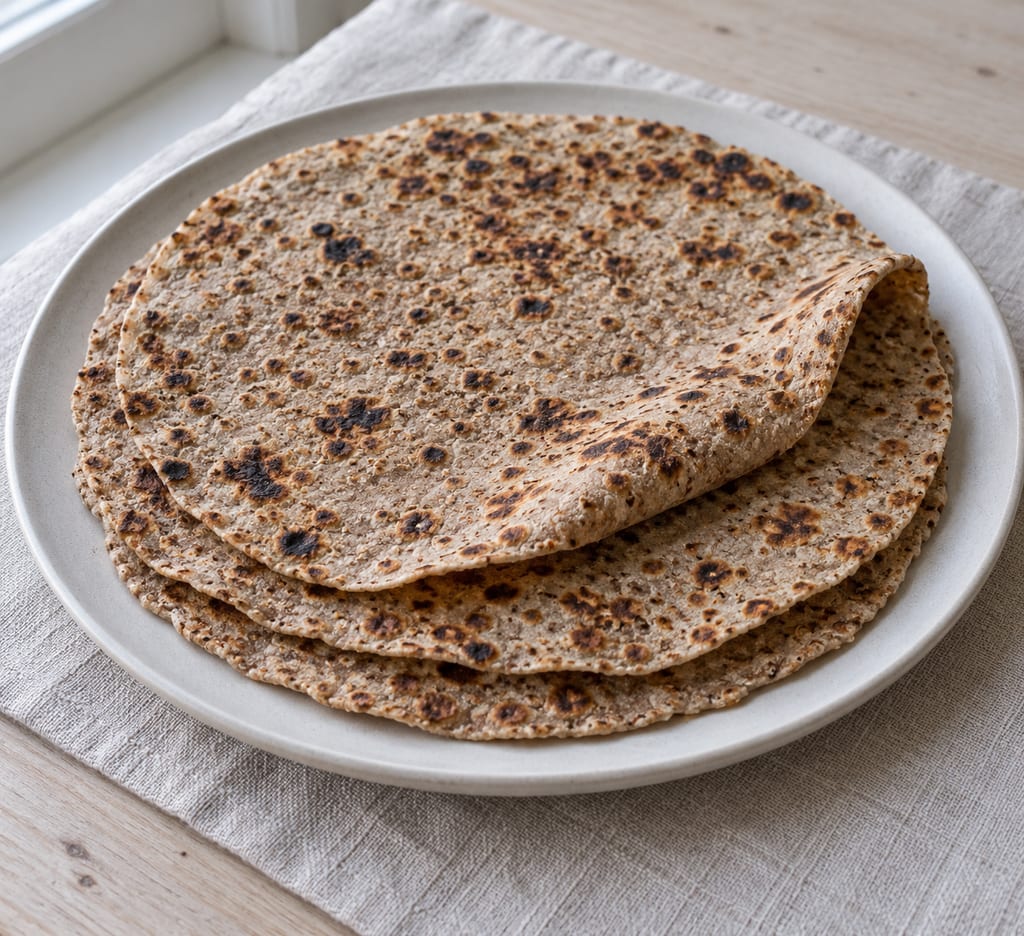
Thin Icelandic flatbreads made from rye and whole-wheat flour with boiling water, shaped into rounds, docked and cooked on a hot stovetop or gas grill.
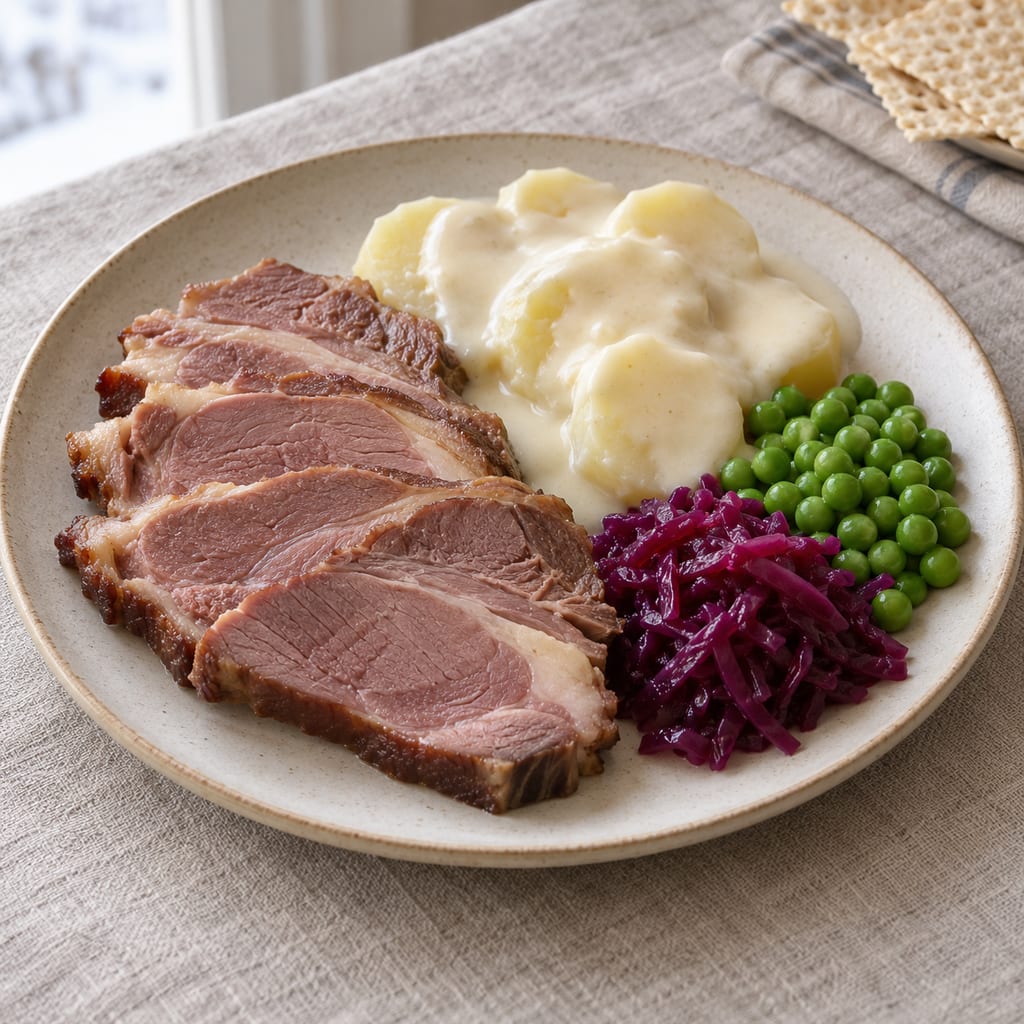
A six-person Icelandic Lamb serving recipe for deboned hangikjöt with potato bechamel, pickled cabbage, peas and laufabrauð. It cooks the product; it does not smoke or cure it.
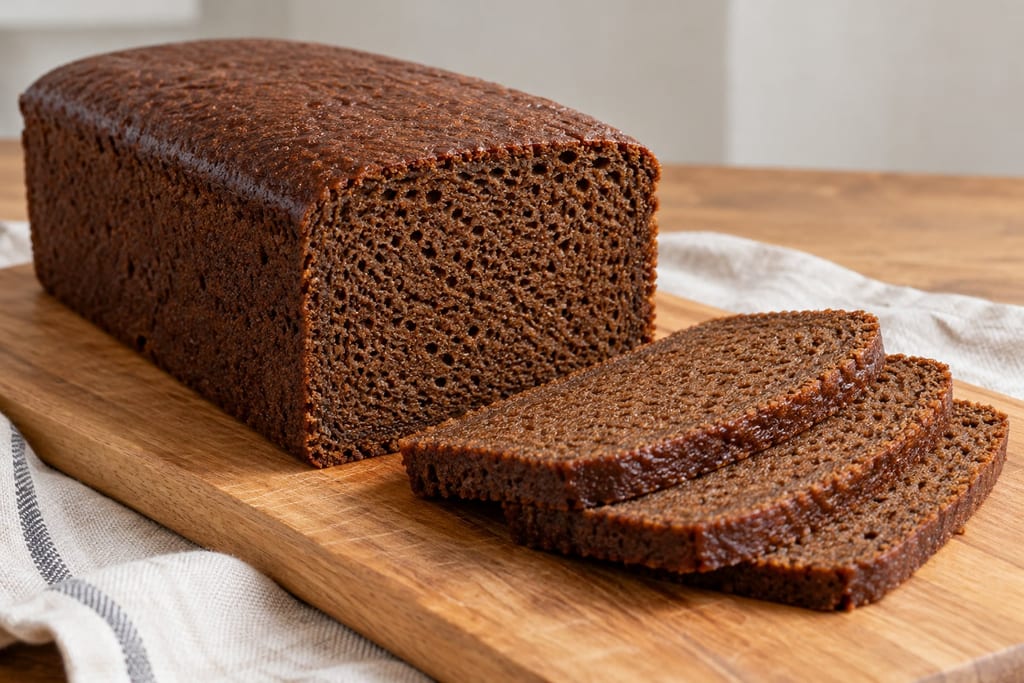
A dense, gently sweet Icelandic rye loaf leavened with baking powder and baking soda, mixed with buttermilk, honey and molasses, then baked under a lid in a Pullman pan.
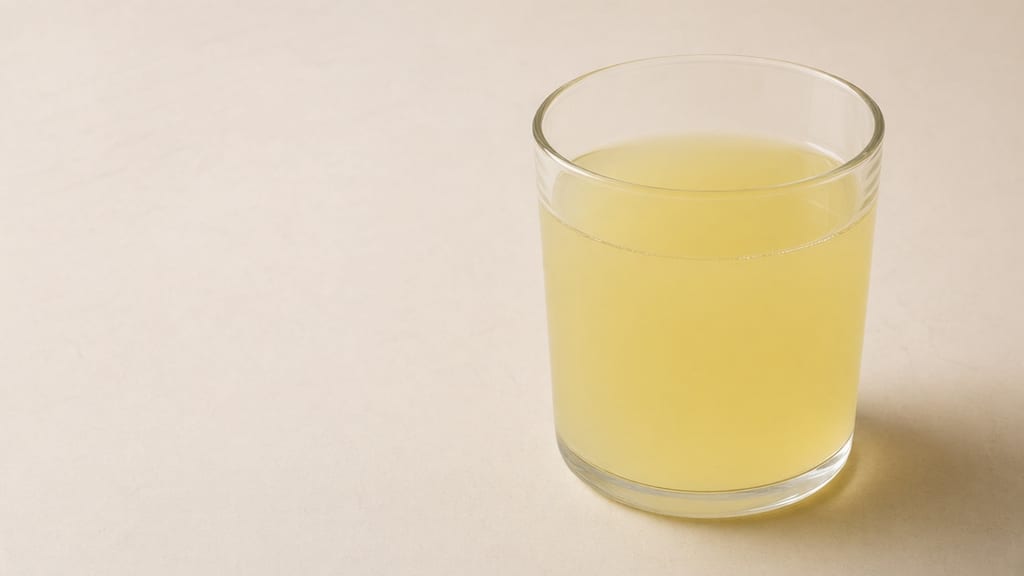
Sýra is Icelandic soured skyr whey kept as a household acid store: a drink when diluted, and historically the medium for súrmatur. Fresh leftover whey is not the same material.
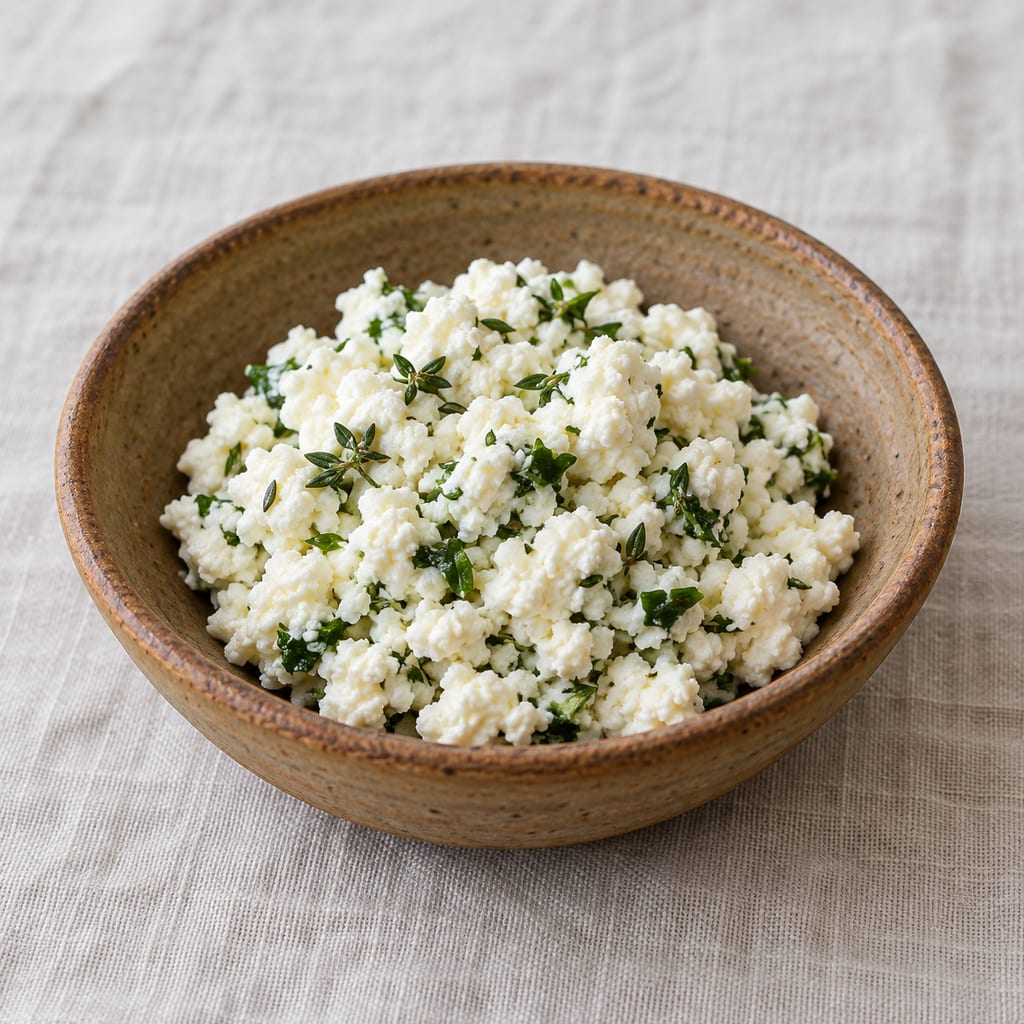
Soft fresh curd made by draining whey from milk already thickened by bacterial acidification, the simplest point in a northern dairy tradition that also produced skyr, ymer and whey itself.
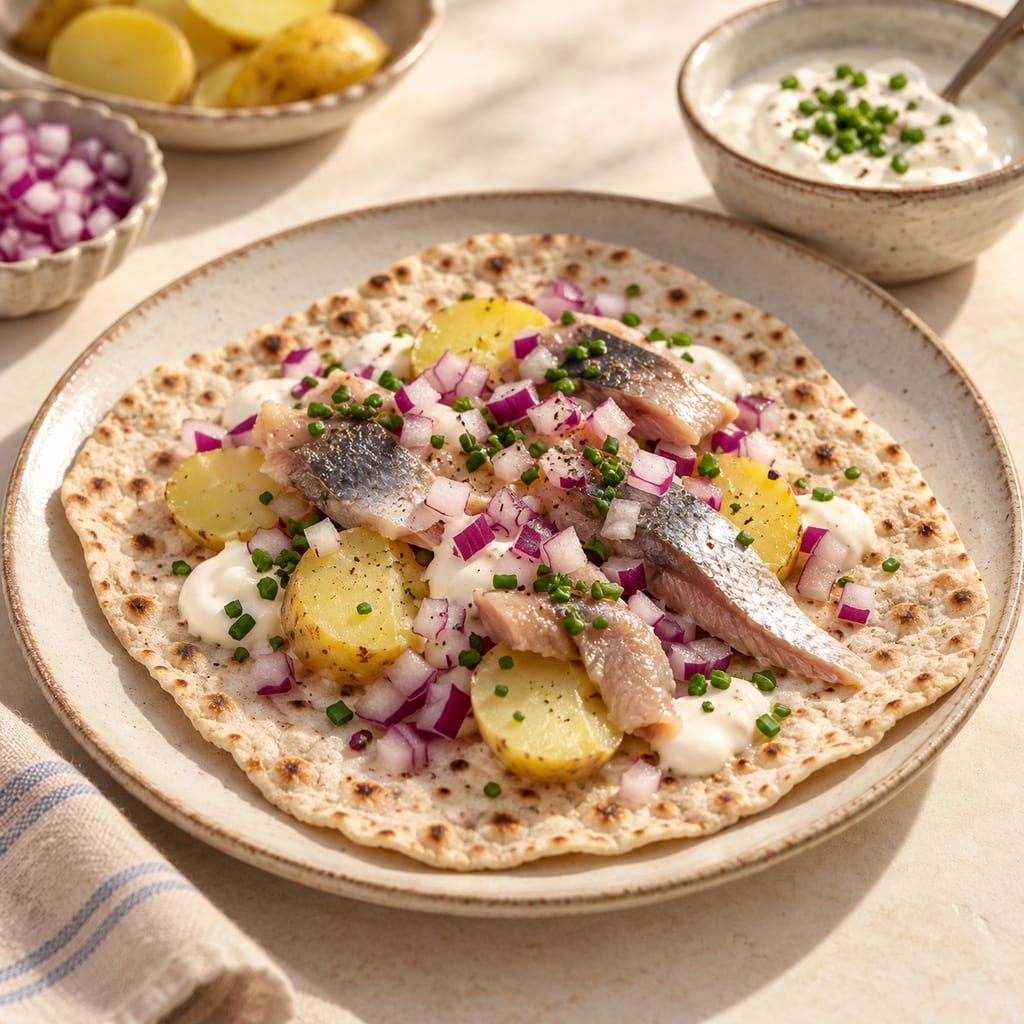
A Swedish late-summer meal of commercially prepared surströmming, tunnbröd, potatoes, onion and cultured cream. This is a serving preparation; the specialist fish fermentation is not made at home here.
A concrete fermentation tank installed below ground at a Senegalese fish-processing site was documented as an adaptation that emulated the older practice of burying fish during fermentation.
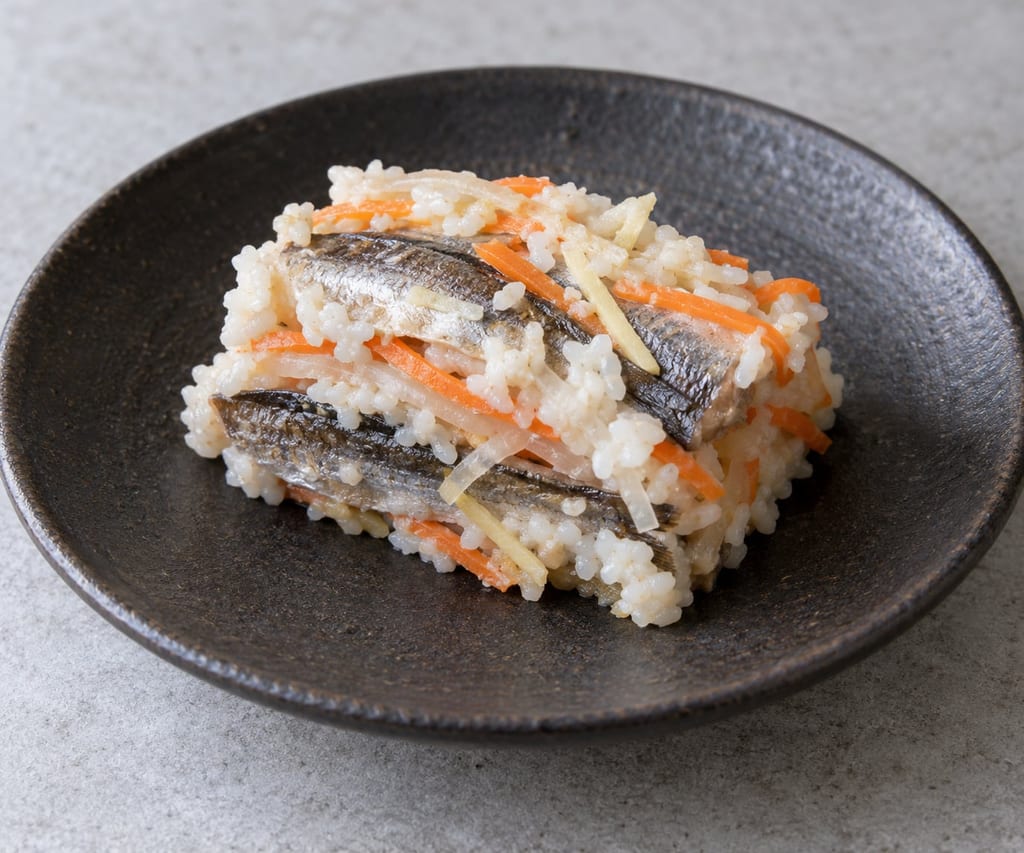
Hokkaido izushi layers fish, vegetables, rice and kōji for cold-season lactic fermentation. This MAFF recipe uses small hatahata with a vinegar pretreatment; it is one regional household formula, not a universal izushi method.
Lanhouin is a strongly flavoured fermented fish condiment documented in coastal West Africa, including southern Benin. This page records one published research reproduction as evidence, not as a validated home-preservation recipe.
Momone is a Ghanaian salted and fermented fish condiment made from varied marine fish. Historical surveys describe both semi-dried and drier products, with salting and drying methods differing across coastal communities.
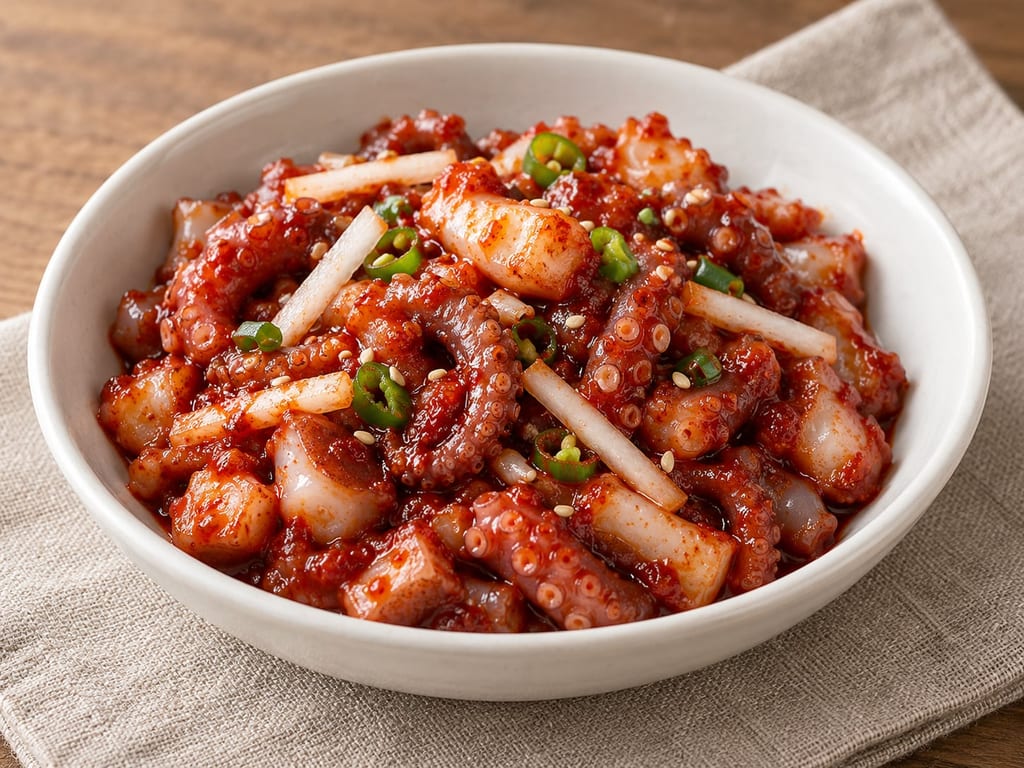
Nakji jeotgal is Korean salted octopus, served among jeotgal varieties with rice. This entry documents the dish and one creator’s quick-home version; it does not provide a household preparation method.
A documentary account of Japanese narezushi, a family of salted-fish and rice ferments. This entry preserves the East Kishu (Mie) source’s identity and regional context without providing a household preparation method.
A documentary account of funazushi, Shiga’s long-ripened narezushi associated with Lake Biwa and roe-bearing nigorobuna. It preserves regional, historical and cultural context; it is not a household preparation guide.
Community
No community contributions have been published for this entry yet.
Share what you made
Sign in to contribute. Published comments and photos are free to read.
The review describes Greenland shark hákarl as an Icelandic fermented fish tradition practiced for centuries, while the available sources do not pin down its first date.
It describes hákarl as part of Þorrablót-period food culture and notes the modern serving of small cubes, often with caraway-flavoured Brennivín.
Serving traditions vary; the accompaniment is documented context, not a required recipe ingredient.
The paper reports a small-scale industrial study of fresh and frozen Greenland shark cuts; the study's fresh and frozen groups were fermented for eight and seven weeks respectively, then dried for five weeks.
In the studied samples pH rose from about 6 to about 9 during fermentation as trimethylamine oxide declined and trimethylamine and dimethylamine increased.
The authors state artisanal producers use different processing methods and there is no standardized production protocol; these study conditions are not a validated home method.
Cited in: Hákarl in Iceland; What one production study observed; Scope and safety