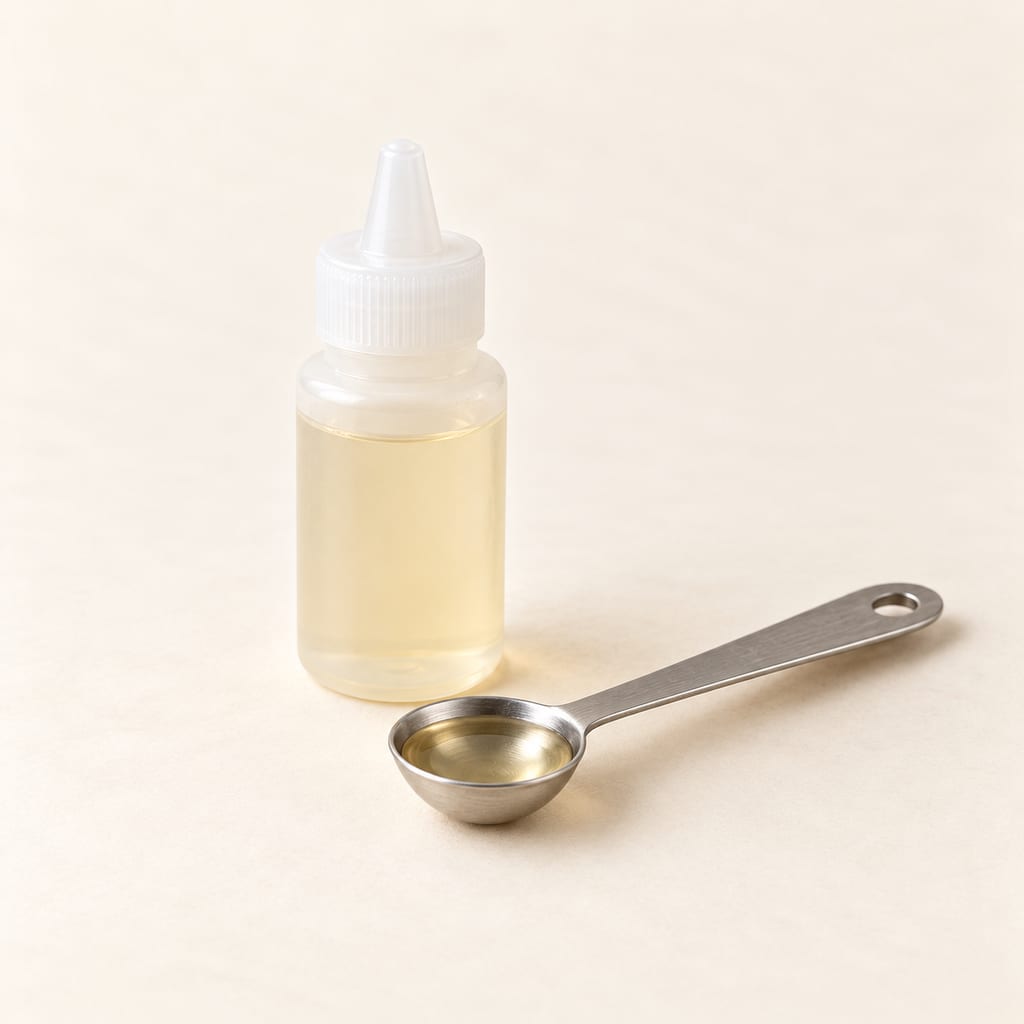
Rennet and other milk coagulants
Rennet is an enzyme preparation that helps milk form a cuttable curd. Animal, microbial, fermentation-produced and plant coagulants have distinct identities and strengths.
 FermenteaWhere food goes to change
Modern adaptation
Skyr is Iceland’s thick, tart fresh cheese. This home method cultures skim milk with fresh skyr and rennet, then drains the curd under refrigeration.

Plain skyr is a tart, strained dairy food, commonly white and thick enough to hold on a spoon. It can resemble thick yoghurt at the table, but the preparation here belongs with fresh cheeses: milk is cultured, helped to set with rennet, and drained of whey. Skimmed milk supplies the starting material, so the density comes from the curd and its concentration rather than the addition of cream.
The modern texture is only part of its history. Older uses of the word include milk foods that could be drunk or sipped. Medieval literary uses and related words elsewhere in the Nordic languages show that wider range. A food can remain familiar by name while its expected consistency changes. The firm contents of a modern tub should not become the assumed texture of every earlier skyr.
The name itself is related to an old verb used when milk separates into whey and curds. That connection draws attention to the making of the food: a once-uniform liquid becomes separable portions. Its related Nordic forms do not establish identical regional recipes, but they place the word within a broader linguistic landscape. Iceland's particular skyr tradition developed through its own households, dairies and eating habits within that longer dairy vocabulary.
In a scene in Egils saga, wet travellers are brought indoors to dry their clothing. Their host sets out bread, butter and large vessels of skyr, while apologising that he has no ale. The travellers are thirsty and consume the skyr as a drink. The Icelandic text names it directly; W. C. Green's English translation renders it as curds. That small translation difference is a reminder that the modern reader's idea of skyr may be narrower than the food in a literary scene.
The episode gives skyr a place in hospitality and ordinary provisions. It is something a household can offer alongside bread and butter, and something the guests can consume to quench thirst. The story later turns on the host's treatment of his guests, rather than on the manufacture of the dairy food. Its value as food history lies in the assumptions the scene makes about what people recognise and serve.
A medieval story is not a dated production record. It cannot tell us which culture set that skyr or how closely it resembled a present-day batch. It does, however, provide a more concrete encounter with the named food than a general image of Vikings eating modern supermarket skyr. The literary evidence supports historical familiarity, while leaving the recipe's earliest origin unresolved.
Skyr belonged to a chain of dairy work rather than an isolated recipe. Cream could be taken from milk for butter, leaving skimmed milk available for another food. Making a concentrated curd gave that remaining milk a useful form; the whey had uses of its own. Historical dairy work also required time and skill, much of it supplied by women in the household.
At the modern farm creamery Erpsstaðir, ice-cream production created a supply of skimmed milk. The farmers developed skyr production as another use for it, and the creamery became part of a farm visit that let customers see dairy work. This repeats a practical connection between different milk products in a new business setting, rather than reconstructing an unchanged medieval kitchen.
Creameries established around the turn of the twentieth century initially aimed at butter exports. Later cooperatives collected milk and made several products, including skyr. Dairy history therefore involves markets, labour and the division of milk into useful streams as well as microbes. The choice of skimmed milk in a skyr method fits that material relationship without making every skyr recipe identical.
A portion of an earlier batch can seed a new one. In Icelandic skyr-making this retained starter is called skyrþéttir. It brings organisms into fresh milk, where suitable conditions allow them to grow and carry out fermentation. Reuse can connect successive batches through living material as well as through the maker's actions and judgement.
That community is not necessarily uniform. Traditional skyr flora includes lactic acid bacteria and yeasts and remains incompletely characterised. Samples of home and industrial skyr have shown different microbial communities. These observations make variation part of the subject: a retained culture has a history of conditions and handling, rather than being a timeless ingredient with guaranteed composition.
Whether a finished skyr can serve as starter also depends on what happened to it after fermentation. At Erpsstaðir, attempts to start skyr with a product heat-treated after fermentation failed. A food may remain recognisably skyr for eating while losing its usefulness for starting another batch. The fresh-skyr ingredient in this home recipe therefore has a biological job. Its precise organisms are unspecified, and traditional yeast findings do not establish yeast activity in this particular preparation.
Milk contains casein proteins and whey proteins with different structures. Casein is organised in tiny dispersed micelles; whey proteins are generally folded, soluble molecules in the watery phase. Strong heating can unfold whey proteins and encourage them to associate with each other and with casein. This changes the material from which a cultured dairy gel will later form.
The heating at the beginning of the home method is thus different from simply warming milk to make bacteria comfortable. It precedes culture addition, and the milk must then cool before the starter is mixed in. The sequence lets a heat treatment act on the milk first, followed by biological activity under different conditions. Heating a starter together with the milk would change that sequence and the living material involved.
Protein research on fresh-cheese and cultured-dairy systems helps explain why heat history affects body and water retention. It also explains why two batches can differ even when their ingredients appear similar. The exact result depends on the entire process, including milk composition, heat treatment, culture, coagulant and drainage. In the accompanying method the given heating and cooling stages remain separate instructions; their purposes should be understood without adding an industrial holding treatment borrowed from another food.
As lactic acid bacteria use milk sugar, acid accumulates and changes the surroundings of the casein micelles. Their stabilising surfaces become less effective at keeping them apart. The proteins form a network that holds water and other components: milk becomes a gel. Acidification therefore changes structure as well as taste.
Rennet assists through enzyme action on the micelle surface. It is a coagulant rather than the fermenting culture. Its addition can affect how the gel forms and separates from whey, while the bacteria continue their own work. This is why a recipe can call for both a spoonful of fresh skyr and drops of rennet without those ingredients being redundant. The resulting curd is made through interacting biological and chemical changes.
Draining then performs a different job. Cloth allows whey to pass out while retaining the curd, concentrating the material that remains. The amount of whey removed changes firmness and handling. The home method limits the depth of curd placed in the draining cloth, a practical reminder that the arrangement of material matters as well as elapsed time. A broad shallow layer and a deep mass present different drainage conditions. Making a larger batch therefore involves vessel and draining-space decisions, rather than multiplying ingredients and assuming the same behaviour.
The method moves from a relatively hot milk treatment to a warm set and finally to refrigerated drainage. Each stage asks the maker to do something different: heat and measure, let the culture and coagulant work, then provide space for slow whey separation. The active preparation is short compared with the elapsed time, but leaving the kitchen does not remove the need to maintain the intended conditions.
Poor drainage can follow incorrect milk heating or rapid cooling during this method's setting stage. A larger pot retains heat differently from a smaller one. These observations explain why changing batch size can change results even before straining begins. Heat retention is a feature of the vessel and contents together.
The knife-cut check in the practical method concerns curd structure: the cut should remain open before drainage begins. It helps the maker assess whether a gel has formed well enough for the next operation. An overlong set can make this curd harder to strain. The check helps judge its readiness for the next physical operation.
When skyr-making moved into dairies, speeding whey separation became an important technical task. Rotating separation equipment entered Icelandic dairy production after 1940. The change reduced reliance on a slow household draining arrangement and made larger-scale production possible. Equipment helped shape the product as well as the amount that could be made.
Later membrane processing offered another route. Current Icelandic microfiltered products retain more whey protein and have a more uniform consistency. Some product lines use this method with selected cultures, while an unstirred product retains older bag-draining and previous-batch starter practices. Differences in technique remain visible within contemporary Icelandic production.
Packaging and marketing changed eating as well. An older expectation that people would stir skyr with milk at home gave way, for some products, to eating directly from a plastic cup. The new serving habit fits a product designed for that consistency. It also helps explain why a dense drained home skyr and a ready-to-eat retail cup need not feel alike before anything is added. The change is cultural and practical at once: dairy processing, package and spoonful are connected.
Skyr has been eaten plain, mixed with porridge, served with whey, or enriched with cream. Berries supply another documented accompaniment. These combinations adjust sourness, richness and texture at the table rather than inside the fermentation vessel. A thicker skyr can be stirred with milk; cream makes a different kind of serving from skimmed milk, even when both loosen the curd.
The separated whey also belongs to the account. Icelandic food history describes it mixed with water as a drink and used as an acidic medium for preserving other foods. That historical role explains why it was valued alongside the curd; it is not a modern preservation instruction for home meat or offal. The cheese was one useful outcome of dairy work, not necessarily the only one.
The present home batch supplies whey for bread and other cooking, while the skyr can be served with milk, fruit, berries or cereal. The appeal lies in using the distinct portions according to their properties. The curd supplies a substantial spoonful; the liquid can enter another preparation. Thinking about both helps make sense of straining as a division into useful ingredients, rather than a process that produces cheese and an automatically worthless remainder.
This is a modern warm-set home method, not a reconstructed medieval recipe. Its starter organisms and rennet activity are not specified, and no measured acidity endpoint or refrigerator temperature is given. A covered-refrigerator keeping time is claimed by the supplier and has not been independently validated. Commercial shelf lives should not be substituted for these missing details. Use appropriate milk, hygienic handling and the specified cold-drainage stage.
A guide from a kit maker labels its modern product Icelandic Yogurt (Skyr). The batch uses one litre of skim or low-fat milk, one sachet of dairy-free yoghurt culture and half a tablet of vegetarian rennet diluted in cool, non-chlorinated water. The culture goes in at 40°C.
The milk is held at 30–40°C overnight, in a double-walled flask, in an oven that has been warmed and then switched off, in a warm water bath, or in a towel-wrapped jar. It then drains through muslin for two to six hours and yields about 400 g, which the guide says can be kept refrigerated in a sealed container for up to two weeks.
The guide does not include pasteurization or a measured acidity endpoint. Its culture and rennet do not establish a traditional Icelandic starter or process, so this batch is kept apart from the Hjemmeriet adaptation above.
Two creator videos use a ready yogurt or kefir as the inoculum. The second adds a small dose of diluted rennet, a warm set and drainage in cloth. A third captioned method uses commercial skyr as the inoculum for a warm cultured-milk set, followed by cloth drainage.
A reenactment recipe makes a 2 L batch with an unmeasured scoop of skyr and rennet. It gives no warm-hold setpoint and no storage guidance, so it cannot fill the gaps in the other methods.
None of these modern methods has a validated safety control in its source. The kit formula and the reenactment formula are separate adaptations and are not combined with the Hjemmeriet batch. Creator captions are partial evidence, and they do not prove that a starter reproduces the historical food.
Skyr belongs to Iceland’s dairy tradition, turning skim milk left after cream separation into a thick curd. It was eaten plain or with porridge, cream and berries. Medieval sagas name skyr, but they do not preserve a recipe for it. Household cultures and cloth straining later gave way in much of Iceland to industrial production. This home preparation uses fresh skyr and rennet; its heating and drainage schedule is a modern method.
Yield 1 L · Scaling: source batch only
Milk and finished curd can pick up bacteria from unsanitized equipment and containers.
Hazard sourceWash and sanitize equipment and containers before use; keep heated milk and finished skyr away from raw-milk utensils and unsanitized surfaces.
Control sourceDrain under refrigeration and keep the finished skyr covered in the refrigerator.
Control sourceUnsanitized cloths, utensils or containers can contaminate the curd after heating; use clean, sanitized equipment and drain it in the refrigerator.
Fresh skyr — Fresh skyr supplies the culture for the warm milk set; the home recipe does not identify its species or proportions. Traditional farmhouse skyr can also contain yeasts, but that does not identify the starter used for this batch.
Icelandic dairy tradition; this is a modern home method, not a dated historical recipe.
Rennet is an enzyme preparation that helps milk form a cuttable curd. Animal, microbial, fermentation-produced and plant coagulants have distinct identities and strengths.
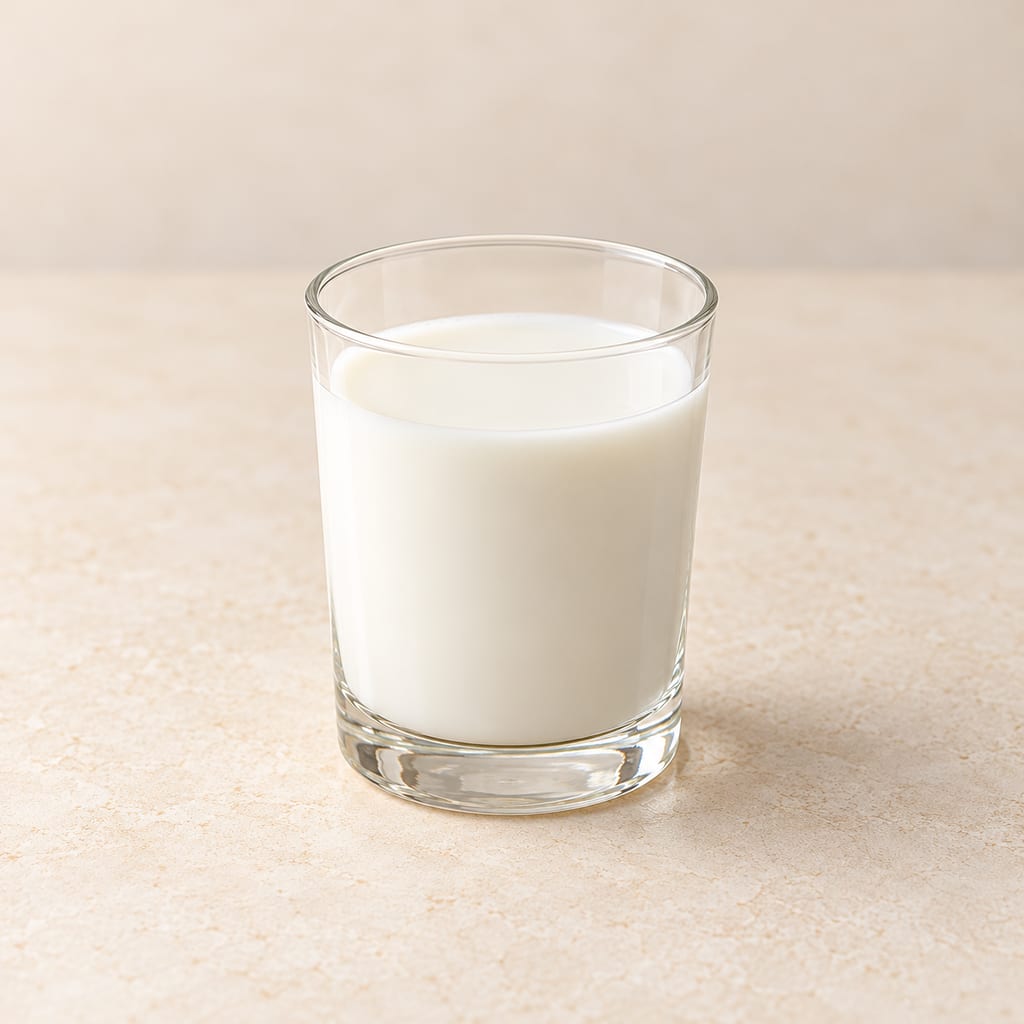
Milk with most of its fat separated into cream, retaining lactose and proteins used in cultured curds, starter media and other dairy foods.
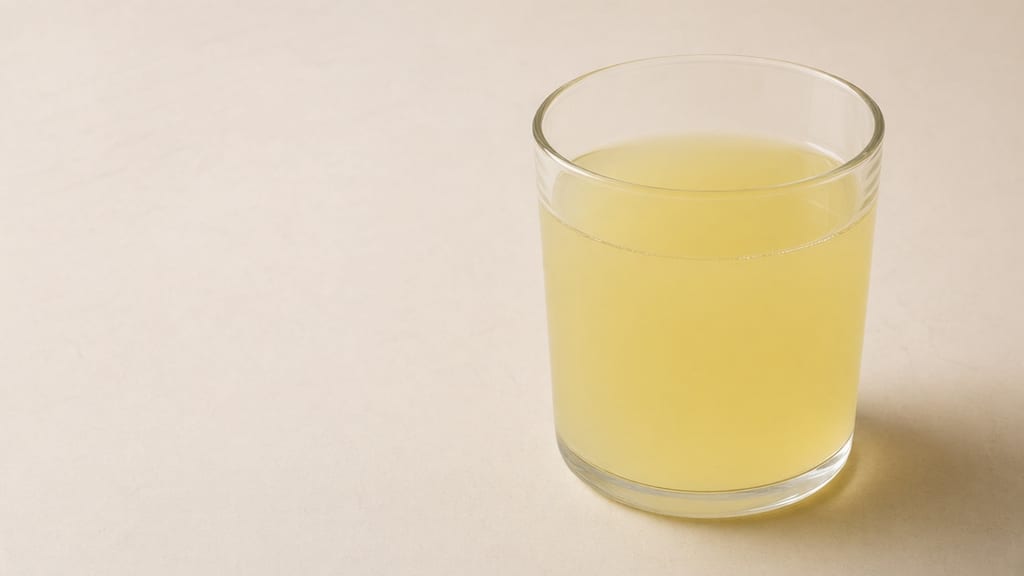
Sýra is Icelandic soured skyr whey kept as a household acid store: a drink when diluted, and historically the medium for súrmatur. Fresh leftover whey is not the same material.
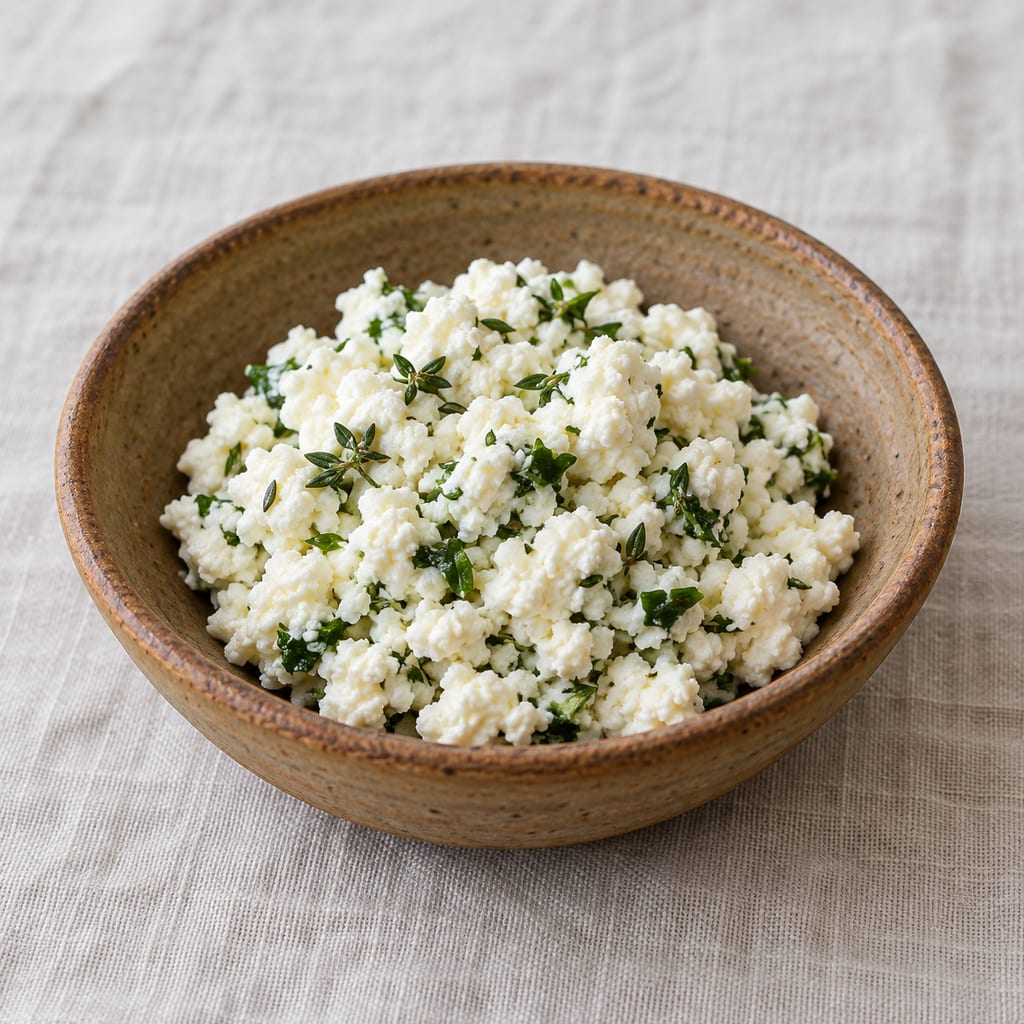
Soft fresh curd made by draining whey from milk already thickened by bacterial acidification, the simplest point in a northern dairy tradition that also produced skyr, ymer and whey itself.
Follow milk into cheese, cultured drinks, butter, dried curds and sweets: a journey through the animals, seasons and household decisions behind the world's dairy foods.
Iceland kept cooked food in soured skyr whey when salt was scarce. Archaeology puts the cask in the pantry floor; modern Matís writing still describes the acid bath.
Thin Icelandic flatbreads made from rye and whole-wheat flour with boiling water, shaped into rounds, docked and cooked on a hot stovetop or gas grill.

A documentary account of Icelandic hákarl, fermented and dried Greenland shark. It describes cultural context and one production study, not a home preparation method.
A six-person Icelandic Lamb serving recipe for deboned hangikjöt with potato bechamel, pickled cabbage, peas and laufabrauð. It cooks the product; it does not smoke or cure it.
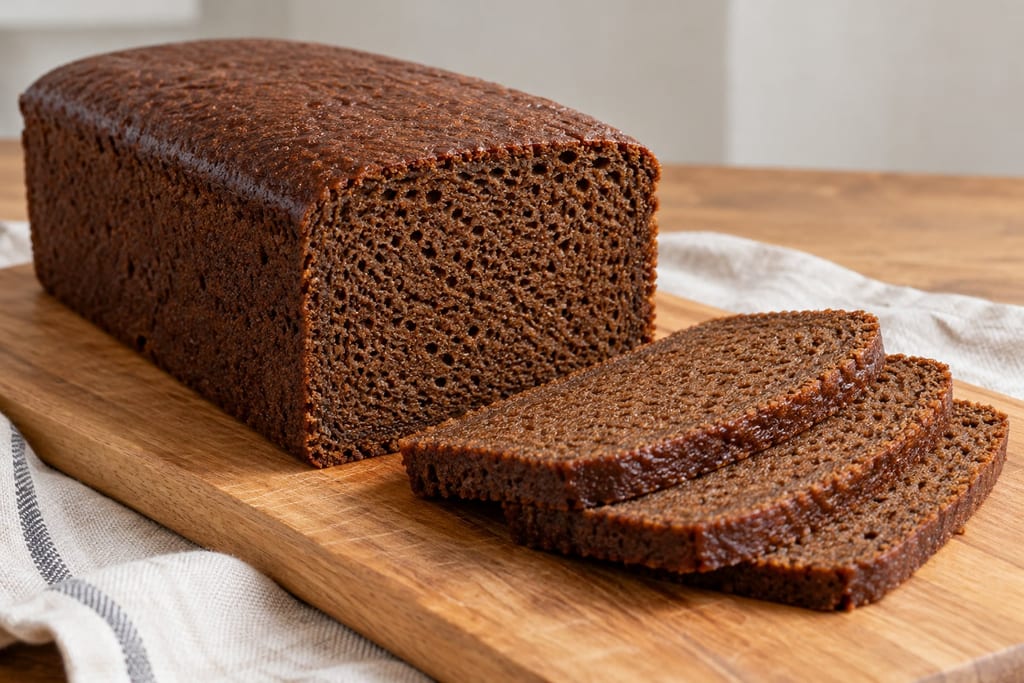
A dense, gently sweet Icelandic rye loaf leavened with baking powder and baking soda, mixed with buttermilk, honey and molasses, then baked under a lid in a Pullman pan.
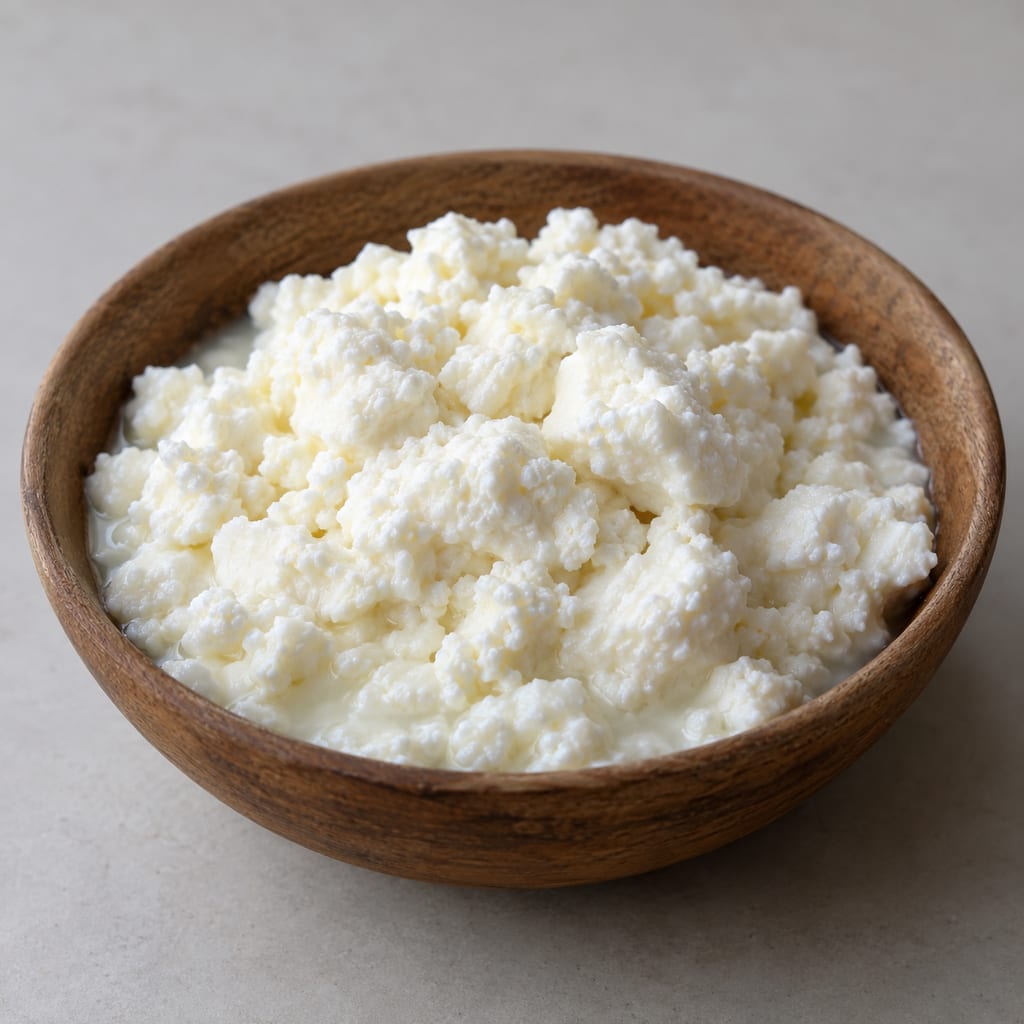
Aarts is a soft Mongolian curd made by draining boiled fermented yogurt; it remains wet, unlike aaruul, which is dried.
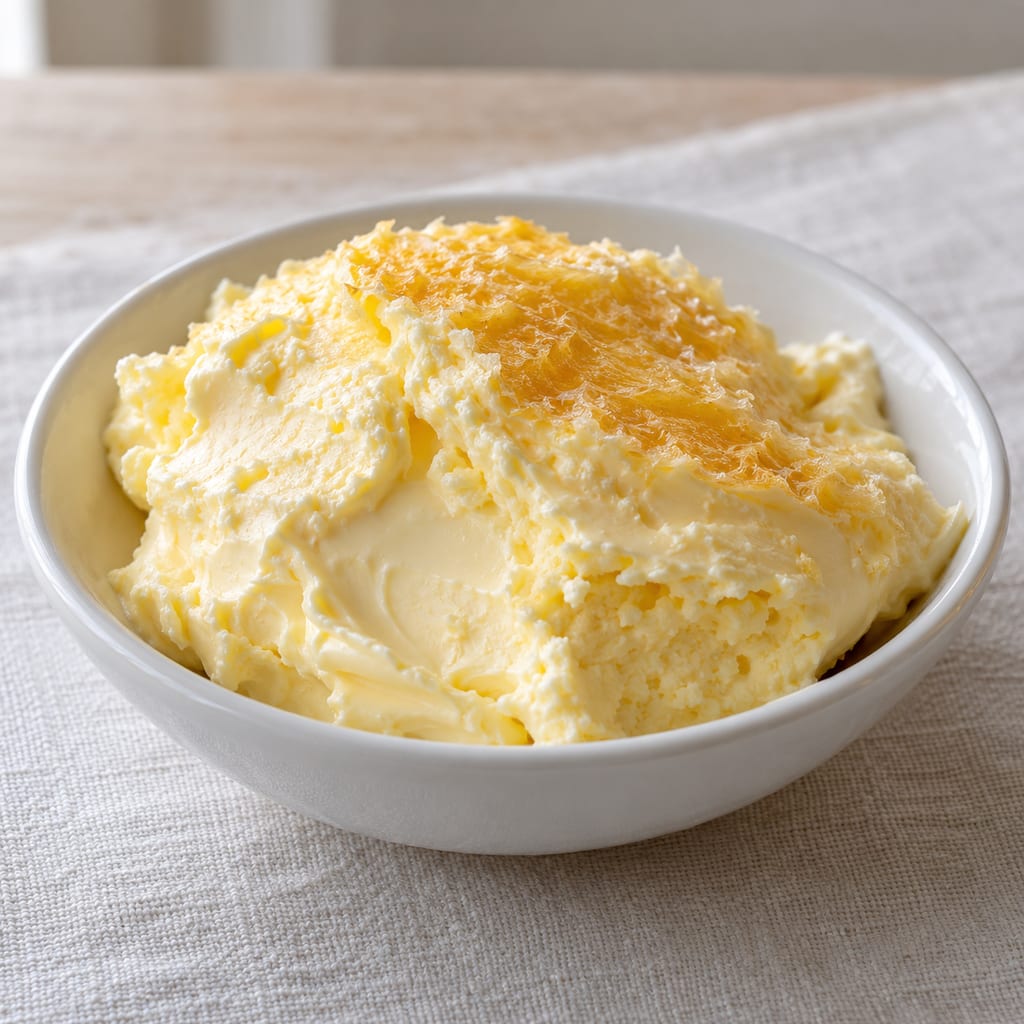
High-fat cream scalded below boiling for at least an hour until a thick crust forms, then cooled hard so the crust sets and the cream beneath thickens.
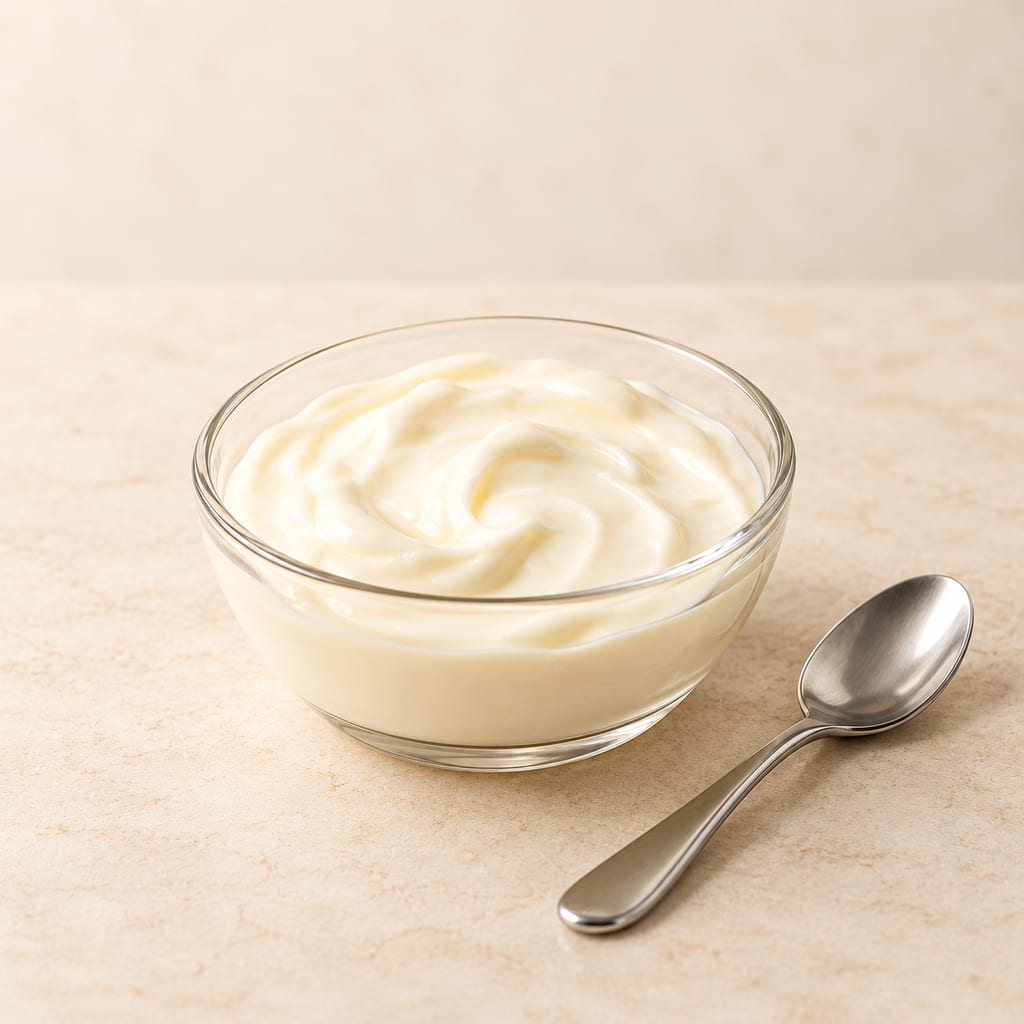
Crème fraîche is cream soured by lactic cultures into a thick, mild topping. It suits fruit and desserts as well as soups, sauces and other savoury dishes.
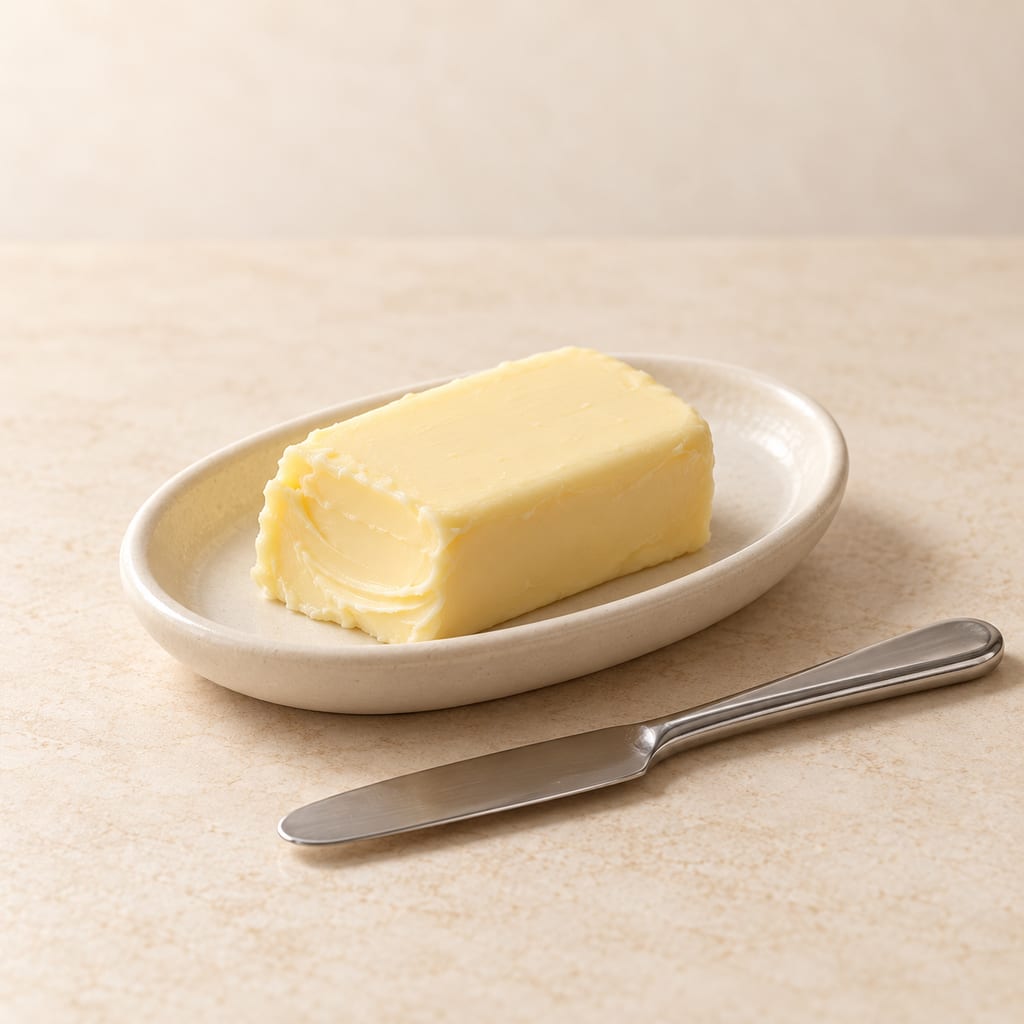
Cultured butter is churned from cream soured with lactic cultures. Its lightly tart flavour comes from the cultured cream, which separates into butter grains and buttermilk.
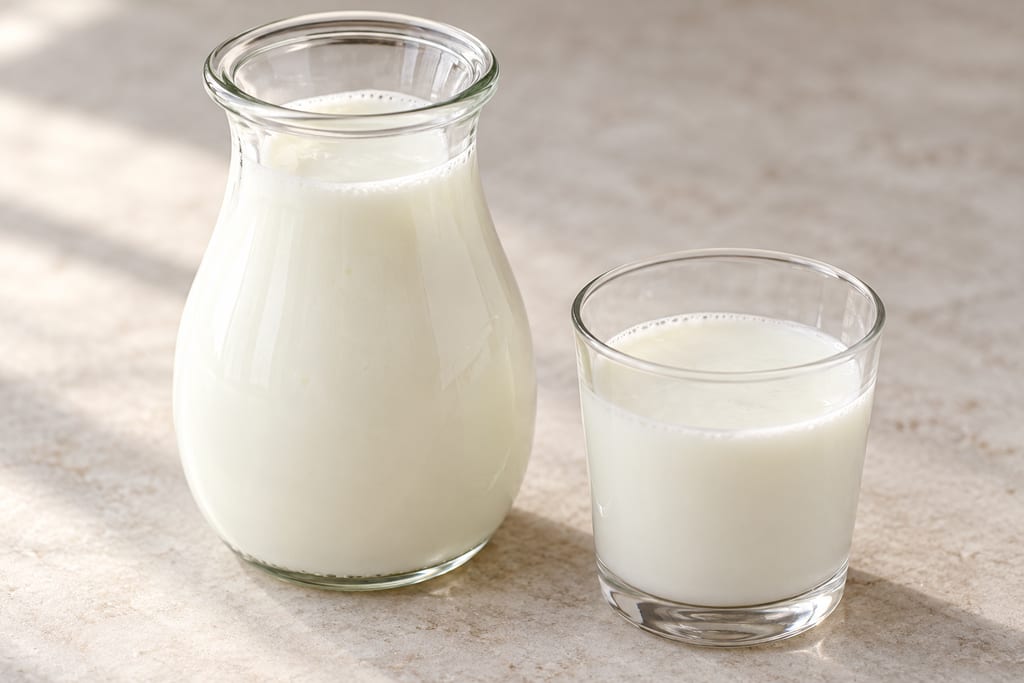
Cultured buttermilk is skim milk soured with a lactic starter into a tangy drink. This Canadian home method sets the milk without churning cream.
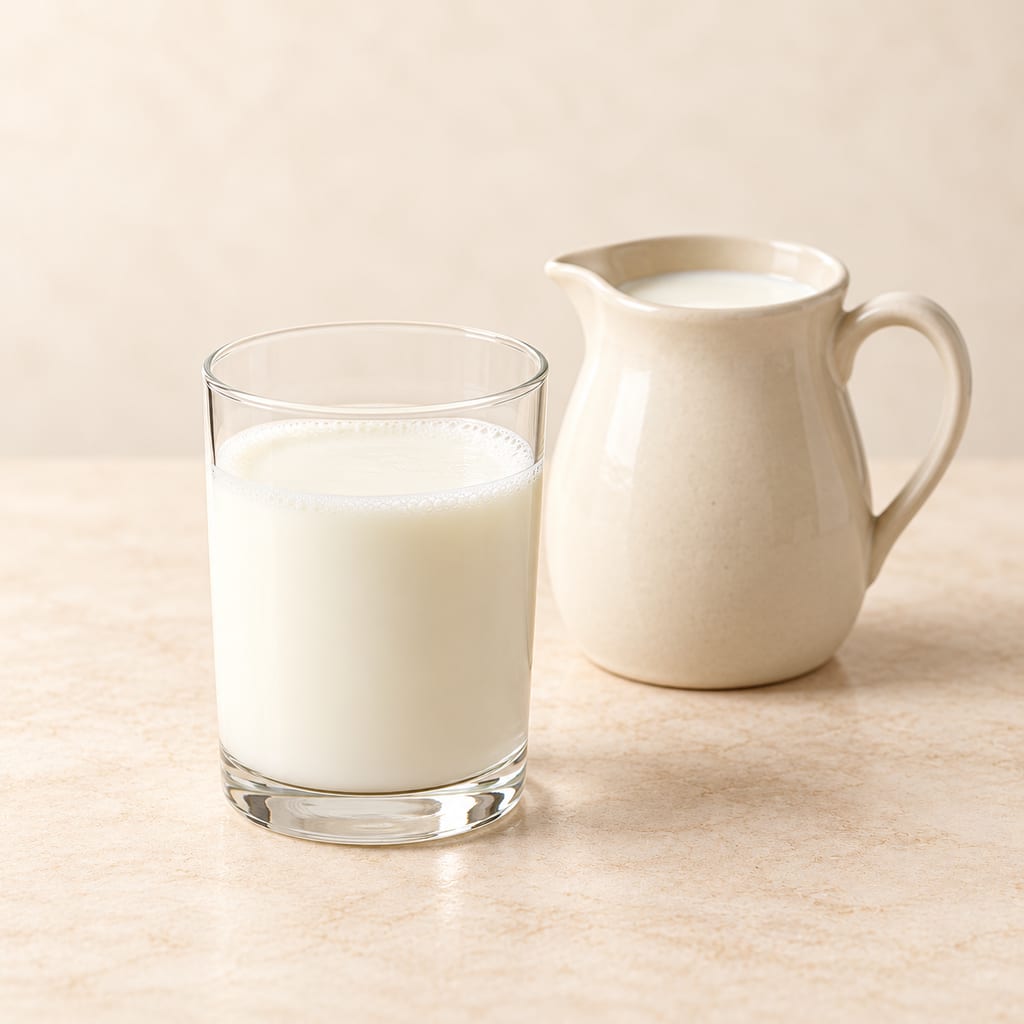
Milk thickened with a packet of buttermilk culture makes a tangy drink and a baking ingredient. This warm-incubated version uses whole milk.
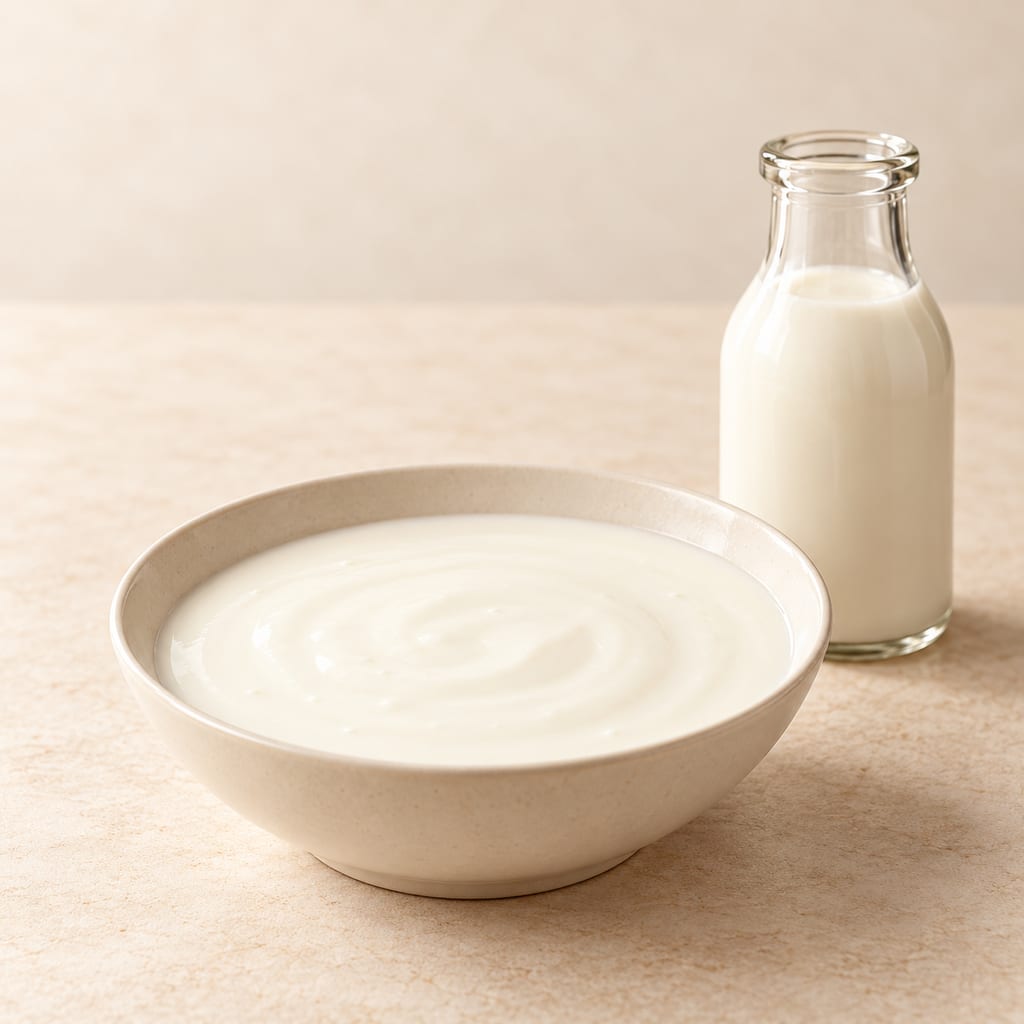
Filmjölk is a Swedish cultured milk with mild acidity and a spoonable body. This recurring batch uses filmjölk from the previous batch to culture fresh milk.
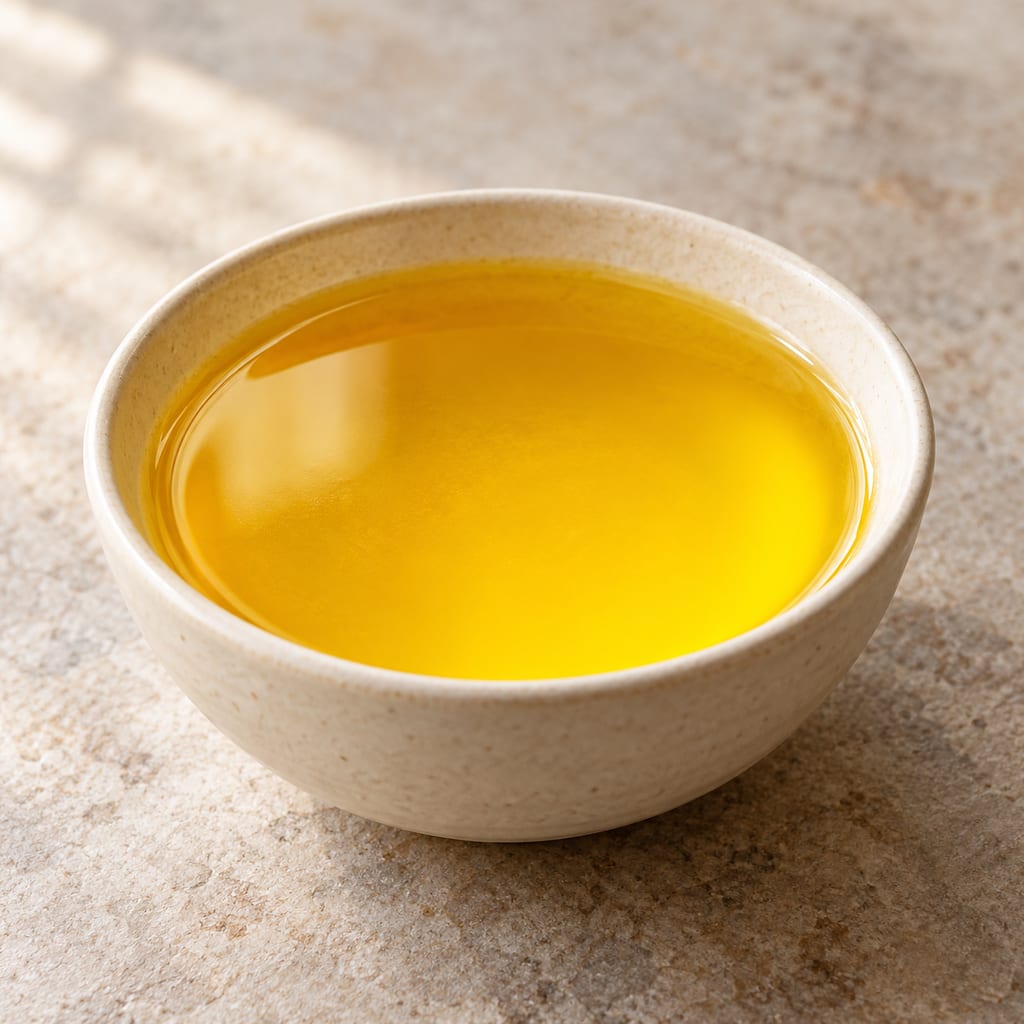
Butter heated until most water leaves and the milk solids separate, giving a fat that keeps far longer than butter. Rendering applies the same heat to animal tissue to make lard and tallow.

Protected Italian vinegar made only from cooked grape must, fermented and aged in a battery of wooden barrels for at least 12 years: sweet, sharp and syrupy.
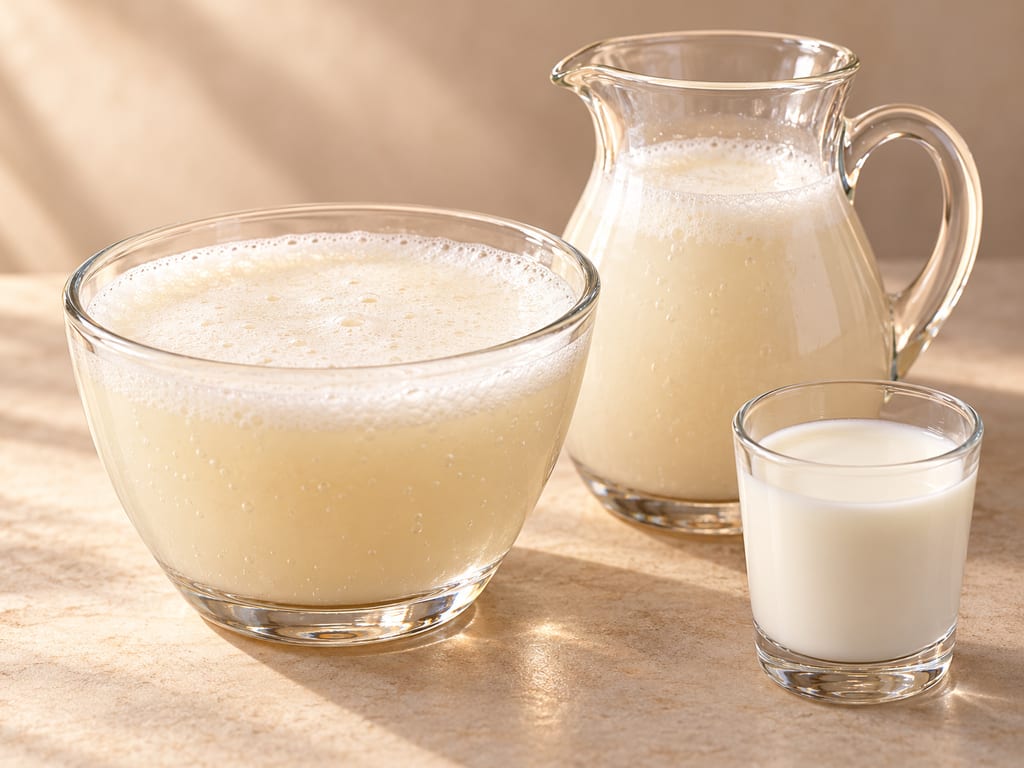
Airag is Mongolia’s fermented mare’s-milk drink, traditionally churned with saved starter in a reusable cowhide khokhuur.

Appam, or hoppers, are South Indian and Sri Lankan rice pancakes made from a fermented coconut-and-rice batter and cooked in a curved pan to a crisp lacy rim and a soft, spongy centre.
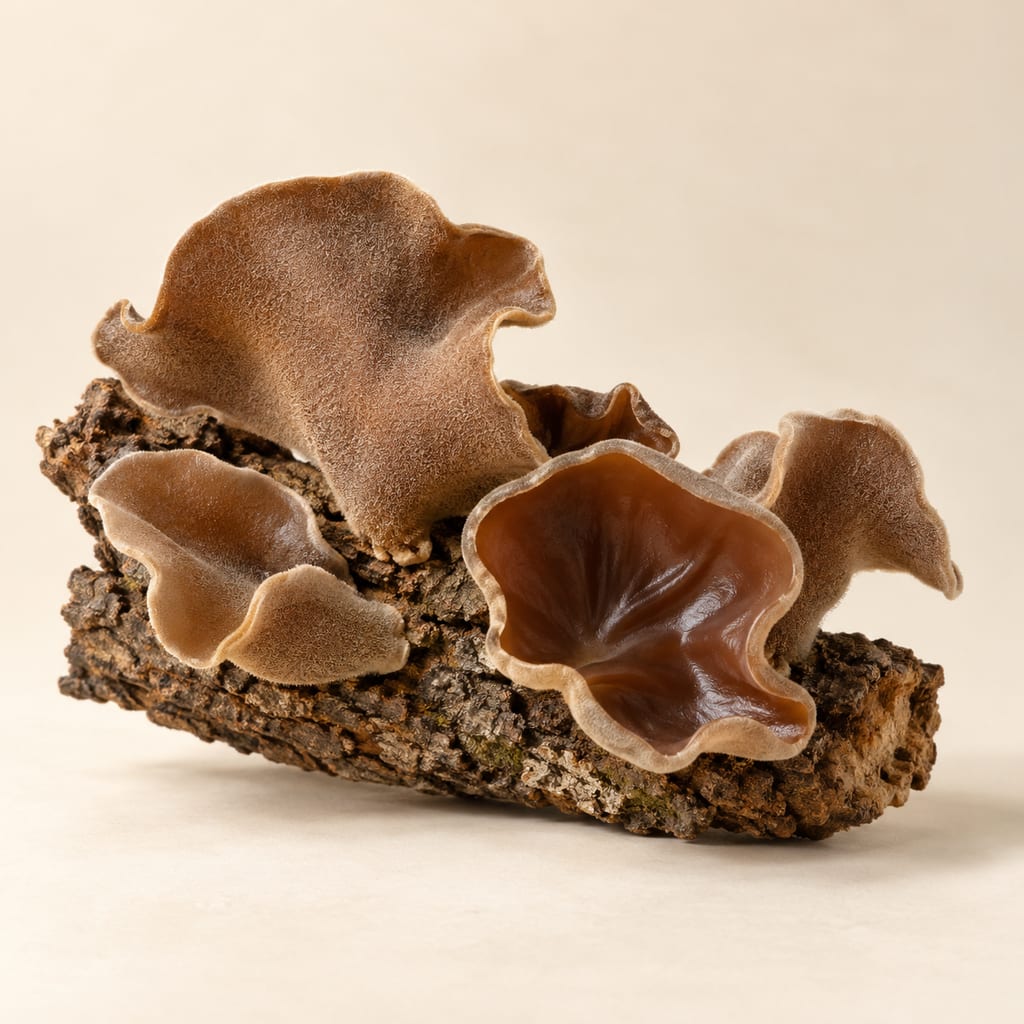
Auricularia tremellosa is a wood ear fungus of the genus that supplies most dried wood ear sold in China; its own food record is thin, and the culinary practice described here comes from the closely related wood ear species.

Ayran is Turkey’s cold, savoury yogurt drink: plain yogurt is loosened with water and lightly salted, then whisked smooth or aerated into a soft cap of foam.
A thin stone griddle used over an open hearth. Norwegian archaeology documents the established tradition from the early Middle Ages; a Viking-period origin is only a cautious suggestion linked to Shetland.

Crushed or milled barley cooked in water until the starch softens and the mixture thickens, the plainest way a northern household turned stored grain into a meal, here with apple and hazelnut.
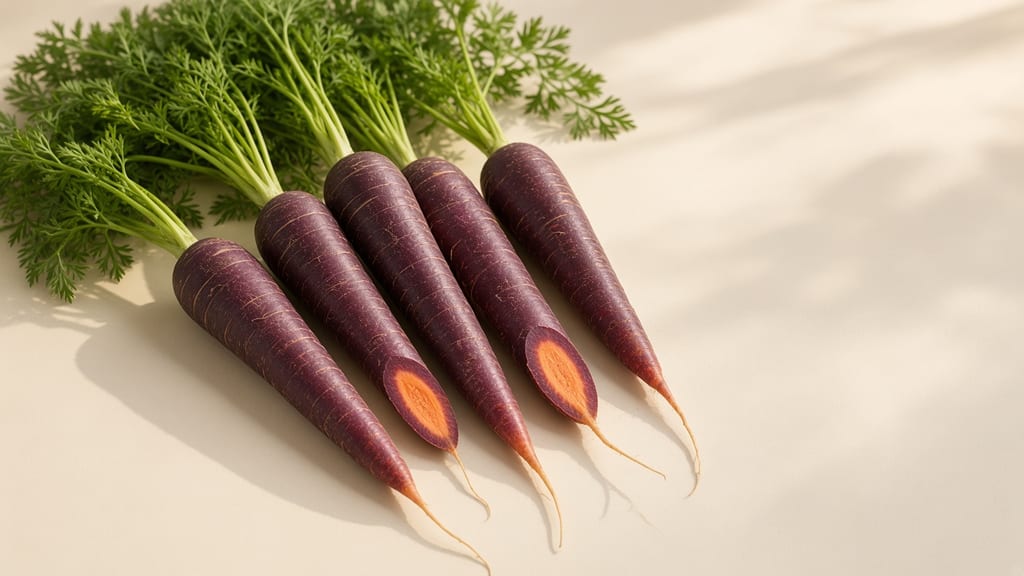
Black carrot is the anthocyanin-pigmented Eastern carrot (Daucus carota var. atrorubens), the purple root that preceded orange types and still colours kanji and şalgam.
No community contributions have been published for this entry yet.
Sign in to contribute. Published comments and photos are free to read.
HjemmerietInspiration · Process
Recipe – Skyr – Icelandic quarkMilk, starter, rennet, heating, setting and straining.
Full ingredients, steps, tips and notes: Exact modern skim-milk/fresh-skyr/rennet method, heat/cool/set/refrigerated drain; texture problems, batch heat retention, serving and whey uses. Supplier storage claim identified as such.
Cited in: Thick enough for a spoon, older than the retail cup; Heating changes the proteins before culturing begins; Acidification, rennet and drainage build the body; The home batch asks for control at different stages; Cream, porridge, berries and the whey beside them; Notes on this preparation
Agriculture CanadaSafety · Process
Home-made dairy products, Publication 1669Dairy process and handling context.
WikipediaHistory · Identity · Process
SkyrSkyr as an Icelandic cultured dairy product with the consistency of strained yogurt; named in medieval Icelandic sources including Egil's saga and Grettis saga; no detailed medieval description survives; first made with sheep's milk; related Norwegian skjør and kjellermjølk; modern production heats skim milk, cools to 37°C, adds previous skyr and rennet, ferments 5 hours and strains; the word skyr ruled generic as a trademark.
Matarauður ÍslandsHistory
Dairy productsSkyr named in several Icelandic sagas; first made with sheep's milk, now cow's milk; thought to have changed little from settlement until the middle of the last century; probably important because it needed less milk than cheese when the climate cooled around 1400; whey as a thirst-quenching drink.
MatísHistory
Uniqueness of traditional skyr (Sérstaða hefðbundins skyrs)Skyr as part of Icelandic heritage since settlement; a dairy product of the same name existed across the Nordic countries then but skyr-making seems to have survived only in Iceland; industrial production in the 20th century changed how it is made.
Slow Food FoundationHistory · Use
What can Iceland's past teach us about the future of its food?Skyr as a fresh cheese left with some liquid; settlers brought the tradition from Norway; what early skyr was like is not known and households probably each had their own; made at home and weighed out in local dairy shops until the 1970s, then sold in supermarkets; comparable fresh cheeses elsewhere are quark, faisselle and fromage blanc.
Journal of American FolkloreHistory · Identity
Stirring Up Skyr: From Live Cultures to Cultural HeritageJón Þór Pétursson and Valdimar Tr. Hafstein, 2022, pp. 49–55: skyr as acid-curd cheese; Icelandic household uses, medieval literary mentions, prior-batch cultures, cloth straining and industrial production.
Printed pp.52–58; PDF retained locally: Ethnographic household/work/serving context, cream/skim relationship, Erpsstaðir ice-cream/skyr observations and starter experience. Historical synthesis distinguished from original interviews.
Cited in: Skim milk made sense within a larger dairy economy; The starter carries a community into new milk; Cream, porridge, berries and the whey beside them
Vísindavefurinn, University of IcelandCulture context
Hvernig er skyrgerillinn til kominn?Björn Sigurður Gunnarsson, 11 April 2003: previous-batch skyr starter; traditional flora includes lactic acid bacteria and yeasts and varies between dairies. Does not identify this home starter.
Full answer: Skyrþéttir previous-batch starter, incompletely known traditional flora including bacteria/yeasts and differences among dairies. Not a flora assignment to this recipe.
Cited in: The starter carries a community into new milk; Notes on this preparation
Vísindavefurinn, University of IcelandHistory
Af hverju kallast skyr þessu nafni og hversu gamalt er orðið?Full answer: Older milk-food word, thin/drinkable skyr in literary examples, broader Nordic forms.
Cited in: Thick enough for a spoon, older than the retail cup; A saga meal puts skyr among everyday provisions
Vísindavefurinn, University of IcelandHistory
Hvers vegna er skyr með y?Full answer: Word related to skerast, separation into whey/curds; related Nordic language forms. Etymology not proof of identical foods.
Cited in: Thick enough for a spoon, older than the retail cup
Icelandic Saga DatabaseProcess
Egils saga / Egil’s SagaChapter43, Atleyjar-Bárður; cross-checked https://sagadb.org/egils_saga.en chapter43: Primary literary scene of bread, butter, skyr vessels and thirsty travellers consuming skyr; no earliest origin or process inference.
Cited in: A saga meal puts skyr among everyday provisions
Ísey / MS Iceland DairiesHistory
Our backgroundProducer timeline,1900–1940: Butter-export creameries, cooperatives and separators after1940; producer historical account.
Cited in: Skim milk made sense within a larger dairy economy; Dairies changed the separation and the serving habit
MatísIdentity
Traditional skyr: comparison between homemade and industrial produced skyr – preliminary studyInstitutional abstract only: Sampled home/industrial culture differences; no detailed species or numbers adopted from unread report.
Cited in: The starter carries a community into new milk
Microbiology Spectrum / American Society for MicrobiologyProcess
The Basics of CheesemakingMilk Protein; Acid Coagulation; Rennet Coagulation; whey proteins: General micelles, acidification, rennet and physical drainage; heat/protein mechanisms. No target pH assigned to these recipes.
Cited in: Heating changes the proteins before culturing begins; Acidification, rennet and drainage build the body
Foods 10(1),184 / MDPIProcess
Quark-Type Cheese: Effect of Fat Content, Homogenization, and Heat Treatment of Cheese MilkIntroduction; Materials and Methods; texture/results discussion: General quark gel, fat/homogenization/heat effects; experiment distinct from Omnom formula. Full XML retained and relevant methods/intro checked.
Cited in: Heating changes the proteins before culturing begins
BændablaðiðIdentity
Skyrið hefur þróastInterview: product generations, microfiltration, older skyr, serving habit: First-person producer account of current process lines, membrane retention, backslop/bag-drained alternative and cup versus milk-stirred consumption.
Cited in: Dairies changed the separation and the serving habit
U.S. Centers for Disease Control and PreventionSafety
Raw MilkKey points and safer choices: Raw milk risks; pasteurized dairy choice. Does not validate recipe fermentation.
Cited in: Notes on this preparation
Mad Millie; copy hosted by Little Green WorkshopsMethod
Let's make some skyr! (Mad Millie guide)Mad Millie guide: modern product labelled Icelandic Yogurt (Skyr); one litre skim or low-fat milk, one sachet dairy-free yoghurt culture, half a tablet of vegetarian rennet diluted in cool non-chlorinated water; culture at 40°C; 30–40°C overnight in a flask, warmed then switched-off oven, warm water bath or towel-wrapped jar; drain through muslin 2–6 hours; about 400 g; refrigerate up to two weeks; no pasteurization or measured acidity endpoint.
Cited in: A commercial kit with a sachet culture; Limits of the modern methods
Cooking in the Land of Fire and IceMethod
SkyrCooking in the Land of Fire and Ice reenactment: 2 L batch with an unmeasured scoop of skyr and rennet; no warm-hold setpoint or storage guidance.
Cited in: Creator starters and a larger batch; Limits of the modern methods
NPSelectionMethod
How to make Skyr at home in as authentic a way as possibleNPSelection English auto-captions: two home approaches using ready yogurt or kefir as inoculum; the second adds a small diluted rennet dose, a warm set and cloth drainage.
Cited in: Creator starters and a larger batch; Limits of the modern methods
Redbud HavenMethod
How to Make SKYR YOGURT at Home (Easy Tutorial)Redbud Haven captions: commercial Siggi’s skyr as inoculum for a warm cultured-milk set, followed by cloth drainage; a different modern approach from the kit guide.
Cited in: Creator starters and a larger batch; Limits of the modern methods