
Skyr
Skyr is Iceland’s thick, tart fresh cheese. This home method cultures skim milk with fresh skyr and rennet, then drains the curd under refrigeration.
 FermenteaWhere food goes to change
Modern adaptation
Skyr · Fresh cultured-milk curd · Friskost · Ferskost · Färskost · Skyr · Mysa
Soft fresh curd made by draining whey from milk already thickened by bacterial acidification, the simplest point in a northern dairy tradition that also produced skyr, ymer and whey itself.
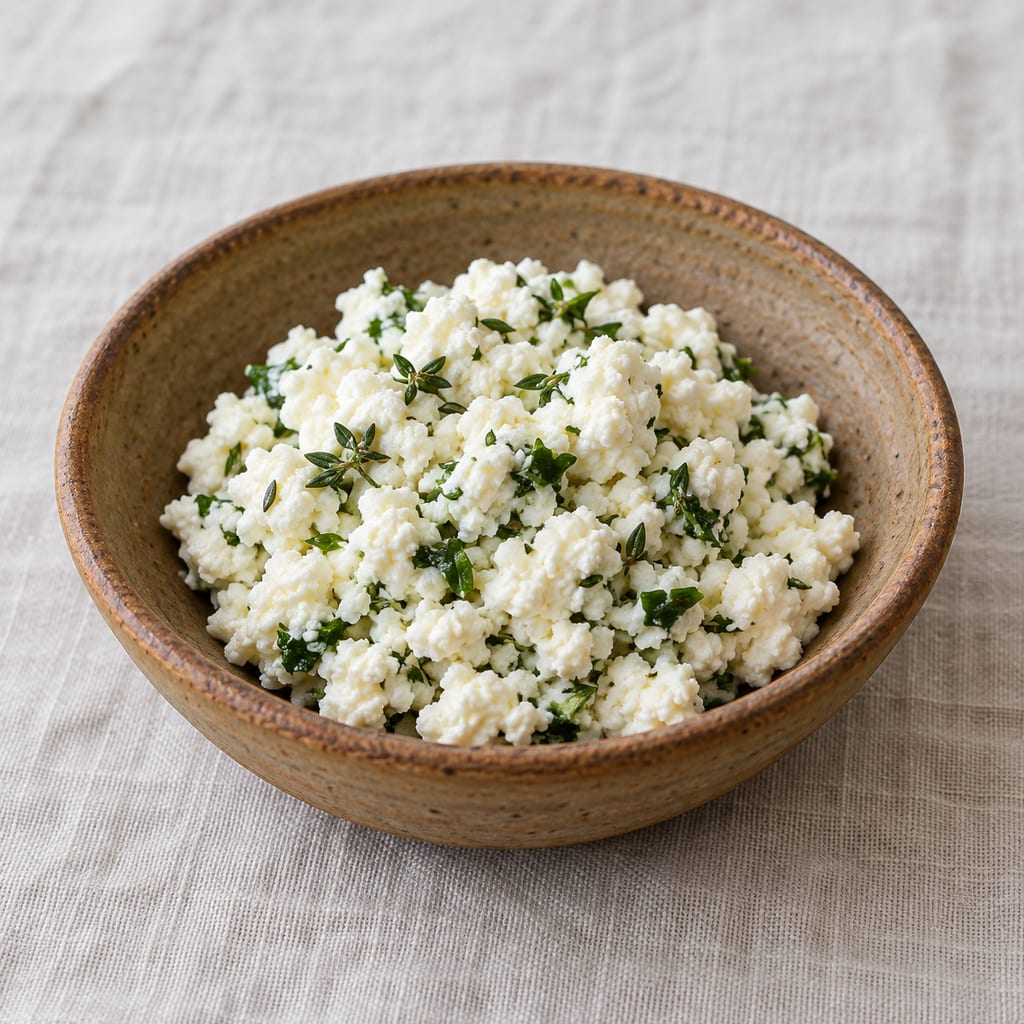
Fresh cultured-milk curd is a soft dairy preparation made by removing some of the liquid from milk that has already been thickened through bacterial acidification.
Its ingredients are simple: cultured milk, a means of draining it and, if desired, herbs or seasoning.
The resulting food may be spreadable, spoonable or crumbly, depending on the starting product and the amount of whey removed.
This process is related to the manufacture of various fresh cheeses and strained fermented dairy foods.
It is also useful for explaining the distinction between fresh curd, strained yoghurt and skyr.
These terms describe products that may resemble one another but are not automatically identical.
Skyr is a traditional Icelandic cultured dairy product. Modern skyr production may involve specially selected starter cultures, heat treatment, concentration and, in some methods, the use of rennet.
Simply draining commercial yoghurt does not recreate all those steps.
The reconstruction presented here is therefore best understood as a fresh curd made from purchased cultured milk.
Milk may come from domestic cattle, Bos taurus, or other dairy livestock such as sheep, Ovis aries, and goats, Capra hircus.
The milk species affects fat composition, flavour, protein concentration and the behaviour of the resulting curd.
Icelandic — Skyr — Traditional cultured dairy product
Icelandic — Mysa — Whey
Danish — Friskost — Fresh cheese
Danish — Ymer — Thick cultured milk product
Norwegian — Ferskost — Fresh cheese
Swedish — Färskost — Fresh cheese
Old Norse — Skyr — Historical fermented dairy term
Cattle were economically important throughout much of Scandinavia and the Norse settlement world.
Their value extended beyond meat.
A productive cow could supply milk over successive lactations, while calves represented future livestock.
Sheep and goats likewise contributed dairy in suitable farming systems.
Because milk is perishable, processing it into butter, cheese and soured products made practical sense.
Archaeological evidence for dairy can include equipment, residues absorbed into pottery and the broader remains of livestock husbandry.
Later Scandinavian and Icelandic written traditions provide additional information about fermented milk foods.
However, a later medieval text cannot simply be treated as a direct transcript of a ninth-century cooking process.
Iceland was settled by Norse populations during the late ninth century. Archaeological dating of the settlement horizon places the principal early occupation around that period.
Dairy husbandry became important in the island's agricultural economy.
Skyr is consequently associated with Icelandic food history, but the details of its earliest production remain incompletely documented.
The historical existence of skyr does not establish the precise starter culture used in every early household, the proportion of cow's milk versus sheep's milk, or the temperatures employed.
Milk contains water, fat, lactose, minerals and proteins.
Two important groups of milk proteins are caseins and whey proteins.
Caseins occur largely within structures called micelles, which remain dispersed in ordinary milk.
Lactic acid bacteria can use lactose as a source of energy and produce lactic acid.
As acid accumulates, the pH of the milk falls.
This changes the electrical and chemical environment surrounding casein micelles.
Near the isoelectric region of casein, approximately pH 4.6, the proteins have much less net electrical charge and become more likely to aggregate.
A network forms, trapping some water and fat.
The product becomes thicker.
Different starter cultures, milk treatments and fermentation conditions produce different textures.
Some organisms also produce flavour compounds such as acetaldehyde or diacetyl, contributing characteristic fermented dairy aromas.
The term lactic acid bacteria describes a broad group rather than one universal species.
Depending on the culture, organisms may include Lactococcus, Lactobacillus and Streptococcus species or related genera.
No definitive microbiological culture composition can be assigned to every Viking Age fermented milk.
Fermentation can make milk less favourable to some microorganisms, but acidic flavour alone does not establish safety or shelf stability.
A cultured product may still contain pathogens if prepared from contaminated milk or handled incorrectly.
Neither a sour taste nor a curdled appearance proves that a homemade fermentation is microbiologically safe.
Modern recipes should use pasteurised milk and established food cultures.
Straining is primarily a physical separation.
The thick cultured material contains a protein network holding varying amounts of liquid.
When placed in cloth, gravity allows some whey to drain through the openings.
The network retains much of the protein-rich solid material.
As drainage continues, the remaining curd becomes more concentrated.
The released liquid is whey, although its composition differs depending on the original dairy product and how it was made.
Whey commonly contains water, lactose, soluble proteins and minerals.
The curd becomes increasingly thick because a smaller volume of liquid remains distributed among its solids.
The process does not necessarily involve further fermentation.
Commercial yoghurt can be thickened through refrigeration and draining without adding any new culture.
This is important when describing the microbiology: straining concentrates a previously fermented product; it does not by itself manufacture skyr from milk.
Ribe VikingeCenter publishes a fresh-cheese recipe using ymer, skyr or yoghurt.
It is designed as an accessible modern kitchen demonstration.
1. Prepare the equipment.
Obtain a clean food-safe cloth, a bowl and a means of suspending the cloth so that the draining dairy remains above the collected whey.
2. Add the cultured dairy.
Pour the ymer, skyr or yoghurt into the cloth.
Ensure there is space below for liquid to collect.
3. Drain.
Leave in a cool environment for at least 6 hours, preferably overnight.
For present-day safety, use a refrigerator throughout.
4. Separate the curd.
Carefully scrape the thickened dairy from the cloth into a clean bowl.
The resulting texture may be relatively dry or crumbly.
5. Adjust consistency.
Add a little cream if a softer curd is wanted.
The museum does not specify an exact amount of cream.
6. Add seasonings.
Mix in the finely chopped thyme, wild garlic and salt.
7. Rest the prepared curd.
The museum allows approximately one hour for the herbs to flavour the mixture.
Keep it refrigerated during this stage.
8. Serve chilled.
Use as a spread, accompaniment or topping.
The original museum recipe also discusses using whey in other preparations. Any such use requires an appropriate, independently safe method.
The supplied research contains a more compact formulation:
- 750 g plain pasteurised cultured yoghurt - 1–2 tablespoons finely chopped culinary herbs - A small pinch of salt - Optional cream to loosen
It drains in the refrigerator for 6–12 hours.
This is a useful home preparation because it starts with a commercially fermented product.
The different amount of yoghurt and simplified seasoning do not justify creating a separate historical food category.
Both versions demonstrate the same operation: concentrating a fermented dairy product by draining off whey.
Modern skyr is often marketed as a high-protein cultured dairy food.
Its characteristic concentration is a major reason for this nutritional profile.
Traditionally, skyr production involves acidification of milk and separation of whey to obtain a thick product.
Some methods use both bacterial starter cultures and rennet.
Rennet is a coagulating agent. Its active enzymes can alter casein structure by acting on specific milk proteins, helping the milk form a curd.
This is a different mechanism from acidification alone.
Acidification and rennet can work together, but their relative roles depend on the product and manufacturing process.
Modern industrial skyr may be made through different concentration technologies.
Consequently, a bowl of strained yoghurt and a commercially produced skyr can resemble each other without being technologically identical.
The exact microbial cultures and processing parameters used in the earliest Icelandic skyr are not securely documented.
Assigning a modern commercial starter blend to ninth-century Iceland would be speculation.
Denmark, Norway, Sweden and Iceland developed a variety of cultured dairy products suited to local dairying and consumption habits.
Danish ymer is a cultured milk product distinct from yoghurt in its traditional processing and culture.
Norwegian and Swedish sour-milk traditions include products with different viscosities and fermentation characteristics.
Icelandic skyr acquired a particularly enduring cultural identity.
These foods share the fundamental principle of transforming milk through microbial acidification, but they should not all be presented as the same ancient recipe under different names.
The available evidence also does not justify claiming that a specific Danish household in the Viking Age routinely made the exact herbed curd published by Ribe VikingeCenter today.
That preparation is a reconstruction.
Whey is often treated as a by-product, but it contains substances originally present in the milk.
It can contribute liquid and acidity to dough.
In a bread recipe, whey changes both hydration and flavour.
Its remaining lactose may contribute to browning during baking.
Acid whey may also change the acidity of other foods, but it is not interchangeable with tested pickling vinegar.
A crucial safety distinction concerns traditional historical preservation.
Later Icelandic food traditions include the use of acidic whey in preserving certain foods. Such practices belong to specific processes with particular ingredients, acidity and handling conditions.
The whey draining from a bowl of commercial yoghurt has not been validated as a preserving medium for meat.
Do not immerse raw meat in it and assume that sourness alone prevents dangerous bacterial growth.
The museum's mention of whey-pickled vegetables is not a substitute for a tested modern preservation recipe.
Herbed curd can be spread over coarse bread or placed alongside cooked vegetables.
Its moisture balances the dry texture of barley flatbread.
Thyme contributes aromatic herbal notes.
Wild garlic, Allium ursinum, provides pungency. Its leaves should only be gathered where identification is certain, because visually similar wild plants may be poisonous.
A small addition of cream reduces the firmness of the curd.
The museum also suggests milder versions using honey.
A sweet preparation and a garlic-rich savoury one need not be treated as separate foods.
They are serving variations of the same cultured dairy base.
The original yoghurt may have been thin, or the product may not have drained sufficiently.
Different yoghurts contain different amounts of protein, stabilisers and water.
The same draining time does not guarantee an identical yield.
Extensive whey removal can leave a relatively dry mass.
A little cream can loosen it.
The starting yoghurt may have a high perceived acidity.
Draining does not reliably remove all sourness because acid remains distributed between the curd and whey.
Discard it.
An established commercial culture does not protect a prepared curd against every form of subsequent contamination.
Do not use a visibly spoiled curd as a starter culture.
Use pasteurised commercial cultured dairy for the modern reconstruction.
Keep the cloth, sieve, bowls and utensils clean.
Drain the product in a refrigerator, ideally maintained between 0°C and 5°C.
Fresh curd remains moist and perishable.
The museum does not give a microbiologically validated shelf life for the finished cheese.
The safety of a purchased yoghurt before opening does not automatically transfer unchanged to a product that has been strained, exposed to utensils and mixed with fresh herbs.
Prepare small quantities and consume promptly within the applicable refrigerated food-safety guidance.
People with milk allergy should avoid the preparation. Lactose content varies, and draining should not be assumed to make it lactose-free.
Dairy farming, sour-milk processing and the importance of cultured milk foods in Norse societies have substantial historical foundations.
The precise microbial succession within a ninth-century household's fermentation vessel is much less certain.
Modern microbiology explains how lactic acid bacteria can transform milk, but this is not the same as directly identifying the microorganisms present in an ancient curd.
The fresh-cheese reconstruction is valuable because it demonstrates a simple physical stage in dairy processing.
It should stand on its own merits, without the misleading claim that draining yoghurt is a complete recreation of Viking Age skyr production.
Dairy mattered in Norse farming because an animal was worth more alive than once: a productive cow supplied milk over successive lactations and calves besides, and sheep and goats contributed milk in suitable systems. Milk itself, though, does not keep, so processing it into butter, cheese and soured products was the practical response, and the archaeological trace of that work comes from equipment, residues absorbed into pottery and the wider remains of livestock husbandry rather than from the foods themselves. What the evidence does not deliver is detail. The historical existence of skyr establishes neither the starter culture used in a given household, nor the proportion of cow's to sheep's milk, nor the temperatures employed, and the precise microbial succession inside a ninth-century vessel is beyond recovery; modern microbiology explains how lactic acid bacteria transform milk without identifying the organisms present in an ancient curd. The regional products that descend from the same principle are genuinely distinct rather than one recipe under several names: Danish ymer differs from yoghurt in its traditional processing and culture, Norwegian and Swedish sour-milk traditions differ again in viscosity and fermentation character, and Icelandic skyr acquired a particularly enduring identity of its own. Whey, the liquid this preparation discards, carried its own uses, in dough where it changes hydration and flavour and in later Icelandic preserving traditions that belong to specific processes rather than to a bowl of drained yoghurt.
Scaling: source batch only
Fermentation can make milk less favourable to some microorganisms, but neither a sour taste nor a curdled appearance shows that a preparation is microbiologically safe or shelf-stable, and a cultured product made from contaminated milk or handled badly may still contain pathogens.
Hazard sourceThe unopened safety of a purchased yoghurt does not transfer to a product that has been strained through a cloth, scraped with utensils and mixed with fresh herbs, and an established commercial culture protects nothing against later contamination.
Hazard sourceLater Icelandic traditions use acidic whey to preserve certain foods, but those are specific processes with their own ingredients, acidity and handling. The whey draining from a bowl of commercial yoghurt has not been validated as a preserving medium, and immersing raw meat in it on the strength of its sourness is unsafe.
Hazard sourceThe recipe calls for wild garlic leaves, and wild plants with superficially similar leaves may be poisonous, so the ingredient carries a foraging identification requirement.
Hazard sourceThe product is concentrated dairy throughout. Lactose content varies with the starting material and how much whey is removed, and draining should not be assumed to make the curd lactose-free.
Hazard sourceUse pasteurised commercial cultured dairy and established food cultures rather than letting milk sour on its own
Control sourceDrain and hold the curd refrigerated, with clean cloth, sieve, bowls and utensils
Control sourceMake small quantities and eat them promptly within the applicable refrigerated guidance, rather than relying on a shelf life for the finished curd
Control sourceDiscard a curd that develops mould or an unexpected smell, and never use a visibly spoiled curd as a starter
Control sourceDraining yoghurt is not skyr production: traditional methods acidify milk and separate whey, some using selected starter cultures and rennet, and modern industrial skyr may use other concentration technologies altogether.
A sour taste or a curdled appearance proves nothing about whether a homemade fermentation is safe or will keep.
The whey from this curd has not been validated as a preserving medium; do not immerse raw meat in it and assume sourness prevents dangerous bacterial growth.
No microbiologically validated shelf life exists for the finished curd, and an unopened yoghurt's safety does not carry over to a strained, handled and herbed product.
Gather wild garlic only where identification is certain, because visually similar wild plants may be poisonous.
Draining does not make the curd lactose-free, and people with milk allergy should avoid it.
Assigning a modern commercial starter blend or a fermentation temperature to ninth-century Iceland would be speculation; no culture composition can be attached to a Viking Age fermented milk.
A country-level association. Iceland was settled by Norse populations during the late ninth century, with the principal early occupation dated archaeologically to around that period, and dairy husbandry became important in its agricultural economy. Skyr is associated with Icelandic food history, but the details of its earliest production remain incompletely documented.
A country-level association for the dairy economy behind the curd, including the cattle, sheep and goats whose milk was processed because it could not be kept. Danish ymer, a cultured milk product distinct from yoghurt in its traditional processing and culture, belongs to the same regional family.
The place that publishes the herbed curd carried here. The evidence does not justify claiming that a Danish household in the Viking Age routinely made this preparation; it is a present-day demonstration of one physical stage in dairy processing.
Skyr is Iceland’s thick, tart fresh cheese. This home method cultures skim milk with fresh skyr and rennet, then drains the curd under refrigeration.
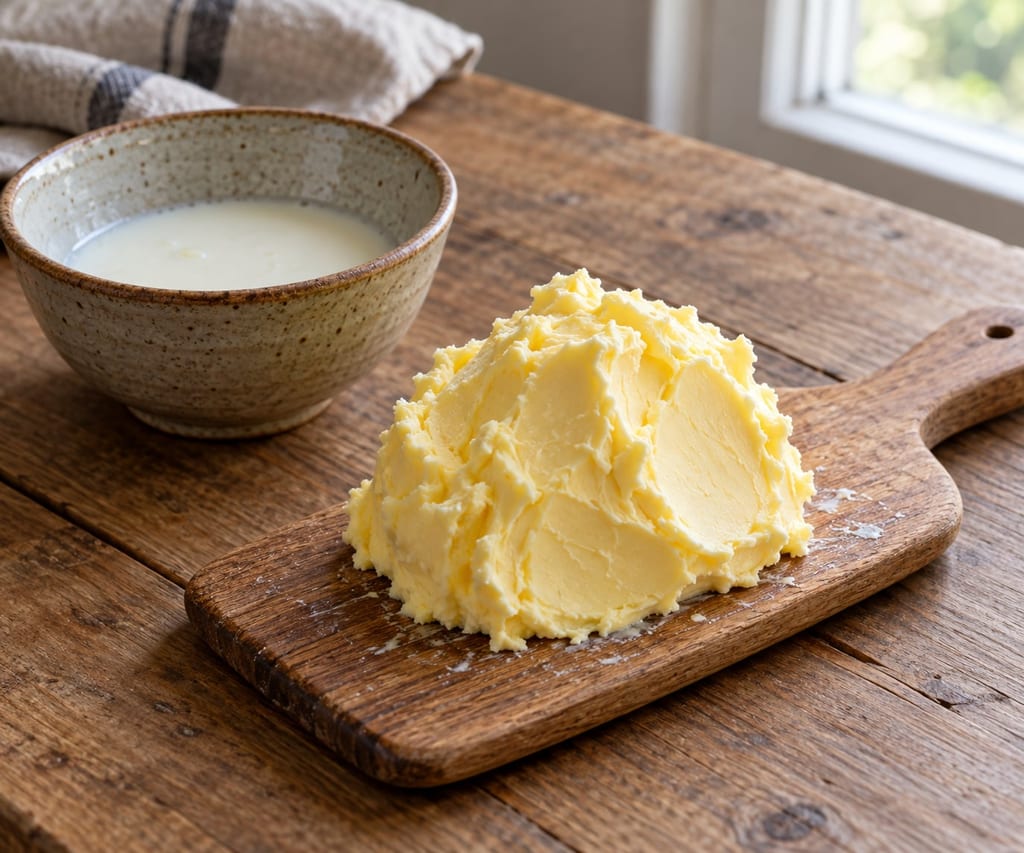
Cream agitated until its fat globules join into a solid mass and release buttermilk, the dairy fat a northern household could concentrate, salt and keep when milk itself would not last.
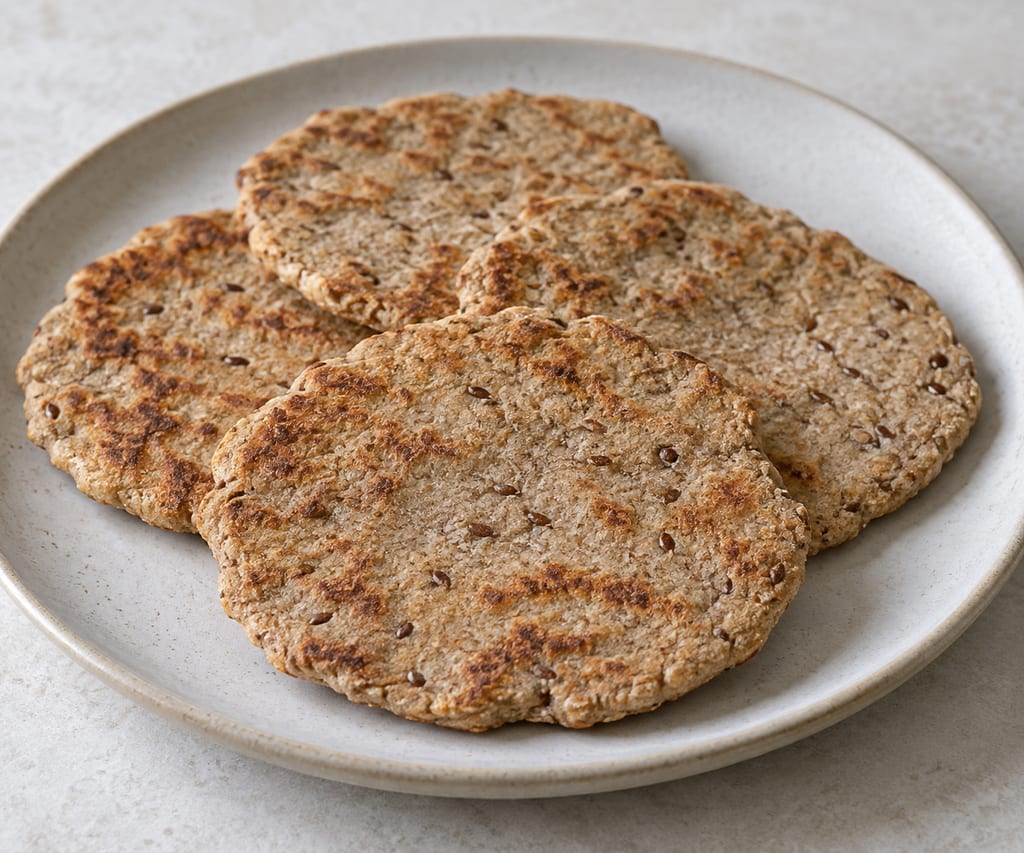
A small, dense cake of ground barley mixed with liquid and cooked against a hot surface, the form a low-gluten northern cereal takes when a household turns stored grain into bread.

How ordinary Viking-Age households grew, dried, smoked, salted and cooked their food through the northern year, and how to cook their dishes today with supermarket ingredients.

Crushed or milled barley cooked in water until the starch softens and the mixture thickens, the plainest way a northern household turned stored grain into a meal, here with apple and hazelnut.
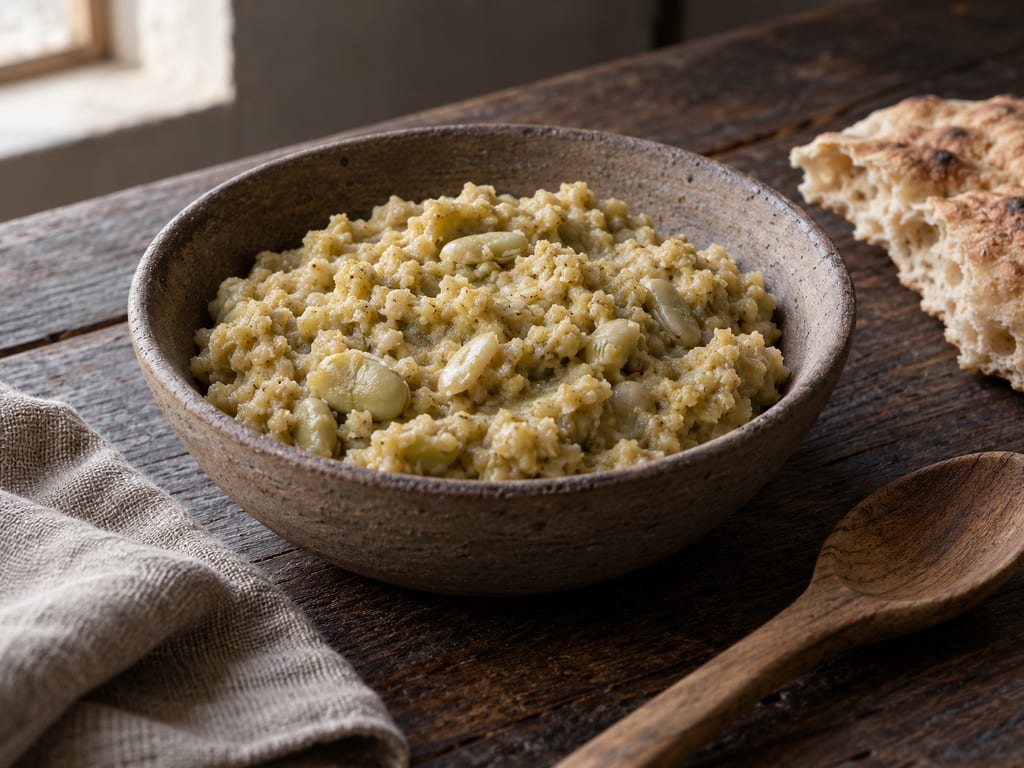
Cooked broad beans crushed to a thick paste with garlic and salt, a museum preparation built on the one European pulse that was already old when the Viking Age began.
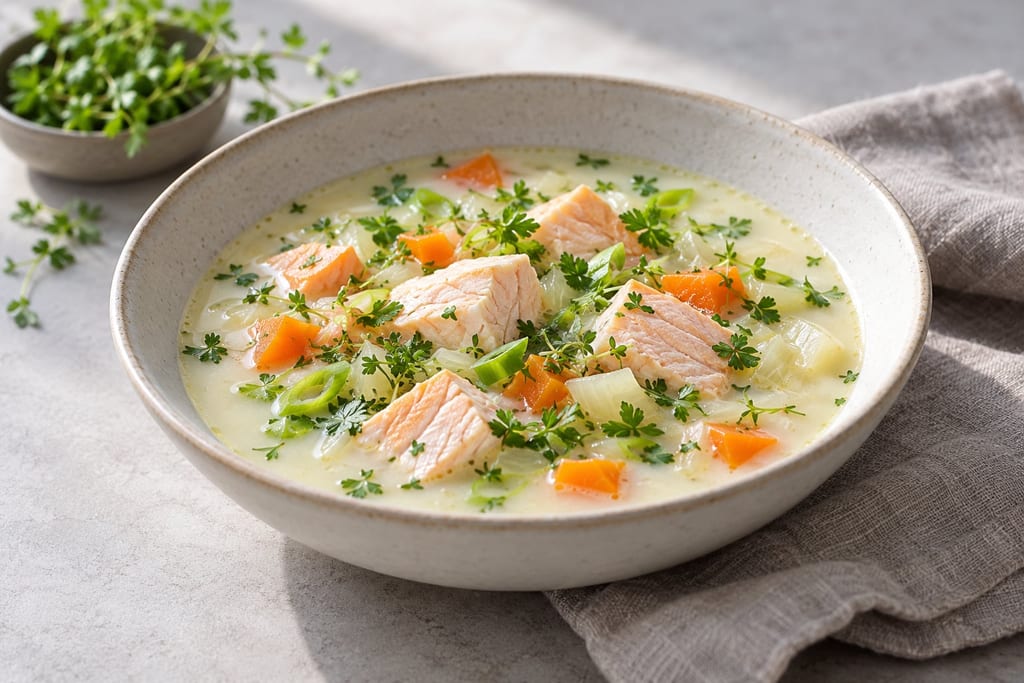
Trout or salmon poached at the end of a simmered broth of onion and root vegetables, a present-day reconstruction of coastal cooking built on excavated fish bones and a boiling pot.
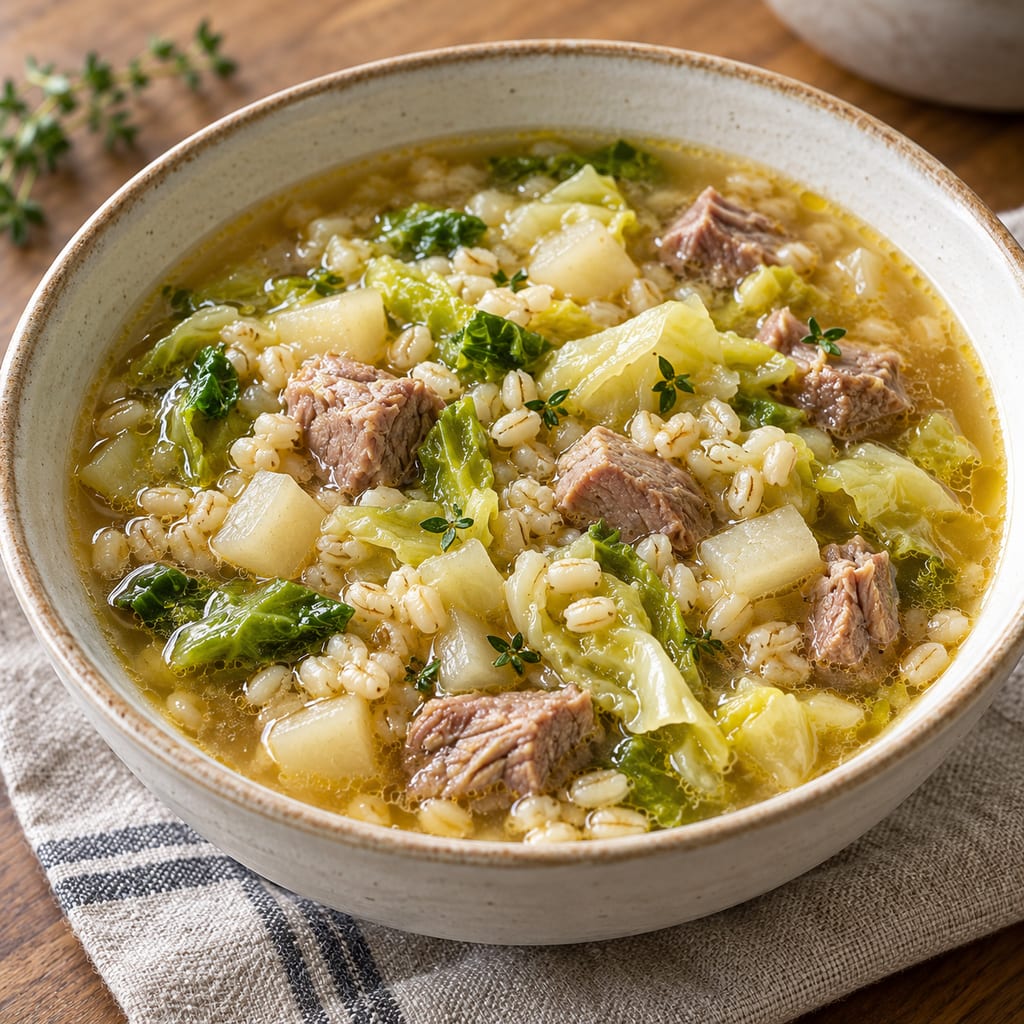
Lamb shoulder simmered with pearl barley, turnip and leafy cabbage in one pot, a present-day reconstruction built from the animals, grains and vegetables of northern European farming.
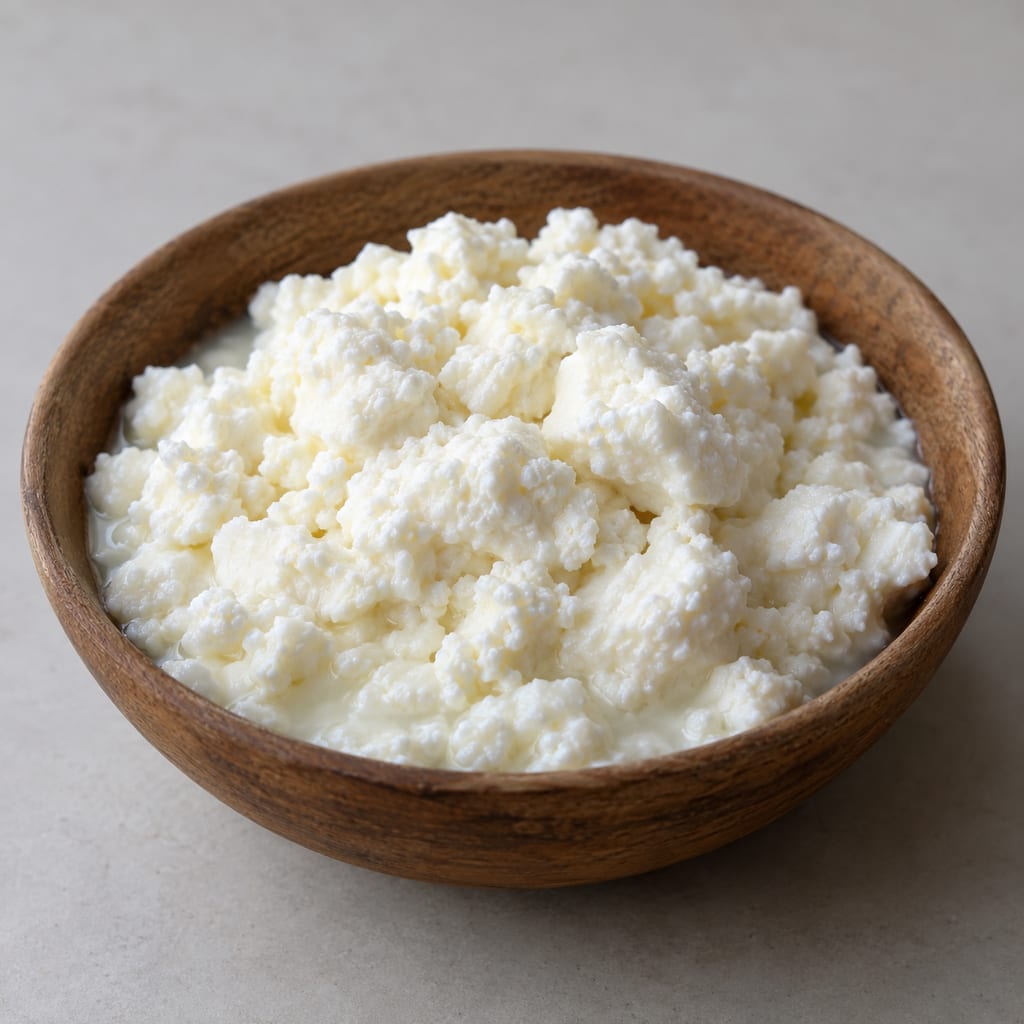
Aarts is a soft Mongolian curd made by draining boiled fermented yogurt; it remains wet, unlike aaruul, which is dried.
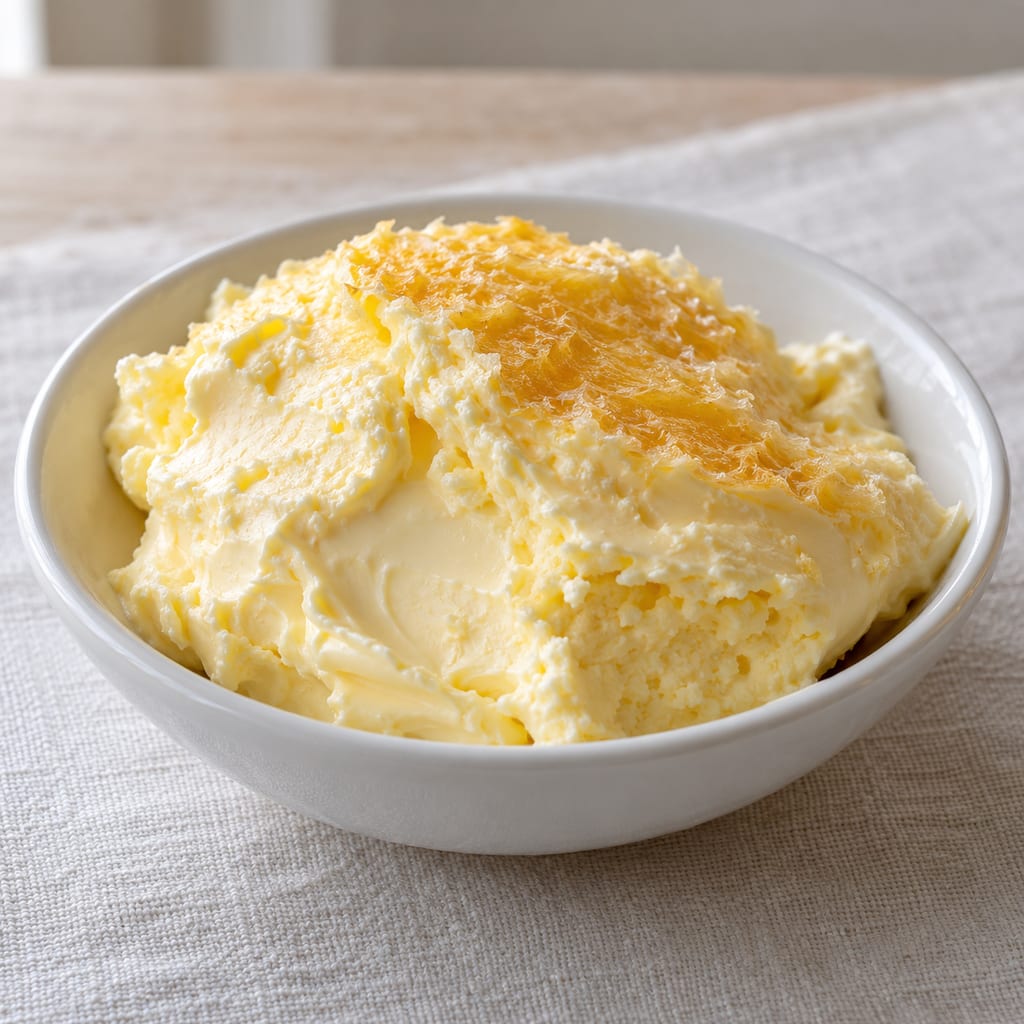
High-fat cream scalded below boiling for at least an hour until a thick crust forms, then cooled hard so the crust sets and the cream beneath thickens.
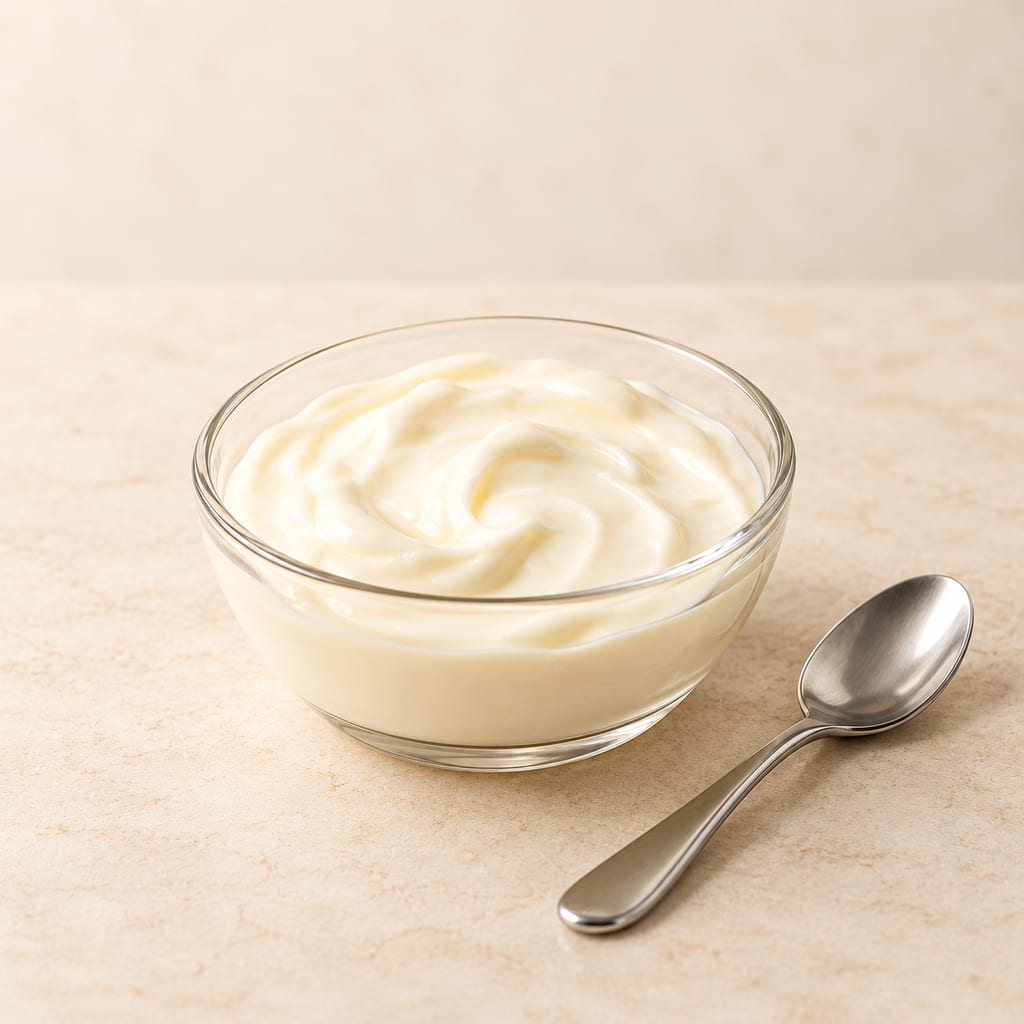
Crème fraîche is cream soured by lactic cultures into a thick, mild topping. It suits fruit and desserts as well as soups, sauces and other savoury dishes.
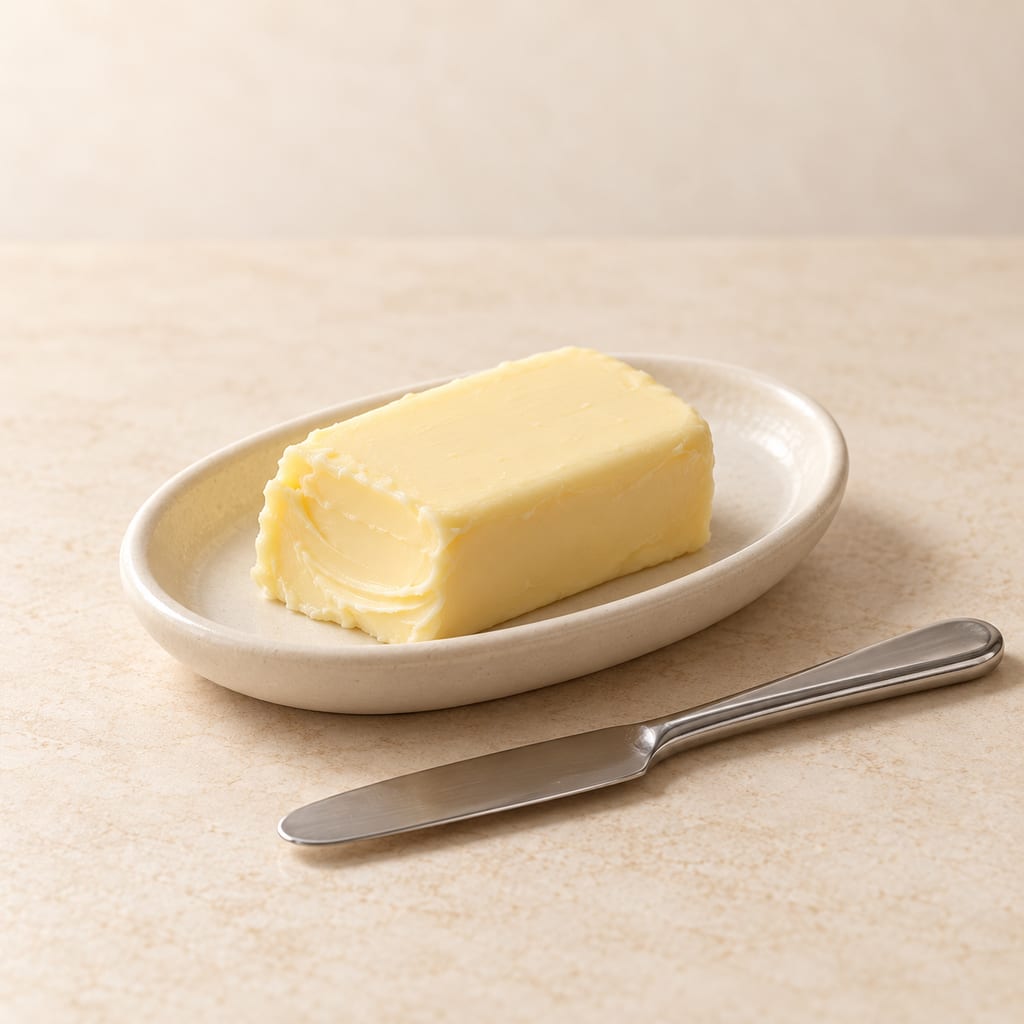
Cultured butter is churned from cream soured with lactic cultures. Its lightly tart flavour comes from the cultured cream, which separates into butter grains and buttermilk.
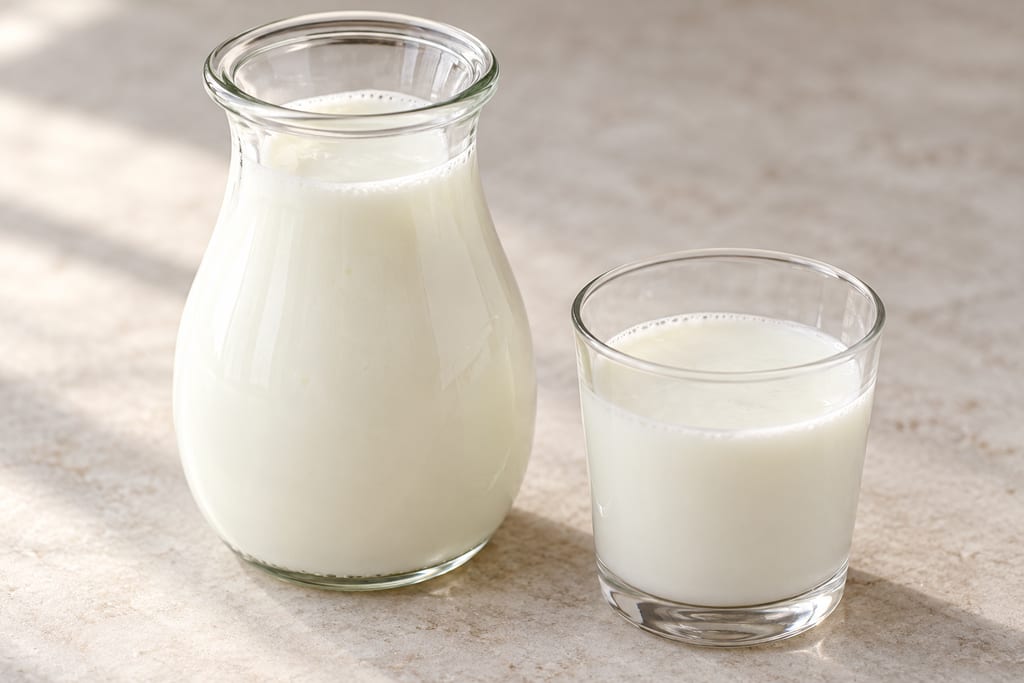
Cultured buttermilk is skim milk soured with a lactic starter into a tangy drink. This Canadian home method sets the milk without churning cream.
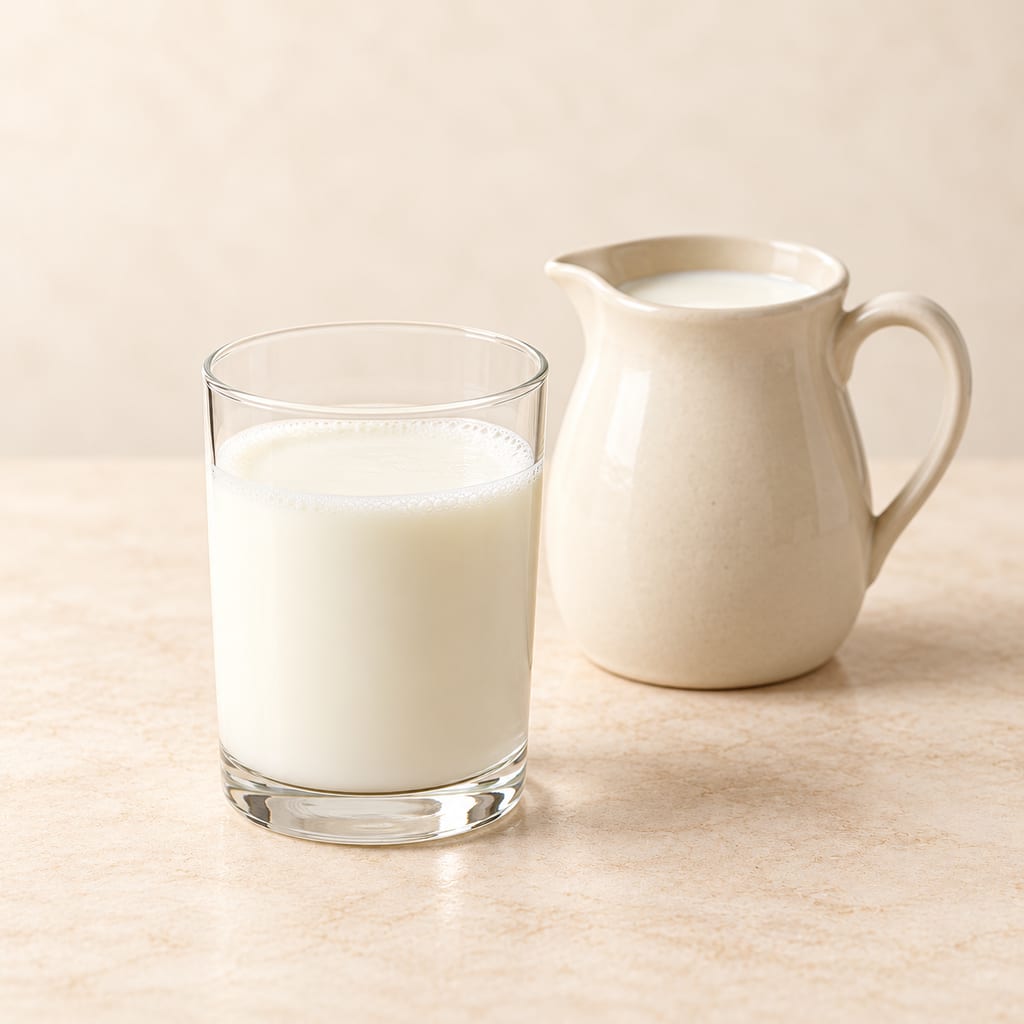
Milk thickened with a packet of buttermilk culture makes a tangy drink and a baking ingredient. This warm-incubated version uses whole milk.
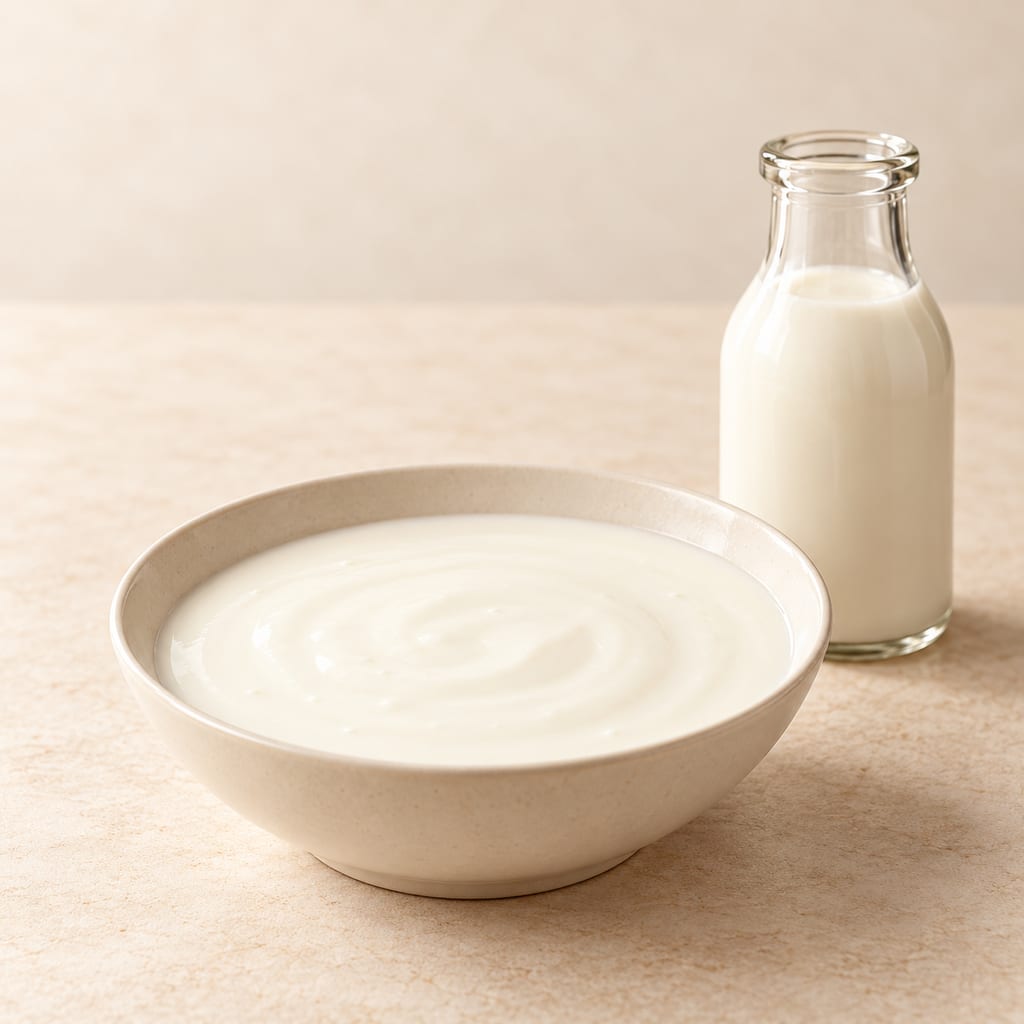
Filmjölk is a Swedish cultured milk with mild acidity and a spoonable body. This recurring batch uses filmjölk from the previous batch to culture fresh milk.
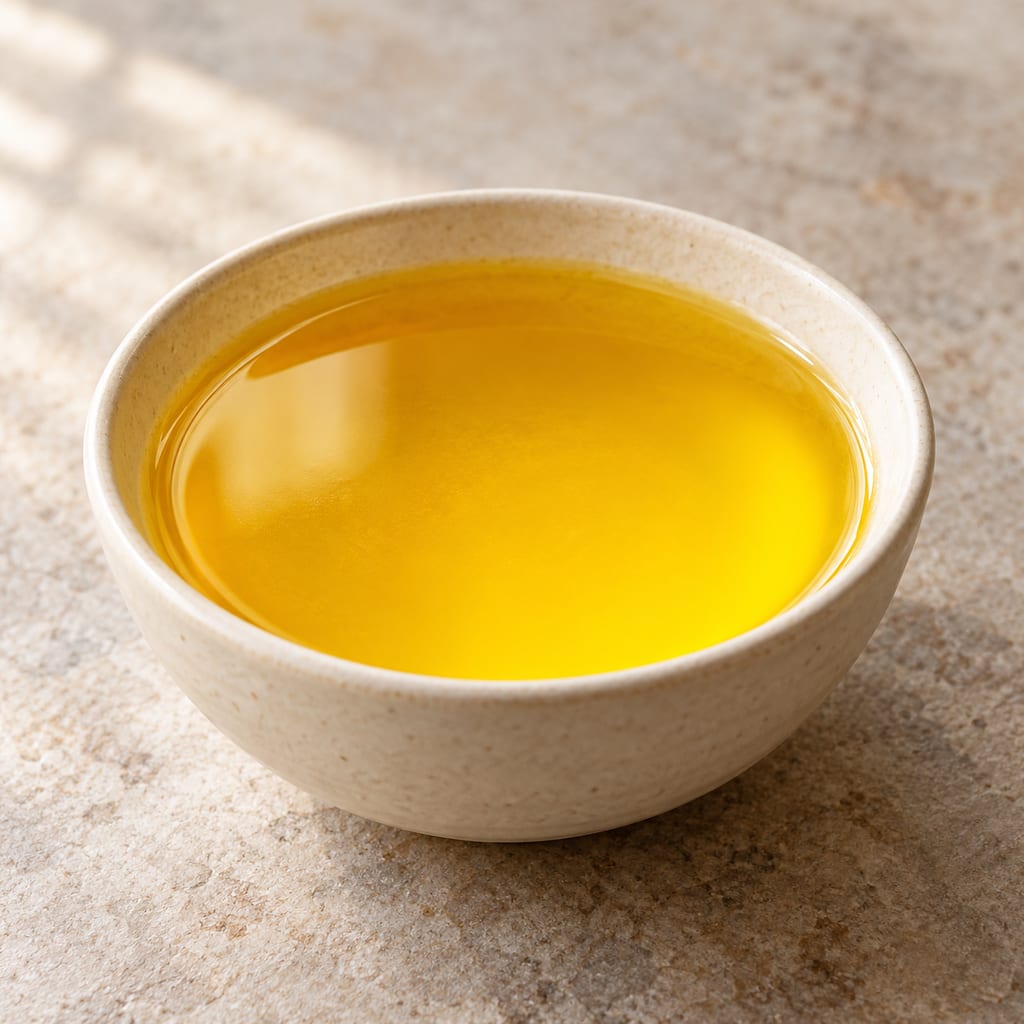
Butter heated until most water leaves and the milk solids separate, giving a fat that keeps far longer than butter. Rendering applies the same heat to animal tissue to make lard and tallow.

Protected Italian vinegar made only from cooked grape must, fermented and aged in a battery of wooden barrels for at least 12 years: sweet, sharp and syrupy.

Airag is Mongolia’s fermented mare’s-milk drink, traditionally churned with saved starter in a reusable cowhide khokhuur.

Appam, or hoppers, are South Indian and Sri Lankan rice pancakes made from a fermented coconut-and-rice batter and cooked in a curved pan to a crisp lacy rim and a soft, spongy centre.

Auricularia tremellosa is a wood ear fungus of the genus that supplies most dried wood ear sold in China; its own food record is thin, and the culinary practice described here comes from the closely related wood ear species.

Ayran is Turkey’s cold, savoury yogurt drink: plain yogurt is loosened with water and lightly salted, then whisked smooth or aerated into a soft cap of foam.
A thin stone griddle used over an open hearth. Norwegian archaeology documents the established tradition from the early Middle Ages; a Viking-period origin is only a cautious suggestion linked to Shetland.

Black carrot is the anthocyanin-pigmented Eastern carrot (Daucus carota var. atrorubens), the purple root that preceded orange types and still colours kanji and şalgam.
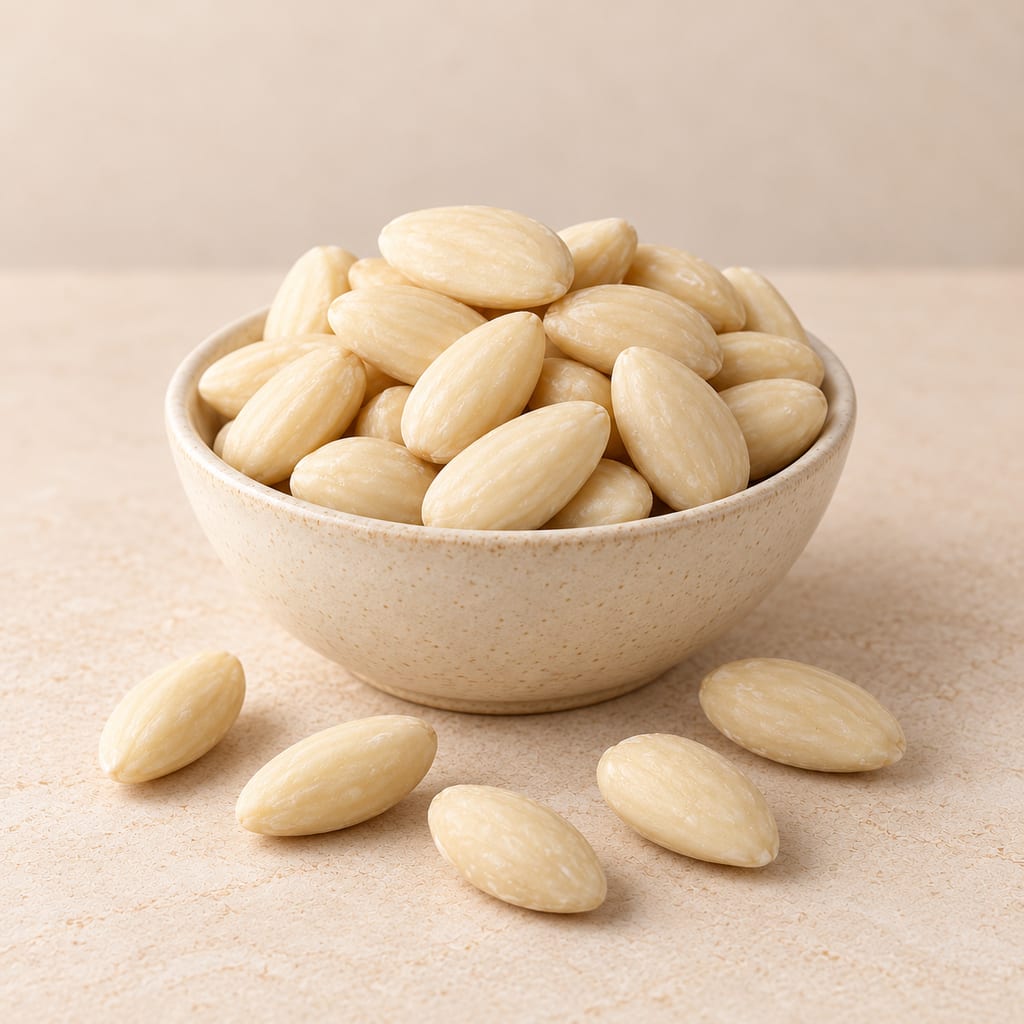
Blanched almonds are sweet almond kernels with the brown seed coat removed. A documented amla murabba cooks ten optional slivered kernels into the finishing syrup with spices and saffron.
No community contributions have been published for this entry yet.
Sign in to contribute. Published comments and photos are free to read.
Ribe VikingeCenterMethod
Ribe VikingeCenter — Friskost med urterThe museum's fresh-cheese reconstruction for six people: 1 litre of ymer, skyr or yoghurt, 1-2 tablespoons finely chopped fresh thyme, 2-3 tablespoons finely chopped wild garlic, 1 teaspoon salt and a little cream if wanted.
The method: pour the cultured dairy into a clean food-safe cloth suspended above the collected whey, drain in a cool place for at least 6 hours and preferably overnight, scrape the thickened curd into a clean bowl, loosen with cream if wanted, mix in the herbs and salt, allow approximately one hour for the herbs to flavour it and serve chilled.
The museum specifies no exact amount of cream, gives no microbiologically validated shelf life for the finished cheese, suggests milder versions using honey, and discusses using the whey in other preparations, including whey-pickled vegetables.
Cited in: What is fresh cultured-milk curd?; How straining works; The Ribe VikingeCenter reconstruction; Method; A smaller modern version; Regional dairy traditions; How fresh curd is served; The curd remains too soft; The curd becomes crumbly; The curd tastes excessively sour; Safety and storage
Viking Ship Museum, RoskildeMethod · History
Viking Ship Museum — Food in Viking TimesDairy products in the museum's historical cooking material, including a buttermilk-based fresh-cheese demonstration, and the place of milk processing in a household that could not keep milk fresh.
Whey as a liquid in dough, where it changes hydration and flavour and its remaining lactose may contribute to browning during baking.
Cited in: What to do with whey
National Museum of DenmarkHistory
National Museum of Denmark — Meat and fishAnimal husbandry and dairy context: cattle economically important beyond meat, a productive cow supplying milk over successive lactations, and sheep and goats contributing dairy in suitable farming systems.
Archaeological evidence for dairy can include equipment, residues absorbed into pottery and the wider remains of livestock husbandry.
Cited in: Names and terminology; Dairy in Viking Age life; What the evidence can and cannot establish
Cambridge University PressHistory · Science
Cambridge University Press — Heirloom Cultures and Heritage BrandingScholarship on cultured dairy and the heritage of skyr: Norse settlement of Iceland in the late ninth century with the principal early occupation dated archaeologically to around that period, and dairy husbandry becoming important in the island's agricultural economy.
Traditional skyr production involves acidification of milk and separation of whey, with some methods using both bacterial starter cultures and rennet, while modern industrial skyr may use different concentration technologies; the exact cultures and parameters of the earliest Icelandic skyr are not securely documented.
Later Icelandic food traditions include the use of acidic whey in preserving certain foods, which belongs to specific processes with particular ingredients, acidity and handling conditions.
Cited in: What is fresh cultured-milk curd?; Names and terminology; Dairy in Viking Age life; What fermentation does to milk; How straining works; Why skyr deserves separate explanation; Regional dairy traditions; What to do with whey; What the evidence can and cannot establish
Food Standards ScotlandSafety
Food Standards Scotland — Cooking and refrigerationPresent-day hygiene guidance used here: keep equipment clean, drain and hold the product in a refrigerator ideally maintained between 0°C and 5°C, and treat a moist fresh dairy product as perishable.
Cited in: Acidification is not the same as preservation certification; The product develops mould or an unexpected smell; Safety and storage