Milk, curd and the world's dairy stores
Follow milk into cheese, cultured drinks, butter, dried curds and sweets: a journey through the animals, seasons and household decisions behind the world's dairy foods.
 FermenteaWhere food goes to change
Аарц · Mongolian aarts · Mongolian curd from tarag
Aarts is a soft Mongolian curd made by draining boiled fermented yogurt; it remains wet, unlike aaruul, which is dried.
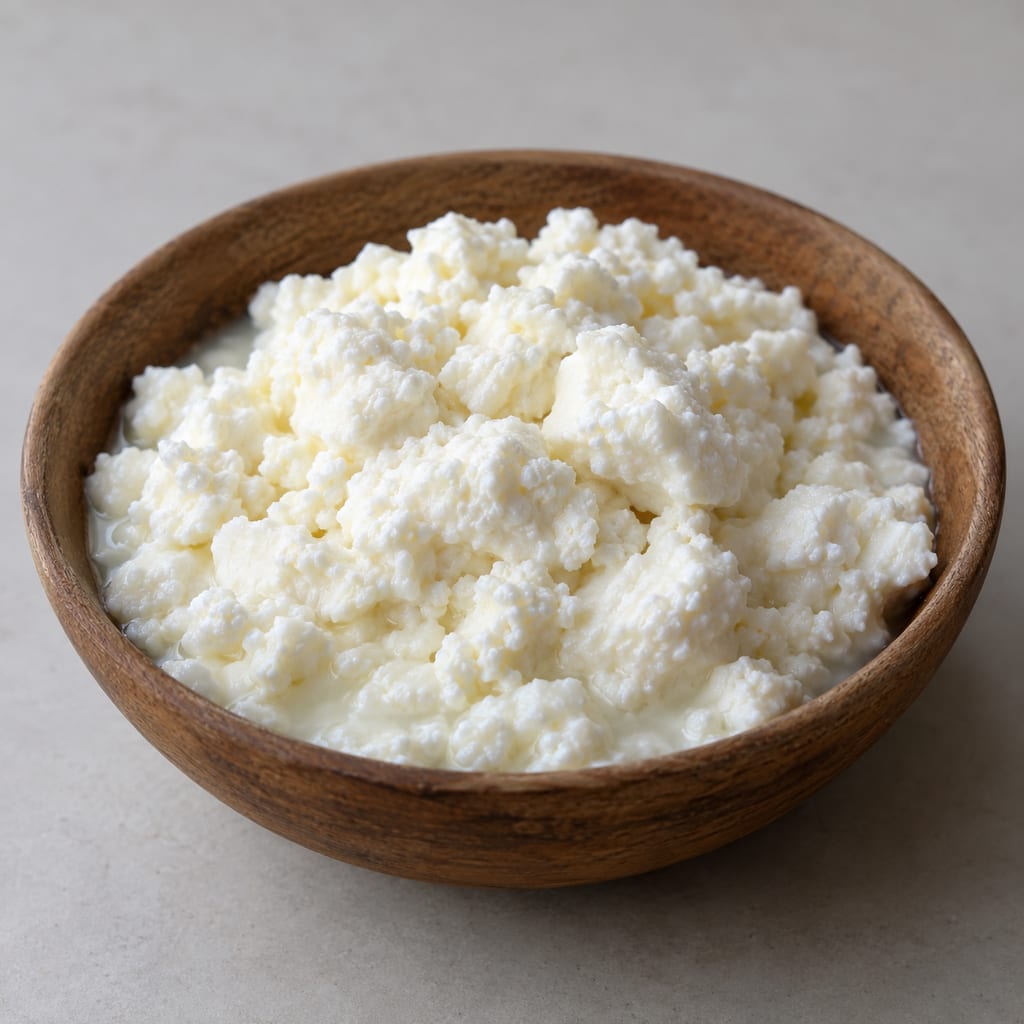
Aarts (аарц) is a Mongolian wet curd made from fermented dairy. The 1995 IFAD survey lists it as a heated fermented-milk curd or concentrate. The National Center for Cultural Heritage describes filtered curds as aarts or aaruul, while the Mongolian Tourist Information Center separates the two: aarts is drained curd, and aaruul is made by drying it.
This page follows one documented route using boiled fermented yogurt, or tarag. Sources also mention tsagaa, so this is one route among variations, not a universal formula.
The Mongolian Tourist Information Center says aarts is made by pouring boiled yogurt into a cloth sack and letting the whey drip away. It gives no input quantity, boiling duration, draining time, or finished yield. This record preserves those omissions instead of adding a household batch size or a visual percentage.
For a home adaptation, start with plain yogurt made from pasteurized milk. Heat it to a boil, then drain it through clean cloth until the curd is soft and thick. The source does not say whether the cloth is hung or set in a sieve, so either arrangement that lets whey drain into a clean bowl follows the stated method.
Aarts made this way is moist and perishable. The historical account gives no storage life or safety limits. This modern adaptation uses pasteurized-milk yogurt and clean equipment, then chills the curd promptly in a covered container. FDA guidance sets the refrigerator at 4°C or below and says perishable foods should not remain at room temperature for more than two hours.
This is a fresh cooked curd, not a validated preservation method.
The archive identifies aarts as a Mongolian heated fermented-milk curd or concentrate. The cited sources distinguish the wet curd from dried aaruul but do not establish when the preparation began or one universal method.
Scaling: source batch only
Aarts is a moist fresh dairy product; contamination after heating or warm holding can allow pathogens to grow.
Hazard sourceUse yogurt made from pasteurized milk, clean the cloth and utensils, transfer the curd to a covered container, and refrigerate it within two hours at 4°C or below.
Control sourceThis recipe gives no validated storage life. Keep the fresh curd refrigerated and discard it if it has been left out beyond the cited two-hour limit.
The sources associate aarts with Mongolian dairy practice but do not locate a precise origin.
Follow milk into cheese, cultured drinks, butter, dried curds and sweets: a journey through the animals, seasons and household decisions behind the world's dairy foods.
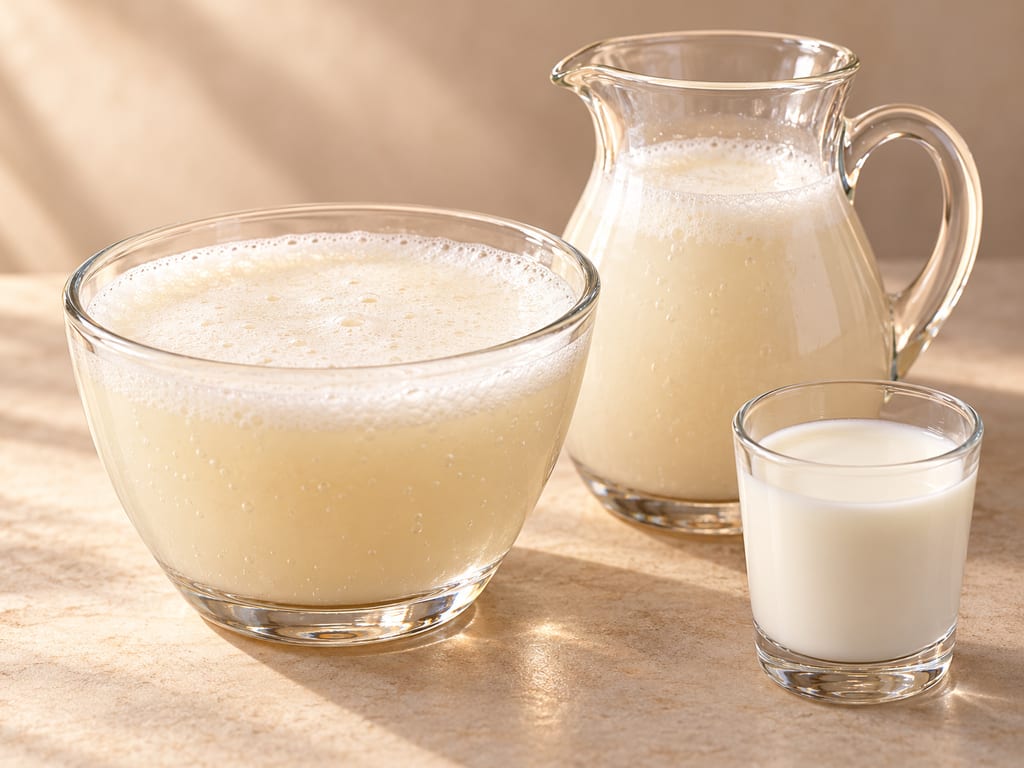
Airag is Mongolia’s fermented mare’s-milk drink, traditionally churned with saved starter in a reusable cowhide khokhuur.
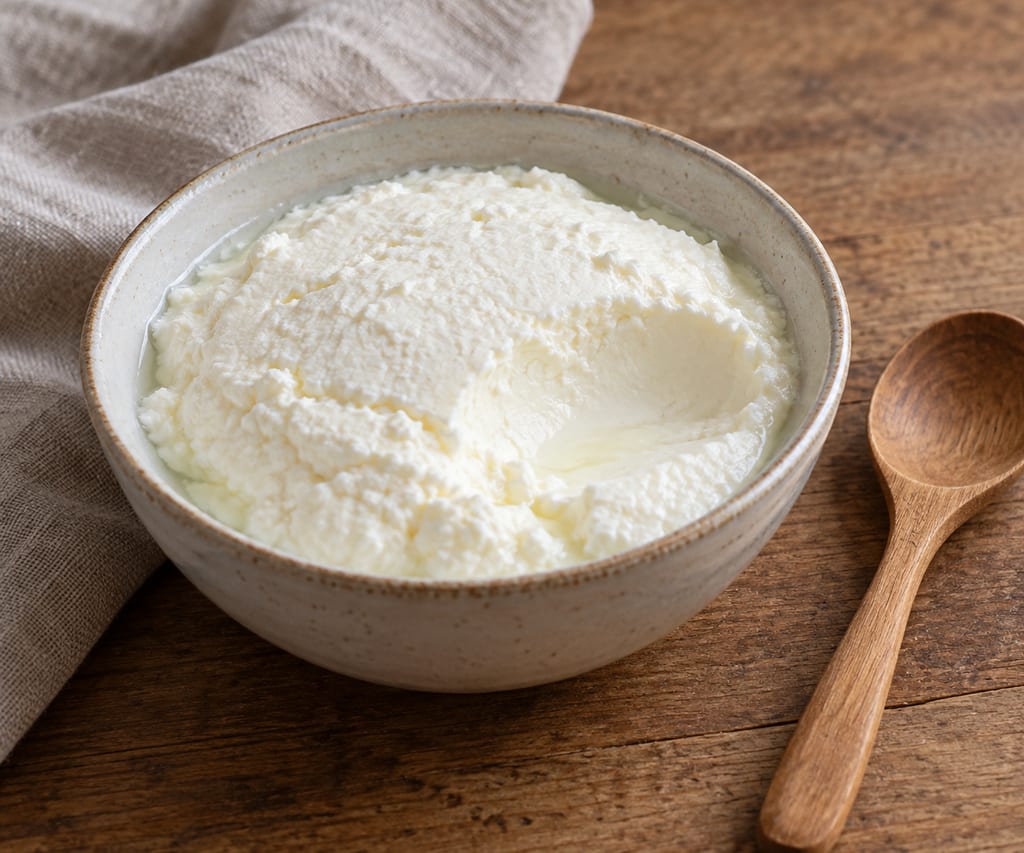
Tarag is a traditional Mongolian fermented milk made by culturing heated cow, yak, sheep or goat milk with a retained starter into a sour, softly set or drinkable yoghurt.
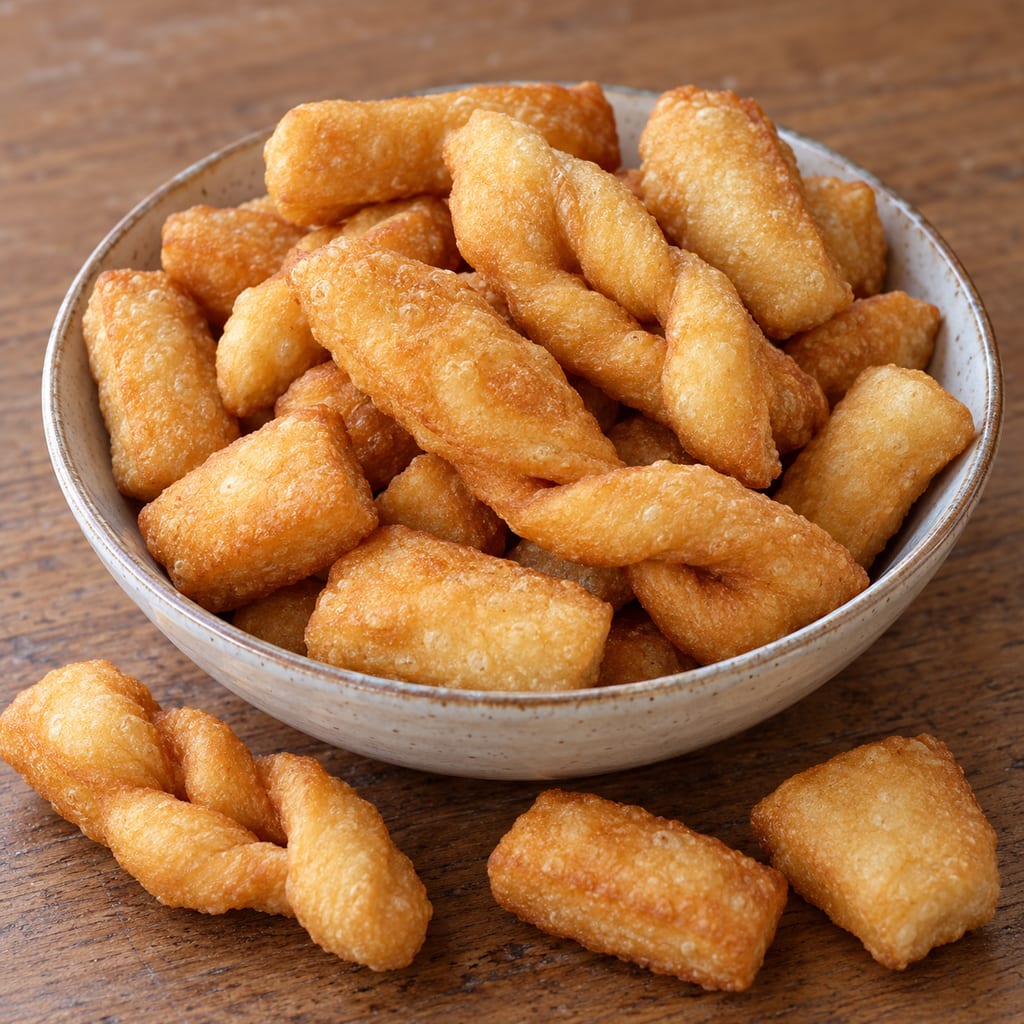
Firm Mongolian fried pastries made from an unyeasted wheat dough enriched with butter and sweetened with sugar; the dense dough is rested, cut or knotted, and fried until golden.
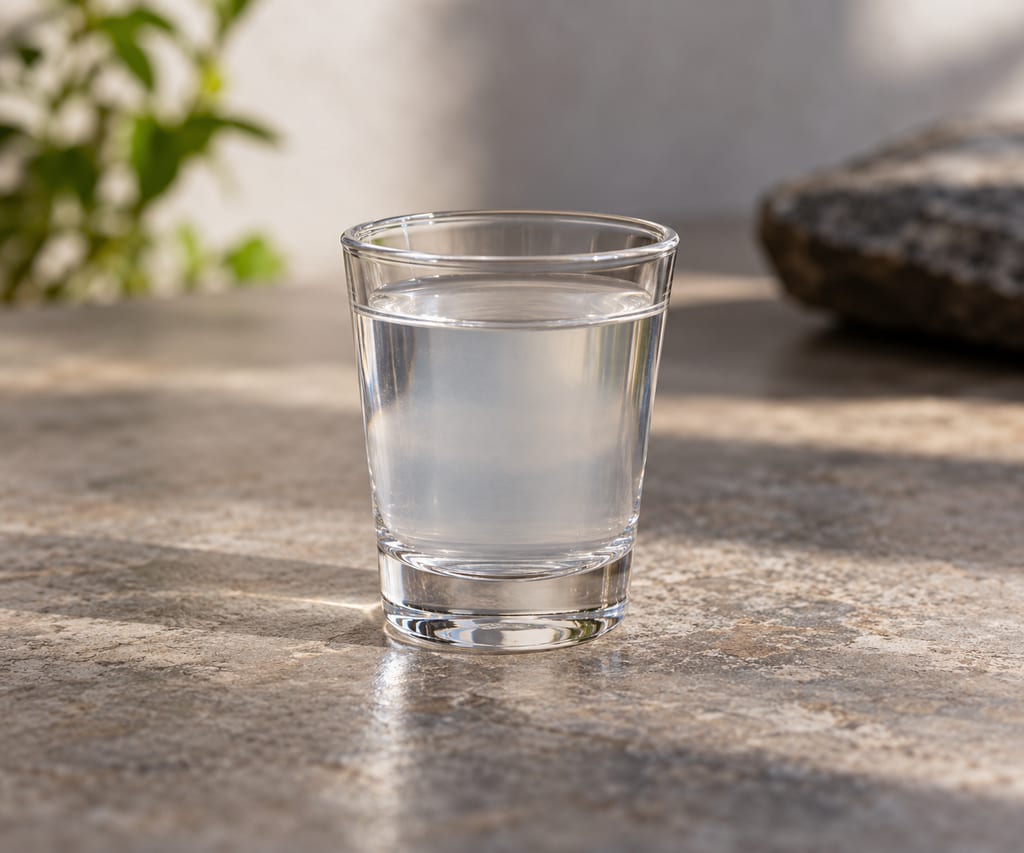
A Buryat milk spirit distilled from khurenge, the backslopped sour dairy ferment, in a cauldron still: a distillate that keeps milky and cheese-like aromas from the dairy it came from.

Mongolian pan-fried flatbreads made by folding sugar and oil through a simple wheat dough.
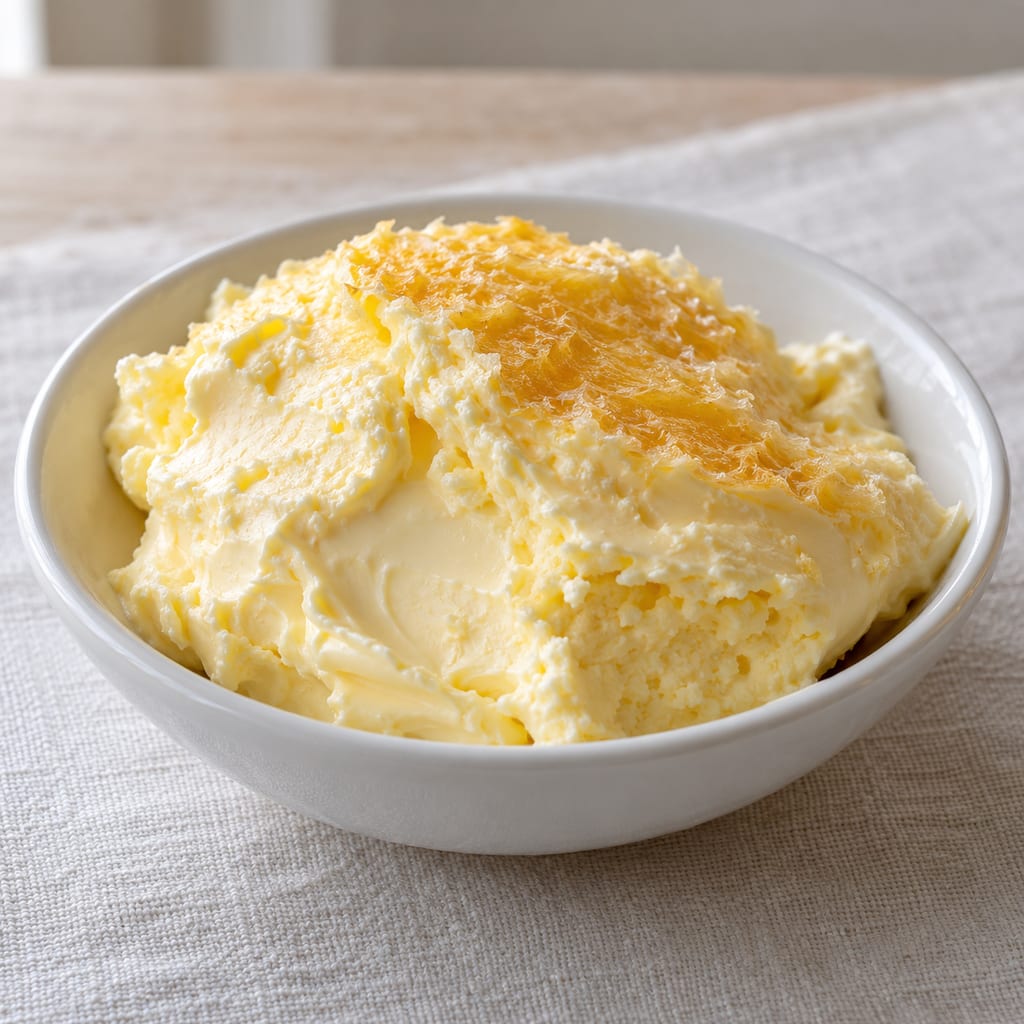
High-fat cream scalded below boiling for at least an hour until a thick crust forms, then cooled hard so the crust sets and the cream beneath thickens.
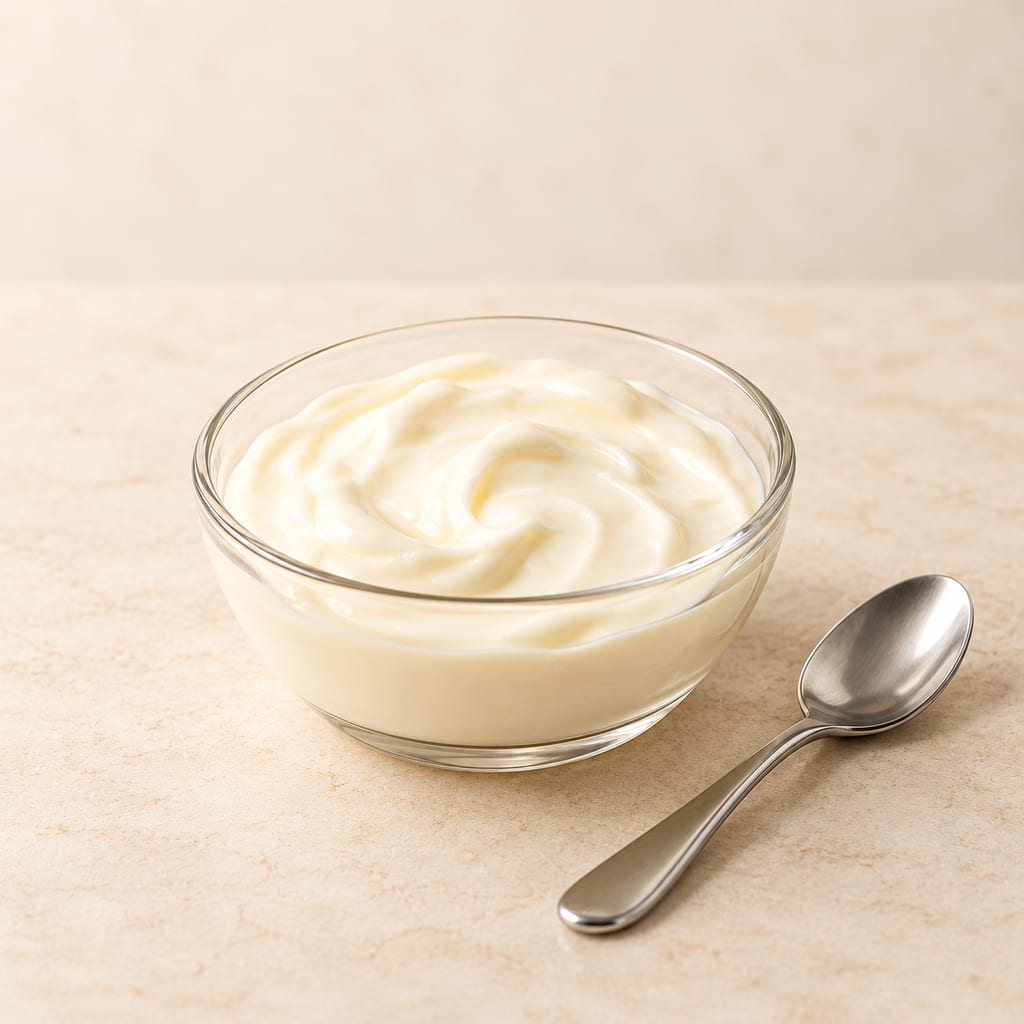
Crème fraîche is cream soured by lactic cultures into a thick, mild topping. It suits fruit and desserts as well as soups, sauces and other savoury dishes.
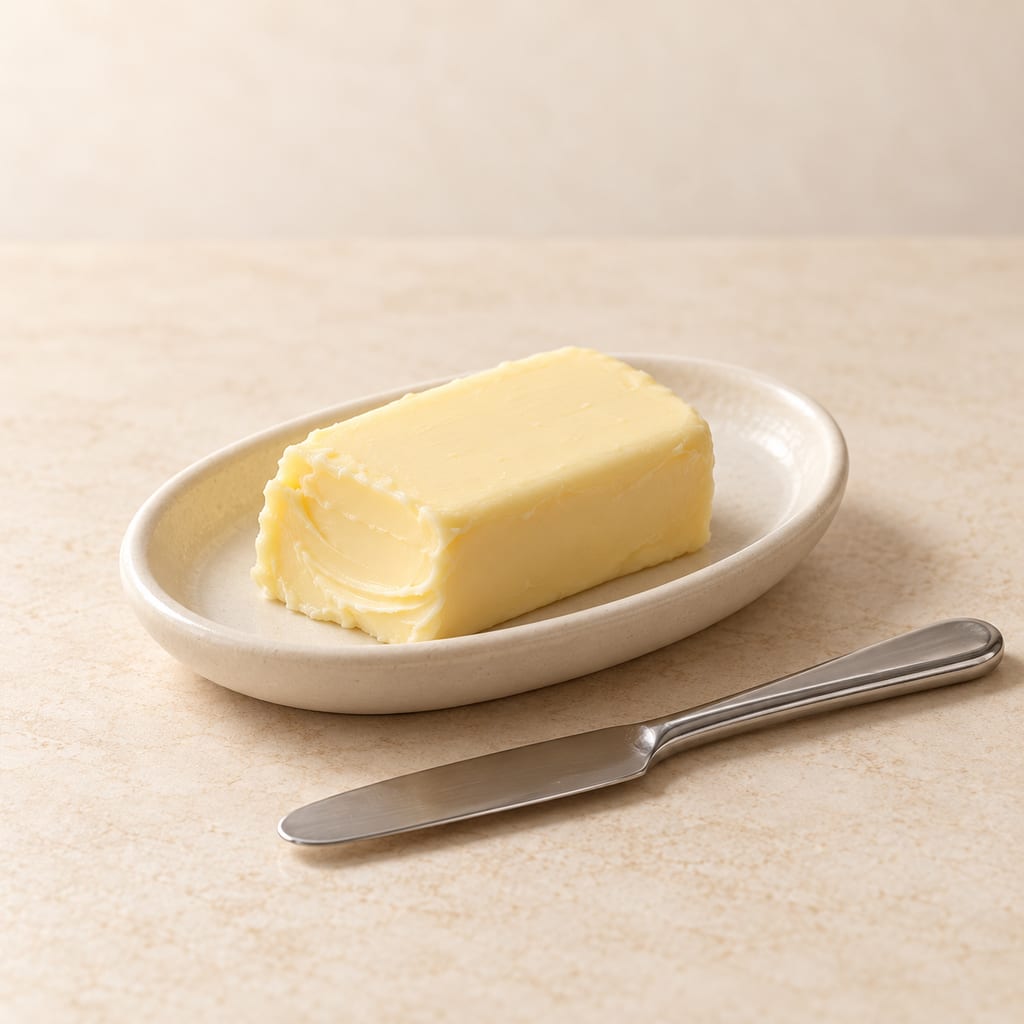
Cultured butter is churned from cream soured with lactic cultures. Its lightly tart flavour comes from the cultured cream, which separates into butter grains and buttermilk.
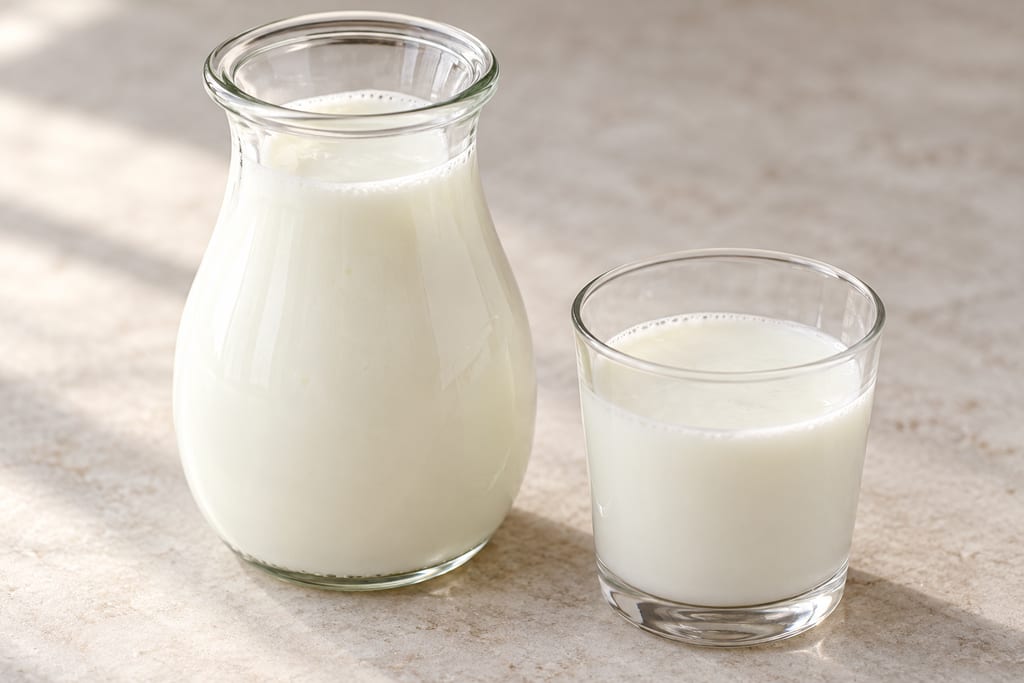
Cultured buttermilk is skim milk soured with a lactic starter into a tangy drink. This Canadian home method sets the milk without churning cream.
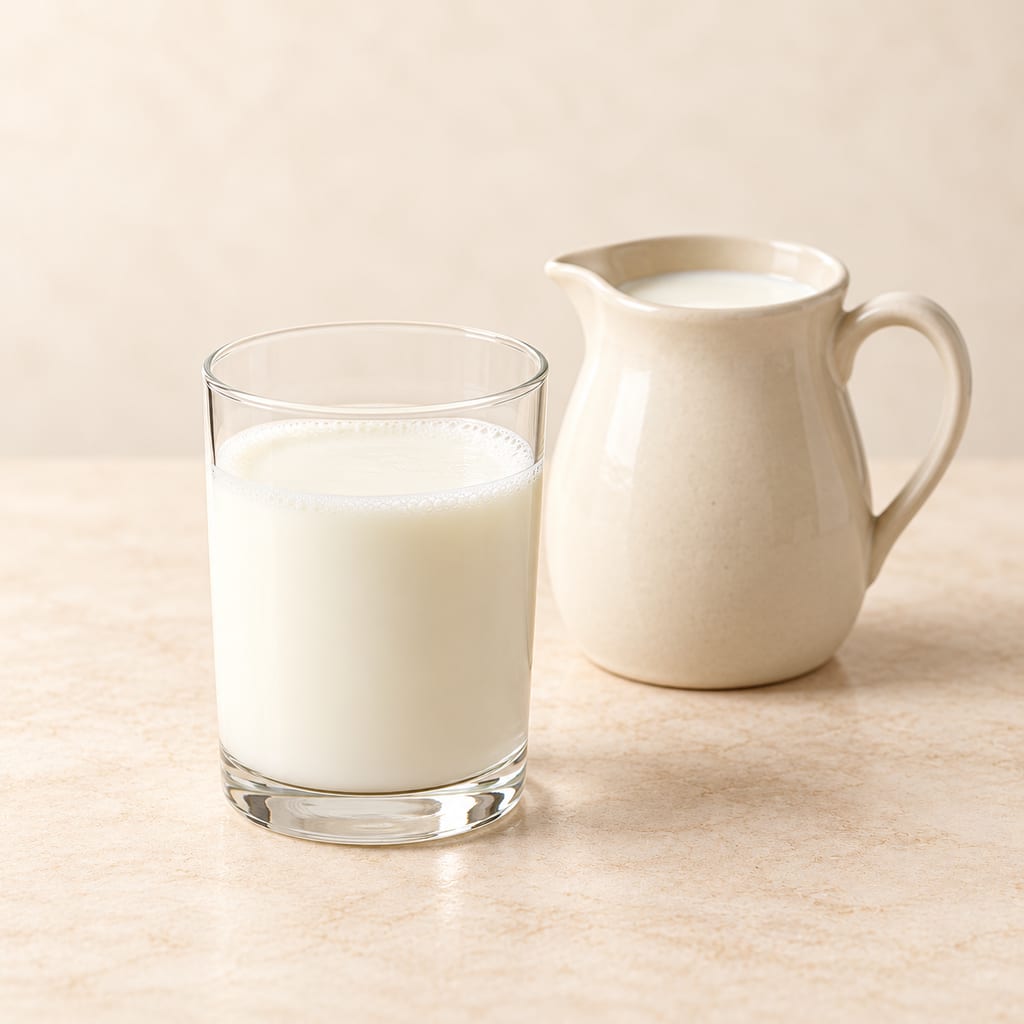
Milk thickened with a packet of buttermilk culture makes a tangy drink and a baking ingredient. This warm-incubated version uses whole milk.
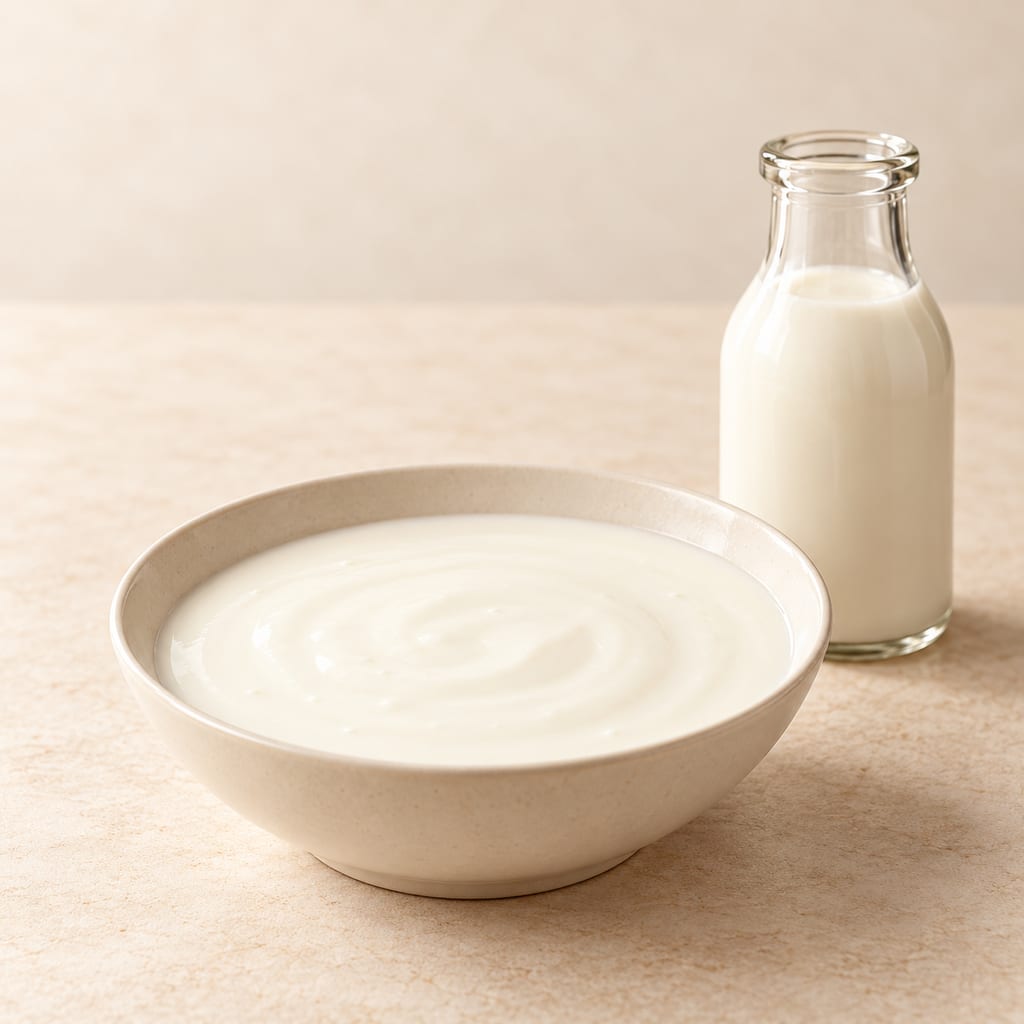
Filmjölk is a Swedish cultured milk with mild acidity and a spoonable body. This recurring batch uses filmjölk from the previous batch to culture fresh milk.
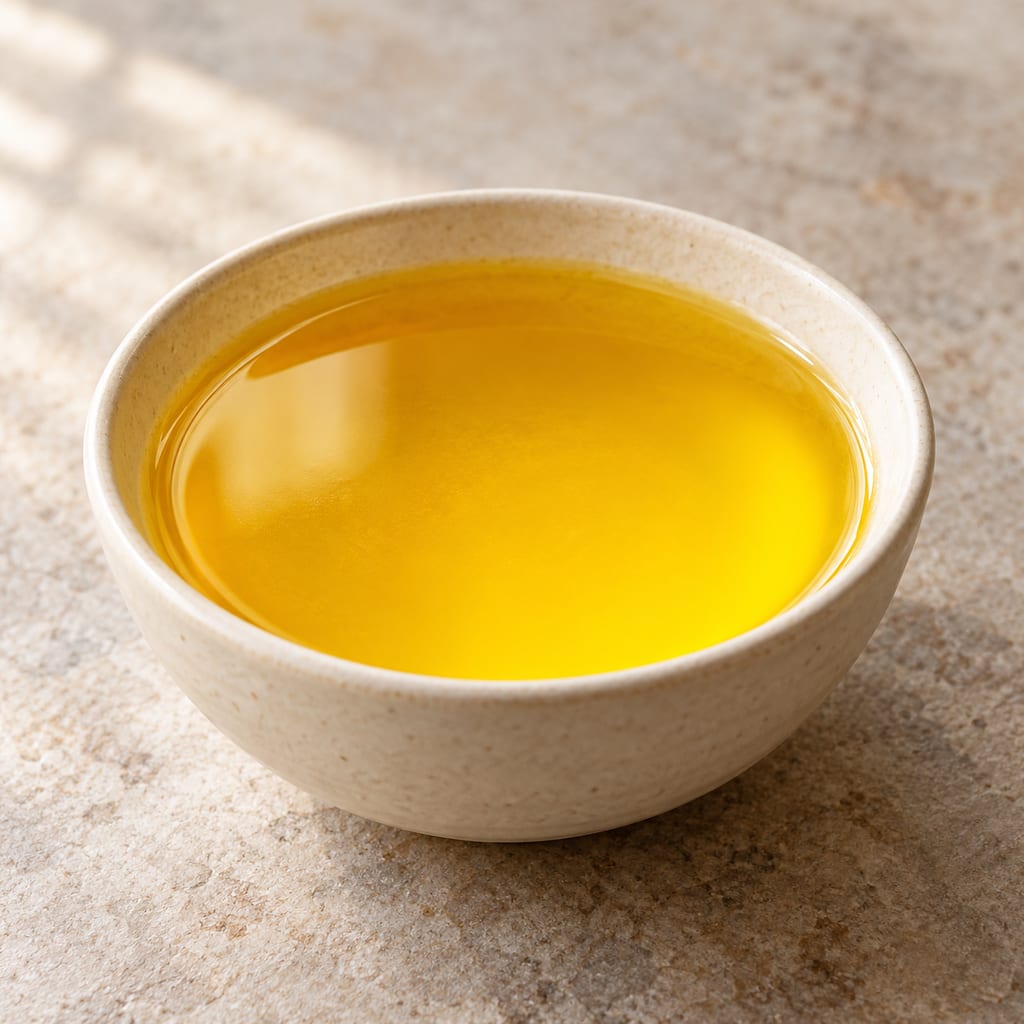
Butter heated until most water leaves and the milk solids separate, giving a fat that keeps far longer than butter. Rendering applies the same heat to animal tissue to make lard and tallow.
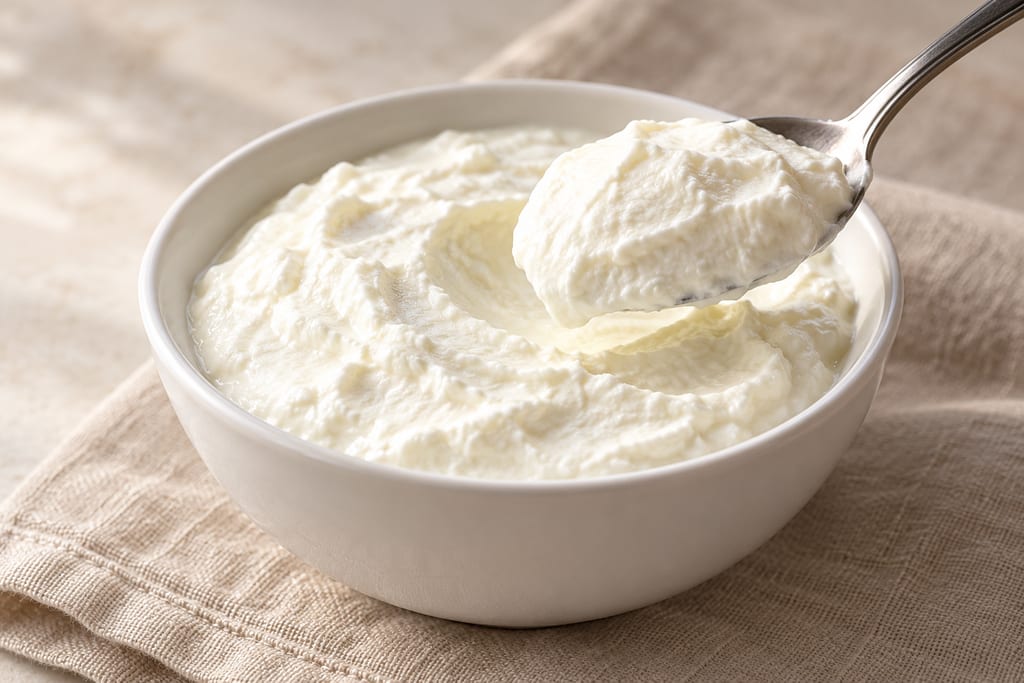
Greek-style strained yogurt is cultured whole milk drained through cloth to remove whey. This modern Utah home method makes a thick yogurt from a gallon batch.
No community contributions have been published for this entry yet.
Sign in to contribute. Published comments and photos are free to read.
Mongolian Tourist Information CenterMethod · History · Geography
Tsagaan ideeDescribes aarts as curds obtained by draining boiled yogurt or tsagaa in a cloth sack; distinguishes wet aarts from aaruul, which is dried from it.
Cited in: A soft curd, distinct from aaruul; Boil and drain the yogurt
IFADInspiration · History · Geography
Mongolia Arkhangay Livestock Development Project: Sociological Survey, AppendicesThe survey appendix lists aarts as a Mongolian heated fermented-milk curd or concentrate; it does not provide a household recipe or quantities.
Cited in: A soft curd, distinct from aaruul
International Research Centre for Intangible Cultural Heritage in the Asia-Pacific Region; National Center for Cultural HeritageHistory · Geography
The traditional technique of preparing the dairy milk productsThe record describes Mongolian dairy processing and identifies filtered curds as soft or dried products including aarts and aaruul.
Cited in: A soft curd, distinct from aaruul
U.S. Food and Drug AdministrationSafety
Refrigerator Thermometers: Cold Facts about Food SafetyFDA recommends keeping a refrigerator at 40°F (4°C) or below and refrigerating perishable food within two hours.
Cited in: Handle the fresh curd safely