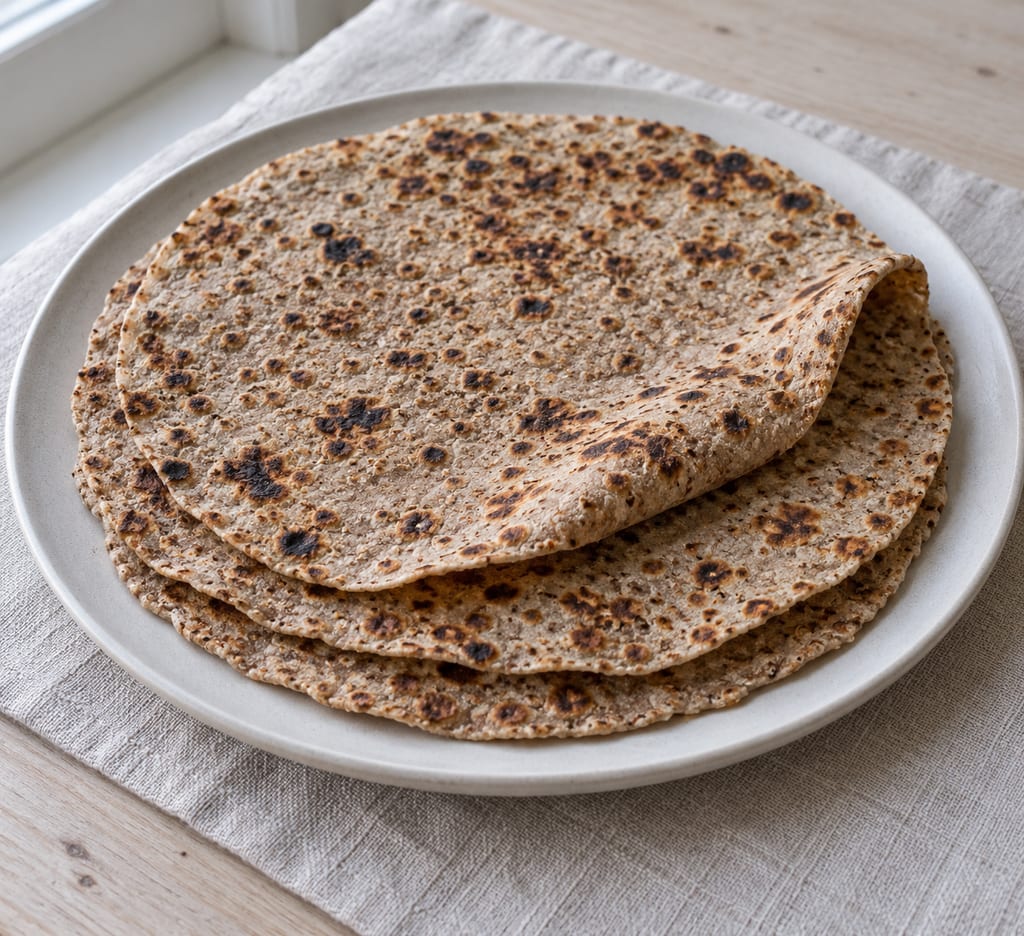
Flatbrauð (Icelandic pan-cooked flatbread)
Thin Icelandic flatbreads made from rye and whole-wheat flour with boiling water, shaped into rounds, docked and cooked on a hot stovetop or gas grill.
 FermenteaWhere food goes to change
Modern method
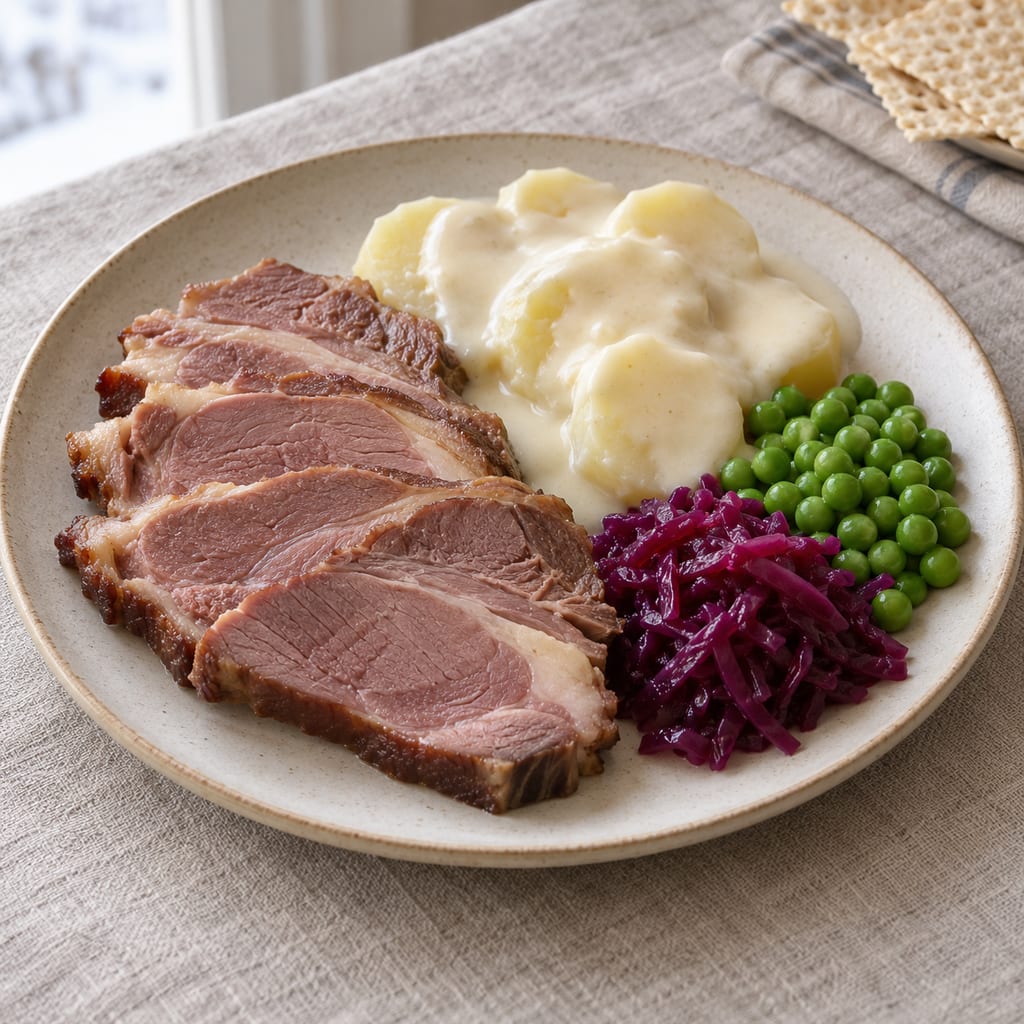
Hangikjöt · Hangikjöt with bechamel, pickled red cabbage, green peas, and laufabrauð.
A six-person Icelandic Lamb serving recipe for deboned hangikjöt with potato bechamel, pickled cabbage, peas and laufabrauð. It cooks the product; it does not smoke or cure it.
Hangikjöt is Icelandic smoked meat, most characteristically lamb or mutton, traditionally associated with Christmas.
The name literally means “hung meat”, referring to the practice of suspending meat during smoking and preservation.
The recipe documented here is a festive plate of hangikjöt served with potatoes in white sauce, pickled red cabbage, peas and laufabrauð, the thin, decorated Icelandic bread associated with the Christmas season.
The dish is often described in English as smoked lamb with béchamel, but the Icelandic sauce is more commonly called uppstúfur or referred to simply as hvít sósa, white sauce.
Its ingredients are flour, butter and milk, making it closely related technically to béchamel.
The recorded recipe is published by Icelandic Lamb and uses a deboned piece of hangikjöt weighing approximately 1.5 kg.
The meat is a purchased, already smoked product. The recipe does not contain the salting, curing, smoking or drying instructions used to manufacture it.
Hangikjöt is deeply associated with Icelandic food history.
In a country with a relatively short growing season and historically limited access to certain foods, preserving meat was an important part of household food security.
Drying, salting, fermentation and smoking developed as ways of making animal products available beyond the immediate slaughter period.
The settlement of Iceland in the ninth and tenth centuries brought livestock farming traditions into a landscape with distinctive environmental constraints.
Iceland's forests were heavily affected by settlement and changing land use. Fuel could be scarce, and preserved meat production used materials available locally.
Historical smoking practices sometimes employed dried sheep dung as fuel, alongside birch, other woody material or peat.
Dried sheep dung is particularly associated with traditional Icelandic smoking. It produced a distinctive flavour and reflected the practical realities of fuel availability.
Hangikjöt was suspended in smokehouses or smoking sheds, and the preservation process could take place over extended periods.
The name hangikjöt itself evokes this method.
Over time, smoked lamb became strongly associated with festive meals, particularly Christmas.
Modern Icelandic Christmas tables often include hangikjöt, peas, red cabbage, potatoes in white sauce and laufabrauð.
The dish therefore represents a combination of meat preservation and seasonal communal food traditions.
It is especially important to distinguish the history of smoked meat from the history of the precise plate presented here.
The 2021 Icelandic Lamb recipe documents a contemporary version of the meal. It does not establish when every accompaniment first became part of the Christmas service.
Hangikjöt is not a single product with one universal processing method.
Professional Icelandic food-production guidance distinguishes products intended to be boiled before consumption from certain separately matured products that may be suitable for other uses.
This distinction is important because the physical appearance of smoked meat does not necessarily reveal whether it requires cooking.
The present recipe is a cooking preparation for a deboned piece intended to be simmered.
It is not a recipe for eating raw-matured smoked meat.
The commercial product's packaging and instructions remain authoritative for its particular handling requirements.
SIX-PERSON SOURCE FORMULATION
Component — Ingredient — Quantity
Meat — Deboned hangikjöt leg — Approx. 1.5 kg
Cold water — Unspecified
White sauce — Butter — 50 g
Flour — 50 g
Milk — 8 dL
Sugar — A pinch
Salt — Unspecified
Black pepper — Unspecified
Nutmeg — Unspecified
Potatoes — Boiled, peeled potatoes — 600 g
Sides — Pickled red cabbage — Unspecified
Green peas, frozen or canned — Unspecified
Laufabrauð — Unspecified
The original recipe provides quantities for the meat, sauce and potatoes but not for the side dishes.
It also does not provide a detailed recipe for pickling the cabbage or making laufabrauð.
Those are already prepared accompaniments in this record.
Hangikjöt supplies the major protein component and characteristic smoky, salty flavour.
The meat is usually sheep meat, from Ovis aries. Lamb and mature sheep can produce different textures and flavour strengths.
Water forms the cooking medium, allowing heat transfer around the meat during simmering.
Butter supplies fat for the white sauce and carries flavour.
Flour contains starch that thickens the sauce when heated with sufficient liquid.
Milk supplies water, dairy fat, proteins and lactose, creating the base of the sauce.
Sugar provides a small sweetening adjustment.
Salt, pepper and nutmeg season the sauce. Nutmeg is particularly familiar in some northern European white sauces.
Potatoes, Solanum tuberosum, provide the main starchy accompaniment.
Pickled red cabbage supplies acidity, colour and a contrasting vegetal texture.
Green peas, Pisum sativum, contribute sweetness, colour and another vegetable component.
Laufabrauð provides a crisp contrast. It is a thin bread that is decorated with cuts and traditionally fried.
The plate deliberately combines several strong textural and sensory differences.
A large pot is needed for simmering the meat.
A smaller saucepan and whisk or stirring tool are required for the white sauce.
A knife and cutting board are needed for slicing the cooked meat.
A means of cooking and holding the potatoes and peas is also required.
A suitable food thermometer is advisable for assessing meat cooking, although the original recipe does not supply an exact internal endpoint.
Stage 1 — Prepare the meat
Take approximately 1.5 kg deboned hangikjöt intended for cooking.
Place it in a sufficiently large pot.
The source does not specify rinsing or soaking before cooking.
Stage 2 — Add water
Cover the meat with cold water.
The exact water volume is not given.
The cold start allows the product and cooking liquid to heat together.
Stage 3 — Heat gently
Bring the pot gradually toward simmering.
Maintain a slow simmer rather than vigorous boiling.
The recipe does not provide a numerical simmering temperature.
Stage 4 — Cook the hangikjöt
Simmer for approximately 40 minutes per kilogram of meat.
For the documented piece, this forms part of a two-hour cooking preparation.
However, the time-per-kilogram instruction is a culinary estimate, not a validated core-temperature limit.
Stage 5 — Rest in the broth
Remove the pot from the heat.
Allow the meat to cool in the cooking broth.
The original gives no exact cooling time.
This is a traditional culinary instruction. It should not be interpreted as permission for uncontrolled prolonged cooling at room temperature.
Stage 6 — Prepare the white sauce
Melt 50 g butter in a saucepan.
Stir in 50 g flour.
Mix to distribute the flour through the fat.
Stage 7 — Add milk gradually
Pour in 8 dL milk a little at a time, stirring continuously.
This helps prevent dry flour clumps from forming.
The sauce gradually thickens as the flour hydrates and heats.
Stage 8 — Simmer the sauce
Simmer the white sauce for 20 minutes.
Stir regularly.
The original specifies this time but does not give a sauce temperature or exact viscosity.
Stage 9 — Season
Add salt, black pepper, nutmeg and a pinch of sugar.
The source does not quantify these ingredients.
Stage 10 — Add potatoes
Add 600 g already boiled and peeled potatoes.
Allow them to warm through in the sauce.
The recipe does not specify the potato variety or the exact warming duration.
Stage 11 — Slice the meat
Remove the cooked hangikjöt from the broth and slice it.
The source does not prescribe slice thickness.
Stage 12 — Assemble
Serve the meat with potatoes in white sauce.
Add pickled red cabbage, green peas and laufabrauð.
The main transformations in the present recipe are thermal.
As meat heats, muscle proteins denature and the structure changes.
Collagen and connective tissues also respond to prolonged heating, although the degree of softening depends on the cut, animal age and temperature.
The product has already undergone salting and smoking before cooking.
Those earlier treatments influence the meat's moisture distribution, texture and flavour.
Smoke-derived phenolic compounds contribute aromatic character, while salt changes protein behaviour and flavour.
The actual concentration of salt and smoke compounds depends on the manufacturer.
The simmering water can extract some salt and other soluble components.
This is one reason simmered cured meat may taste different from an equivalent product eaten directly after processing.
The meat's cooking behaviour also depends on whether it has already undergone any other heat treatment.
That status cannot be determined from the recipe name alone.
Béchamel-style sauce is a useful demonstration of starch gelatinisation.
Butter first disperses flour particles in fat.
When milk is added and the mixture is heated, the starch in the flour absorbs water and swells.
As gelatinisation progresses, the sauce thickens.
Continuous stirring helps distribute the thickening starch and prevents excessive local heating.
The milk contributes proteins and fat, producing a richer texture than a comparable water-based thickened sauce.
Nutmeg and black pepper contribute flavour without changing the basic thickening mechanism.
The twenty-minute simmer permits further cooking of the flour mixture and flavour development.
The finished sauce is intended to coat the potatoes rather than remain completely watery.
The exact consistency is not numerically specified.
Hangikjöt can be served hot or cold.
Some households serve sliced cold meat with hot potato sauce.
Others present warm slices directly from the cooking pot.
The use of sheep-dung smoke versus wood smoke produces different flavour profiles, reflecting both historical fuel availability and contemporary preferences.
Some versions use deboned legs; others use different cuts.
The white sauce may vary in richness, sweetness or nutmeg intensity.
The 2021 Icelandic Lamb recipe gives a straightforward sauce, while another Icelandic Lamb preparation includes additional festive sides such as apple salad and homemade red cabbage.
These are related serving variants rather than identical source recipes.
The main recipe's pickled cabbage may be homemade or purchased, but no specific formulation is prescribed.
Laufabrauð itself has elaborate decorative and regional traditions.
The bread is often prepared in groups before Christmas, with family members cutting intricate patterns into thin rounds of dough.
That practice is a significant part of Icelandic seasonal food culture independently of hangikjöt.
The dish is strongly associated with Christmas meals, particularly Christmas Eve and Christmas Day traditions.
It is normally presented as a substantial main course.
The smoky meat is balanced by the mild potato sauce and sweet-acidic cabbage.
Green peas provide colour and sweetness.
Laufabrauð adds a contrasting crisp texture.
The plate may be eaten with meat served either warm or cold, depending on household practice and product type.
Leftover hangikjöt is also used in sandwiches and other cold dishes where the product is suitable for that use.
However, the present recipe is the specific cooked festive plate, not a general sandwich preparation.
The meat should retain its characteristic smoke aroma.
Excessive vigorous boiling can affect texture and may produce more water loss than gentle simmering.
Very thick white sauce may become pasty, while a thin sauce may fail to coat the potatoes.
Flour lumps indicate inadequate dispersion.
A scorched sauce can develop unpleasant flavours, especially if stirred insufficiently near the bottom of the saucepan.
Potatoes can break down if reheated aggressively within the sauce.
Pickled cabbage should provide an acidic counterpoint rather than overwhelm the plate.
The most important safety-related problem is assuming that the estimated cooking time alone proves the meat has reached an adequate internal cooking endpoint.
The original recipe gives no measured meat-core temperature.
Professional hangikjöt guidance distinguishes product categories and the need for cooking according to product type.
Use the label of the purchased meat to determine its required treatment.
Cooling meat in cooking liquid is part of the source recipe, but a large pot of hot meat and broth can remain warm for a long time.
Current safe-cooling guidance should be followed rather than leaving the mixture at ambient temperature for an unspecified period.
The prepared sauce contains milk and butter and also requires appropriate handling.
No validated shelf life is provided for the finished meal.
This is a dated contemporary meal recipe, not an earliest attestation of hangikjöt or a smoking/curing method.
Yield 6 persons · Scaling: source batch only
Matís distinguishes category A hangikjöt, which must be boiled before eating, from a separate raw-matured category B. The Icelandic Lamb recipe gives a time estimate but no measured internal endpoint.
Hazard sourceUse only a product sold for the cooked-required category and follow its label. Matís identifies category A as requiring boiling; neither the recipe’s approximate minutes-per-kilogram nor this meal record is a validated endpoint.
Control sourceFor cooked leftovers, Food Standards Agency guidance for England, Northern Ireland and Wales says cool and refrigerate within two hours, then eat within 48 hours or freeze; this is general consumer advice, not an Icelandic product rule.
Control sourceThe source recipe gives no measured cooking endpoint or storage duration. It describes cooling in broth but does not say how long the pot may remain out; follow current local guidance and the product label. This recipe is for category A only, not raw-matured category B.
This records the source-specific product or recipe association, not an origin or wider household-process claim.
Thin Icelandic flatbreads made from rye and whole-wheat flour with boiling water, shaped into rounds, docked and cooked on a hot stovetop or gas grill.

A documentary account of Icelandic hákarl, fermented and dried Greenland shark. It describes cultural context and one production study, not a home preparation method.
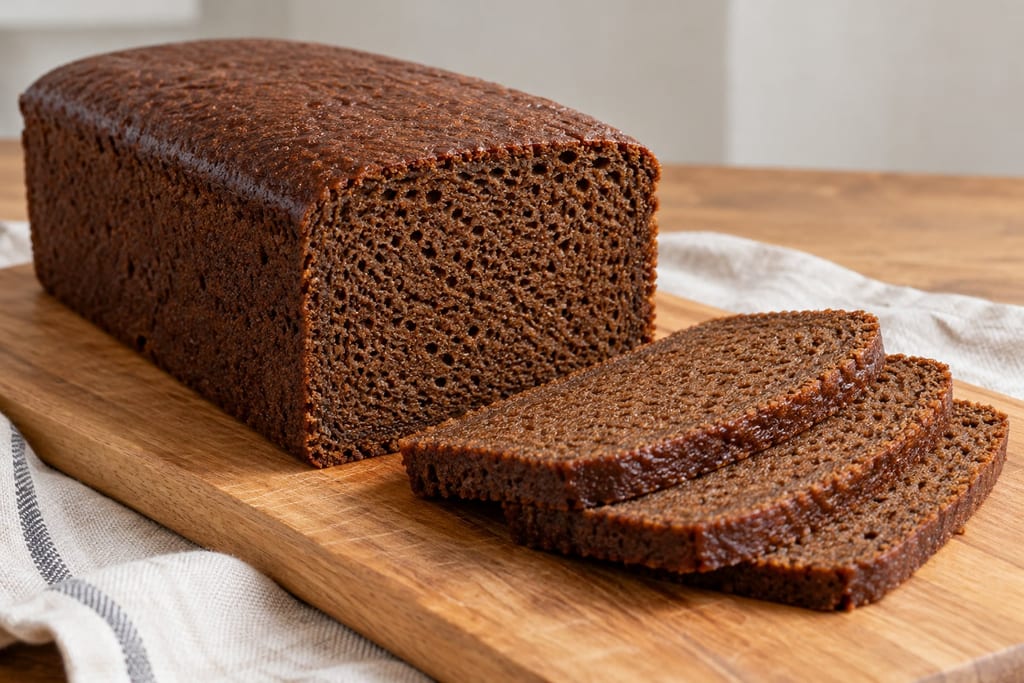
A dense, gently sweet Icelandic rye loaf leavened with baking powder and baking soda, mixed with buttermilk, honey and molasses, then baked under a lid in a Pullman pan.

Skyr is Iceland’s thick, tart fresh cheese. This home method cultures skim milk with fresh skyr and rennet, then drains the curd under refrigeration.
Sýra is Icelandic soured skyr whey kept as a household acid store: a drink when diluted, and historically the medium for súrmatur. Fresh leftover whey is not the same material.
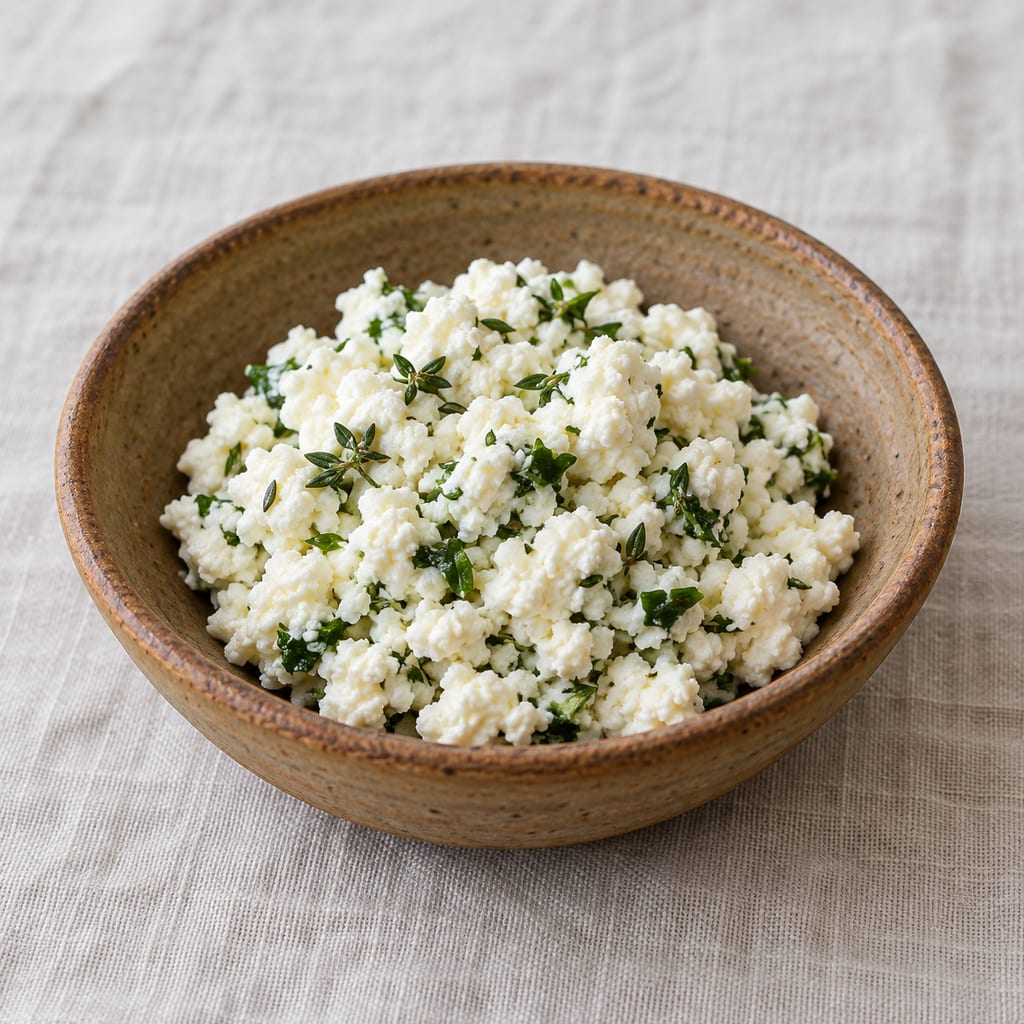
Soft fresh curd made by draining whey from milk already thickened by bacterial acidification, the simplest point in a northern dairy tradition that also produced skyr, ymer and whey itself.
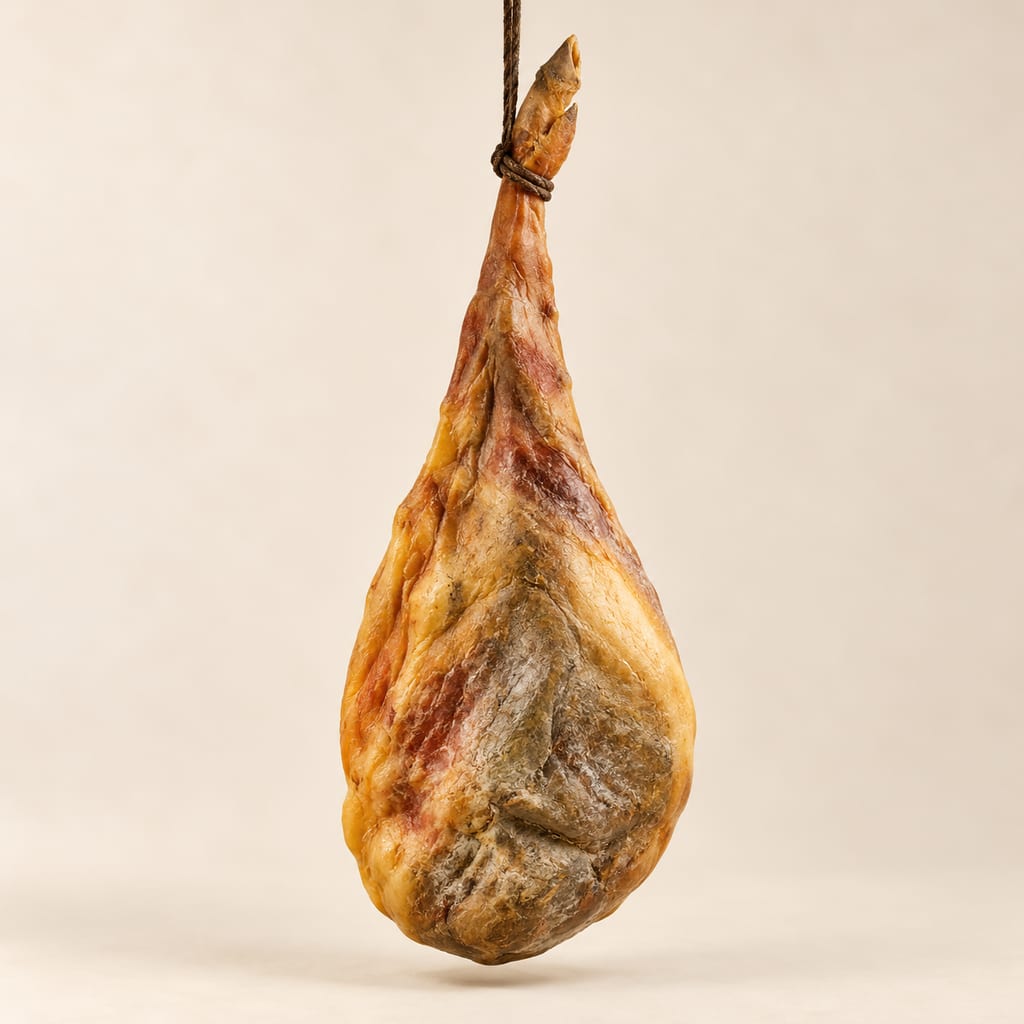
Cato the Elder records a second-century BCE sequence for salting, air-drying, and smoking ham. This historical account is not a validated modern curing protocol.
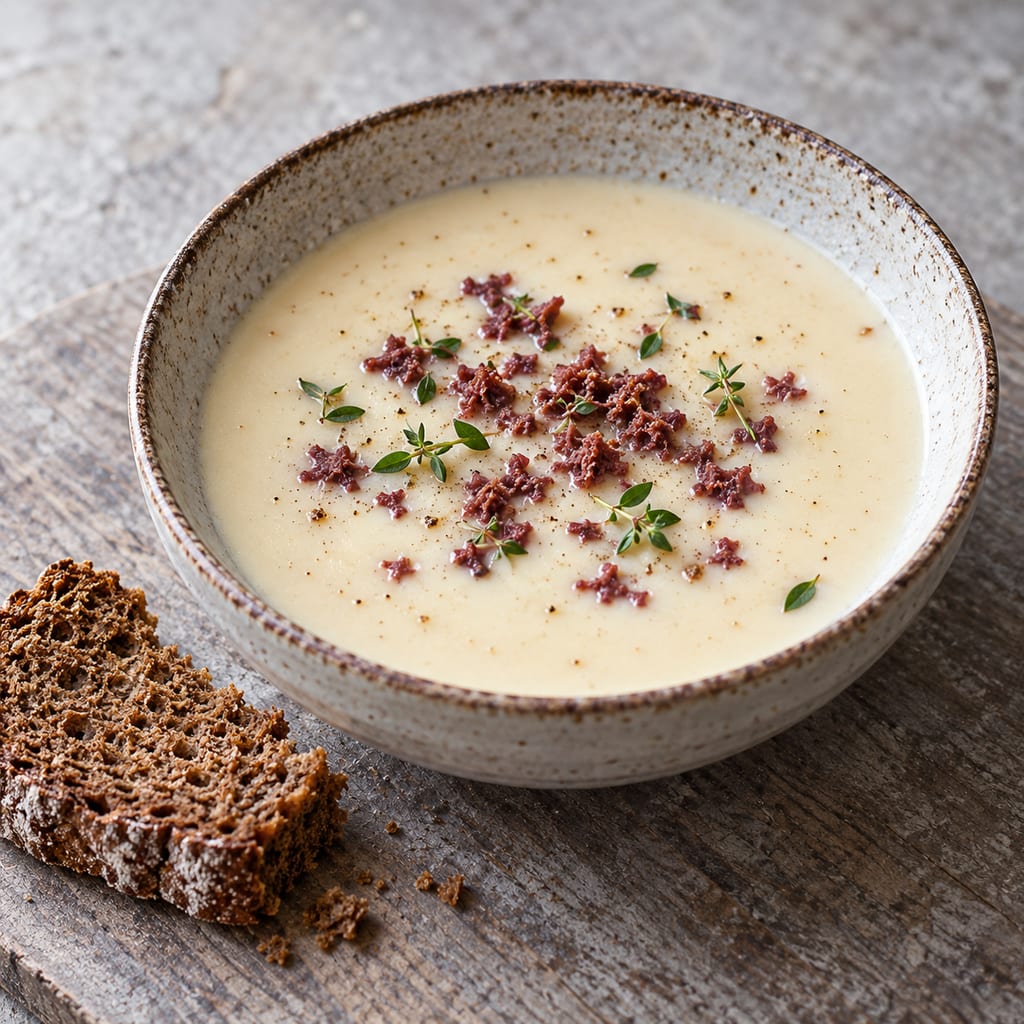
Kylmäsavuporokeitto is a creamy cold-smoked reindeer soup with onion, stock and cheese, served with bread.
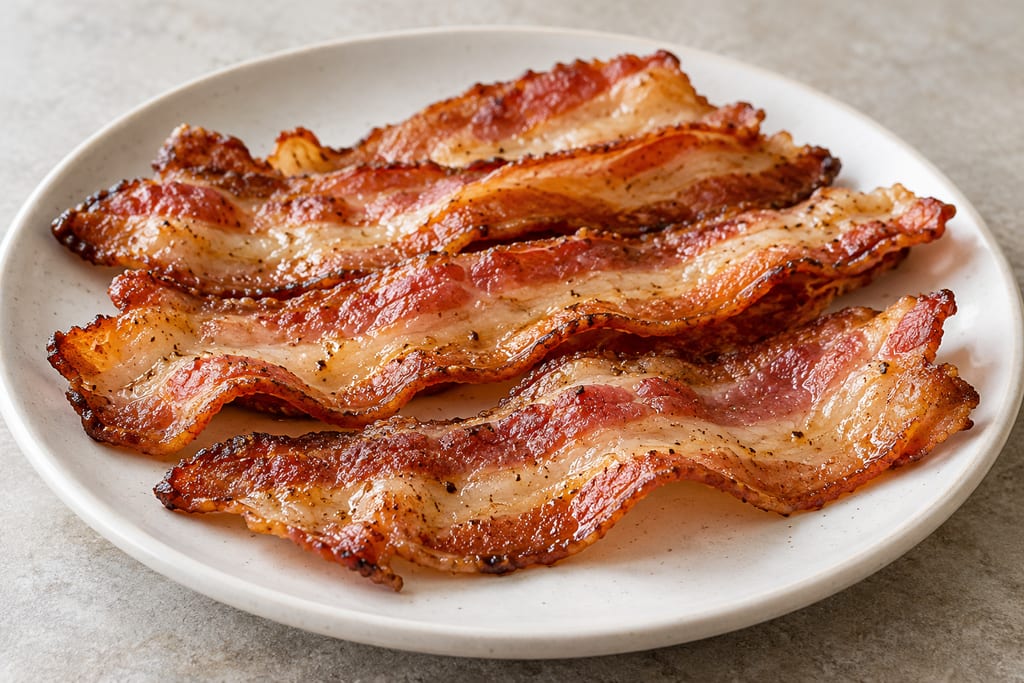
Pork belly receives a measured salt-and-sugar cure with coffee and spices, then is refrigerated before cooking or hot smoking.

Finnish pea soup simmers dried peas with palvikinkku or a vegetable alternative, then is served with mustard and chopped onion.
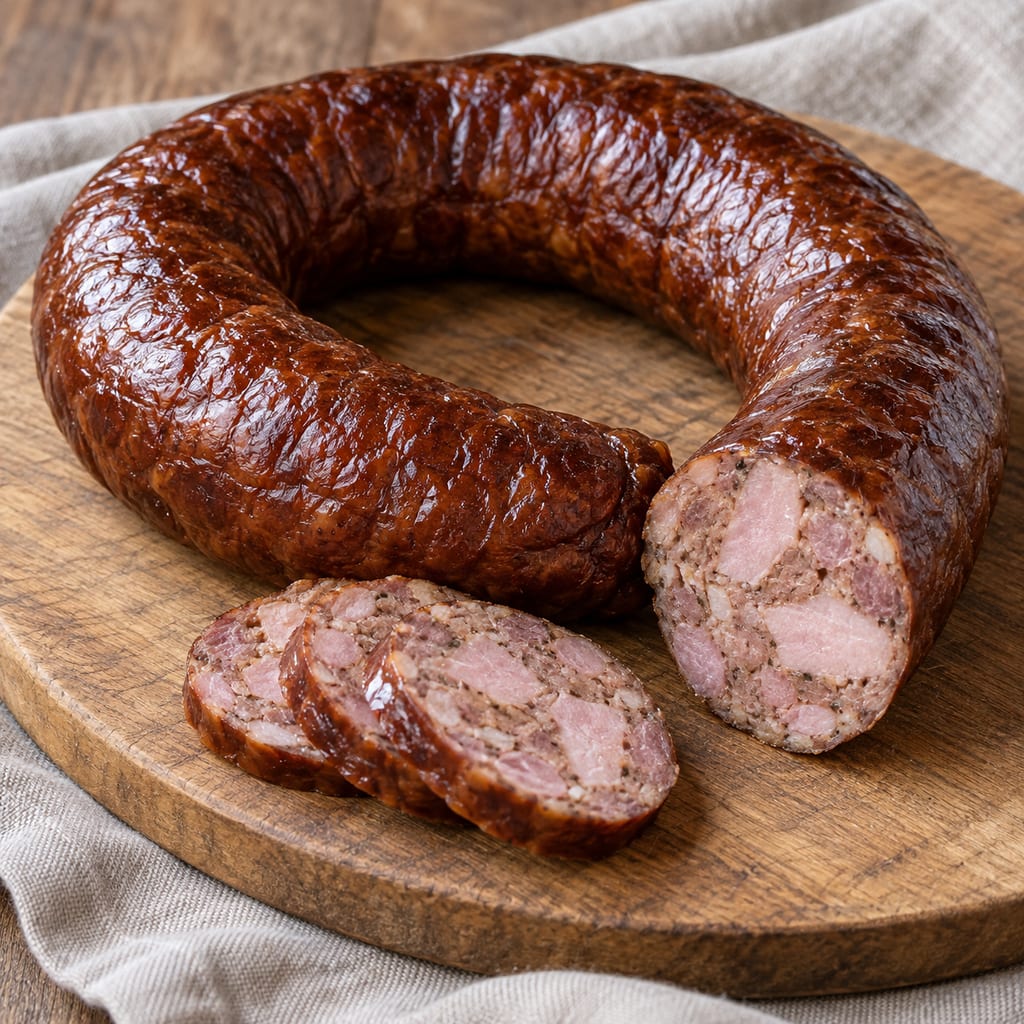
A protected pork sausage associated with Liszki and Czernichów; its application describes commercial curing and smoking, not a home batch.
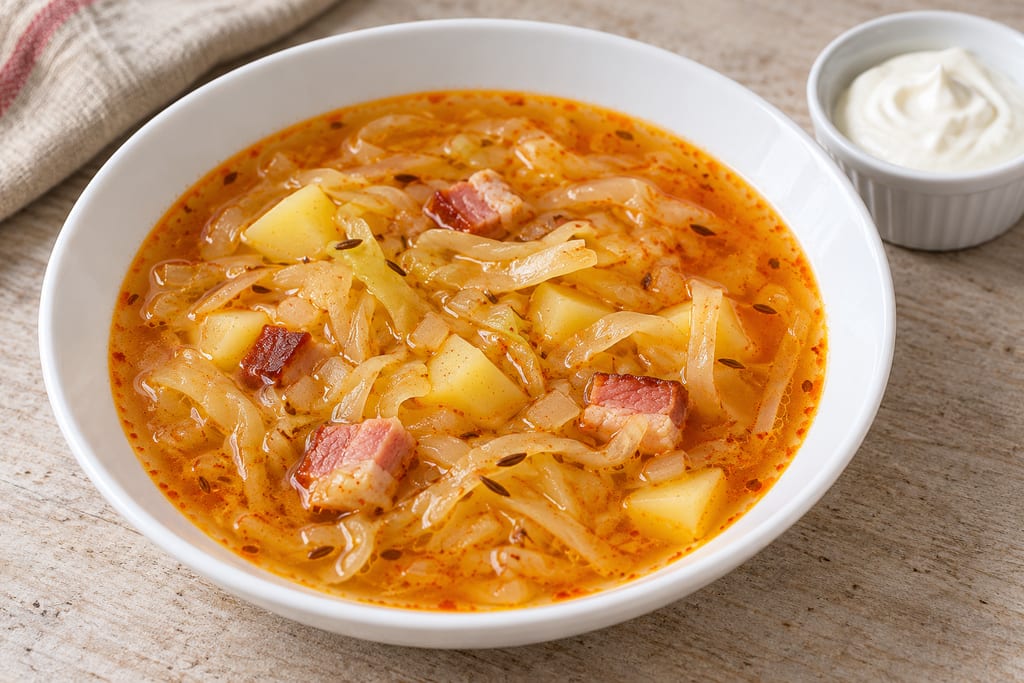
A two-portion cabbage soup with onion, potato and finished Geselchtes, served with garlic sour cream.
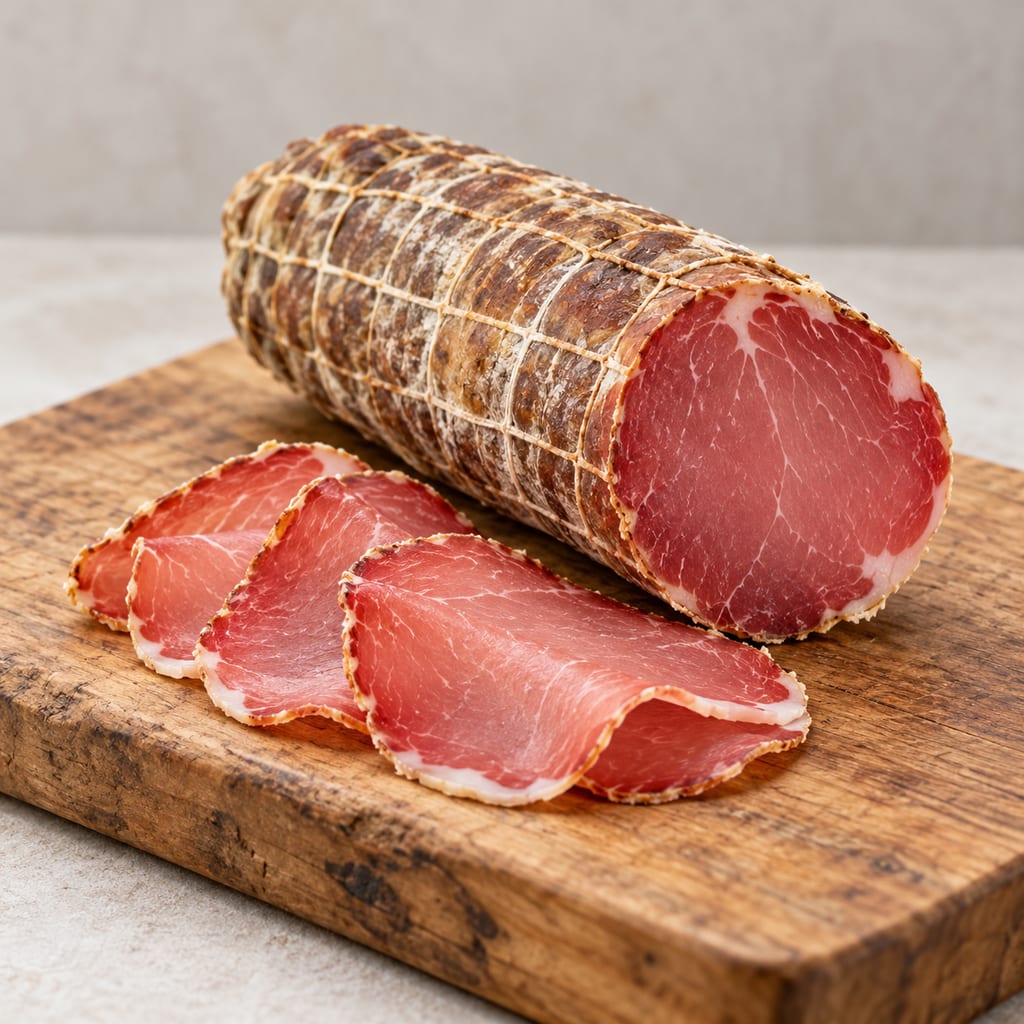
Documentary account of Italian regional cured-loin traditions, including Tuscan and Marche variations; no home-cure instructions are provided because the published professional methods lack validated safety controls.
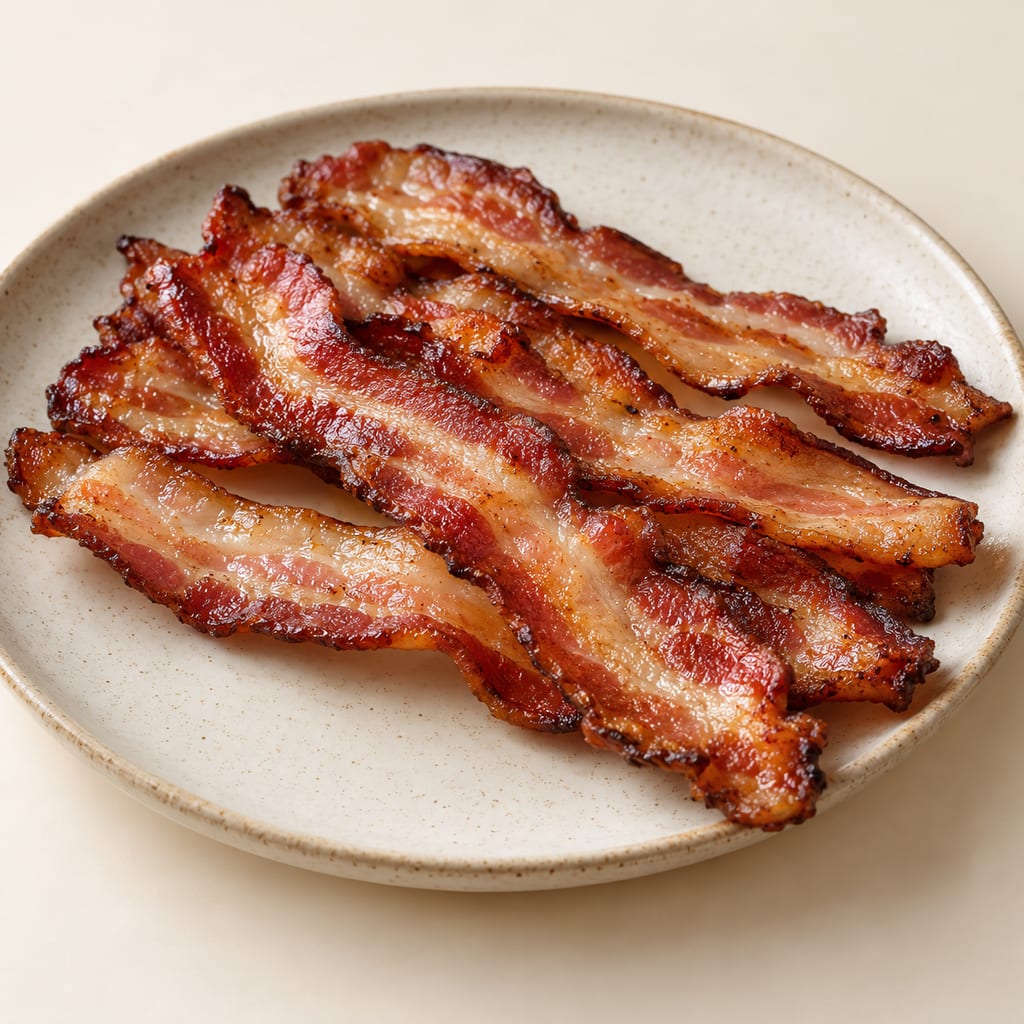
A refrigerated pork-belly brine combines beer and maple syrup with salt, garlic powder and measured Cure #1.
No community contributions have been published for this entry yet.
Sign in to contribute. Published comments and photos are free to read.
Icelandic Lamb ehf.Source batch · Recipe
Hangikjöt with bechamel, pickled red cabbage, green peas, and laufabrauð.The recipe says approximately 1.5 kg deboned hangikjöt for six, simmered slowly in cold water about 40 minutes/kg then cooled in broth; it gives the bechamel ingredients, a 20-minute simmer, potatoes and sides, but no measured internal endpoint or storage limit.
Cited in: What it is; Ingredients; What the ingredients contribute; Equipment; Method; How the white sauce works; Regional and family variations; How it is served and eaten; Recognising quality and problems
Matís; text by Óli Þór Hilmarsson, in collaboration with Landssamtök sauðfjárbænda, Matvælastofnun and Beint frá býliProduct category · Safety context
Hangikjöt: Leiðbeiningar um góða starfshætti og innra eftirlit við framleiðslu hangikjöts hjá smáframleiðendumMatís describes the product categories separately: category A must be boiled before eating and is the category covered by the guide; category B is dried/raw-matured and does not require boiling. The guide is not a validated household method.
Cited in: Hangikjöt product categories; The science of the meat; Food safety and cooling
Food Standards Agency, GOV.UKConsumer safety guidance
Cooking your foodFor cooked leftovers, the Food Standards Agency says to cool and refrigerate within two hours and eat within 48 hours or freeze; reheated leftovers should be steaming hot throughout. This is general consumer advice, not a hangikjöt cooking endpoint.
Cited in: Food safety and cooling
MatísSafety · Product identity context
Hangikjöt professional production guidanceProduct categories and professional safety context.
Cited in: Hangikjöt product categories; The science of the meat; Recognising quality and problems
Slow Food FoundationHistory
Traditional smoked lamb — Ark of TasteHistorical smoking and Christmas use.
Cited in: Historical background
Visit IcelandHistory
Christmas food traditionsCited in: Historical background; How it is served and eaten
Reykjavík GrapevineVariation
Happy HangikjötDocumented household preparation and variations.
Cited in: Regional and family variations