
Skyr
Skyr is Iceland’s thick, tart fresh cheese. This home method cultures skim milk with fresh skyr and rennet, then drains the curd under refrigeration.
 FermenteaWhere food goes to change
sýra · Sour whey · Syra · Soured whey
Sýra is Icelandic soured skyr whey kept as a household acid store: a drink when diluted, and historically the medium for súrmatur. Fresh leftover whey is not the same material.
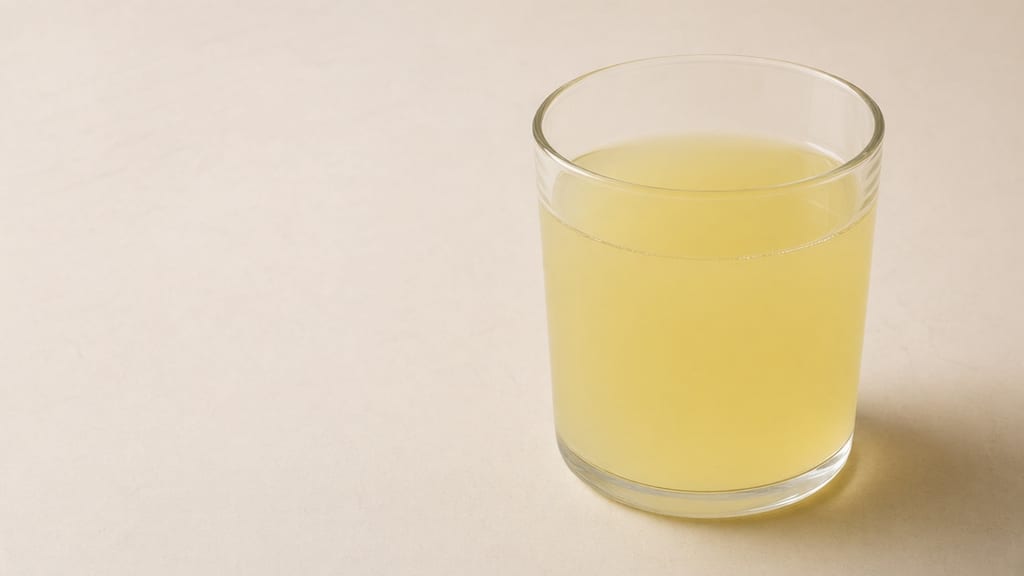
Sýra is soured whey from skyr-making, kept as a household acid store. On Icelandic farms the liquid began as skyrmysa, the whey drained when skyr curd was separated. That whey went into a vessel called a sýruker, where sour skyr supplied lactic-acid bacteria. The bacteria kept converting lactose into lactic acid, so the store stayed sharply sour rather than turning into a brief leftover.
The same liquid did two jobs. Diluted with water it was an everyday drink. Undiluted, or only lightly cut, it was the bath for cooked foods in the system called súrmatur. Matarauður Íslands and Matís treat those uses as parts of one dairy economy, not as separate inventions.
The name does not cover every pale liquid drained from a curd. Technical acid whey from strained yogurt or acid-set cheese sits nearby in dairy chemistry. Icelandic sources still treat sýra as a maintained culture medium with its own acidity targets. Fresh whey poured off tonight's skyr is a starting substrate. It is not yet the souring medium Visindavefur and Matís describe.
Calling the liquid sýra when it is only freshly drained whey collapses that distinction and invites unsafe pantry habits. Keep the names separate even when the foods share a make day.
Matarauður Íslands records a mix of soured whey and water as an everyday drink. Farms flavoured it with creeping thyme, berries or sheep sorrel. The same page notes that whey can become slightly alcoholic as it sours, in a process compared with ale fermentation. Dilution lowers strength. It does not prove a glass is free of alcohol. Modern Icelandic dairies sell flavoured whey drinks, including blueberry versions, which belong to the same family of uses without copying every historical detail.
The drink and the pantry shared one acid store. Visindavefur explains why whey did so much work: salt was scarce, while skyr-making left whey on every farm. Neighbouring regions salted meat. Icelandic households lowered the pH of cooked foods by holding them in sour whey instead. That history matters for the drink page because it explains why the liquid was kept strong and why ordinary fresh whey was not treated as finished sýra.
This recipe keeps the drink method. Meat storage stays documentary. The Visindavefur and Matís figures for cooking, cooling and bath ratios belong to súrmatur accounts, not to a home how-to for raw or cooked meat in whey.
Óli Þór Hilmarsson's Visindavefur answer gives the clearest published numbers for the souring medium. Whey is brought down with lactic-acid bacteria from sour skyr to about pH 3.6–3.8. For the meat process he describes, usable whey should not start above pH 3.8 and should not rise above pH 4.0 while in use. Cooked animal foods enter that bath only after the core has reached +75 °C and the piece has cooled below +4 °C. The bath ratio is at least two parts whey to one part food, held at +5 to +7 °C.
Matís, in the farmers' leaflet Súrmatur: Hollusta og möguleikar, repeats the demand that whey stay under pH 4 and stresses refrigeration and hygiene. The leaflet notes that the medium changes as bacteria exhaust lactose. Households refreshed whey or kept carbohydrate-rich pieces such as blóðmör in the vessel so the culture still had food. Methods differed from farm to farm and from plant to plant. Industrial skyr whey today is not identical to older farm whey.
Those figures belong to the documented Icelandic souring medium. They are not a universal pH law for every whey stream worldwide, and they are not a clock time for a home drink. A refrigerated home batch still needs a meter or food-grade strips. Smell, tartness and a clear look never prove the liquid is ready or safe.
Archaeology puts the whey store under the farm floor. At Hofstaðir by Lake Mývatn, the feasting hall built after about 940 and abandoned around 1030 had annexes that included a pantry with a large cask embedded in the floor for storing food in whey. When the hall was deconsecrated, that whey-keg was filled with iron-smelting slag. The find dates a whey pantry practice to the Viking-Age hall phase without supplying an ancient acid concentration or curing schedule.
Natascha Mehler's Ruralia survey of Icelandic food preparation and storage gathers related evidence. Farms kept rooms for whey and skyr production and storage into the modern period. Large wooden barrels were dug into floors, with sand or volcanic pumice packed between soil and wood for insulation. Stöng's dairy held remains of sunken barrels. Hofstaðir's end rooms show barrel pits alongside cooking pits and hearths. Mehler's page on farm layout separates dairy storage from later claims about exact liquids; some barrels elsewhere held urine for wool work, so interpretation stays cautious.
The archaeology justifies a picture of a pantry with a supported wooden cask. It does not justify inventing a Viking recipe card. The drink method below uses pasteurised dairy and a refrigerator. It borrows the inoculum idea and the acidity targets from modern Icelandic technical writing, not a reconstructed tenth-century schedule.
Start with whey drained from skyr made with pasteurised milk, held cold from the moment it leaves the cloth. Stir a spoonful of plain sour skyr through a litre of that whey and keep the jar refrigerated near 5 °C while it acidifies. Check with a calibrated meter or food strips until the liquid sits around pH 3.6–3.8. That range matches the Visindavefur description of the traditional souring medium. It is a laboratory-style checkpoint for a home jar, not a promise that every farm historically measured pH.
Once the concentrated sýra is acid enough, keep it covered and cold. For the everyday drink, pour a measured portion into a jug of cold drinking water. Historical households diluted generously. Matarauður does not print a fixed household ratio on the page used here, so serving strength stays a matter of taste rather than a recovered recipe number. Optional flavouring follows the same heritage note: cool thyme water, berries, or a little sheep sorrel.
Drink the diluted glass the day you mix it. Keep the concentrated store refrigerated. If mould appears, if the smell turns putrid, or if the pH climbs toward 4.0 and you cannot replace the liquid, discard the batch. Do not rescue a doubtful jar by adding more skyr and hoping.
Skyr is the thick, drained fresh cheese. Sýra is what happens to the whey afterward when a farm chooses to keep souring it. The two foods share a make day and then diverge. Linking them on the site should not collapse them into one product or retell the full skyr dossier on this page.
Industrial skyr changes the whey stream. Matís notes clearer and milkier industrial wheys and warns that taste and souring behaviour differ. A home cook using whey from a supermarket skyr or from a pasteurised home batch is already working with a modern material. That is acceptable for a refrigerated drink. It is not evidence that the jar matches a nineteenth-century farm sýruker.
Visindavefur's súrmatur sequence cooks animal foods to a +75 °C core, cools them below +4 °C, then submerges them in at least two parts whey to one part food at +5 to +7 °C for months. Matís adds that hygiene, continuous submersion and watching the rising pH of the bath are required, and that household practice is not standardised. Those sources document a tradition. They do not validate a casual home meat pickle in leftover yogurt liquid at room temperature.
Hákarl and hangikjöt belong to other Icelandic preservation paths. They appear here only as neighbouring links. They are not made in sýra and should not be folded into this method.
Fresh whey drained from tonight's skyr is a starting substrate. It is not yet the souring medium those pages describe. Sourness, dilution, flavour, smell and appearance never prove safety.
You need a clean litre jar or food-grade plastic container, a refrigerator that holds near 5 °C, a jug for dilution, and a way to read pH. Glass is easy to inspect. Avoid reactive metals. A cloth from skyr draining should be washed and dried between batches so it does not seed unwanted growth into the whey.
Write down the date you inoculate and the pH each time you check. Matís's warning that whey weakens as lactose runs out applies to a home jar as much as to a farm vessel. When the reading drifts up, replace the liquid. Do not stretch a tired store because it still smells sharp.
The Visindavefur account names sour skyr as the inoculum for the whey in the sýruker. That detail matters more than a brand of starter powder. A spoon of plain, unsweetened live-culture skyr or an equivalent sour skyr carries the lactic flora the Icelandic description assumes. Sweetened dessert skyr and heat-treated products without live cultures do not.
Whey quality tracks the skyr make. Pasteurised skim or low-fat milk drained under refrigeration gives a clean starting liquid for a home drink. Raw-milk whey sits outside this method. The United States Food and Drug Administration warns that raw milk can carry Listeria, Salmonella and E. coli; those hazards travel with the whey. This page stays with pasteurised dairy.
Water for dilution should be potable and cold. If you flavour with thyme, steep the herb in freshly boiled water, cool it fully, then use that water in the jug. Hot infusion into already soured whey is a different handling choice and is not required by the heritage note.
Pour the diluted drink into a clean glass and serve cold. The concentrated sýra can look pale yellow and thin; dilution makes it even lighter. A soft whey smell is normal. A rotten or mouldy smell is not. Shake or stir the jug before pouring if solids have settled.
Keep unused concentrated sýra covered in the refrigerator. Matís treats súrmatur as a chilled product and warns that its smell can taint other foods on contact. The same caution applies to a home jar of strong whey: store it closed, away from butter and soft cheese.
There is no authority-backed open-shelf life printed on the Matarauður drink page used here. Treat the diluted glass as a same-day drink. Treat the concentrated jar as a short refrigerated store that you replace when acidity slips or quality falls. Do not freeze and thaw as a safety step; freezing is not a substitute for acidity and cold.
Skyr is the parent curd. Acid whey is the broader technical name for liquid left after acid coagulation. This sýra page sits between them: more specific than generic acid whey, and focused on the Icelandic sour store and drink rather than on Greek-yogurt whey streams or kombucha trials in whey.
Súrmatur dishes such as súrsaðar bringur or hrútspungar use sýra as a medium after cooking. They are separate recipes and remain unpublished or research-bound where the site lacks a validated home method. The whey-cellar article covers that pantry history without turning this drink page into a meat manual.
Icelandic farms kept a sýruker of skyr whey soured with lactic-acid bacteria from sour skyr. The resulting sýra was drunk diluted and used to preserve cooked foods where salt was scarce. Matís and Visindavefur describe the modern technical account of that souring medium. Matarauður records diluted soured whey as an everyday drink, sometimes flavoured with thyme, berries or sheep sorrel. Archaeological work at Hofstaðir and other farms documents pantry casks set into floors for dairy and whey storage; those finds do not supply an ancient acid schedule.
Yield 1 litre concentrated sýra before dilution · Scaling: scale linear
Sourness, smell and appearance do not prove safety. Fresh leftover skyr whey is not automatically a preserving medium.
Hazard sourceHistorical súrmatur starts with cooked meat and a controlled acid whey under refrigeration in the Matís/Visindavefur description. This page does not publish a home meat-in-whey method.
Hazard sourceMatarauður notes that whey can become slightly alcoholic as it sours. Dilution reduces strength but does not prove zero alcohol.
Hazard sourceUse pasteurised-milk dairy and refrigerate the whey throughout souring and storage
Control sourceConfirm acidity of the concentrated whey with a meter or food strips before relying on it as a sour store
Control sourceDilute and drink cold; do not use this page as instructions for storing meat or offal in whey
Control sourceHistorical súrmatur is a separate system: cooked animal foods held in deliberately acidified whey. Fresh whey from a home skyr batch is not that medium.
Senses never prove safety.
Country-level association from Icelandic food-heritage and Matís accounts; no single farm origin claimed.
Skyr is Iceland’s thick, tart fresh cheese. This home method cultures skim milk with fresh skyr and rennet, then drains the curd under refrigeration.
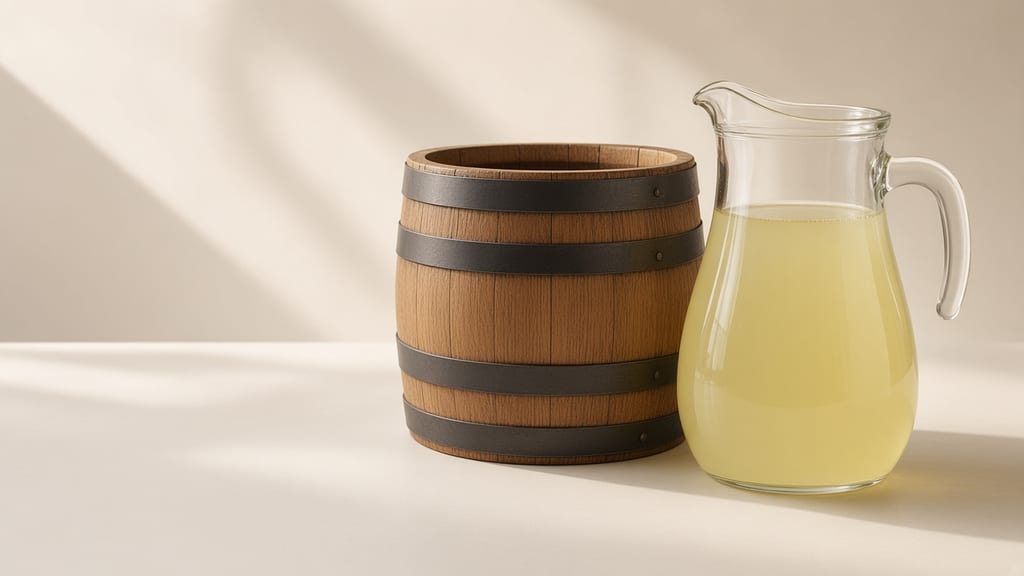
Iceland kept cooked food in soured skyr whey when salt was scarce. Archaeology puts the cask in the pantry floor; modern Matís writing still describes the acid bath.
Follow milk into cheese, cultured drinks, butter, dried curds and sweets: a journey through the animals, seasons and household decisions behind the world's dairy foods.
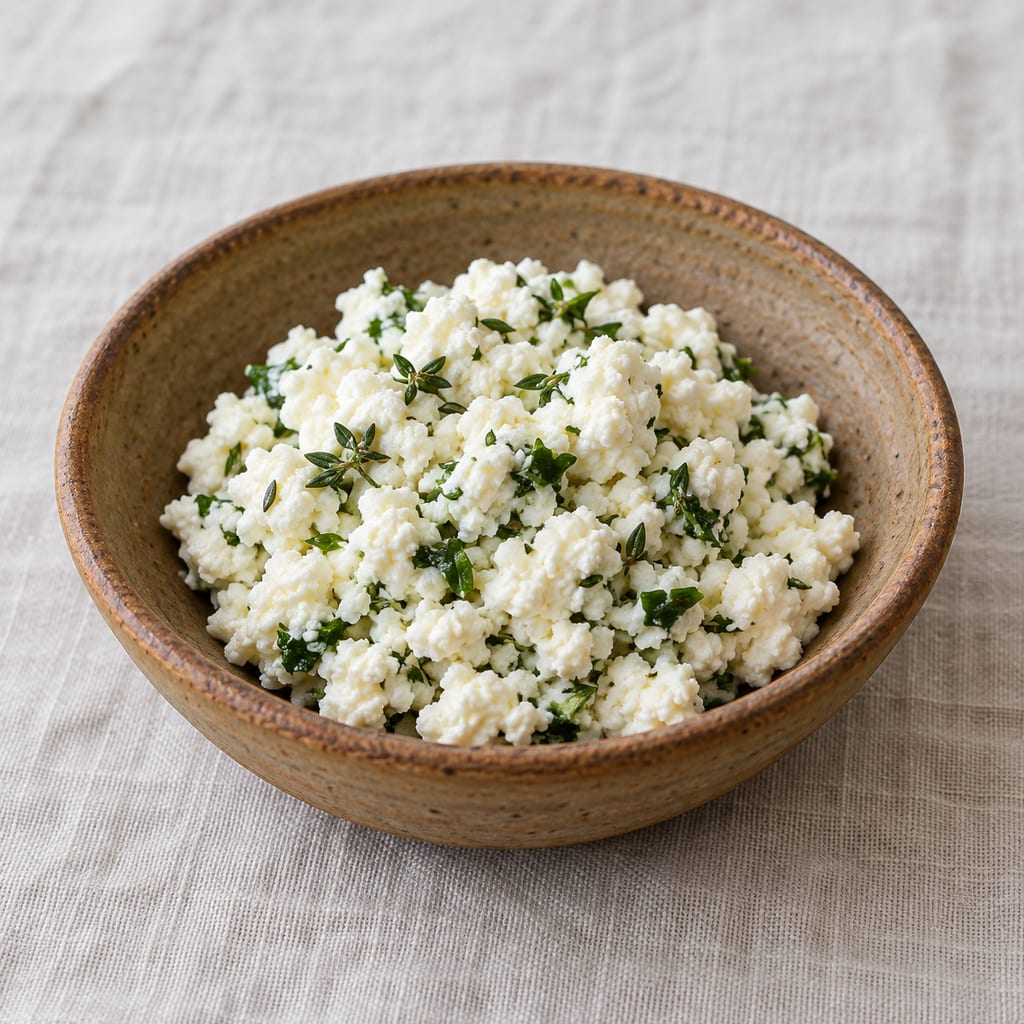
Soft fresh curd made by draining whey from milk already thickened by bacterial acidification, the simplest point in a northern dairy tradition that also produced skyr, ymer and whey itself.
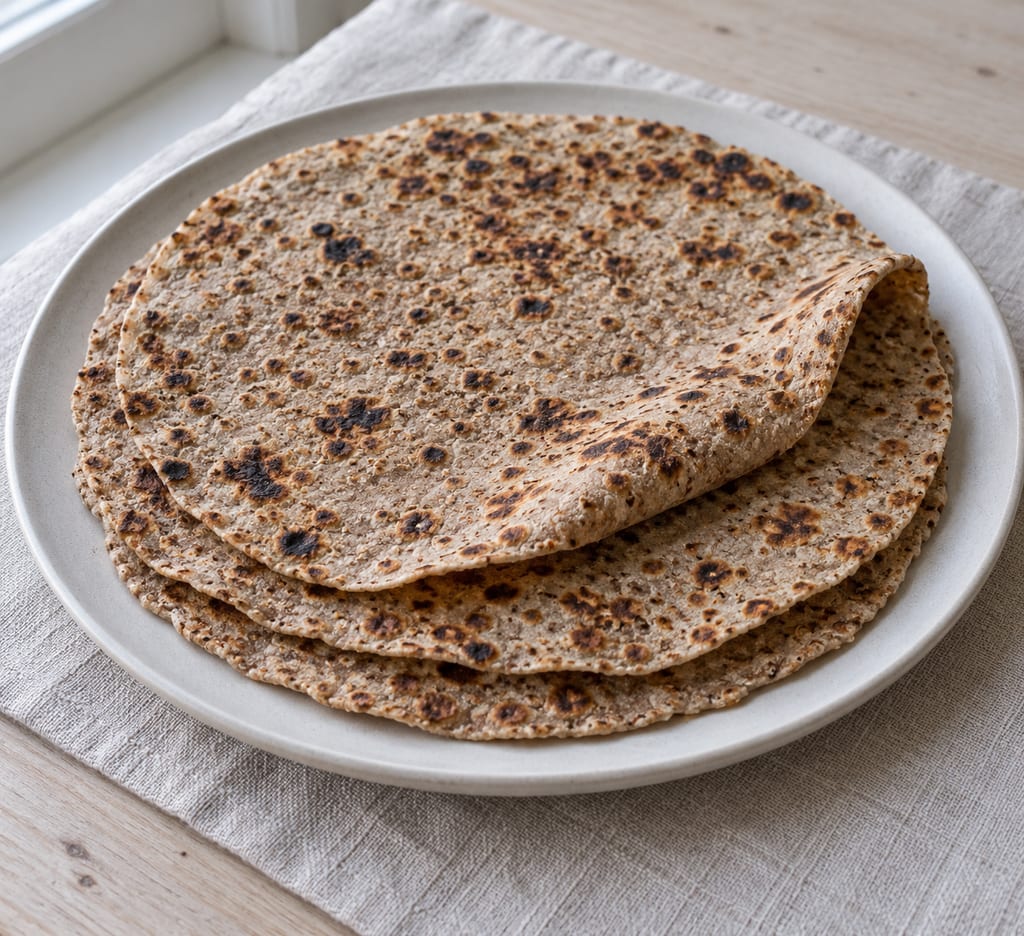
Thin Icelandic flatbreads made from rye and whole-wheat flour with boiling water, shaped into rounds, docked and cooked on a hot stovetop or gas grill.

A documentary account of Icelandic hákarl, fermented and dried Greenland shark. It describes cultural context and one production study, not a home preparation method.
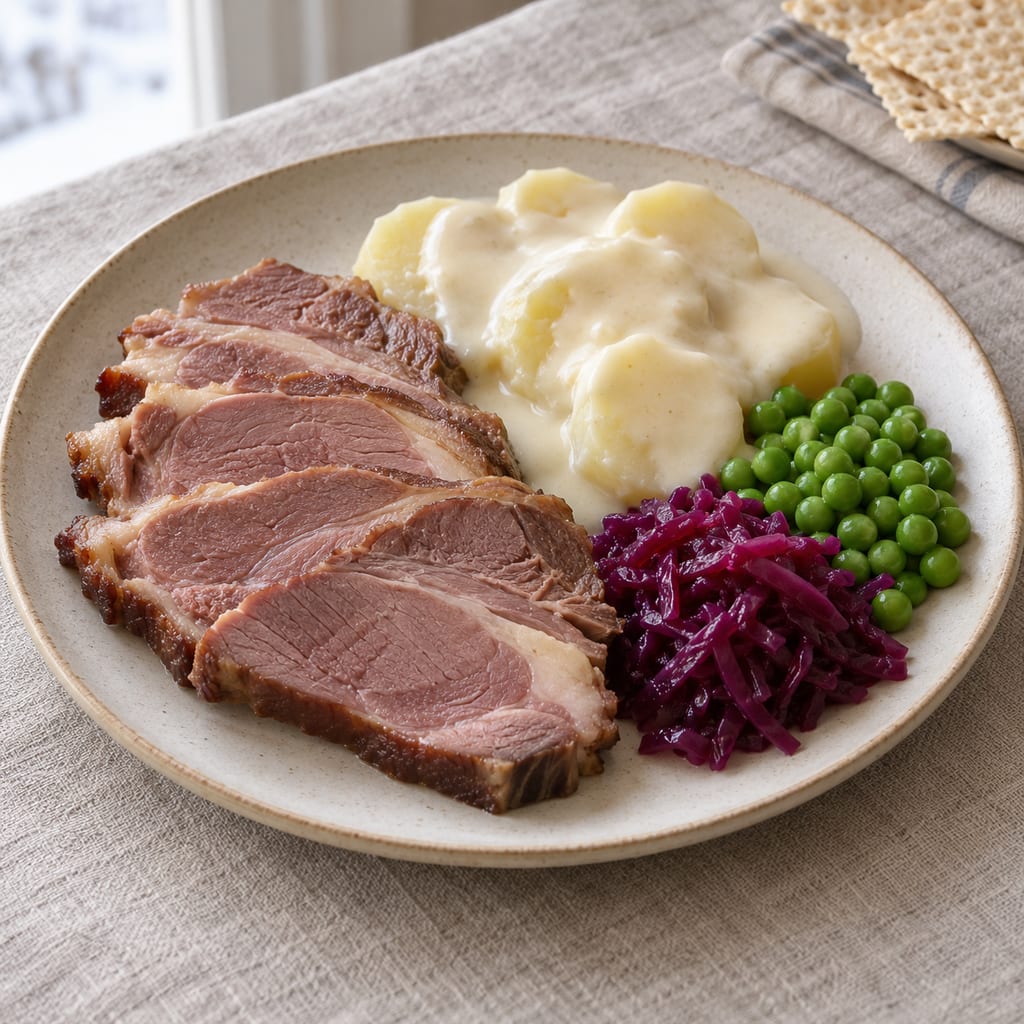
A six-person Icelandic Lamb serving recipe for deboned hangikjöt with potato bechamel, pickled cabbage, peas and laufabrauð. It cooks the product; it does not smoke or cure it.
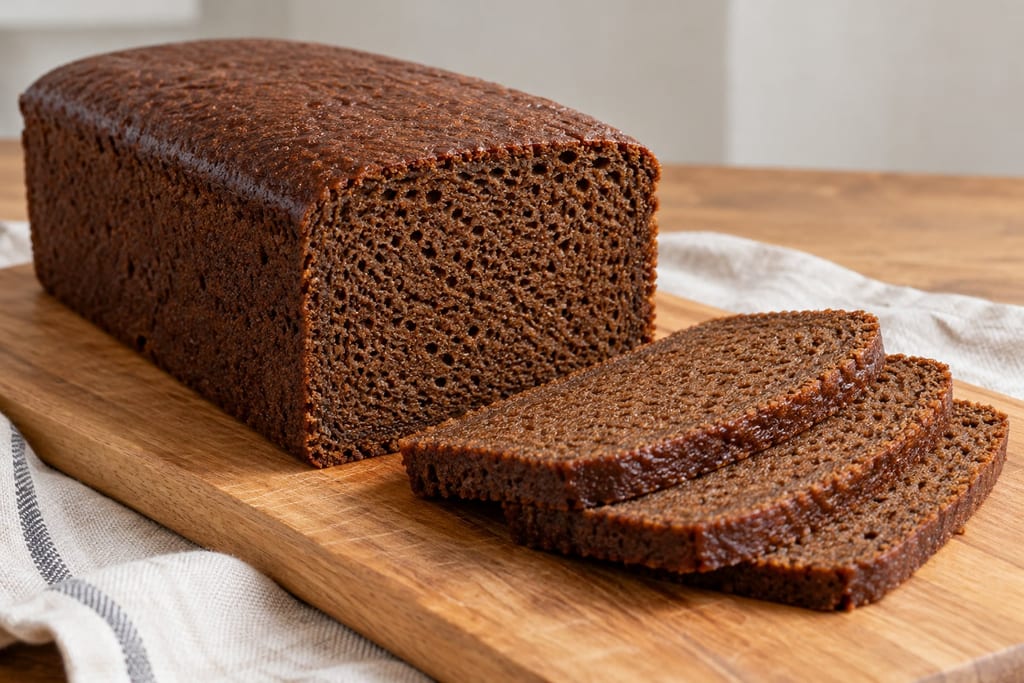
A dense, gently sweet Icelandic rye loaf leavened with baking powder and baking soda, mixed with buttermilk, honey and molasses, then baked under a lid in a Pullman pan.
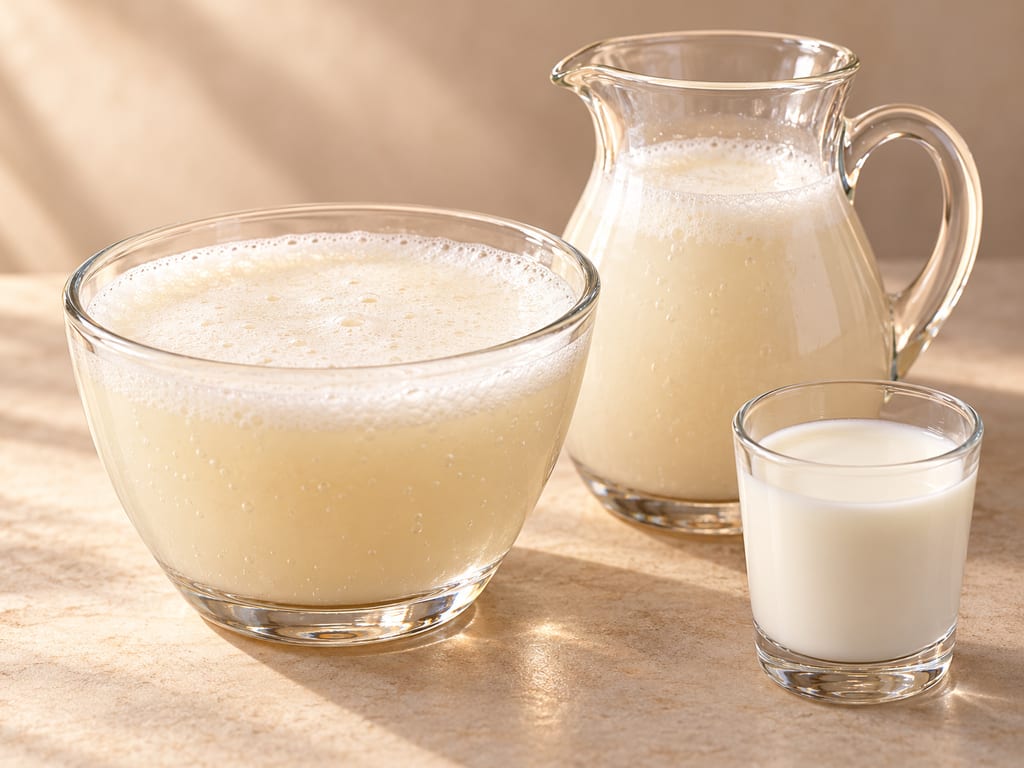
Airag is Mongolia’s fermented mare’s-milk drink, traditionally churned with saved starter in a reusable cowhide khokhuur.

Ayran is Turkey’s cold, savoury yogurt drink: plain yogurt is loosened with water and lightly salted, then whisked smooth or aerated into a soft cap of foam.
A soft cheese made by setting aside part of the day's milk kefir, draining it in a cloth and salting it through the evening, ready the next morning.
Khurunga is a traditional Buryat fermented milk made with a kept mixed bacteria-and-yeast starter, giving a sour, lightly alcoholic and often fizzy drink that is also the base for milk spirit and curds.
Koumiss is a sour, lightly alcoholic mare-milk drink made by lactic bacteria and yeasts. This technical method uses pasteurized milk, a previous-batch starter and staged cooling.
Milk kefir is a tangy fermented drink made with reusable grains of bacteria and yeasts. Grain fermentation can give the milk a light fizz and some alcohol.
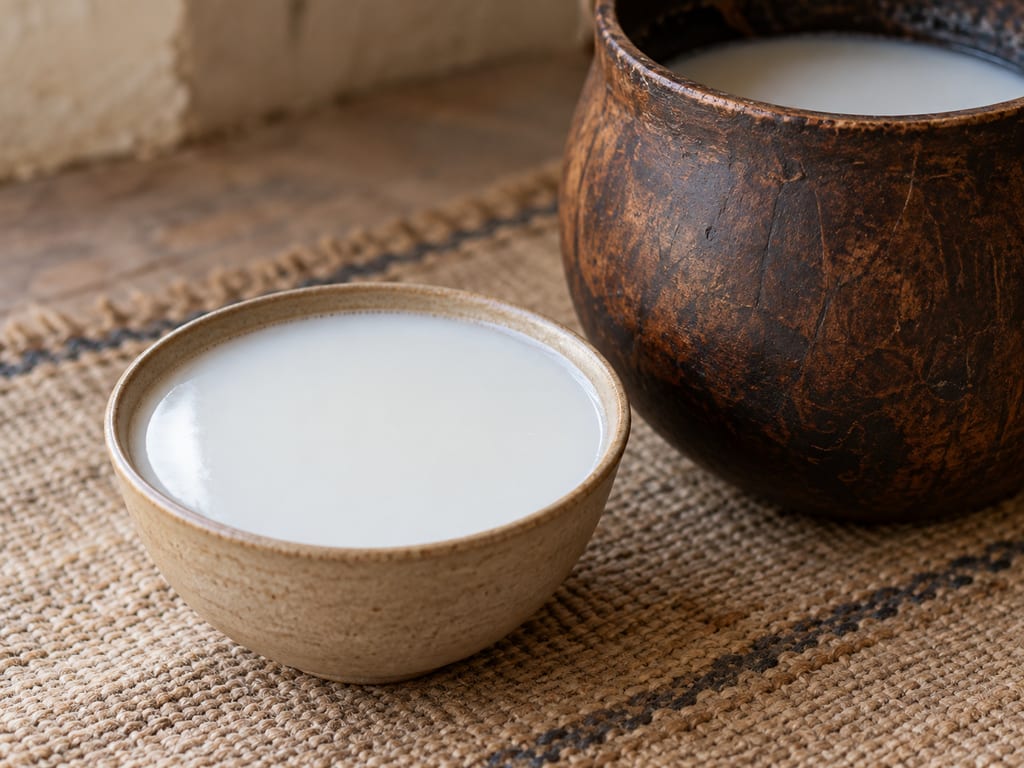
Suusac is a traditional fermented camel-milk drink of Somali pastoral communities in Kenya and Somalia, soured spontaneously in smoke-treated vessels into a thin, acid, smoky milk.

Protected Italian vinegar made only from cooked grape must, fermented and aged in a battery of wooden barrels for at least 12 years: sweet, sharp and syrupy.

Appam, or hoppers, are South Indian and Sri Lankan rice pancakes made from a fermented coconut-and-rice batter and cooked in a curved pan to a crisp lacy rim and a soft, spongy centre.
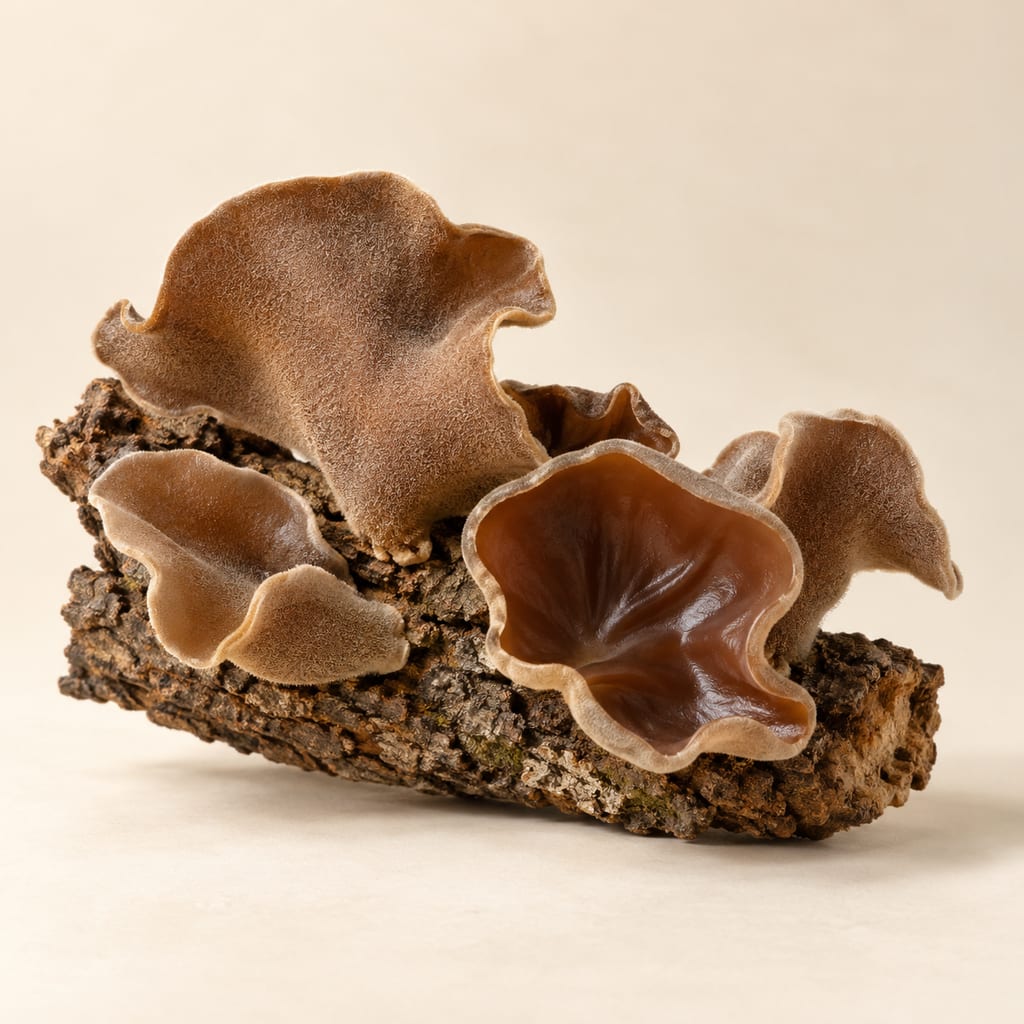
Auricularia tremellosa is a wood ear fungus of the genus that supplies most dried wood ear sold in China; its own food record is thin, and the culinary practice described here comes from the closely related wood ear species.
A thin stone griddle used over an open hearth. Norwegian archaeology documents the established tradition from the early Middle Ages; a Viking-period origin is only a cautious suggestion linked to Shetland.

Crushed or milled barley cooked in water until the starch softens and the mixture thickens, the plainest way a northern household turned stored grain into a meal, here with apple and hazelnut.
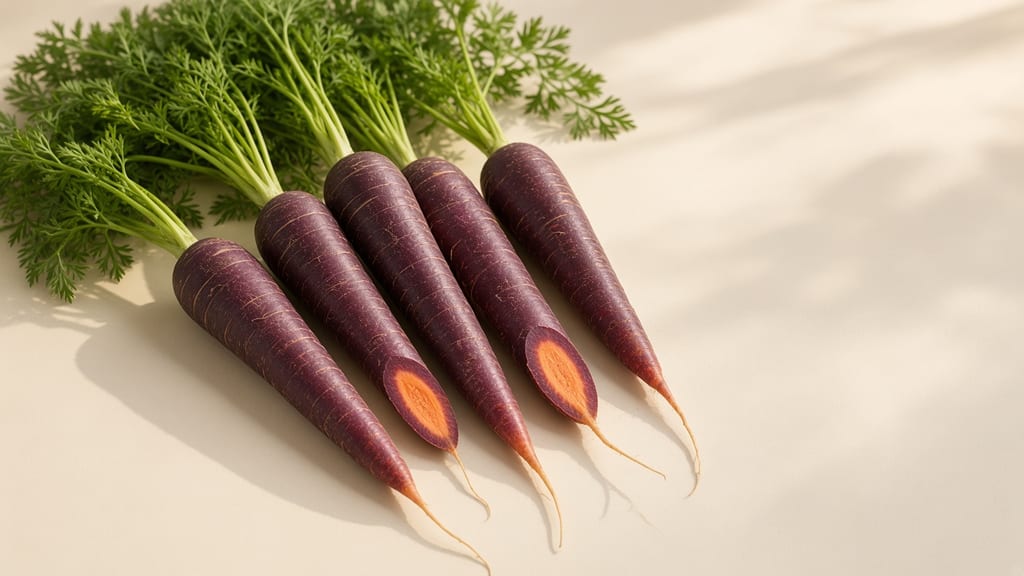
Black carrot is the anthocyanin-pigmented Eastern carrot (Daucus carota var. atrorubens), the purple root that preceded orange types and still colours kanji and şalgam.
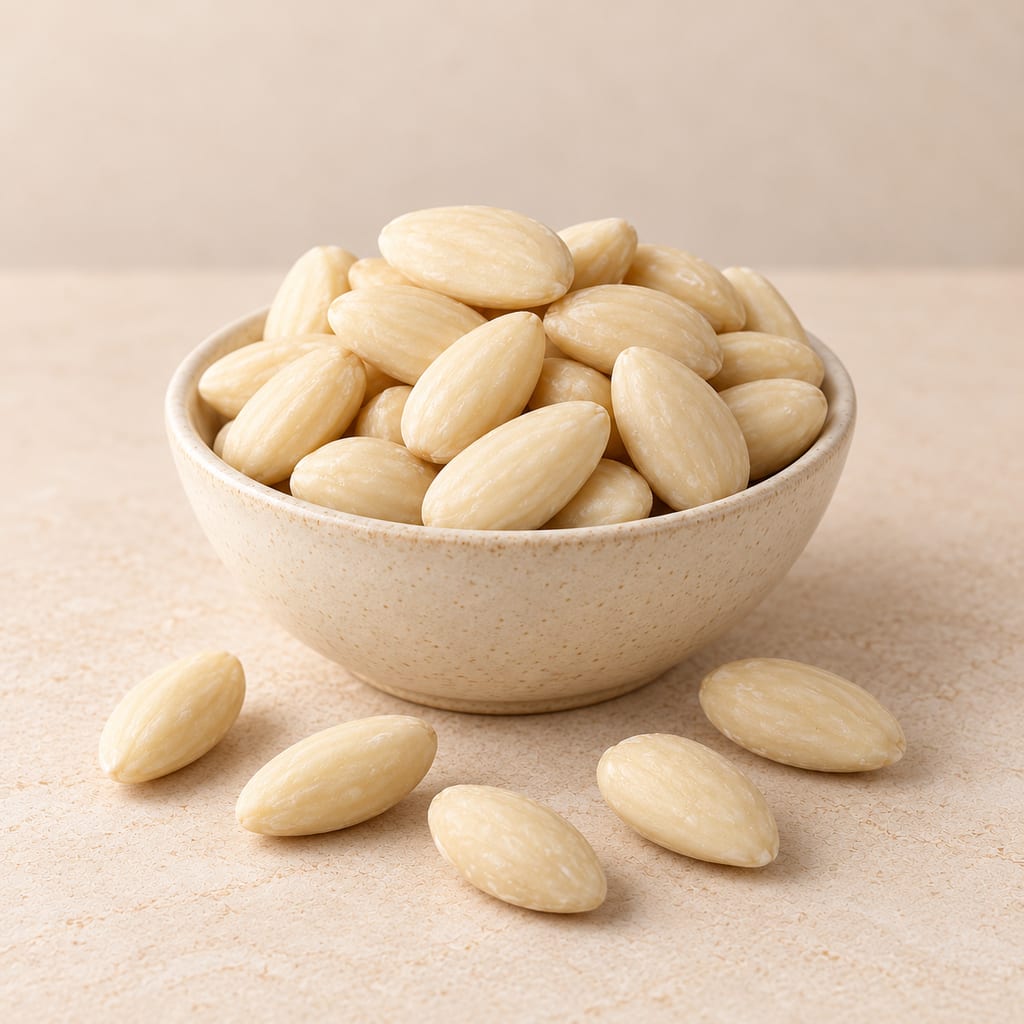
Blanched almonds are sweet almond kernels with the brown seed coat removed. A documented amla murabba cooks ten optional slivered kernels into the finishing syrup with spices and saffron.
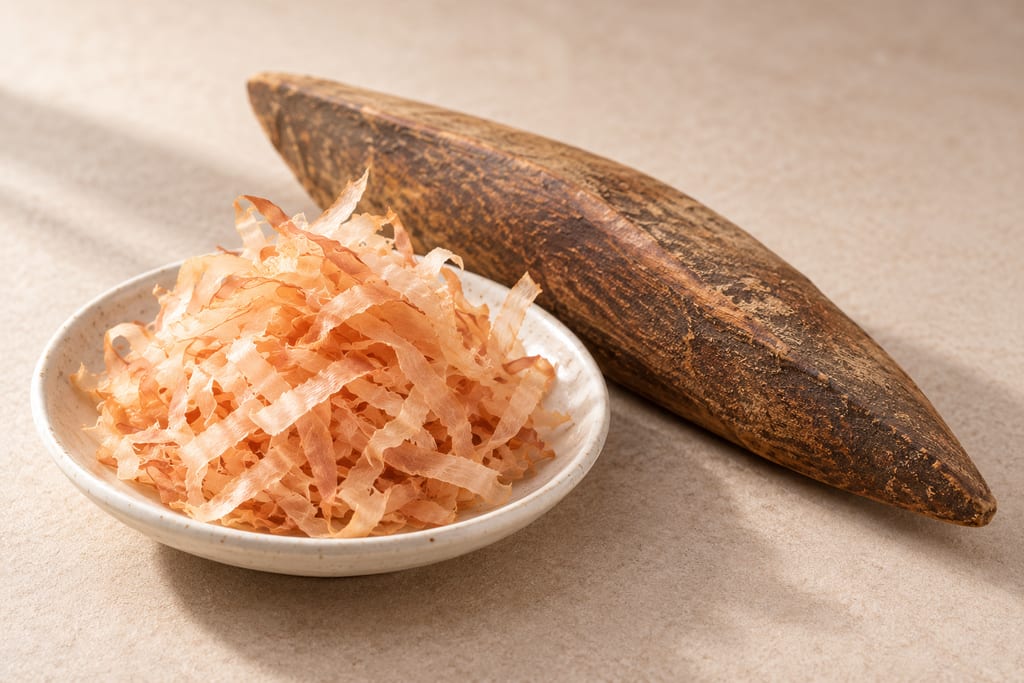
Katsuobushi is skipjack tuna cooked, smoked and dried into a hard block that is shaved into flakes for dashi and toppings. Some styles stop at the smoke-dried stage; others receive carefully managed mold maturation.
No community contributions have been published for this entry yet.
Sign in to contribute. Published comments and photos are free to read.
Vísindavefurinn, University of IcelandHistory · Method · Safety
Hvernig er súrmatur búinn til og hvernig eykur súrsun geymsluþol matvæla?Skyrmysa was soured in a household sýruker with sour skyr as inoculum
Souring medium described at about pH 3.6–3.8; usable whey not above pH 3.8 at the start and not above pH 4.0 during use
Meat for súrmatur is cooked to +75 °C core, cooled under +4 °C, then submerged at least 2 parts whey to 1 part food at +5 to +7 °C
Salt scarcity framed as the reason whey replaced salt pickling
Cited in: What sýra is; Drink first, pantry second; Acidity targets from the technical accounts; A modern refrigerated drink method; Sýra beside skyr; What this page does not teach; Equipment and checks; Inoculum, whey and water; Serving and keeping; Related foods on this site
MatísHistory · Safety · Method
Súrmatur: Hollusta og möguleikarIceland used skyrmysa for sour-preserving sheep products and other foods
pH of the whey must stay under 4; the medium changes and may need refreshment
Household and plant methods vary; refrigeration and hygiene are stressed
Not a single standardised home process
Cited in: What sýra is; Drink first, pantry second; Acidity targets from the technical accounts; A modern refrigerated drink method; Sýra beside skyr; What this page does not teach; Equipment and checks; Serving and keeping; Related foods on this site
Matarauður ÍslandsHistory · Use
Whey, Ale & moreMix of soured whey and water was an everyday drink
Sometimes flavoured with creeping thyme, berries or sheep sorrel
Souring can create some alcohol
Modern blueberry-flavoured whey drinks exist
Cited in: What sýra is; Drink first, pantry second; A modern refrigerated drink method; Inoculum, whey and water; Serving and keeping
Hofstaðir / Institute of Archaeology, IcelandHistory · Archaeology
Cultural HeritageFeasting hall built after 940 and abandoned about 1030
Pantry annex with a large cask embedded in the floor for storing food in whey
At deconsecration the whey-keg was filled with iron-smelting slag
Cited in: Barrels in the floor
Ruralia VIII / Natascha MehlerHistory · Archaeology
From self-sufficiency to external supply and famine: Foodstuffs, their preparation and storage in IcelandIcelandic farms kept rooms and sunken wooden barrels for whey and skyr production and storage into the modern period
Hofstaðir end rooms show barrel pits with cooking and storage
Stöng dairy contained remains of sunken barrels; insulation with sand or volcanic pumice is described
Cited in: Barrels in the floor