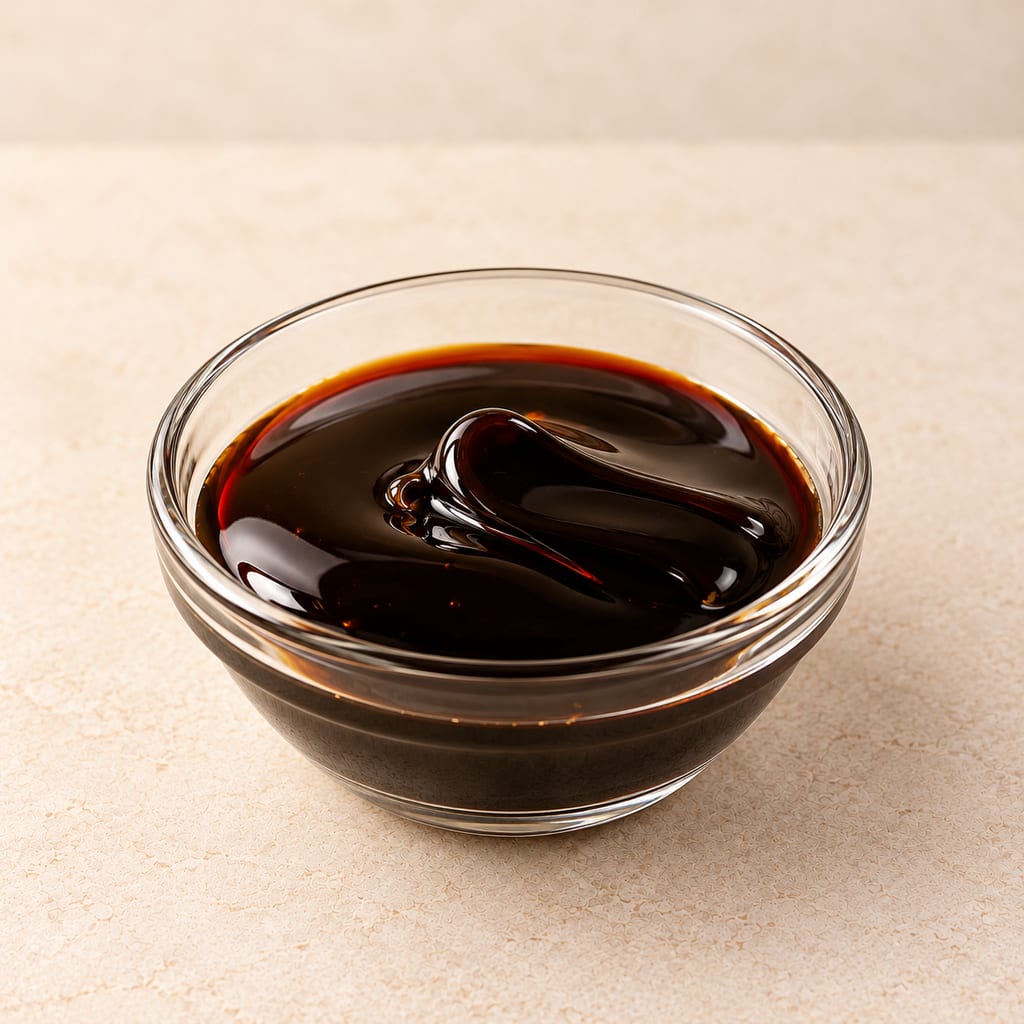
Molasses / dark treacle
Molasses is the syrup separated as sugar crystallises from cane or beet; its grades and food uses vary, from Anadama and steamed brown bread to fermentation.
 FermenteaWhere food goes to change
Rúgbrauð · Icelandic rye bread · Hverabrauð (geothermal form)
A dense, gently sweet Icelandic rye loaf leavened with baking powder and baking soda, mixed with buttermilk, honey and molasses, then baked under a lid in a Pullman pan.
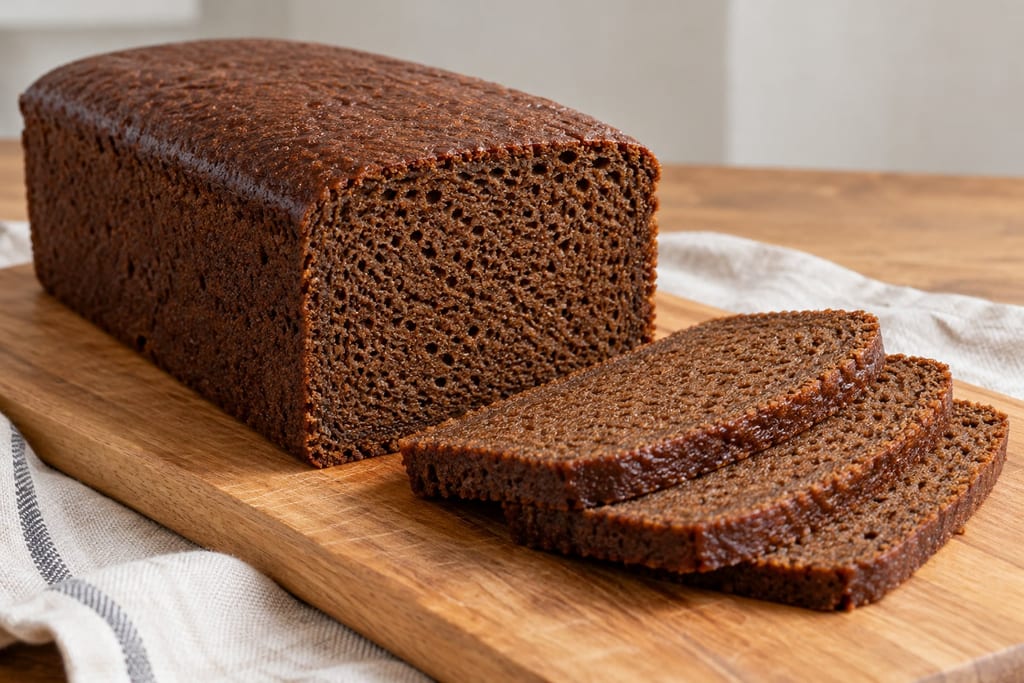
Rúgbrauð is a dense Icelandic rye-bread family. This recipe follows the King Arthur Test Kitchen's home formula: medium rye flour, cultured buttermilk, honey and molasses, leavened with baking powder and baking soda. It uses no yeast proof. The batter goes into a lidded Pullman pan for a long, covered oven bake.
The Test Kitchen calls this formula a contemporary adjustment to a bread traditionally baked low and slow overnight. It also notes golden syrup as a sweetener used in Iceland; this version pairs honey with molasses. The recipe below describes that specific measured adaptation and does not claim that all rúgbrauð uses these ingredients or an oven pan.
Whisk the dry ingredients separately from the buttermilk, honey and molasses, then stir the two mixtures together. The source gives no kneading or rise. A lightly greased 9-inch Pullman pan with a greased lid holds the batter while it bakes at 325°F (about 163°C) for two hours; the loaf stays in the switched-off oven for another 15 minutes after the lid comes off.
Cool the loaf completely before cutting thin slices. King Arthur suggests butter, smoked fish, pickled herring and cheese as accompaniments, and says to wrap leftovers at room temperature for several days or freeze them for longer storage. The recipe's measured batch yields one loaf; the source gives no general rule for scaling it or changing pan sizes.
A University of Iceland historical answer says rye bread was probably baked in Iceland by the late Middle Ages, while stressing that its first appearance is hard to date. Rye was imported; its author cites late-15th-century records that probably include rye flour. The author also cautions that the earliest known written uses of rúgbrauð do not necessarily name the dense rye bread readers expect today.
The article points to an 1891 cookbook containing a rye-bread recipe. That is a dated recipe record, not proof that one formula has remained unchanged since medieval times. A local north-Iceland account describes geothermal bread baking as a response to limited fuel and ovens and says the practice continues in the Mývatn region.
The batter contains raw flour, which can carry harmful bacteria. Do not taste it before baking. Wash hands, bowls and utensils after mixing, and bake the loaf through the recipe's stated bake. The published formula gives no validated internal-temperature endpoint, so this page does not add one.
Rúgbrauð is an Icelandic rye-bread family, but historical dating is difficult. A University of Iceland scholarly answer says rye bread was probably baked in Iceland by the late Middle Ages, while noting the term's early written uses do not always mean rye bread as understood today. The King Arthur Test Kitchen formula recorded here is a modern home adaptation with chemical leaveners and a covered-pan bake, not an unchanged historical formula.
Yield 1 9-inch loaf · Scaling: source batch only
Flour is a raw agricultural product and may carry harmful bacteria; uncooked batter should not be tasted.
Hazard sourceBake the batter using the published time and oven setting; do not eat it raw, and wash hands, bowls and utensils after handling the flour and batter.
Control sourceDo not taste the uncooked batter; the recipe contains raw flour.
The Test Kitchen identifies this as Icelandic bread; the recipe here is its contemporary home adaptation and does not claim to reproduce one historic household method.
Visit North Iceland says rye bread is still baked with geothermal heat in the Mývatn region. This describes a regional geothermal form, not the covered-pan oven method in this recipe.
Molasses is the syrup separated as sugar crystallises from cane or beet; its grades and food uses vary, from Anadama and steamed brown bread to fermentation.
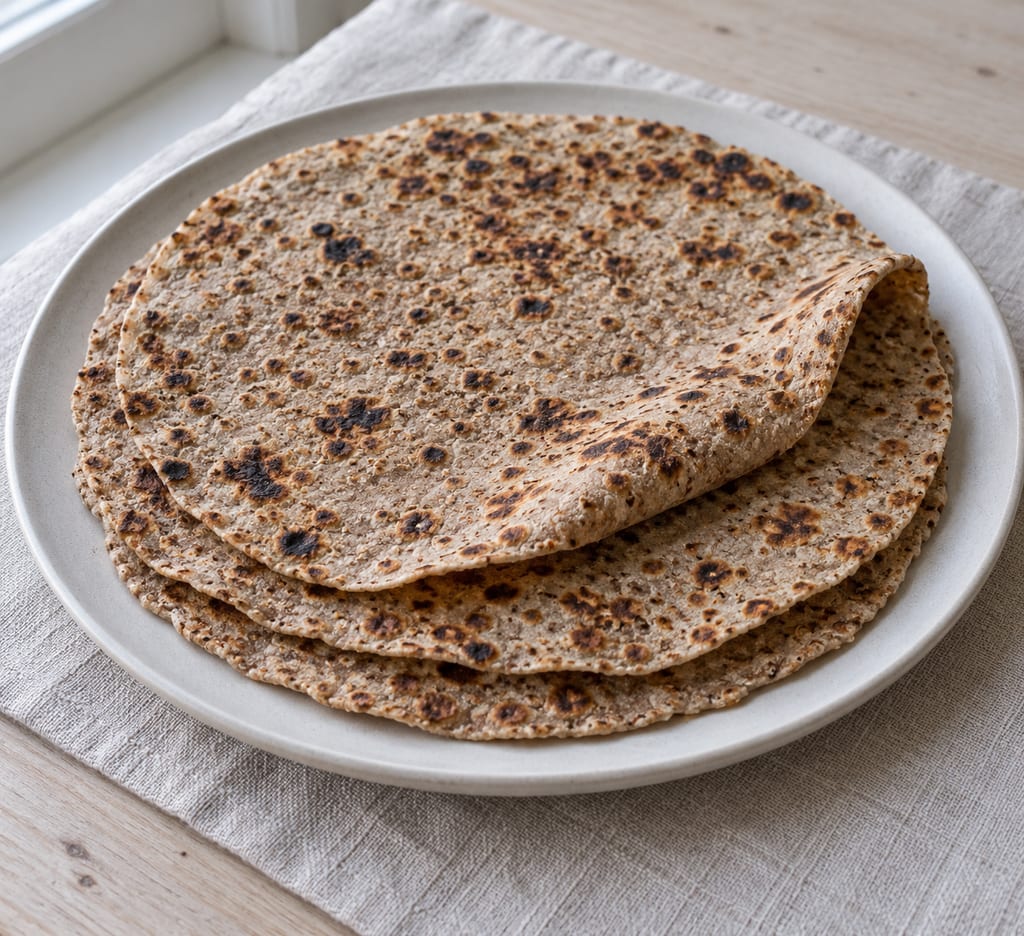
Thin Icelandic flatbreads made from rye and whole-wheat flour with boiling water, shaped into rounds, docked and cooked on a hot stovetop or gas grill.

A documentary account of Icelandic hákarl, fermented and dried Greenland shark. It describes cultural context and one production study, not a home preparation method.
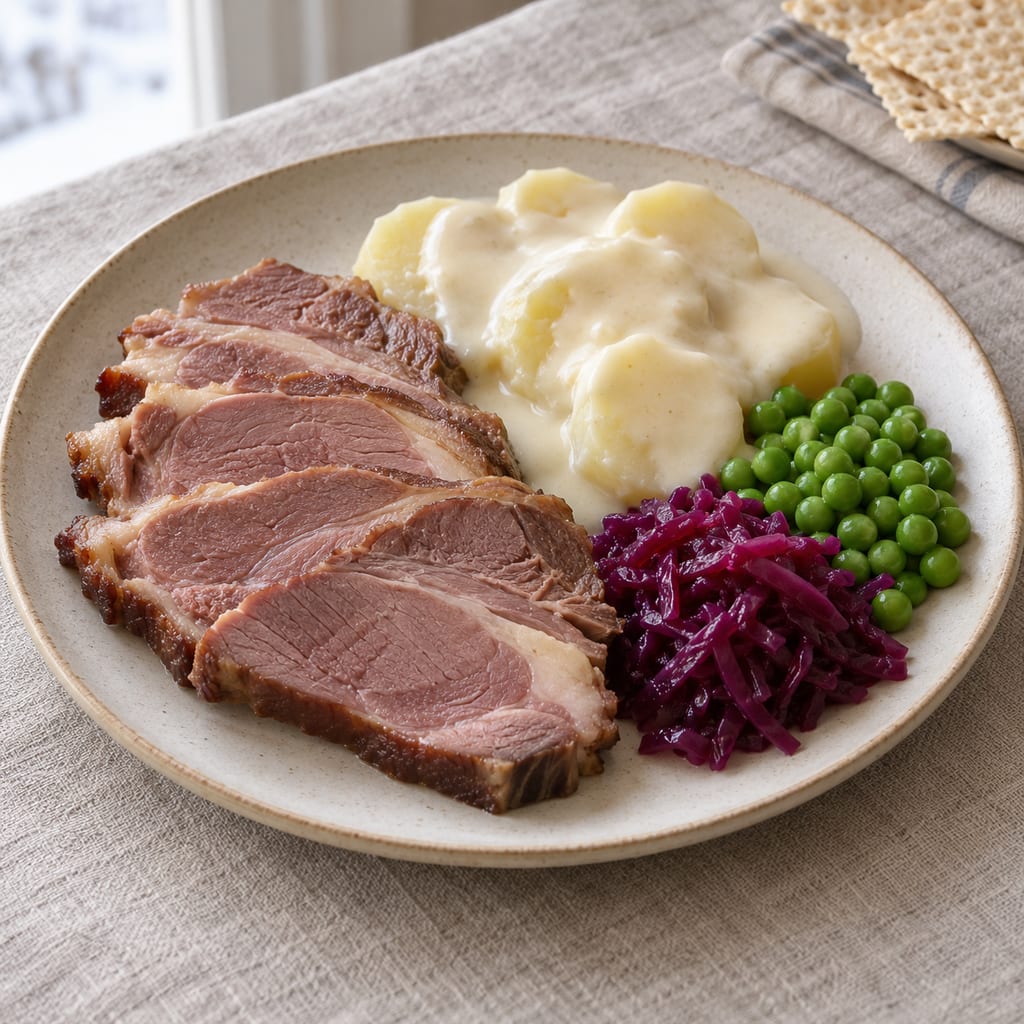
A six-person Icelandic Lamb serving recipe for deboned hangikjöt with potato bechamel, pickled cabbage, peas and laufabrauð. It cooks the product; it does not smoke or cure it.

Skyr is Iceland’s thick, tart fresh cheese. This home method cultures skim milk with fresh skyr and rennet, then drains the curd under refrigeration.
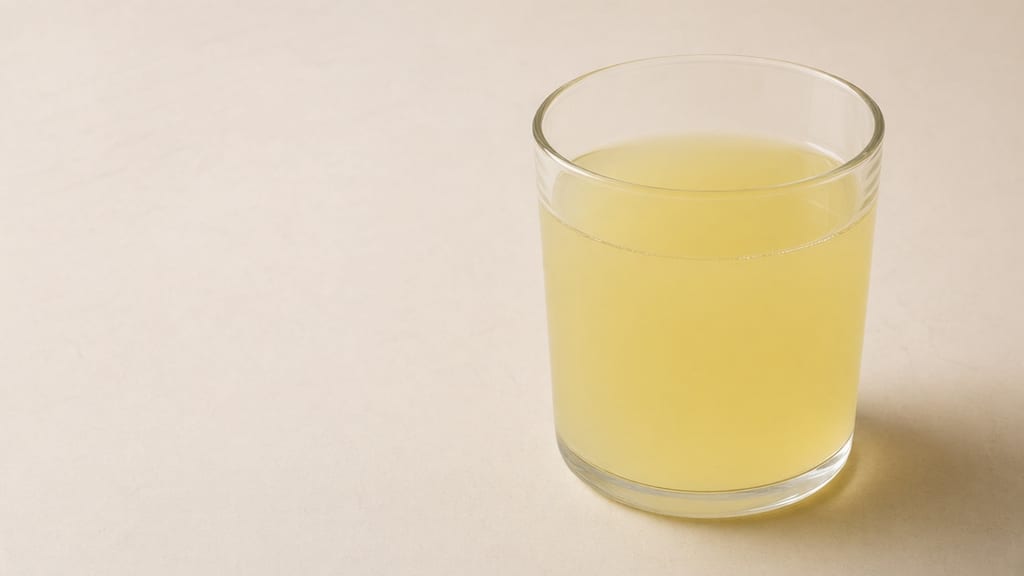
Sýra is Icelandic soured skyr whey kept as a household acid store: a drink when diluted, and historically the medium for súrmatur. Fresh leftover whey is not the same material.
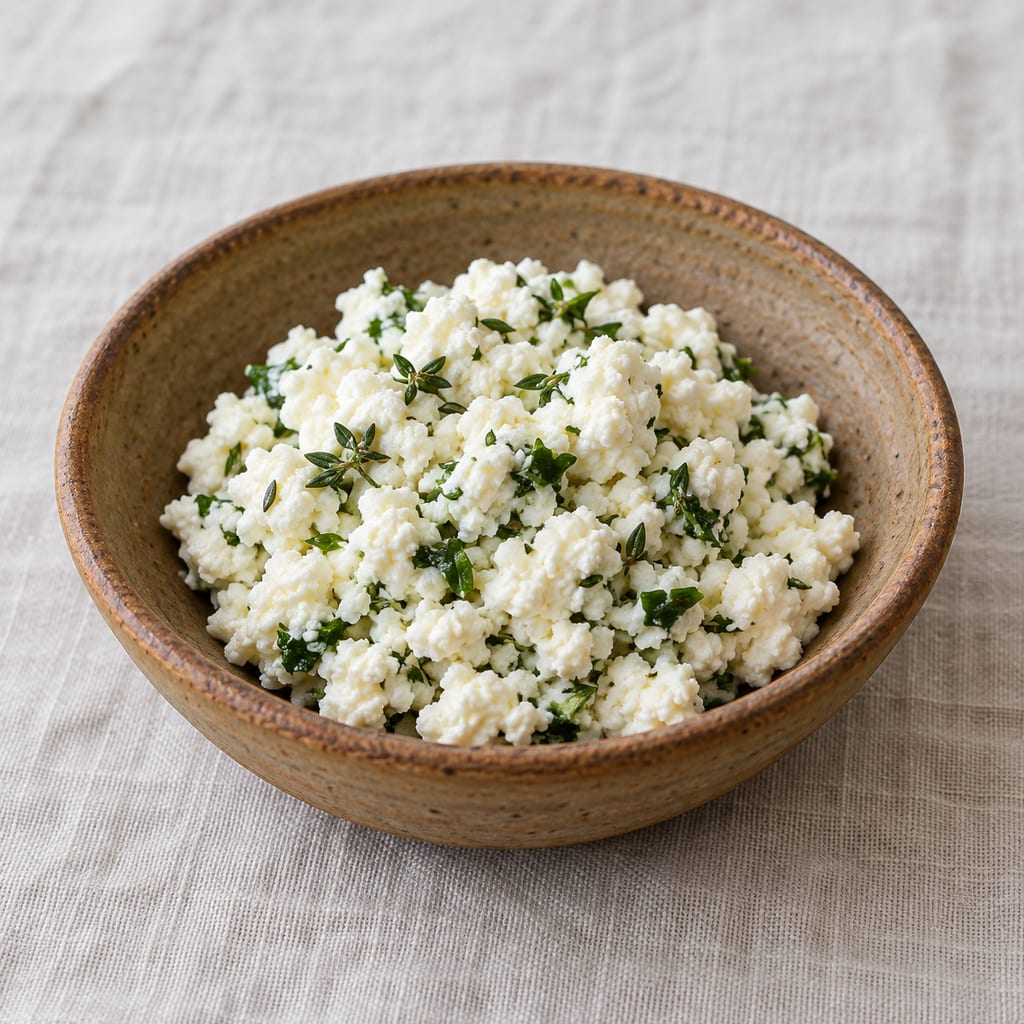
Soft fresh curd made by draining whey from milk already thickened by bacterial acidification, the simplest point in a northern dairy tradition that also produced skyr, ymer and whey itself.
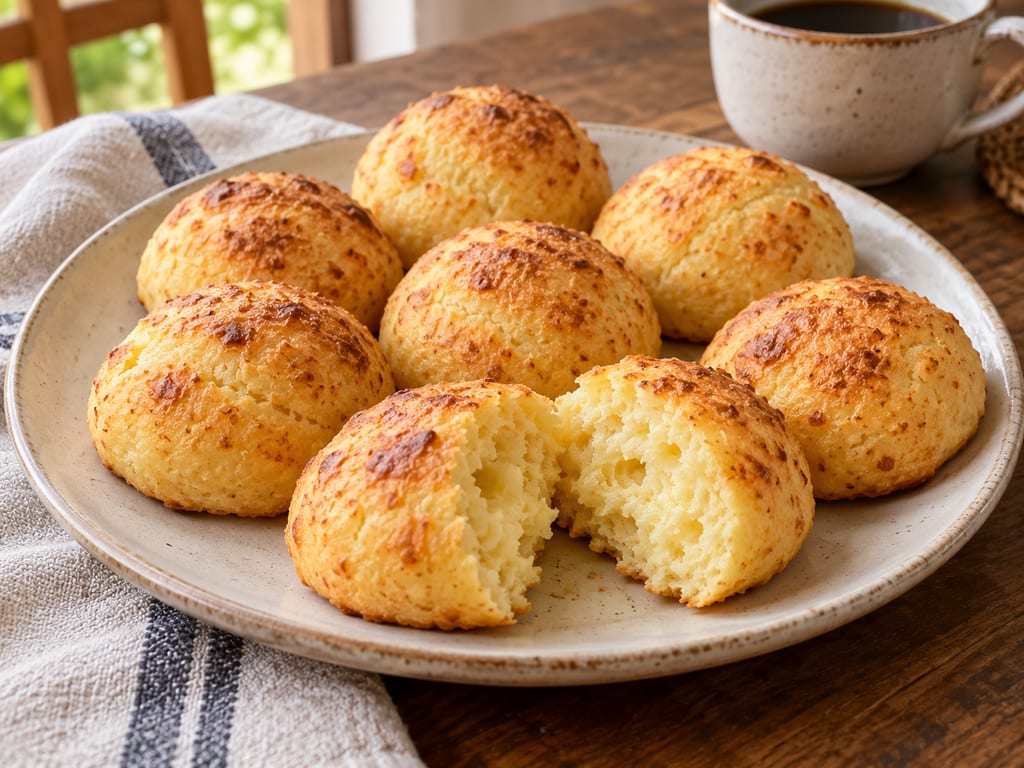
Small Colombian cheese breads made with precooked corn flour, queso fresco, mozzarella, eggs, milk and baking powder. This documented home version makes eight breads and is served warm.
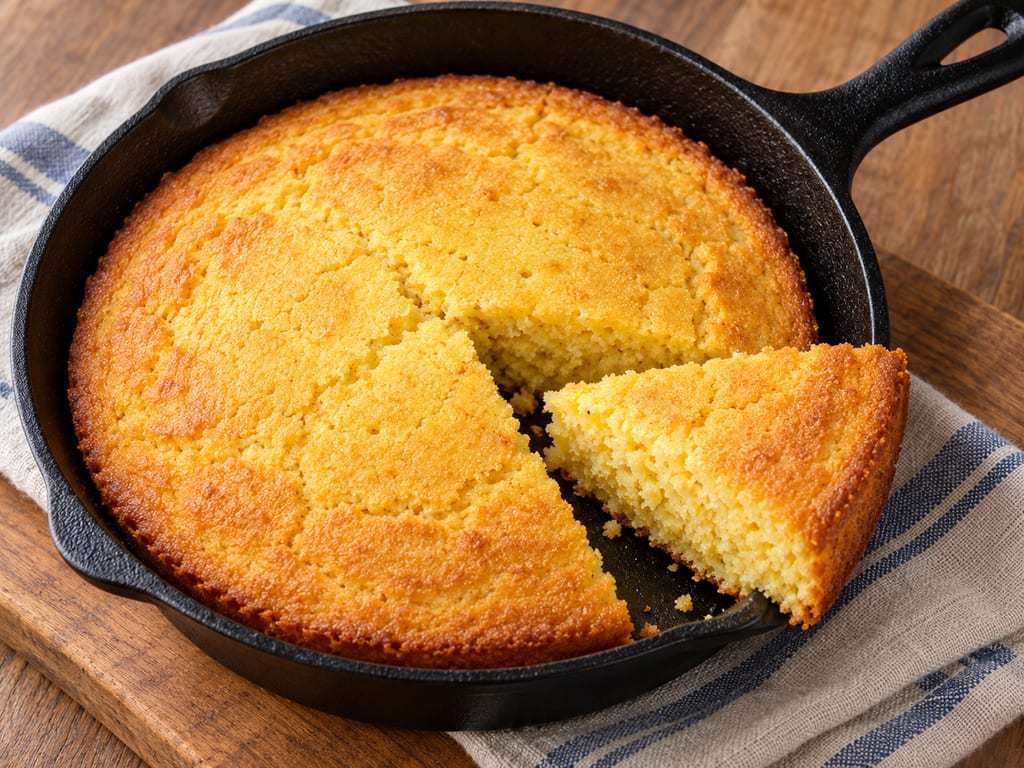
A modern cornmeal-and-wheat cornbread that King Arthur Baking describes as a compromise between Northern and Southern styles. The batter is baked in a pan or as muffins and served warm.
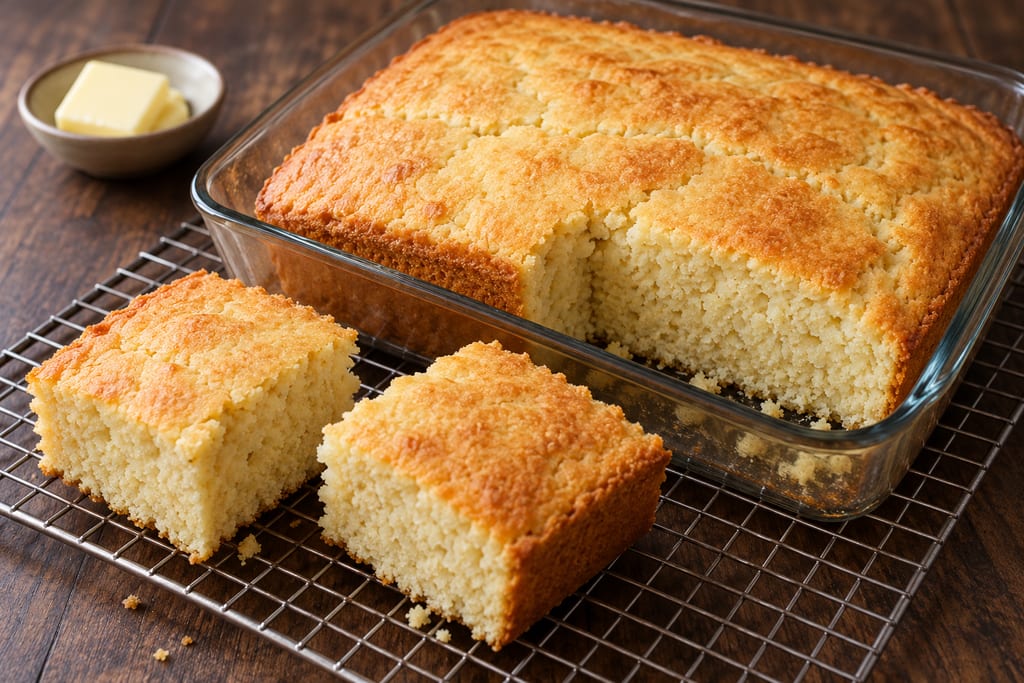
A soft, butter-rich Bahamian-style baked johnnycake made from flour, baking powder, sugar, butter and milk. The dough rests briefly in a square pan before baking.
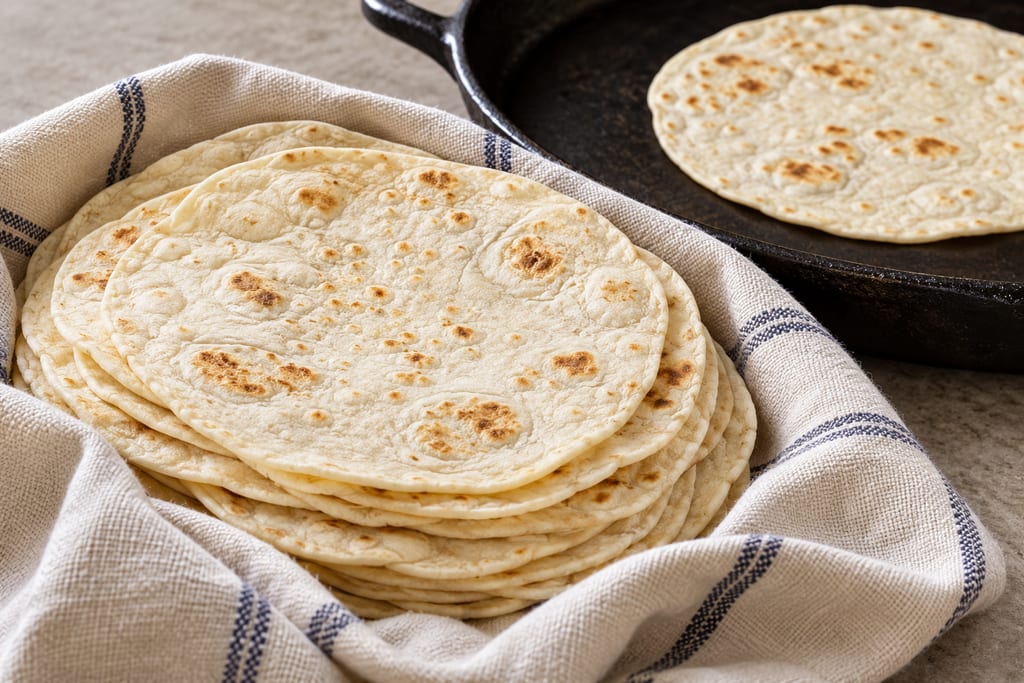
Soft wheat-flour rounds from an INCAP Honduran baleada recipe are rolled thin and cooked on a dry skillet; this record covers tortillas, not the filled dish.
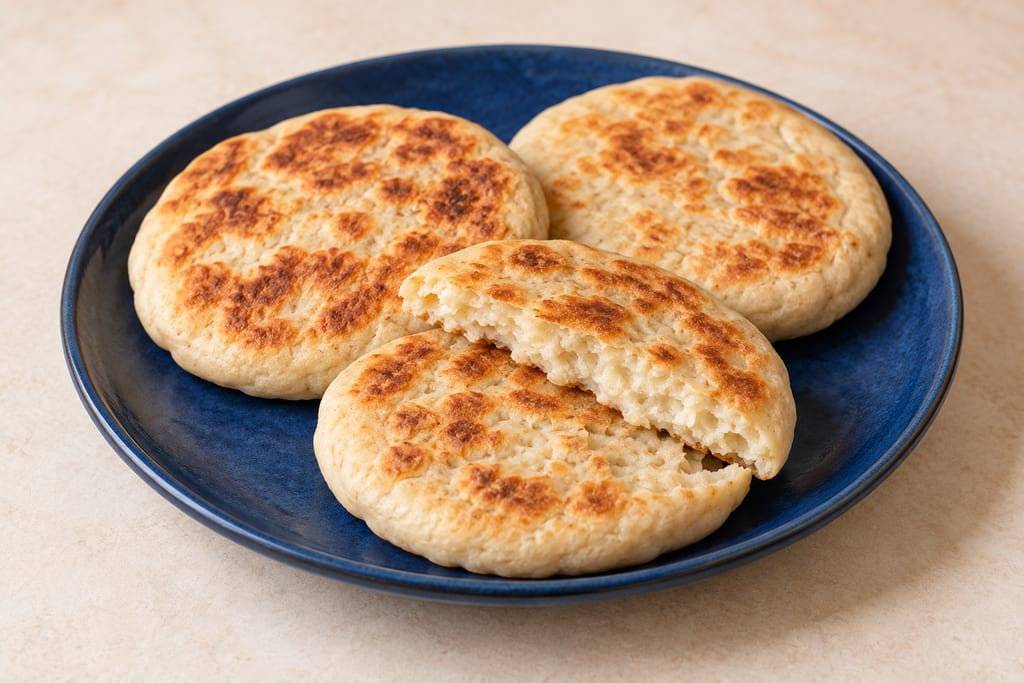
A Central Tibetan style pan bread made from flour, water and baking powder. Four dough balls are rested, rolled into rounds and cooked covered in a skillet, turning them several times.
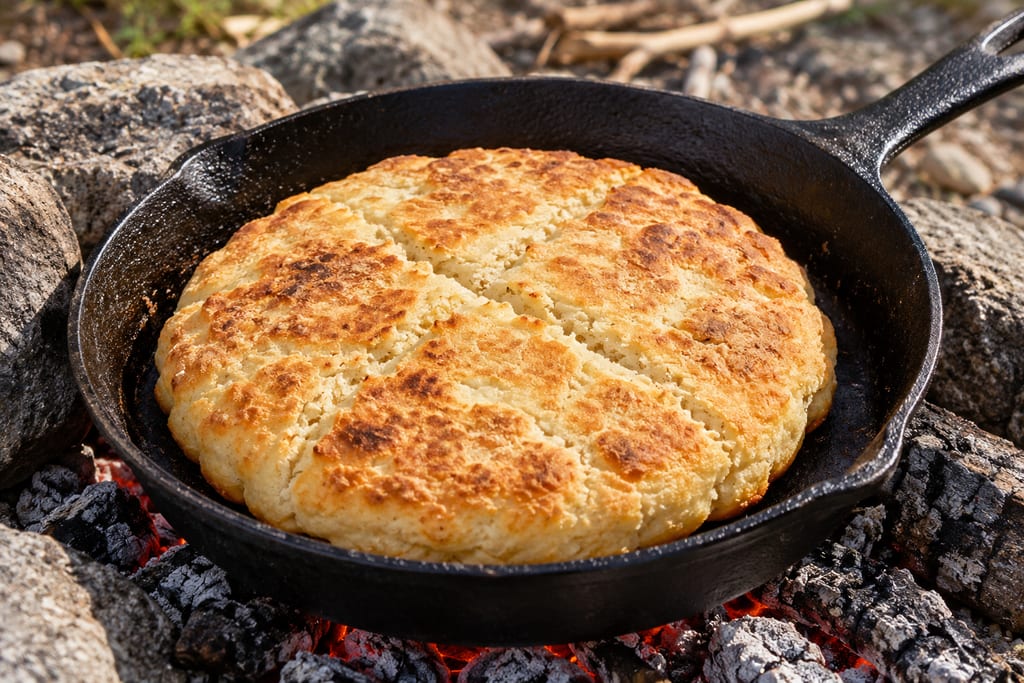
This flour, baking-powder and oil dough is Parks Canada’s contemporary Métis-interpreter version prepared at Rocky Mountain House; its specific recipe origin is unknown.
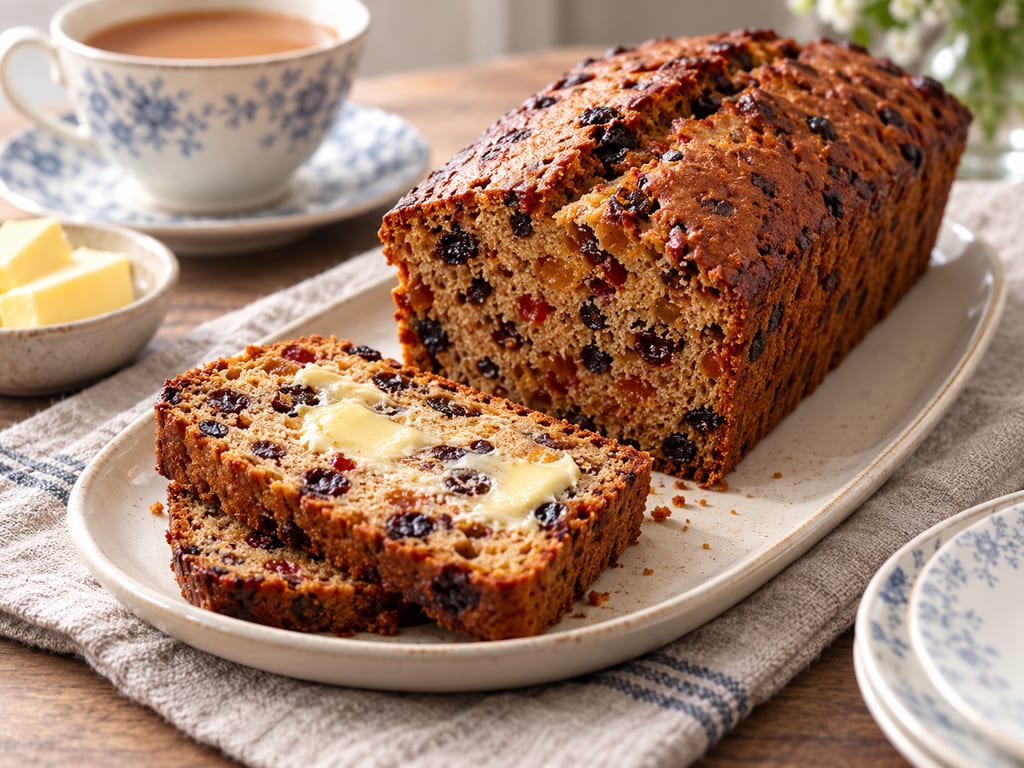
Bara brith is Wales’s speckled fruit loaf, made in both yeasted bread forms and the widely served modern tea-loaf style. This version soaks dried fruit in strong tea before mixing it with self-raising flour, spice, sugar and egg.
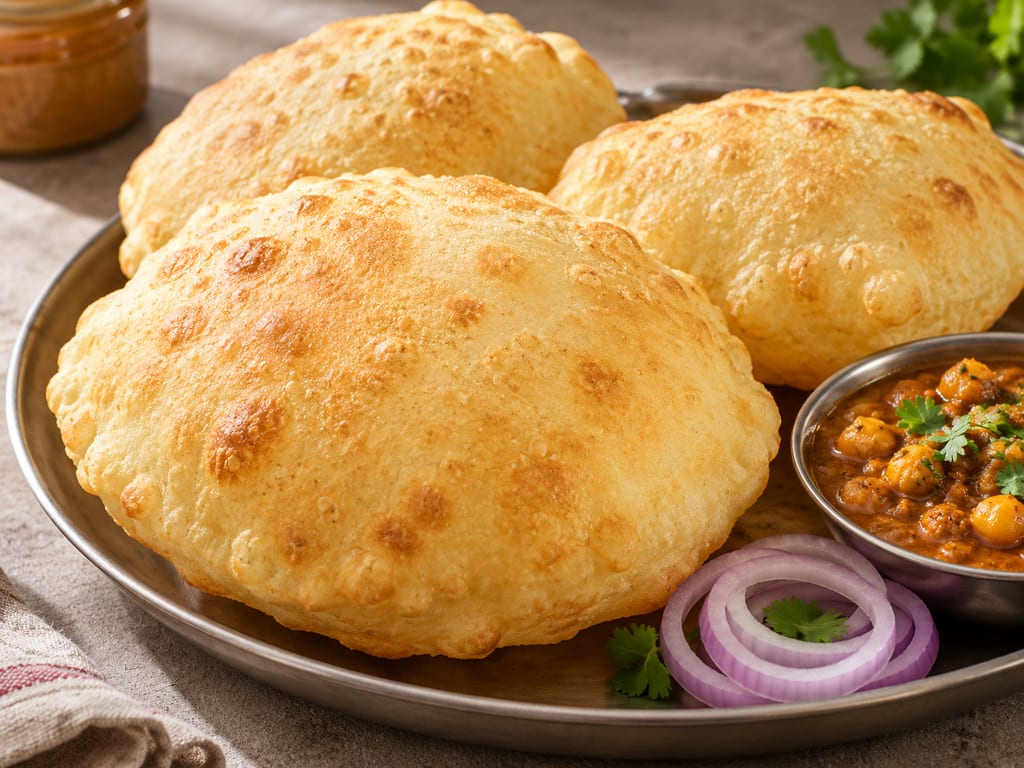
A North Indian fried bread made with yogurt, wheat flour and chemical leaveners. This source batch makes eight.
No community contributions have been published for this entry yet.
Sign in to contribute. Published comments and photos are free to read.
King Arthur Baking Test KitchenInspiration · Method · Food use · History
Icelandic Rye Bread (Rúgbrauð)Ingredient weights, one 9-inch loaf yield, 325°F oven setting, covered Pullman-pan bake for 2 hours, 15 minutes in the switched-off oven, full cooling, serving and storage notes.
The page distinguishes this contemporary chemical-leavened home formula from traditional low-and-slow overnight baking and notes golden syrup as an Icelandic sweetener of choice.
Cited in: A modern home formula for Icelandic rye bread; Mix, cover and bake
Vísindavefurinn, University of IcelandHistory · Geography
Hvenær var byrjað að baka rúgbrauð á Íslandi? (When did people begin baking rye bread in Iceland?)The author says rye bread was probably first baked in Iceland in the late Middle Ages but that it is difficult to date; references to rye flour imports and early written uses of the term rúgbrauð do not always identify modern rye bread.
The article points to a bread recipe in an 1891 cookbook, while distinguishing that later document from a proven origin date.
Cited in: Rye bread in Iceland
Visit North IcelandHistory · Geography · Food use
Bread and sweetsIceland used imported rye and had limited fuel and ovens; geothermal heat has been used to bake bread and is still used in the Mývatn region.
Cited in: Rye bread in Iceland
U.S. Food and Drug AdministrationSafety
Handling Flour Safely: What You Need to KnowRaw flour can carry harmful bacteria; bake before eating, do not taste raw dough or batter, and clean hands, utensils and surfaces after handling flour.
Cited in: Raw flour and baked bread