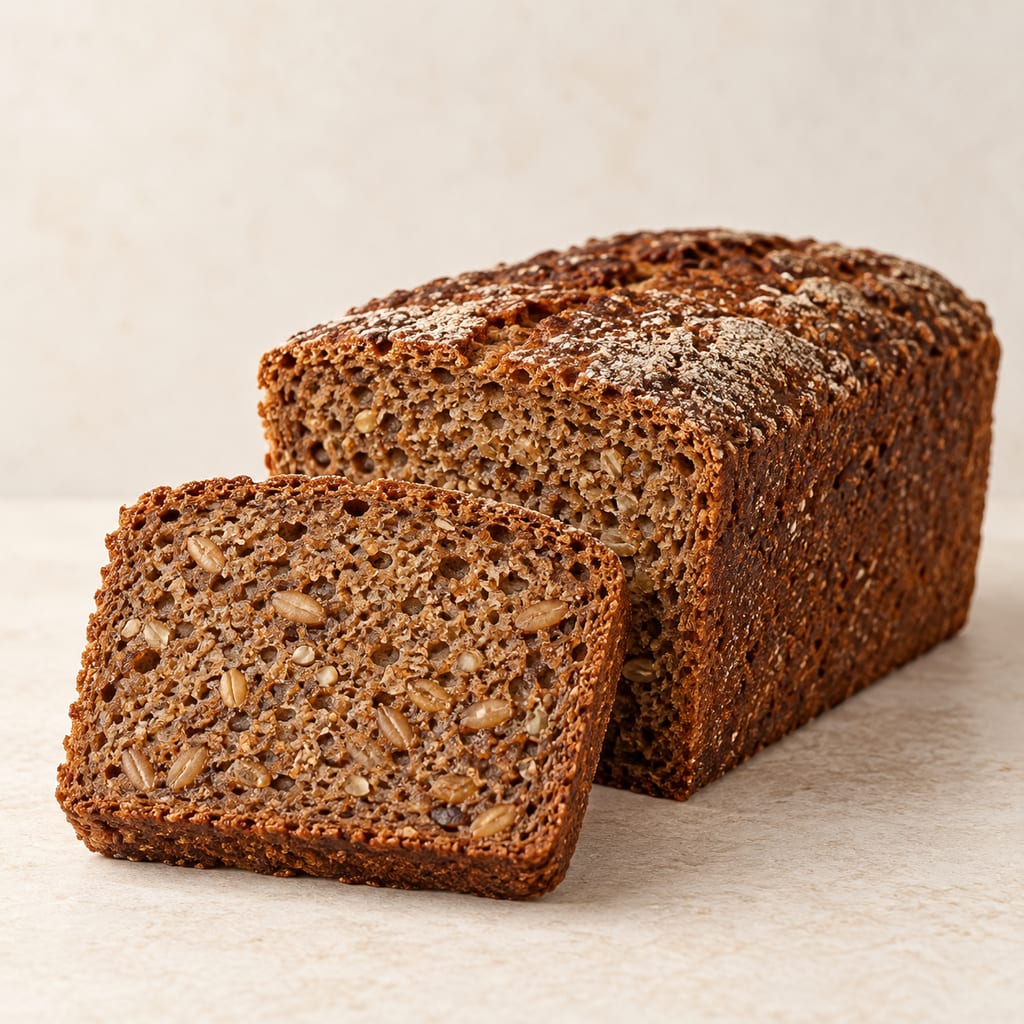
Rugbrød
This Danish sourdough loaf combines wheat flour and kernels with rye flour and cracked rye, then rises in three tins before a long, low finishing bake.
 FermenteaWhere food goes to change
Substrates
Rye flour is milled rye grain, sold as sifted, dark or wholemeal forms. Its starch and water-binding arabinoxylans shape rye breads, while its proteins do not form wheat's gas-trapping network.
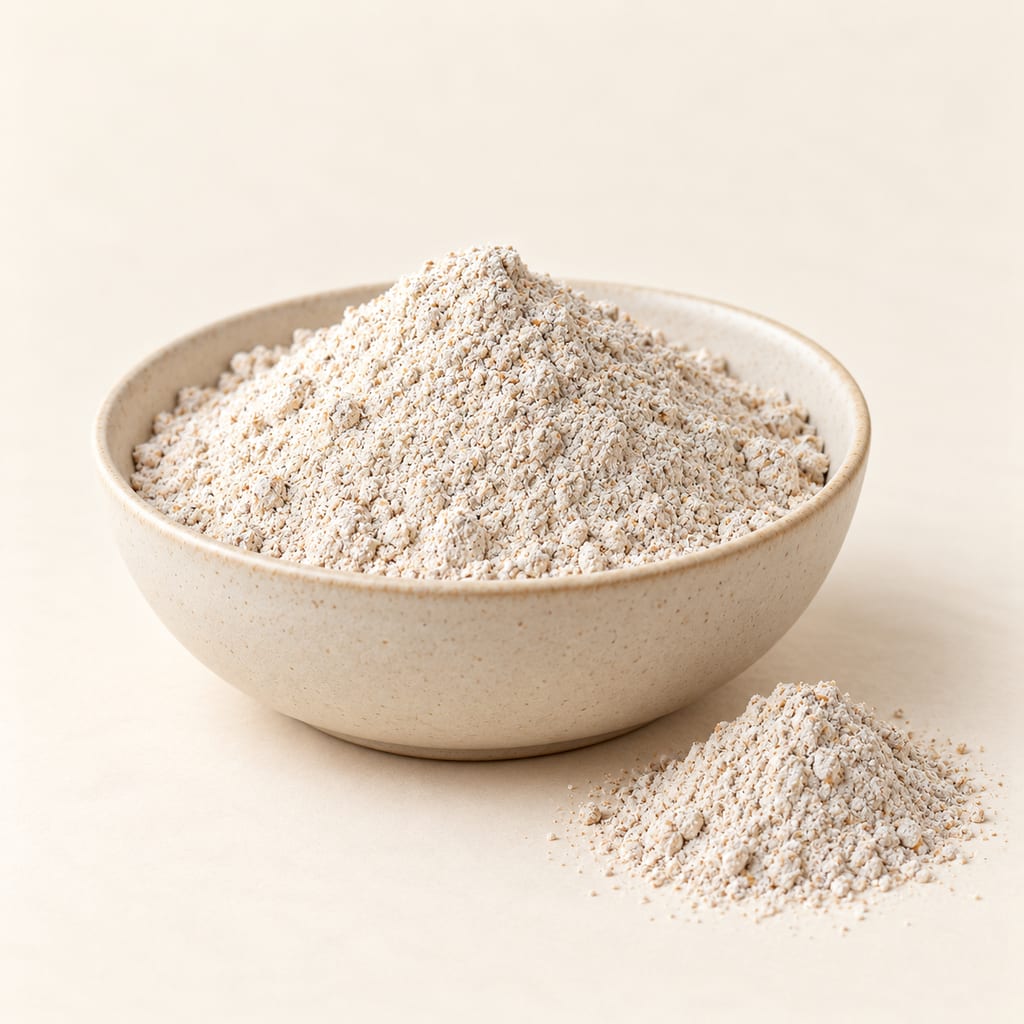
Rye flour is powder made by grinding the grain of rye, Secale cereale, a cool-season cereal in the grass family. Rye kernels are milled into different fractions, so the bag may hold a pale, finely sifted flour, a darker flour with more of the kernel's outer layers, or wholemeal flour that retains the bran and germ. Names such as light, dark and wholegrain describe broad product forms; they do not mean exactly the same thing in every country or mill.
The ingredient is not interchangeable with rye berries, cracked rye, rolled rye, rye bran or rye malt. Whole grain is still a kernel; meal is generally a coarser ground product; bran is one separated fraction. Malt starts with germination and drying, while plain rye flour is simply milled grain. A rye sourdough starter is another distinct item: it is a maintained fermenting community fed with flour and water, not a type of flour.
Color can be a clue to extraction but is not a reliable specification on its own. A more complete label may tell the baker whether the flour is sifted, dark or wholemeal, and whether it has been milled for bread or another purpose. In a recipe, those distinctions matter because flour fractions differ in fiber, starch, water absorption and behavior.
Commercial rye milling follows the broad pattern used for other cereal flours: millers clean and condition the grain, break kernels into smaller pieces, then reduce and sift the material into flour fractions. The amount of bran retained depends on the grain and the mill's settings. The Czech cereal-science review describes both dark and wholemeal rye flour and examines how milling changes flour composition and microstructure.
When more of the outer kernel remains in the flour, the product is typically darker and coarser, with more bran-associated fiber and arabinoxylans. A lighter sifted flour contains a greater share of starchy endosperm. The flour's color and particle size can change the dough's feel, the amount of water it absorbs and the baked crumb. A regional type number or extraction figure belongs to its own country's grading system; it should not be applied to flour from another market without checking the local standard.
The sources consulted describe commercial milling and use in recipes. They do not provide a single home-milling method for rye grain. This page therefore gives no mill setting, grain-conditioning schedule, extraction rate or sieving instruction for home production. If using flour from a package, follow the formula written for that type.
A Canadian baking textbook gives one practical example of how milling terms can be market-specific. It describes Canadian grades called chop, meal, light, medium and dark, with the lighter grades drawn from more central kernel fractions and the darkest used for heavier breads. These labels explain products within that teaching context; a mill in another country may grade or name flour differently. For a recipe, the package description and the flour type named by its author are more useful than assuming that every 'dark' or 'wholegrain' bag has the same extraction.
The same textbook describes rye's softer endosperm as breaking into flour readily, with bran separated during the milling sequence. This gives a reason not to transfer wheat-milling terms mechanically: the textbook says rye does not yield semolina in the way wheat milling does. For home use, the distinction is mostly practical. A baker should match the recipe to a flour sold for that purpose, and should treat a switch from sifted to wholemeal flour as a change in ingredient rather than a simple color substitution.
Rye flour contributes starch, proteins and a substantial portion of non-starch polysaccharides, especially arabinoxylans. These cell-wall carbohydrates bind water and become part of the dough's viscous structure. Rye starch and arabinoxylans help support the baked crumb; the rye proteins do not make the strong, stretchy gas-trapping network associated with wheat dough. A rye loaf can rise, but its volume and crumb do not respond to mixing and shaping exactly like a wheat loaf.
That difference explains why rye is used in a wide range of breads rather than only as a wheat replacement. High-rye doughs are often sticky and dense, and many formulas rely on the flour's starch and water-binding fiber for structure. A wheat blend changes the balance and may make a lighter, more elastic dough. A flour's bran content and fineness also affect how the dough handles and how coarse the crumb becomes.
In a sourdough loaf, fermentation adds acidity and flavor, while the flour supplies the substrate and contributes the material that sets the crumb during baking. Rye flour does not ferment by itself. The particular organisms, acidity and process belong to the bread recipe and its starter; no one fermentation time or acidity limit applies to every rye dough.
A baking-industry overview likewise emphasizes that flour fractions alter more than appearance. Higher rye proportions tend to make a denser loaf, and the contribution of water-binding arabinoxylans can make dough sticky and difficult to handle. These are broad tendencies, not a universal result for every cultivar, milling grade, starter or formula. The dough's hydration and handling instructions should come from a tested recipe written for the ingredients at hand.
One baking textbook also discusses the interaction among starch, naturally present enzymes and acidity. It explains that a flour's age and the dough's acidity can affect how the crumb sets, and that the balance may change whether bread is too moist and sticky or becomes prone to cracking. That is a technical explanation of why rye formulas are sensitive to flour and process, not a household correction schedule. The sources do not support one home acidity target, flour-aging period or adjustment that applies to every rye bread.
Finnish rye bread shows how a small ingredient list can carry regional differences. A Finnish information service describes water, leaven, salt and rye flour as a basic formula. It distinguishes the eastern round limppu from the western flat reikäleipä, the latter traditionally hung on poles by its central hole. The article also notes local bakeries and household leavens passed through generations. These descriptions document a living bread tradition, not the origin of rye flour.
Swedish knäckebröd offers another distinct use. Sweden's national living-heritage inventory names rye flour, yeast, water and salt, with dough rolled thin, cut and pricked before proofing and baking. Its crisp texture and central hole suit drying and storage on a pole. The inventory traces the hole's use to medieval practice and identifies south-central provinces where crispbread has been important. A crispbread dough and a soft rye loaf share flour but differ in shaping and the result they seek.
In Iceland, the atlas records rye-and-water flatbrauð, including a Mývatn version cooked on a hot surface. In Russia, the Batushevo field account connects rye flour to poza, a local beet-based fermented drink, and to poza-kshi cakes dried or baked to preserve a future starter. These are not interchangeable bread recipes: one is a flatbread, one a mixed-cereal loaf tradition, and one uses rye flour in a beverage and a dried fermentation base.
Rye cultivation and rye flour are related histories, but their evidence is not identical. Rye sometimes grew among wheat and barley before it became a major crop in parts of Europe. Museum and research accounts describe its spread across northern and eastern Europe, where the grain suited climates and soils that favored it over wheat. The dates they give for cultivation or rye bread do not establish when someone first ground rye into flour.
In Finland, an official cultural account reports that rye was cultivated more than 2,000 years ago and describes the grain's place in local bread. Sweden's heritage inventory connects rye crispbread to medieval cultivation and household storage. Norway's Museum of Cultural History describes increased rye imports in the 13th century and links rye's leavening properties to more sourdough baking. Together these sources show how the grain entered bread histories across the north; they do not document a single invention of rye flour.
A more recent source gives a specific, local record. Valentin Pinyayev's 2022 account describes an Erzya household tradition around Batushevo, where rye flour appears in poza and in cakes kept for restarting a later batch. That is useful evidence of one regional practice and of preserving fermentation inputs. It should not be expanded into a universal story for all Mordovian communities or for Russian rye flour.
Rye flour has uses outside sourdough loaves. It can make crispbreads, flatbreads, dense dark breads, porridge-like mixtures, pancakes, dumplings and cooked grain dishes, depending on the region and grade. Some preparations combine it with other grains, dairy, fruit, sugar or vegetables. The named Russian poza and kulaga preparations are examples of rye flour appearing in foods and fermentation systems, not proof that all such preparations share one recipe.
In sourdough, rye flour supplies fermentable carbohydrates and minerals to the culture and helps determine how a dough thickens and retains water. A refreshed starter can be maintained with rye flour even when the final dough uses another cereal blend. When flour becomes a preserved fermentation base, as in the described poza-kshi cakes, the flour is part of a prepared medium rather than the living culture itself. A source that calls something a ferment does not necessarily identify its microorganisms or provide a reliable home process.
Serving follows the bread's form. Finnish rye loaves are eaten as sandwiches, with soup or on their own; Swedish crispbread accompanies everyday meals and celebrations. These examples show why flour type is not just a technical label: it participates in the texture and customs of the food made from it.
Select a flour type that matches the recipe. A light sifted flour, dark flour and wholemeal rye differ in bran content and water absorption. A bread formula built for one may need different hydration or handling with another, so do not use a conversion from a different grade unless the recipe source supplies one. The consulted sources do not establish one global naming or grading standard.
Because the words on rye-flour labels vary between markets, use a recipe that identifies its flour form instead of treating light, medium, dark, meal and wholemeal as a single ladder. The Canadian baking text defines those terms for its curriculum, while the Czech review discusses dark and wholemeal flour within Czech cereal technology. Neither defines a global standard. If a label gives an extraction percentage or national type number, keep it with that flour's own grading system.
The sources checked do not support a universal storage duration for every package, flour type and climate. Follow the manufacturer's label and use your judgment about the product's condition; this entry does not assign a shelf-life number or a home-milling date after which all rye flour becomes unsafe.
Flour is raw. The U.S. FDA warns that flour can contain harmful bacteria from grain grown outdoors. Do not taste raw flour or dough; cook foods according to the recipe or package and clean hands, utensils and surfaces that contact uncooked flour. This account does not supply a universal home heat-treatment schedule for flour intended to be eaten raw.
Rye contains gluten. Rye flour is not suitable for people who must avoid gluten, including people with celiac disease. Do not label a rye bread gluten-free or imply that combining rye with wheat-free flour removes rye's gluten.
gluten
The sources document rye flour in Finnish bread and distinguish eastern round loaves from western reikäleipä; they do not claim Finland as the origin of rye flour.
The national living-heritage inventory records rye-flour crispbread across Sweden and identifies southern-central provinces as important production areas.
The report describes one village's rye-flour use in poza and in dried or baked cakes used to restart a batch; it explicitly does not establish a universal formula for Mordovia or all Erzya and Moksha communities.
This Danish sourdough loaf combines wheat flour and kernels with rye flour and cracked rye, then rises in three tins before a long, low finishing bake.
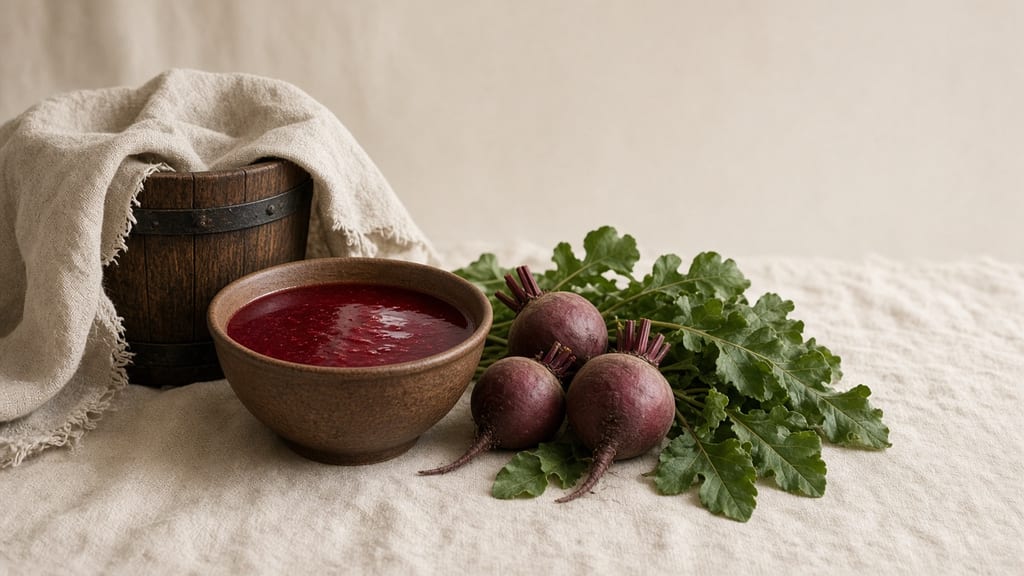
Before beetroot, Polish barszcz was a soup of soured hogweed leaves. Herbals, menus and an old cookbook show how a rye sour and then the beet barrel took over its name.
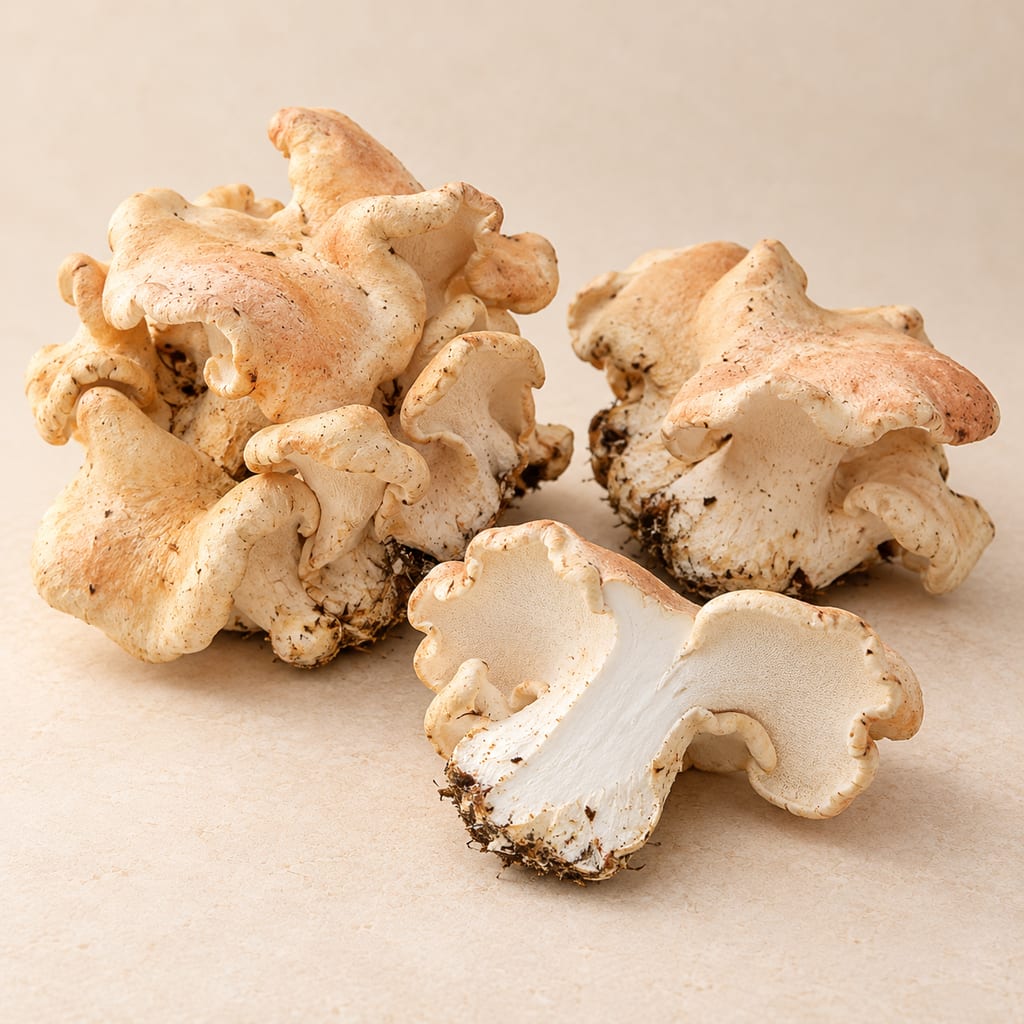
Albatrellus confluens is a ground-growing polypore with fused buff-orange caps. Sources document Chinese market use and regional edibility, but others reject it as too bitter; taxonomy also varies between Albatrellus and Albatrellopsis.
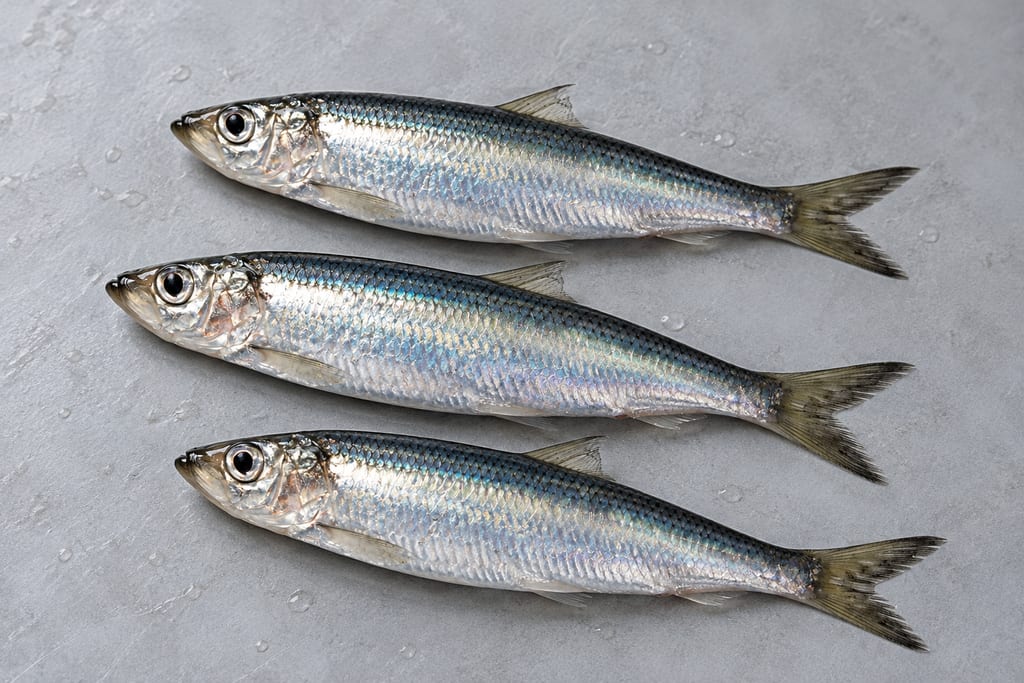
A small, schooling herring of the brackish Baltic Sea, sold under regional names including Finnish silakka and Swedish strömming. It is the raw fish behind several regional preparations, including Sweden’s fermented surströmming.
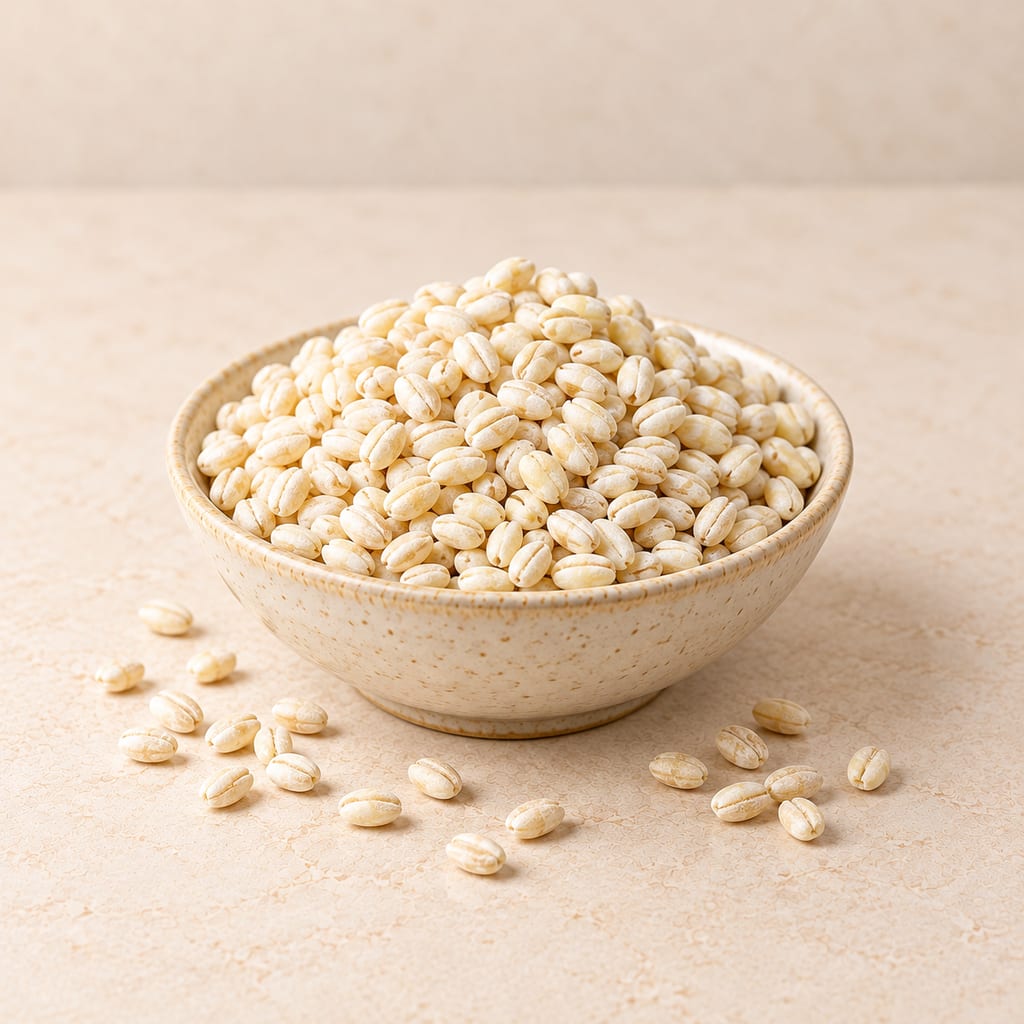
Barley is a hardy cereal, domesticated in the Middle East over 10,000 years ago, eaten whole, pearled or milled, malted for brewing, and grown with koji mold for barley miso.
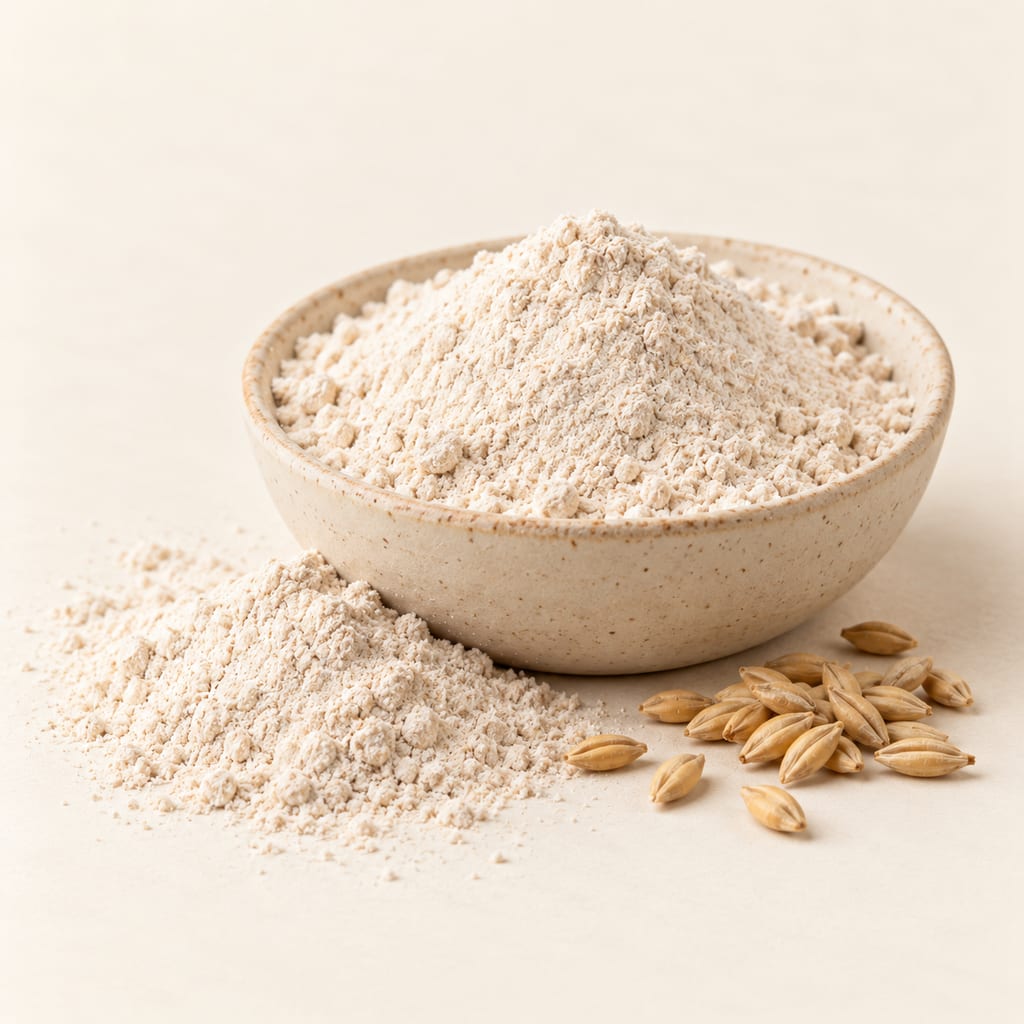
Barley flour is ground barley grain; whether it comes from pearled or hulless kernels, its milling and limited wheat-like gluten-forming ability shape the doughs and foods it can make.
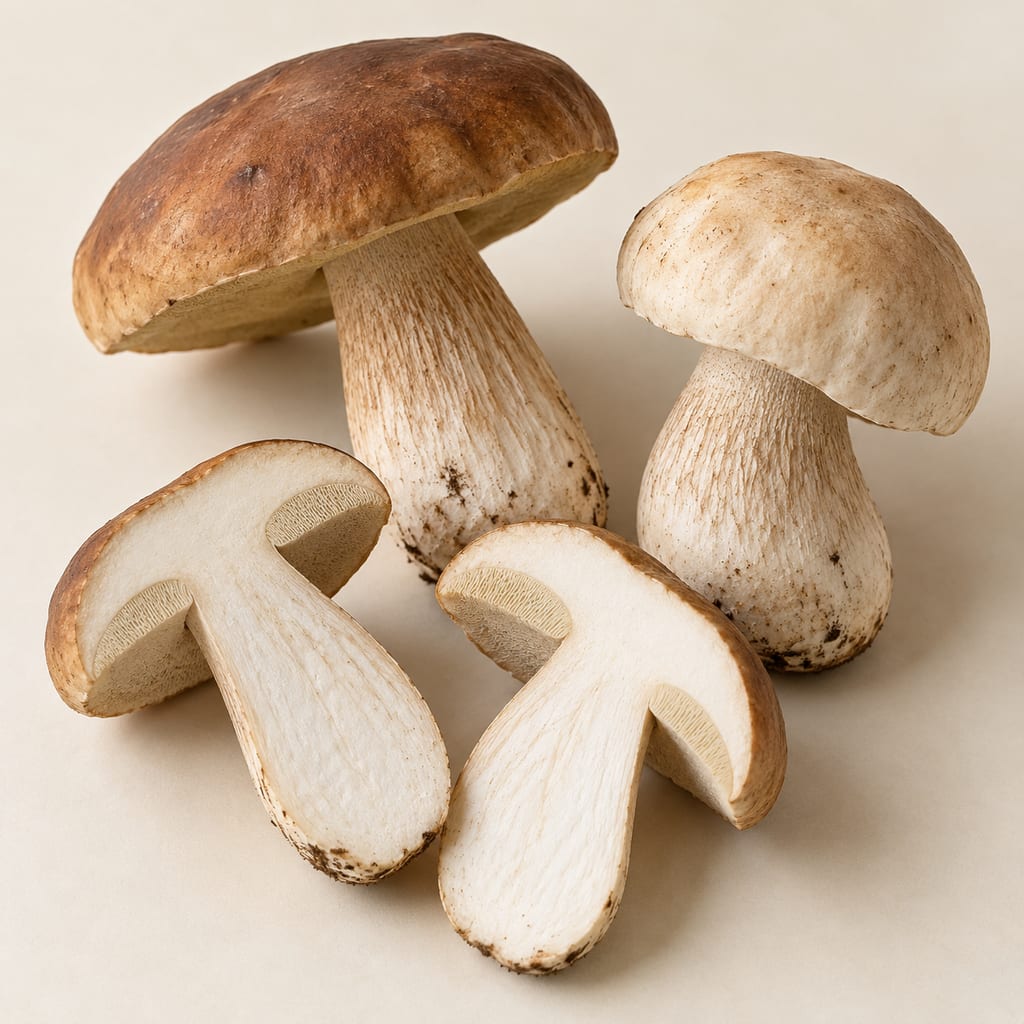
Boletus betulicola is a slender, birch-associated bolete of the penny bun group, kept as its own species by Finnish mycologists and treated by others as a form of Boletus edulis.
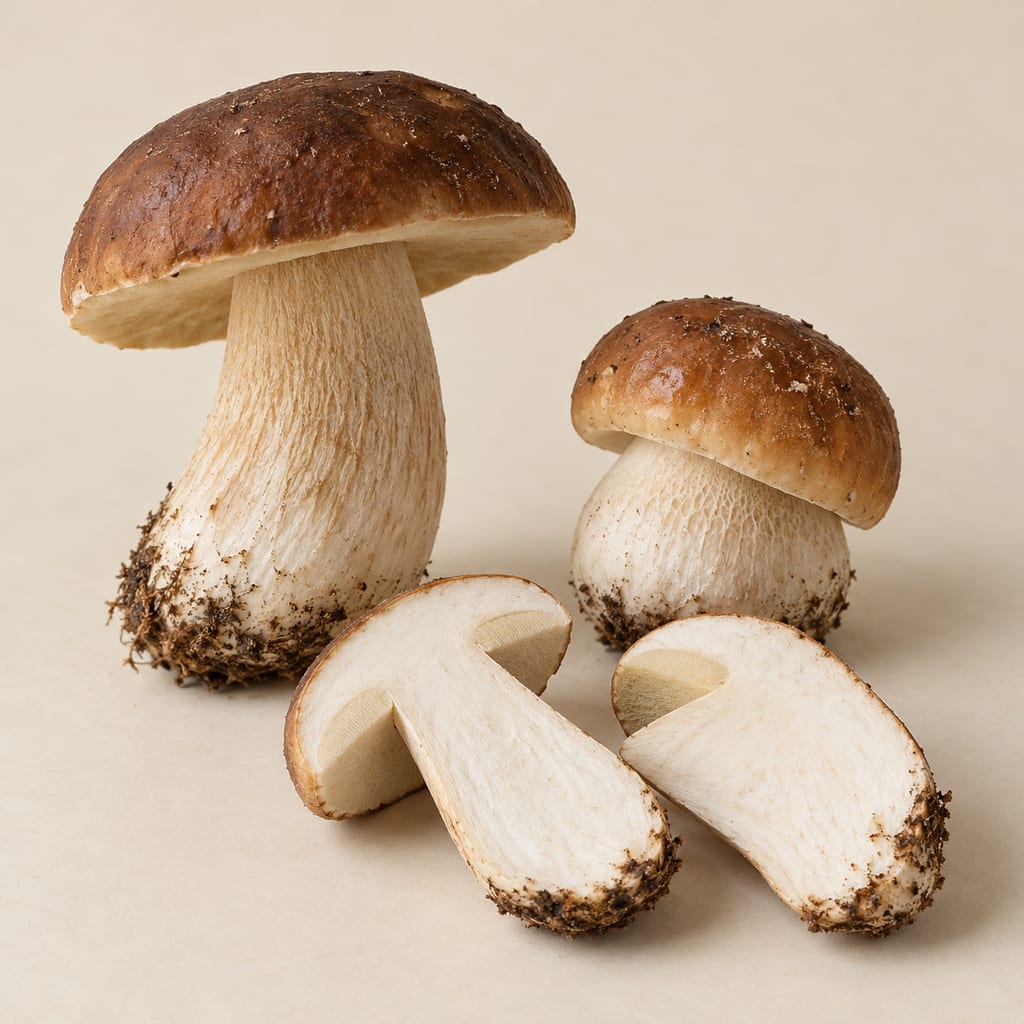
Boletus pinetorum is a greyish-brown penny bun relative that grows with Scots pine on dry sandy heaths in Fennoscandia and Estonia, described as a new species in 2009.
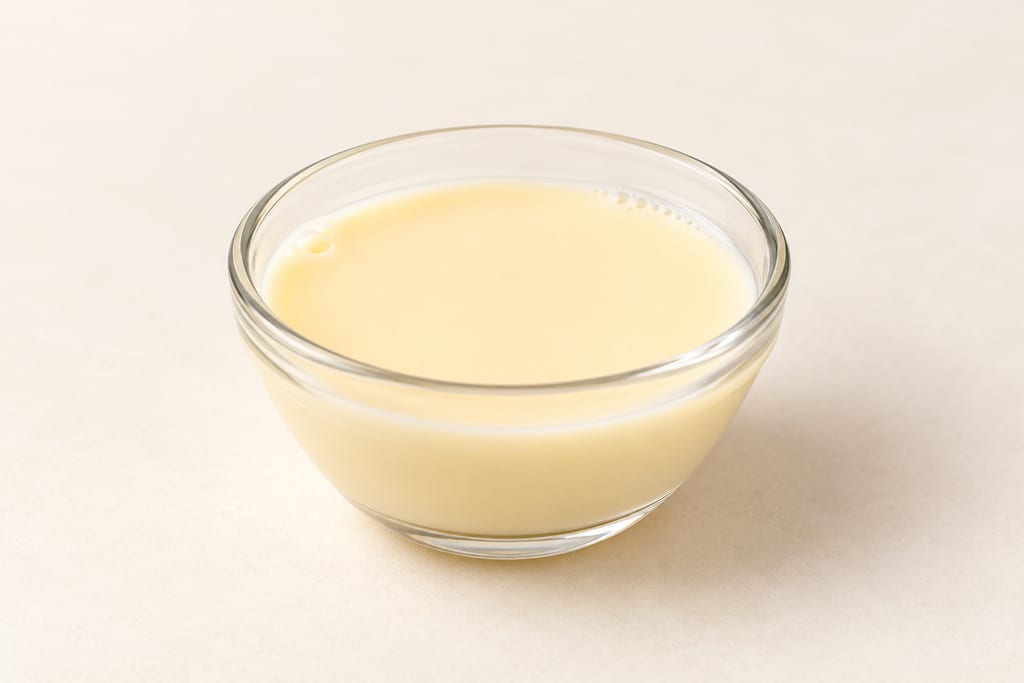
Bovine colostrum is the changing first secretion around calving, concentrated in proteins and maternal immune components; it feeds newborn calves and appears in seasonal foods and processed products.
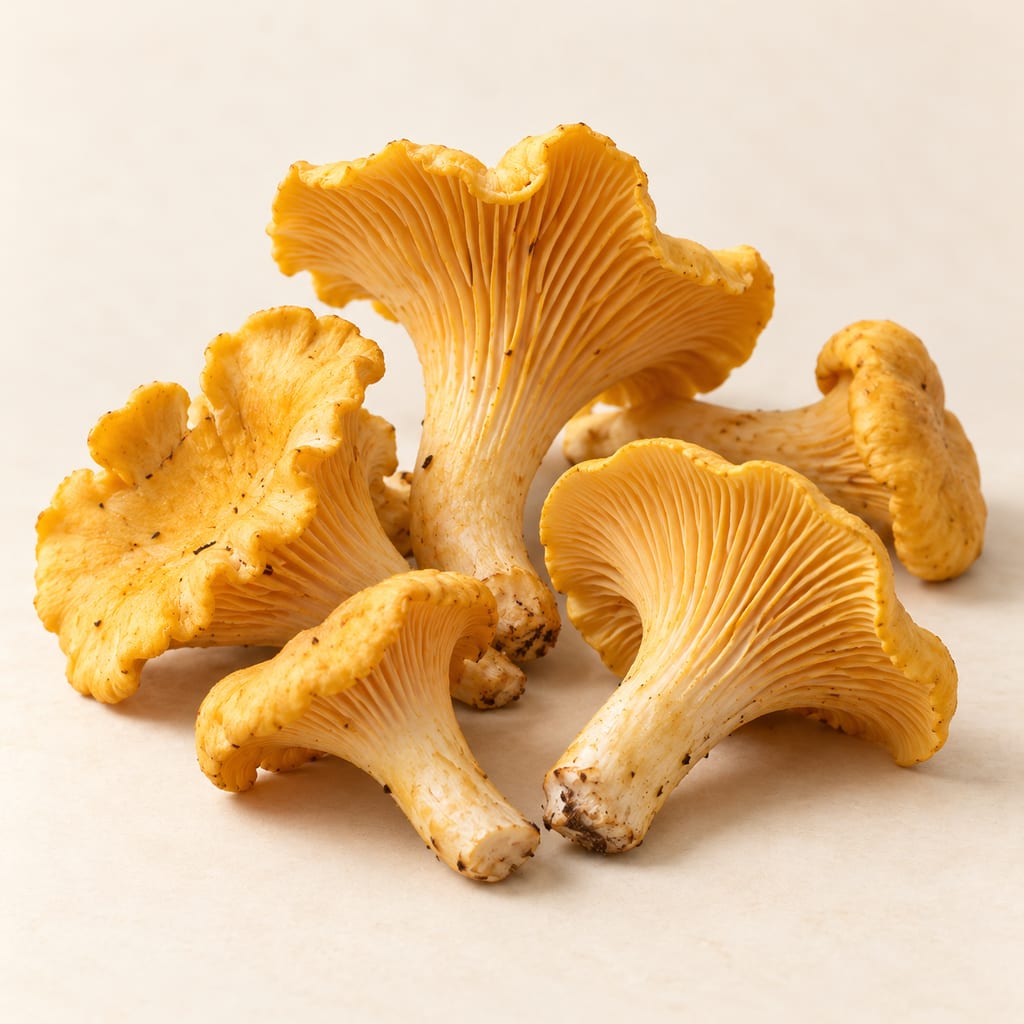
Chanterelles are wild, tree-associated edible mushrooms, particularly the European golden chanterelle Cantharellus cibarius, prized for their firm flesh, fruity aroma and use fresh, frozen, dried or pickled.
No community contributions have been published for this entry yet.
Sign in to contribute. Published comments and photos are free to read.
Cereal ChemistryIdentity · Processing · Function
The major constituents of rye (Secale cereale L.) flour and their role in the production of rye breadThe review describes rye starch, proteins and arabinoxylans and their roles in dough and bread.
Rye proteins do not form a gas-retaining network like wheat proteins; starch and arabinoxylan bind water and contribute to rye crumb structure.
The review cautions that some interactions and technical effects remain incompletely understood.
Cited in: Rye flour starts with the kernel; What rye flour does in dough; Choosing and handling rye flour
Czech Journal of Food SciencesProcessing · Uses · Geography
Rye: the nutritional and technological evaluation in Czech cereal technology — Grain and floursThe review describes milling rye grain into dark and wholemeal flour and reviews how milling changes grain components and flour microstructure.
It identifies rye flour and sourdough bread as major human-food uses in Czech cereal technology and notes a decline in Czech rye consumption over the period it reviews.
Cited in: Rye flour starts with the kernel; Milling separates flour forms; What rye flour does in dough
ThisisFINLAND / Ministry for Foreign Affairs of FinlandHistory · Geography · Use
The root of Finnish rye breadThe article describes Finnish rye bread as a long-standing food tradition and reports rye cultivation in Finland for more than 2,000 years; that dates the crop's cultivation, not rye flour's invention.
It identifies rye flour, water, leaven and salt as a basic Finnish rye-bread formula, distinguishes eastern limppu from western reikäleipä, and describes household leaven traditions and serving.
Cited in: Breads built around rye; Rye and its flour through history; Flour in fermentation and beyond
ThisisFINLAND / Ministry for Foreign Affairs of FinlandUse · History
We love Finnish rye bread: A baking story that stretches across borders and generationsThe article recounts an inherited rye-bread leaven in a Finnish-American family and includes a sourdough rye-bread recipe; it presents a family history, not a universal origin claim.
Swedish Institute for Language and Folklore (ISOF), Living Heritage InventoryUse · Geography · History
Rye crispbread (Knäckebröd)The national heritage inventory gives rye flour, yeast, water and salt as a traditional Swedish crispbread formula and describes shaping, proofing and baking.
It links the bread's hole and storage on poles to medieval practice and identifies south-central Swedish provinces where production has been important.
Cited in: Breads built around rye; Rye and its flour through history; Flour in fermentation and beyond
Известия МордовииUse · Geography · History
Чудный напиток — поза (A remarkable drink: poza)The field account is based around Batushevo in Atiashevo District and describes a local Erzya poza prepared with rye flour among other ingredients.
It also documents poza-kshi cakes made with rye flour and beet, dried or baked to preserve material used to start later batches; the account warns that recipes and names vary locally.
Cited in: Breads built around rye; Rye and its flour through history; Flour in fermentation and beyond
Tatarstan Cultural Resources CentreGeography · Use
Обрядово-молельный праздник Балтай мордовского народаThe record identifies the Baltay cultural tradition at Mordovskaya Karmalka in Leninogorsk District, Republic of Tatarstan; it supports the locality and ethnicity of a separate regional entry, not a universal rye-flour claim.
Cited in: Flour in fermentation and beyond
University of Oslo Museum of Cultural HistoryHistory
NOREGR: Medieval storiesThe museum account says rye imports increased in Norway during the 13th century and links the grain's leavening properties with increased sourdough baking; it dates this bread context, not rye flour's first production.
Cited in: Rye and its flour through history
U.S. Food and Drug AdministrationSafety · Allergen
Gluten and Food LabelingFDA identifies rye as a grain that contains gluten, relevant to people with celiac disease and others who must avoid gluten.
Cited in: Choosing and handling rye flour
U.S. Food and Drug AdministrationSafety · Handling
Handling Flour Safely: What You Need to KnowFDA explains that flour is a raw food and that field-grown grains can carry harmful bacteria such as Salmonella and pathogenic E. coli; uncooked flour is not ready to eat.
Cited in: Choosing and handling rye flour
BCcampus, Understanding Ingredients for the Canadian BakerProcessing · Function · Uses
Rye FlourThe Canadian baking textbook describes rye grain cleaning, tempering, milling and sifting, and the Canadian terms chop, meal, light, medium and dark rye flour; those grade names are not a universal international standard.
It explains that the kernel's soft endosperm is reduced to flour, with bran separated during milling, and that flour fractions differ in starch, fiber and water binding.
It explains that rye dough structure depends more on starch and arabinoxylans than on a wheat-like elastic gluten network, and that flour age and acidity affect baking behavior.
American Society of BakingFunction · Uses
Rye FlourThe baking-industry overview describes rye flour use in flatbreads and yeast-leavened breads, with color, shape and flavor varying by flour and formula.
It explains that rye arabinoxylans bind water and contribute to sticky dough behavior, while rye's proteins do not form a wheat-like continuous viscoelastic network.