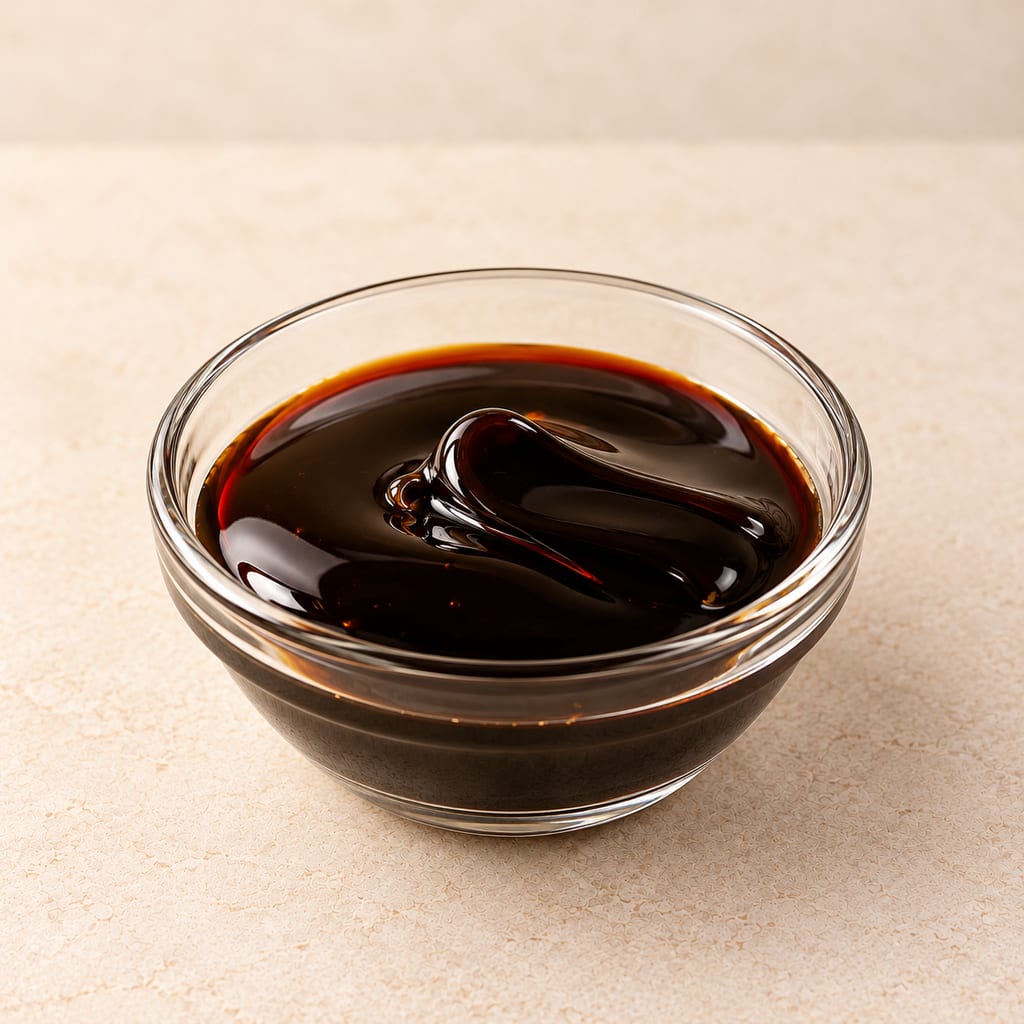
Molasses / dark treacle
Molasses is the syrup separated as sugar crystallises from cane or beet; its grades and food uses vary, from Anadama and steamed brown bread to fermentation.
 FermenteaWhere food goes to change
Modern adaptation
Boston Brown Bread · New England brown bread · Steamed brown bread
A molasses-sweetened rye, wheat and cornmeal batter that can be steamed on the stovetop or baked in a covered pan.
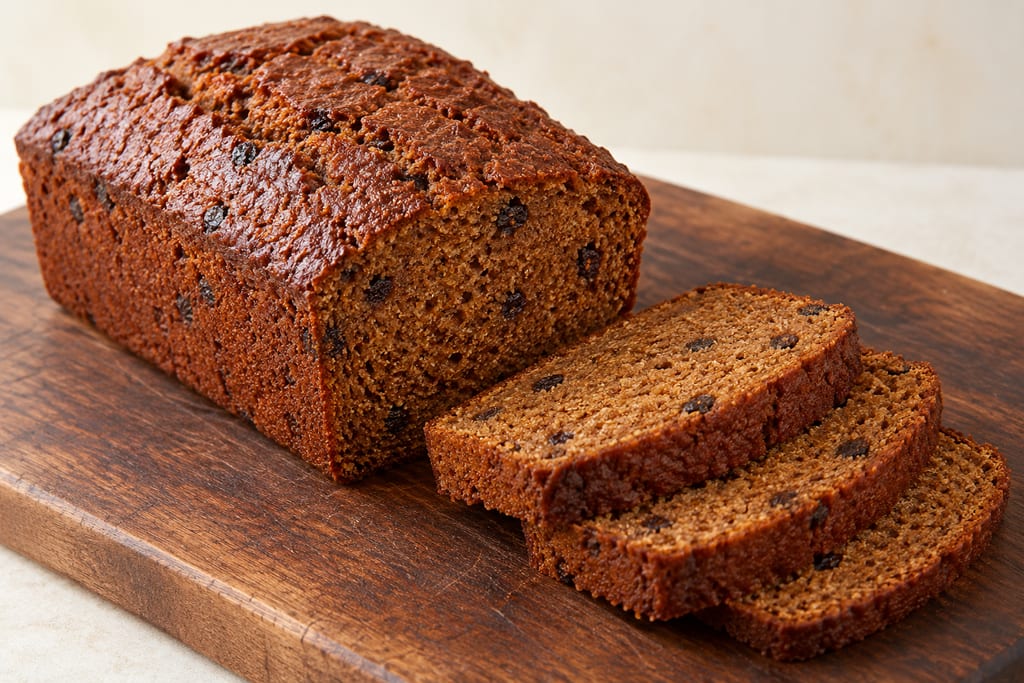
King Arthur Baking's recipe uses pumpernickel flour (identified there as whole rye flour), yellow cornmeal, golden wheat flour, baking soda, buttermilk, molasses and currants or raisins. It can be baked in a covered loaf or Bundt pan or steamed on the stovetop. The source gives separate equipment and timing for each path; this method keeps them distinct.
The oven route takes 1 hour covered at 325°F and 10 minutes uncovered. The stovetop route steams for about 2 hours over simmering water, with the pan raised above the kettle bottom and more water added if needed. The source does not give a full total time for this longer route.
Maine Historical Society records a steamed brown-bread recipe dated circa 1870 and describes the type as a New England staple often called Boston brown bread. Its note links cornmeal and molasses with the regional style and mentions baked beans as a common pairing.
That historical record is evidence for the regional foodway, not proof that it is the same formula as King Arthur Baking's modern recipe or that the recipe began in a particular town. The archive item itself is held by Maine Historical Society; that holding location is not treated as the recipe's birthplace.
King Arthur Baking's modern formula uses rye, wheat and cornmeal, molasses and buttermilk, with oven and steamed methods. Maine Historical Society records a steamed brown-bread recipe dated circa 1870 and describes that regional style as a New England staple often called Boston brown bread, commonly served with baked beans. This historical record supports regional context, not a direct lineage between its formula and the modern King Arthur recipe.
Yield 1 8½-by-4½-inch loaf or 10-cup Bundt loaf · Scaling: source batch only
The stovetop method handles a deep kettle of boiling water and later steam around a covered pan.
Hazard sourceUse a deep covered kettle and raised insert as directed; handle the hot pan and kettle carefully. Add water when needed, as the source directs. The source does not specify an internal-temperature endpoint.
Control sourceThe clean-toothpick or moist-crumb cue is the source's recipe doneness test, not an independent safety validation. No extra time or temperature limit is inferred.
Maine Historical Society describes a circa-1870 steamed brown-bread recipe as a New England staple often called Boston brown bread. This is a regional historical association, not proof that the King Arthur formula is the same recipe or that the style began in one locality.
Molasses is the syrup separated as sugar crystallises from cane or beet; its grades and food uses vary, from Anadama and steamed brown bread to fermentation.
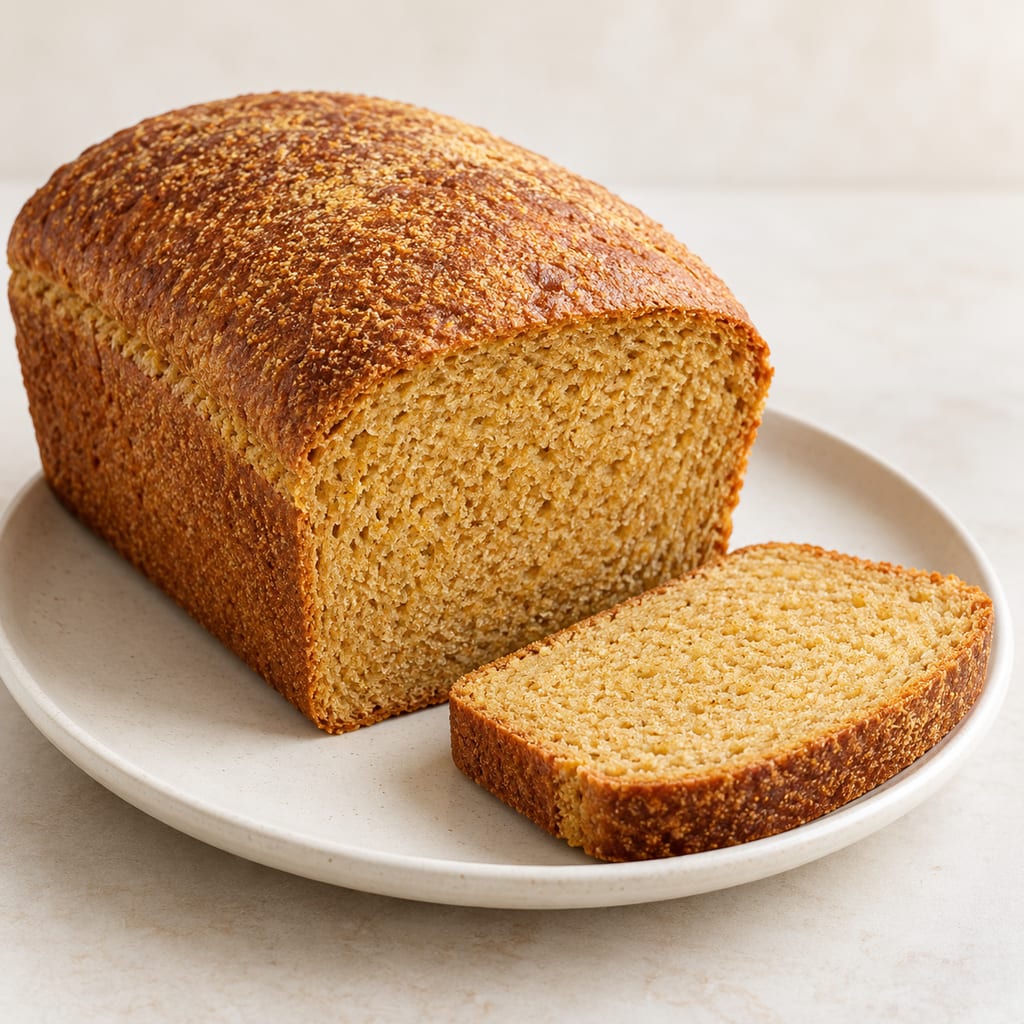
Anadama is a New England yeast loaf made with wheat flour, cornmeal and molasses. Scalded cornmeal enriches the dough, while molasses lends sweetness and a dark crust; it is especially good toasted or beside soup and baked beans.
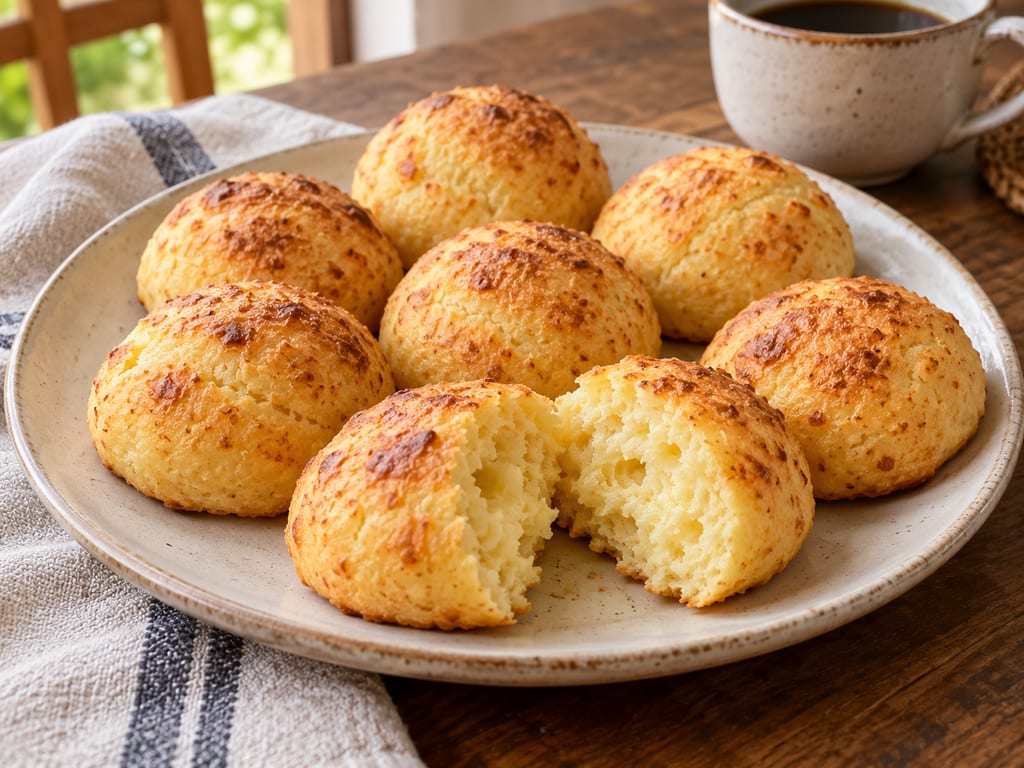
Small Colombian cheese breads made with precooked corn flour, queso fresco, mozzarella, eggs, milk and baking powder. This documented home version makes eight breads and is served warm.
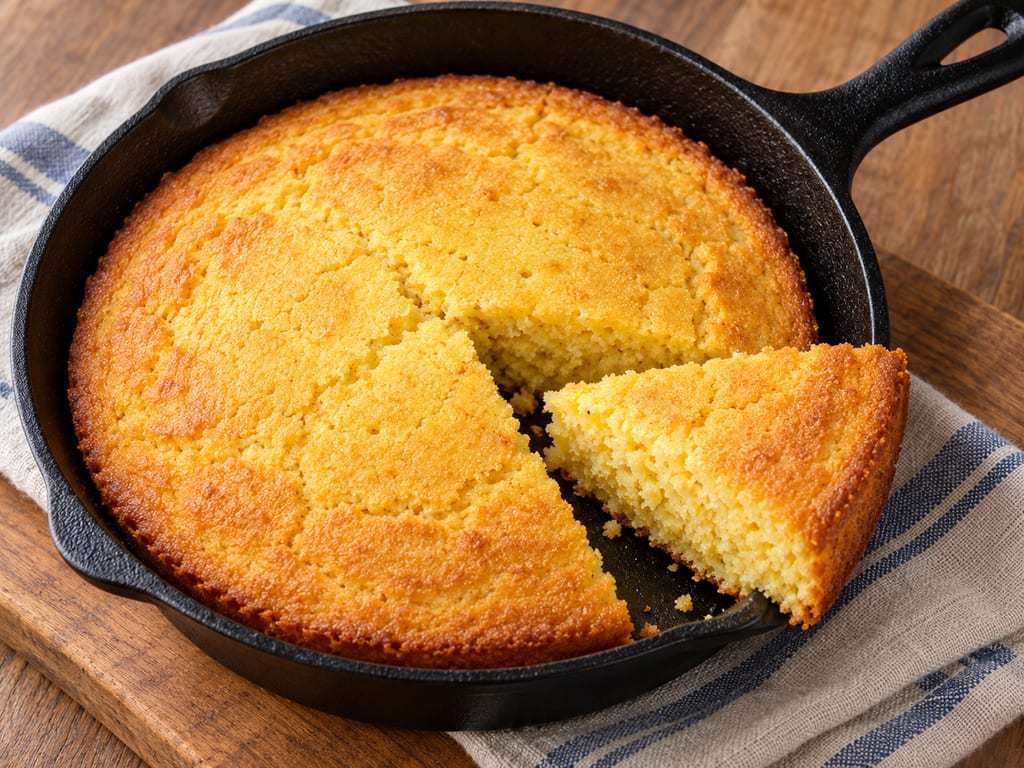
A modern cornmeal-and-wheat cornbread that King Arthur Baking describes as a compromise between Northern and Southern styles. The batter is baked in a pan or as muffins and served warm.
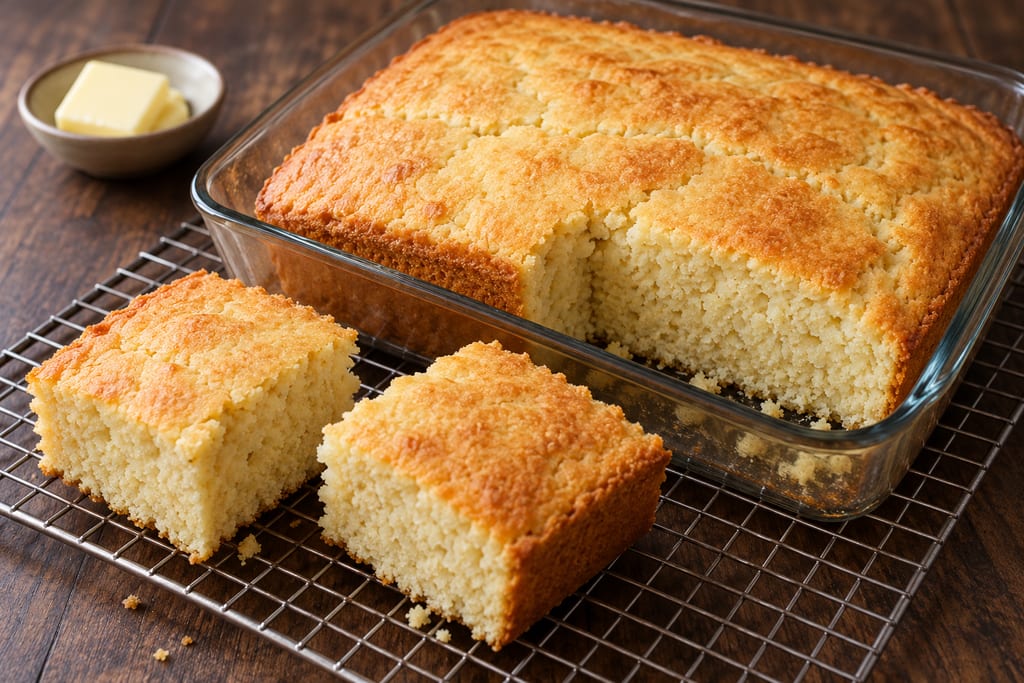
A soft, butter-rich Bahamian-style baked johnnycake made from flour, baking powder, sugar, butter and milk. The dough rests briefly in a square pan before baking.
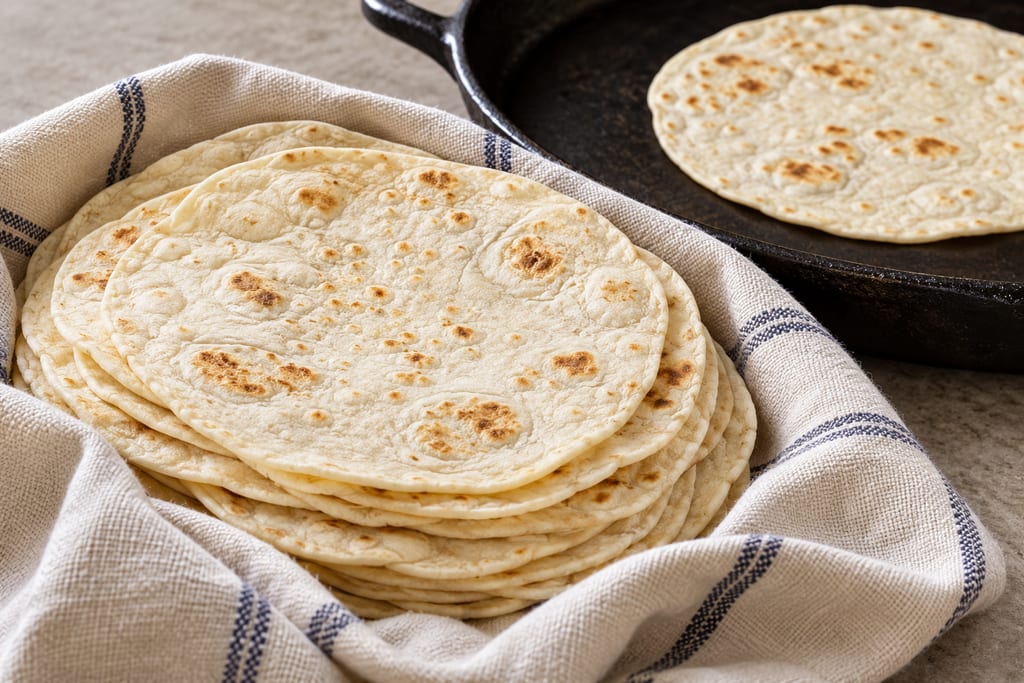
Soft wheat-flour rounds from an INCAP Honduran baleada recipe are rolled thin and cooked on a dry skillet; this record covers tortillas, not the filled dish.
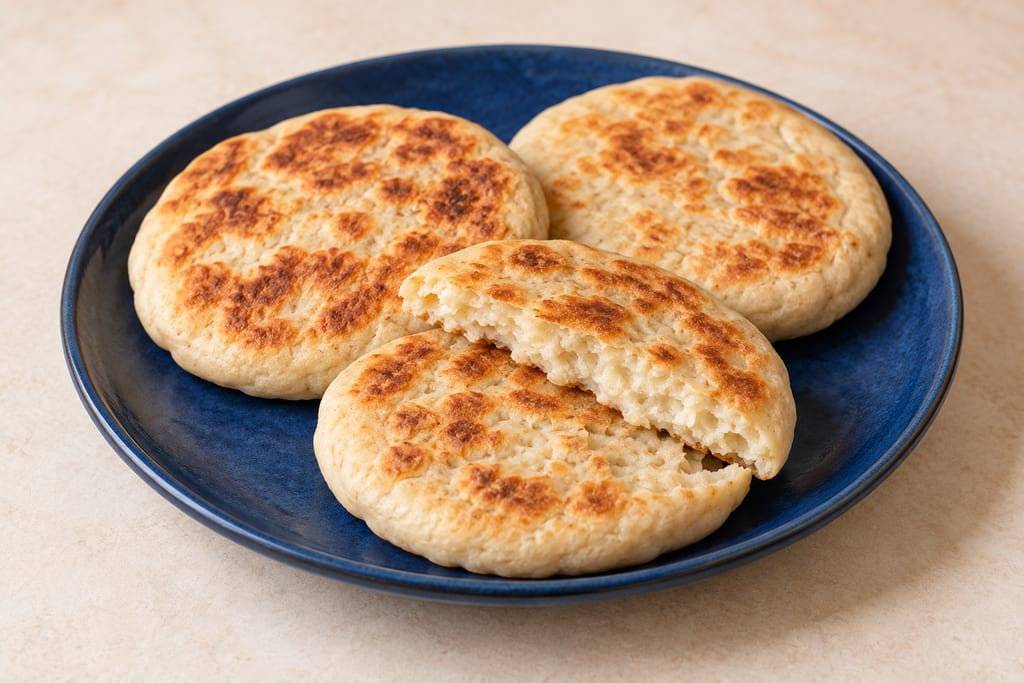
A Central Tibetan style pan bread made from flour, water and baking powder. Four dough balls are rested, rolled into rounds and cooked covered in a skillet, turning them several times.
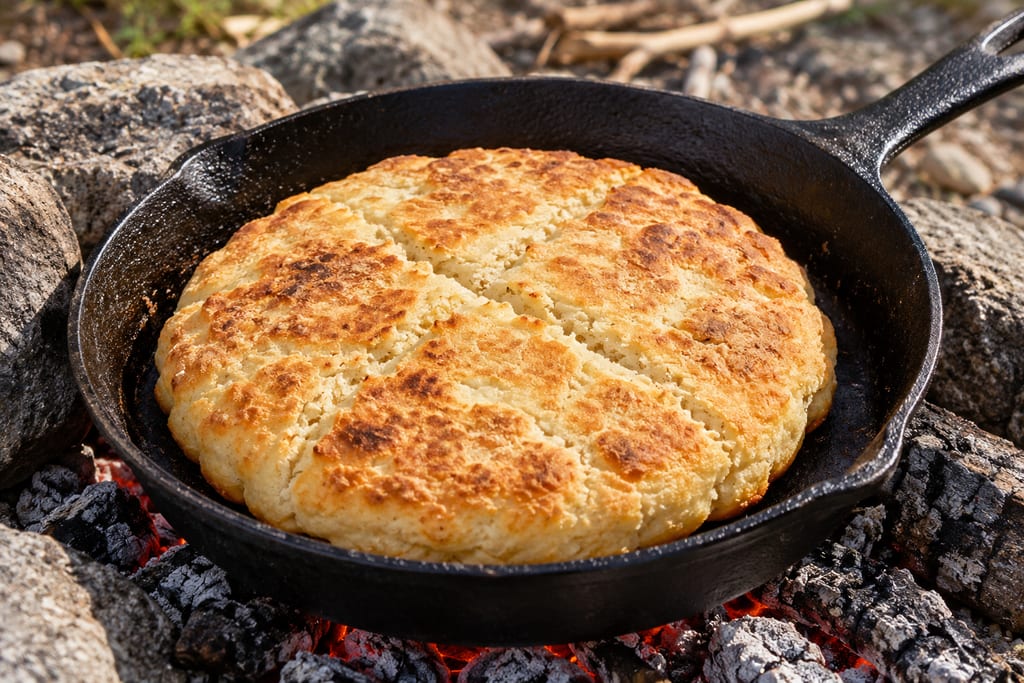
This flour, baking-powder and oil dough is Parks Canada’s contemporary Métis-interpreter version prepared at Rocky Mountain House; its specific recipe origin is unknown.
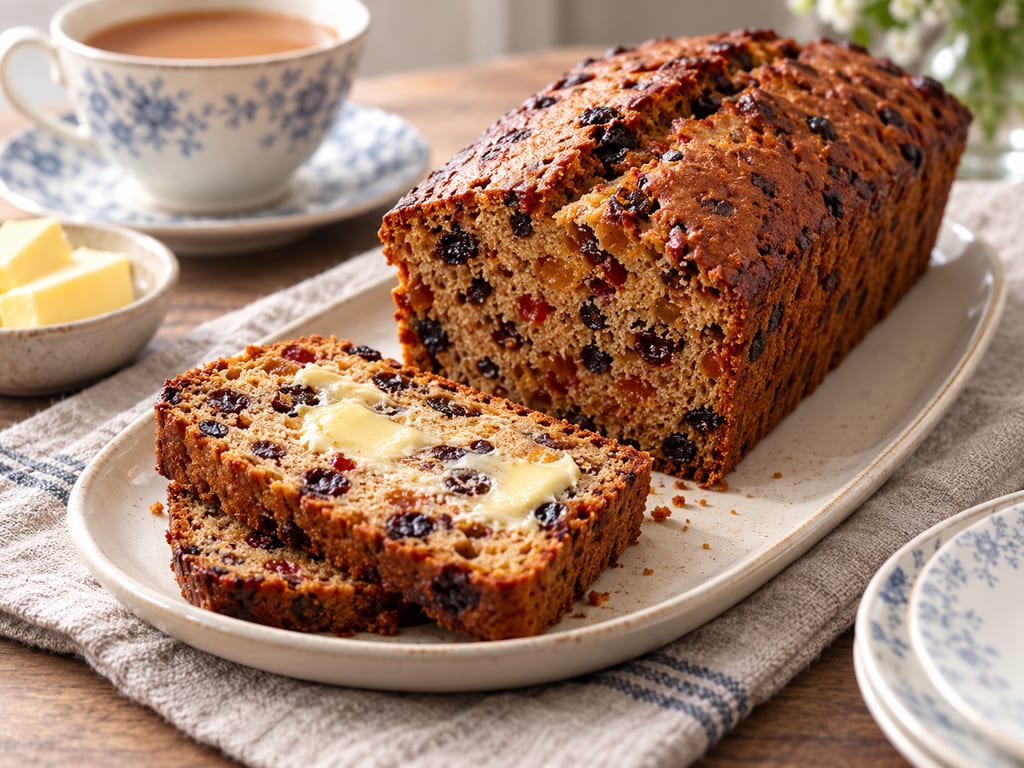
Bara brith is Wales’s speckled fruit loaf, made in both yeasted bread forms and the widely served modern tea-loaf style. This version soaks dried fruit in strong tea before mixing it with self-raising flour, spice, sugar and egg.
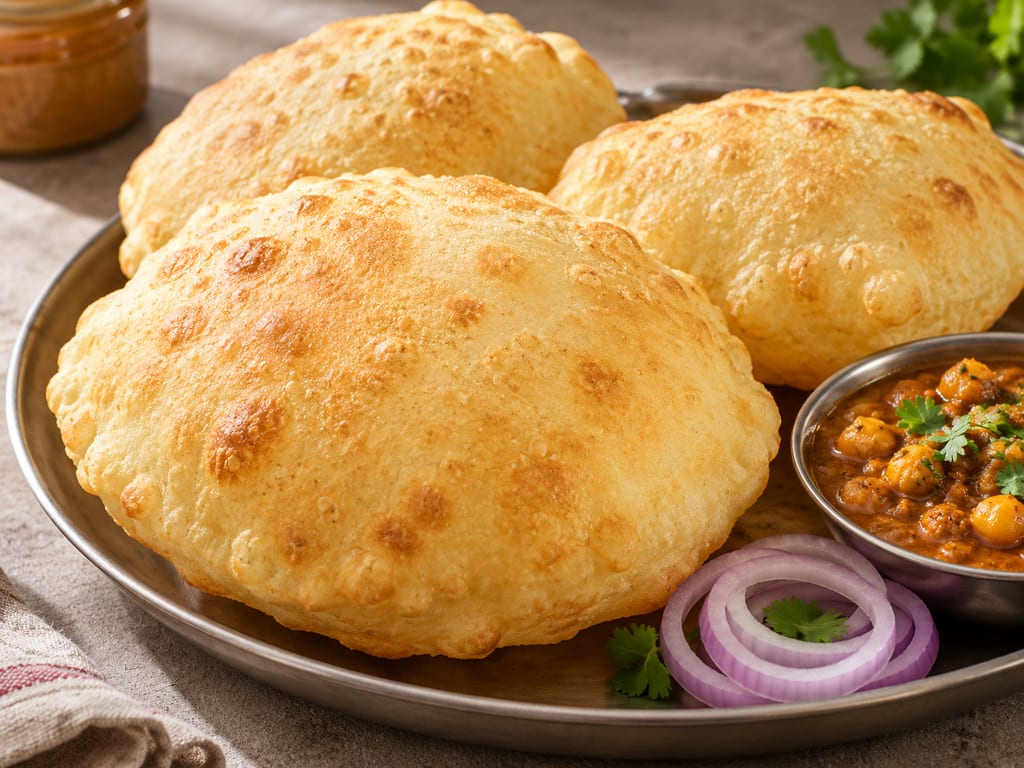
A North Indian fried bread made with yogurt, wheat flour and chemical leaveners. This source batch makes eight.

A Cap-Pelé boucanière is an Acadian herring-smoking building. The documented Willie Niles example is a one-storey wood-frame structure with a ridge smoke vent and interior bays for hanging fish-bearing cannes.

Achcharu is a family of Sri Lankan vinegar pickles made with mixed vegetables or seasonal fruit and a piquant spice dressing. This version is a quick, refrigerated, non-fermented mixed-vegetable pickle.

The acocote is a long, hollowed and dried gourd used to draw aguamiel from a mature maguey. It is a harvesting tool: the sap is transferred to a separate vessel before it ferments into pulque.

Adrak murabba preserves young ginger in sugar syrup, a sweet South Asian preparation recorded in Indian cookery and food-processing sources.

Parkia biglobosa seeds are fermented into regional West African seasonings, including nététou, iru, dawadawa and soumbala. The yellow fruit pulp is a separate food, and names and methods vary by place.

Japanese reddish-brown vinegar from sake lees matured about three years, turned to vinegar by acetic bacteria; the vinegar of Handa and Edomae sushi rice.

A refined common-wheat flour blended for a broad range of baking; its protein and behavior vary with wheat, milling and market.

The almond mushroom, Agaricus subrufescens, was cultivated in eastern North America in the 1800s, lost its market, and returned as a cultivated mushroom from Brazil, where it is grown under several names.
No community contributions have been published for this entry yet.
Sign in to contribute. Published comments and photos are free to read.
King Arthur BakingRecipe · Modern adaptation
Boston Brown BreadThe recipe provides the quantities, pan choices and alternatives of currants or raisins.
It gives both covered oven baking at 325°F for 1 hour plus 10 minutes uncovered, and stovetop steaming for about 2 hours with water two-thirds up the pan.
It gives the center-toothpick cue, pan cooling, storage up to five refrigerated days, and freezing for longer storage; its page was updated 15 July 2022.
Cited in: Two ways to cook the modern formula
Maine Historical Society via Vintage Maine ImagesHistorical attestation · Geographic context
Steamed Brown Bread recipe, ca. 1870The record dates a steamed brown-bread recipe to circa 1870 and locates the archival item in Maine.
Maine Historical Society describes steamed brown bread as a New England staple, often called New England or Boston brown bread, and notes cornmeal and molasses as regional characteristics.
Cited in: New England historical context
King Arthur BakingIngredient identification
King Arthur Baking Company Renames White Whole Wheat Flour to Golden Wheat Whole Wheat FlourKing Arthur identifies Golden Wheat Flour as its 100% hard-white-wheat whole-grain flour, clarifying the recipe ingredient's product name.
Cited in: Two ways to cook the modern formula