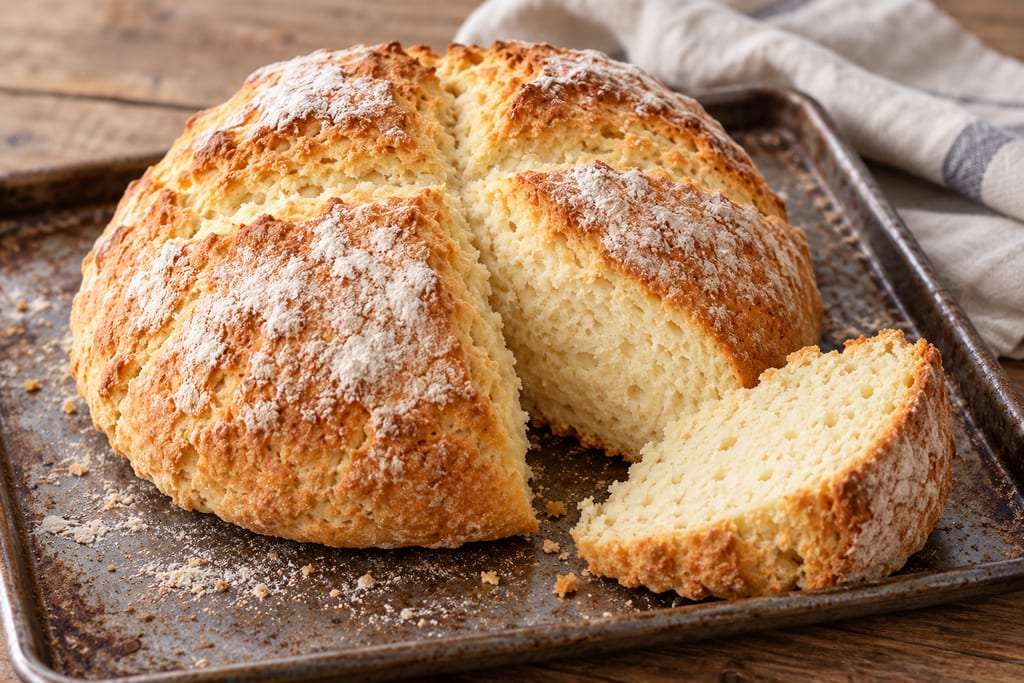
Irish white soda bread: Bord Bia version
A source-specific Irish quick loaf of plain flour, bicarbonate of soda, buttermilk, egg and butter, mixed briefly and baked as a cross-marked round.
 FermenteaWhere food goes to change
Processing aids
Baking soda is food-grade sodium bicarbonate, a single alkaline powder that releases carbon dioxide when it meets acid in a wet batter. It lifts quick breads without a living culture.
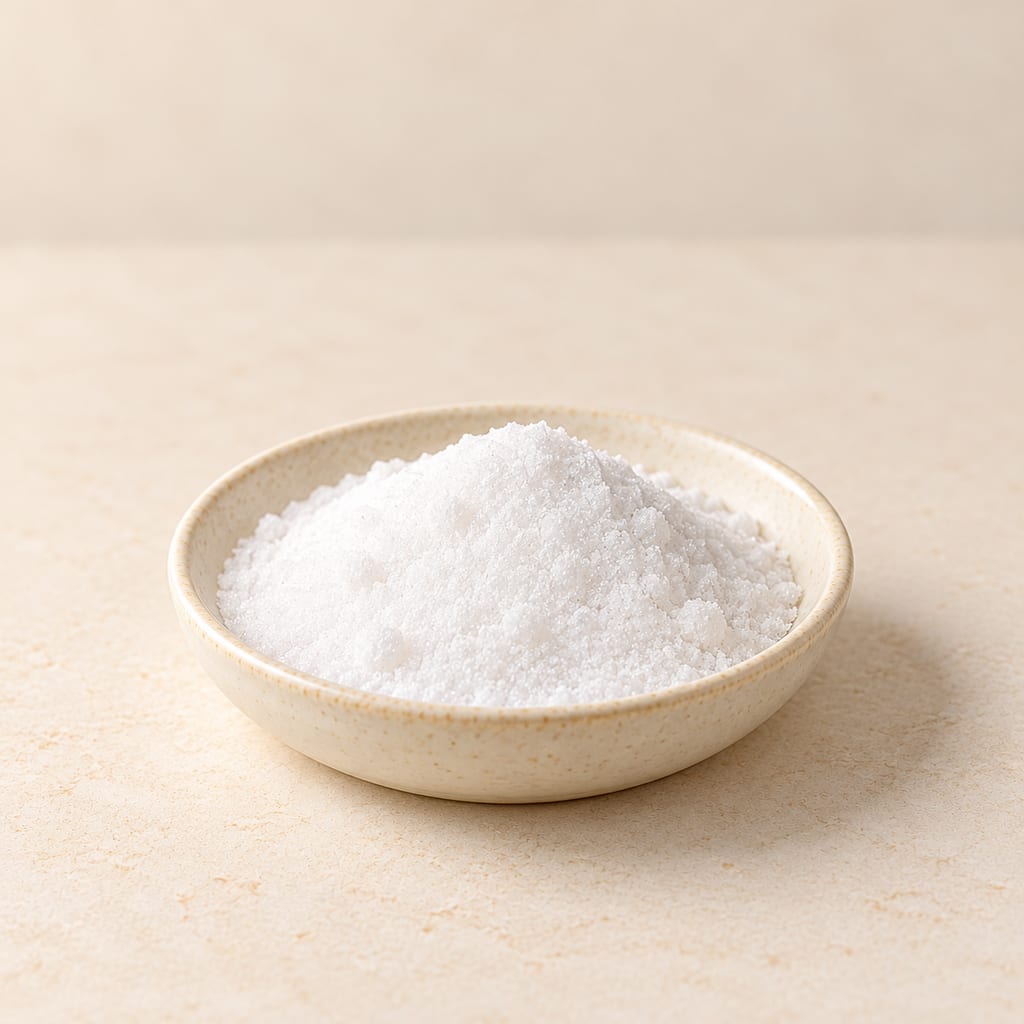
Baking soda is sodium bicarbonate, NaHCO₃: one sodium ion paired with one hydrogen carbonate ion. “Sodium hydrogen carbonate” is the more explicit chemical name; “bicarbonate of soda,” “sodium acid carbonate” and “carbonic acid monosodium salt” also name the same substance. It serves as a leavener and pH regulator in foods. “Bicarbonate” is an older but established name for hydrogen carbonate; it does not mean that the packet contains baking powder.
The distinction matters in a kitchen. Baking soda is a single alkaline ingredient. Baking powder is a formulated leavener: usually bicarbonate together with one or more dry acids and a carrier that keeps the components dispersed and helps protect them from moisture. A recipe asking for soda expects an acid somewhere in the formula, or relies on heat to release a smaller amount of gas. A recipe asking for baking powder has its acid packaged with the base. These ingredients are related, but they are not interchangeable spoon for spoon.
The mineral name nahcolite refers to naturally occurring sodium bicarbonate. Trona, by contrast, is sodium sesquicarbonate, a mixed sodium carbonate–bicarbonate mineral with water of crystallization. Trona is commonly mined as an industrial feedstock, then processed into sodium carbonate (soda ash) before some of that carbonate is converted back into sodium bicarbonate. The shared sodium and carbonate chemistry can make these terms sound interchangeable; they are not. Nahcolite is the mineral form closest to the food ingredient itself, while trona and soda ash are upstream materials in many supply chains.
Chemical leavening reached American kitchens through a succession of alkaline ingredients and acids, not one clean invention. A cook reading an old formula should identify the named powder and its acid rather than silently converting it to a modern recipe.
By the 1830s, bakers were combining sodium bicarbonate with sour milk. The acid in the milk produced carbon dioxide, but the amount of rise varied with the sour milk’s acidity. In the 1840s, cream of tartar, a more consistent dry acid, made the reaction more predictable. Cooks first kept acid and soda apart until mixing. Chemist Eben Horsford's calcium acid phosphate process, patented on 26 April 1856, helped replace imported cream of tartar, while starch helped keep dry acid and soda from reacting prematurely. Rumford's mixed product followed as manufacturing and packaging improved. This is baking powder's history, which made chemical leavening more convenient; it is not the invention date of sodium bicarbonate itself.
Around 1900, Church & Dwight's *Arm & Hammer Soda Book of Valuable Recipes* presented the powder alongside recipes and arguments for using it with sour milk or buttermilk. The surviving 46th edition shows how a manufacturer tried to make soda part of a household baking repertoire. Its claims about superiority over baking powder are advertising, but its recipes and language record how soda was being explained to home cooks.
One commercial route extracts nahcolite by solution mining in Colorado’s Green River area: hot, pressurized water enters wells, dissolves the mineral, and the resulting saturated solution is cooled so sodium bicarbonate crystallizes. Much of the broader supply instead begins with trona or with sodium carbonate made by the Solvay ammonia-soda process. In those routes, the precursor sodium carbonate is dissolved in water and carbon dioxide is passed through a carbonation tower. The bicarbonate crystallizes, is separated, washed, and dried.
The trona route makes the distinction clear. Ore is mined and crushed, then heated to drive off water and carbon dioxide and leave sodium carbonate. The carbonate is dissolved, clarified and purified; carbon dioxide is introduced to form bicarbonate crystals. A mineral can supply the atoms without the final food ingredient being mined as the same crystal.
In the Solvay route, salt, ammonia, water and carbon dioxide are brought through a sequence that precipitates sodium bicarbonate; the bicarbonate is then heated to form sodium carbonate, and that carbonate can be carbonated again to make refined bicarbonate. The route from raw material to food-grade powder is a manufacturing process, not a test of which source leavens a batter better.
Natural mineral deposits are only one source of the ingredient. Industrial manufacture can begin with trona or salt and finish with purified bicarbonate crystals. Thus a geological origin does not mean a packet of food-grade baking soda is simply pulverized rock.
In a batter, sodium bicarbonate supplies the alkaline half of an acid–base reaction. In simplified ionic form, hydrogen carbonate takes up a proton from an acid and forms carbon dioxide and water: HCO₃⁻ + H⁺ → CO₂ + H₂O. The released gas forms bubbles, while the batter’s incorporated air provides nuclei that those bubbles can enlarge. As heat reaches the mixture, gas and steam expand; a setting network of starch and proteins must hold the bubbles long enough for the crumb to firm. A leavener creates gas, but structure keeps the gas from escaping.
The acid may come from sour milk, cultured dairy, vinegar, citrus, cream of tartar or another acidic ingredient. Historical and modern baking sources often list ingredients such as honey, molasses, cocoa and bran as contributors, but acidity varies by ingredient and recipe. Natural cocoa is more acidic than Dutch-process cocoa, which has already been alkalized; a formula written for one may not behave the same with the other. “Add soda to any sour ingredient” is not a safe conversion rule: the amount of available acid, the recipe’s water and sugar, and the desired flavor all affect the result.
Heat can also decompose sodium bicarbonate without added food acid. In simplified form, 2 NaHCO₃ → Na₂CO₃ + CO₂ + H₂O. This route releases less carbon dioxide per amount of bicarbonate than neutralization by sufficient acid, and it leaves sodium carbonate, a stronger alkaline residue. That is why a small amount of soda may be useful in some crisp cookies or crackers, while a cake seeking substantial lift normally pairs soda with acid or uses baking powder. The exact balance belongs to the formula, not a universal conversion chart.
Timing is another part of the reaction. Once a wet acid and bicarbonate meet, carbon dioxide begins to escape. If the mixture waits, gas can be lost before the structure enters the oven. Gas expands in pockets within dough or batter, but bubbles can rupture and release it. Ingredients, pan and oven are best prepared before the final mixing, while the particular recipe still sets the working pace.
Soda is not flavorless in unlimited quantity. In a balanced recipe, much of it reacts with acid; too much, or too little acid, leaves an alkaline taste that cooks describe as sharp, bitter or soapy. A Church & Dwight booklet from about 1900 warned that incorrect proportions of soda and cream of tartar could make cookery heavy, yellow or alkaline-tasting. The warning was wrapped in advertising for its own product, but it shows how household bakers were taught to think about acid and alkali at the turn of the century.
Alkalinity also changes browning. Raising pH can aid browning reactions, while residual alkalinity with fats can contribute a soap-like taste. A baker may deliberately use soda to encourage colour in a particular formula, but excess can darken crumb unattractively and overwhelm flavour. Colour is therefore not a simple “more soda, more rise” signal: the acid balance, other ingredients and heat determine both.
Chocolate recipes make the choice visible. Natural cocoa retains more of its acidity; Dutch-process cocoa has been treated with alkali and is less acidic. When a recipe uses Dutch-process cocoa, there may be less acid available to react with soda, so the leavening system often shifts toward baking powder or another acid source. Follow the cocoa type and leavener specified by a tested recipe rather than treating every unsweetened cocoa as equivalent.
Soda can join a food that has already fermented without becoming the fermenting agent. An Alaskan extension hotcake formula begins with an active sourdough sponge, then adds soda close to griddle time. The sponge has its own microbial history; the soda acts rapidly on acids in the mixed batter. That distinction helps explain why the old hotcake recipe can use both a living starter and a chemical leavener without treating them as substitutes. The same publication says excess soda can leave a bitter taste and heavy browning, while too little can leave the cakes noticeably sour. The amount is therefore part of the flavour balance as well as the rise.
A contemporary buttermilk-and-discard pancake follows the same broad staging: the sponge rests overnight, and soda enters with the final batter. Here the acid may come from both starter and cultured dairy. Neither ingredient's acidity is measured in the published formula, so their exact share of the gas cannot be calculated from its list alone. What the cook can see is a batter that may bubble after final mixing and a cake that browns on the griddle. The starter builds flavour over time; the bicarbonate offers a faster response at cooking time. A different sourdough recipe may use no soda at all, so the relationship belongs to these documented hotcakes rather than to every food bearing the sourdough name.
For baking, choose food-grade sodium bicarbonate sold as baking soda or bicarbonate of soda, and follow the exact formula. Do not use washing soda (sodium carbonate) as a substitute: it is a different, more alkaline compound. Baking powder is also a different preparation. Where the package lists only sodium bicarbonate, it is a single ingredient; blended products may contain flow aids or other additions, so check the label if a recipe or dietary need depends on the ingredient list.
The powder is white, crystalline and odourless, but it can absorb surrounding odours. Dry, airtight storage protects it from moisture and pantry smells. Store it sealed and away from strong-smelling goods, replacing it if its condition is uncertain. A moisture-exposed powder can still look white while its performance has changed.
Measure accurately and distribute the powder evenly. A pocket of unmixed soda can leave a yellow or bitter spot; a general dusting or an improvised spoonful is not a substitute for a tested formula. Soda can supply lift, support browning and adjust pH, but it does not make dough ferment: no yeast or bacterial culture is required for the acid–base reaction. It may also appear alongside fermentation, as in quick breads made with cultured dairy or in some formulas that use soda to balance acidity. The presence of a ferment does not make the soda itself a fermenting agent.
Its wider uses explain the ingredient's reach beyond the oven. It can regulate pH in processed foods and appears in cocoa processing and food-surface cleaning. Industrial formulations also serve in fire-extinguisher powders and flue-gas acid neutralization. Those uses have their own specifications and controls. In a kitchen, the same simple compound can release gas, shift acidity, alter colour and flavour, and make a quick rise possible when a recipe gives it the right partner.
Nineteenth-century chemical leavening and circa-1900 manufacturer cookbook; not a birthplace claim.
Bord Bia labels one white soda bread formula Irish and specifies bread soda; it supports a country-level documented preparation, not a unique origin or universal formula.
A source-specific Irish quick loaf of plain flour, bicarbonate of soda, buttermilk, egg and butter, mixed briefly and baked as a cross-marked round.
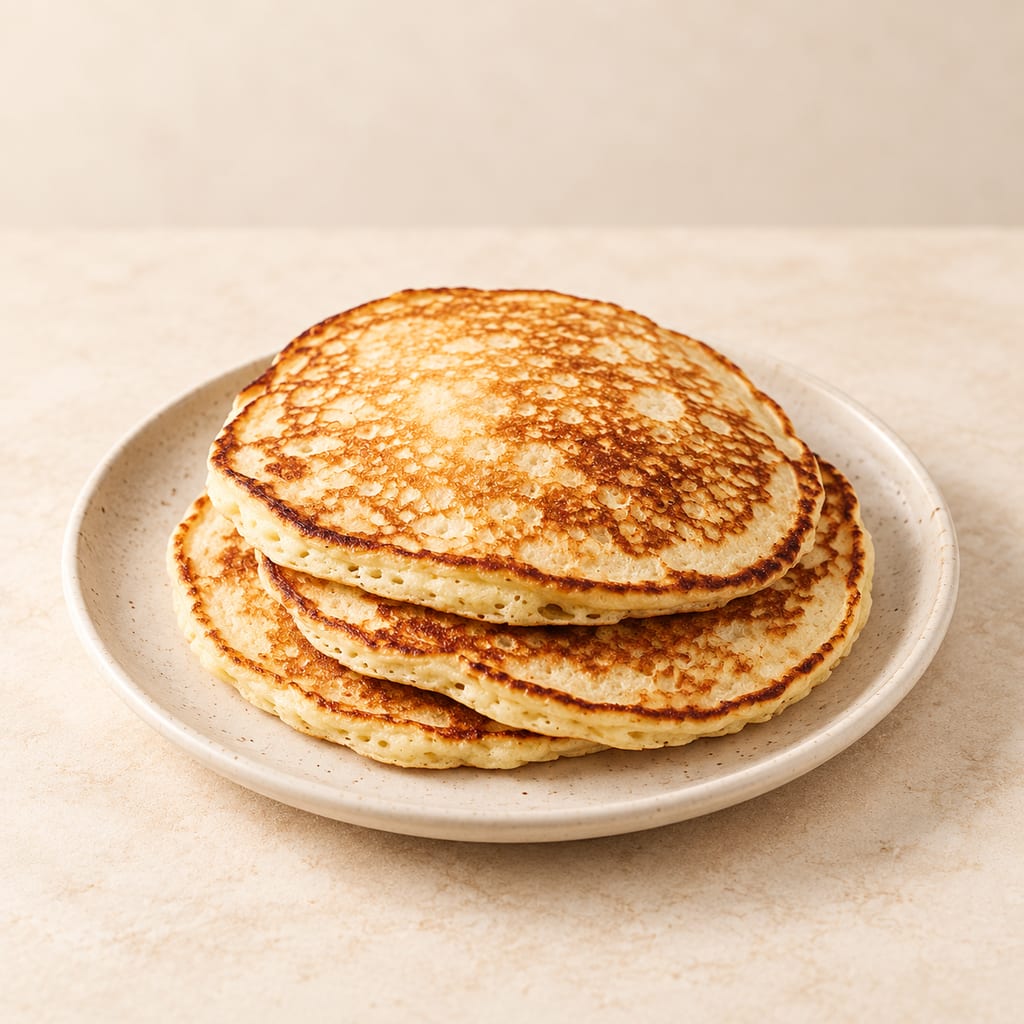
Buttermilk, flour and sourdough discard rest overnight before eggs and baking soda turn the sponge into a griddle batter. The finished pancakes are tender and lightly tangy.
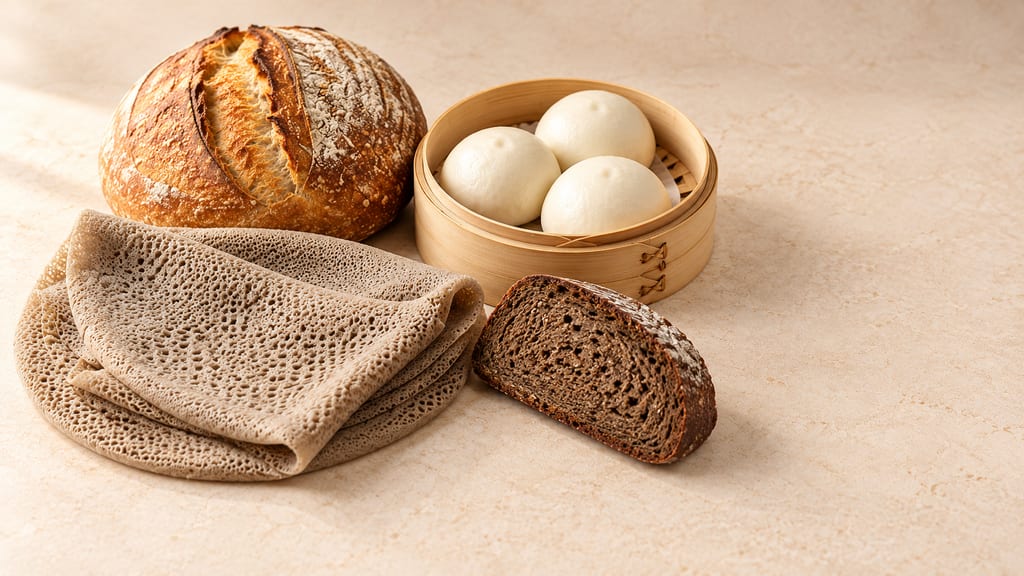
From the baguette and the steamed bun to injera, titiyas, Finnish rye and cassava bread: how grain, microbes and heat answer the question of what bread is for.
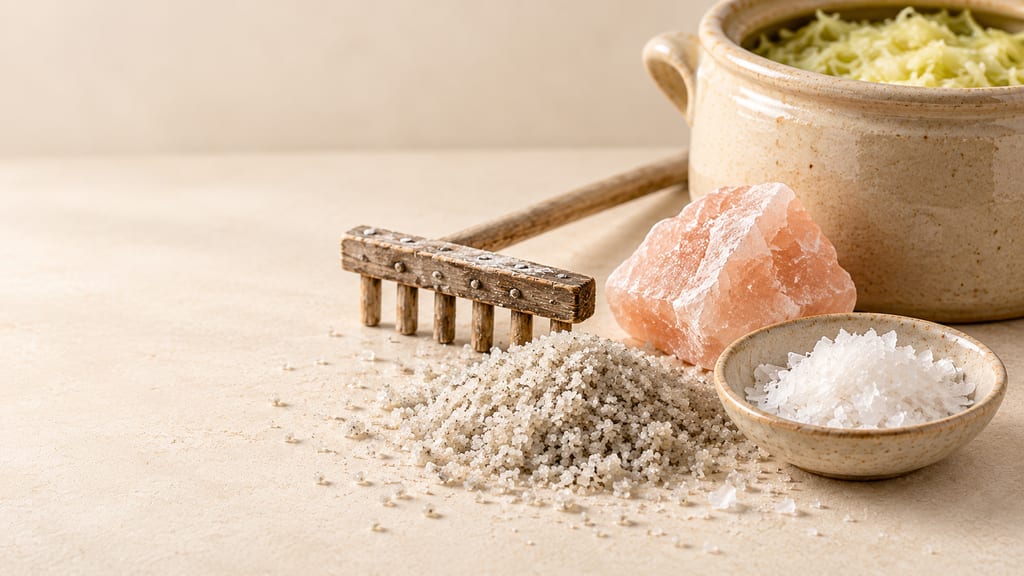
Salt seasons a meal, shapes fermentation and preserves food. Its history follows the people who mine, harvest, trade and transform it, and the choices hidden inside an ordinary packet.

A refined common-wheat flour blended for a broad range of baking; its protein and behavior vary with wheat, milling and market.

Toasted almonds are whole sweet almond kernels dry-roasted until golden to brown. Heat replaces their marzipan note with a roasted, nutty one; they thicken and flavour romesco.
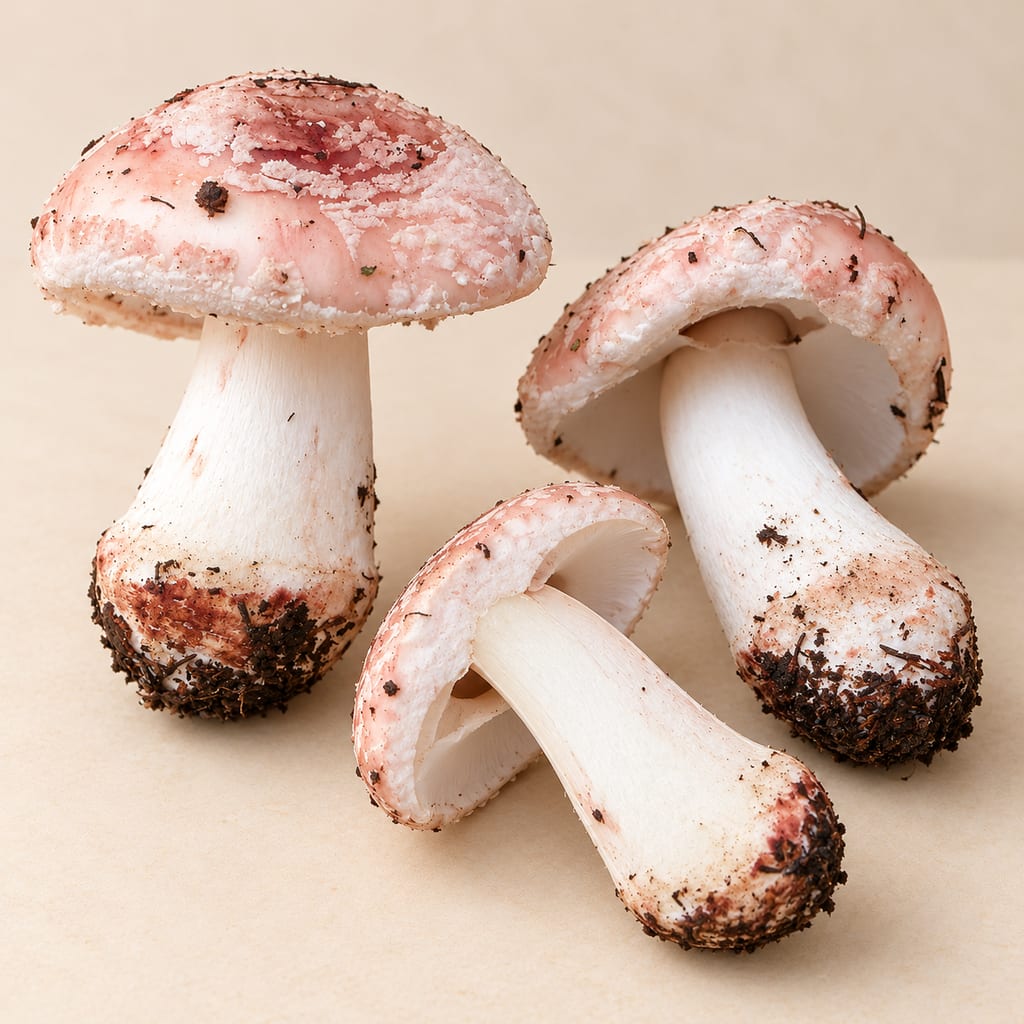
Amanita novinupta is a western North American blusher, a forest mushroom recorded as food in Mexico, and one that must be cooked because its raw flesh is toxic.
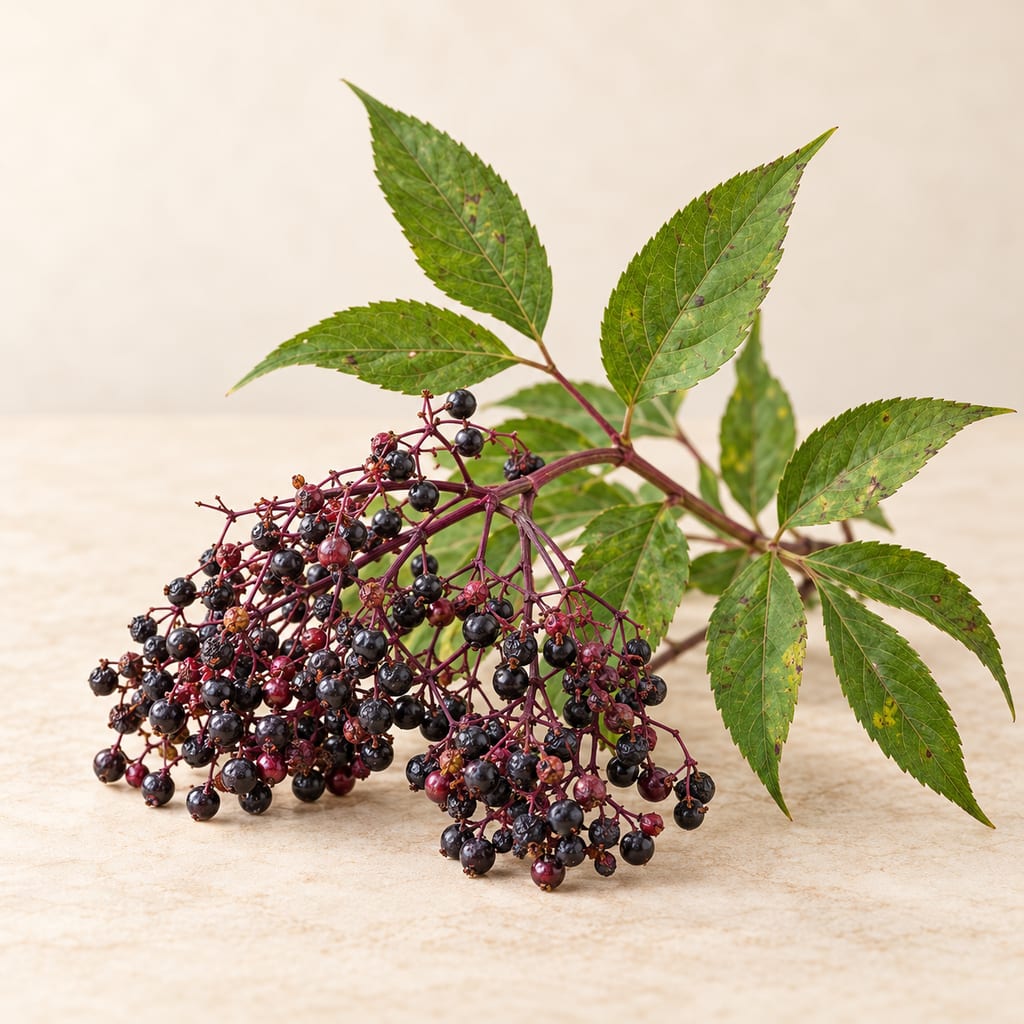
Sambucus canadensis is the accepted name used here for American elderberry. Missouri production guidance and named-cultivar studies give useful regional growing information, while food and analytical sources leave process questions open.
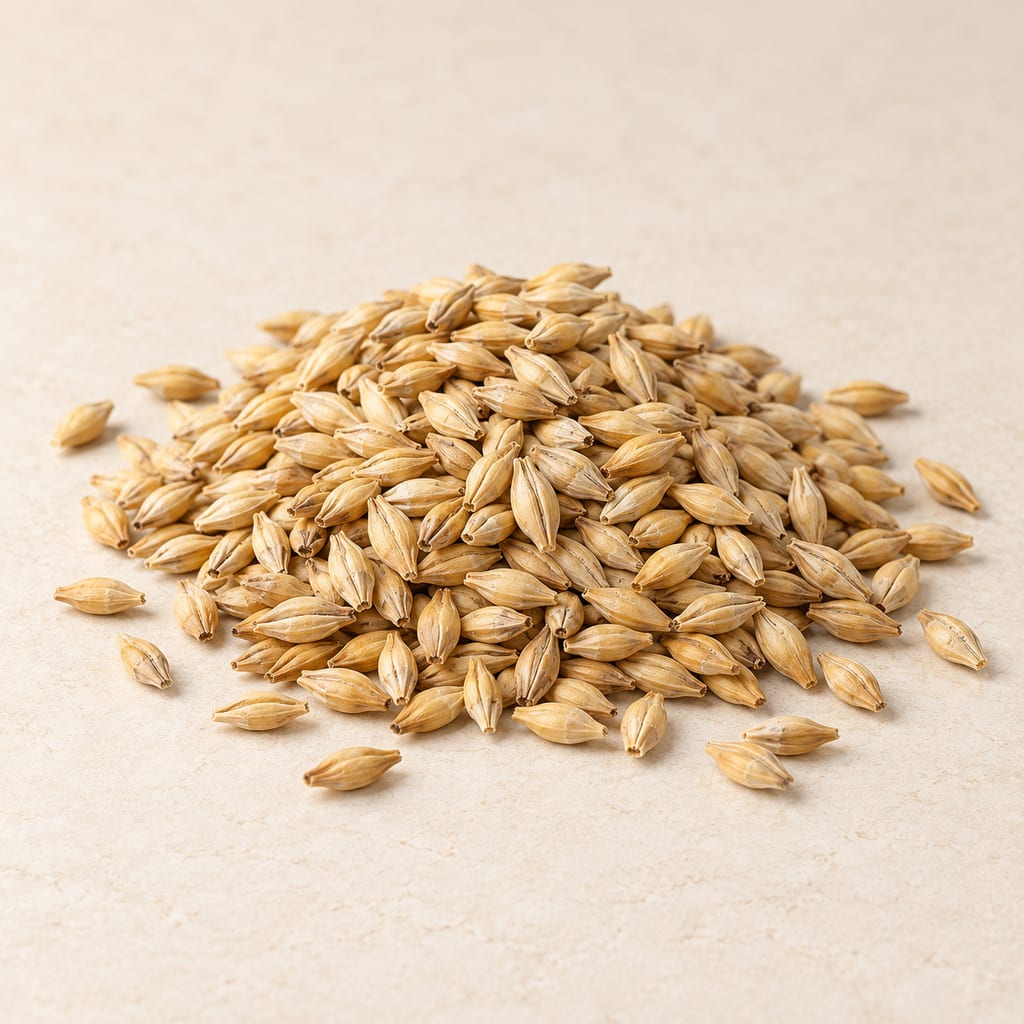
A lightly kilned brewing base made from two-row barley. It supplies starch and enzymes for the mash, with the maltster’s product and lot analysis defining its brewing properties.

Ripe avocado flesh is the soft, buttery, fat-rich pulp of Persea americana, eaten raw. It is low in acid, so it is a fresh ingredient that needs care in chilled dishes.
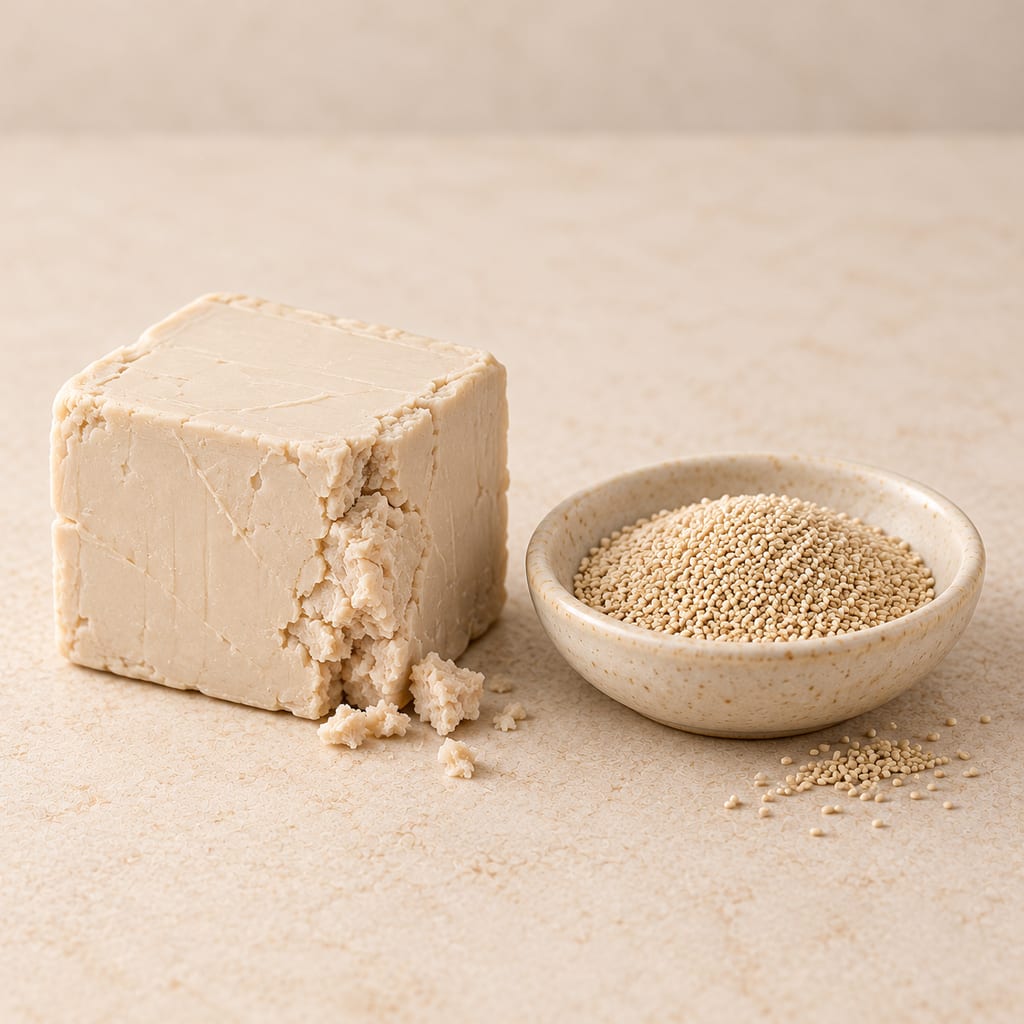
Baker's yeast is a cultivated living leavener, commonly sold fresh or dried. In dough, selected Saccharomyces cerevisiae cells make gas that can raise bread.
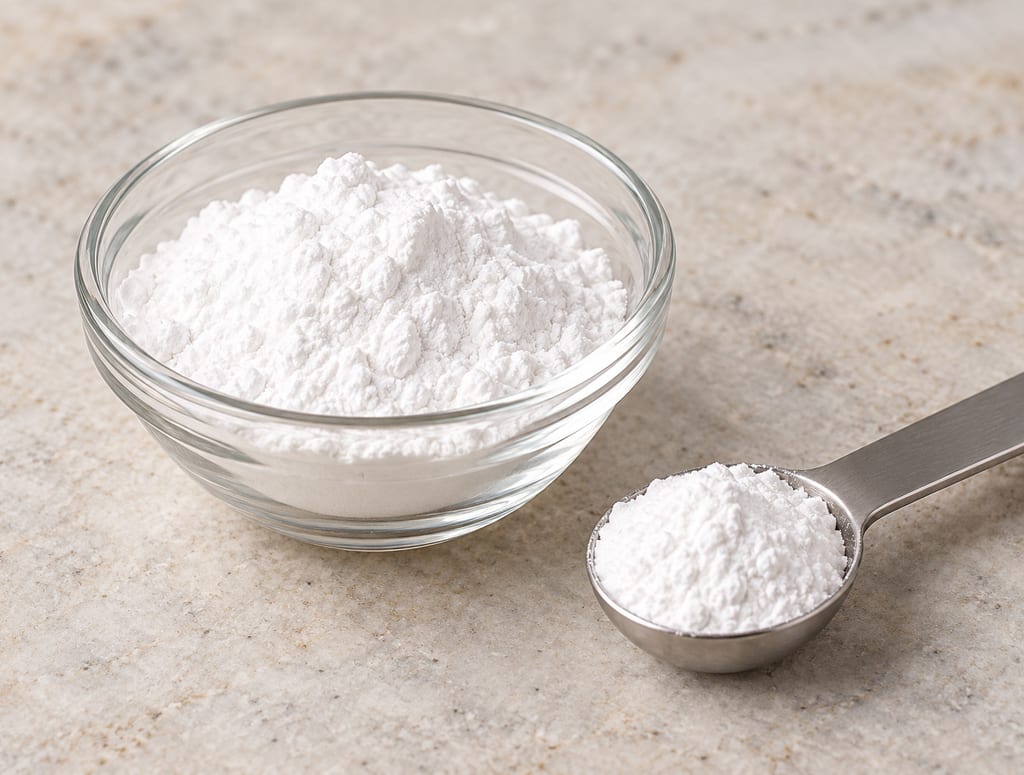
Baking powder is a dry chemical leavener that combines bicarbonate with acid-reacting ingredients and a carrier. Moisture and heat release carbon dioxide for quick breads, batters and griddle cakes.

A Cap-Pelé boucanière is an Acadian herring-smoking building. The documented Willie Niles example is a one-storey wood-frame structure with a ridge smoke vent and interior bays for hanging fish-bearing cannes.

Achcharu is a family of Sri Lankan vinegar pickles made with mixed vegetables or seasonal fruit and a piquant spice dressing. This version is a quick, refrigerated, non-fermented mixed-vegetable pickle.

The acocote is a long, hollowed and dried gourd used to draw aguamiel from a mature maguey. It is a harvesting tool: the sap is transferred to a separate vessel before it ferments into pulque.

Adrak murabba preserves young ginger in sugar syrup, a sweet South Asian preparation recorded in Indian cookery and food-processing sources.

Parkia biglobosa seeds are fermented into regional West African seasonings, including nététou, iru, dawadawa and soumbala. The yellow fruit pulp is a separate food, and names and methods vary by place.

Japanese reddish-brown vinegar from sake lees matured about three years, turned to vinegar by acetic bacteria; the vinegar of Handa and Edomae sushi rice.

The almond mushroom, Agaricus subrufescens, was cultivated in eastern North America in the 1800s, lost its market, and returned as a cultivated mushroom from Brazil, where it is grown under several names.

Anpan is a soft wheat bun filled with sweet red-bean paste and finished with egg wash and black sesame. This dough rises with commercial instant yeast.
No community contributions have been published for this entry yet.
Sign in to contribute. Published comments and photos are free to read.
U.S. Food and Drug AdministrationIdentity · Use
Substances Added to Food: Sodium BicarbonateCAS 144-55-8, aliases and food functions including leavening and pH control
Cited in: A white powder with several names; Choosing, keeping and using it well
USDA National Organic Program / Organic Materials Review InstituteIdentity · Production · Science · Handling
Sodium Bicarbonate: Handling/Processingnahcolite/trona and manufacturing routes, acid/heat decomposition, food uses, material properties and storage
Cited in: A white powder with several names; A mineral and a manufactured ingredient; The chemistry that raises a batter; Flavor, color and the right amount; Choosing, keeping and using it well
BCcampus Open EducationScience · Method
Sodium Bicarbonatebaking soda leavening with acid/heat, gas timing, excess alkaline effects and cocoa distinction
Cited in: A white powder with several names; The chemistry that raises a batter; Flavor, color and the right amount; Choosing, keeping and using it well
Church & Dwight Co.; digitized by Wellcome CollectionHistory
Arm & Hammer Soda Book of Valuable Recipes, 46th editionperiod promotion of soda with sour milk/buttermilk and advertising claims about proportions; not independent scientific proof
Cited in: Soda, baking powder and the history of convenience; Flavor, color and the right amount
American Chemical SocietyHistory
Development of Baking Powderinstitutional history of soda and sour milk in the 1830s, cream of tartar in the 1840s and Horsford patent of 26 April 1856
Cited in: Soda, baking powder and the history of convenience
University of Alaska Fairbanks Cooperative Extension ServiceMethod · Use
Sourdoughactive sponge hotcakes, late soda addition and effects of too much or too little soda
Cited in: A second lift after fermentation
King Arthur BakingMethod · Use
Classic Sourdough Pancakescontemporary buttermilk-and-discard sponge with soda added after overnight rest; unmeasured acid balance
Cited in: A second lift after fermentation
Bord Bia (Irish Food Board)Recipe · Use · Geography
Traditional White Soda BreadBord Bia calls this Irish white soda bread and lists one level teaspoon of bread soda (bicarbonate of soda), optional cream of tartar and buttermilk.
The method mixes the bread soda with the dry ingredients and bakes a scored round; this is one named recipe, not a universal formula or origin claim.