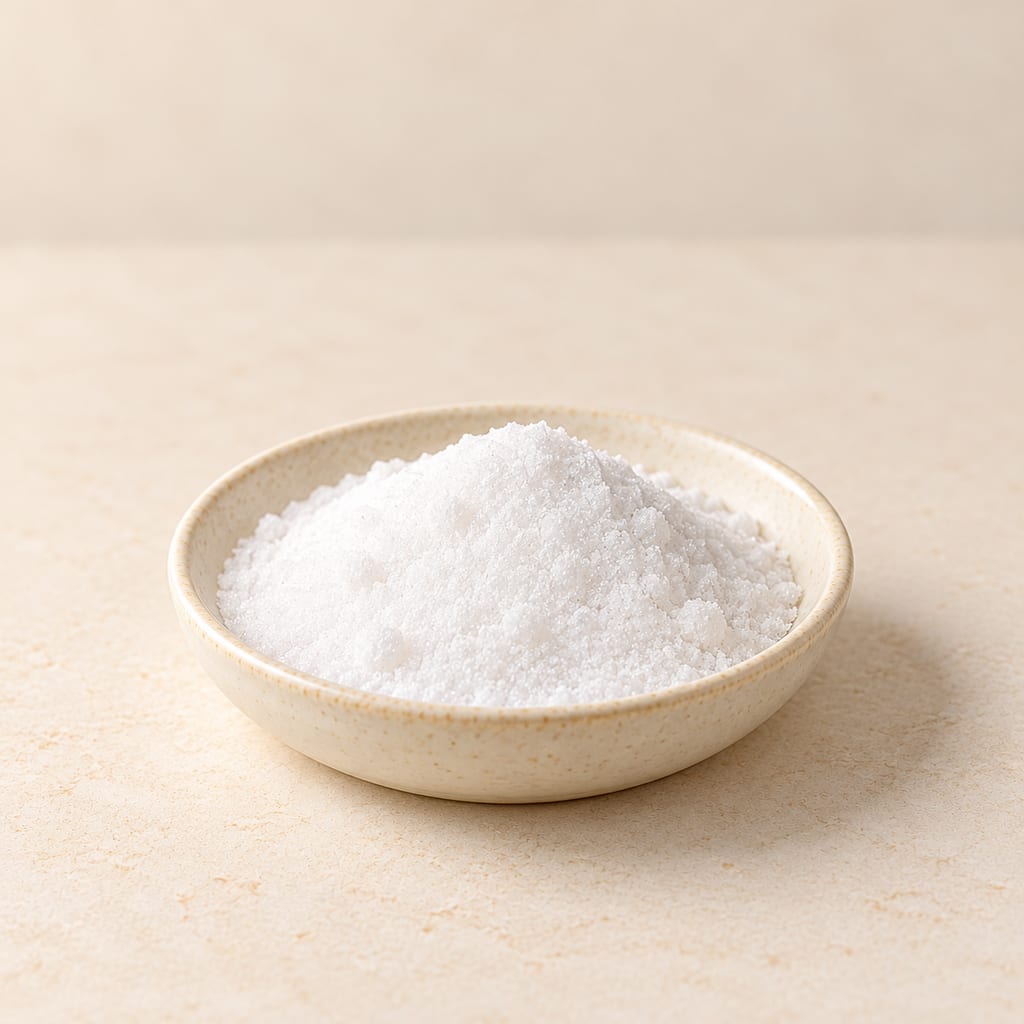
Baking soda
Baking soda is food-grade sodium bicarbonate, a single alkaline powder that releases carbon dioxide when it meets acid in a wet batter. It lifts quick breads without a living culture.
 FermenteaWhere food goes to change
Traditional White Soda Bread · Irish white soda bread
A source-specific Irish quick loaf of plain flour, bicarbonate of soda, buttermilk, egg and butter, mixed briefly and baked as a cross-marked round.
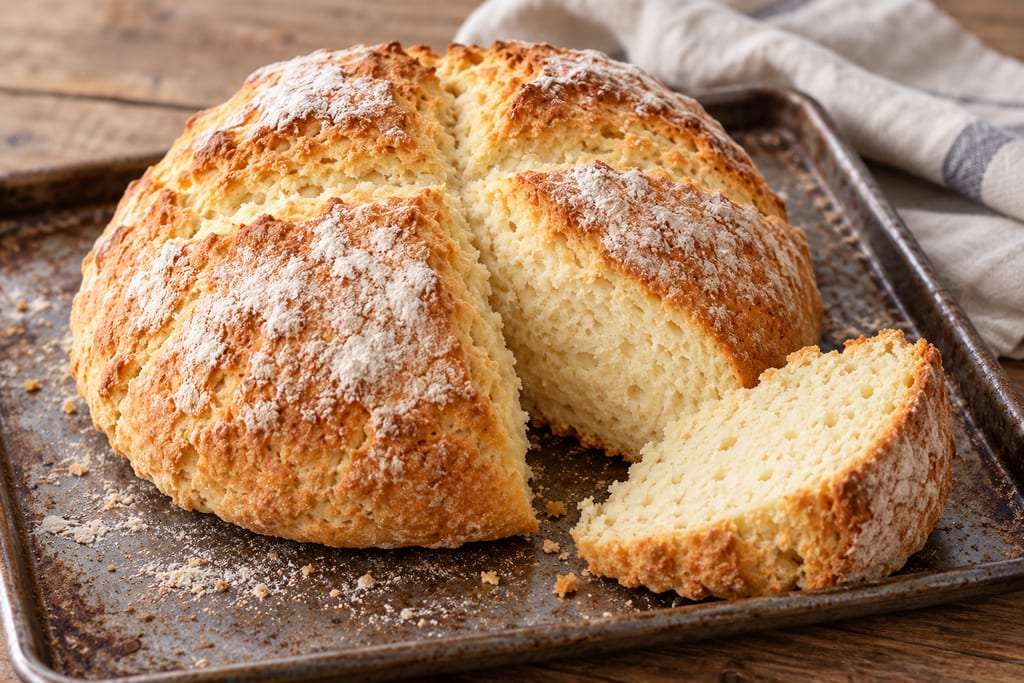
This entry follows Bord Bia’s Traditional White Soda Bread recipe. It makes one round loaf from plain flour, bread soda, buttermilk, egg and butter, with optional cream of tartar. Bord Bia estimates four to six servings but does not give a loaf weight. The quantities here remain attached to that single source batch.
Soda bread is raised by a chemical reaction rather than a live yeast culture. In this recipe, bicarbonate of soda is mixed with acidic buttermilk in a wet dough. The short mixing and baking sequence makes it a quick bread. It is not a fermented dough, even though the buttermilk itself may be cultured.
This is one present-day formula, not a template for every Irish soda bread. Cream of tartar is marked optional by Bord Bia. The deep cross and round shape belong to this source method; the recipe does not claim they are exclusive to a single region or household.
Prepare the oven at 200°C (400°F; Gas Mark 6) before mixing. Sieve the dry ingredients into a bowl and rub in the soft butter. Whisk the egg with the buttermilk, then stir the liquid into the flour mixture. Turn the dough onto a floured board and knead lightly for only one to two minutes, as the source directs.
Shape the dough into a round, flatten it slightly and set it on a baking sheet. Cut a deep cross into the top, then bake for approximately 30 to 40 minutes. Cool the loaf on a wire rack. Bord Bia gives 40 minutes as the recipe’s total time while also assigning 30 to 40 minutes to the bake, so the source does not provide a separate active-time estimate.
The source names a sieve, bowl, floured board, baking sheet, oven and cooling rack through its method. It does not call for a bastible or griddle in this modern oven version. Those pieces of equipment belong to other documented Irish bread contexts and should not be silently substituted into this batch.
The National Museum of Ireland describes baking soda becoming a common household purchase during the nineteenth century for making leavened bread. It also describes hearth cooking, the use of griddles for unleavened breads and cakes, and the later adoption of a pot oven that could bake bread. This material offers a broad picture of household practice and equipment; it does not document the Bord Bia formula or prove where soda bread began.
Bord Bia associates its white soda bread with Ireland. That supports the country-level documented preparation used here. The sources consulted do not establish a first written recipe, a single birthplace, or a uniform Irish formula. This contemporary recipe should therefore remain distinct from historical meal-based formulas, regional griddle breads and later additions such as fruit.
Flour and raw egg can carry germs. Do not taste the dough before it is baked, and wash hands, bowls, utensils and work surfaces after handling it. Keep the raw mixture away from ready-to-eat food while you prepare the loaf.
The recipe gives a baking time and oven setting but no internal temperature or other validated endpoint. Follow the stated bake and do not use crust colour by itself as proof of safety. No storage duration is given, so this entry does not assign one.
Bord Bia documents one current white soda bread formula. The National Museum of Ireland records baking soda becoming a common household purchase for leavened bread during the nineteenth century and documents changing hearth equipment. These sources support context, not a first attestation, unique birthplace or universal recipe.
Yield 4 to 6 people · Scaling: source batch only
Uncooked flour and raw egg can carry germs; the dough should not be tasted before baking.
Hazard sourceDo not eat or taste the raw dough. Wash hands, bowls, utensils and work surfaces after handling raw flour, egg or dough.
Control sourceThe source gives an oven setting and baking window but no validated internal endpoint. Do not treat crust colour alone as proof that the loaf is safely baked.
No source-backed storage duration is stated.
Bord Bia presents this as Irish white soda bread. This country-level association does not identify a birthplace or a formula shared by all soda breads.
Baking soda is food-grade sodium bicarbonate, a single alkaline powder that releases carbon dioxide when it meets acid in a wet batter. It lifts quick breads without a living culture.
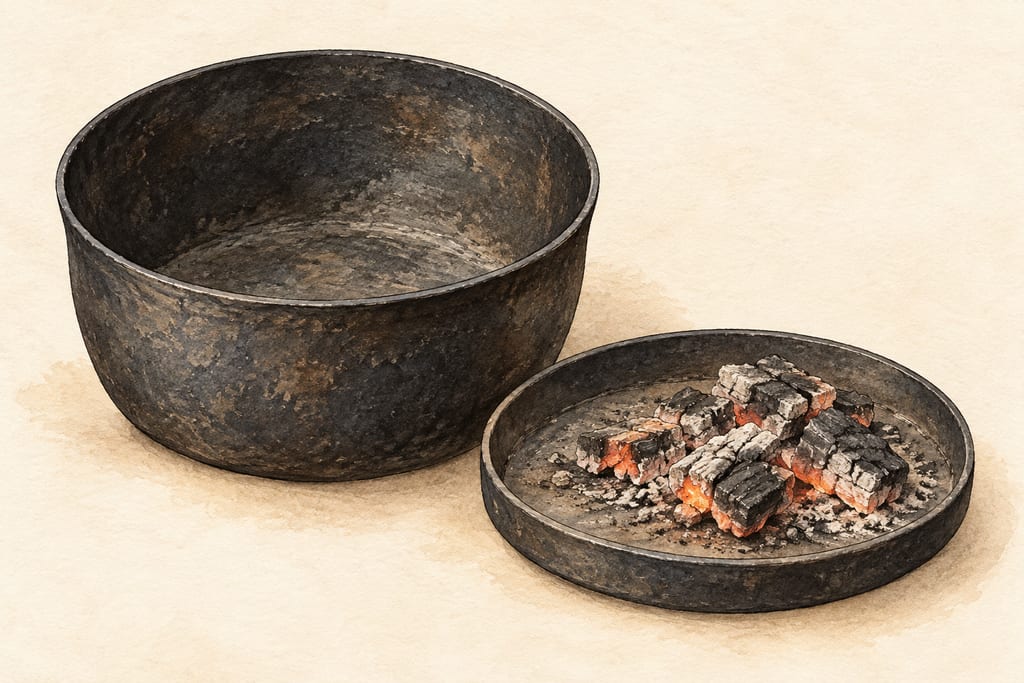
A portable cast-iron Irish hearth pot that became a small oven when embers were placed on its lid, baking bread, meat and poultry.
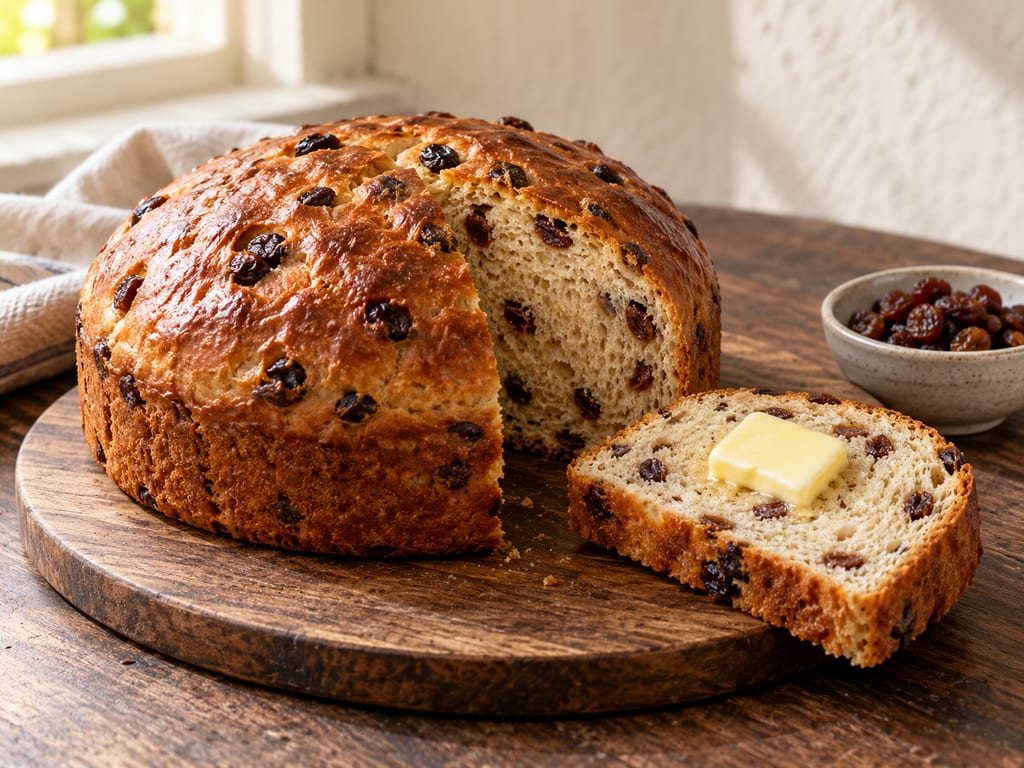
An Irish fruit-studded yeast loaf, associated in a contemporary cultural account with Halloween and often served fresh or toasted with butter.
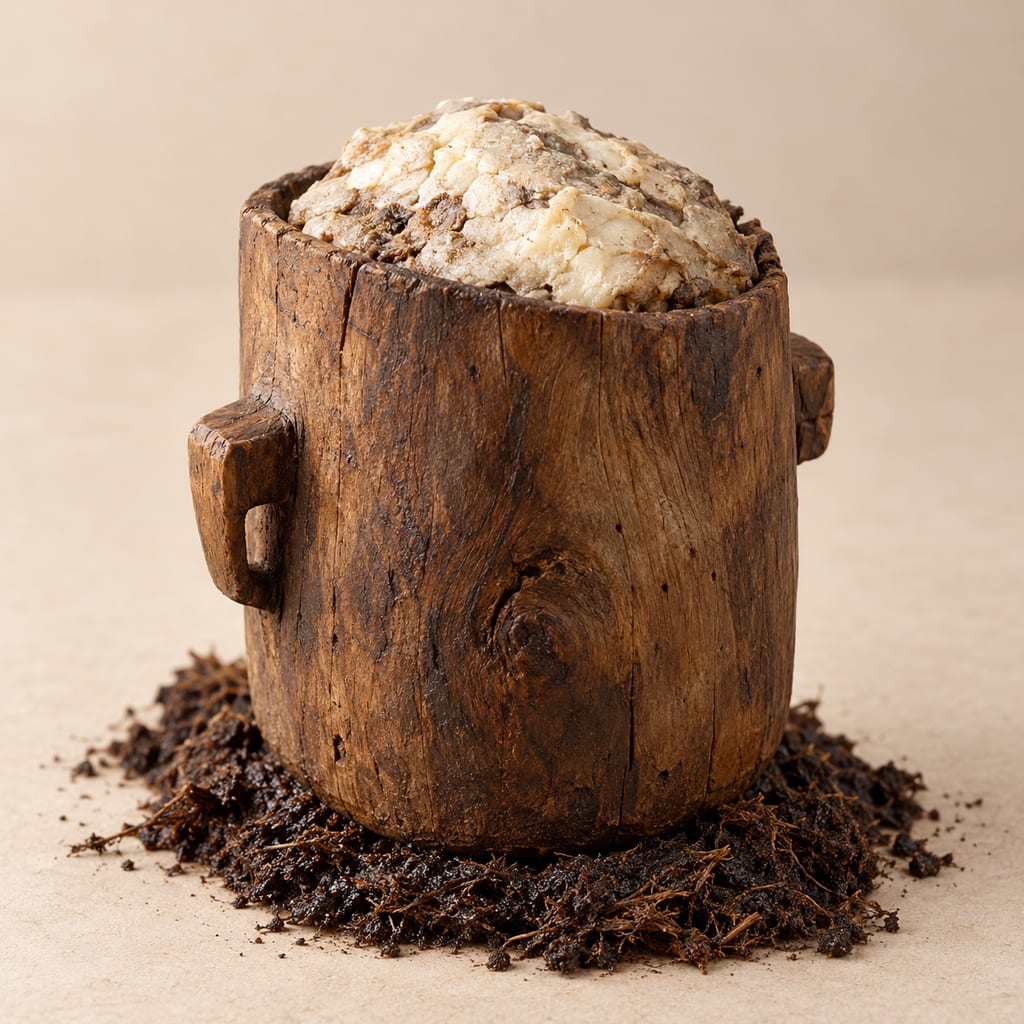
Butter packed into wooden containers and buried in cool, wet peat in Ireland and Scotland, a practice known from finds that may reflect storage, concealment or ritual.
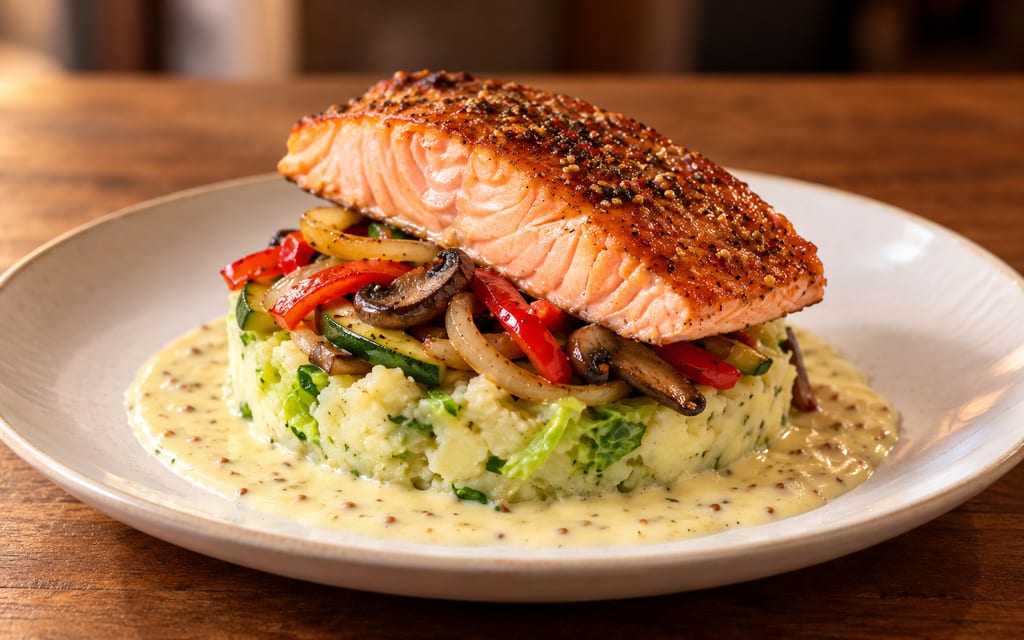
Burren Smokehouse’s colcannon dish serves hot-smoked salmon with mashed potatoes, cabbage, stir-fried vegetables and mustard cream.
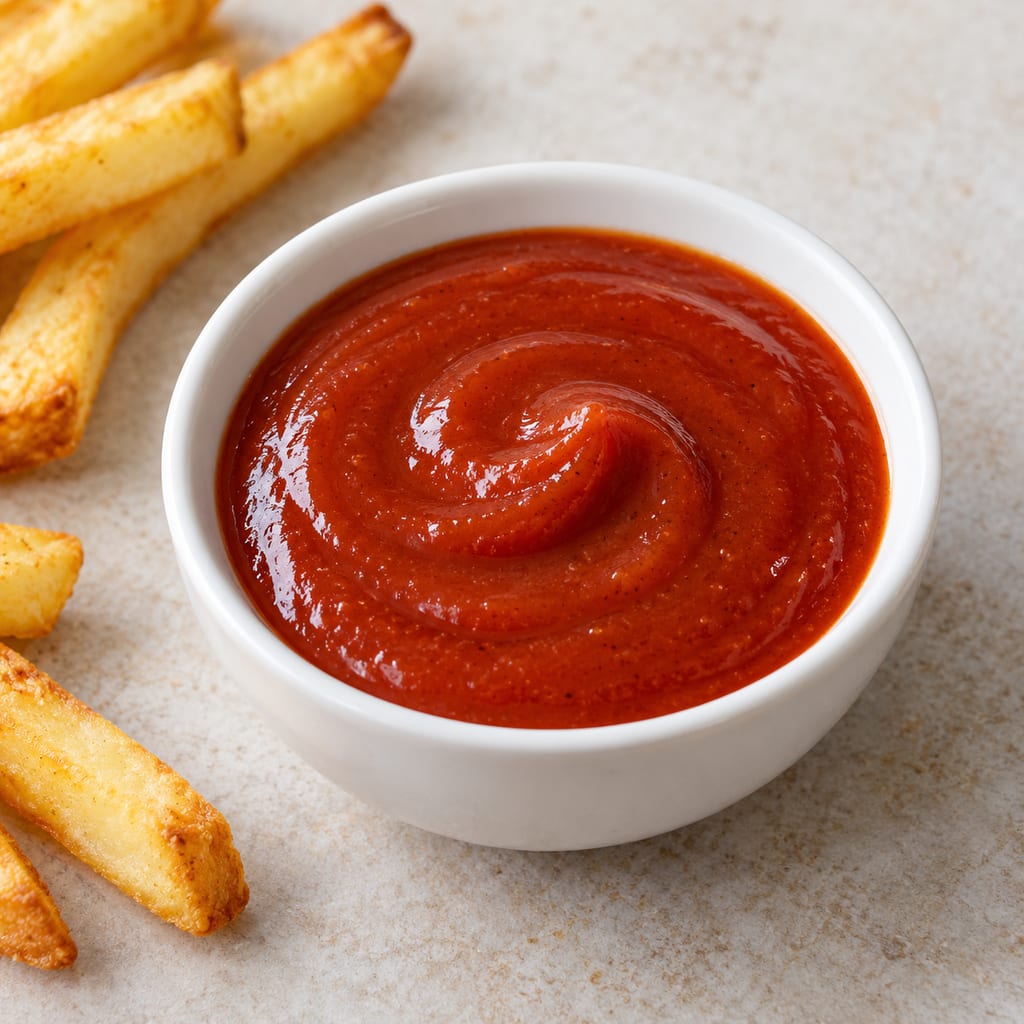
A modern tomato condiment sharpened with the spicy, savoury tang associated with kimchi; this measured version whisk-mixes prepared ketchup and commercial kimchi seasoning.
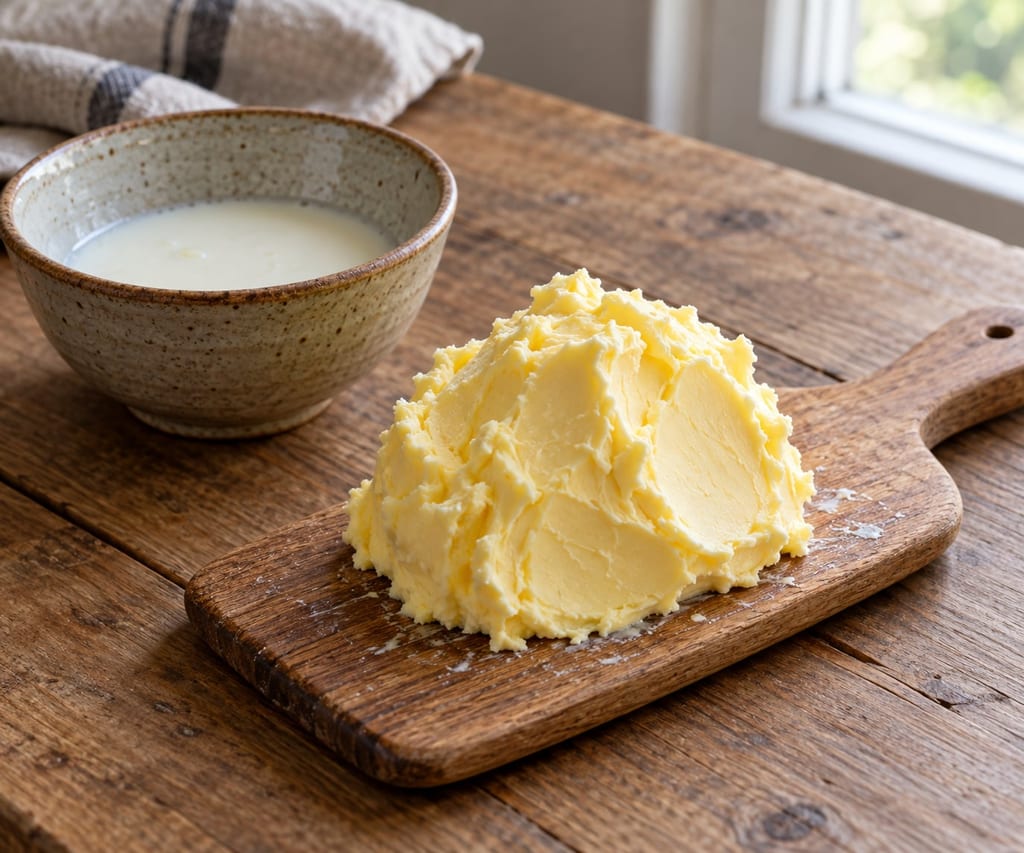
Cream agitated until its fat globules join into a solid mass and release buttermilk, the dairy fat a northern household could concentrate, salt and keep when milk itself would not last.
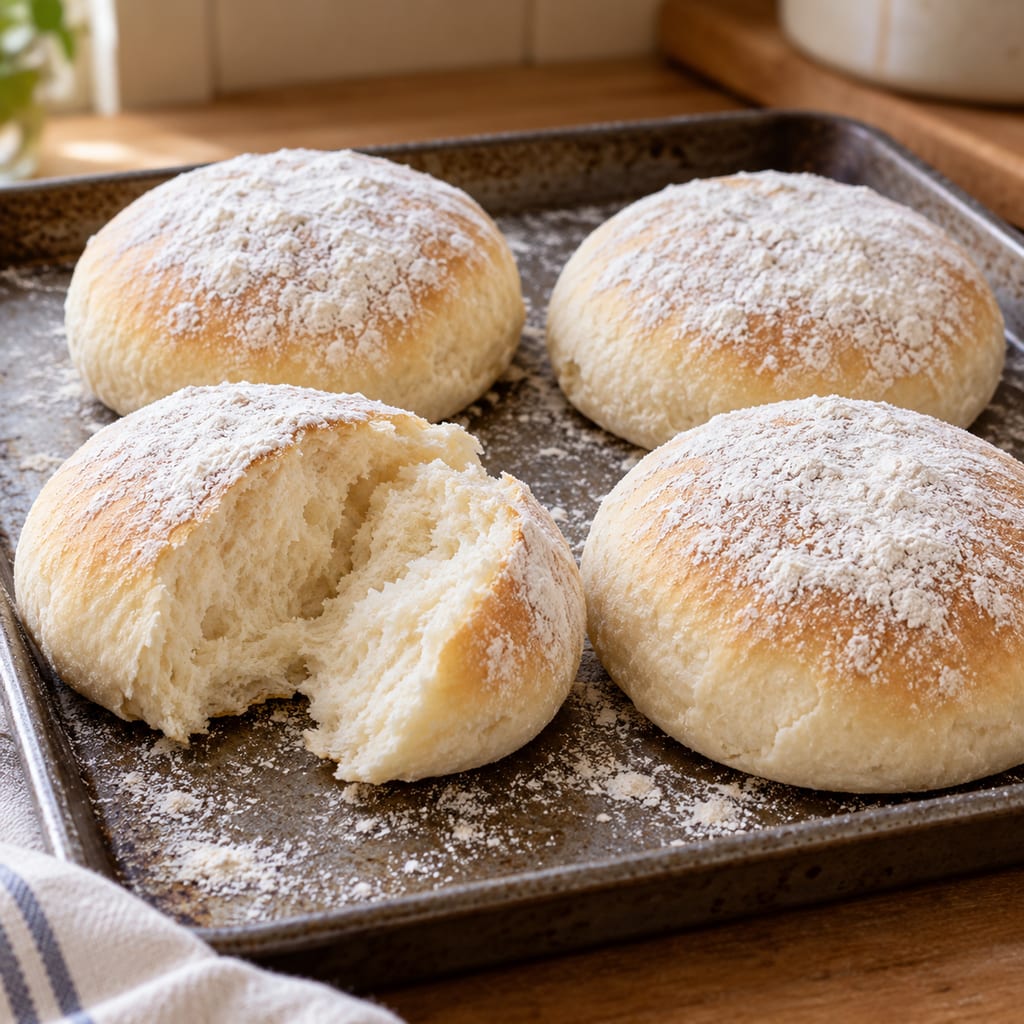
A home adaptation of a measured blaa recipe attributed to Waterford baker Dermot Walsh: plain yeast dough, rounded portions flattened on a tray, generously dusted with flour and baked. Home baking does not confer Waterford Blaa PGI status.
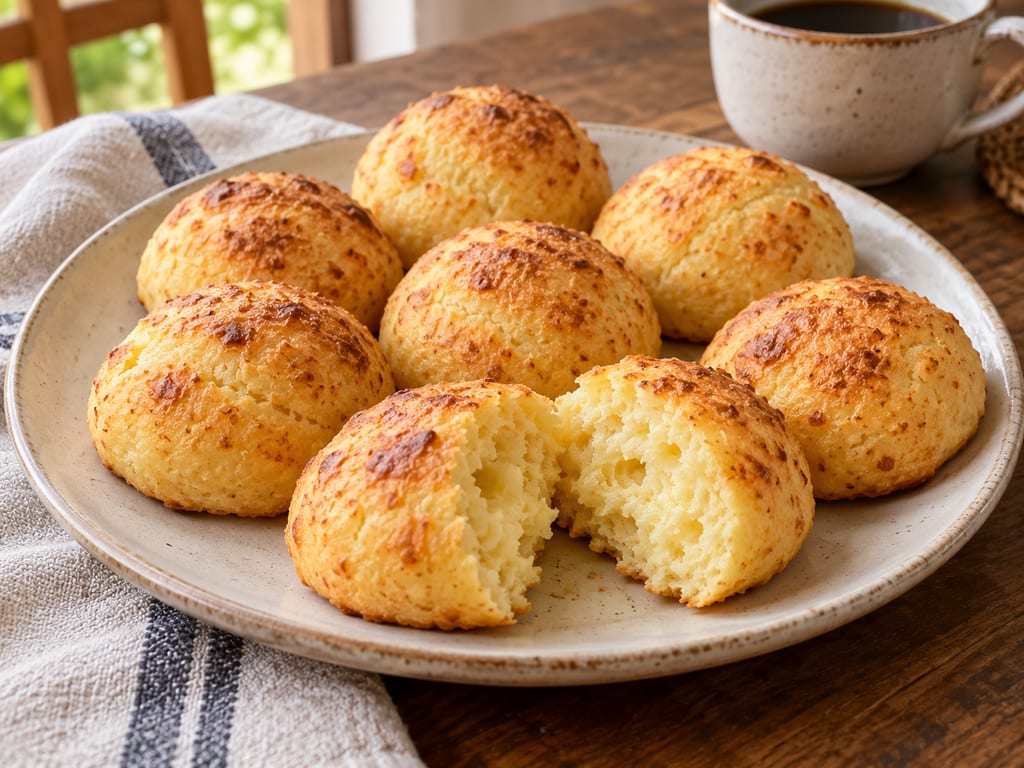
Small Colombian cheese breads made with precooked corn flour, queso fresco, mozzarella, eggs, milk and baking powder. This documented home version makes eight breads and is served warm.
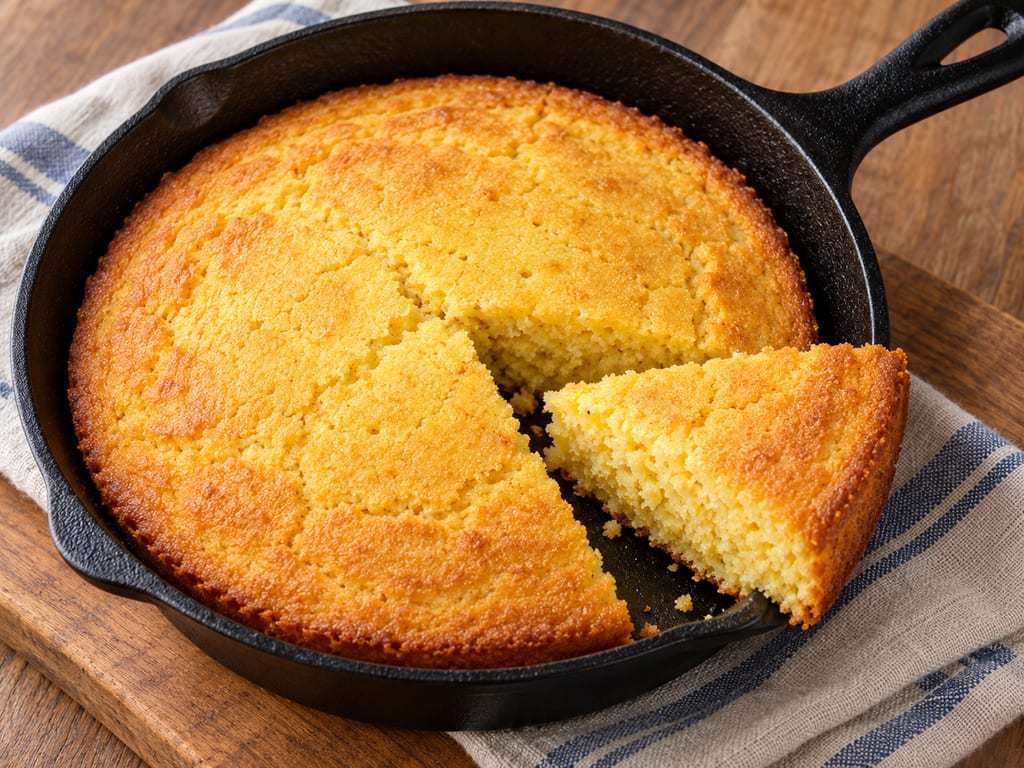
A modern cornmeal-and-wheat cornbread that King Arthur Baking describes as a compromise between Northern and Southern styles. The batter is baked in a pan or as muffins and served warm.
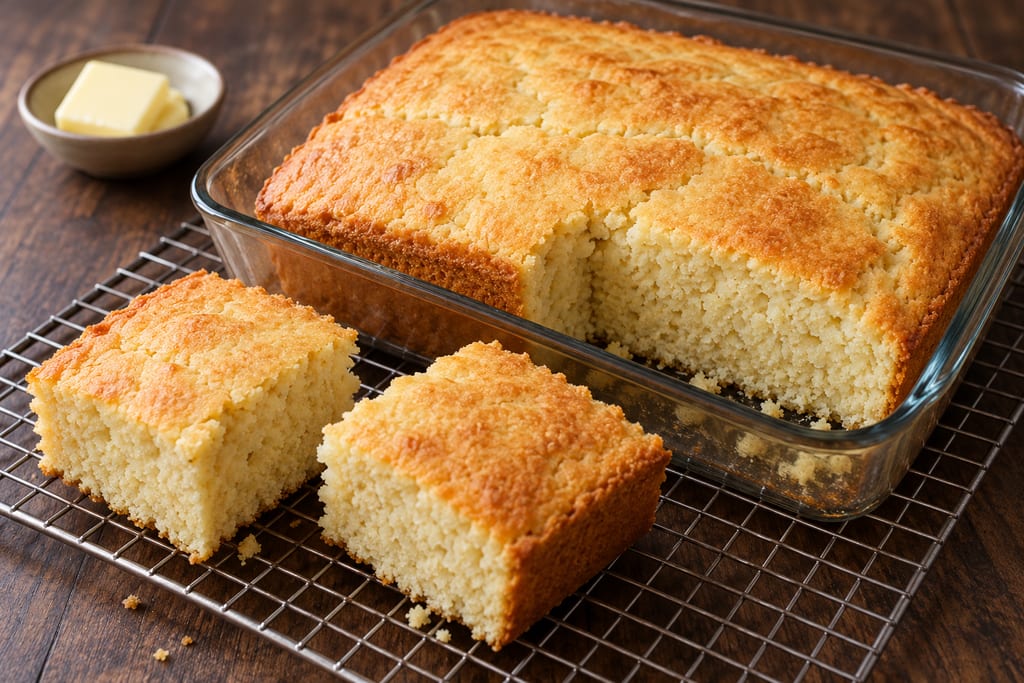
A soft, butter-rich Bahamian-style baked johnnycake made from flour, baking powder, sugar, butter and milk. The dough rests briefly in a square pan before baking.
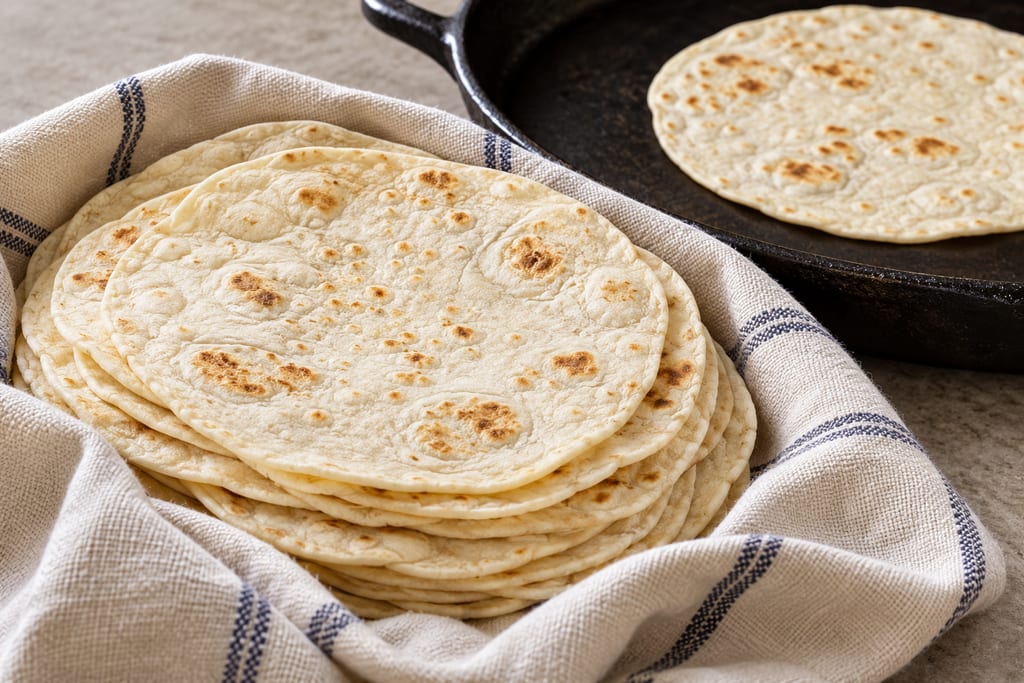
Soft wheat-flour rounds from an INCAP Honduran baleada recipe are rolled thin and cooked on a dry skillet; this record covers tortillas, not the filled dish.
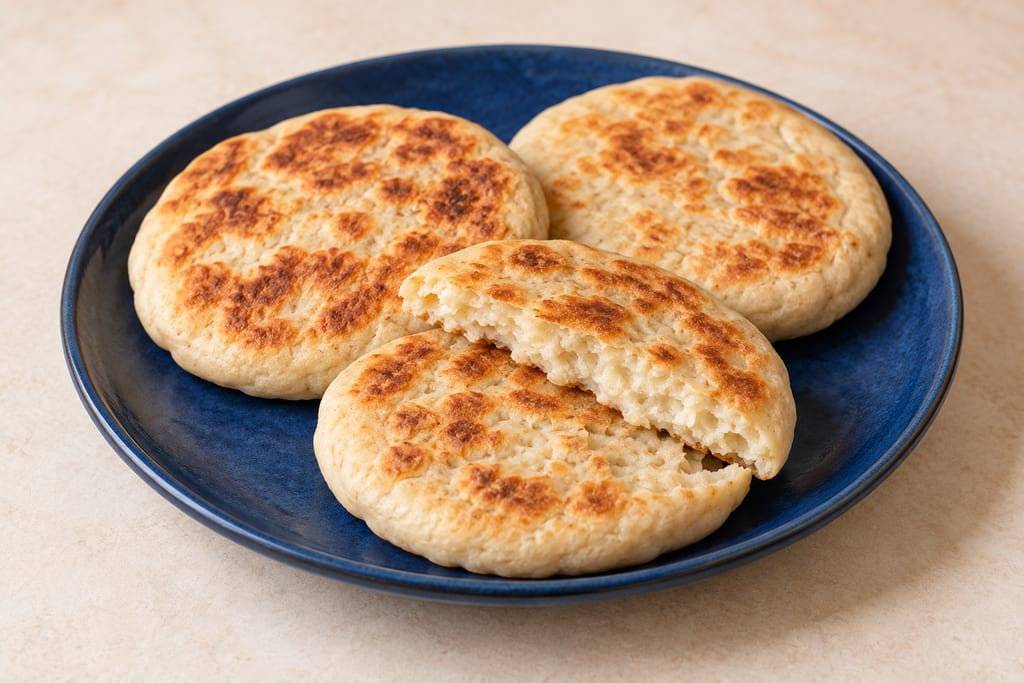
A Central Tibetan style pan bread made from flour, water and baking powder. Four dough balls are rested, rolled into rounds and cooked covered in a skillet, turning them several times.
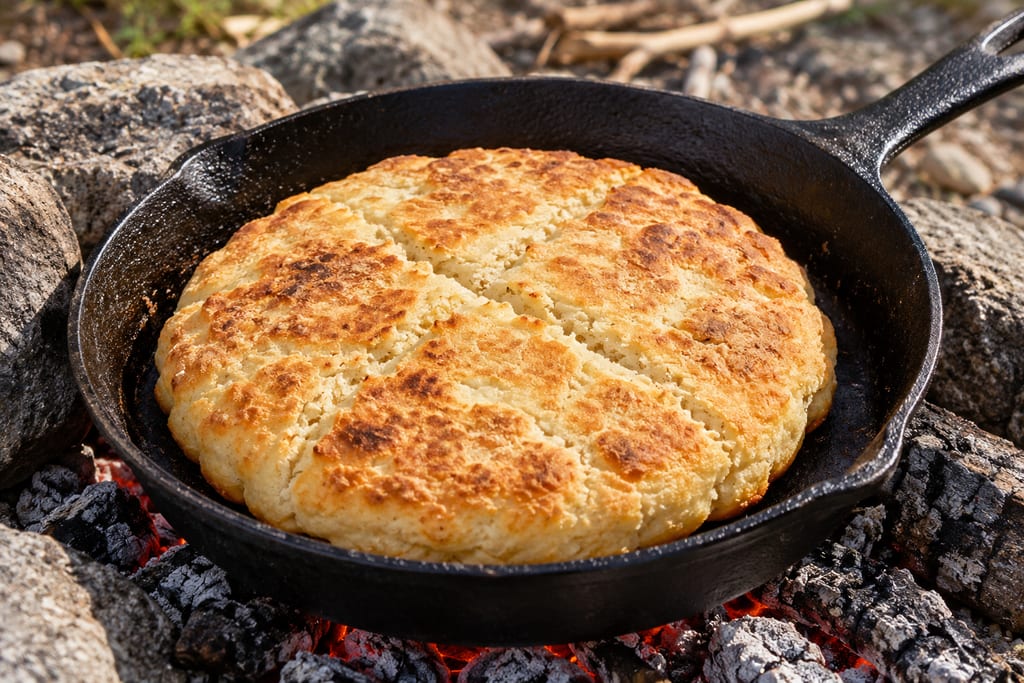
This flour, baking-powder and oil dough is Parks Canada’s contemporary Métis-interpreter version prepared at Rocky Mountain House; its specific recipe origin is unknown.
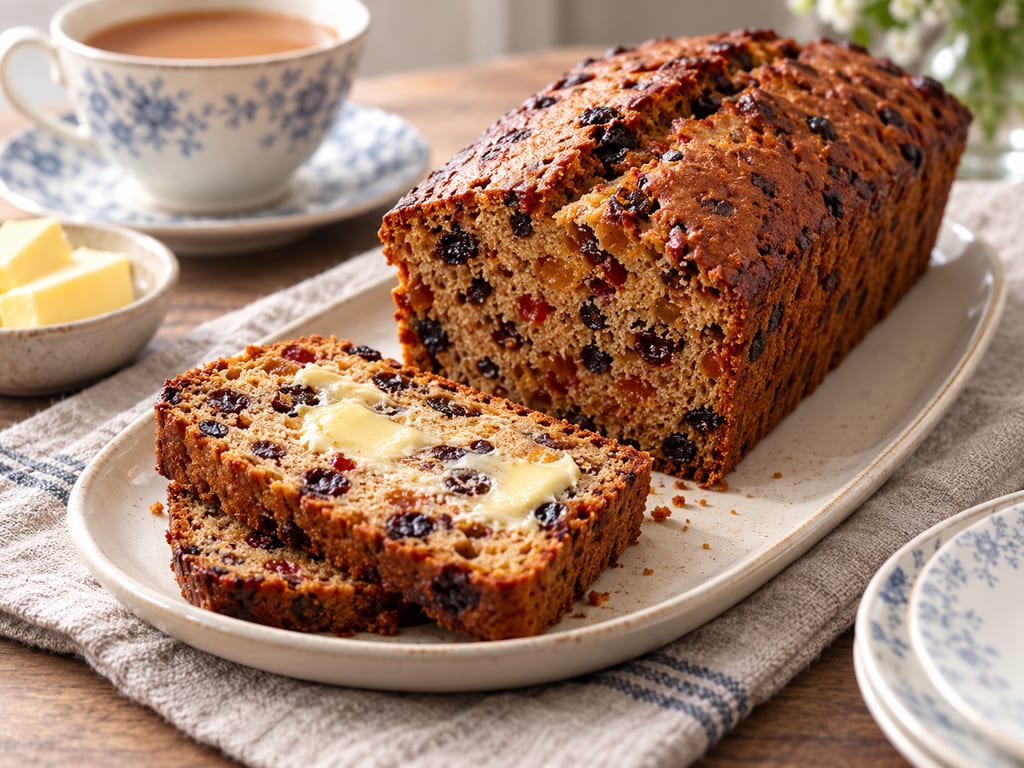
Bara brith is Wales’s speckled fruit loaf, made in both yeasted bread forms and the widely served modern tea-loaf style. This version soaks dried fruit in strong tea before mixing it with self-raising flour, spice, sugar and egg.
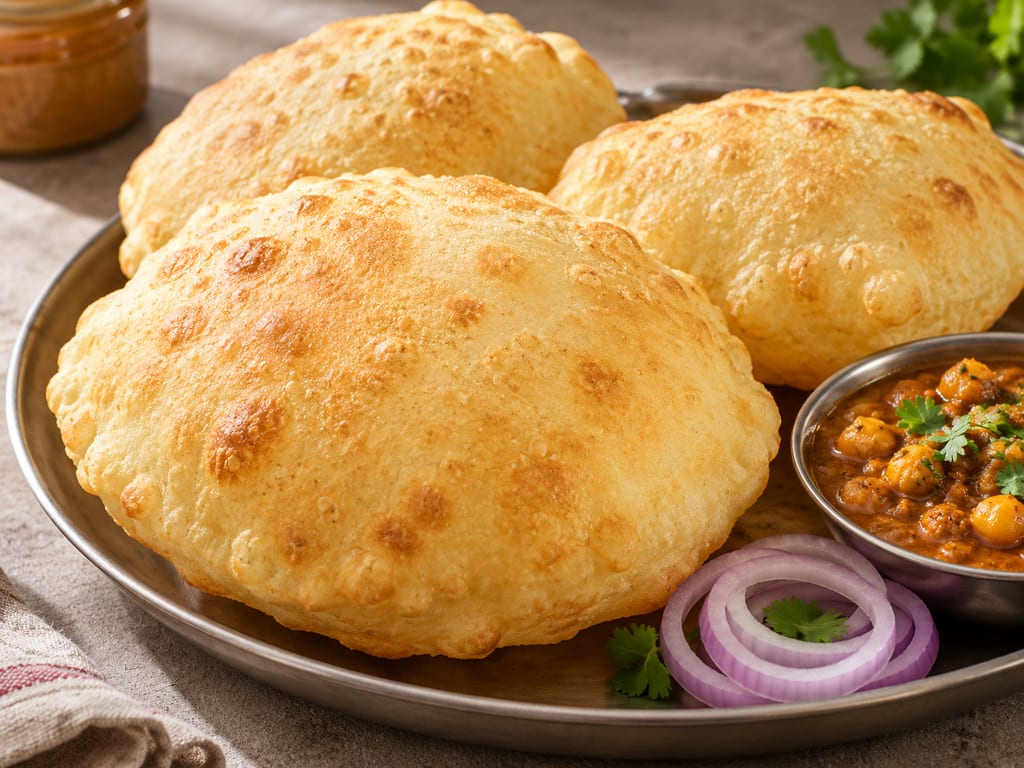
A North Indian fried bread made with yogurt, wheat flour and chemical leaveners. This source batch makes eight.
No community contributions have been published for this entry yet.
Sign in to contribute. Published comments and photos are free to read.
Bord BiaInspiration · Recipe · Identity · Geography
Traditional White Soda BreadFormula: 450 g plain flour, level teaspoon bread soda, optional heaped teaspoon cream of tartar, pinch salt, 25 g soft butter, egg and 250 mL buttermilk.
Method: sieve dry ingredients, rub in butter, add egg and buttermilk, knead lightly, shape and cross-mark a round; bake at 200°C for about 30–40 minutes and cool on a rack.
Serving estimate 4–6 people and total time 40 minutes.
Cited in: A particular white soda loaf; Mix and shape without delay
National Museum of IrelandHistory · Material culture
Feeding the FamilyThe museum says baking soda became a common purchase among poorer Irish households during the nineteenth century for making leavened bread.
The museum describes griddles, hearth implements and the later adoption of the versatile pot oven; this is broader context and does not identify the equipment used in Bord Bia's modern recipe.
Cited in: Irish baking context and its limits
Centers for Disease Control and PreventionSafety
Raw Flour and DoughRaw flour and eggs can contain germs; CDC advises against eating raw dough and recommends cleaning after handling flour, eggs or dough.
Cited in: Raw dough and storage