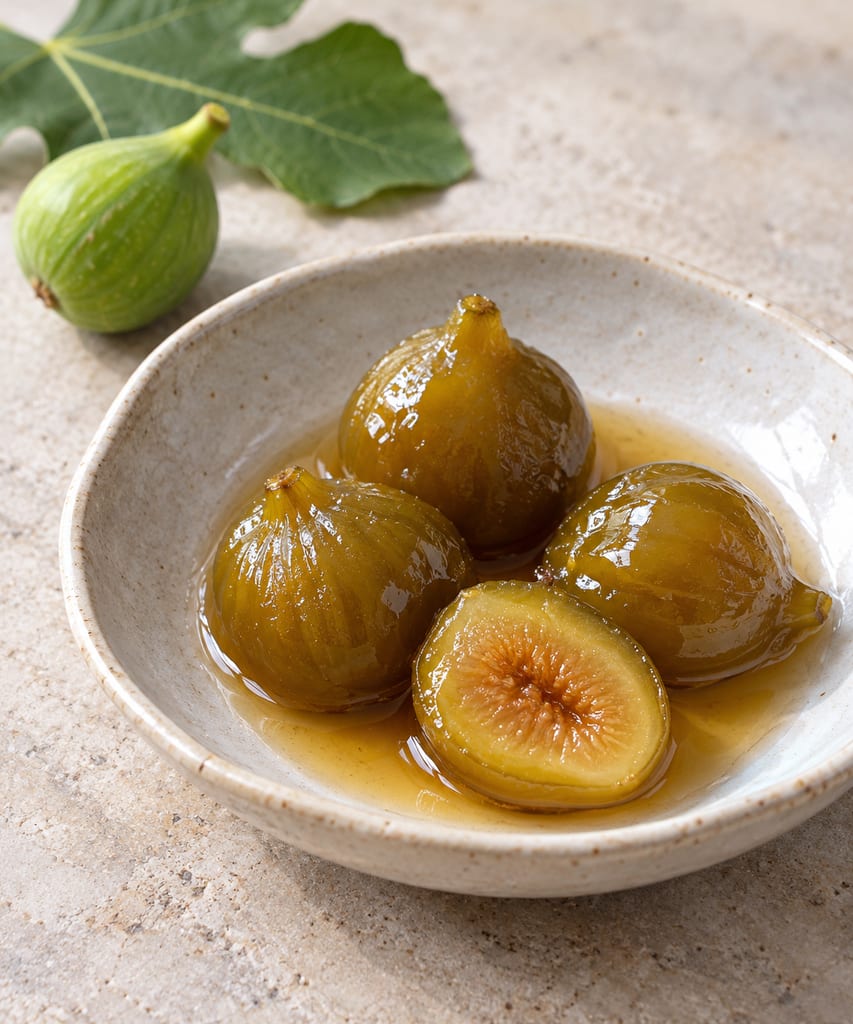
Green-fig konfyt without lime soak
Hard green figs are parboiled and cooked whole in a lemon-sharpened sugar syrup as a refrigerator-only South African konfyt; the method does not establish shelf-stable canning.
 FermenteaWhere food goes to change
Acids
Cream of tartar is a grape-derived potassium tartrate salt used as a dry baking acid, foam aid and measured syrup ingredient.
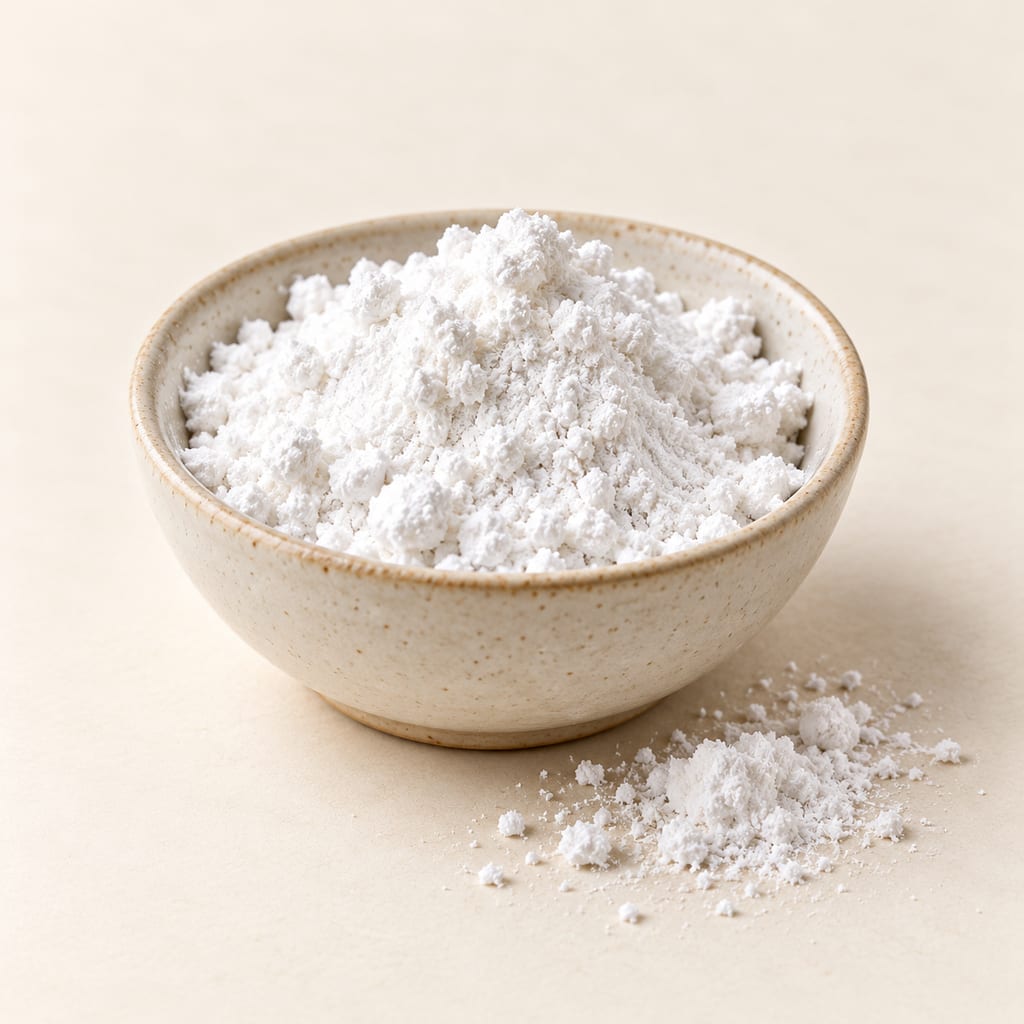
Cream of tartar is a fine white powder with an unexpectedly vinous past. Its chemistry begins in grapes and becomes visible as crystals in wine: the potassium salt that settles from fermenting must and stored wine can be recovered and prepared for food use. In the kitchen, a small amount can help a soda-raised batter lift, steady a whipped egg-white foam, or change the way a cooked sugar syrup crystallizes. It is not tartaric acid in powdered form, and its effects depend on the recipe around it.
The name can suggest a dairy product, but cream of tartar contains no cream. It is potassium hydrogen tartrate, also called potassium bitartrate or potassium acid tartrate. Food regulations describe it as colorless or slightly opaque crystals, or a white crystalline powder, with an acid taste. The ingredient’s identity is the tartrate salt.
Grapes bring together tartaric acid and potassium. As grape juice ferments, and later as wine cools or rests, some of these dissolved components combine and fall out of solution as potassium hydrogen tartrate. The deposits can collect on casks, tanks or bottle corks. Wine drinkers may know them as wine diamonds: clear crystals or plates that look startlingly like glass, sometimes stained by red-wine pigment. They are a natural physical deposit, not a sign that glass has broken into the wine.
The winery deposit became a food ingredient through recovery and purification. U.S. regulation names cream of tartar as a by-product of wine manufacture. Industrial accounts describe related tartrate materials being recovered from wine tartar, lees and grape marc. These materials do not all travel through the same process: some production routes convert them into calcium tartrate and then tartaric acid, while other routes make different tartrate salts. The sources establish the wine-industry origin of the family of materials, but not one universal route for every modern tin of cream of tartar.
A 1939 Royal baking-powder booklet calls the raw material argols and describes production around Montpellier in southern France, drawing on wine residues. The name belongs to the rough cellar material, before it becomes the fine white powder in a baking tin. Supply from wine regions made this baking ingredient part of a trade in grapes and their by-products, extending the usefulness of a harvest beyond wine itself.
Tartaric acid and cream of tartar are related but chemically distinct. Tartaric acid has the formula C4H6O6. Cream of tartar has the formula C4H5KO6: one of tartaric acid’s acidic hydrogens is replaced by potassium, while the hydrogen-tartrate ion retains another hydrogen. That remaining hydrogen explains why the salt can still contribute acidity, but its formula, mass and behavior are not the same as those of tartaric acid.
In water, tartaric acid, hydrogen-tartrate and tartrate exist in a shifting balance. The proportions depend on pH and on what else is dissolved in the mixture. In wine, alcohol, temperature, potassium concentration and other wine components influence whether the potassium salt remains dissolved or crystallizes. In a cake batter or syrup, the other ingredients and the amount used determine what the salt does. A recipe that names cream of tartar is asking for a particular acid salt, not simply “any sour ingredient.”
This distinction also matters at the shop. Potassium bitartrate, potassium hydrogen tartrate and potassium acid tartrate are names for the same food ingredient. Tartaric acid is not. Nor are dipotassium tartrate and sodium potassium tartrate, the latter also known as Rochelle salt. A clearly labelled food-grade product makes the identity and intended use easier to establish; a generic container labelled only “tartar” does not.
One of cream of tartar’s most practical roles is to react with sodium bicarbonate, or baking soda. When the dry ingredients meet enough moisture, acid and bicarbonate react and release carbon dioxide. The gas forms bubbles in the batter; heat expands them and helps set the surrounding mixture into a lighter crumb. This is chemical leavening. No yeast or other microorganism is needed to make that gas, so this particular rise is not fermentation.
That distinction made cream of tartar useful in the nineteenth century. Earlier soda baking often relied on sour milk to provide acid. Its acidity varied, so the amount of bicarbonate it could neutralize was not reliably the same from one kitchen or batch to another. Cream of tartar supplied a dry ingredient with a more consistent composition. The American Chemical Society’s history of baking powder describes its introduction in the 1840s as a way to make chemical leavening more predictable. Mixing a measured acid with bicarbonate also helped bakers control the reaction more consistently than an uncertain quantity of sour milk.
Cream of tartar and soda were initially sold separately, since moisture would start the reaction before the baker wanted it. Baking powder later combined acid and bicarbonate with a dry carrier, often starch, so the mixture could be stored and measured together. Modern baking powders may use different acid salts and may be designed to react in stages. A home blend of soda and cream of tartar is therefore not automatically interchangeable with every commercial baking powder: the proportions and timing affect both lift and taste.
Whisking egg whites pushes air into a liquid rich in proteins. The proteins unfold and gather around air bubbles, making thin films that hold the foam together. Acidity changes the conditions in which those proteins interact, and cooks commonly add a little cream of tartar to help a whipped foam stay stable while it is beaten and handled.
The result also depends on the eggs, bowl, sugar and whipping method. An acid changes the protein environment while air is incorporated, so the effect can be most useful when the foam must hold during the next stage of a recipe. Cream of tartar helps manage texture and timing; it has no role as a raw-egg safety treatment.
In candy and cooked syrups, acidity and heat can split some sucrose into glucose and fructose, a process called inversion. The resulting mix of sugars does not crystallize in the same way as pure sucrose. Those different molecules interrupt the orderly packing of sucrose crystals, which can help limit coarse graininess or make a crystalline candy’s texture finer.
The effect depends on the balance of acid, sugar, water, heat and stirring. Too much inversion can keep a candy from setting as intended, leaving it soft or sticky. Cream of tartar can influence crystallization; it does not promise that every syrup will remain smooth. In some candies the goal is to form many very small crystals, while in others the cook tries to prevent crystals altogether. The recipe’s method determines which texture is wanted.
Cream of tartar has a place in at least one documented South African whole-green-fig konfyt. In The Fig in South Africa, horticulturist J. de V. Lötter gives a method for firm green figs cooked whole in syrup. For 1.5 kilograms of figs, he lists a syrup made with 2.5 to 3 kilograms of sugar and 6 litres of water, with a choice of 30 to 50 millilitres of lemon juice or 5 millilitres of citric acid, tartaric acid or cream of tartar. The book presents the acids as alternatives; it does not single cream of tartar out or explain a unique effect for it.
Lötter’s small measured addition supplies an acid option in a large syrup without making tartrate the preserve’s defining flavor. The book does not assign it a particular effect on firmness, crystallization or keeping quality. Its alternatives are choices within this printed method; elsewhere, the amount and behavior of each acid have to be understood in the context of that food.
Other green-fig konfyt methods describe different sequences. A recipe credited to Cass Abrahams and published by Wines of South Africa uses lime-water soaking and a bicarbonate boil before the figs are cooked in syrup containing lemon juice. Its method is not the same as Lötter’s. The two accounts show variation in published preserve practice; they do not establish one universal formula or prove that the steps can be combined. In both, syrup thickness and a glossy appearance are quality cues, not proof that a preserve is safely shelf-stable.
Konfyt itself names a family of fruit preserves cooked in syrup. The Dictionary of South African English records related spellings from Dutch and Afrikaans and quotations that place different preserves at tea, visits and gatherings. Those entries document a word and varied uses, not one origin story for all konfyt or a claim that every community served it in the same way. Lötter’s recipe belongs in that broader history as one printed account, with its own fruit condition and technique.
The same salt that reaches the baking shelf can reappear in the wine glass. Grapes naturally contain potassium and tartaric acid. During alcoholic fermentation, yeast turns grape sugars into ethanol. As alcohol concentration rises, potassium hydrogen tartrate becomes less soluble in the liquid; cooling can encourage still more of it to crystallize. The amount present, the wine’s pH, its alcohol, temperature, storage time and other dissolved compounds all affect the outcome.
Winemakers sometimes encourage crystallization before bottling so crystals settle out in the winery rather than forming later in a bottle. In that setting, cream of tartar powder can seed crystal growth, giving the dissolved tartrate a surface on which to gather. That is a controlled wine-processing use with its own testing and handling. It is not a cooking instruction, and the crystals in a bottle are not evidence that fermentation has restarted. They are mineral-like food crystals produced by solubility and temperature changes.
Look for a food-grade product labelled cream of tartar, potassium acid tartrate or potassium hydrogen tartrate. Keep it closed and dry, and follow its package directions. Moisture can compromise a powdered ingredient’s handling and performance, but there is no single shelf-life or storage temperature established here for every brand. Do not apply a wine-treatment grade to food unless its food suitability is stated.
Regulation varies by jurisdiction. In the United States, 21 CFR §184.1077 lists food uses under current good manufacturing practice, a standard that depends on use and formulation rather than a blanket quantity for every home recipe. That legal rule does not by itself set rules elsewhere. Codex maintains a database of food-additive provisions by additive and food category; a specific provision must be checked before making a claim about a particular product or jurisdiction.
Use the amount in a tested recipe. Cream of tartar, tartaric acid, lemon juice, vinegar and baking powder can all contribute acidity or influence a reaction, but they do not behave identically by weight or at the same speed. A substitution can change leavening, flavor, potassium or sodium content, foam behavior and candy texture. There is no universal conversion that makes these ingredients equivalent in every dish.
Cream of tartar’s story is unusually easy to follow from vineyard to pantry: a grape-derived salt appears as crystals in wine, becomes a dry measured acid for baking and confectionery, and turns up in recipes far from the cellar. Knowing that it is a salt rather than free tartaric acid helps make sense of those different roles. The kitchen result still comes from the whole recipe: its ingredients, proportions and handling.
Documented use in this place; not a claim of origin.
Hard green figs are parboiled and cooked whole in a lemon-sharpened sugar syrup as a refrigerator-only South African konfyt; the method does not establish shelf-stable canning.
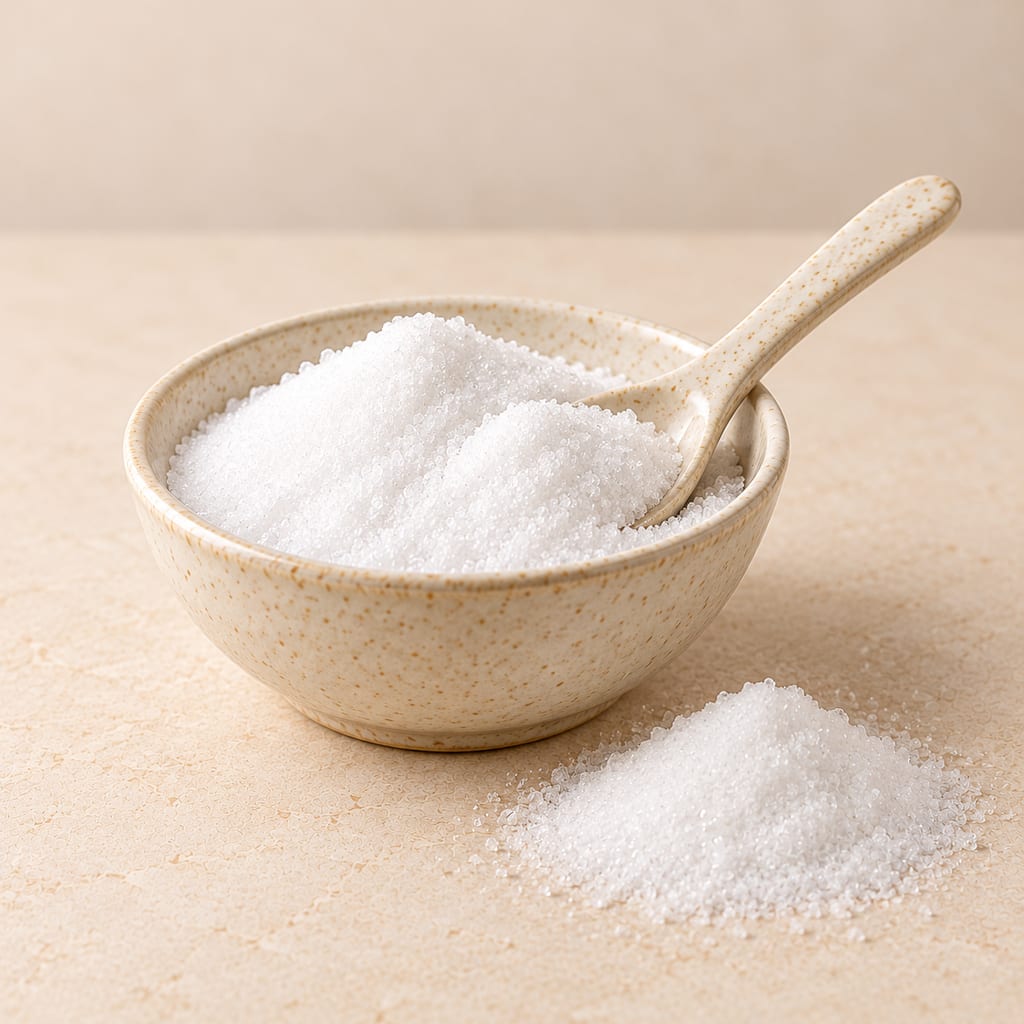
Sodium bicarbonate is a mildly alkaline kitchen powder used for leavening and, in two published South African green-fig konfyt methods, in the preliminary boil.
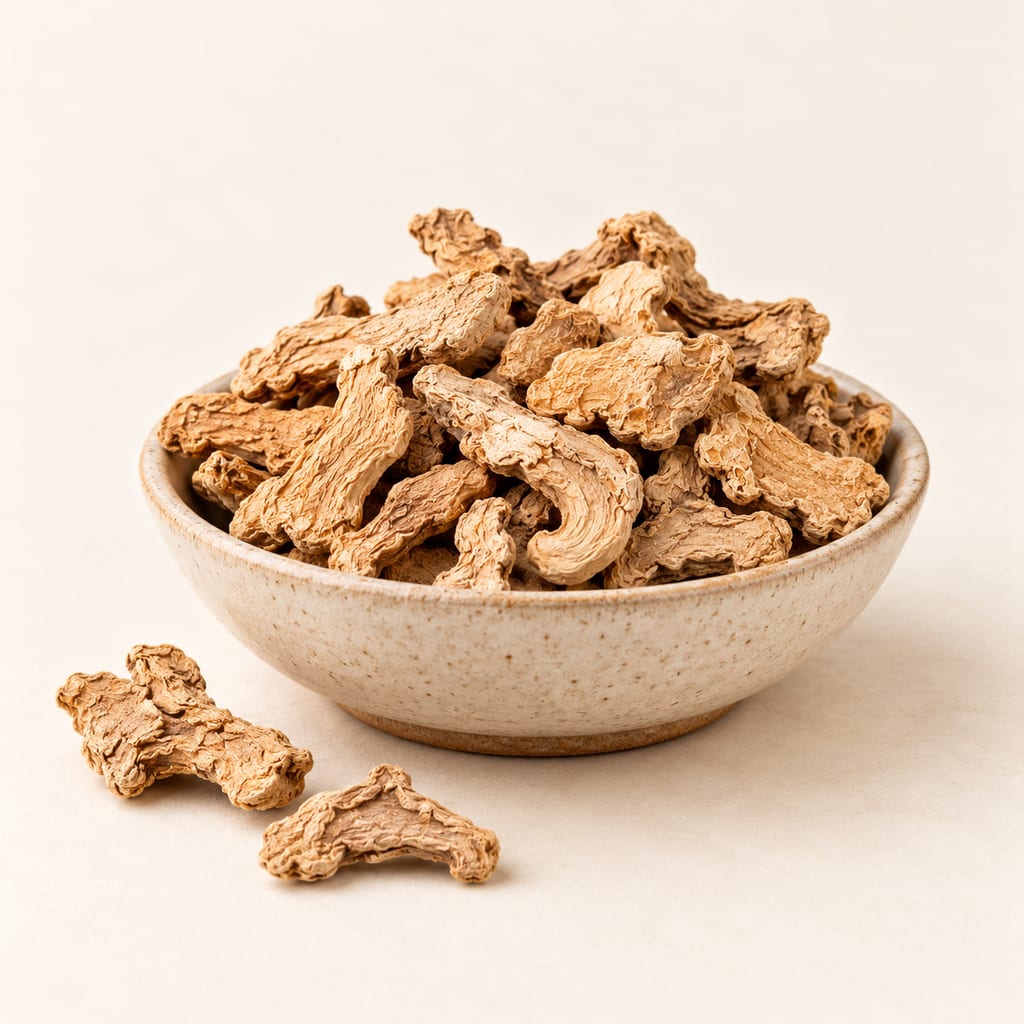
Dried ginger is the mature, dried rhizome of Zingiber officinale; its warm flavor and whole, sliced or ground forms serve different kinds of cooking.
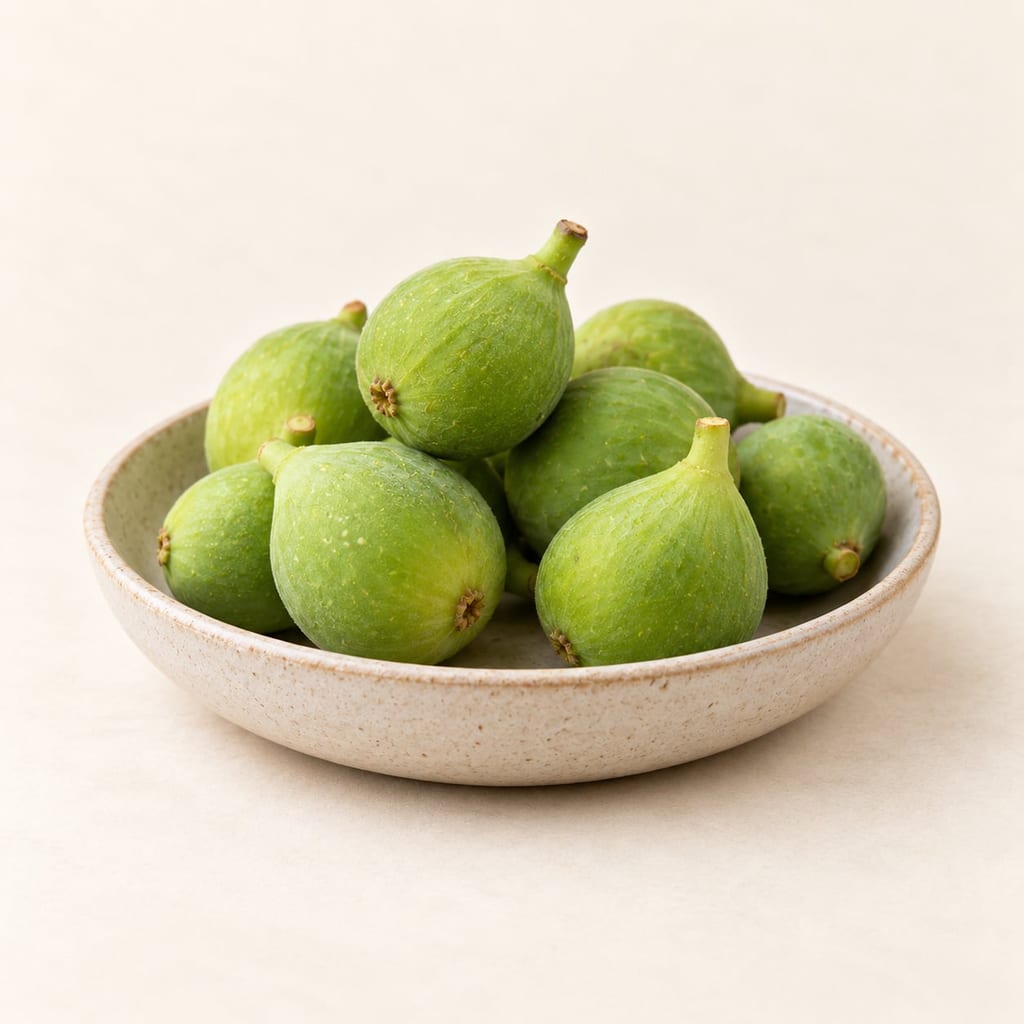
Firm green figs are the unripe fruit of the fig tree selected for preserves that keep the fruit whole and let it absorb syrup.
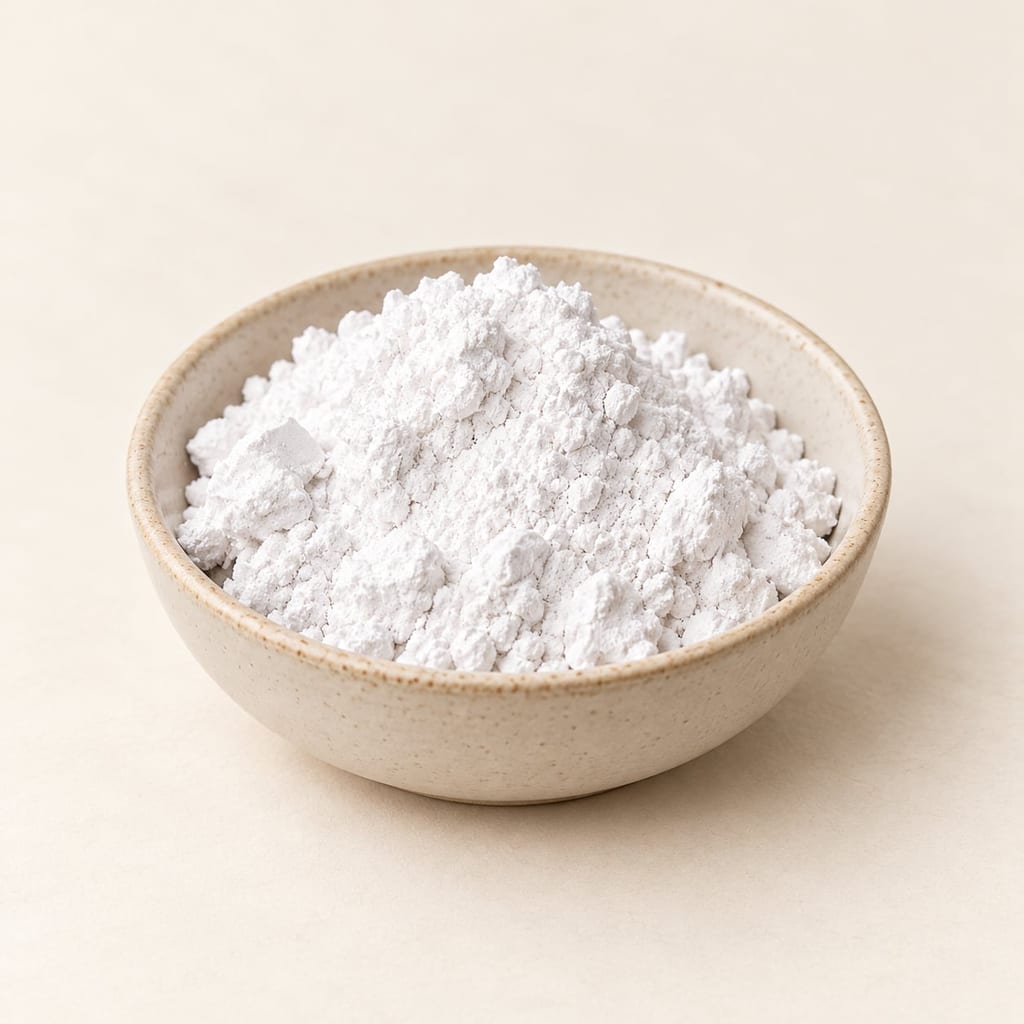
Food-grade slaked lime is calcium hydroxide, an alkaline processing aid used in distinct food treatments including green-fig soaking and maize nixtamalization.
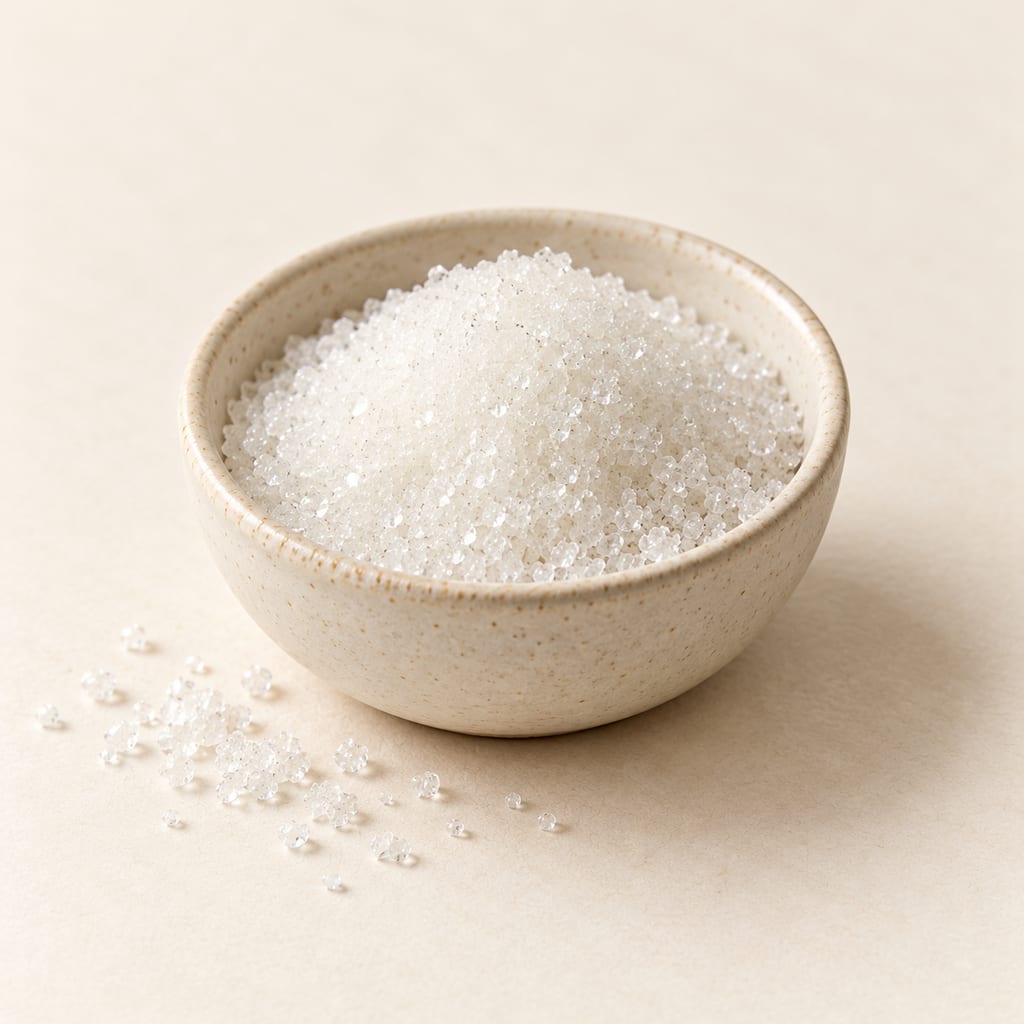
Tartaric acid is a crystalline food acid associated with grapes and wine; it gives sourness and is distinct from its potassium salt, cream of tartar.
No community contributions have been published for this entry yet.
Sign in to contribute. Published comments and photos are free to read.
International Journal of Food Science & TechnologyEditorial
Inventions on phosphate-free chemical leaveningPeer-reviewed review of patent chronology and historical cream-of-tartar baking use.
Cited in: The dry acid behind a familiar rise
ExploratoriumEditorial
Science of Candy: What is Sugar?Supersaturation, sugar crystallization, interfering sugars and inversion.
Cited in: What a small dose can do to sugar
Codex Alimentarius Commission / FAO and WHOEditorial
General Standard for Food Additives online databaseCodex’s provisions are searchable by additive and food category; no specific category provision is asserted in this draft.
Cited in: Choosing and keeping it
EFSA Journal 18(3):6030Editorial
Re-evaluation of l(+)-tartaric acid and tartrate salts as food additivesWine tartar, lees and grape marc as tartrate sources and distinct industrial processing routes; not a single universal cream-of-tartar route.
Cited in: A pantry ingredient with a cellar history
U.S. Food and Drug AdministrationEditorial
Substances Added to Food: Potassium Acid TartrateIdentity synonyms, CAS number and listed technical effects.
Cited in: A salt, not the acid it came from
Australian Journal of Grape and Wine ResearchEditorial
Potassium bitartrate crystallisation in wine and its inhibitionTartaric-acid speciation, wine composition, ethanol and temperature effects on potassium bitartrate crystallization.
Cited in: A salt, not the acid it came from
Food Science and Biotechnology via PubMed CentralEditorial
Effectiveness of enzymes on structural, functional and creep-recovery behavior of freshly prepared meringue’s batter using liquid egg albumenpH and foam behavior in enzyme-modified liquid egg-white formulations; does not establish a cream-of-tartar dose.
Cited in: A quiet helper in egg-white foam
Wines of South Africa; recipe attributed to Cass AbrahamsEditorial
Green Fig KonfytA distinct lime-soak, bicarbonate and lemon-juice syrup method; comparison only.
Cited in: A South African preserve with a measured acid option
American Chemical Society, National Historic Chemical LandmarkEditorial
Development of Baking PowderHistorical account of sour milk and bicarbonate baking in the 1830s, cream of tartar use in the 1840s, and standardization of chemical leavening.
Cited in: The dry acid behind a familiar rise
Australian Wine Research InstituteEditorial
Potassium InstabilityNatural grape potassium, wine tartrate solubility and precipitation factors, crystal appearance and wine-stabilization context.
Cited in: A pantry ingredient with a cellar history; Cellar crystals and the taste of wine
Standard Brands Inc.Editorial
The Evolution of Baking PowderPeriod commercial account of argols, cream-of-tartar production around Montpellier and international supply; promotional historical evidence.
Cited in: A pantry ingredient with a cellar history
Dictionary of South African EnglishEditorial
konfyt, nounEtymology, variant spellings and dated examples of South African preserve use.
Cited in: A South African preserve with a measured acid option
Electronic Code of Federal Regulations, U.S. Government Publishing OfficeEditorial
21 CFR §184.1077 Potassium acid tartrateFormula C4H5KO6, CAS 868-14-4, synonyms, appearance, acid taste, wine-manufacture by-product, Food Chemicals Codex reference and U.S. current-GMP conditions of use.
Cited in: A pantry ingredient with a cellar history; A salt, not the acid it came from; Choosing and keeping it
J. de V. Lötter, Western Cape Department of AgricultureEditorial
The Fig in South AfricaWhole-green-fig preserve method; for 1.5 kg figs, 2.5–3 kg sugar, 6 L water and either 30–50 ml lemon juice or 5 ml citric/tartaric acid or cream of tartar. Does not state a unique role for cream of tartar.
Cited in: A South African preserve with a measured acid option
Institute of Food TechnologistsEditorial
Science of Food: June Educator EventEgg-white foam structure and educational explanation of pH/acid effects; not a dose study.
Cited in: A quiet helper in egg-white foam
Journal of Chemical Engineering of Japan 25(3):342–344Editorial
Nucleation and Growth of Potassium Bitartrate in WinePrimary research citation on potassium-bitartrate nucleation and crystal growth in wine.
Cited in: Cellar crystals and the taste of wine
University of Illinois ExtensionEditorial
Candy MakingAcid-driven sucrose inversion, crystal-size effects and the risk of excessive inversion.
Cited in: What a small dose can do to sugar
Wine AustraliaEditorial
Cold stabilisation: wine’s invisible quality testWine tartrate equilibria and commercial stabilization context.
Cited in: Cellar crystals and the taste of wine