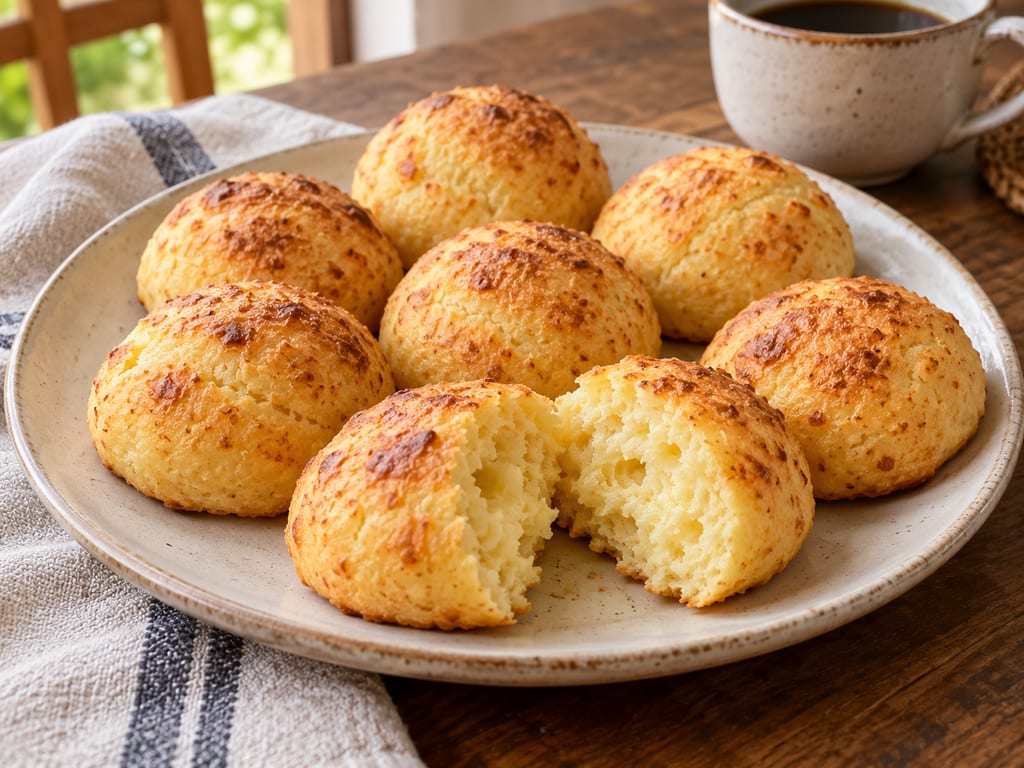
Almojábanas
Small Colombian cheese breads made with precooked corn flour, queso fresco, mozzarella, eggs, milk and baking powder. This documented home version makes eight breads and is served warm.
 FermenteaWhere food goes to change
Balep korkun pan bread · Central Tibetan pan bread
A Central Tibetan style pan bread made from flour, water and baking powder. Four dough balls are rested, rolled into rounds and cooked covered in a skillet, turning them several times.
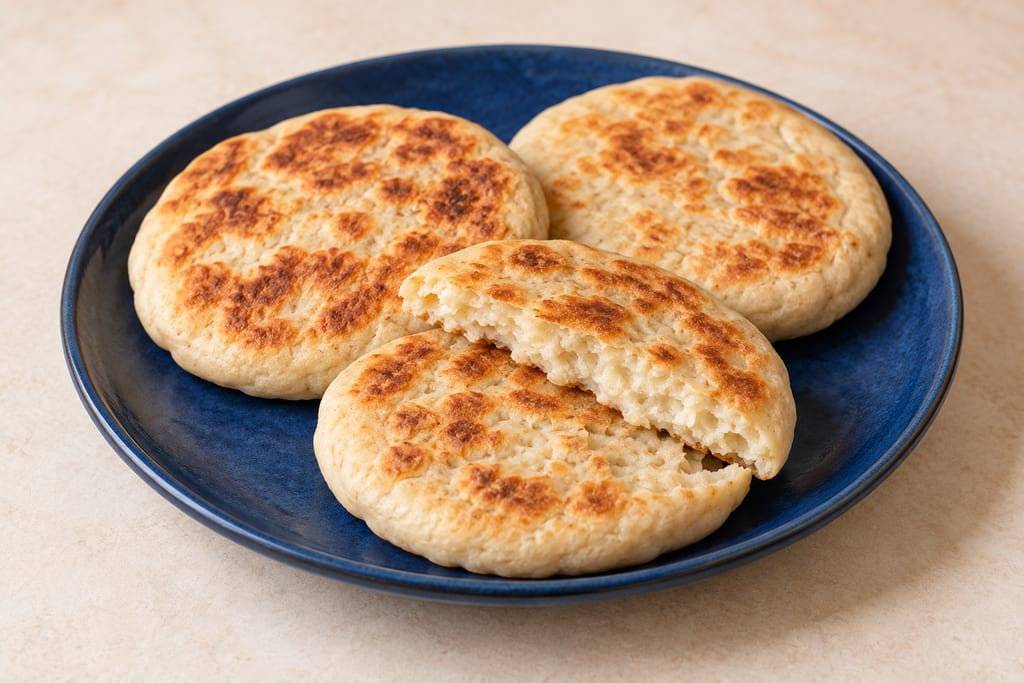
YoWangdu describes balep korkun as one Central Tibetan style of bread and notes that Tibetan bread traditions vary by region. The cited recipe uses baking powder with all-purpose flour, adds water to form a flexible dough, and cooks four rounds in a covered nonstick pan. It is this source-specific home method; “balep” also names breads made in other ways, including a distinct Amdo loaf.
The page gives no weighed flour measure, numerical pan temperature or precise dimensions for the rounds beyond their stated thickness. Follow the measured cup formula as written and use the described medium heat and repeated turns; the site does not provide a measured center-temperature endpoint.
YoWangdu presents this as a Central Tibetan style of balep korkun and describes several kinds of bread across Tibetan regions. The record follows the site's baking-powder home formula and does not equate it with every Tibetan balep or with the separate Amdo loaf.
Yield 4 rounds (for two people) · Scaling: source batch only
The recipe contains uncooked wheat flour before it is cooked on the skillet.
Hazard sourceCook each round on both sides as directed until cooked through. The source gives a 15-minute skillet cook with turns every 4–5 minutes but no measured internal-temperature limit.
Control sourceDo not eat the raw dough. The source calls for cooking each round covered and turning it repeatedly so both sides cook; it gives no measured center-temperature limit.
The source identifies its recipe as Central Tibetan style; no precise birthplace is claimed.
Small Colombian cheese breads made with precooked corn flour, queso fresco, mozzarella, eggs, milk and baking powder. This documented home version makes eight breads and is served warm.
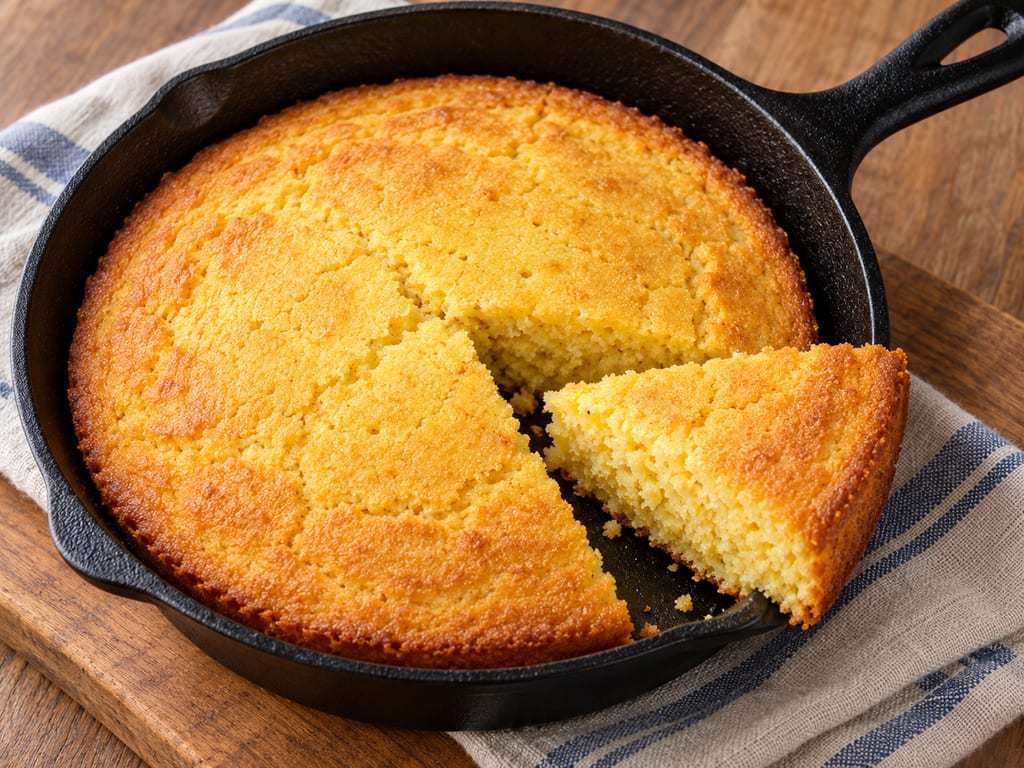
A modern cornmeal-and-wheat cornbread that King Arthur Baking describes as a compromise between Northern and Southern styles. The batter is baked in a pan or as muffins and served warm.
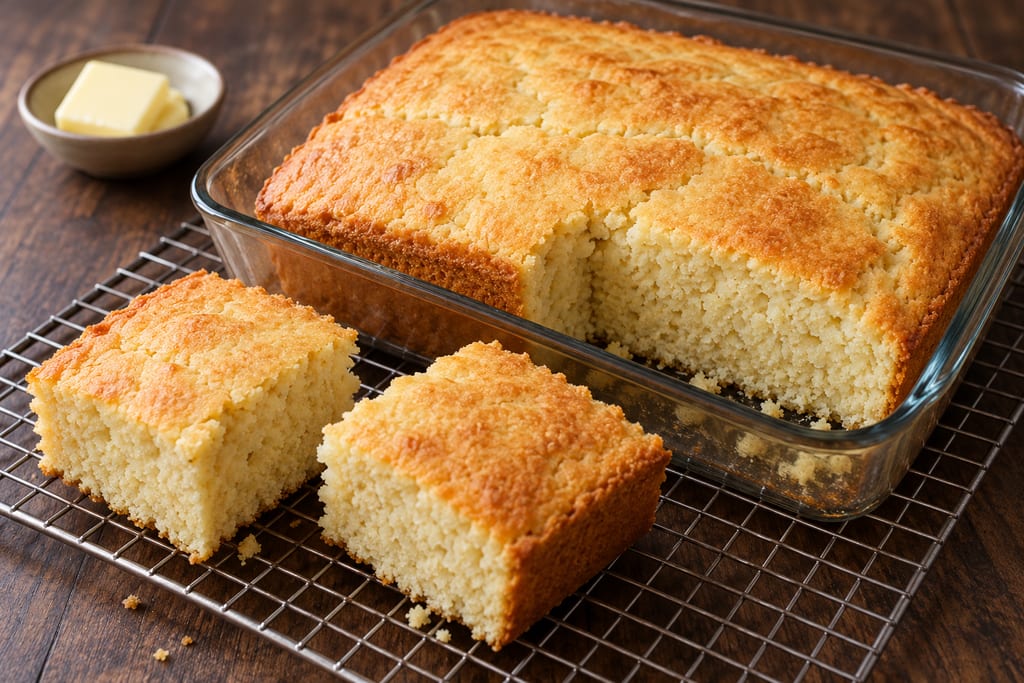
A soft, butter-rich Bahamian-style baked johnnycake made from flour, baking powder, sugar, butter and milk. The dough rests briefly in a square pan before baking.
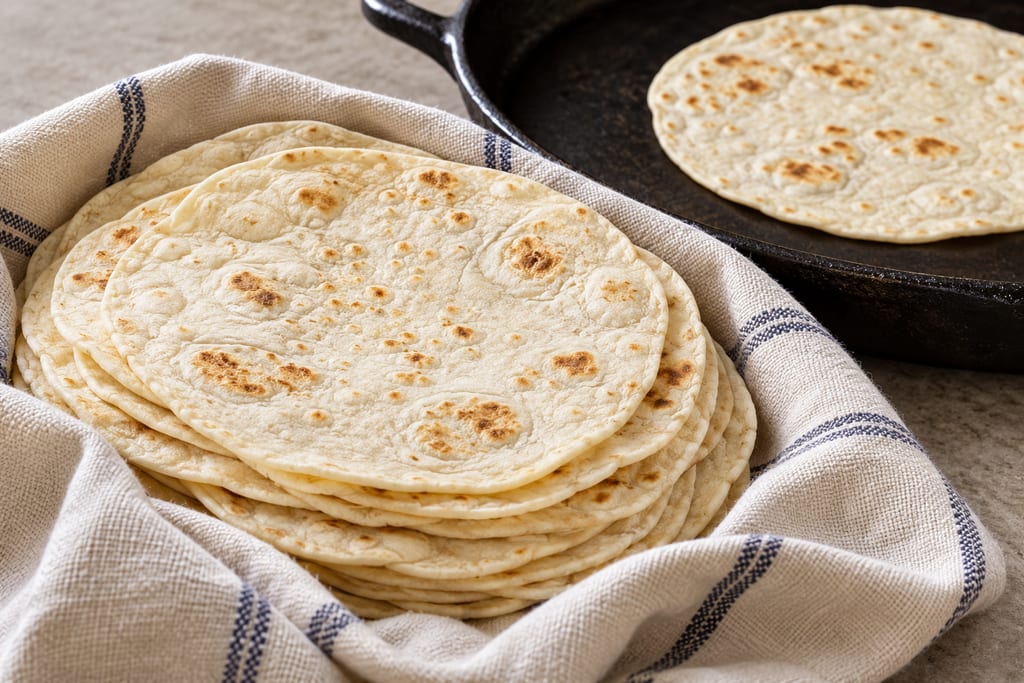
Soft wheat-flour rounds from an INCAP Honduran baleada recipe are rolled thin and cooked on a dry skillet; this record covers tortillas, not the filled dish.
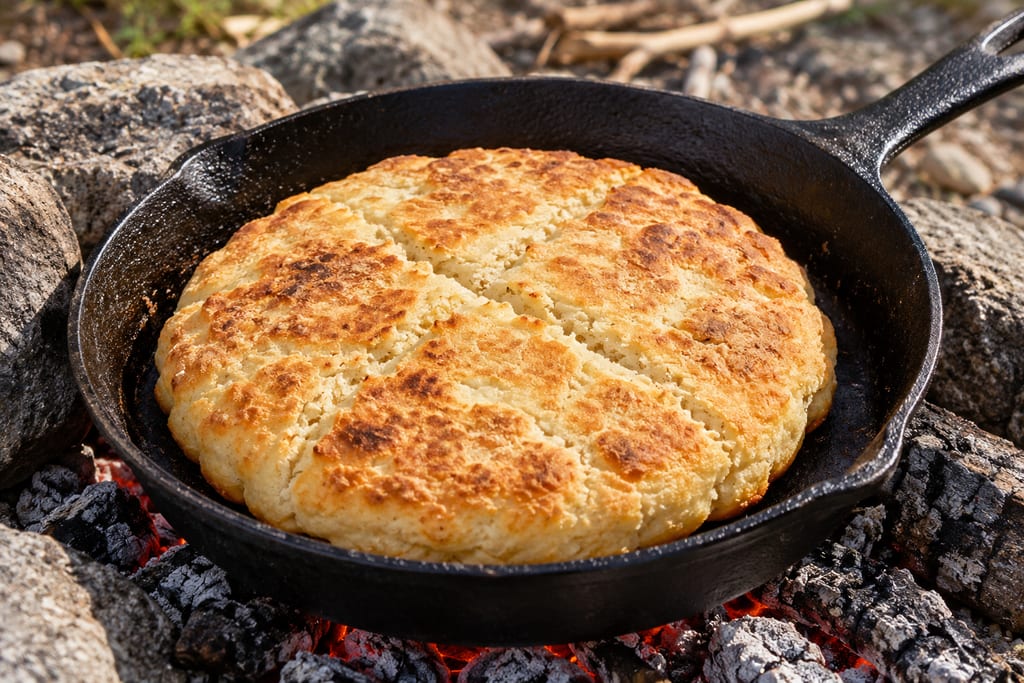
This flour, baking-powder and oil dough is Parks Canada’s contemporary Métis-interpreter version prepared at Rocky Mountain House; its specific recipe origin is unknown.
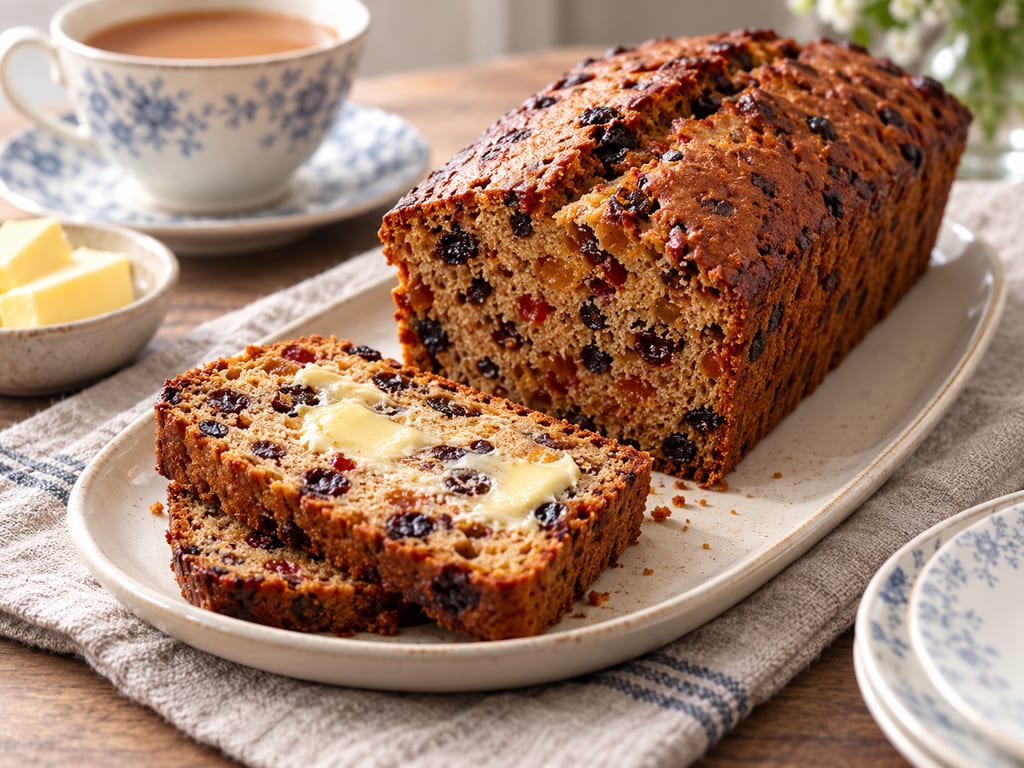
Bara brith is Wales’s speckled fruit loaf, made in both yeasted bread forms and the widely served modern tea-loaf style. This version soaks dried fruit in strong tea before mixing it with self-raising flour, spice, sugar and egg.
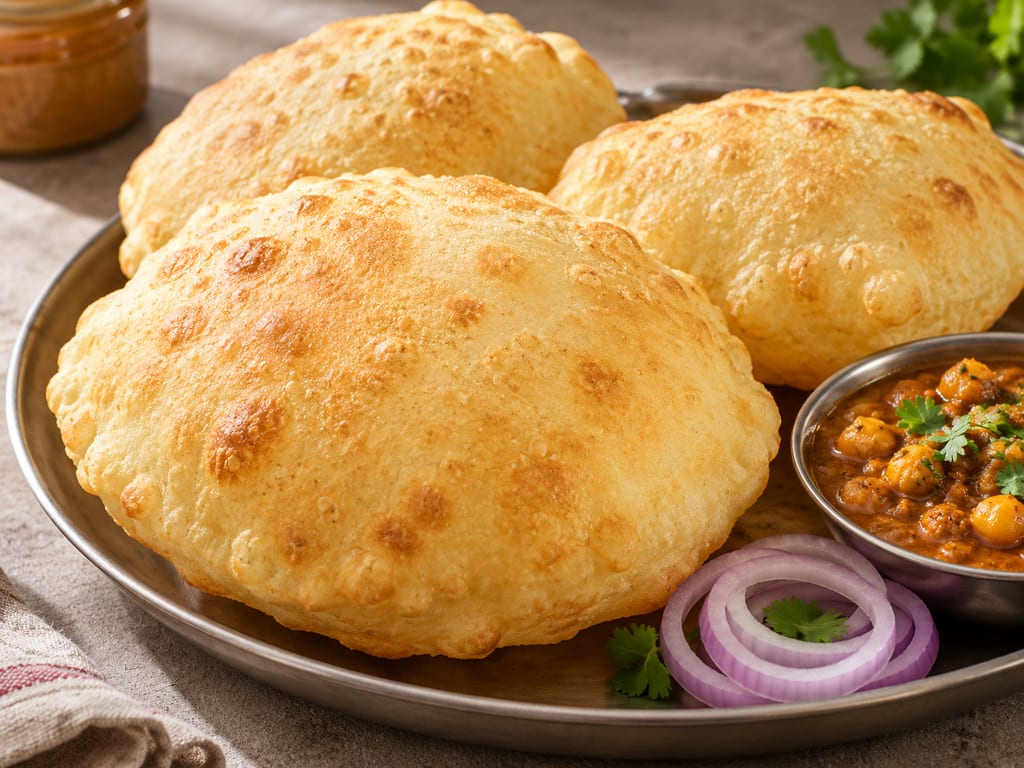
A North Indian fried bread made with yogurt, wheat flour and chemical leaveners. This source batch makes eight.
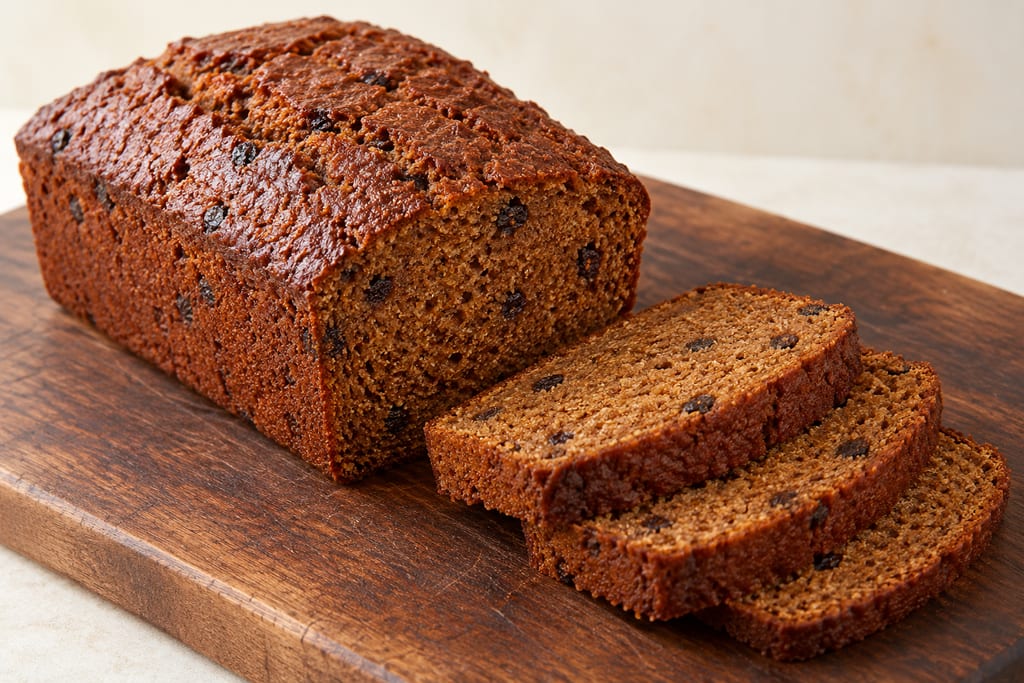
A molasses-sweetened rye, wheat and cornmeal batter that can be steamed on the stovetop or baked in a covered pan.
No community contributions have been published for this entry yet.
Sign in to contribute. Published comments and photos are free to read.
YoWangdu Experience TibetInspiration · Method · History
Tibetan Bread — BalepThe page describes the version as Central Tibetan style, with a two-person yield; it lists two cups all-purpose flour, one tablespoon baking powder and one cup water.
The author gives hand mixing, kneading, four pieces, 15–20 minute rest, rolling to ½–¾ inch, and covered skillet cooking for 15 minutes with turns every 4–5 minutes.
Cited in: A specific Central Tibetan style pan method