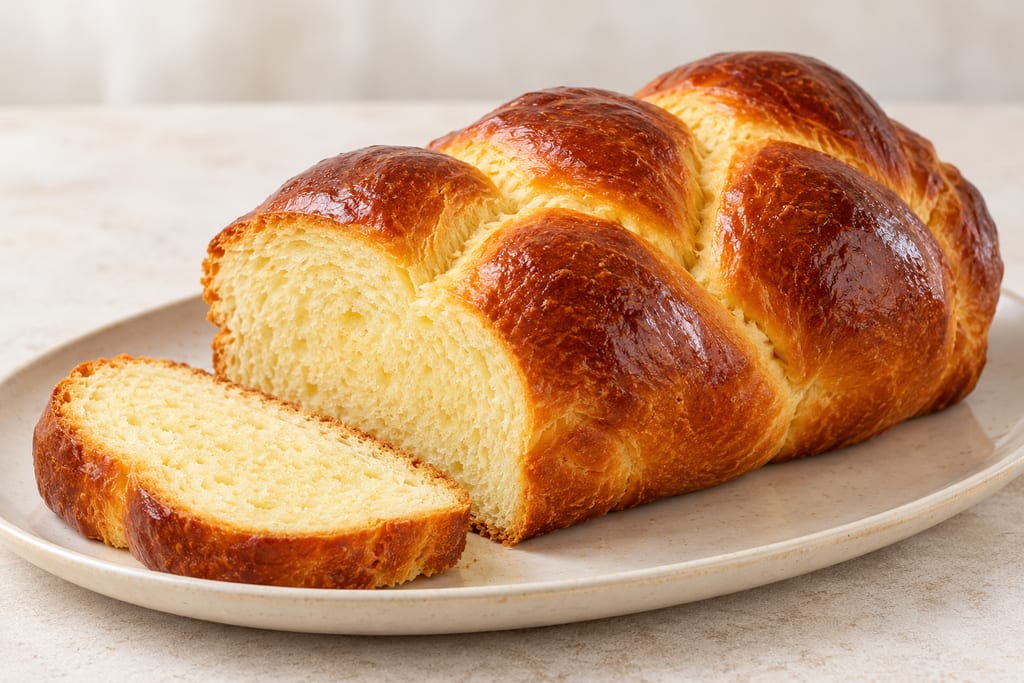
Brioche
An egg-and-butter-rich yeast dough shaped as one round loaf, two loaves or twelve small brioches, with baking paths that vary by shape.
 FermenteaWhere food goes to change
Other
Chicken eggs supply proteins and yolk fats that set and emulsify. Atlas breads use them in enriched doughs, surface washes and a sourdough pancake batter mixed after fermentation.
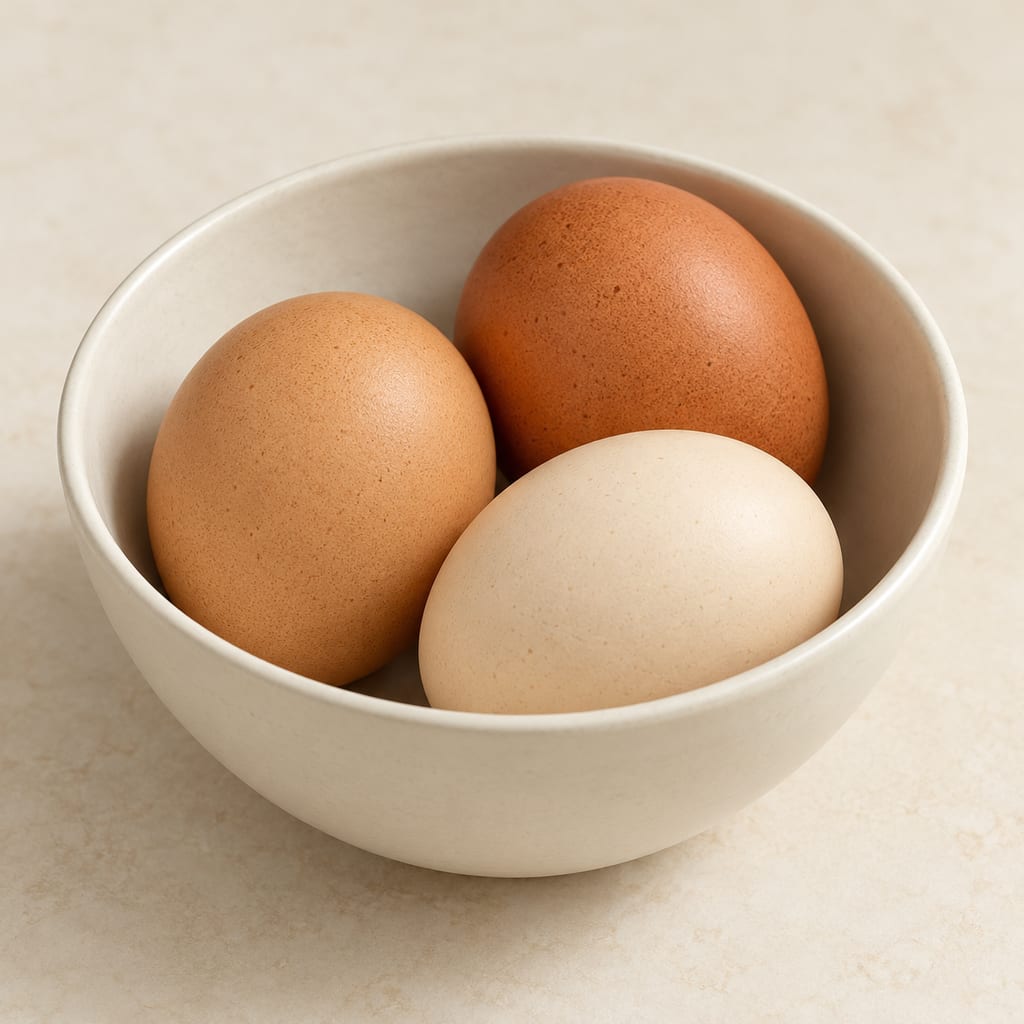
A chicken egg is a complete food wrapped in a fragile shell: pale albumen, or white, around a golden yolk, held in the shell by two membranes. Cracked into a bowl, it is at once a liquid, a source of water and protein, a little fat, and two ingredients with different behavior under heat. The white begins watery but thickens into a set network as its proteins coagulate. The yolk is richer in fat and phospholipids, giving it a useful ability to help oil and water stay dispersed. Those properties make whole egg a compact kitchen tool as well as a food in its own right.
“Egg” by itself can mean eggs from many birds. This page concerns the egg of the domestic chicken, commonly called a hen egg. Ducks, geese, quail, turkeys and other birds also provide edible eggs, but their sizes, compositions, shells and culinary traditions differ; a recipe calling for chicken eggs does not automatically specify an equal number of another bird’s eggs. English labels may say chicken eggs, hen eggs or simply eggs. The bird is commonly named Gallus gallus domesticus, although zoological databases also record the domestic form under Gallus gallus and list Gallus domesticus as an equivalent. Taxonomic naming identifies the animal; it does not tell us how its egg has been graded or processed.
The history of the chicken egg as food follows the changing relationship between people and domestic fowl. Early chicken bones can be difficult to distinguish from those of related wild birds, and a bone can move into an older archaeological layer. When researchers checked remains from hundreds of sites, many apparently ancient chicken dates became less secure. One proposal places the beginnings of domestication beside Southeast Asian rice growing, where stored cereals might have drawn red junglefowl toward human settlements. It remains a hypothesis; bones alone cannot tell us when people began gathering or eating the eggs.
Chickens spread unevenly through Asia, Europe and north-west Africa. Directly dated remains suggest that the bird was sometimes valued first as an exotic creature or in ritual life, long before it became an ordinary meat animal. The presence of chickens in a settlement therefore does not establish an egg-eating practice there. That distinction gives eggshell a special place in the food history: although delicate and easily missed by excavators, identified shell is more direct evidence of laying and possible consumption than a chicken bone.
Across southern Central Asia, small eggshell fragments from Silk Road settlements make that food history visible. The study identified chicken shell from twelve sites, beginning in the fourth century BCE and continuing into medieval centuries. Fragments occurred in many excavated contexts, suggesting that eggs had become a recurring part of life rather than a single festival deposit. The authors infer that laying birds were increasingly kept for eggs; they cannot tell us exactly how every egg was cooked or how often every household ate them. What survives is a pattern of production, with a familiar, perishable food leaving an unusually durable trace.
In Roman food writing, eggs appear in a varied repertoire. The collection known as *De re coquinaria*, traditionally associated with Apicius, gives short directions for fried eggs with wine sauce, boiled eggs with broth and oil, and poached eggs with a sweet-sour seasoning. Elsewhere it sets eggs with milk into a custard and combines them with mushrooms. Another preparation beats eggs with milk and oil, lets them rise in the oven, then finishes them with honey and pepper. These recipes show cooks treating eggs as a dish, a setting agent and a companion to other foods. The surviving text reflects a written culinary repertoire, not a diary of ordinary meals; it cannot establish how often every Roman household ate eggs, much less the first time anyone did.
Inside a hen, an egg forms in stages. A developing yolk grows in the ovary; after ovulation it enters the oviduct, where albumen, membranes and shell are added as it moves toward laying. The yolk is not a miniature chick. It is a nutrient reserve for an embryo if the egg is fertilized; ordinary table eggs are generally unfertilized. The germinal disc is where development would begin after fertilization. Chalazae, the twisted strands of denser white, anchor the yolk near the center. They are normal structures, not worms or defects.
A newly laid egg has no air cell, or only a very small one. Cooling contracts its contents more than the shell, separating membranes near the broad end and forming an air pocket. Over time, water and carbon dioxide pass through pores in the shell; the air cell grows, the white thins and the yolk membrane weakens. These are quality changes, not a reliable food-safety test. A larger air cell can indicate age, but neither a float test nor fresh appearance proves an egg safe to eat.
White and brown shell colors mostly reflect the hen’s breed. Blue or green shells also occur in some breeds. Shell color does not define a different egg grade, nor does a brown shell make an egg inherently more nutritious. Yolk color has another cause: pigments in feed, especially plant pigments, influence its shade. A deeper orange yolk may reflect diet rather than a universal quality ranking. Shell color is only one visible trait and a poor shortcut for judging the whole ingredient.
In the United States, shell egg grade and size answer different questions. Grade describes qualities such as shell condition and interior firmness of yolk and albumen; size is a minimum weight class for the dozen, not a promise that every egg has the same dimensions. A carton marked large is useful to a baker because recipes are formulated around a conventional size, but it describes a class rather than an exact mass for each egg. The USDA grade shield means the eggs were graded under USDA supervision; grading is voluntary, while federal inspection for wholesomeness is separate.
Shell color is not part of the U.S. grade standard. Brown eggs may cost more where the laying breed is larger or more costly to feed and maintain, but color is not a nutrition score. Cage-free and free-range describe housing claims; they do not by themselves guarantee a nutritional difference. For a cook, practical choices include intact eggs from a refrigerated case, in the size the recipe requests, with housing claims understood as descriptions of production conditions rather than a promise of flavor.
Shell eggs also reach kitchens in other forms. At a breaker plant, eggs are washed, cracked, filtered and separated or mixed; liquid whole egg, whites, yolks and blends may then be pasteurized, chilled, frozen or dried. These forms support foodservice and manufactured foods such as mayonnaise, ice cream and baked goods, where predictable handling matters. Liquid whole egg is convenient for large batches; frozen yolk can be used in sauces and custards. Egg products are not all the same as imitation egg replacements: some contain egg plus other ingredients, while an imitation product may contain no egg. Read the label rather than assuming “egg product” means plain whole egg.
In overnight sourdough pancakes, chicken eggs are not part of the overnight sponge. The sponge is made from unfed starter, buttermilk, flour and sugar, then rested; the recipe adds two large eggs later, beating them with oil or melted butter before folding that mixture into the fermented sponge. Baking soda and salt follow, and the batter goes to the griddle. The flour, buttermilk and starter undergo the long rest; egg is a fresh batter ingredient whose proteins and yolk lipids contribute when mixed and cooked.
As pancakes heat, egg proteins unfold and join into a network that helps set the interior. This is a different action from fermentation in the sponge: the egg enters after that rest and its proteins respond chiefly to cooking heat. Beating eggs with added fat distributes oil or melted butter through the liquid batter, while yolk phospholipids help stabilize dispersed droplets. The recipe does not separate and whip the whites, so egg foam is not its main source of lift. Whole egg brings white and yolk together, allowing both coagulation and emulsification in the same ingredient.
The sequence matters for what the egg contributes. The already-rested sponge has its own flavor and acidity; eggs join it with fat shortly before cooking. On the griddle, white and yolk proteins help turn a pourable mixture into a sliceable, tender cake. Their effect depends on the quantity and the surrounding liquid and fat, so an egg should be understood as a structural ingredient rather than a simple unit of rise. In a recipe written for two large eggs, changing the number also changes the amount of water, protein and yolk fat in the batter. The recipe's order separates microbial souring from heat-driven setting without assigning every feature of the crumb to the egg alone.
Eggs do many other jobs in cooking. In an omelet or fried egg, egg is the main material; in custard, gentle heating thickens liquid as proteins set; in mayonnaise and hollandaise, yolk emulsifiers help stabilize oil dispersed into water. Whites can be whipped into foams for meringue and sponge cakes, where proteins stabilize air bubbles and heat fixes them. In meatballs or croquettes, egg can bind particles as it cooks. In pastry, beaten egg wash supplies a glossy, colored surface. These applications rely on different proportions of white and yolk, mixing and heat.
The atlas spans many enriched breads, but egg use belongs to specific formulas. King Arthur’s classic brioche recipe uses four whole eggs in the dough and one in a surface wash. Its guide calls brioche a classic French bread; the recipe is a current example, not a universal formula.
A challah recipe from the Jewish Museum Frankfurt uses four yolks in the dough and two whole eggs for the topping. The museum associates challah with Shabbat and holidays and notes that Jewish recipes vary by region. This is one museum recipe, not every challah formula.
Yevhen Klopotenko’s Ukrainian paska formula lists one whole egg and one yolk in the dough. Taste of Maroc’s krachel recipe uses two eggs in the dough and a separate egg wash. Amira Ibrahim’s Egyptian shoreek uses one egg in its dough and another for the surface wash.
These examples show distinct uses: whole egg or yolk in dough, and beaten egg applied to the surface. The sourdough pancake recipe above instead adds egg after the overnight sponge rests. They document the cited modern formulas and cultural contexts; they do not make eggs compulsory in every version of these breads.
Egg freshness is a quality continuum. As a shell egg ages, the air cell enlarges and thick white becomes less firm; this can matter when poaching or frying an intact egg, while mixed batters are more forgiving. A watery white or flatter yolk tells a cook something about interior quality, but sight and smell cannot rule out pathogens. Do not buy cracked eggs, because cracks permit contamination. In the United States, refrigerate shell eggs promptly in their carton and follow package and public-health guidance. Clean hands, utensils and surfaces after raw egg contact, and cook egg-containing foods thoroughly. For recipes served raw or undercooked, use pasteurized eggs or egg products rather than ordinary raw shell eggs.
Egg is one of the major food allergens identified in U.S. labeling law. People with egg allergy should follow individual medical advice; pasteurization or ordinary cooking is not an automatic assurance that an egg-containing food is suitable. Some people can eat extensively baked egg after assessment by an allergist, while others must avoid it. Egg allergy is distinct from celiac disease, triggered by gluten in wheat, barley and rye. Egg itself contains no gluten, but a pancake made with egg may also contain wheat flour, and ready-made egg products can include additional ingredients. An egg-free batter can be designed, but replacing eggs changes a formula built around whole egg's combined setting and emulsifying functions. A recipe that specifies eggs is a tested combination, not a head count that can be casually swapped across bird species, sizes or products.
egg
The recipe adds eggs after its overnight sourdough sponge. This documents one U.S. recipe context, not egg origin or a general bread rule.
The guide describes brioche as a classic French bread; it supports a French bread association, not a precise birthplace or the location of the U.S.-published formula.
The Frankfurt museum publishes one egg-containing challah recipe and discusses regional forms. This is a documented museum recipe, not a claim that challah originated there.
The Ukrainian-language recipe gives one modern yeast paska formula using an egg and a yolk.
The recipe labels krachel Moroccan and uses eggs in dough plus an egg wash. This is one documented formula, not an origin claim.
Amira Ibrahim describes the shoreek formula as Egyptian and uses separate eggs in dough and an egg wash.
An egg-and-butter-rich yeast dough shaped as one round loaf, two loaves or twelve small brioches, with baking paths that vary by shape.
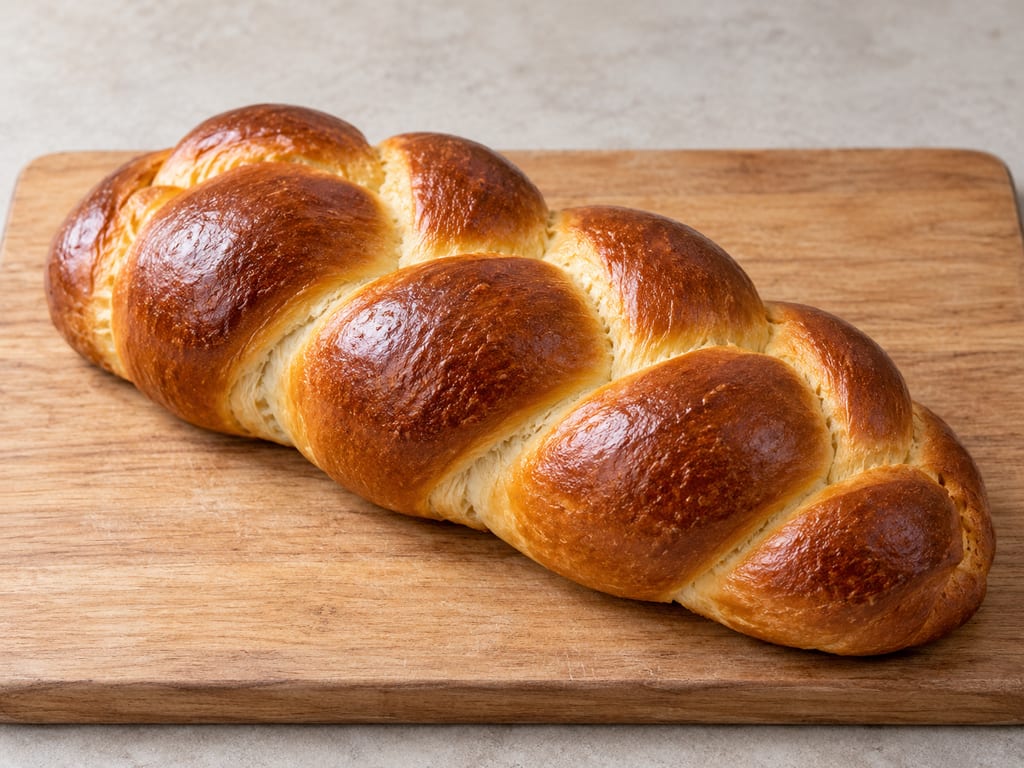
A three-strand yeast-raised challah with flour, salt, yeast, water, neutral oil, honey and egg, based on a Jewish Museum Vienna home recipe.
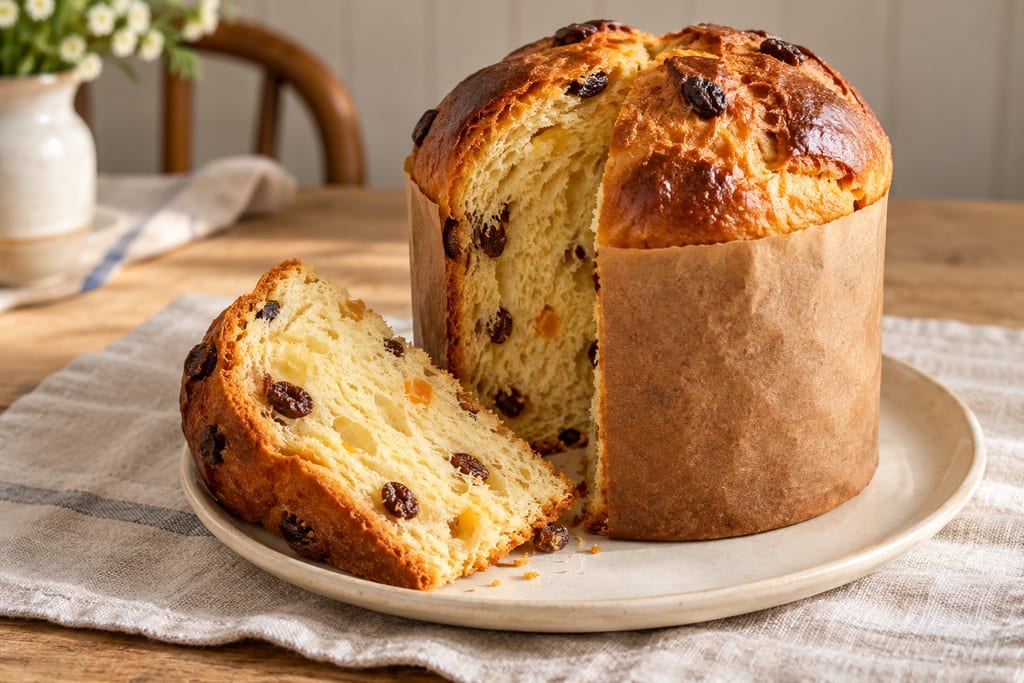
This Ukrainian Easter paska uses an enriched yeast dough with milk, eggs, butter, raisins and citrus zest. A sponge and two further rises precede baking in paper or parchment-lined moulds.
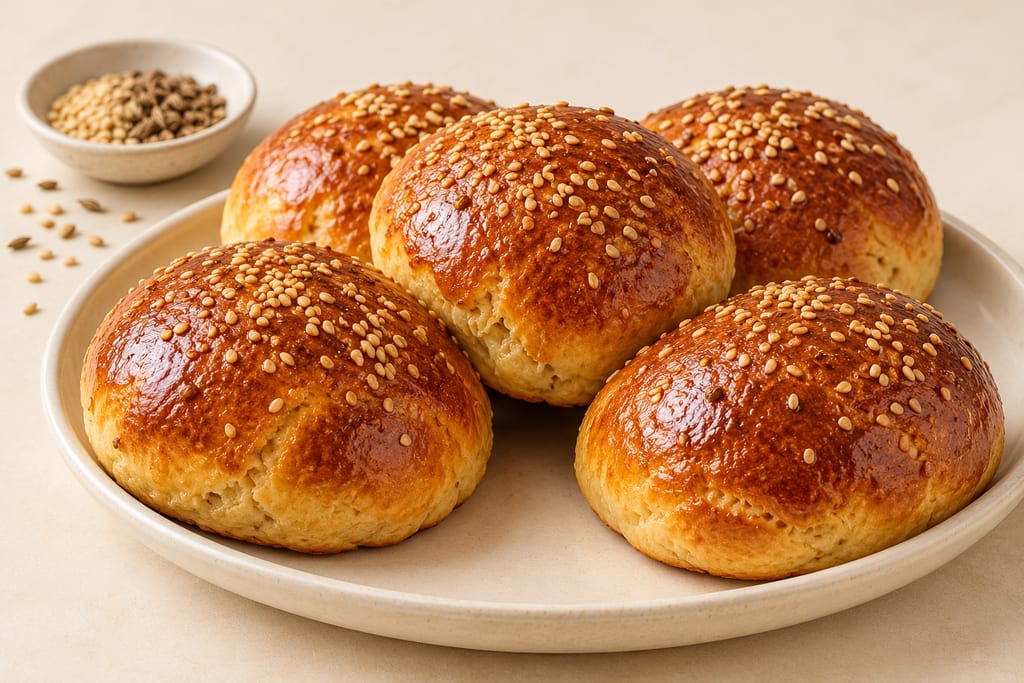
Krachel, also called el gors, are Moroccan sweet yeast rolls scented with anise, sesame and orange flower water. This version follows the three-rise method documented by Christine Benlafquih.
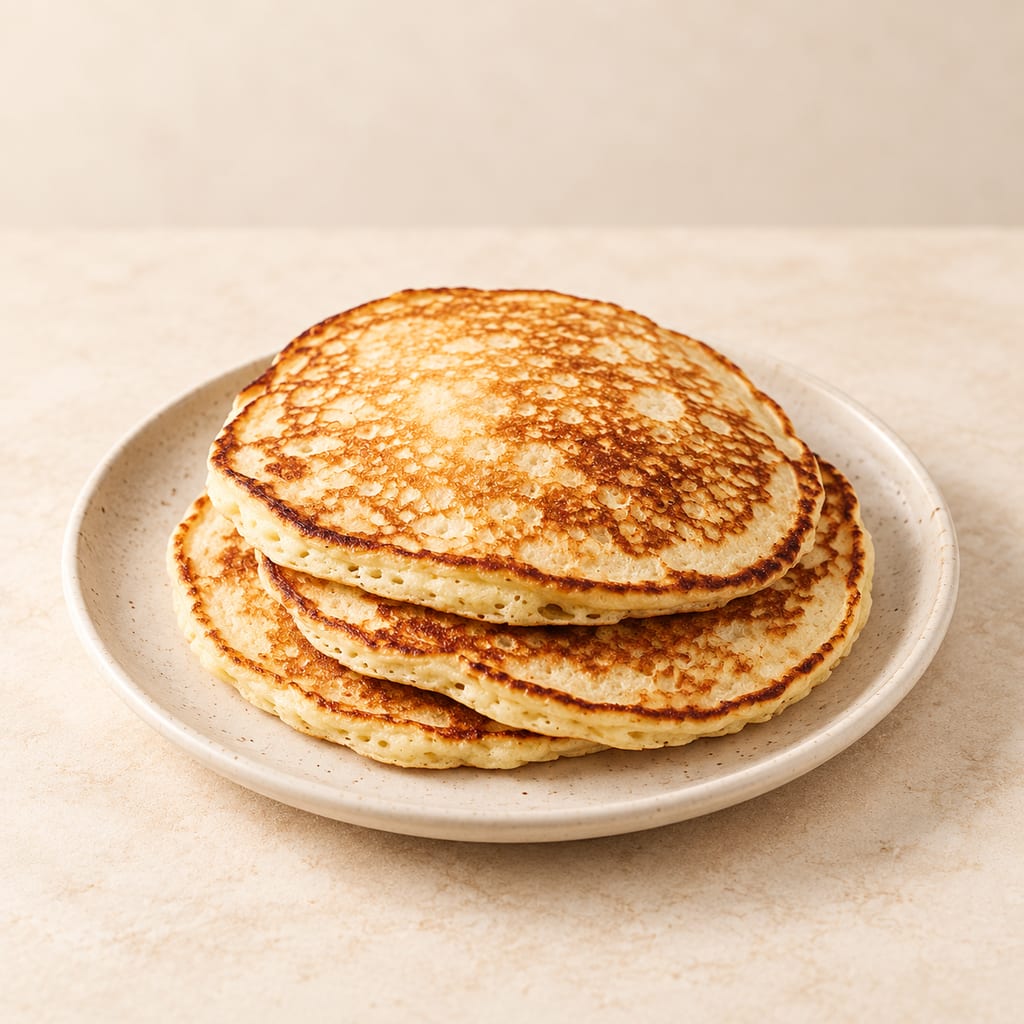
Buttermilk, flour and sourdough discard rest overnight before eggs and baking soda turn the sponge into a griddle batter. The finished pancakes are tender and lightly tangy.
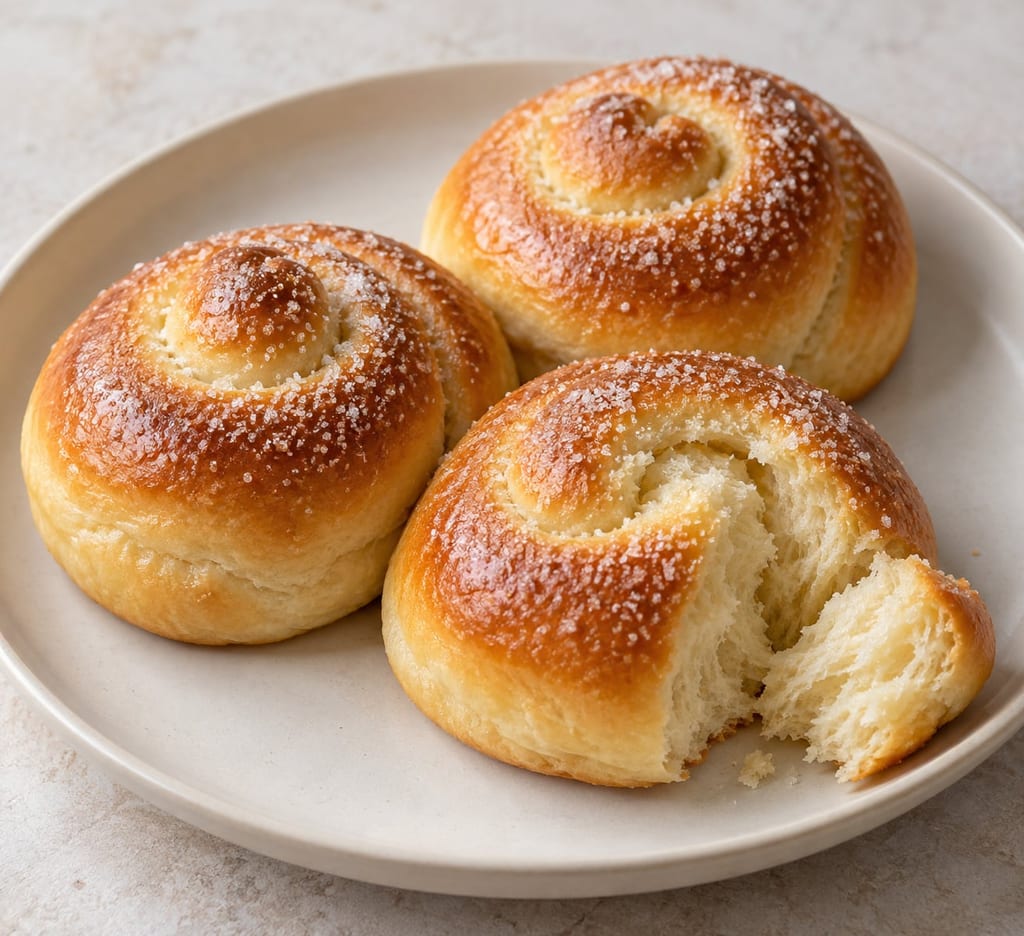
Egyptian sweet wheat rolls shaped into coils or braids, enriched with milk, egg and fat and eaten at breakfast, with tea or milk, and at family celebrations.
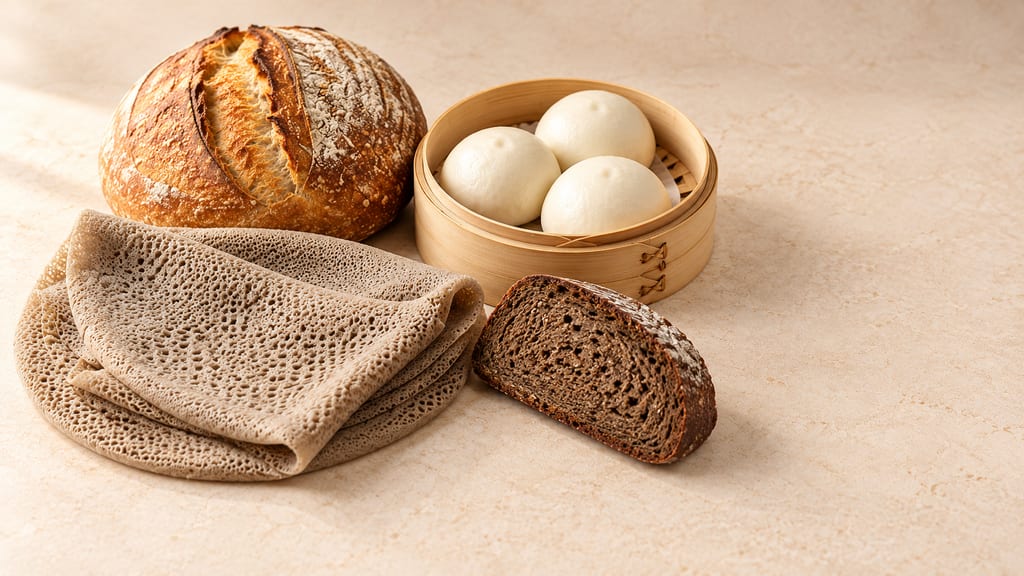
From the baguette and the steamed bun to injera, titiyas, Finnish rye and cassava bread: how grain, microbes and heat answer the question of what bread is for.

A refined common-wheat flour blended for a broad range of baking; its protein and behavior vary with wheat, milling and market.

Toasted almonds are whole sweet almond kernels dry-roasted until golden to brown. Heat replaces their marzipan note with a roasted, nutty one; they thicken and flavour romesco.
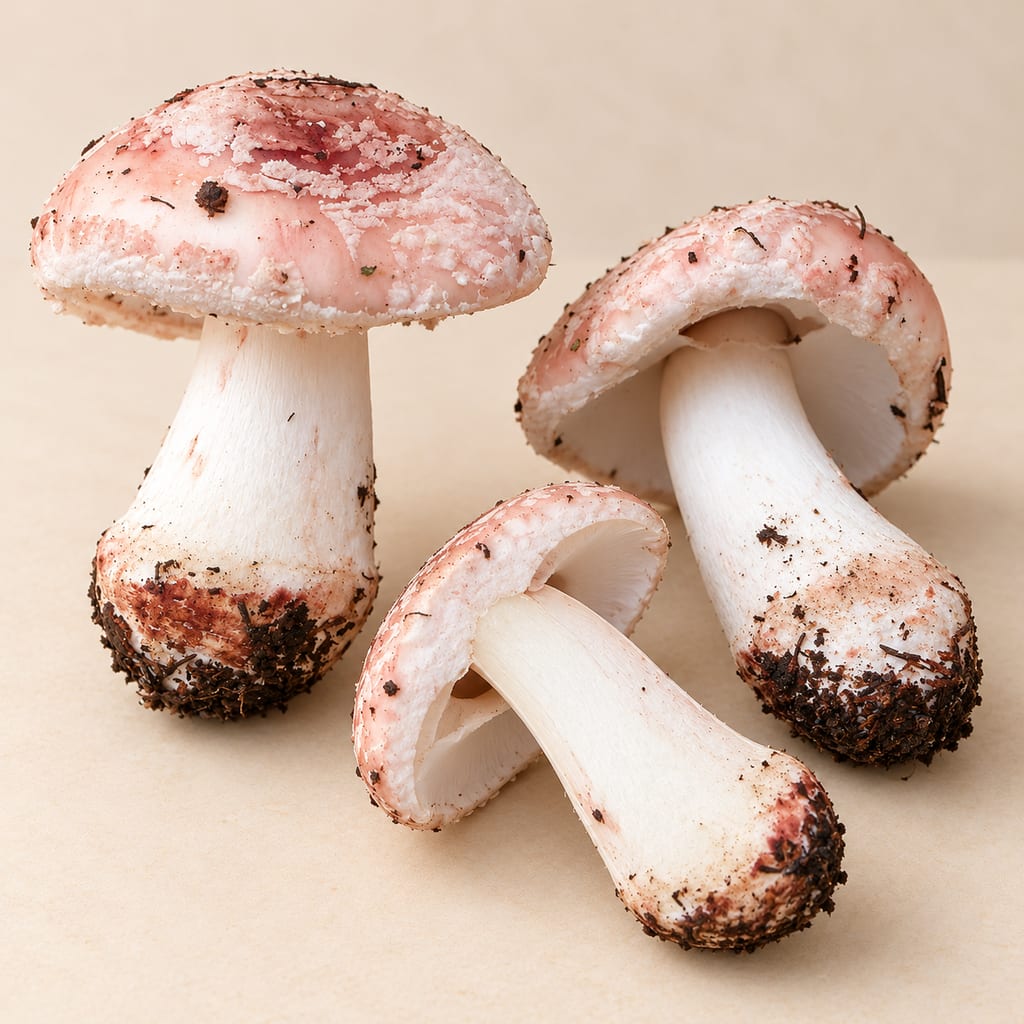
Amanita novinupta is a western North American blusher, a forest mushroom recorded as food in Mexico, and one that must be cooked because its raw flesh is toxic.
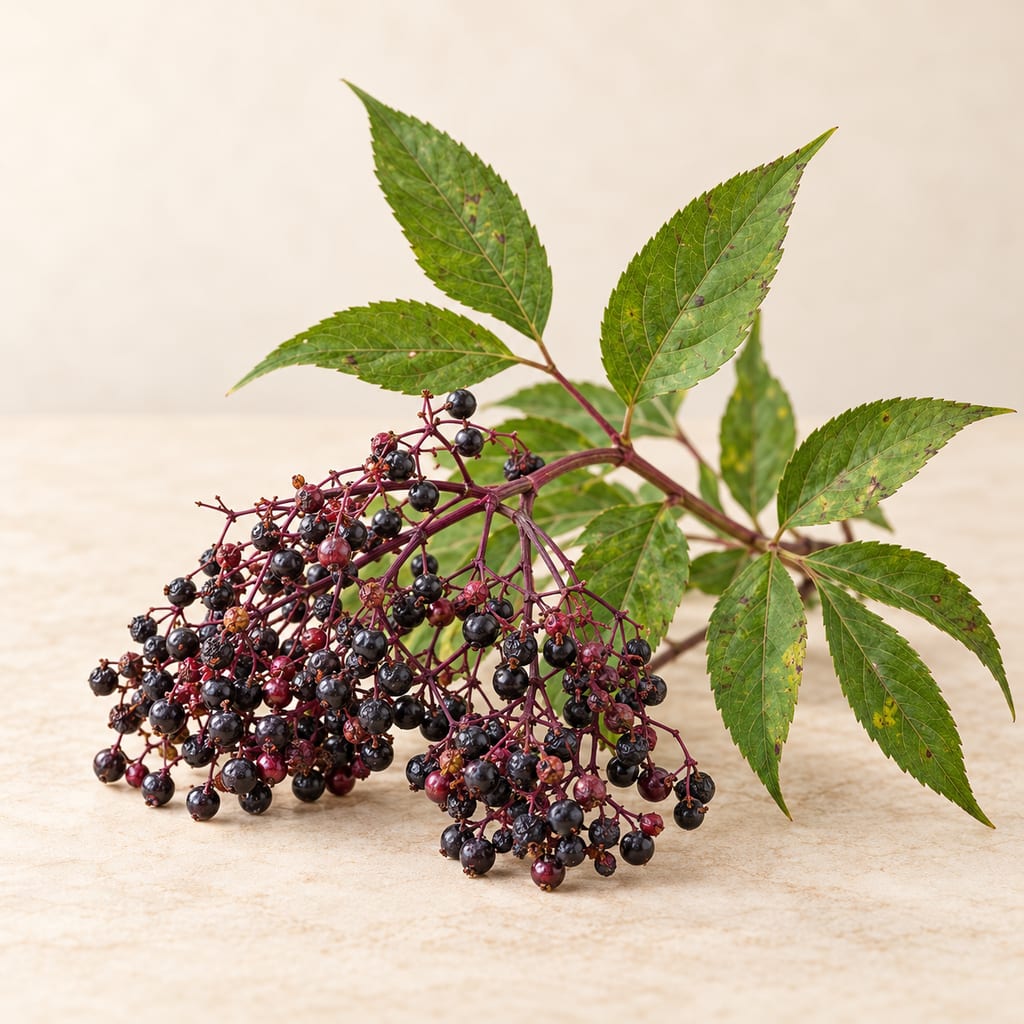
Sambucus canadensis is the accepted name used here for American elderberry. Missouri production guidance and named-cultivar studies give useful regional growing information, while food and analytical sources leave process questions open.
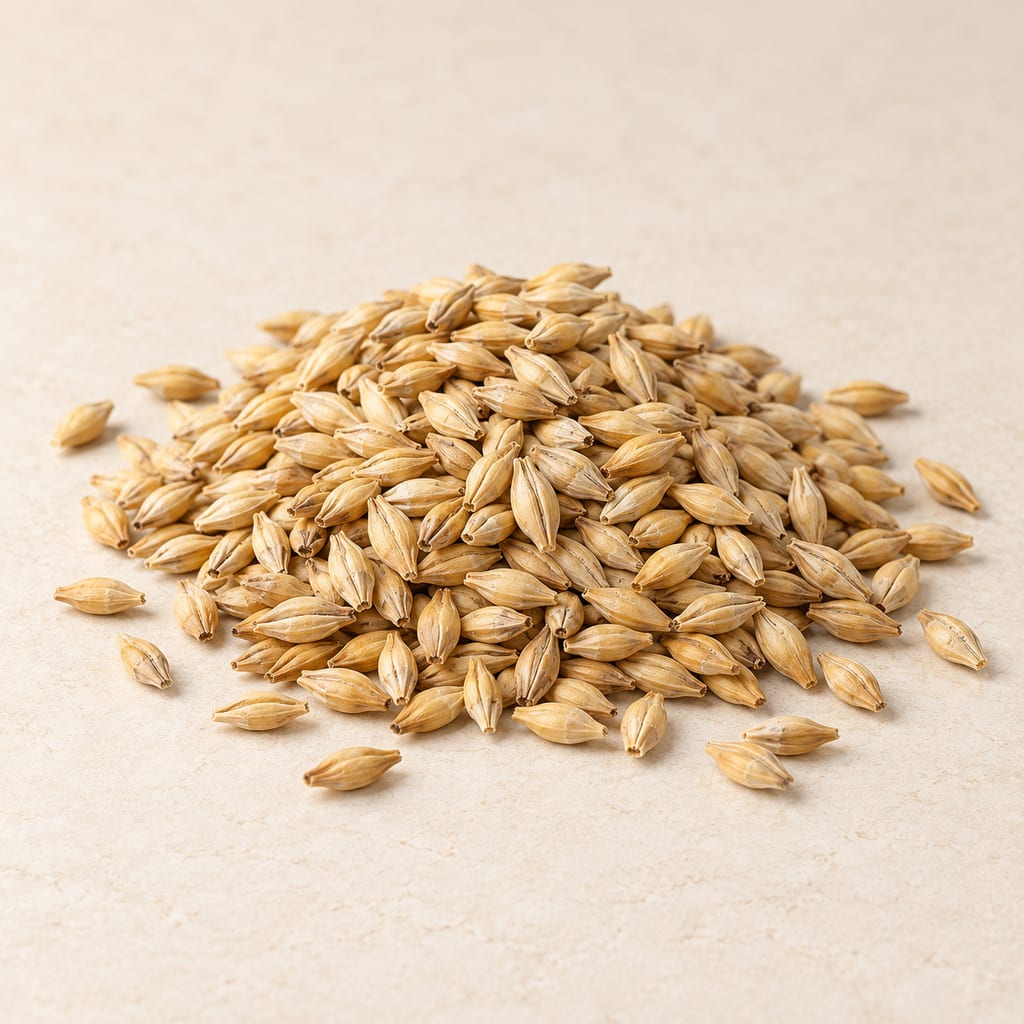
A lightly kilned brewing base made from two-row barley. It supplies starch and enzymes for the mash, with the maltster’s product and lot analysis defining its brewing properties.

Ripe avocado flesh is the soft, buttery, fat-rich pulp of Persea americana, eaten raw. It is low in acid, so it is a fresh ingredient that needs care in chilled dishes.
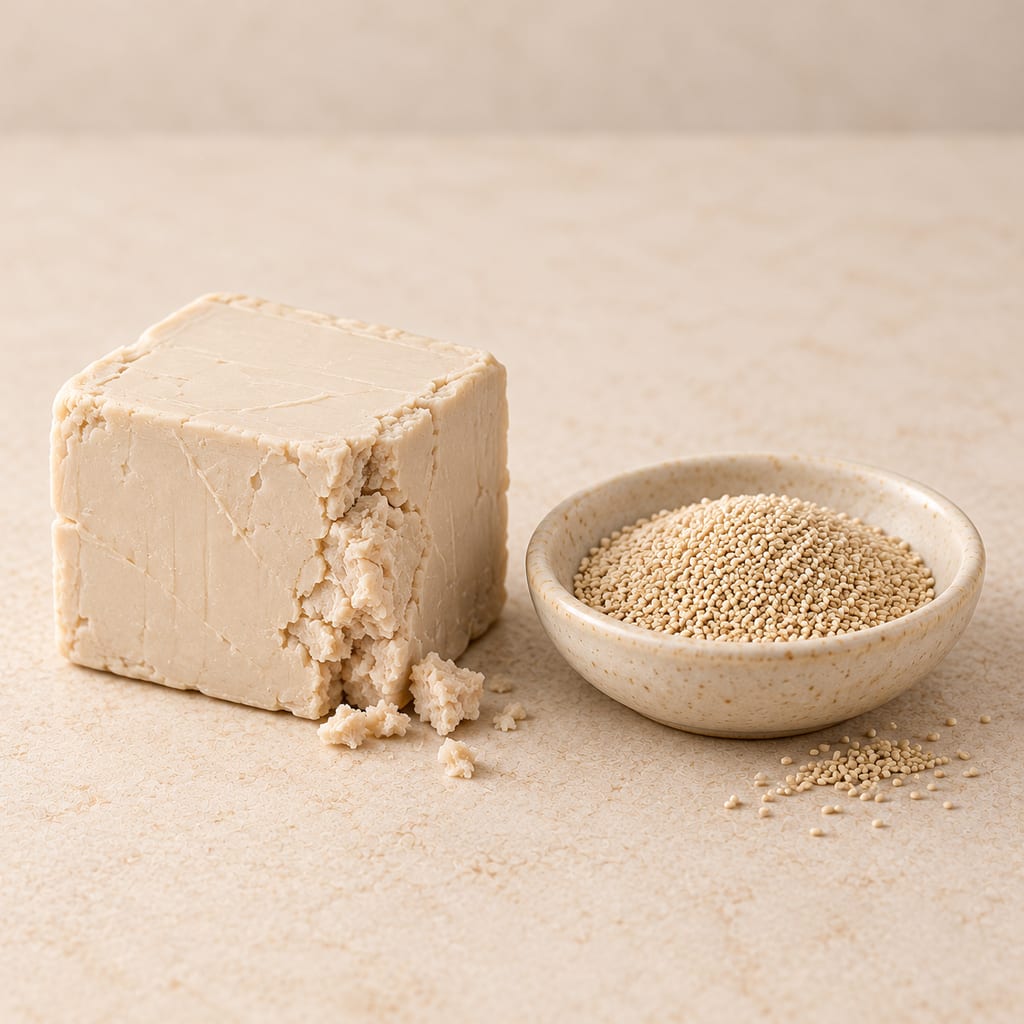
Baker's yeast is a cultivated living leavener, commonly sold fresh or dried. In dough, selected Saccharomyces cerevisiae cells make gas that can raise bread.
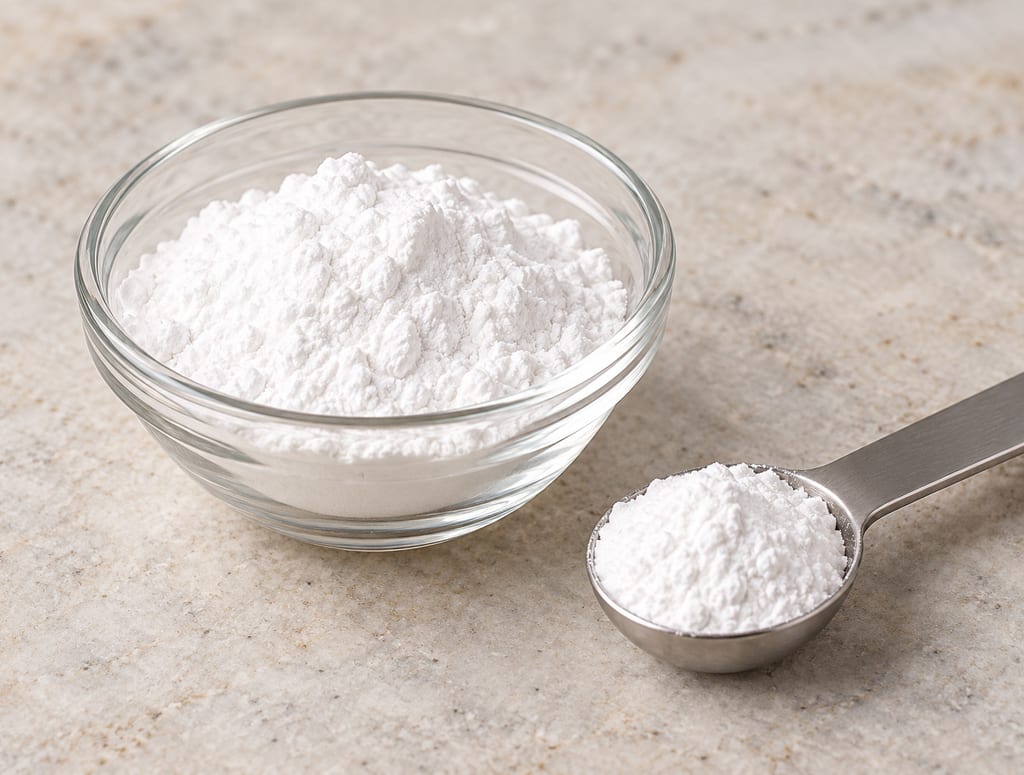
Baking powder is a dry chemical leavener that combines bicarbonate with acid-reacting ingredients and a carrier. Moisture and heat release carbon dioxide for quick breads, batters and griddle cakes.
No community contributions have been published for this entry yet.
Sign in to contribute. Published comments and photos are free to read.
National Center for Biotechnology InformationTaxonomy
Gallus gallus taxonomyNCBI lists Gallus gallus as species name and records domestic-form equivalents; taxonomy is not nomenclatural authority.
Cited in: The familiar shell and its two very different interiors
U.S. Department of Agriculture, Agricultural Marketing ServiceAnatomy, formation, composition
Egg-Grading Manual, Agricultural Handbook No. 75USDA describes egg anatomy, ovary and oviduct formation, cooling-related air cell, yolk pigments, and approximate white/yolk/shell shares.
Cited in: The familiar shell and its two very different interiors; How a hen makes an egg
U.S. Department of Agriculture, Agricultural Marketing ServiceGrading, shell color
Questions and Answers – USDA Shell Egg Grading ServiceUSDA grading is voluntary; grades concern shell and interior quality; shell color is not grade or a reliable nutrition distinction.
Cited in: The familiar shell and its two very different interiors; How a hen makes an egg; What grading and processing tell the cook
U.S. Food and Drug AdministrationHandling, safety
What You Need to Know About Egg SafetyFDA advises clean, uncracked, refrigerated shell eggs, prompt refrigeration, thorough cooking, and treated shell eggs or pasteurized products for raw or undercooked uses.
Cited in: What grading and processing tell the cook; Buying, handling and dietary context
King Arthur Baking CompanyRecipe specific use
Classic Sourdough PancakesExact recipe uses two large eggs, added after the overnight sponge and mixed with oil or melted butter before chemical leavener.
Cited in: The egg in a fermented pancake batter; Chicken eggs in atlas enriched breads
Proceedings of the National Academy of Sciences 119(24), e2121978119 (2022)Chicken history context
The biocultural origins and dispersal of domestic chickensDirect reassessment of early chicken-bone evidence places the proposed Southeast Asian rice-cultivation link in the authors' qualified account of domestication.
Cited in: A changing relationship between people and chickens
Antiquity 96(388), 868–882 (2022)Chicken dispersal context
Redefining the timing and circumstances of the chicken’s introduction to Europe and north-west AfricaDirect dating and taxonomic reassessment revises chicken dispersal timing; chicken presence is not evidence of egg use.
Cited in: A changing relationship between people and chickens
Nature Communications 15 (2024)Archaeological egg evidence
Archaeological and molecular evidence for ancient chickens in Central AsiaAuthors identify eggshell from 12 Central Asian sites, ca. 400 BCE to 1220 CE; trade and laying hypotheses are qualified.
Cited in: A changing relationship between people and chickens
Joseph Dommers Vehling translation, Walter M. Hill 1936 edition; hosted by LacusCurtius at the University of ChicagoHistorical culinary attestation
De re coquinaria, Book VIIVehling translation in Book VII lists fried, boiled, poached, milk-set and mushroom egg dishes; translation is not original Latin.
Cited in: A changing relationship between people and chickens
U.S. Department of Agriculture, Agricultural Marketing ServiceGrading and size
Egg-Grading ManualUSDA separates egg grade from weight class and defines the grading standard.
Cited in: What grading and processing tell the cook
U.S. Department of Agriculture, Food Safety and Inspection ServiceProcessing and safety
Egg Products and Food SafetyFSIS describes liquid, frozen and dried egg products, their processing, and pasteurization.
Cited in: What grading and processing tell the cook; Buying, handling and dietary context
Comprehensive Reviews in Food Science and Food Safety 23(5), e70004 (2024)Emulsification science
Emulsifying properties of egg proteins: Influencing factors, modification techniques, and applicationsReview describes egg protein adsorption at oil-water interface and emulsifying function.
Cited in: The egg in a fermented pancake batter
Institute of Food Science & TechnologyCoagulation science
Protein: coagulationIFST explains protein coagulation by heat, mechanical action and acid.
Cited in: The egg in a fermented pancake batter
U.S. Food and Drug AdministrationAllergen
Food AllergiesFDA identifies egg as a U.S. major food allergen.
Cited in: Buying, handling and dietary context
National Institute of Diabetes and Digestive and Kidney DiseasesDietary distinction
Eating, Diet, & Nutrition for Celiac DiseaseNIDDK celiac dietary guidance concerns gluten-containing grains, distinguishing egg itself from wheat in pancake batter.
Cited in: Buying, handling and dietary context
American Egg Board
EmulsificationWhole egg and yolk can emulsify oil and water; yolk phosphatidylcholine lowers interfacial tension and helps stabilize droplets in batters and sauces.
Cited in: The familiar shell and its two very different interiors; The egg in a fermented pancake batter
Health Canada (2017)Egg allergy and baked egg qualification
Eggs - A priority food allergenSome people with egg allergy can consume extensively cooked baked products containing egg; Health Canada advises consultation with an allergist before doing so.
Cited in: Buying, handling and dietary context
American Egg BoardEgg use in other foods
Functional Properties of Egg ProductsThe American Egg Board's functional guide lists foaming, binding and coagulation, emulsification, and coating or glazing among the uses of egg whites, yolks and whole egg.
Cited in: The egg in a fermented pancake batter; Buying, handling and dietary context
King Arthur BakingBread use · Ingredients · Method
Classic BriocheThe formula uses four large eggs in dough and a separate egg wash; it is one modern formula for brioche.
Cited in: Chicken eggs in atlas enriched breads
King Arthur BakingBread use · Geography
Baking with brioche doughDescribes brioche as a classic French bread and identifies egg, milk and butter as enrichments; this is a modern source description, not a birthplace claim.
Cited in: Chicken eggs in atlas enriched breads
Jüdisches Museum FrankfurtBread use · Geography · Cultural context
Challah RecipeConnects challah with Shabbat and holidays; its Frankfurt museum recipe uses four egg yolks in dough and two whole eggs for topping; notes that Jewish recipes differ by region.
Cited in: Chicken eggs in atlas enriched breads
KlopotenkoBread use · Geography · Recipe
Класична паска. Як спекти паску за рецептом від Євгена КлопотенкаOne Ukrainian-language yeast paska formula includes one whole egg and one yolk in the dough.
Cited in: Chicken eggs in atlas enriched breads
Taste of MarocBread use · Geography · Recipe
Krachel Recipe – Moroccan Sweet Rolls with Anise, Sesame and Orange Flower WaterThe Moroccan formula adds two large eggs to the dough and uses a separate egg wash for the shaped rolls.
Cited in: Chicken eggs in atlas enriched breads
Amira's PantryBread use · Geography · Recipe
Sweet Bread Rolls (Shoreek)The Egyptian shoreek formula uses one large egg in dough and one in the egg wash; the author describes it as an Egyptian family bread.
Cited in: Chicken eggs in atlas enriched breads