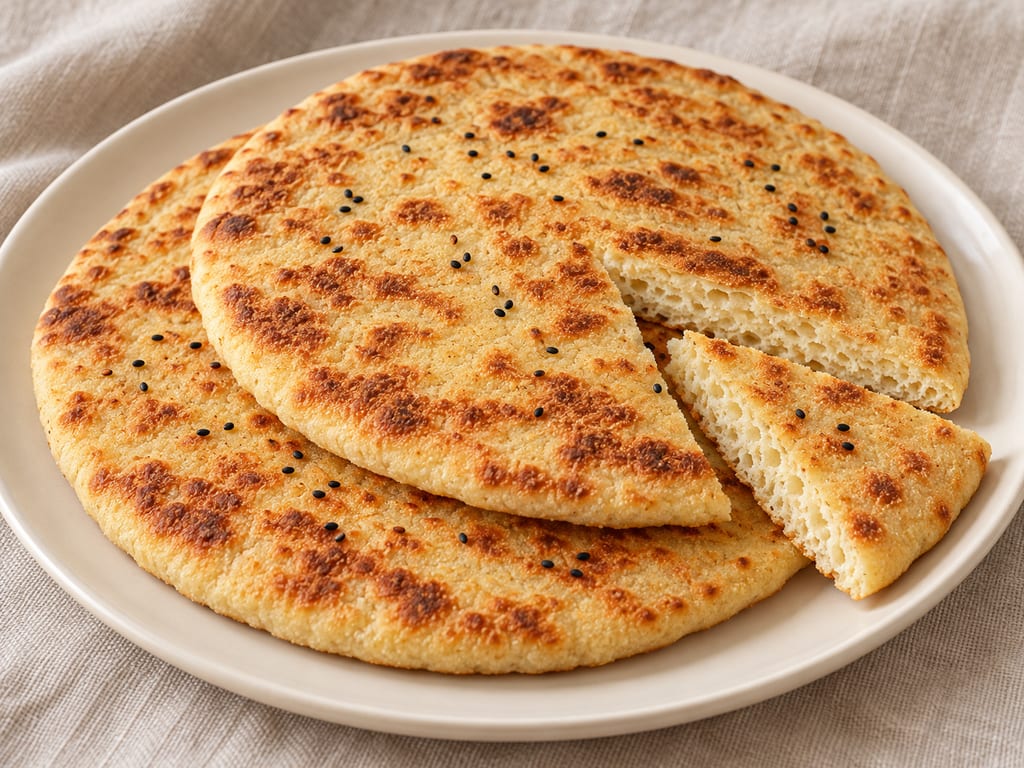
Kesra
This Algerian semolina and wheat flatbread rises with yeast, browns in an oiled skillet and finishes crisp in the oven. It is the author's leavened adaptation, not the unleavened semolina baseline.
 FermenteaWhere food goes to change
An Algerian round loaf made with semolina, wheat flour, milk, egg and sesame; this source version uses an overnight-free yeast method with three rests and an egg glaze.
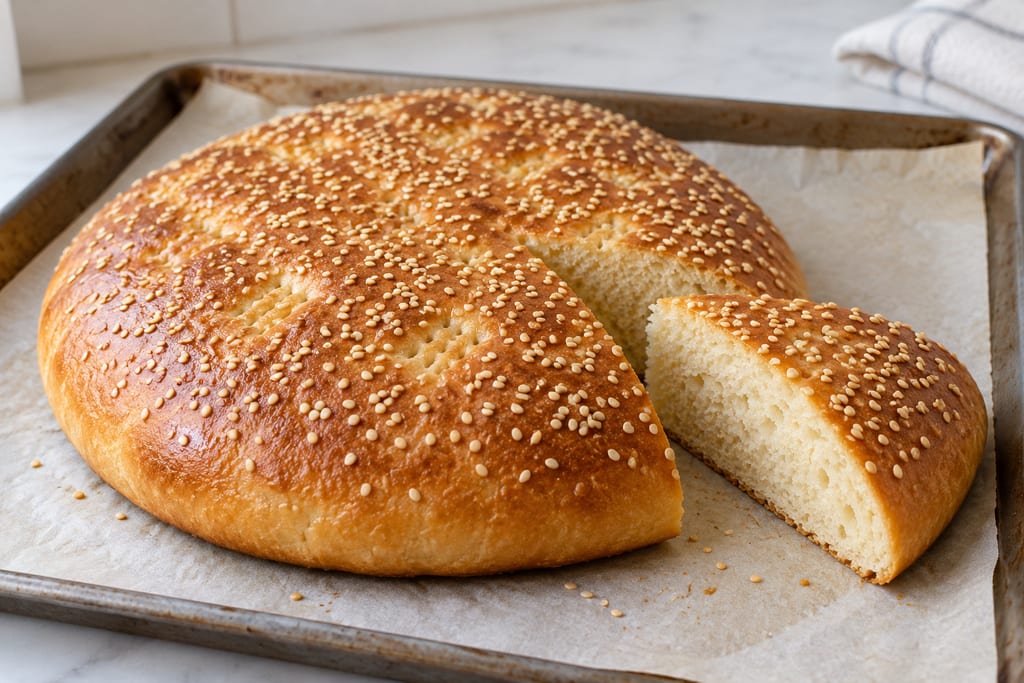
Allrecipes presents this formula as Algerian khobz el dar. Its single measured batch makes one loaf for eight servings and combines semolina with all-purpose flour, milk, egg and sesame. Other household versions are outside the scope of this entry.
This is separate from the Moroccan khobz entry in the catalogue. Shared use of the word khobz does not establish that the two recipes are the same regional form.
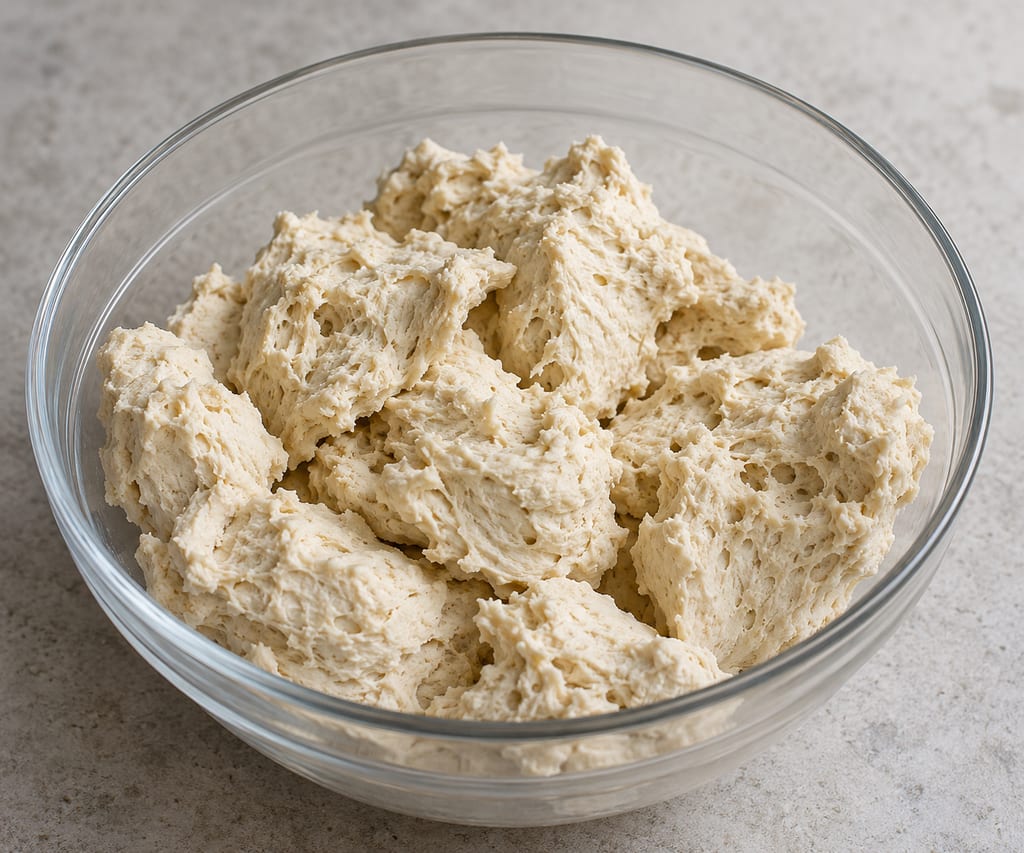
The first mixture is loose: semolina, sesame, sugar, yeast, salt, vegetable oil, one whole egg and the white of a second egg are combined with lukewarm milk. After it becomes frothy, flour is mixed in. The dough remains sticky; add extra flour a tablespoon at a time until it pulls away from the bowl.
The formula uses ½ cup plus 2 tablespoons semolina, 2¾ cups all-purpose flour, and 2 additional tablespoons flour or more as needed. It does not give a weight equivalent, so the original cup and spoon amounts are retained.
The source method allows about an hour for the first mixture to foam, 30 minutes after the flour is added and another hour for the shaped loaf to double in a warm place. The dough is shaped as one round on a lined baking sheet rather than baked in a loaf tin.
Before baking, the reserved yolk is beaten with a teaspoon of water and brushed over the loaf. Sesame seeds finish the top. The page lists 20–25 minutes of baking and uses a golden-brown crust as its cue.
Allrecipes prints its oven setting as 400°F (200°C). Those two values are not an exact conversion, so the source's paired figures are retained without correction. It also gives no numeric proofing temperature or tested scale-up method.
Raw flour and eggs can carry harmful bacteria. Do not taste the dough before baking. Keep raw ingredients away from ready-to-eat food and clean hands, bowls and work surfaces after handling.
The archive and Allrecipes identify this source-specific preparation as Algerian khobz el dar. The recipe page documents one contemporary household-style formula, not the full range of Algerian house breads or their first historical appearance.
Yield 1 loaf (8 servings) · Scaling: source batch only
Raw flour may carry harmful bacteria.
Hazard sourceThe dough contains raw egg and the reserved yolk is used for glazing before baking.
Hazard sourceDo not taste uncooked dough. Keep flour and raw egg away from ready-to-eat foods, then wash hands, utensils and surfaces after handling.
Control sourceBake the loaf fully before serving.
Control sourceDo not taste raw dough. Wash hands and surfaces after handling raw flour and egg.
Allrecipes identifies this one formula as Algerian; the association does not imply one universal recipe or an exclusive origin claim.
This Algerian semolina and wheat flatbread rises with yeast, browns in an oiled skillet and finishes crisp in the oven. It is the author's leavened adaptation, not the unleavened semolina baseline.
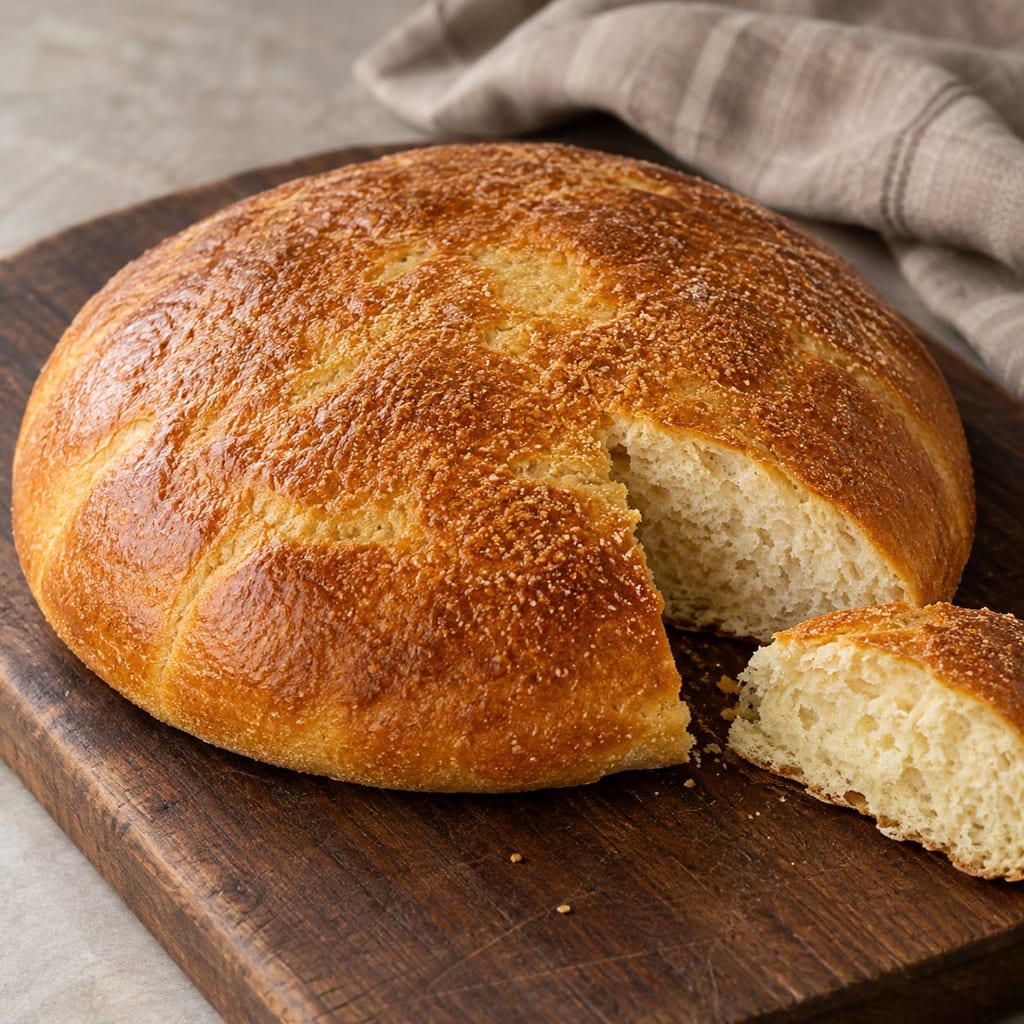
A dairy-free Algerian semolina bread made with yeast, shaped as one round loaf, brushed with egg yolk and baked in a 400°F oven.
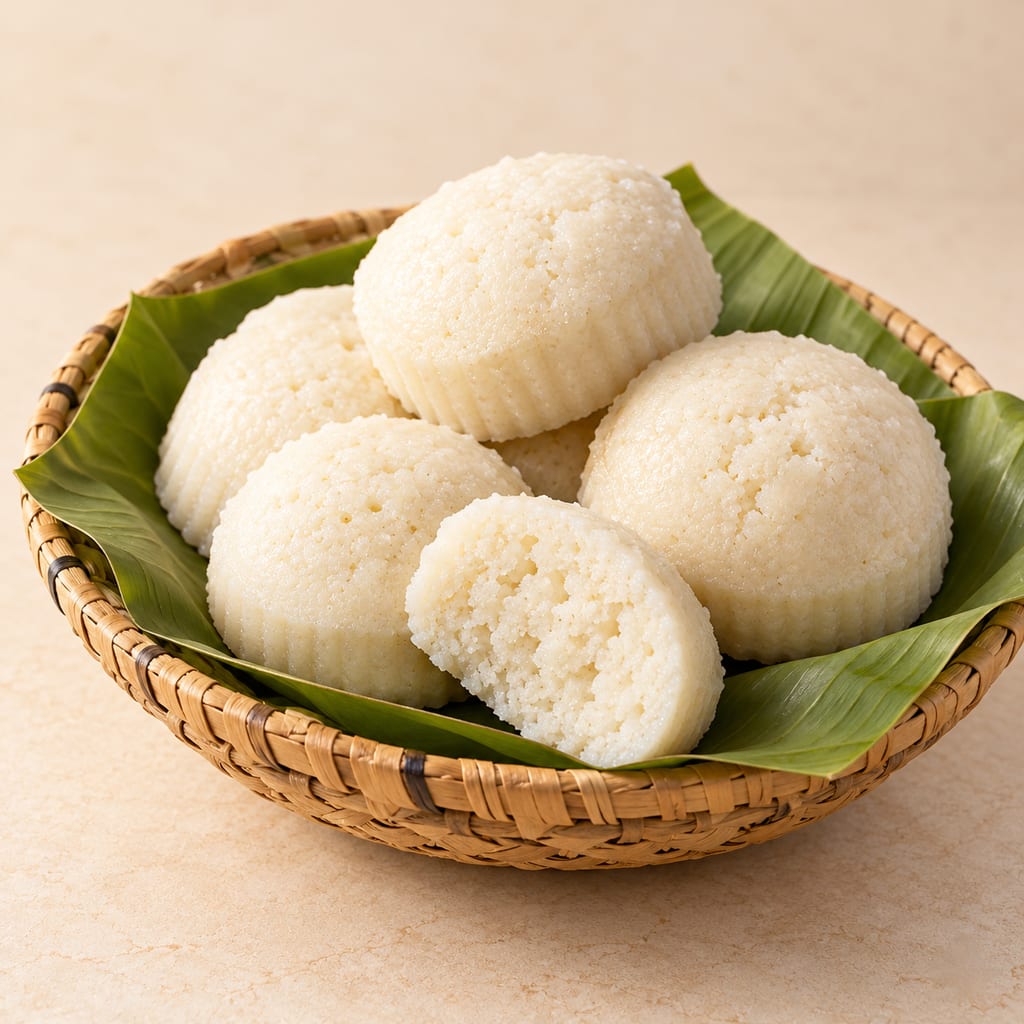
Soft, lightly tangy steamed cereal bread documented across Benin and Togo. This page gives one measured rice-flour research method; maize-based Ablo and mixed-grain versions remain distinct traditions.
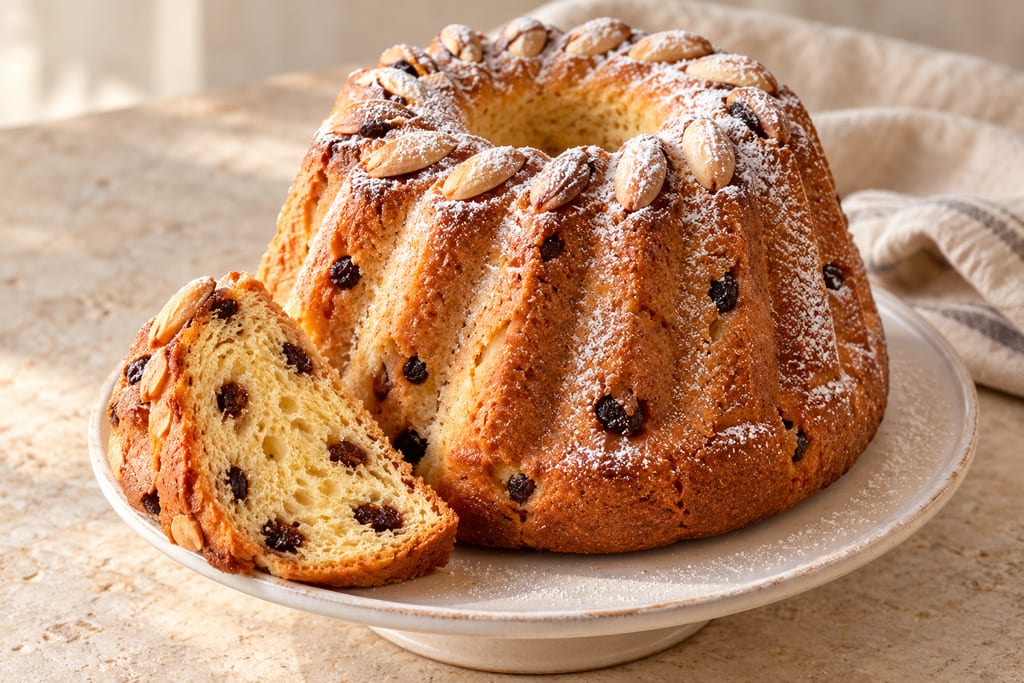
An enriched Alsatian yeast ring with raisins and almonds, kneaded with butter, proofed in a fluted mould and baked until browned.
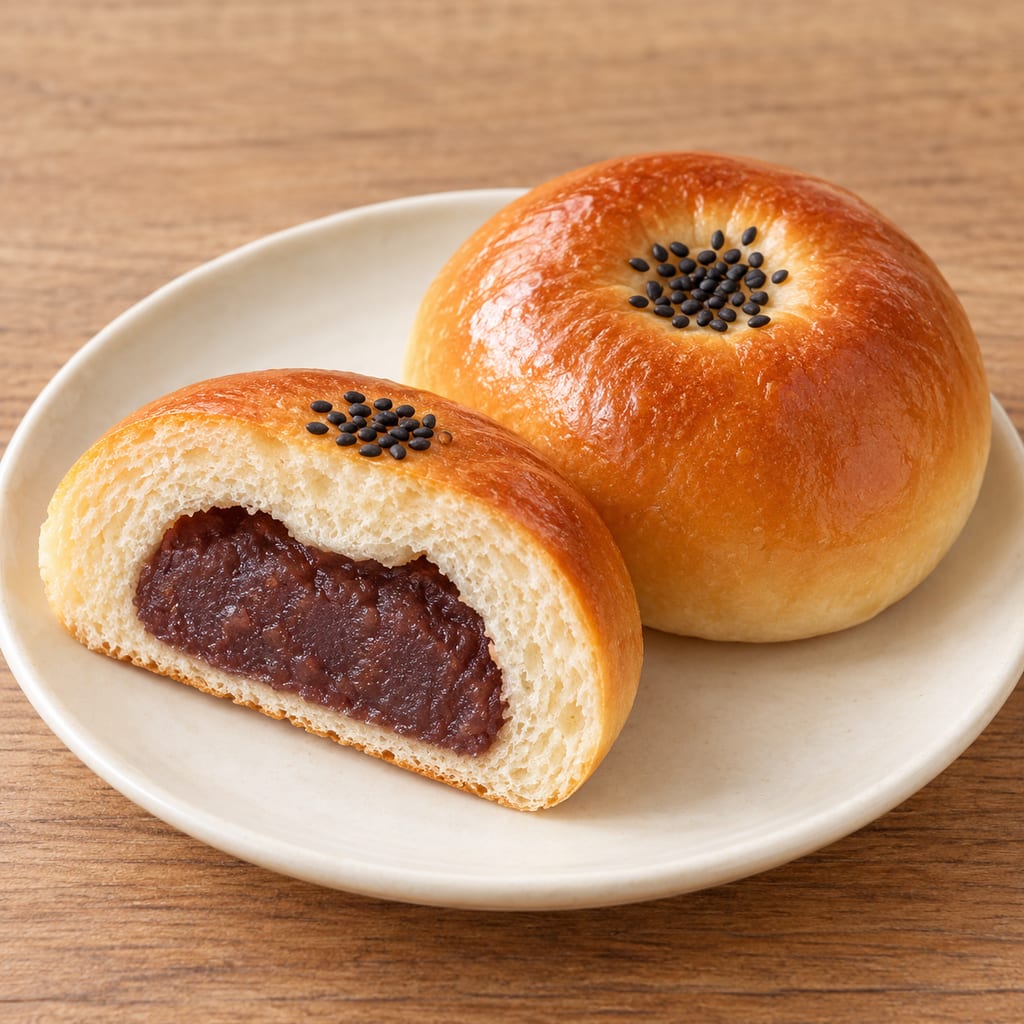
Anpan is a soft wheat bun filled with sweet red-bean paste and finished with egg wash and black sesame. This dough rises with commercial instant yeast.
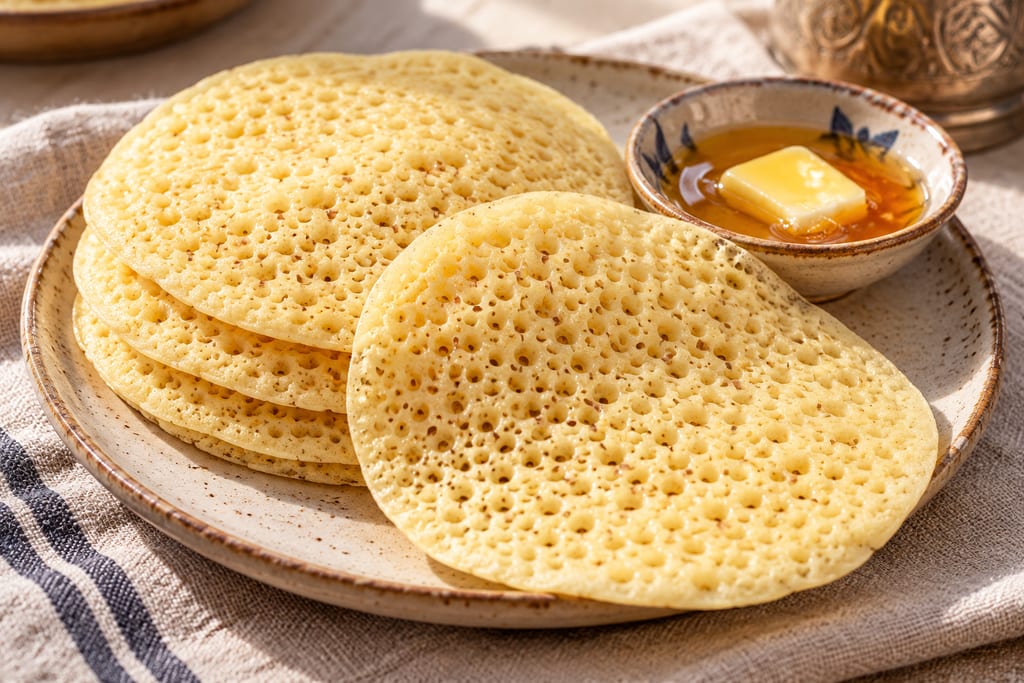
Moroccan semolina pancakes made from a thin yeast batter, rested until foamy and cooked on one side until the surface sets with a honeycomb of holes. This source-specific batch makes sixteen 5-inch pancakes.
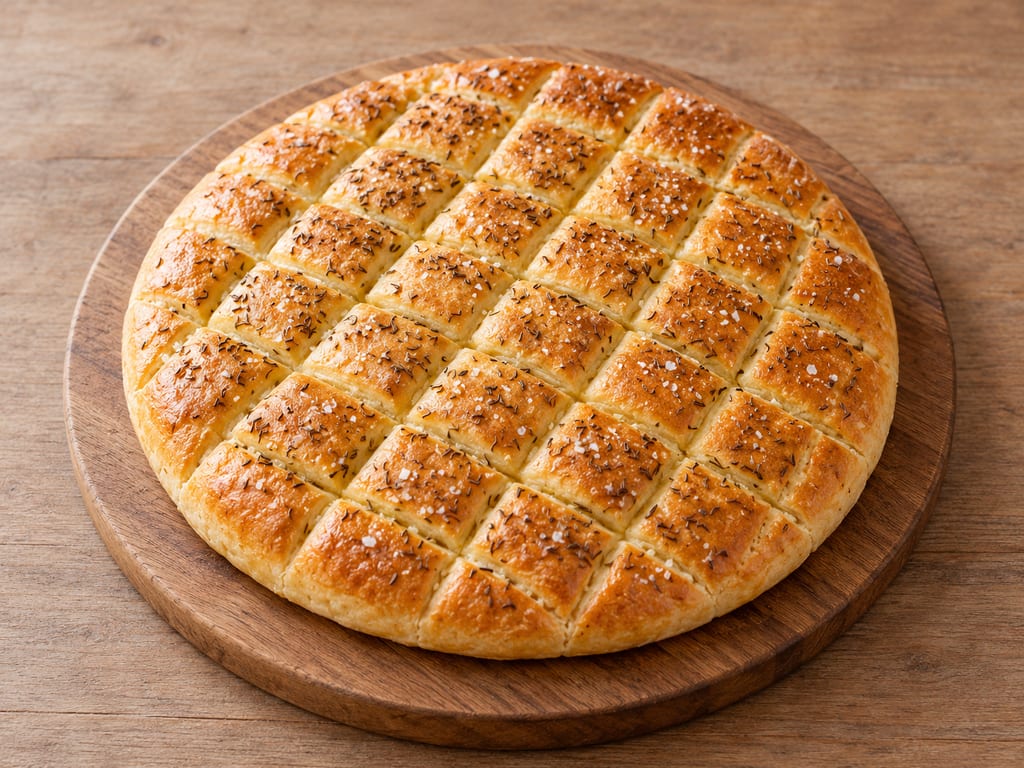
A round Slovenian flatbread scored in a grid and topped with caraway and coarse salt.
Biga is an Italian bread preferment of flour, water and a little yeast, usually a stiff unsalted mass of about 45 per cent water, fermented ahead and then mixed into the final dough.
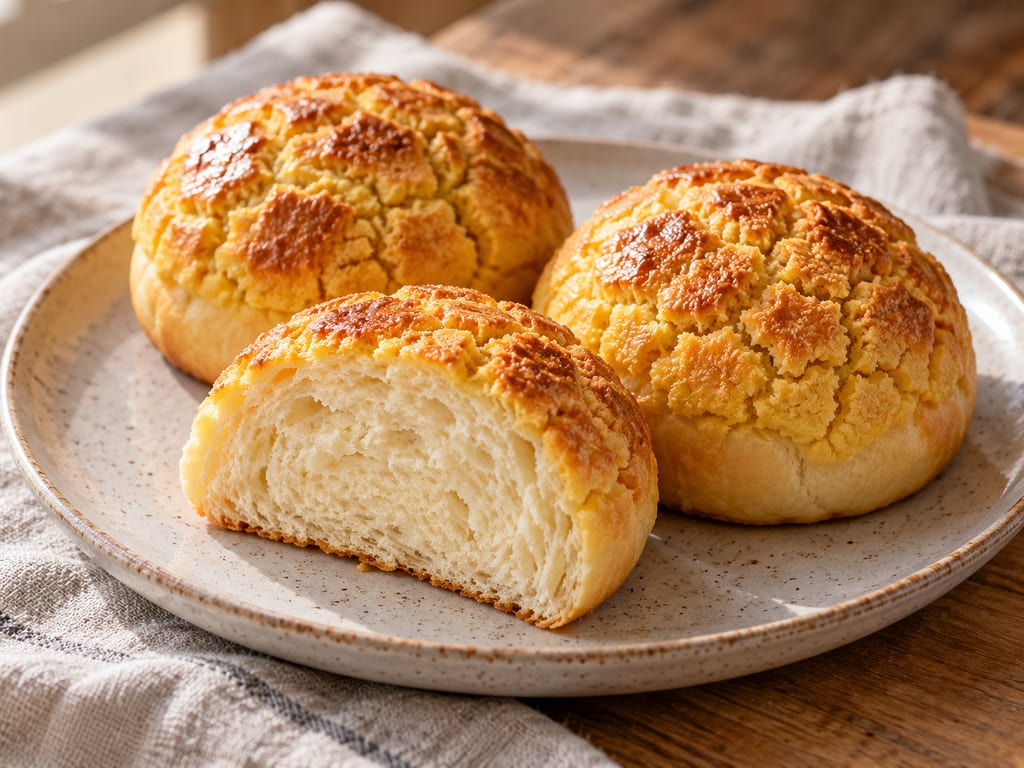
Hong Kong-style pineapple buns have soft yeast dough beneath a crisp, sweet pastry topping.
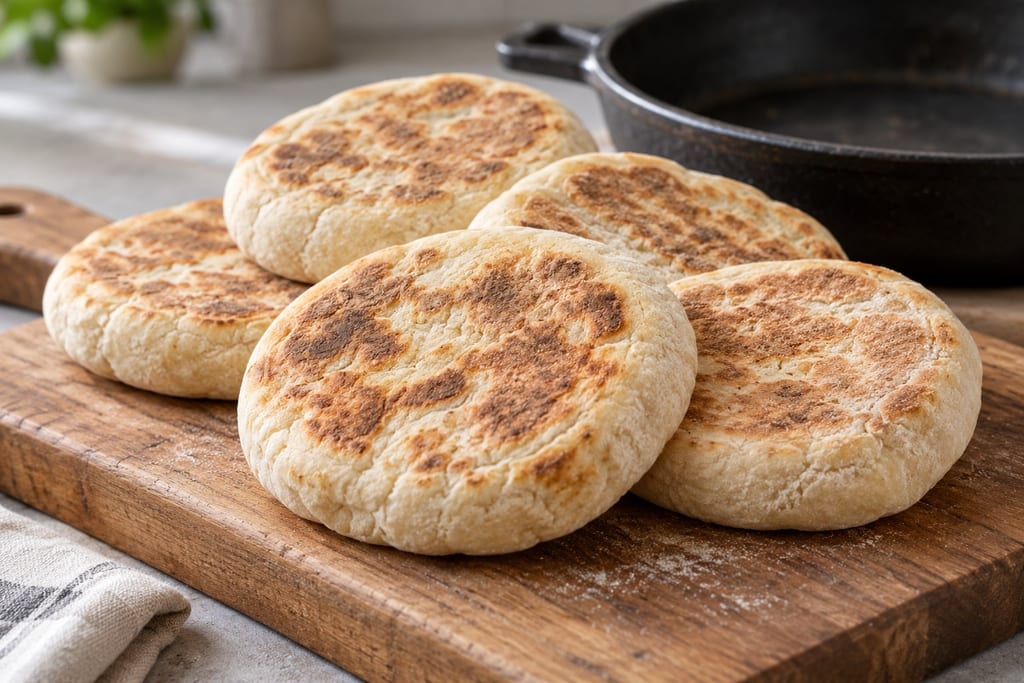
Sweet-potato wheat breads with fresh yeast, browned in a pan and finished in the oven. This is the bread component of Teleculinária's scrambled-egg dish.
No community contributions have been published for this entry yet.
Sign in to contribute. Published comments and photos are free to read.
AllrecipesInspiration · Method · Geography
Khobz el Dar (Algerian Semolina Bread)Algerian identification; source-batch ingredient quantities and one-loaf/eight-serving yield; three proof/rest intervals; round shaping, egg-yolk glaze, sesame topping, and baking at the listed 400°F (200°C) for about 20–25 minutes.
Cited in: A source-specific home loaf; A soft, sticky dough; Three rests, then an egg glaze; Evidence and handling
U.S. Food and Drug AdministrationSafety
Handling Flour Safely: What You Need to KnowRaw flour may carry harmful bacteria; do not taste raw flour or dough; keep flour away from ready-to-eat food and wash hands and surfaces after handling. The guidance also covers raw eggs and cooking foods made with flour and eggs.
Cited in: Evidence and handling