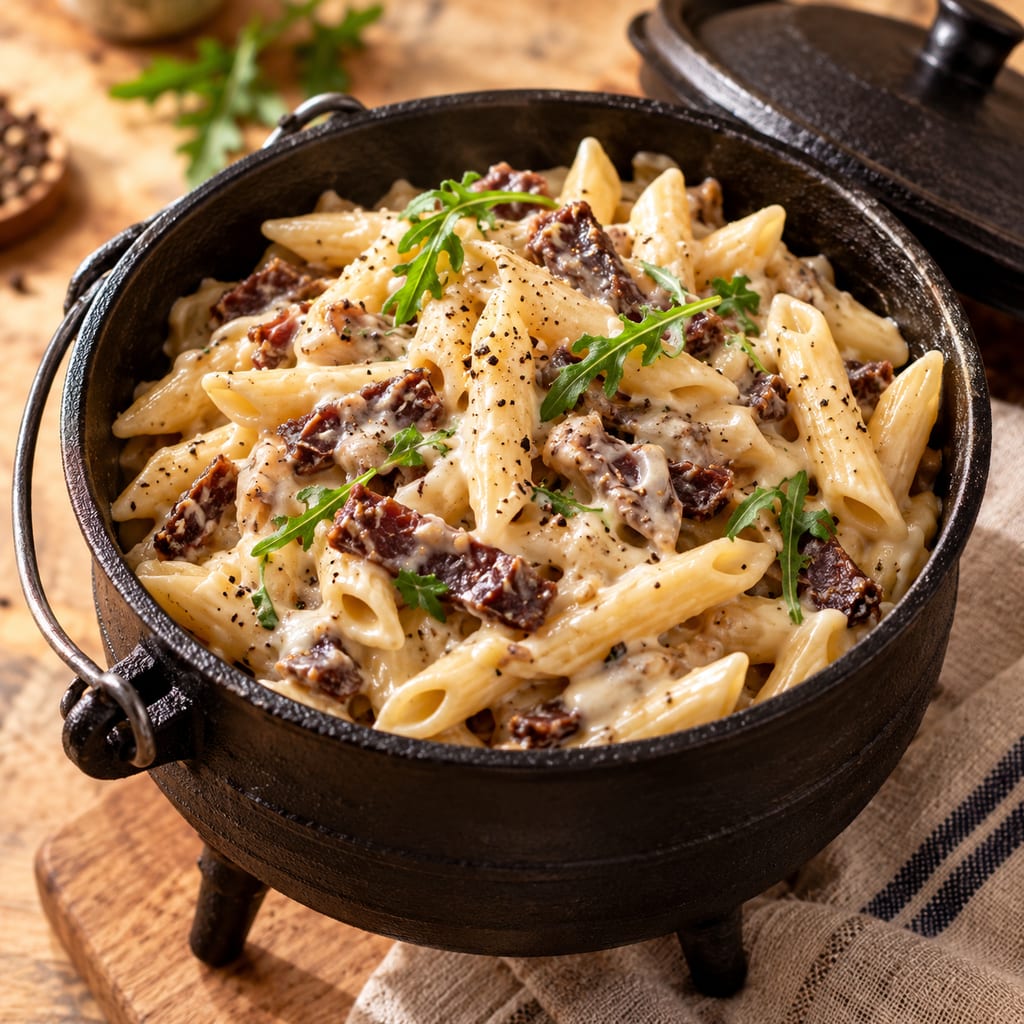
Biltong potjie with creamy pasta
Biltong, bacon and vegetables simmer in tomato-herb stock, then join cooked pasta, milk, cream and Cheddar in this outdoor potjie.
 FermenteaWhere food goes to change
Substrates
Milk is the fluid produced by dairy animals. Its species, fat level, heat treatment and handling shape the way it can be drunk, cultured or turned into curd.
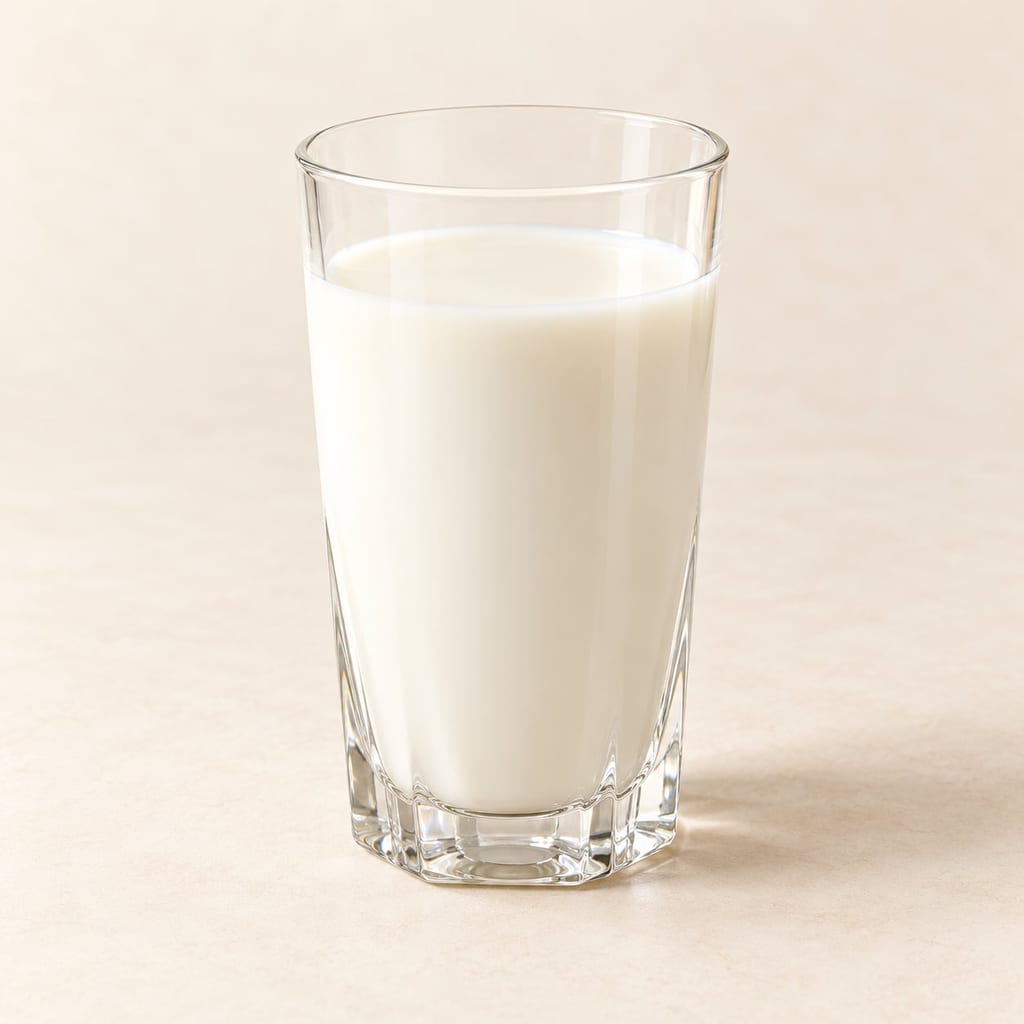
Milk looks simple when it is poured into a glass: white, fluid, faintly sweet, with a soft dairy aroma. Under that familiar appearance, it is a changing food material whose composition depends on the animal, its breed and diet, the stage of lactation, and the way the milk is handled. Codex defines milk as the normal mammary secretion of milking animals, obtained without addition or extraction and intended for drinking or further processing. Fermenting, concentrating, drying or recombining milk changes its form and use; labeling standards make distinctions among these products without making every modified or reconstituted form lose the word “milk.” The ingredient is broader than whole cow’s milk, raw milk or a single fixed composition.
That breadth matters in the recipes that use it. New Mexico State University’s queso fresco method calls for “heat-treated or pasteurized milk”; its accompanying photograph depicts whole milk, but the formula does not prescribe a fat level. The same guide’s Neufchâtel recipe explicitly allows pasteurized milk “of any level of fat,” explaining that reduced-fat or fat-free milk produces a lower-fat cheese. These are two recipe-specific permissions. They do not mean that every cheese method accepts any milk, nor that whole, skimmed, raw, homogenized and heat-treated milk behave identically.
There is no single documented moment when humans “invented milk” as food. Milk is produced by mammals to feed their young; human foodways arose when communities began keeping animals and harvesting that secretion, then learned to use it as a drink and to transform it into foods that stored, travelled or cooked differently. Archaeological evidence is local and uneven, so it is more accurate to speak of several early dairying histories than of one universal birthplace.
At Barcın Höyük in northwestern Anatolia, a farming settlement occupied between about 6600 and 6000 BCE, milk fats survived in Neolithic pottery. Bowls and four-lugged pots appear among the vessels that carried dairy foods, suggesting ways to serve or handle milk beyond a single drinking bowl. The residue study argues that the first farmers at the site arrived with dairying knowledge. It documents this settlement and period; it cannot tell us the exact food in every pot or locate the first human use of milk.
Milk became a resource with many possible lives. It could be drunk fresh, soured, fermented, churned for butter, strained, or coagulated into cheese. These routes mattered wherever people relied on herds for food and needed to use a perishable liquid in different ways. Archaeological pottery can preserve clues to dairying even when no written recipe survives; lipid residues show what kinds of fats were processed, while animal remains and vessel forms provide additional context. Such evidence tells a story of practice and adaptation, not the exact flavour of an ancient drink or the name of a product.
Dairying has never belonged to one animal or cuisine. Sheep milk's rich solids suit Mediterranean cheeses such as pecorino and Feta; goat milk is also made into cheese around the Mediterranean and in parts of Latin America. In arid regions, camel milk may be drunk fresh or fermented, while mare's milk is made into drinks such as airag and kumys. Those choices begin with the animals people keep and continue with local ways of souring, straining and serving milk. Their methods and meanings differ; one milk is not a substitute for another simply because both are dairy.
Milk is mostly water, yet its small share of solids gives it body and makes it useful in the vat. In FAO's comparative table, cow milk averages about 3.3 g of fat and 3.3 g of protein per 100 g; buffalo milk averages 7.5 g of fat, while sheep milk averages 5.6 g of protein. The contrast helps explain why an apparently similar volume of milk can yield a richer curd or more cheese solids. These are species averages, not specifications for a carton. Breed, feed, season, animal health and stage of lactation also change what arrives in the kitchen.
The fat is present as tiny globules dispersed in the watery phase. Their membranes help keep fat suspended rather than separating into a cream layer. Milk proteins include caseins and whey proteins. Caseins are arranged in micelles: microscopic clusters that remain dispersed while the milk is fluid but can aggregate into a curd when acid or rennet changes their surface behaviour. Lactose, milk’s principal sugar, dissolves in the watery phase. Calcium and phosphate are distributed partly in solution and partly associated with casein structures. Together, these ingredients make milk useful not just as a drink but as a starting system for curds, gels, creams and fermented liquids.
Differences among species are visible in the kitchen. FAO reports that buffalo milk averages more than twice the fat of cow milk, while sheep milk generally carries more fat and protein than cow or goat milk. Equine milks are comparatively low in protein, especially casein, and rich in lactose; FAO notes that mare and donkey milk are mostly consumed fermented and are poorly suited to cheesemaking. The casein-to-whey balance also varies: in most milks it is near 80:20, while equine milks have lower casein proportions. A method built around a strong casein curd may therefore behave differently with a milk whose protein system is unlike cow’s.
Processing changes the ingredient before a recipe ever begins. Separating some cream produces reduced-fat or skim milk; recombining or standardizing can set a particular fat level. Homogenization breaks fat globules into smaller droplets and helps keep cream from rising in a ready-to-drink milk. New Mexico State University notes that ordinary homogenized grocery milk can be used for home cheesemaking, but the resulting cheese texture differs from traditional cheese made with non-homogenized milk. Pasteurization is a heat treatment used to reduce disease-causing germs. It is not the same thing as homogenization, which changes the physical distribution of fat. UHT, sterilized, evaporated, condensed and powdered milks are further processed forms with their own behaviour; a recipe that calls for fresh liquid milk should not automatically be treated as compatible with them.
Milk does not ferment simply because it is left in a bowl. Fermentation depends on microorganisms with access to a usable food source and conditions in which they can grow. In many dairy fermentations, lactic acid bacteria consume lactose and produce lactic acid. As acidity rises, milk pH falls; flavour shifts from sweet and creamy toward tangy, and the casein particles become less stable in the watery phase. The proteins join into a gel or curd. In a cheesemaking vat, the curd can then be cut, stirred, heated, drained, salted, pressed or aged. These are physical operations that remove whey, set texture and shape the cheese; they are related to, but not themselves identical with, bacterial fermentation.
Rennet takes another route to the same useful separation. Its enzymes cleave a part of the casein-micelle surface protein, allowing micelles to aggregate into a network that traps fat, water and minerals. Acid coagulation works as the pH falls and the surface charge of casein micelles is neutralized. A third route combines acid and heat: warming acidified milk denatures whey proteins, which then interact with casein and aggregate with trapped fat. These are different mechanisms, so “curdling milk” can describe several processes with different results.
Lactose makes the biological change possible. It is not simply a sweetness dial: it is the substrate fermented by lactic acid bacteria. Some cheese recipes rely on a starter culture added deliberately; others use cultured buttermilk or yogurt as the culture source. In acidification, bacteria convert lactose to lactic acid, and this acidification changes casein’s physical behaviour. The casein micelles also buffer some of the acid, releasing mineral phosphate as the curd develops. The rate and extent of acidification therefore influence the mineral content, firmness and water-holding behaviour of different cheeses. Rennet action, heating, draining, salting and ripening add separate changes that must not be collapsed into the word “fermentation.”
The choice of milk becomes concrete in three fresh cheeses. Hot milk acidified without bacterial culture or rennet can make a simple queso blanco or queso fresco. A separate NMSU “SAFE Queso Fresco” adaptation uses cultured buttermilk, vinegar and rennet with heat-treated or pasteurized milk; it arose after Salmonella outbreaks connected with raw-milk queso fresco in Yakima County, Washington. In the same guide, a home Neufchâtel uses pasteurized milk at any fat level, with a leaner choice yielding a lower-fat cheese. The milk specification belongs to each method and helps determine the curd it can make.
Start with the language in the recipe. “Pasteurized or heat-treated milk” says something about processing, not fat content. “Pasteurized milk, any level of fat” explicitly allows a range of fat levels for that particular Neufchâtel method. “Whole milk” identifies a higher-fat form; “skim” or “fat-free” identifies a form from which most fat has been removed. “Homogenized” describes fat distribution, and “raw” means not pasteurized. These terms answer different questions and should not be substituted for one another.
Fat changes how rich and soft a finished dairy food may feel, and its removal changes the water-to-fat balance of the starting milk. NMSU warns that cheeses made with lower-fat milk can differ substantially in flavour, texture and moisture from those made with higher-fat milk. A recipe’s permission to use any fat level does not guarantee identical results; it means the recipe allows the choice, while the outcome changes with the ingredient. Species matters too. A recipe developed for cow’s milk may not set or ferment the same way with buffalo, sheep, goat, camel or mare milk. Do not substitute across species unless the recipe documents it or testing supports it.
When a recipe names an animal, use that as an identity detail, not a decoration. Codex’s dairy-term standard specifies that the animal should be named, or all animals identified when the milk is mixed, where applicable to the product’s designation. Ingredient labels also distinguish fresh fluid milk from reconstituted, concentrated, evaporated, condensed, powdered or fermented products. These forms can carry different water, fat, protein and heat histories. A milk powder is not simply liquid milk with its volume reduced in a bowl; the drying process changes protein behaviour, and reconstitution adds water back according to a separate formulation.
Milk is perishable from the moment it is drawn. Clean collection and rapid chilling help protect quality; processing and cold storage matter after that. Fresh, sound milk also gives a cheesemaker a more dependable starting material than milk already aging or spoiled. Keep an opened carton refrigerated and follow its label. Smell can reveal deterioration, but an ordinary smell cannot prove that milk is free of pathogens.
Raw and pasteurized milk are different safety choices. Raw milk can carry pathogens including *Salmonella*, *Listeria* and harmful *E. coli*, even when a farm handles it carefully. The CDC recommends pasteurized milk, especially for children, older adults, pregnant people and people with weakened immune systems. Pasteurization reduces disease-causing germs; fermentation or curd formation alone does not turn an unvalidated raw-milk preparation into a safe one. Use the milk processing and handling named by the recipe, keep equipment clean, and chill perishable milk and fresh curd as directed.
Milk can be a beverage, a cooking liquid, a culture medium, a curd base or the raw material for cream, butter, fermented drinks and cheeses. It softens and moistens batters, enriches soups and sauces, and carries flavour into custards and grains. In cheesemaking, the final use depends on the milk and the way curds are formed: some cheeses are soft and spreadable, some slice or crumble, some resist melting, and some are deliberately developed for melting. NMSU describes its queso fresco as grainy, soft and crumbly, useful in salads and resilient under baking or broiling; its cream cheese is mild and smooth, suited to spreads, dips and desserts; and its queso blanco as a frying cheese that can be grilled or fried without melting. These are recipe and product descriptions, not a universal behaviour of all milk-derived foods.
A glass of cow’s milk is only one point in a wide food landscape. Buffalo milk’s higher average fat is used in dairy production; sheep milk’s higher solids support cheese and yoghurt; camel milk has a role in drinks and fermented foods in arid regions; and horse or mare’s milk is commonly consumed after fermentation in several traditions documented by FAO. The same liquid can become kefir, yoghurt, cultured buttermilk, labneh, cheese, cream or whey depending on the animal, local microbes, equipment and processing. Milk is both an ingredient and a family of possibilities. A good recipe tells the cook which possibility it needs.
milk
Pottery residues document dairying at this site; this is not a claim that milk use began here.
Biltong, bacon and vegetables simmer in tomato-herb stock, then join cooked pasta, milk, cream and Cheddar in this outdoor potjie.
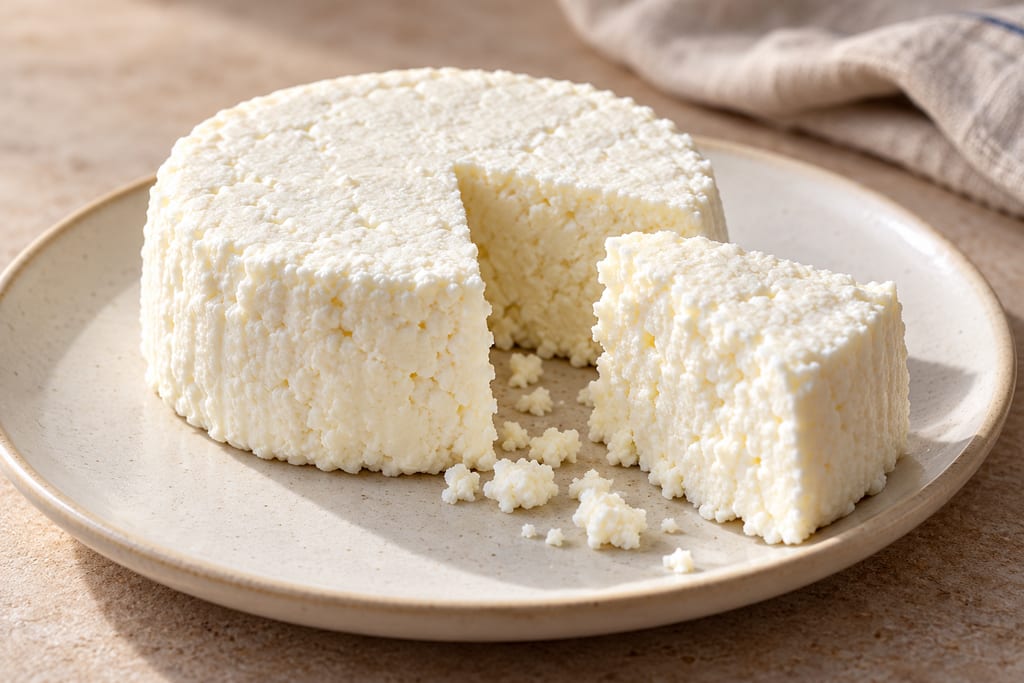
Cultured buttermilk, pasteurized milk, vinegar and rennet make this soft, crumbly queso fresco by a New Mexico home method adapted from Washington’s Abuela Project.
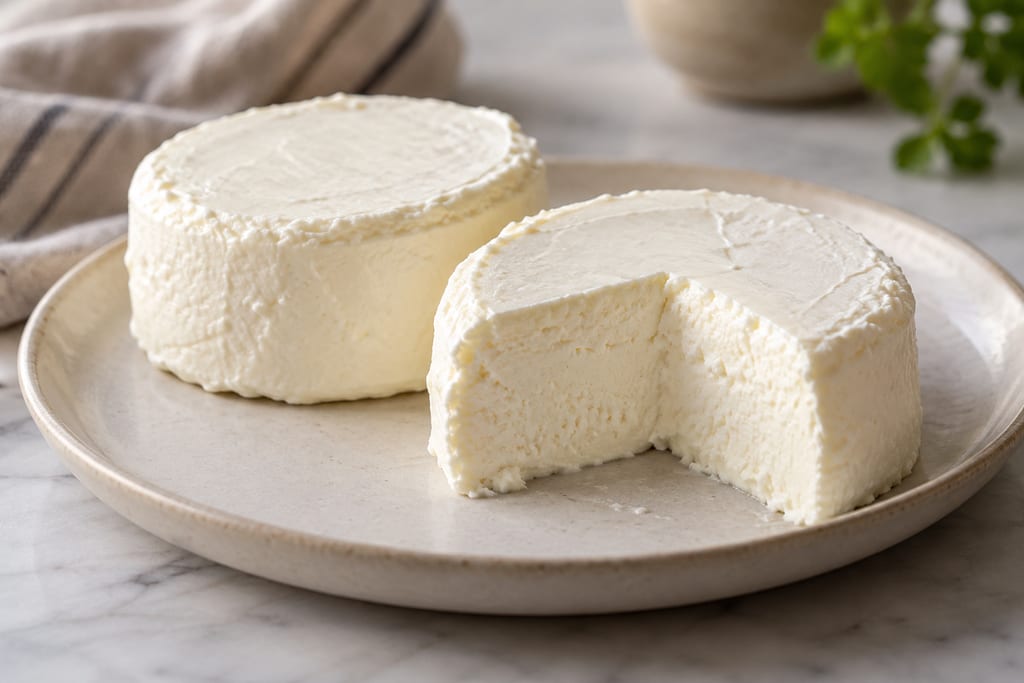
Pasteurized milk cultured with buttermilk or yogurt and set with rennet makes this soft, smooth Neufchâtel-style cheese, pressed into small forms and chilled.
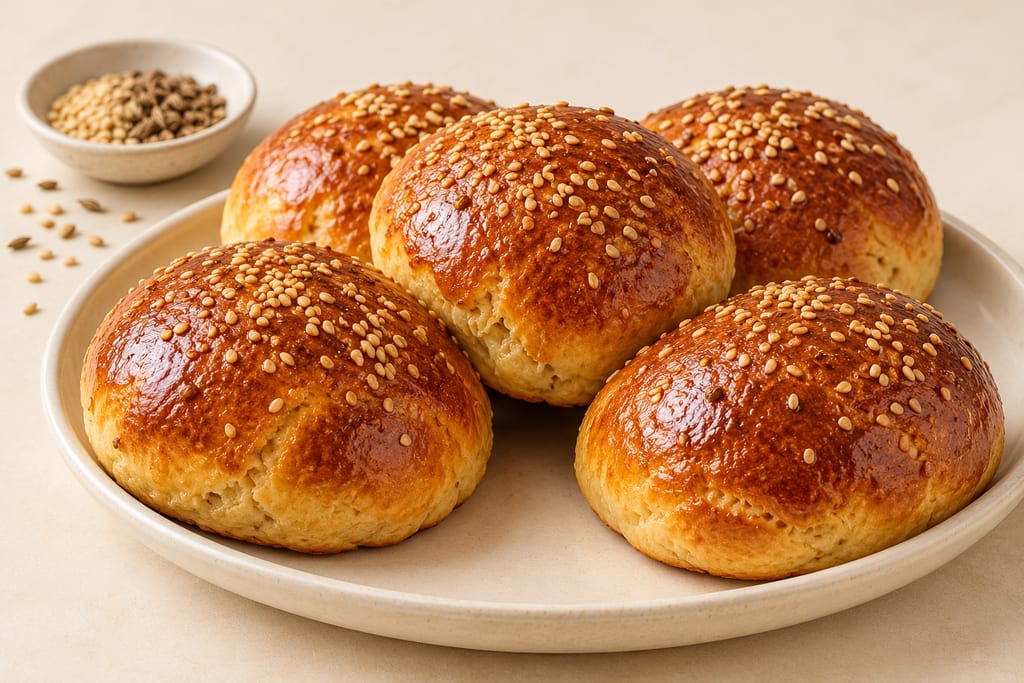
Krachel, also called el gors, are Moroccan sweet yeast rolls scented with anise, sesame and orange flower water. This version follows the three-rise method documented by Christine Benlafquih.
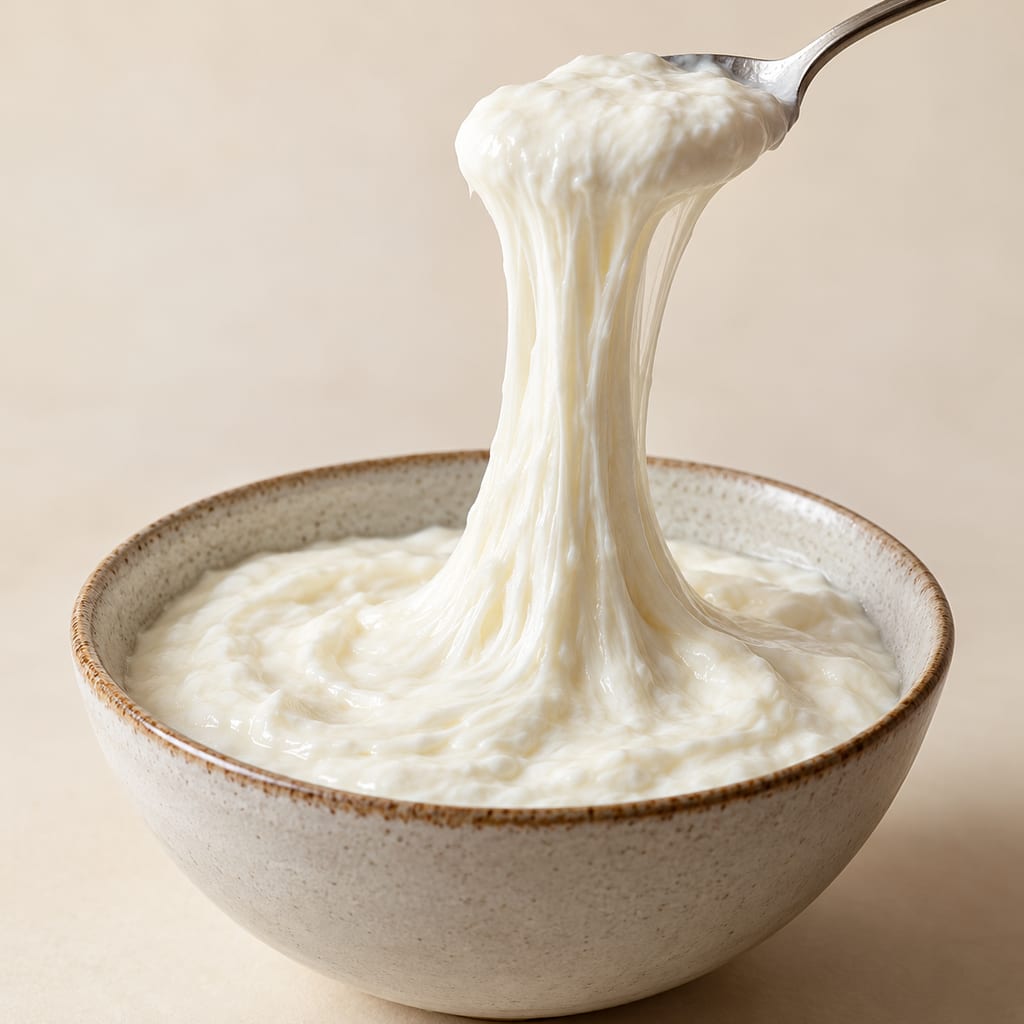
Pitkäpiimä is a Finnish cultured milk whose defining trait is a long, stretchy, ropy texture. It is closely related to viili and is made by lactic fermentation with a specific culture.
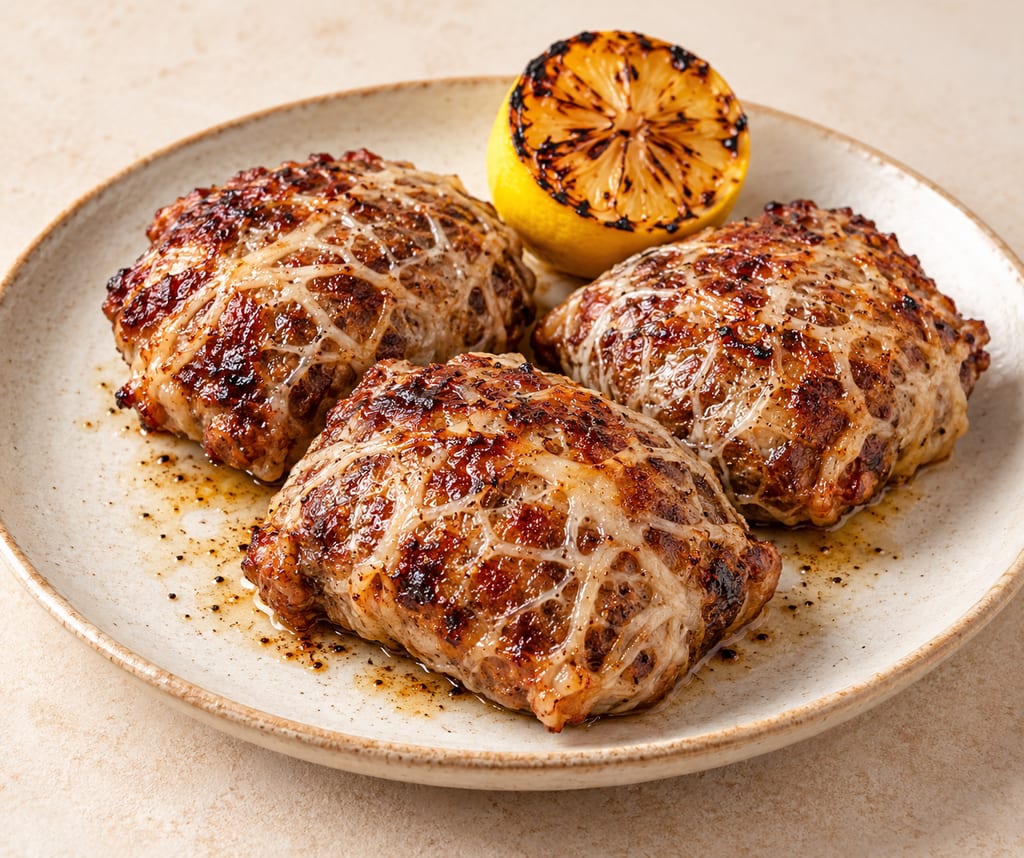
South African braai parcels of seasoned lamb liver wrapped in caul fat (netvet), which crisps and renders as the filling cooks.
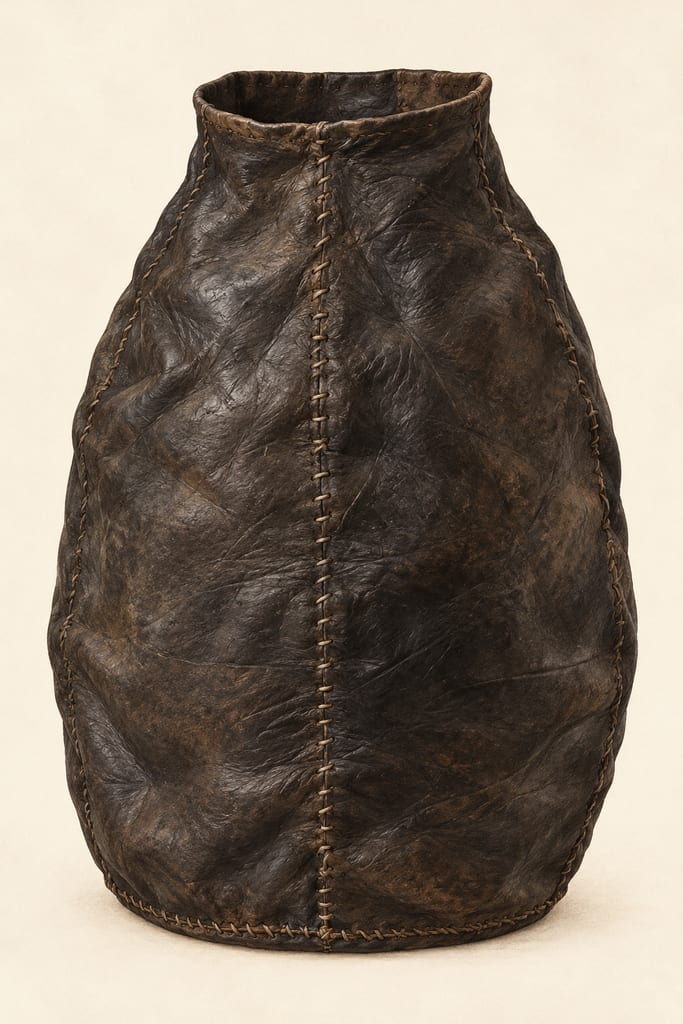
Arkhyt is a traditional Altai sewn-hide vessel used to hold and periodically mix chegen. Sources describe a very large vessel, but do not establish one standard shape, measured capacity, or dimensions.
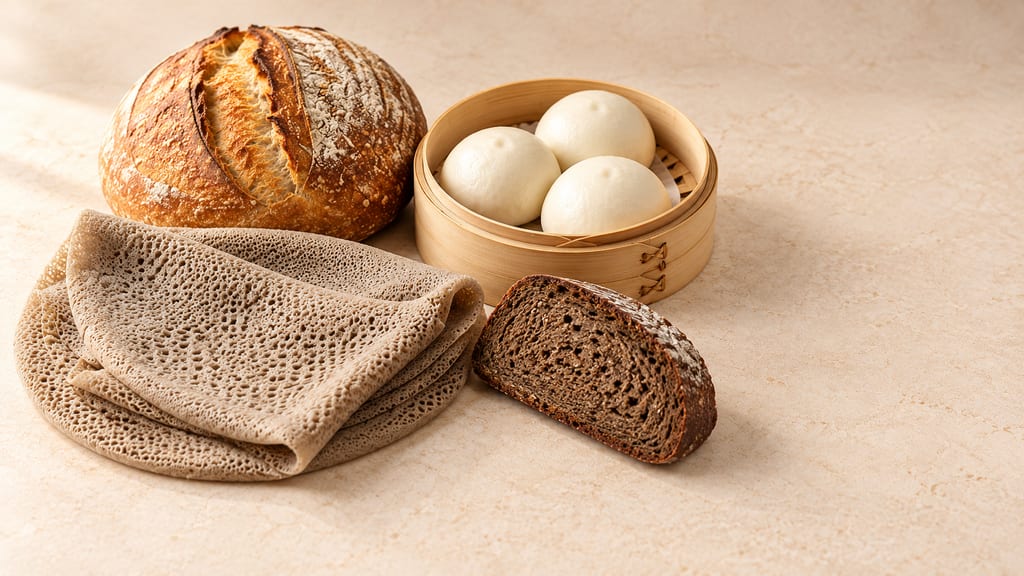
From the baguette and the steamed bun to injera, titiyas, Finnish rye and cassava bread: how grain, microbes and heat answer the question of what bread is for.
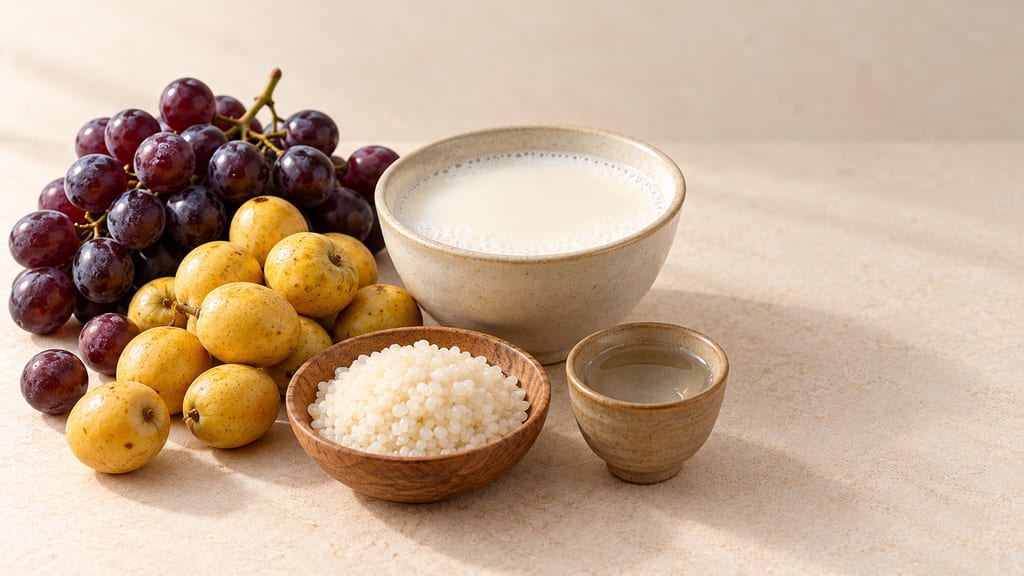
A marula harvest, a rice mash and a bowl of fermented mare’s milk reveal different ways to make alcohol, and different kinds of knowledge behind the drink.

Black carrot is the anthocyanin-pigmented Eastern carrot (Daucus carota var. atrorubens), the purple root that preceded orange types and still colours kanji and şalgam.
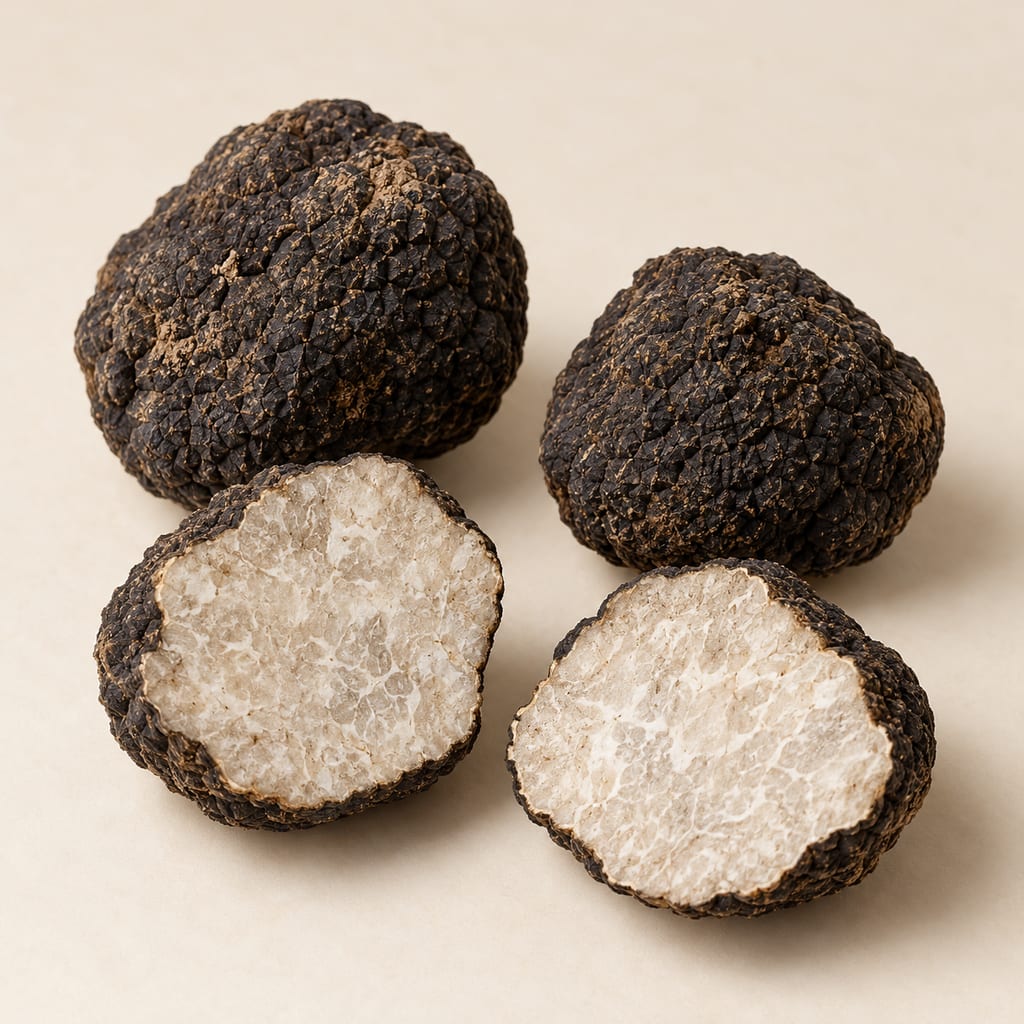
The black desert truffle, catalogued as Picoa juniperi, is a subterranean fungus gathered wild in arid and semi-arid lands. Eastern Anatolian households eat it, usually fried with eggs.
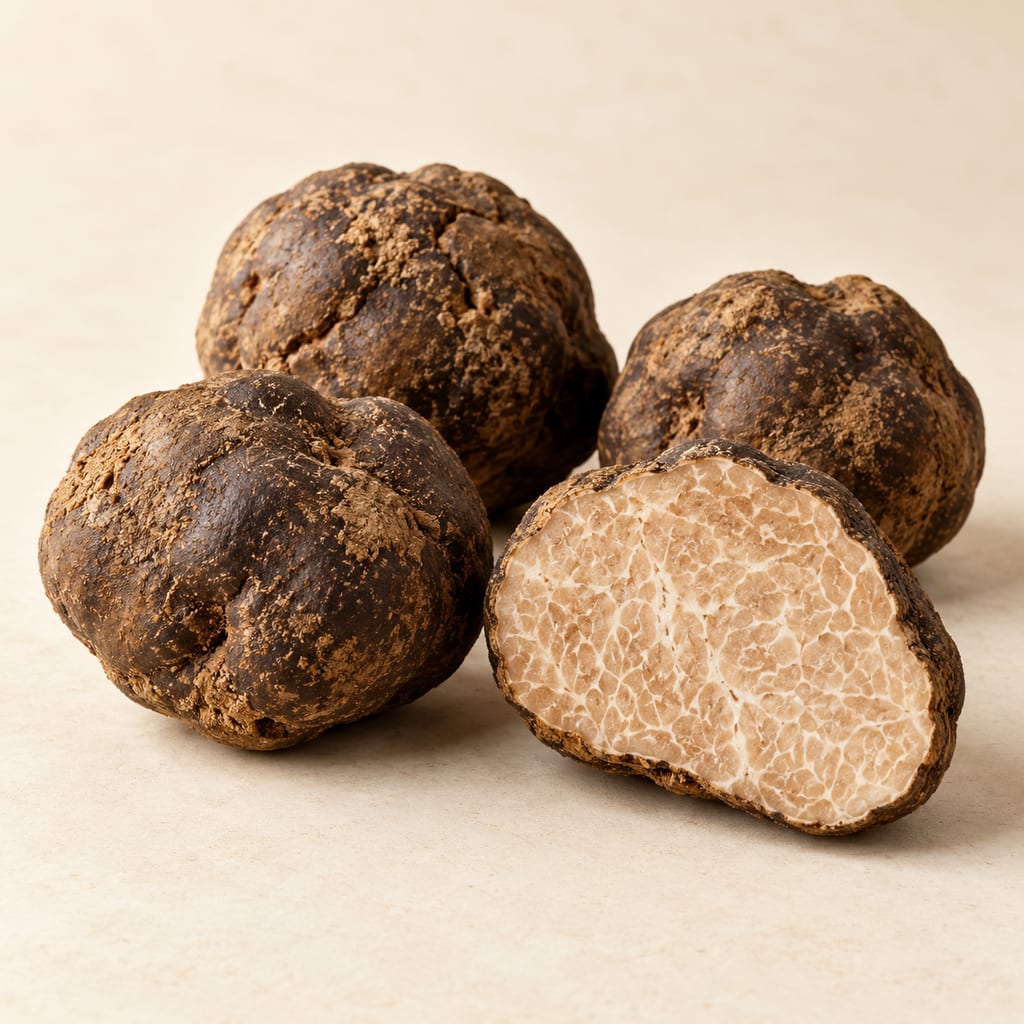
The brown desert truffle, Terfezia boudieri, is an underground fungus of arid soils around the eastern Mediterranean and North Africa, gathered and sold in Turkey and eaten fried with eggs.
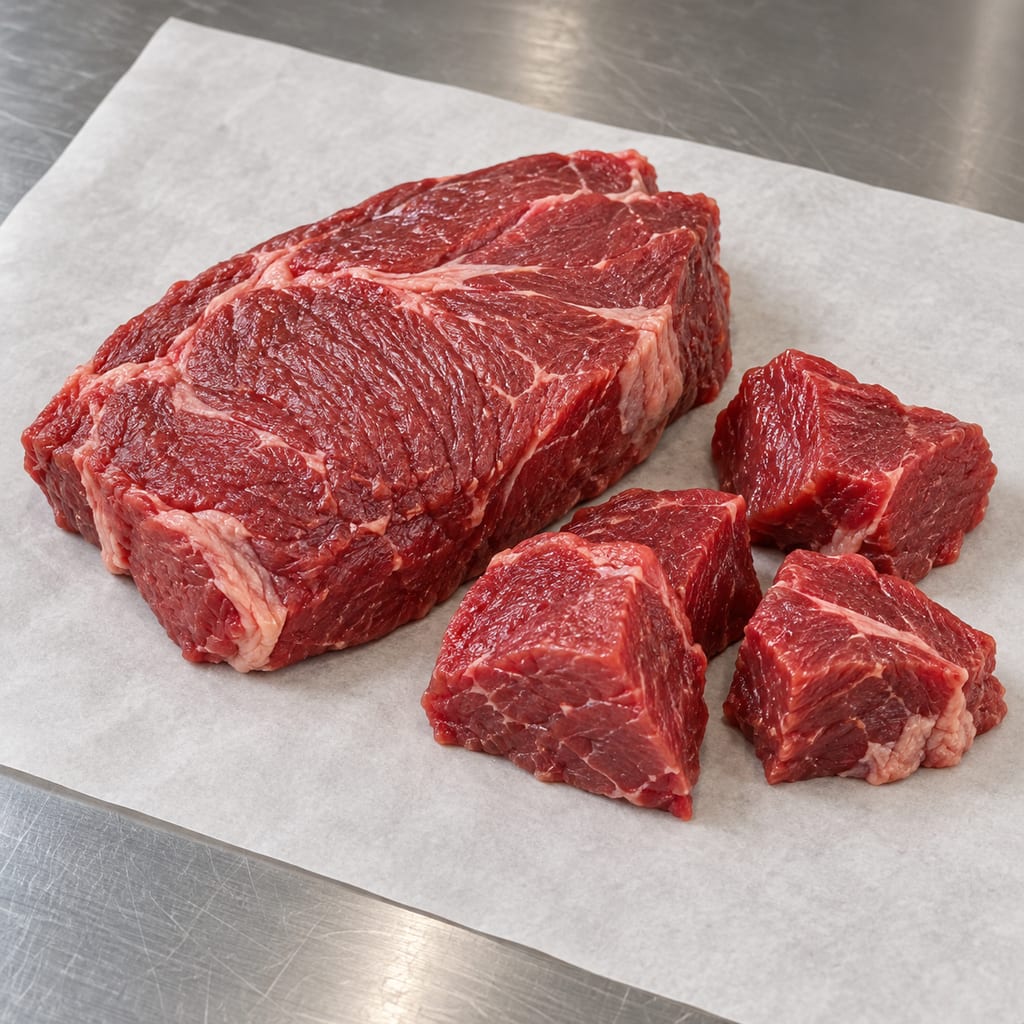
Water-buffalo meat, often called carabeef, is the flesh of Bubalus bubalis; its colour, texture and fat vary with animal, cut and production system. “Buffalo” can also mean bison or African buffalo in other contexts.
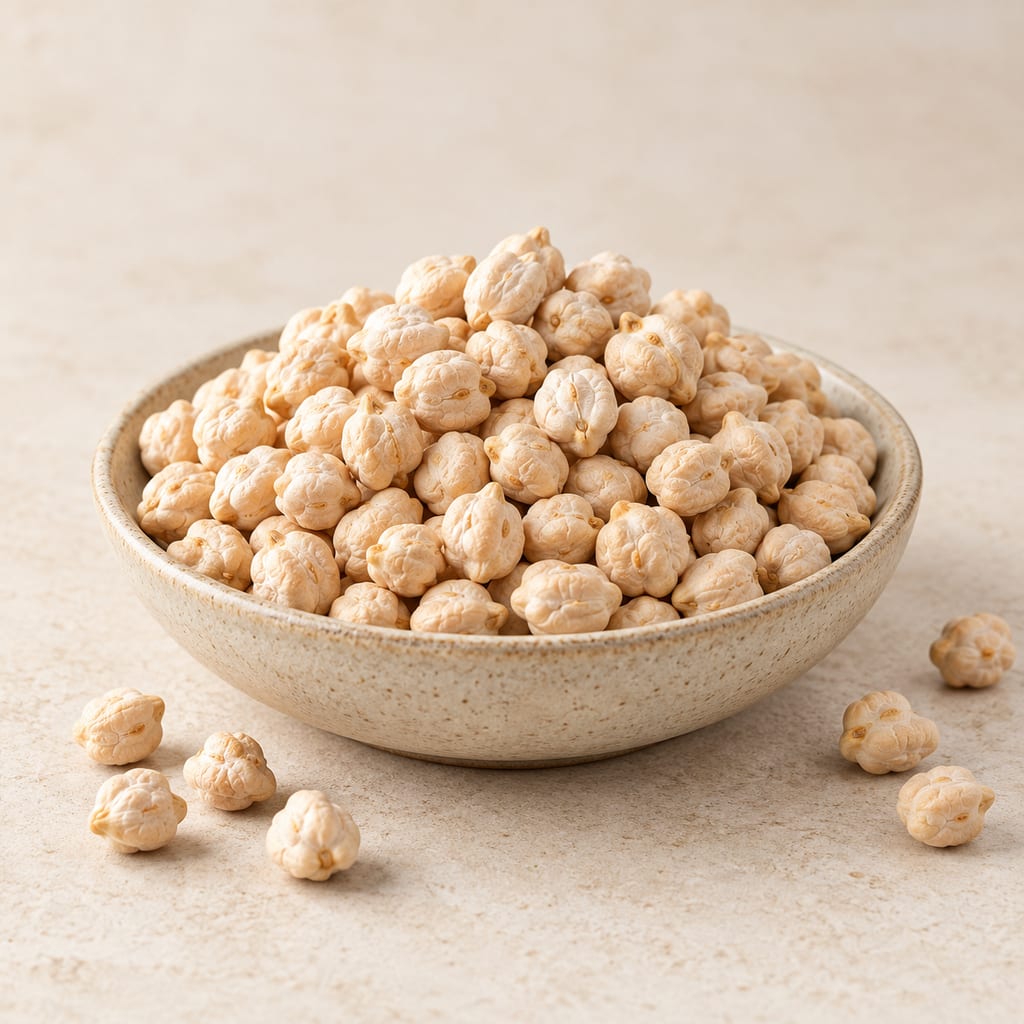
Chickpeas (Cicer arietinum) are dry pulses eaten whole or milled into flour, which gives socca, farinata and other breads a dense, nutty batter or dough.
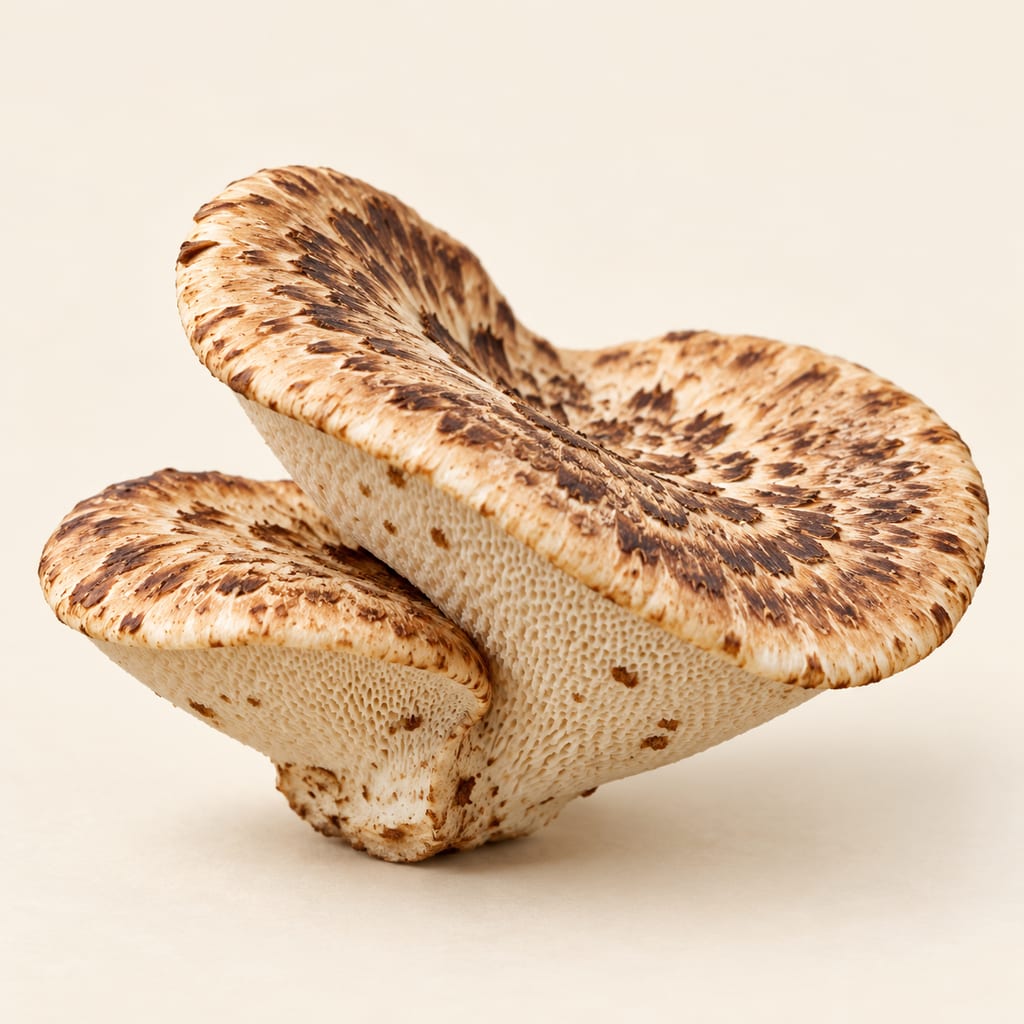
Dryad’s saddle is a wild hardwood polypore whose young tender margins are cooked in some regional food traditions; mature brackets quickly become tough.
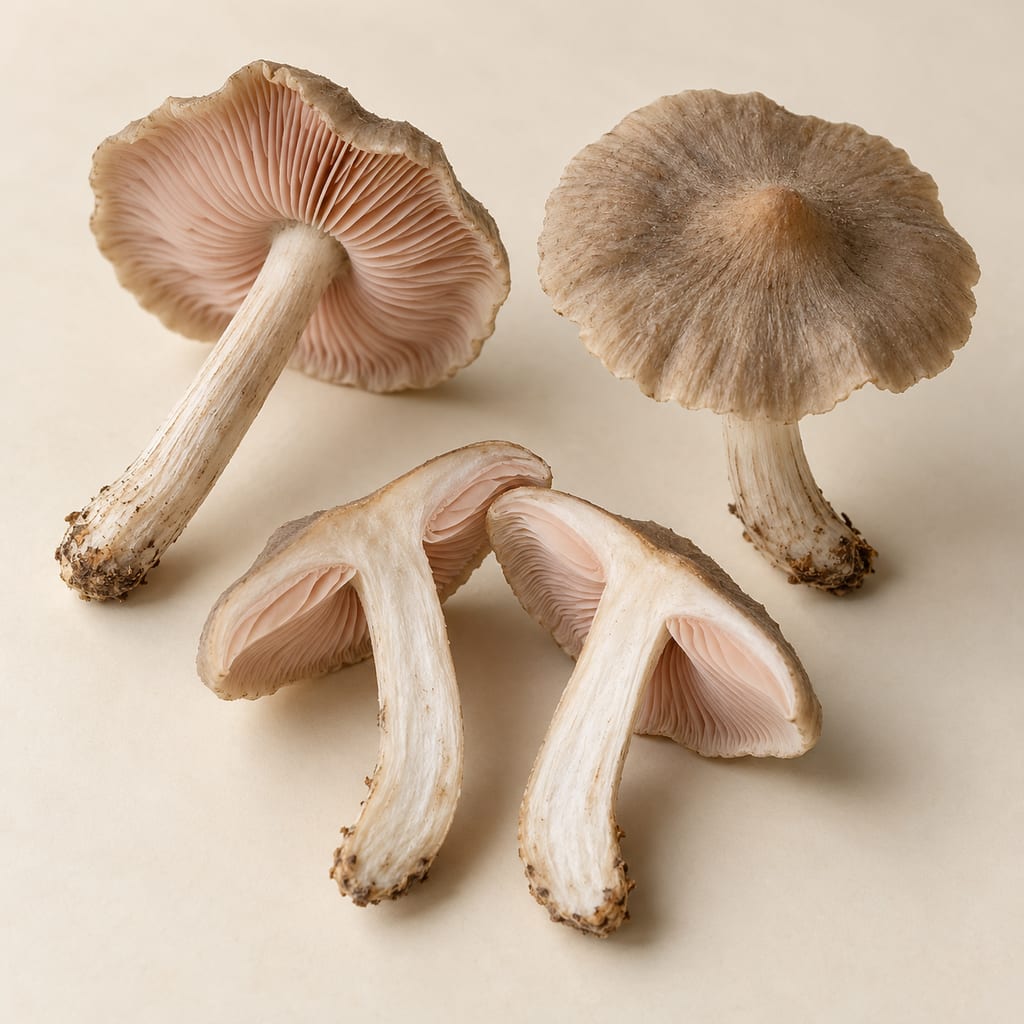
A spring pink-spored mushroom associated with Rosaceae. European food use is documented, alongside a Turkish poisoning report and unresolved species-complex records in Mexico.
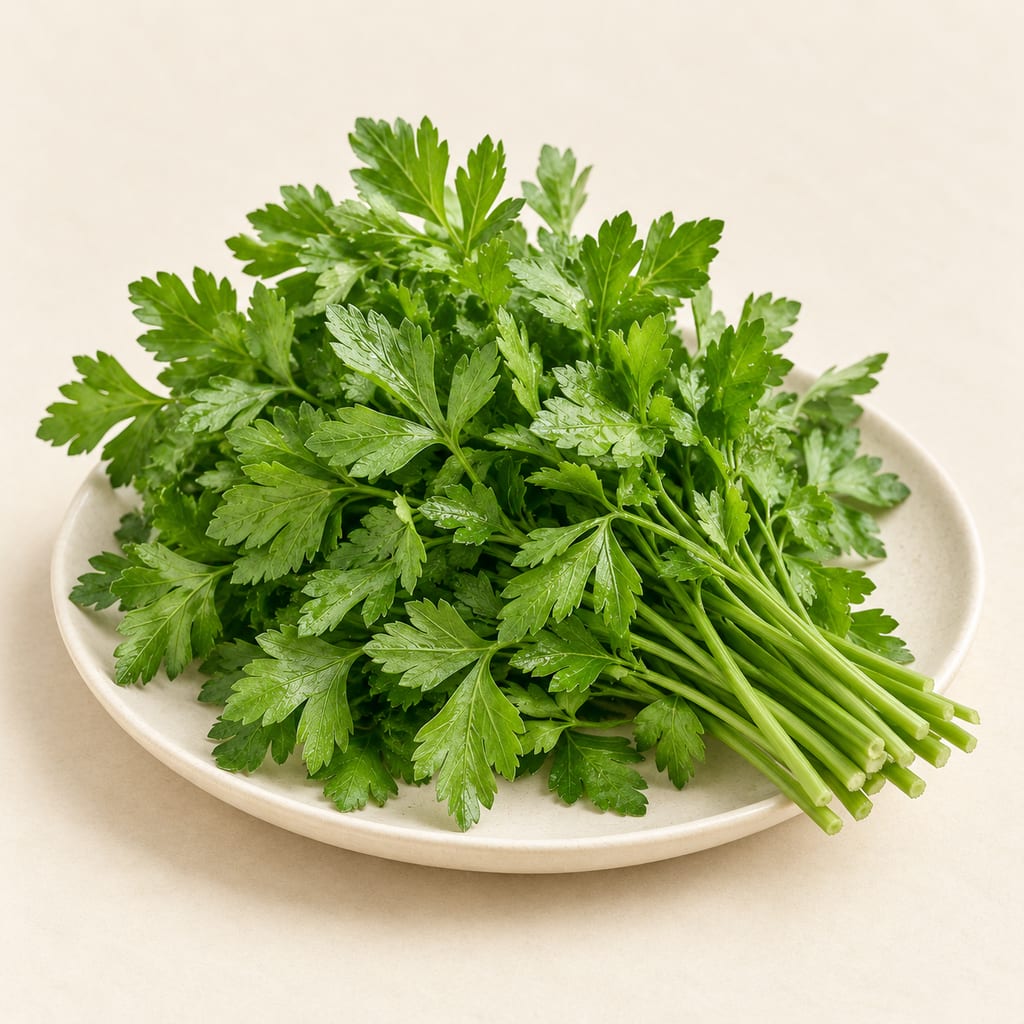
Parsley (Petroselinum crispum) is a cultivated Apiaceae herb grown mainly for its fresh leaves, though root parsley is a separate crop form. Flat-leaf and curly-leaf parsley differ in leaf shape and reported flavour.

At North Abydos in Egypt, a fixed early Dynastic brewery comprised parallel semi-subterranean installations with rows of ceramic mash vats; excavation reports revise their number, scale and estimated batch capacity.

Ají amarillo is the orange-yellow Peruvian chilli cultivar group of Capsicum baccatum, used to colour and season huancaína sauce and ají de gallina. Published heat estimates do not establish one range for the named cultivar.

Toasted almonds are whole sweet almond kernels dry-roasted until golden to brown. Heat replaces their marzipan note with a roasted, nutty one; they thicken and flavour romesco.

Kodiak salmon, halibut and cod cut as seg'aq and hung on an initaq rack to become tamuuq, with kac'amaasaq and kupcuunaq named as different results.

Aniseed is the dried ripe fruit of Pimpinella anisum, an aromatic Apiaceae spice commonly called a seed. It adds a sweet, warm aroma to breads such as Moroccan krachel and South African mosbolletjies, and is distinct from star anise.

A fixed Late Chalcolithic installation in Areni-1 cave combined a shallow clay pressing basin with a large jar set into the cave floor and storage vessels nearby.

Ripe avocado flesh is the soft, buttery, fat-rich pulp of Persea americana, eaten raw. It is low in acid, so it is a fresh ingredient that needs care in chilled dishes.

A portable dome and pan used over a hearth, with embers on the lid and heat from below. Regional peka and saç forms share this principle while differing in materials, pan shape and how the food is cooked.
No community contributions have been published for this entry yet.
Sign in to contribute. Published comments and photos are free to read.
Food and Agriculture OrganizationHistory · Safety
General Standard for the Use of Dairy Terms (CXS 206-1999)Codex definition of milk and labeling by producing animal where applicable.
Cited in: A food with many histories; Choosing milk for a recipe
PLOS OneHistory
From bowls to pots: The dairying revolution in Northwest Turkey, a view from Barcın Höyük, 6600 to 6000 BCEPottery residues at Barcın Höyük and their c. 6600–6000 BCE dating document early dairy processing.
Cited in: A food with many histories
Food and Agriculture OrganizationHistory · Process · Safety · Ingredient context
Milk and dairy products in human nutritionTable 3.1 comparative water, fat, protein and lactose values by species, and species-specific dairy uses.
Cited in: A food with many histories; What milk contains—and why variation matters; From milk to curd, culture and flavour; Choosing milk for a recipe; In the kitchen and beyond
Food and Agriculture OrganizationProcess · Ingredient context
Milk compositionApproximate milk composition and differences among dairy animal species.
Cited in: What milk contains—and why variation matters; In the kitchen and beyond
New Mexico State University ExtensionProcess · Safety · Ingredient context
Making Homemade Cheese, NMSU Guide E-216NMSU home cheese methods, including distinct Queso Fresco, Neufchâtel and MT1 Feta-style processes.
Cited in: What milk contains—and why variation matters; From milk to curd, culture and flavour; Choosing milk for a recipe; Freshness, safety and care; In the kitchen and beyond
American Society for MicrobiologyProcess
The Basics of CheesemakingCheesemaking principles: milk solids, culture acidification, curd formation and whey release.
Cited in: From milk to curd, culture and flavour
Centers for Disease Control and PreventionSafety
Raw MilkRaw-milk pathogen risk and handling advice.
Cited in: Freshness, safety and care