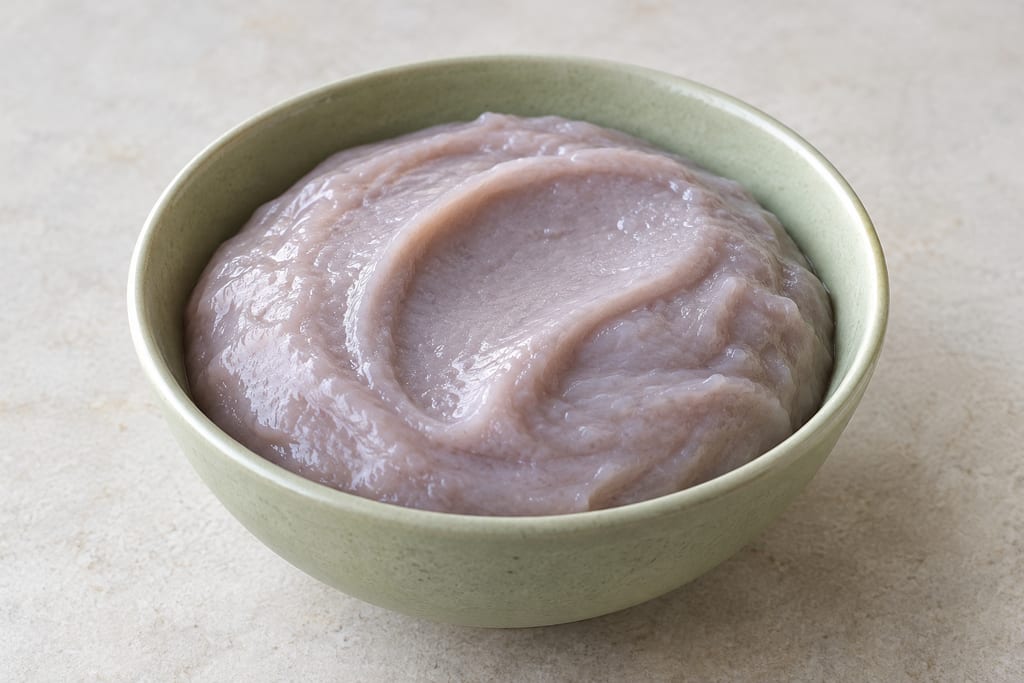
Fresh poi
This modern introductory batch boils 500 g edible taro, then pounds it with water into fresh poi. It stops before fermentation and makes no preservation claim.
 FermenteaWhere food goes to change
Modern adaptation
Pão doce · Portuguese sweet bread · Hawaiian Portuguese sweet bread · Pao Doce
This Hawaiian Electric pão doce is an enriched yeast bread with milk, eggs, melted butter and sugar, baked as two loaves or shaped into small rolls.
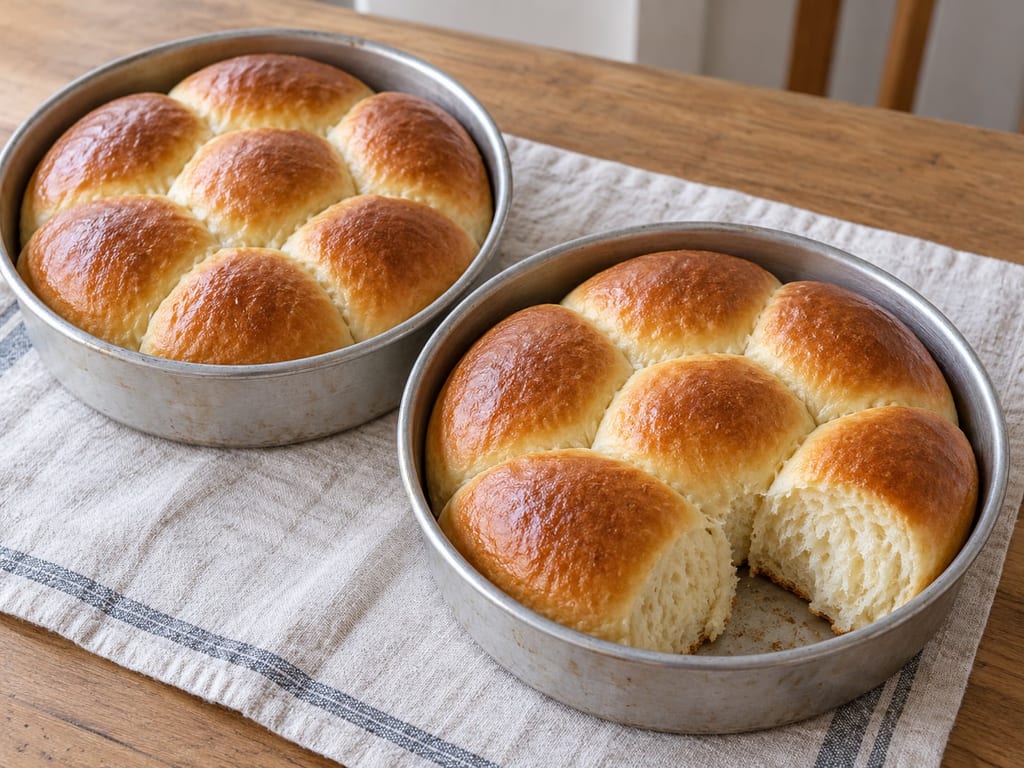
Hawaiian Electric publishes this enriched yeast dough under the name Pao Doce (Portuguese Sweet Bread). It uses milk, eggs, melted butter and sugar, and can be baked as two loaves or formed into three dozen small rolls. The company notes that the recipe was featured in the Honolulu Star-Advertiser in December 2016.
The instructions begin with a small flour batter and add the remaining flour until the dough is easy to handle. The source gives 5–6 cups total rather than a single fixed amount. It includes two timed bulk rises; a later page note also says the shaped loaves should rise until doubled, but does not give that final proof a time.
Scald the milk, cool it to lukewarm, and mix it with the yeast, sugar and two cups flour. After salt and eggs are beaten in, add melted butter, then flour as needed. The dough rises until doubled, is punched down for a second rise, then kneaded and shaped. The page's later note says to let the formed loaves double before baking and to delay heating the oven until then.
The method gives 350°F for the oven and separate bake ranges for loaves and rolls. A later reader comment says the center should reach 190 degrees, but does not specify a unit; the numbered recipe itself supplies no internal-temperature endpoint. The temperature figure is therefore reported as an unattributed-scale reader note, not converted into a safety limit.
Hawaiian Electric publishes this Pao Doce as a Portuguese sweet bread recipe from its Electric Kitchen and notes it was featured in the Honolulu Star-Advertiser on 28 December 2016. The page documents a Hawaiʻi preparation, not the bread's origin or a single formula shared by every Portuguese or Hawaiian community.
Yield 2 loaves or 36 small rolls · Scaling: source batch only
The recipe's later reader comment gives an internal reading of 190 degrees but does not name the scale; the numbered method has no internal-temperature endpoint. No unit or safety limit is inferred.
Hawaiian Electric publishes this community recipe and labels it Portuguese sweet bread. This records a documented Hawaiʻi preparation, not an origin claim.
This modern introductory batch boils 500 g edible taro, then pounds it with water into fresh poi. It stops before fermentation and makes no preservation claim.
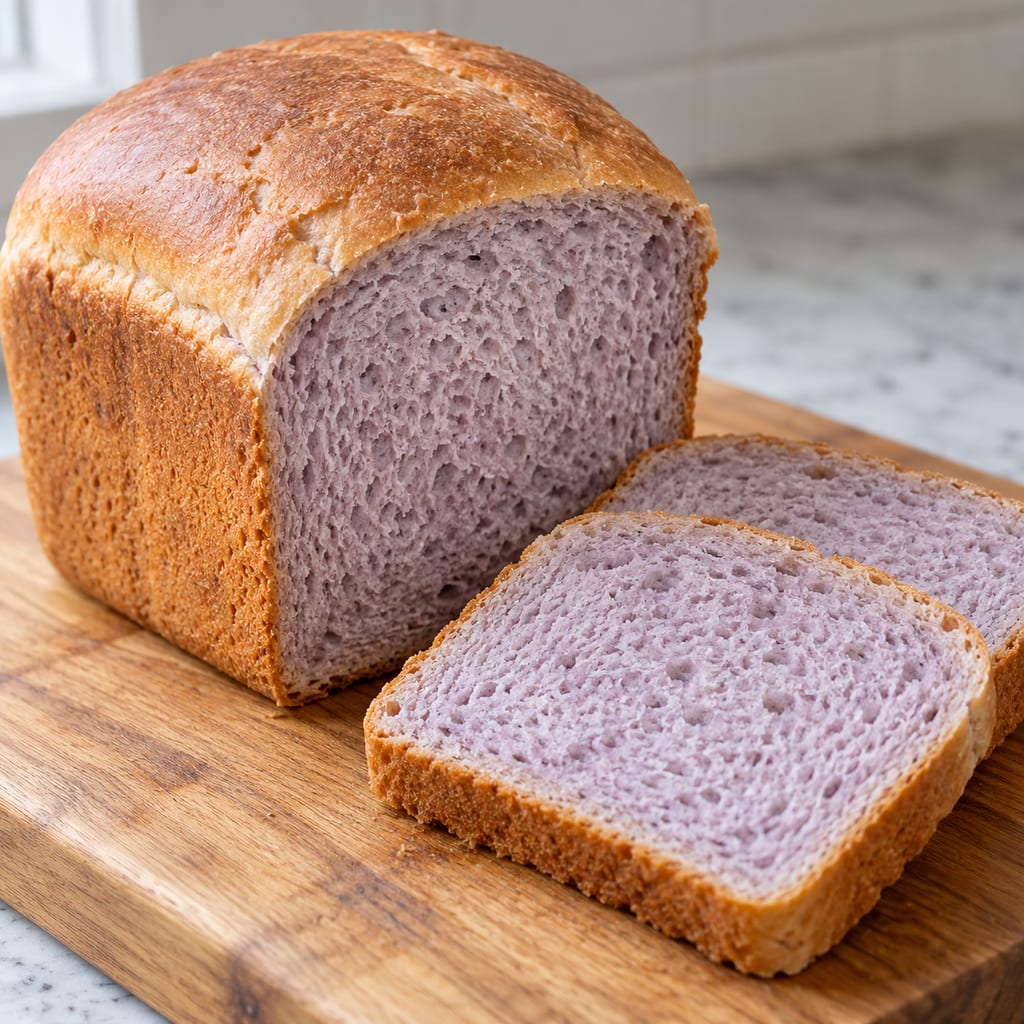
A sweet bread-machine loaf adapted from HI Cookery's version of poi bread, with poi or cooked mashed taro, butter and egg.
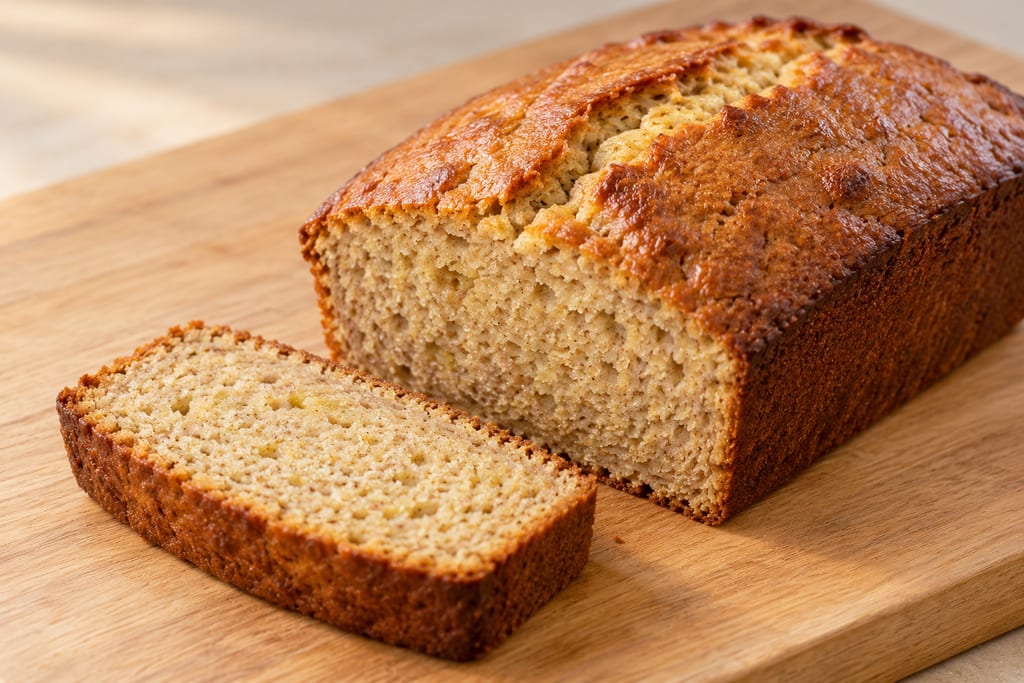
A Hawaiʻi ʻUlu Cooperative home loaf made with ripe banana, ʻulu, or a mixture of the two, leavened with baking powder.
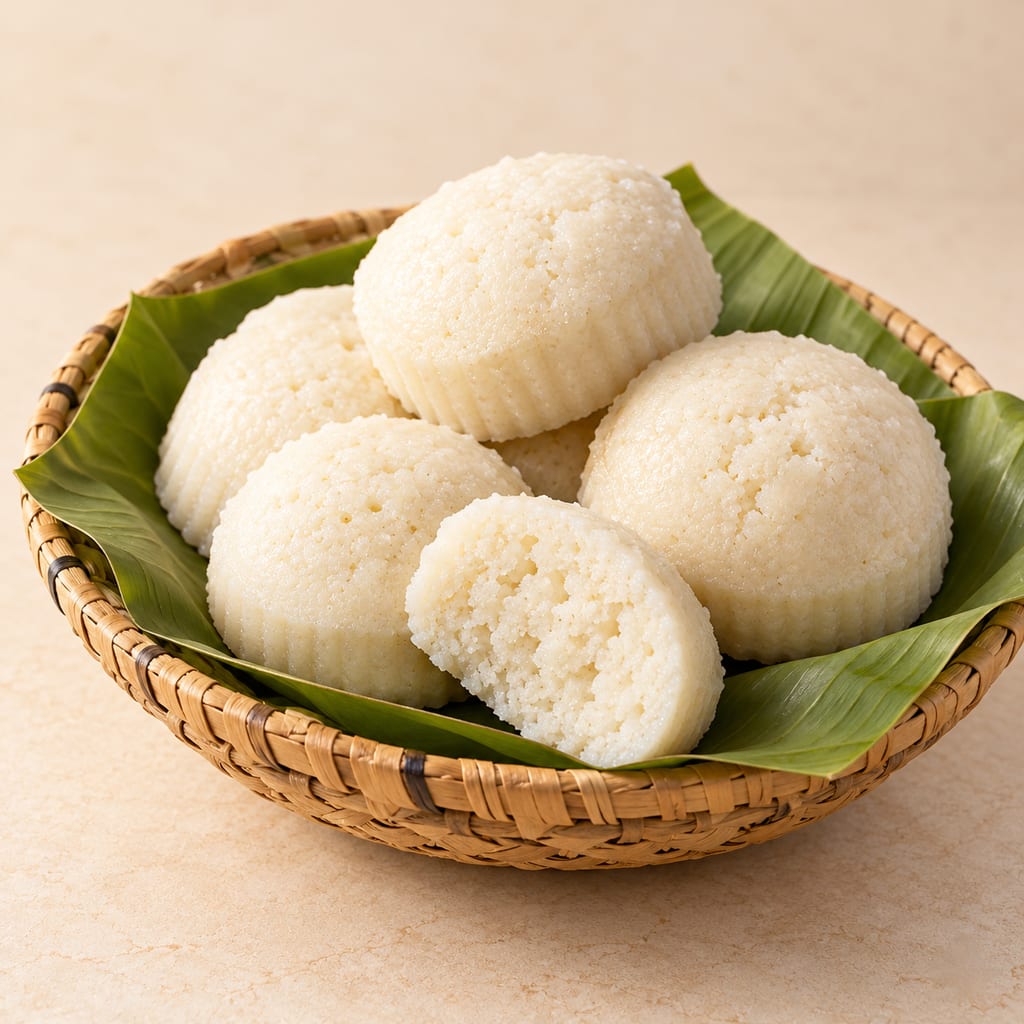
Soft, lightly tangy steamed cereal bread documented across Benin and Togo. This page gives one measured rice-flour research method; maize-based Ablo and mixed-grain versions remain distinct traditions.
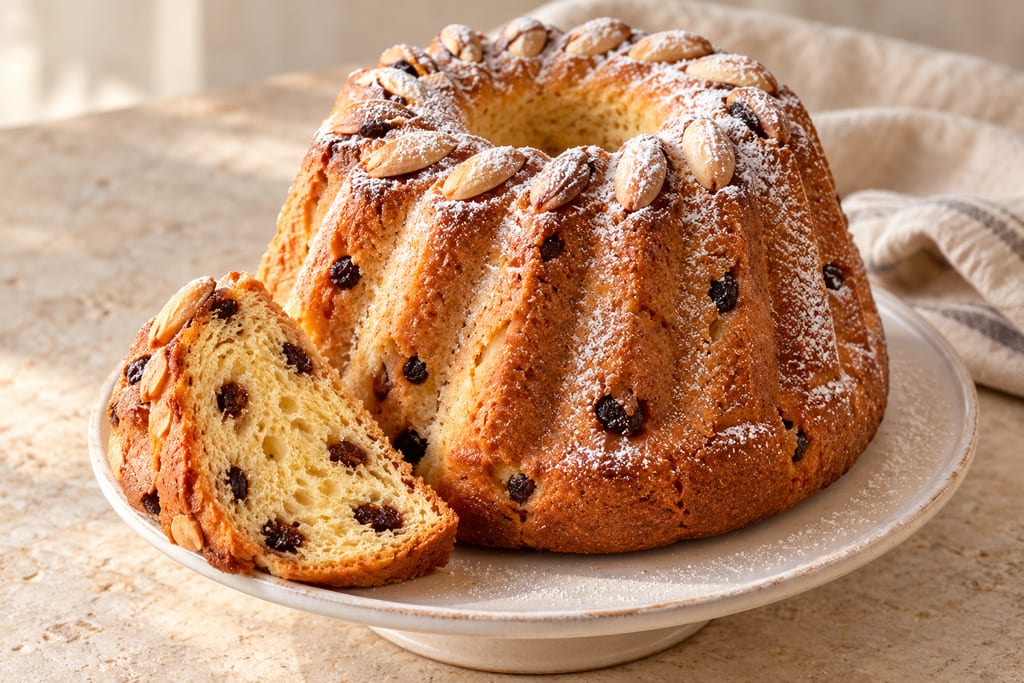
An enriched Alsatian yeast ring with raisins and almonds, kneaded with butter, proofed in a fluted mould and baked until browned.
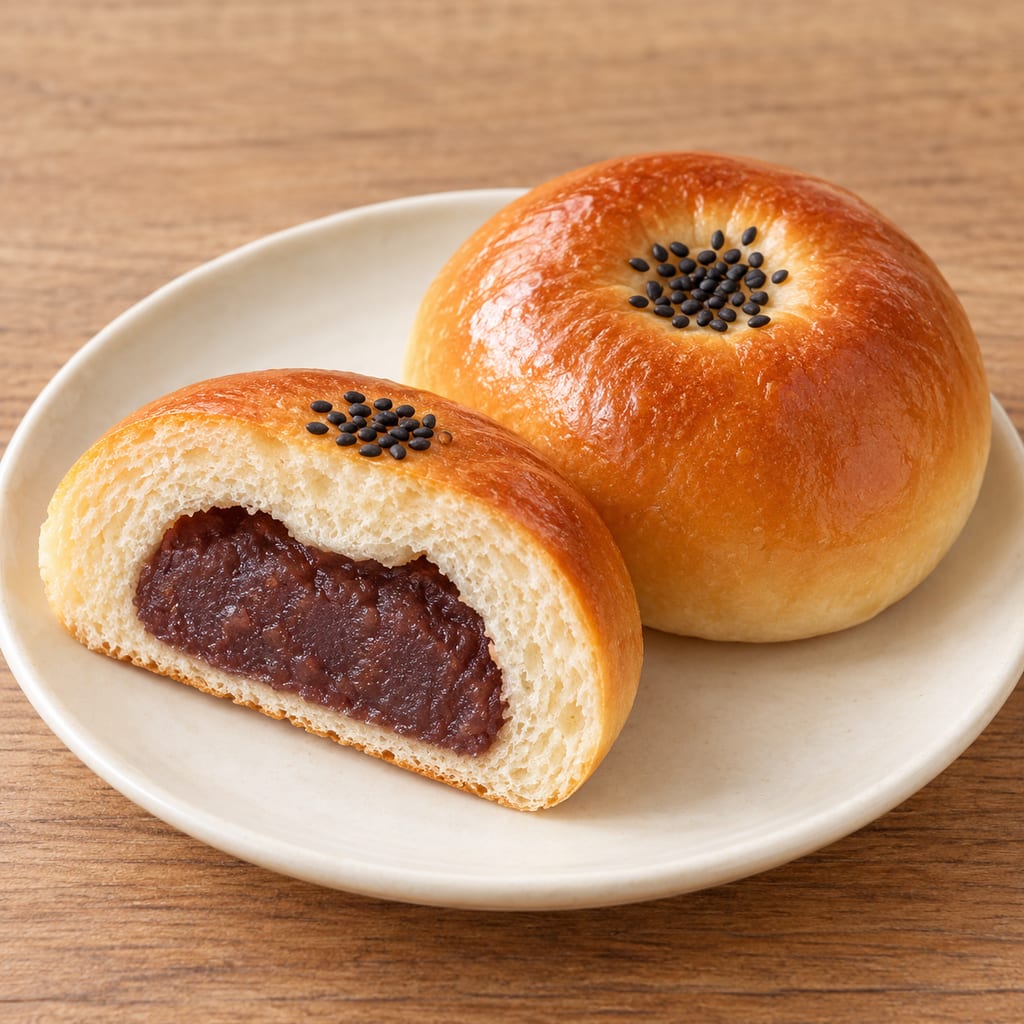
Anpan is a soft wheat bun filled with sweet red-bean paste and finished with egg wash and black sesame. This dough rises with commercial instant yeast.
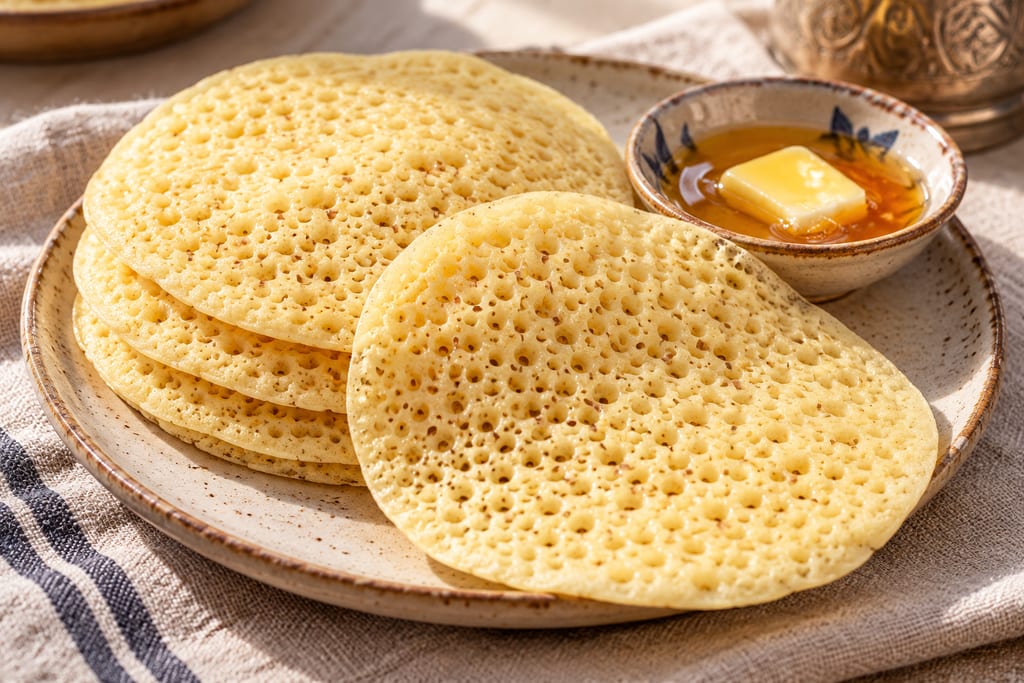
Moroccan semolina pancakes made from a thin yeast batter, rested until foamy and cooked on one side until the surface sets with a honeycomb of holes. This source-specific batch makes sixteen 5-inch pancakes.
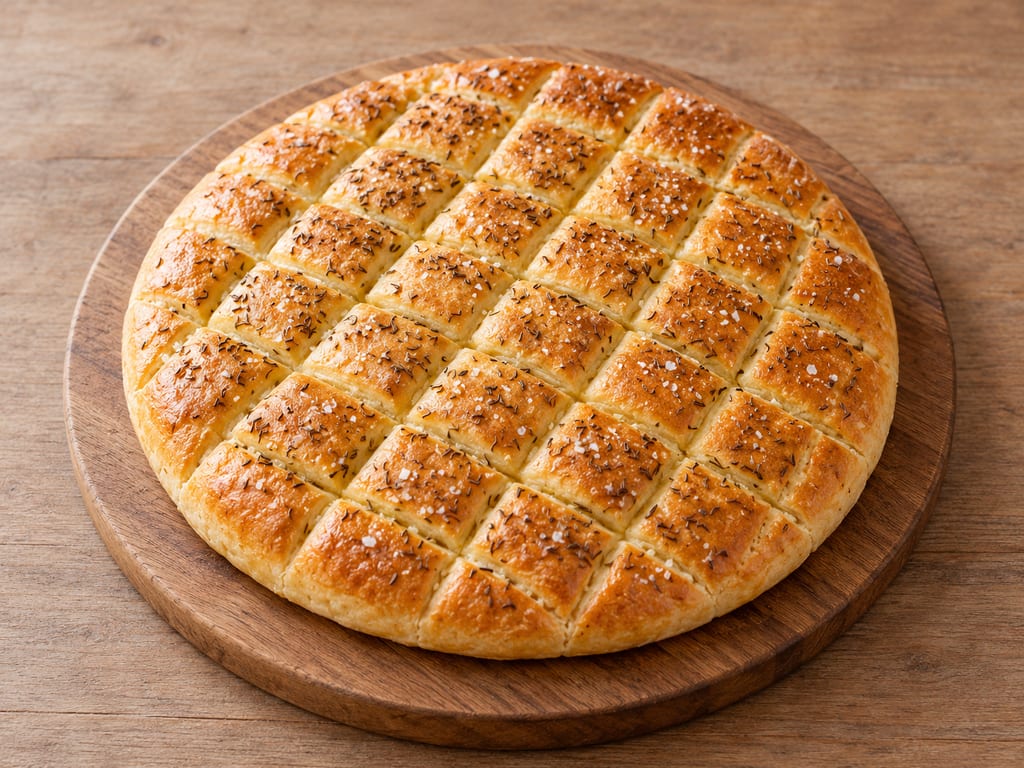
A round Slovenian flatbread scored in a grid and topped with caraway and coarse salt.
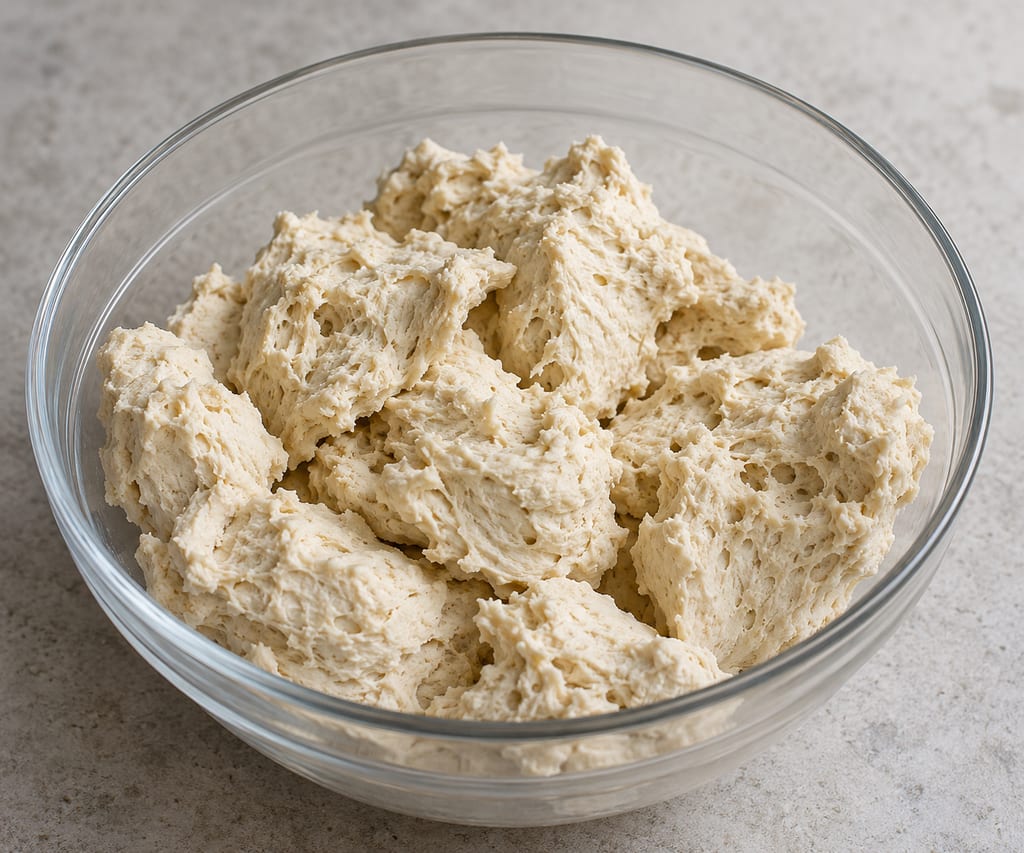
Biga is an Italian bread preferment of flour, water and a little yeast, usually a stiff unsalted mass of about 45 per cent water, fermented ahead and then mixed into the final dough.
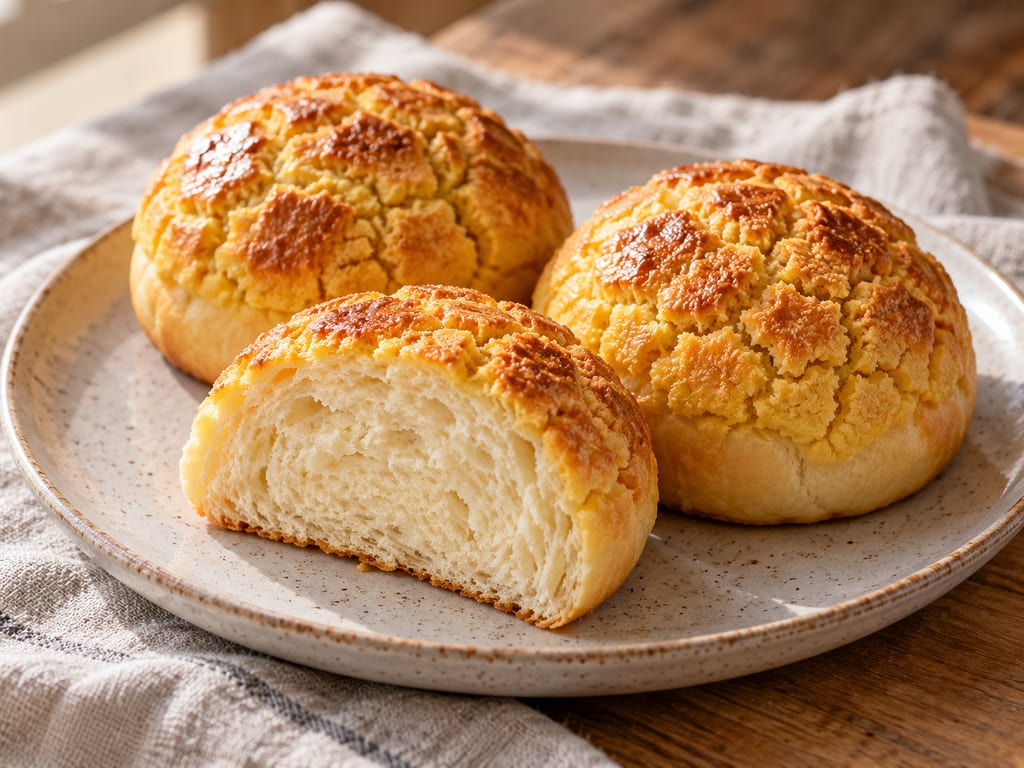
Hong Kong-style pineapple buns have soft yeast dough beneath a crisp, sweet pastry topping.
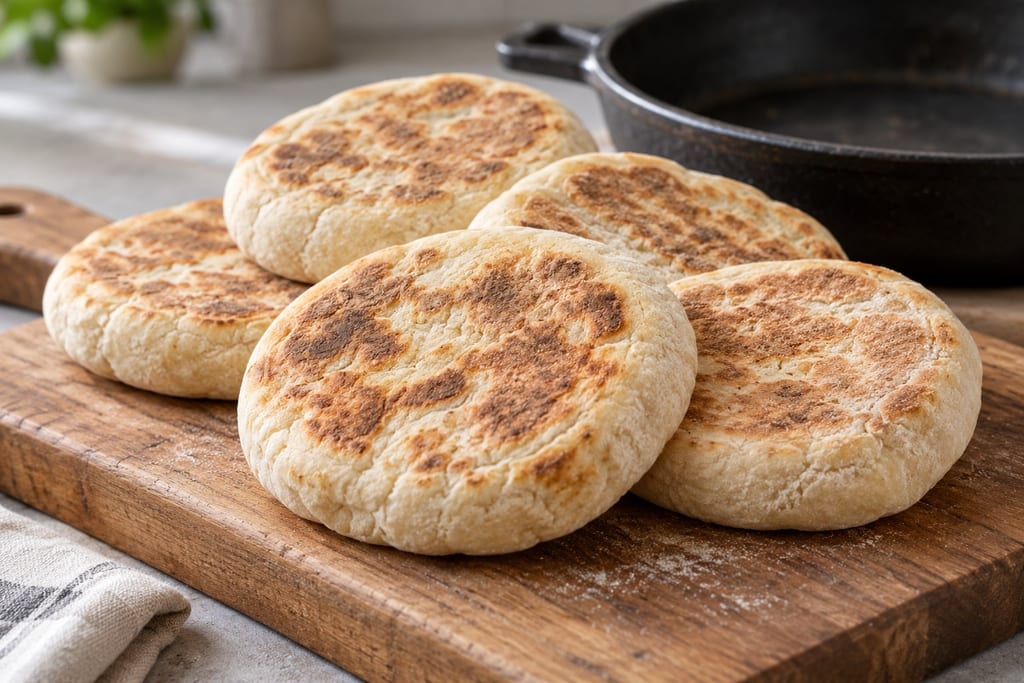
Sweet-potato wheat breads with fresh yeast, browned in a pan and finished in the oven. This is the bread component of Teleculinária's scrambled-egg dish.
No community contributions have been published for this entry yet.
Sign in to contribute. Published comments and photos are free to read.
Hawaiian Electric, The Electric KitchenRecipe · Documented Hawaiʻi preparation · Historical publication context
Pao Doce (Portuguese Sweet Bread)The source gives ingredients, including 5–6 cups flour, and the room-temperature, scalded-milk, yeast, mixing, kneading and two timed rise sequence.
It specifies two loaves or three dozen rolls, two 9-inch pans, egg glaze and bake ranges at 350°F.
A later page note recommends waiting to heat the oven until shaped loaves double; a reader comment gives a center reading of 190 degrees without specifying its scale.
Cited in: The Hawaiian Electric version; Proof and bake sequence