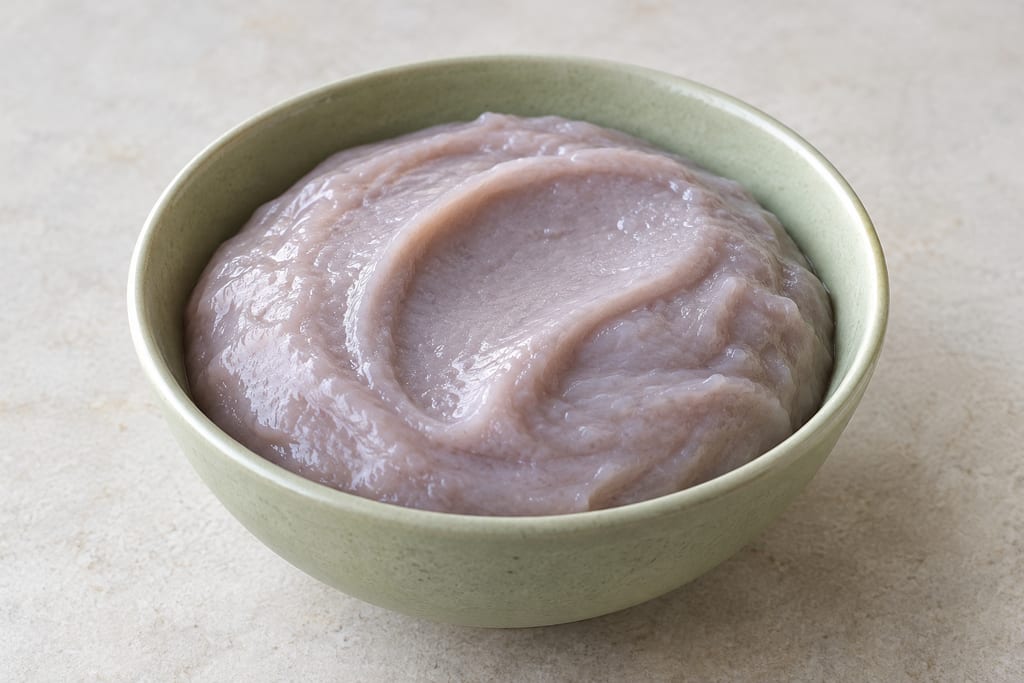
Fresh poi
This modern introductory batch boils 500 g edible taro, then pounds it with water into fresh poi. It stops before fermentation and makes no preservation claim.
 FermenteaWhere food goes to change
Modern adaptation
Poi (Taro) Bread · Poi bread · Taro bread-machine loaf
A sweet bread-machine loaf adapted from HI Cookery's version of poi bread, with poi or cooked mashed taro, butter and egg.
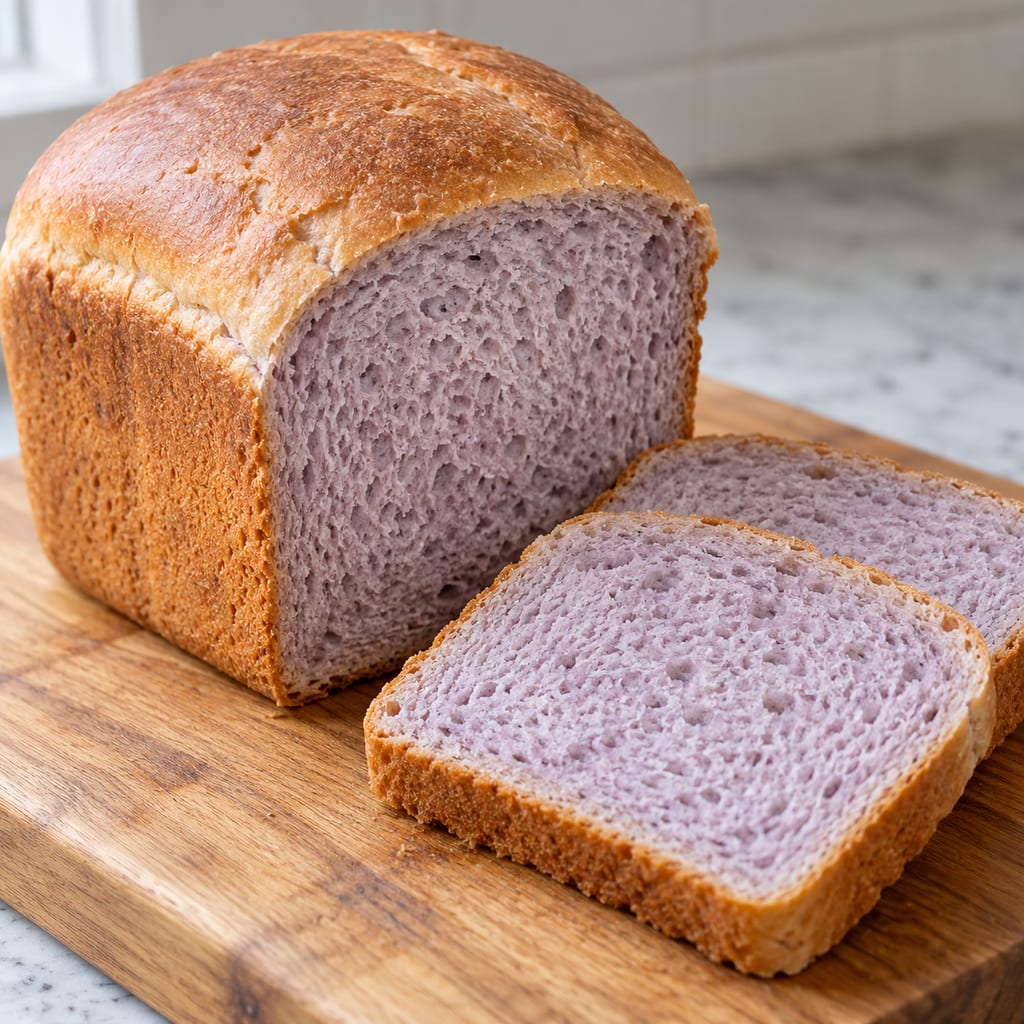
HI Cookery published this loaf on 17 November 2011. The authors say it was inspired by taro-flavoured sweet bread they encountered at Punaluʻu Bake Shop on Hawaiʻi Island, and credit the formula as adapted from the Polynesian Cultural Center via Food.com. The page does not establish a lineage between that bakery loaf and this home recipe.
The recipe is written for a bread machine: use its large 2-pound setting and a sweet- or white-bread cycle with a light crust. The machine handles kneading, rising and baking. HI Cookery gives no cycle duration or oven conversion, so this entry follows its bread-machine method only.
The recipe calls for poi or mashed taro paste. Use prepared food-grade poi or taro that has already been cooked and mashed; the University of Hawaiʻi CTAHR guide warns not to eat taro corms raw. HI Cookery does not provide a taro-cooking method, so this loaf begins with the prepared ingredient rather than adding an untested taro preparation step.
HI Cookery published this home bread-machine adaptation on 17 November 2011, describing it as inspired by taro-flavoured loaves encountered at Punaluʻu Bake Shop. It credits the recipe as adapted from the Polynesian Cultural Center via Food.com; those earlier versions were not independently recovered here. This does not establish a single origin or traditional Hawaiian wheat-bread lineage.
Yield 1 large 2-pound loaf · Scaling: source batch only
The University of Hawaiʻi CTAHR guide warns not to eat taro corms raw; the corm must be prepared before use.
Hazard sourceUse prepared food-grade poi or taro that has already been cooked and mashed; do not use raw taro.
Control sourceThe cited bread-machine method does not give directions for cooking taro. Use an already prepared food-grade ingredient; no taro-cooking time or safety endpoint is added here.
HI Cookery describes its 2011 loaf as inspired by taro bread the author encountered at Punaluʻu Bake Shop on Hawaiʻi Island. The page does not locate where this adaptation was baked or establish the bread's origin.
This modern introductory batch boils 500 g edible taro, then pounds it with water into fresh poi. It stops before fermentation and makes no preservation claim.
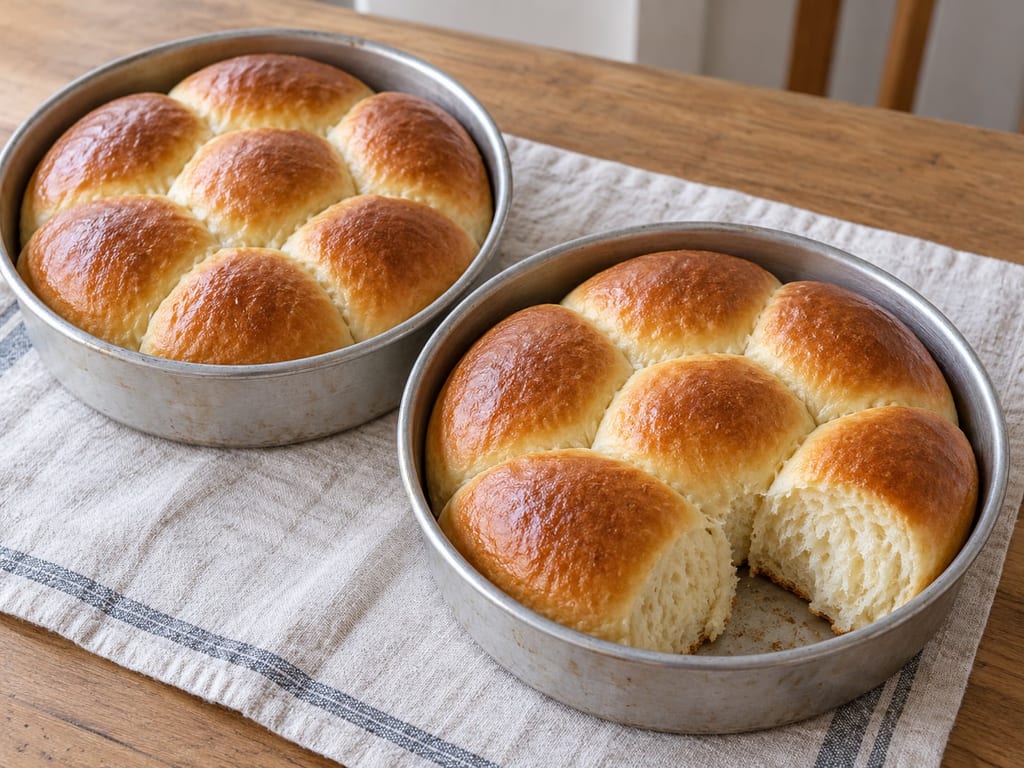
This Hawaiian Electric pão doce is an enriched yeast bread with milk, eggs, melted butter and sugar, baked as two loaves or shaped into small rolls.
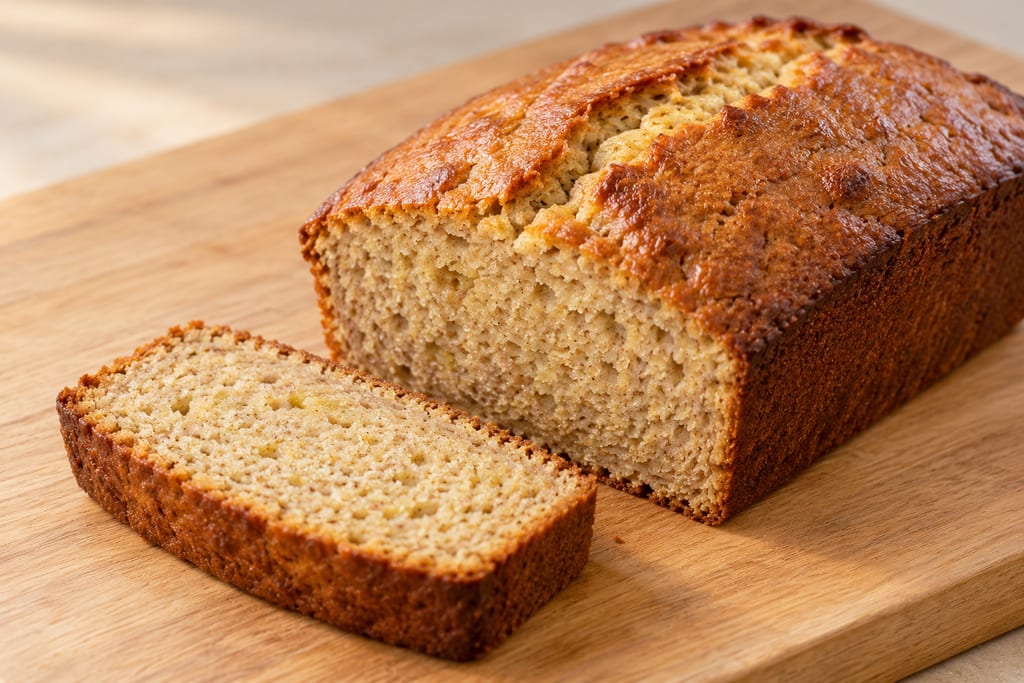
A Hawaiʻi ʻUlu Cooperative home loaf made with ripe banana, ʻulu, or a mixture of the two, leavened with baking powder.
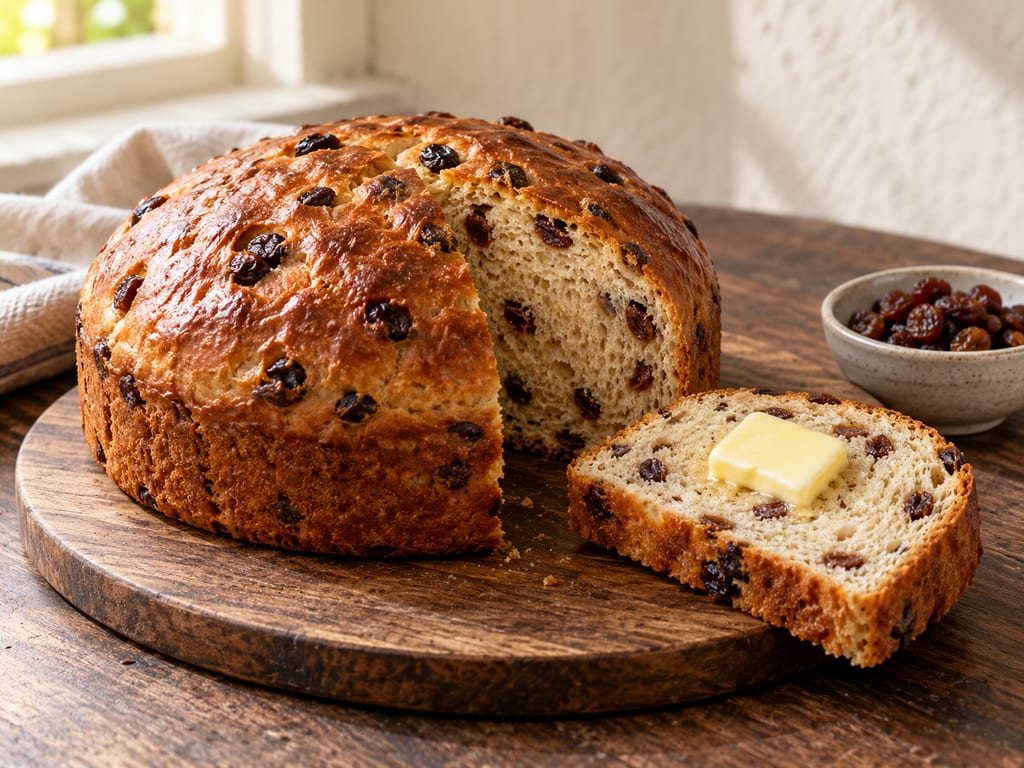
An Irish fruit-studded yeast loaf, associated in a contemporary cultural account with Halloween and often served fresh or toasted with butter.
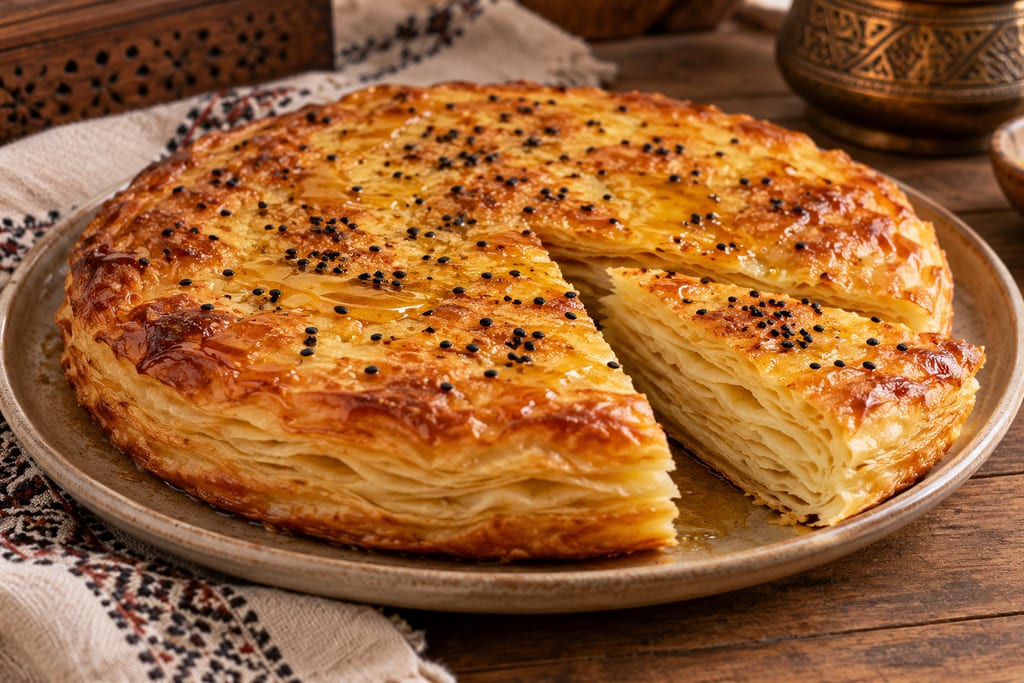
Bint al-sahn is a Yemeni celebration and home bread built from thin, egg-rich yeast dough layers brushed with ghee or butter. This source-specific version makes one round cake, baked until golden and served warm with honey.

PagkainPinoy’s 24–30 piece version twice-bakes day-old soft bread with a thin butter-and-sugar coating.
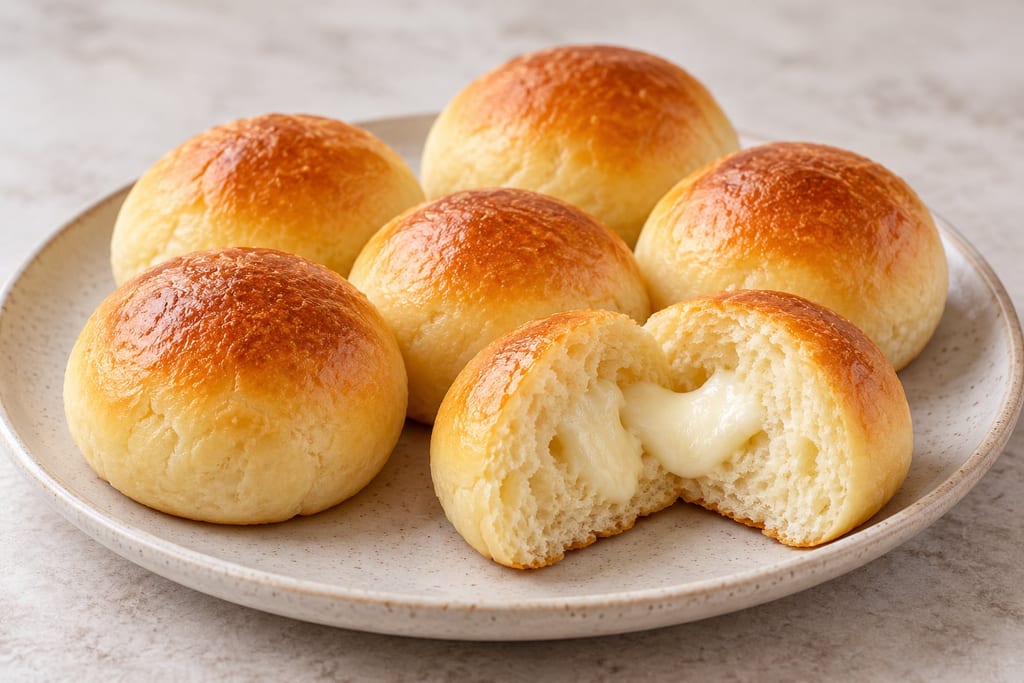
Soft Brazilian yeast rolls use cooked mashed potato in an enriched dough, with mozzarella cubes enclosed before baking.
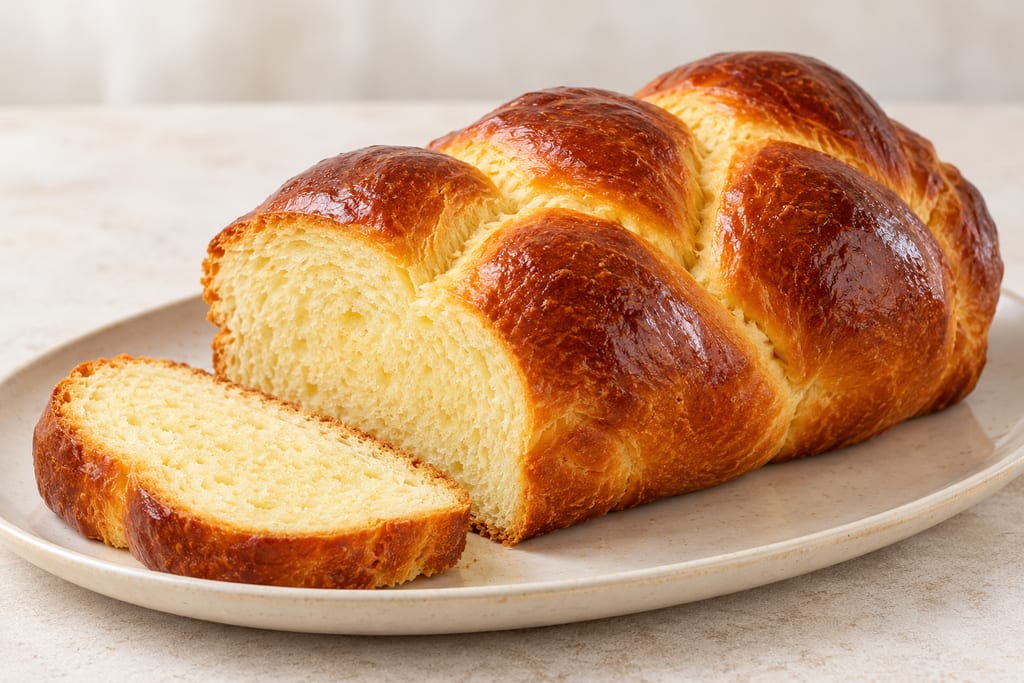
An egg-and-butter-rich yeast dough shaped as one round loaf, two loaves or twelve small brioches, with baking paths that vary by shape.
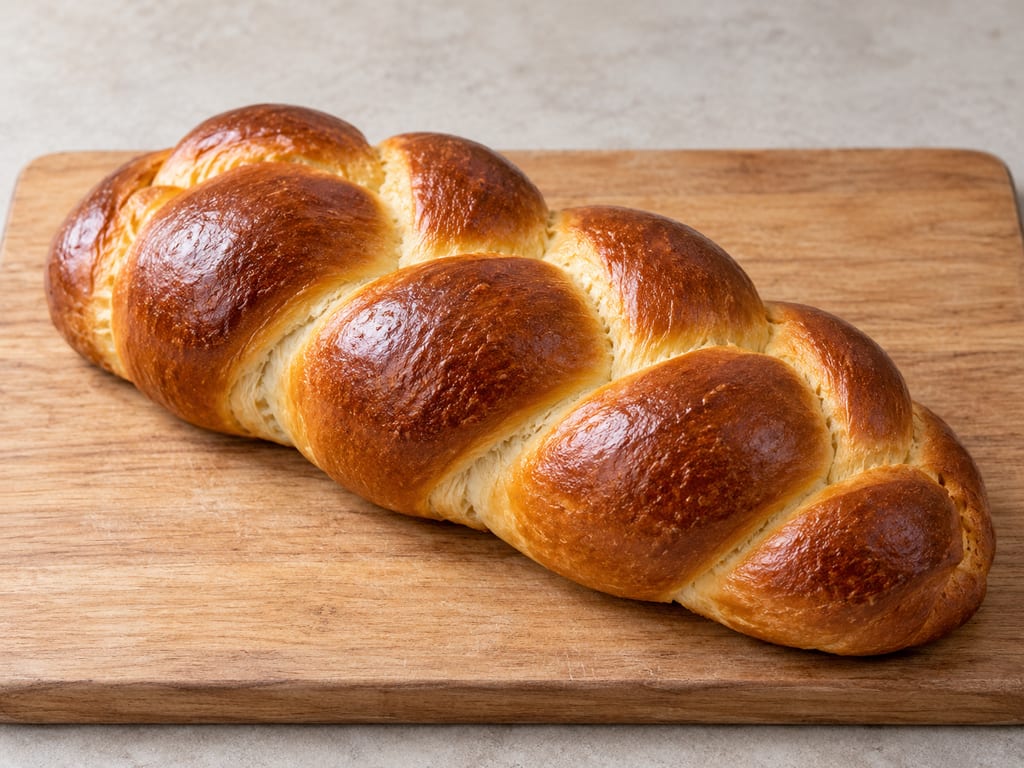
A three-strand yeast-raised challah with flour, salt, yeast, water, neutral oil, honey and egg, based on a Jewish Museum Vienna home recipe.
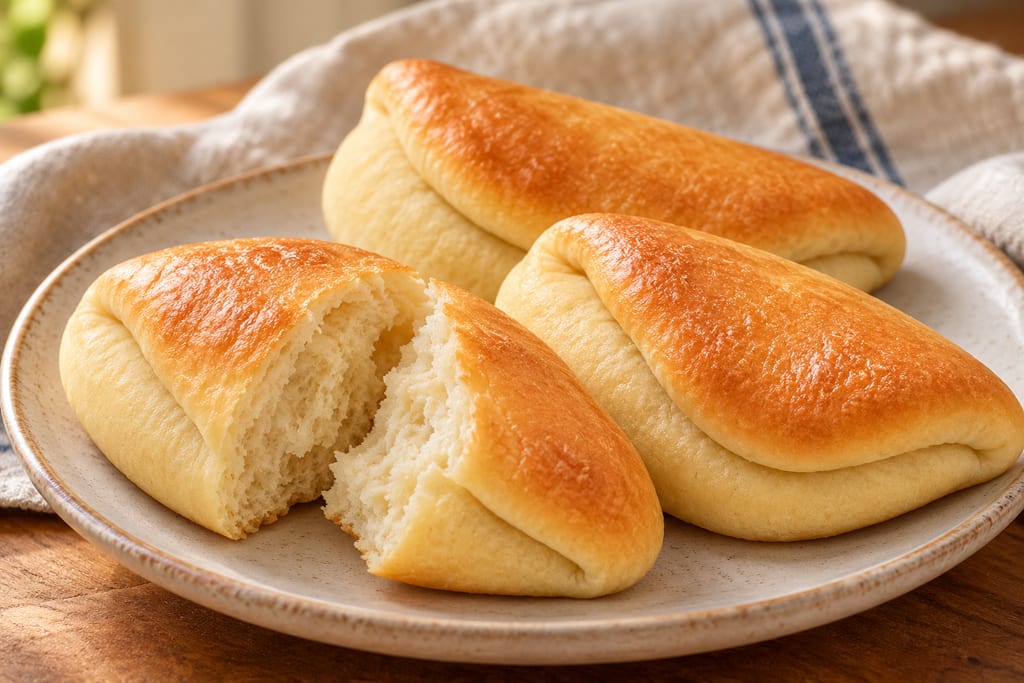
Jamaican-style folded rolls made from sweet coconut-milk yeast dough and brushed with butter.
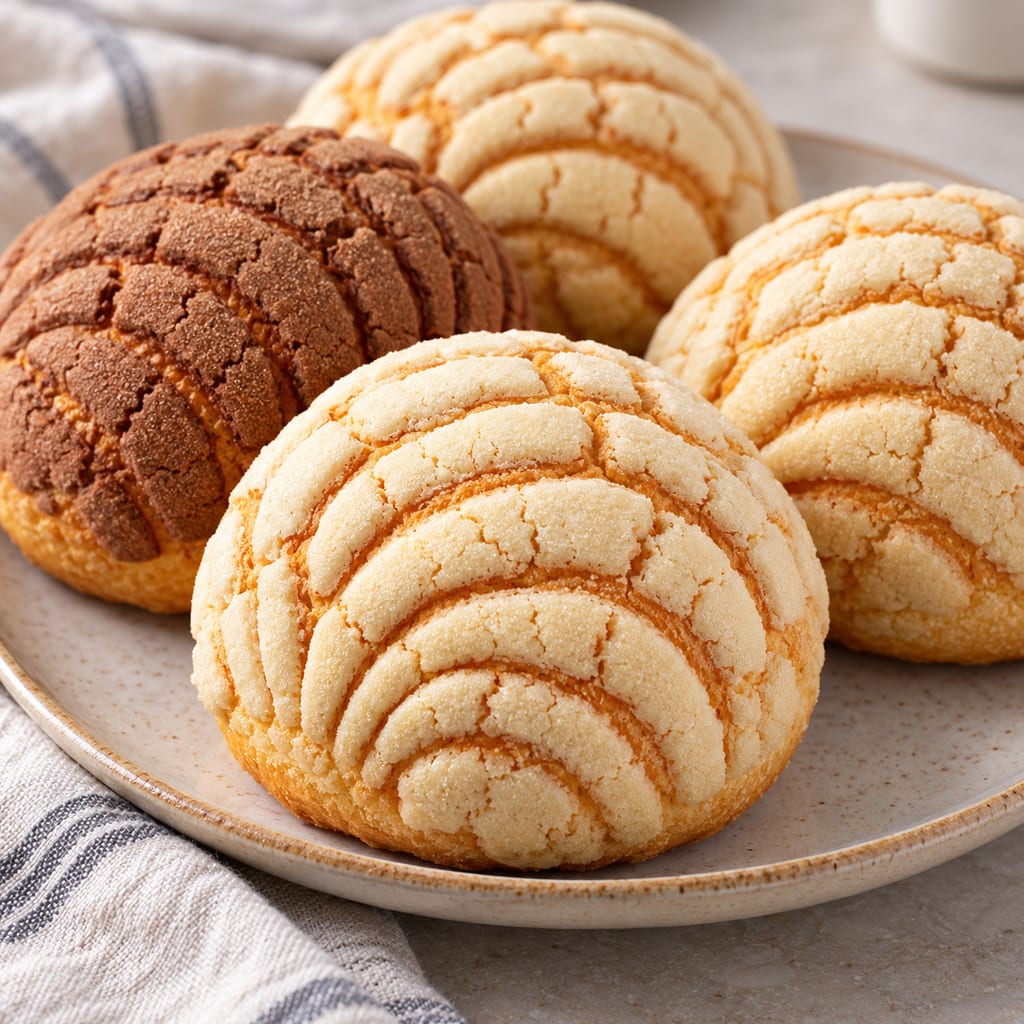
Mexican sweet rolls with a soft enriched yeast dough and a separate scored sugar-flour topping shaped like a shell. This version makes 15 rolls and uses a chilled dough rest before final proofing.

Soft, spreadable Calabrian pork sausage made with a great deal of red chilli and fatty pork, stuffed into natural casings, sometimes smoked and matured while staying soft.

A way to add independent temperature logging to an existing food dehydrator without changing its built-in controls or protections. It is a monitoring method, not a rewiring plan.

Pleurotus cystidiosus is the abalone mushroom, a cultivated oyster-type fungus with dark brown caps that grows more slowly and is more demanding than other Pleurotus species.

A dark, balanced vinegar from Emilia-Romagna made by combining cooked or concentrated grape must with wine vinegar, then acetifying and refining it in wood under a protected specification.

A living dairy inoculum that starts controlled cream fermentation, developing acidity and aroma before sour cream or cultured butter is finished.

A small electric incubator holds jars at a selected temperature for yogurt and other documented warm food preparations. Controls, capacity and vessel arrangement vary by model.

Adygean salt is a seasoned table salt associated with Adygea and the wider North Caucasian culinary tradition. Salt is blended with garlic and a variable selection of herbs and spices; the exact mix depends on the named style and maker.

The African Caesar-group mushroom, Amanita masasiensis, is a wild ectomycorrhizal species of central and southern African woodlands, eaten locally. The genus contains deadly poisonous species, so identification needs care.
No community contributions have been published for this entry yet.
Sign in to contribute. Published comments and photos are free to read.
HI CookeryRecipe · Modern adaptation · Documented inspiration
Poi (Taro) BreadThe source gives a bread-machine formula with ½ cup poi or mashed taro paste, ⅔ cup water, 1¼ teaspoons yeast, sugar, butter, egg, optional purple coloring, flour and salt.
It directs loading ingredients into the machine, selecting a large 2-pound loaf and sweet- or white-bread cycle with a light crust, then cooling before slicing.
The authors describe the recipe as adapted from the Polynesian Cultural Center via Food.com and as inspired by taro bread at Punaluʻu Bake Shop.
Cited in: A bread-machine adaptation; Use prepared taro
University of Hawaiʻi at Mānoa, College of Tropical Agriculture and Human ResourcesFood safety
TaroThe guide says not to eat taro corms raw and lists boiling, roasting and baking as ways to prepare corms.
Cited in: Use prepared taro