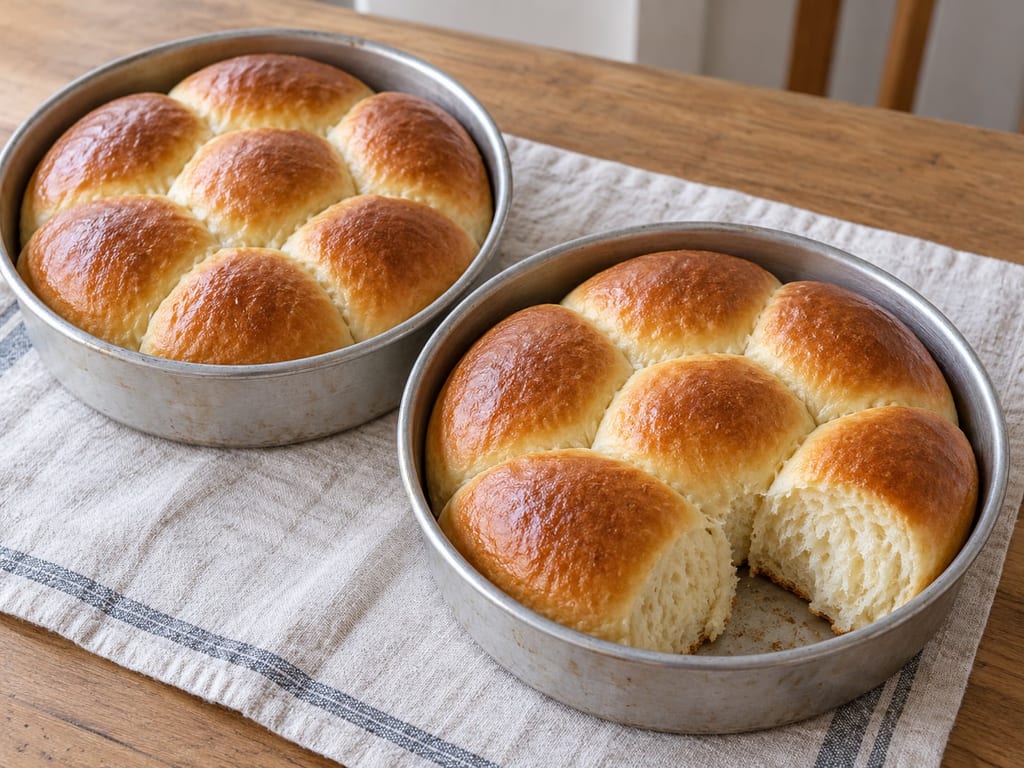
Pão doce (Hawaiian Portuguese sweet bread)
This Hawaiian Electric pão doce is an enriched yeast bread with milk, eggs, melted butter and sugar, baked as two loaves or shaped into small rolls.
 FermenteaWhere food goes to change
Modern adaptation
Poi
This modern introductory batch boils 500 g edible taro, then pounds it with water into fresh poi. It stops before fermentation and makes no preservation claim.
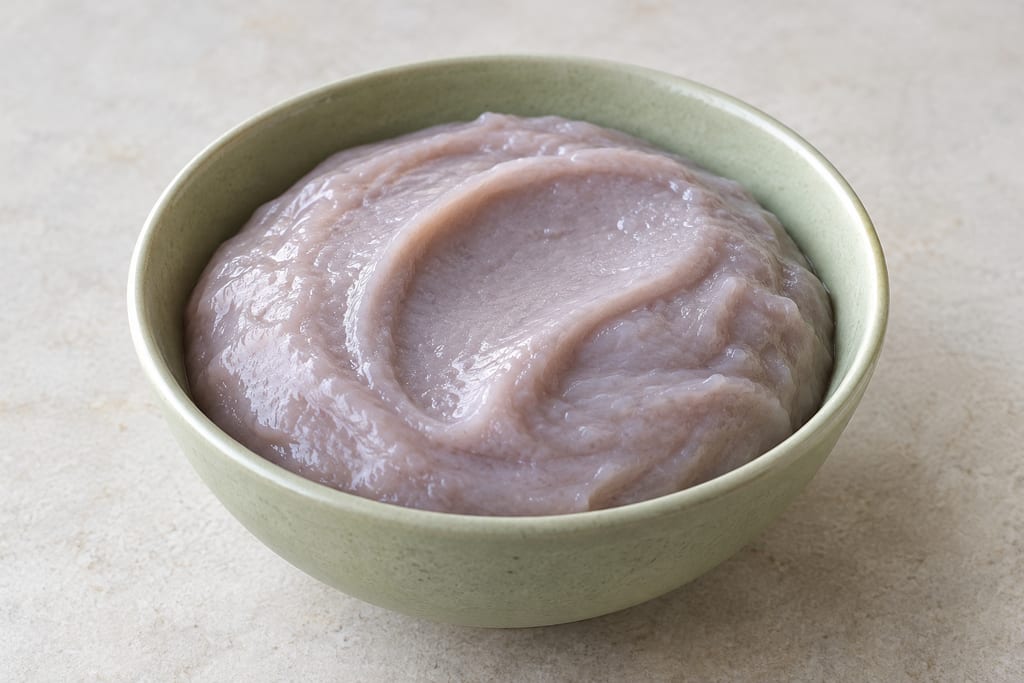
Poi is a staple of Hawaii, made from cooked taro corm that is pounded or mashed with water into a smooth paste. It is eaten as a starch with other foods. Traditional poi is associated with Kanaka Maoli, the Native Hawaiian people, and taro farming is central to that food culture.
This record covers fresh poi, the unfermented preparation. Sour poi is a separate preparation, held in a separate research record, and is not described here.
In Bulletin 70 (1933), Allen and Allen describe the manufacture of poi from taro. Cooked taro is crushed by hand and mixed with water, and some preparations were later left to incubate. The bulletin is an institutional study of the process and is not a community account.
The modern introductory batch in this record is a kitchen adaptation of that method. It uses 500 g of edible taro corm and water as needed. The corm is peeled, cut, boiled until completely tender, drained, pounded or mashed, and mixed with water to a paste. The source gives no cooking time, temperature, water ratio or yield, so none is stated here.
Taro corms should not be eaten raw. The University of Hawaii Pacific Food Guide gives this warning, and a Hawaii Department of Education procurement addendum of December 2025 requires corms to be cooked enough to eliminate calcium oxalate crystals. Neither source gives a home test or a cooking duration that verifies a batch.
The batch in this record is not validated as a safe process. Smell, taste and appearance do not show that the corm has been cooked enough. The record does not establish a shelf life or storage limit for the paste, and the cold storage guidance from the U.S. Food and Drug Administration applies to any leftovers.
Allen and Allen's 1933 bulletin describes poi as an important Hawaiian food. It records cooked taro crushed by hand and mixed with water, followed in some preparations by incubation. The measured 500 g amount and household wording here are a modern introductory adaptation, not a historical or community-authored formula.
Scaling: source batch only
University of Hawaiʻi guidance says not to eat taro corm raw; Hawaiian school procurement specifications require poi corms to be cooked enough to eliminate calcium oxalate crystals, without giving a home verification test.
Hazard sourceFDA guidance warns that perishable leftovers left out too long can allow harmful bacteria to multiply.
Hazard sourceUse an identified edible taro corm, handle the raw corm carefully, and cook it thoroughly before eating.
Control sourceRefrigerate leftovers within 2 hours and keep the refrigerator at or below 40°F (4°C).
Control sourceDo not eat taro corm raw. This adaptation says to boil it until tender but gives no time, temperature or home test for complete breakdown of calcium oxalate crystals.
Refrigerate leftovers within 2 hours at or below 40°F (4°C); this method gives no storage duration.
Allen and Allen document poi in Hawaiʻi and describe an earlier cooked-taro preparation; this modern batch does not claim an origin date or to represent all Kānaka Maoli methods.
This Hawaiian Electric pão doce is an enriched yeast bread with milk, eggs, melted butter and sugar, baked as two loaves or shaped into small rolls.
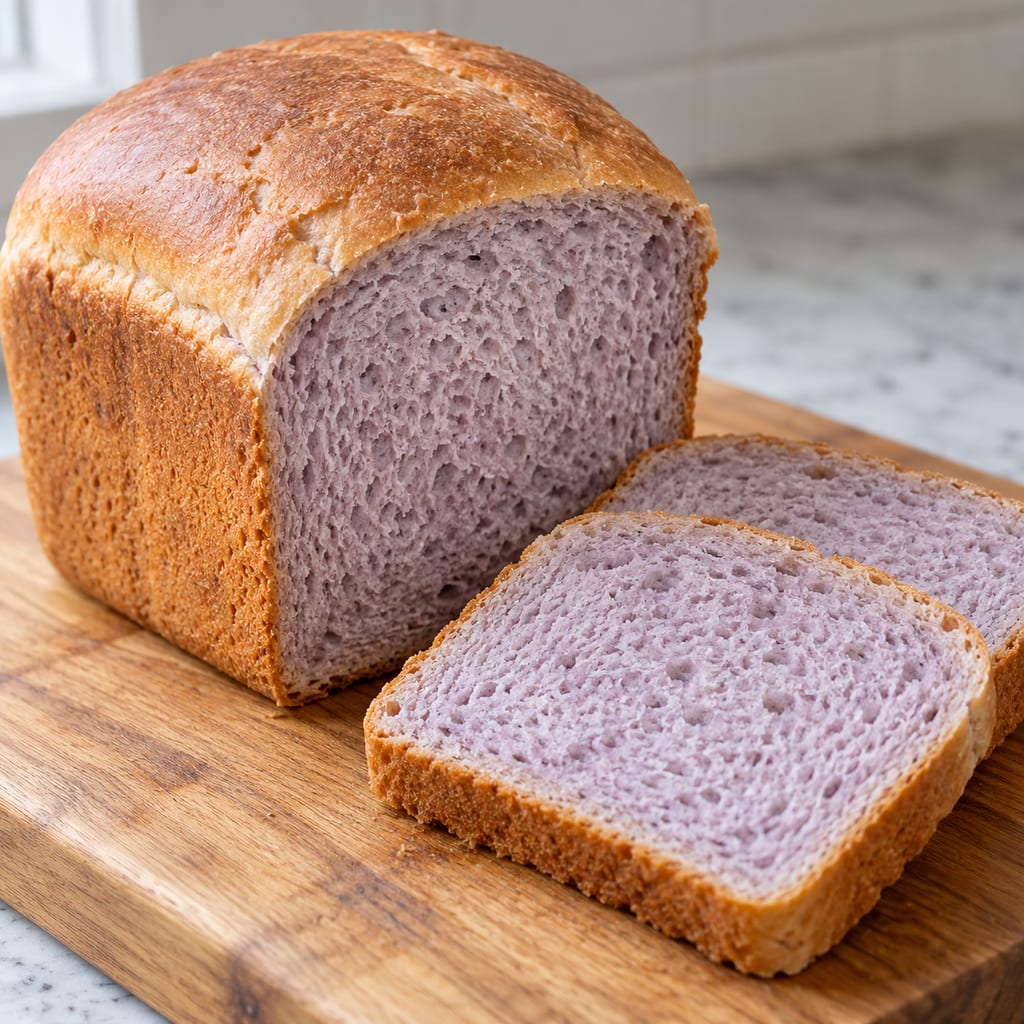
A sweet bread-machine loaf adapted from HI Cookery's version of poi bread, with poi or cooked mashed taro, butter and egg.
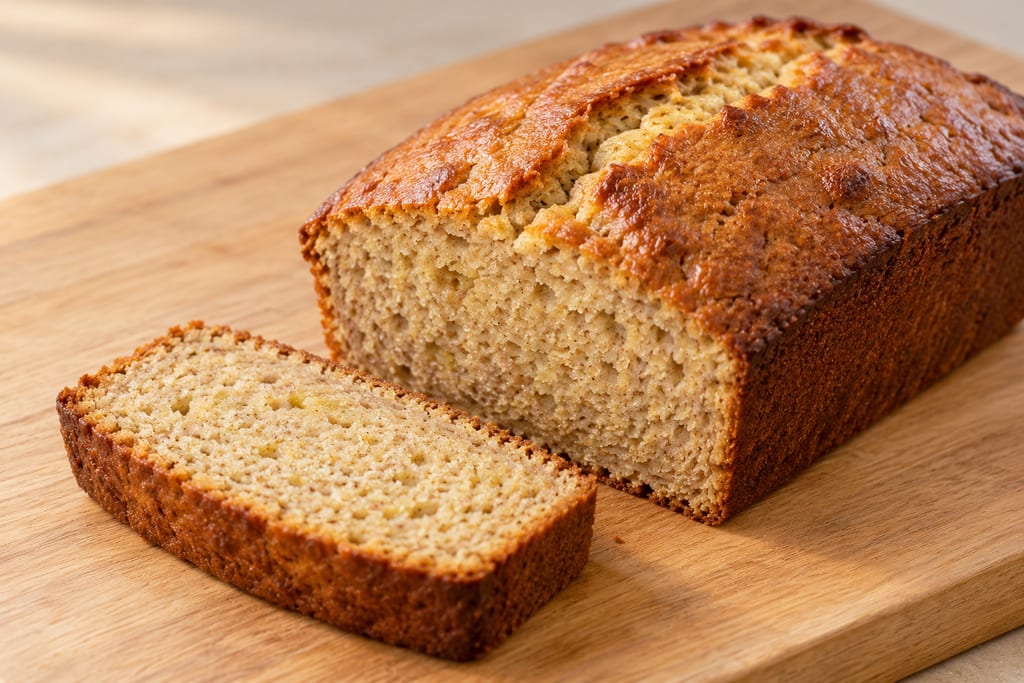
A Hawaiʻi ʻUlu Cooperative home loaf made with ripe banana, ʻulu, or a mixture of the two, leavened with baking powder.
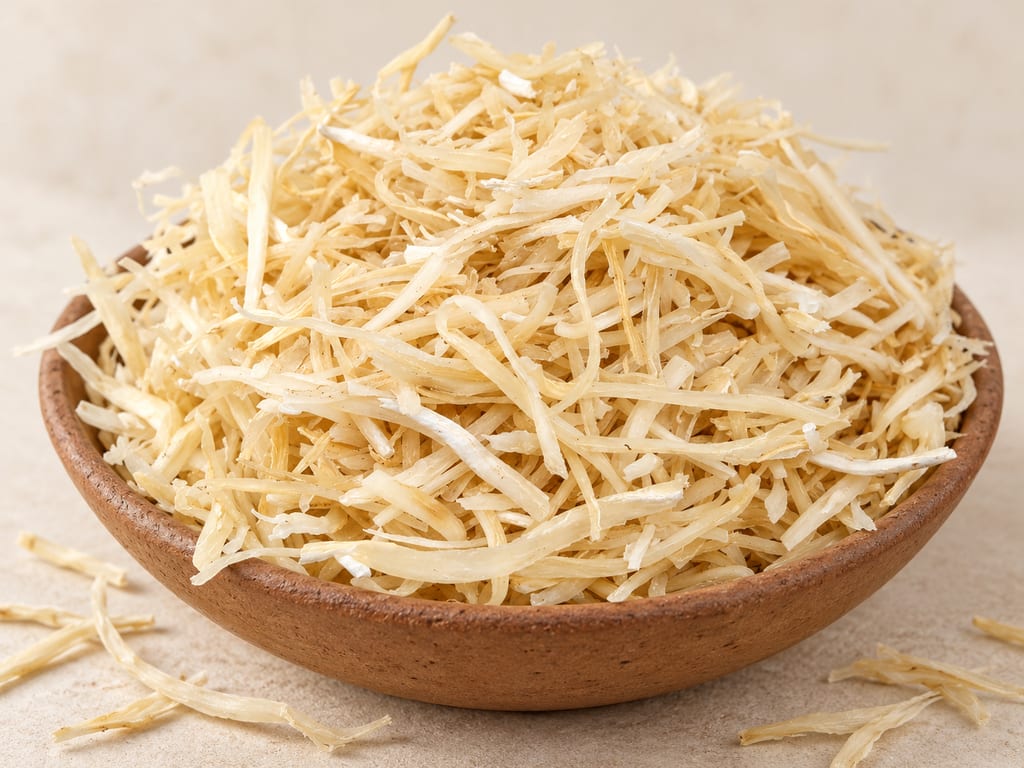
Abacha is a fermented cassava-strip preparation from southeastern Nigeria, sold wet or dried and later rehydrated for meals such as African salad.
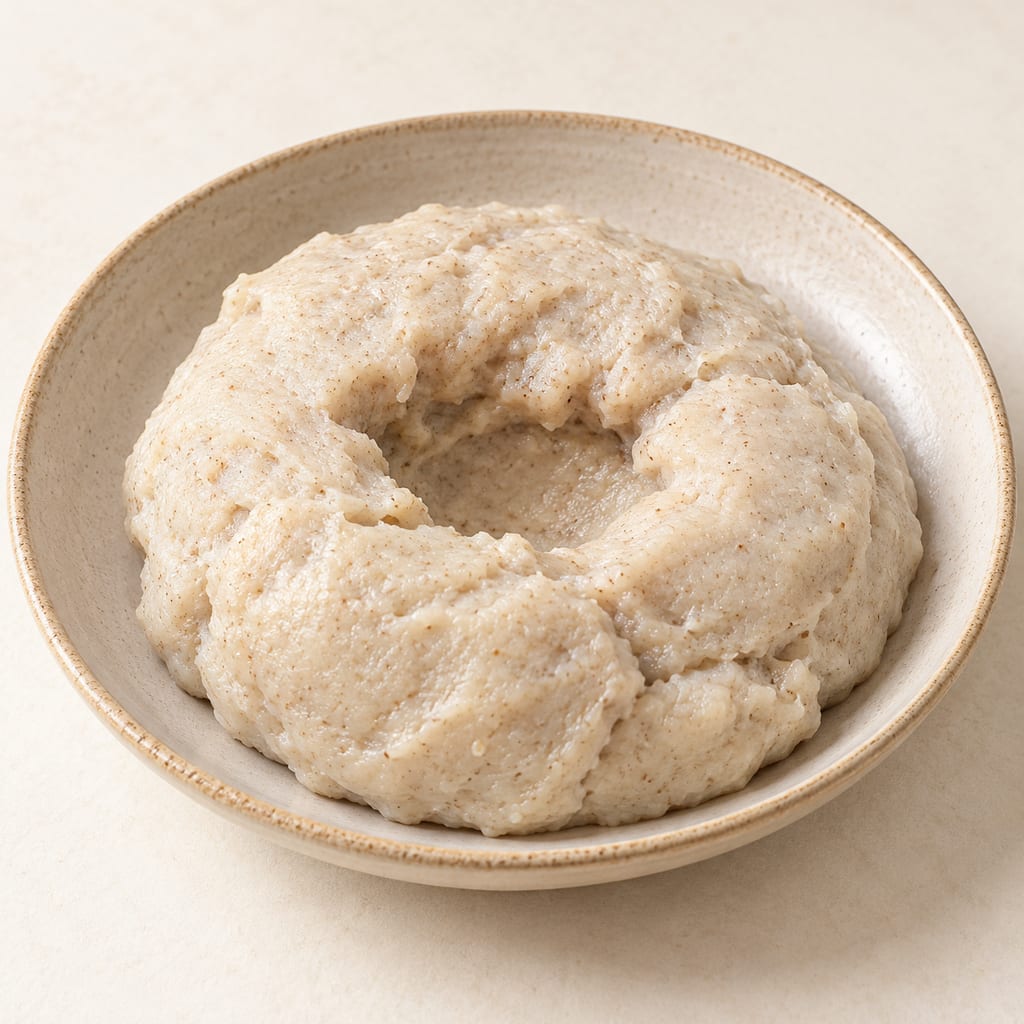
Aceda is Sudan’s firm cereal porridge, commonly made from sorghum and shaped into a smooth mound. Some versions use fermented dough; fermentation is not universal.
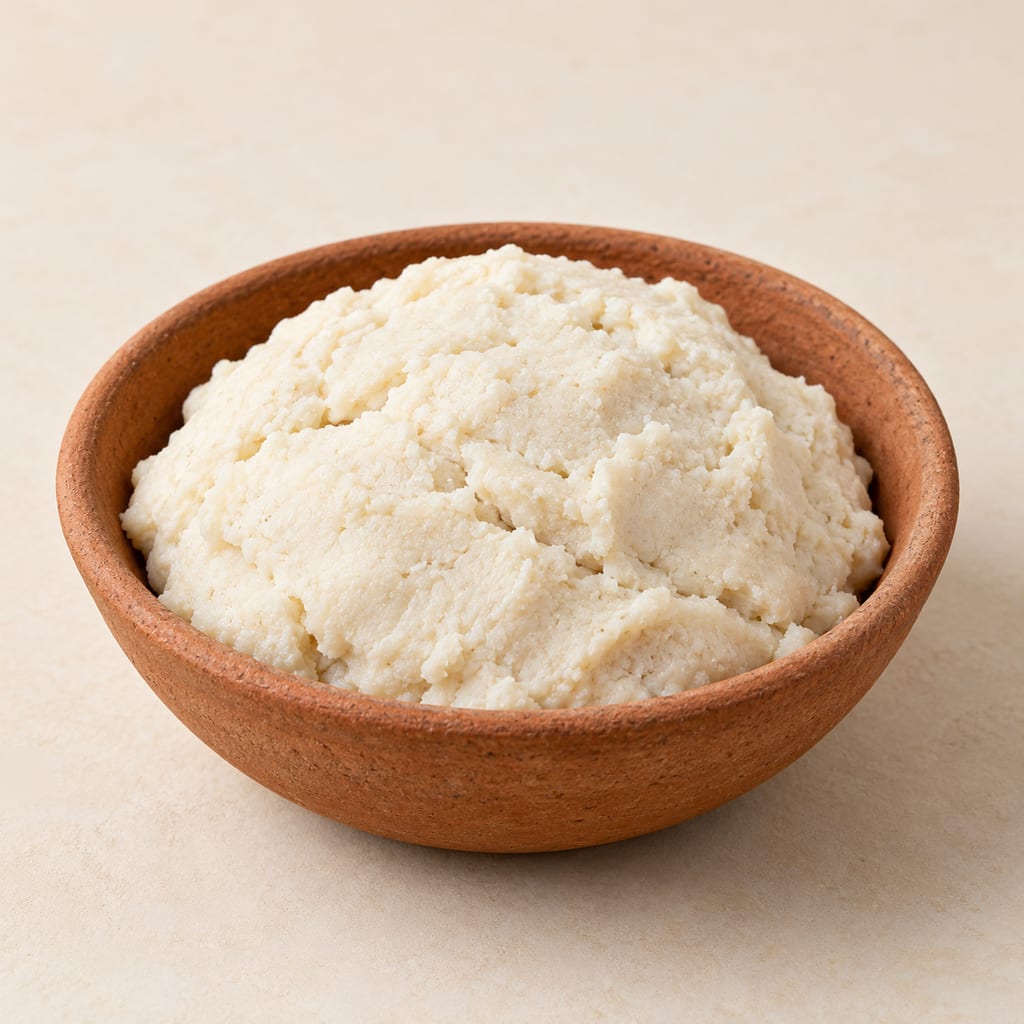
Ghanaian sour cassava dough fermented with traditional inoculum and drained during fermentation. It is used as a base for cooked foods such as banku and akple; process variants and safety outcomes differ.

Appam, or hoppers, are South Indian and Sri Lankan rice pancakes made from a fermented coconut-and-rice batter and cooked in a curved pan to a crisp lacy rim and a soft, spongy centre.
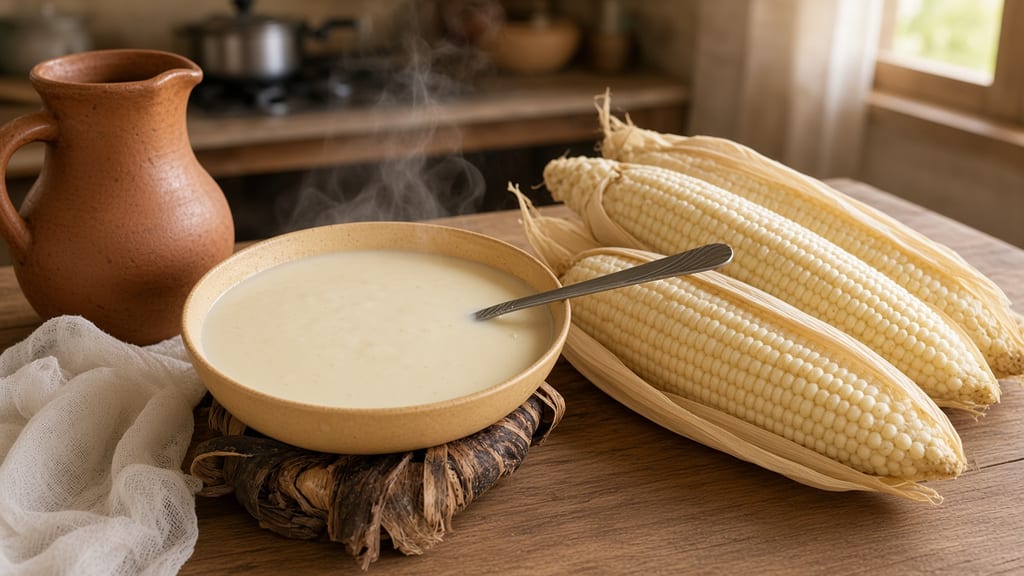
A hot, sour maize drink from Tabasco made from maize that is not lime-cooked. The ground grain sours for half a day, then makers strain it and boil it until thick.
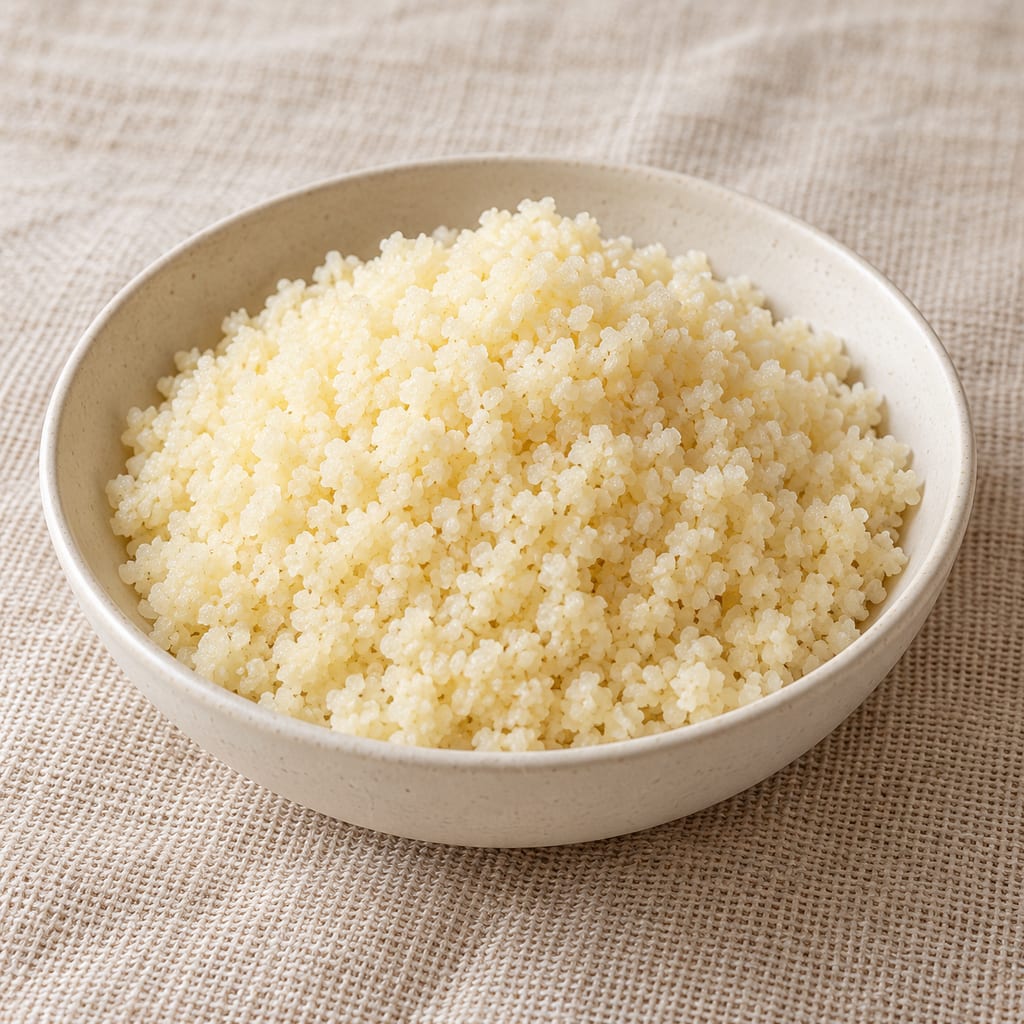
Ivorian cassava semolina: grated cassava is fermented overnight with a traditional inoculum, pressed, sieved into granules, dried and steamed. Documented in a 2006 field study; no sole original process is established.
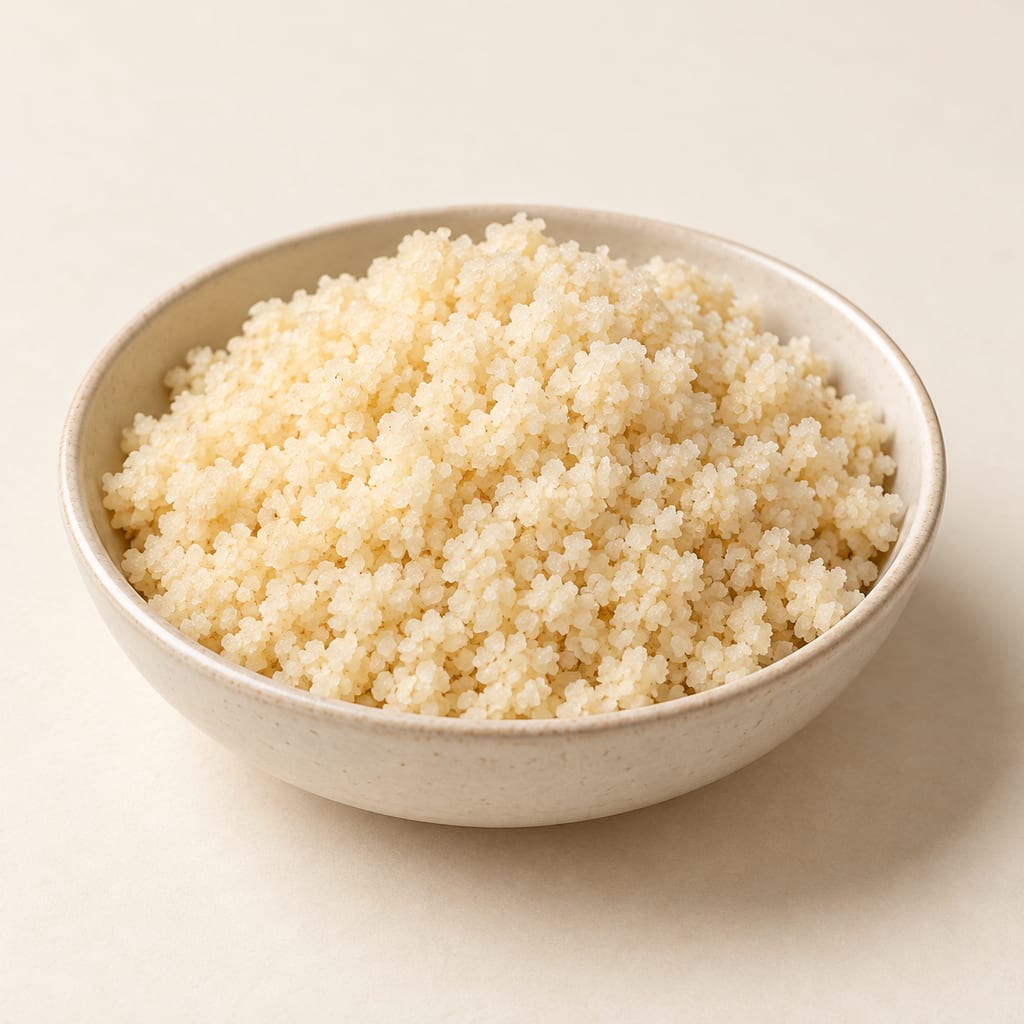
Attiéké is an Ivorian staple of grated cassava fermented with a traditional inoculum, then pressed, sieved, granulated, dried and steamed into fine couscous-like grains.

Crushed or milled barley cooked in water until the starch softens and the mixture thickens, the plainest way a northern household turned stored grain into a meal, here with apple and hazelnut.
No community contributions have been published for this entry yet.
Sign in to contribute. Published comments and photos are free to read.
Hawaii Agricultural Experiment Station, University of Hawaii and United States Department of AgricultureHistory · Inspiration · Process
The manufacture of poi from taro in Hawaii: with special emphasis upon its fermentationThe bulletin describes poi as a Hawaiian food and records cooked taro crushed by hand and mixed with water; some preparations were later incubated. It does not give the modern batch's 500 g quantity or a home cooking duration or temperature.
Cited in: What poi is; Method and the historical study
Internet Archive scan, Wikimedia CommonsHistory · Process
The manufacture of poi from taro in Hawaii: with special emphasis upon its fermentation (archival scan)Accessible scan of the same Bulletin 70; used to inspect the historical discussion of cooked and pounded taro, water, and the distinction between preparation and incubation.
Pacific Food Guide, University of Hawaiʻi at Mānoa College of Tropical Agriculture and Human ResourcesSafety · Ingredient
TaroDo not eat taro corms raw; corms can be boiled; careful peeling can reduce irritation. The page does not give a time-temperature process.
Cited in: Safety and limits
Hawaii State Department of Education, Procurement and Contracts BranchIdentity · Safety
Addendum B to IFB D26-036: Furnish and deliver fresh poiThe commercial school-poi specification requires corms cooked sufficiently to eliminate calcium oxalate crystals and excludes fermented sour poi from that procurement item; it does not give a household verification test or cooking duration.
U.S. Food and Drug AdministrationSafety
Refrigerator Thermometers: Cold Facts about Food SafetyRefrigerate leftovers within 2 hours and keep the refrigerator at or below 40°F. This general leftover guidance is not a poi storage-life claim.
Cited in: Safety and limits