Xocoatolli · atole agrio · xocoatolli · sour atole
Loading ratings…
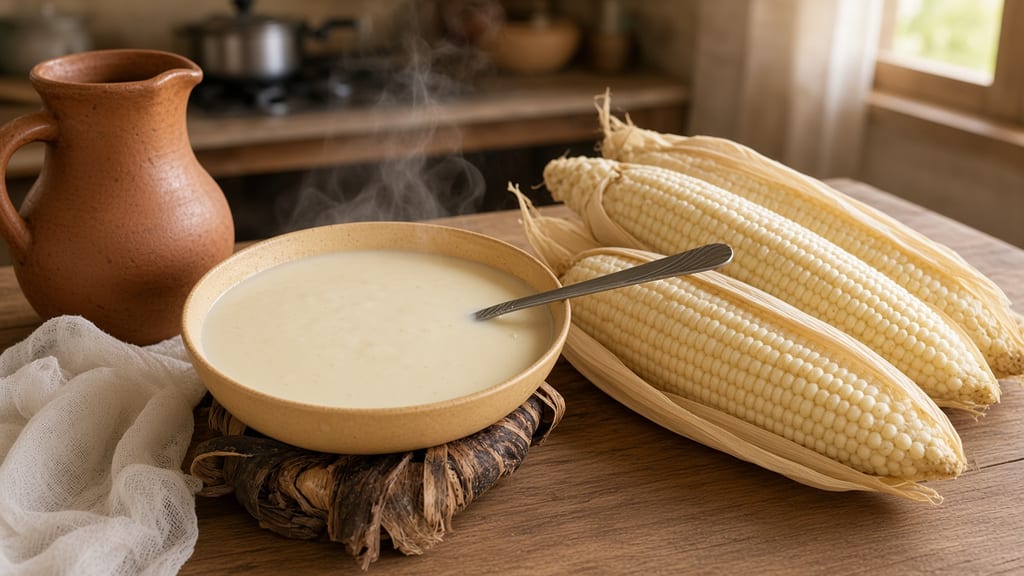
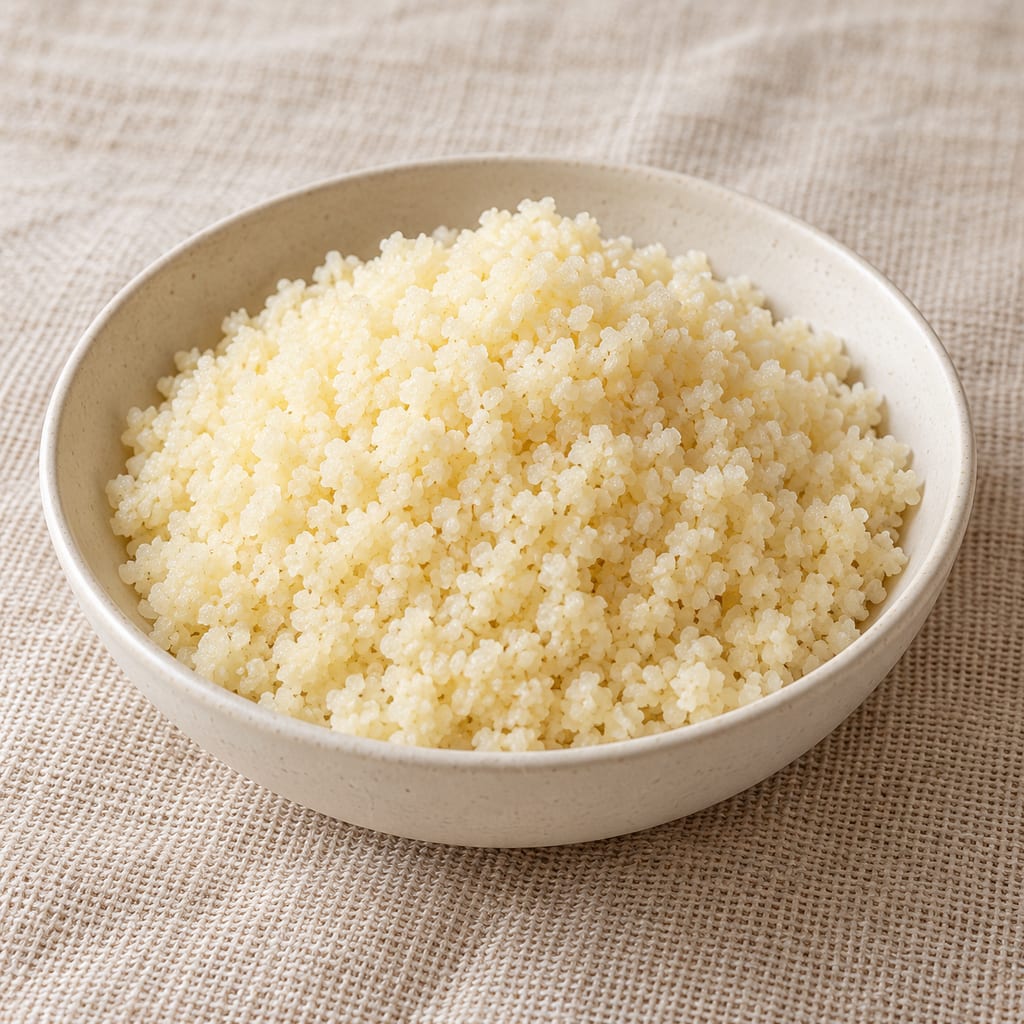
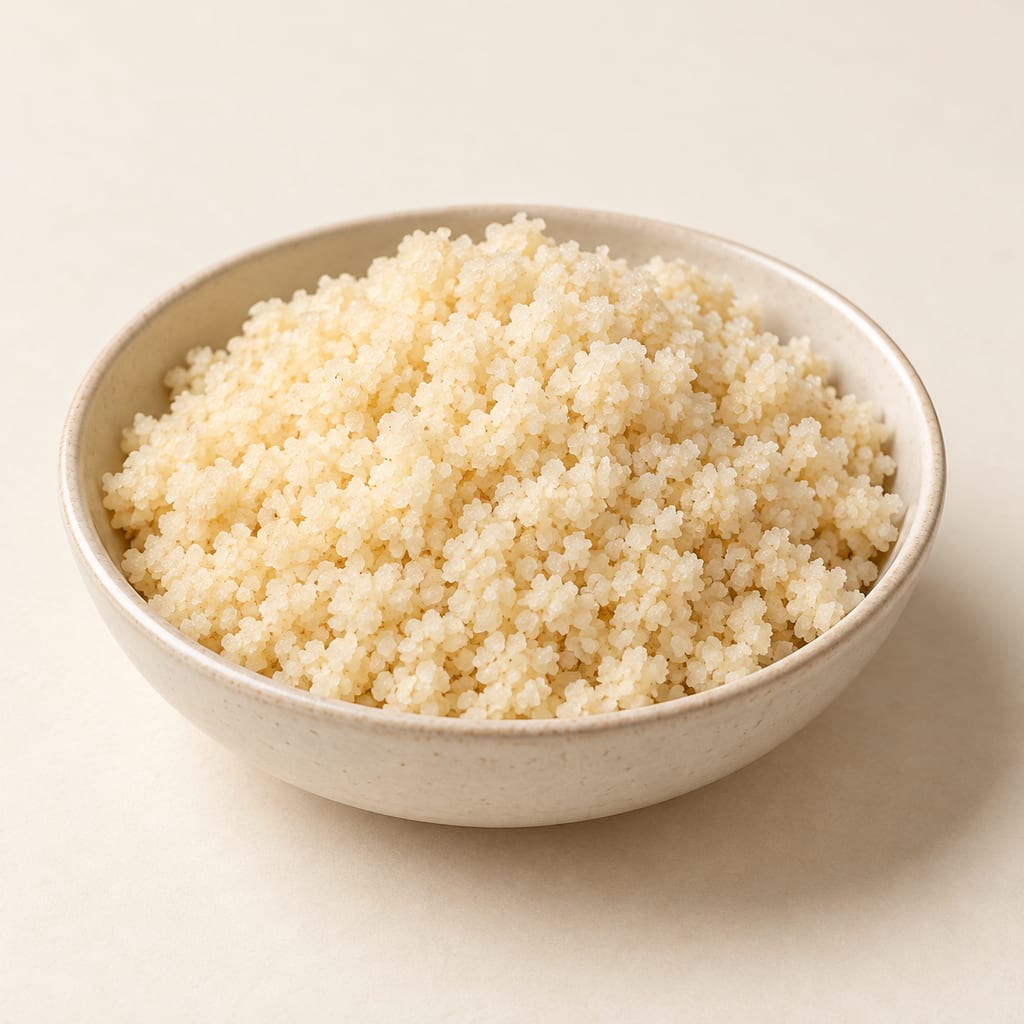
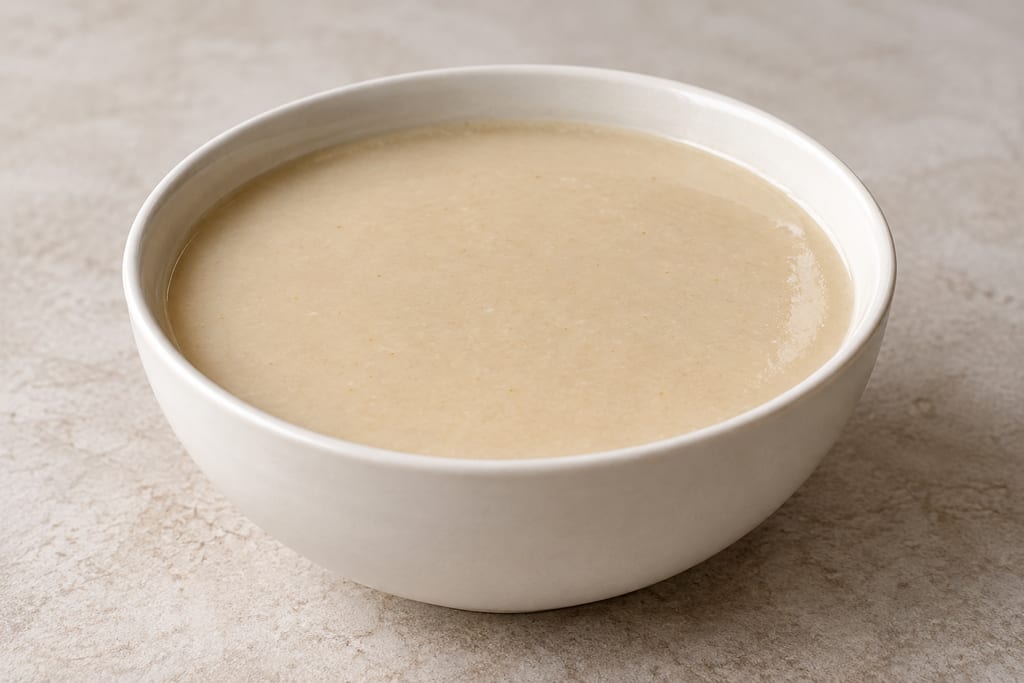
A hot, sour maize drink from Tabasco made from maize that is not lime-cooked. The ground grain sours for half a day, then makers strain it and boil it until thick.
Atole agrio is a sour, thick maize drink from southeastern Mexico. Its maize never goes into lime. Makers grind the grain, leave it to sour for half a day, strain it and boil it until it thickens. They serve it hot. It is sharp and starchy, and it has none of the alcohol of pulque or chicha.
Its name in Nahuatl is xocoatolli. Xococ means sour and atolli means atole, the family of hot maize gruels eaten across Mexico. Most atoles are sweet. This one keeps its sourness, and sugar is an optional extra, not part of the drink's definition.
Studies place it in Tabasco, Chiapas, southern Veracruz and Puebla. The best described version comes from Villahermosa and the nearby town of Macuspana, in Tabasco.
The grain has its own name, maíz de dobla. About thirty days before harvest, the farmer bends the maize stalk over below the ear. The ear hangs down, sheds rain and dries on the plant. Fresh maize holds about 30% water, which lets microbes grow on it. Bending the stalk lets the grain lose some of that water before the harvest.
The result is a maize between fresh and dry. It is mature but still soft enough to grind straight from the cob. It is not soaked in lime and boiled, the nixtamal process that turns maize into tortilla masa. That makes atole agrio part of a smaller group of Mexican ferments made from raw maize, beside the far larger group made from nixtamal, such as pozol.
Makers in Tabasco use one of two methods. In both, they husk the ears, strip and grind the kernels and work the meal into a dough.
In the solid method they shape the dough into balls of about 100 g. The balls sit in plastic tubs under cheesecloth for 12 hours. Then the maker adds water and breaks the balls up in it.
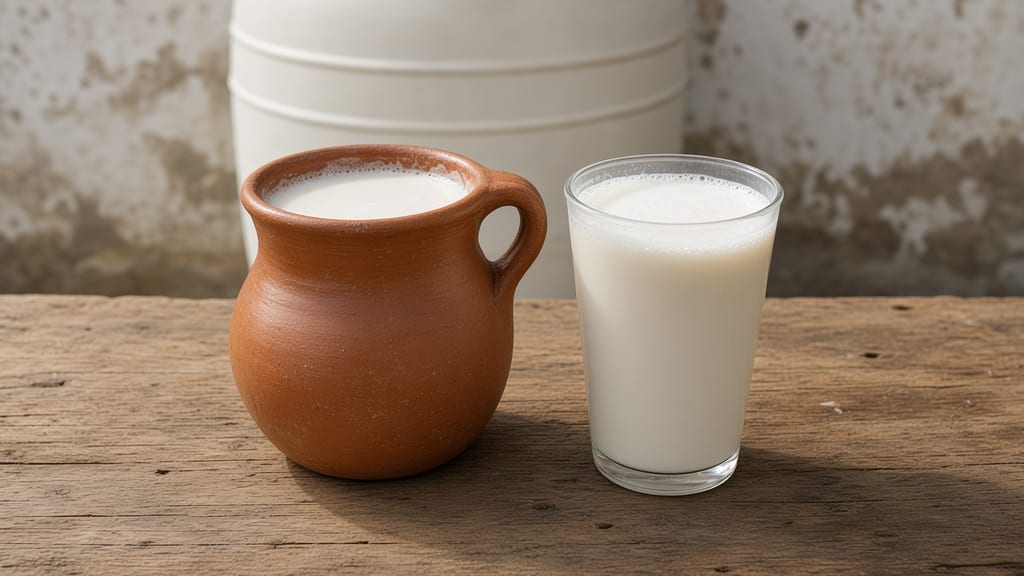
In the liquid method the maker mixes the dough by hand into an equal weight of water until it dissolves, covers the tub with cheesecloth and leaves it for 6 hours. One producer in Macuspana made batches of about 1.5 l this way.
Room temperature in these kitchens was 31–32 °C in one study and 34 °C in another. That heat explains the short times. Both methods end the same way. The maker strains the sour liquid to remove the hulls and boils it until it is thick and creamy.
The fermentation starts from whatever microbes the grain, water, hands and tubs carry. Nobody adds a starter. Lactic acid bacteria dominate, with Lactobacillus plantarum, Lactobacillus delbrueckii and Lactococcus lactis among those found. Yeasts and aerobic bacteria are present too.
By the end, the solid method reached pH 4.21 and the liquid method pH 4.05. The acid is lactic, the same acid that sours yoghurt and sauerkraut. The boil that follows kills the bacteria. The sourness stays in the cup.
The sources disagree on the season. A 2014 review says atole agrio is drunk in Villahermosa from May to September. A later study ties it to the dobla itself and says it is made only in October and November, when the bent maize is ready.
Both agree on its roles. Women drink it after childbirth and while nursing, in the belief that it increases milk. It is also used as a remedy for diarrhoea. In the later account it is set on the Day of the Dead ofrendas, the home altars of early November.
Other sour atoles exist elsewhere in Mexico. Some ferment for several days, and some use nixtamalized masa. They share the name but not the Tabasco method.
Atole agrio has close relatives. One is paj sa'il, also called xi'im or paj'sa, a sour atole of maíz nuevo, the first maize of the season. Its makers prepare it for rituals and religious events, for healing ceremonies and at the start of the farming cycle. It also appears at baptisms, weddings and patron saint festivals.
The method follows the same outline as in Tabasco. Makers strip fresh ears, grind the kernels and leave the dough to rest overnight in hot water, or until it sours. The next morning they strain it and boil it with sugar, salt or honey.
The Sierra Norte de Puebla has another, axocotl, whose lactic bacteria a UNAM study typed in 2007.
Mexico has many fermented maize foods, and most start from nixtamal. Pozol, from the same southeastern states, starts as nixtamalized dough. Makers shape it into balls, wrap them in banana leaves and leave them for days, then mix the dough with water and drink it without further cooking, sometimes with cocoa. Commercial tejuino, from the north and west, is made from nixtamalized masa and piloncillo and served over ice.
Atole agrio differs from both. Its maize is raw, its fermentation lasts hours, not days, and it goes through a boil before anyone drinks it.
The traditional maize is maíz de dobla, ground fresh from the cob. It is almost impossible to buy outside southeastern Mexico. The modern method uses dried white field maize, the kind sold for making masa, soaked and ground. Never use masa harina or ready-made tortilla masa. Both contain nixtamalized maize and give a different drink.
For 1.5 l, use 300 g dried white maize kernels, about 1.2 l water in total and a pinch of salt if you like. You can add sugar, piloncillo, cinnamon or cocoa after cooking. Soaked field maize is harder and drier than dobla maize, and no study has tested this adaptation.
Tabasco makers grind on a metate or in a mill and ferment in plain plastic tubs covered with manta de cielo, a fine cotton cheesecloth. The cloth keeps insects out and lets air in. At home a blender, a large bowl, a fine sieve or straining cloth and a heavy pan are enough. A thermometer helps you find a warm spot for the ferment, such as an oven with only its light on.
Rinse the maize, cover it with cold water and soak it in the fridge for 12 hours. Drain it. Grinding a cold, drained grain keeps the fermentation to the hours you choose.
Grind the kernels with 300 ml water in a strong blender, or on a metate, to a coarse wet dough. Weigh it. Stir in an equal weight of fresh water by hand until the dough dissolves into a thin, gritty batter.
Pour it into a clean glass or food-grade plastic bowl. Cover with a clean cloth and leave it in a warm place at 30–34 °C for 6 hours. A cooler kitchen slows the souring. Taste it then. It should smell of fresh grain and sour milk. Throw away any batch that is mouldy, slimy or rotten.
Strain the batter through a fine sieve or cloth, pressing to get the starch through. Discard the hulls. Add water to bring the liquid to 1.5 l.
Pour it into a heavy pan and bring it to a full boil, stirring all the time, because it sticks. Keep it boiling for 10 minutes, then let it simmer and thicken until it coats a spoon. Season with salt or sweeten as you like, and serve hot.
The liquid method takes half the time, which is why the recipe above uses it. The solid method takes twice as long and gives the dough more time to sour before it meets water.
To try it, skip the extra water after grinding. Shape the wet dough into balls of about 100 g, set them in a clean tub and cover it with cheesecloth. Leave them for 12 hours in the same warm place. Then add water, break up the balls by hand until the dough dissolves, and carry on with straining and boiling as before.
In the Tabasco measurements the solid ferment ended a little less sour, at pH 4.21 against 4.05 for the liquid one. Both are sour enough to be called atole agrio.
Each stage has a job. Grinding opens the kernel so that bacteria and water reach the starch. The short ferment makes lactic acid and drops the pH to about 4. Straining takes out the cascarilla, the tough hull, which would make the drink gritty. The boil comes last.
The boil is the step that matters. It gelatinizes the maize starch, which gives the drink its body. It also kills the bacteria the fermentation brought in. In one study of Villahermosa atole agrio, every microbial group fell below detection after boiling.
The souring before the boil is short and warm. The microbes do not have time to break down much starch, so the drink stays thick. Leaving the batter longer gives a sharper taste, but it also gives other bacteria more time to grow.
The Villahermosa studies traced the enterobacteria to two places. The first was the raw material, the water and the maize ears. The second was the work itself, the producer's hands and the equipment. They also found Morganella morganii and two Pseudomonas species, Pseudomonas aeruginosa and Pseudomonas luteola.
At home that points to simple controls. Use drinking water for soaking, grinding and diluting. Wash your hands, the blender, the bowl and the cloth before you start. Keep the batter covered. None of this replaces the boil, but it lowers the load of bacteria that the acid and the heat have to deal with.
Raw maize, water and hands carry many microbes. In Tabasco, studies found enterobacteria in the fermenting batter, including Klebsiella pneumoniae, Serratia marcescens and Enterobacter cloacae. Their numbers fell as the acid rose, but they did not vanish before cooking.
No authority has validated a home method for atole agrio. Its taste, smell and sourness do not show that it is safe. The boil is what reduces the risk, so never drink the batter raw and never skip or shorten the boil.
Serve it the day it is made. Cool any leftovers in a shallow container and refrigerate them within 2 hours. Keep them for no more than 3 to 4 days, and reheat them to a rolling boil before drinking.
The age of the drink is not established. Its Nahuatl name and its use on ofrendas point to a long history, but no dated source documents it. Yields, salt and sugar are not fixed in the field studies, and each household follows its own taste.
Studies describe atole agrio as a traditional drink of Tabasco and neighbouring states, named xocoatolli in Nahuatl and used for nursing mothers and on Day of the Dead ofrendas.
Pulque, the thick white drink of fermented agave sap, left its chemical trace in Teotihuacan jars 1,500 years ago. It went on to fill the tent-like pulquerías of colonial Mexico City, which officials tried and failed to reform.
Pozol is lime-cooked maize ground to dough, shaped into balls, wrapped in banana leaves and fermented for days, then stirred into water as a sour drink in southeastern Mexico.
Aceda is Sudan’s firm cereal porridge, commonly made from sorghum and shaped into a smooth mound. Some versions use fermented dough; fermentation is not universal.
Ghanaian sour cassava dough fermented with traditional inoculum and drained during fermentation. It is used as a base for cooked foods such as banku and akple; process variants and safety outcomes differ.
Appam, or hoppers, are South Indian and Sri Lankan rice pancakes made from a fermented coconut-and-rice batter and cooked in a curved pan to a crisp lacy rim and a soft, spongy centre.
Ivorian cassava semolina: grated cassava is fermented overnight with a traditional inoculum, pressed, sieved into granules, dried and steamed. Documented in a 2006 field study; no sole original process is established.
Attiéké is an Ivorian staple of grated cassava fermented with a traditional inoculum, then pressed, sieved, granulated, dried and steamed into fine couscous-like grains.
Crushed or milled barley cooked in water until the starch softens and the mixture thickens, the plainest way a northern household turned stored grain into a meal, here with apple and hazelnut.
A fermented pearl-millet gruel documented in Ouagadougou, Burkina Faso. Whole grain is soaked, wet-milled and sieved; the settled paste ferments again before it is cooked with its liquid.
Community
No community contributions have been published for this entry yet.
Share what you made
Sign in to contribute. Published comments and photos are free to read.
Villahermosa atole agrio from non-nixtamalized fresh maize of bent stalks; solid ferment in balls 12 h at 31–32 °C, liquid ferment 1:1 masa to water 6 h at 31–32 °C, both under cheesecloth in plastic tubs; strained, cooked at 94–96 °C until thicker; sugar or piloncillo optional
Drunk May to September by Indigenous people in Villahermosa; given to nursing mothers; used against diarrhoea
Enterobacteria including Serratia marcescens, Klebsiella pneumoniae, Enterobacter cloacae; final pH 4.21 solid and 4.05 liquid; counts fall after cooking
Cited in: What is atole agrio?; Maize from a bent stalk; Two ways to ferment; What makes it sour; A drink of season and ceremony; Paj sa'il, a sour atole of new maize; Atole agrio beside other maize ferments; Ingredients; Equipment; Method; The solid method at home; How the boil changes it; Where the contamination comes from; Food safety and storage; Open questions
Accessed 2026-11-03
Facultad de Química, UNAM, repositorio RU-DGBHistory
Name from Nahuatl xocoatolli, xococ sour and atolli atole
Made in Tabasco, Chiapas, southern Veracruz and Puebla
Stalk bent thirty days before harvest; atole made only in the dobla period, October and November; placed on Day of the Dead ofrendas; given to nursing mothers
Cited in: What is atole agrio?; Maize from a bent stalk; A drink of season and ceremony; Atole agrio beside other maize ferments; Open questions
Accessed 2026-11-03
Pérez-Cataluña et al., Antonie van Leeuwenhoek 111:385–399, 2018Method
Producer in Macuspana, Tabasco; maize de dobla; dough balls of about 100 g or dough mixed 1:1 with water to 1.5 l; 12 h at ambient 34 °C; filtered and boiled to a creamy texture
Cited in: What is atole agrio?; Two ways to ferment; Ingredients; Method; The solid method at home
Accessed 2026-11-03
Díaz-Ruiz et al., Sociedad Mexicana de Biotecnología y Bioingeniería congress abstract, 2013Safety