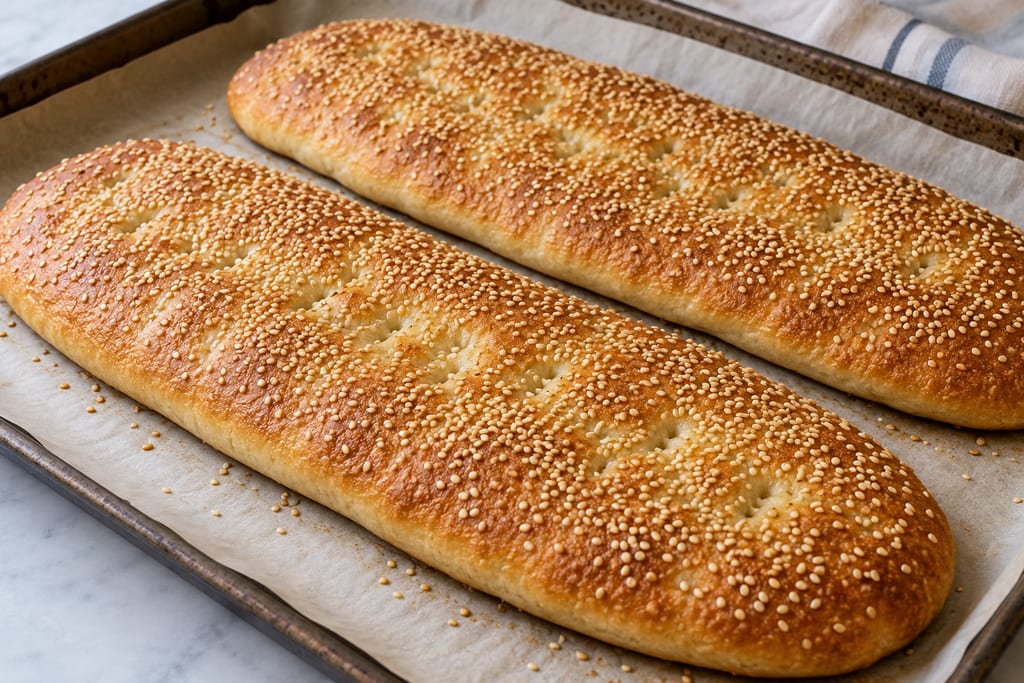
Lagana (Diane Kochilas yeast version)
Diane Kochilas’s yeast-raised Lagana makes two wide, sesame-topped loaves for Clean Monday. Her Athens-neighborhood version is distinct from the unleavened Lagana also described in the recipe’s cultural context.
 FermenteaWhere food goes to change
Modern method
Tsoureki · τσουρέκι · Greek Easter bread
Eli K. Giannopoulos’s recipe makes two braided tsourekia with mastic, mahleb and orange, followed by an optional syrup. It is one modern Greek Easter-bread formula, not a universal regional standard.
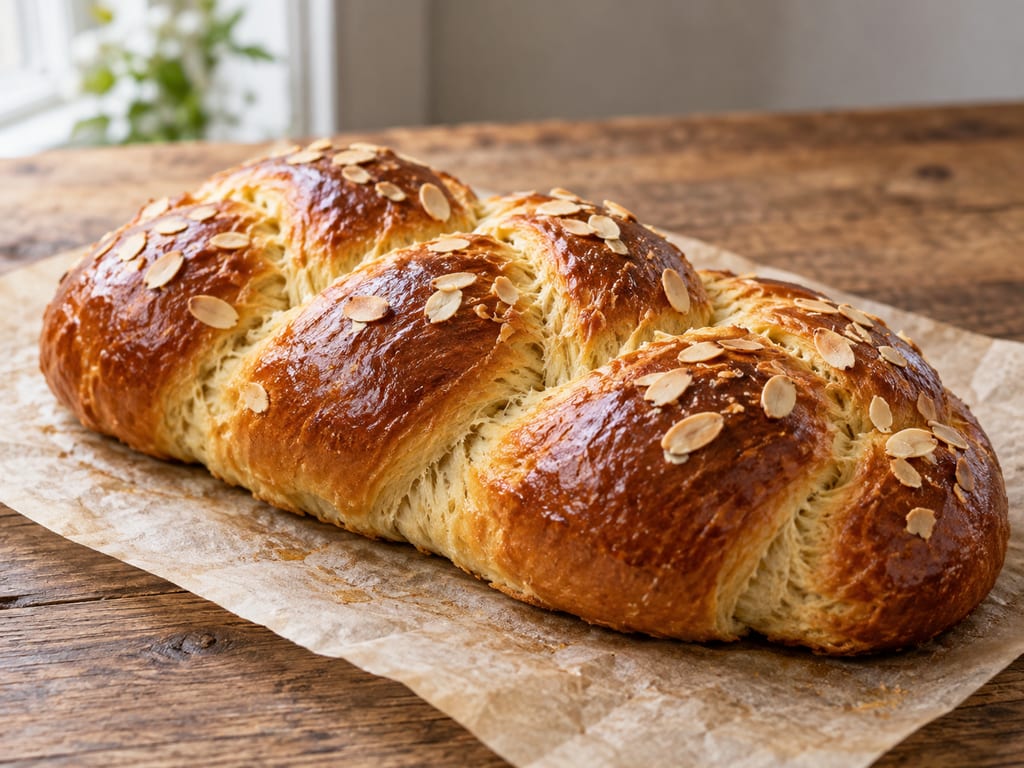
Tsoureki is a Greek enriched yeast bread associated with Easter and also made outside the holiday. The atlas describes it within Greek and connected regional traditions. This page documents one contemporary two-loaf recipe by Eli K. Giannopoulos, not a single formula used throughout Greece or neighboring regions. It uses wheat flour, milk, eggs and butter, with mastic, mahleb and orange zest for flavour.
Use the source formula as written: 870 g strong white bread flour, 24 g dry yeast, 110 g lukewarm water, 150 g milk, 135 g butter, 230 g sugar, four medium eggs (about 200 g without shells), 3 g ground mastic, 10 g ground mahleb and the zest of one orange. For the glaze, it lists one egg and one tablespoon of water, with almond slivers as an amount-unspecified garnish. The optional syrup is 150 g each of sugar and water. It is a large, soft dough; the author cautions against adding flour unless the dough remains very sticky after kneading.
Activate the yeast in lukewarm water with a pinch of sugar for about 6–7 minutes, until it bubbles. Grind the mastic and mahleb with a pinch of sugar. The recipe does not quantify either pinch. Melt the butter with the dough sugar and milk over very low heat, then cool the mixture to lukewarm before mixing in the eggs and yeast. This helps avoid exposing the yeast to hot liquid. Combine the liquids with the flour, spices and orange zest, then knead with a dough hook for about 15 minutes until the dough clears the bowl sides while remaining soft and slightly sticky.
Cover the dough and leave it in a warm place until doubled, about 3–4 hours. If the room is cold, the author suggests warming an oven to 30 °C, switching it off and placing the covered dough inside. The shaping steps do not use a measured proofing temperature: use the source's volume cues. Gently deflate the dough, divide it into six equal pieces and stretch each piece into a rope by holding and gently shaking the edges. Braid three ropes per loaf without pulling the braid tight. Set both braids on a parchment-lined tray and let them rise for about one hour, until puffy and nearly doubled.
The source lists the fan-oven setting as 150 °C / 310 °F. Those numbers differ by about 4.4 °C. A reader later reported that 350 °F made the bread dry, and the author answered that 310 °F was intended. This version therefore uses 310 °F, which converts to 154.4 °C, and retains the source's 30–40-minute bake time and browned, fluffy visual cue. If the loaves brown too quickly, the source advises covering them with parchment.
The almond garnish is optional and amount unspecified. The syrup is also optional: the author says syrup is not part of the traditional recipe description. If used, boil 150 g sugar with 150 g water just until the sugar dissolves, remove the pan from the heat and ladle the syrup over the hot loaves. Cool the breads before wrapping. The publisher's suggested room-temperature and freezer periods are not validated storage limits, so none is presented as a safety guarantee.
Raw flour and eggs require ordinary kitchen hygiene. Do not taste the uncooked dough, keep it away from ready-to-eat food and clean hands and utensils after handling. The bread is served after baking; the source does not specify a validated internal temperature endpoint. The historical period remains undated because the inspected recipe documents a modern method and Easter association, not a first attestation.
This is Eli K. Giannopoulos's contemporary two-loaf Greek Easter-bread formula. The page and the atlas associate tsoureki with Greek Easter and connected regional traditions, but the inspected recipe gives no dated first attestation. Its method includes mastic, mahleb, orange zest and a three-strand braid. The optional syrup is explicitly described by the author as outside the traditional recipe description.
Yield 2 loaves; the page also states 30 slices · Scaling: source batch only
Uncooked flour and raw egg dough should not be tasted; flour can carry harmful bacteria.
Hazard sourceThe two enriched loaves and tray are hot when removed from the oven.
Hazard sourceKeep raw dough separate from ready-to-eat food, wash hands and surfaces after handling flour or raw eggs, and do not taste the uncooked dough.
Control sourceUse oven mitts to handle the hot tray and leave the loaves to cool before wrapping.
Control sourceContains wheat (gluten), milk and eggs. The optional almond garnish contains tree nuts.
The source's room-temperature and freezer storage periods are publisher advice, not validated shelf-life limits.
The recipe page labels the dish Greek and associates this version with Easter; it does not locate the formula within a narrower region.
Diane Kochilas’s yeast-raised Lagana makes two wide, sesame-topped loaves for Clean Monday. Her Athens-neighborhood version is distinct from the unleavened Lagana also described in the recipe’s cultural context.
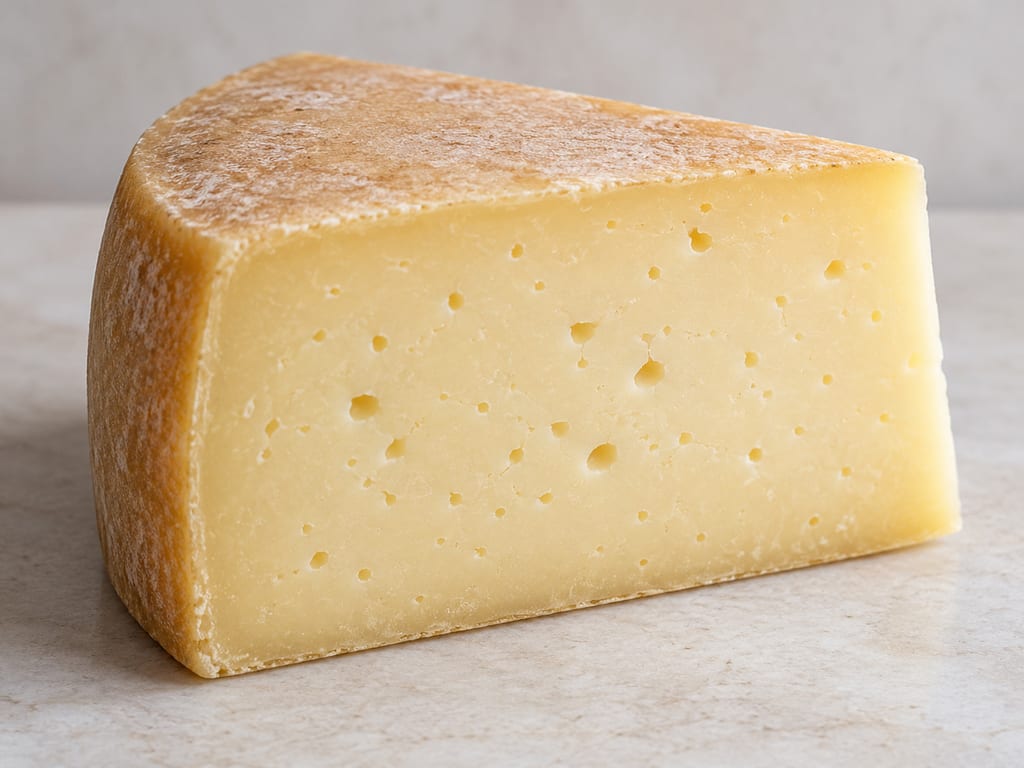
This Cypriot graviera is a hard sheep-milk cheese with a dry rind and round eyes. Its curd is heated, pressed and dry-salted before a long cool ripening.
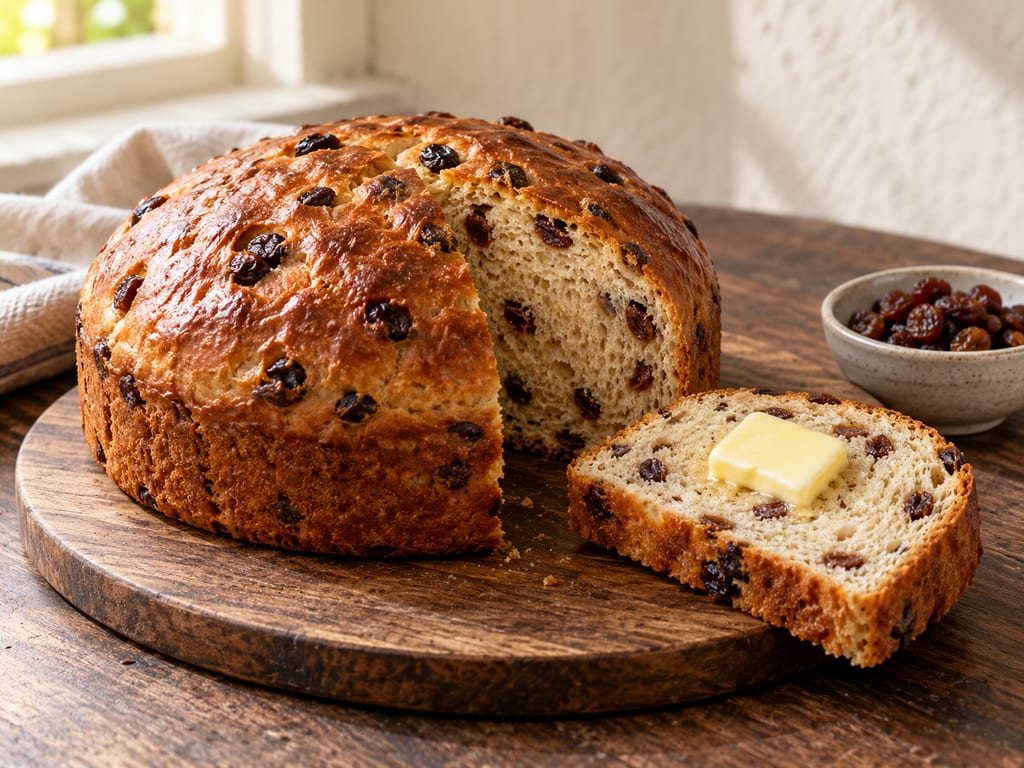
An Irish fruit-studded yeast loaf, associated in a contemporary cultural account with Halloween and often served fresh or toasted with butter.
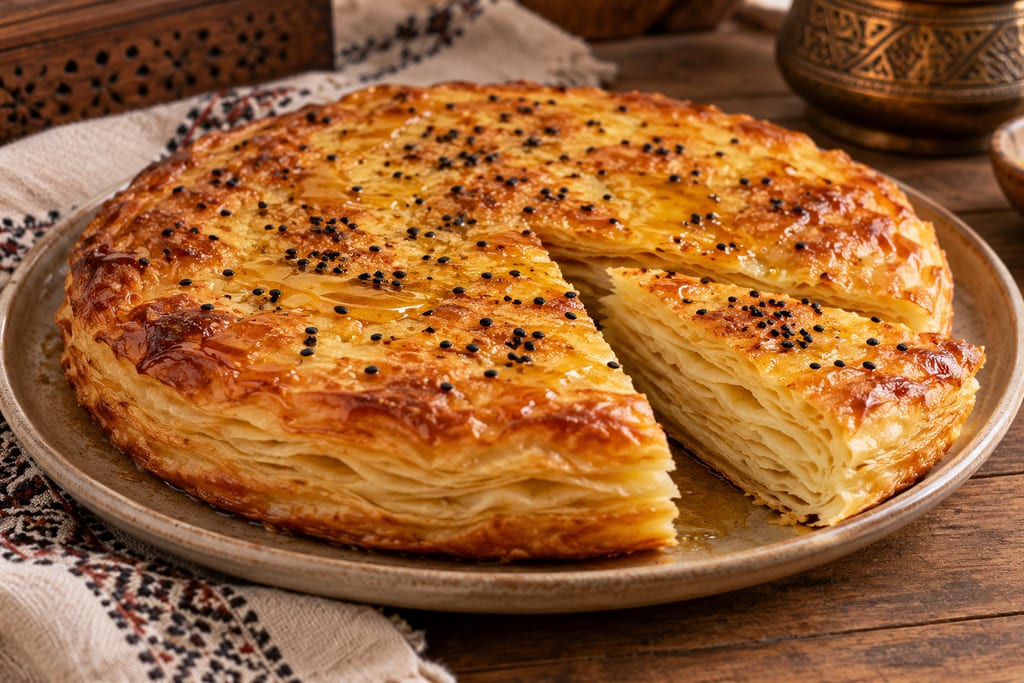
Bint al-sahn is a Yemeni celebration and home bread built from thin, egg-rich yeast dough layers brushed with ghee or butter. This source-specific version makes one round cake, baked until golden and served warm with honey.
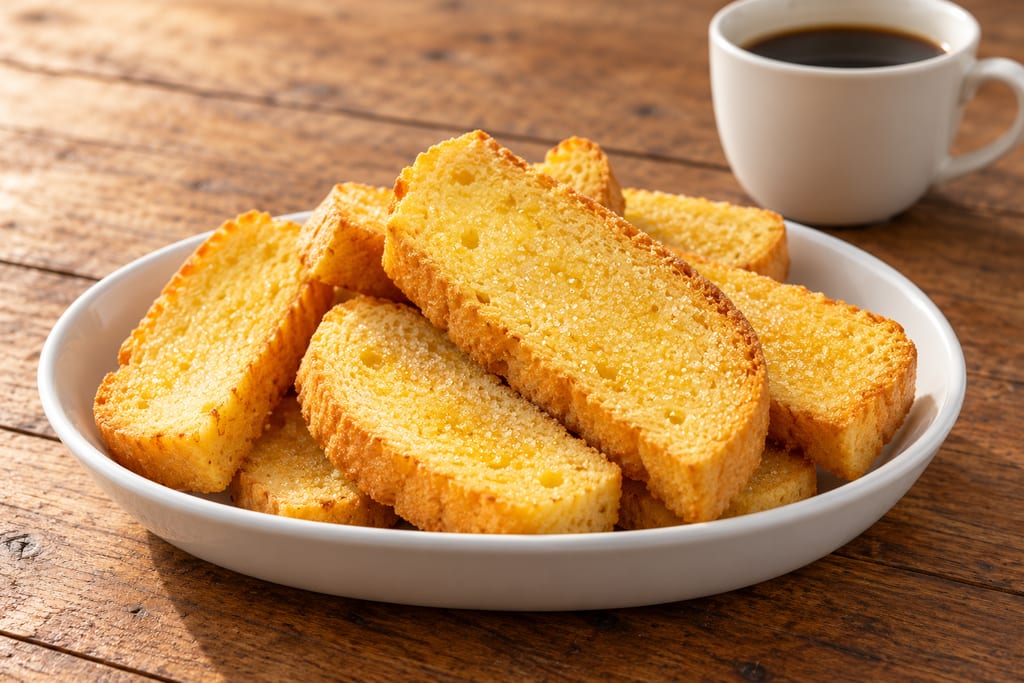
PagkainPinoy’s 24–30 piece version twice-bakes day-old soft bread with a thin butter-and-sugar coating.
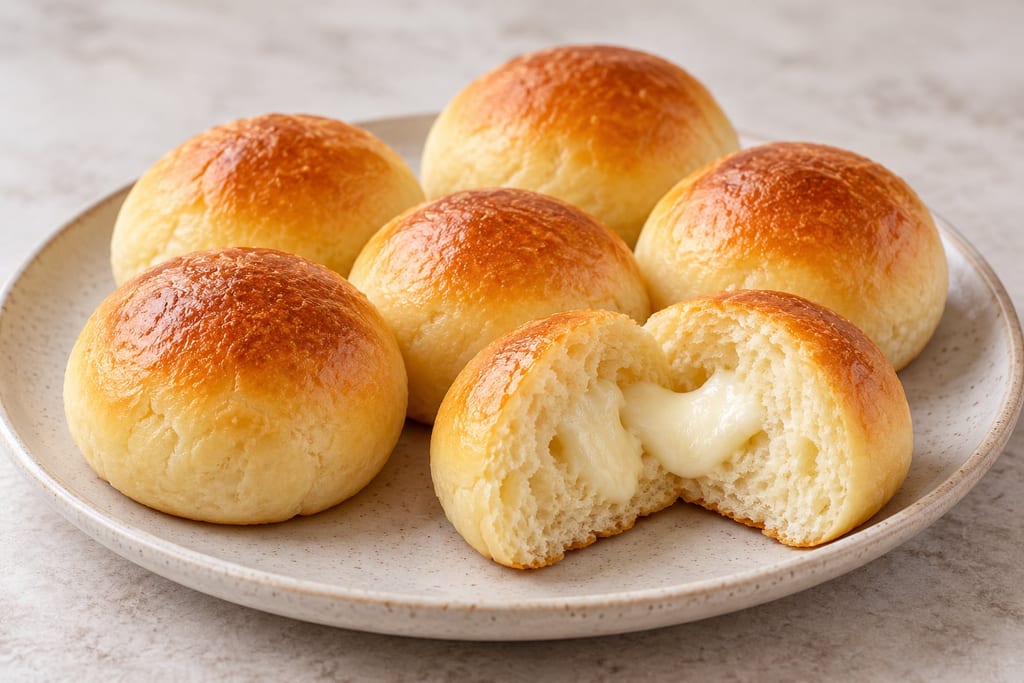
Soft Brazilian yeast rolls use cooked mashed potato in an enriched dough, with mozzarella cubes enclosed before baking.
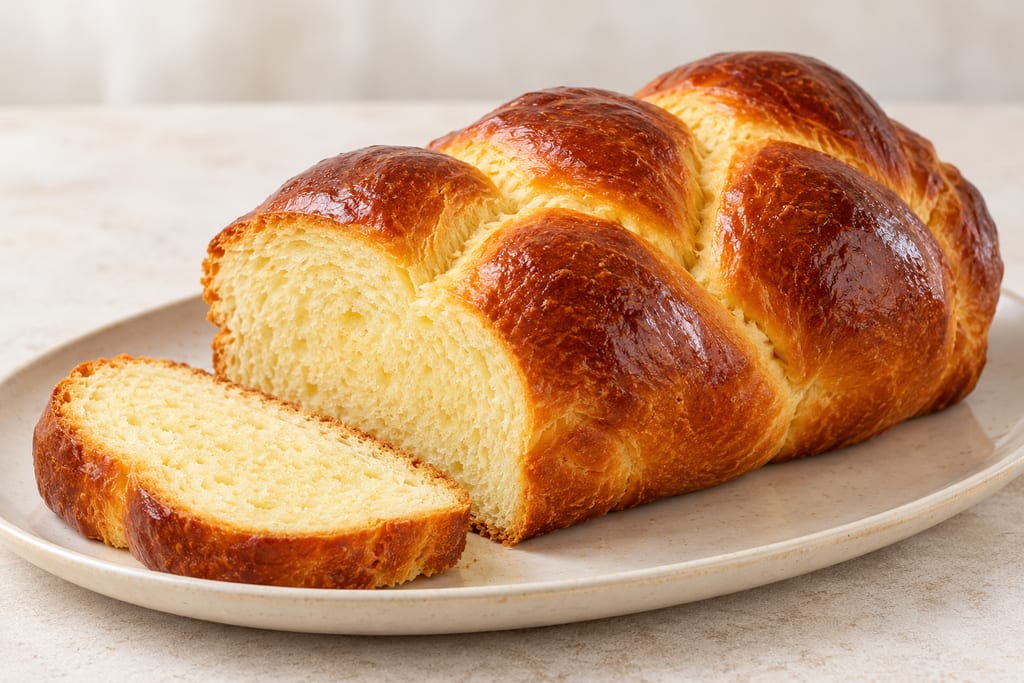
An egg-and-butter-rich yeast dough shaped as one round loaf, two loaves or twelve small brioches, with baking paths that vary by shape.
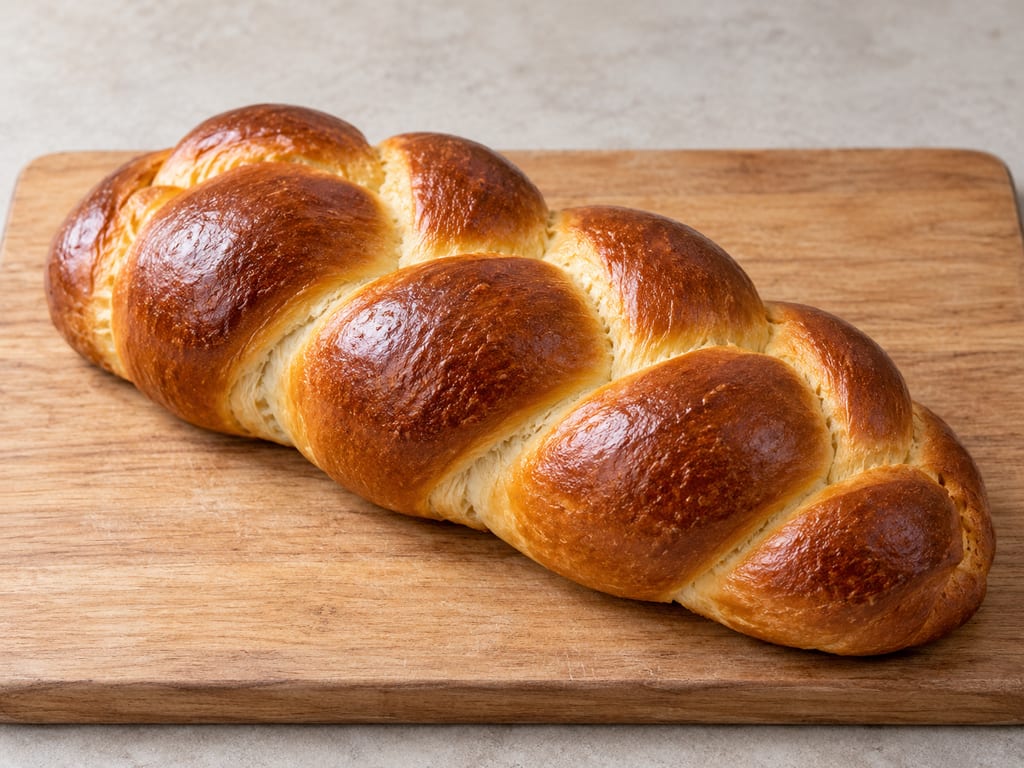
A three-strand yeast-raised challah with flour, salt, yeast, water, neutral oil, honey and egg, based on a Jewish Museum Vienna home recipe.
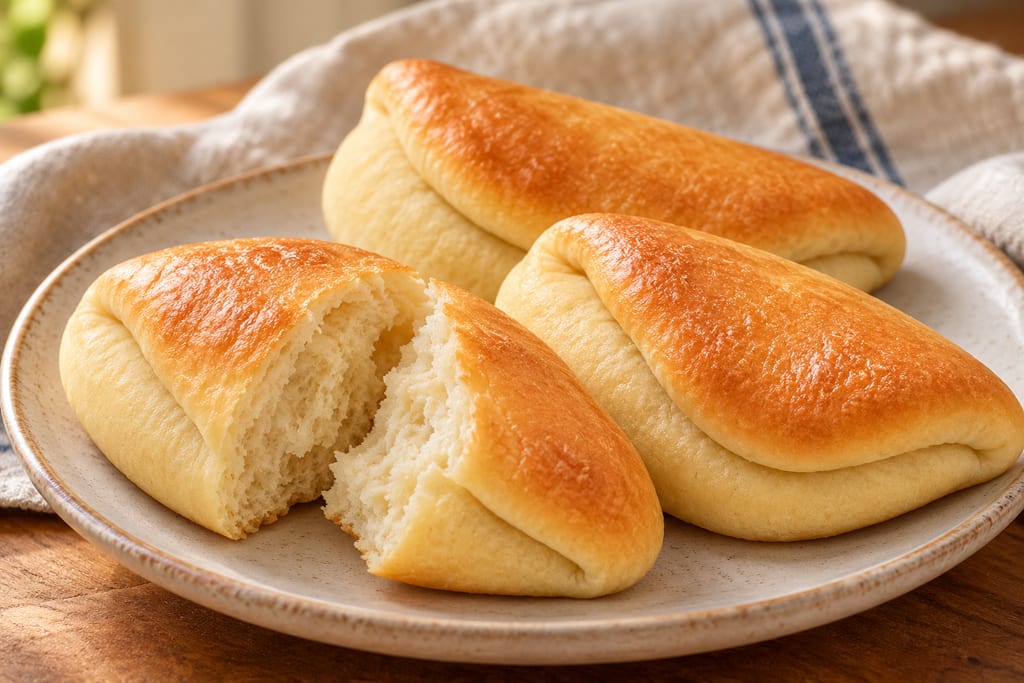
Jamaican-style folded rolls made from sweet coconut-milk yeast dough and brushed with butter.
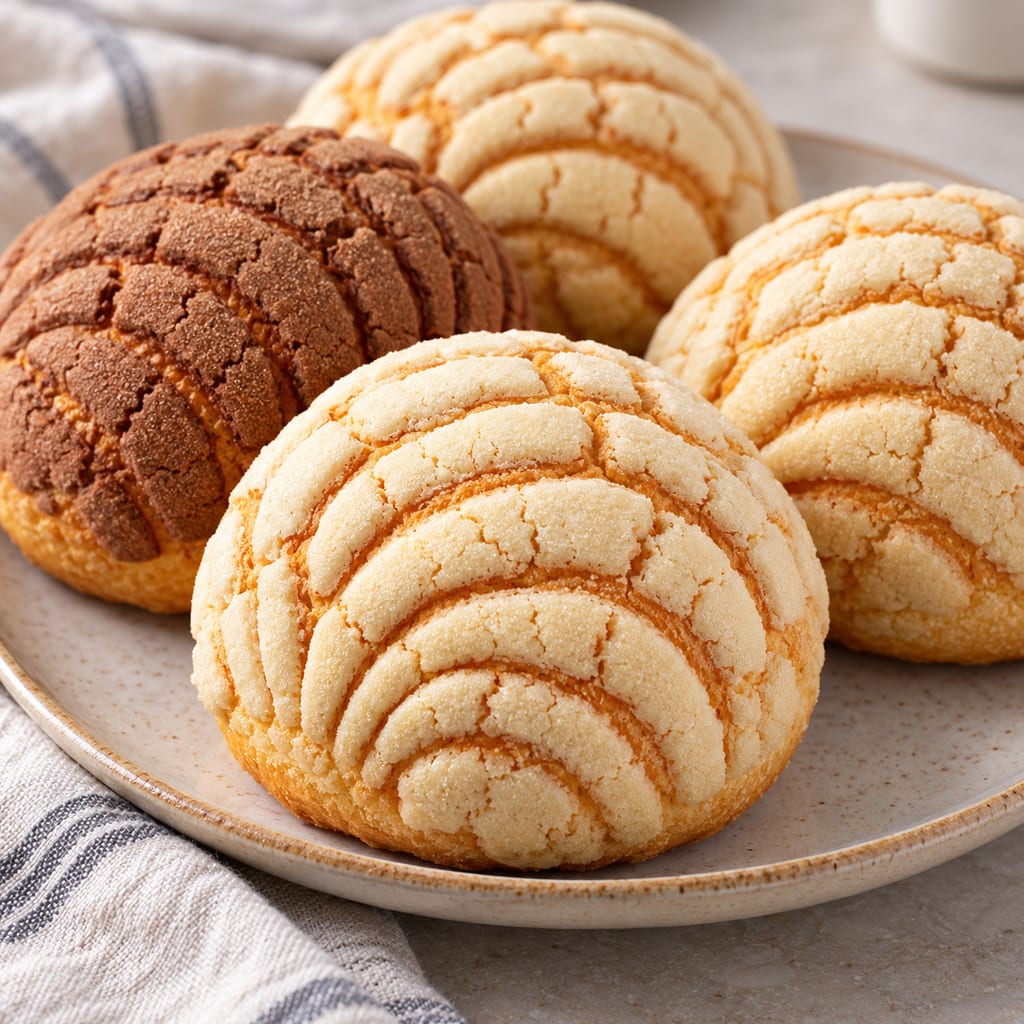
Mexican sweet rolls with a soft enriched yeast dough and a separate scored sugar-flour topping shaped like a shell. This version makes 15 rolls and uses a chilled dough rest before final proofing.
No community contributions have been published for this entry yet.
Sign in to contribute. Published comments and photos are free to read.
My Greek Dish, Eli K. GiannopoulosInspiration · Method · Geographic context
Tsoureki recipe (Traditional Greek Easter bread)The page gives the two-loaf ingredient formula, including 870 g strong white bread flour, dry yeast, butter, milk, eggs, mastic, mahleb and orange zest; syrup and almond slivers are optional.
It describes yeast activation, spice grinding, melting the butter and sugar with milk and cooling to lukewarm, dough mixing, a 3–4-hour bulk rise, dividing into six strands and braiding two loaves, a second rise of about one hour, egg glaze and fan baking for 30–40 minutes.
The method step prints 150 °C / 310 °F. In an April 2021 comment, the author replies that 310 °F, rather than 350 °F, was intended after a reader reported the loaf was dry. 310 °F converts to 154.4 °C; the recipe uses that Fahrenheit correction and notes the printed metric value.
The page labels its formula Greek Easter bread, calls the syrup optional and says it is not part of its traditional recipe description. Its storage-duration claims are publisher advice, not validated shelf-life limits.
Cited in: Greek enriched Easter braid
U.S. Food and Drug AdministrationSafety
Handling Flour Safely: What You Need to KnowRaw flour may contain harmful bacteria; do not taste raw dough and keep flour/dough apart from ready-to-eat foods. Clean hands, utensils and surfaces after handling.
Cited in: Greek enriched Easter braid