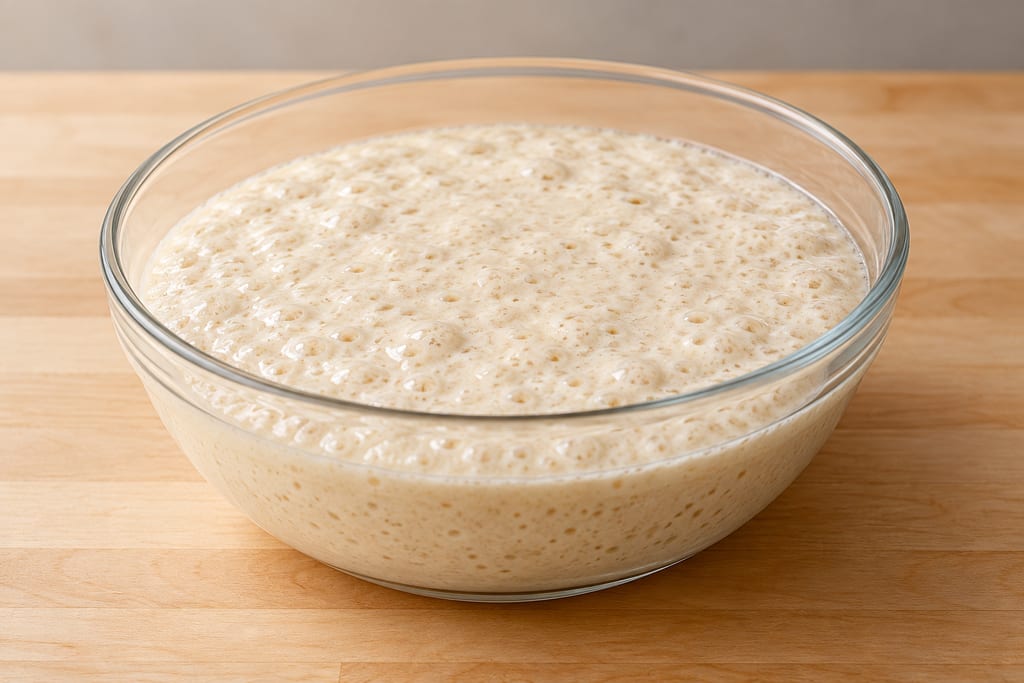
Poolish
Poolish is a loose, unsalted bread preferment of roughly equal weights of wheat flour and water with a pinch of baker's yeast, left to ripen before it goes into the final dough.
 FermenteaWhere food goes to change
Soft yeast dough is shaped into rounds and fried at 180 °C, then brushed with garlic water and topped with sour cream and grated cheese.

Lángos is a soft yeast dough shaped into flat rounds and fried in oil. Visit Hungary describes it as a Hungarian street food, commonly served with garlic, cheese and sour cream. Gurmestan places it in Budapest and around Lake Balaton. These sources document a national association and modern street-food settings; they do not establish a single birthplace or first date.
This page follows Gurmestan's measured six-piece formula: 500 g flour, 7 g dried yeast, 250 ml lukewarm milk, one boiled mashed potato, 1 teaspoon each of sugar and salt. The potato is counted as one piece because the source gives no weight. The dough rises for an hour, rests again after shaping, and fries at 180 °C. Gurmestan does not specify a flour type or an exact amount of frying oil, so neither is inferred here.
The potato is part of this selected formula. Other lángos doughs omit it or vary the liquid and enrichment; keep those alternatives distinct rather than treating them as substitutions already tested in this batch. Likewise, topping choices vary. This version uses the source's garlic water, sour cream and grated mild melting cheese. The source names kaşar or another mild melting cheese; it does not identify a particular Hungarian cheese for this batch.
Hot oil needs close attention. Health Canada advises heating it slowly, monitoring pan temperature with a cooking thermometer, lowering food gently and staying in the kitchen. Keep water away from the oil, and never use water on an oil fire. The oil and frying setup are not a preservation process or a shelf-stability claim.
Gurmestan recounts an earlier practice of baking dough beside a bread-oven flame and a later street-food form fried in oil, but it supplies no dated first attestation. Historical dating is therefore left unknown.
Visit Hungary describes lángos as a Hungarian street food with a soft yeast dough, traditionally eaten with garlic, cheese and sour cream. Gurmestan places the food in Budapest and at Lake Balaton and describes a transition from bread-oven dough to frying; it gives no dated first attestation.
Yield 6 lángos · Scaling: source batch only
Oil at 180 °C can splatter and cause serious burns or a cooking fire.
Hazard sourceUncooked flour and dough should not be tasted and should be kept from ready-to-eat toppings.
Hazard sourceUse a deep heavy pan with ample headroom or a temperature-controlled fryer. Heat oil slowly, monitor it with a cooking thermometer, stay at the cooker, and lower dough gently to limit splashing.
Control sourceKeep water away from the hot oil. Never pour water on an oil fire; turn off the heat if safe, cover the pan with a metal lid or use a kitchen fire extinguisher, and call emergency services.
Control sourceKeep raw flour and dough apart from toppings, wash hands and surfaces after handling them, and do not taste uncooked dough.
Control sourceFrying oil is hot enough to cause severe burns and fires. Do not leave it unattended; never add water to hot oil or an oil fire.
Contains wheat and milk; the cheese topping also contains milk.
Visit Hungary identifies lángos as a Hungarian street food. Gurmestan places the food in Budapest and at Lake Balaton; this row does not claim a single birthplace.
Poolish is a loose, unsalted bread preferment of roughly equal weights of wheat flour and water with a pinch of baker's yeast, left to ripen before it goes into the final dough.

Vinegar from spring birch sap fermented to alcohol and then acetic acid, usually with added sugar or honey because the sap is so dilute; made in Sweden and described in older eastern European accounts.

A mayonnaise sauce with chopped gherkins or capers, herbs and lemon, served with fried and grilled fish. It was named in nineteenth-century France alongside steak tartare.

Zacusca is a Romanian and Moldovan spread of roasted eggplant and sweet peppers cooked down with onion, tomato and oil, made in quantity in autumn and kept in jars for winter.
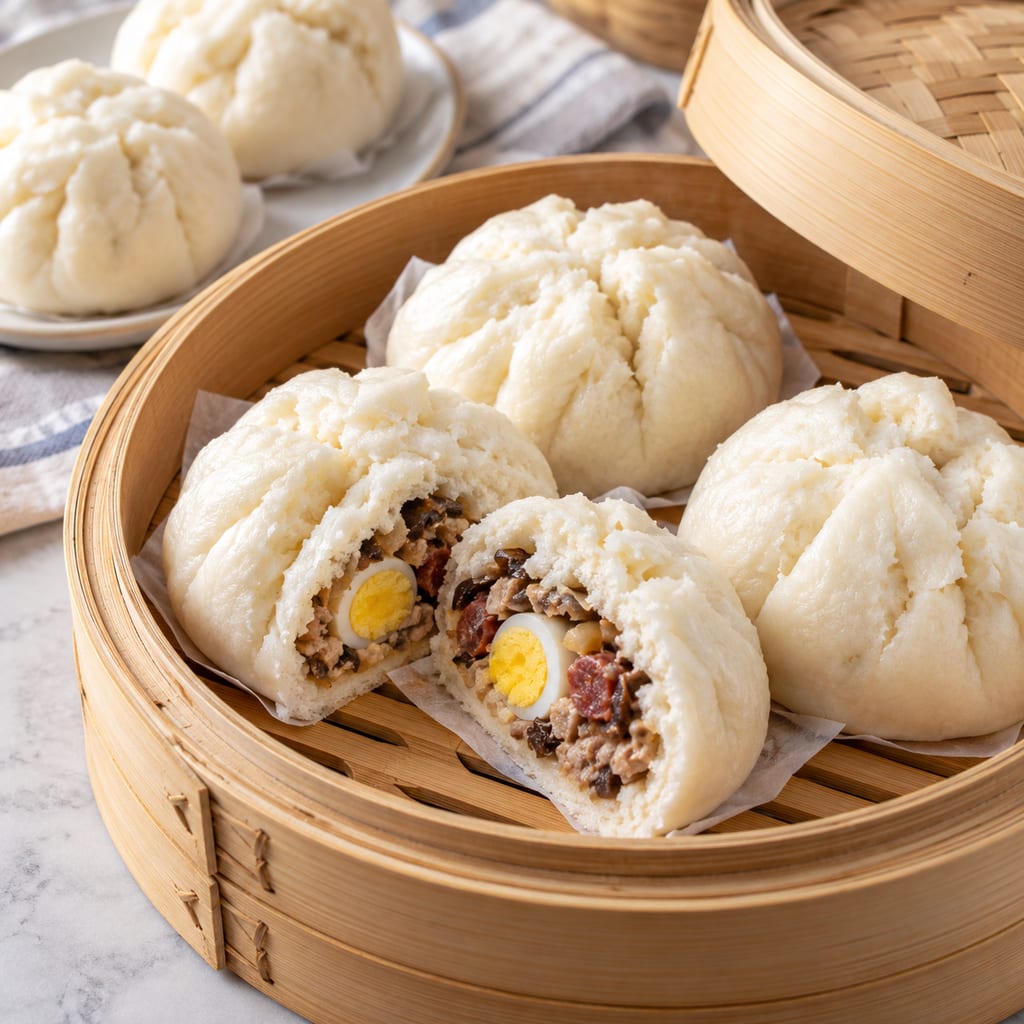
Vietnamese steamed wheat buns wrapped around seasoned pork, mushrooms, Chinese sausage and hard-boiled quail eggs. This from-scratch version uses yeast and self-rising flour.

Bánh tiêu is a lightly sweet Vietnamese fried bread coated with sesame. A yeast-raised dough with baking powder is rolled into small rounds and fried until puffed and golden.
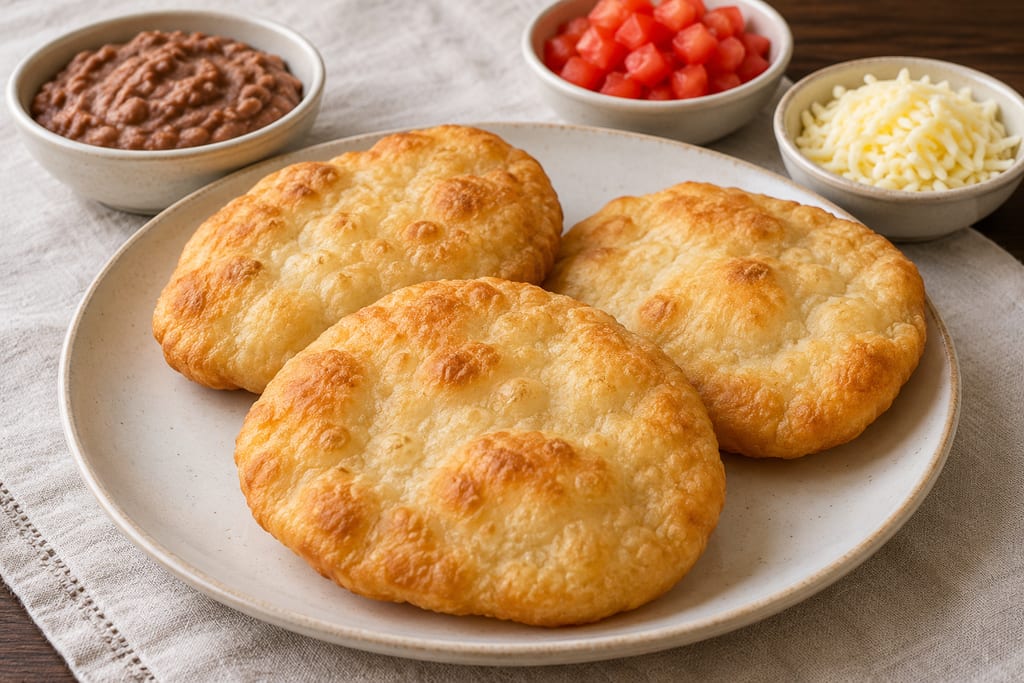
A Belizean fried breakfast bread made from baking-powder dough with evaporated milk, shaped into rounds and fried until golden.
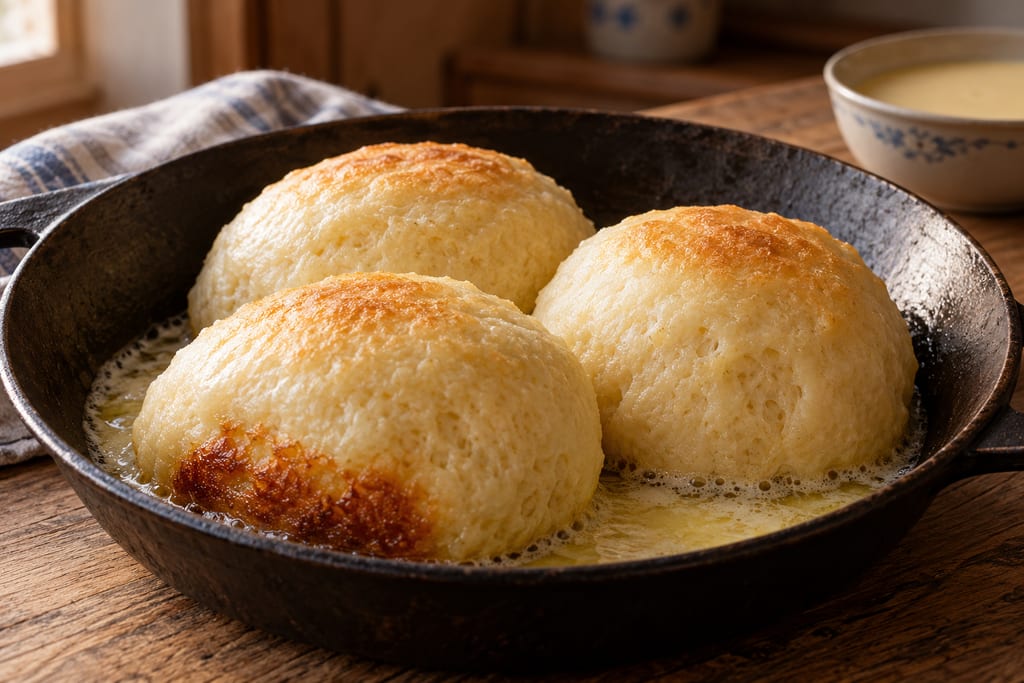
Allgäu Dampfnudeln are enriched wheat buns proofed in a covered casserole and cooked in milk and butter until the liquid nearly cooks away.
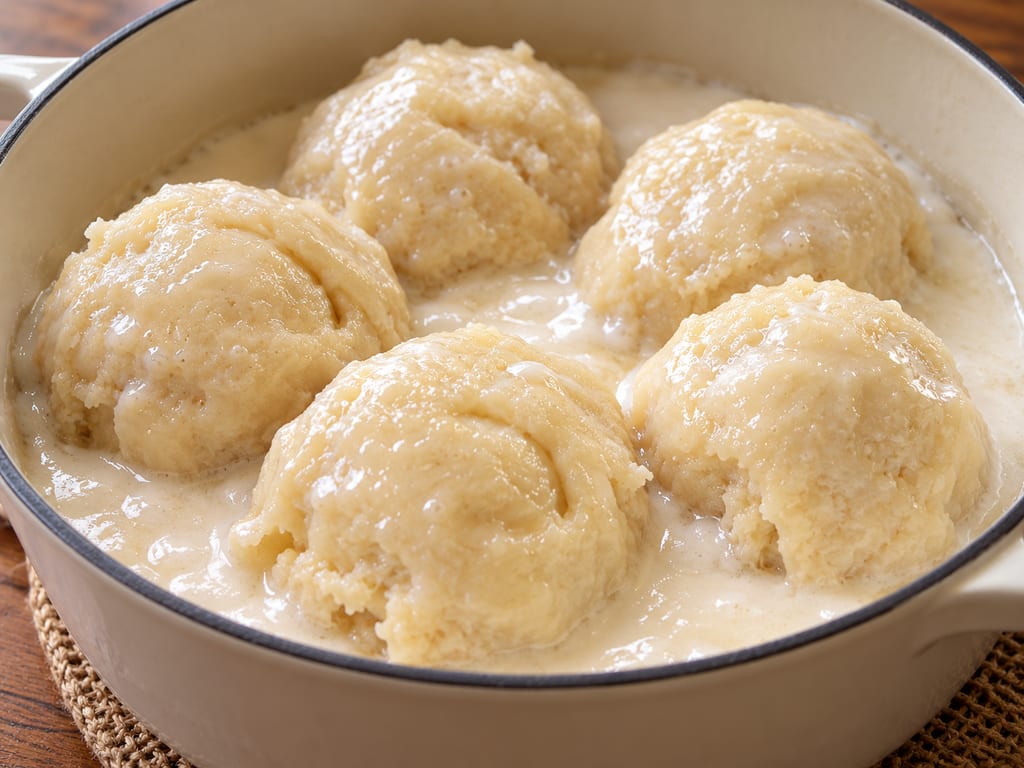
Soft yeast buns shaped by hand and simmered covered in coconut cream diluted with water in a deep pot. This Fijian home version uses a clean knife or fork inserted into the center as its doneness cue.

Firi firi is a yeast-raised coconut doughnut piped into long pieces and deep-fried at 170°C, traditionally eaten for breakfast or dessert in Tahiti.

This Emilia-Romagna home version uses a measured flour-and-milk dough with yeast, shapes it into small diamonds or squares, and fries them in peanut oil.
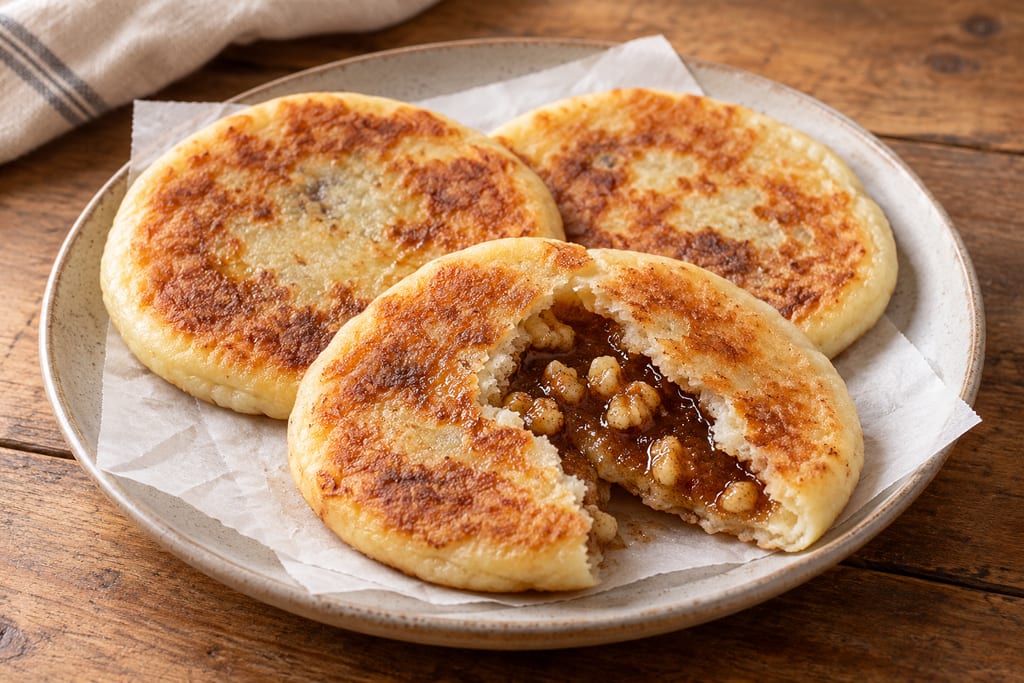
Maangchi’s eight-piece hotteok wraps a brown-sugar, cinnamon and walnut filling in yeast dough, then fries and presses the parcels in a pan.
No community contributions have been published for this entry yet.
Sign in to contribute. Published comments and photos are free to read.
GurmestanInspiration · Method
Lángos recipe — Hungarian cuisineThe source gives 500 g flour, 7 g dried yeast, 250 ml lukewarm milk, one boiled mashed potato, 1 tsp sugar, 1 tsp salt, and the measured garlic-water, sour-cream and grated-cheese toppings.
It kneads the dough soft, rises it for 1 hour, divides it into six balls, rests them for 15 minutes, stretches rounds thinner in the middle, and fries at 180 °C for 1–2 minutes per side.
The source places lángos in Budapest and at Lake Balaton and describes its street-food context; one potato is given without a weight.
Cited in: Hungarian yeast-fried flatbread
Visit HungaryHistory · Geography
Street food the way we like itVisit Hungary describes lángos as a Hungarian street food made from soft bread dough and typically topped with garlic, cheese or sour cream.
It gives a general dough account but no measured formula, and describes many topping variations.
Cited in: Hungarian yeast-fried flatbread
Health CanadaSafety
Cooking safetyFor pan frying, use a cooking thermometer, heat oil slowly, stay with the pan, and lower food gently to reduce splashing.
Never use water to extinguish an oil fire; cover with a metal lid or use a kitchen fire extinguisher and call emergency services.
Cited in: Hungarian yeast-fried flatbread
U.S. Food and Drug AdministrationSafety
Handling Flour Safely: What You Need to KnowRaw flour may contain harmful bacteria; do not taste uncooked dough and keep flour/dough away from ready-to-eat foods. Clean hands, utensils and surfaces after handling.
Cited in: Hungarian yeast-fried flatbread