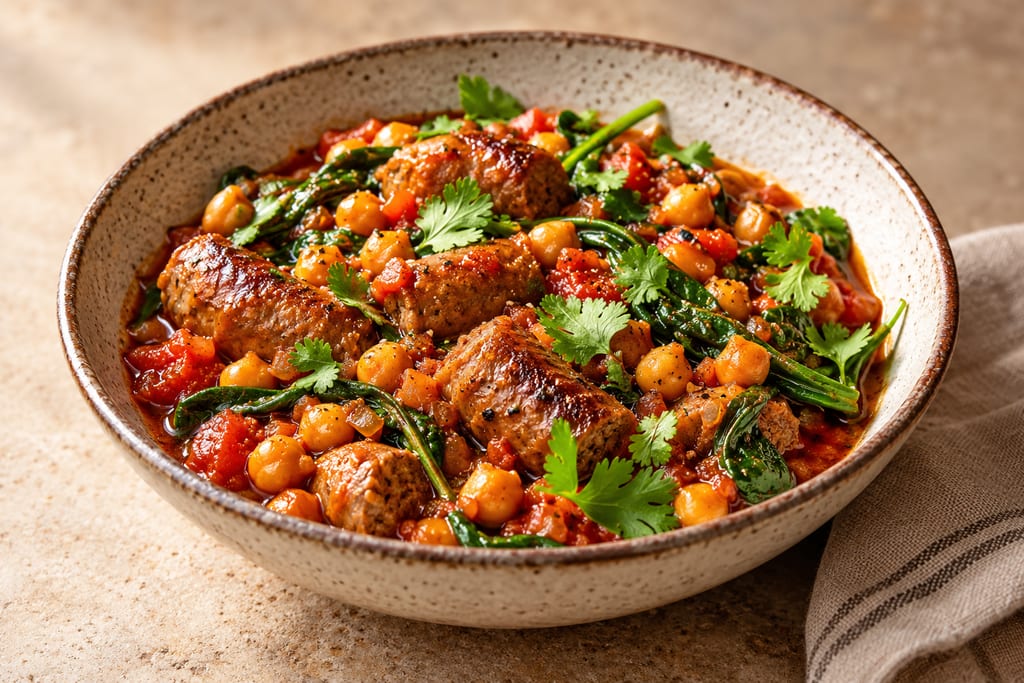
Boerewors and chickpea stew
Lesego Semenya’s contemporary South African stew combines browned boerewors, chickpeas, tomato, spinach and warm spices.
 FermenteaWhere food goes to change
Substrates
Chickpeas (Cicer arietinum) are dry pulses eaten whole or milled into flour, which gives socca, farinata and other breads a dense, nutty batter or dough.
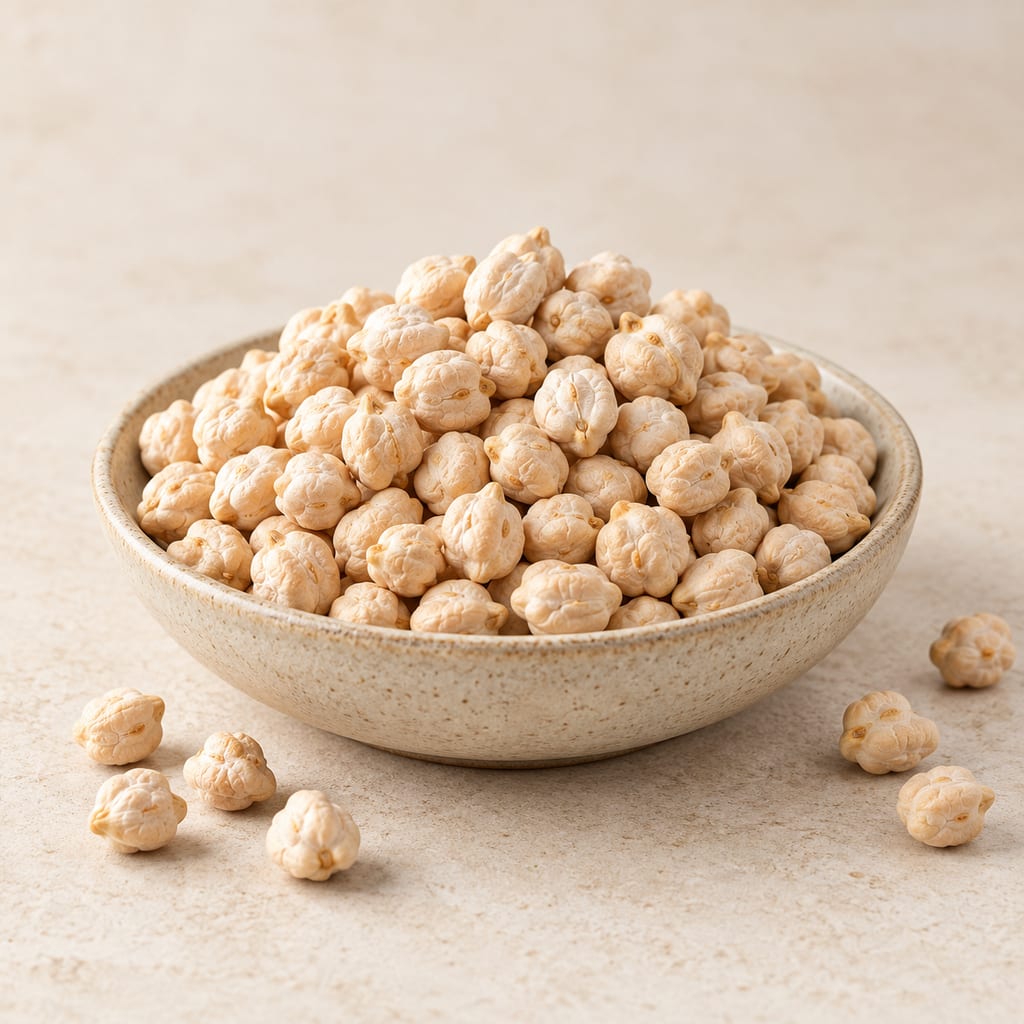
Chickpeas are the edible seeds of Cicer arietinum L., an annual herb in the legume family Fabaceae. The plant forms pods, each containing one to three seeds. Mature chickpeas have a characteristic beak that covers the embryo. Kabuli seeds tend to be large, rounded and cream-coloured; desi seeds tend to be smaller and more angular, with thicker, darker coats. These visible differences make a dry seed easier to recognize, but cultivar and harvest conditions still produce variation.
The words chickpea, garbanzo, chana and gram overlap in everyday trade and cooking, but they are not all equally precise. Garbanzo is common in Spanish and North American usage; chana is common in India. Gram can refer to chickpea or to other pulses, so a packet’s ingredient list is the reliable way to establish which seed or flour it contains. “Pulse” describes a dry edible legume seed and distinguishes it from a green vegetable harvested before maturity.
Desi and kabuli are the two major market groups. Desi seeds tend to be smaller and angular, with a darker, often wrinkled coat; their colors can include brown, yellow, orange, black or green. Kabuli seeds are larger, rounder and usually cream to white. The Canadian Grain Commission describes this contrast as a difference in market form, not a difference of species: both groups are Cicer arietinum. Cultivars vary within each group, and some classifications also recognize intermediate forms, so the two names are useful commercial categories rather than an exhaustive botanical division.
Desi is commonly sold whole, split or dehulled. Splitting and removing the coat produces chana dal, a distinct kitchen form of the same seed. Desi is also a traditional source for besan, the flour used in many Indian preparations. Kabuli is often sold whole and dried, or cooked and canned. These associations describe familiar markets and recipes, not rules: a recipe and package label tell you what form it expects.
Fresh green chickpeas are a separate harvest stage. They are eaten as a vegetable in some places and have a softer, greener character than the mature dry seed. Sprouted seed is another state, made after imbibition and germination has begun. Neither the green seed nor a sprout should be confused with the dry mature seed pictured on this page. The same crop can reach the kitchen at different stages, but each stage has its own texture and handling.
Chickpea belongs to the long history of farming in Southwest Asia, but the beginning of its domestication is harder to date than a single “origin year” suggests. Its wild relative Cicer reticulatum grows in a restricted area of southeastern Türkiye. Archaeobotanical studies place very early chickpea remains in the Fertile Crescent, including the site of Tell el-Kerkh in northwestern Syria. Seeds there include forms resembling the wild progenitor and forms closer to later cultivated chickpeas. A seed find proves presence at a place and time; it does not by itself show whether people gathered a wild plant, cultivated it, or had already selected a fully domesticated crop.
A recent review of southwest Asian plant remains argues that the familiar list of Neolithic “founder crops” can hide important differences among plants and periods. Chickpea is uncommon in many Neolithic assemblages. Researchers distinguish evidence of exploitation, cultivation and domestication rather than treating them as the same event. The review identifies soft seed coats at Jericho II as the earliest forms it classifies as domesticated, while earlier deposits remain less conclusive. This is why archaeological dates in older crop histories do not always match newer syntheses: authors may be dating different evidence and using different thresholds for domestication.
The broader account is still clear enough to explain the crop’s early geography. Chickpea was cultivated in the Near East, spread west around the Mediterranean and east toward South Asia, and later reached Africa and other regions. The exact sequence is not fully resolved. A crop-history review reports competing chronologies for chickpea’s arrival in India and notes a later movement into South India. These uncertainties concern routes and dates; they do not make the modern seed identity uncertain.
Chickpea is an annual grain legume grown for its seeds. Its roots can form nodules with Rhizobium bacteria; those bacteria fix atmospheric nitrogen in exchange for carbohydrates from the plant. The relationship helps the crop obtain nitrogen, but it does not remove a farmer’s need to choose a suitable variety, manage disease and weeds, and match sowing to soil and season.
Varieties differ in flowering time, maturity, plant height, seed size and responses to temperature and day length. These traits help explain why a variety grown successfully in one season or region may not suit another. Farmers and breeders have changed the crop while keeping the same species, selecting traits for local growing conditions, harvest, cooking and market demand. A government biology assessment focused on Australia documents a cool-season system and crop rotation there; it is not a universal sowing calendar for home gardeners or growers elsewhere.
The relative age and origin of desi and kabuli groups remain debated in recent genomic research. It is safer to describe their visible and culinary differences than to assign either group an unsupported single birthplace. The modern market categories tell us how the seed is sorted and sold; they do not resolve every question about the crop’s past.
Chickpea’s present geography joins older food traditions to commercial crop regions. The Canadian Grain Commission identifies Alberta and Saskatchewan as Canadian growing provinces and notes that chickpea flour is used for roti and chapatti. An Australian government assessment describes chickpea cultivation across several states, with major production in southern Queensland and northern New South Wales. These sources show where the crop is grown, not where a bread or dish originated. Their production snapshots are also dated evidence, not current rankings.
Market classes travel through commodity chains as well as recipes. A desi crop can be sold whole, split, dehulled or milled, while a kabuli crop commonly reaches consumers as a large whole seed. Import demand, harvest conditions and processors affect which form is available in a market. Proportions change over time, so old production percentages should not be presented as current rankings. The location notes on this page distinguish crop geography from the places associated with particular breads.
A chickpea seed can be cooked whole, split, or milled. Milling breaks the seed into flour particles that disperse in water and thicken as they are mixed and heated. This physical change explains why flour can form a cohesive batter while intact chickpeas stay discrete. A bread that combines chickpea flour with wheat flour still contains wheat; the cited missi roti formula uses both. A bread made with chickpea flour alone should not automatically be described as safe for people avoiding wheat because cross-contact and the rest of the recipe still matter.
Socca from Nice and farinata from Genoa are thin, baked batters built around chickpea flour, water, olive oil and salt. The Nice source describes resting the batter before spreading it on a hot copper plate. The Genoa source gives a separate ingredient list and method, and the water amounts conflict; it also states an oven temperature without a unit. Those uncertainties make the Genoa page a useful record of a local preparation but a poor basis for silently creating a single combined formula. The two foods have similarities while keeping their own names, local accounts and method evidence.
Missi roti shows a different use. The inspected home recipe blends besan with wheat flour and seasonings, rests the dough briefly and cooks it on a tawa. The chickpea flour adds its own color, flavor and body, but wheat remains the structural flour in that version. Canada’s Grain Commission documents chickpea flour for roti and chapatti without specifying one formula or assigning those breads to one region. The flour page links readers to the preparation records; this seed page links chickpeas to those breads through the documented milling step, not as a claim that whole seeds go into the batter.
The seed is not only a flour crop. The Australian Government review documents several distinct uses: Indian desi chickpeas are eaten whole or split as dhal and are milled as besan; green leaves, immature pods and seeds may be cooked as vegetables; and sprouted chickpeas are eaten in some Indian breakfasts. The same account describes mature whole chickpeas as cooked or roasted in Türkiye, and kabuli chickpeas as common in hummus and falafel. These are selected examples from its survey, not a complete map of every local dish.
A University of Tennessee Extension guide gives contemporary home-cooking examples: cooked chickpeas in salad, curry, pasta, hummus, roasted snacks and baked falafel. Its hummus recipe also uses tofu, so it is one adaptation rather than a definition of hummus. These uses show how the seed can stay whole, be mashed, or be dispersed into flour or paste. Each form has its own preparation and should not be treated as interchangeable.
Chickpea’s role changes with the form. Whole seeds keep their shape in salads and stews; split seeds and dehulled dhal are sold as distinct forms; flour thickens batter and dough; a smooth paste provides body in dips. A related food or recipe should be named with its own method and context rather than treating these preparations as one universal chickpea dish.
A dry chickpea is hard because its seed tissues contain little available water. Soaking lets water enter the seed; during cooking, heat softens the seed tissues and makes the pulse tender. Split and dehulled forms differ physically from intact seeds, while cultivar, storage history, water and equipment also affect the result. This is why one recipe’s time is not a universal instruction for every crop lot or pot.
Chickpeas bring starch, protein, dietary fibre and other seed components into a food. Their starch and cell-wall structure take up water and soften during cooking, while an intact seed may stay whole or be mashed according to the dish. In socca or farinata, the flour is mixed with water and other ingredients and sets with heat. The cited local sources describe resting and baking; they do not describe fermentation. A cooked or rested batter should not be labelled a ferment unless a source documents a microbial stage.
Chickpea seeds also contain compounds that affect digestibility and nutritional availability. The Australian biology assessment summarizes research showing that processing, including soaking, dehulling and cooking, can reduce some antinutritional factors. It specifically reports that heating reduces trypsin and alpha-amylase inhibitor activity and that cooking destroys the low levels of phytohaemagglutinin found in chickpeas. This supports using a tested cooking method for dry seeds, not making claims about a particular batch from its smell, taste, appearance or softness.
A University of Tennessee Extension handout sets out one home method for dried chickpeas. For its batch, it recommends either a four-hour or overnight soak in water, or a quick soak that briefly boils the seeds and then leaves them covered. After draining and rinsing, the cook adds fresh water and simmers until tender; the guide gives a two-and-a-half to four-hour range for its stovetop method. It advises against a rapid boil because the seeds may break down. Those amounts and timings belong to the handout’s method; they are not a schedule for every seed age, variety, vessel or altitude.
The same guide recommends sorting through the dry seeds to remove debris before cooking. Its sequence has a practical aim: hydration prepares the hard seed for cooking, fresh water allows a controlled simmer, and sorting removes objects that do not belong in the food. Other recipes may use different soak and cooking approaches. Follow the package and the method for the dish rather than assuming that one form will behave identically in every kitchen.
Canned chickpeas have already been soaked and cooked, so they can be drained, rinsed and used in a dish that calls for cooked seeds. The Extension guide includes roasted chickpeas, curry, salad and hummus as examples. A canned product and a dry seed are different starting materials, even when the label names the same species. For flour, use a flour-specific recipe: the dry-seed method does not establish a water ratio, rest or bake for socca, farinata or missi roti.
Keep dry chickpeas in a clean, sealed package or container in a dry cupboard, and follow the supplier’s storage advice. The sources used here do not establish one pantry life that fits every lot or package. Old or poorly stored seed can cook differently; age alone does not supply a reliable safety test. The Australian biology assessment notes that high humidity and heat can support storage fungi and mycotoxin formation where those fungi are present. That observation concerns grain storage conditions; it does not let a home cook diagnose contamination by looking or smelling.
The Food Standards Agency gives general guidance for dried pulses: follow the package’s soaking and cooking instructions because proper preparation matters, and treat canned pulses as already cooked. The chickpea-specific biology review also describes compounds that processing and heat reduce or destroy. These sources support cooking dry chickpeas using an established method, but this page does not invent a universal time, temperature or safety test. Softness describes texture, not microbiological safety.
Chickpea can cause an IgE-mediated food allergy. Clinical reviews report possible cross-reactivity among chickpea and other legumes, but laboratory cross-reactivity does not mean that every person allergic to one pulse reacts to all of them. People with a diagnosed allergy should use their clinician’s advice and check product labels, including mixed flours and prepared foods. Chana, gram, besan and garbanzo are not always used precisely in commerce, so the ingredient list matters when avoiding a specific food.
Sprouting, fermenting and preserving chickpeas are separate processes from soaking for a cooked dish. They need their own source-specific methods and safety evidence. The recipes linked here document breads and dishes using cooked seeds or flour; they do not validate home fermentation or long-term preservation. This page makes no claim that a jar, foam, aroma, taste or household measurement can establish that an improvised process is safe.
chickpea
The review locates the likely area near the Syrian border but names no settlement.
The review describes spread but does not specify a single route or date.
The review reports competing chronologies and a later arrival in South India.
The local source documents chickpea flour in socca but does not establish an origin date.
The local source documents chickpea flour in farinata; its medieval story is not primary proof.
The Commission identifies these provinces as growing regions; this is cultivation geography, not a place of origin.
The government assessment documents chickpeas grown there for human consumption and export; this is crop geography, not a food's origin.
The review records desi seeds as whole or split dhal and as besan flour, alongside green and sprouted uses; this is not a claim about every regional recipe.
The review describes whole mature chickpeas cooked or roasted as a snack; this records a use example, not crop origin.
Lesego Semenya’s contemporary South African stew combines browned boerewors, chickpeas, tomato, spinach and warm spices.
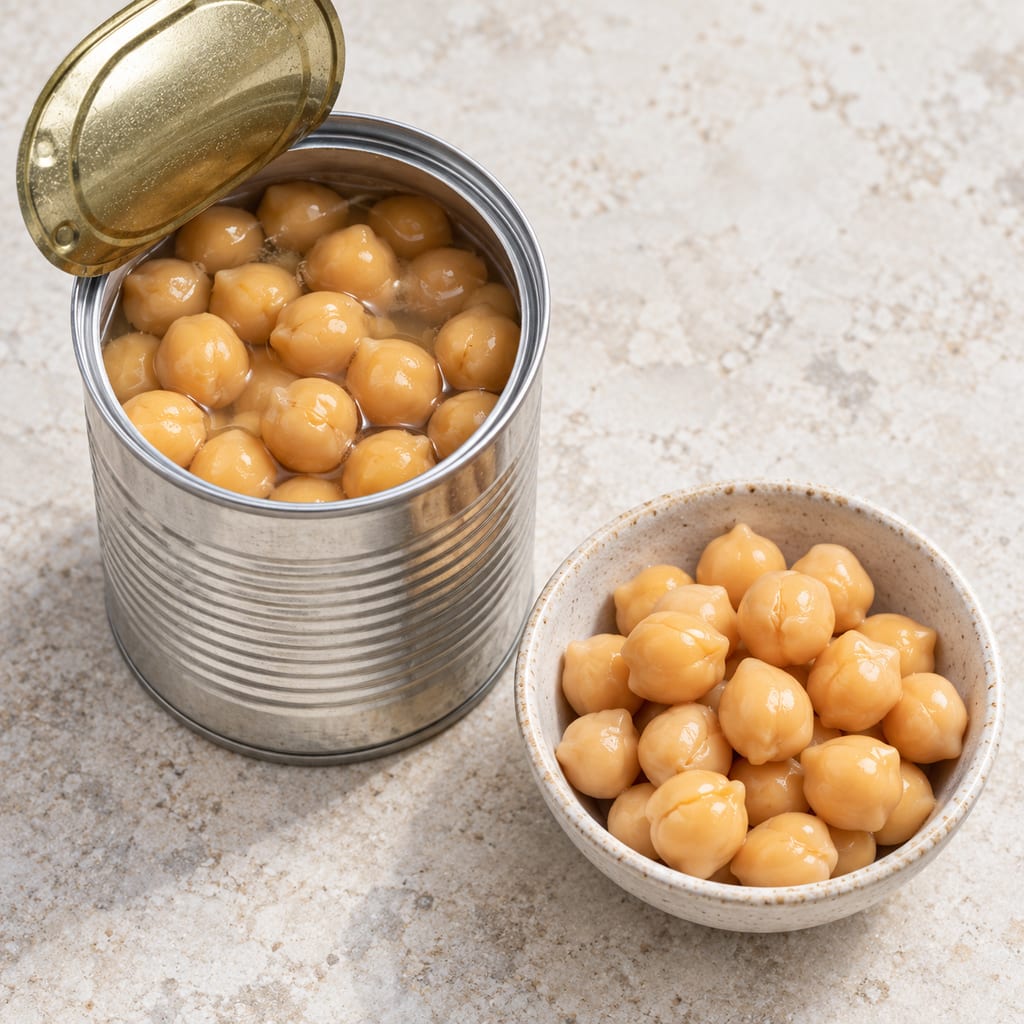
Canned chickpeas are commercially cooked seeds of Cicer arietinum packed in liquid. The beans and their starchy cooking liquid can both be used; salt and texture vary by brand.
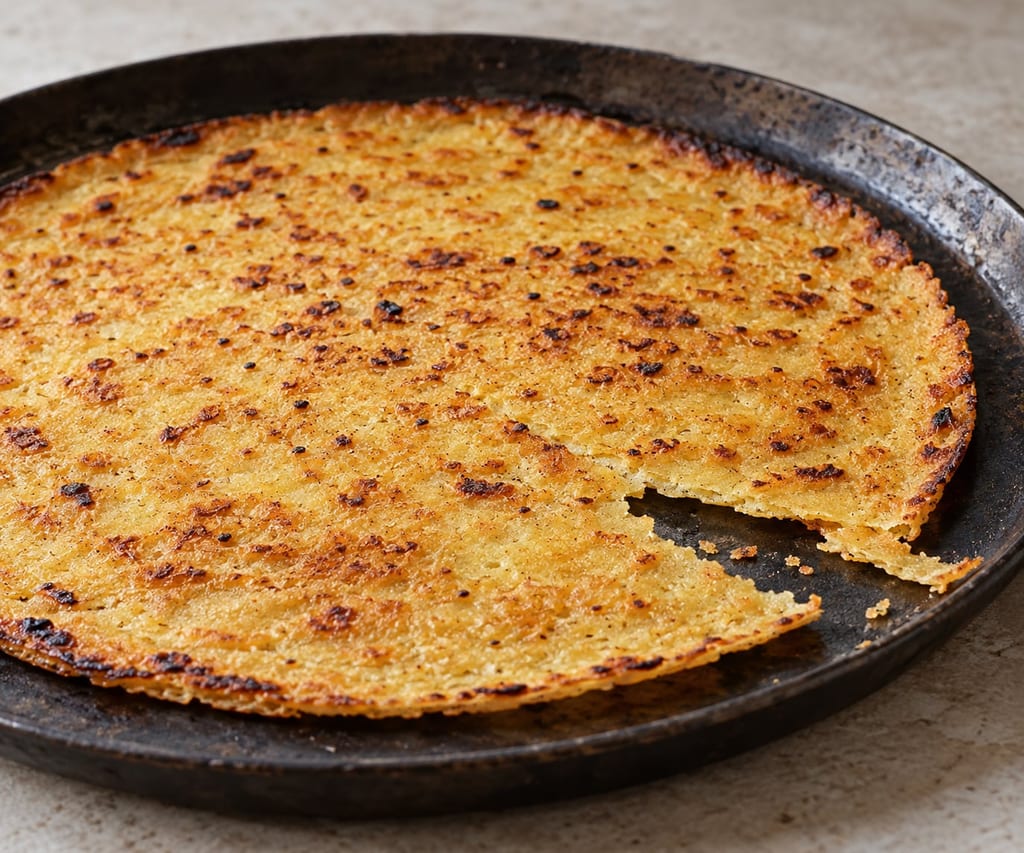
A Nice socca batter of chickpea flour, water, olive oil and salt, spread thin on a 50-centimetre copper plate and baked very hot. This formula is distinct from the Genoese farinata page.
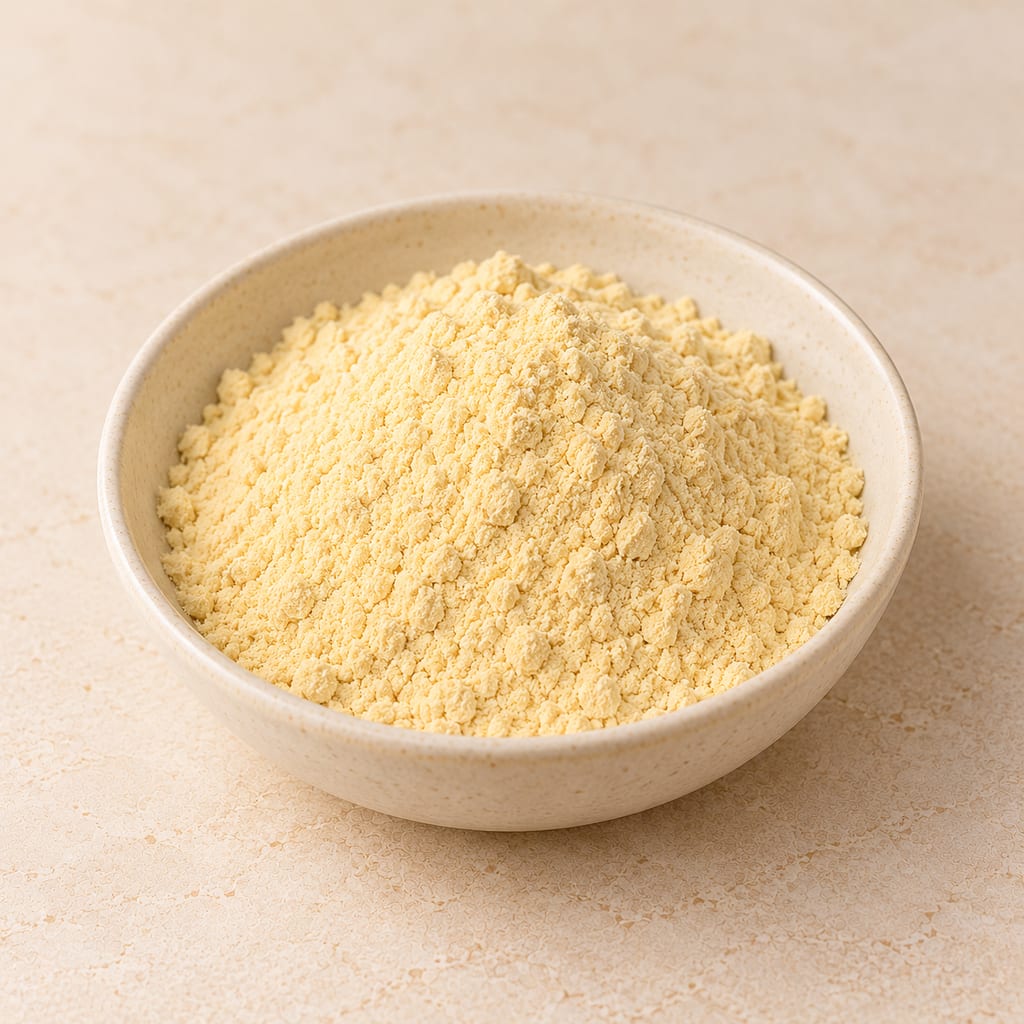
Chickpea flour is milled Cicer arietinum, used as besan in many Indian dishes and as the base of breads such as socca and farinata.
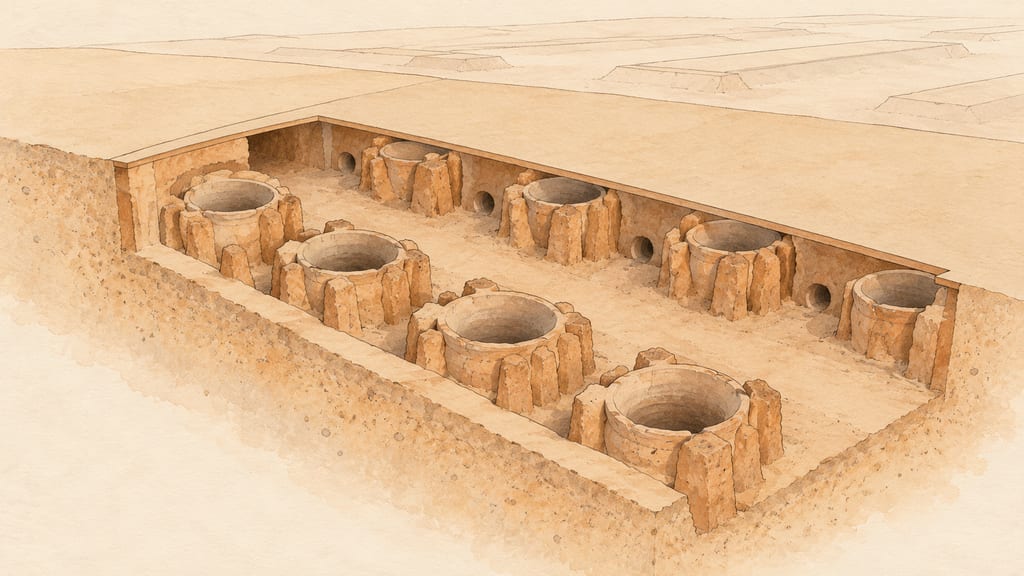
At North Abydos in Egypt, a fixed early Dynastic brewery comprised parallel semi-subterranean installations with rows of ceramic mash vats; excavation reports revise their number, scale and estimated batch capacity.
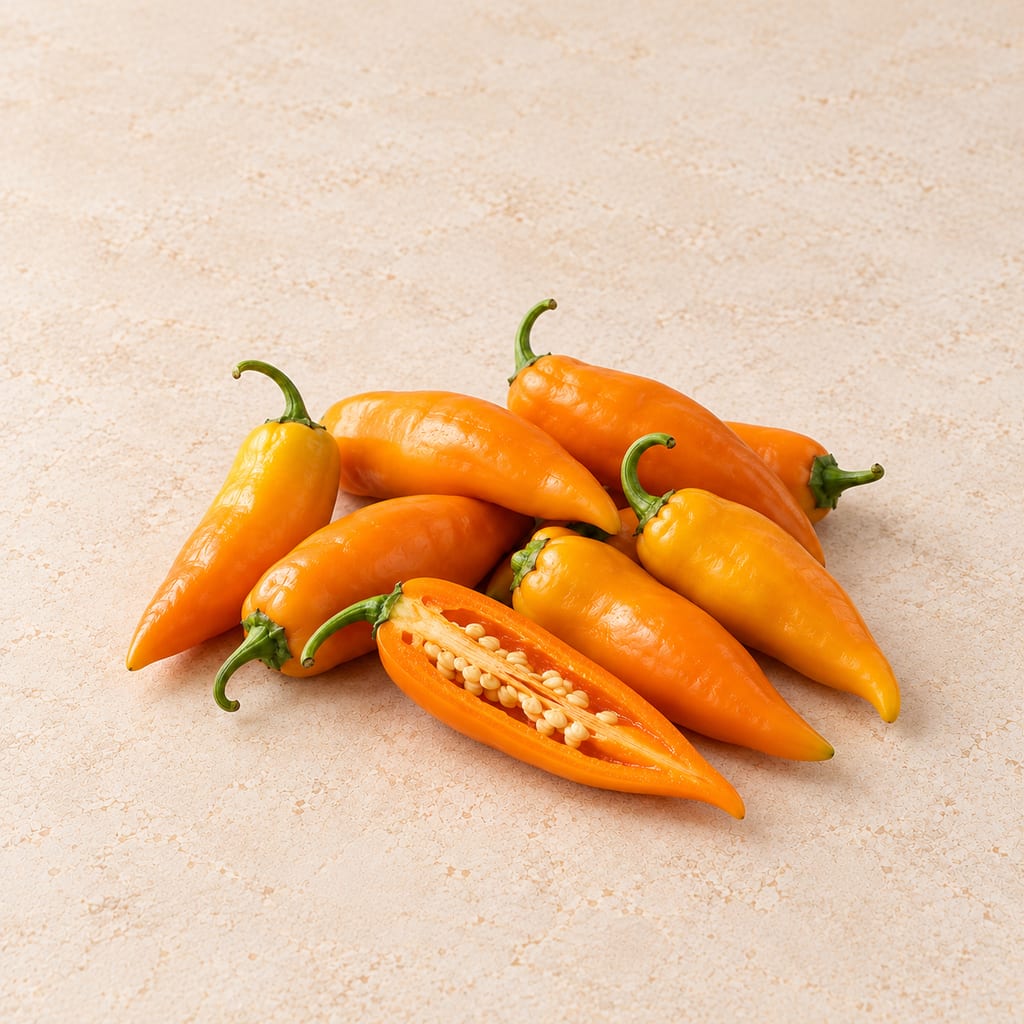
Ají amarillo is the orange-yellow Peruvian chilli cultivar group of Capsicum baccatum, used to colour and season huancaína sauce and ají de gallina. Published heat estimates do not establish one range for the named cultivar.

Toasted almonds are whole sweet almond kernels dry-roasted until golden to brown. Heat replaces their marzipan note with a roasted, nutty one; they thicken and flavour romesco.

Kodiak salmon, halibut and cod cut as seg'aq and hung on an initaq rack to become tamuuq, with kac'amaasaq and kupcuunaq named as different results.

Aniseed is the dried ripe fruit of Pimpinella anisum, an aromatic Apiaceae spice commonly called a seed. It adds a sweet, warm aroma to breads such as Moroccan krachel and South African mosbolletjies, and is distinct from star anise.
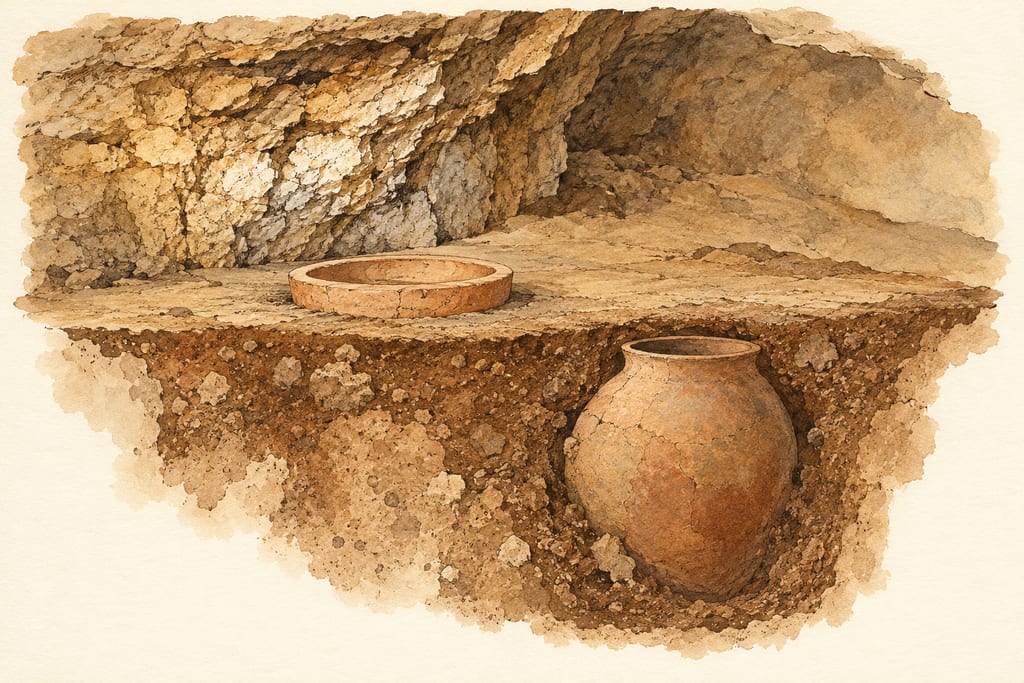
A fixed Late Chalcolithic installation in Areni-1 cave combined a shallow clay pressing basin with a large jar set into the cave floor and storage vessels nearby.

Ripe avocado flesh is the soft, buttery, fat-rich pulp of Persea americana, eaten raw. It is low in acid, so it is a fresh ingredient that needs care in chilled dishes.
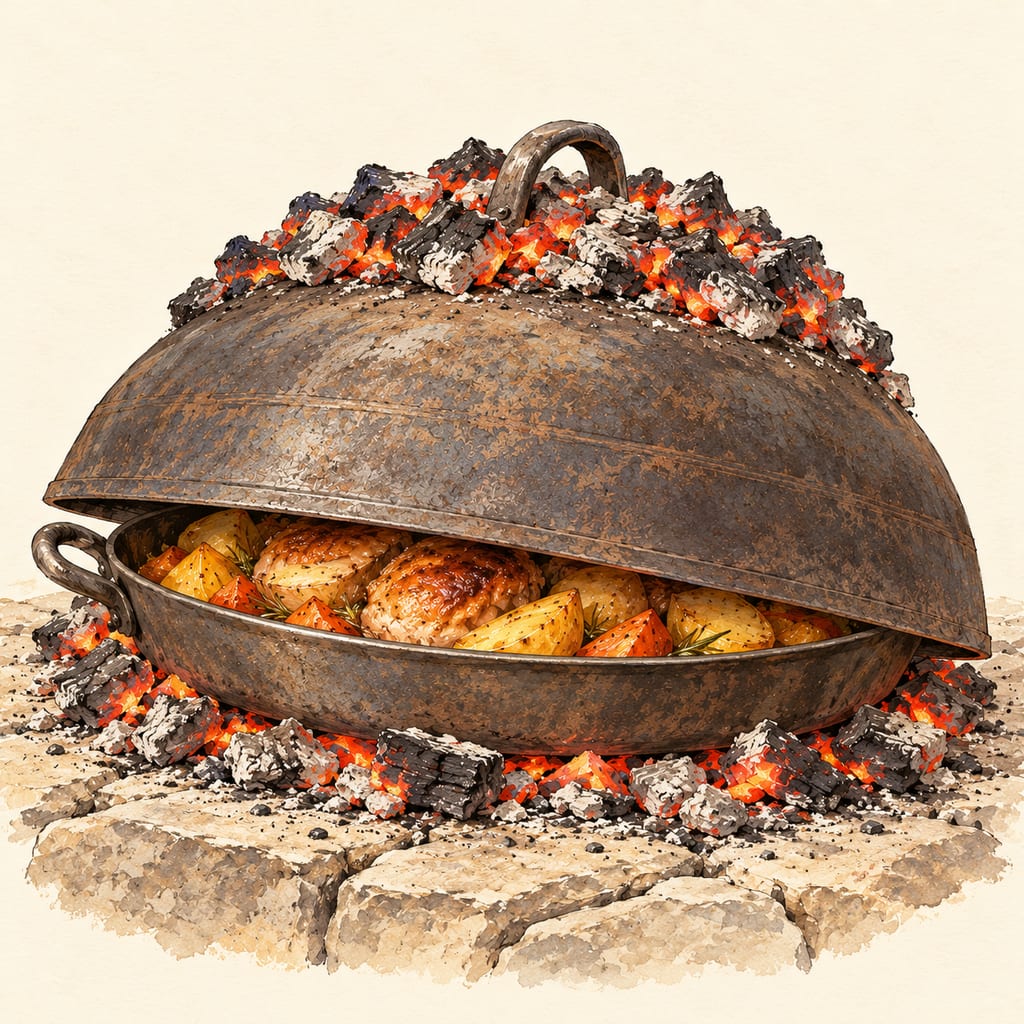
A portable dome and pan used over a hearth, with embers on the lid and heat from below. Regional peka and saç forms share this principle while differing in materials, pan shape and how the food is cooked.
No community contributions have been published for this entry yet.
Sign in to contribute. Published comments and photos are free to read.
Canadian Grain Commission, Government of CanadaIdentity · Forms · Geography · Use
Canadian chick peasCicer arietinum is a pulse; desi and kabuli are different market forms.
Chickpeas are grown in Alberta and Saskatchewan.
Chickpea flour is used for roti and chapatti; chickpeas are also used in snacks, soups, sweets and condiments.
Cited in: The chickpea seed; Desi, kabuli and the seed’s other forms; Growing regions and trade; From a whole seed to a bread ingredient
International Legume Society, Legume Perspectives issue 3History · Geography
Chickpea in historyLikely domestication near the Syrian border in southeast Turkey is a review conclusion, not an exact settlement.
Early seed finds around 8500–8000 BCE may be wild or ambiguous.
The review describes Mediterranean spread and introduction to India, with chronology disputed and later arrival in South India.
Cited in: An early crop with a difficult archaeological record
Nice Côte d'Azur Tourist OfficeTraditional preparation · Home method
La soccaLocal socca method mixes chickpea flour, water, olive oil and salt, rests the batter and bakes it thin on a large copper plate at high heat.
Cited in: From a whole seed to a bread ingredient; What soaking and cooking change; A source-specific way to cook dry chickpeas
VisitGenoa, Comune di GenovaTraditional preparation · History
Farinata di ceciLocal farinata is a thin baked chickpea-flour batter; ingredient list and method give different water amounts and oven temperature lacks units.
The page's medieval-origin account is not primary historical proof.
Cited in: From a whole seed to a bread ingredient; What soaking and cooking change
Dassana's Veg RecipesHome method · Use
Missi Roti RecipeThe modern home recipe combines besan with wheat flour, so this version is not wheat-free.
The recipe page does not establish an exact birthplace or date.
Cited in: From a whole seed to a bread ingredient
Nutrients, via PubMed CentralSafety
Legume Allergens Pea, Chickpea, Lentil, Lupine and BeyondThe review reports IgE-mediated chickpea allergy, sometimes severe, and possible cross-reactivity among legumes.
Cited in: Storage and safety
Australian Government, Office of the Gene Technology RegulatorIdentity · History · Agriculture · Forms · Uses · Food safety
The Biology of Cicer arietinum L. (chickpea)Taxonomy, seed shape, one to three seeds per pod, and desi/kabuli morphology.
The restricted range of the wild progenitor, early archaeological finds, dispersal and uncertainty about domestication evidence.
Annual crop biology, nitrogen-fixing root nodules, varieties and Australian cultivation examples.
Examples of Indian dhal and besan, Turkish whole and roasted seeds, and Middle Eastern hummus and falafel; these are selected uses, not an exhaustive survey.
Processing reduces several chickpea antinutritional factors; cooking destroys its low levels of phytohaemagglutinin; storage fungi and mycotoxins are associated with poor conditions.
Cited in: The chickpea seed; Desi, kabuli and the seed’s other forms; An early crop with a difficult archaeological record; A plant adapted and selected by farmers; Growing regions and trade; Uses beyond the bread griddle; What soaking and cooking change; Storage and safety
Vegetation History and Archaeobotany, Springer NatureArchaeology · History
Revisiting the concept of the ‘Neolithic Founder Crops’ in southwest AsiaThe authors distinguish exploitation, cultivation and domestication and argue that the founder-crops framing varies with the archaeological question.
Chickpea remains are rare in many Neolithic assemblages; the paper discusses early Tell el-Kerkh finds and soft-test seed evidence at Jericho II as distinct from less conclusive earlier material.
Cited in: An early crop with a difficult archaeological record
Grains & Legumes Nutrition CouncilForms · Uses
ChickpeasDesi and kabuli differ in seed size, shape and colour; desi chickpeas are sold split or dehulled and milled into besan; examples of whole-seed and flour uses.
Cited in: Desi, kabuli and the seed’s other forms
University of Tennessee Institute of Agriculture ExtensionHome method · Uses
Cooking with ChickpeasOne extension method gives overnight or quick soaking, sorting and rinsing, then a stovetop simmer until tender; it gives a 2½–4 hour range for that method.
Examples include salads, curry, hummus, roasted chickpeas and baked falafel; its hummus example includes tofu.
Cited in: Uses beyond the bread griddle; A source-specific way to cook dry chickpeas
UK Food Standards AgencyFood safety · Home method
Safe Catering: Your Guide to Making Food SafelyGeneral pulse guidance says to follow package soaking and cooking instructions because proper preparation matters; tinned pulses have already been cooked. This is general pulse advice, not a chickpea-specific cooking schedule.
Cited in: A source-specific way to cook dry chickpeas; Storage and safety
Molecular Biology and EvolutionHistory · Genetics
Historical Routes for Diversification of Domesticated Chickpea Inferred from Landrace GenomicsThe study explains that migration and diversification across major growing regions remain unresolved and that desi/kabuli geography is debated.
Cited in: A plant adapted and selected by farmers
Food Chemistry, PubMedSafety · Allergy
Food allergy and cross-reactivity—chickpea as a test caseThe abstract reports laboratory evidence of cross-reactivity between chickpea globulin and pea, lentil, soybean and hazelnut proteins; this does not imply clinical reactivity in every person.
Cited in: Storage and safety