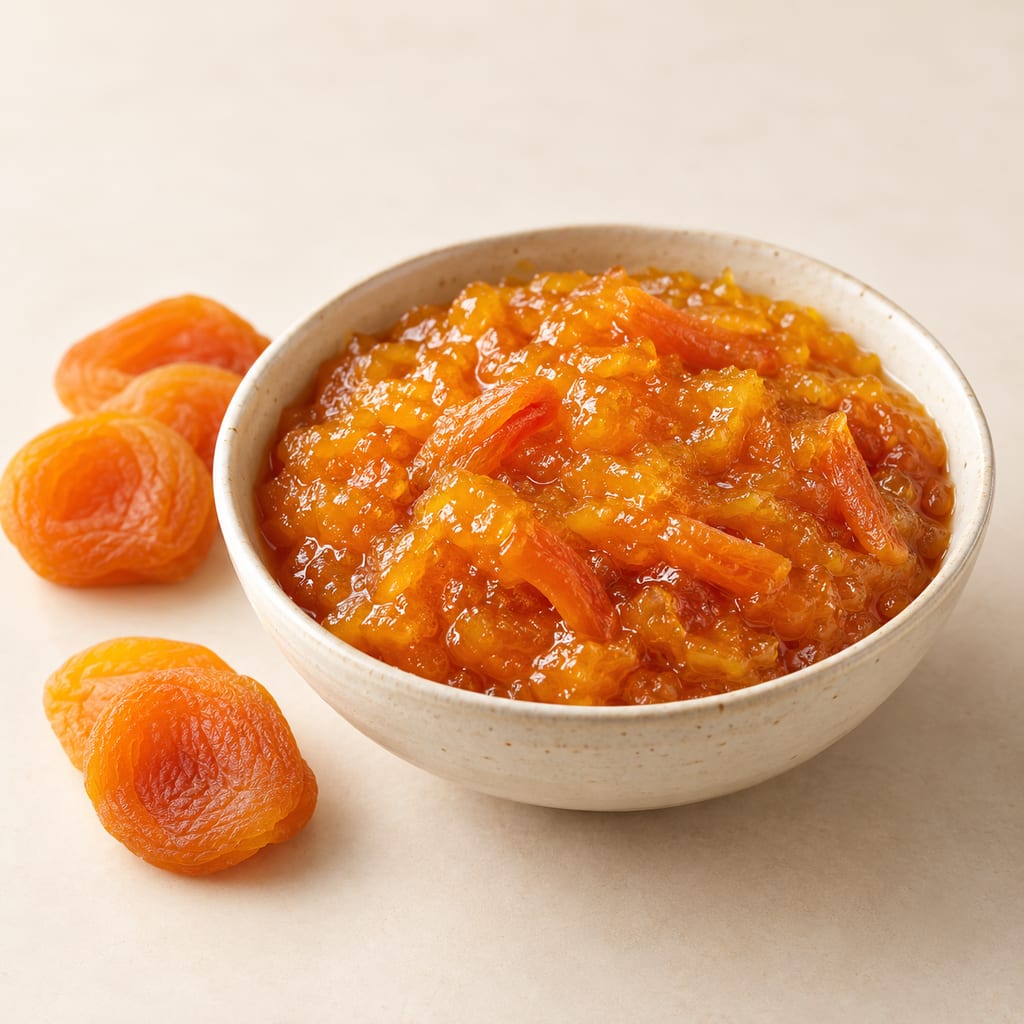
Pumpkin and dried-apricot jam: a French–South African connection
Pumpkin and dried-apricot jam: Freeze for winter; small fresh portion refrigerated up to 48 hours.
 FermenteaWhere food goes to change
Recipes by the places recorded in their sources.
Pumpkin and dried-apricot jam: Freeze for winter; small fresh portion refrigerated up to 48 hours.
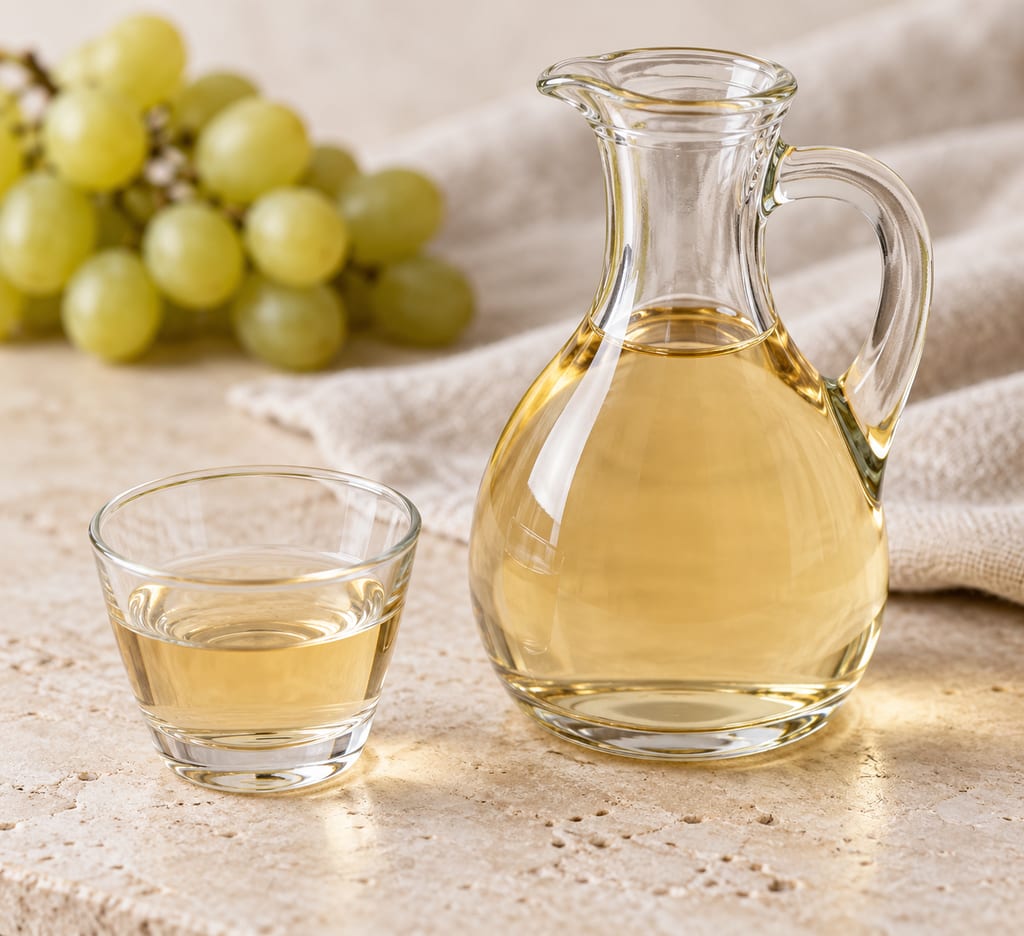
White-wine vinegar is made when acetic acid bacteria oxidise the alcohol in finished white grape wine, yielding a pale, wine-derived souring condiment for dressings, sauces and cooking.
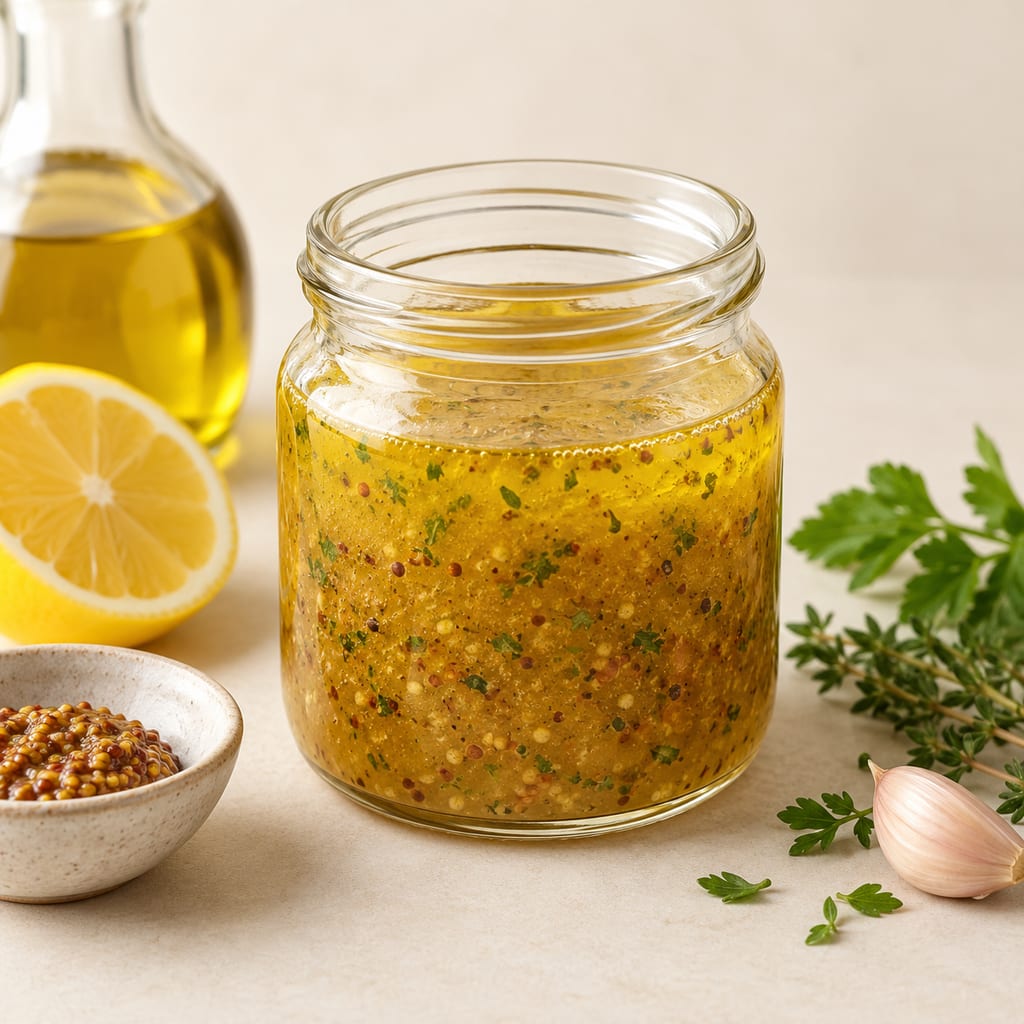
A dressing of edible oil whisked with a mild acid, usually vinegar or lemon juice, seasoned with salt, herbs and mustard, used on salads and as a marinade.
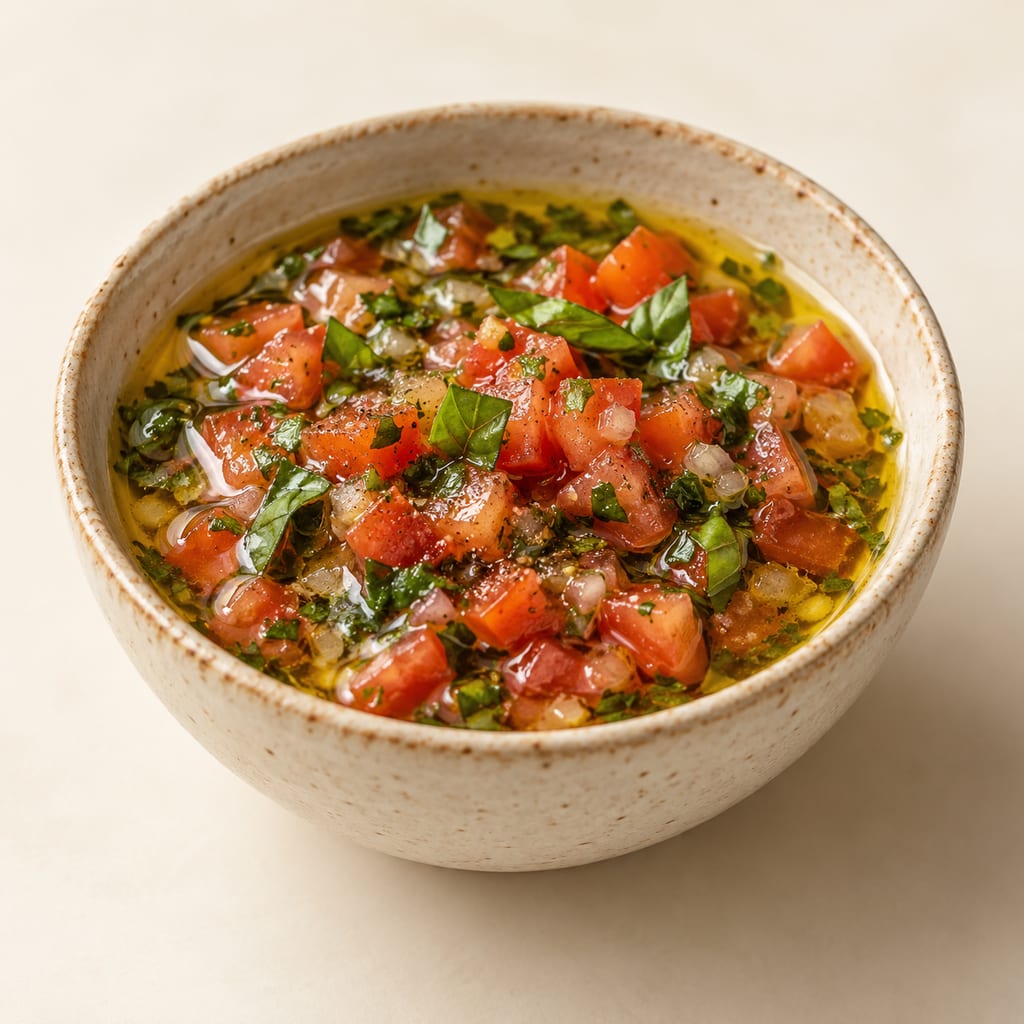
A raw French sauce of olive oil, lemon, chopped tomato and basil, with the herbs infused in the oil, served with fish, shellfish and vegetables.
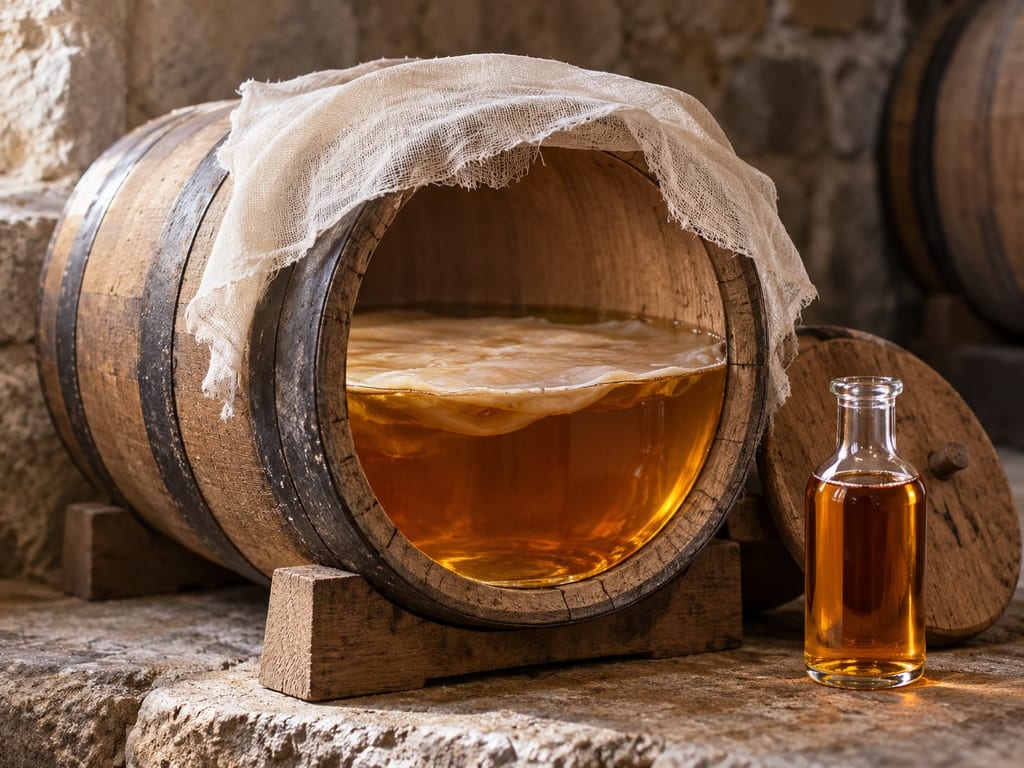
Fruit wine turned into vinegar by acetic acid bacteria at the surface of a half-filled, air-vented vessel. The Orleans method takes one to three months for a 9% wine.
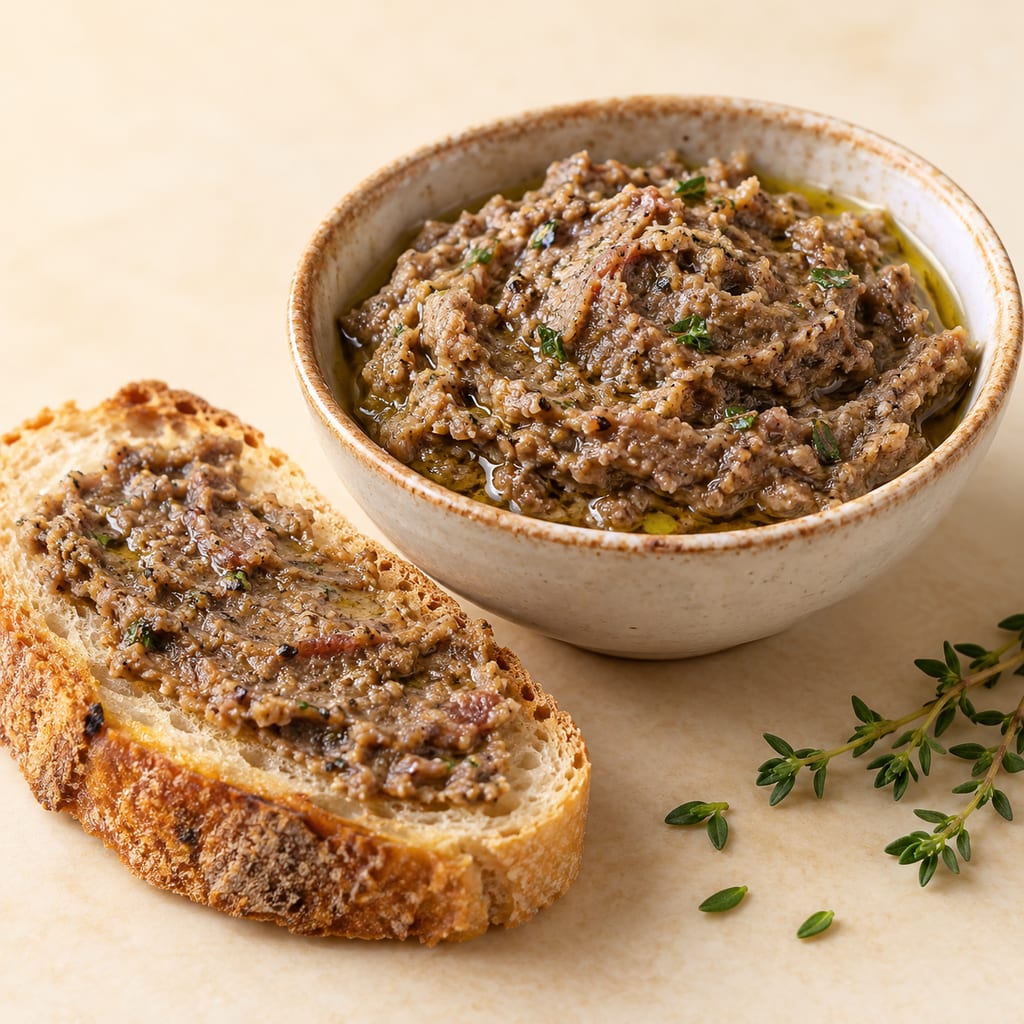
A salted, fermented paste of small fish from Nice, pounded with olive oil, spices and herbs and spread on bread. Unlike a clear fish sauce, it keeps the solids in the finished condiment.
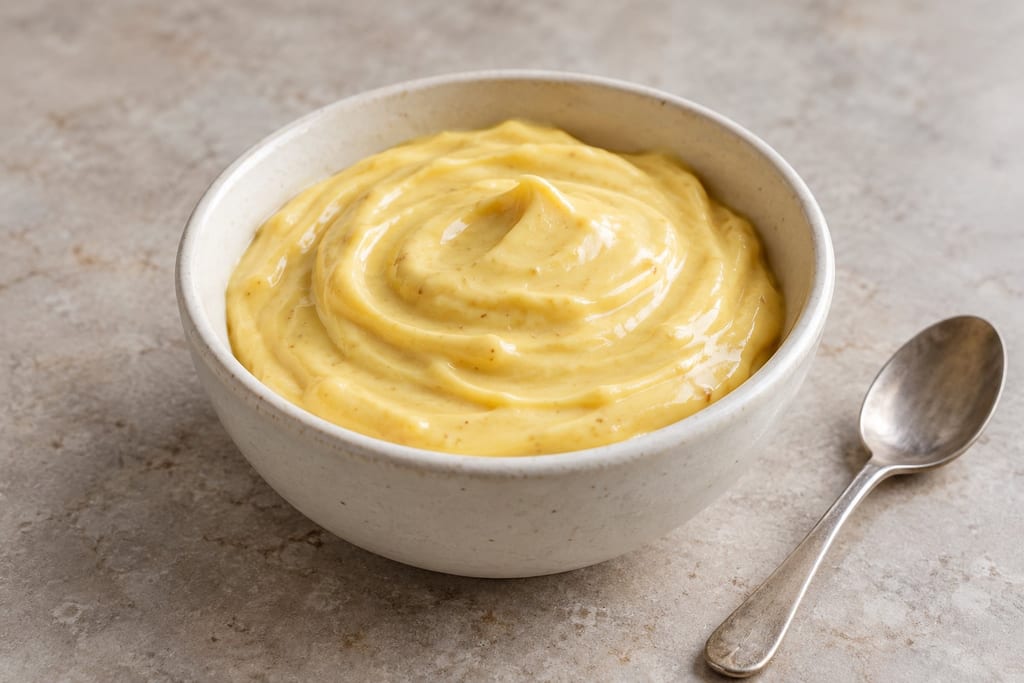
An untested home mayonnaise development formula with more Dijon mustard and no added sugar. A current French-market Dijon mayonnaise informs its flavor direction; this is not that product’s formula.
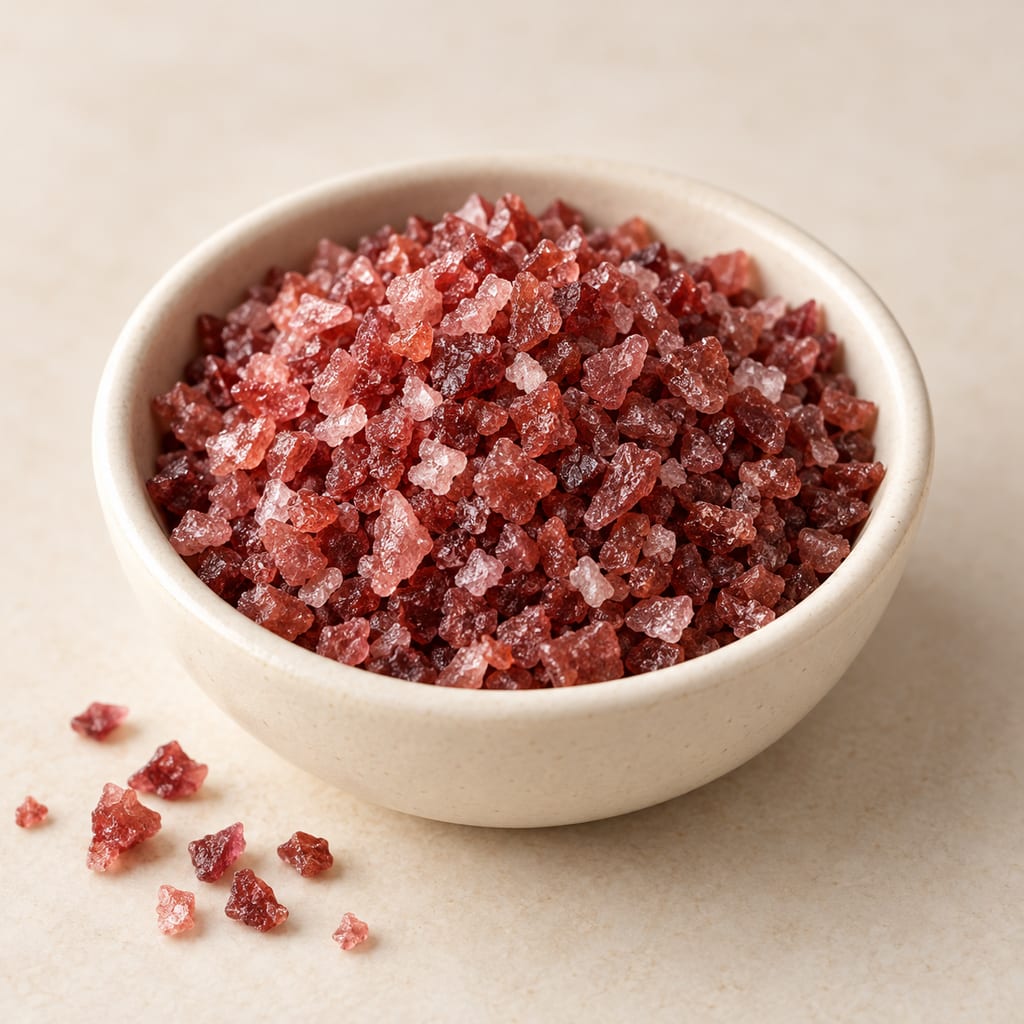
Wine-infused salt is coarse food salt carrying wine colour and aroma after a wine-and-salt mixture is reduced and dried. This version follows a Missouri Wines method at a one-to-three salt-to-wine ratio.
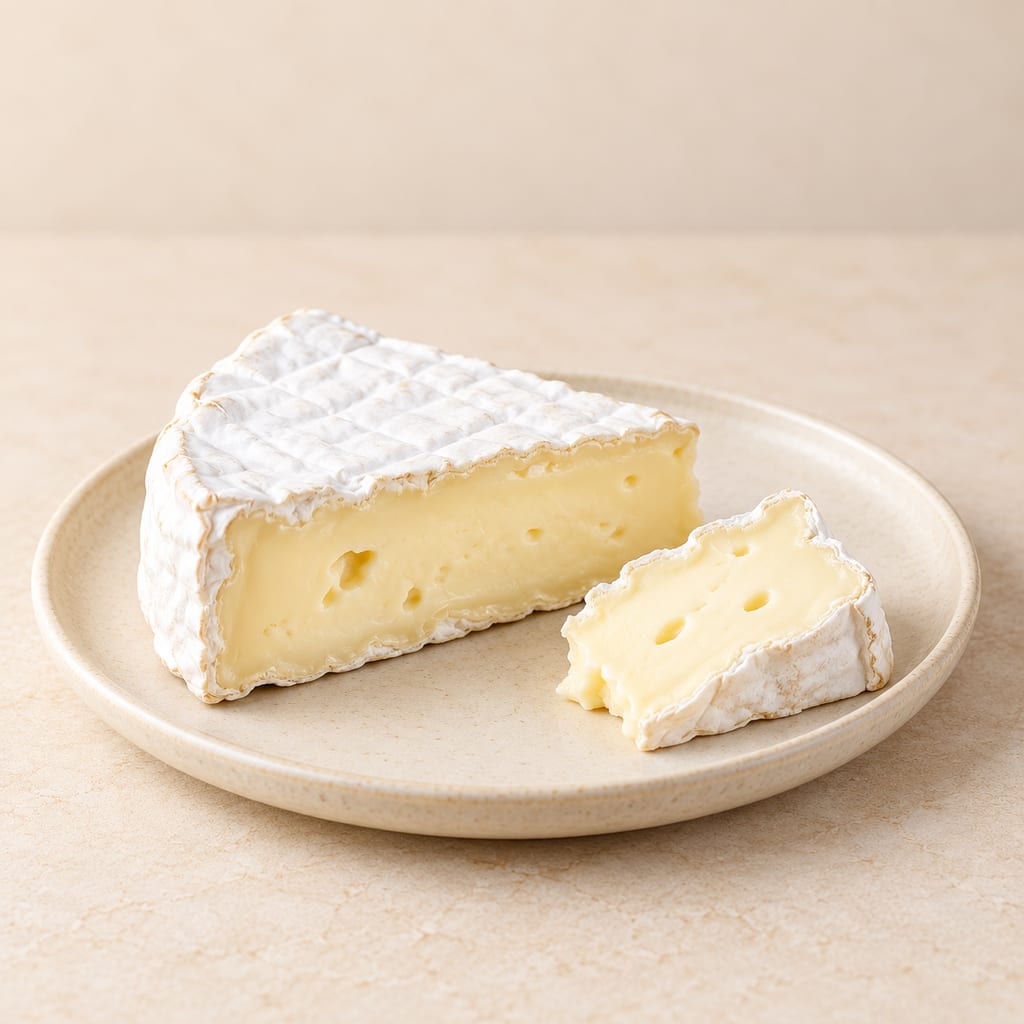
A cream-enriched Brie with a white bloomy rind and a softening center, made from pasteurized milk with lactic and surface cultures.

A thin, pourable custard sauce of egg yolks, sugar and hot milk or cream, cooked gently until it coats a spoon and no further.
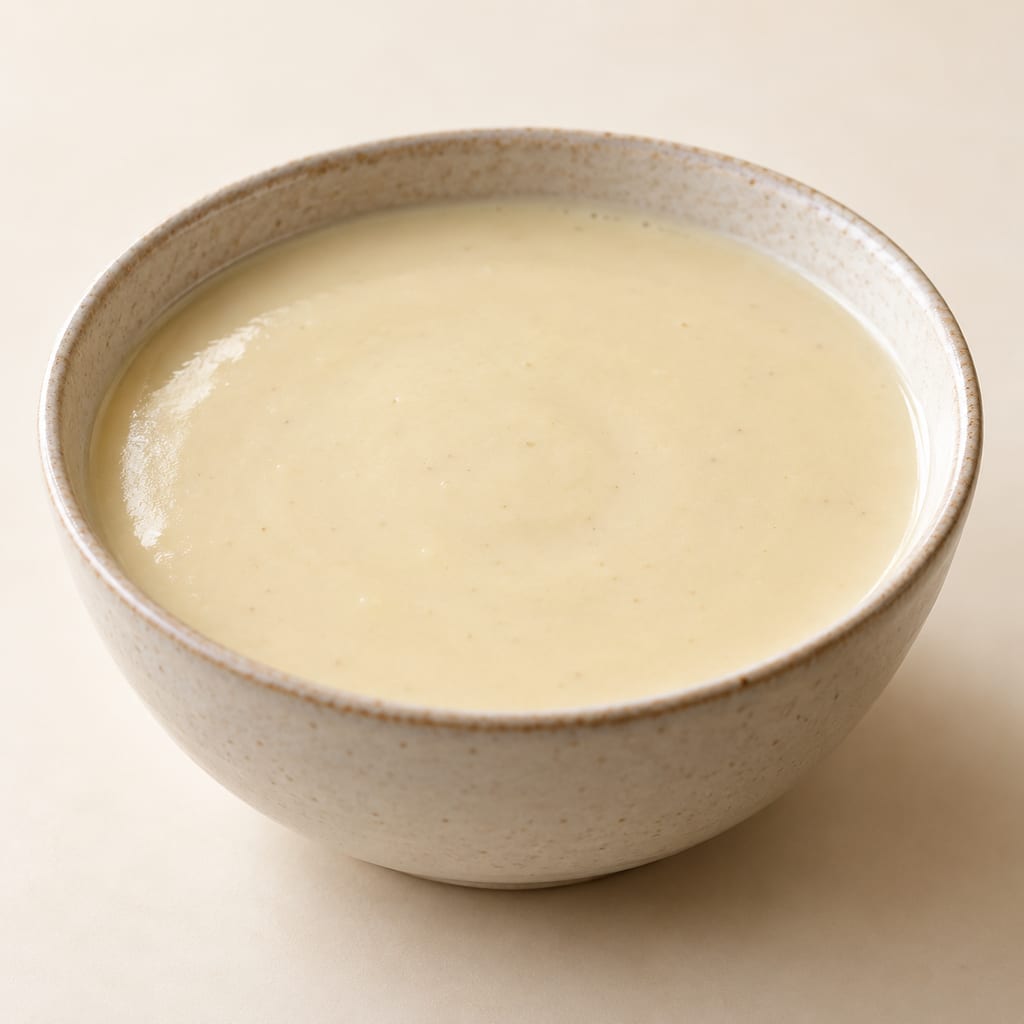
Veloute is a light stock sauce thickened with a blond roux, one of the French mother sauces, and the base for named sauces built on chicken, fish or veal stock.
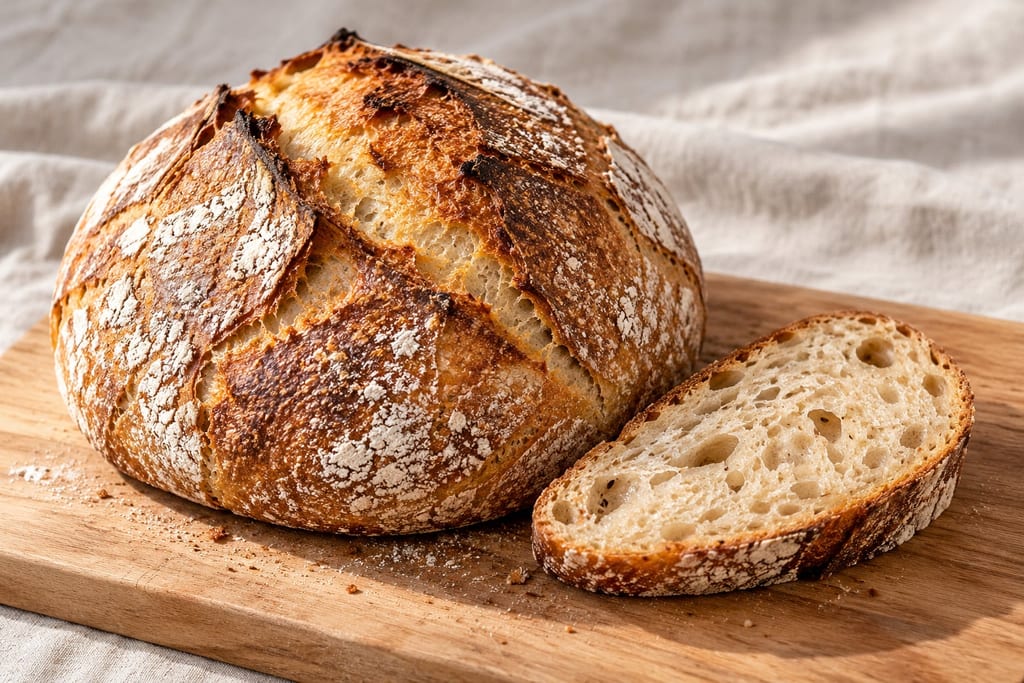
Two large French-style wheat loaves use unfed sourdough starter, whole-wheat flour, long room-temperature fermentation and a covered-pot bake.
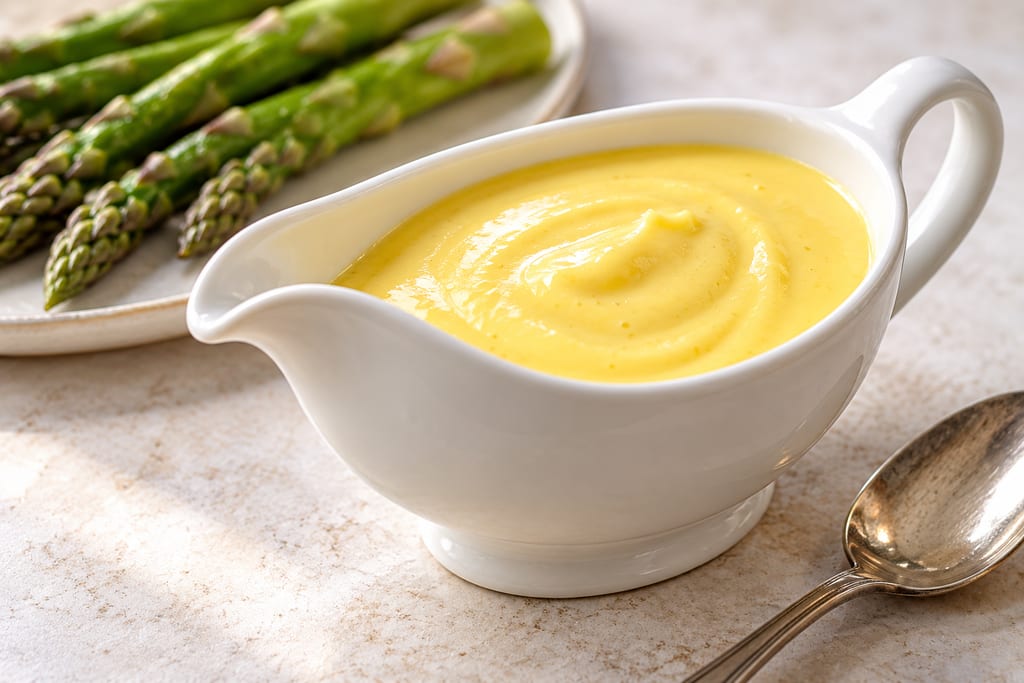
Hollandaise is a warm emulsion of egg yolk and butter finished with lemon juice, one of the French mother sauces, and the base for Bearnaise and other derived sauces.
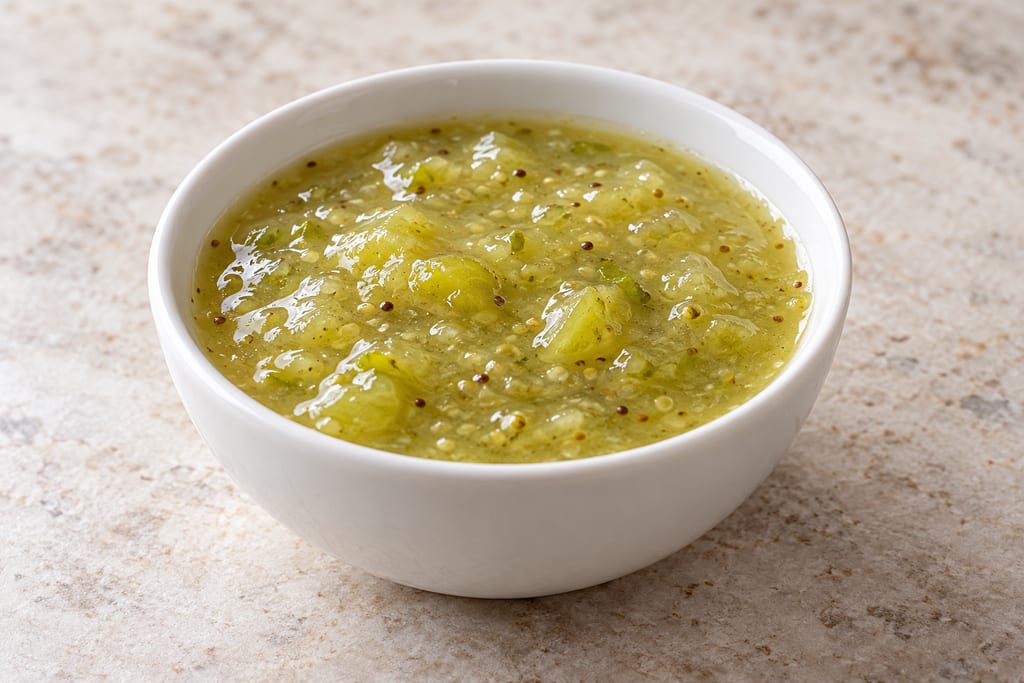
Gooseberry sauce is a soft, tart sauce of cooked green gooseberries, sharpened with wine or vinegar and lightly sweetened, traditionally served with mackerel.
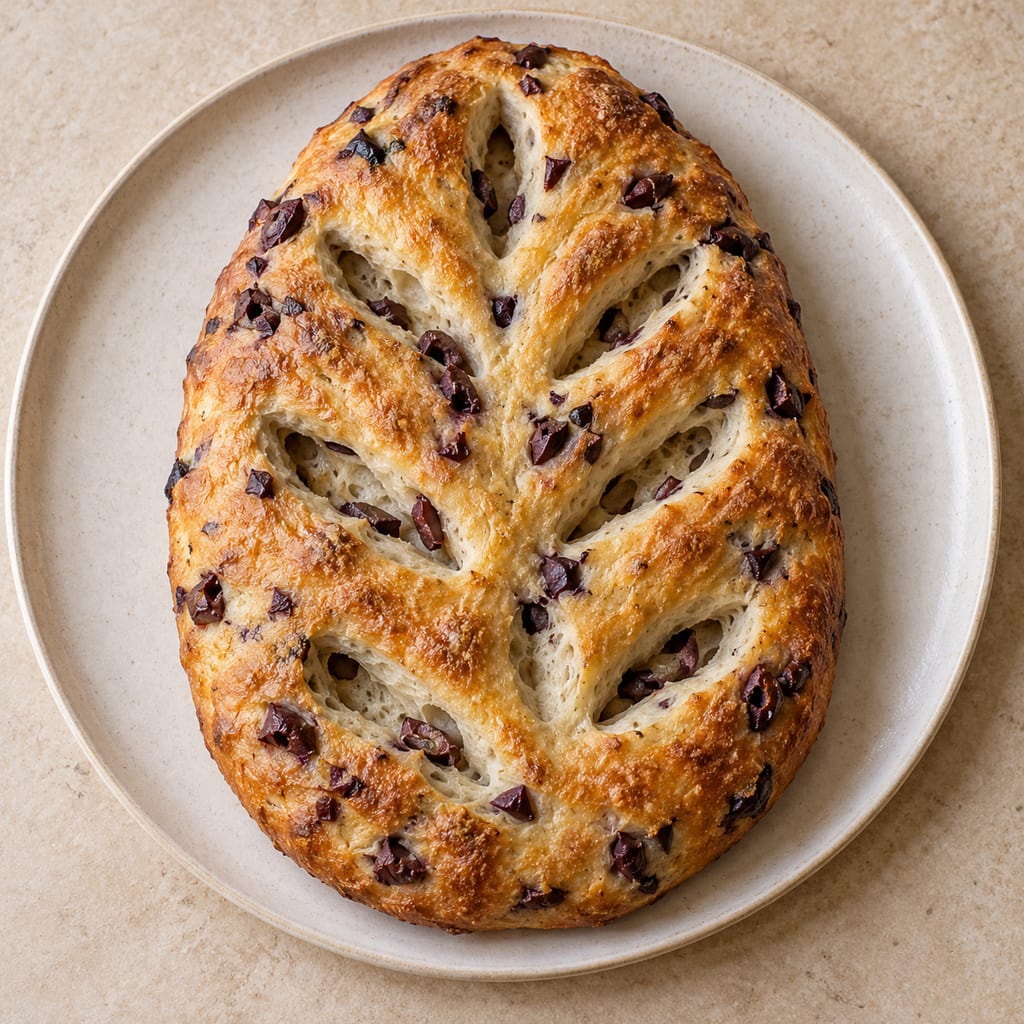
A Provençal olive bread shaped as a flattened oval with seven open slits. This Le Cordon Bleu formula uses wheat flour, fresh yeast, olive oil and Kalamata olives.
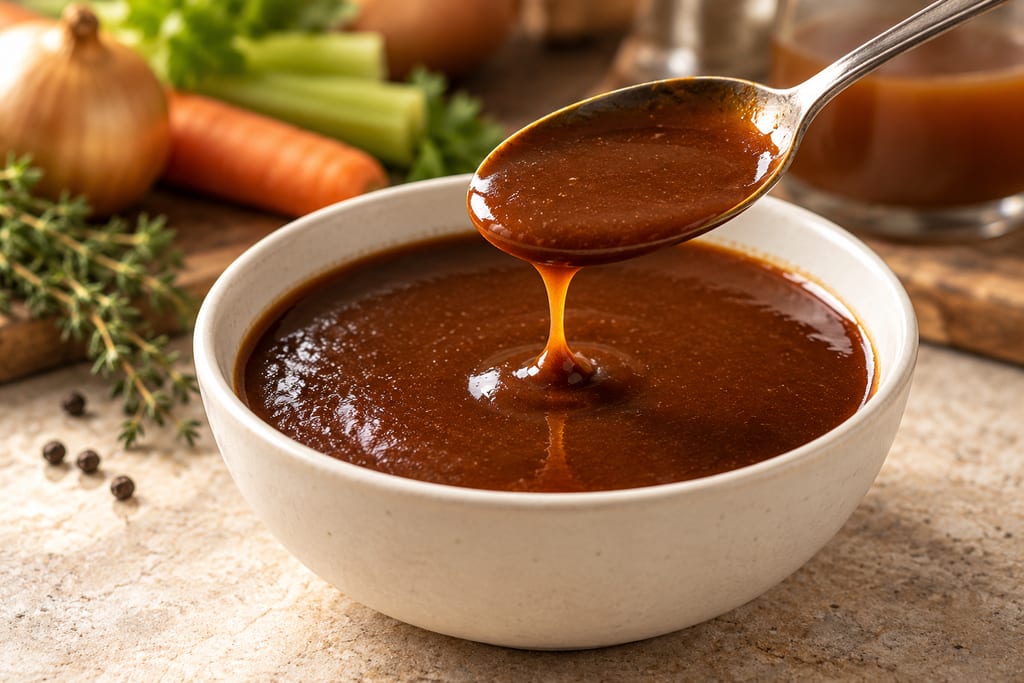
Espagnole is a brown mother sauce built on a dark roux, brown veal or beef stock and tomato, the base from which demi-glace and many brown sauces are made.
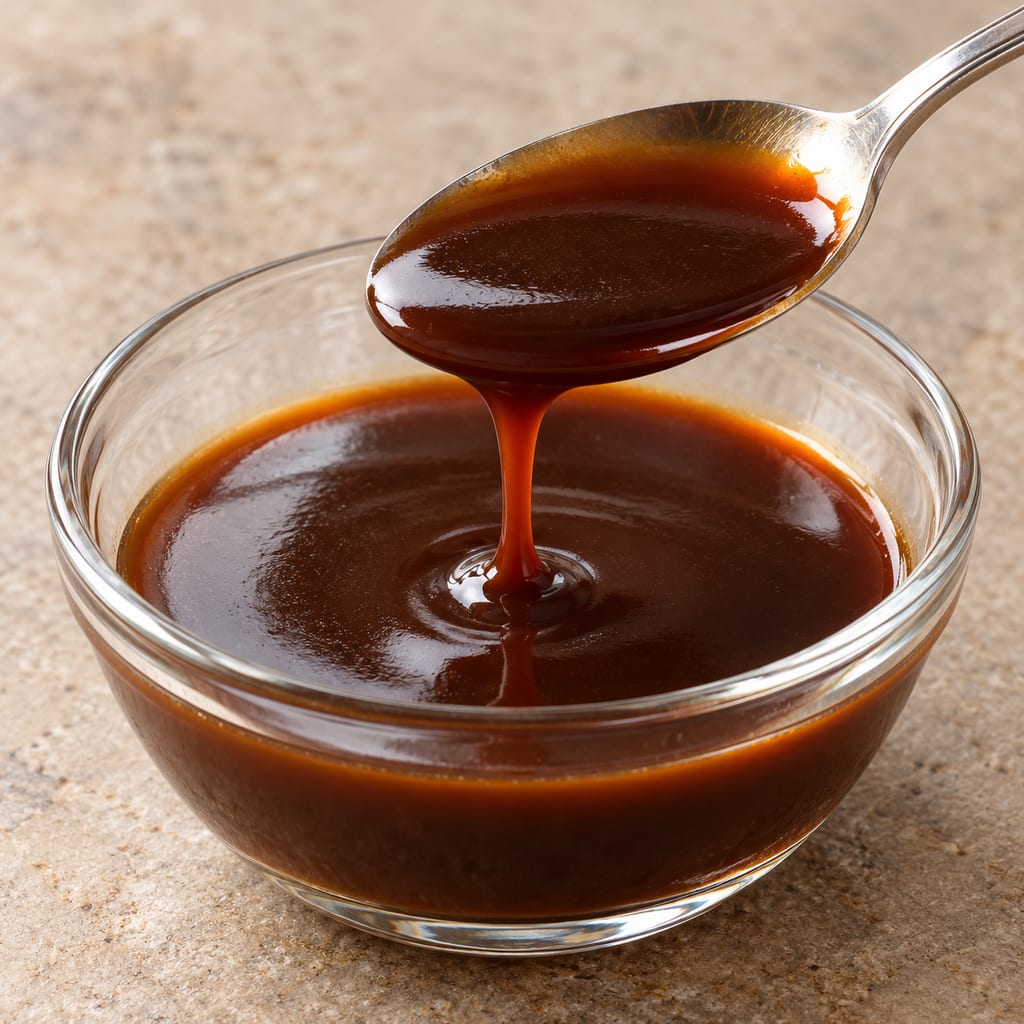
Demi-glace is a rich brown sauce of French cookery, classically made by reducing equal parts espagnole sauce and brown stock by half. It is used on its own or as a base for other sauces.
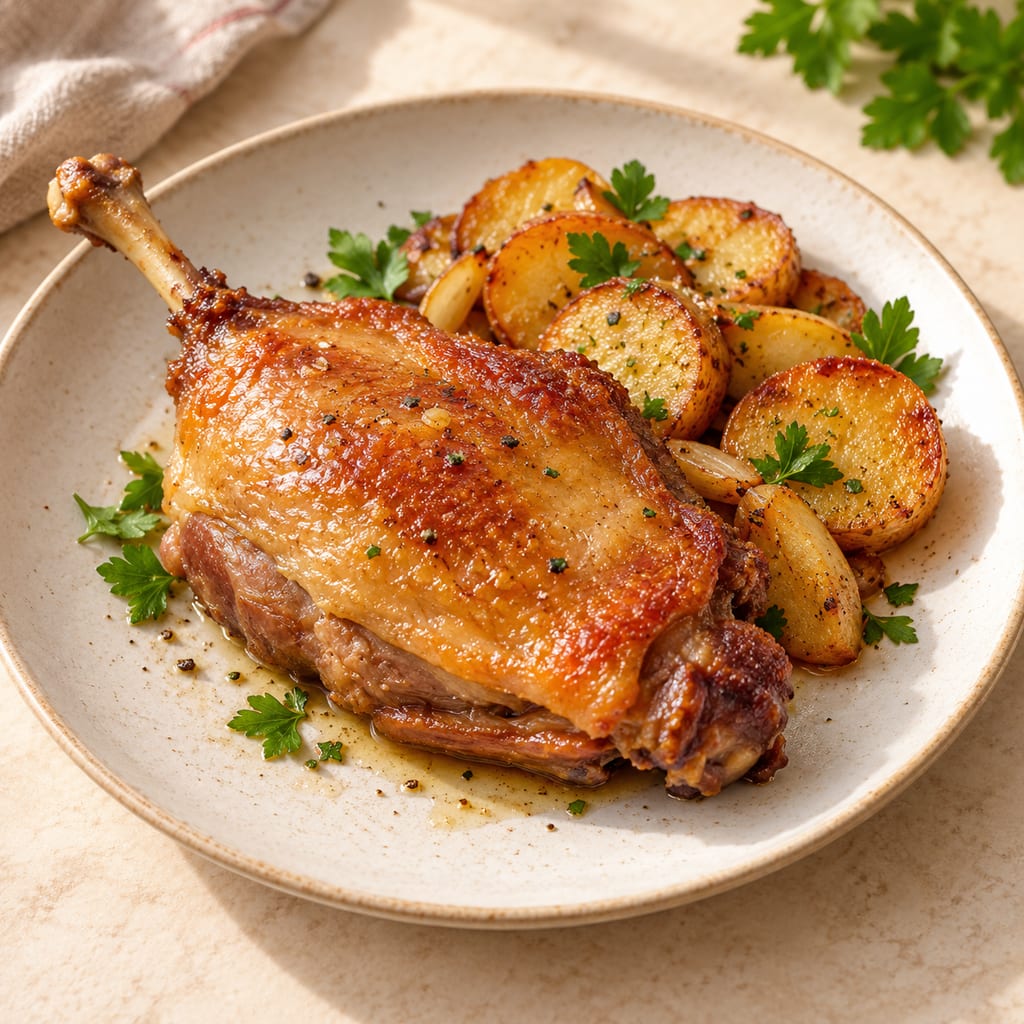
Meat salted, slowly cooked in its own fat and kept under a covering of that fat. The fat cap limits air but does not acidify or sterilise, so home confit needs refrigeration or freezing.
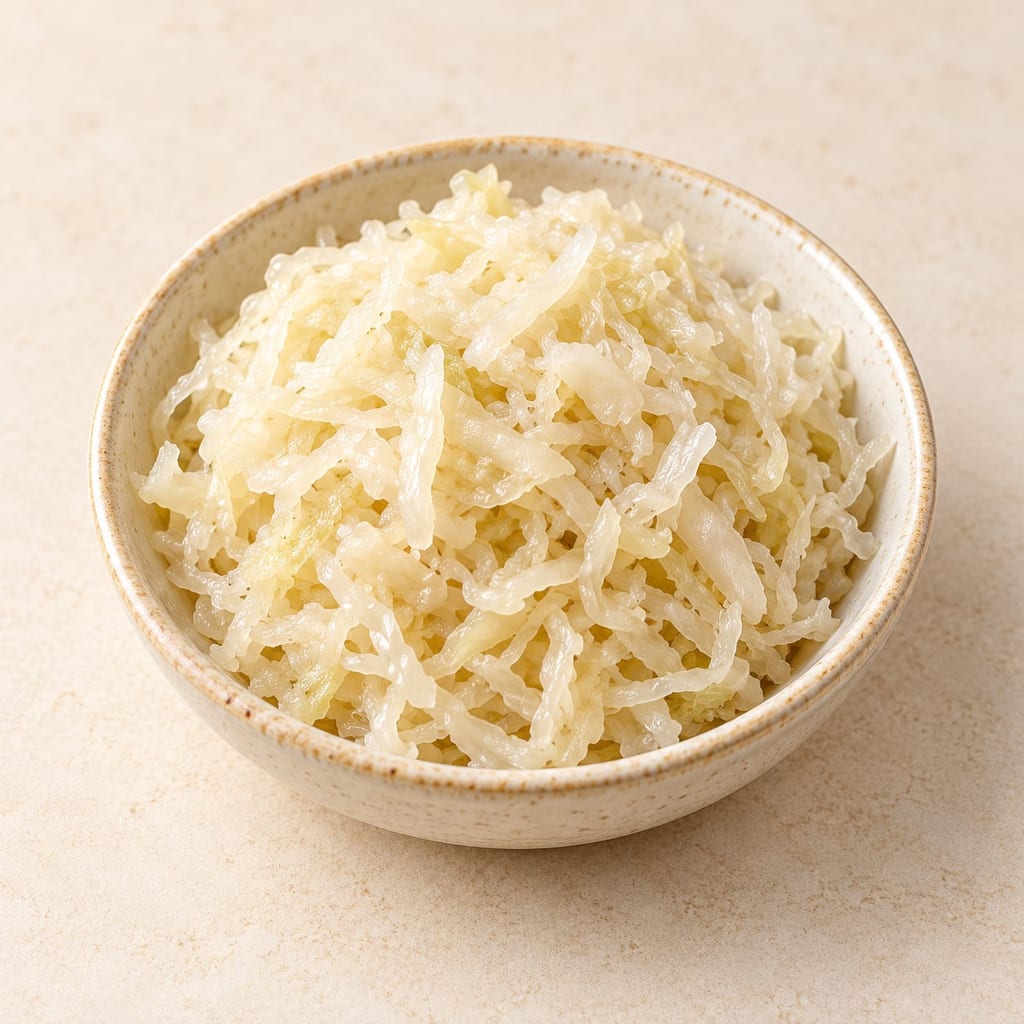
Finely cut cabbage fermented with salt in vats by natural lactic fermentation, a protected Alsatian product sold raw or cooked after fermentation.
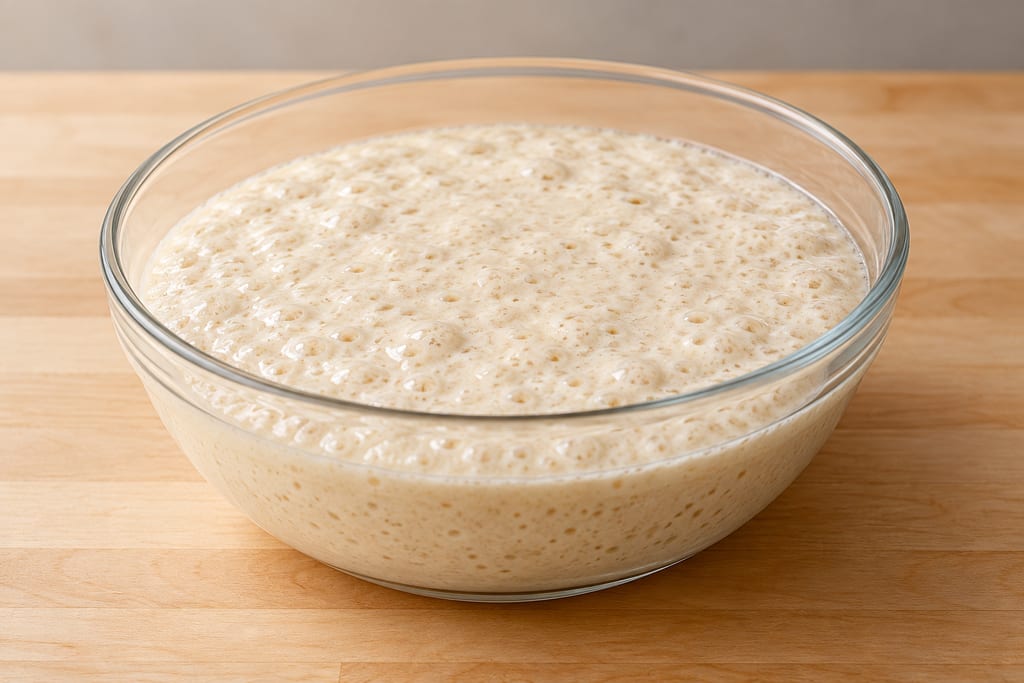
Poolish is a loose, unsalted bread preferment of roughly equal weights of wheat flour and water with a pinch of baker's yeast, left to ripen before it goes into the final dough.
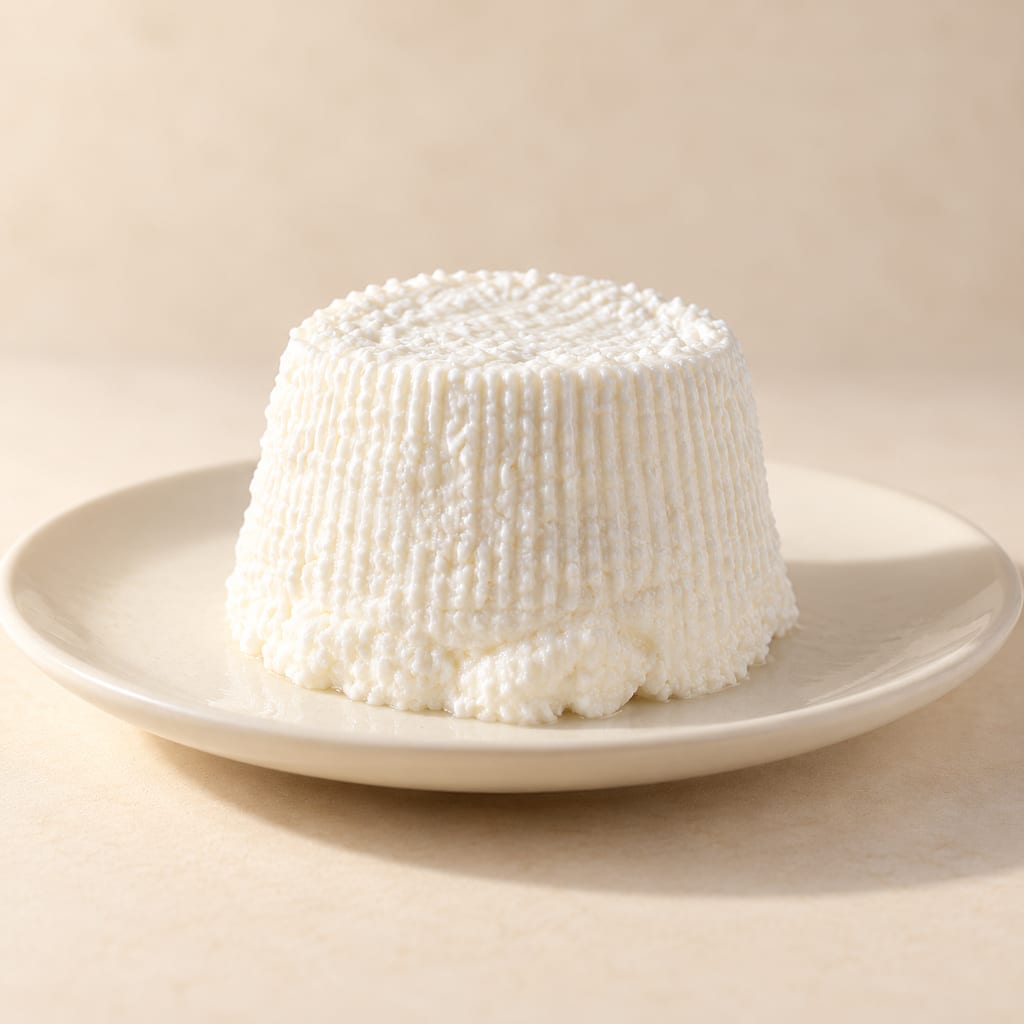
Corsican Brocciu is a whey cheese made by heating sheep's or goat's whey with whole milk and salt, then gently draining the flocculated curds. It is eaten fresh or salted and ripened as Brocciu passu.
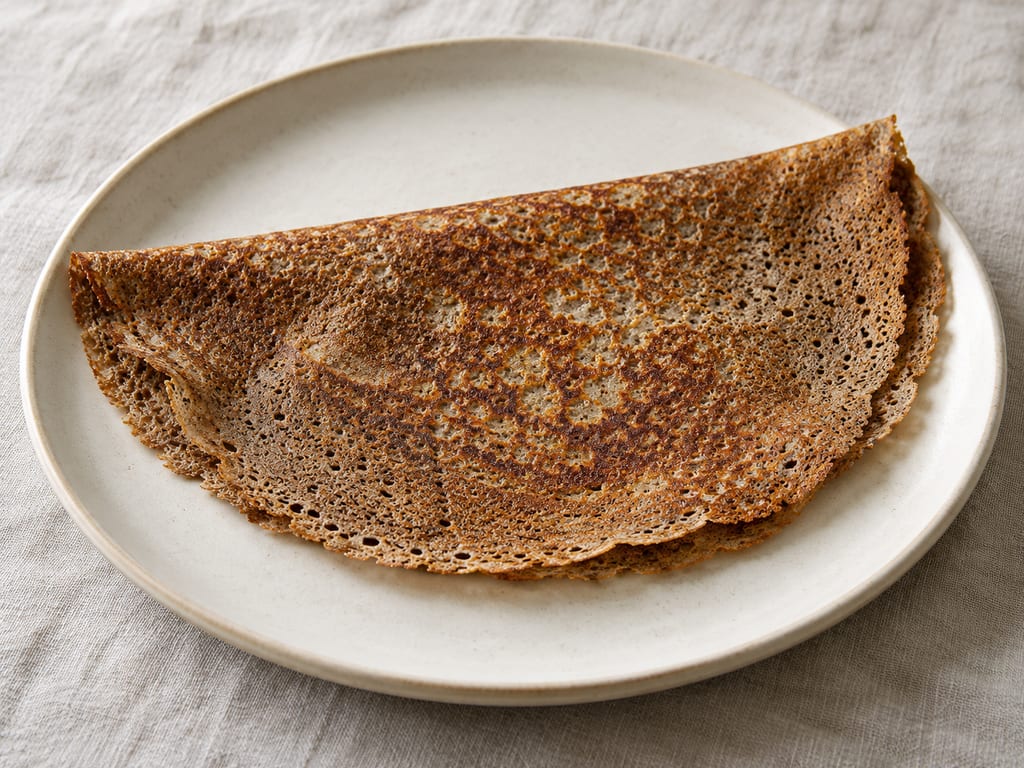
A thin Brittany galette made from buckwheat flour, water and Guérande salt. This Atelier de la Crêpe method rests the batter in a refrigerator before cooking it on a hot crêpière.
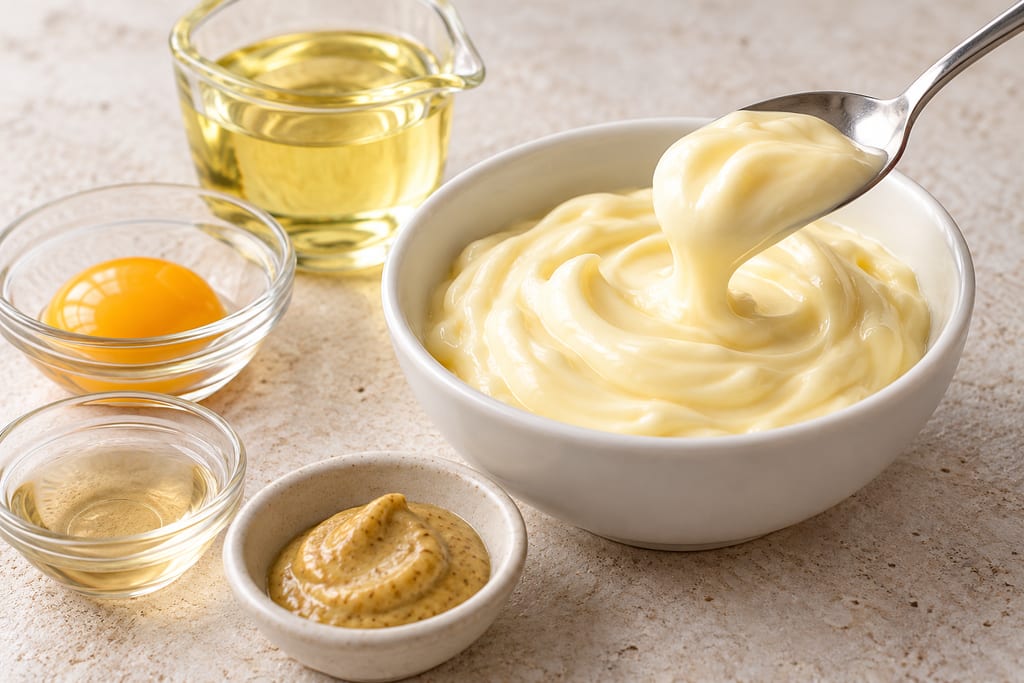
A plain mayonnaise of 200 g refined neutral oil emulsified into pasteurised yolk, vinegar, water and a little Dijon mustard: a clean base for tasting, comparing and flavouring.
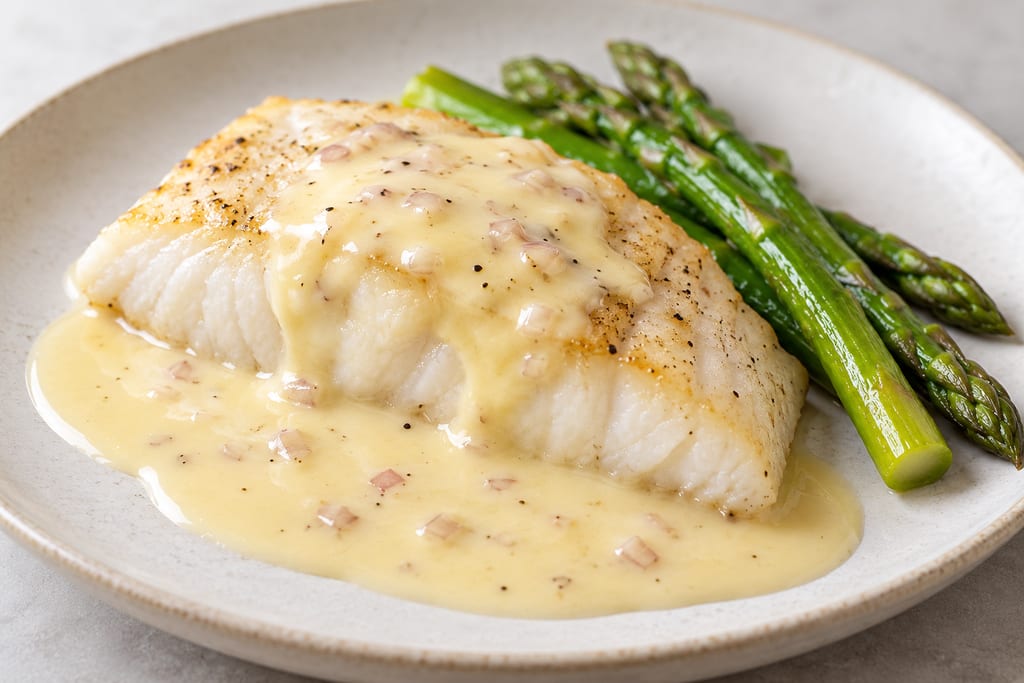
Beurre blanc is a warm emulsion of cold butter whisked into a reduction of white wine, vinegar or lemon juice and shallot, a sauce from the Loire Valley and its red-wine version, beurre rouge.

Bechamel is a white sauce of milk thickened with a butter and flour roux, one of the French mother sauces, and the base from which Mornay and other cheese and cream sauces are made.
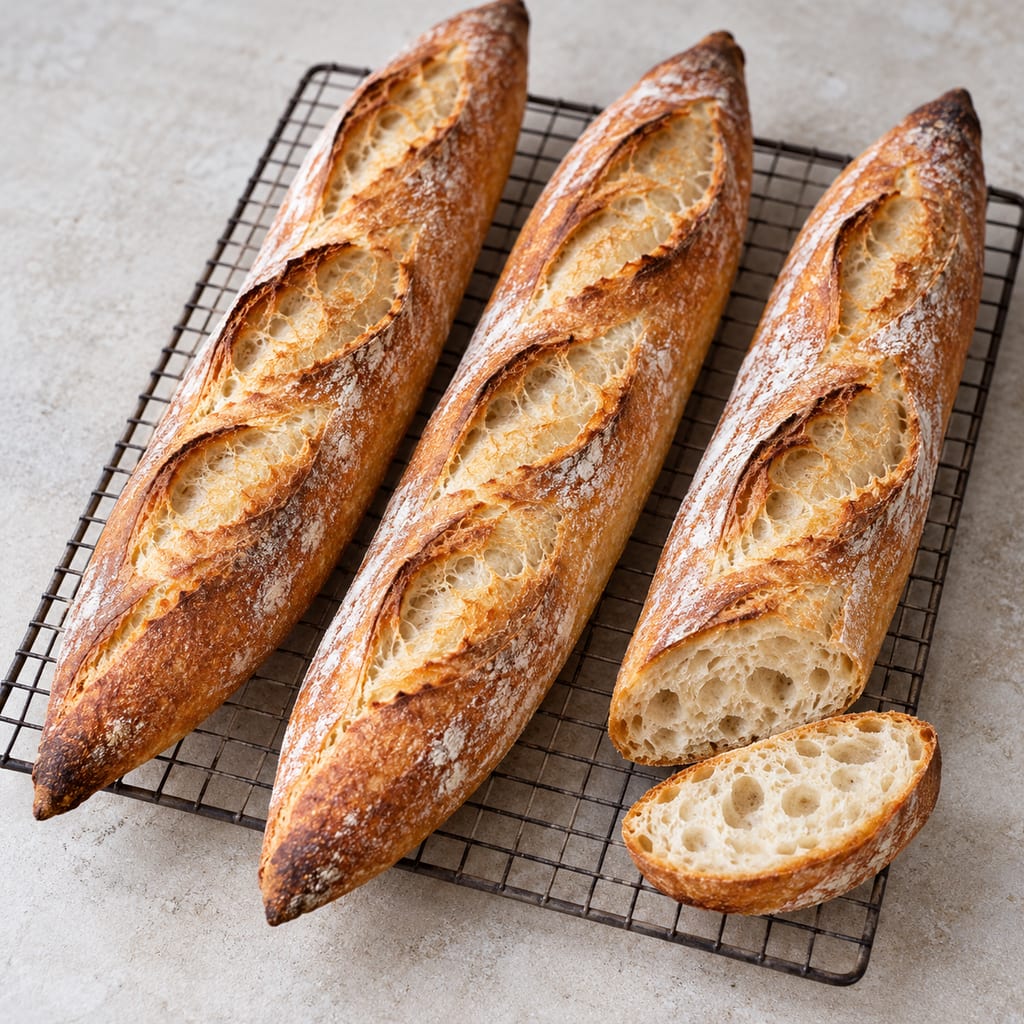
Three long, crusty wheat loaves made with an overnight yeast poolish, shaped by hand and baked with steam for a crisp crust.
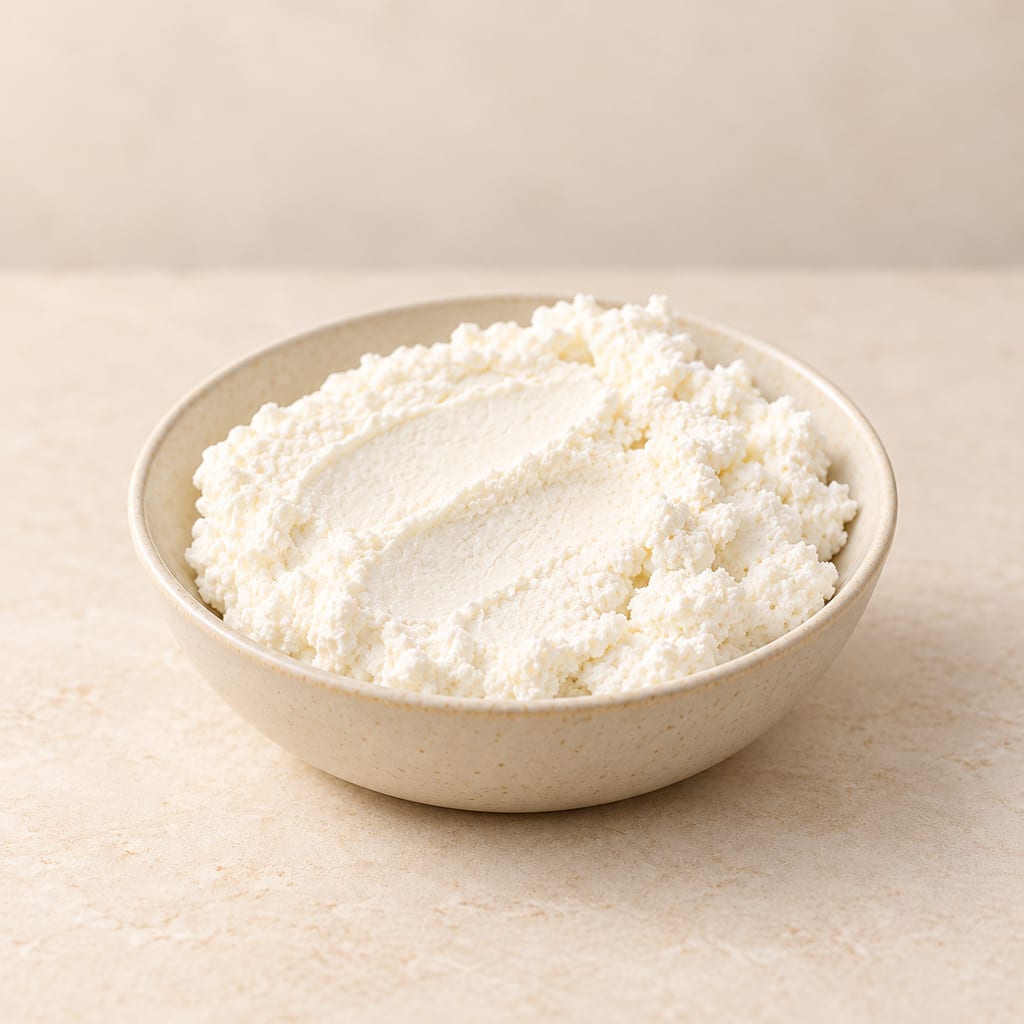
Fresh chèvre is a soft goat-milk cheese with a gently tangy flavour. This home method uses a combined lactic starter and coagulant, then drains the curd in cloth before salting and chilling.
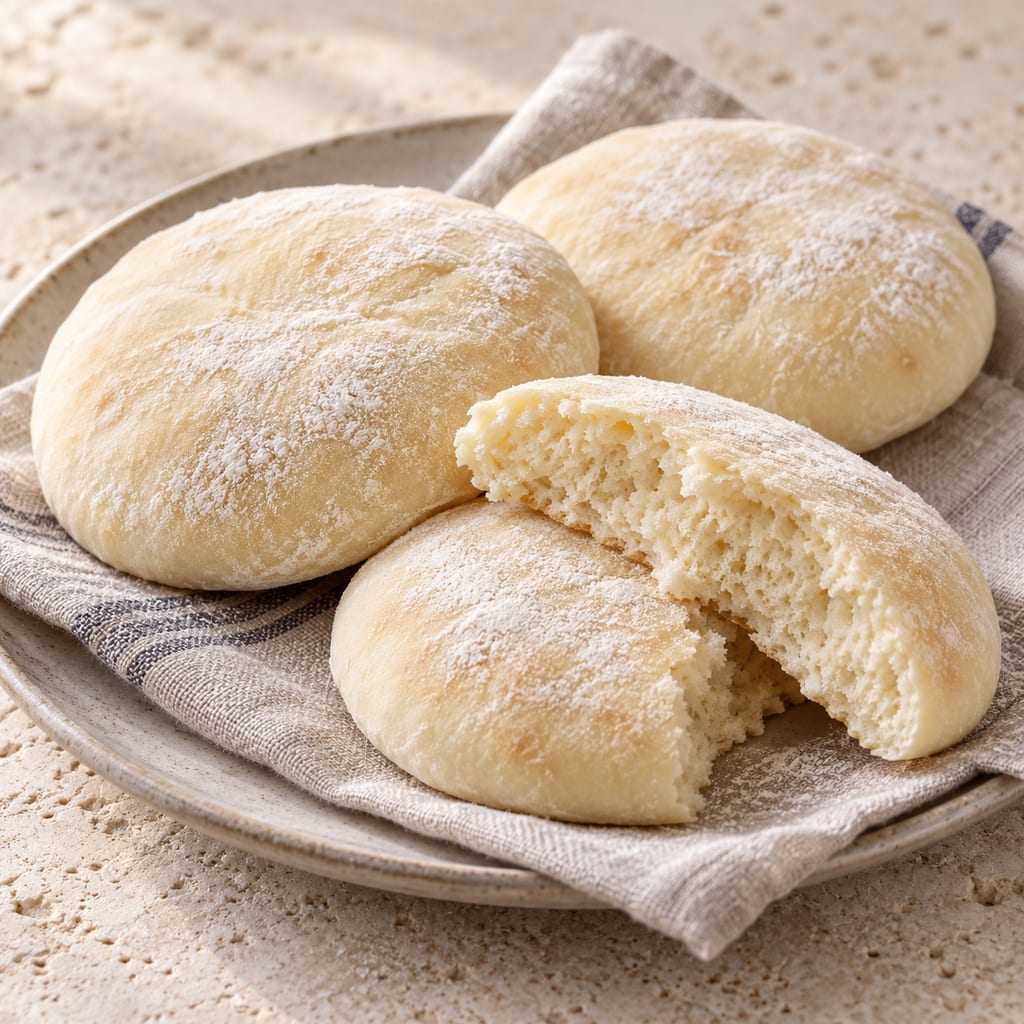
A pale, softly baked, low-profile bread associated with northern France and Tournai. This source-specific household method makes four large faluches; it differs from older accounts of leftover bread dough baked during communal bread baking.
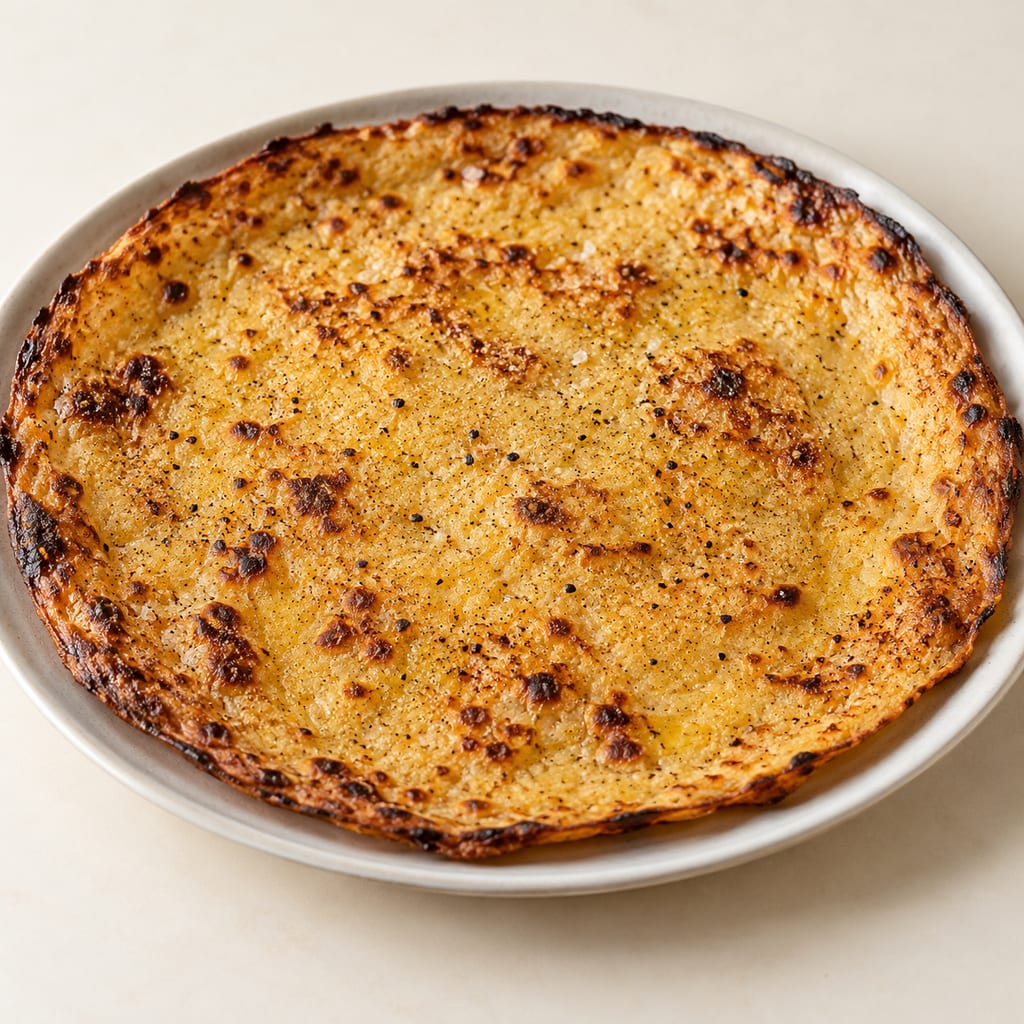
Socca is a thin chickpea-batter pancake from Nice, cooked on a very hot copper plate and served piping hot. This page follows the Nice source; the Genoa farinata formula, which conflicts on water quantity, is not blended in.
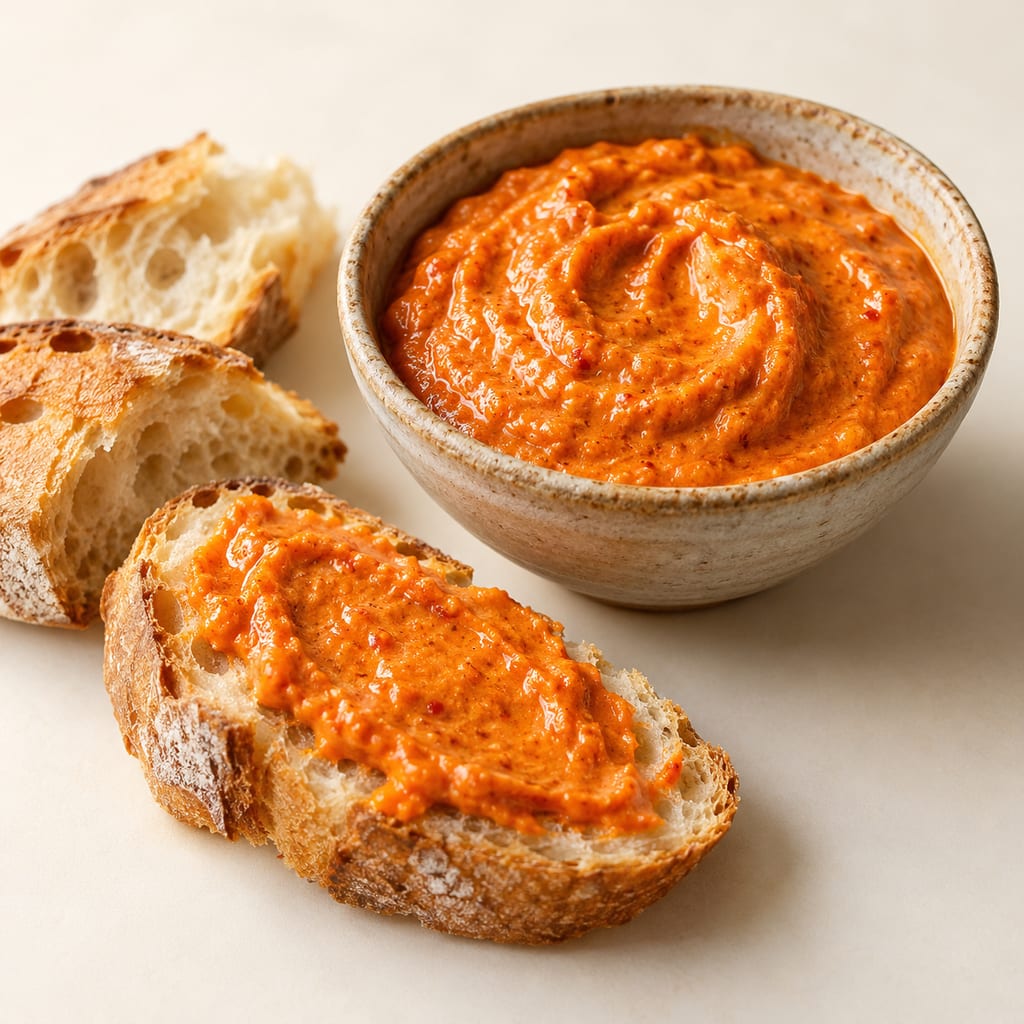
A strongly flavoured Provencal garlic sauce of chilli or cayenne, saffron, olive oil and bread or egg, served on bread with fish soup and bouillabaisse.
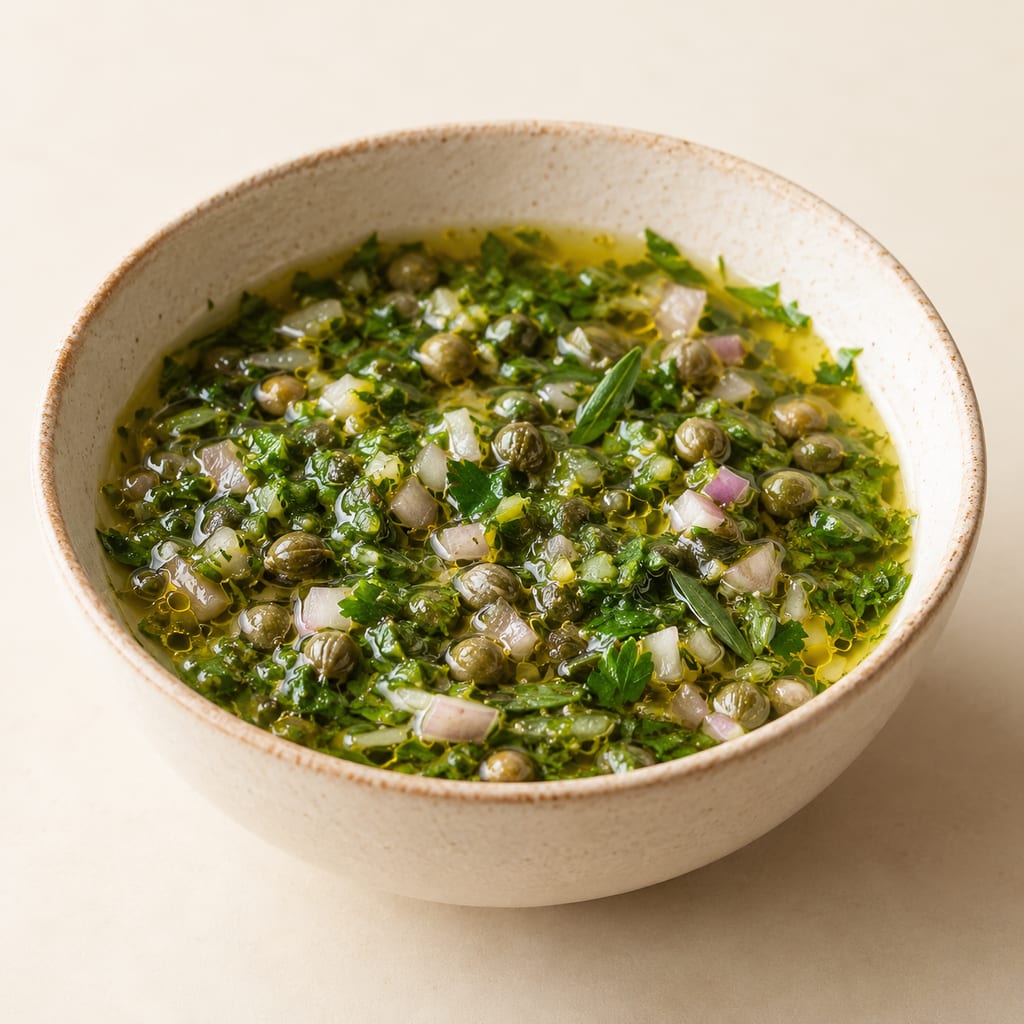
A French cold sauce, in its modern sense a vinaigrette with capers, parsley, chervil, tarragon and shallot or onion, served with fish, shellfish, meat and celeriac.
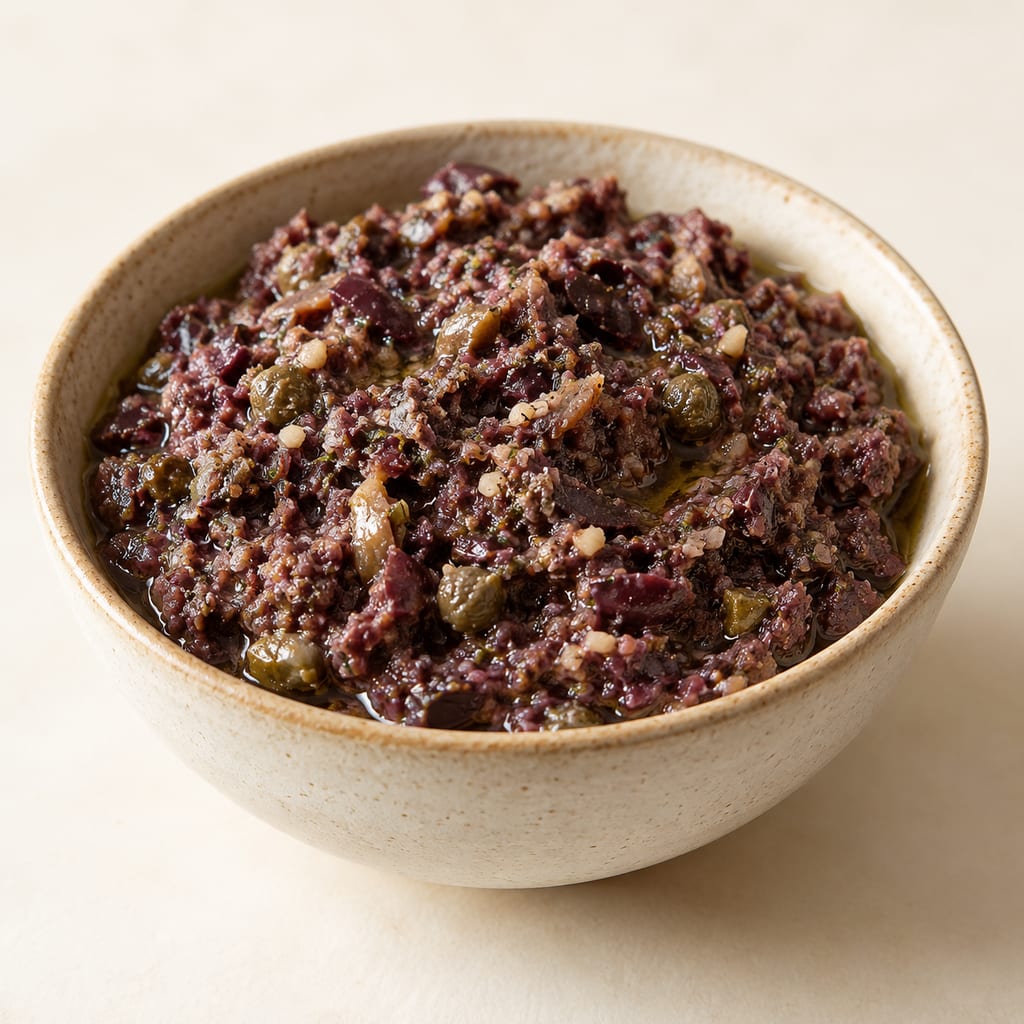
A Provençal olive spread built around olives and capers, with anchovy, garlic, lemon and olive oil in Marseille’s current recipe. Both coarse and finely worked versions are documented.

A warm dip of garlic, anchovy and olive oil, often enriched with butter, that Piedmont serves over a flame with raw and cooked vegetables and bread.
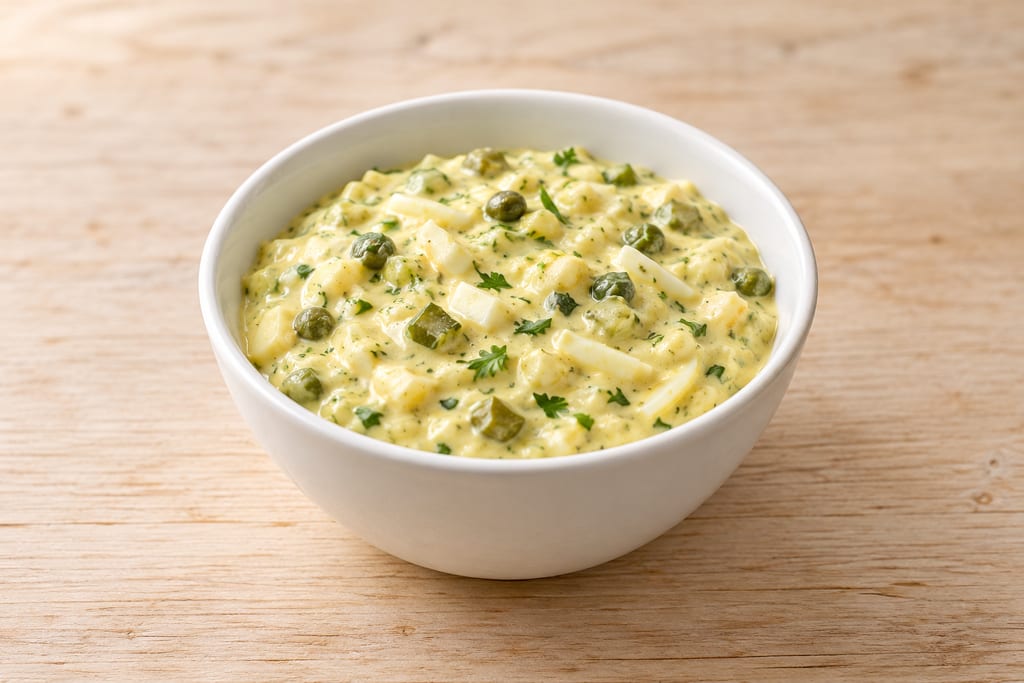
A cold French sauce of emulsified hard-boiled egg yolk and mustard, finished with chopped pickled cucumber, capers and herbs and julienned egg white.
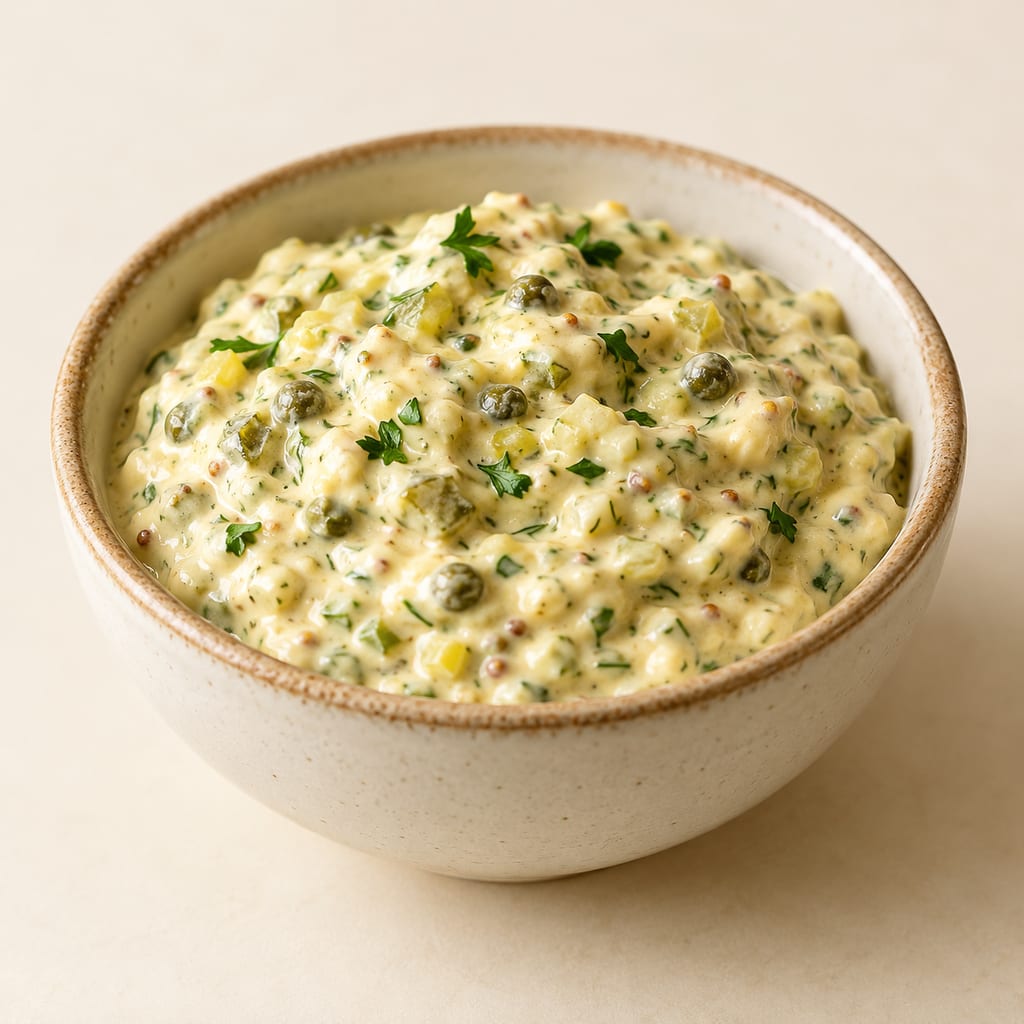
A French cold sauce made from mayonnaise with mustard, capers, cornichons and fresh herbs, served with fish, shellfish and red meats.
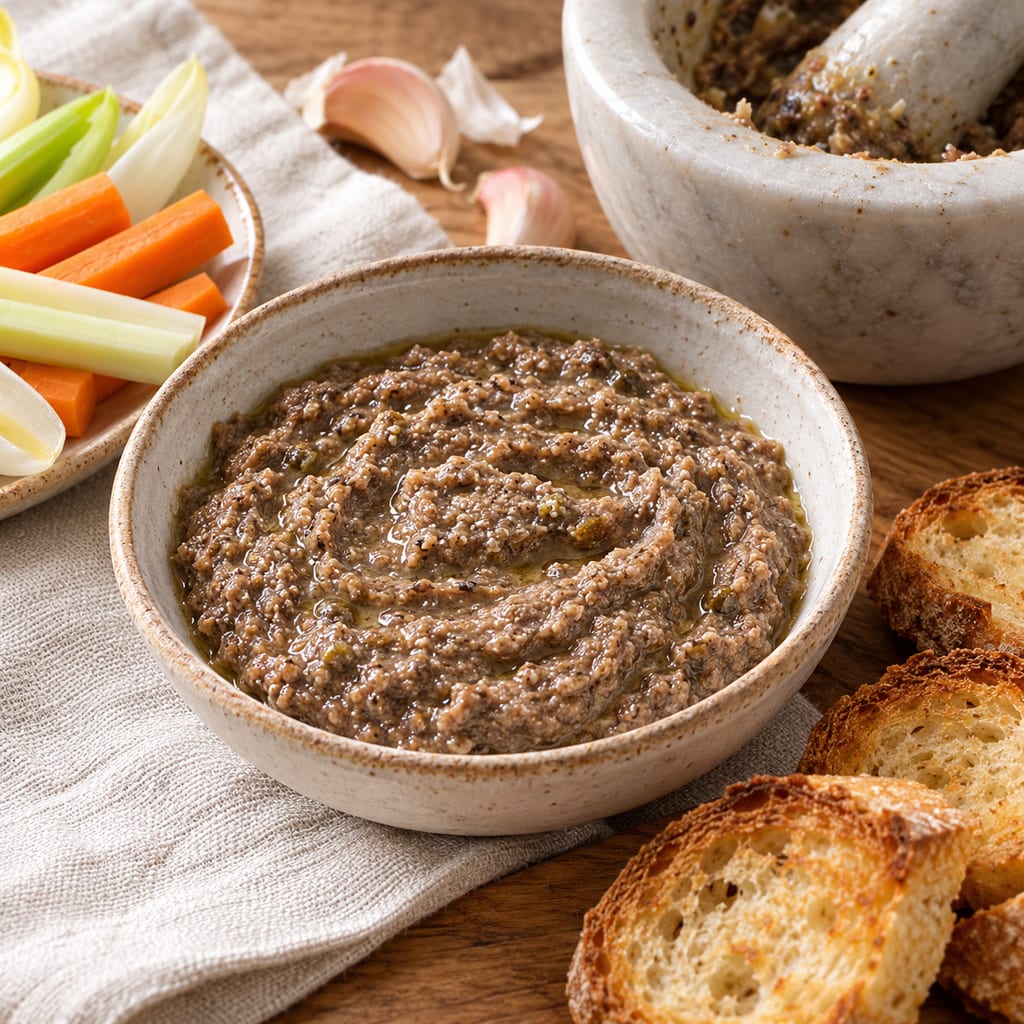
A Provencal dip of anchovies, garlic, capers and olive oil, pounded or blended to a creamy paste and served with raw vegetables, bread and eggs.
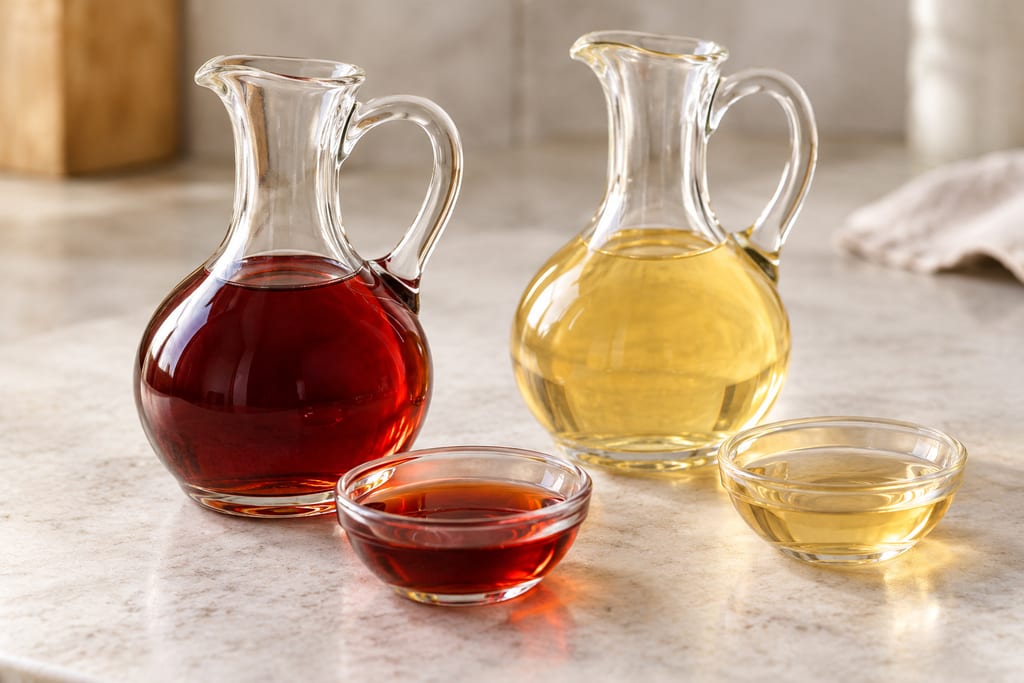
Wine vinegar is made by the aerobic oxidation of wine's alcohol into acetic acid by bacteria, producing a sour, wine-derived condiment used in dressings, sauces, marinades and preserved foods.

A mayonnaise sauce with chopped gherkins or capers, herbs and lemon, served with fried and grilled fish. It was named in nineteenth-century France alongside steak tartare.
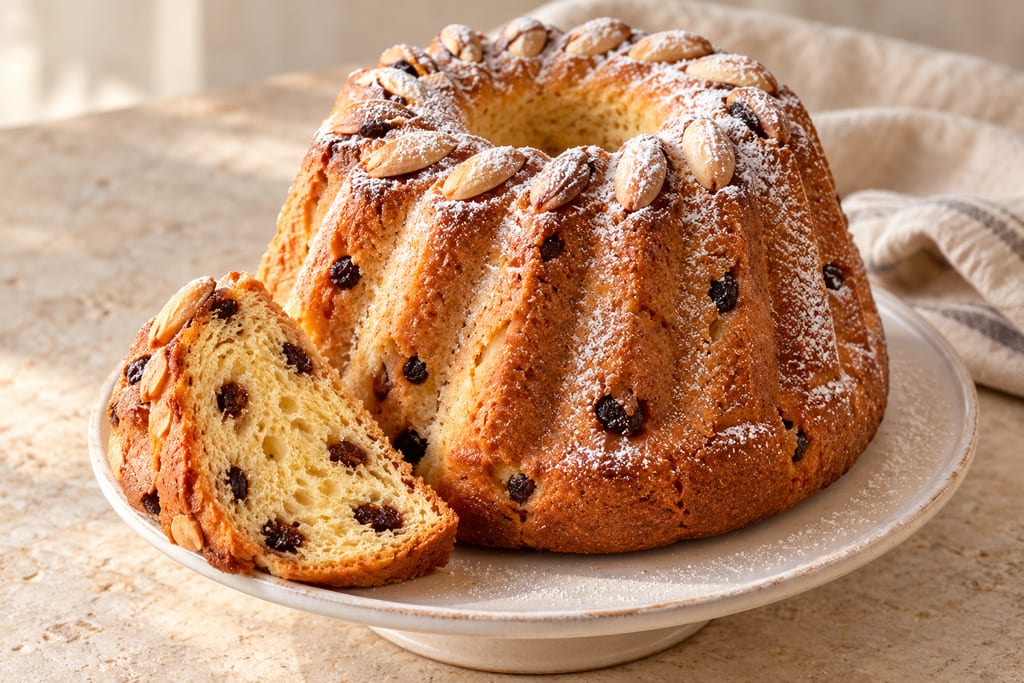
An enriched Alsatian yeast ring with raisins and almonds, kneaded with butter, proofed in a fluted mould and baked until browned.
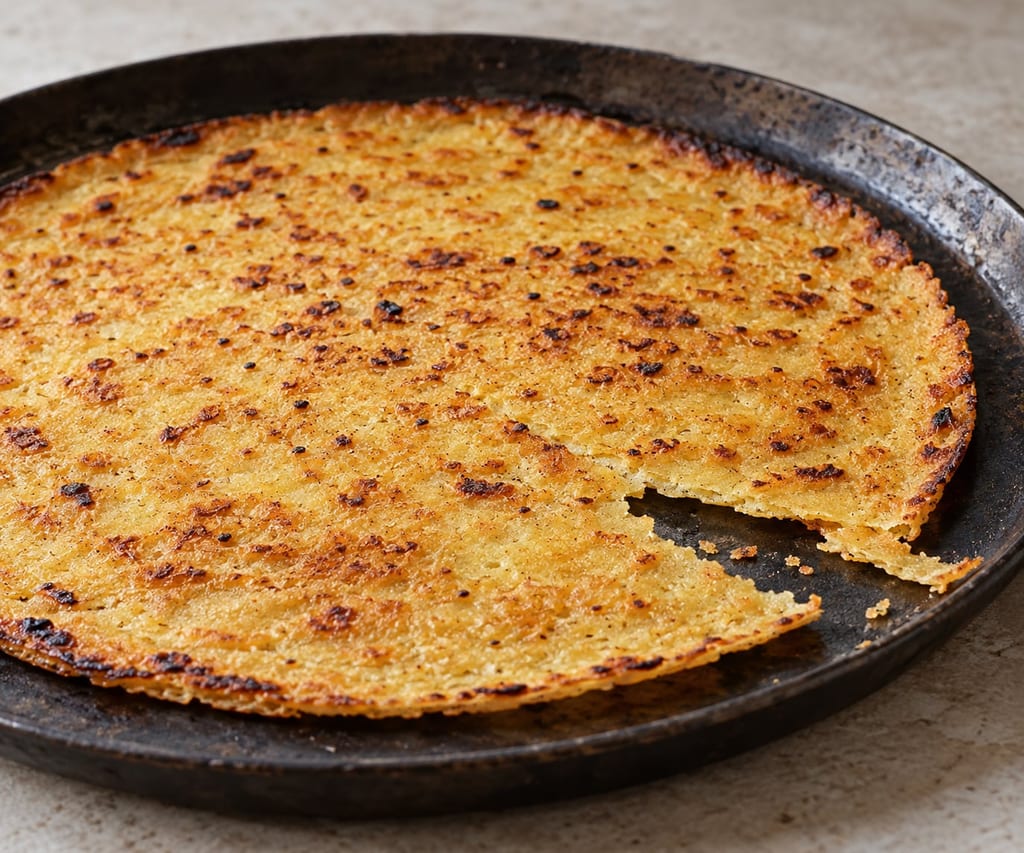
A Nice socca batter of chickpea flour, water, olive oil and salt, spread thin on a 50-centimetre copper plate and baked very hot. This formula is distinct from the Genoese farinata page.
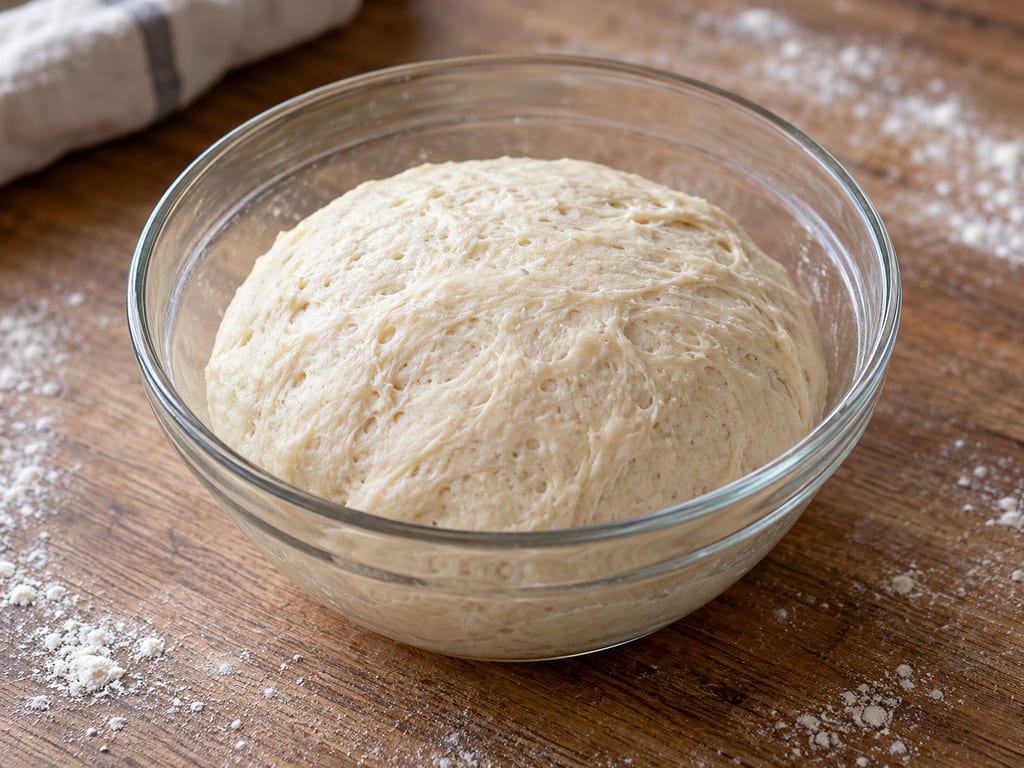
Pâte fermentée is a bread preferment made from salted, yeasted dough set aside to ferment and mixed into a later batch, carrying developed dough and fermentation products with it.
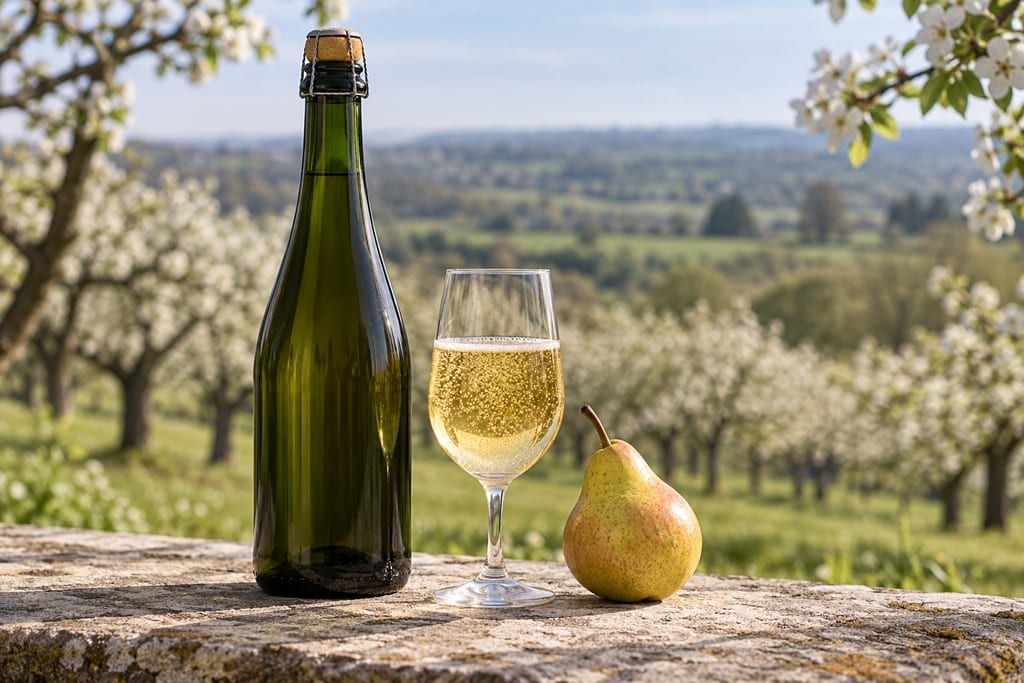
Naturally sparkling perry from the Bas Domfrontais in Normandy, pressed from high-stem orchard pears with at least 40% Plant de Blanc and carbonated by fermentation in the bottle.
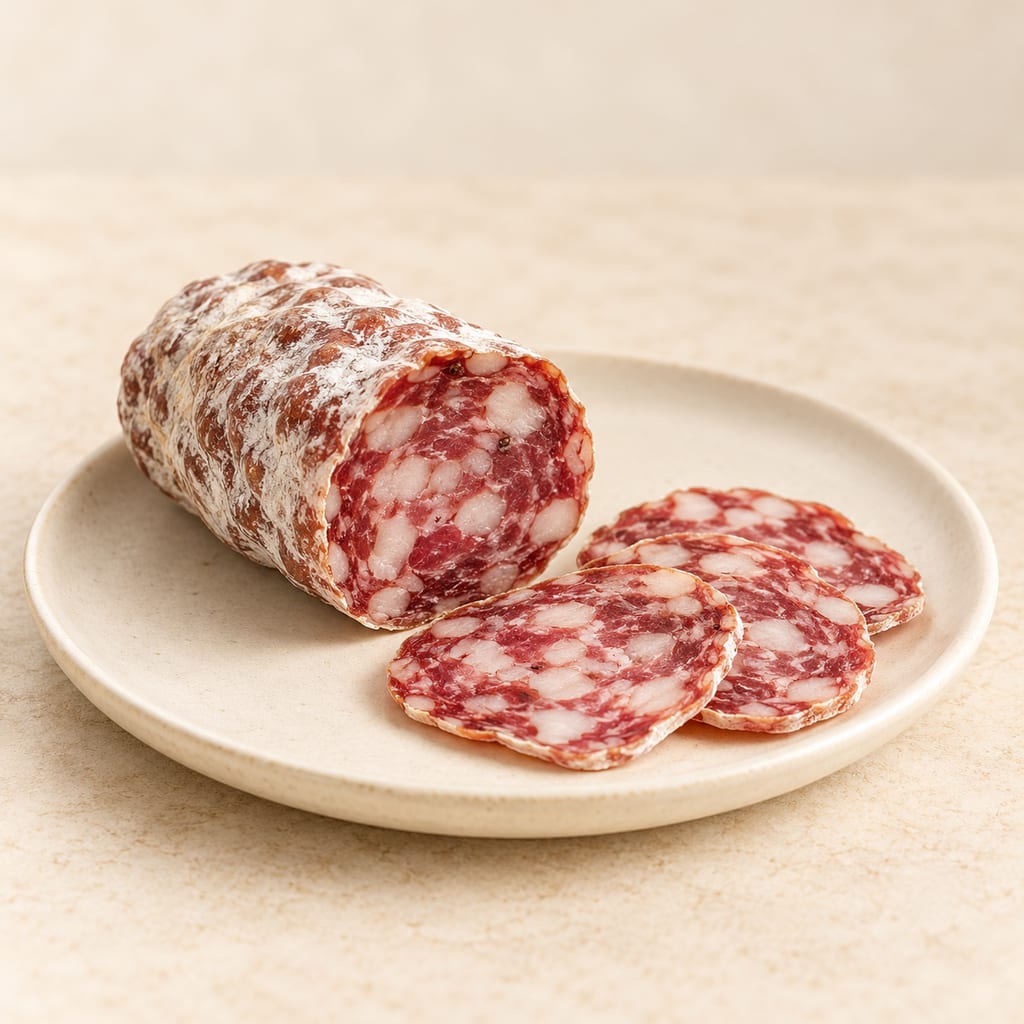
Saucisson sec is a French dry sausage of seasoned pork and fat. This version uses Flavor of Italy starter, white wine and an optional Mold 600 surface culture.