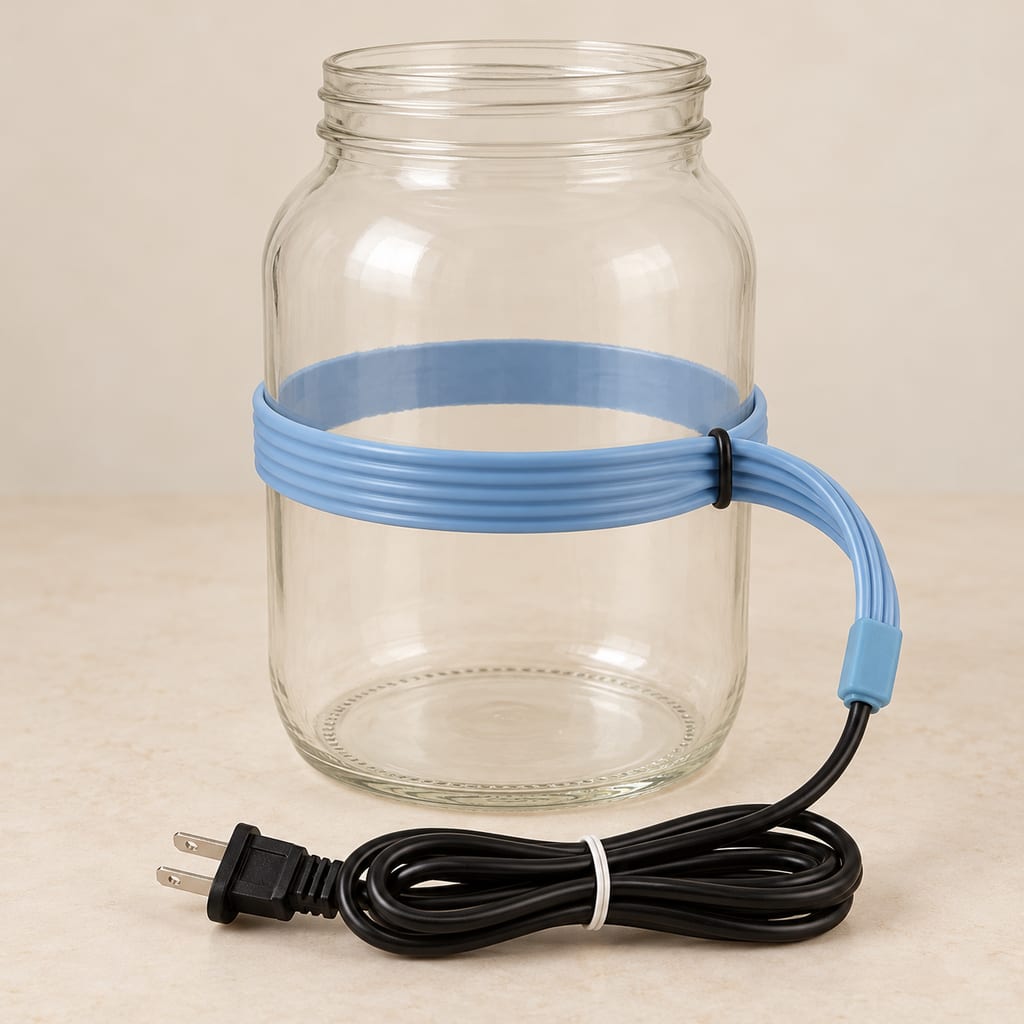
Brewing heat belt
A low-watt electric band warms a fermentation vessel from the outside. Belt position can influence heating, but these examples do not provide a built-in thermostat; electrical ratings and vessel compatibility vary by model.
 FermenteaWhere food goes to change
Traditional method
acetic ferment · Orleans vinegar · Orleans method vinegar
Fruit wine turned into vinegar by acetic acid bacteria at the surface of a half-filled, air-vented vessel. The Orleans method takes one to three months for a 9% wine.
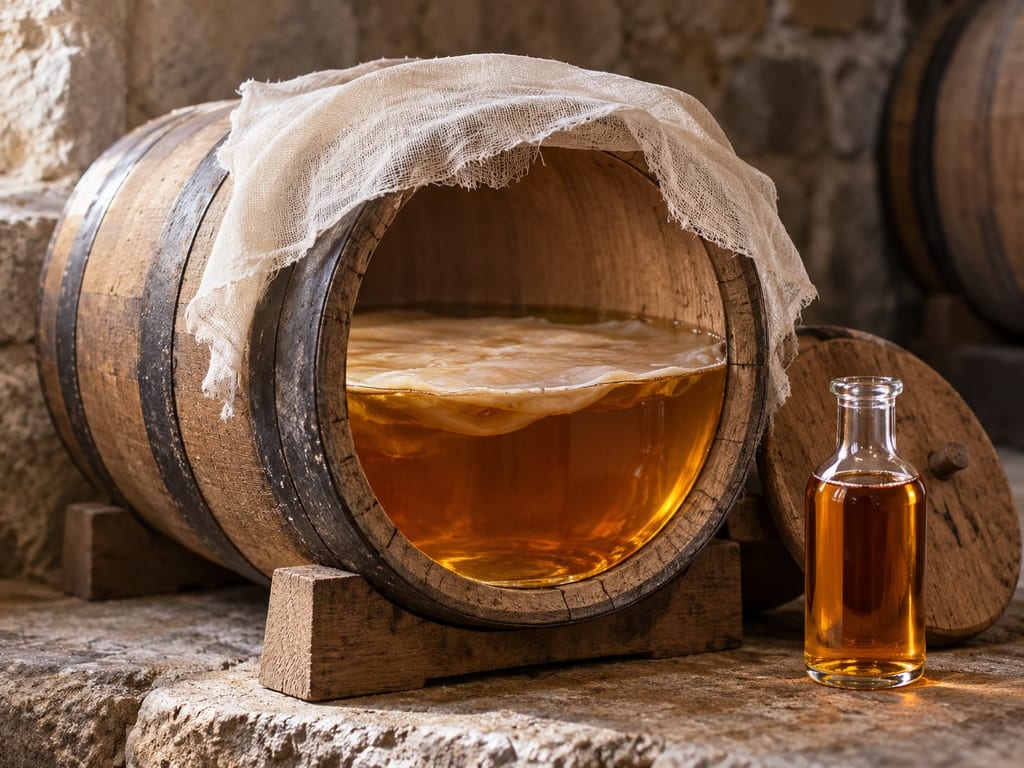
Fruit vinegar made by the Orleans method starts with a wine rather than a sugar solution. The wine is put into a wide vessel, filled no more than halfway, so that the largest possible surface of the liquid meets the air. A live, unpasteurised vinegar is added as the starter. The bacteria then work at the surface.
The traditional set-up is a barrel with holes drilled in its ends, covered with muslin so that air reaches the liquid. The method is described as the most famous slow vinegar method, an old French technique, but no date is recorded for it.
The vinegar bacteria turn alcohol into acetic acid, and they need oxygen to do it. The surface is where the work happens, which is why the vessel is kept shallow and why the mother, the film of bacteria and cellulose that floats on the liquid, has to stay on top. Heat alone makes no vinegar: the speed depends on how much oxygen reaches the bacteria.
A 9% wine takes one to three months to become fully acidified in the barrel. The laboratory version pumps air through an airstone into a 5% alcohol wine inoculated with live vinegar and reports full acidification in four to five days. The industrial acetator is a different process: it runs for six to twenty hours at 30 °C and is not a home route.
The Orleans method is continuous. Part of the finished vinegar is racked off, but a portion stays behind with the mother, and fresh wine is poured in gently through a U-bent tube that delivers it to the bottom, so the floating mother is not disturbed or sunk. In the barrel described, about 12 L remains in a 225 L barrel between batches.
Ageing the finished vinegar in a cool, dark place is recommended for flavour. A home vinegar's acetic acid content is not known until it is measured, so it is best used as a flavouring. For pickling, the National Center for Home Food Preservation advises using commercial 5% vinegar rather than vinegar of unknown acidity.
The Nordic Food Lab account calls the Orleans method the most famous slow vinegar method, an old French technique. The source gives no date.
Scaling: source batch only
Homemade vinegar has unknown acetic acid content unless it is titrated, so it cannot be relied on as a pickling acid.
Hazard sourceIf the mother sinks, the bacteria lose oxygen and the mother rots, which spoils the vinegar, according to the author.
Hazard sourceTitrate the vinegar before claiming its strength
Control sourceUse tested commercial 5% vinegar for pickling recipes
Control sourceTreat homemade vinegar as a flavouring, not as a pickling acid, unless its acidity has been measured.
Named method; an association with the method, not a claim of origin for fruit vinegar.
A low-watt electric band warms a fermentation vessel from the outside. Belt position can influence heating, but these examples do not provide a built-in thermostat; electrical ratings and vessel compatibility vary by model.
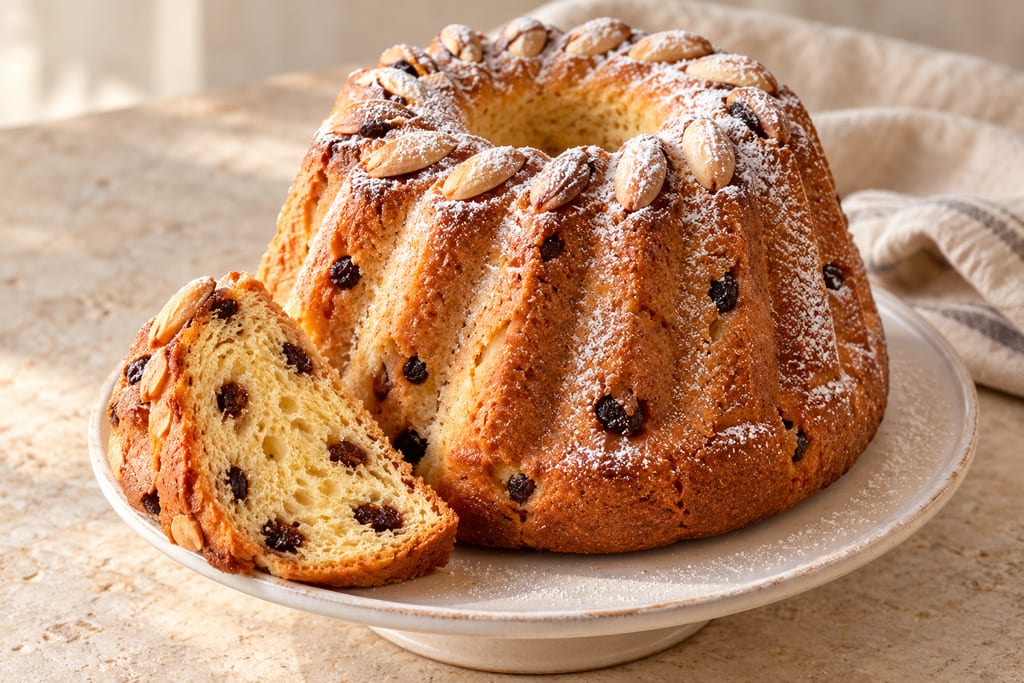
An enriched Alsatian yeast ring with raisins and almonds, kneaded with butter, proofed in a fluted mould and baked until browned.
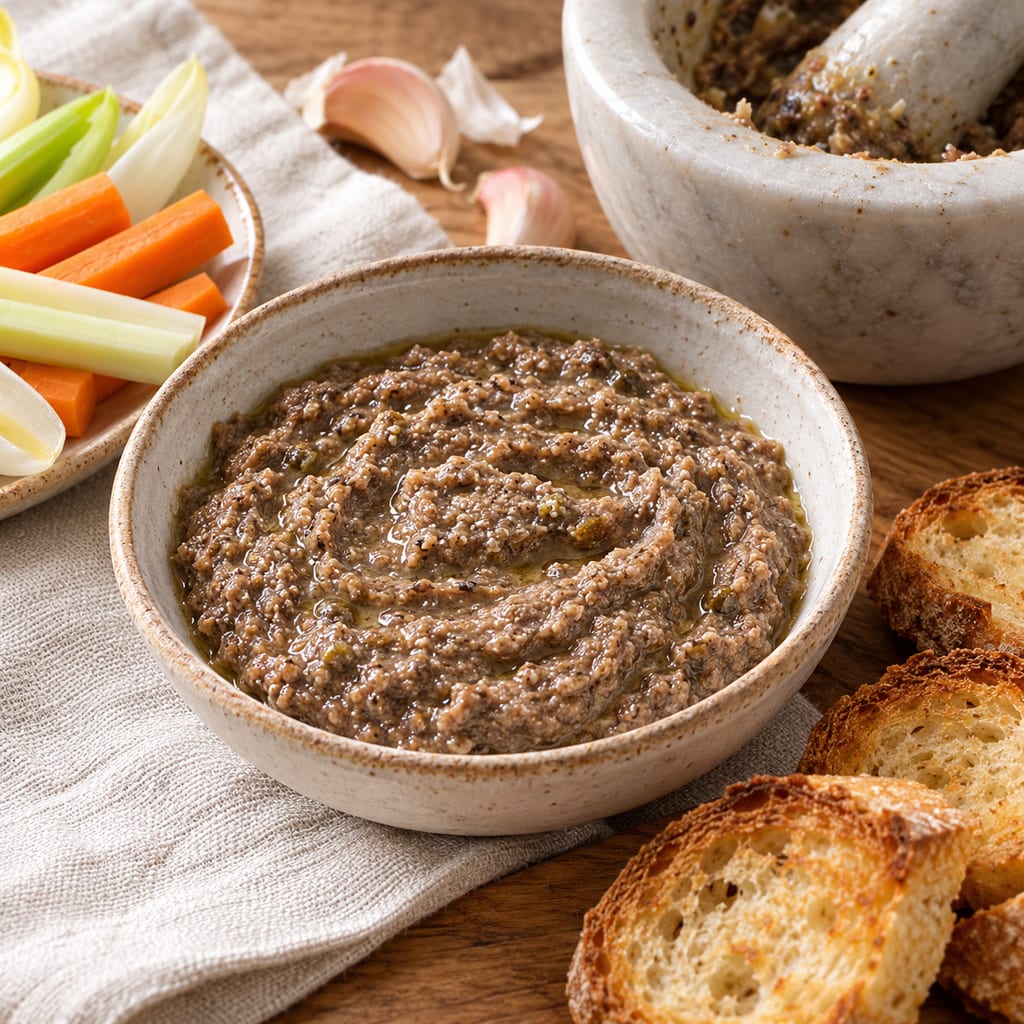
A Provencal dip of anchovies, garlic, capers and olive oil, pounded or blended to a creamy paste and served with raw vegetables, bread and eggs.

A warm dip of garlic, anchovy and olive oil, often enriched with butter, that Piedmont serves over a flame with raw and cooked vegetables and bread.

Three long, crusty wheat loaves made with an overnight yeast poolish, shaped by hand and baked with steam for a crisp crust.

Bechamel is a white sauce of milk thickened with a butter and flour roux, one of the French mother sauces, and the base from which Mornay and other cheese and cream sauces are made.
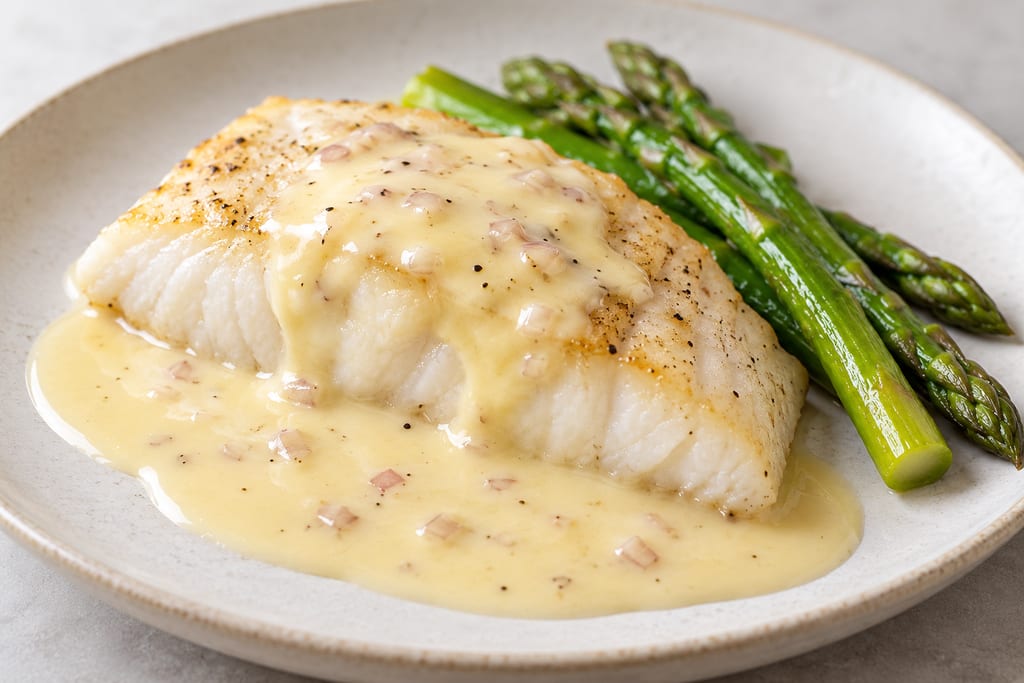
Beurre blanc is a warm emulsion of cold butter whisked into a reduction of white wine, vinegar or lemon juice and shallot, a sauce from the Loire Valley and its red-wine version, beurre rouge.
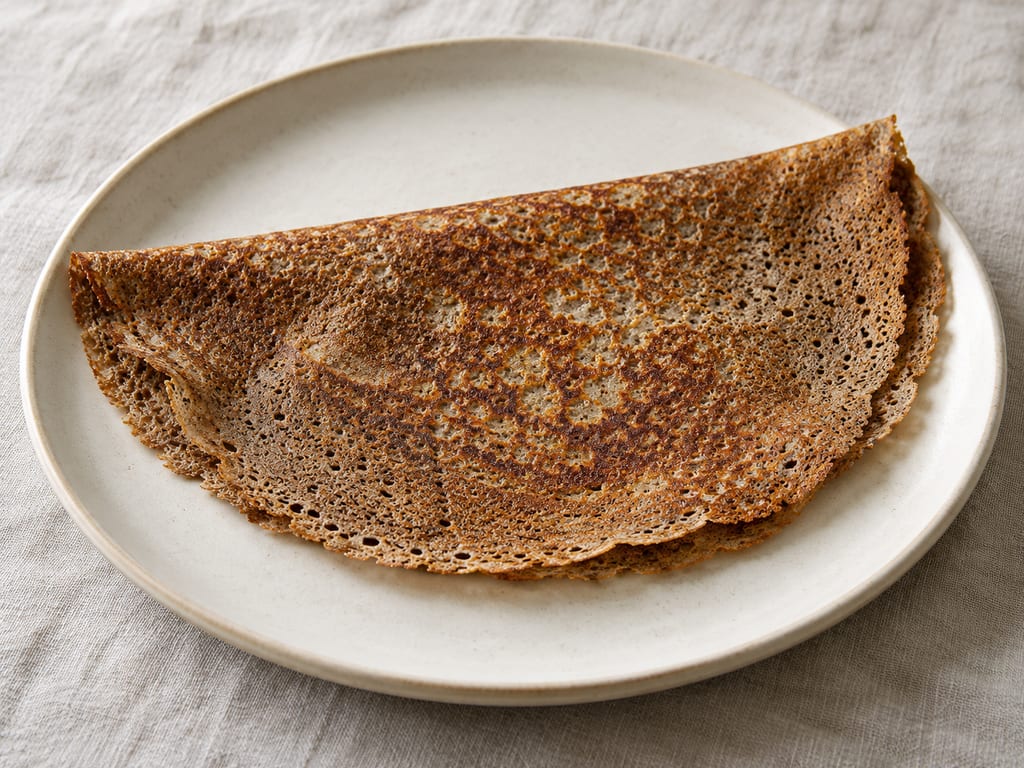
A thin Brittany galette made from buckwheat flour, water and Guérande salt. This Atelier de la Crêpe method rests the batter in a refrigerator before cooking it on a hot crêpière.
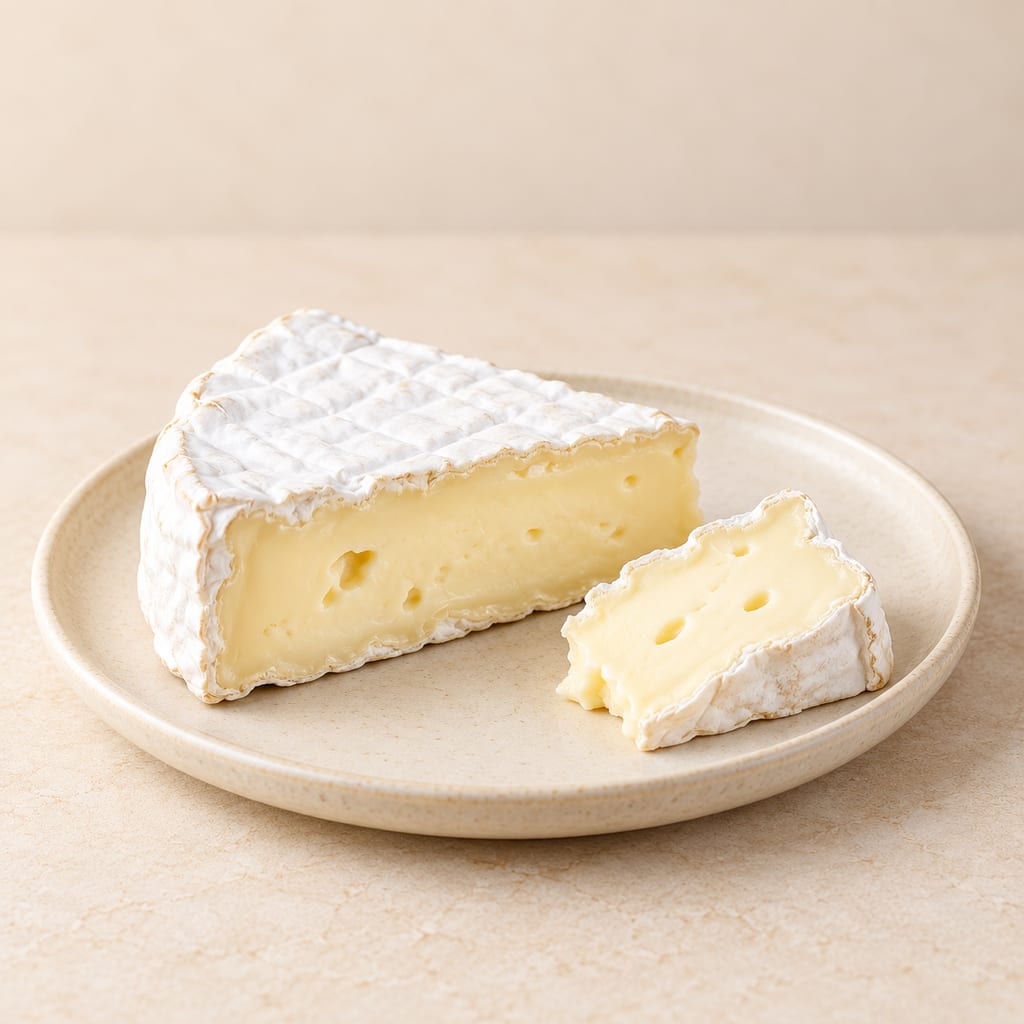
A cream-enriched Brie with a white bloomy rind and a softening center, made from pasteurized milk with lactic and surface cultures.

A dark, balanced vinegar from Emilia-Romagna made by combining cooked or concentrated grape must with wine vinegar, then acetifying and refining it in wood under a protected specification.
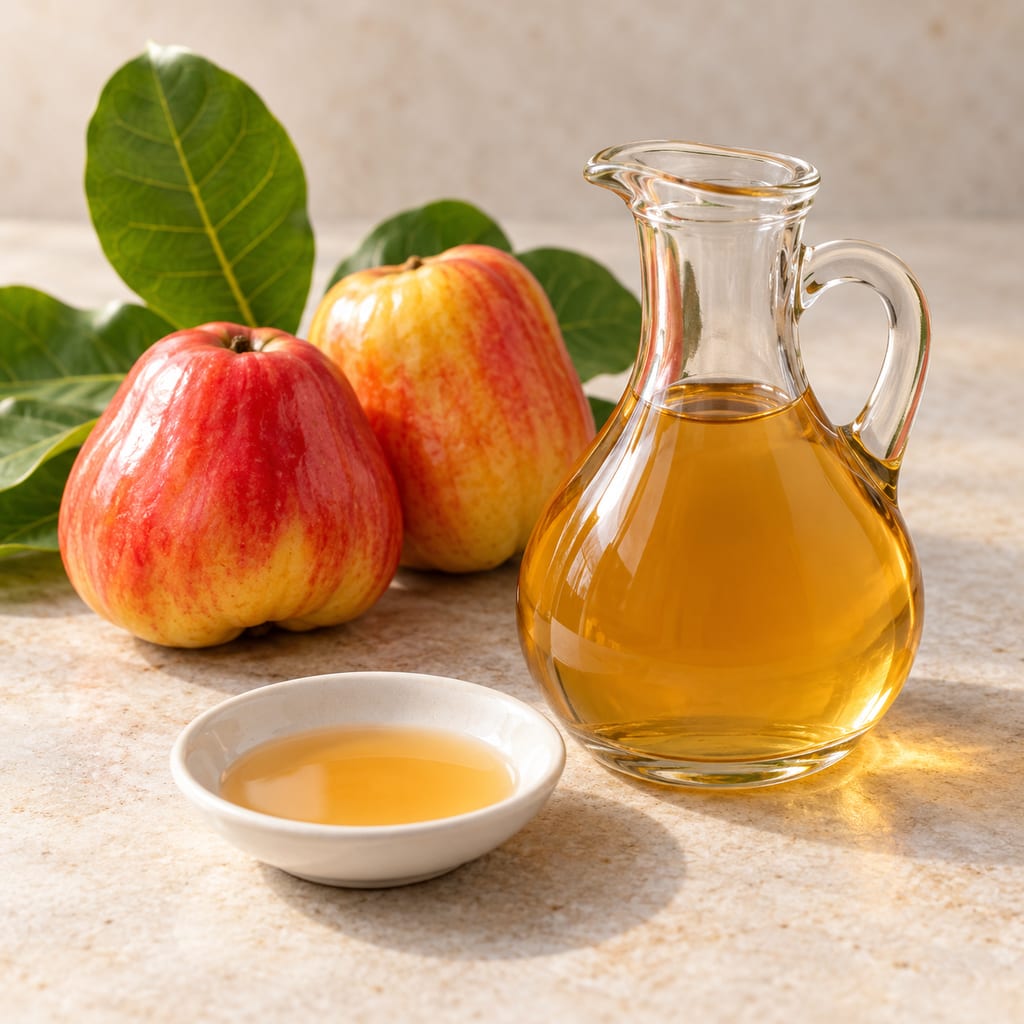
Vinagre de caju is made by fermenting cashew-apple juice into an alcoholic base, then aerating it so acetic bacteria can convert ethanol into acid. Brazilian guidance records the sequence, but not a complete home-scale formula.
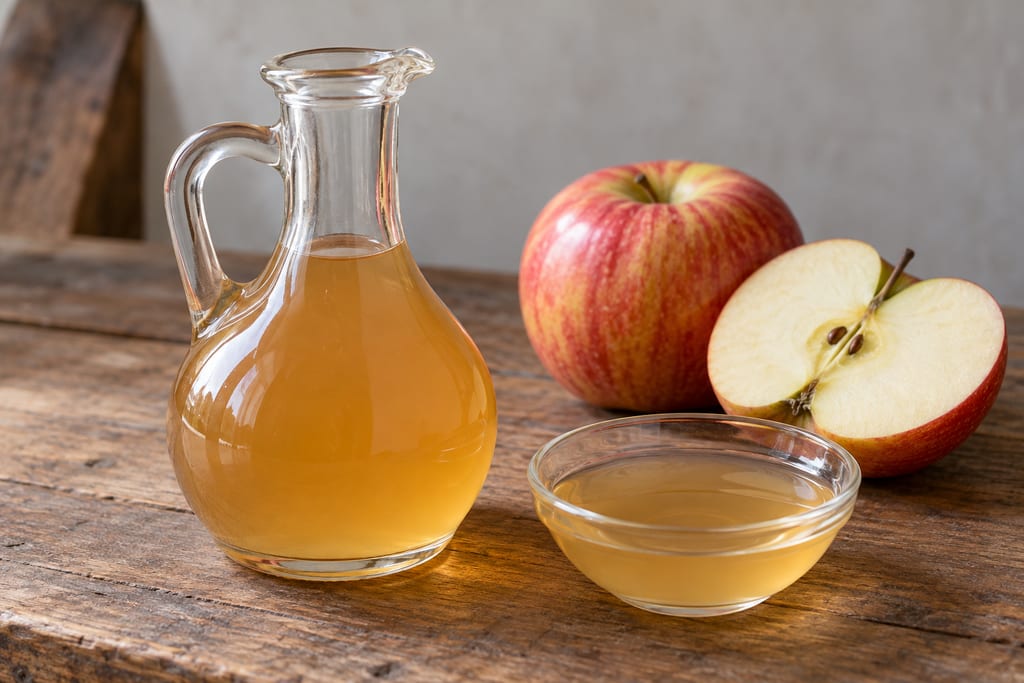
Cider vinegar is made when acetic-acid bacteria use oxygen to turn the alcohol in dry apple cider into acetic acid. This historical cask method begins with fermented cider and differs from apple-scrap vinegar made with sugar and water.

Japanese vinegar from ripe persimmons: yeast turns the fruit sugar to alcohol and acetic bacteria turn that to acid; made at home in a month and by makers in Wakayama and Nagasaki over several years.
No community contributions have been published for this entry yet.
Sign in to contribute. Published comments and photos are free to read.
Nordic Food LabMethod · History
Vinegar: From the Orleans Method to Food Lab ExperimentsOrleans method details
One to three months for a 9% wine
12 L left in a 225 L barrel
U-tube refilling
Aerated 5% wine acidified in four to five days
Acetator at 30 °C
Above 5% legal acidity in Denmark, per Andreas Harder
Cited in: What the Orleans method is; How the bacteria and oxygen set the pace; Refilling, ageing and what the vinegar is for
National Center for Home Food PreservationSafety
General Information on PicklingDo not use vinegar of unknown acidity
5% vinegar recommended
Cited in: Refilling, ageing and what the vinegar is for