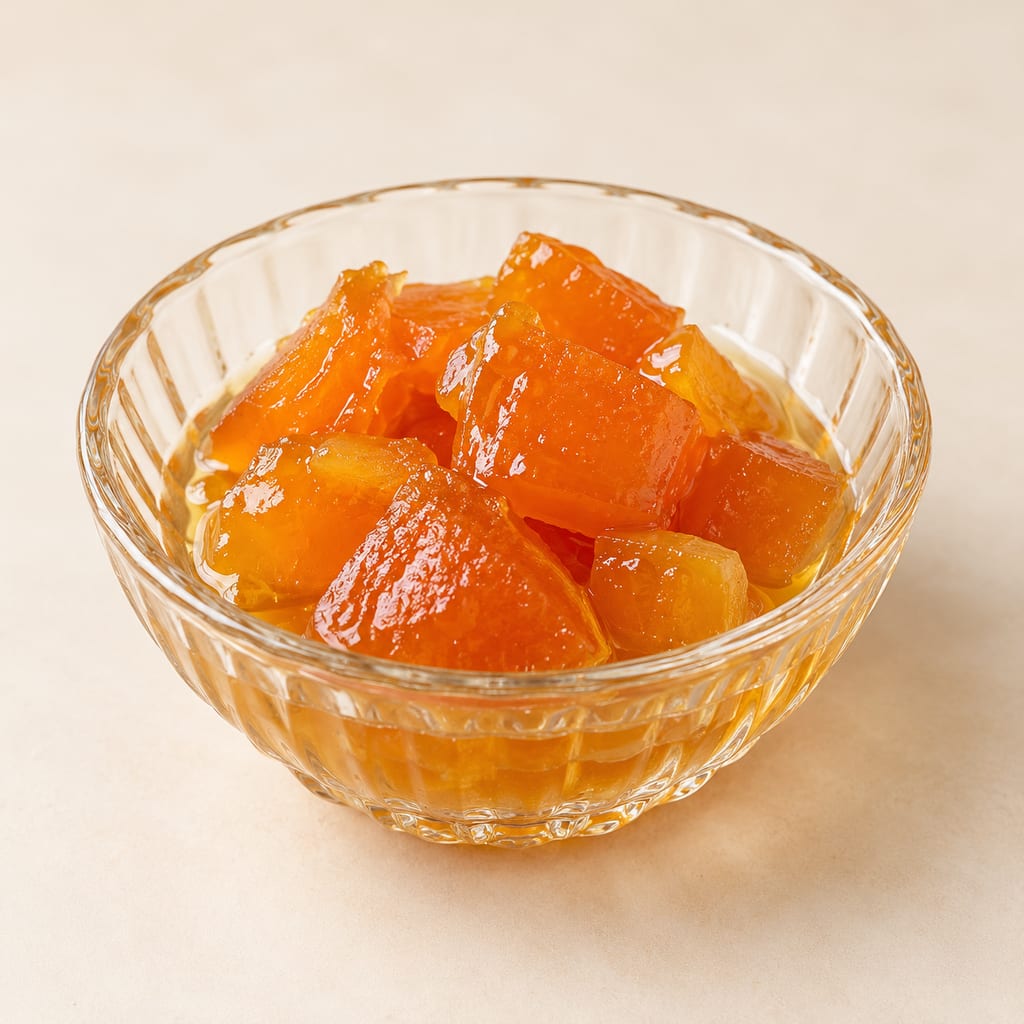
Greek pumpkin spoon sweet, with Cypriot context
Greek pumpkin spoon sweet, with Cypriot context: Freeze for winter; small fresh portion refrigerated up to 48 hours.
 FermenteaWhere food goes to change
Recipes by the places recorded in their sources.
Greek pumpkin spoon sweet, with Cypriot context: Freeze for winter; small fresh portion refrigerated up to 48 hours.
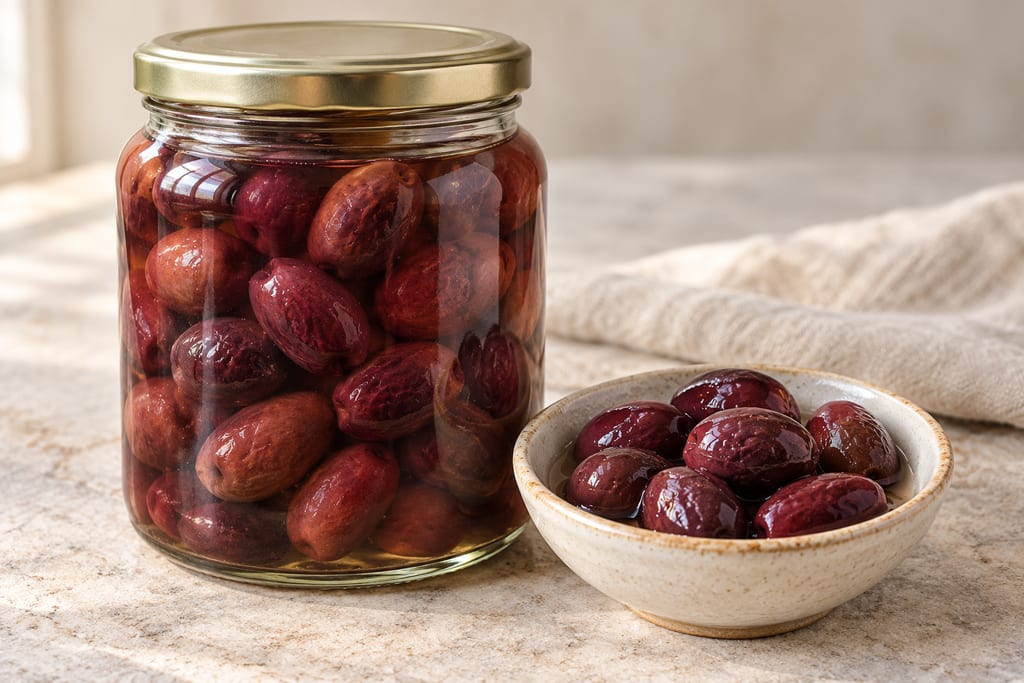
Ripe olives go straight into brine with no lye and cure for months, mostly by yeasts. The home method here is the University of California two-stage brine.
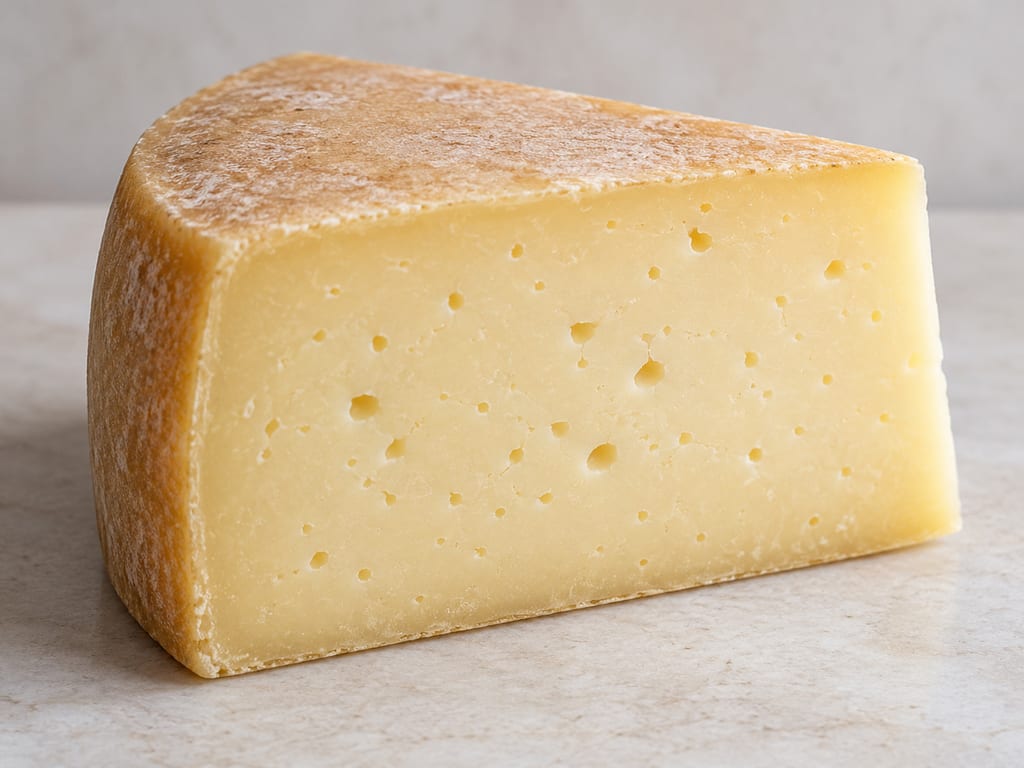
This Cypriot graviera is a hard sheep-milk cheese with a dry rind and round eyes. Its curd is heated, pressed and dry-salted before a long cool ripening.
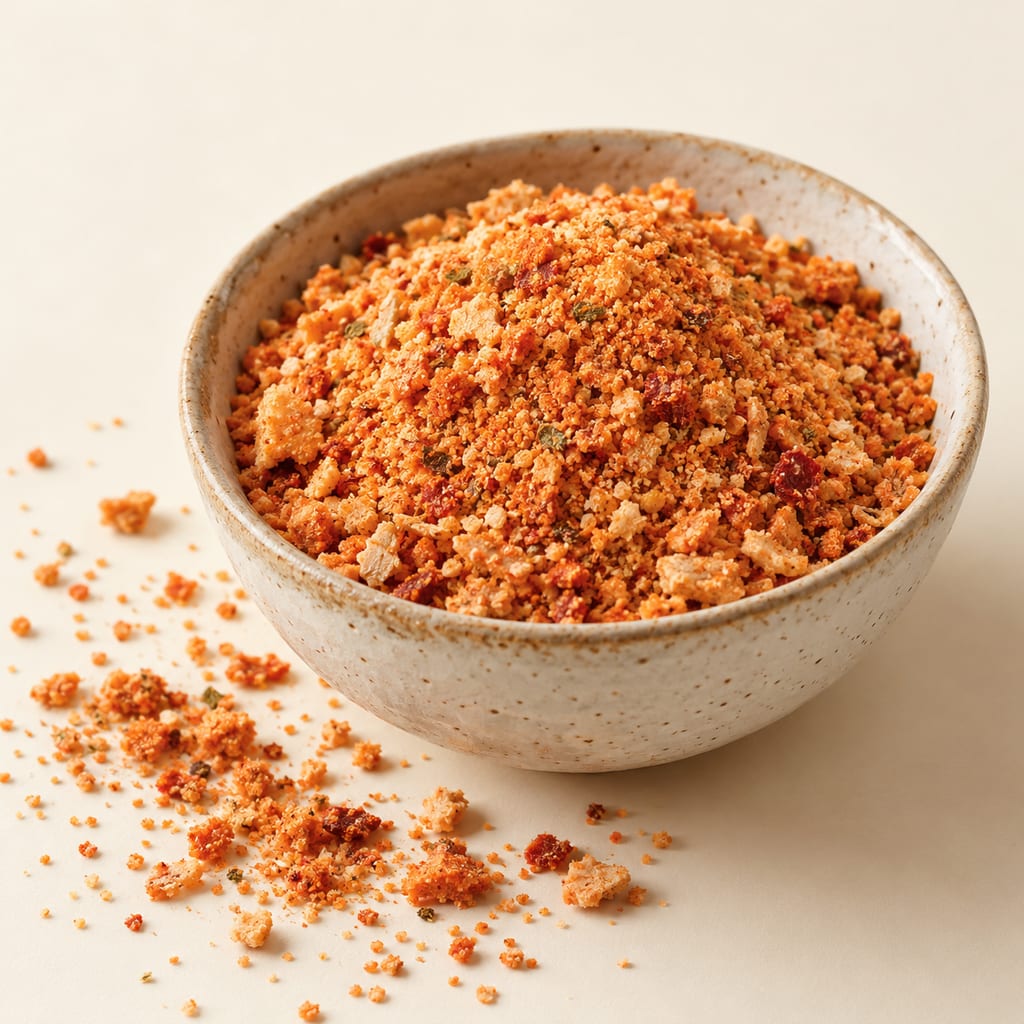
Tarhana is a Turkish soup base: yoghurt, flour or semolina and usually onion, tomato and red pepper, fermented as a dough for days, rubbed into grains and dried.
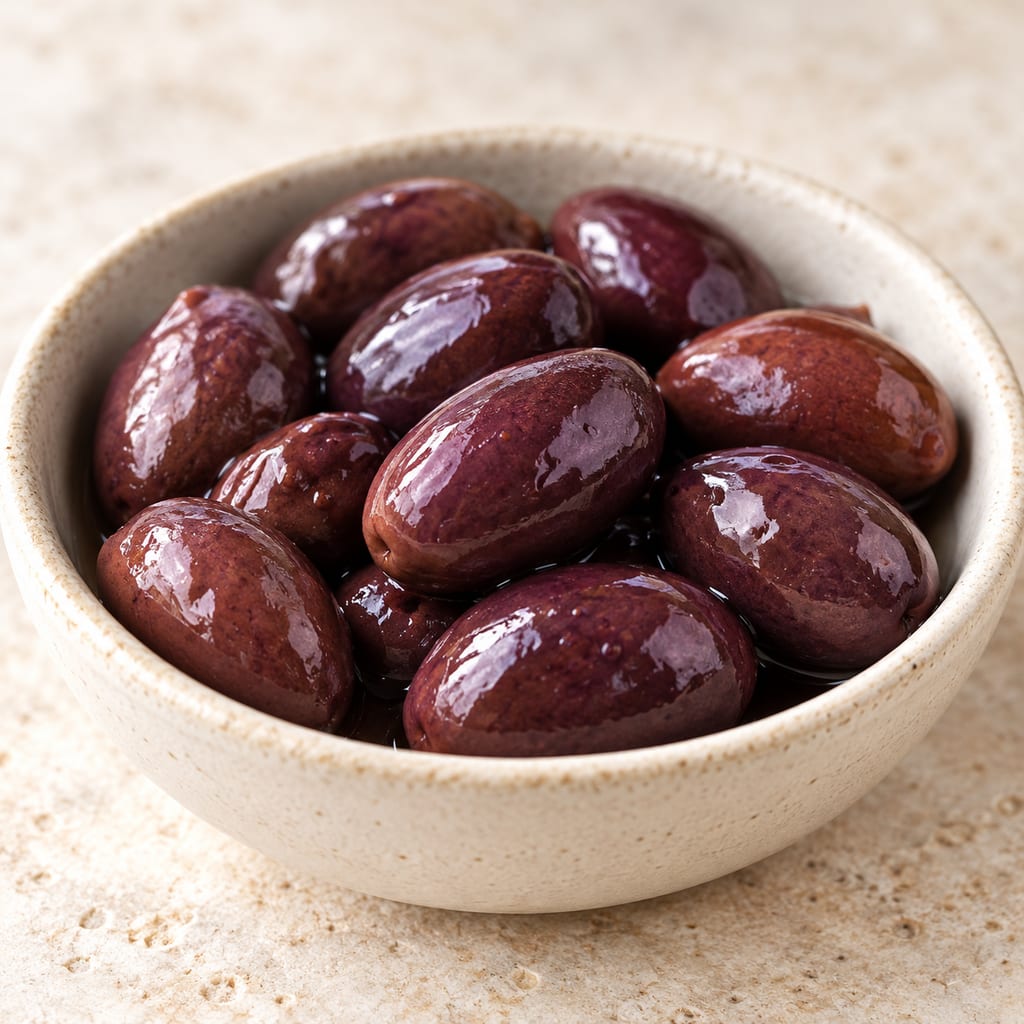
Elia Kalamatas is a Messinia table olive of the Kalamon variety, picked before full ripeness and fermented in brine for six to nine months; it is a PDO product, not a generic black olive.
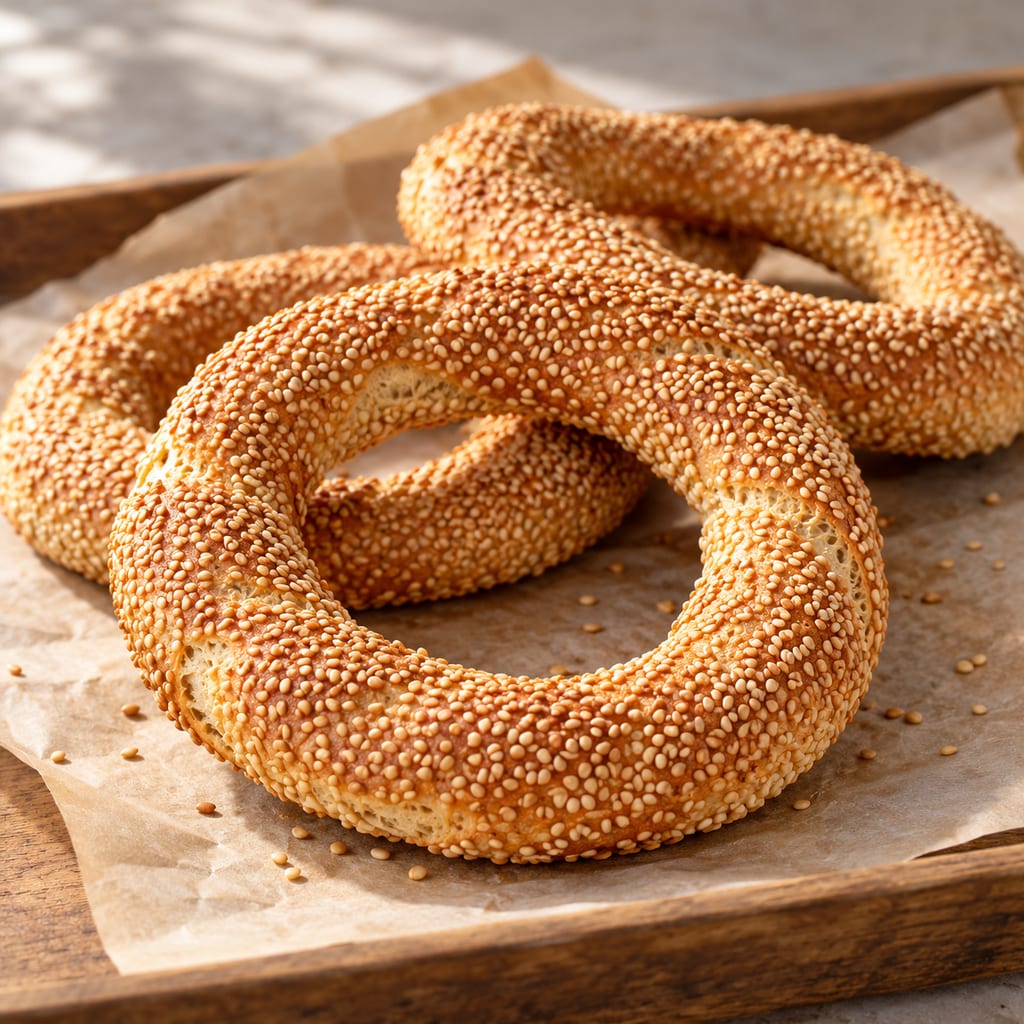
The Thessaloniki City of Gastronomy page gives a 15–18-ring yeast dough, dipped in sweetened water and sesame before baking. Its fresh yeast is listed as one dice without a mass, which remains unresolved.
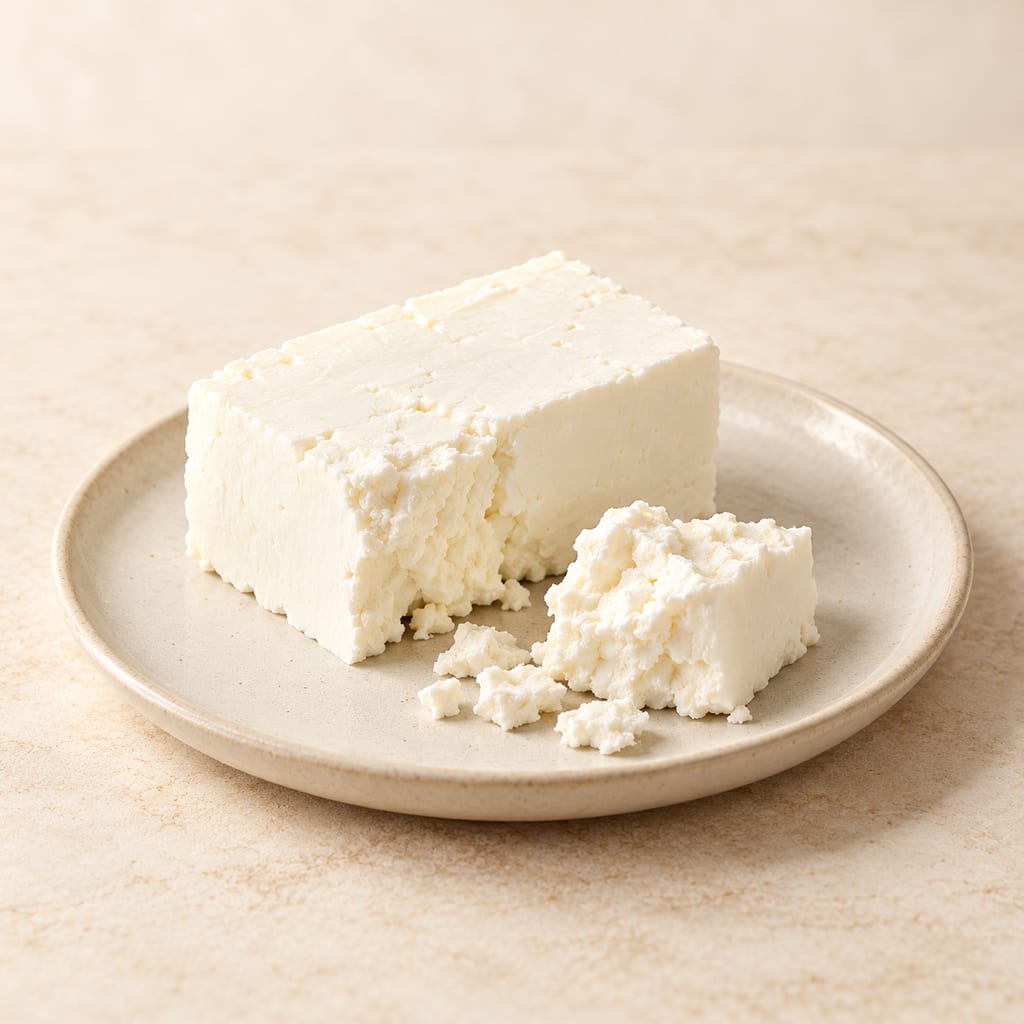
White cheese made with a lactic starter and rennet, drained without pressing, dry-salted and covered in brine. This home adaptation allows whole milk from different dairy animals.
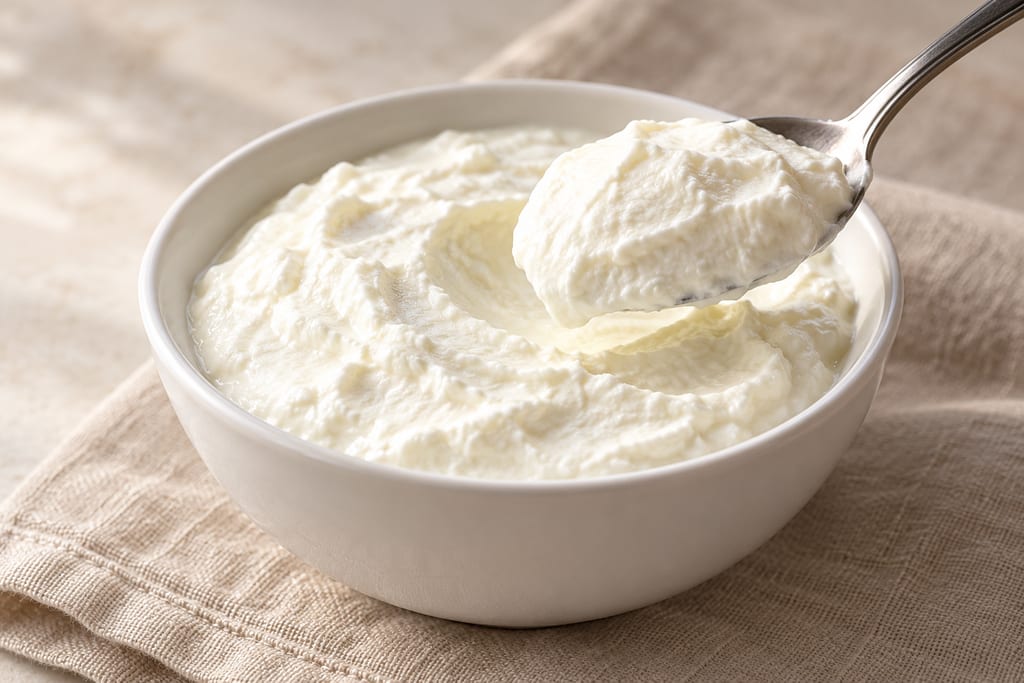
Greek-style strained yogurt is cultured whole milk drained through cloth to remove whey. This modern Utah home method makes a thick yogurt from a gallon batch.
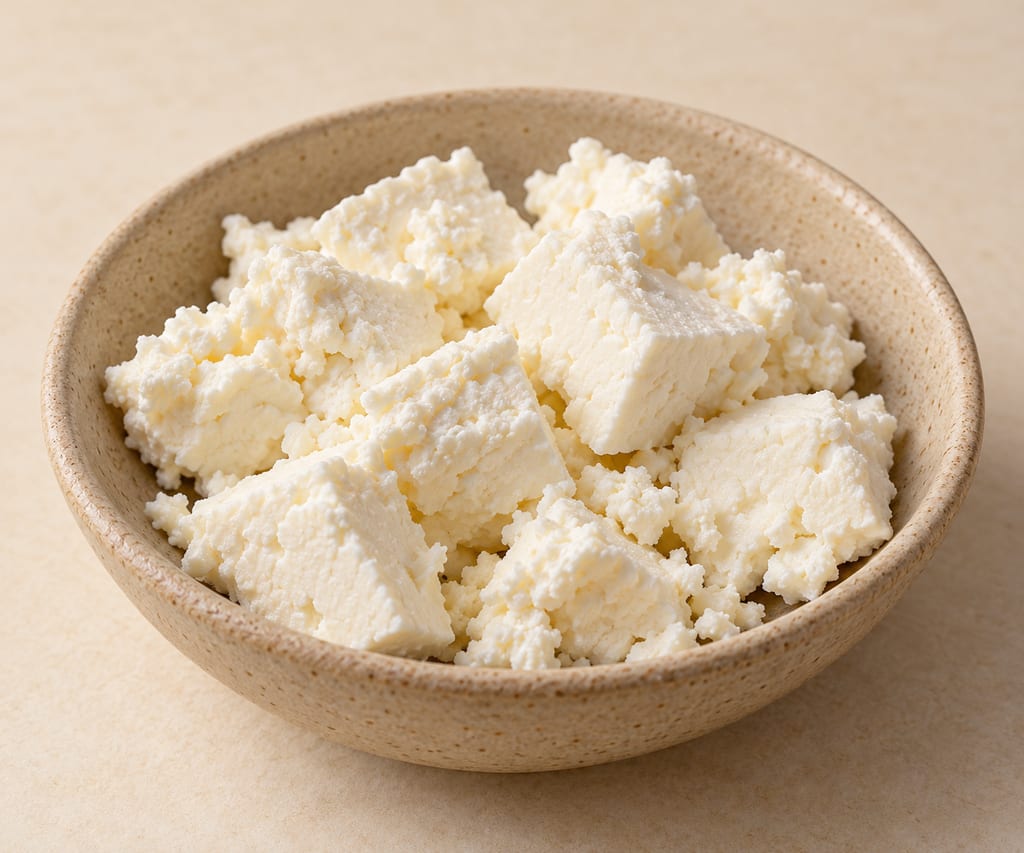
Whole milk set with a mesophilic starter and rennet makes a fresh, crumbly feta-style cheese. Its curds pass through hot salted whey before molding.
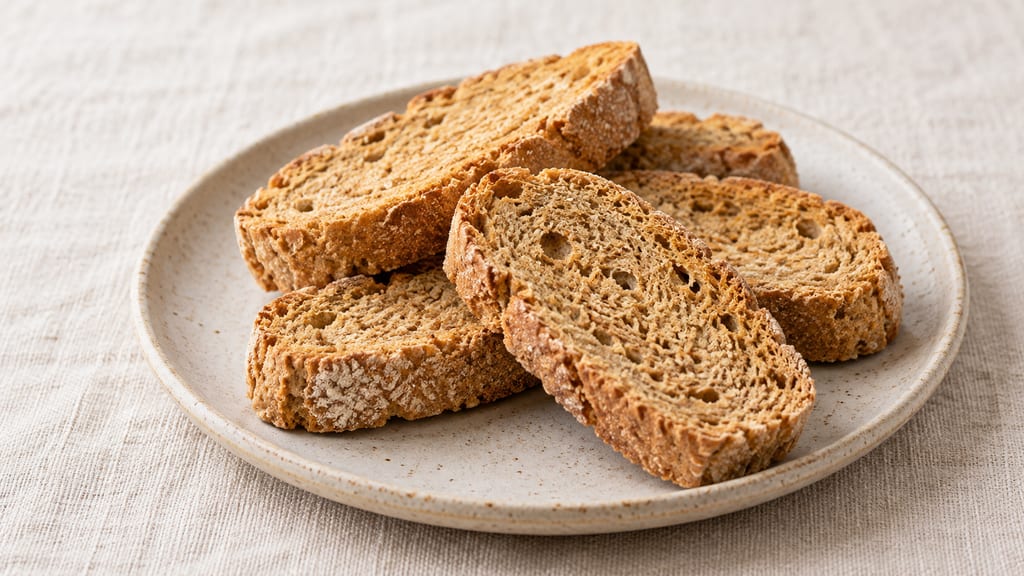
Cretan paximadi is a twice-baked rusk. This barley-wheat version is raised with yeast, baked as a loaf, sliced, and dried slowly until it keeps.
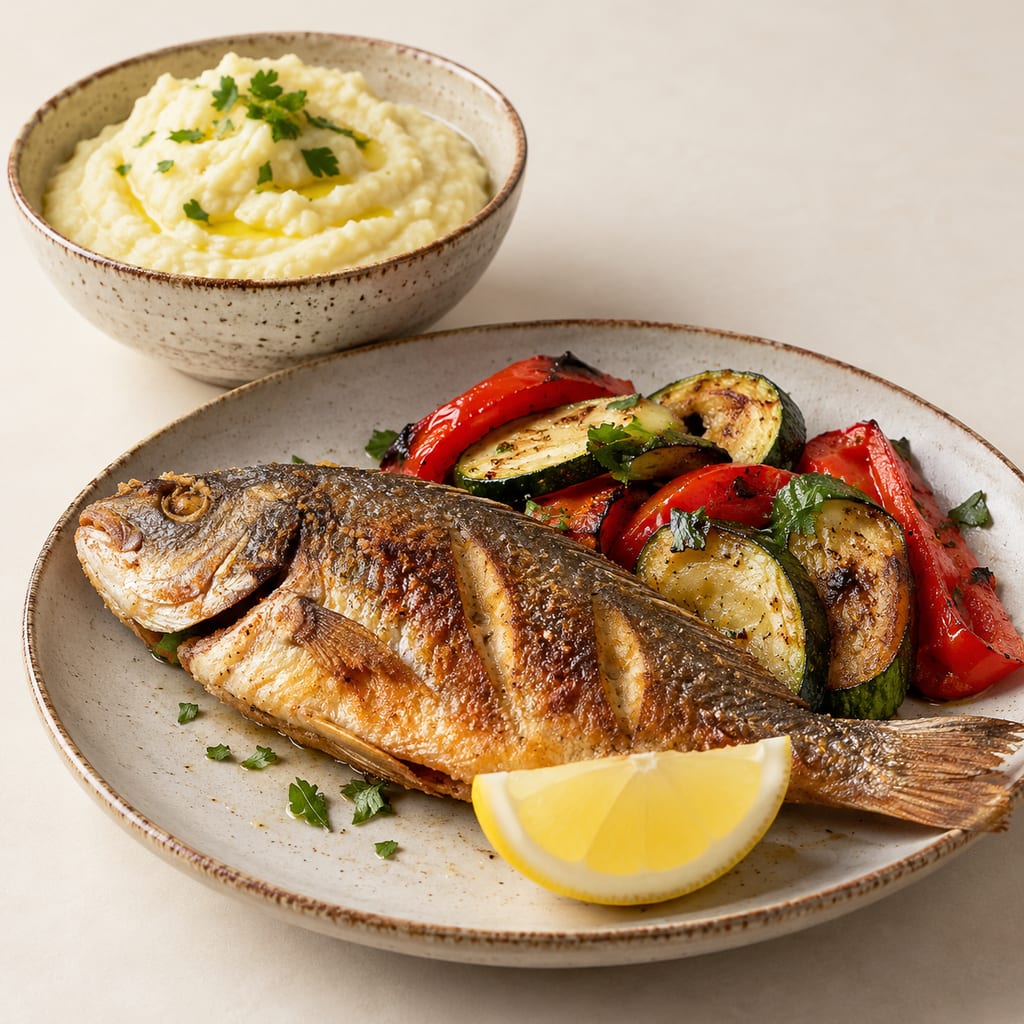
A thick Greek garlic purée bound with olive oil and a starch of potato, walnut, almond or soaked bread, served with fried fish and vegetables.
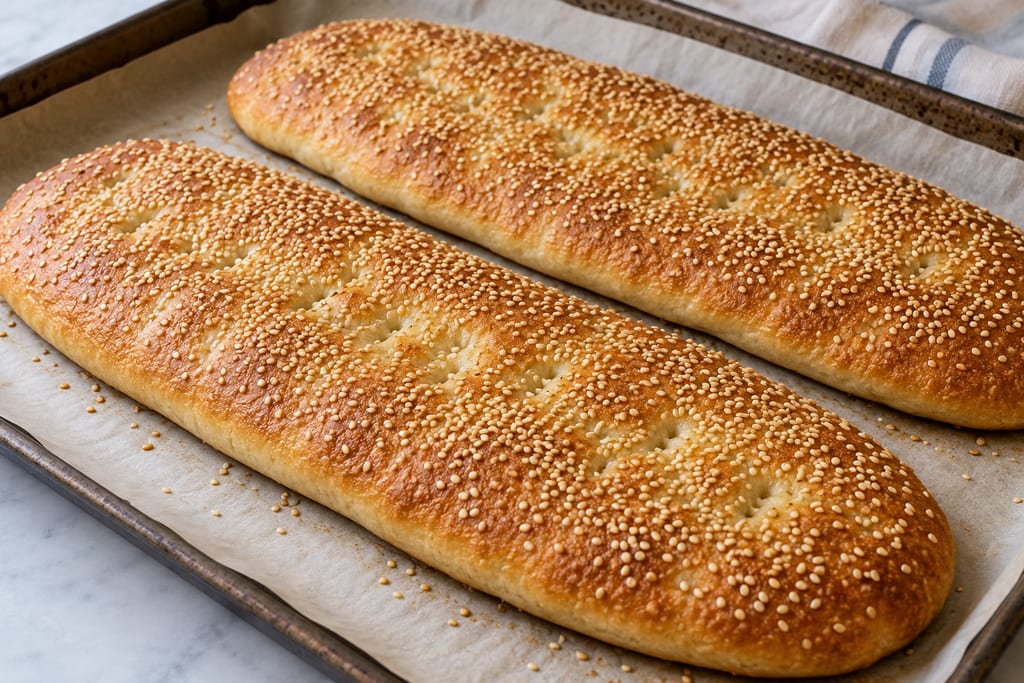
Diane Kochilas’s yeast-raised Lagana makes two wide, sesame-topped loaves for Clean Monday. Her Athens-neighborhood version is distinct from the unleavened Lagana also described in the recipe’s cultural context.
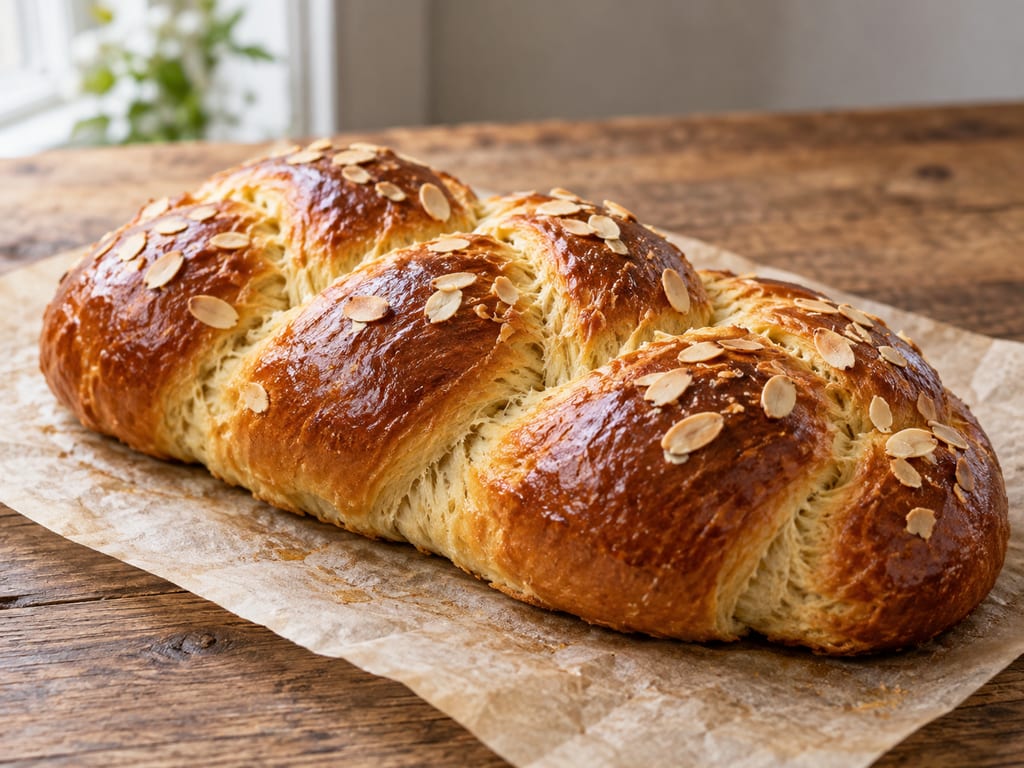
Eli K. Giannopoulos’s recipe makes two braided tsourekia with mastic, mahleb and orange, followed by an optional syrup. It is one modern Greek Easter-bread formula, not a universal regional standard.
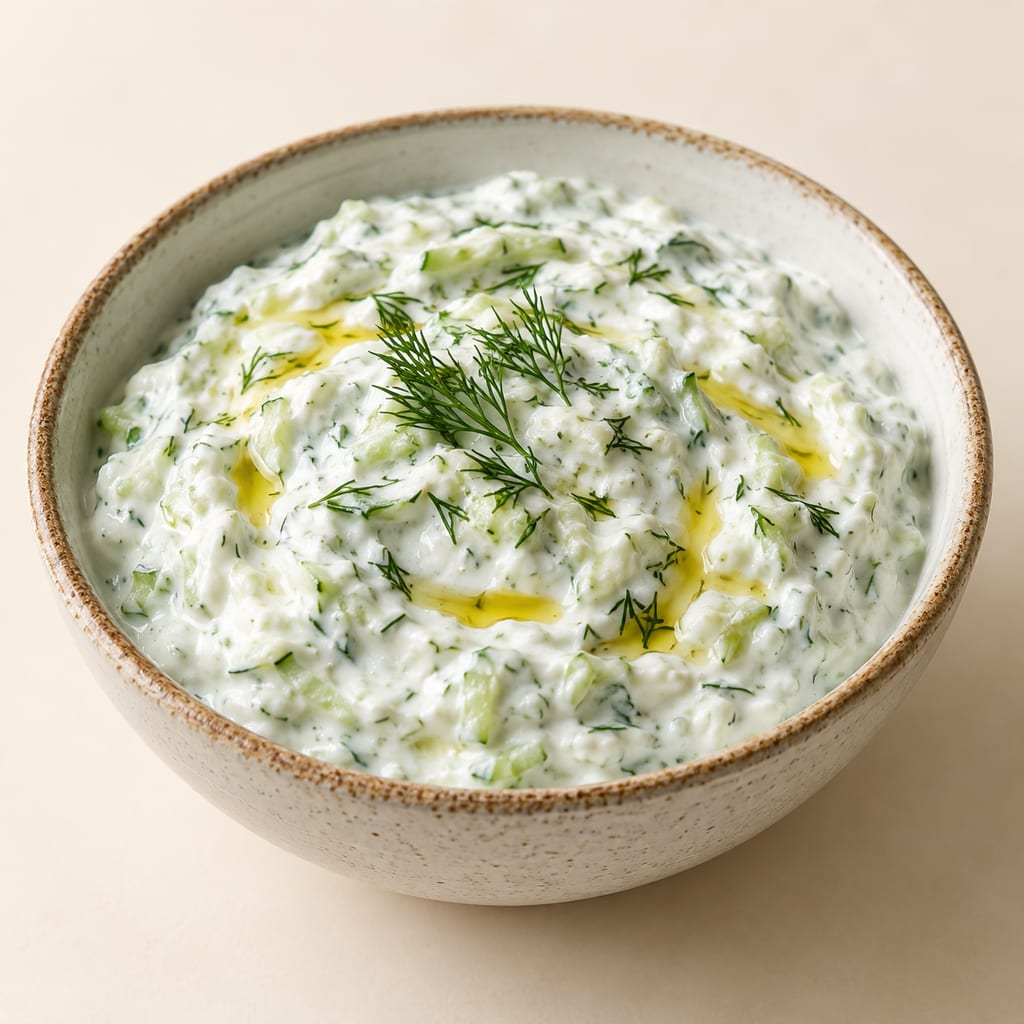
A cold dip, soup or sauce of strained yogurt, cucumber and garlic, eaten across Greece, Turkey and the wider Balkans and Levant under names that include cacık and tarator.
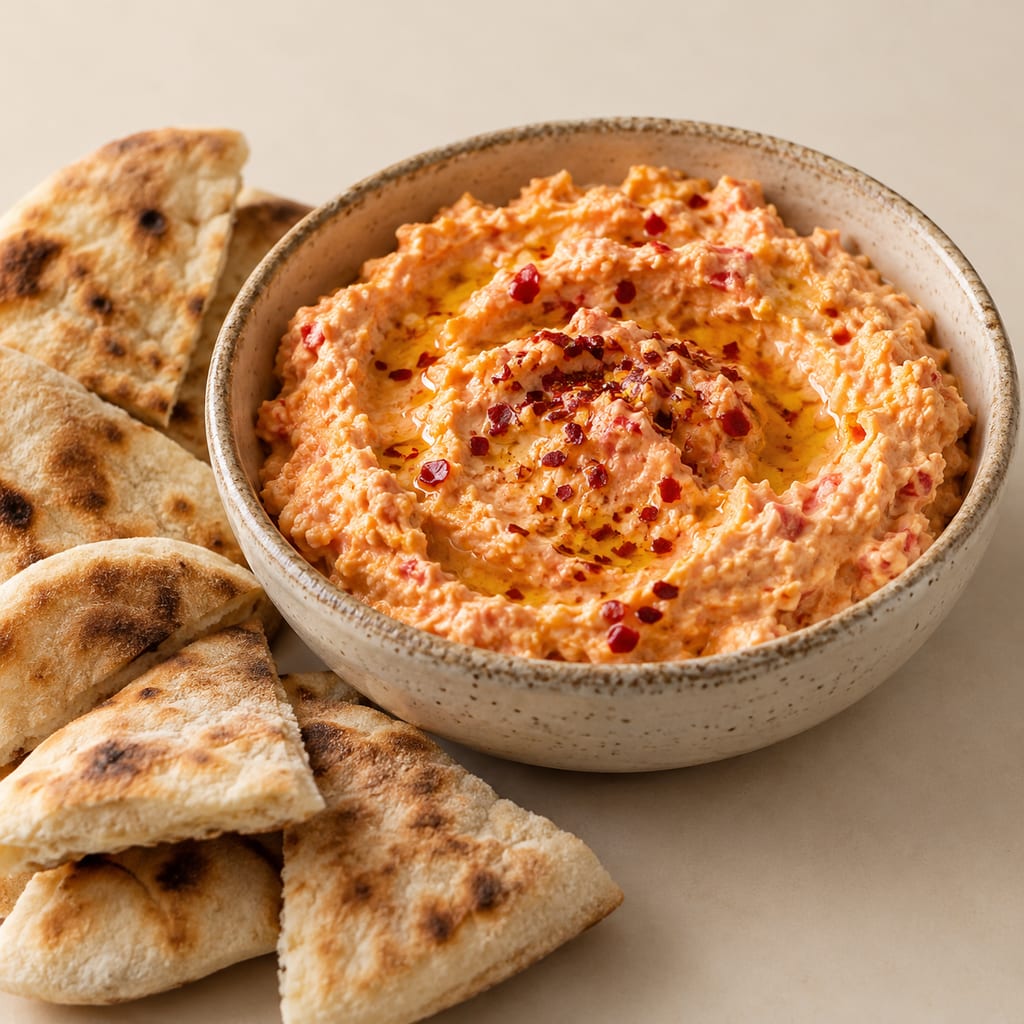
A Greek spread of feta cheese and hot chilli, sometimes with roasted peppers, yogurt or oregano, eaten with warm pita as part of a meze.
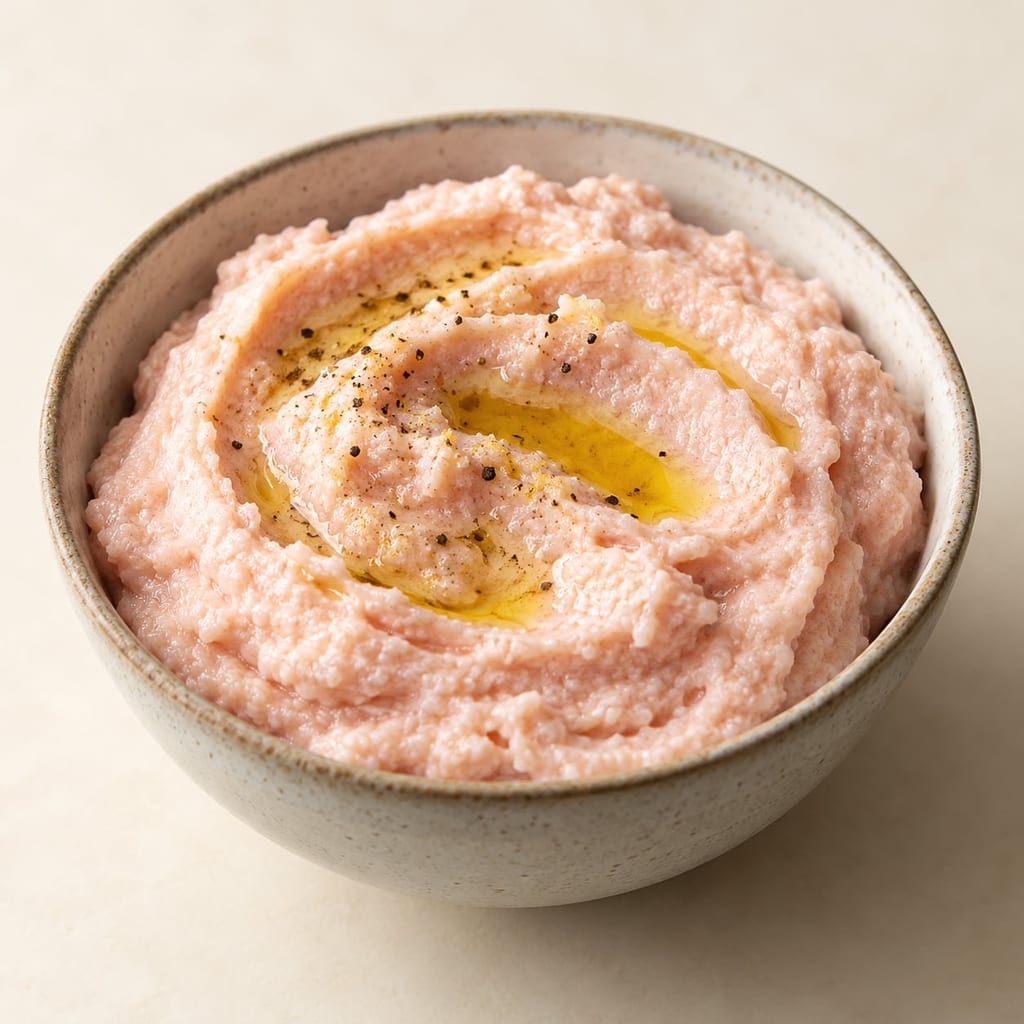
A meze of salted cured fish roe, most often cod, beaten with olive oil, lemon juice and a starchy base of bread or potato, from Greece and the eastern Mediterranean.
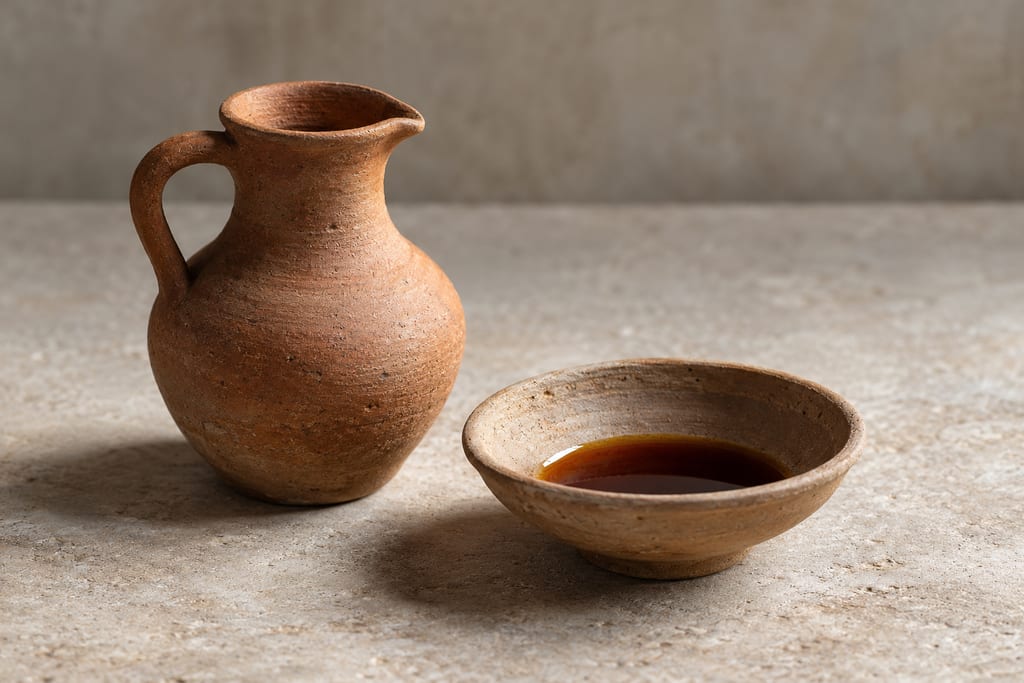
Garum, Greek garos and Latin liquamen, was the fish sauce of the ancient Mediterranean: fish and viscera salted and left in the sun, then drained off as a savoury liquid.
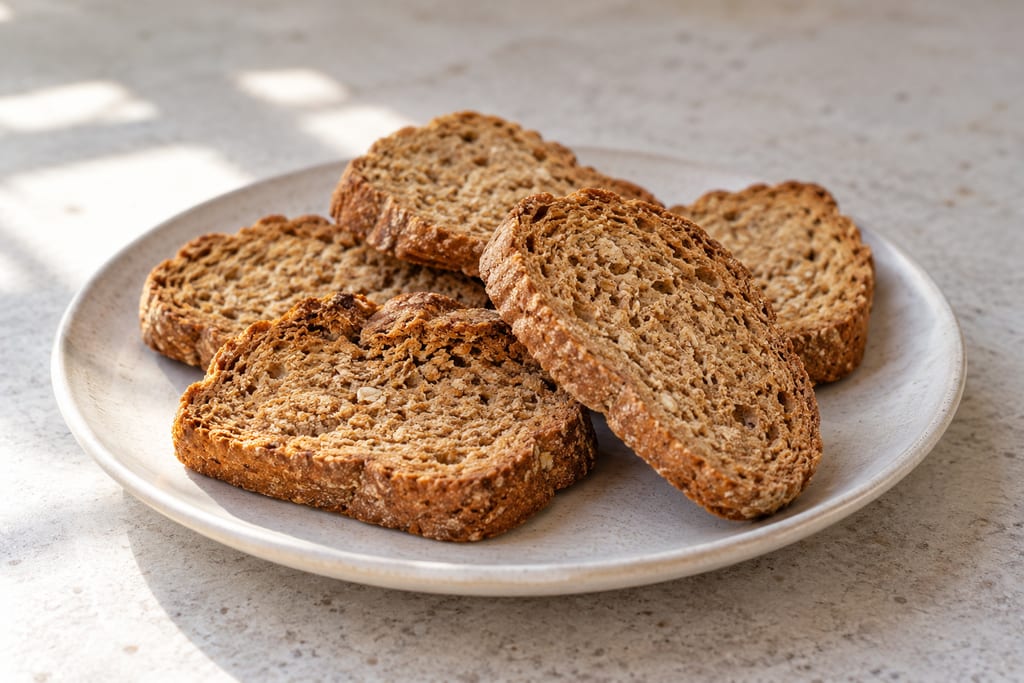
Elena Paravantes gives a modern 50/50 whole-grain barley and wheat rusk recipe, shaped as one scored loaf, baked, separated into slices and dried in a low oven. The second rise has no stated duration.
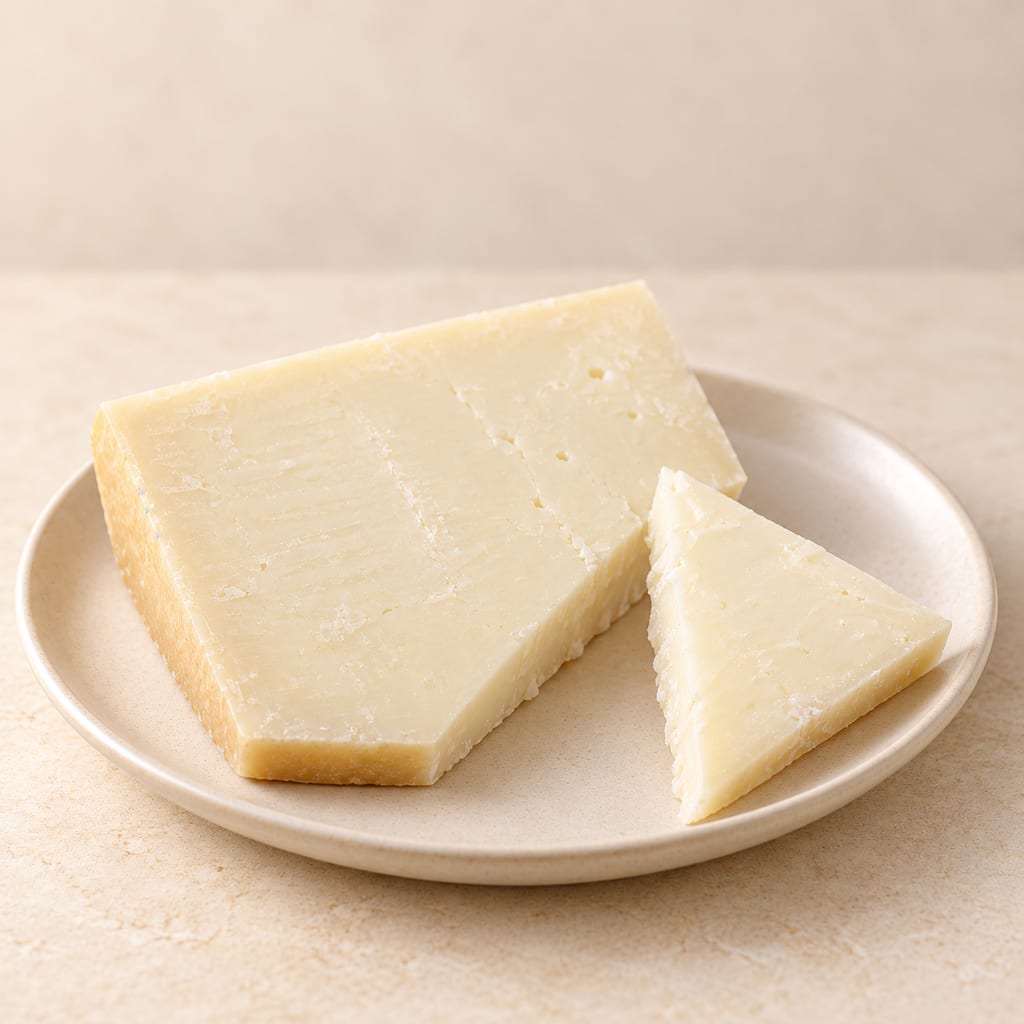
Kefalotyri is a hard sheep-and-goat-milk cheese made in Cyprus as well as Greece. This Cypriot method cooks and presses the curd, then brines, coats and matures the cheese.